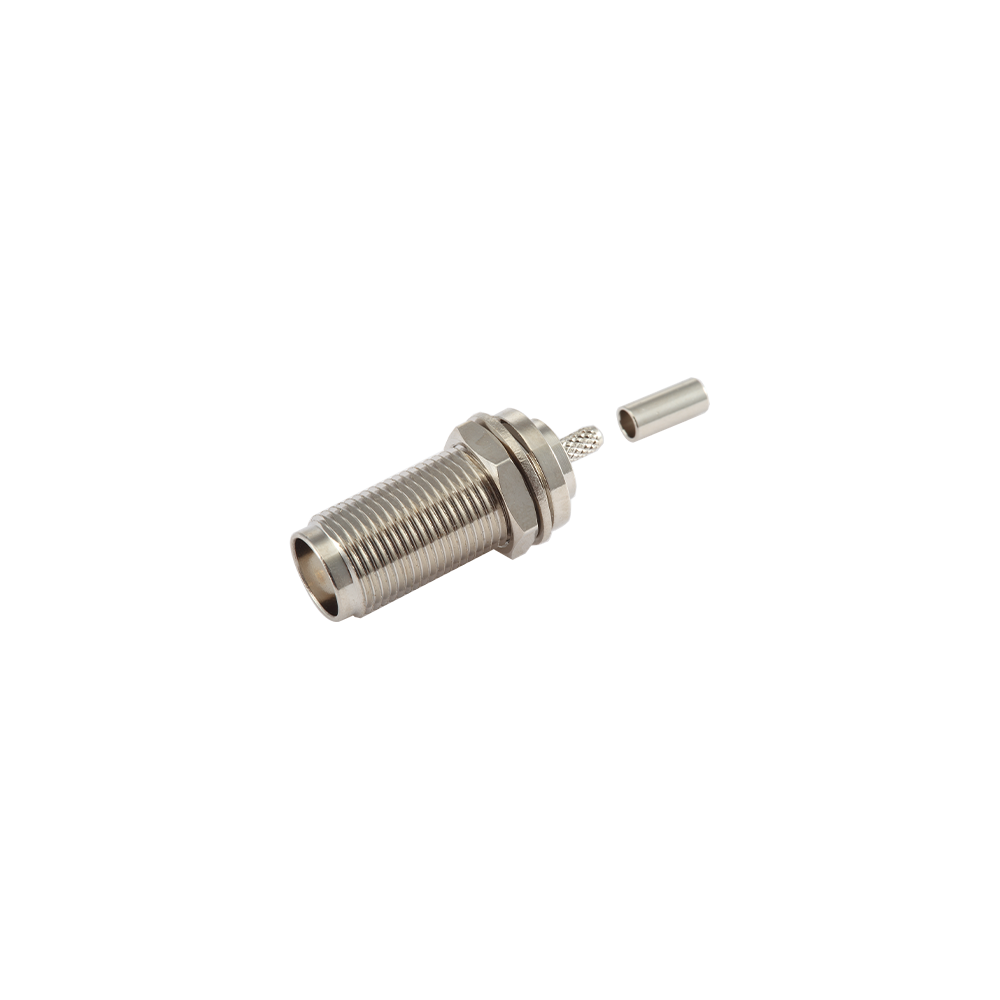
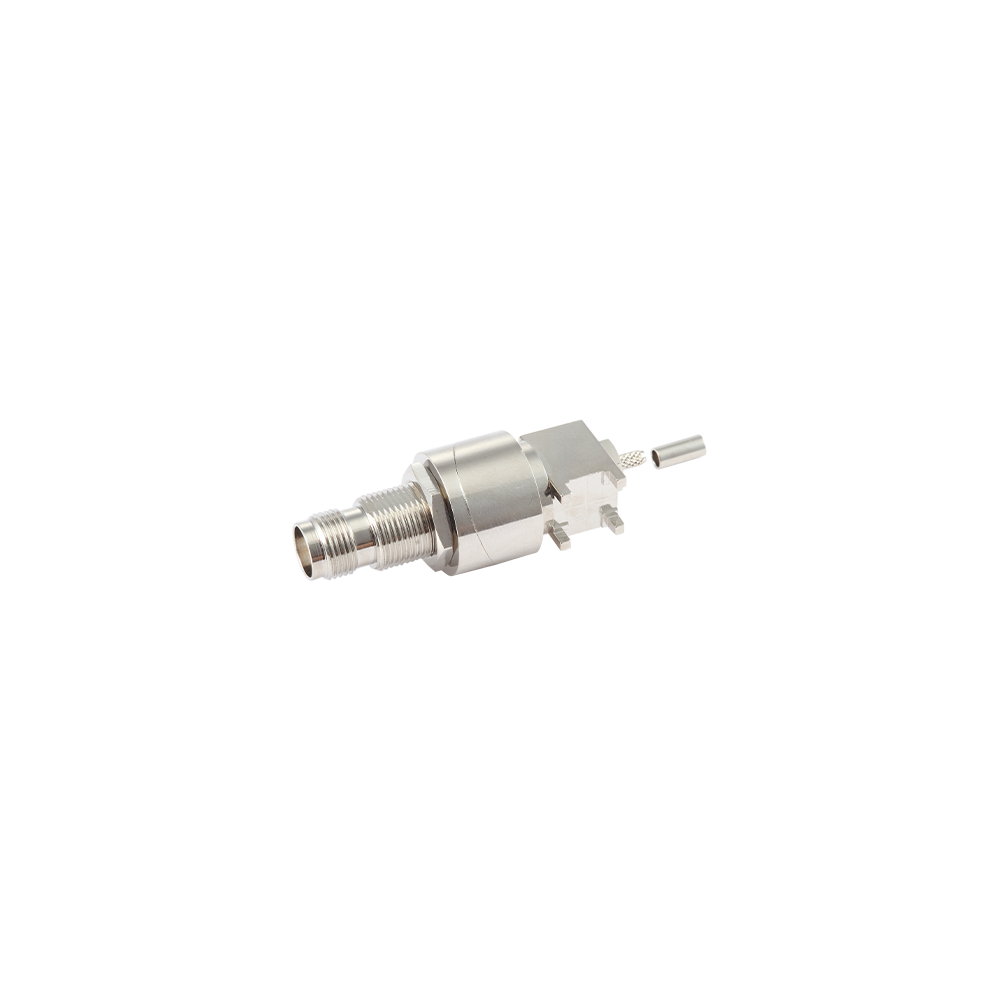
TNC Connectors for Flexible Cable Custom

Home / Products / Coaxial Connectors / TNC RF Coaxial Connectors / TNC Connectors for Flexible Cable

TNC Connectors for Flexible Cable Manufacturer

Product Overview
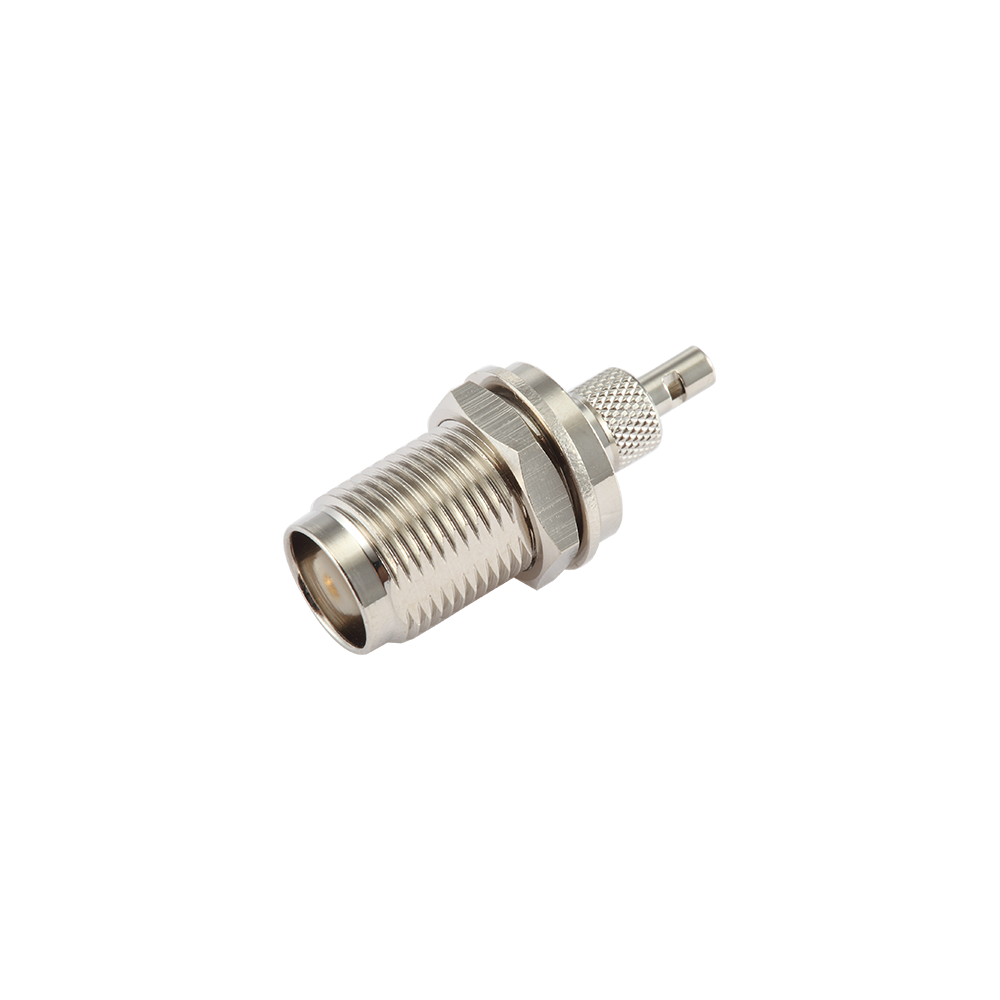
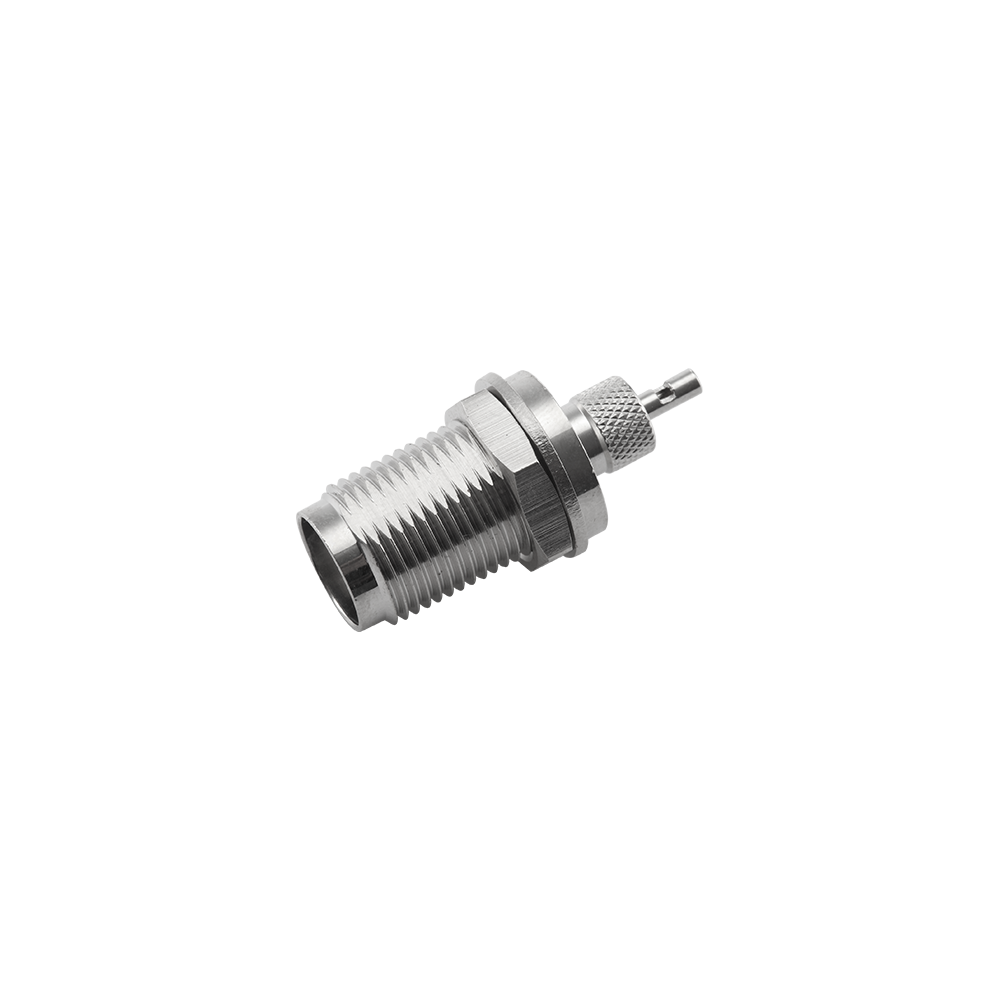
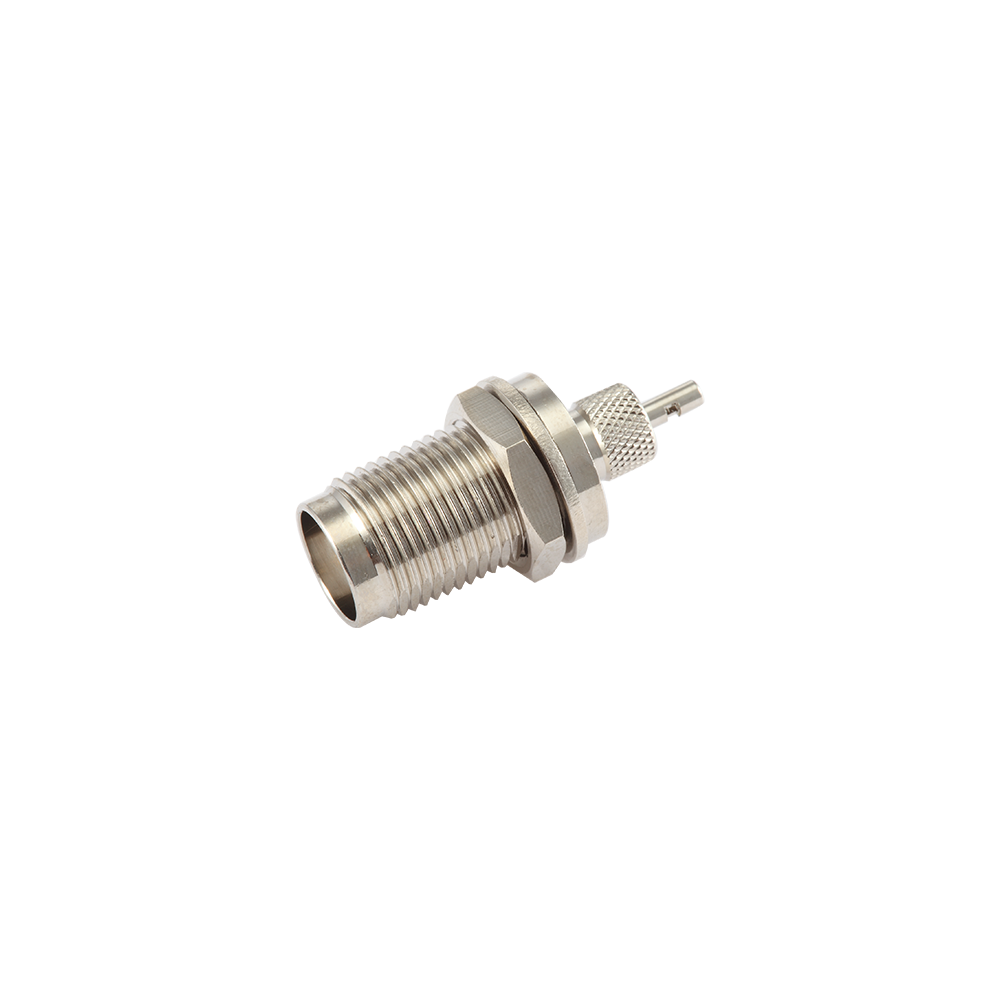
TNC Connectors for Flexible Cable are the workhorse of the TNC product family—the connector type most frequently specified in cable assemblies for base station jumper leads, antenna drop cables, test leads, and field-deployable communications equipment. Flexible coaxial cables offer the handling convenience that semi-rigid cable cannot provide: they route around obstacles, absorb vibration through compliance, and tolerate repeated coiling and uncoiling without mechanical fatigue.

The engineering challenge for flexible-cable TNC connectors is ensuring that the connection between the flexible cable's braided or foil-over-braid outer conductor and the connector's rigid outer body does not become a VSWR or insertion-loss anomaly over the connector's service life. Jingcheng's 2.5 series addresses this with a robust outer conductor termination system—crimp ferrule, clamping collet, or soldered braid, depending on configuration—combined with a cable strain relief that intercepts axial cable pull force before it reaches the RF interface.

Key Features
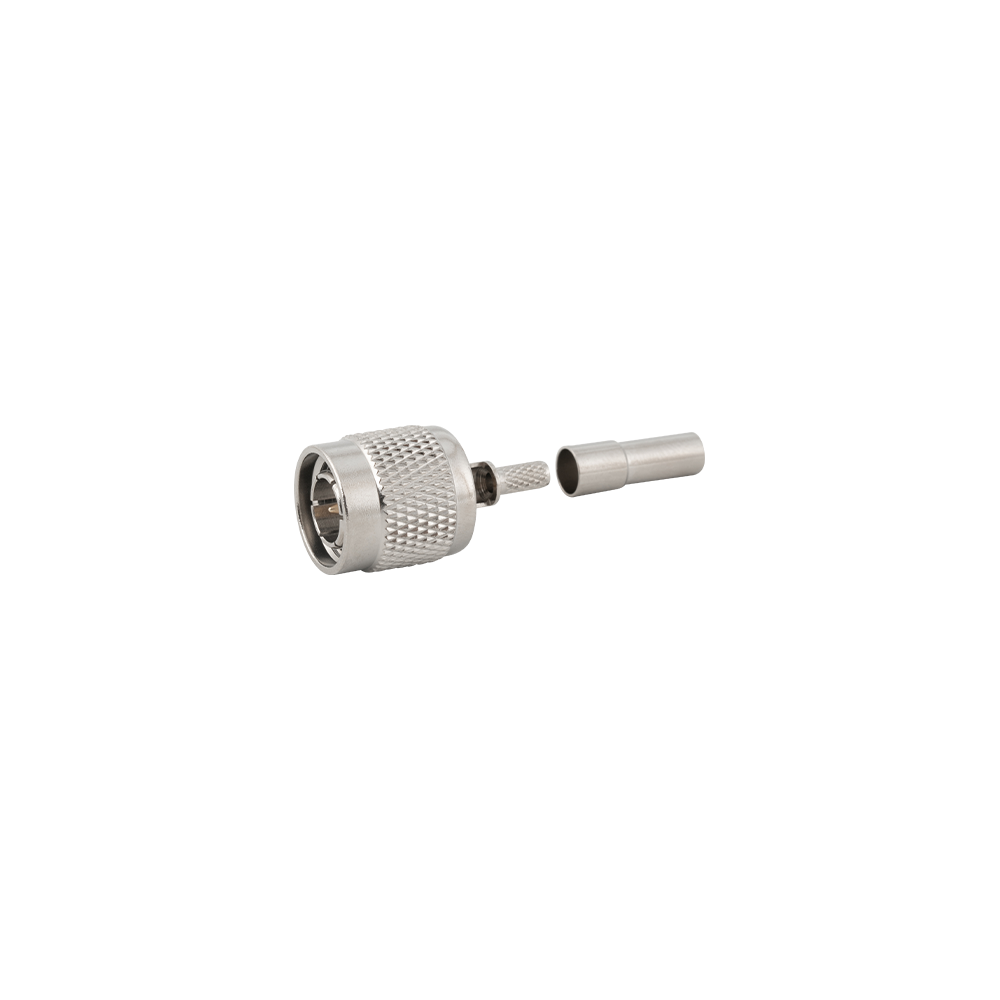
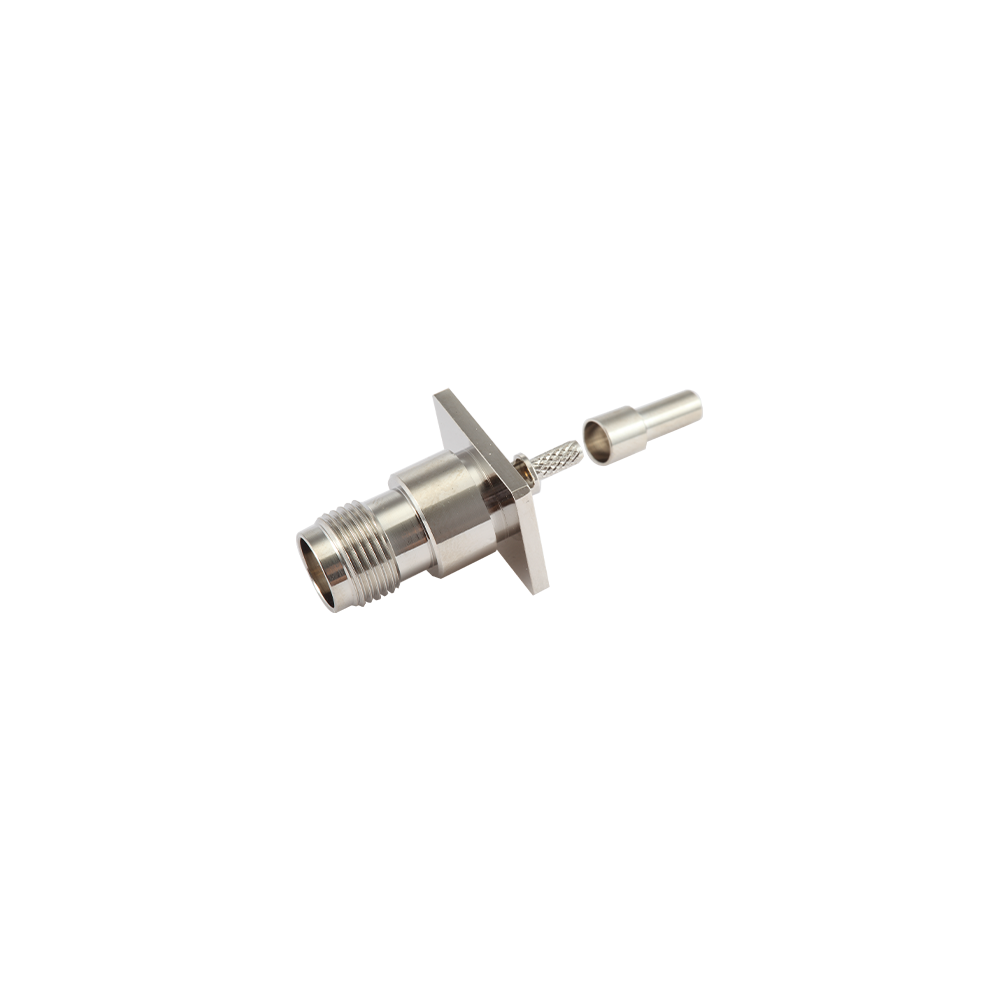
Three rear termination methods available: crimp (high-volume automated production), clamp (field repair, no specialist tools), and solder (hand assembly, lowest tooling cost for small quantities).
Cable compatibility spans RG-58, RG-141, RG-142, RG-223, RG-316, LMR-195, LMR-240, and equivalent civilian and military-spec flexible cable families—covering the most common choices in microwave system cable assemblies.
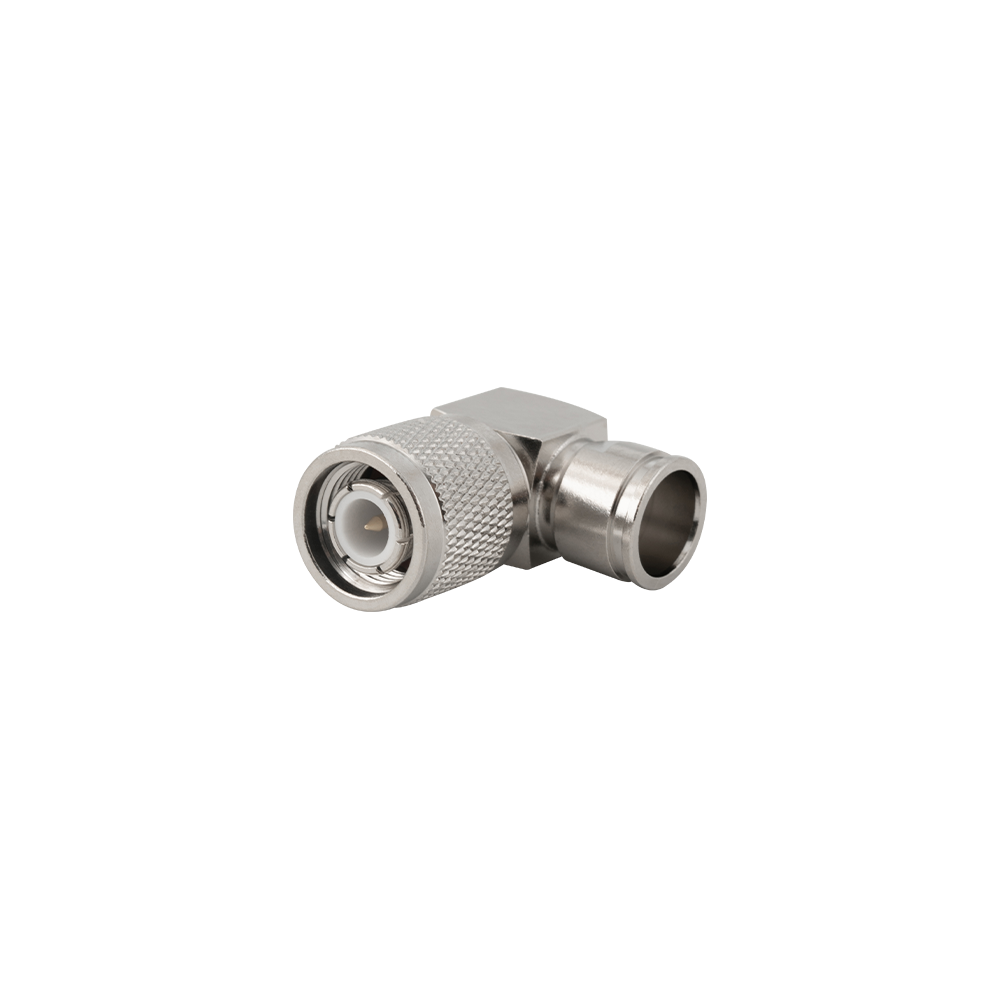
Straight and right-angle (90°) configurations; right-angle versions maintain VSWR ≤ 1.30 at 3 GHz while enabling compact cable routing in confined equipment bays.
Center contact soldering or crimping options; crimp center contact is preferred for high-volume production for its process repeatability and resistance to solder-void defects.
Full frequency performance to 11 GHz maintained across all cable and termination combinations; performance curves available in product datasheets.
Nickel, silver, and gold plating options on both body and center contact; tri-metal (gold-silver-nickel) plating available for high-reliability requirements.

Competitive Advantages
Jingcheng's flexible-cable TNC connector series is one of the highest-volume production lines in the factory, benefiting from mature tooling, stable process parameters, and consistent raw material supply chains developed over more than two decades—all of which translate to low defect rates and stable pricing for volume buyers.
Multi-cable compatibility within a single connector body style reduces SKU proliferation: one connector part number with different crimp ferrule options can cover four or more cable types, simplifying inventory management for cable assembly houses and EMS providers.
Comprehensive test documentation per customer specification—including 100% continuity testing, sampling-based VSWR and insertion loss measurement, and pull-out force testing per IEC 60512—is available as a standard quality deliverable for OEM and defense-supply-chain customers. 

Typical Applications
Base station antenna jumper cables and inter-unit RF connections
Shipborne and vehicular radio equipment antenna cables and inter-rack jumpers
Portable military radio handset and manpack antenna cables
Wireless LAN and private cellular in-building distribution cables
Test and measurement RF cable assemblies for calibration kits and VNA accessories
Radar system interconnect cables between subsystems within equipment shelters

FAQ
Q: How do I select between crimp, clamp, and solder termination for my cable assembly application?
A: Crimp termination is recommended for production volumes above a few hundred pieces per batch, as it offers the best process consistency and is amenable to automated assembly. Clamp (mechanical) termination is preferred for field repair kits and assemblies that will be re-terminated in the field without specialized tooling. Solder termination is suitable for low-volume, high-mix assembly where tooling investment is not justified.
Q: What is the rated pull-out force for the crimp termination version?
A: Minimum pull-out force for crimp-terminated versions on standard RG-58 cable is ≥ 50 N per our internal qualification test (IEC 60512-2-10 method). For larger cable diameters (e.g., LMR-240), the value is proportionally higher. Specific values per cable type are listed in the connector datasheet and production test report.
Q: Is a field-repairable (no-crimp) TNC connector available for military forward maintenance?
A: Yes. Clamp-type and solder-type TNC connectors for flexible cable are both field-repairable using basic tools (knife, soldering iron, or cable clamp tool). These versions are routinely included in forward maintenance spares kits for military and government communications customers.
Q: Can I obtain the connector in both standard and reverse-polarity (RP-TNC) versions for flexible cable?
A: Yes. RP-TNC (reverse polarity, where plug has female center contact and jack has male center contact) versions for flexible cable are available in the 2.5 series. These are commonly specified for WiFi and WLAN antenna connections per the FCC Part 15 antenna port security convention.

Temperature Range

-55~+155℃

Impedance

50Ω

Frequency Range

DC~11GHz

Insulation resistance

≥5000MΩ

Insertion loss

≤0.20 dB/1GHz

VSWR

Straight ≤1.22/3GHz

Right angle

≤1.30/3GHz

Durability(mating)

≥500 (cycles)

About
Yangzhou Jingcheng Electronics Co., Ltd.

Yangzhou Jingcheng Electronics Co., Ltd., a premier China TNC Connectors for Flexible Cable Manufacturer and TNC Connectors for Flexible Cable Supplier, was founded in 1999. It is a high-tech enterprise specializing in the R&D and manufacturing of RF coaxial connectors, cable assemblies, and passive microwave components.
Equipped with a comprehensive R&D and production system, the company has obtained international certifications including ISO9001. Adhering strictly to standards such as MIL, IEC and GB, we offer over 30 product series with more than 2,000 specifications, covering SMA, BNC, N-type and other mainstream models. Our products are widely applied in the fields of communications, aerospace, automotive electronics and beyond, and exported to many countries and regions across Europe, America and Asia.
We uphold the tenet of "Quality as the Foundation, Customers as the Core", committed to providing reliable interconnection solutions and professional services for global clients.

TNC Connectors for Flexible Cable Industry knowledge

TNC Connectors for Flexible Cable are terminated onto standard flexible coaxial cable to form cable assemblies used in mobile communication equipment, vehicle-mounted radios, and portable RF systems. Because flexible cable is routed, bent, and occasionally flexed during installation and use, TNC Connectors for Flexible Cable combine a cable-matched crimp or clamp termination at the rear with the threaded coupling nut of the TNC interface at the front, so that the connector-to-cable joint and the connector-to-connector mating point both maintain a stable connection as the cable assembly is handled. This category is generally selected together with flexible cable in applications where the threaded TNC mating interface is required for vibration resistance at the point of connection.

Termination Methods and Core Features

  • Crimp termination: A crimp ferrule and crimp pin attach the connector to the cable braid and center conductor, suited to volume production of cable assemblies.
  • Clamp/screw-on termination: A clamp nut secures the cable jacket and braid without soldering, allowing field assembly with basic hand tools where a factory crimp tool is not available.
  • Strain relief at the cable joint: A rear boot or strain-relief sleeve reduces flexing stress at the connector-to-cable transition point, which is relevant since flexible cable assemblies are subject to repeated bending during handling.
  • Threaded mating retention: The front TNC coupling nut keeps the cable assembly securely mated even as the flexible cable is moved or repositioned during use.
  • Cable size matching: Connector bore diameter and ferrule dimensions correspond to specific flexible cable groups such as RG58, RG213, and low-loss flexible cable types.

Common Types by Cable Compatibility

Selection of TNC Connectors for Flexible Cable typically starts from the cable group the connector is designed to accept, since connector bore size and termination process differ across cable types.

Common flexible cable groups and corresponding TNC connector characteristics
Cable Group Cable Diameter Range Common Termination Typical Use
RG58 type Medium diameter, thin cable Crimp General test cable assemblies
RG213 type Larger diameter Clamp / screw-on Longer cable runs, lower attenuation needs
Low-loss flexible cable Larger diameter, low-loss dielectric Crimp or clamp Antenna feed cables, extended cable runs
Thin flexible jumper cable Small diameter Crimp Internal module jumpers, compact devices

Application Scenarios

  • Antenna feed cable assemblies for vehicle-mounted and mobile communication equipment;
  • Portable test and measurement cable assemblies requiring a secure threaded connection;
  • Field-assembled RF cabling for temporary or outdoor communication setups;
  • GSM, CDMA, and GPS antenna cable connections in wireless network installations;
  • Internal jumper cables within instrumentation enclosures subject to periodic movement or servicing.

Selection Guidelines

  1. Cable compatibility: Confirm that the connector's bore, ferrule, and contact dimensions match the outer diameter and construction of the specific flexible cable being used.
  2. Termination method: Choose crimp or clamp termination based on production volume, available tooling, and whether field assembly is required.
  3. Frequency and impedance: Verify the connector's frequency range and 50 ohm impedance align with the signal requirements of the application.
  4. Strain relief needs: For cable assemblies subject to repeated flexing or routing around tight corners, a strain-relief boot helps reduce stress at the connector-to-cable joint.
  5. Vibration exposure at the mating point: Where the cable assembly is used in vehicle-mounted or mobile equipment, the threaded coupling of TNC Connectors for Flexible Cable is a relevant factor compared with bayonet-style connectors.

Crimp vs Clamp Termination Comparison

Comparison between crimp and clamp termination for flexible cable TNC connectors
Comparison Item Crimp Termination Clamp Termination
Assembly speed Fast, suited to volume production Moderate
Tooling requirement Crimp tool required Basic hand tools
Field assembly suitability Moderate Higher
Typical application Mass-produced cable assemblies On-site or field cable termination

Frequently Asked Questions

Q1: Why is strain relief particularly relevant for TNC flexible cable assemblies?

Flexible cable is routed and occasionally bent during installation and use, and a strain-relief boot at the connector-to-cable transition reduces the flexing stress concentrated at that joint, helping maintain a stable connection over repeated handling.

Q2: Can the same TNC connector be used with different flexible cable diameters?

A given TNC Connectors for Flexible Cable design is generally matched to a specific cable outer diameter and dielectric size. Using a mismatched cable diameter can result in a loose fit or an unreliable crimp or clamp joint.

Q3: Does the threaded TNC coupling reduce the need for strain relief on the cable?

The threaded coupling nut secures the mating interface between two connectors, but it does not reduce the mechanical stress at the connector-to-cable joint. Strain relief remains a separate consideration for the cable side of the assembly.

Q4: Which termination method is better suited to field cable assembly?

Clamp or screw-on termination is generally more practical for field assembly since it does not require crimping equipment, while crimp termination is more commonly used in factory or volume production settings.

Manufacturing Note

Yangzhou Jingcheng Electronics Co., Ltd was founded in 1999 and specializes in the design, development, production, and sales of RF coaxial connectors and 0~50GHz high-frequency cable and cable assemblies, covering BNC, TNC, N, SMA, 2.92, 2.4, 1.85, and other connector series. For TNC Connectors for Flexible Cable, dimensional matching between the connector bore, ferrule, and cable construction is a relevant factor in assembly consistency, and the company's precision testing equipment supports verification across different cable groups and termination methods.