SSMC RF Coaxial Connectors Wholesale

Home / Products / Coaxial Connectors / SSMC RF Coaxial Connectors

SSMC RF Coaxial Connectors Manufacturer

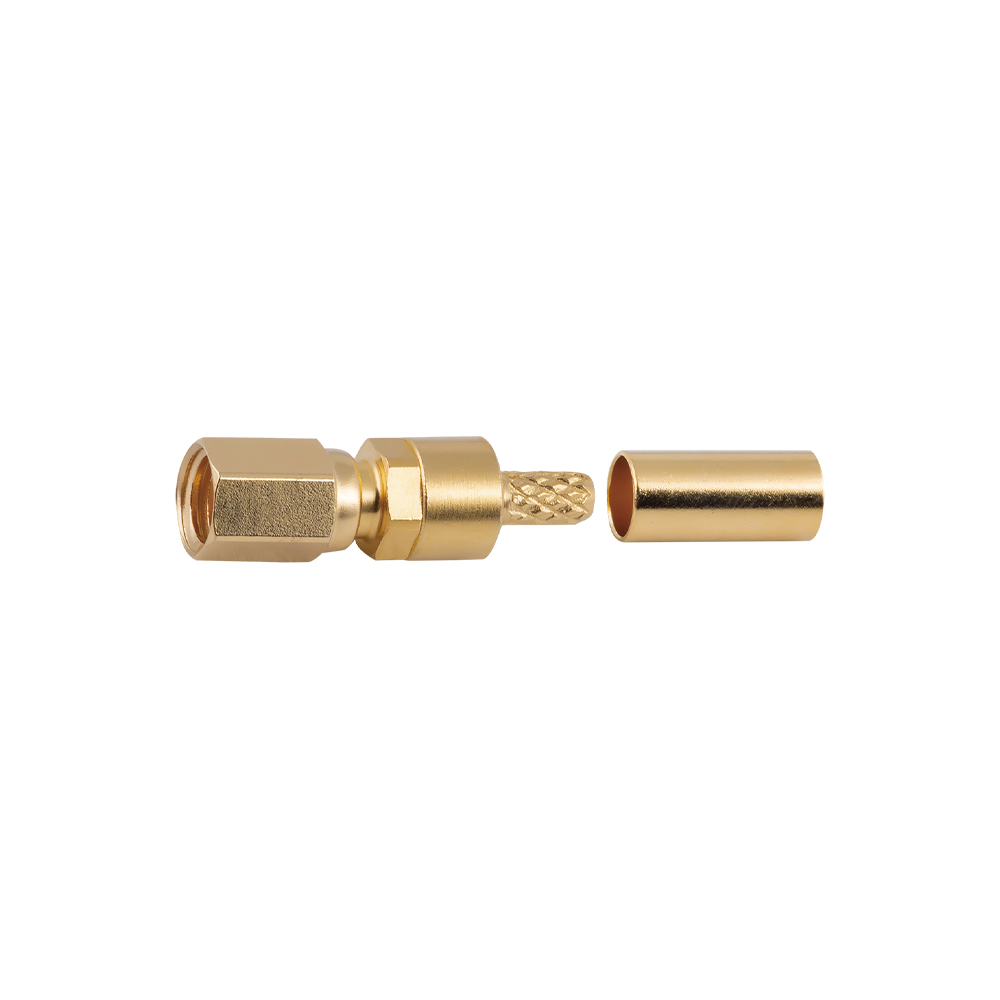
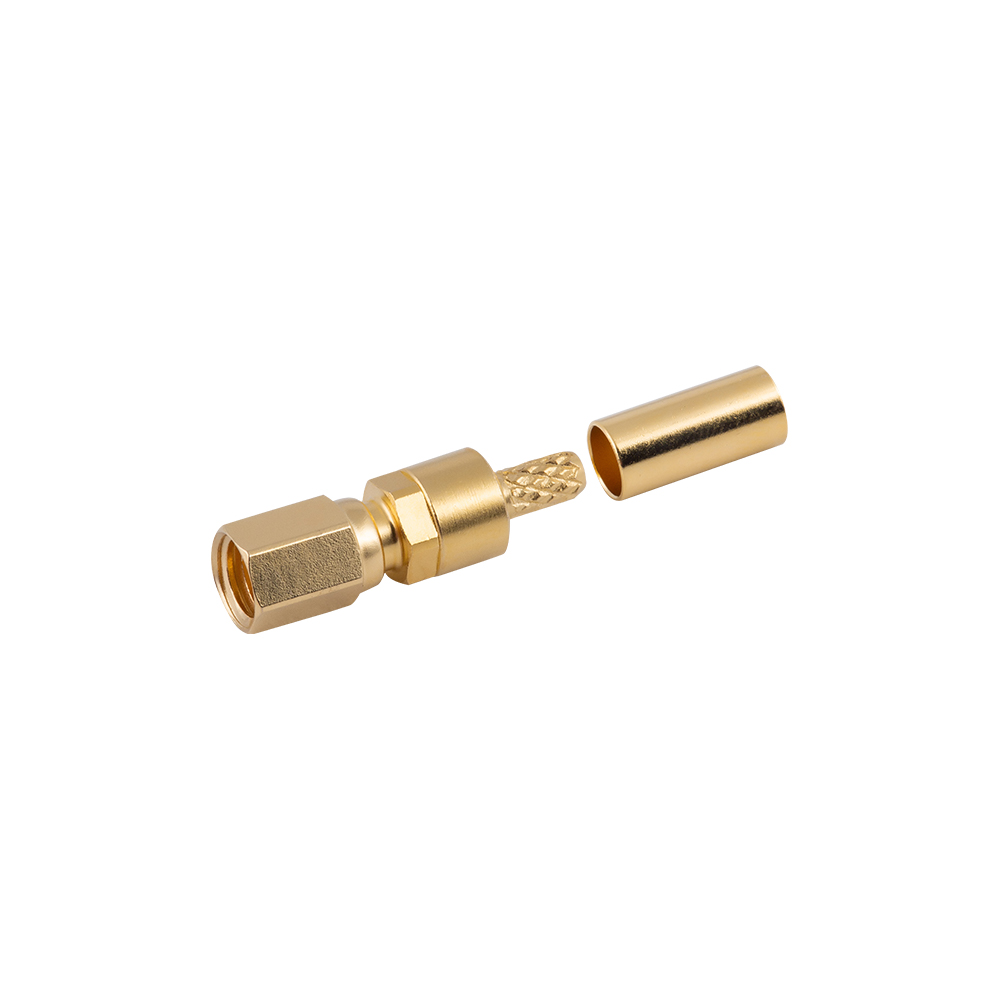
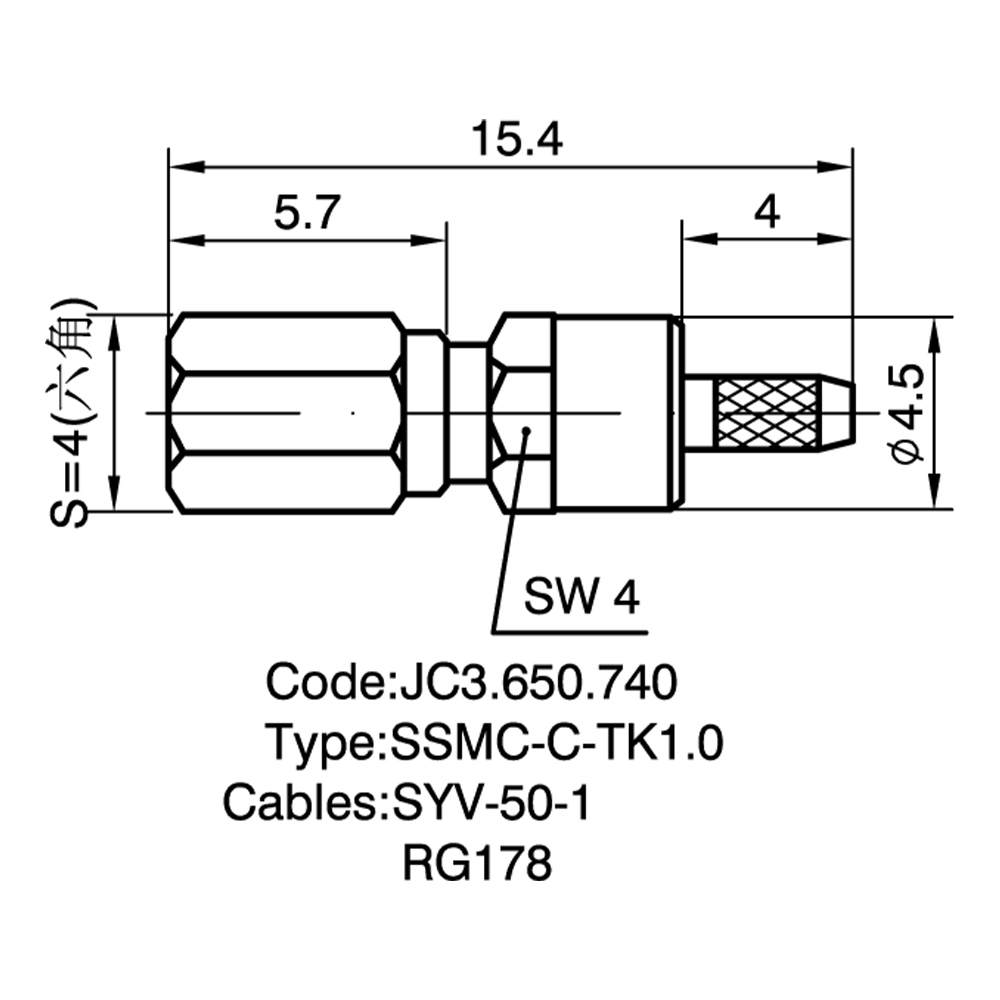
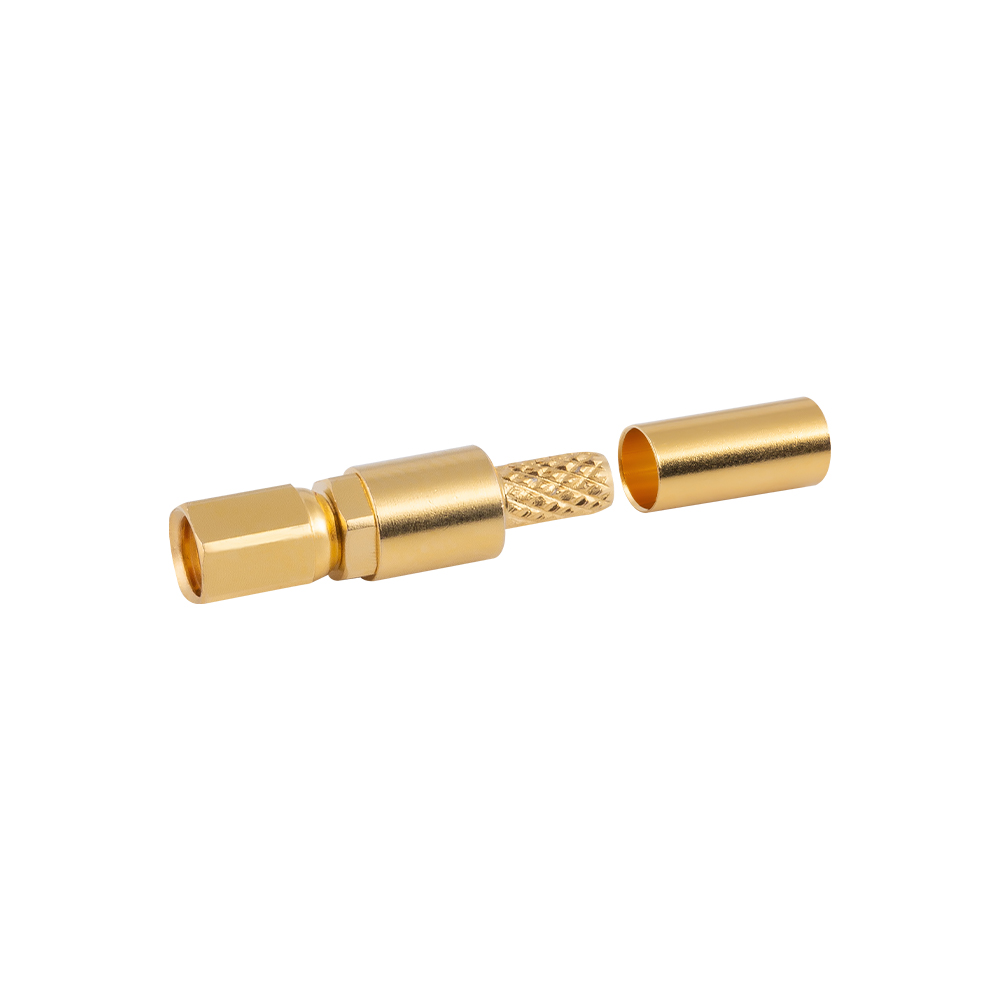
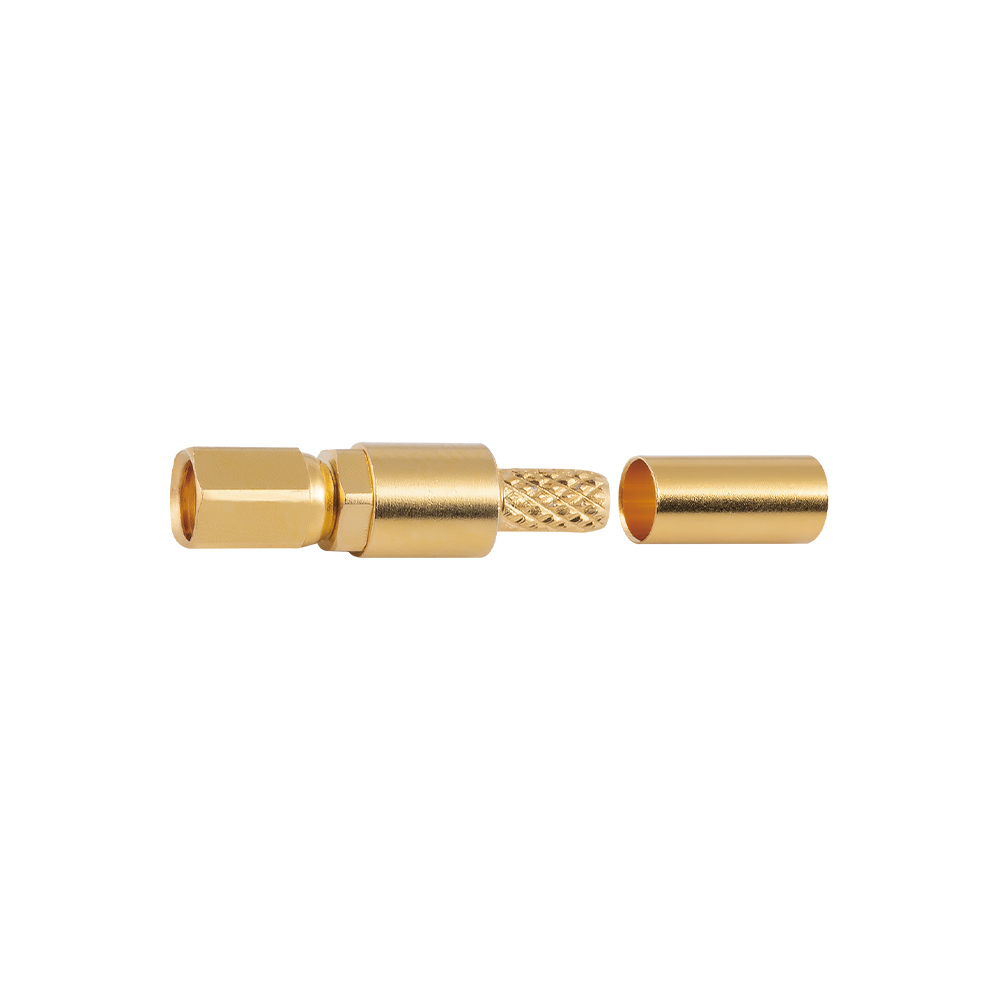
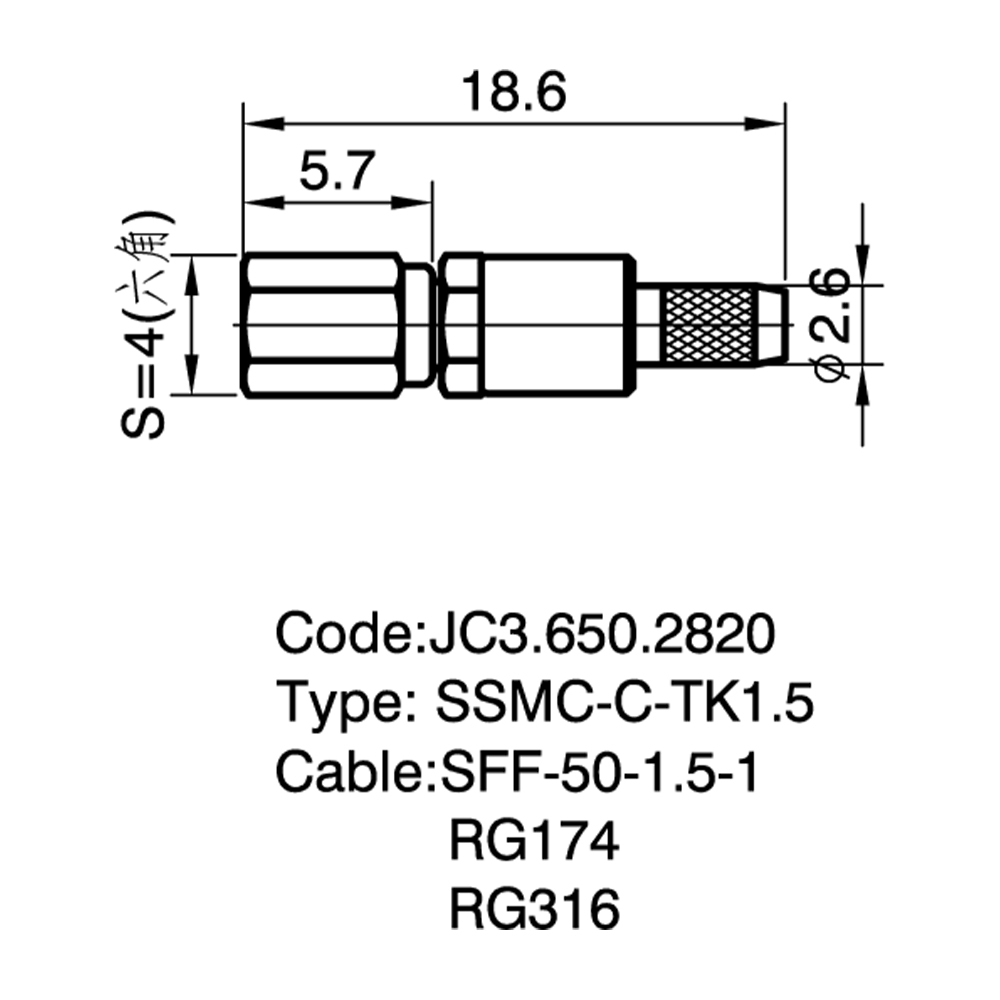
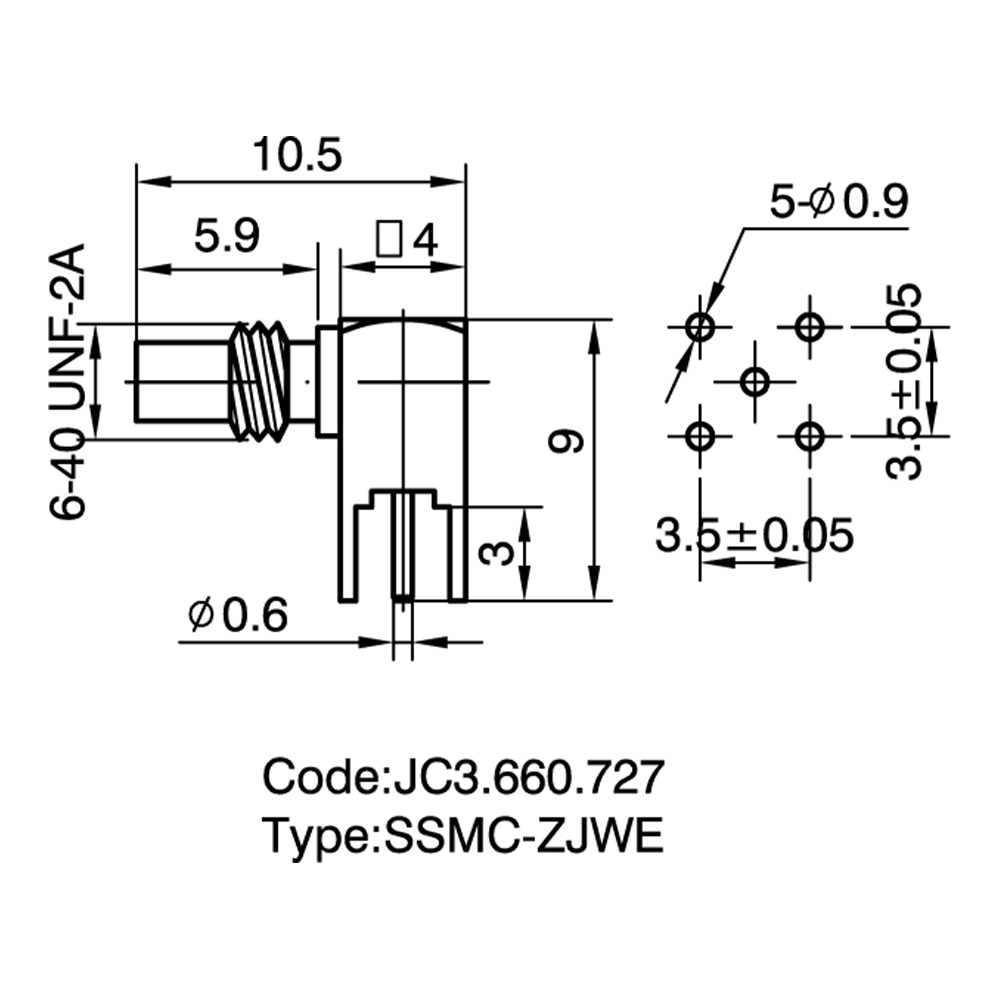
TYPE SSMC is one kind of microminiature RF coaxial connector with screw Coupling mechanism, Characteristic impedance is 50Ώ.The Characteristic of connector is in small volume, light weight, reliable Connection, great vibration performance.
They are used in connection with RF coaxial Cable in electronic equipment or Unit of miniaturized building blocks.

Temperature  Range

-55~+155℃

Impedance

50Ω

Frequency Range

DC~6GHz

Insulation resistance

≥1000MΩ

Voltage Standing Wave Ratio (VSWR)

 Straight DC~1GHz≤1.15;1~3GHz≤1.25


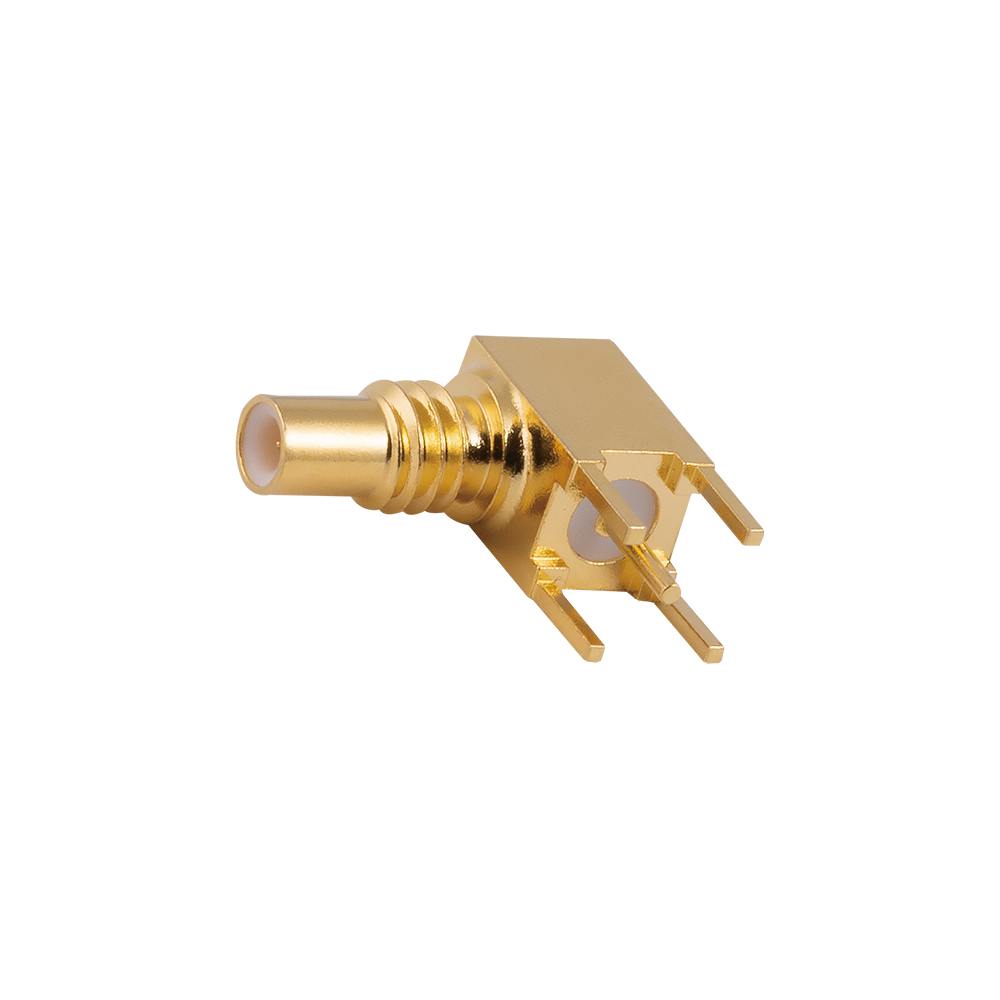
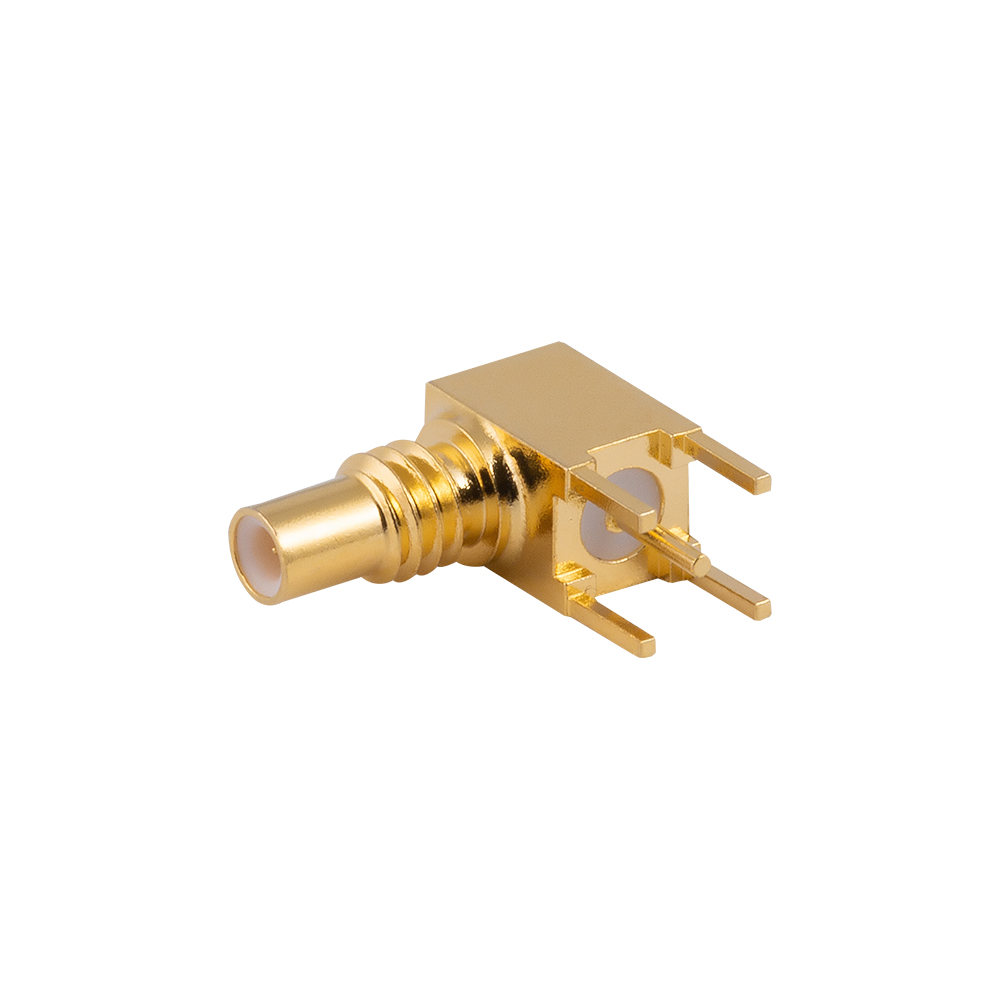
 Curved Right  angle  DC~1GHz≤1.20;1~3GHz≤1.35

 Durability(mating)

≥500cycles

About
Yangzhou Jingcheng Electronics Co., Ltd.

Yangzhou Jingcheng Electronics Co., Ltd., a premier China SSMC RF Coaxial Connectors Manufacturer and SSMC RF Coaxial Connectors Factory, was founded in 1999. It is a high-tech enterprise specializing in the R&D and manufacturing of RF coaxial connectors, cable assemblies, and passive microwave components.
Equipped with a comprehensive R&D and production system, the company has obtained international certifications including ISO9001. Adhering strictly to standards such as MIL, IEC and GB, we offer over 30 product series with more than 2,000 specifications, covering SMA, BNC, N-type and other mainstream models. Our products are widely applied in the fields of communications, aerospace, automotive electronics and beyond, and exported to many countries and regions across Europe, America and Asia.
We uphold the tenet of "Quality as the Foundation, Customers as the Core", committed to providing reliable interconnection solutions and professional services for global clients.

News & Updates
50 Ohm Coax Cable Explained: What It Means, Why It Matters, and How to Choose
Industry News
2026-09-11
50 Ohm Coax Cable Explained: What It Means, Why It Matters, and How to Choose
A 50 ohm coax cable is a transmission line with a characteristic impedance of 50 ohms, and it is the default choice in most RF systems because it balances low signal loss with reasonable power-handling capability. The “50 ohm” rating does not refer to a DC resistance you can measure with a multimeter; it describes ho...
12G BNC Connector Guide: 75-Ohm Coaxial Connectors for 4K and 8K SDI Video Systems
Industry News
2026-09-04
12G BNC Connector Guide: 75-Ohm Coaxial Connectors for 4K and 8K SDI Video Systems
A 12G BNC connector is a 75-ohm RF coaxial connector engineered to carry 12G-SDI signals up to 12 Gbps, supporting 4K and 8K video over a single cable. It is not merely a "standard BNC" with a different part number; its electrical performance, mechanical tolerances, and shielding design are optimized for the higher d...
Antenna Connector Types: SMA vs N Type vs TNC vs BNC vs RP-SMA Complete Guide
Industry News
2026-08-24
Antenna Connector Types: SMA vs N Type vs TNC vs BNC vs RP-SMA Complete Guide
Choosing an antenna connector is one of those small decisions that can make or break an RF installation. Get it right, and the system performs almost invisibly; get it wrong, and you lose signal before power even reaches the antenna. For nearly every radio, Wi-Fi access point, cellular modem, or IoT gateway, the main...
Coaxial Cable Selection Guide: Choosing Cable, Connectors, and RF Performance
Industry News
2026-08-21
Coaxial Cable Selection Guide: Choosing Cable, Connectors, and RF Performance
An RF engineer once told me that most field failures are not component failures; they are selection failures. Selecting a coaxial cable starts with three decisions: characteristic impedance, cable size, and connector family. Get these three right and the rest of the design has a predictable signal path. Get one wrong...
SSMC RF Coaxial Connectors Industry knowledge

SSMC RF Coaxial Connectors are sub-miniature, snap-on style interconnects used to terminate and join coaxial cables in high-frequency signal paths. Compared with threaded miniature series, SSMC RF Coaxial Connectors use a push-on/snap-on mating mechanism, which shortens assembly time in space-constrained, high-density board and module designs. This connector family typically operates at a nominal impedance of 50 ohms and covers a broad frequency range from DC up to 10 GHz, making it suitable for RF modules, test fixtures, telecommunication equipment, and instrumentation where compact footprint and repeatable electrical performance are required. As a supplier of RF interconnect components, Yangzhou Jingcheng Electronics Co., Ltd. (JC Company) manufactures SSMC connectors together with related cable assemblies, adapters and antenna products, supporting both standard and customized configurations.

Common Types and Characteristics

Type Mounting/Termination Coupling Typical Frequency Range Notes
SSMC Straight Plug/Jack Cable-to-cable, cable-to-board Snap-on DC–10 GHz General-purpose RF interconnection
SSMC Right Angle PCB mount Snap-on DC–8 GHz Used where board space or height is limited
SSMC Bulkhead/Panel Mount Chassis/panel Snap-on DC–8 GHz Front or rear panel feedthrough applications
SSMC End Launch (PCB) PCB edge mount Snap-on DC–10 GHz Direct board-edge signal transition

Comparison with Related Connector Series

Series Coupling Mechanism Relative Size Typical Frequency Range Typical Application
SSMC Snap-on Sub-miniature DC–10 GHz High-density board/module interconnection
SMA Threaded Miniature DC–18/26.5 GHz General RF, test and measurement
MCX Snap-on Micro DC–6 GHz Space-limited consumer/mobile devices
SMP Push-on (blind-mate) Sub-miniature DC–40 GHz Blind-mate board-to-board assemblies

Application Scenarios

  • RF and microwave test equipment requiring frequent, tool-free connect/disconnect cycles
  • Telecommunication base station modules and RF subsystems
  • High-density PCB layouts where SMA or TNC footprints do not fit
  • Instrumentation, avionics and defense-related RF signal routing
  • Internal cable assemblies within RF enclosures

Selection Points

Parameter Consideration
Frequency Range Confirm the operating frequency of the system falls within the connector's rated range
Impedance Match connector impedance (typically 50 ohms) with the cable and system impedance
Mounting Style Select straight, right angle, bulkhead, or PCB end-launch based on layout constraints
Cable Compatibility Verify cable type and diameter compatibility for stable termination
Mating Cycles Consider expected number of connect/disconnect cycles in the application
Environmental Requirements Check operating temperature range and any sealing or ruggedization needs

Frequently Asked Questions

Question Answer
What does SSMC stand for? SSMC refers to Sub-Sub-Miniature C, a snap-on style RF coaxial connector derived from the SMC series with a reduced footprint.
How does SSMC differ from SMC? SMC connectors use a threaded coupling nut, while SSMC connectors use a snap-on mechanism and a smaller physical size for higher-density layouts.
What is the standard impedance of SSMC connectors? SSMC connectors are typically designed for 50-ohm systems, consistent with most RF coaxial applications.
What frequency range do SSMC connectors support? Standard SSMC connectors generally cover DC up to approximately 10 GHz, depending on the specific design and cable used.
Can SSMC connectors be customized? Yes. Body plating, cable termination type, mounting configuration and dimensional details can be adjusted according to application requirements.

Manufacturing and Quality

SSMC RF Coaxial Connectors from JC Company are produced using CNC machining and tested with network analyzers to verify return loss and insertion loss performance prior to shipment. Production follows ISO9001 and ISO14001 management systems, along with RoHS compliance, and design/inspection references domestic and international standards including GB, JB, GY, MIL-C and IEC. Beyond the SSMC series, JC Company's product range covers SMA, SMP, MCX, MMCX, N, BNC, TNC and other RF coaxial connector types, adapters, cable assemblies and antenna products, supporting engineering teams from prototype to volume production.