UHF Connectors Flange Mount Connectors Custom

Home / Products / Coaxial Connectors / UHF RF Coaxial Connectors / UHF Connectors Flange Mount Connectors

UHF Connectors Flange Mount Connectors Manufacturer

Product Overview
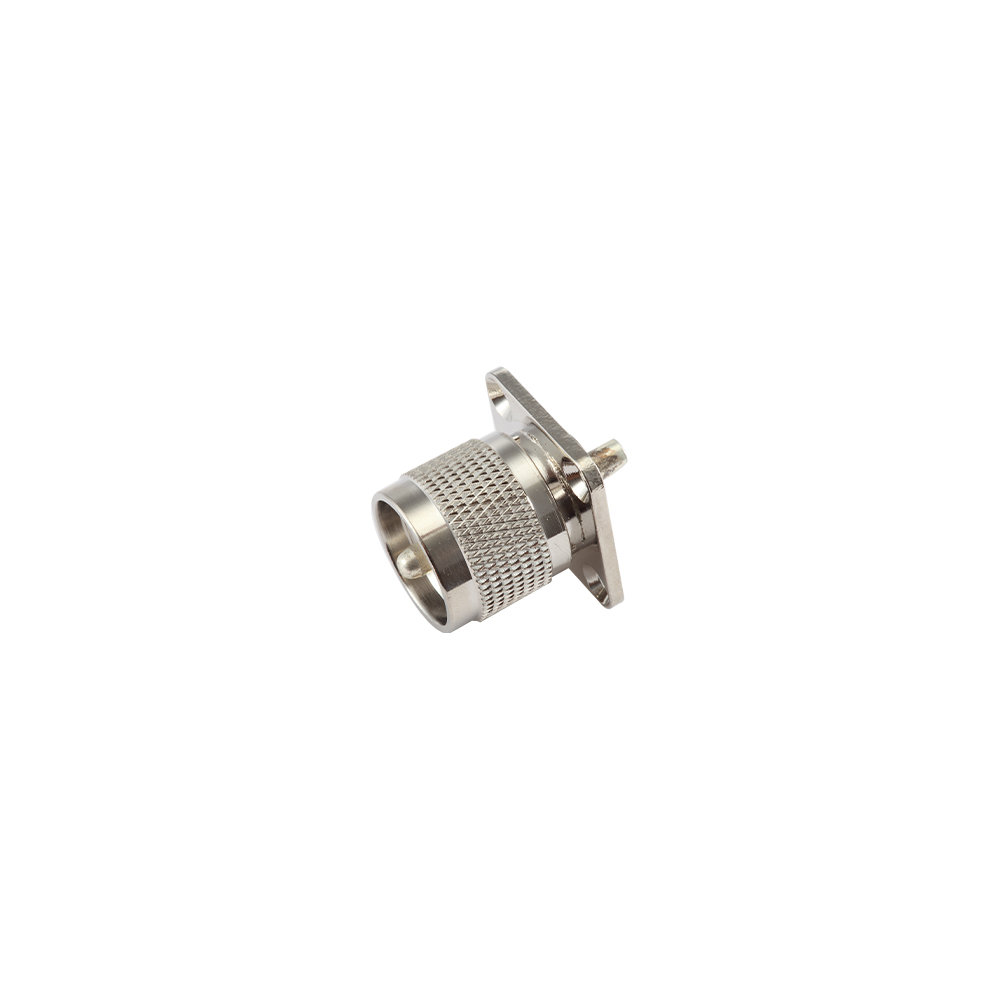
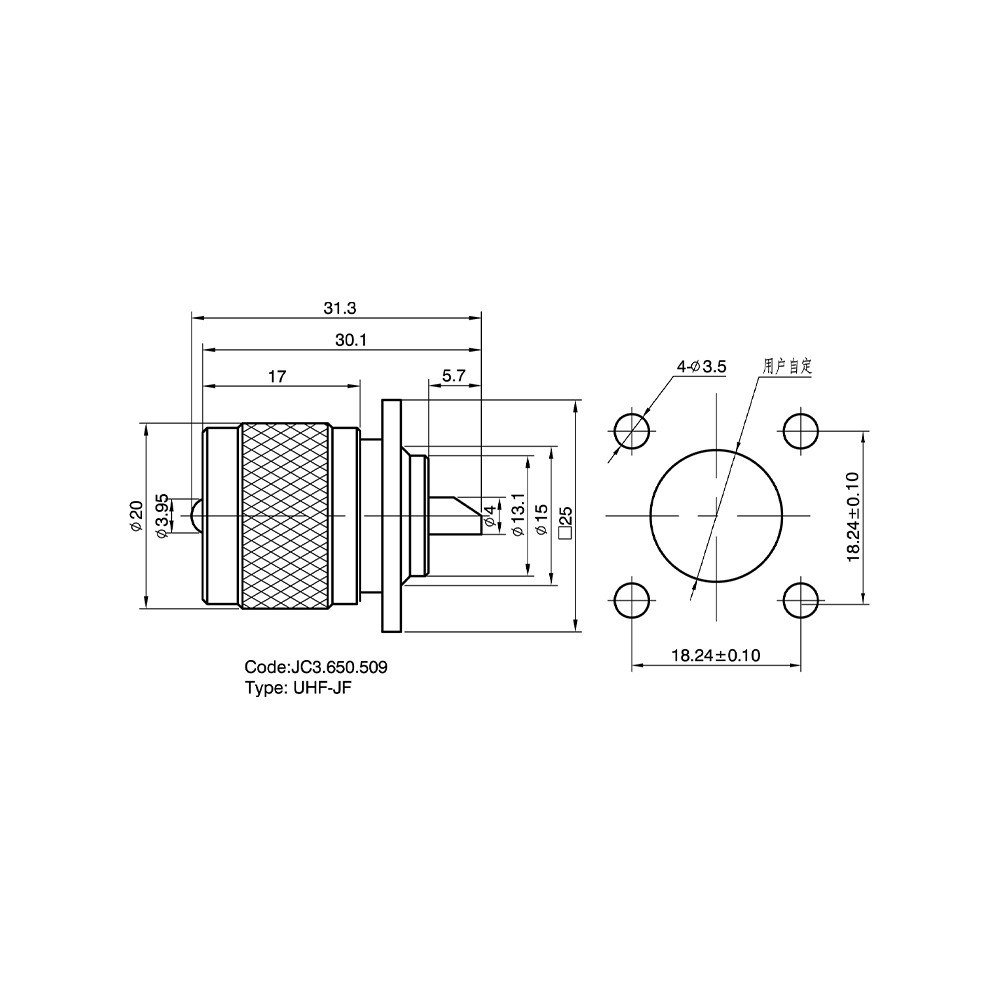
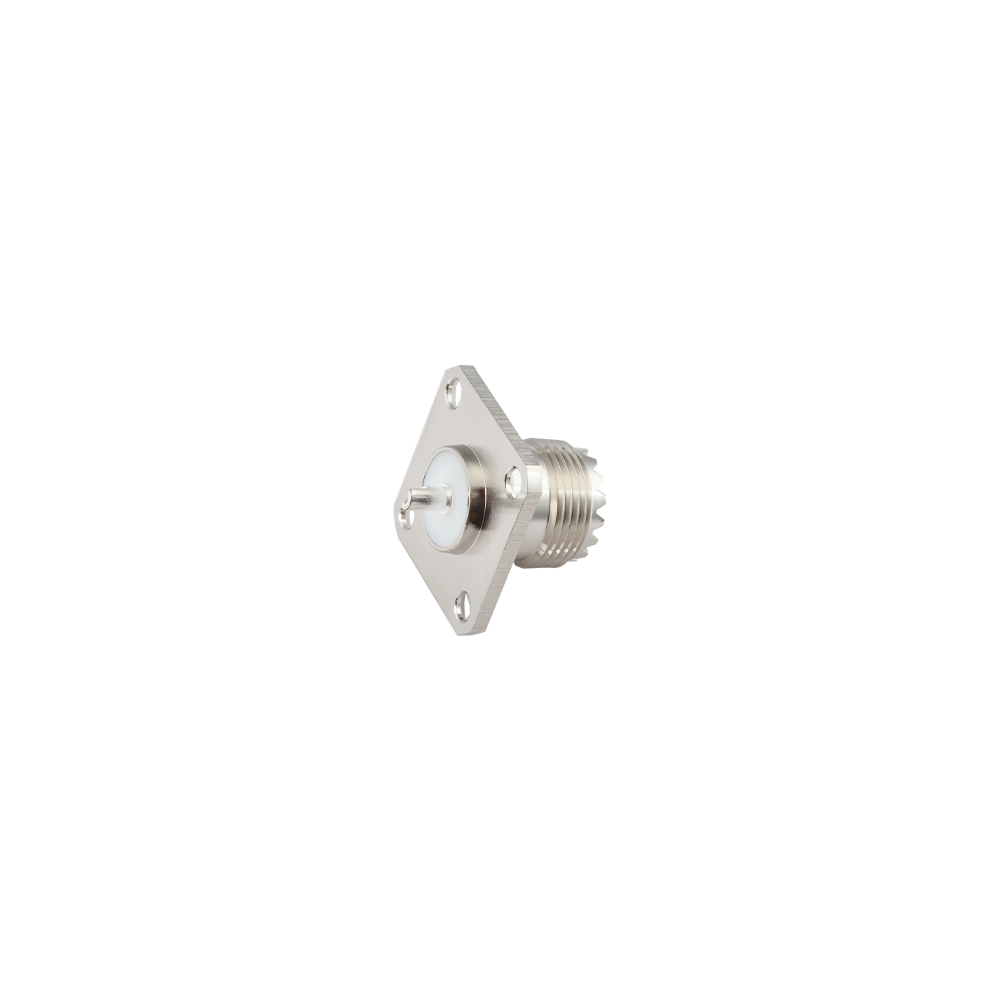
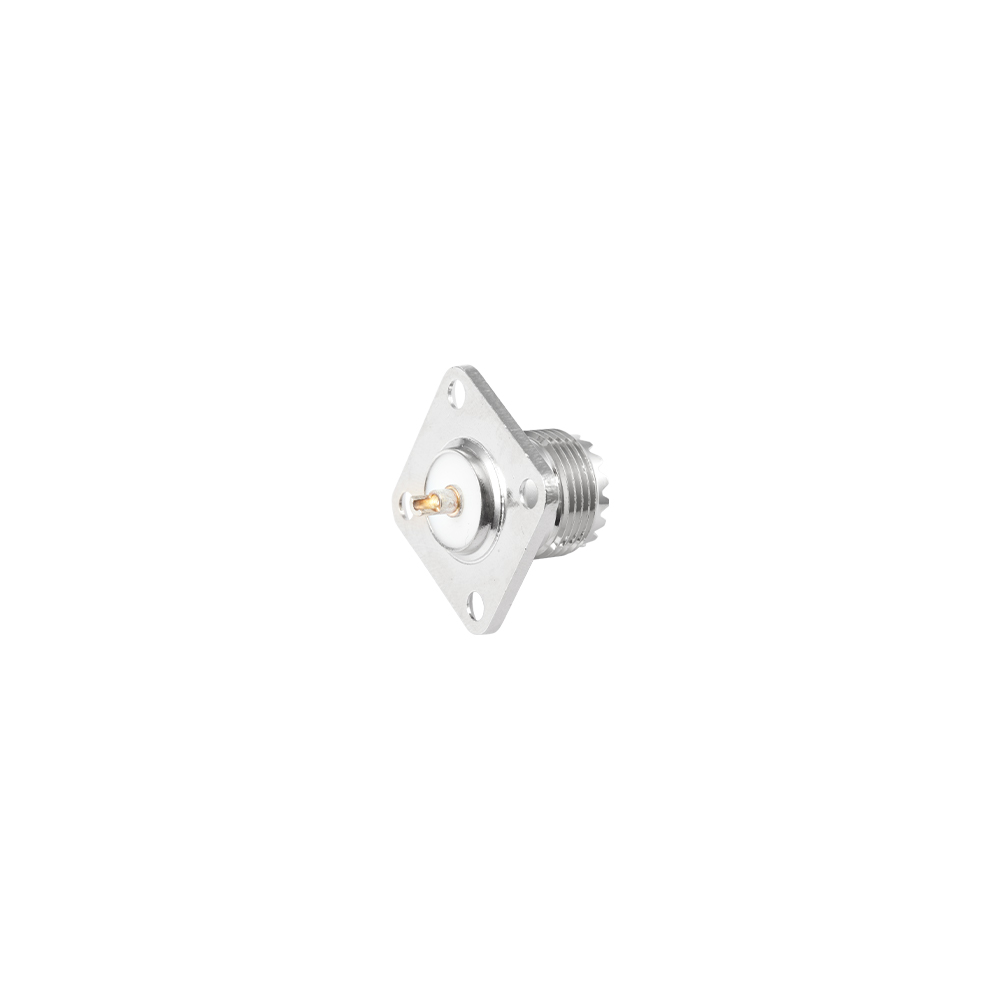
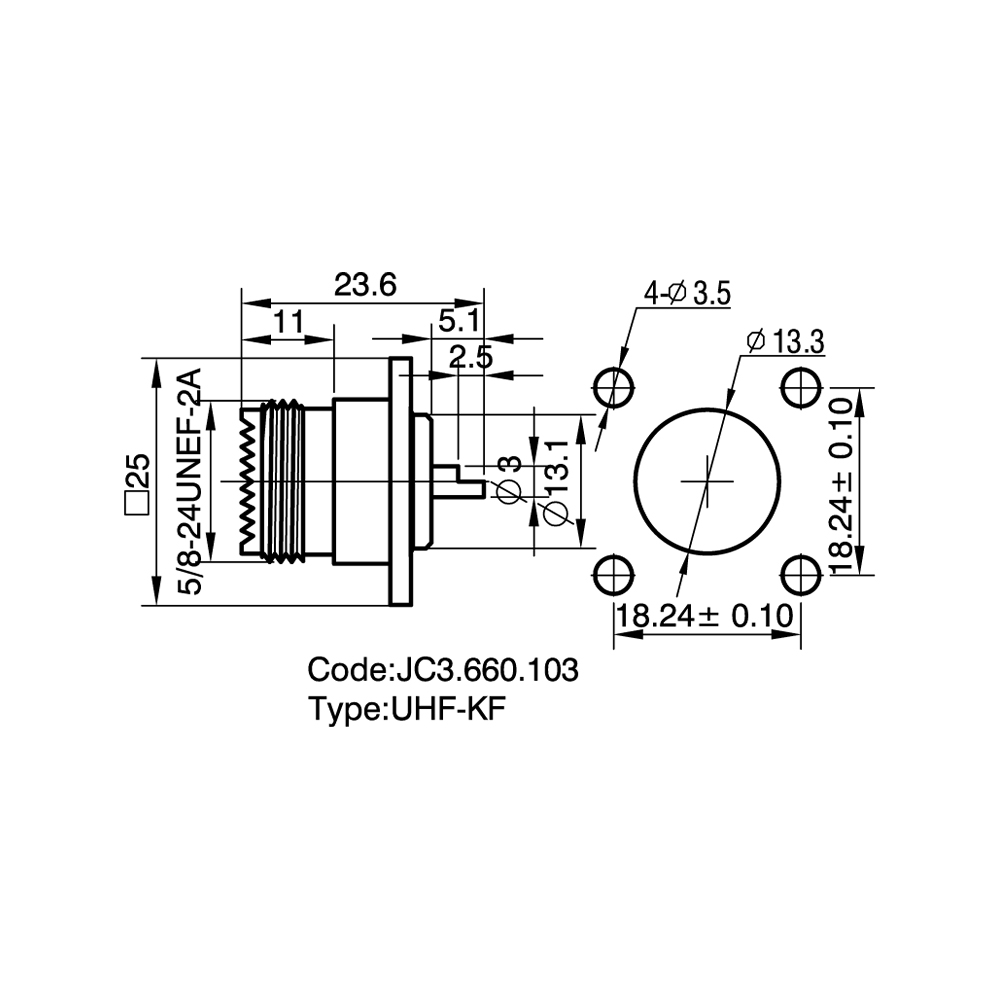
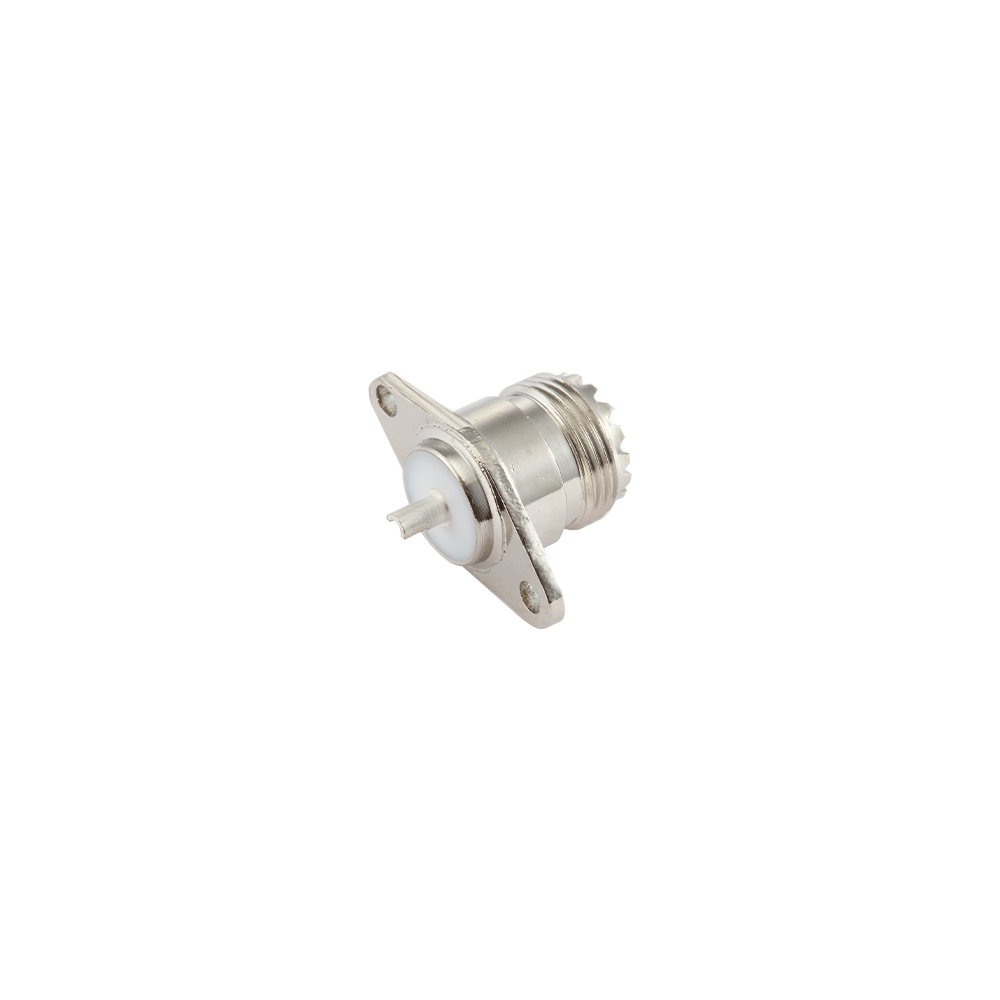
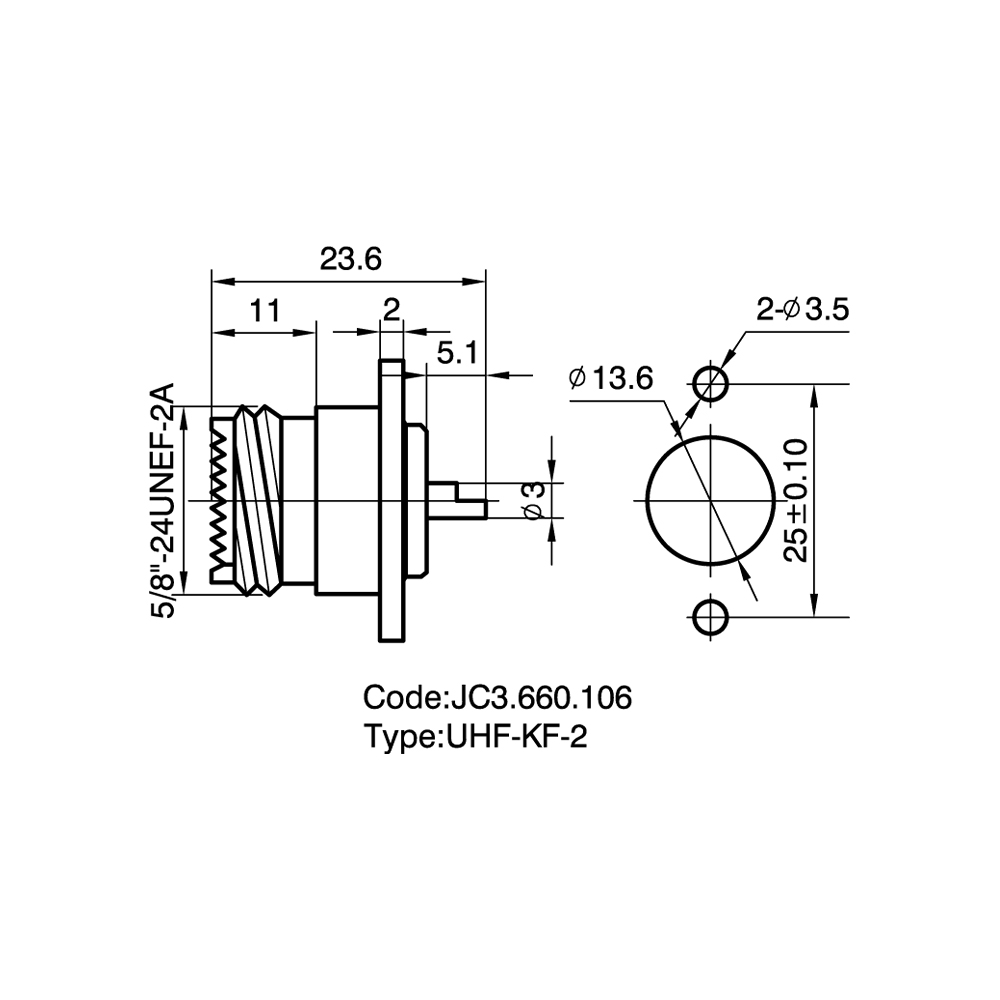
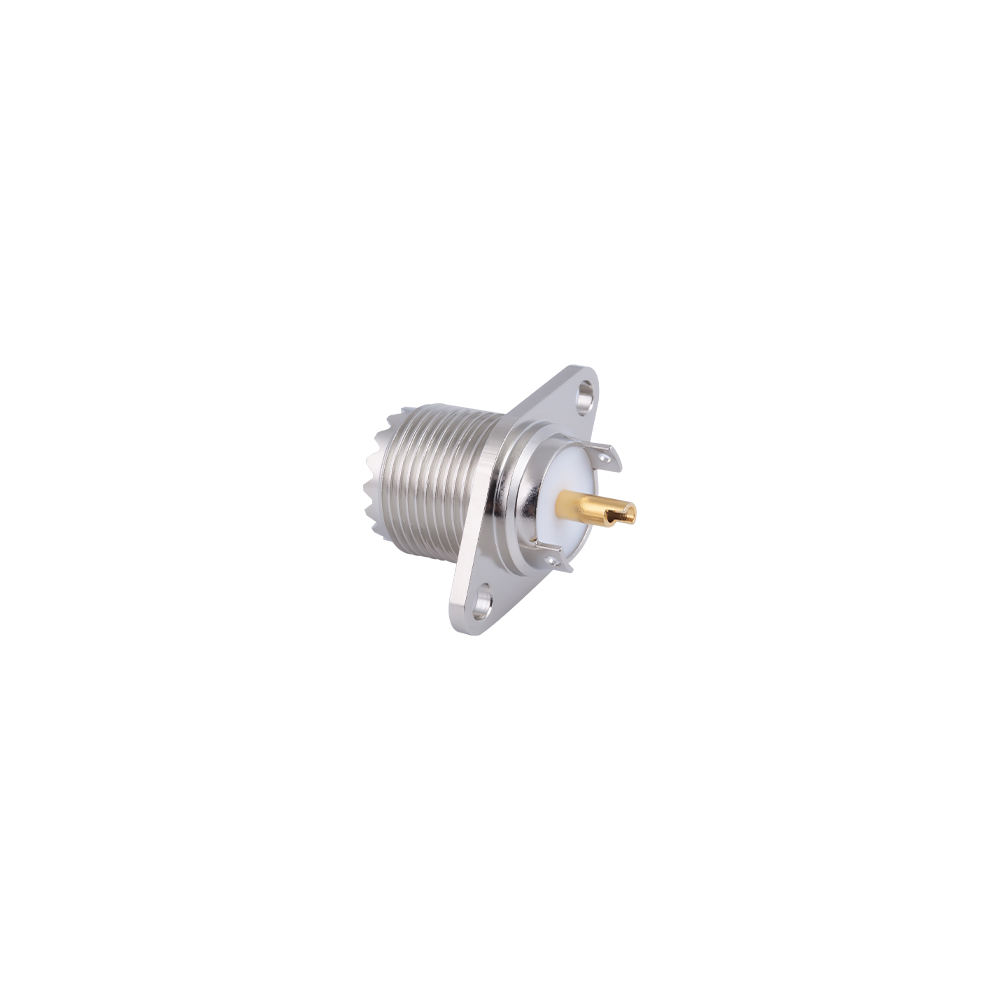
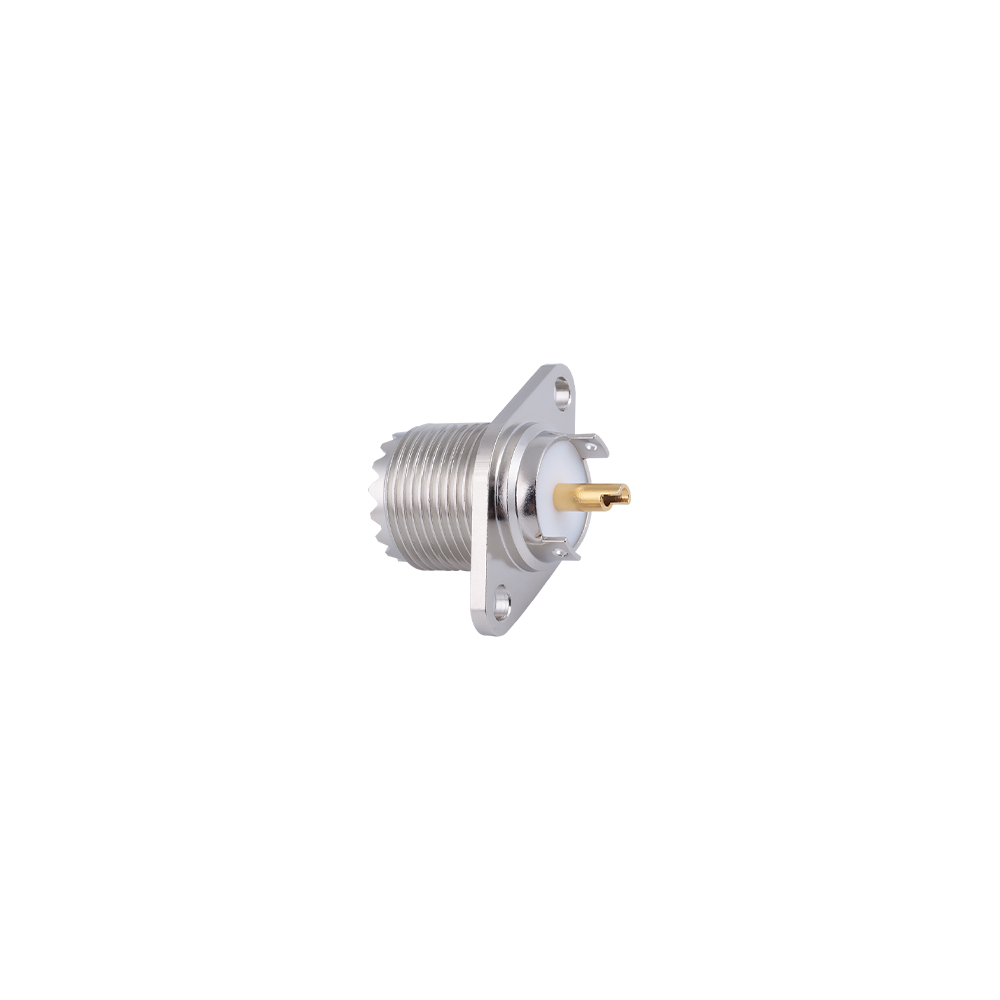
The UHF flange mount connector provides a bolted-panel attachment that distributes mechanical load across a 2-hole or 4-hole bolt pattern, delivering the most rigid and vibration-resistant panel interface available for UHF-format RF connections in transmitter enclosures, broadcast equipment racks, and ruggedized industrial RF cabinets where cable pull forces and long-term mechanical stress would fatigue a threaded bulkhead installation.

Key Features
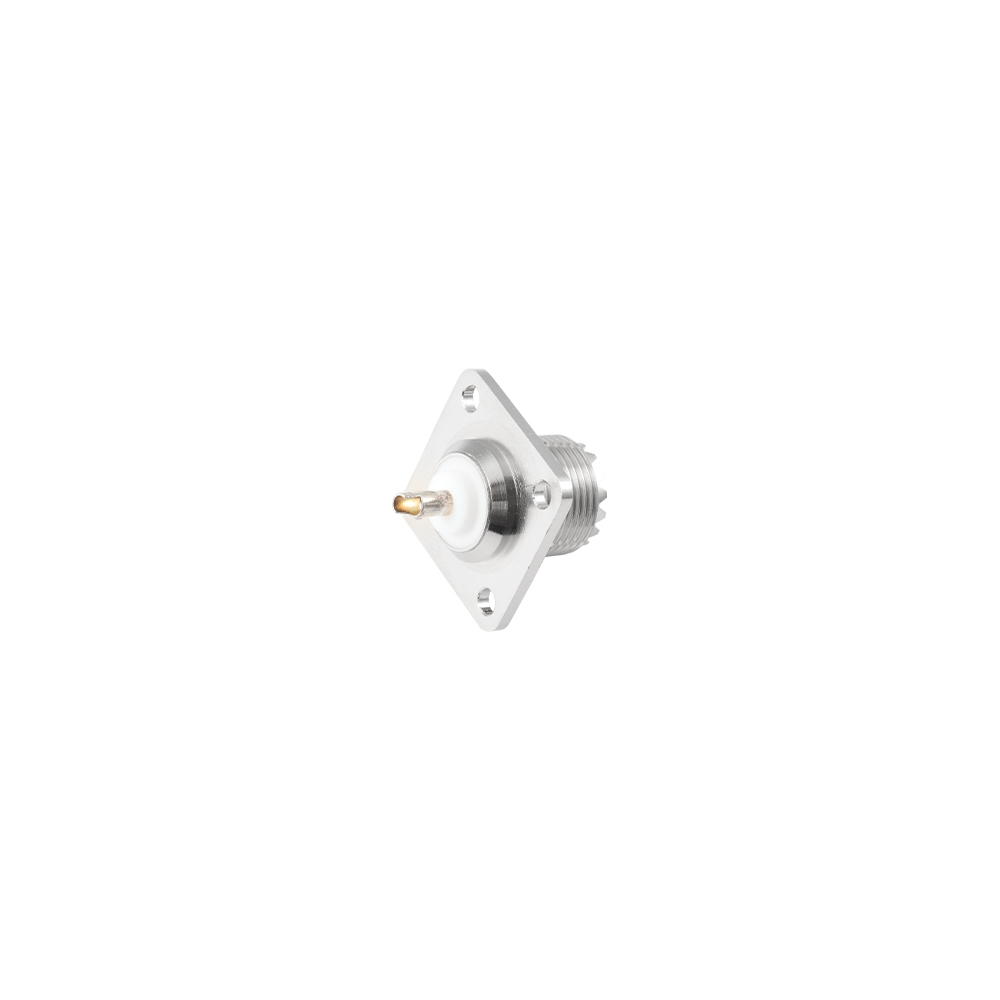
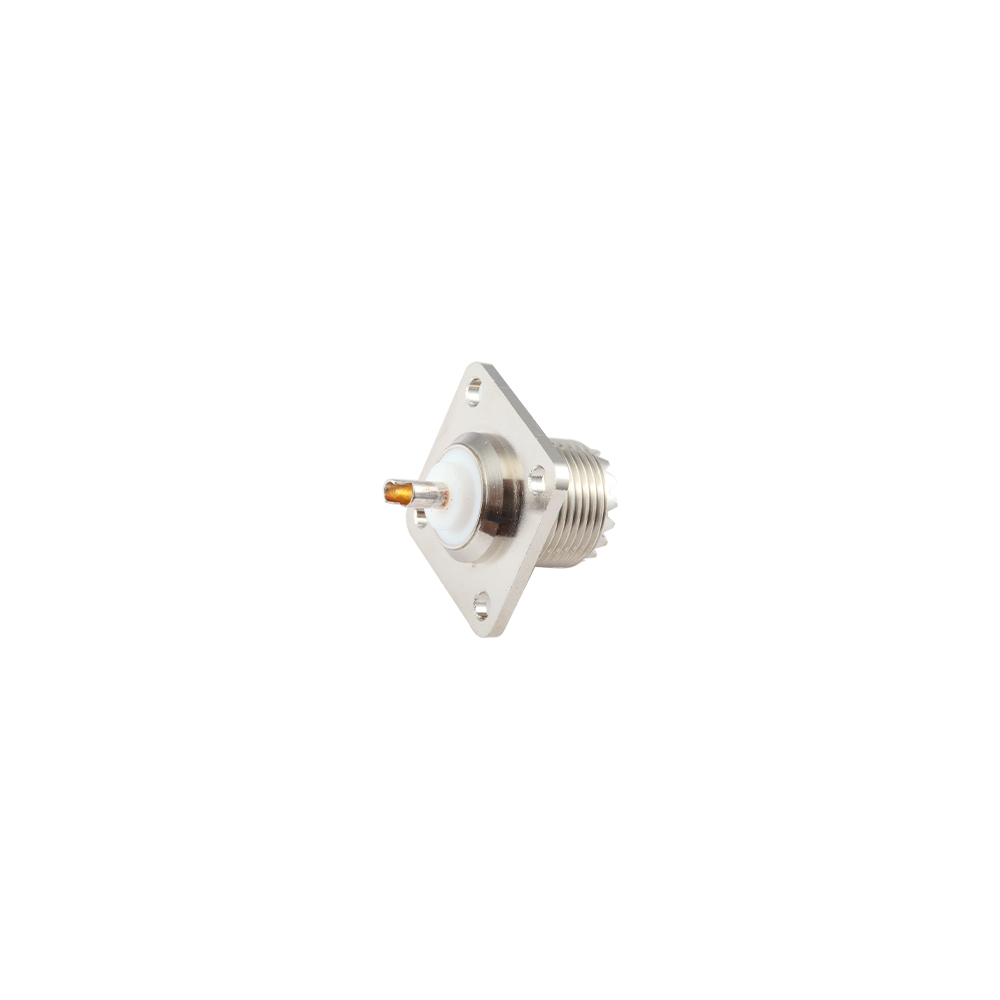
2-hole and 4-hole bolt-down flange configurations for compatibility with standard equipment enclosure panel layouts
Full 360° outer conductor contact at the panel interface ensuring superior RF grounding continuity
Solder cup, crimp, and clamp cable termination options on the cable-side port to suit a range of UHF cable types
Passivated stainless steel and nickel-plated brass body options for indoor and outdoor enclosure environments
Mating interface geometry conforming to UHF PL-259/SO-239 standard for universal interoperability
High mating-torque capability: flange attachment transfers torque into panel structure, not the connector body
Integrated grounding flange surface for direct RF bonding to chassis ground plane
RoHS-compliant materials throughout

Typical Applications
Amateur radio transceiver cabinet and antenna tuner enclosure RF panel connectors
Broadcast transmitter and RF amplifier chassis antenna output panel connectors
Marine communication equipment enclosure RF bulkhead panel connections
Industrial wireless gateway and base station equipment enclosure RF ports
CB radio base station and repeater cabinet antenna panel connections

FAQ
Q: What panel thicknesses do your UHF flange connectors support?
A: Our standard flange configurations accommodate the panel thicknesses most common in amateur radio, broadcast, and industrial equipment enclosures; for non-standard panel thicknesses, we can adjust the connector body length or supply spacer hardware on request.
Q: Can UHF flange connectors be used outdoors?
A: Stainless steel body versions with appropriate weatherproofing are suitable for outdoor enclosure panel installations; please specify the environmental exposure requirements when ordering so we can recommend the correct body material and finish.
About
Yangzhou Jingcheng Electronics Co., Ltd.

Yangzhou Jingcheng Electronics Co., Ltd., a premier China UHF Connectors Flange Mount Connectors Manufacturer and UHF Connectors Flange Mount Connectors Supplier, was founded in 1999. It is a high-tech enterprise specializing in the R&D and manufacturing of RF coaxial connectors, cable assemblies, and passive microwave components.
Equipped with a comprehensive R&D and production system, the company has obtained international certifications including ISO9001. Adhering strictly to standards such as MIL, IEC and GB, we offer over 30 product series with more than 2,000 specifications, covering SMA, BNC, N-type and other mainstream models. Our products are widely applied in the fields of communications, aerospace, automotive electronics and beyond, and exported to many countries and regions across Europe, America and Asia.
We uphold the tenet of "Quality as the Foundation, Customers as the Core", committed to providing reliable interconnection solutions and professional services for global clients.

News & Updates
Can an SMA Connector Transmit a Clock Signal? Practical Limits and Use Cases
Industry News
2026-10-29
Can an SMA Connector Transmit a Clock Signal? Practical Limits and Use Cases
Yes, an SMA connector can transmit a clock signal, and it is one of the most common ways to move a clock between boards, instruments and rack panels. The connector itself is rarely what limits the result. What limits it is the 50-ohm envi...
Coax Terminators: How Matched Loads Protect RF Ports and Test Accuracy
Industry News
2026-10-19
Coax Terminators: How Matched Loads Protect RF Ports and Test Accuracy
A coax terminator is a matched resistive load, almost always 50 ohms, that absorbs the RF energy arriving at the end of a transmission line and converts it into heat instead of reflecting it back toward the source. When a port on a splitt...
CB Antenna Connector Types: PL-259, Mini-UHF, N, BNC and Adapter Guide
Industry News
2026-10-13
CB Antenna Connector Types: PL-259, Mini-UHF, N, BNC and Adapter Guide
Unscrew the coax from the back of a CB radio and you are almost certainly holding a PL-259 plug that just came out of an SO-239 socket. That pairing, loosely called the UHF connector, dominates 11-metre radio. The short answer to "what CB...
Coax Cable Explained: Structure, Impedance, Types and Connector Choice
Industry News
2026-10-10
Coax Cable Explained: Structure, Impedance, Types and Connector Choice
If you typed "co ax cable", you are looking for the same thing as "coax cable" or "coaxial cable" — one product, three spellings. The short answer is that a coax cable is a transmission line built from two conductors sharing a single axis...
BNC Connector Sizes Explained: Dimensions, 50Ω vs 75Ω, and Cable Types
Industry News
2026-09-28
BNC Connector Sizes Explained: Dimensions, 50Ω vs 75Ω, and Cable Types
BNC connectors are not one-size-fits-all components. The practical "size" of a BNC connector is defined by two separate characteristics: the mating interface and the center conductor. Every standard BNC shares the same bayonet shell diame...
UHF Connectors Flange Mount Connectors Industry knowledge

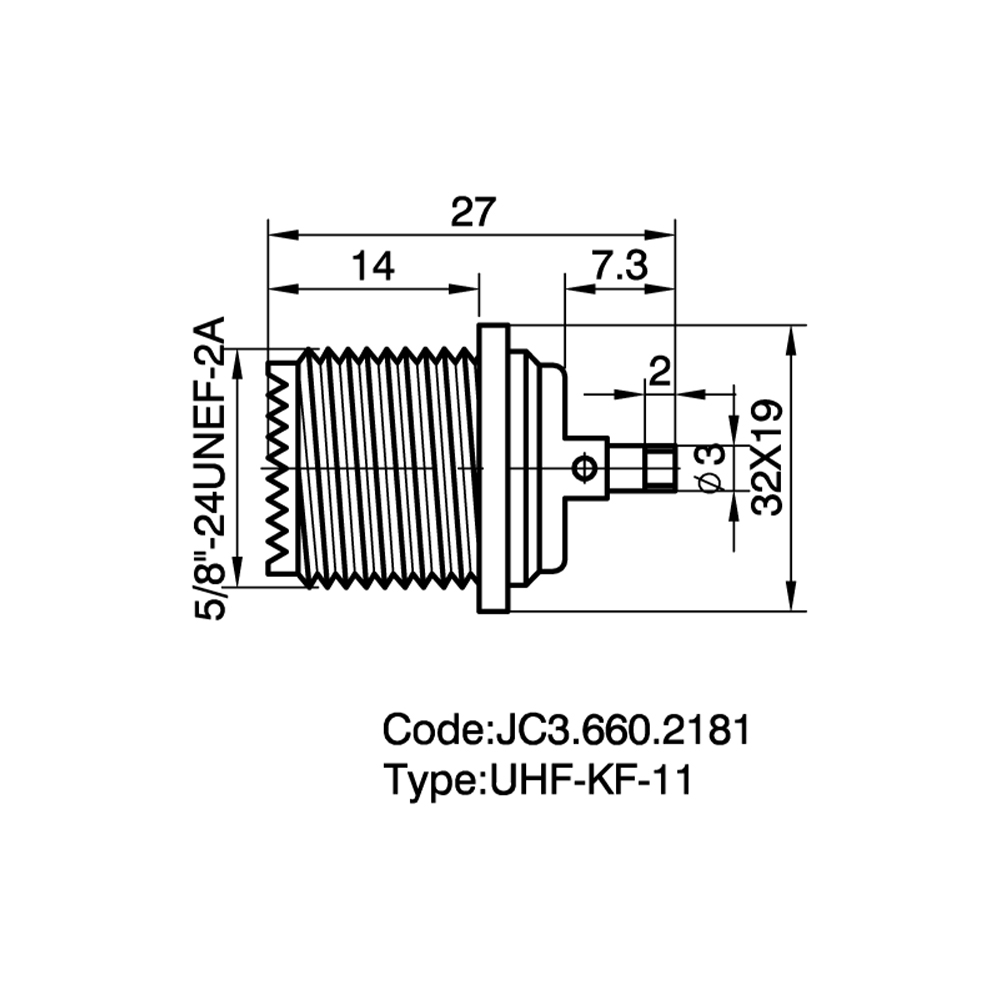
UHF connectors flange mount connectors are threaded RF coaxial connectors fitted with a flat, drilled flange for direct panel or chassis installation, rather than a jam-nut or cable-only body. The UHF interface uses a screw-on coupling with a coarse thread, allowing a secure mechanical joint without a defined torque specification, which reflects the connector's original design for lower-frequency, non-precision RF wiring.

The flange body carries the center contact and a solder cup or crimp barrel for cable termination on one side, while the flange face is bolted flush to an equipment panel on the other. Because the outer conductor geometry is not held to a fixed impedance tolerance, UHF connectors flange mount connectors are used mainly below 300 MHz, where mismatch loss from the connector body is negligible relative to the system.

Core Performance Parameters

The connector is commonly rated for a nominal 50 Ω impedance below 300 MHz, with mechanical durability and cable current capacity favored over strict impedance control.

Typical electrical and mechanical specifications
Parameter Typical Value
Impedance 50 Ω (nominal)
Recommended Frequency Range DC – 300 MHz
Coupling Type Threaded, screw-on
Mounting Style Drilled flange, panel bolted
Mating Cycles ≥ 500

Typical Applications

The panel-fixed flange and threaded coupling of UHF connectors flange mount connectors make them suited to equipment where a fixed chassis feed-through point is needed for lower-frequency RF signals.

  • Amateur radio and CB radio transceiver panels
  • Marine radio and land mobile radio equipment enclosures
  • Public address and low-frequency broadcast amplifier chassis
  • Antenna feed-through points on vehicle and vessel bulkheads

Comparison with Other Flange-Mount RF Interfaces

Compared with precision flange-mount interfaces, UHF connectors flange mount connectors cover a lower frequency range and are not held to a constant impedance tolerance, but cost and mechanical robustness favor high-power, lower-frequency wiring. Compared with bayonet flange interfaces, the threaded joint provides higher vibration resistance once tightened, at the expense of slower mating and unmating.

Comparison of coupling type, frequency range and mounting across flange-mount coaxial interfaces
Interface Type Coupling Frequency Range Impedance Control
Threaded, coarse thread Screw-on DC–300 MHz Nominal, not fixed
Precision threaded flange Fine-pitch screw-on DC–11 GHz and above Fixed 50 Ω
Bayonet flange Quarter-turn lock DC–4 GHz Fixed 50 or 75 Ω

Installation and Maintenance

  1. Bolt the flange squarely to the panel and confirm the gasket or seal is seated before final tightening.
  2. Thread the mating connector on by hand and tighten until snug; avoid over-torquing the coarse thread.
  3. Support the mating cable near the connector to reduce strain on the threaded joint.
  4. Inspect the flange gasket and center contact periodically for corrosion, especially in marine or outdoor installations.
  5. Replace the connector if the thread becomes loose, cross-threaded, or shows visible corrosion on the contact surfaces.

Frequently Asked Questions

What frequency range are UHF connectors flange mount connectors suited for?

They are generally recommended for use below 300 MHz, where impedance mismatch from the non-constant connector geometry has minimal effect on signal performance.

Why is the connector named "UHF" if it is not used at UHF frequencies?

The name reflects the historical designation given when the connector was introduced and does not describe its current recommended operating range.

Are flange mount and cable mount UHF connectors interchangeable?

The mating thread and center contact are shared, so a flange mount unit will mate with a standard cable mount counterpart, though the flange body cannot be substituted for a cable termination.

Manufacturing Background

Yangzhou Jingcheng Electronics Co., Ltd. produces UHF connectors, including flange mount, bulkhead, and cable mount variants, under ISO9001 quality management, following MIL, IEC, and GB reference standards across more than 30 RF coaxial connector series for communications, marine, and mobile radio applications.