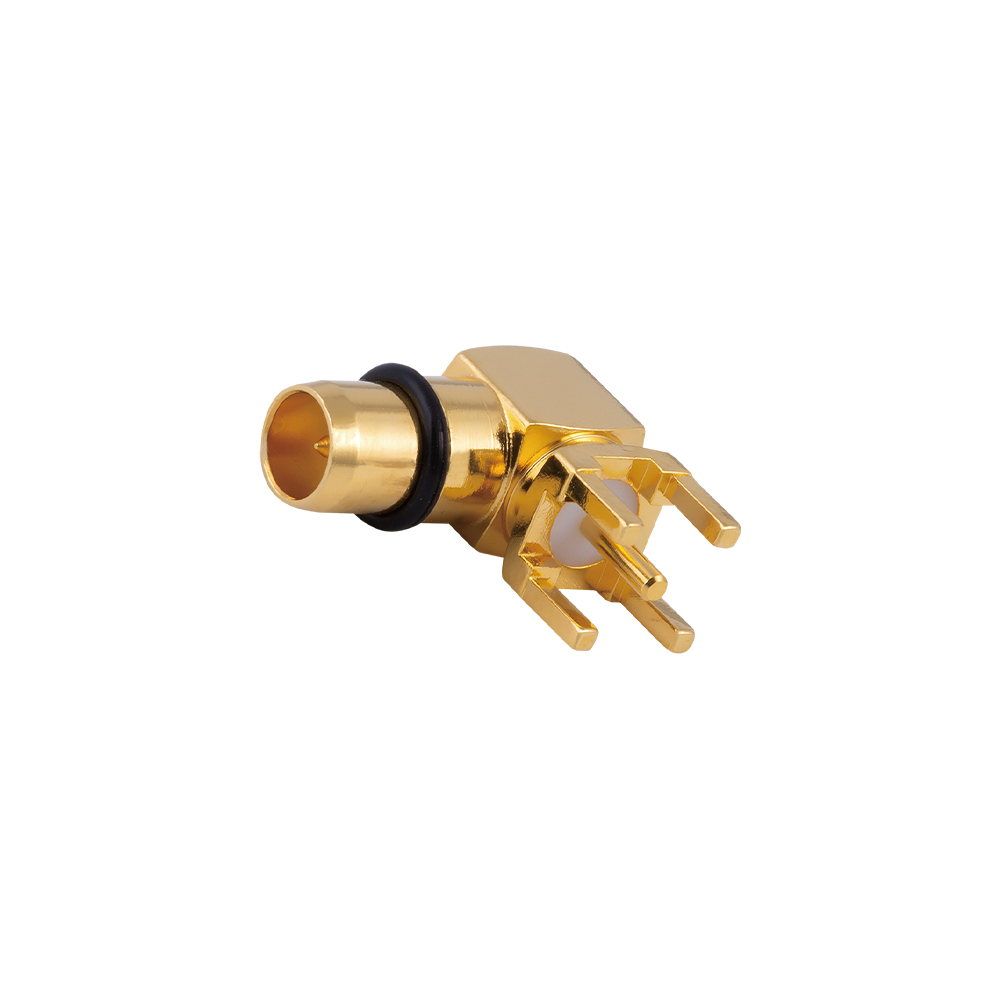
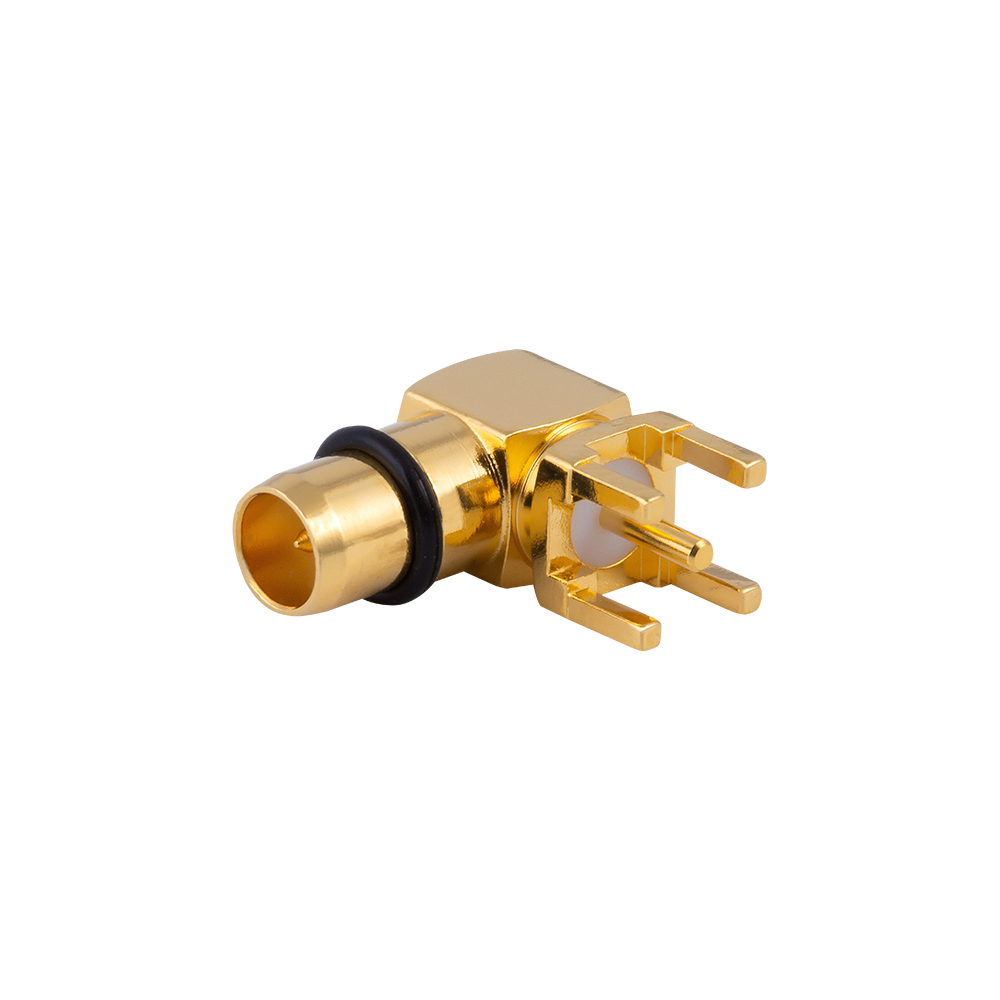
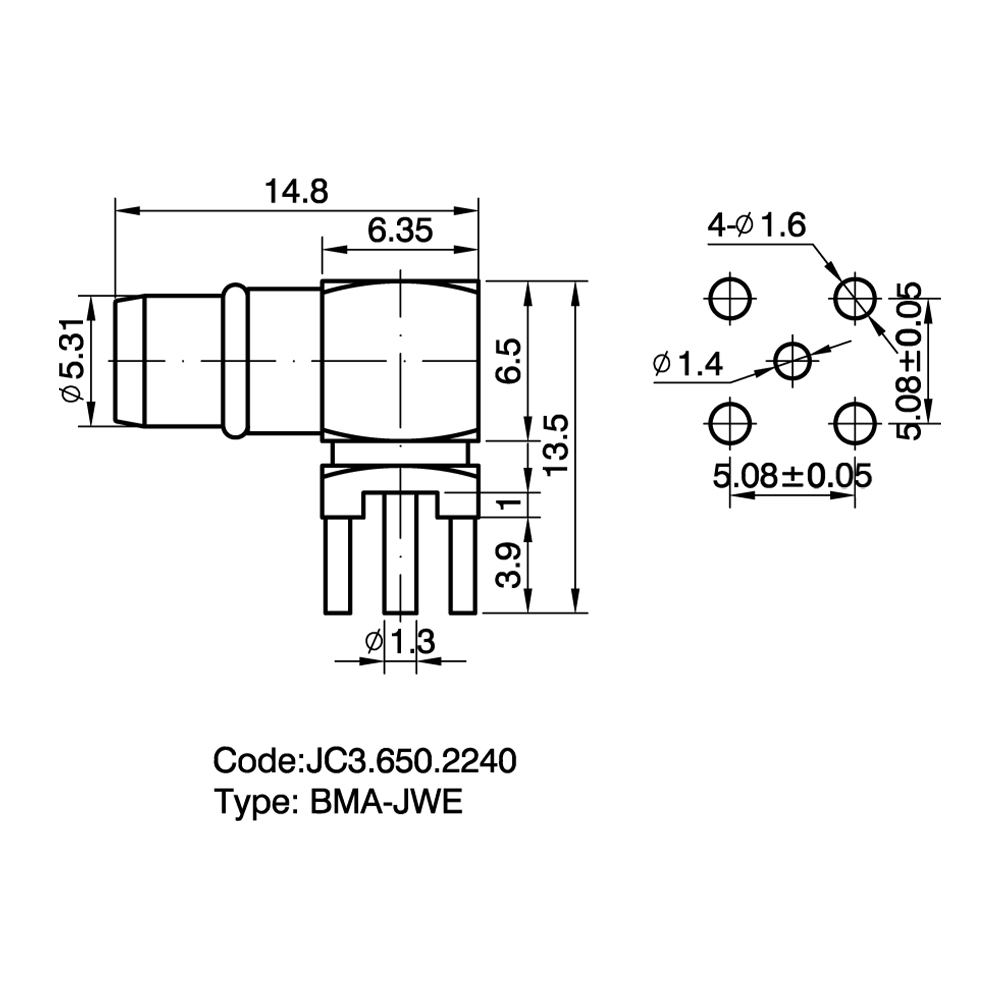
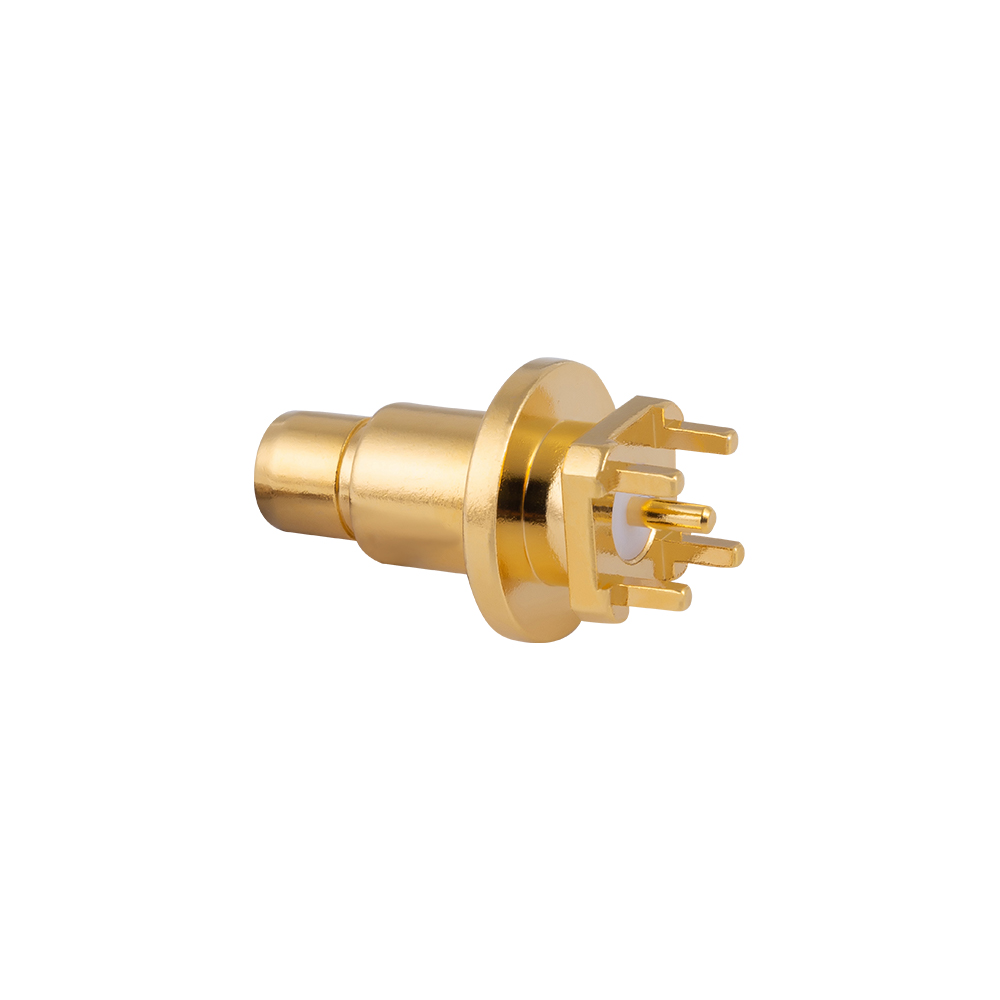
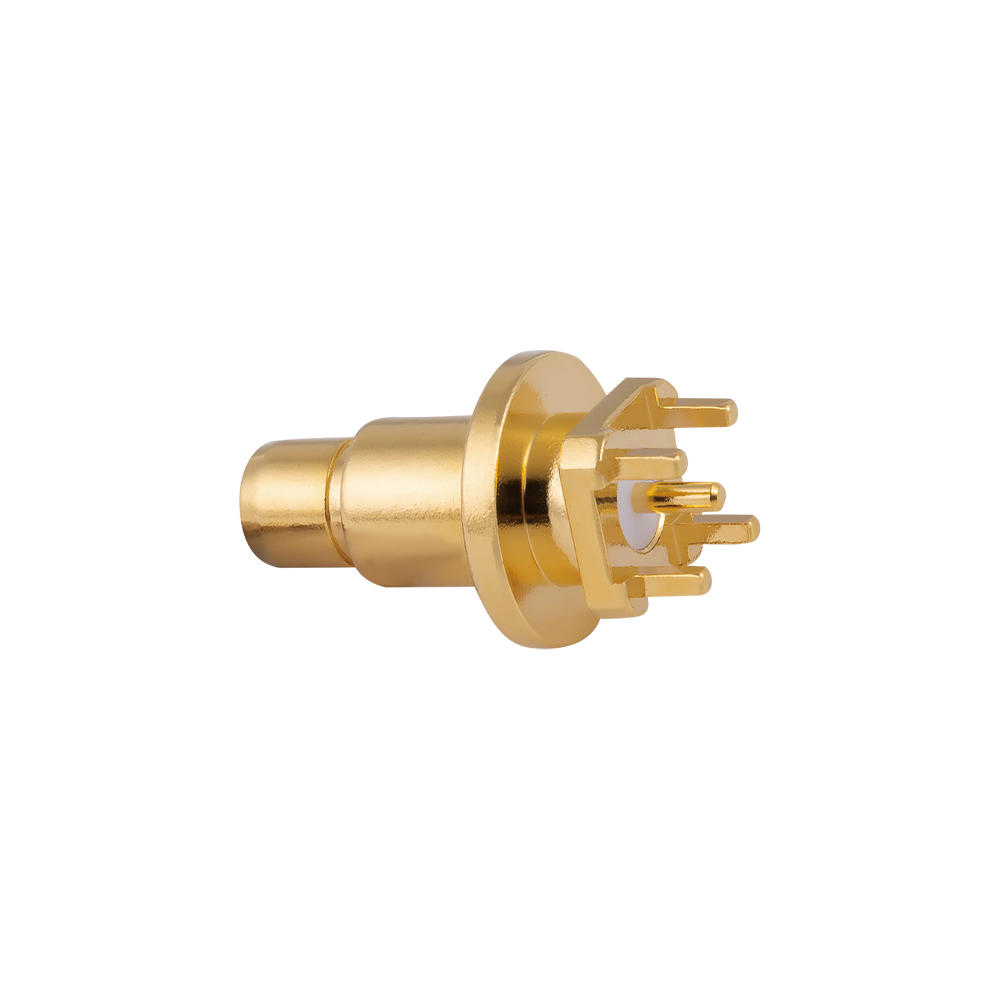
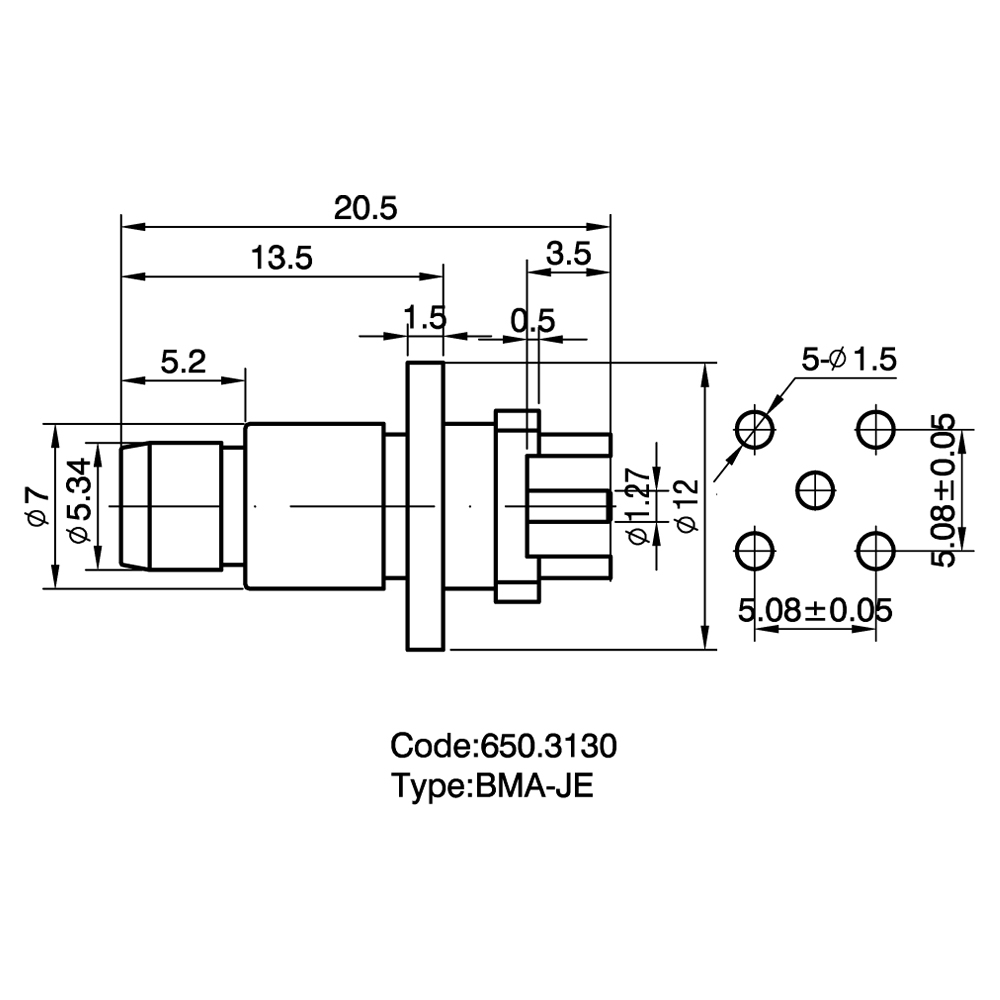
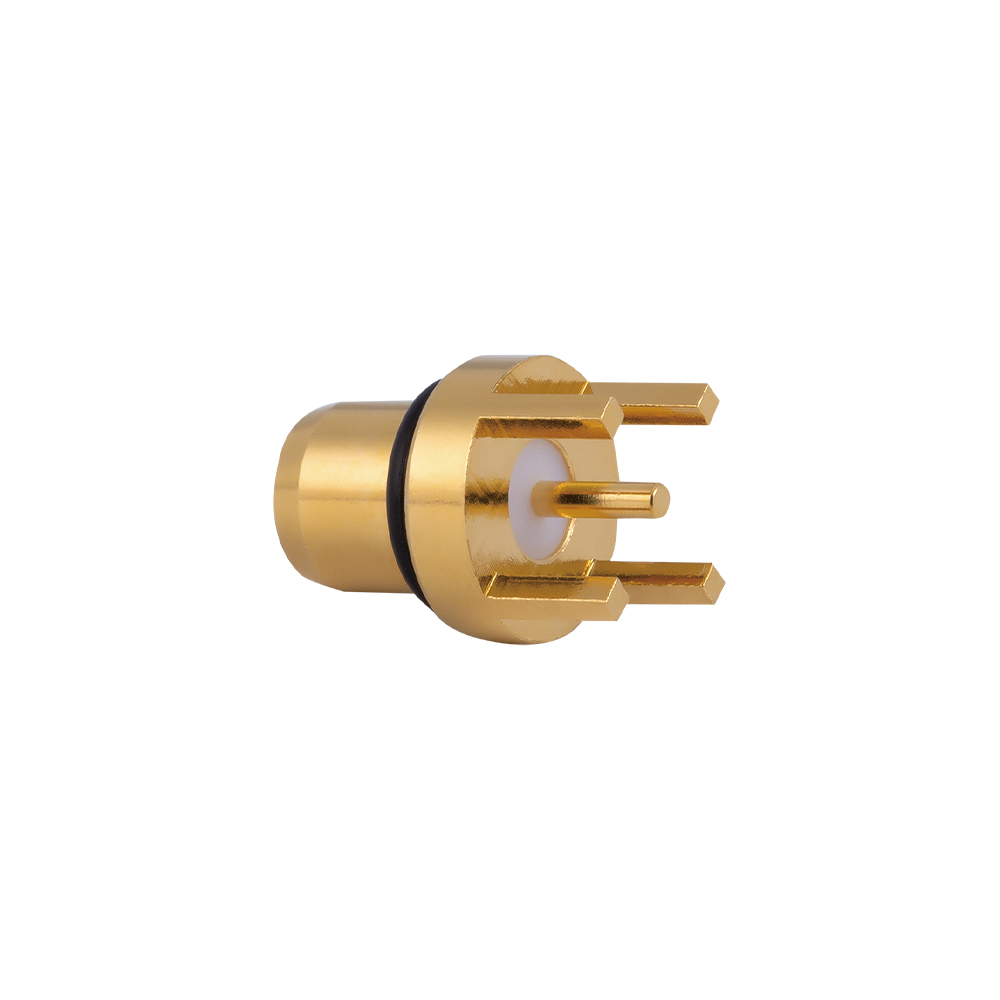
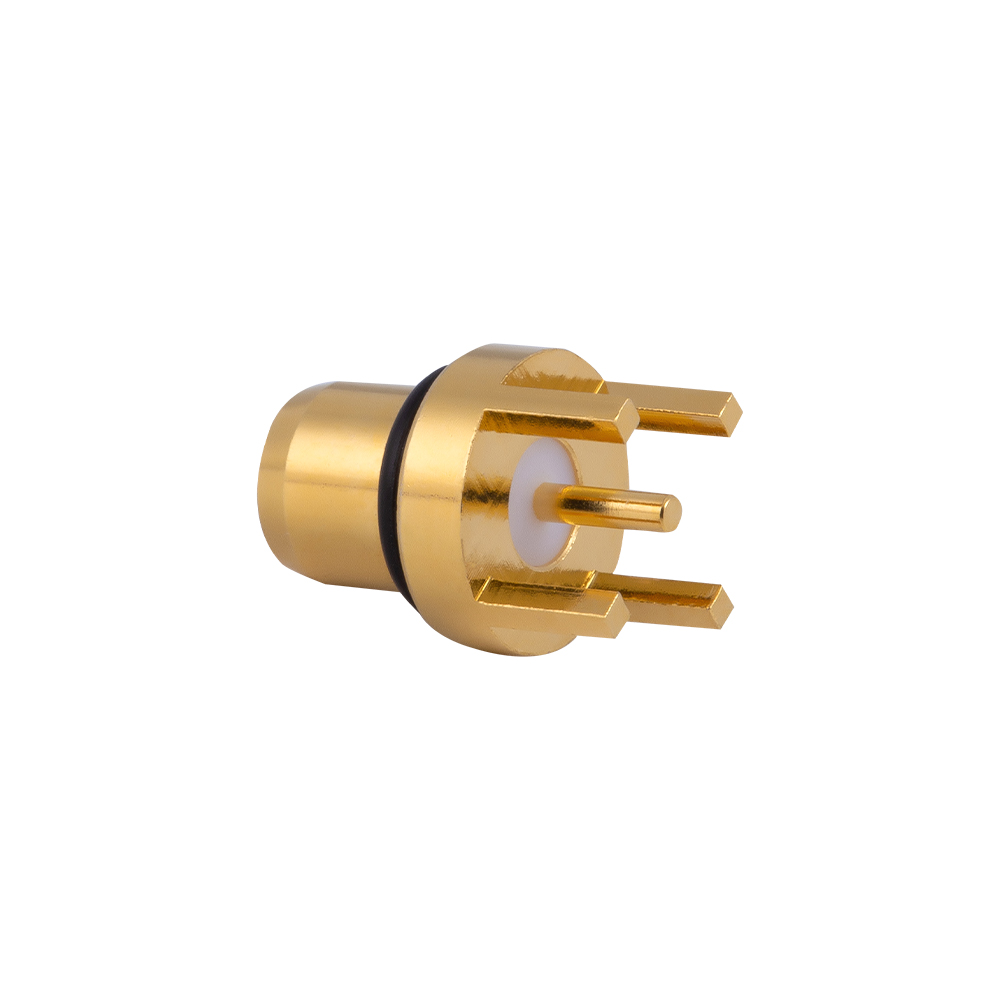
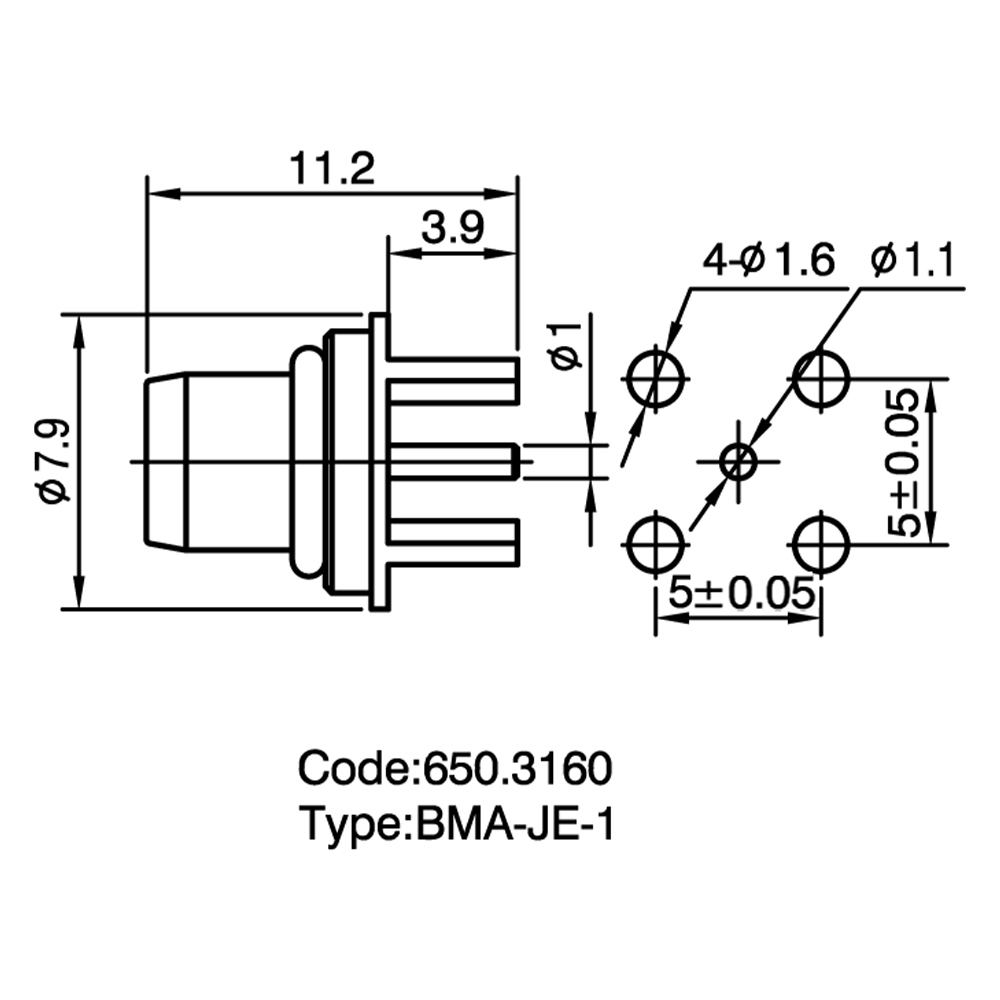
BMA PCB Mount RF Coaxial Connectors are designed for direct installation on printed circuit boards (PCB) to provide stable RF signal transmission between board-level circuits and external RF systems. These connectors integrate BMA blind-mate interface technology with PCB mounting structures, supporting vertical through-hole and right-angle SMT configurations for different electronic assembly requirements.
The main function of BMA PCB Mount RF Coaxial Connectors is to establish a reliable RF connection between PCB circuits and coaxial interfaces while maintaining controlled impedance, low signal loss, and electromagnetic shielding performance. With compatibility for automated assembly processes, these connectors are widely used in high-density electronic equipment and modular RF systems.
Yangzhou Jingcheng Electronics Co., Ltd. is a China BMA PCB Mount RF Coaxial Connectors Manufacturer and Supplier specializing in the R&D and manufacturing of RF coaxial connectors, cable assemblies, and passive microwave components. The company follows MIL, IEC, and GB standards with ISO9001 certification, providing more than 30 RF connector series and over 2,000 product specifications for communication, aerospace, automotive electronics, and industrial applications.
Structural Features of BMA PCB Mount RF Coaxial Connectors
BMA PCB mount connectors combine the compact BMA interface with PCB installation methods, enabling direct integration into electronic circuits. According to mounting requirements, they are available in vertical and horizontal configurations to support different equipment layouts.
- PCB direct mounting: The connector is installed directly onto the circuit board, reducing additional cable connections and simplifying RF system design.
- Vertical through-hole design: Suitable for applications requiring perpendicular connection between the PCB and RF interface, providing mechanical stability.
- Right-angle SMT configuration: Supports surface mounting production processes and compact horizontal layouts.
- High-temperature PTFE dielectric: The dielectric material supports high-temperature soldering processes and maintains electrical performance after assembly.
- Multi-point grounding structure: Multiple grounding pins improve electrical continuity and create an effective RF return path.
- Automated assembly compatibility: The connector structure supports modern PCB manufacturing processes including reflow soldering and automated placement.
Common Types and Characteristics of BMA PCB Mount RF Connectors
| Type |
Features |
Typical Applications |
| Vertical Through-Hole BMA Connector |
Mounted vertically on PCB with strong mechanical fixation and stable solder joints |
RF modules, communication equipment, microwave assemblies |
| Right Angle SMT BMA Connector |
Surface-mounted structure suitable for automated PCB production |
Compact electronic devices and high-density circuit boards |
| PCB Edge Mount BMA Connector |
Installed at PCB edge for direct signal transition |
RF boards, test equipment, modular systems |
| High-Frequency PCB BMA Connector |
Optimized for impedance control and microwave signal transmission |
High-speed communication and RF measurement systems |
| Customized PCB BMA Connector |
Customized dimensions, mounting structure, and electrical parameters |
Specialized RF equipment and engineering projects |
Core Performance Characteristics of BMA PCB Mount RF Coaxial Connectors
- Reliable soldering performance: The high-temperature dielectric structure supports reflow soldering processes and maintains connector stability after PCB assembly.
- Stable RF transmission: Controlled impedance design helps reduce signal reflection and maintain consistent electrical characteristics.
- Enhanced grounding performance: Multiple ground pins provide improved electrical continuity and reduce electromagnetic interference.
- Mechanical durability: The reinforced connector base supports repeated mating operations while maintaining connection reliability.
- Manufacturing consistency: Precision production processes help maintain dimensional accuracy and product interchangeability for large-volume applications.
- Compact integration: PCB mounting eliminates additional wiring space and supports miniaturized RF equipment designs.
Applications of BMA PCB Mount RF Coaxial Connectors
BMA PCB mount connectors are commonly used in RF systems requiring direct board integration, stable signal transmission, and efficient production assembly. Typical application fields include:
- Wireless communication equipment: Used in RF modules, base station components, and signal processing units.
- Aerospace electronics: Applied in compact electronic systems requiring reliable RF connections and mechanical stability.
- Automotive electronics: Used in vehicle communication modules, sensing systems, and high-frequency electronic components.
- Microwave equipment: Suitable for RF circuits, measurement instruments, and laboratory testing systems.
- Industrial control systems: Used in electronic devices requiring stable RF signal interfaces.
- Automated manufacturing equipment: Compatible with PCB assembly processes requiring repeatable connector installation.
BMA PCB Mount RF Connectors vs BMA Cable Mount RF Connectors
| Comparison |
BMA PCB Mount Connector |
BMA Cable Mount Connector |
| Installation Method |
Direct PCB soldering through-hole or SMT mounting |
Connected with flexible or semi-rigid coaxial cables |
| Assembly Process |
Suitable for automated PCB production lines |
Requires cable termination and assembly processes |
| Space Requirement |
Compact integration on circuit boards |
Provides greater flexibility for cable routing |
| Main Advantage |
Efficient board-level RF integration |
Flexible connection between separated modules |
BMA PCB mount connectors are suitable for electronic products requiring direct circuit board integration and automated assembly, while cable mount BMA connectors are selected when flexible routing between different modules is required.
How to Select the Right BMA PCB Mount RF Connector?
Selecting a suitable BMA PCB mount connector requires evaluation of electrical specifications, PCB design parameters, and manufacturing requirements.
- Mounting method: Select vertical through-hole or right-angle SMT types according to PCB assembly requirements.
- Operating frequency: Confirm connector frequency range and RF performance requirements.
- PCB material: Consider compatibility with standard FR-4 or high-frequency RF substrates.
- Impedance requirements: Verify matching between PCB transmission lines and connector characteristics.
- Assembly process: Ensure compatibility with soldering temperature, reflow process, and automated production equipment.
- Mechanical requirements: Evaluate mating cycles, vibration conditions, and installation environment.
FAQ About BMA PCB Mount RF Coaxial Connectors
What is a BMA PCB mount RF connector used for?
A BMA PCB mount RF connector is used to connect PCB-based RF circuits with external coaxial interfaces. It provides a compact and reliable transition point for high-frequency signal transmission.
Can BMA PCB connectors support automated soldering?
Yes. Many BMA PCB mount connectors use high-temperature PTFE dielectric materials and are designed to support PCB assembly processes including reflow soldering.
What is the difference between SMT and through-hole BMA PCB connectors?
SMT BMA connectors are mounted on the PCB surface and are suitable for automated assembly, while through-hole BMA connectors provide stronger mechanical fixation through PCB holes.
Why is grounding important for PCB RF connectors?
A proper grounding structure provides an RF return path, improves electrical continuity, and helps reduce electromagnetic interference during high-frequency signal transmission.
Can Yangzhou Jingcheng Electronics provide customized BMA PCB connectors?
Yes. Yangzhou Jingcheng Electronics Co., Ltd. provides customized RF connector solutions, including PCB mounting structures, electrical specifications, cable assemblies, and application-specific designs according to customer requirements.


 English
 中文简体
中文简体