English
 中文简体
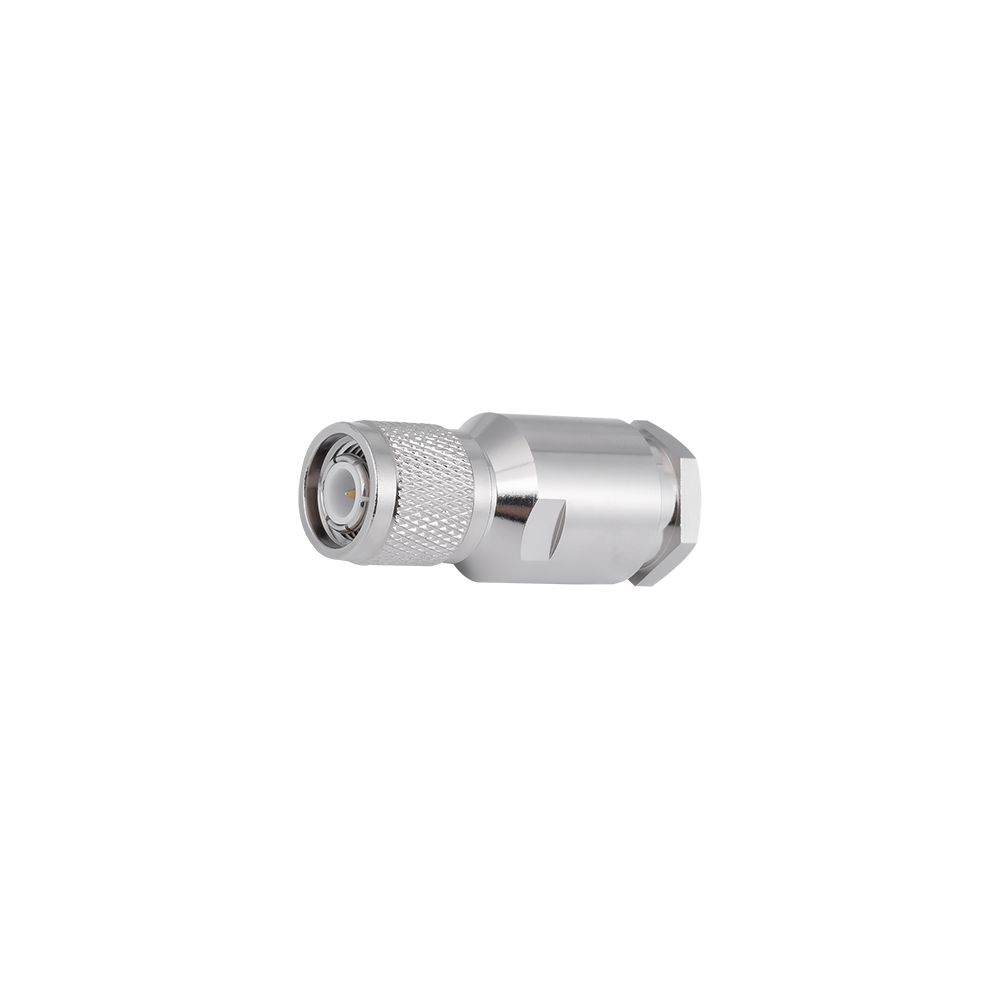
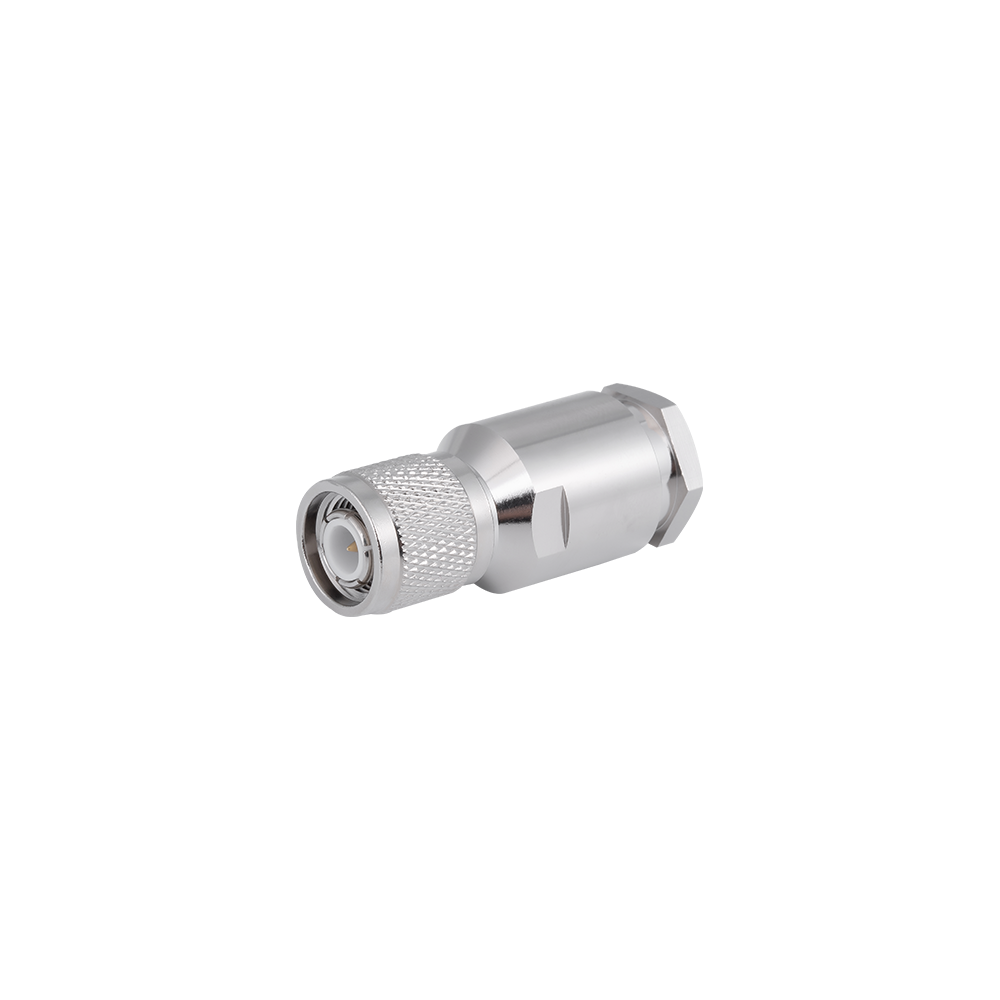
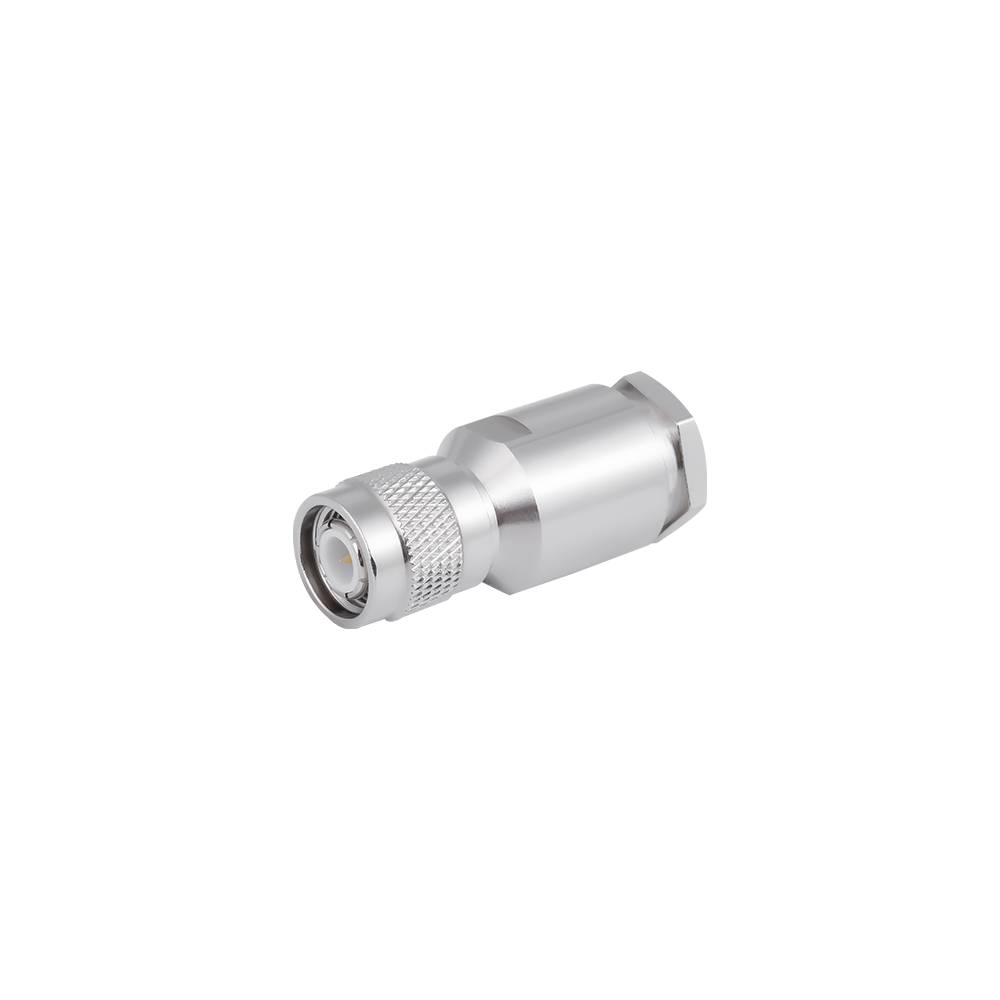
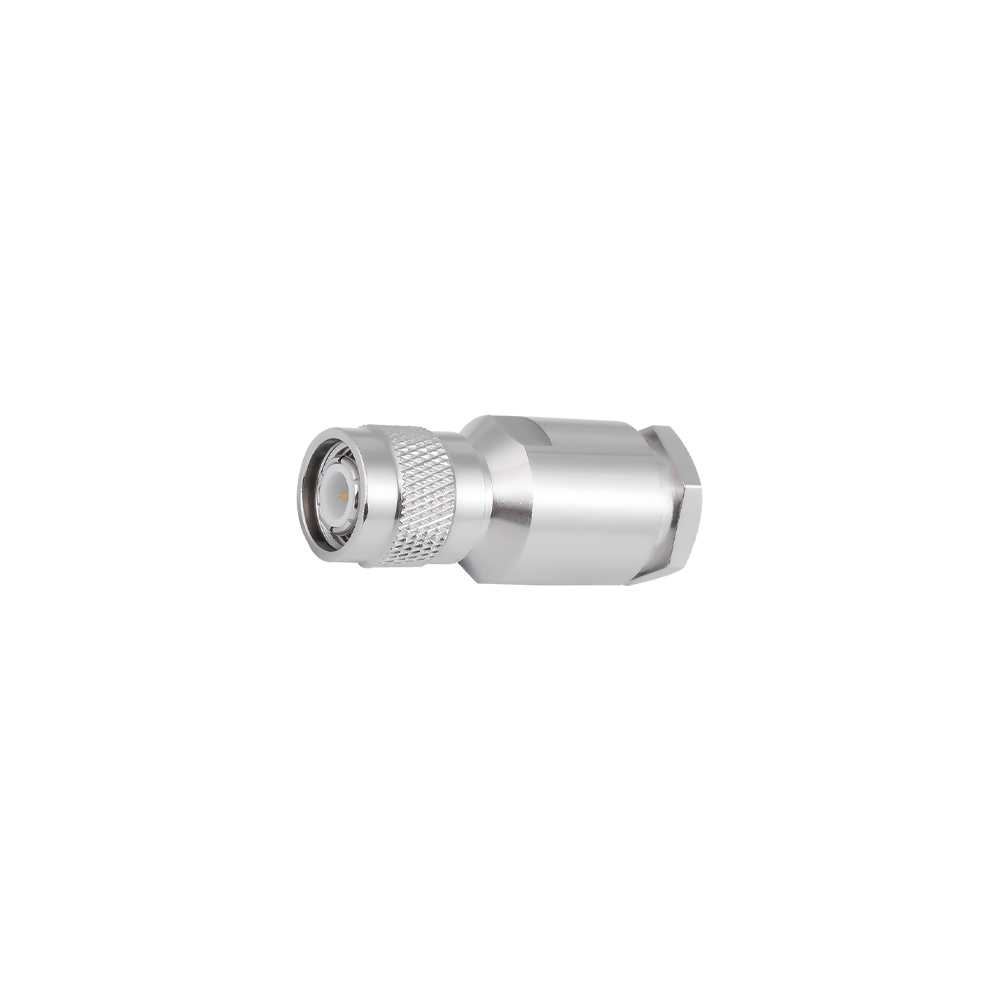
中文简体TNC Connectors for Flexible Cable Manufacturer
Product Overview
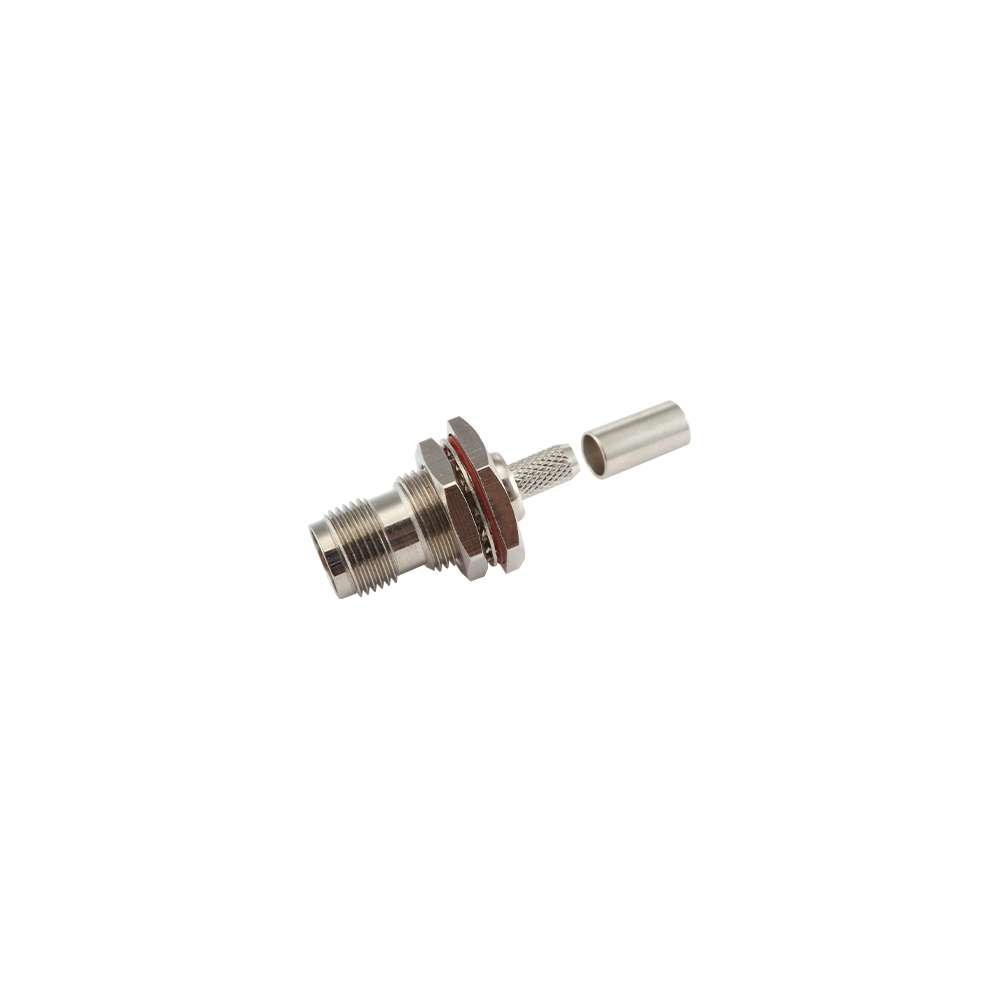
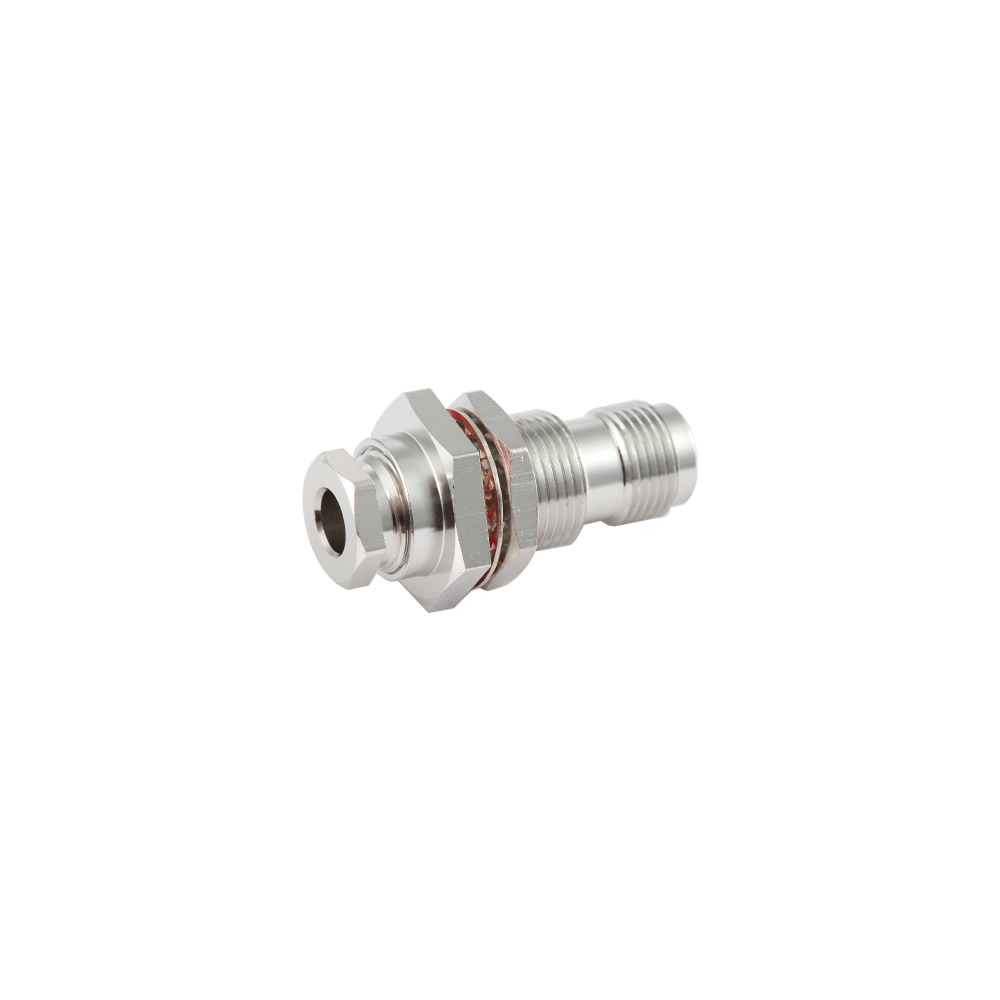
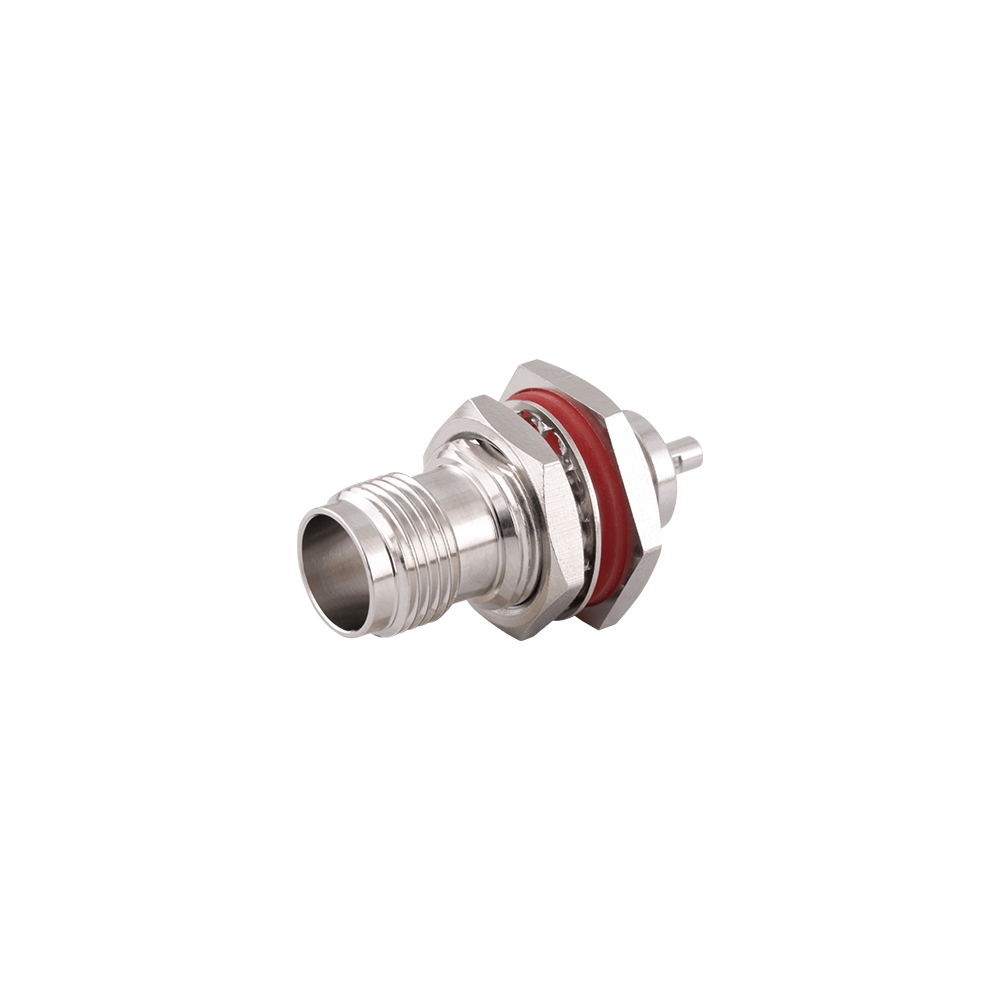
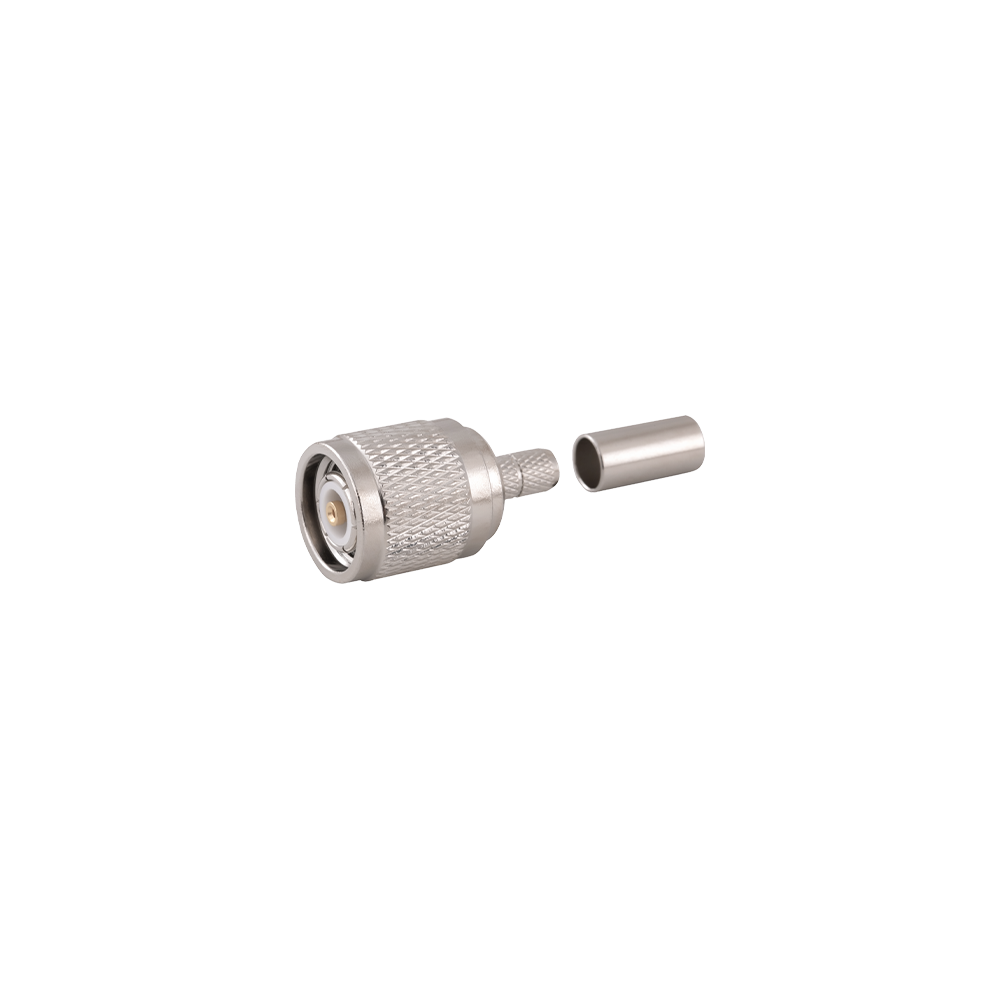
TNC Connectors for Flexible Cable are the workhorse of the TNC product family—the connector type most frequently specified in cable assemblies for base station jumper leads, antenna drop cables, test leads, and field-deployable communications equipment. Flexible coaxial cables offer the handling convenience that semi-rigid cable cannot provide: they route around obstacles, absorb vibration through compliance, and tolerate repeated coiling and uncoiling without mechanical fatigue.
The engineering challenge for flexible-cable TNC connectors is ensuring that the connection between the flexible cable's braided or foil-over-braid outer conductor and the connector's rigid outer body does not become a VSWR or insertion-loss anomaly over the connector's service life. Jingcheng's 2.5 series addresses this with a robust outer conductor termination system—crimp ferrule, clamping collet, or soldered braid, depending on configuration—combined with a cable strain relief that intercepts axial cable pull force before it reaches the RF interface.
Key Features
Three rear termination methods available: crimp (high-volume automated production), clamp (field repair, no specialist tools), and solder (hand assembly, lowest tooling cost for small quantities).
Cable compatibility spans RG-58, RG-141, RG-142, RG-223, RG-316, LMR-195, LMR-240, and equivalent civilian and military-spec flexible cable families—covering the most common choices in microwave system cable assemblies.
Straight and right-angle (90°) configurations; right-angle versions maintain VSWR ≤ 1.30 at 3 GHz while enabling compact cable routing in confined equipment bays.
Center contact soldering or crimping options; crimp center contact is preferred for high-volume production for its process repeatability and resistance to solder-void defects.
Full frequency performance to 11 GHz maintained across all cable and termination combinations; performance curves available in product datasheets.
Nickel, silver, and gold plating options on both body and center contact; tri-metal (gold-silver-nickel) plating available for high-reliability requirements.
Competitive Advantages
Jingcheng's flexible-cable TNC connector series is one of the highest-volume production lines in the factory, benefiting from mature tooling, stable process parameters, and consistent raw material supply chains developed over more than two decades—all of which translate to low defect rates and stable pricing for volume buyers.
Multi-cable compatibility within a single connector body style reduces SKU proliferation: one connector part number with different crimp ferrule options can cover four or more cable types, simplifying inventory management for cable assembly houses and EMS providers.
Comprehensive test documentation per customer specification—including 100% continuity testing, sampling-based VSWR and insertion loss measurement, and pull-out force testing per IEC 60512—is available as a standard quality deliverable for OEM and defense-supply-chain customers.
Typical Applications
Base station antenna jumper cables and inter-unit RF connections
Shipborne and vehicular radio equipment antenna cables and inter-rack jumpers
Portable military radio handset and manpack antenna cables
Wireless LAN and private cellular in-building distribution cables
Test and measurement RF cable assemblies for calibration kits and VNA accessories
Radar system interconnect cables between subsystems within equipment shelters
FAQ
Q: How do I select between crimp, clamp, and solder termination for my cable assembly application?
A: Crimp termination is recommended for production volumes above a few hundred pieces per batch, as it offers the best process consistency and is amenable to automated assembly. Clamp (mechanical) termination is preferred for field repair kits and assemblies that will be re-terminated in the field without specialized tooling. Solder termination is suitable for low-volume, high-mix assembly where tooling investment is not justified.
Q: What is the rated pull-out force for the crimp termination version?
A: Minimum pull-out force for crimp-terminated versions on standard RG-58 cable is ≥ 50 N per our internal qualification test (IEC 60512-2-10 method). For larger cable diameters (e.g., LMR-240), the value is proportionally higher. Specific values per cable type are listed in the connector datasheet and production test report.
Q: Is a field-repairable (no-crimp) TNC connector available for military forward maintenance?
A: Yes. Clamp-type and solder-type TNC connectors for flexible cable are both field-repairable using basic tools (knife, soldering iron, or cable clamp tool). These versions are routinely included in forward maintenance spares kits for military and government communications customers.
Q: Can I obtain the connector in both standard and reverse-polarity (RP-TNC) versions for flexible cable?
A: Yes. RP-TNC (reverse polarity, where plug has female center contact and jack has male center contact) versions for flexible cable are available in the 2.5 series. These are commonly specified for WiFi and WLAN antenna connections per the FCC Part 15 antenna port security convention.
|
Temperature Range |
-55~+155℃ |
|
Impedance |
50Ω |
|
Frequency Range |
DC~11GHz |
|
Insulation resistance |
≥5000MΩ |
|
Insertion loss |
≤0.20 dB/1GHz |
|
VSWR |
Straight ≤1.22/3GHz |
|
Right angle |
≤1.30/3GHz |
|
Durability(mating) |
≥500 (cycles) |