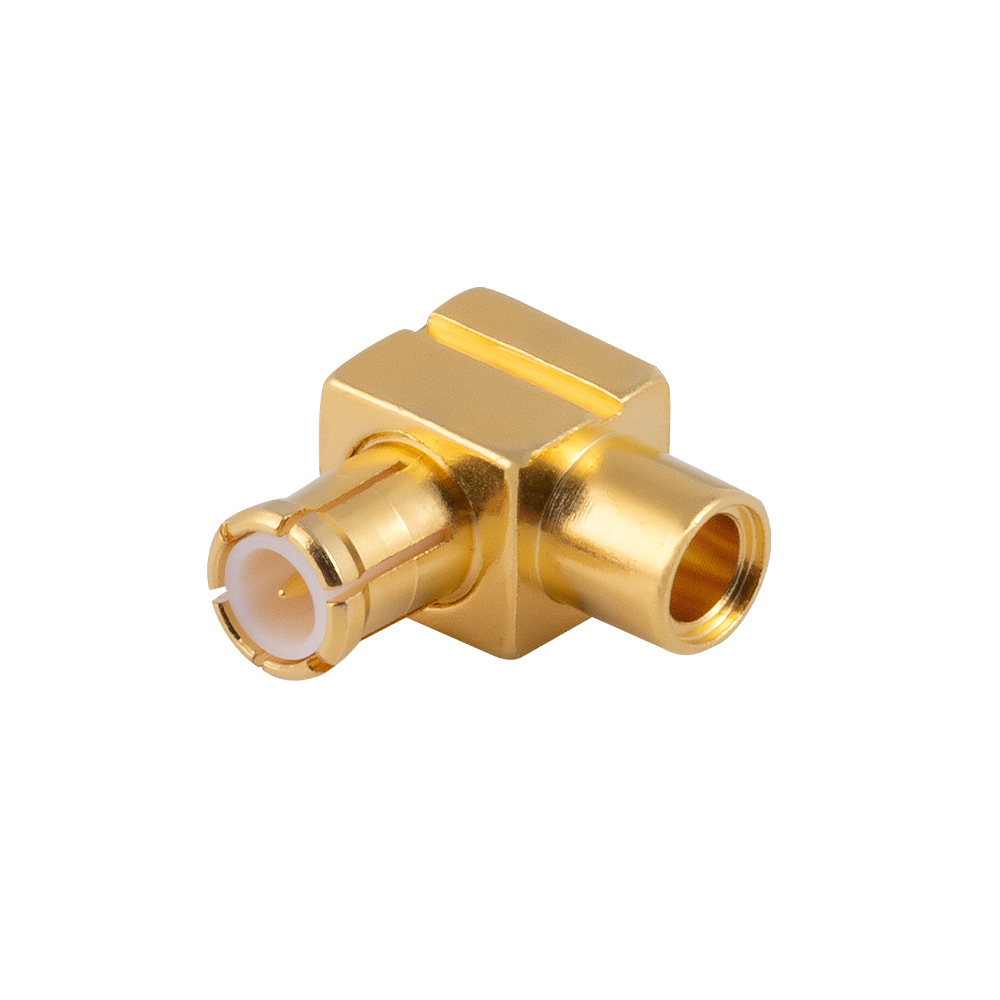
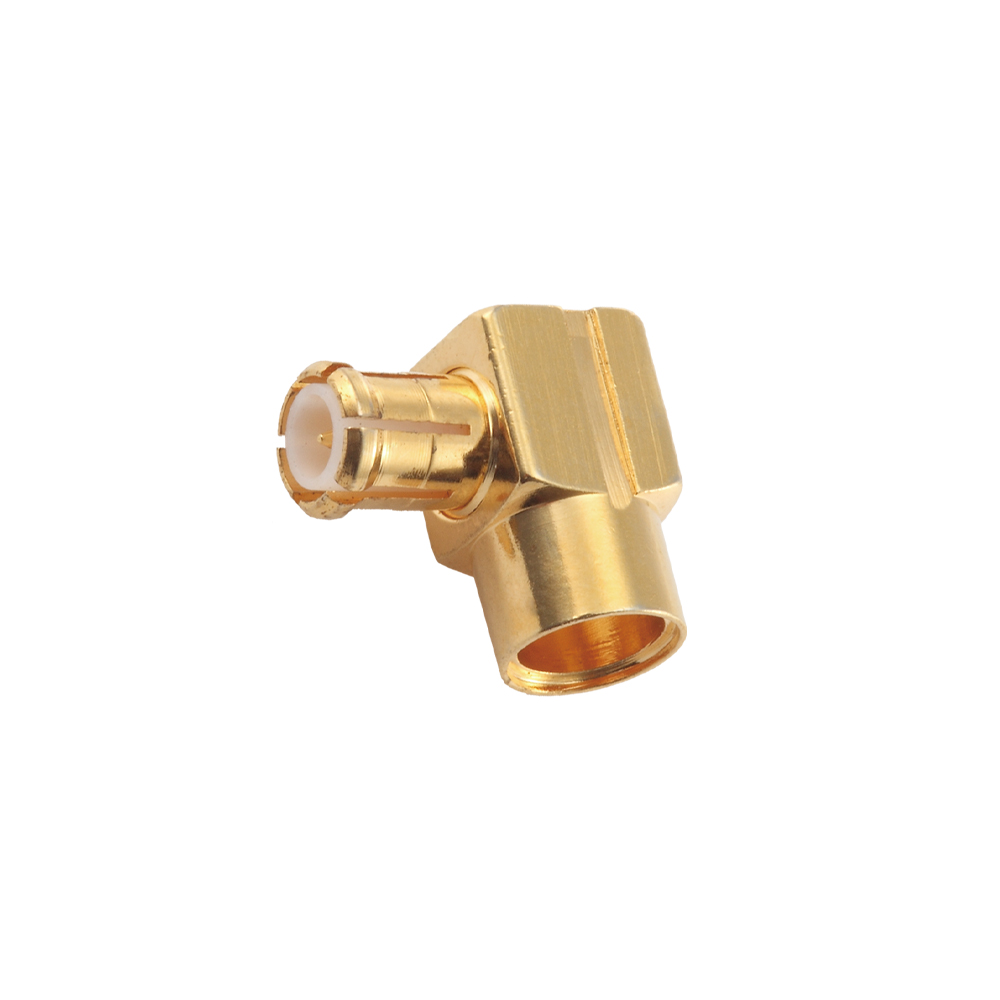
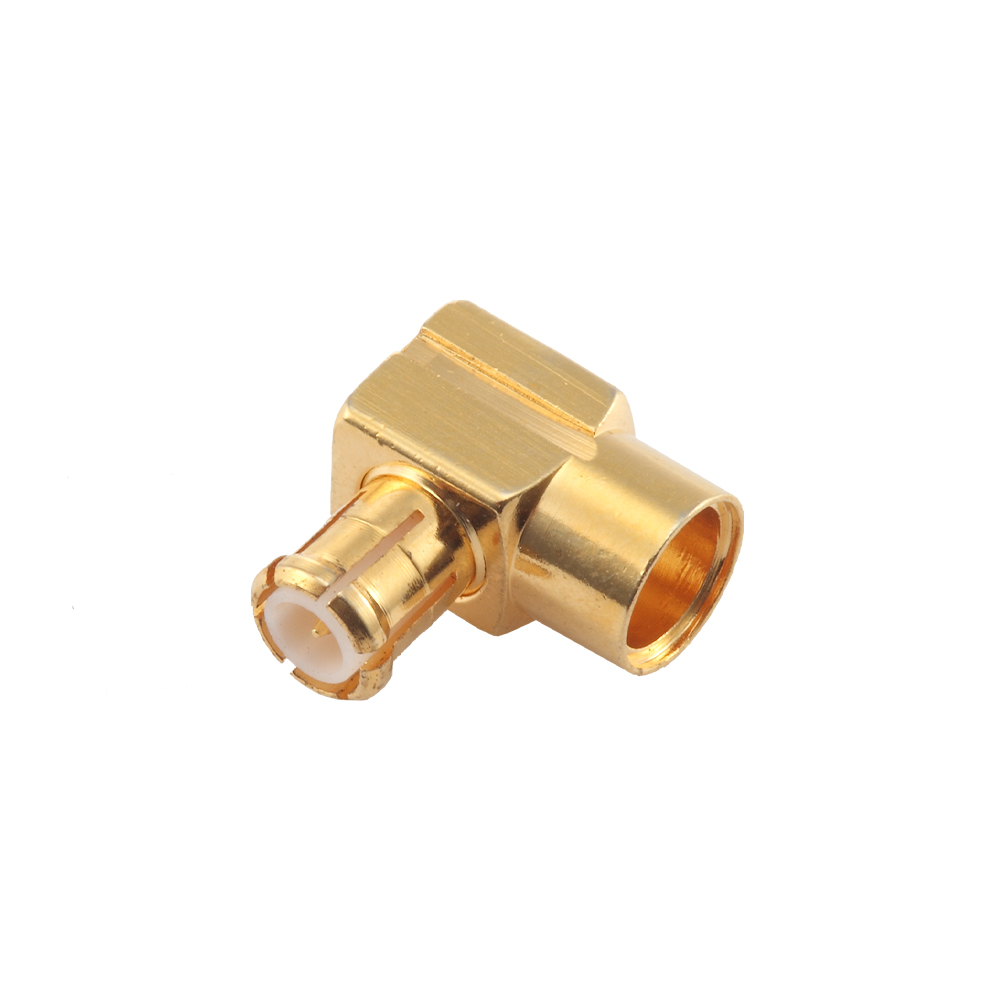
MCX RF Coaxial Connectors For Semi-Flexible And Semi-Rigid Cable Custom

Home / Products / Coaxial Connectors / MCX RF Coaxial Connectors / MCX RF Coaxial Connectors For Semi-Flexible And Semi-Rigid Cable

MCX RF Coaxial Connectors For Semi-Flexible And Semi-Rigid Cable Manufacturer

Product Introduction:
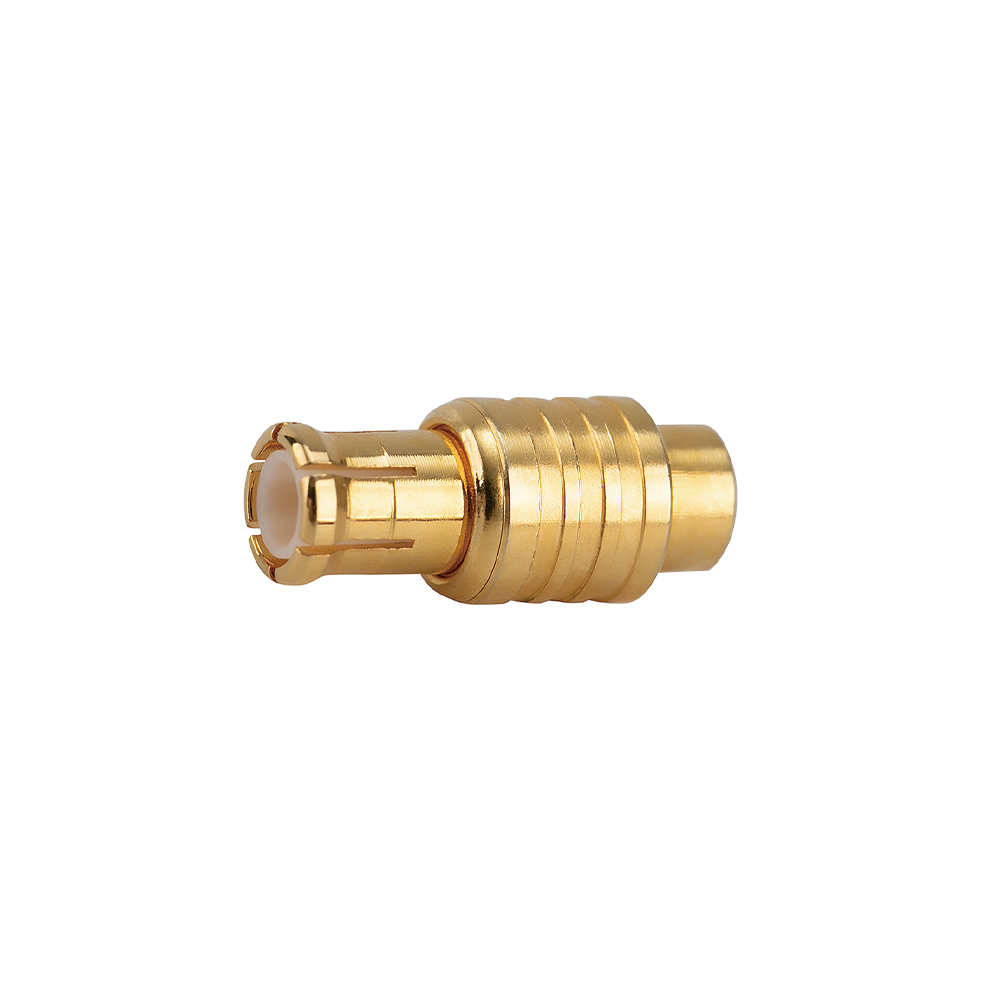
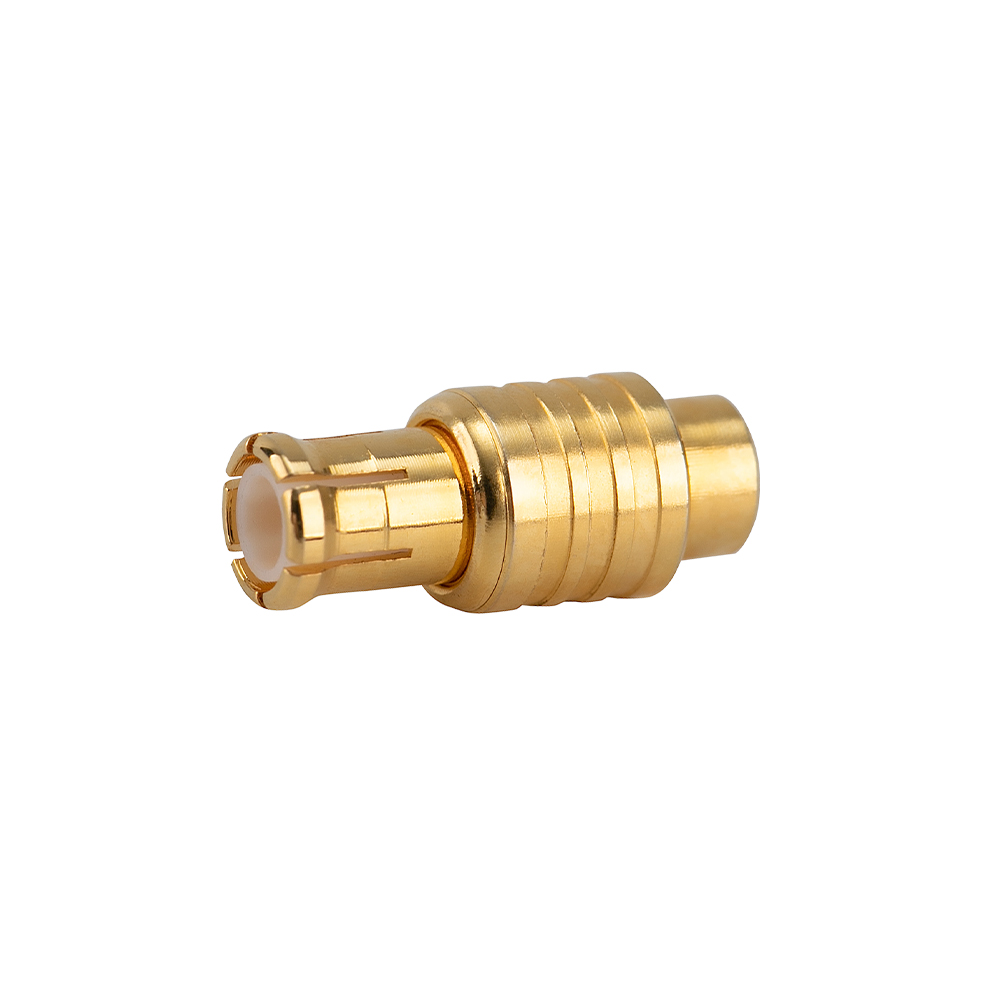
This series of connectors is specifically designed for .047" and .086" semi-rigid or semi-flexible cables. Through a precision-soldered outer conductor connection process, it achieves nearly perfect impedance matching.

Product Features:
High-frequency stability: Supports a frequency range from DC to 6 GHz (some custom versions can reach higher), with extremely low Voltage Standing Wave Ratio (VSWR).
Electromagnetic shielding: When used with high-performance semi-rigid/semi-flexible cables, it provides excellent protection against electromagnetic interference (EMI).
Compact design: Ensures stable high-frequency signal transmission within confined equipment spaces.

Application Advantages:
Low-loss transmission: The soldered structure minimizes signal attenuation, making it suitable for microwave modules with strict requirements on phase and loss.
Environmental adaptability: Its robust structure can withstand a certain level of vibration, ensuring long-term reliability of the connection.

Temperature  Range

-55~+155℃(PE Cable   -40~+85℃)

Impedance

50Ω,75Ω

Frequency Range

DC~6GHz

Insulation resistance

≥1000MΩ

 Insertion loss

0.18 dB/1GHz

Voltage Standing Wave Ratio (VSWR)

 Straight ≤1.20/1GHz


Right  angle ≤1.45/1GHz

 Durability(mating)

≥500 cycles

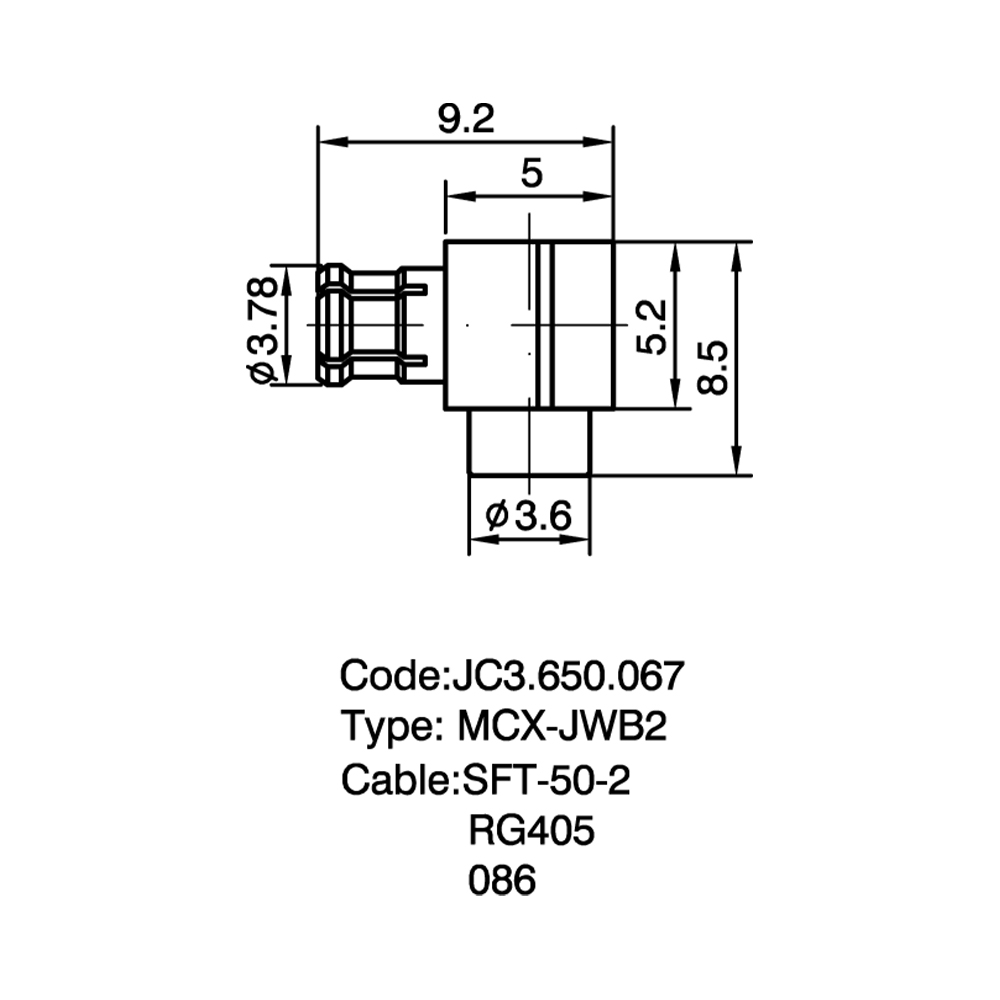
  • JC3.650.067
    MCX-JWB2
    Product parameters > >
    GET A QUOTE
    Major Technical Characteristics
    Temperature Range -55 ~ +155°C (PE Cable -40 ~ +85°C)
    Impedance 50Ω,75Ω
    Frequency Range DC ~ 6GHz
    Working Voltage 250V (50Ω) / 170V (75Ω) at sea level
    Withstanding Voltage 750V (50Ω) / 250V (75Ω) at sea level
    Contact Resistance Center Contact ≤5mΩ
    Outer Contact ≤2.5mΩ
    Insulation Resistance ≥1000MΩ
    Center conductor retention force ≥0.28N
    Engagement force ≤20N
    Disengagement force ≥8N
    Insertion loss 0.18dB/1GHz
    Voltage Standing Wave Ratio Straight ≤1.20/1GHz
    Right angle ≤1.45/1GHz
    Durability ≥500(cycles)

    Material & Plating
    Body Brass Gold plated
    Pin contact Tin bronze Gold plated
    Socket contact Beryllium-copper Gold plated
    Resilient contact Beryllium-copper Gold plated
    Insulator PTFE ——
    Crimp ferrule Copper alloy Nickel/Gold plated
    O-ring sealing 6146 Silicone rubber ——

    Applicable Standard
    CECC 22220
    IEC 61169-36

    JC3.650.067
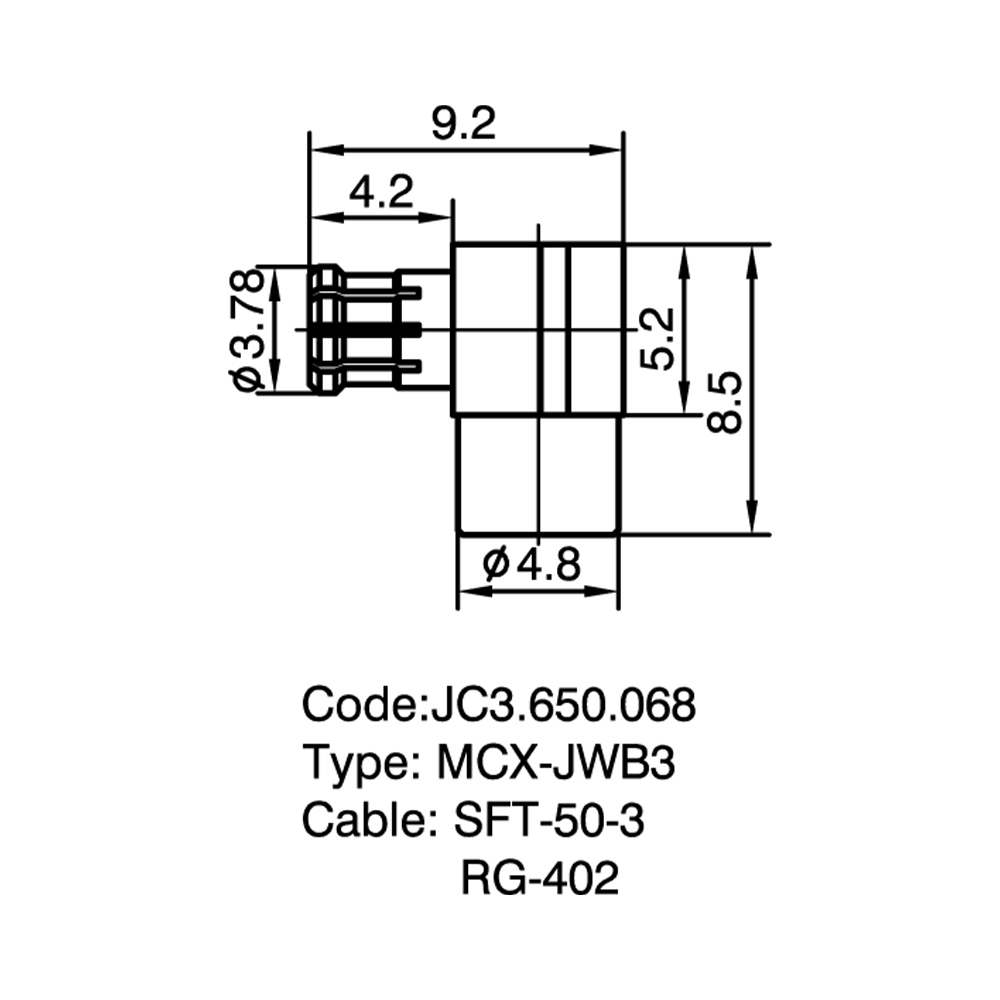
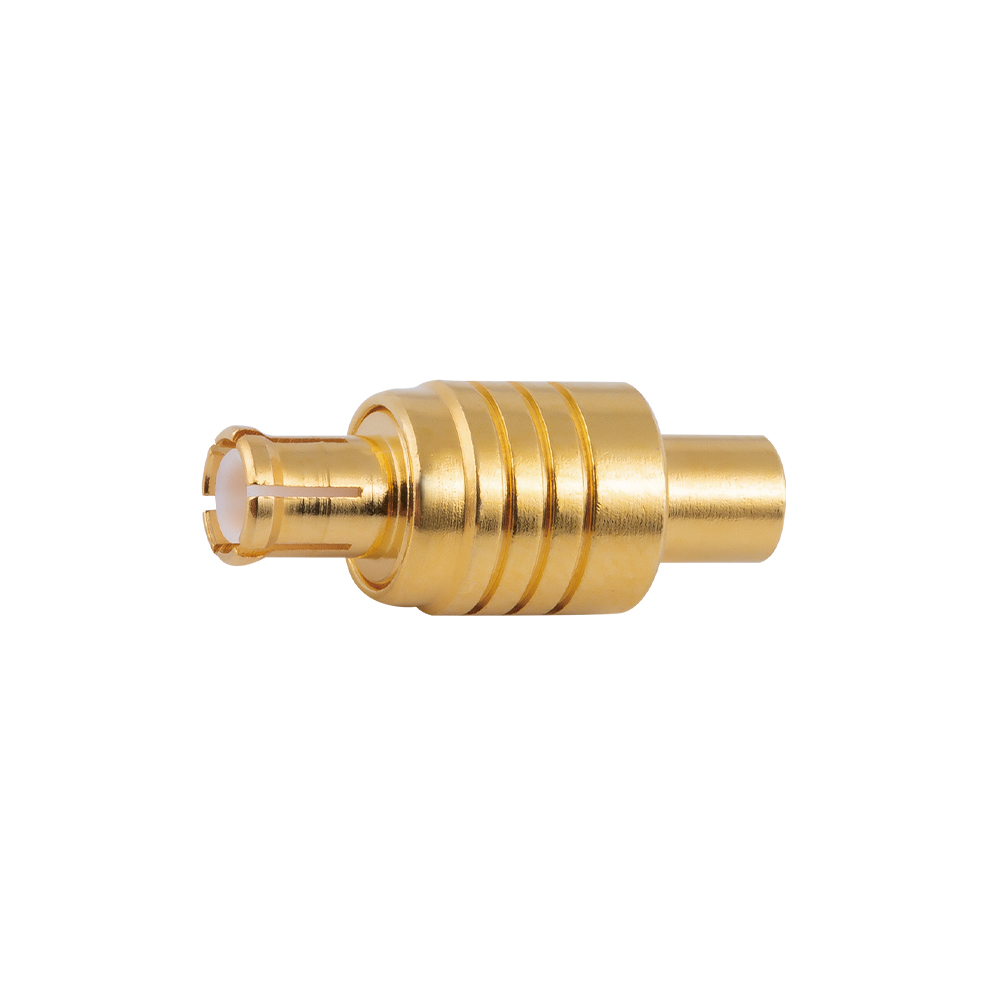
  • JC3.650.068 MCX-JWB3
    GET A QUOTE


    JC3.650.068 MCX-JWB3
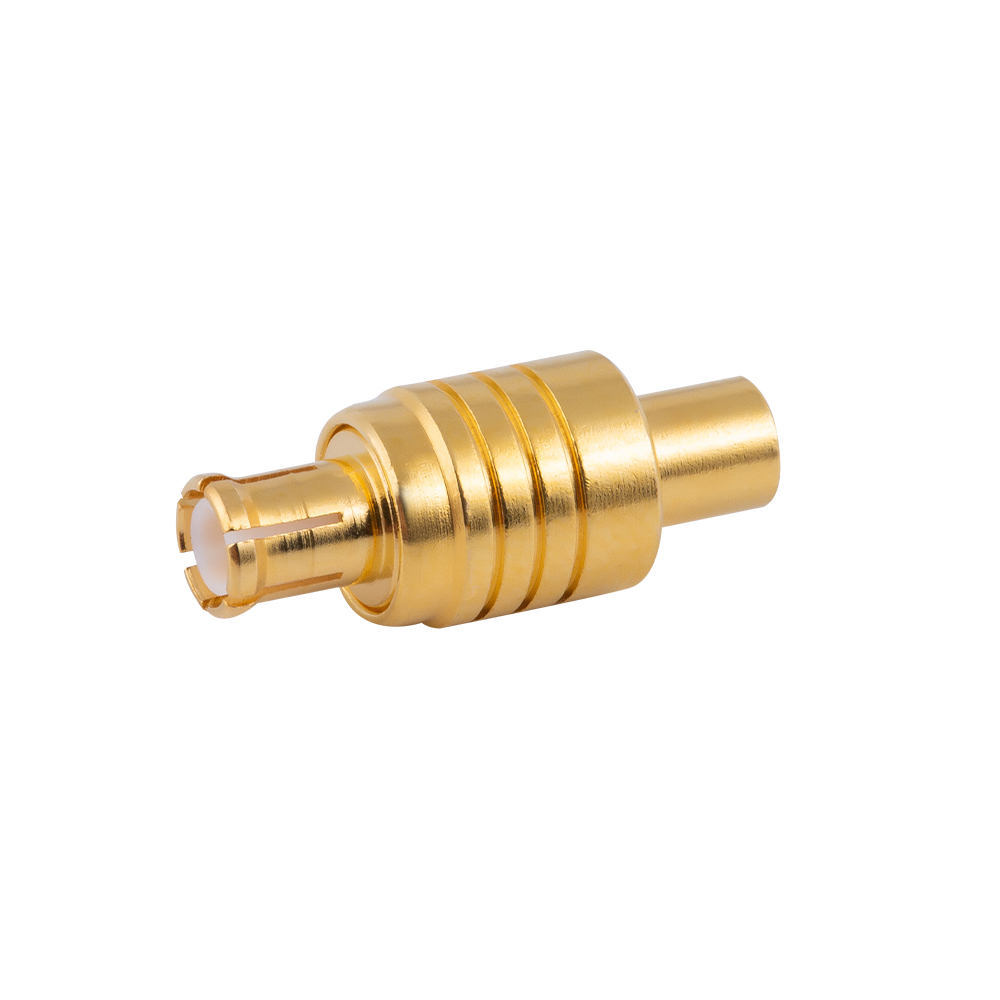
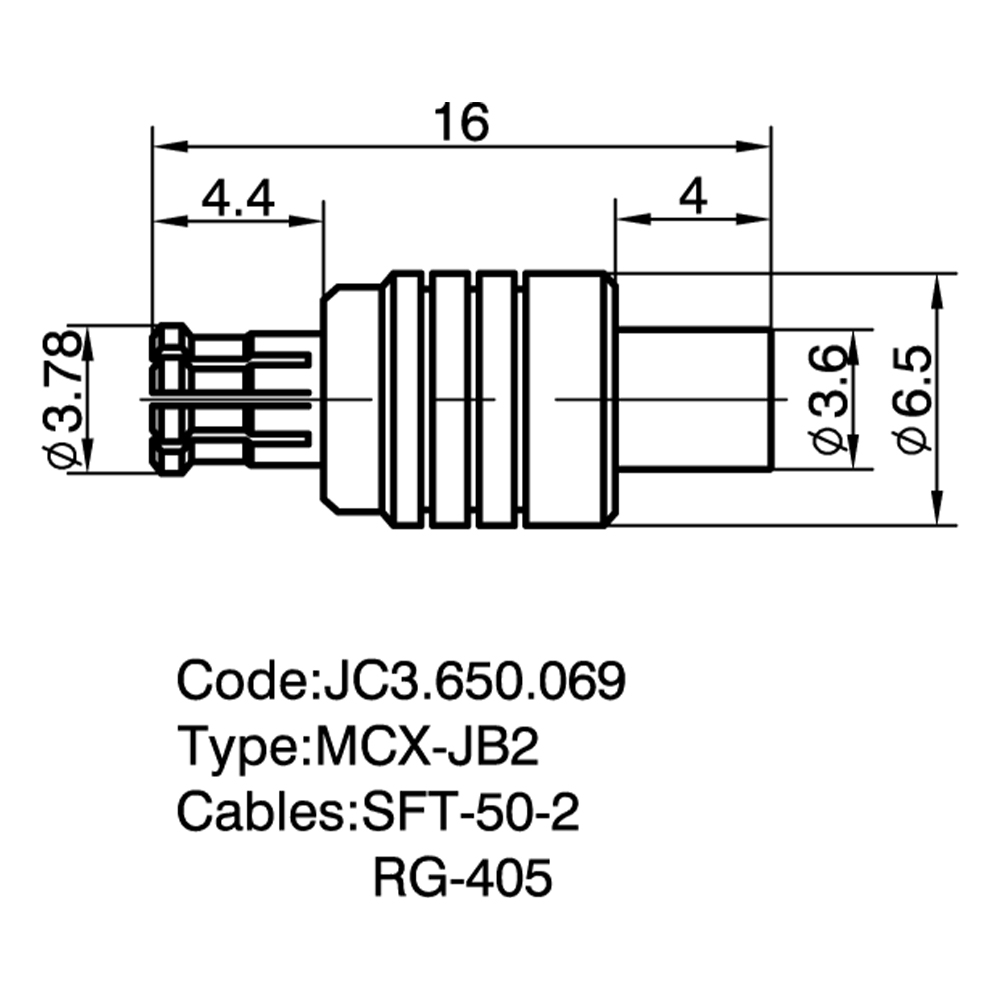
  • JC3.650.069 MCX-JB2
    GET A QUOTE


    JC3.650.069 MCX-JB2
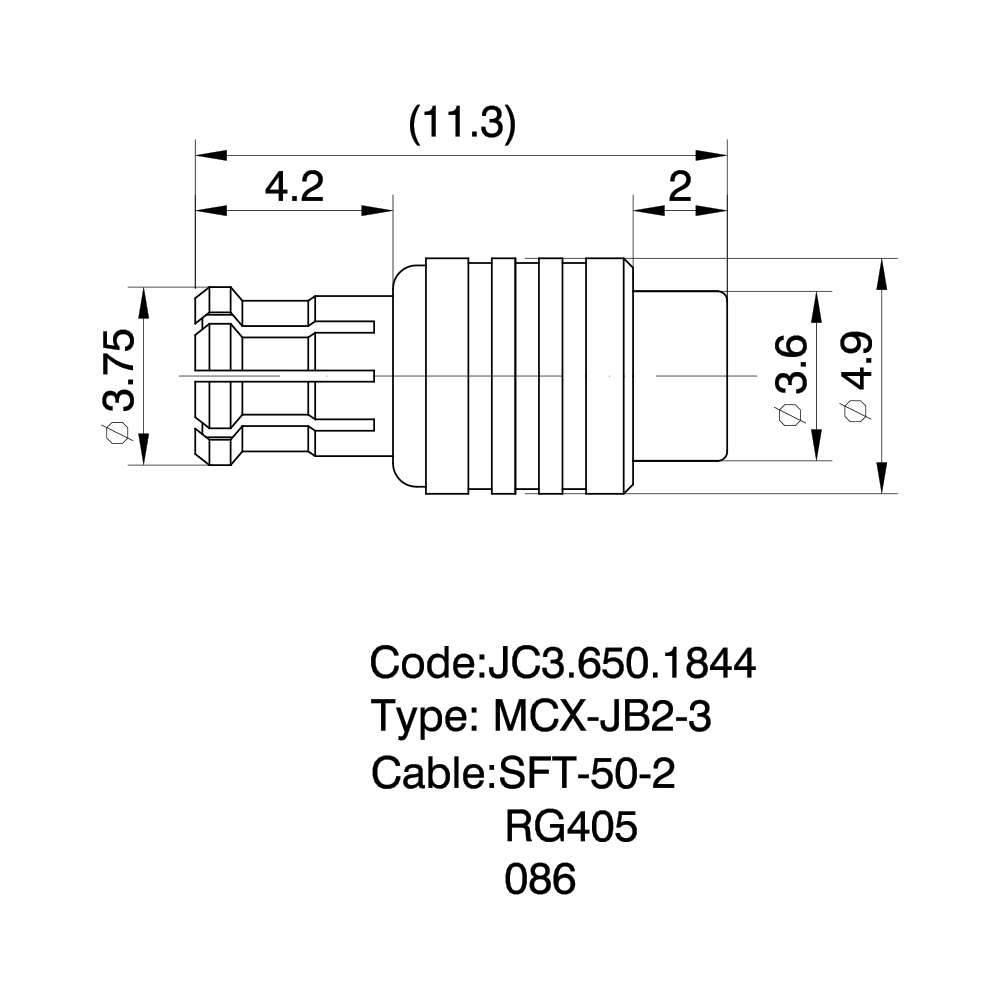
  • JC3.650.1844 MCX-JB2-3
    GET A QUOTE


    JC3.650.1844  MCX-JB2-3
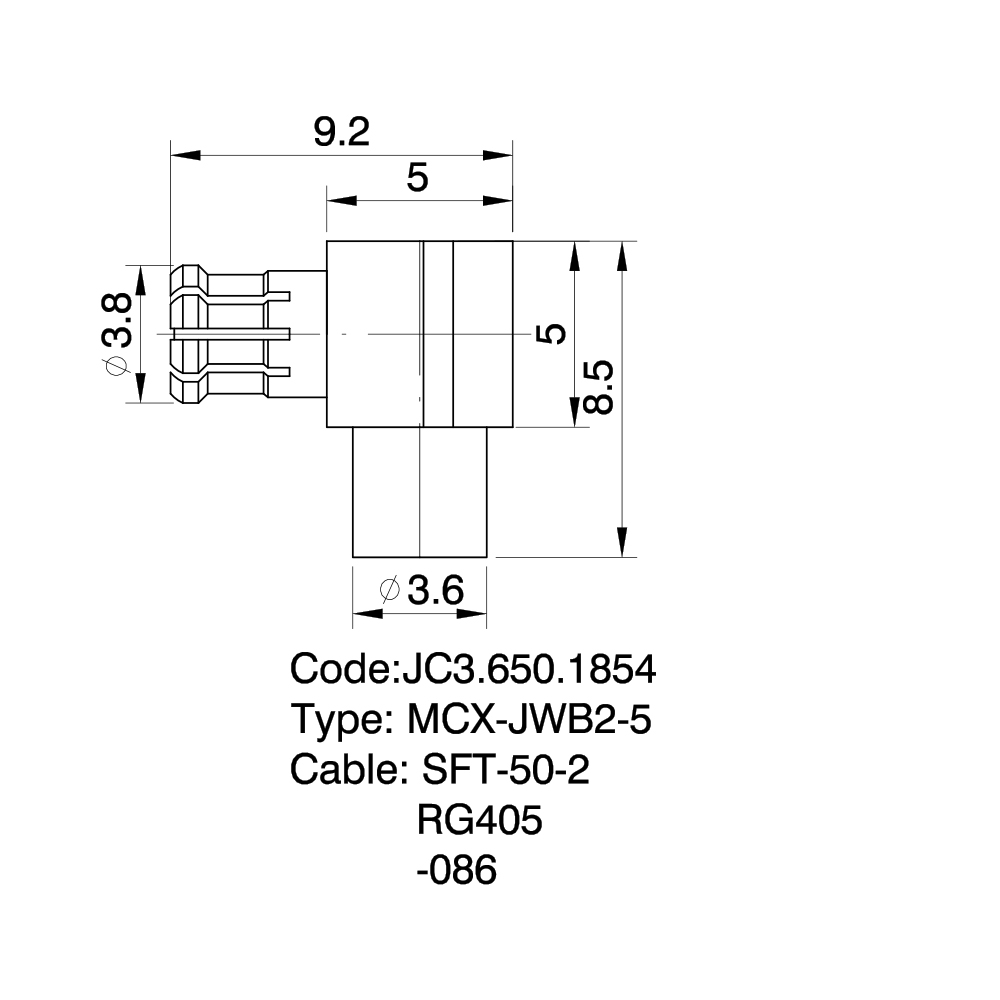
  • JC3.650.1854 MCX-JWB2-5
    GET A QUOTE


    JC3.650.1854  MCX-JWB2-5
About
Yangzhou Jingcheng Electronics Co., Ltd.

Yangzhou Jingcheng Electronics Co., Ltd., a premier China MCX RF Coaxial Connectors For Semi-Flexible And Semi-Rigid Cable Manufacturer and MCX RF Coaxial Connectors For Semi-Flexible And Semi-Rigid Cable Supplier, was founded in 1999. It is a high-tech enterprise specializing in the R&D and manufacturing of RF coaxial connectors, cable assemblies, and passive microwave components.
Equipped with a comprehensive R&D and production system, the company has obtained international certifications including ISO9001. Adhering strictly to standards such as MIL, IEC and GB, we offer over 30 product series with more than 2,000 specifications, covering SMA, BNC, N-type and other mainstream models. Our products are widely applied in the fields of communications, aerospace, automotive electronics and beyond, and exported to many countries and regions across Europe, America and Asia.
We uphold the tenet of "Quality as the Foundation, Customers as the Core", committed to providing reliable interconnection solutions and professional services for global clients.

MCX RF Coaxial Connectors For Semi-Flexible And Semi-Rigid Cable Industry knowledge

MCX RF coaxial connectors for semi-flexible and semi-rigid cable are micro-miniature, snap-on coupling interfaces designed for applications where space and weight are critical constraints. Operating with a characteristic impedance of 50 Ω, these connectors support frequencies up to 6 GHz, providing a dependable interconnection solution across telecommunications, GPS, wireless base stations, and test instrumentation. The snap-on mating mechanism of MCX RF coaxial connectors enables quick connect and disconnect compared to threaded interfaces, while maintaining stable electrical performance in environments subject to vibration. When terminated to semi-flexible or semi-rigid cable types, MCX connectors offer enhanced phase stability and controlled impedance paths, as the solid outer conductor construction of these cables minimizes signal leakage and preserves the intended transmission line properties. Yangzhou Jingcheng Electronics Co., Ltd. supplies these MCX RF coaxial connectors as part of a comprehensive RF interconnect portfolio that includes 2.92, 2.4, 1.85, SMP, SMA, SMZ, CC4, SSMB, MMCX, BNC, TNC, UHF, N, DIN series, adapters, reverse polarity variants, and cable assemblies spanning 0–50 GHz.

Key Specifications

Parameter Typical Value / Range
Characteristic Impedance 50 Ω
Frequency Range DC – 6 GHz
Mating Mechanism Snap-on (push-on / pull-off)
Durability (Mating Cycles) ≥ 500 cycles
VSWR (Voltage Standing Wave Ratio) ≤ 1.25 (straight type, up to 6 GHz)
Contact Resistance Center contact ≤ 5 mΩ; Outer contact ≤ 2.5 mΩ
Insulation Resistance ≥ 1000 MΩ
Operating Temperature Range -55 °C to +155 °C
Compatible Cable Types Semi-rigid (e.g., RG402, RG405) and semi-flexible cables

Common Connector Types and Characteristics

MCX connectors for semi-flexible and semi-rigid cable are manufactured in several configurations, each addressing specific assembly and layout requirements.

Connector Type Characteristics Typical Use Case
Straight Solder Plug / Jack Direct solder termination to the cable outer conductor; provides a compact, in-line connection with minimal insertion loss and consistent impedance matching. Panel-to-cable links, module interconnects where the cable runs perpendicular to the bulkhead.
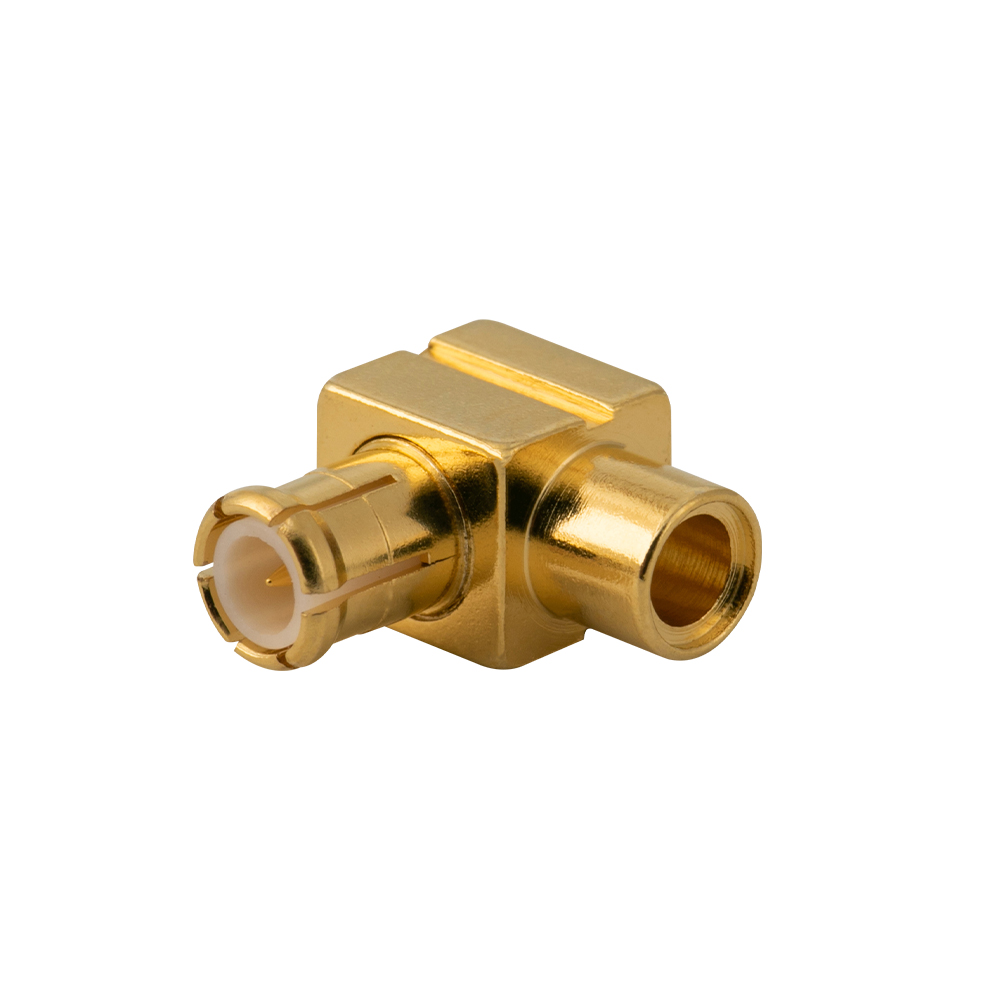
Right-Angle Solder Plug / Jack Allows a 90-degree cable exit, facilitating routing in confined spaces. Manufactured with precise internal geometries to maintain VSWR performance through the bend transition. Dense PCB layouts, applications behind front panels, systems with limited vertical clearance.
Bulkhead / Panel Mount Incorporates a flange or locking nut for mounting through an enclosure wall; connects a semi-rigid/semi-flexible cable assembly internally to an external MCX interface. Enclosed RF modules, test instruments, telecommunication cabinet patch panels.
PCB Edge Mount Designed for soldering directly to a printed circuit board edge, with the cable entry oriented parallel or perpendicular to the board plane. The mechanical design accommodates the rigid nature of semi-rigid cable without stressing the PCB solder joints. Integrated RF transceiver modules, embedded wireless systems.

Comparison: MCX vs. MMCX vs. SMA

Feature MCX MMCX SMA
Coupling Mechanism Snap-on Snap-on (with 360° rotation) Threaded (1/4-36 UNS)
Max Frequency (Typical) 6 GHz 6 GHz 18 GHz (precision grades up to 26.5 GHz)
Physical Size Micro-miniature (approx. 3.5 mm outer diameter interface) Smaller than MCX (approx. 2.4 mm outer diameter interface) Larger (approx. 8 mm hex coupling nut)
Primary Advantage Balanced size, robust snap-on retention, wide adoption in GPS and base station sub-assemblies. Ultra-small footprint, rotatable interface allows flexible cable orientation after mating. Higher frequency and higher power capability; vibration-resistant threaded coupling.
Common Cable Association Widely paired with semi-flexible and semi-rigid types for shaped fixed interconnects. Frequently used with smaller diameter semi-rigid or flexible cables in mobile devices. Extensively used with a broad range of semi-rigid cables (0.141", 0.086") for instrumentation and microwave links.

MCX connectors occupy a position between the larger SMA interface and the smaller MMCX interface, providing a practical compromise of size, retention force, and ease of use for fixed-route semi-rigid cable assemblies.

Application Scenarios

  • GPS and GNSS Receivers: MCX connectors terminated to semi-rigid cable offer a stable phase path from the antenna input to the receiver front-end, preserving signal integrity in navigation and timing modules.
  • Wireless Base Station Interconnects: Used inside remote radio units (RRUs) and baseband processing enclosures where fixed-route, pre-formed semi-flexible jumpers connect filters, amplifiers, and diplexers.
  • Test and Measurement Equipment: Vector network analyzers, spectrum analyzers, and signal generators employ MCX-to-semi-rigid assemblies for internal signal routing that demands precise, repeatable electrical length.
  • Medical Telemetry and Imaging Systems: Portable diagnostic devices utilize MCX connectors for lightweight, secure RF links between sensor arrays and processing units.
  • Automotive Telematics and V2X Modules: Shark-fin antennas and in-vehicle communication boxes integrate MCX semi-rigid harnesses for their resistance to deformation under thermal cycling.
  • Industrial IoT and Sensor Networks: Compact wireless nodes and gateways benefit from the snap-on convenience and solid RF grounding inherent in semi-rigid cable terminations.

Selection Guidelines

When specifying an MCX RF coaxial connector for semi-flexible or semi-rigid cable, evaluation of the following parameters is recommended to ensure electrical and mechanical compatibility.

  • Cable Conformance and Diameter: Verify the connector is dimensioned for the specific cable outer diameter (e.g., 0.141-inch RG402 semi-rigid, 0.086-inch RG405). The connector ferrule and solder entry must match the cable jacket and dielectric dimensions for consistent impedance. Yangzhou Jingcheng Electronics manufactures cable connectors with precisely machined ferrules that correspond to widely used semi-rigid and semi-flexible cable sizes.
  • Interface Type and Orientation: Determine whether a straight, right-angle, or bulkhead configuration is required based on space constraints and board layout.
  • Plating and Material: Connector bodies are available with nickel, gold, or ternary alloy plating on brass or stainless steel. Gold-plated beryllium copper center contacts provide low contact resistance and corrosion resistance. The selection depends on environmental exposure and intermodulation requirements.
  • Mating Requirements: Confirm the gender (plug or jack) and interface compliance per CECC 22220 or equivalent mechanical standards. The snap-on retention force should be verified for the number of expected mating cycles in the target application.
  • Operating Frequency and VSWR: While the MCX series is rated to 6 GHz, straight configurations typically exhibit lower VSWR than right-angle variants. System margin analysis should account for the specific connector geometry.
  • Assembly Method: Semi-rigid and semi-flexible cables require soldering of the center conductor and outer ferrule. Pre-tinning of semi-rigid stainless steel or tin-filled braid cables should be factored into the assembly procedure. JC Company provides assembly documentation and can supply pre-assembled cable harnesses integrating MCX RF coaxial connectors upon request.

Frequently Asked Questions

Q1: Can MCX connectors be used with standard flexible RG cables instead of semi-rigid types?

MCX connectors are manufactured in variants specifically designed for flexible, semi-flexible, and semi-rigid cables. A connector intended for semi-rigid cable incorporates a ferrule and solder cup arrangement that secures the solid outer conductor directly. Using a flexible cable in a semi-rigid connector is not recommended, as the termination method and strain relief differ and may result in compromised electrical performance or mechanical instability.

Q2: What is the primary difference between semi-flexible and semi-rigid cable when terminated with MCX connectors?

Semi-rigid cable has a solid copper or aluminum outer conductor that can be hand-formed once or twice for static routing; it offers the highest phase stability and shielding effectiveness. Semi-flexible cable uses a tightly braided outer conductor or a flexible metal tube that can be re-routed multiple times with simpler tooling, trading some shielding and phase stability for easier installation. MCX connectors specified for either cable type feature appropriately designed solder termination structures.

Q3: Are reverse polarity MCX connectors available for semi-rigid cable?

Yes. Reverse polarity (RP) MCX connectors, where the interface gender is reversed while maintaining identical coupling dimensions, are produced for compliance with FCC Part 15 requirements in certain wireless applications. Yangzhou Jingcheng Electronics supplies both standard and reverse polarity MCX RF coaxial connectors across multiple cable attachment styles.

Q4: How does the solder termination process affect connector performance?

Proper soldering of the center contact and outer ferrule to the semi-rigid cable is critical for maintaining specified VSWR and insertion loss. Excessive heat can deform the dielectric, while insufficient solder can cause intermittent contacts. A controlled soldering process with appropriate flux and temperature regulation is used during assembly to preserve the connector's published RF performance.