SMB Flange Mount Micro-strip RF Connectors Custom

Home / Products / Coaxial Connectors / SMB RF Coaxial Connectors / SMB Flange Mount Micro-strip RF Connectors

SMB Flange Mount Micro-strip RF Connectors Manufacturer

Product Introduction:
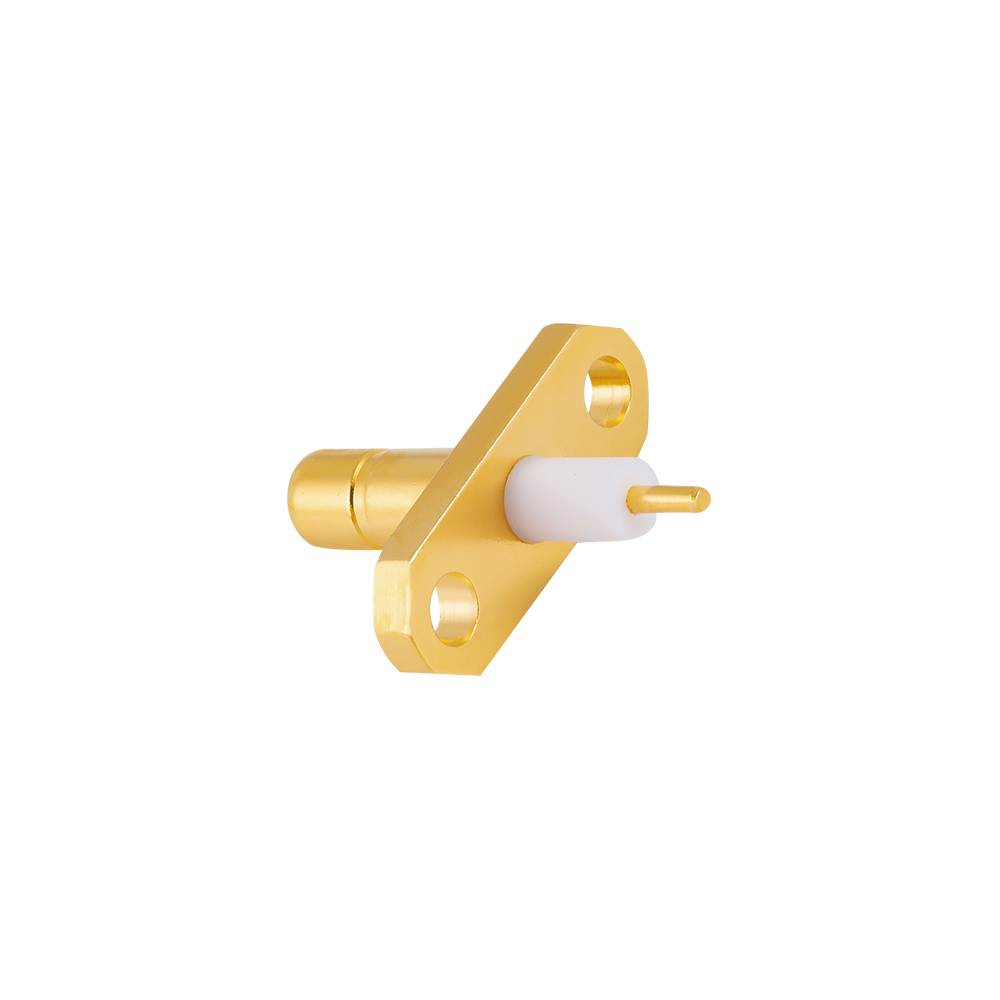
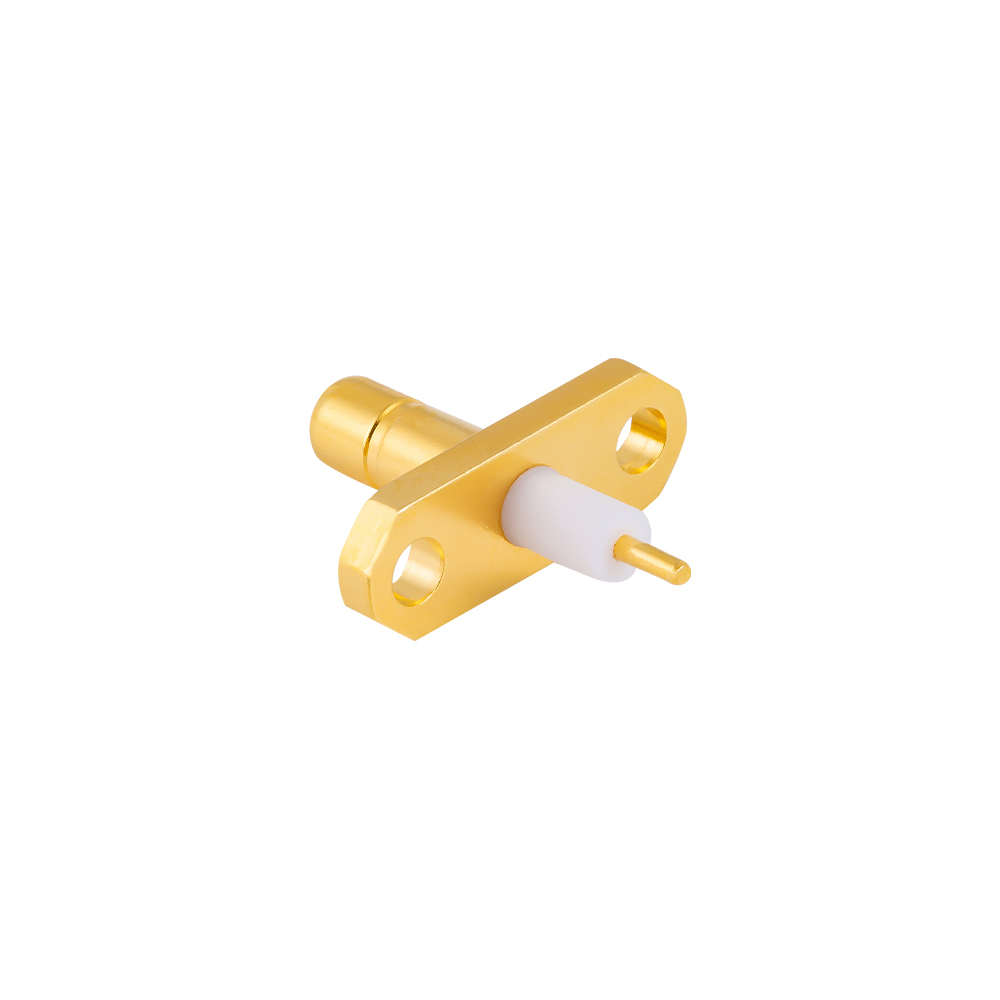
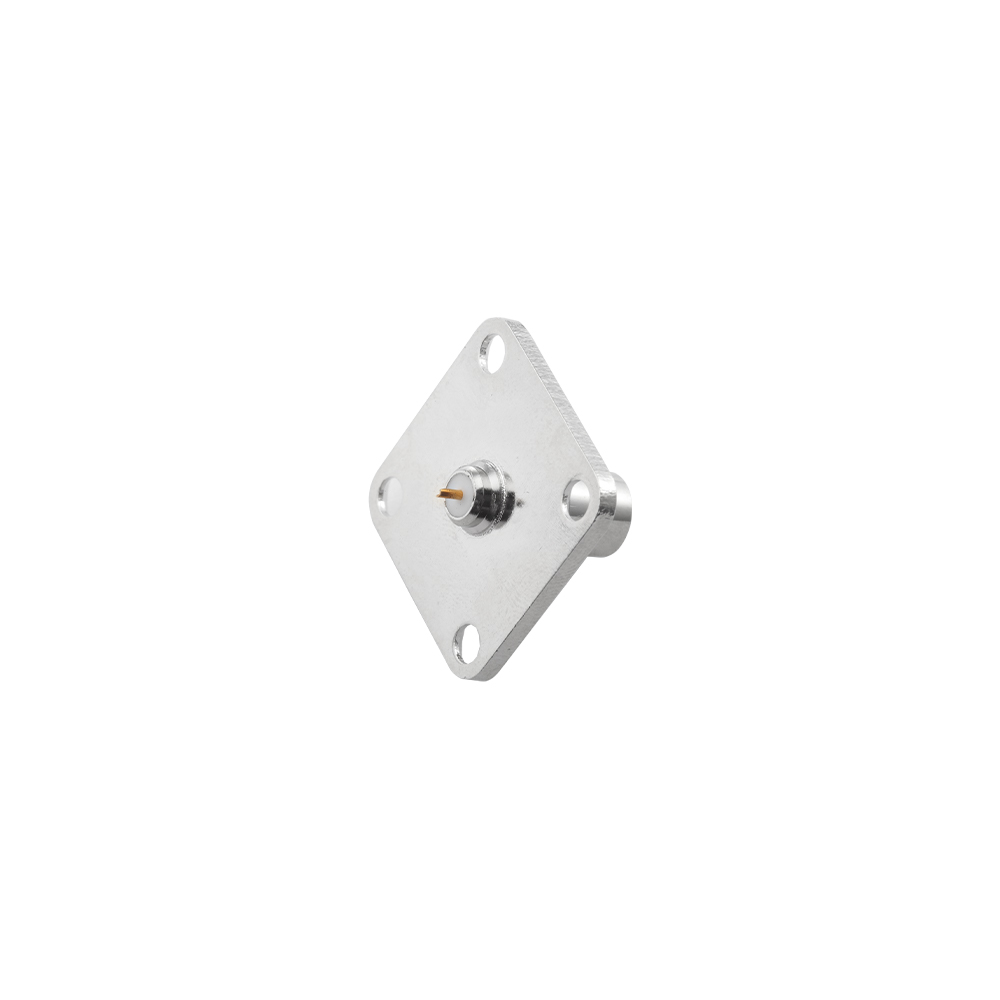
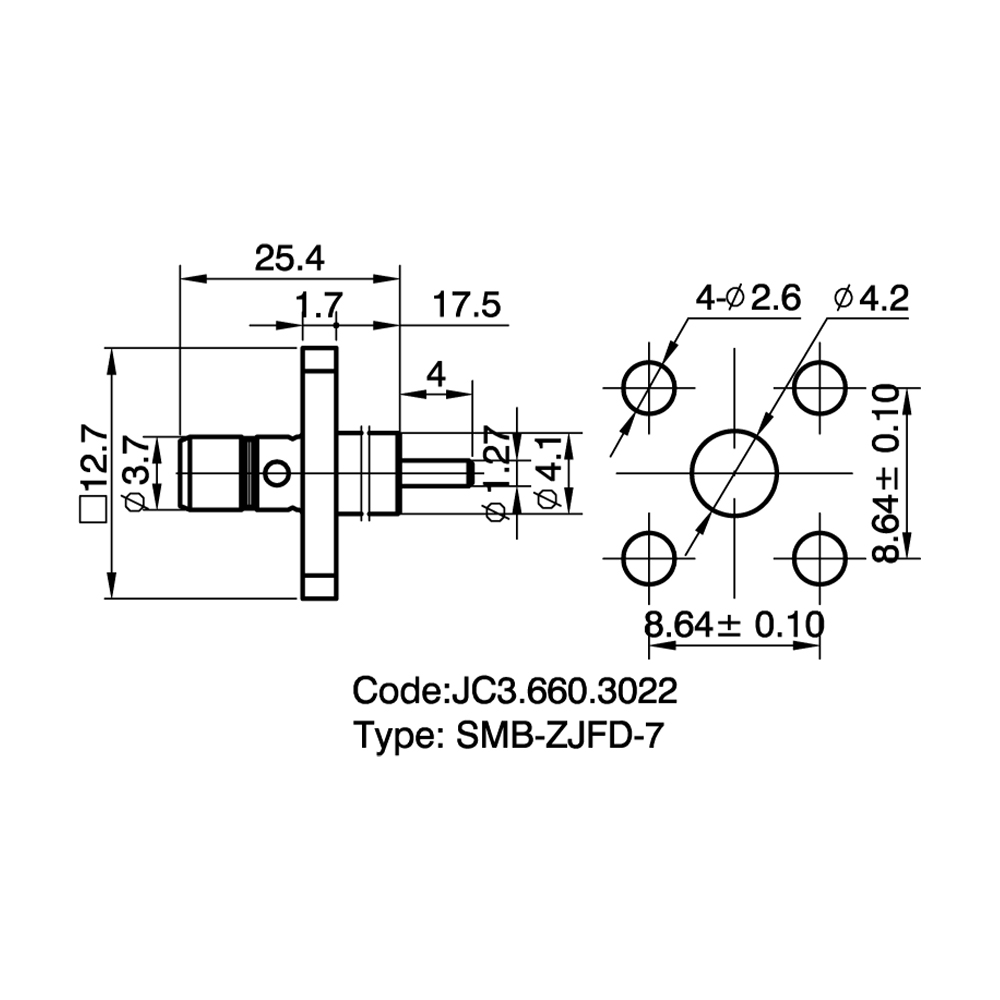
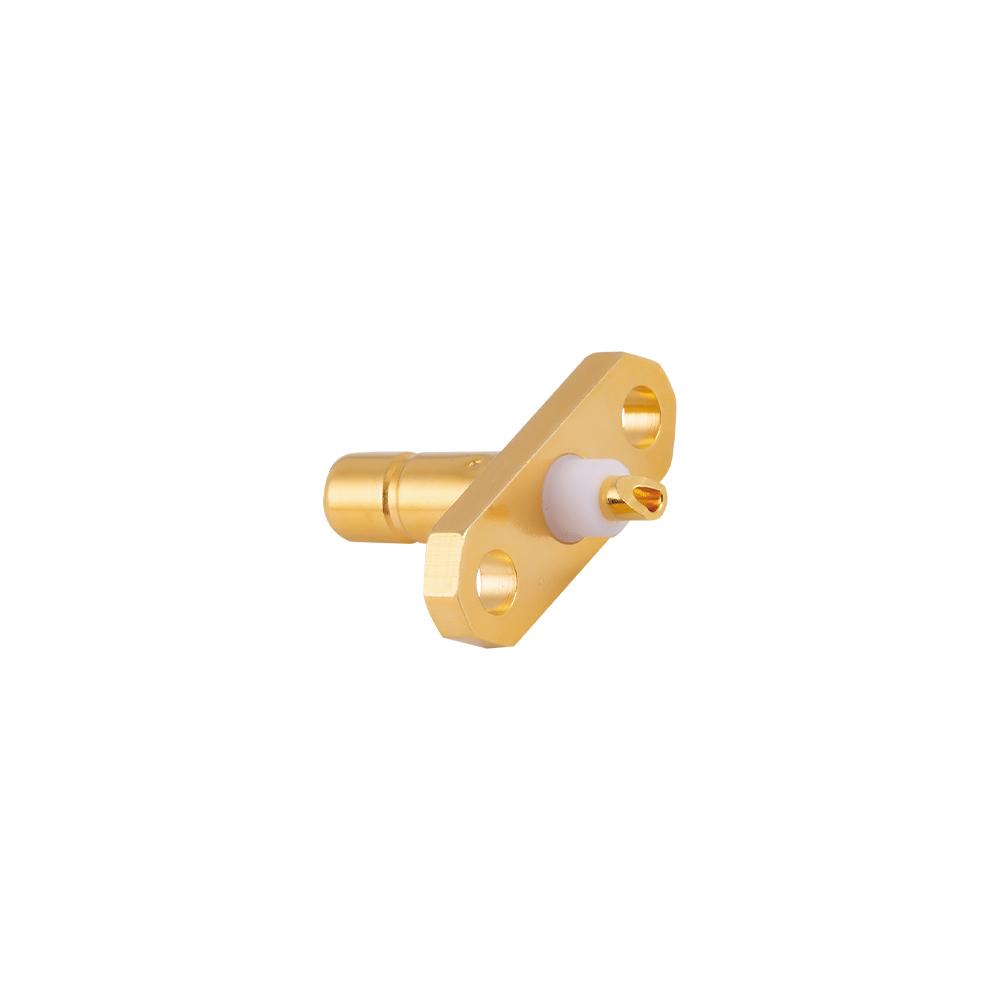
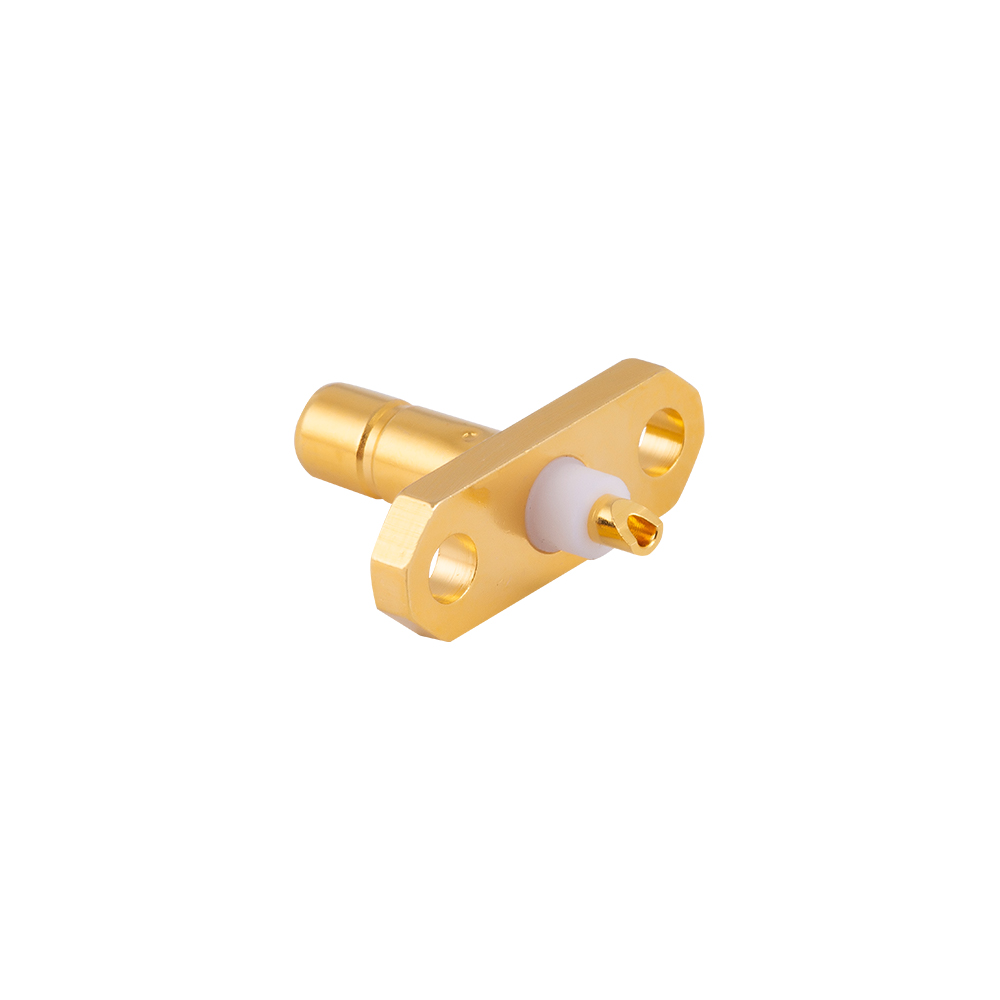
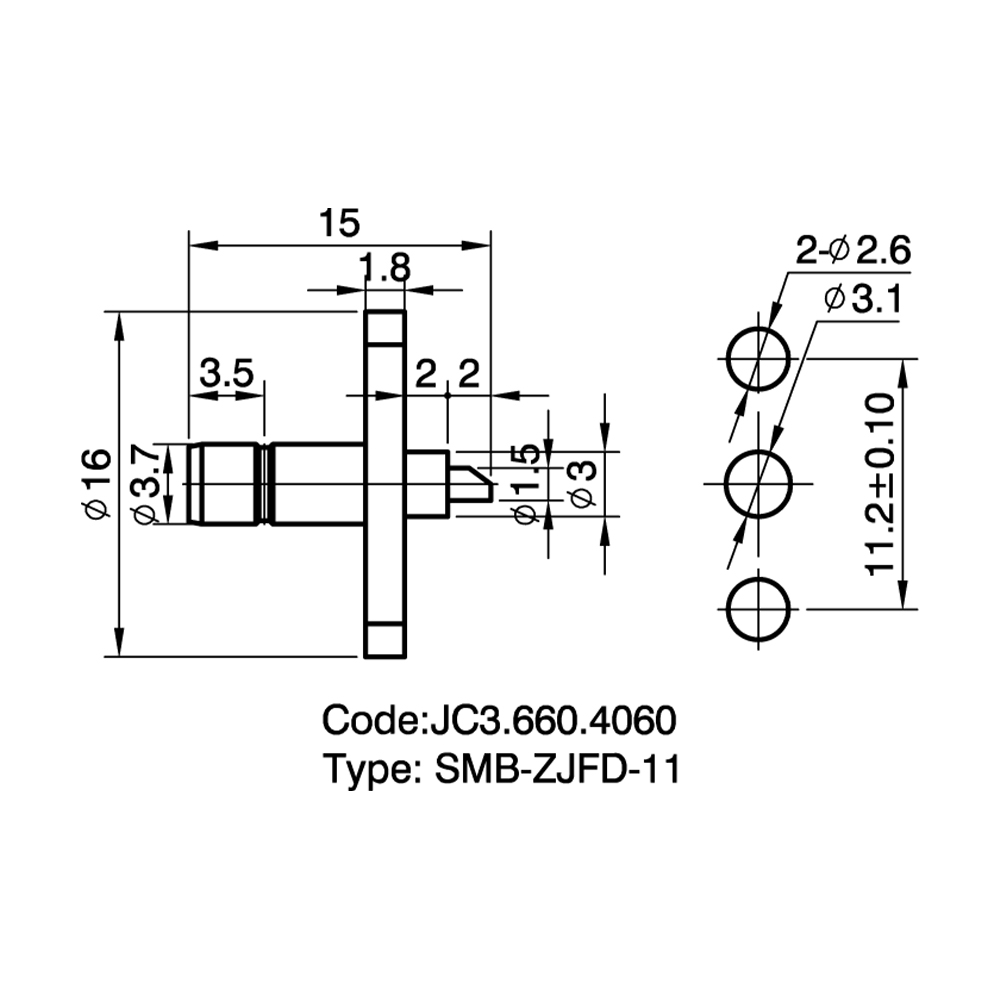
This product is typically equipped with a 2-hole or 4-hole flange and is mainly used at the edge of RF modules to achieve a seamless transition between microstrip circuits and external test cables.

Product Features:
Panel mounting: The flange structure allows secure installation on shielding enclosures or chassis panels, effectively distributing mating and unmating stress.
High-frequency performance: Designed with impedance compensation for 50Ω and 75Ω systems, reducing reflection in the microstrip transition area.
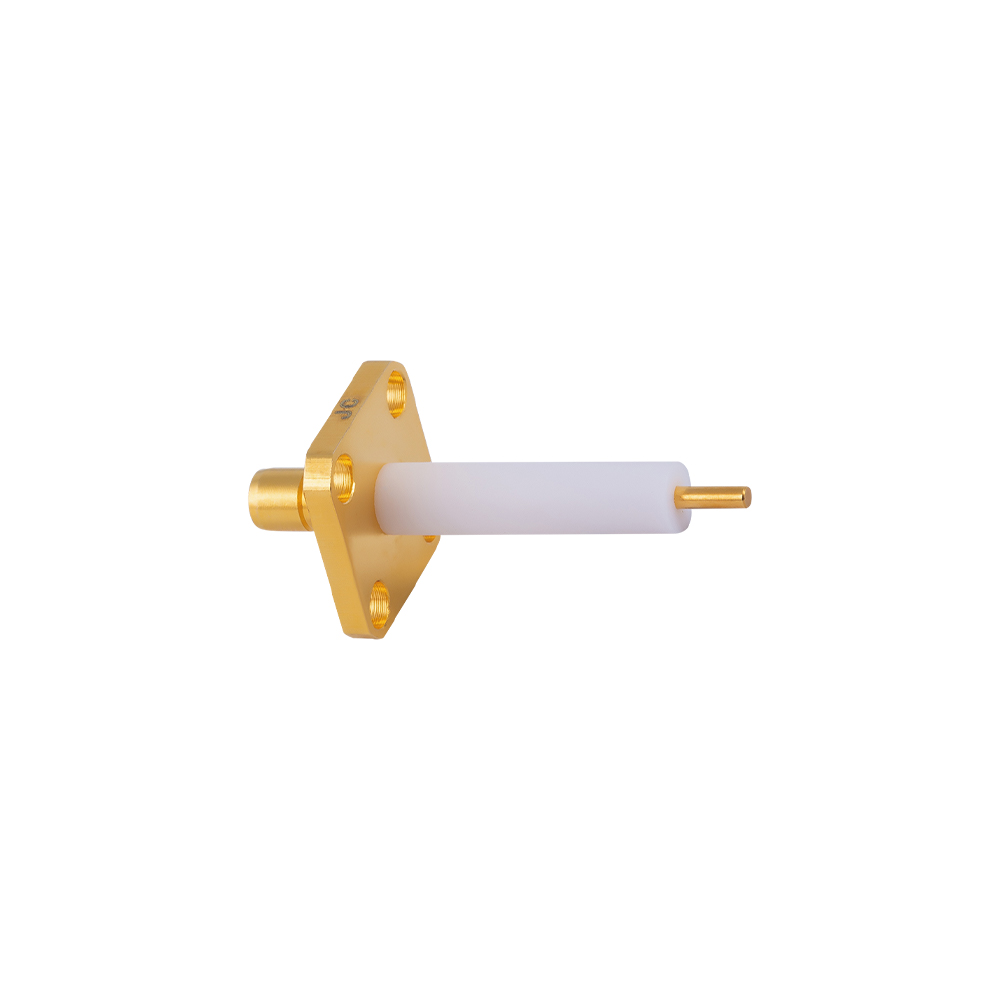
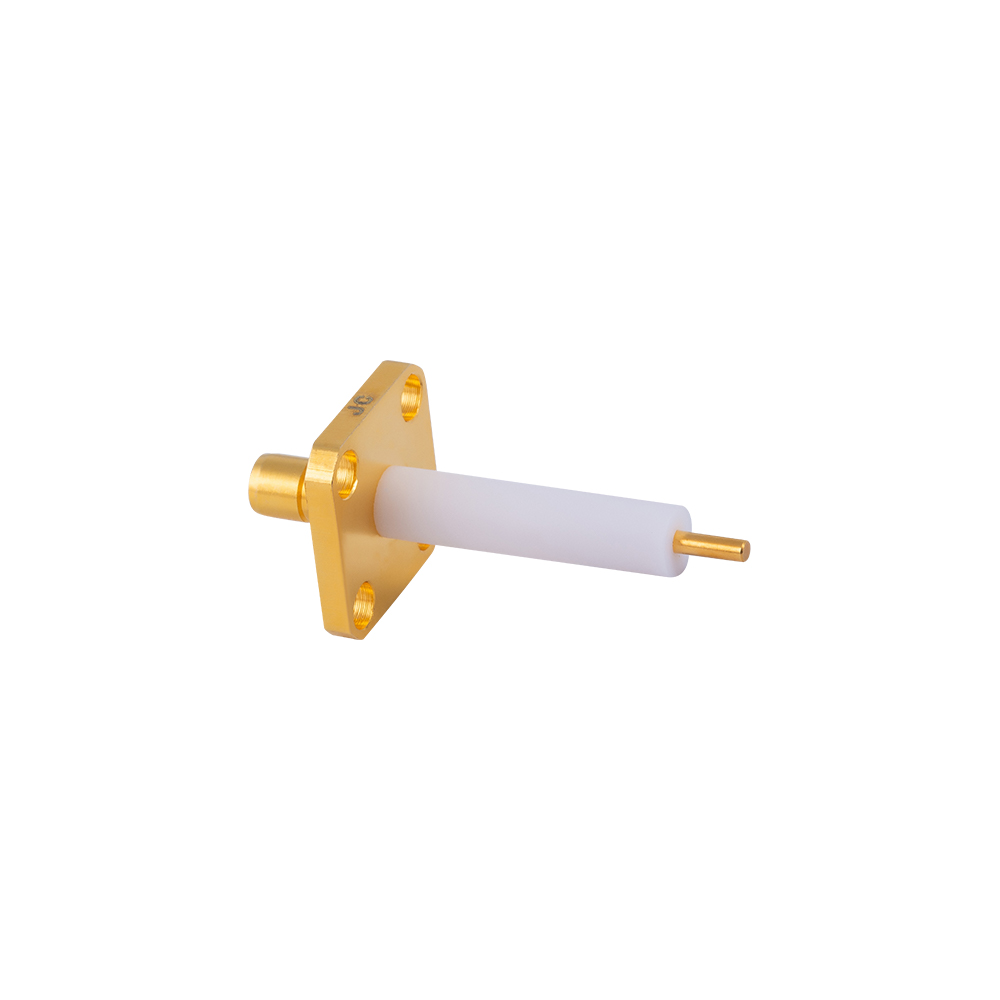
Premium materials: Full gold plating provides excellent conductivity and strong resistance to oxidation.

Application Advantages:
Easy maintenance: As an external chassis interface, it allows users to quickly replace external jumper cables.
Space saving: Mounted at the board edge via the flange, reducing internal PCB routing length and space usage.

Temperature  Range

-55~+155℃(PE Cable   -40~+85℃)

Impedance

50Ω,75Ω

Frequency Range

 DC~4GHz(50Ω);0~2GHz(75Ω)

Insulation resistance

≥1000MΩ

Insertion loss

 0.30  dB/1.5GHz

Voltage Standing Wave Ratio (VSWR)

Straight ≤1.35/3GHz


Right  angle ≤1.45/3GHz

Durability(mating)

≥500 cycles

About
Yangzhou Jingcheng Electronics Co., Ltd.

Yangzhou Jingcheng Electronics Co., Ltd., a premier China SMB Flange Mount Micro-strip RF Connectors Manufacturer and SMB Flange Mount Micro-strip RF Connectors Supplier, was founded in 1999. It is a high-tech enterprise specializing in the R&D and manufacturing of RF coaxial connectors, cable assemblies, and passive microwave components.
Equipped with a comprehensive R&D and production system, the company has obtained international certifications including ISO9001. Adhering strictly to standards such as MIL, IEC and GB, we offer over 30 product series with more than 2,000 specifications, covering SMA, BNC, N-type and other mainstream models. Our products are widely applied in the fields of communications, aerospace, automotive electronics and beyond, and exported to many countries and regions across Europe, America and Asia.
We uphold the tenet of "Quality as the Foundation, Customers as the Core", committed to providing reliable interconnection solutions and professional services for global clients.

SMB Flange Mount Micro-strip RF Connectors Industry knowledge

SMB Flange Mount Micro-strip RF Connectors

SMB Flange Mount Micro-strip RF Connectors are snap-on coaxial interconnects designed to transition a coaxial cable or module housing directly onto a printed circuit board micro-strip line through a flange-fixed body. Unlike cable-mount SMB connectors, the flange mount configuration is secured to a housing wall or panel with screws through the flange holes, while the center contact is soldered directly to the micro-strip trace, giving a fixed mechanical reference and a controlled signal launch. This construction makes SMB Flange Mount Micro-strip RF Connectors a standard choice wherever a board-level RF signal needs a repeatable, panel-referenced coaxial exit without the added length or tolerance stack-up of a cable pigtail.

Common Types and Structural Features

  • 2-hole flange mount: two mounting holes positioned on either side of the connector body, used where panel space is limited and rotational alignment is fixed by the board layout.
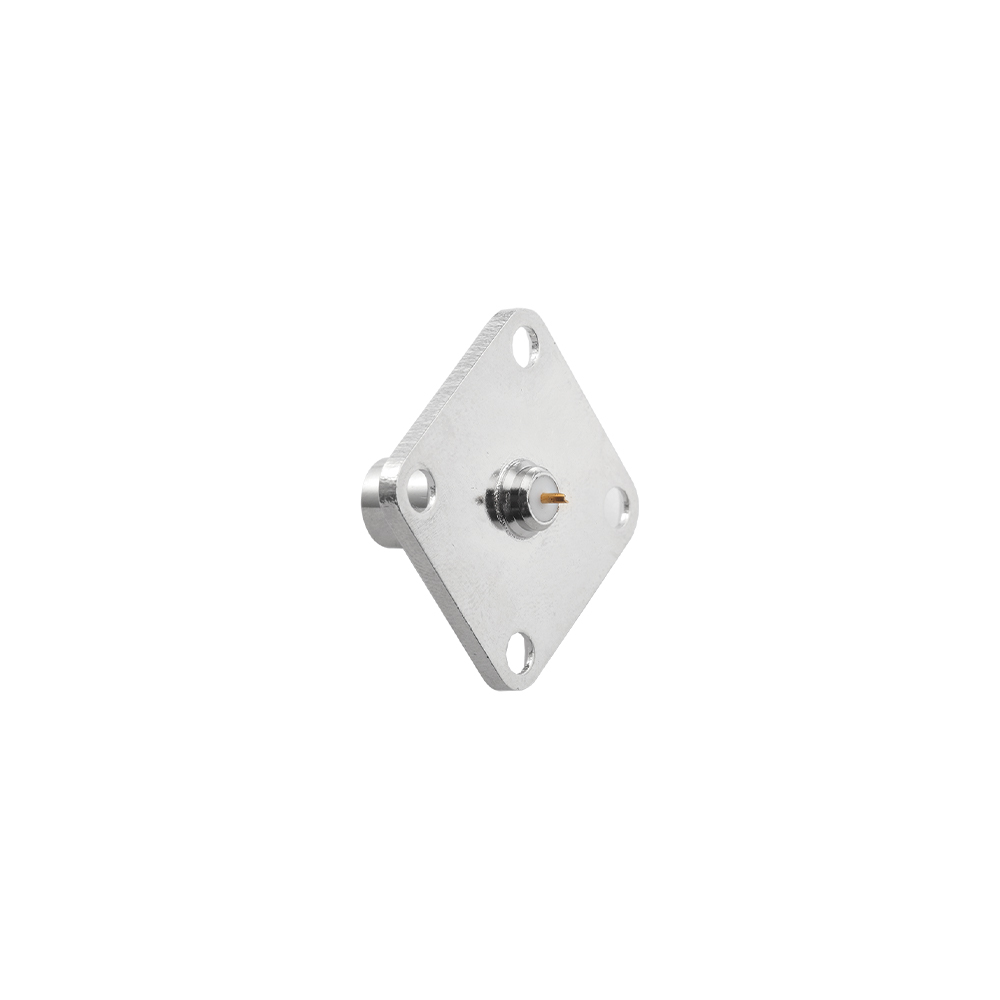
  • 4-hole flange mount: four mounting holes for higher mechanical retention and better repeatability of contact position under vibration, common in equipment subject to shock or thermal cycling.
  • Jam-nut flange variant: a single central nut secures the connector from the rear of a panel, allowing installation from one side of an enclosure.
  • Male (plug) and female (jack) center contacts: polarity is selected to match the mating cable assembly or module, with the micro-strip end machined for a solder-in or reflow-compatible pin.
  • Straight and right-angle micro-strip launch: straight versions exit perpendicular to the board; right-angle versions route the signal parallel to the board surface for low-profile assemblies.

Across these variants, the micro-strip interface is machined and plated to hold a controlled 50Ω impedance from the coaxial section through to the point where the center pin meets the trace, which is the detail that most affects return loss at the transition.

Application Scenarios and Selection Points

SMB Flange Mount Micro-strip RF Connectors are used in RF and microwave modules, base station sub-assemblies, test and measurement instruments, radar front-ends, avionics packages, and any small-form-factor board where a shielded housing wall separates the PCB from an external cable run. The snap-on SMB coupling suits designs where connectors are mated and unmated frequently during test or assembly, without the torque control needed for threaded interfaces.

Selection typically comes down to the following points:

  • Frequency range and VSWR: confirm the connector's rated frequency band and voltage standing wave ratio match the signal chain requirement, since micro-strip launches degrade faster with frequency than cable-to-cable interfaces.
  • Flange hole pattern: hole count and spacing must match the panel or housing cutout; 2-hole and 4-hole patterns are not interchangeable without redesigning the mounting footprint.
  • PCB thickness and pin length: the center pin length should correspond to the board thickness and trace layer so the solder joint sits flush with the micro-strip pad.
  • Body material and plating: brass or beryllium copper bodies with gold-plated contacts resist oxidation and maintain low insertion loss over repeated mating cycles.
  • Environmental exposure: connectors used outdoors or in sealed enclosures may need gasket options or corrosion-resistant plating in addition to the standard configuration.

Comparison With Related Connector Types

Item SMB Flange Mount Micro-strip SMA Flange Mount SMB Cable Mount
Coupling method Snap-on Threaded (torque-controlled) Snap-on
Typical mounting PCB micro-strip, panel flange Panel flange, bulkhead Coaxial cable termination
Mating cycles Moderate, quick connect/disconnect High, but slower to mate/unmate Moderate
Common frequency use Up to several GHz, board-level Up to 18 GHz and above Up to several GHz, cable assemblies
Typical application Board-to-panel RF transition Test equipment, high-frequency modules Cable-to-cable or cable-to-device links

Frequently Asked Questions

What frequency range do SMB Flange Mount Micro-strip RF Connectors cover?

Coverage depends on the specific series and launch design, with most parts specified up to several GHz. The micro-strip transition, board material, and trace geometry all influence the usable upper frequency, so the connector should be evaluated together with the board design rather than as an isolated component.

How is a flange mount version different from a cable mount SMB connector?

A flange mount connector is fixed to a panel or housing wall through mounting holes and has its center contact configured for a direct board or micro-strip connection, while a cable mount connector terminates a coaxial cable and is not intended to be screwed to a panel.

Can the flange hole pattern be customized?

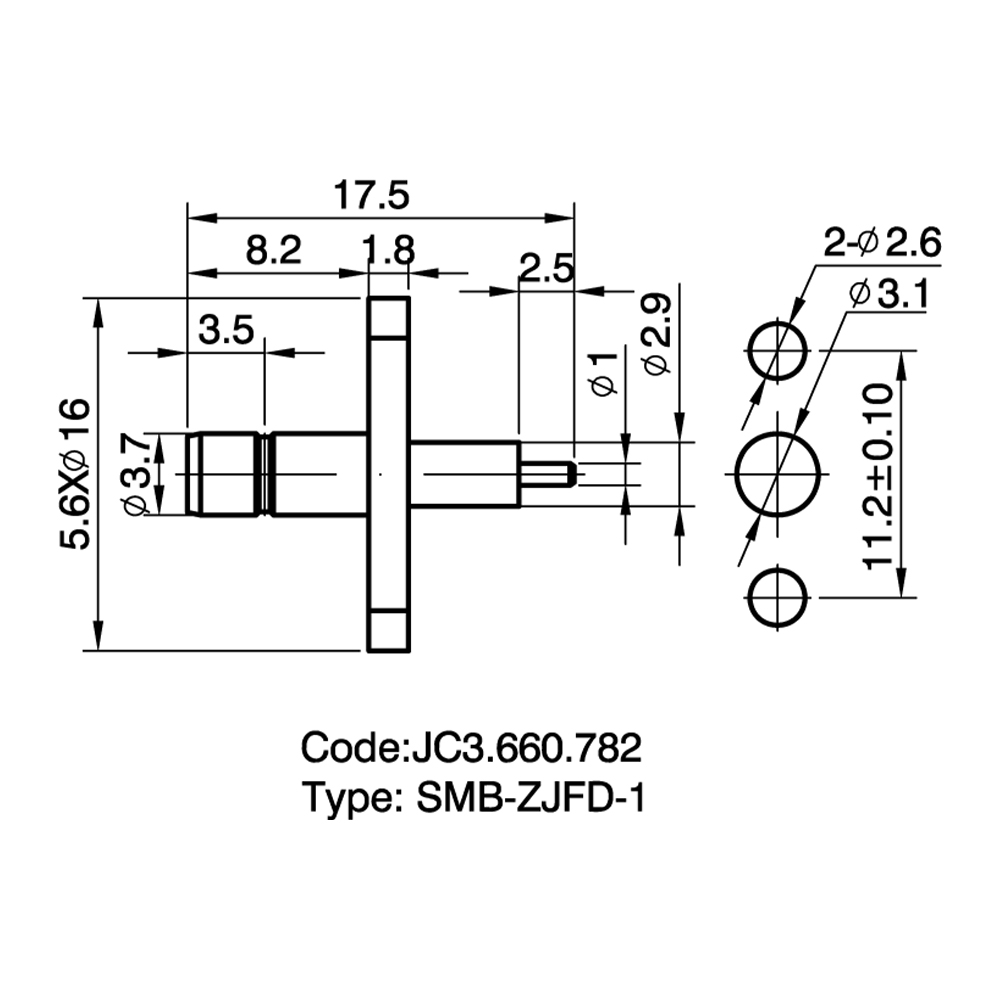
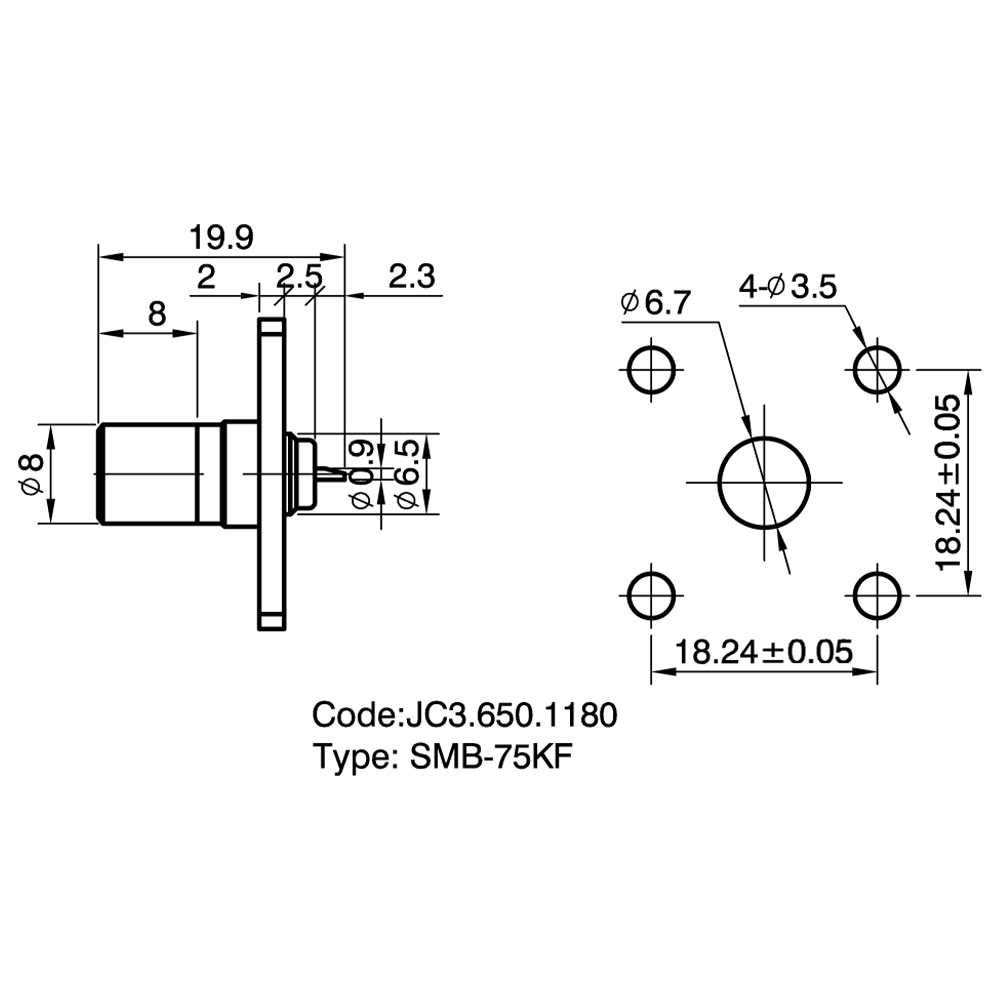
Hole pattern, pin length, plating, and body dimensions can be adjusted to match an existing panel cutout or board layout. Custom configurations are typically produced against a drawing or sample to confirm mechanical and electrical fit before volume production.

What plating is recommended for long-term reliability?

Gold plating over nickel underplate is common for the contact area, since it maintains low and stable contact resistance across repeated mating cycles and resists oxidation in most indoor and sealed-enclosure environments.

Manufacturing Background

SMB Flange Mount Micro-strip RF Connectors in this category are produced by Yangzhou Jingcheng Electronics Co., Ltd., a manufacturer of RF coaxial connectors and cable assemblies since 1999. Production runs on CNC machining centers with in-line network analyzer testing, and parts are manufactured under ISO 9001 and ISO 14001 systems with RoHS compliance, allowing hole patterns, pin lengths, and plating to be adjusted to a customer's panel or board drawing.