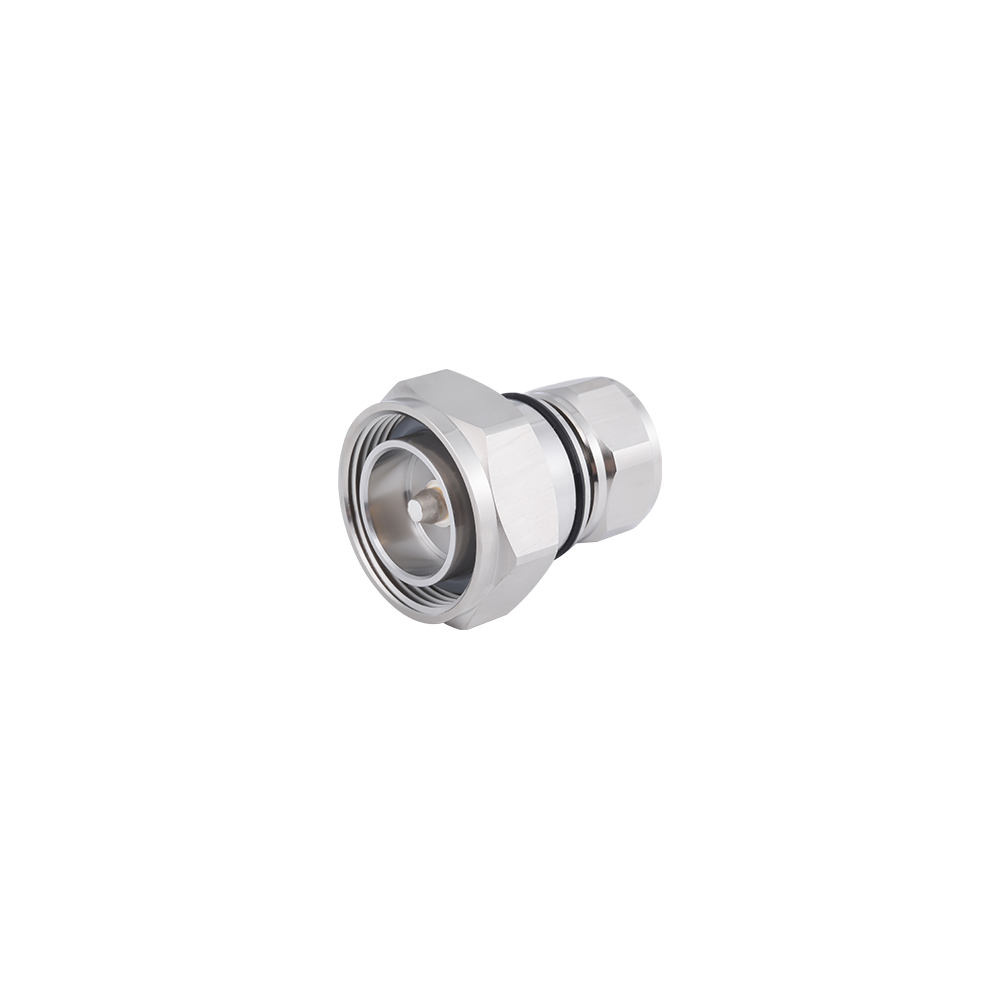
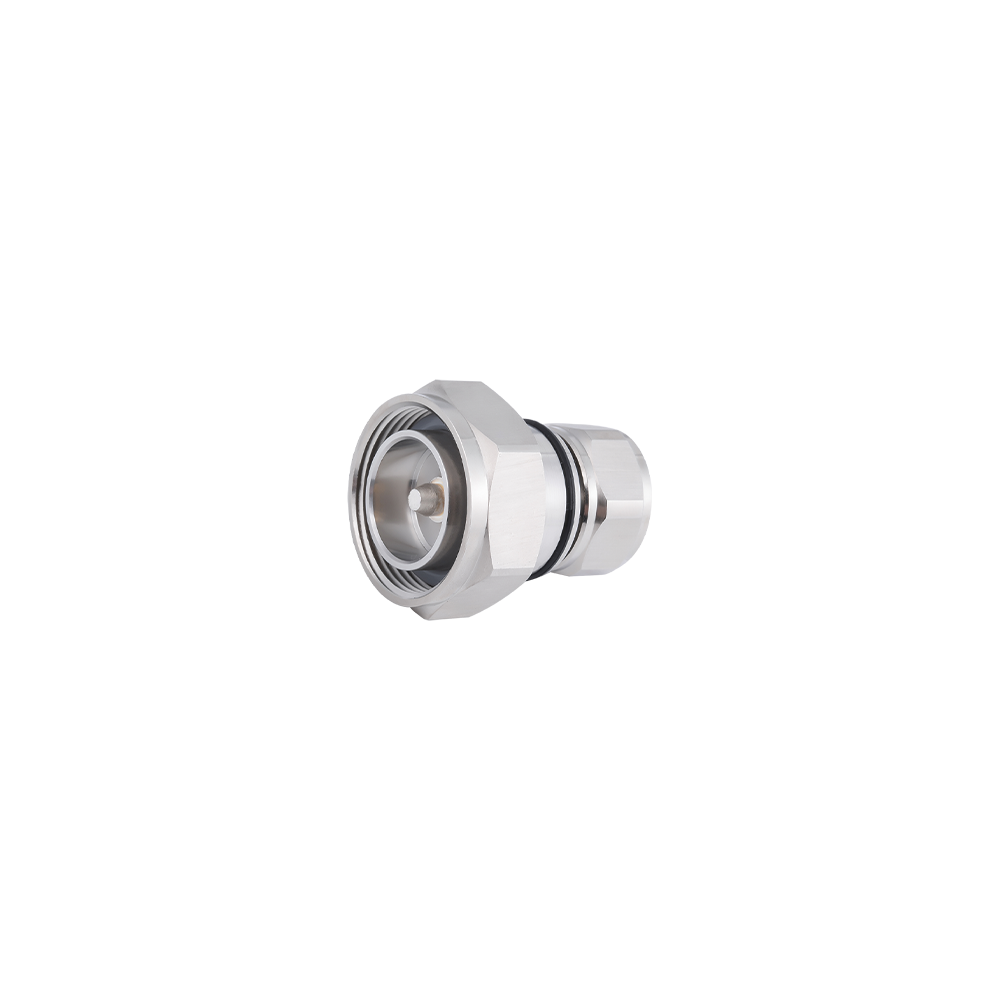
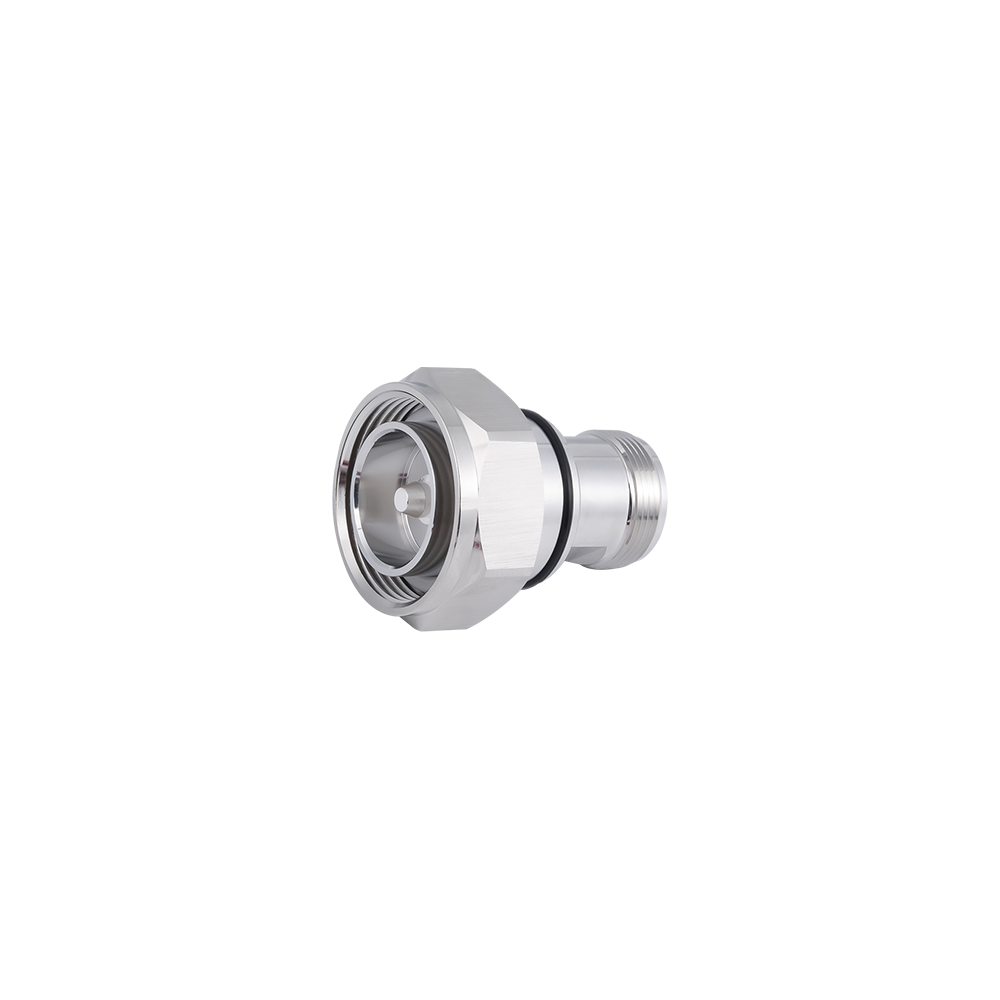
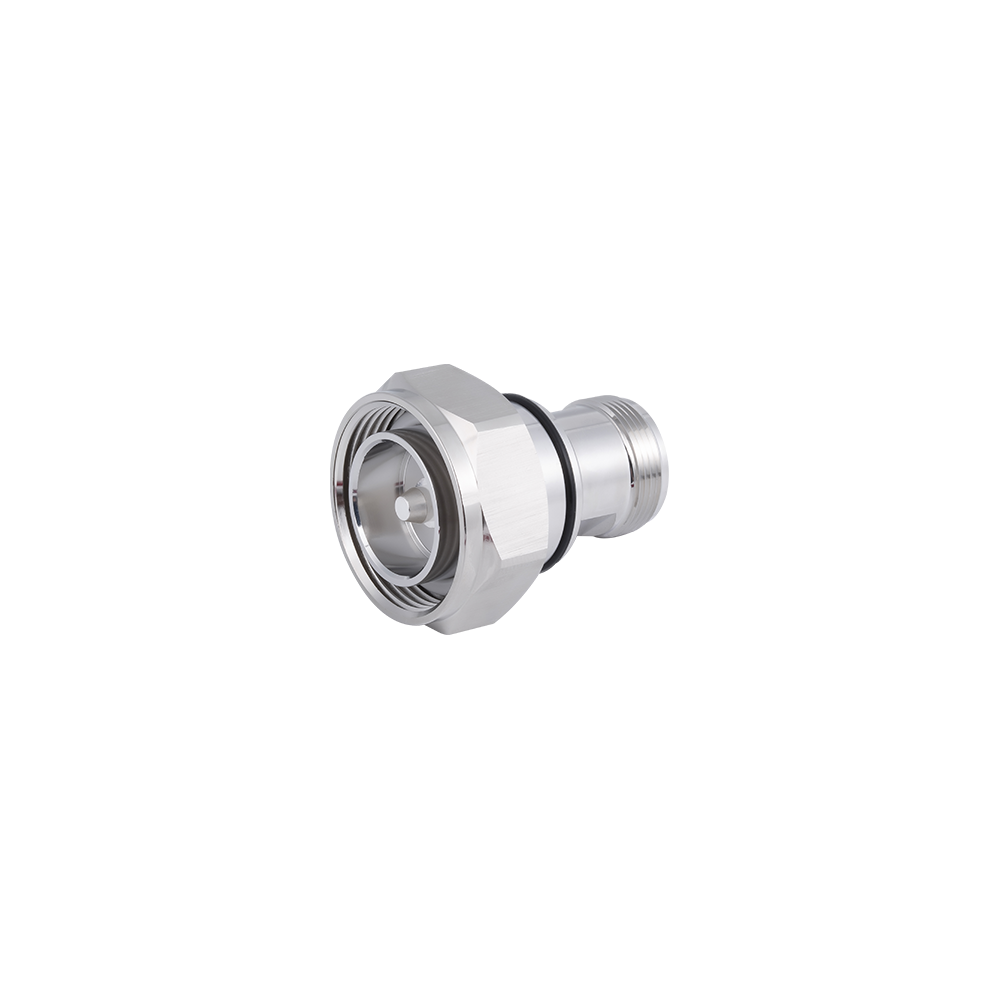
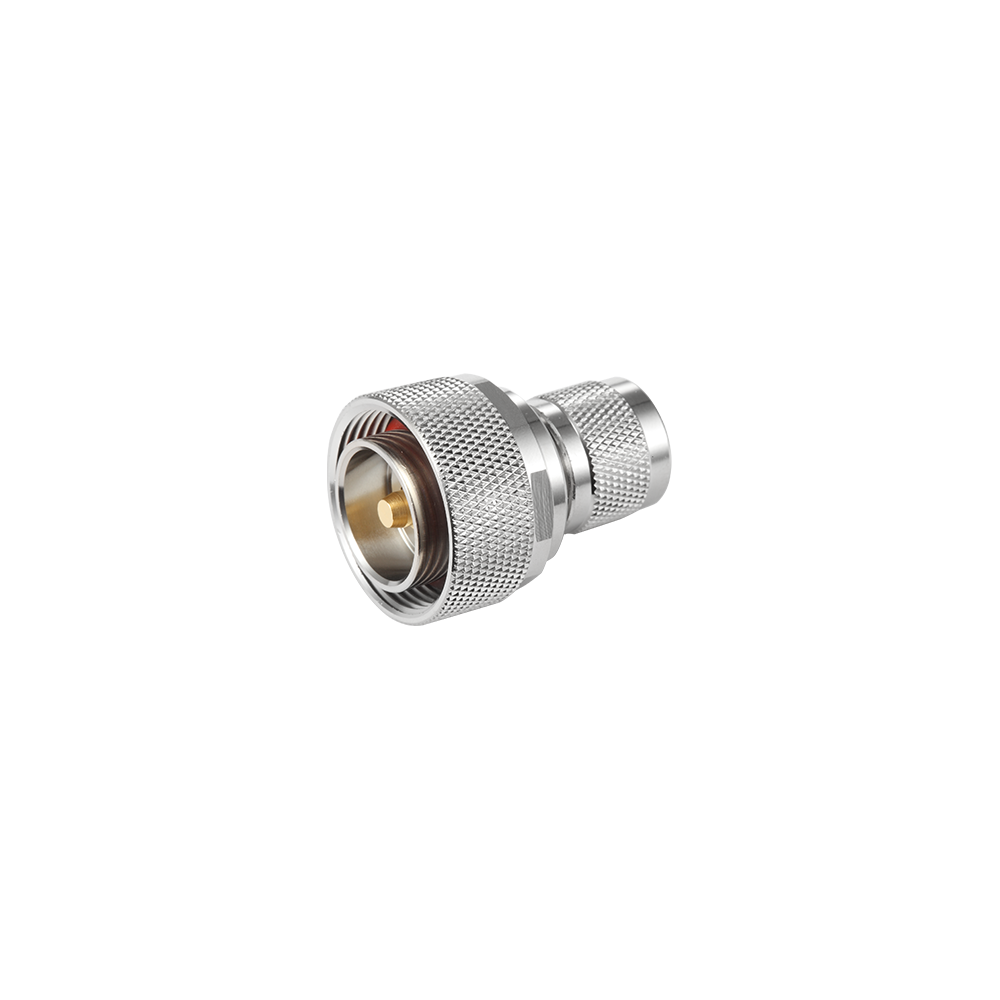
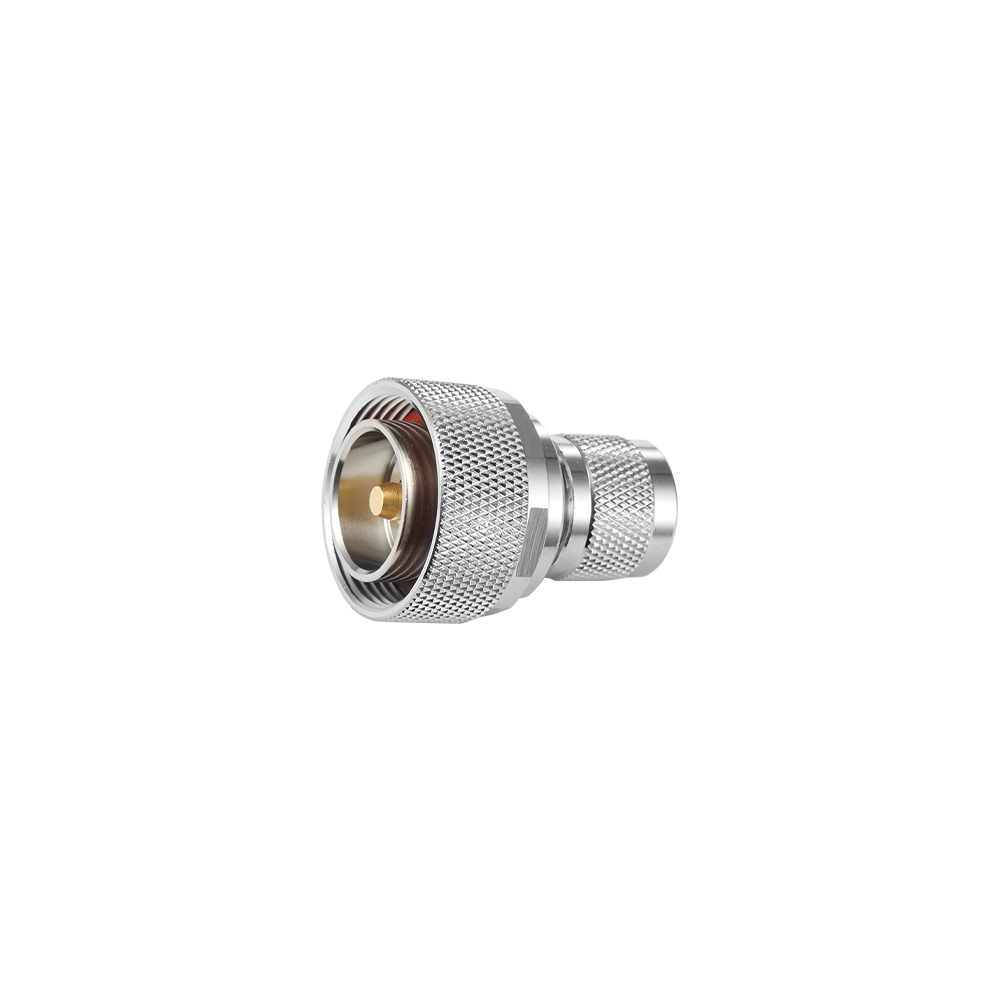
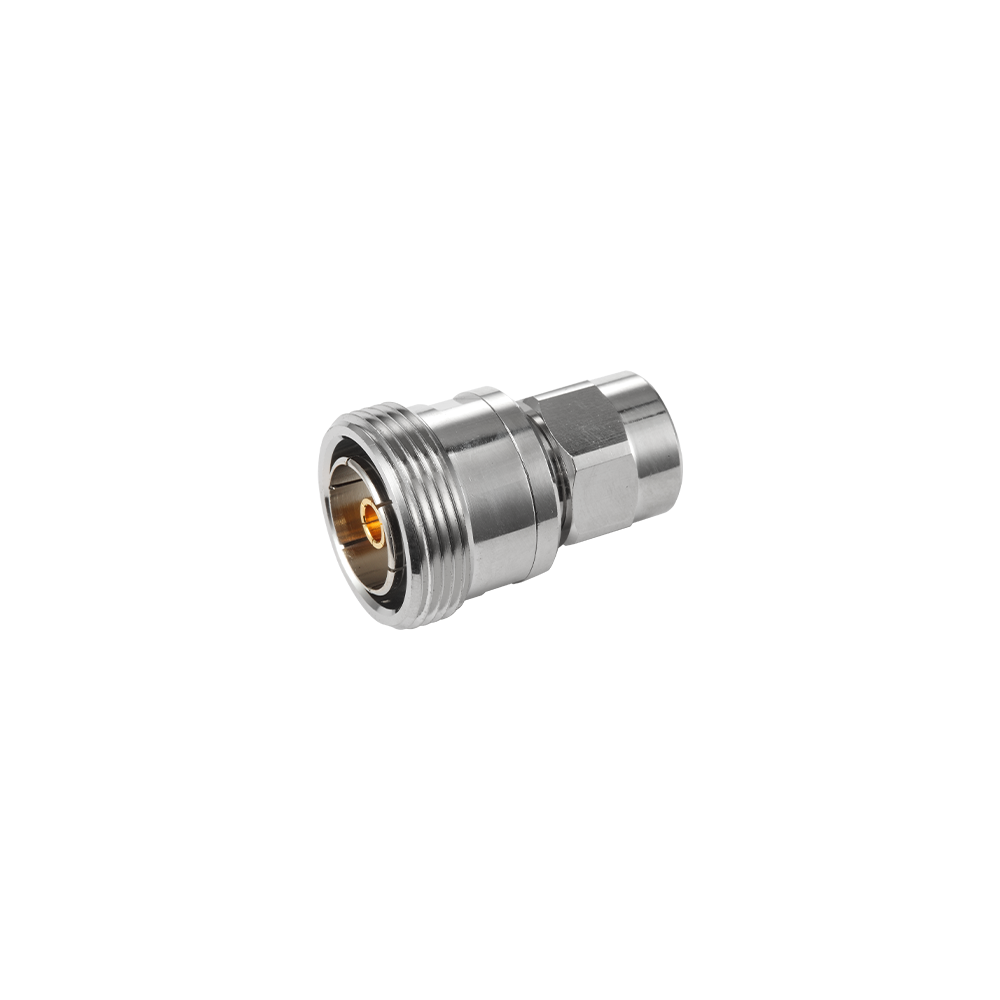
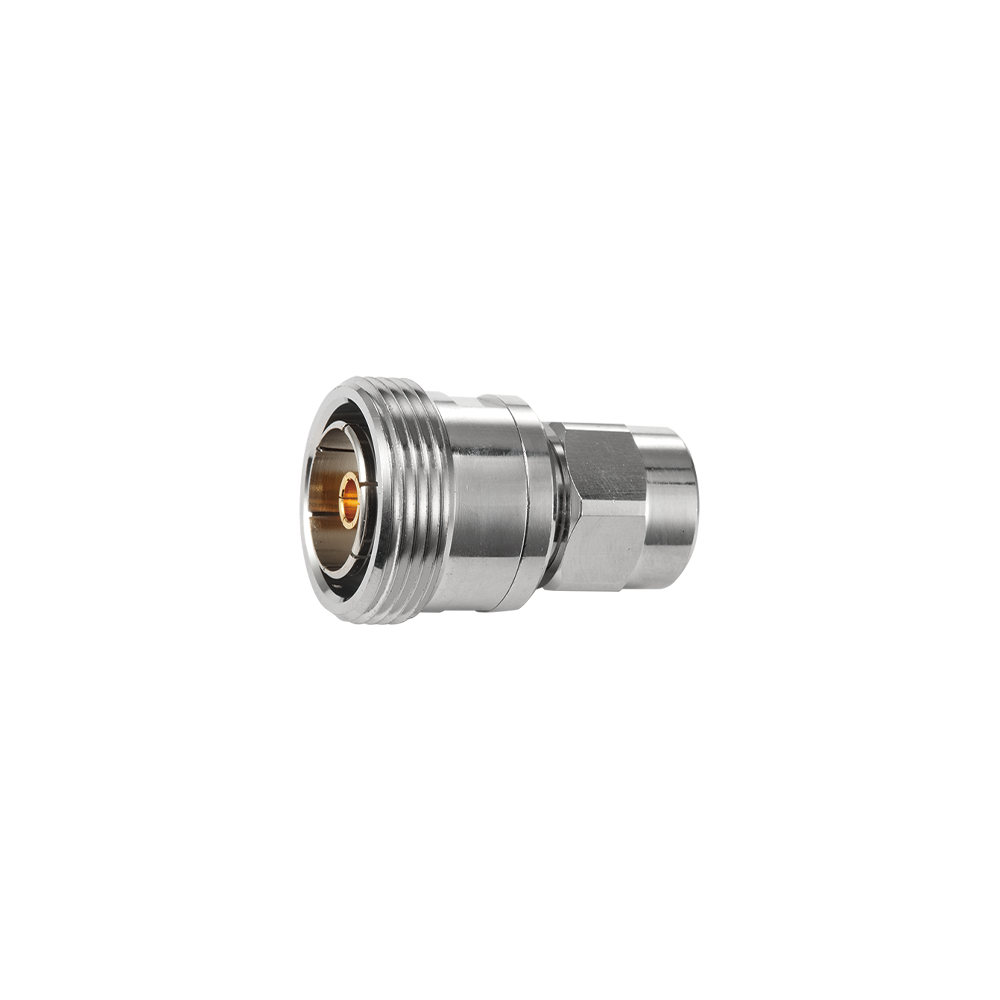
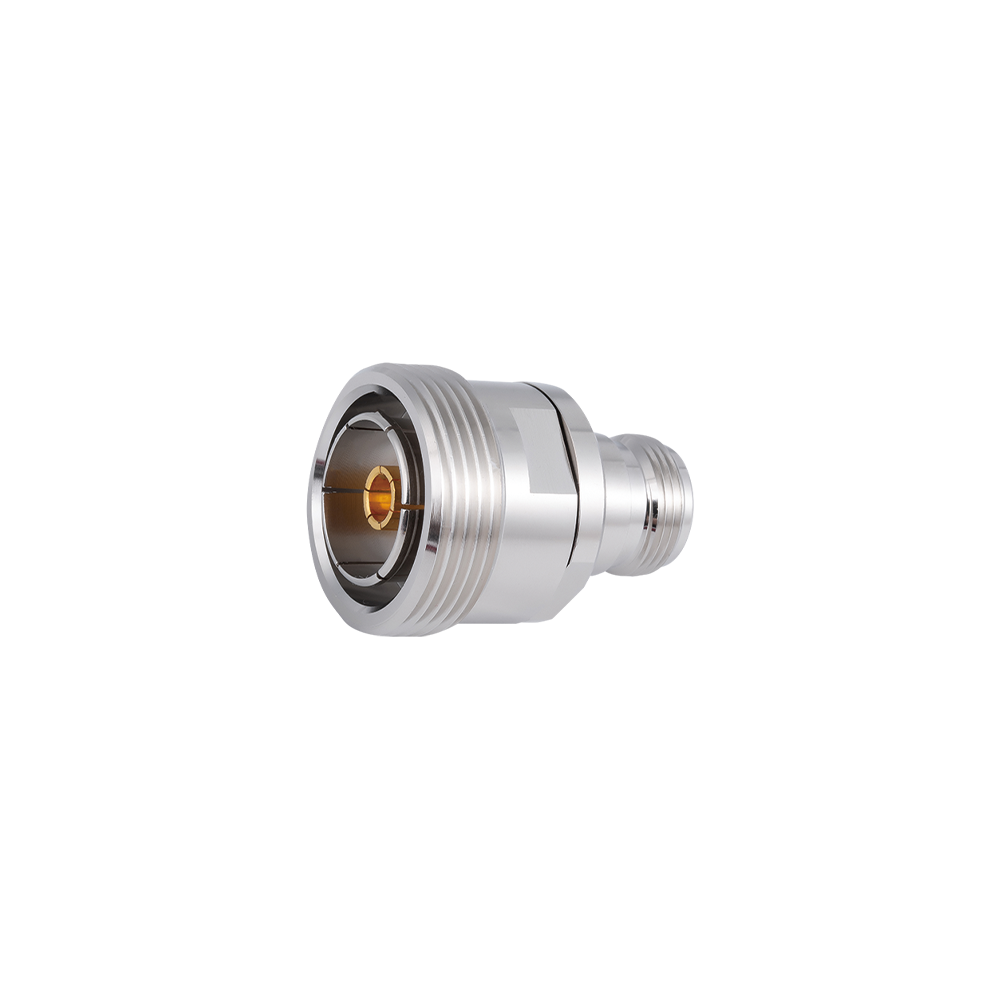
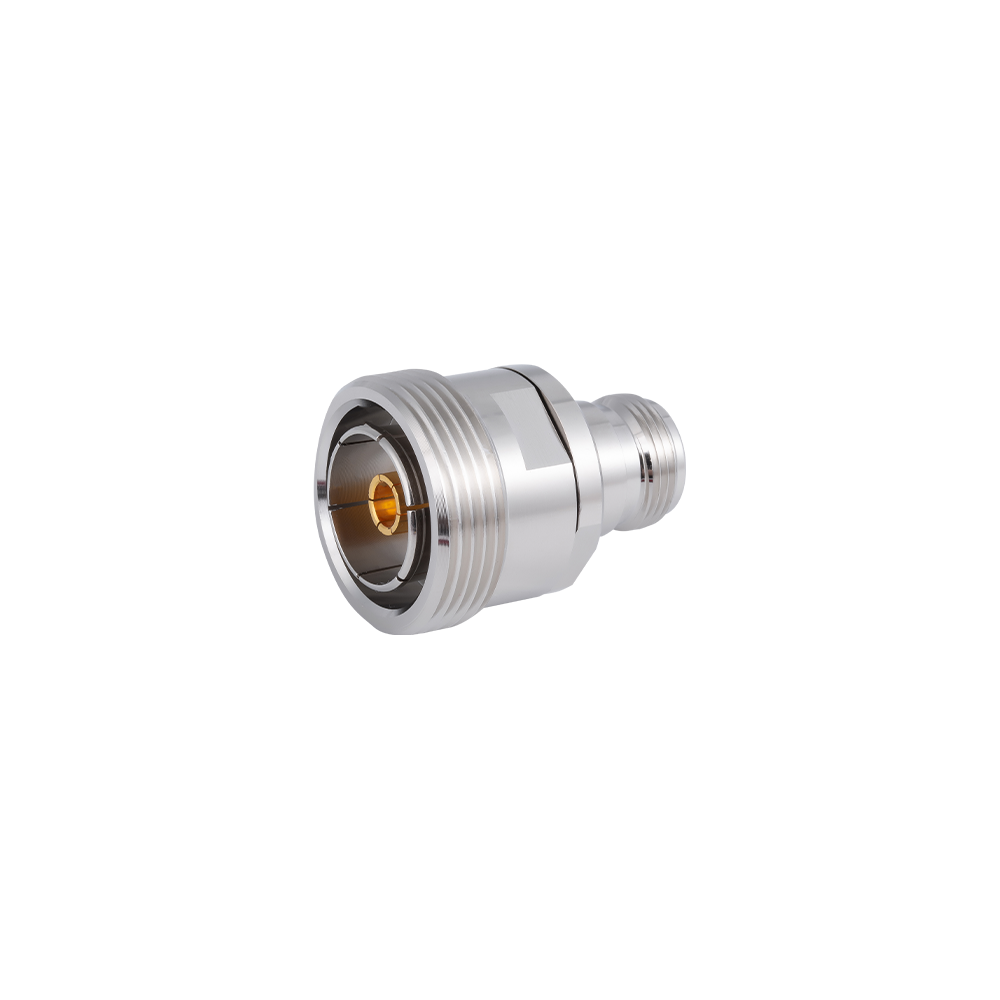
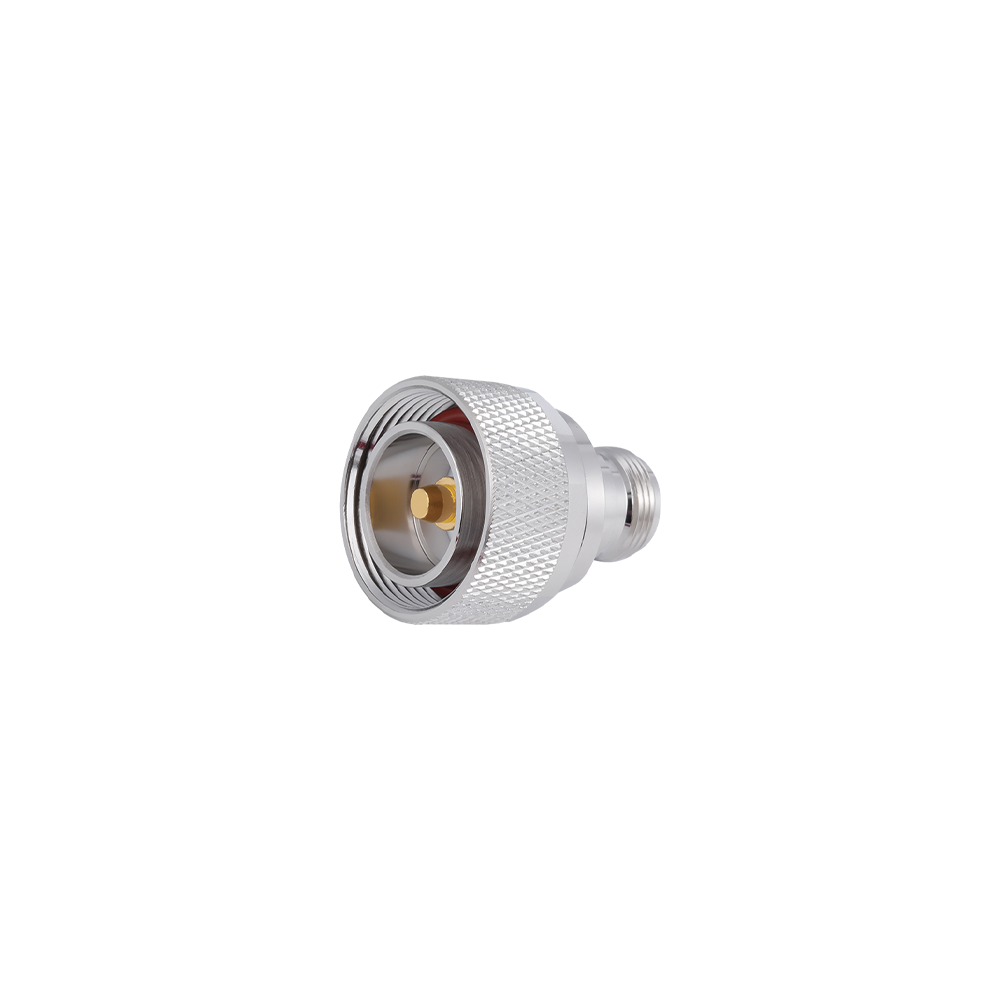
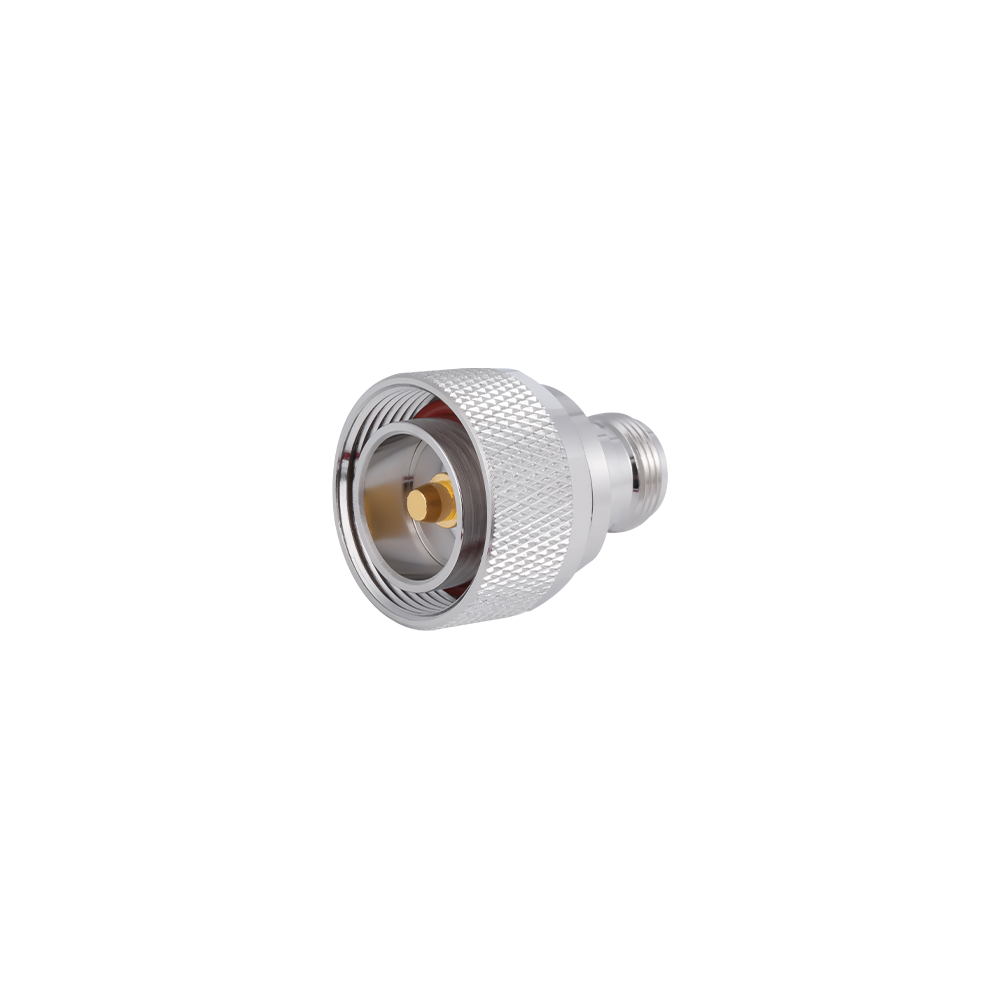
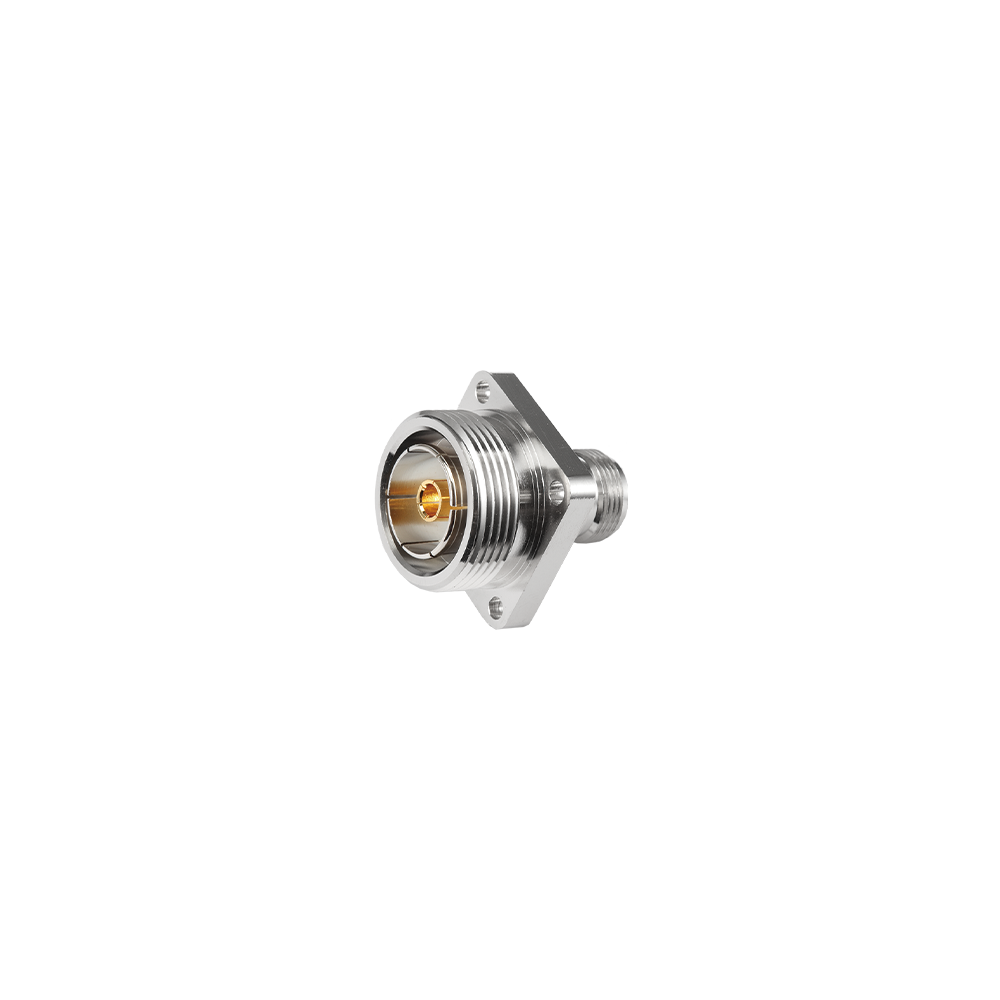
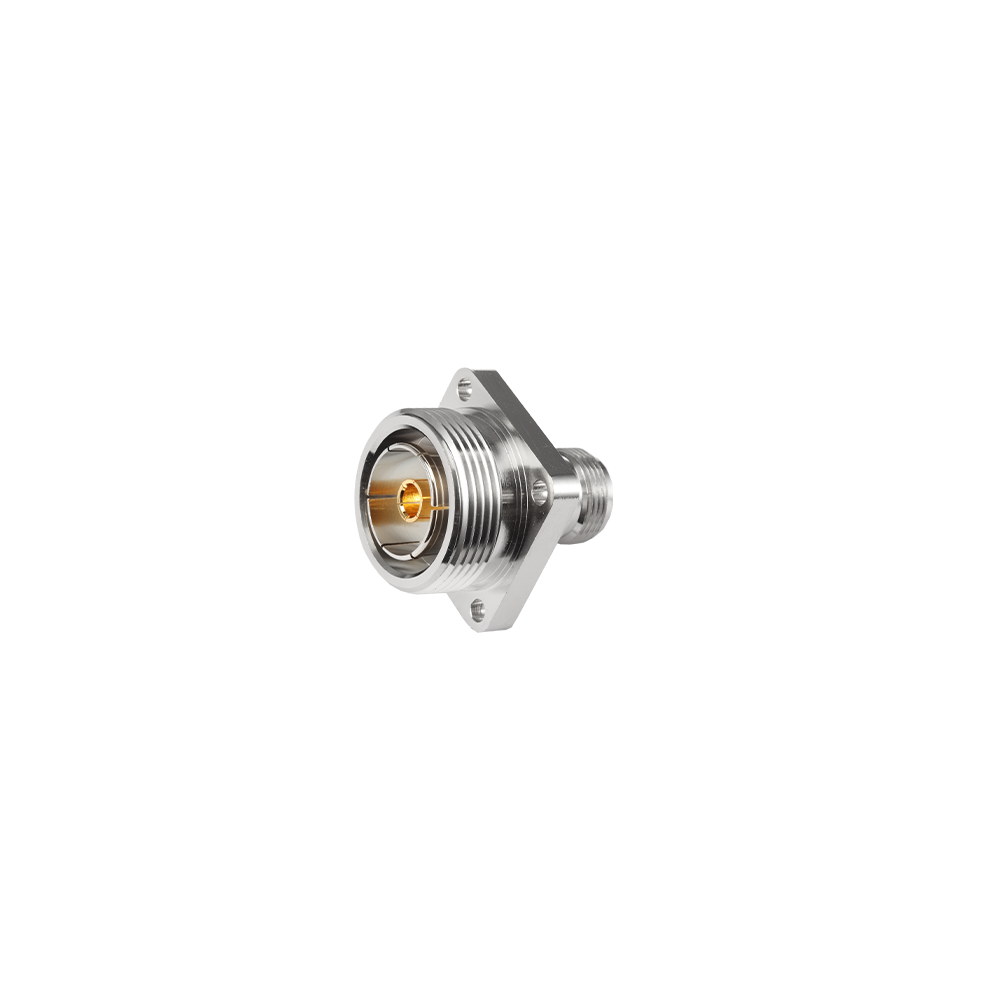
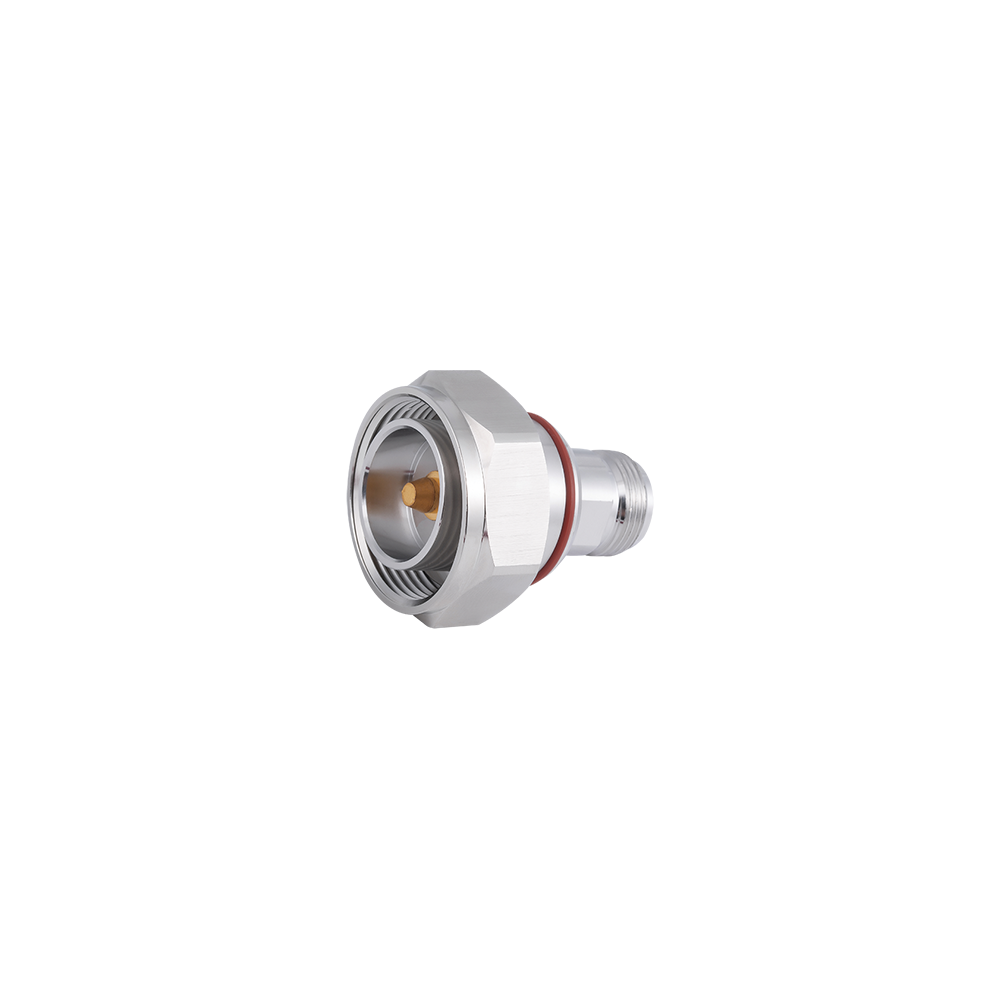
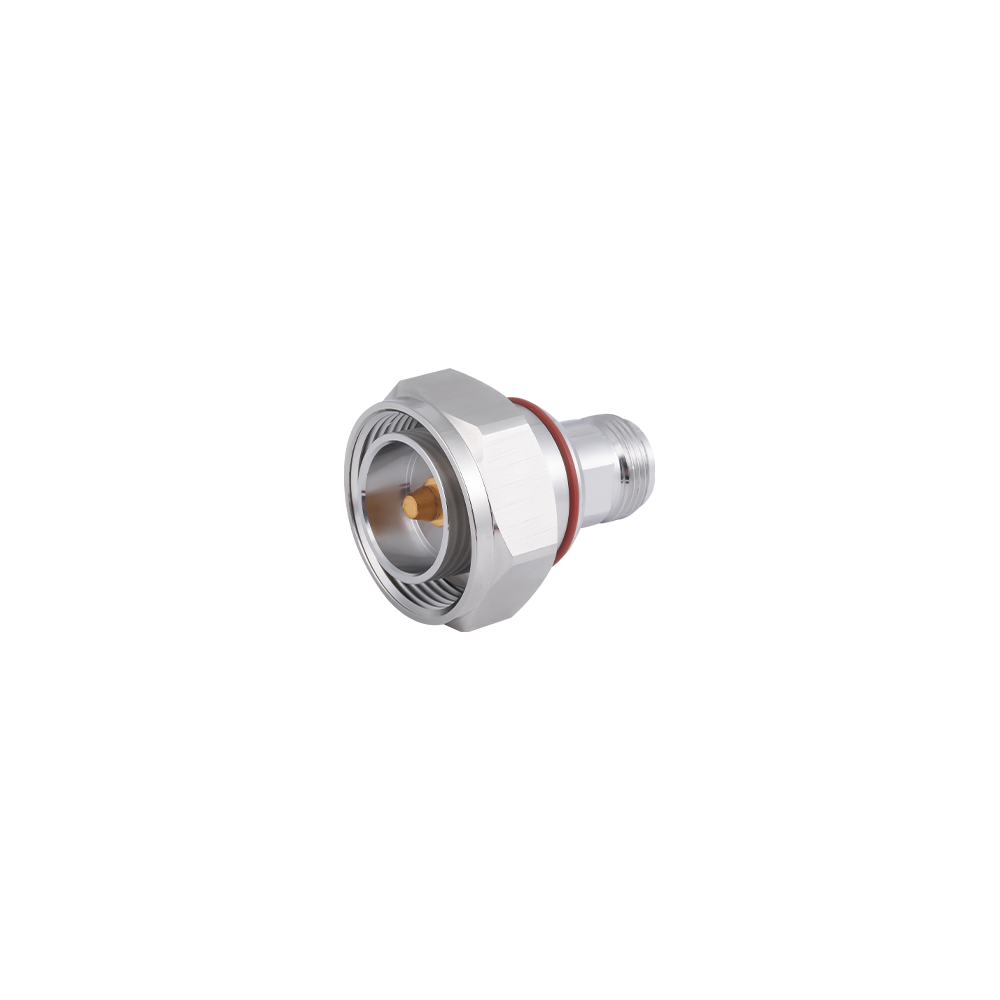
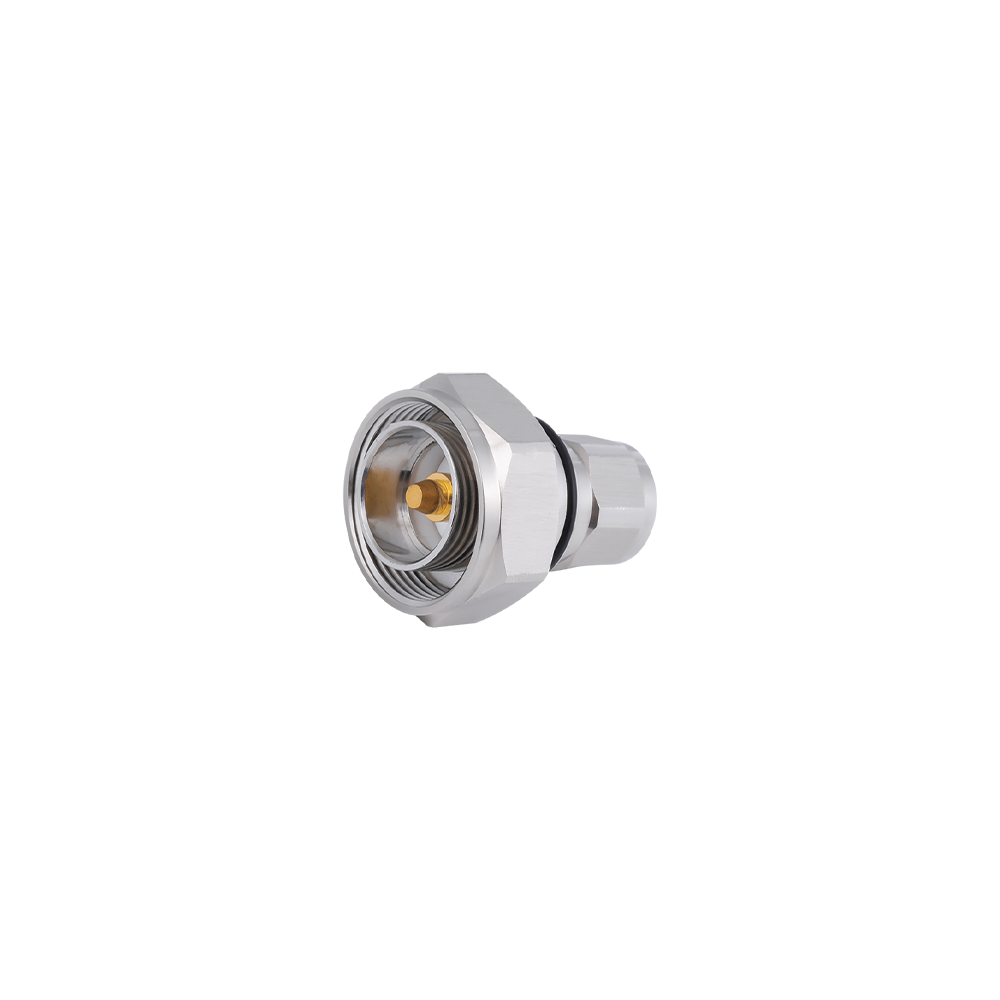
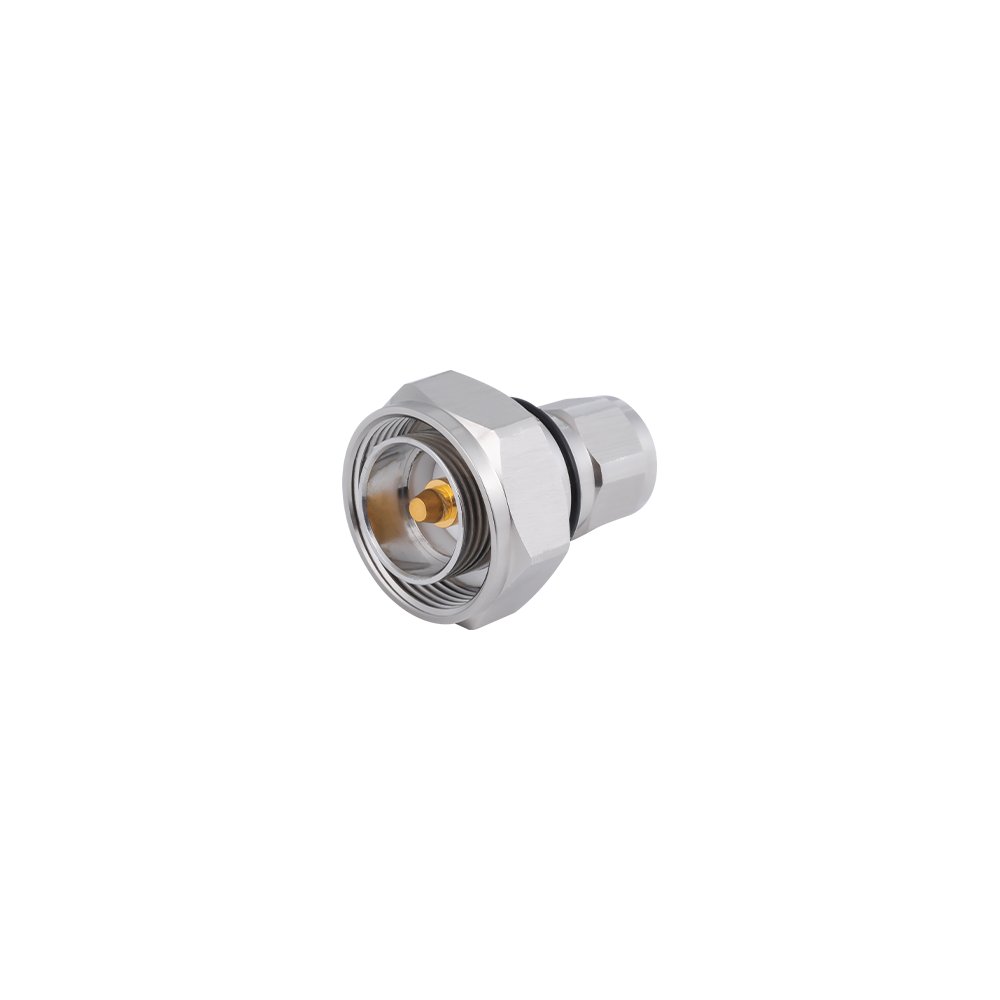
Inter-type Adaptors are used to connect two different coaxial connector interfaces, allowing equipment and cables with incompatible interface types to work together directly. They are a standard component in RF system integration, field testing, and laboratory environments where multiple connector families are in use. This range covers transitions between the most widely used coaxial interfaces in the industry, including N, SMA, BNC, TNC, UHF, FME, MCX, MMCX, SMB, SMP, and many others. Each adapter is precision-machined to maintain impedance continuity at the transition point, minimizing signal reflection and insertion loss between interfaces. Jingcheng Electronics offers inter-type adaptors in all standard gender combinations, with options covering 50 ohm and 75 ohm system requirements. Products are manufactured under ISO 9001 quality management and comply with applicable IEC and MIL-C series standards.
Yangzhou Jingcheng Electronics Co., Ltd., a premier China Inter-Type Adaptors Manufacturer and Inter-Type Adaptors Supplier, was founded in 1999. It is a high-tech enterprise specializing in the R&D and manufacturing of RF coaxial connectors, cable assemblies, and passive microwave components.
Equipped with a comprehensive R&D and production system, the company has obtained international certifications including ISO9001. Adhering strictly to standards such as MIL, IEC and GB, we offer over 30 product series with more than 2,000 specifications, covering SMA, BNC, N-type and other mainstream models. Our products are widely applied in the fields of communications, aerospace, automotive electronics and beyond, and exported to many countries and regions across Europe, America and Asia.
We uphold the tenet of "Quality as the Foundation, Customers as the Core", committed to providing reliable interconnection solutions and professional services for global clients.
1. Inter-Type Adaptors: Functional Overview and System Role
Inter-Type Adaptors are precision passive components that establish a physical and electrical bridge between two different coaxial connector interfaces. They enable direct interconnection of equipment, cables, and subsystems that would otherwise remain incompatible due to differing interface standards. These adaptors are fundamental elements in RF system integration, field deployment, production testing, and laboratory environments where multiple connector families coexist.
Yangzhou Jingcheng Electronics Co., Ltd. manufactures a comprehensive range of Inter-Type Adaptors covering transitions among N, SMA, BNC, TNC, UHF, FME, MCX, MMCX, SMB, and SMP interfaces. Each adaptor is precision-machined from brass or stainless steel with consistent plating to maintain impedance continuity at the transition point, minimizing signal reflection and insertion loss. The product line includes all standard gender combinations (male-to-male, male-to-female, female-to-female) and supports both 50 Ω and 75 Ω system requirements. Manufacturing follows ISO 9001 quality management protocols and complies with applicable IEC and MIL-C series standards.
Typical deployment scenarios include connecting handheld spectrum analyzers (N-type) to antenna feeds (7/16 DIN), interfacing avionics modules (SMA) with ground support equipment (TNC), and reconfiguring laboratory test benches that combine instruments from different eras. The mechanical precision and electrical stability of Inter-Type Adaptors make them indispensable for maintaining signal fidelity in multi-standard environments.
2. Operating Principles and Critical Electrical Parameters
The operating principle of Inter-Type Adaptors centers on maintaining a controlled characteristic impedance path across the geometric transition between two connector types. The internal structure comprises a precision-machined center conductor, a dielectric support, and an outer conductor shell, all dimensioned to preserve 50 Ω or 75 Ω impedance. Signal integrity is quantified by three primary parameters: insertion loss (energy dissipated along the transmission path), voltage standing wave ratio (VSWR) (a measure of impedance mismatch), and usable frequency range (determined by the lower-frequency interface).
The horizontal bar chart displays the maximum operating frequency for five common interface combinations. SMA to N-type and N to TNC both support up to 11 GHz, making them suitable for microwave and radar systems. SMA to MCX reaches 6 GHz, commonly used in compact wireless modules. BNC to TNC is rated to 4 GHz, adequate for telecommunications and video distribution. UHF to N-type is limited to 300 MHz, primarily for legacy broadcast and amateur radio equipment. Jingcheng Electronics designs each Inter-Type Adaptor to operate across its full specified band with insertion loss below 0.15 dB at mid-band and VSWR ≤ 1.25 across the rated frequency range.
The line chart illustrates insertion loss variation for an SMA to N-type adaptor from DC to 11 GHz. Loss remains below 0.10 dB up to 3 GHz, gradually increasing to 0.14 dB at 6 GHz, and reaching 0.18 dB at 11 GHz. This performance is achieved through precision machining, consistent dielectric loading, and gold-plated contact surfaces. The gradual slope indicates well-controlled impedance transition, which is critical for measurement accuracy in vector network analyzers and for maintaining system dynamic range in receiver chains. Jingcheng Electronics uses air-dielectric or low-loss PTFE supports to minimize dielectric losses at higher frequencies.
3. Comparative Analysis and Technical Selection
Selecting the correct Inter-Type Adaptor requires evaluation of frequency, impedance, coupling mechanism, and environmental factors. The following table summarizes key characteristics for six common transitions, based on standard specifications from Yangzhou Jingcheng Electronics Co., Ltd.
Table 1: Technical Comparison of Common Inter-Type Adaptors
Transition
Impedance (Ω)
Frequency Max
Coupling Type
Typical Application
SMA ↔ N
50
11 GHz
Threaded / Threaded
Microwave test, base station backhaul
BNC ↔ SMA
50
4 GHz
Bayonet / Threaded
Lab instruments, video routers
TNC ↔ N
50
11 GHz
Threaded / Threaded
Military comms, rugged outdoor
SMA ↔ MCX
50
6 GHz
Threaded / Snap-on
Portable devices, embedded modules
BNC ↔ TNC
50
4 GHz
Bayonet / Threaded
Telecom, antenna feeds
UHF ↔ N
50
300 MHz
Threaded / Threaded
Legacy broadcast, amateur radio
The column chart compares typical VSWR values at 3 GHz for five Inter-Type Adaptor types. SMA to N-type exhibits the lowest VSWR (1.15), indicating superior impedance matching due to consistent 50 Ω geometry. BNC to TNC and TNC to N show values of 1.19 and 1.18, respectively, benefiting from threaded interfaces that maintain stable contact pressure. SMA to MCX reaches 1.22 due to the snap-on interface's inherent mechanical tolerance. All values are within the ≤1.25 specification, ensuring reflection coefficients below 0.111, which translates to less than 1.2% reflected power in most systems. Jingcheng Electronics applies gold-plated beryllium copper center contacts to maintain low contact resistance and consistent VSWR over multiple mating cycles.
The radar chart provides a multi-dimensional performance visualization for a typical SMA to N-type Inter-Type Adaptor. Five axes represent frequency capability, VSWR (inverted scale where higher indicates better matching), insertion loss (inverted), power handling, and mechanical stability. The broad coverage across all axes indicates balanced performance without significant weaknesses. Frequency capability scores highest, reflecting the 11 GHz rating. VSWR and insertion loss also show strong scores, confirming the precision design. Power handling is adequate for most test and communication applications. Mechanical stability benefits from the all-threaded coupling, ensuring consistent performance in both laboratory and field environments. Jingcheng Electronics uses stainless steel bodies for high-durability variants, providing additional mechanical robustness for repeated connections.
4. Application Cases Across Industries
Case 1 – Wireless Base Station Field Testing: Field engineers perform routine site maintenance using a handheld spectrum analyzer equipped with an N-type input. The antenna feed system uses 7/16 DIN connectors common in European infrastructure. An Inter-Type Adaptor (N to 7/16 DIN) enables direct connection, eliminating the need for multiple cable adapters. This approach reduces test setup time by approximately 30% and minimizes additional insertion loss that would otherwise degrade measurement accuracy. Jingcheng Electronics offers N to 7/16 DIN and other telecom-specific transitions for this purpose.
Case 2 – Satellite Ground Station L-Band Chain: In a satellite downlink receiver, the low-noise amplifier (LNA) provides an SMA female output, while the subsequent downconverter requires an N-type male input. An SMA to N Inter-Type Adaptor bridges this gap. The adaptor's low insertion loss (≤0.12 dB up to 2 GHz) ensures the system noise figure increases by less than 0.08 dB, preserving link margin for weak satellite signals. This configuration has been deployed in multiple Ka-band test stations.
Case 3 – Automotive Radar Module Testing: A manufacturer of automotive radar sensors uses a production test station with automated test equipment (ATE) featuring TNC connectors. The radar modules under test have SMA interfaces for compactness. A TNC to SMA Inter-Type Adaptor provides the necessary transition, with a robust threaded interface on the TNC side ensuring reliable connections during repeated test cycles. The adaptor's stable VSWR (≤1.20) ensures consistent test results across production batches.
5. Maintenance, Handling, and Longevity
(1) Preventive Maintenance Schedule
Daily visual inspection: Examine interfaces for nicks, scratches, or bent center conductors. Any deformity warrants immediate replacement.
Weekly cleaning: Use isopropyl alcohol (91% or higher) and foam-tipped swabs designed for coaxial connectors. Gently clean both inner and outer conductors, allowing at least 60 seconds for complete evaporation before mating.
Torque compliance: For SMA and N-type interfaces, use a calibrated torque wrench set to 0.9 N·m (SMA) or 1.1 N·m (N-type). Over-torquing deforms the interface and degrades VSWR; under-torquing causes intermittent contact.
Dust cap discipline: Install protective caps on both ports when the adaptor is not in use. This prevents dust accumulation and accidental mechanical damage, especially in field environments.
Periodic electrical verification: For critical measurement paths, check insertion loss and VSWR at representative frequencies (e.g., 1 GHz, 6 GHz) using a vector network analyzer. Replace adaptors that show a >0.05 dB increase or >0.03 VSWR shift.
(2) Environmental Considerations
Temperature range: Jingcheng Electronics adaptors are rated for -55°C to +125°C, suitable for both indoor and outdoor deployments.
Corrosive environments: For coastal or industrial settings, select stainless steel body variants with passivated finish for enhanced corrosion resistance.
Vibration and shock: Threaded interfaces (SMA, N, TNC) are recommended over bayonet or snap-on types for applications subject to vibration, as they maintain consistent contact pressure.
6. Frequently Asked Questions
Q1: Can Inter-Type Adaptors be used in 75 Ω systems? Yes, Jingcheng Electronics offers Inter-Type Adaptors specifically designed for 75 Ω impedance, with geometry optimized for video and broadcast applications. Using a 50 Ω adaptor in a 75 Ω system introduces a reflection coefficient of approximately 0.2, which is unacceptable for precision video distribution.
Q2: How does frequency range affect adaptor selection? The usable frequency range is determined by the lower-rated interface in the combination. For example, an SMA to BNC adaptor is limited to 4 GHz even though SMA alone can reach 18 GHz. Always select based on the highest frequency required in the signal path.
Q3: Are gender adaptors (male-to-male, female-to-female) available? Yes, Jingcheng Electronics produces Inter-Type Adaptors in all standard gender combinations: male-to-male, male-to-female, and female-to-female for every interface pair, allowing maximum flexibility in routing and connection.
Q4: What is the typical lifespan of an Inter-Type Adaptor? Under proper handling and torque control, a precision adaptor can exceed 500 mating cycles without significant performance degradation. Stainless steel body versions offer extended durability for frequent-use test environments.
Q5: How do I clean a dirty adaptor interface? Use a lint-free foam swab moistened with isopropyl alcohol. Gently rotate the swab inside the connector to remove contaminants. Never use abrasive materials or metal tools that could scratch the plated surfaces. Allow the interface to air-dry completely before mating.
Q6: What standards do Jingcheng Electronics adaptors comply with? All products are manufactured under ISO 9001 quality management and comply with applicable IEC 60169 series and MIL-C-39012 standards, ensuring dimensional and electrical interchangeability with industry-standard interfaces.


 English
 中文简体
中文简体