BNC RF Coaxial Connectors for semi-flexible and semi-rigid cable Custom

Home / Products / Coaxial Connectors / BNC RF Coaxial Connectors / BNC RF Coaxial Connectors for semi-flexible and semi-rigid cable

BNC RF Coaxial Connectors for semi-flexible and semi-rigid cable Manufacturer

Product Overview
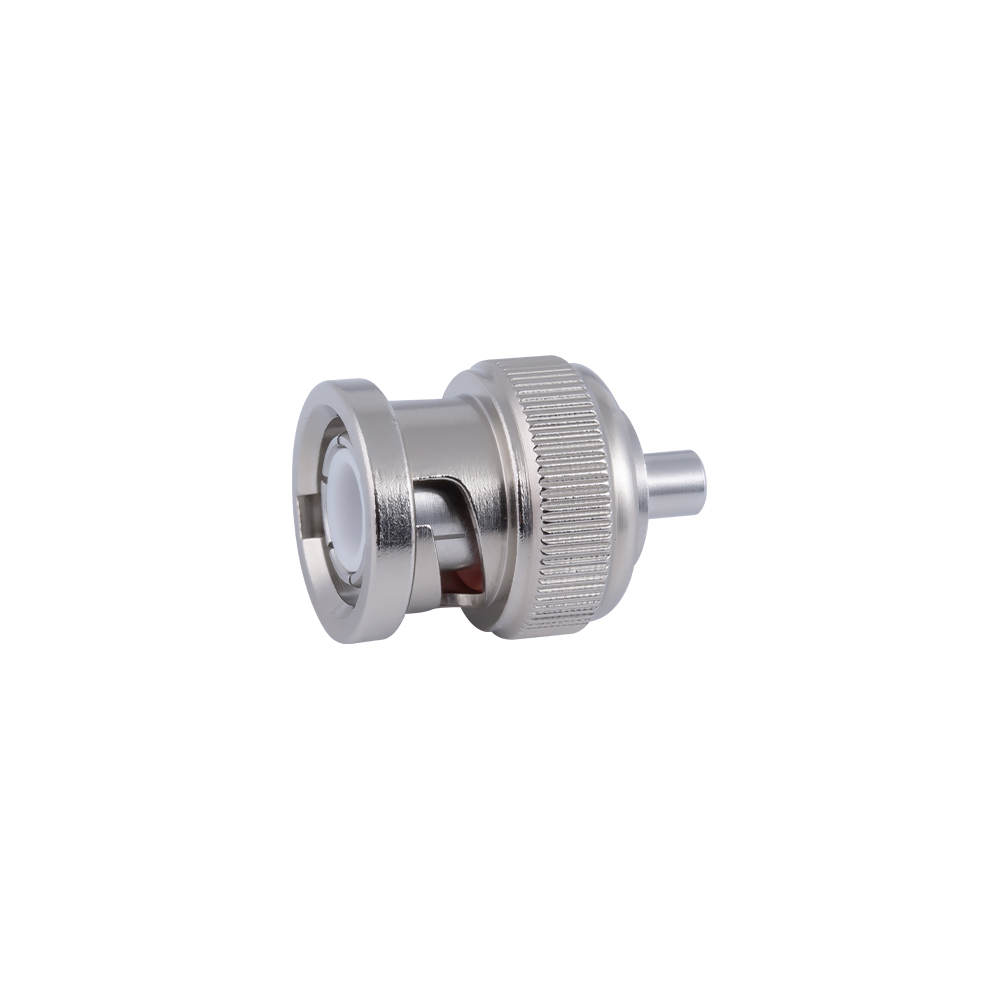
Designed specifically for semi-flexible and semi-rigid coaxial cables, the BNC connectors deliver stable, low-loss RF performance in space-constrained assemblies where cable routing flexibility and mechanical rigidity must coexist. Semi-rigid cables are constructed with a solid outer conductor—typically copper—that maintains a fixed shape after bending, while semi-flexible cables offer controlled flexibility through a spiral-wound outer conductor. Both demand precision-machined connectors to preserve impedance continuity at the interface.
Founded in 1999, Yangzhou Jingcheng Electronics has accumulated over two decades of specialized manufacturing experience for this demanding connector category, investing in Korean Hanwha CNC machining centers and U.S. Agilent network analyzers to guarantee consistent dimensional accuracy and electrical performance across every batch.

Key Features
Precision-machined center contacts maintain controlled impedance transition between cable and connector, minimizing reflection losses at signal-critical junctions.
Available in both 50Ω and 75Ω versions to support the full range of system impedance requirements—from RF test equipment (50Ω) to video distribution infrastructure (75Ω).
Bayonet coupling mechanism provides positive locking with tactile confirmation, preventing accidental disconnection in vibration-prone installations such as avionics test benches and mobile platforms.
Silver or gold plating options on contact surfaces ensure low contact resistance, excellent corrosion resistance, and long service life even in humid or salt-spray environments.
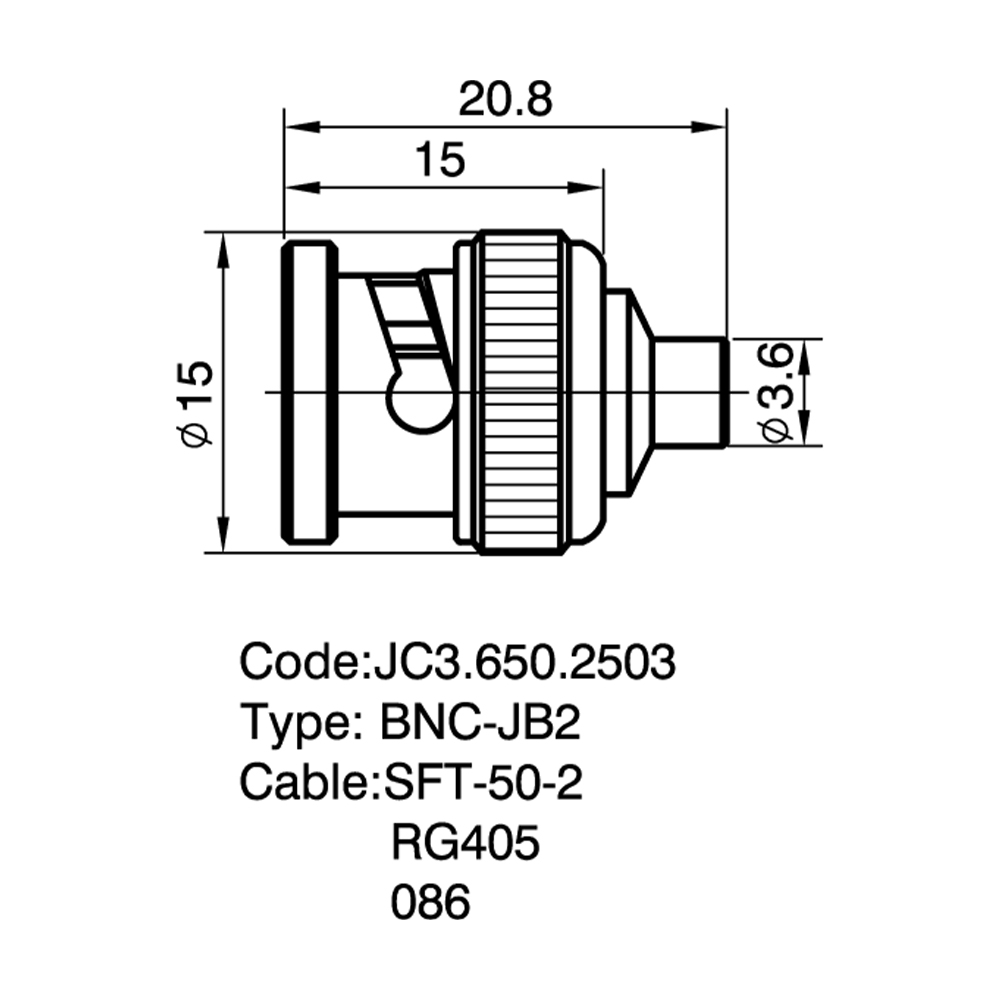
Compatible with standard semi-rigid cable diameters (e.g., 0.047", 0.085", 0.141") and common semi-flexible cable types, offering broad application coverage without adapter requirements.
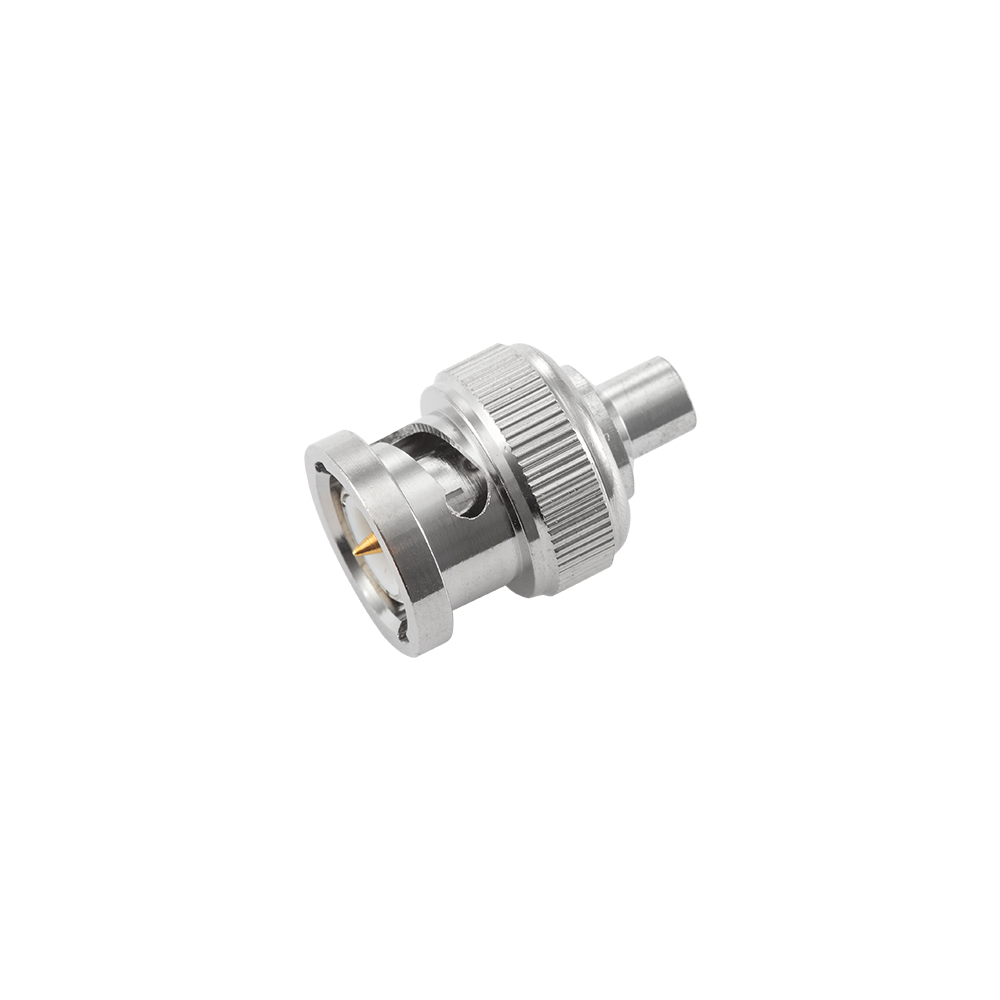
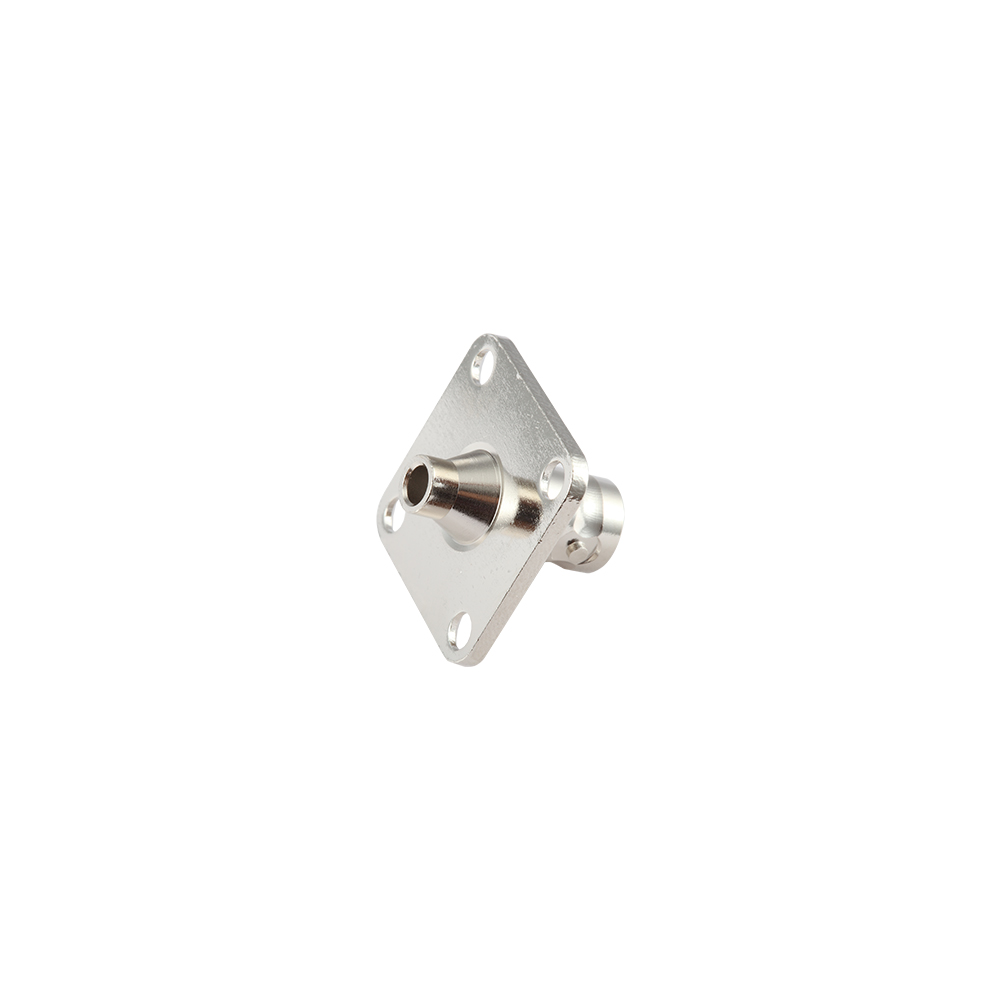
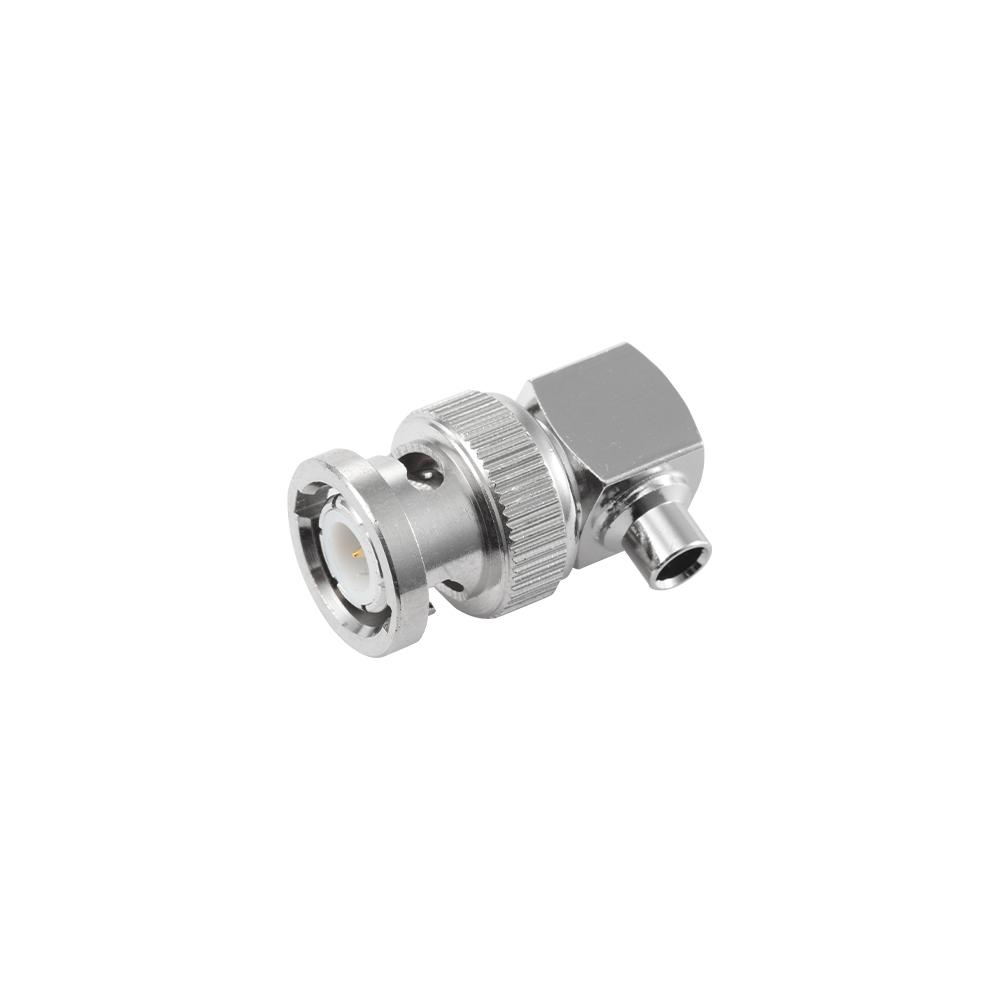
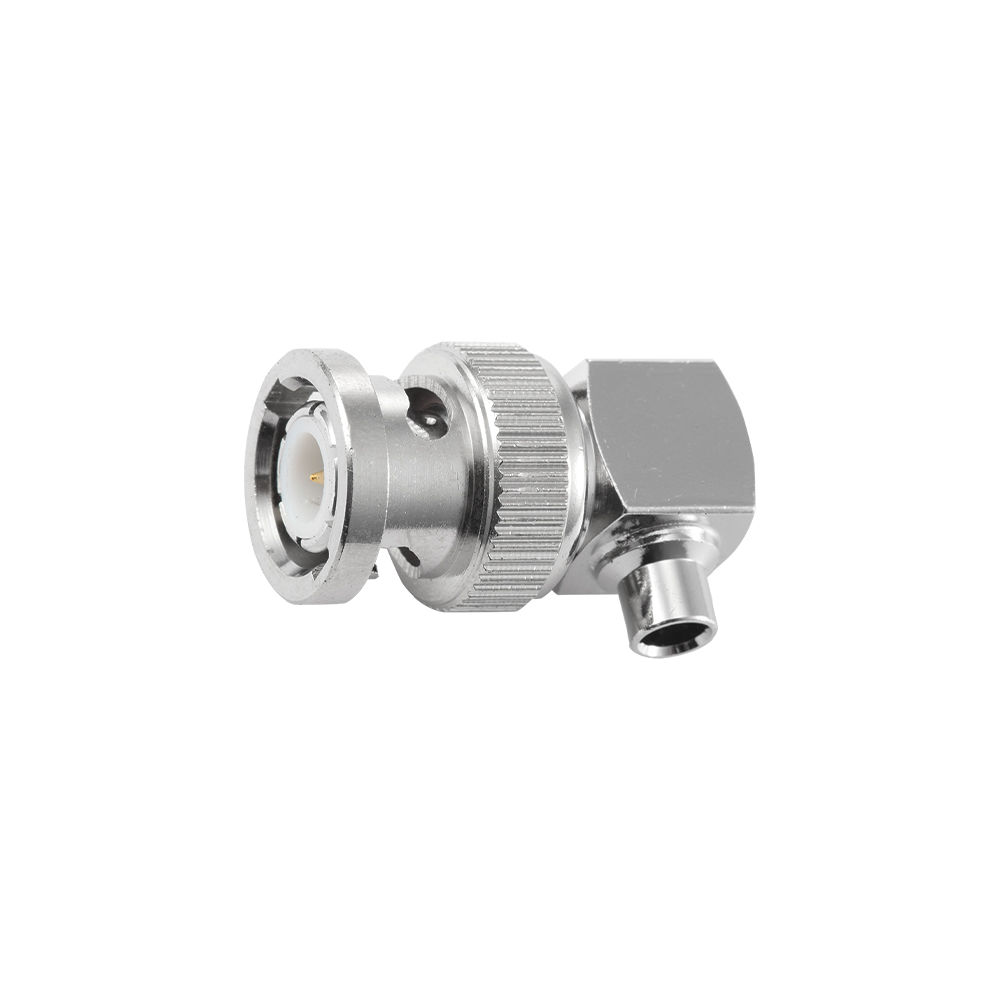
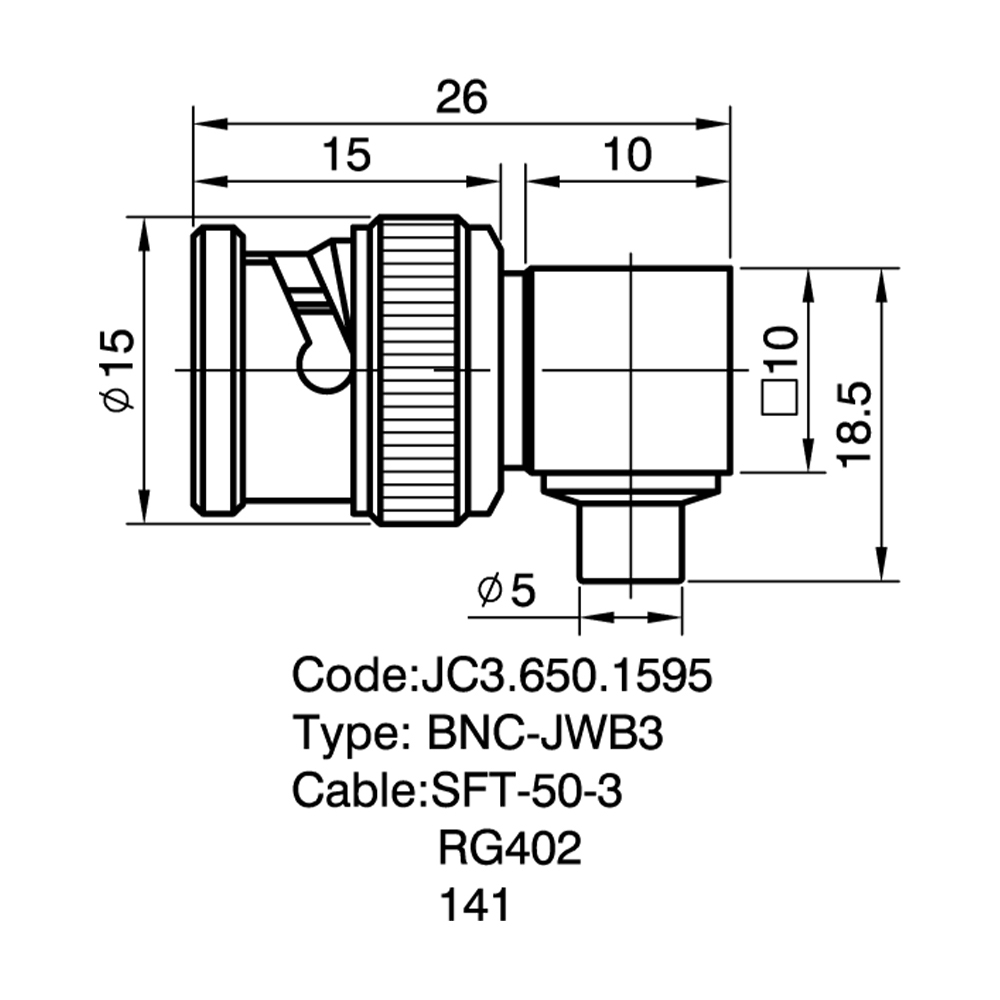
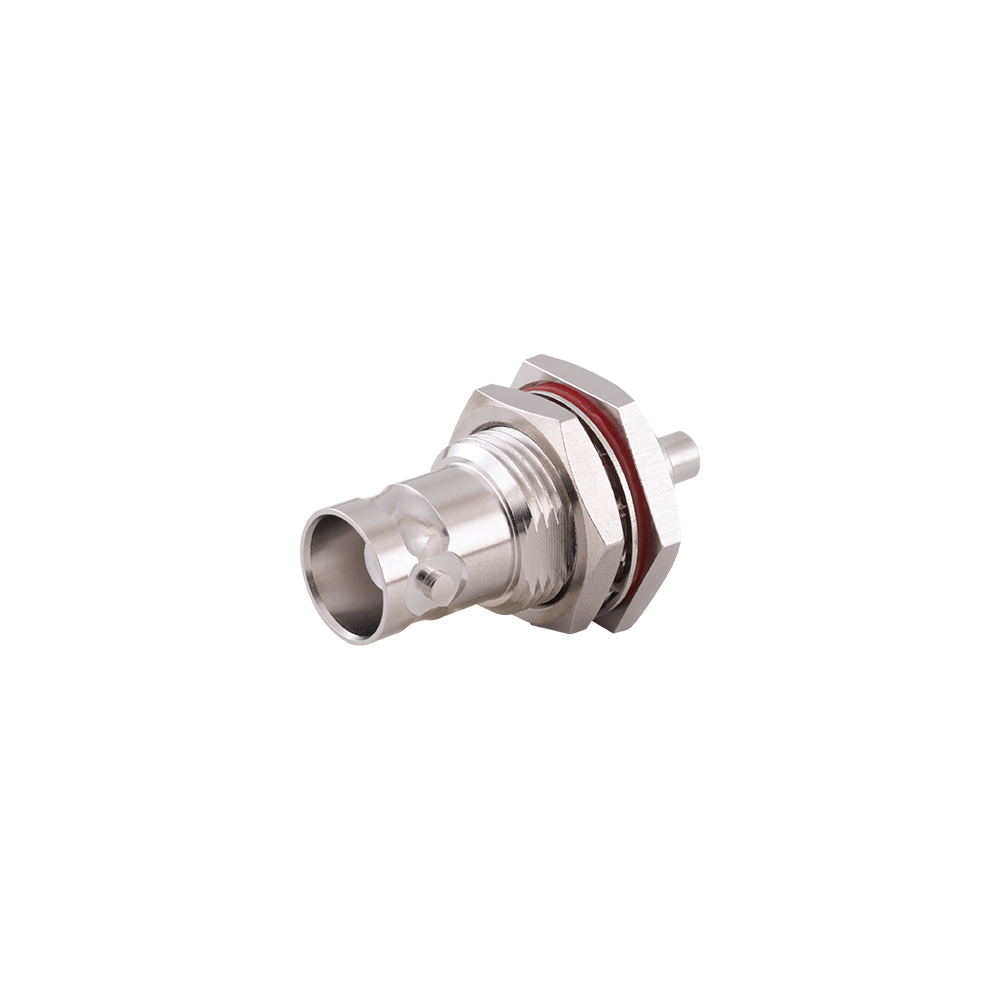
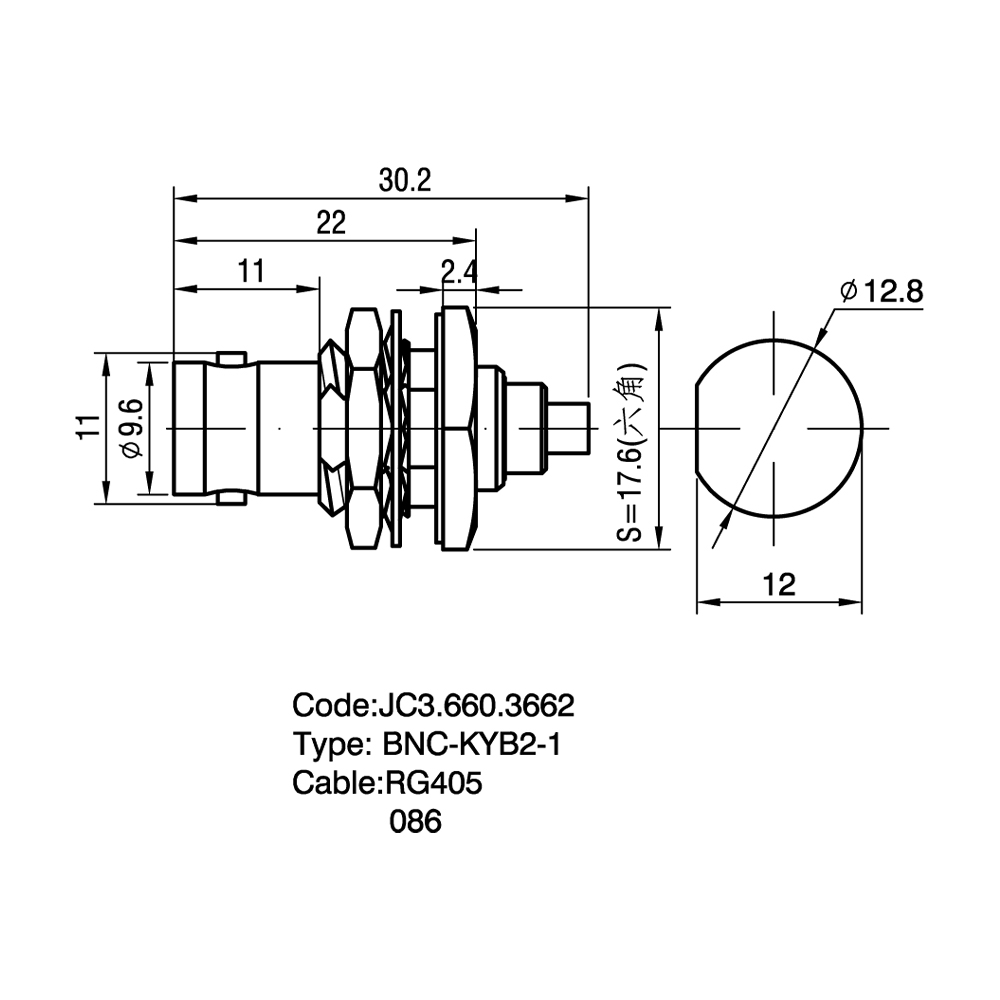
Straight, right-angle, and bulkhead configurations available to accommodate diverse PCB layouts and panel-mount requirements.

Competitive Advantages
Source Factory Pricing: As a direct manufacturer established in 1999, Jingcheng eliminates distributor markups, offering OEM and volume buyers a significant total-cost-of-ownership advantage compared to reseller-sourced alternatives.
Tri-Standard Certification: ISO9001 quality management, ISO14001 environmental management, and GJB9001A military-grade quality system certifications—plus RoHS compliance
Customization Capability: The in-house engineering R&D center can modify connector geometry, plating, and cable termination style to match customer-specific requirements, reducing development cycles from weeks to days.
Consistent Batch Quality: Near-200 advanced CNC machines and dedicated inspection stations with network analyzers guarantee electrical parameter consistency batch-to-batch, critical for production line continuity.
Rapid Delivery: Efficient supply chain management within Yangzhou National Economic & Technology Development Zone enables fast turnaround from order confirmation to shipment, serving customers in the US, Japan, Germany, Vietnam, and beyond.

Typical Applications
RF test and measurement cable assemblies in laboratory environments
Avionics and defense subsystem interconnects requiring stable impedance under vibration
Medical imaging equipment internal RF routing (MRI, CT, ultrasound)
Telecom base station feeder and distribution cabling
Industrial wireless sensing and control system cabling

FAQ
Q: What cable outer diameters are supported for semi-rigid cable terminations?
A: Our BNC Connectors for semi-flexible and semi-rigid cable are tooled to support the most common semi-rigid cable ODs including 0.047", 0.085", and 0.141" (UT-047, UT-085, UT-141). Custom tooling for non-standard diameters is available upon request with a typical lead time of 2–3 weeks.
Q: Is it possible to obtain both 50Ω and 75Ω versions of the same connector body style?
A: Yes. Both impedance variants share the same mechanical envelope but use matched center contact and dielectric geometries optimized for each impedance. Please specify the required impedance when placing an order or requesting a sample.
Q: What surface plating is standard, and are alternatives available?
A: Standard offerings include silver-plated and gold-plated contact surfaces over a nickel barrier. Gold plating is recommended for applications with low mating cycle counts but stringent contact resistance requirements; silver is cost-effective for moderate-frequency, higher-cycle applications. Custom plating thickness and alternative finishes are negotiable for volume orders.

Temperature Range
-55~+155℃ (PE Cable -40~+85℃)
Impedance
50Ω, 75Ω
Frequency Range
DC~4GHz
Insulation Resistance
≥5000MΩ
Insertion Loss
≤0.20 dB/1GHz
VSWR
Straight ≤1.22/3GHz Right angle ≤1.30/3GHz
Durability(mating)
≥500 (cycles)

About
Yangzhou Jingcheng Electronics Co., Ltd.

Yangzhou Jingcheng Electronics Co., Ltd., a premier China BNC RF Coaxial Connectors for semi-flexible and semi-rigid cable Manufacturer and BNC RF Coaxial Connectors for semi-flexible and semi-rigid cable Supplier, was founded in 1999. It is a high-tech enterprise specializing in the R&D and manufacturing of RF coaxial connectors, cable assemblies, and passive microwave components.
Equipped with a comprehensive R&D and production system, the company has obtained international certifications including ISO9001. Adhering strictly to standards such as MIL, IEC and GB, we offer over 30 product series with more than 2,000 specifications, covering SMA, BNC, N-type and other mainstream models. Our products are widely applied in the fields of communications, aerospace, automotive electronics and beyond, and exported to many countries and regions across Europe, America and Asia.
We uphold the tenet of "Quality as the Foundation, Customers as the Core", committed to providing reliable interconnection solutions and professional services for global clients.

BNC RF Coaxial Connectors for semi-flexible and semi-rigid cable Industry knowledge

BNC RF Coaxial Connectors for Semi-flexible and Semi-rigid Cable are designed for RF systems that require stable signal transmission, controlled impedance, and reliable mechanical connection with rigid or semi-rigid coaxial cables. These connectors are specifically developed for cable types where dimensional accuracy at the connection interface is essential to maintain RF performance.

Semi-rigid cables generally use a solid metal outer conductor, commonly made of copper, which maintains a fixed routing shape after forming. Semi-flexible cables use a spiral-wound outer conductor structure that provides controlled bending capability while retaining better mechanical stability than standard flexible cables. BNC RF Coaxial Connectors for semi-flexible and semi-rigid cable provide precise cable termination and impedance continuity between these cable structures and RF equipment.

Yangzhou Jingcheng Electronics Co., Ltd. is a China BNC RF Coaxial Connectors for semi-flexible and semi-rigid cable Manufacturer and Supplier specializing in RF coaxial connectors, cable assemblies, and passive microwave components. Founded in 1999, the company applies ISO9001 quality management systems and follows MIL, IEC, and GB standards. With advanced R&D and production capabilities, Yangzhou Jingcheng Electronics provides RF connector solutions used in communication systems, aerospace electronics, automotive electronics, and industrial equipment.

Structural Features of BNC Connectors for Semi-flexible and Semi-rigid Cable

BNC connectors for semi-rigid and semi-flexible cables combine the quick-lock bayonet interface of BNC connectors with precision cable termination structures. They are designed to maintain the electrical characteristics of the coaxial transmission path while providing mechanical stability after cable assembly.

  • Precision cable termination: Machined connector interfaces maintain accurate contact between the cable conductor and connector components, reducing impedance variation.
  • Bayonet locking mechanism: Enables fast installation and removal while maintaining reliable mechanical engagement.
  • Rigid cable compatibility: Supports semi-rigid cables with fixed-form outer conductors and semi-flexible cables requiring controlled bending.
  • Low-loss RF transition: Optimized internal structures help maintain signal continuity between cable and connector.
  • Mechanical stability: Strong cable retention structures reduce movement and stress at the termination point.
  • Customized cable adaptation: Connector dimensions and termination methods can be matched with different cable diameters and specifications.

Common Types and Characteristics of BNC RF Connectors for Semi-rigid and Semi-flexible Cable

Type Features Applications
BNC Semi-rigid Cable Connector Designed for solid outer conductor cables with fixed routing requirements Microwave modules, RF assemblies, communication equipment
BNC Semi-flexible Cable Connector Compatible with flexible metal jacket cables requiring controlled bending Compact RF systems and electronic instruments
BNC Straight Cable Connector Provides direct signal transmission path with simple installation General RF cable assemblies and test equipment
BNC Right Angle Cable Connector Allows cable routing in limited installation spaces Compact electronic devices and RF modules
50Ω BNC Cable Connector Designed for RF applications requiring impedance matching Wireless communication, measurement systems
75Ω BNC Cable Connector Optimized for video and broadband signal transmission Broadcast, monitoring, and video systems

Core Performance Characteristics of BNC RF Coaxial Connectors for Semi-flexible and Semi-rigid Cable

  • Impedance continuity: Precision connector structures help maintain consistent RF characteristics between cable and equipment interfaces.
  • Low signal loss: Optimized contact design reduces transmission loss and improves signal stability.
  • Mechanical reliability: Secure cable termination supports stable operation under vibration and mechanical stress.
  • Fast connection capability: The BNC bayonet coupling design allows quick connection and disconnection.
  • Shielding performance: Coaxial construction provides electromagnetic shielding and reduces external interference.
  • Production consistency: Precision machining and inspection processes support batch-to-batch dimensional accuracy.

Applications of BNC Connectors for Semi-flexible and Semi-rigid Cable

BNC connectors for semi-rigid and semi-flexible cables are commonly used in RF applications where cable routing stability, compact structure, and reliable signal transmission are required.

  • RF communication systems: Used in wireless communication equipment, signal modules, and RF assemblies.
  • Microwave equipment: Applied in microwave circuits and high-frequency electronic systems.
  • Electronic test instruments: Used in signal generators, oscilloscopes, network analyzers, and measurement equipment.
  • Aerospace electronics: Suitable for systems requiring stable RF performance and mechanical durability.
  • Automotive electronics: Used in vehicle communication modules and high-frequency electronic components.
  • Industrial control systems: Applied in sensors, monitoring equipment, and electronic control devices.

BNC Connectors for Semi-rigid Cable vs Flexible Cable BNC Connectors

Comparison Semi-rigid/Semi-flexible Cable BNC Connector Flexible Cable BNC Connector
Cable Structure Uses solid or spiral metal outer conductor for improved stability Uses flexible shielding structure for easier bending
Routing Capability Maintains formed cable shape after installation Allows repeated bending and flexible routing
Mechanical Strength Higher structural rigidity after cable forming Higher flexibility with lower mechanical rigidity
Typical Applications RF modules, microwave circuits, precision equipment Portable devices and general cable connections

Semi-rigid and semi-flexible cable BNC connectors are selected for applications requiring stable cable positioning and controlled RF performance, while flexible cable BNC connectors are commonly used where frequent movement and flexible installation are required.

How to Select the Right BNC RF Connector for Semi-flexible and Semi-rigid Cable?

Selecting the appropriate BNC connector requires consideration of cable structure, electrical performance, installation method, and operating environment.

  • Cable specification: Confirm the cable diameter, outer conductor structure, and termination requirements.
  • Impedance: Select 50Ω or 75Ω versions according to the signal system requirements.
  • Operating frequency: Ensure connector performance matches the RF frequency range.
  • Cable routing: Choose semi-rigid cable connectors for fixed routing and semi-flexible connectors for controlled bending requirements.
  • Assembly method: Consider soldering, crimping, or customized termination processes.
  • Environmental requirements: Evaluate temperature, vibration, and mechanical stress conditions.

FAQ About BNC RF Coaxial Connectors for Semi-flexible and Semi-rigid Cable

What cables can be used with BNC RF connectors for semi-rigid and semi-flexible cable?

These connectors are designed for semi-rigid cables with solid outer conductors and semi-flexible cables with spiral-wound shielding structures. The specific connector model depends on cable diameter and construction.

Why use semi-rigid cable with BNC connectors?

Semi-rigid cables provide stable mechanical positioning and consistent RF characteristics, making them suitable for applications requiring fixed cable routing and reliable signal transmission.

Are BNC semi-rigid cable connectors suitable for high-frequency applications?

Yes. When matched with appropriate cables and properly assembled, BNC connectors for semi-rigid and semi-flexible cables can provide stable RF performance in communication, testing, and microwave applications.

What is the difference between semi-flexible and semi-rigid coaxial cables?

Semi-rigid cables use a solid outer conductor that maintains a fixed shape after bending, while semi-flexible cables use a flexible metal shielding structure that allows easier adjustment during installation.

Can Yangzhou Jingcheng Electronics provide customized BNC cable assemblies?

Yes. Yangzhou Jingcheng Electronics Co., Ltd. provides customized RF connector and cable assembly solutions, including cable selection, connector configuration, termination methods, and application-specific designs.