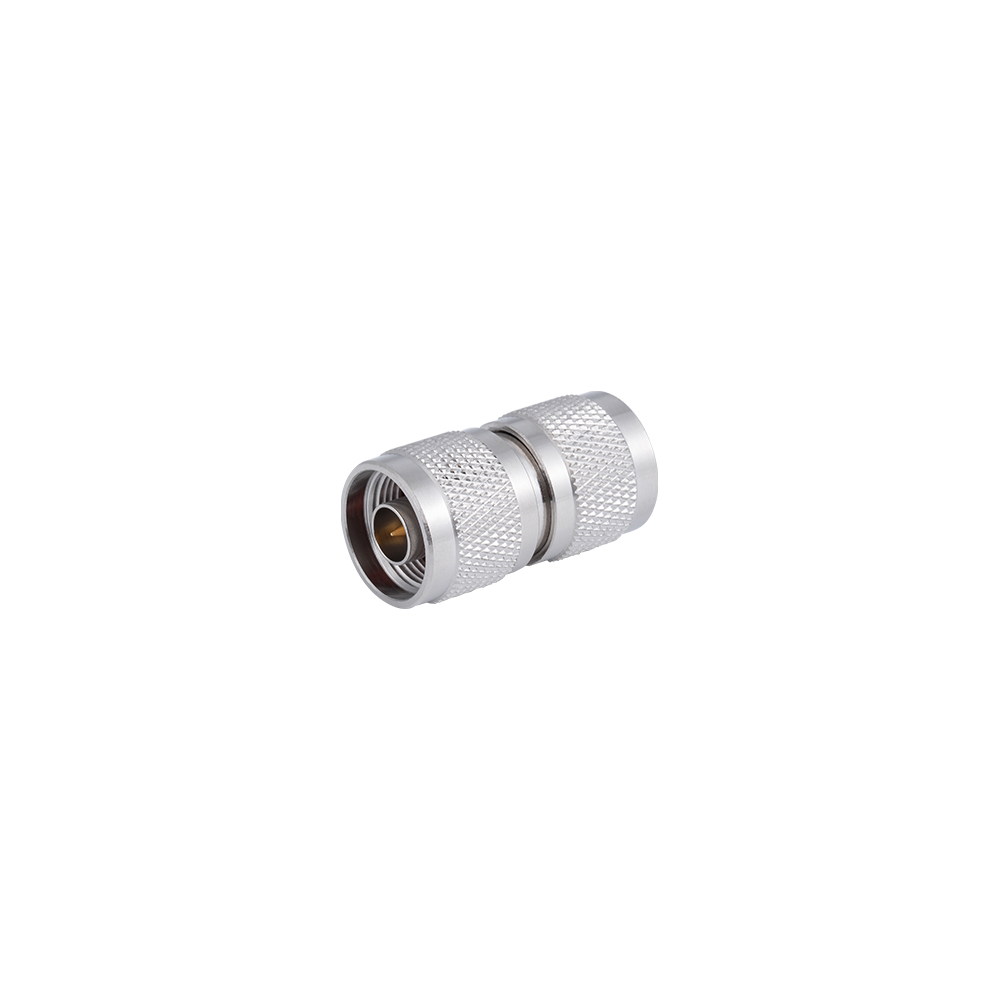
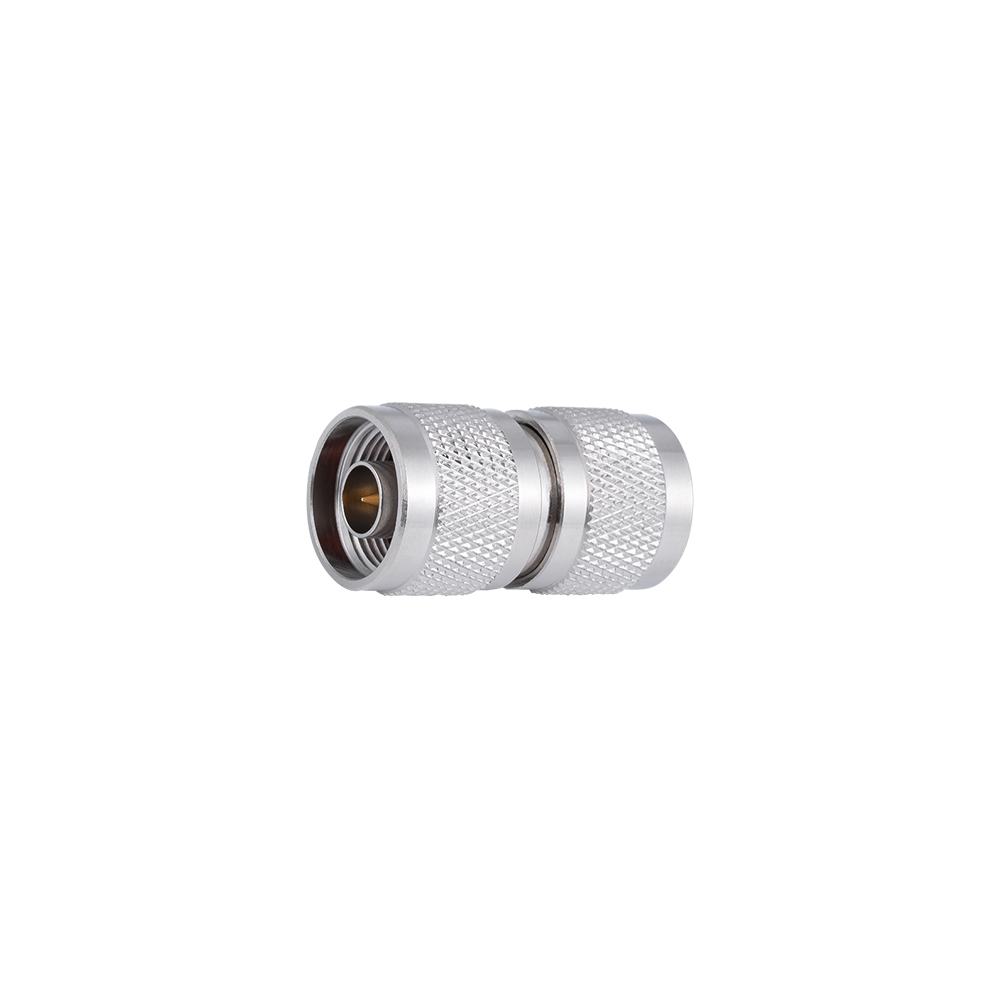
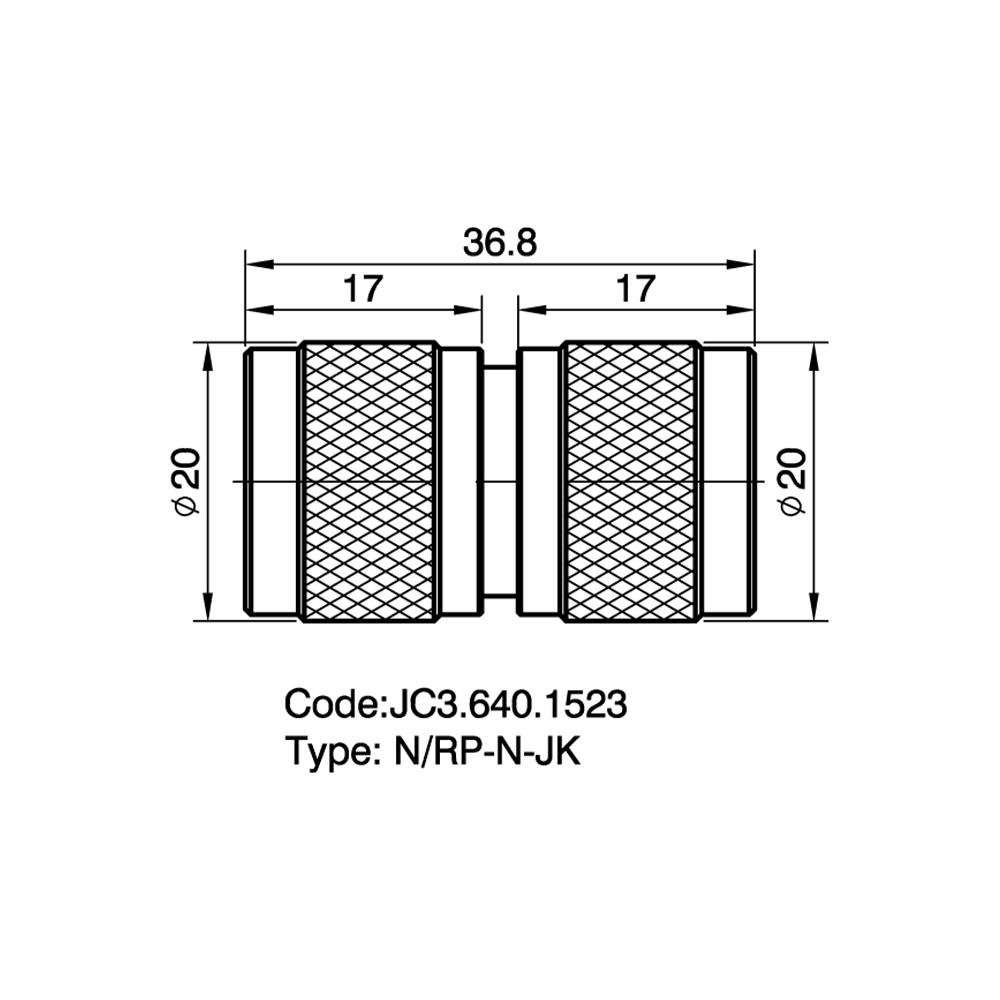
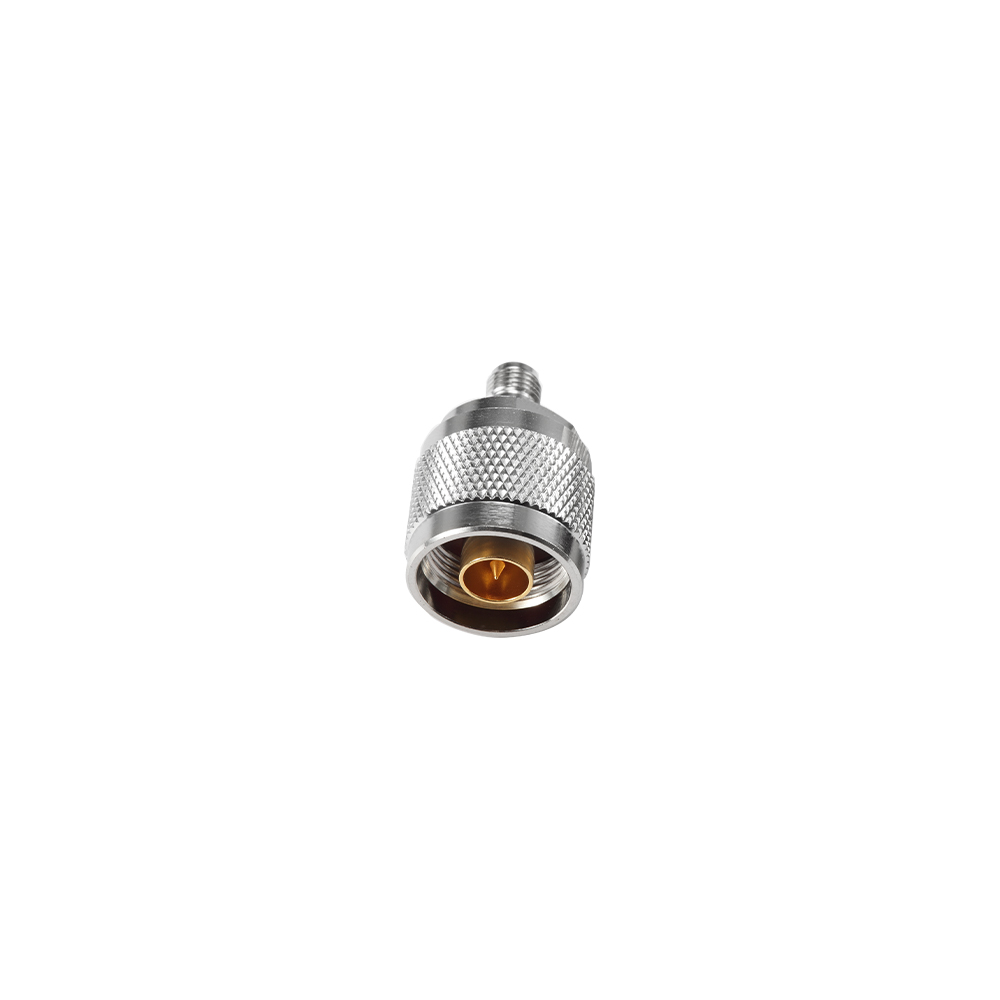
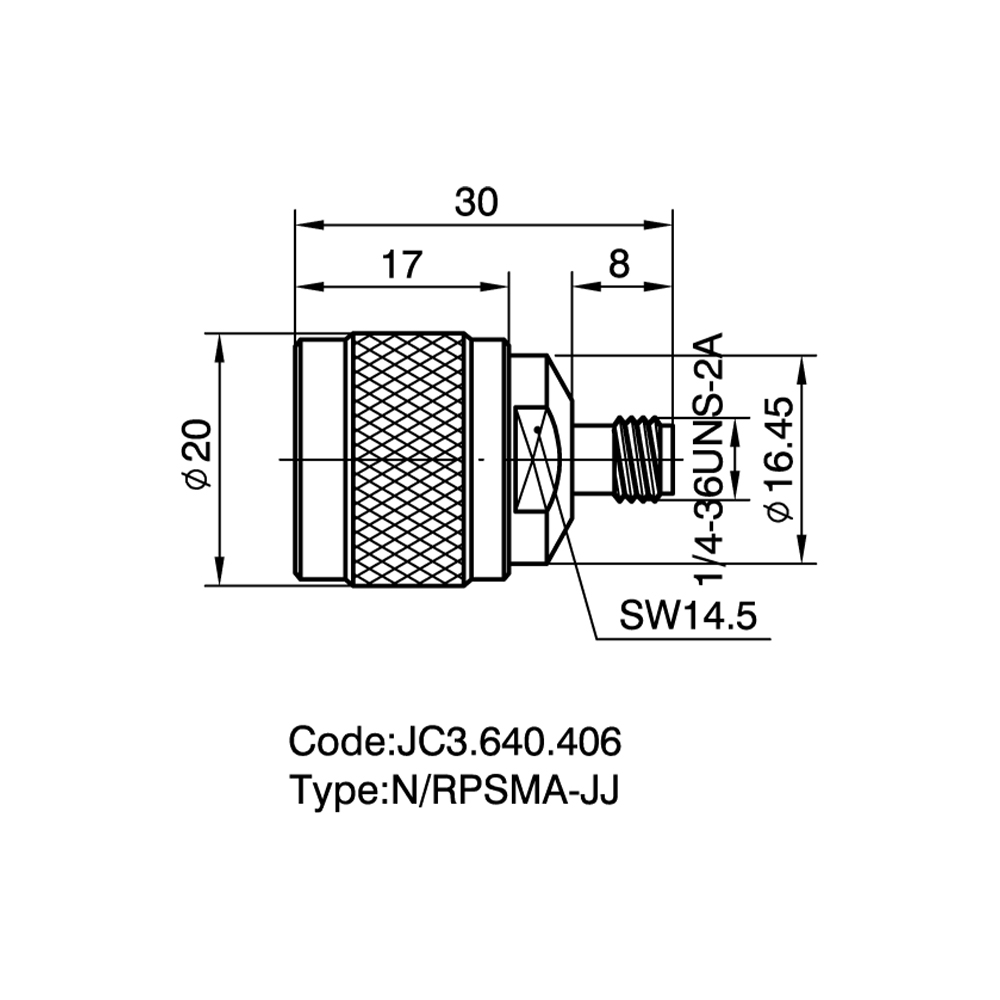
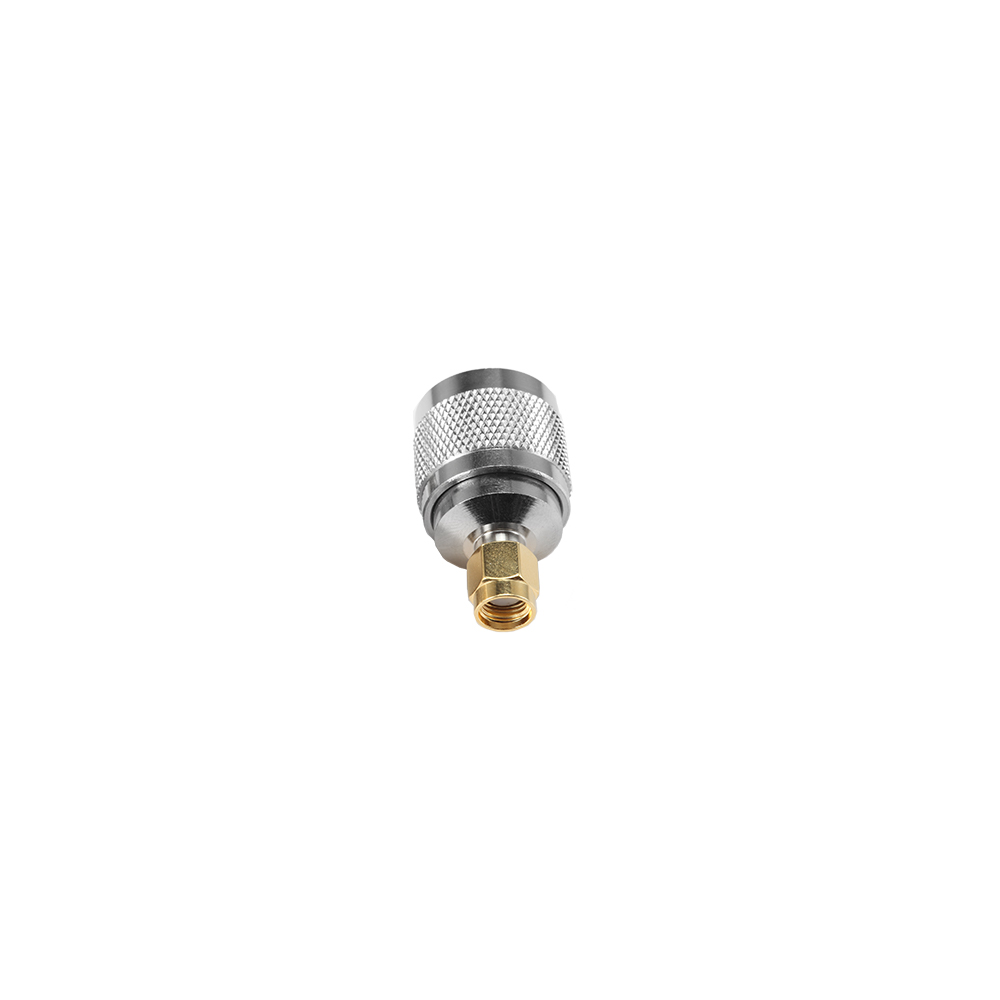
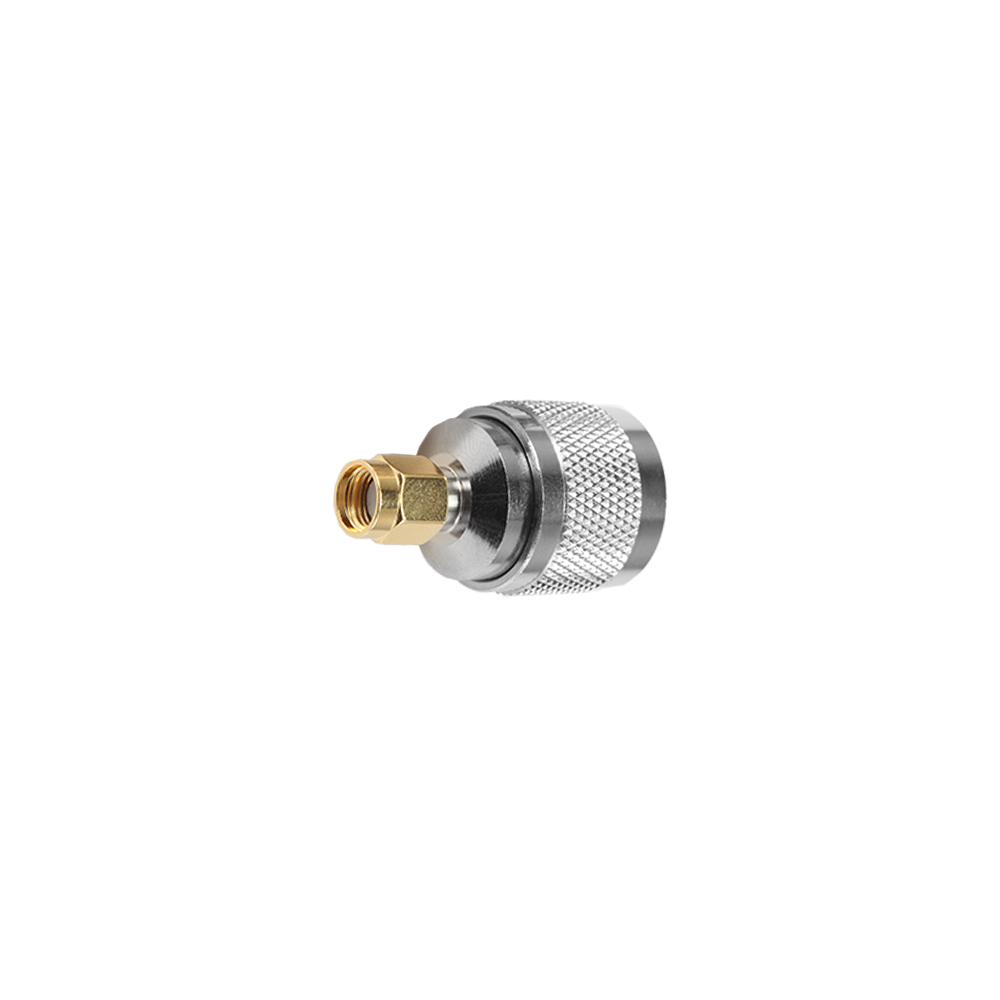
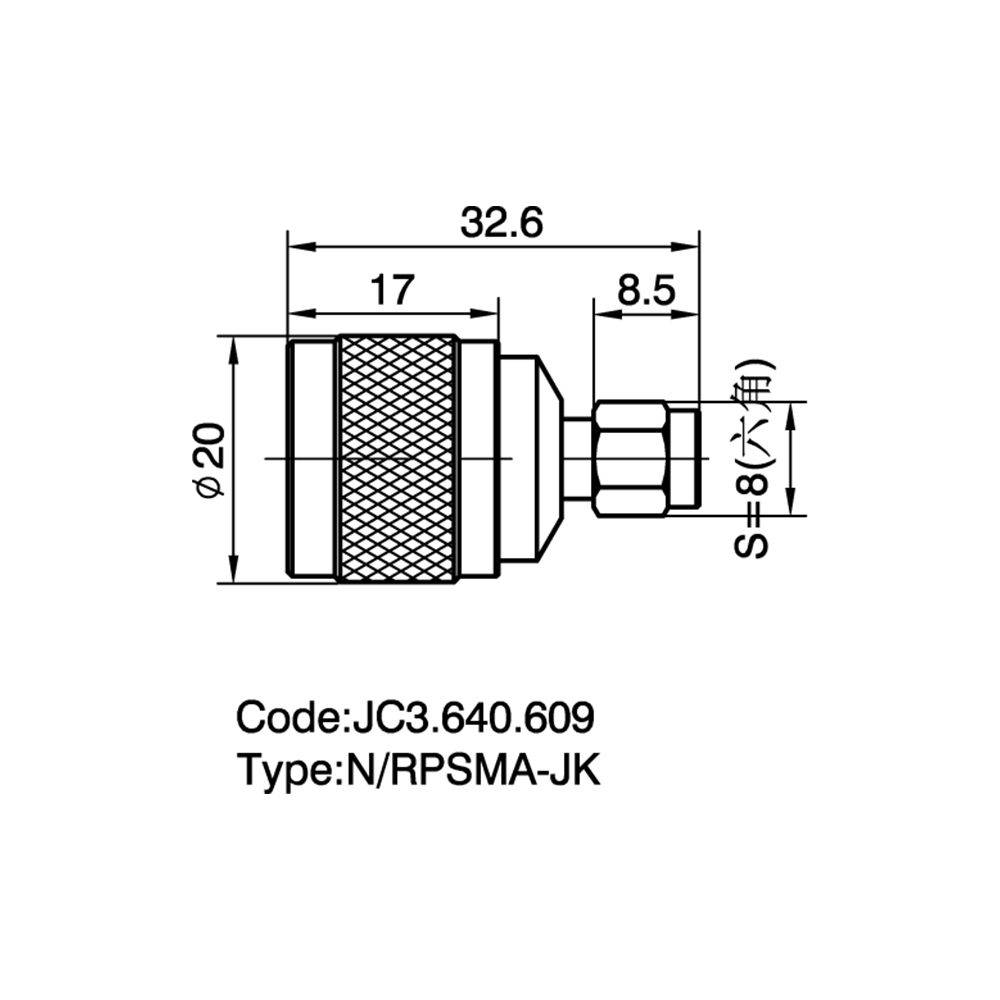
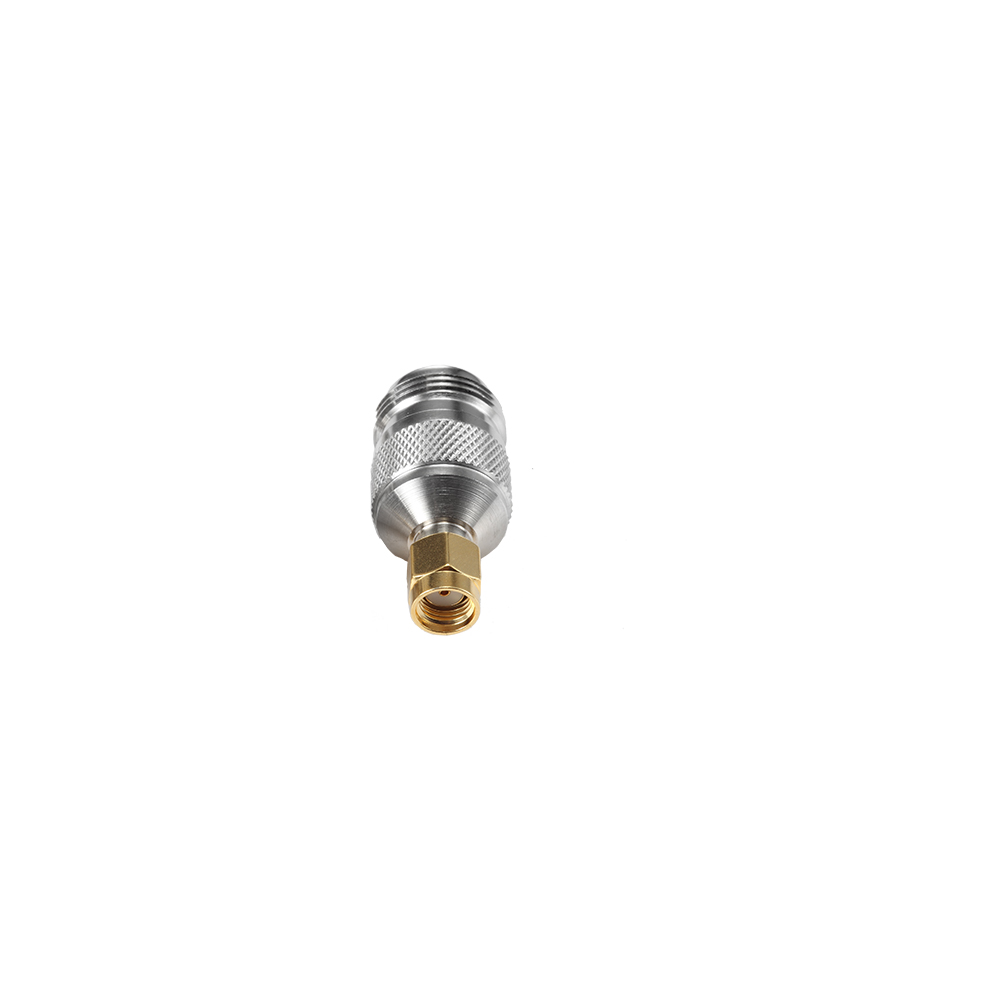
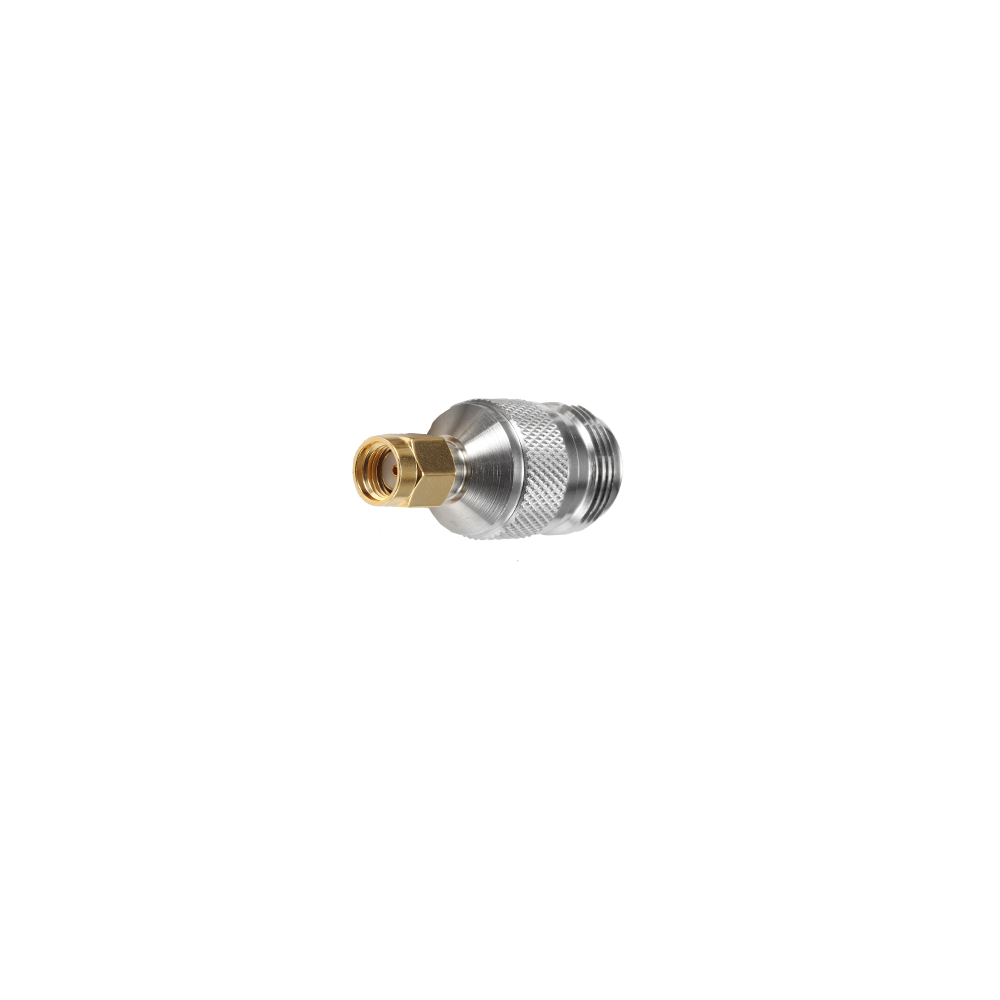
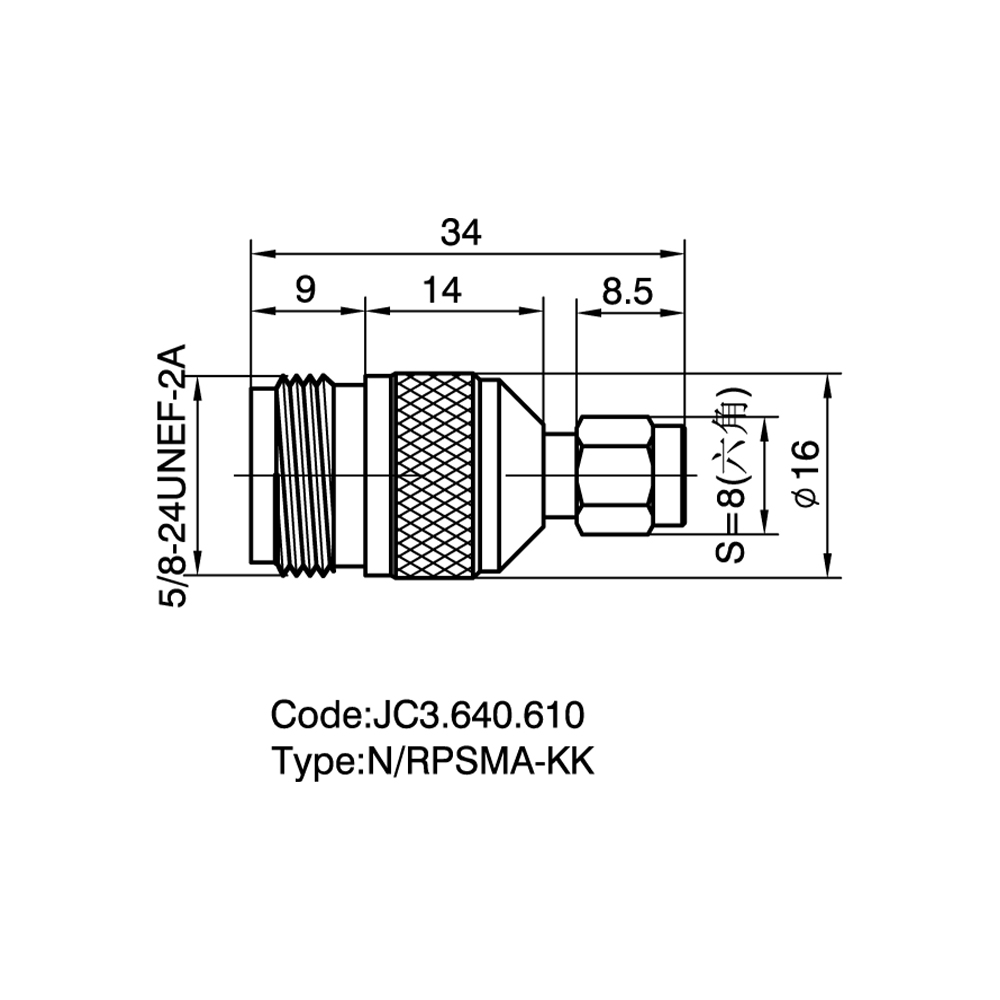
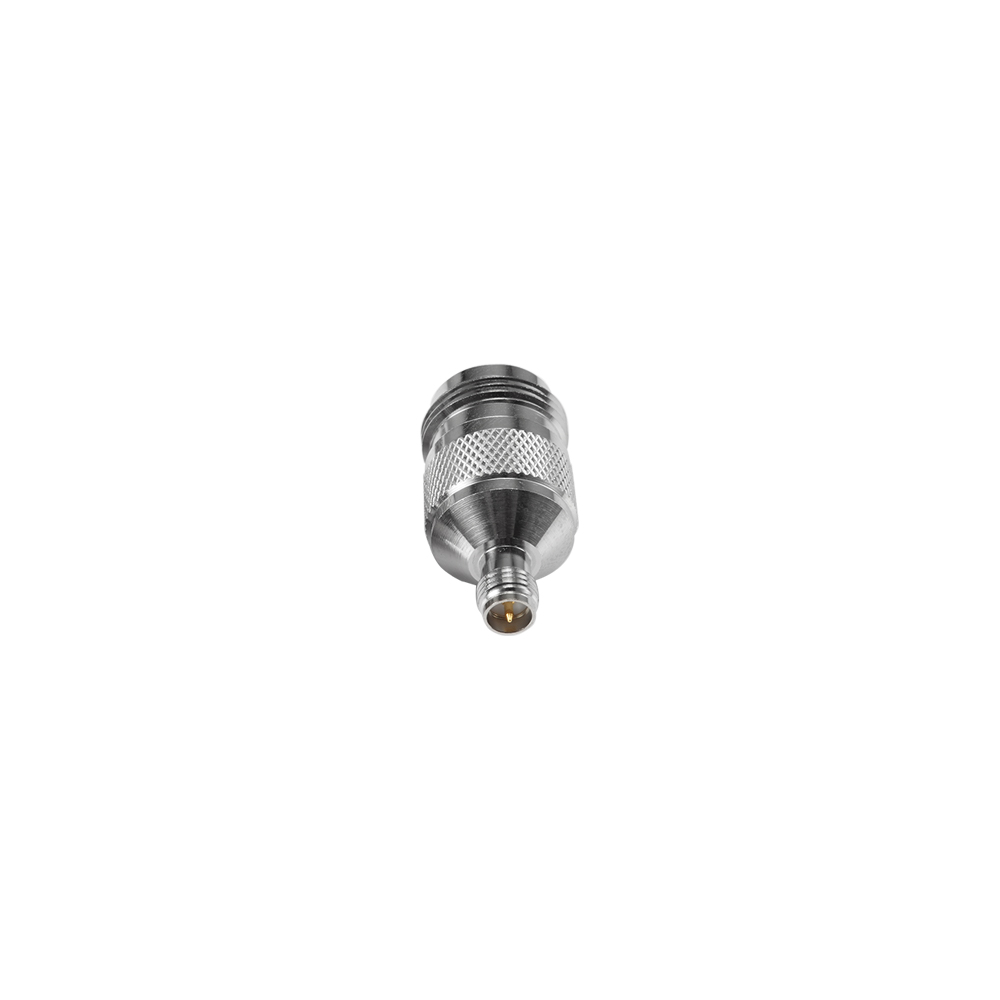
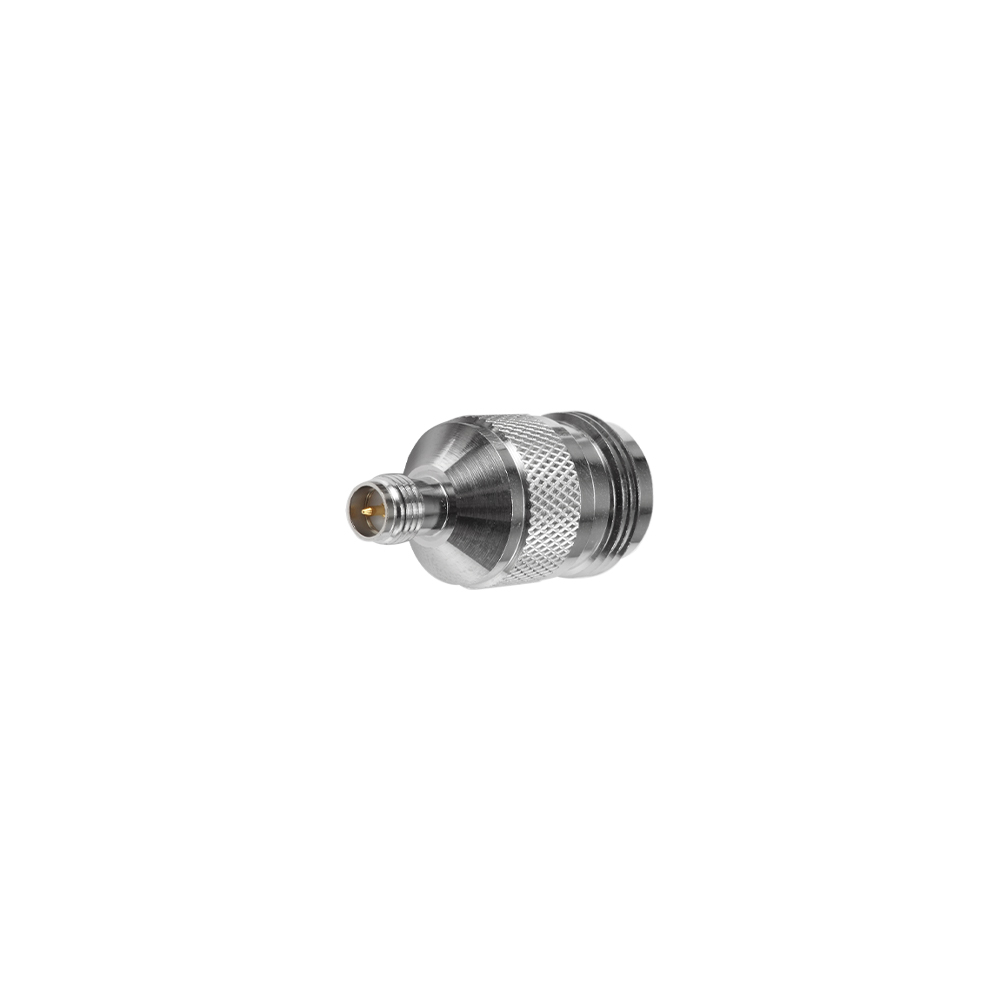
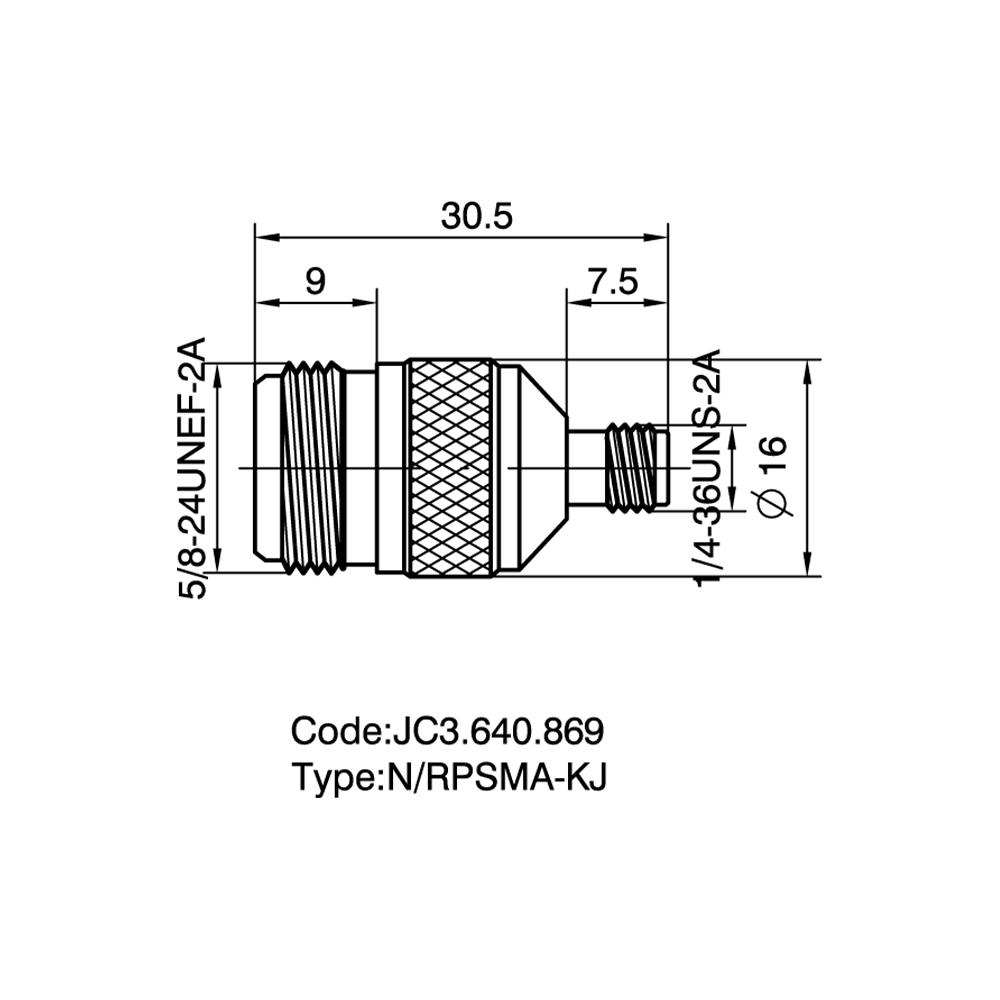
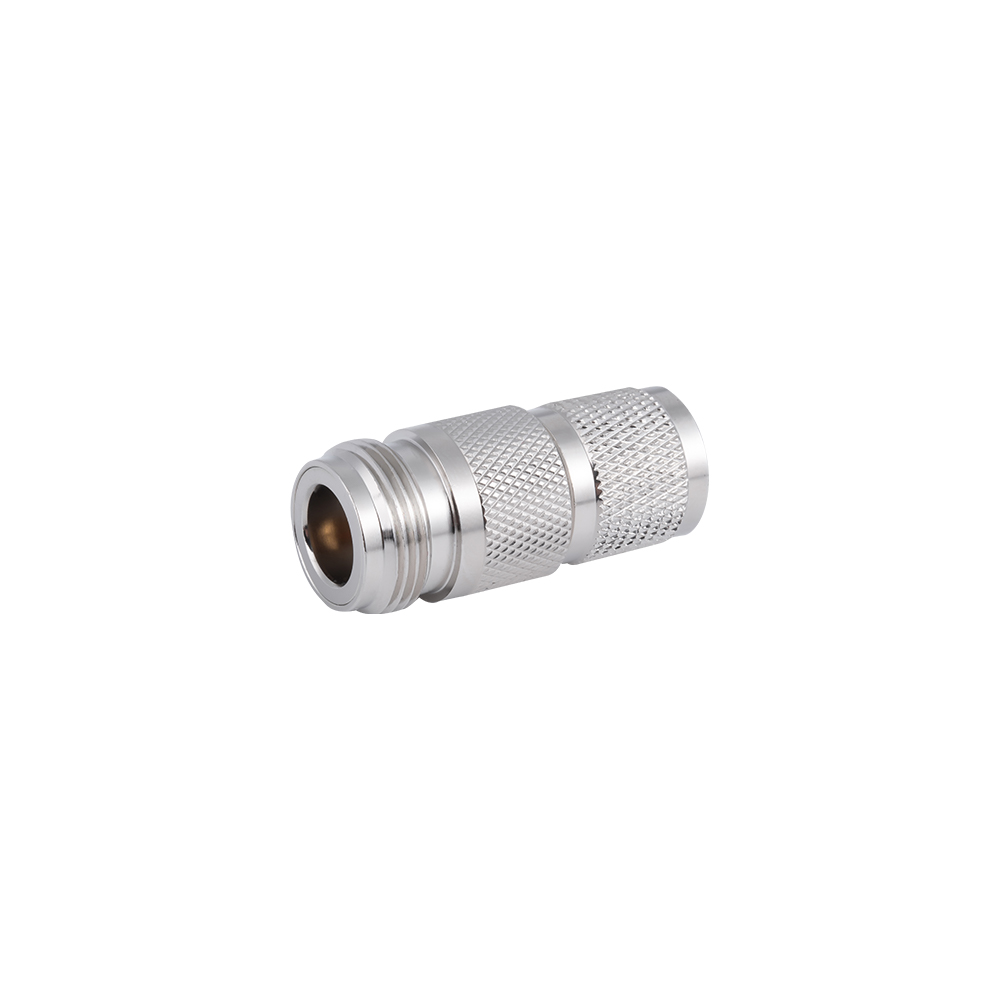
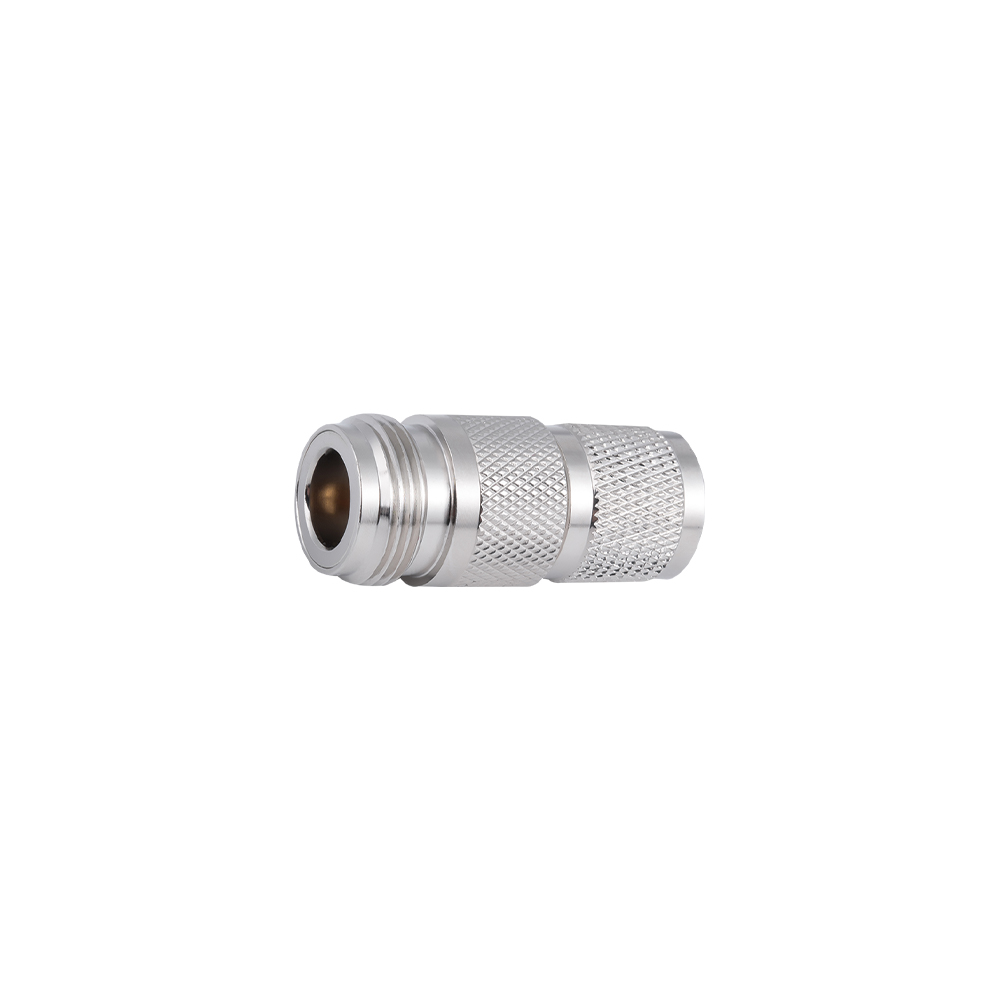
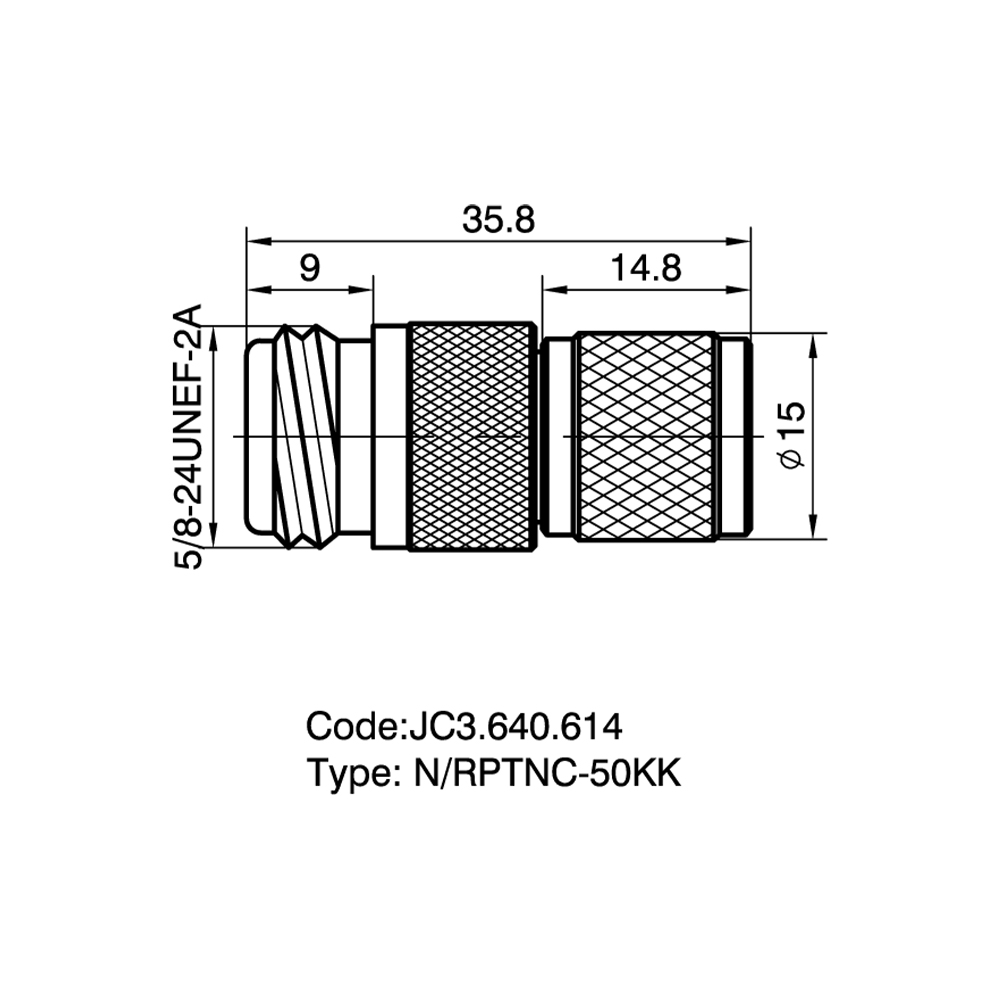
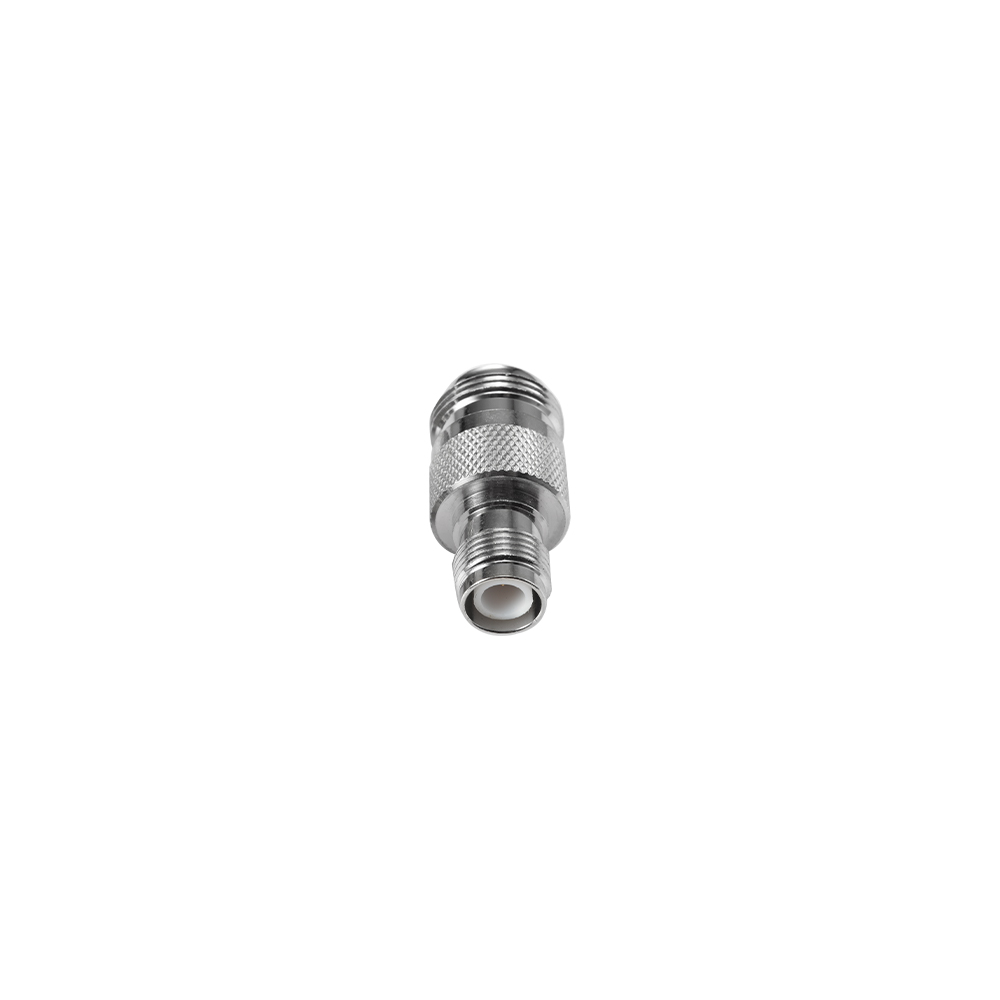
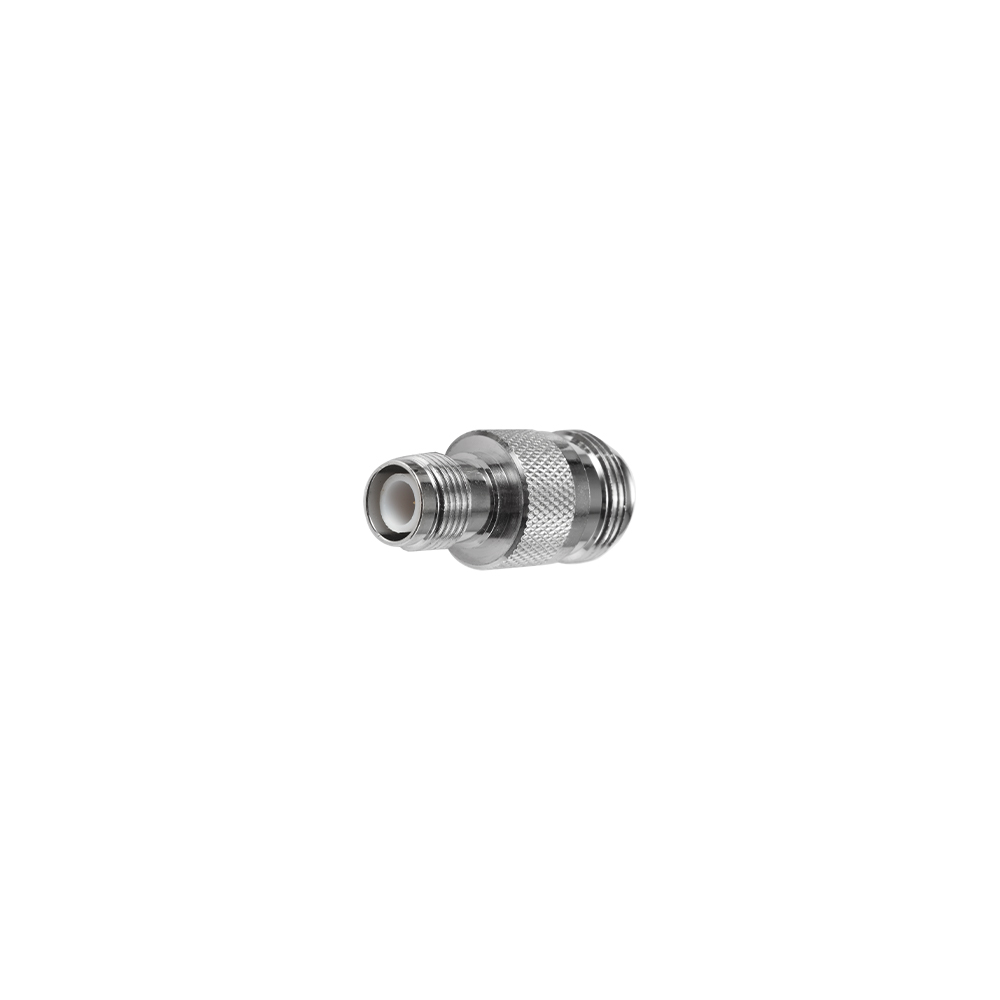
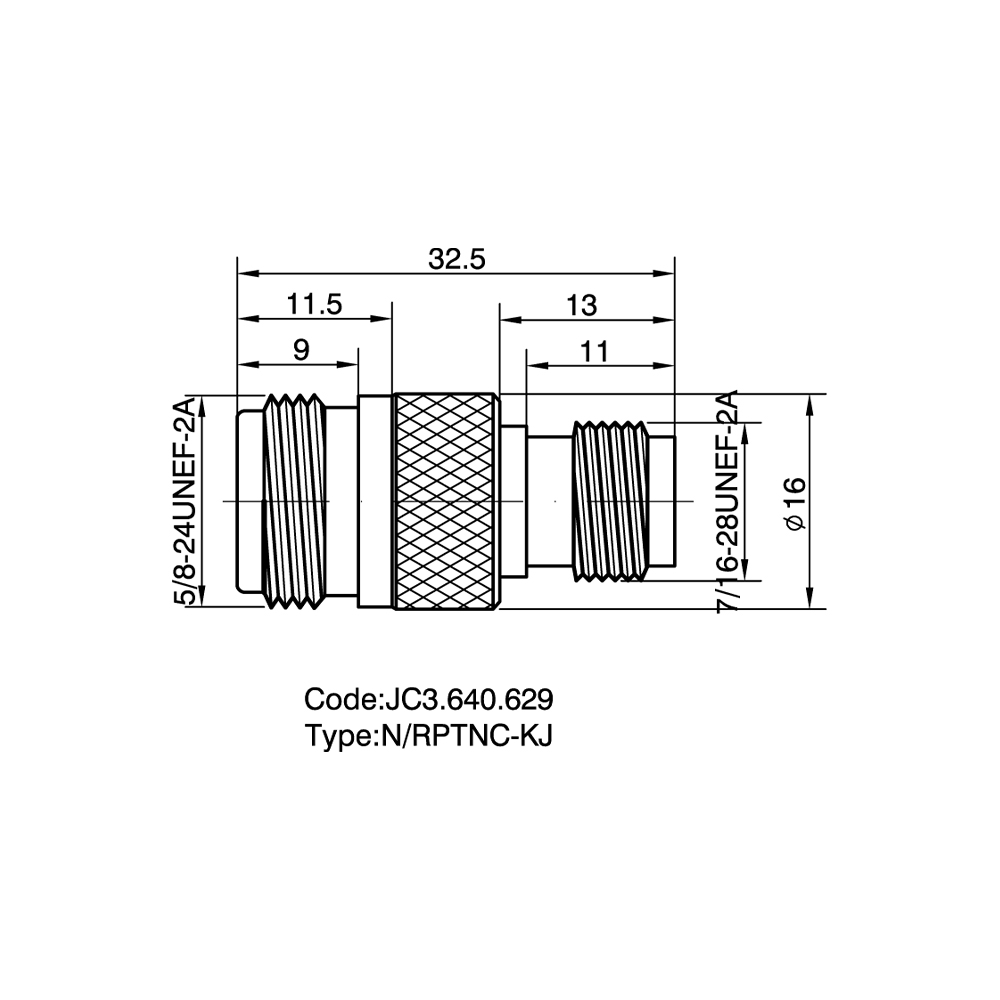
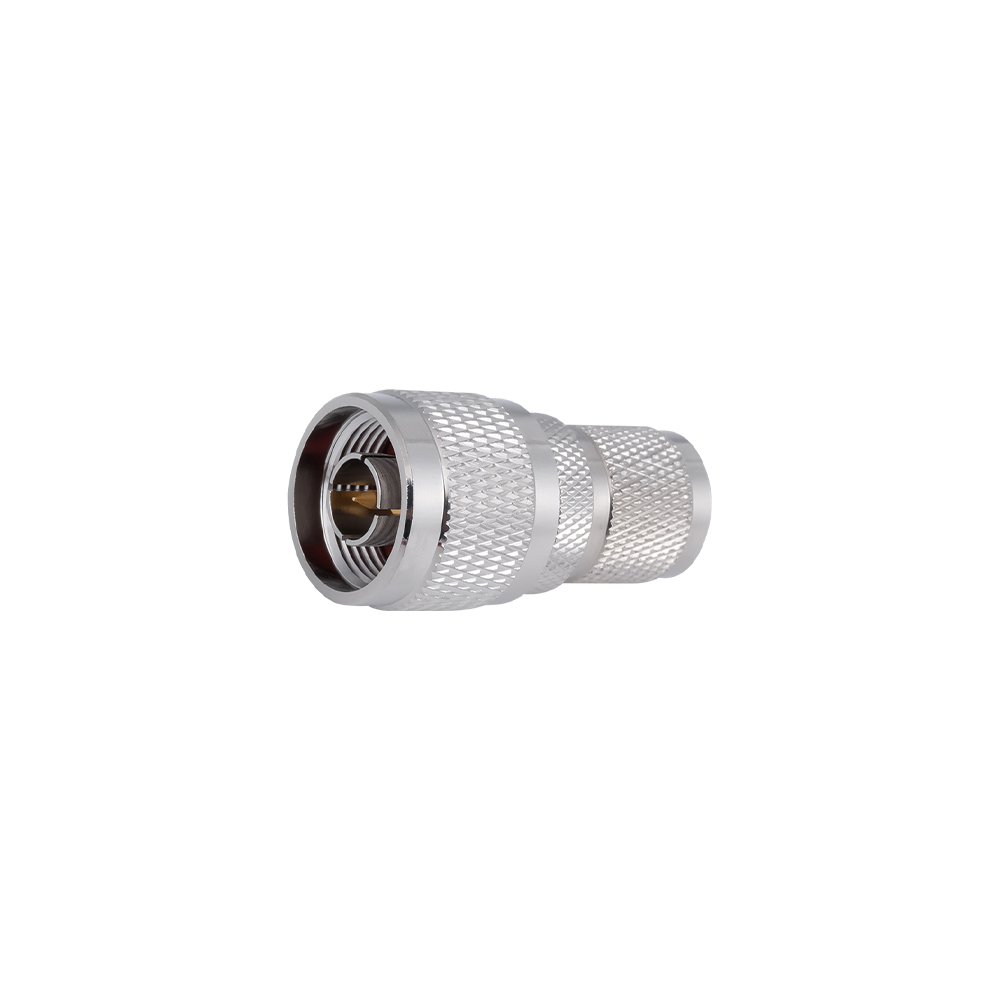
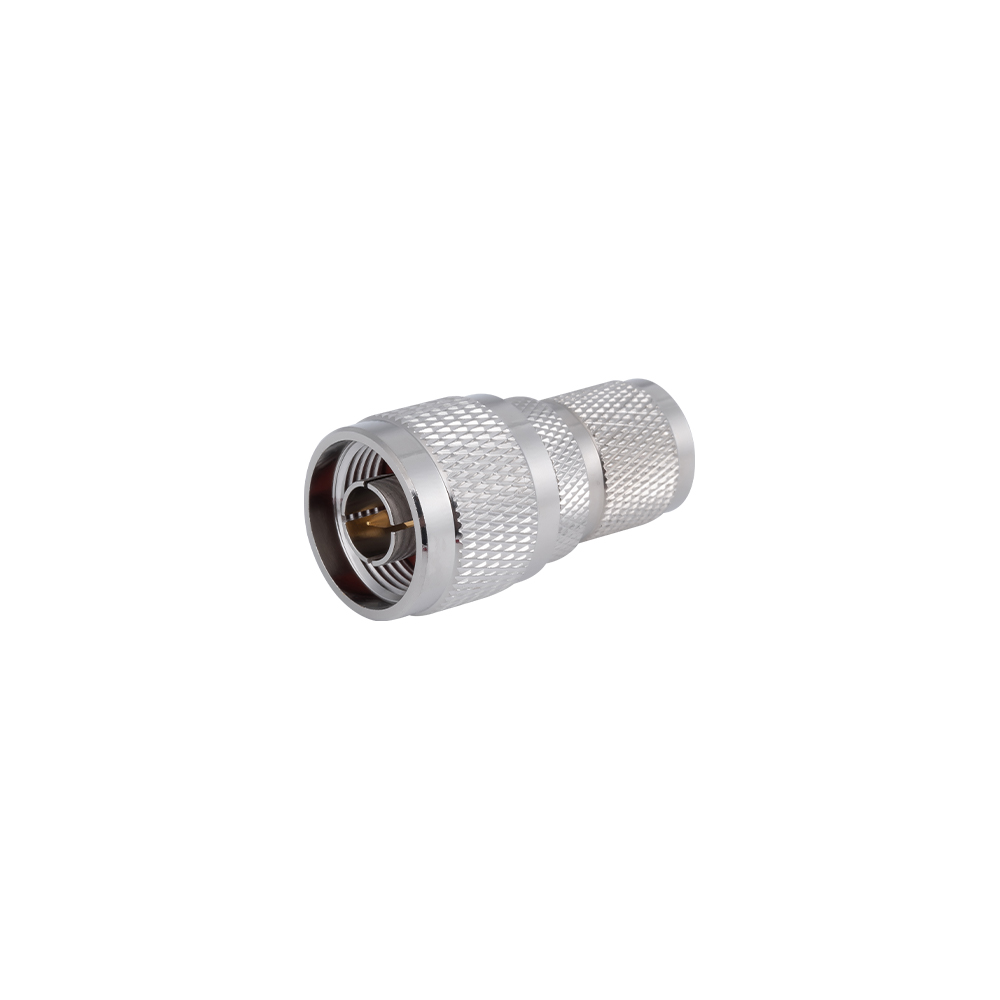
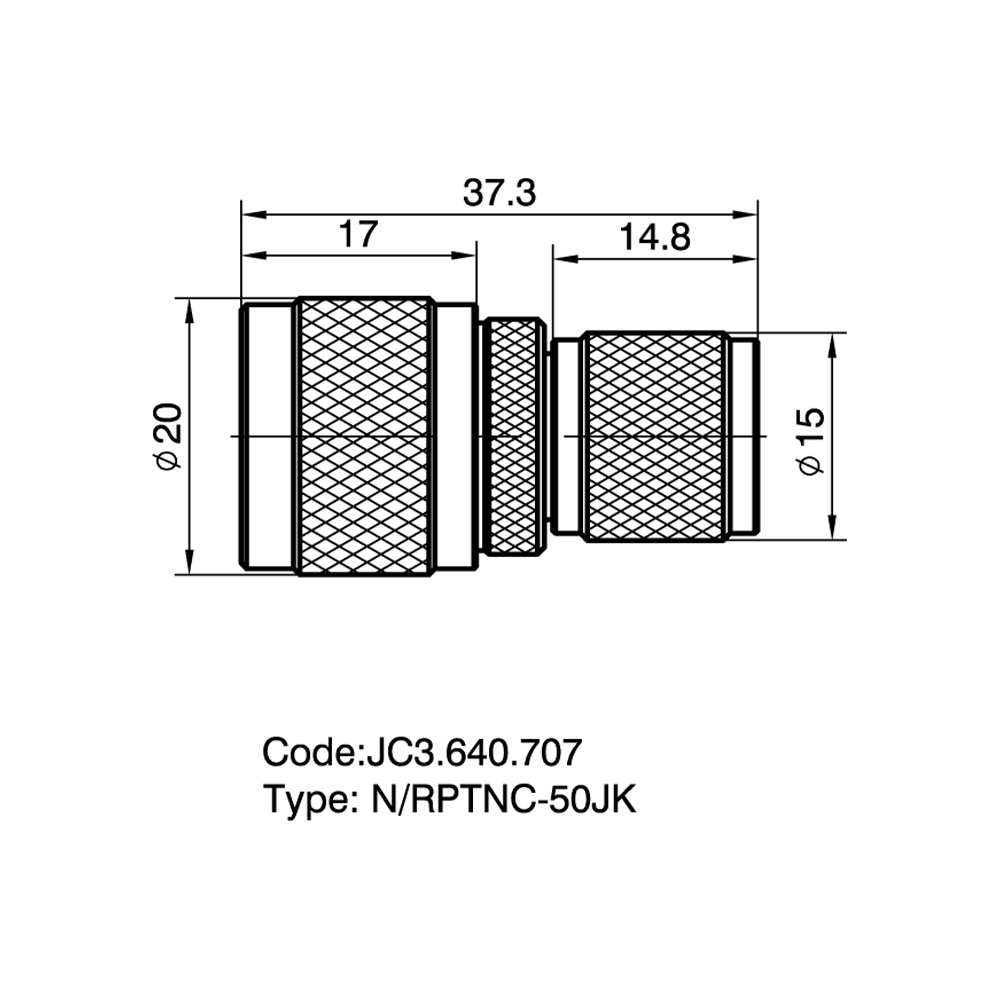
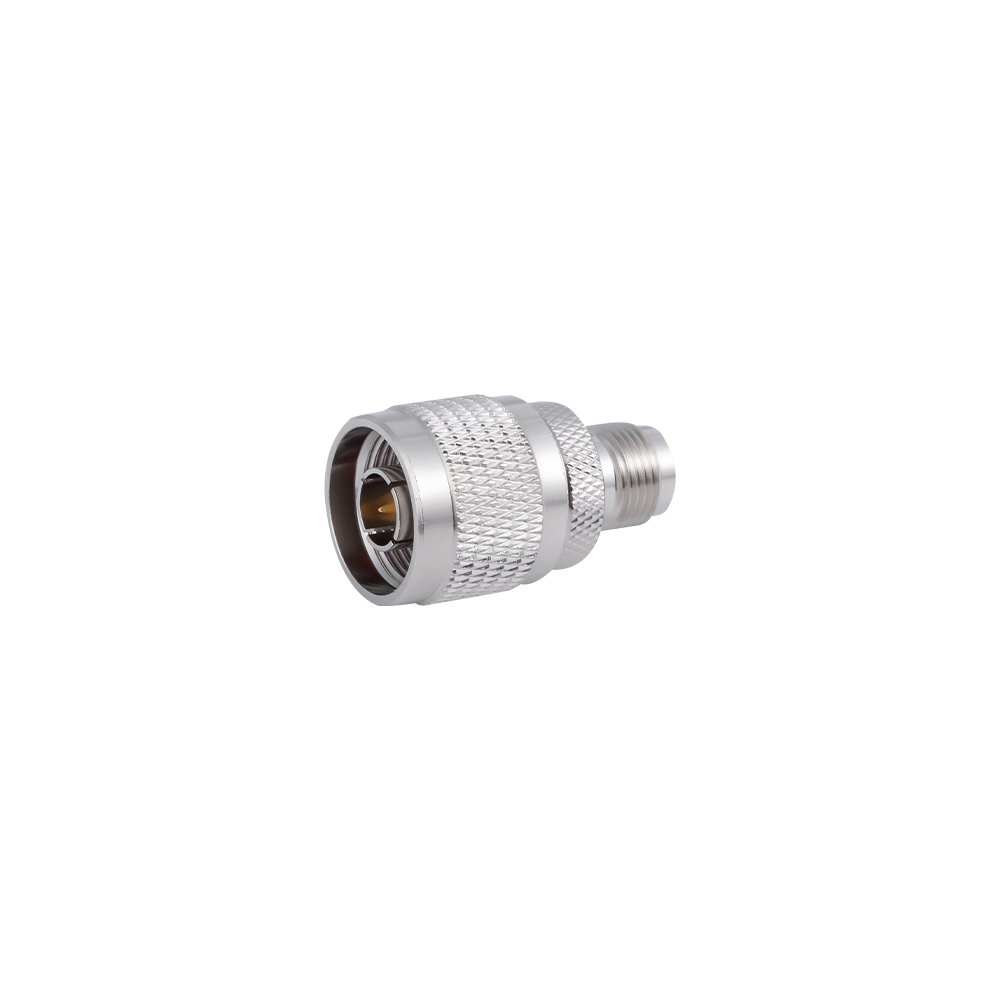
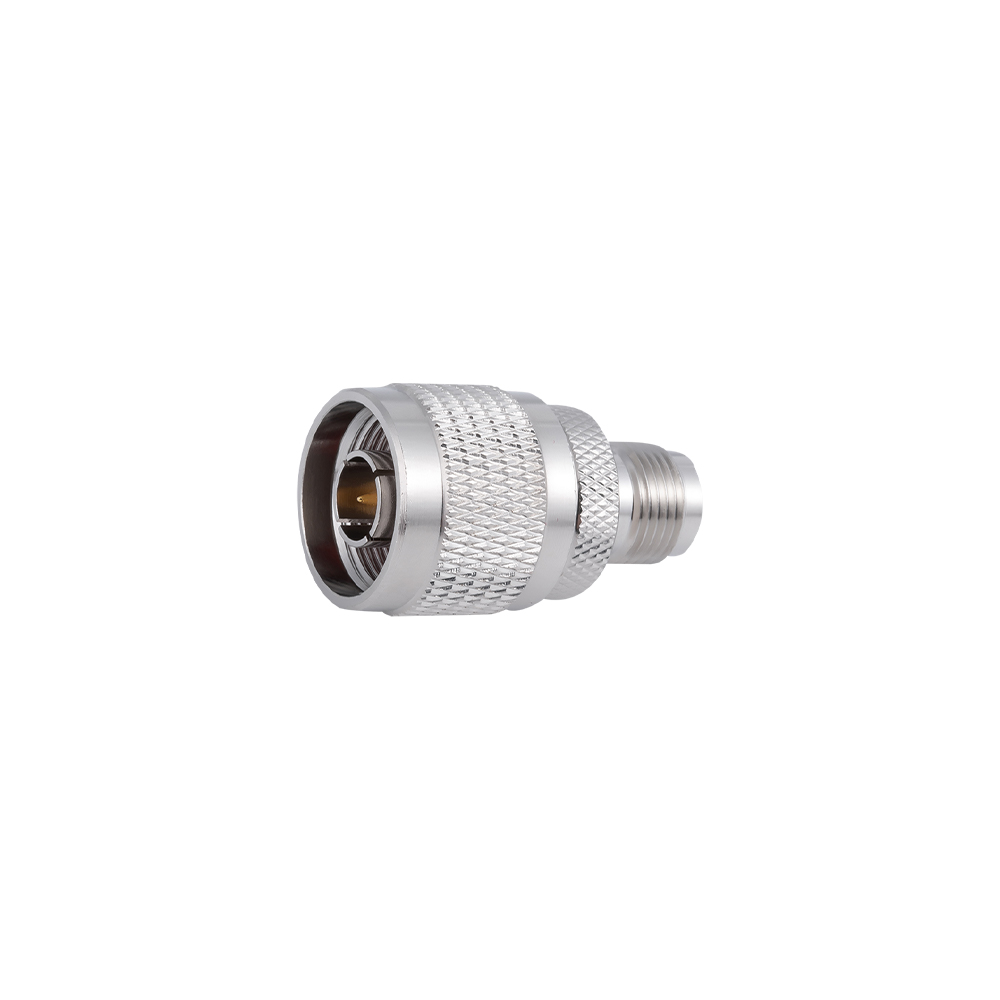
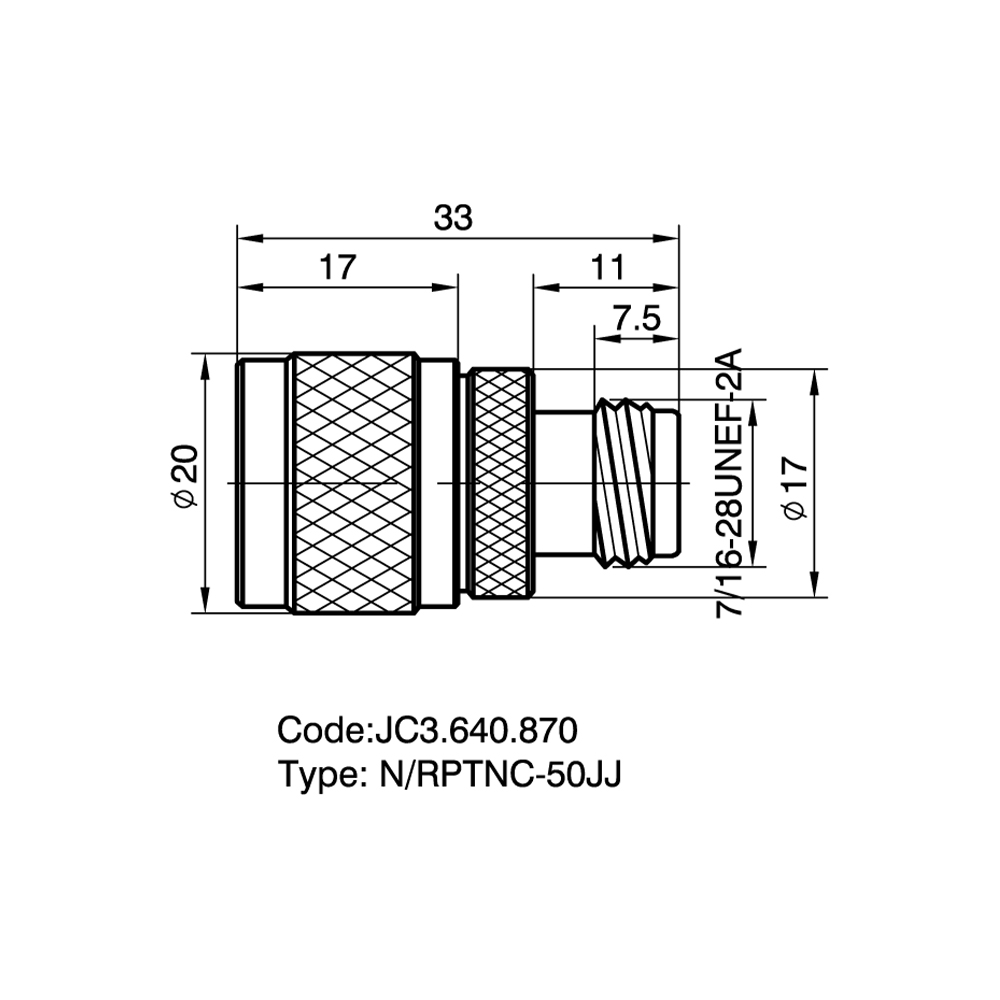
This Reverse Polarity (RP) RF adapter series is designed to deliver reliable interface conversion for wireless communication and RF systems. Addressing the needs of equipment with non-standard polarity configurations, these adapters ensure stable, low-loss connectivity between antenna systems, wireless modules, and test equipment. Each adapter is precision-manufactured to minimize signal reflection and maintain consistent transmission performance across a wide frequency range.
Key Features: Precision Engineering: Manufactured to industry-standard physical dimensions for guaranteed mechanical compatibility. Reliable Performance: High-quality materials used throughout, ensuring very low insertion loss and stable VSWR. Versatile Configurations: Available in a wide range of interface combinations — including N-type, TNC, SMA, and FME — to bridge standard and reverse polarity connections. Broad Application Scope: Suitable for wireless Wi-Fi systems, industrial antenna installations, RF bridging, and test environments involving mismatched connector interfaces.
Yangzhou Jingcheng Electronics Co., Ltd., a premier China Reverse Polarity Adaptors Manufacturer and Reverse Polarity Adaptors Supplier, was founded in 1999. It is a high-tech enterprise specializing in the R&D and manufacturing of RF coaxial connectors, cable assemblies, and passive microwave components.
Equipped with a comprehensive R&D and production system, the company has obtained international certifications including ISO9001. Adhering strictly to standards such as MIL, IEC and GB, we offer over 30 product series with more than 2,000 specifications, covering SMA, BNC, N-type and other mainstream models. Our products are widely applied in the fields of communications, aerospace, automotive electronics and beyond, and exported to many countries and regions across Europe, America and Asia.
We uphold the tenet of "Quality as the Foundation, Customers as the Core", committed to providing reliable interconnection solutions and professional services for global clients.
A Reverse Polarity Adaptor is an RF connector accessory in which the center pin and center socket positions are swapped relative to a standard connector of the same series, while the outer threading and mechanical interface remain unchanged. This means a Reverse Polarity Adaptor can mate with its corresponding standard connector series mechanically, but the internal pin arrangement is reversed, which is why this category is also referred to using terms such as RP-SMA and RP-TNC in wireless and RF hardware. Reverse Polarity Adaptors are most commonly associated with wireless networking equipment, where regulatory bodies in certain regions require non-standard pin configurations on consumer antenna connections to reduce the likelihood of unauthorized high-gain antennas being attached to radio equipment. Across this category, the shared purpose is consistent: enabling secure, compliant, and mechanically correct connections between RF cable assemblies, antennas, and radio modules that use a reversed pin configuration standard. This introduction covers the shared operating principle, typical applications, comparative performance factors, and maintenance guidance relevant to the full Reverse Polarity Adaptor category.
2. Working Principle Behind Reverse Polarity Adaptors
Every Reverse Polarity Adaptor functions by relocating the center conductor interface from where it normally sits on a standard connector of the same series. On a standard connector, the plug typically carries a center pin while the jack carries a center socket; on a reverse polarity version, this relationship is inverted so the plug carries a socket and the jack carries a pin, even though the outer coupling nut, thread pitch, and shell dimensions remain the same as the standard type. This allows the outer shell to still physically thread onto a matching standard-shell connector, while preventing an ordinary standard-polarity cable or antenna from completing an electrical connection unless it is also built to the reverse polarity configuration. The chart below illustrates, in simplified form, how signal continuity depends on matching both mechanical and polarity configuration correctly.
The top and bottom bars in this chart represent matched configurations, where a reverse polarity connector pairs with another reverse polarity connector, or a standard connector pairs with another standard connector, both resulting in full, functional signal continuity as represented by the long bar length. The much shorter middle bar represents a mismatched pairing, where a reverse polarity connector meets a standard polarity connector; even though the outer shell can still thread together mechanically, the internal pin and socket do not align correctly, so a functional electrical connection is not established. This is precisely the outcome that Reverse Polarity Adaptors are designed to prevent in applications where standard connectors should not be interchangeable with reverse polarity equipment. Understanding this principle is useful for installers and procurement teams because it clarifies that a Reverse Polarity Adaptor is not simply a relabeled standard part, but a functionally distinct component with its own compatibility rules. Correctly identifying and specifying reverse polarity components throughout a cable assembly or antenna installation is therefore an important step in avoiding connection failures during setup.
3. Typical Applications Across Industries
Reverse Polarity Adaptors are used across several industries that rely on RF connectivity between antennas, cables, and radio modules.
(1) Wireless Networking Equipment
Wireless routers, access points, and wireless network cards frequently use reverse polarity connectors on their antenna ports to align with regional wireless equipment regulations governing consumer antenna interchangeability.
(2) Communications Infrastructure
Base station equipment, repeaters, and distributed antenna systems can incorporate reverse polarity interfaces where a defined connector standard specifies this configuration for a particular equipment class.
(3) Automotive and Aerospace Electronics
Vehicle telematics modules and certain aerospace communication assemblies use reverse polarity adaptors where connector interchangeability control is part of the system design requirement.
4. Comparing Reverse Polarity and Standard Polarity Connectors
The table below summarizes the core differences between reverse polarity and standard polarity connectors within the same series, which is a common reference point for engineers specifying parts for a new assembly.
Comparison between reverse polarity and standard polarity connector configurations
Attribute
Standard Polarity
Reverse Polarity
Outer shell and thread
Standard series dimensions
Same as standard series
Center pin location
Plug side
Jack side
Interchangeable with standard type
Mechanically yes, electrically yes
Mechanically yes, electrically no
Typical use case
General RF cable assemblies
Regulated wireless and antenna interfaces
5. Performance Factors To Evaluate
Beyond polarity configuration, several performance factors determine how well a Reverse Polarity Adaptor performs within an RF assembly. The radar chart below compares four representative performance factors across a general reverse polarity adaptor profile, using a relative scale rather than absolute test figures.
The shaded region in this radar chart extends broadly across all five factors, which is meant to represent a Reverse Polarity Adaptor built with consistent attention to insertion loss control, mechanical durability, corrosion resistance, mating cycle life, and signal stability, rather than one that performs strongly in only a single dimension. Insertion loss control reflects how much signal strength is preserved through the connector body, which matters directly for RF link quality. Mechanical durability and mating cycle life relate to how the connector performs across repeated connect and disconnect cycles, which is relevant for equipment that may be serviced or reconfigured over time. Corrosion resistance is particularly relevant for outdoor or automotive installations exposed to humidity and temperature variation. Signal stability reflects consistent electrical performance across the connector's operating conditions, which supports predictable RF link behavior in the field. Evaluating a Reverse Polarity Adaptor across all five of these factors together, rather than any single figure in isolation, gives a more complete picture of how the component will perform once installed.
6. Maintenance Guidance For Reverse Polarity Adaptors
Confirm polarity configuration before connecting, since a reverse polarity and standard polarity connector can thread together without completing an electrical connection.
Hand-tighten the coupling nut to a secure fit without over-torquing, which can damage the center pin or socket over time.
Inspect for corrosion or debris on the mating surface before each connection, particularly in outdoor installations.
Avoid repeated bending stress at the connector-to-cable junction to preserve mechanical integrity over the assembly's service life.
Store unused adaptors with protective caps to prevent contamination of the center conductor interface.
7. Manufacturing Background
Yangzhou Jingcheng Electronics Co., Ltd., founded in 1999, specializes in the research, development, and manufacturing of RF coaxial connectors, cable assemblies, and passive microwave components, including Reverse Polarity Adaptors across SMA, BNC, N-type, and other mainstream series. Operating under ISO9001 certification and in line with standards such as MIL, IEC, and GB, the company offers a broad product range applied across communications, aerospace, and automotive electronics fields, with distribution across multiple regions internationally.
8. Frequently Asked Questions
Q1: Can a Reverse Polarity Adaptor connect to a standard polarity connector?
The outer shell may thread together mechanically, but the center pin and socket will not align, so no functional electrical connection is established.
Q2: Why are reverse polarity connectors used on wireless equipment?
Reverse polarity connectors are commonly specified on consumer wireless equipment to control which antennas can be physically and electrically connected to a given device.
Q3: Are Reverse Polarity Adaptors available across different connector series?
Yes, reverse polarity configurations are available across common series such as SMA, TNC, and others, each following the same outer shell dimensions as their standard counterparts.
Q4: How should Reverse Polarity Adaptors be maintained?
Routine inspection for corrosion, correct hand-tightening, and protective storage help maintain consistent performance over the adaptor's service life.


 English
 中文简体
中文简体