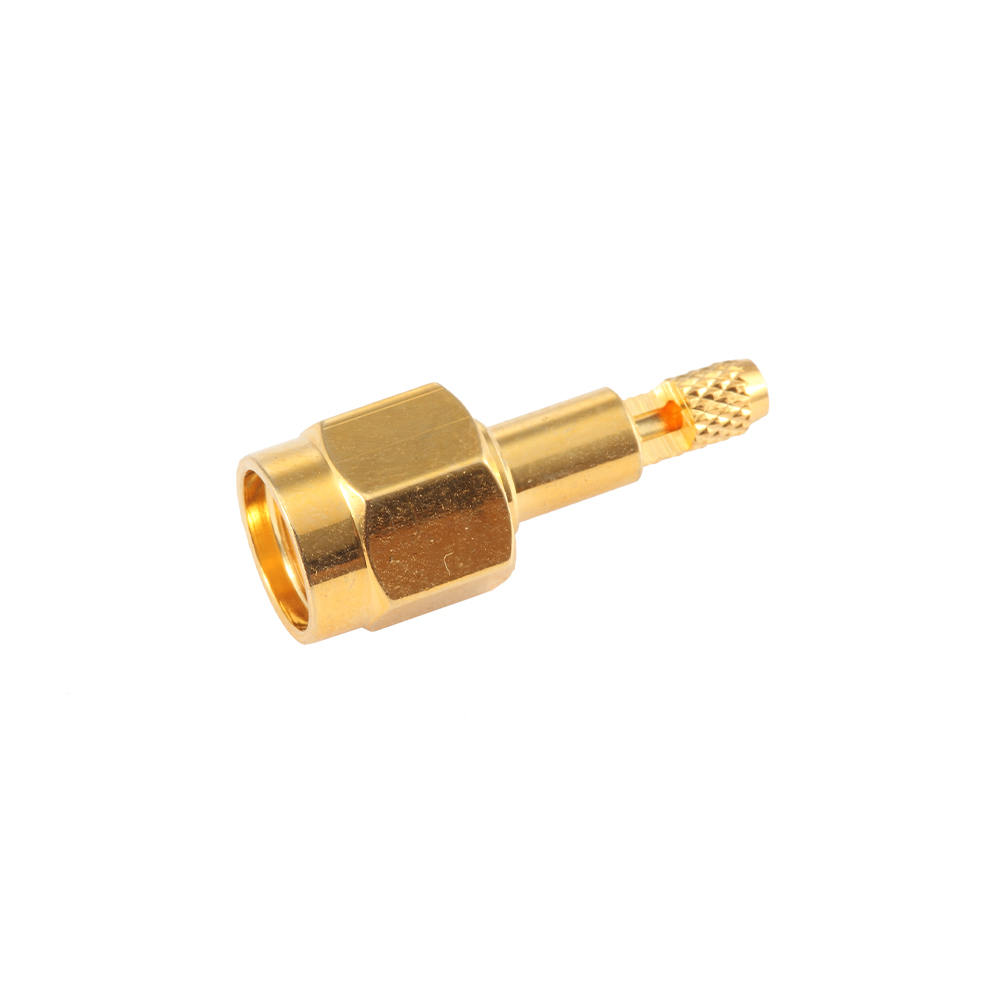
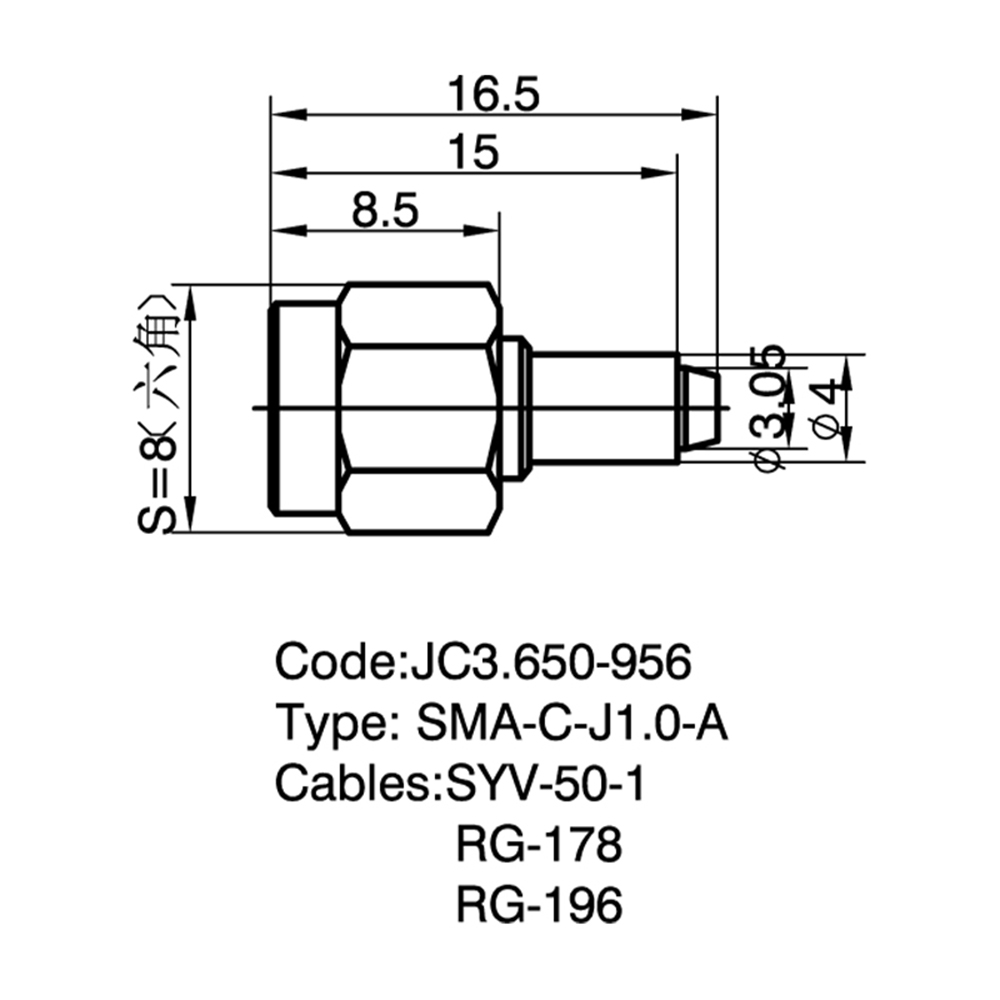
SMA Connectors for Flexible Cable Custom

Home / Products / Coaxial Connectors / SMA RF Coaxial Connectors / SMA Connectors for Flexible Cable

SMA Connectors for Flexible Cable Manufacturer

Product Introduction:
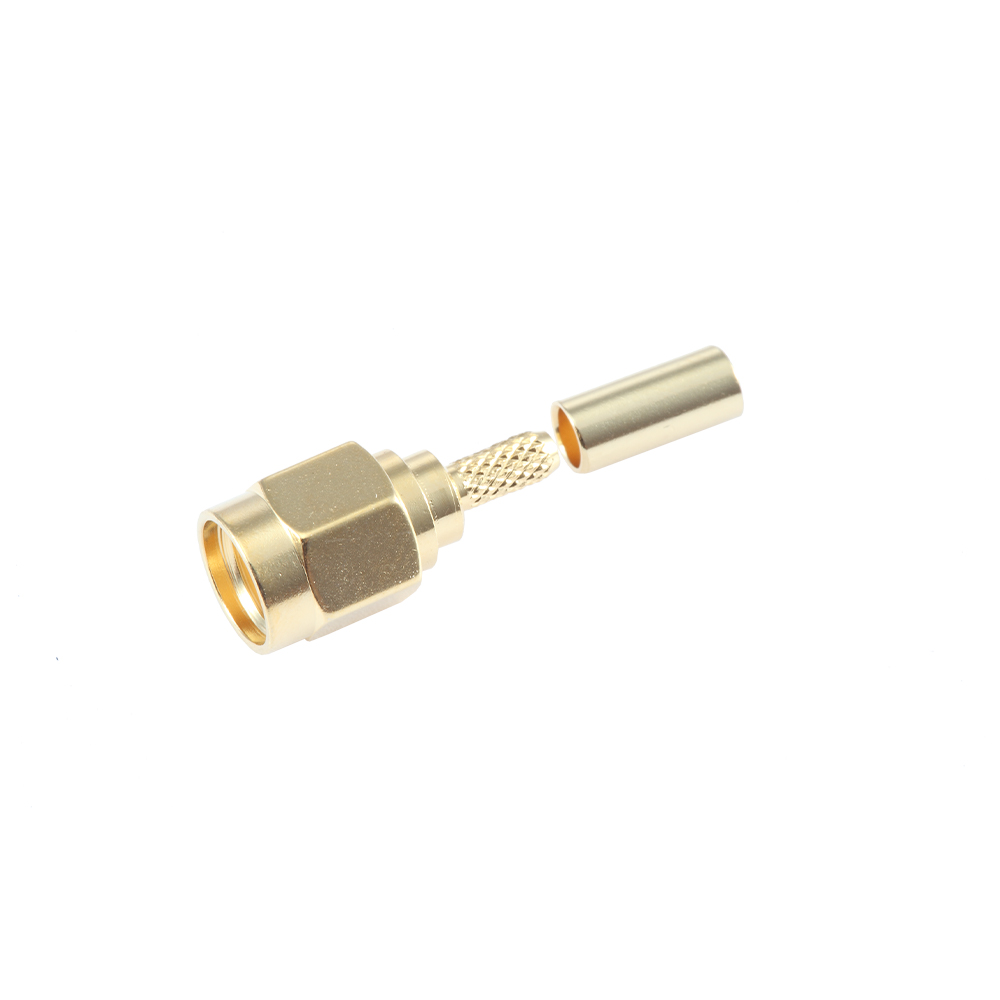
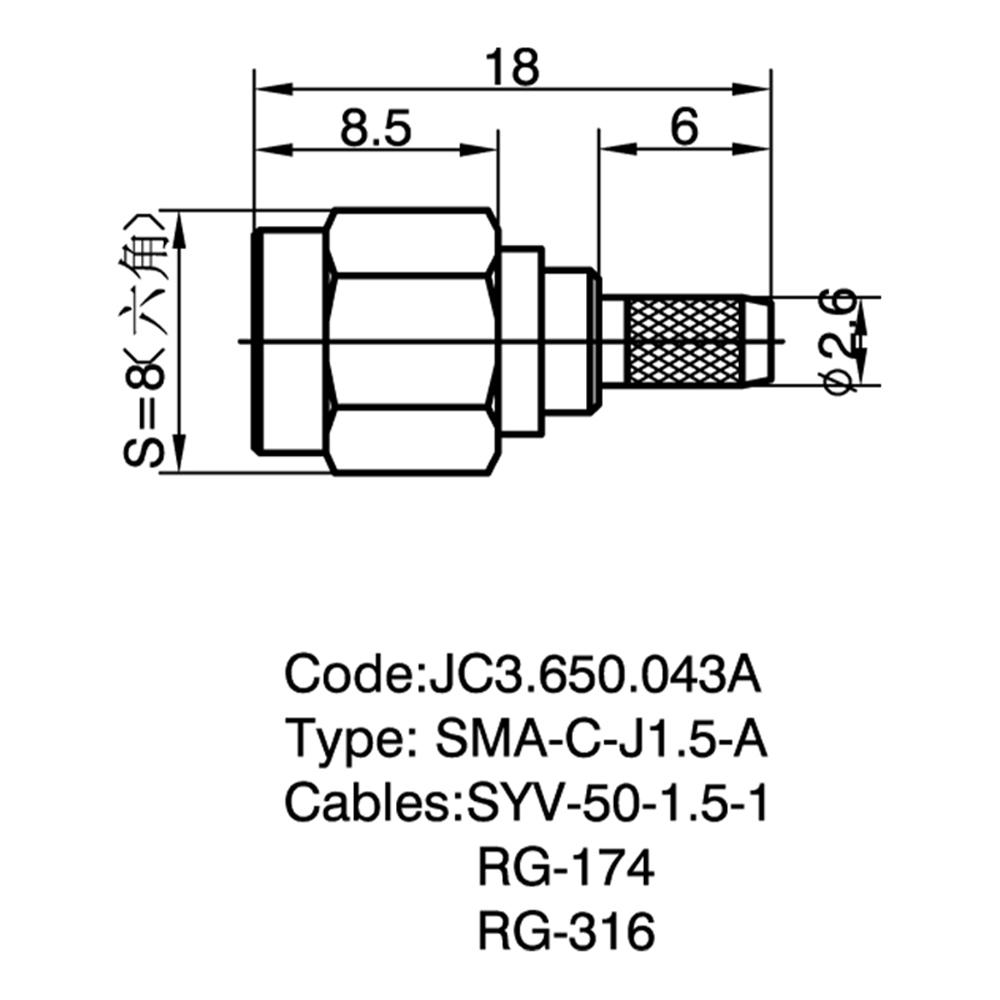
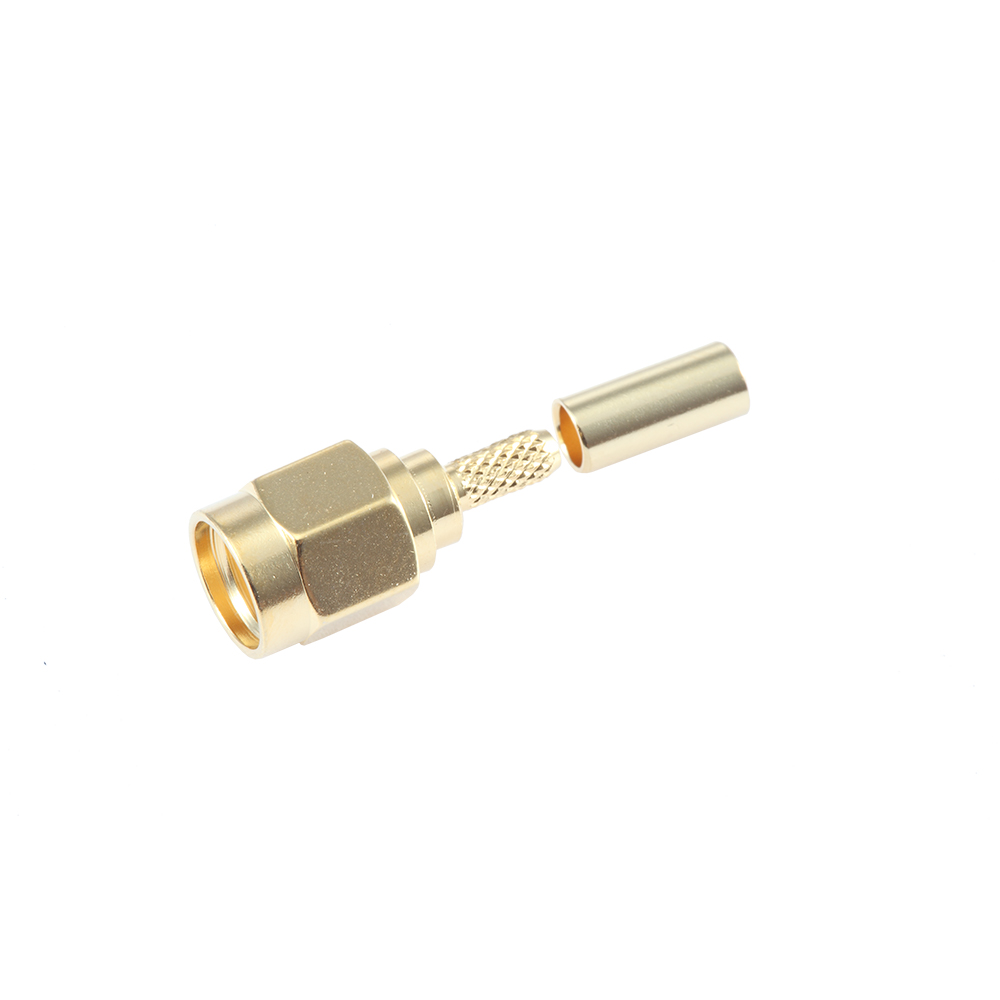
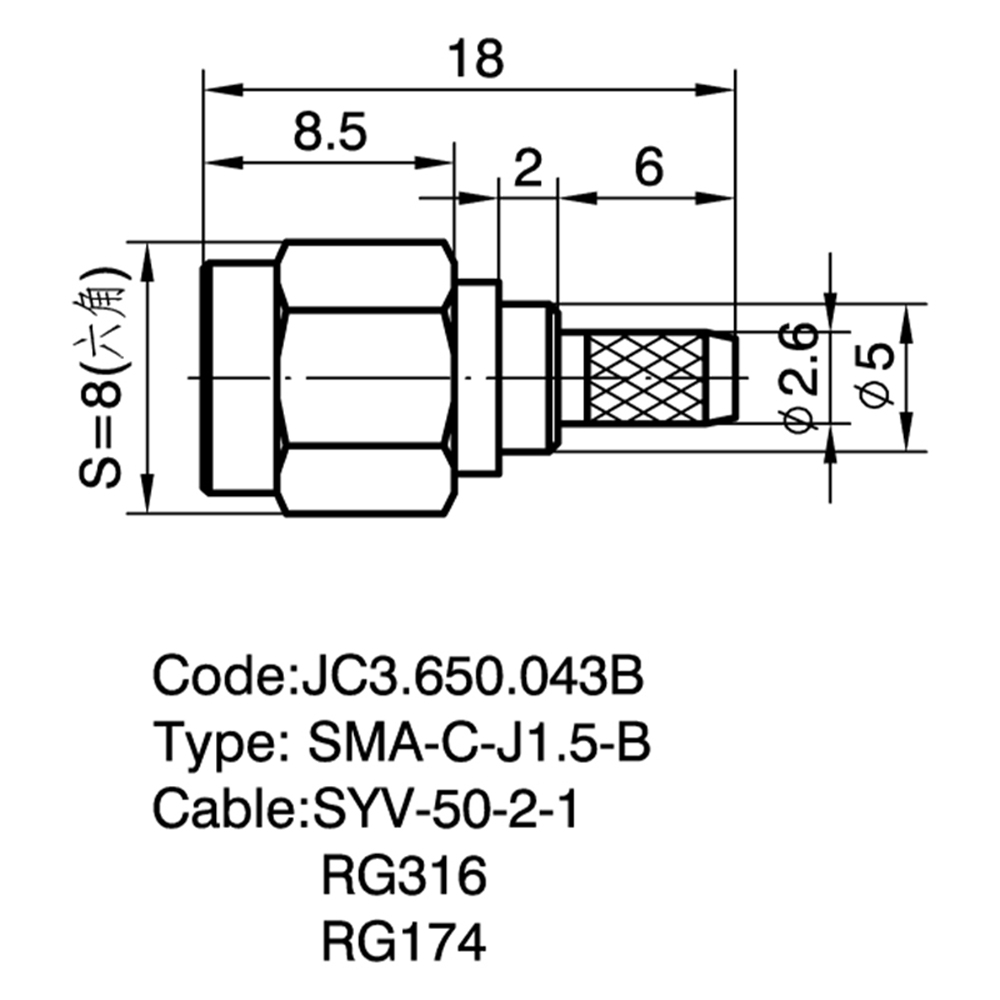
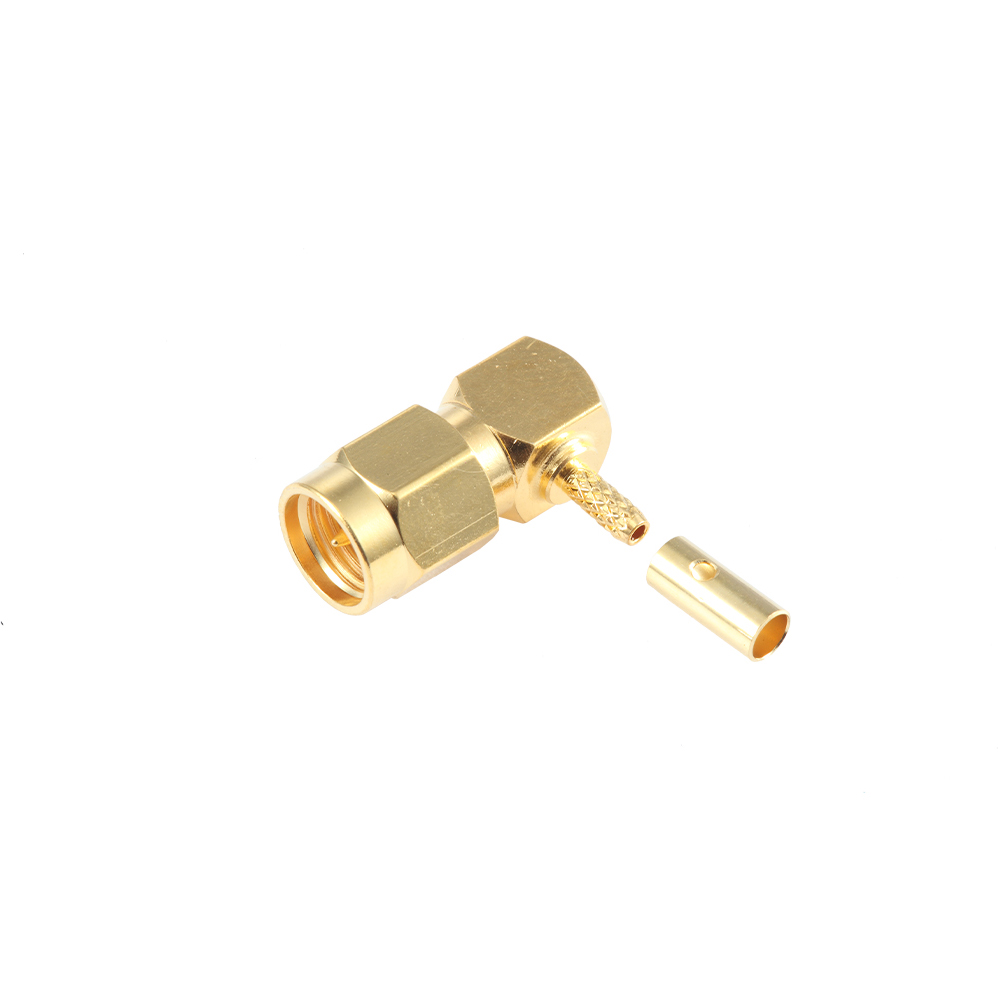
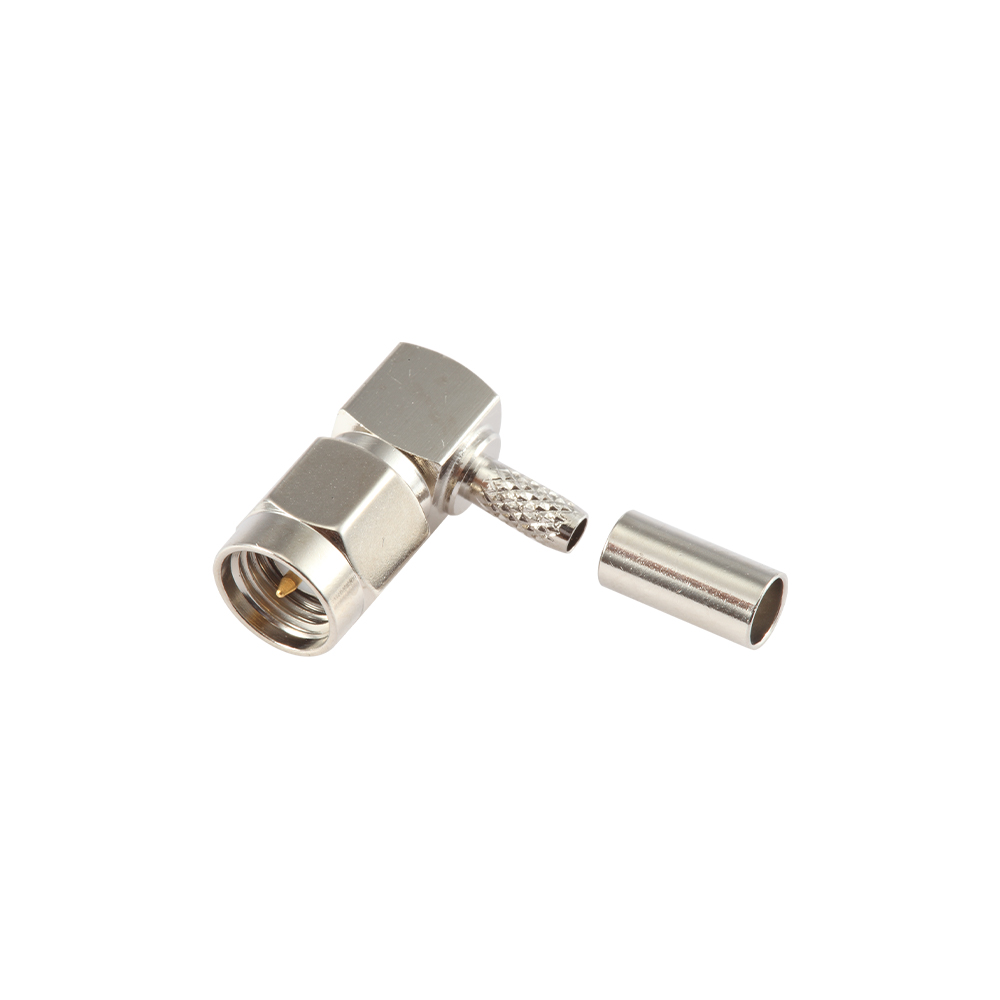
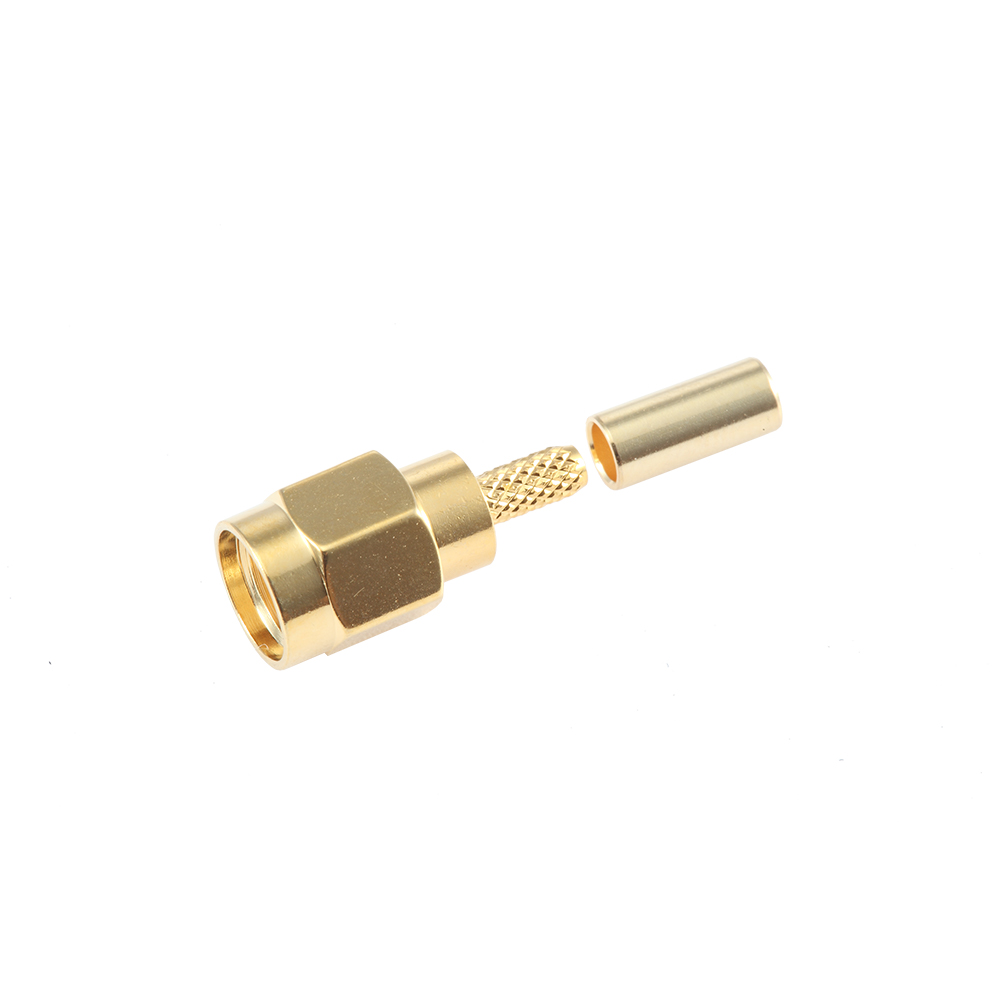
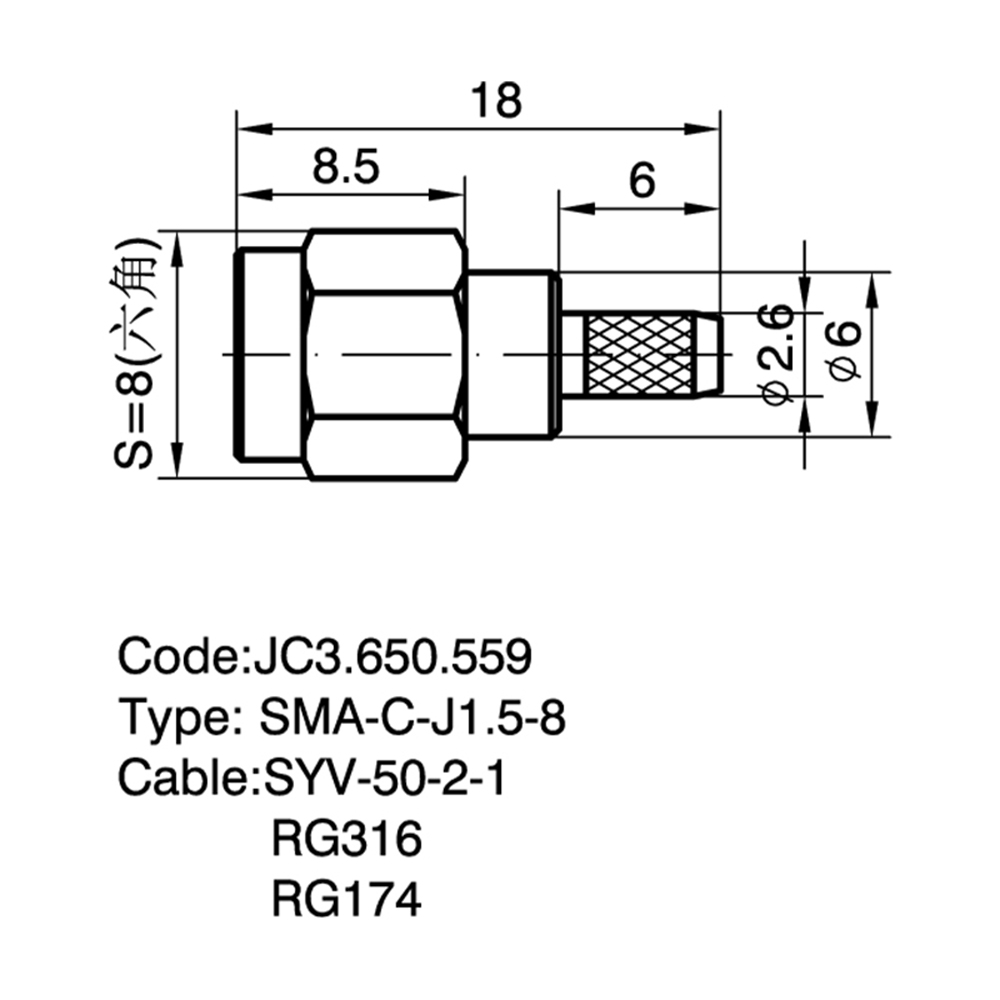
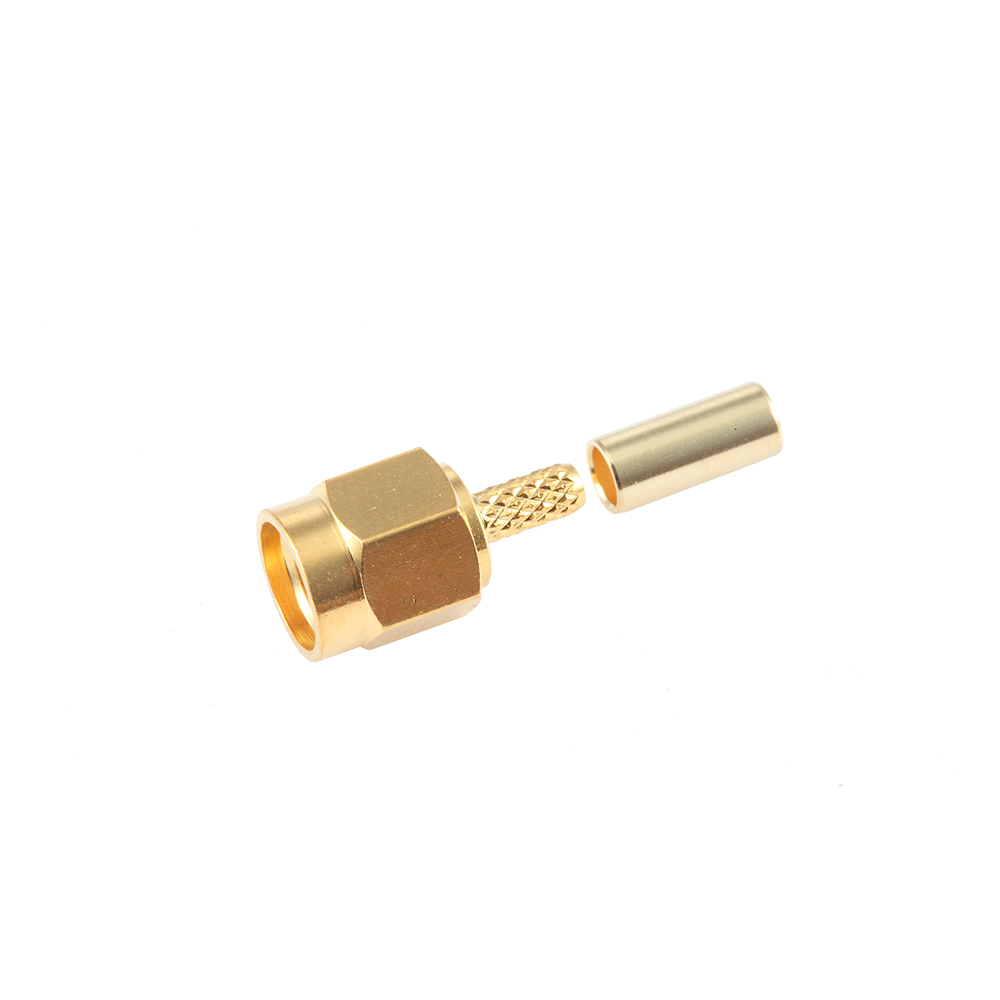
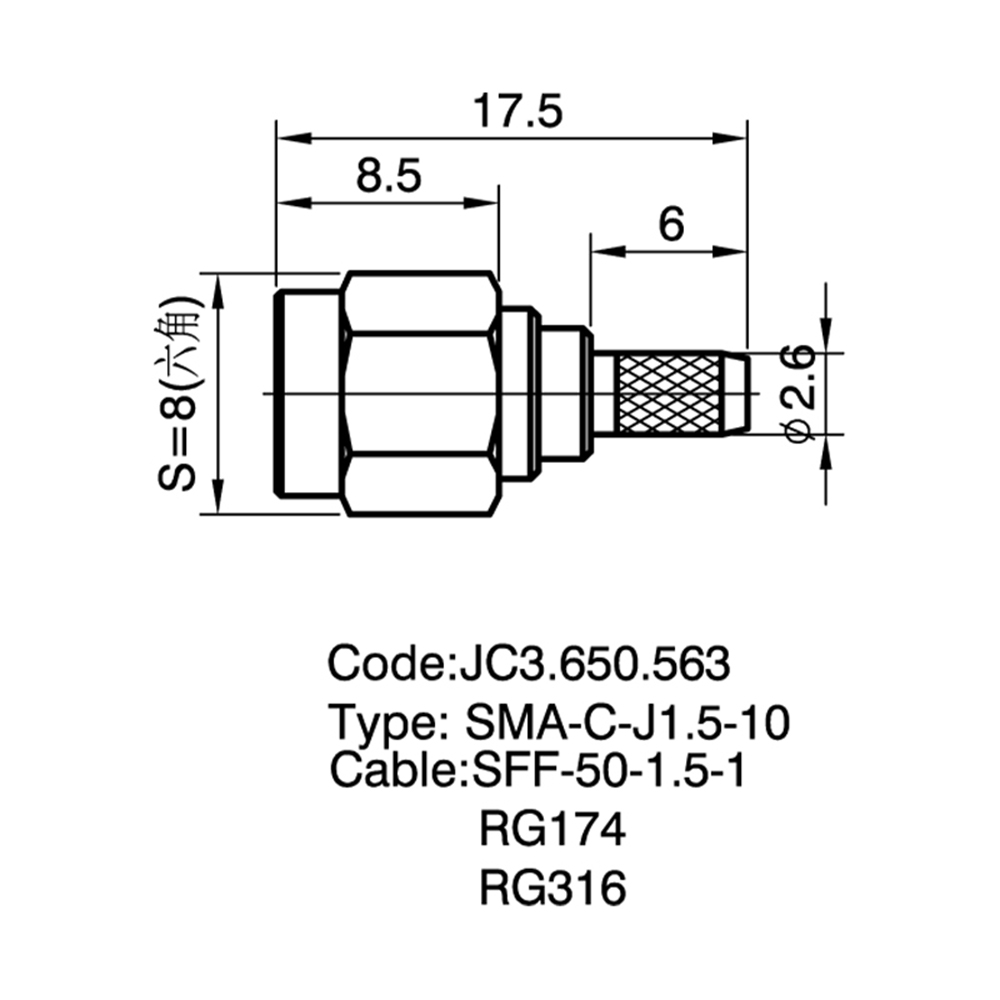
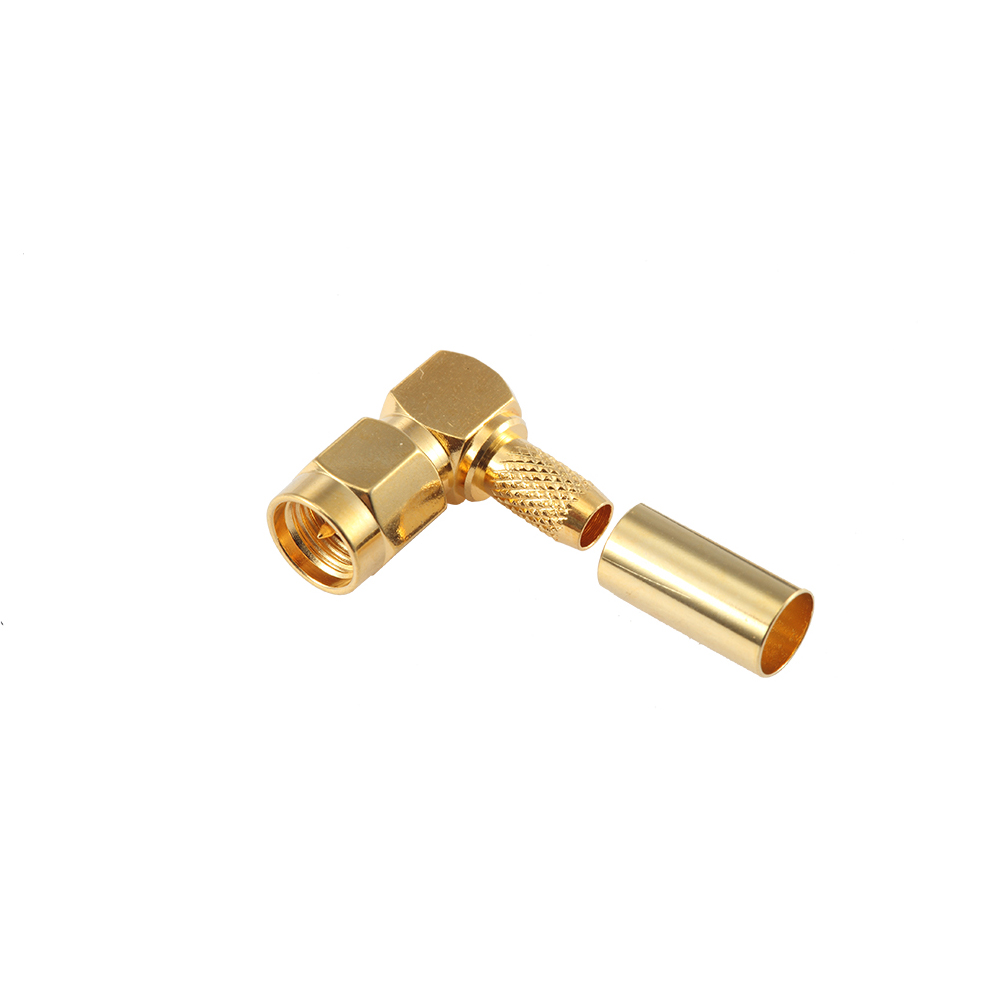
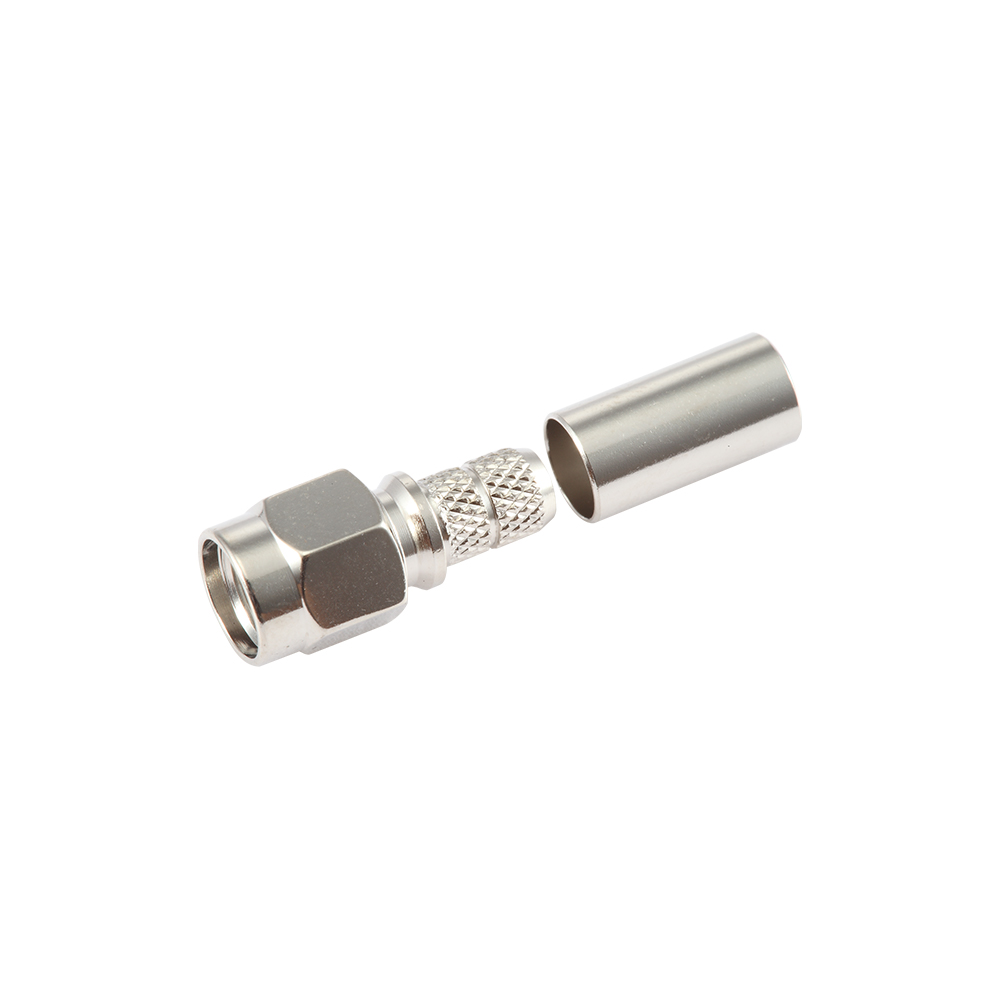
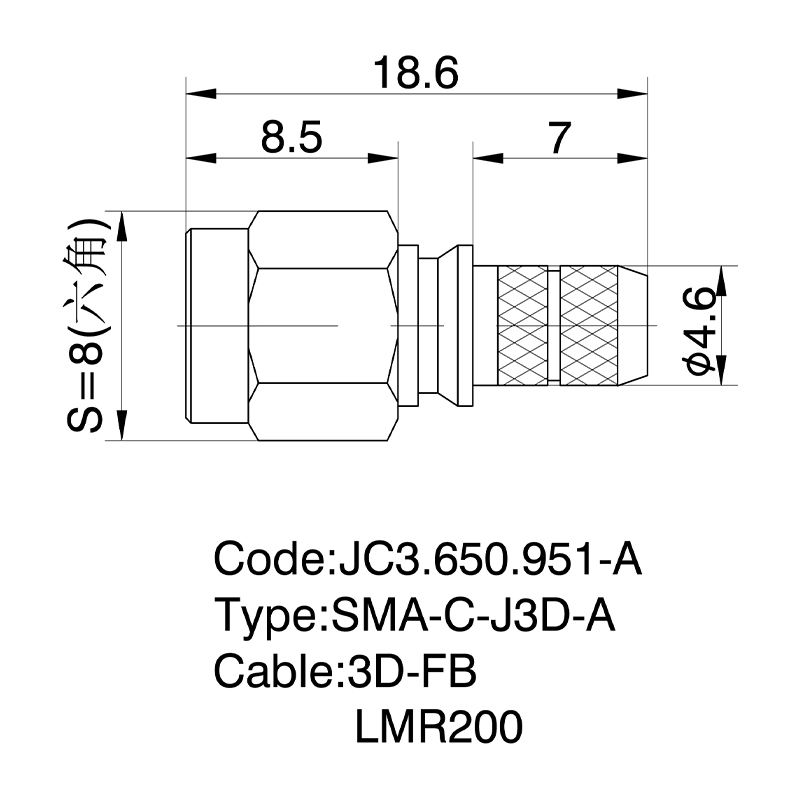
Widely compatible with flexible coaxial cables such as RG174, RG316, RG58, and LMR100/200. It is currently the most commonly used SMA connection solution in the market.

Product Features:
Crimp-type structure: Uses an outer sleeve crimping process, enabling fast assembly and suitability for large-scale cable harness production.
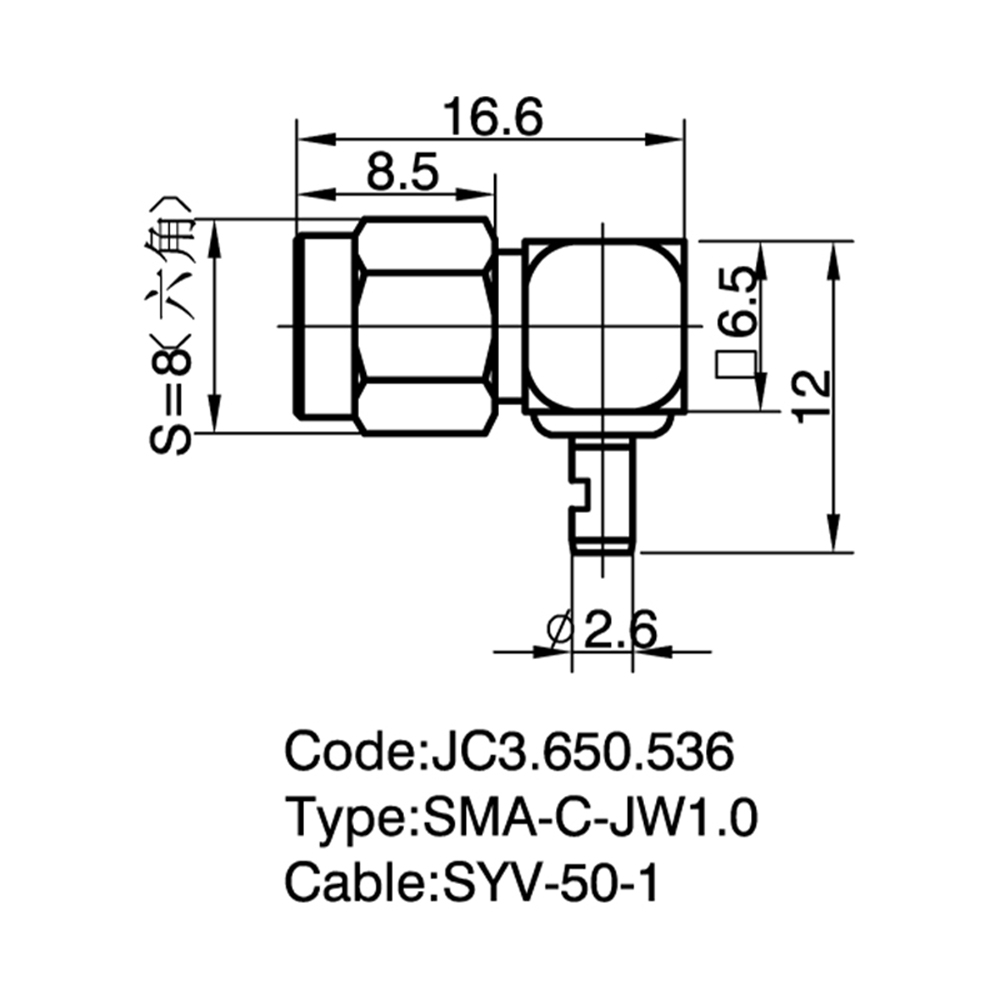
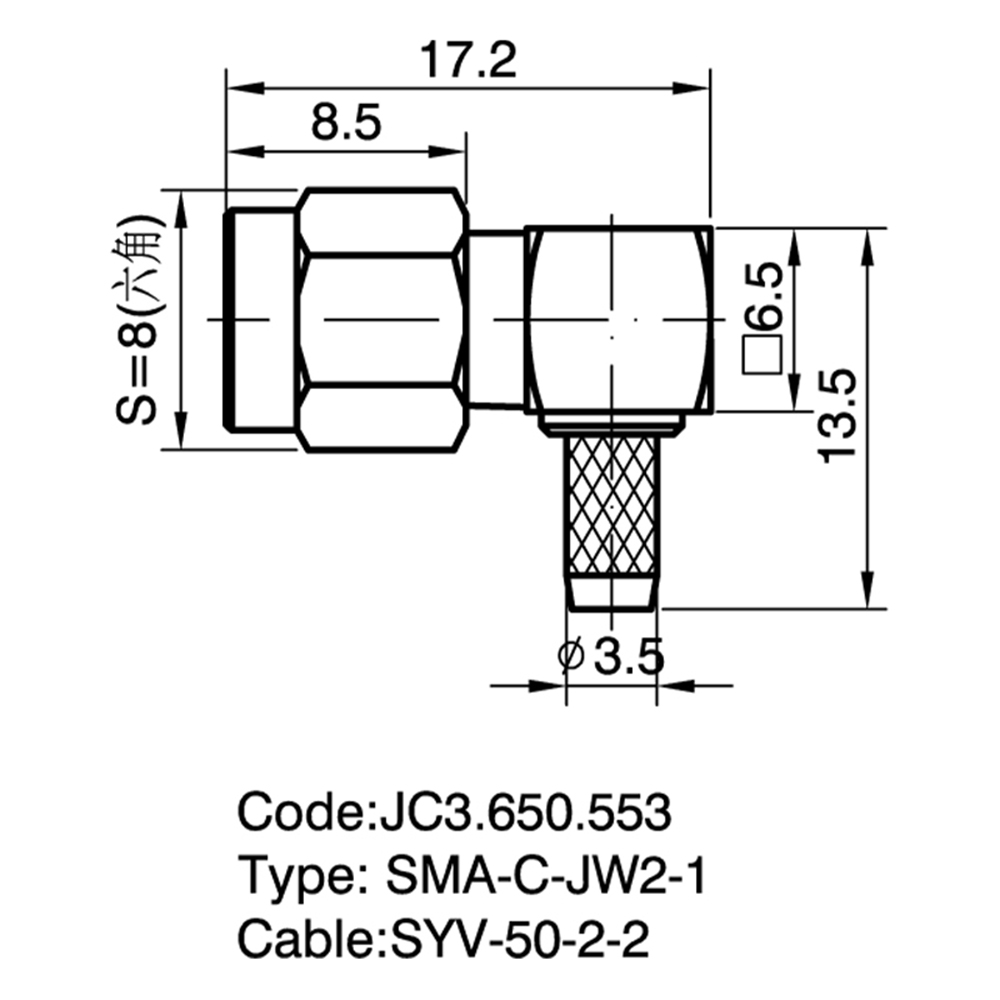
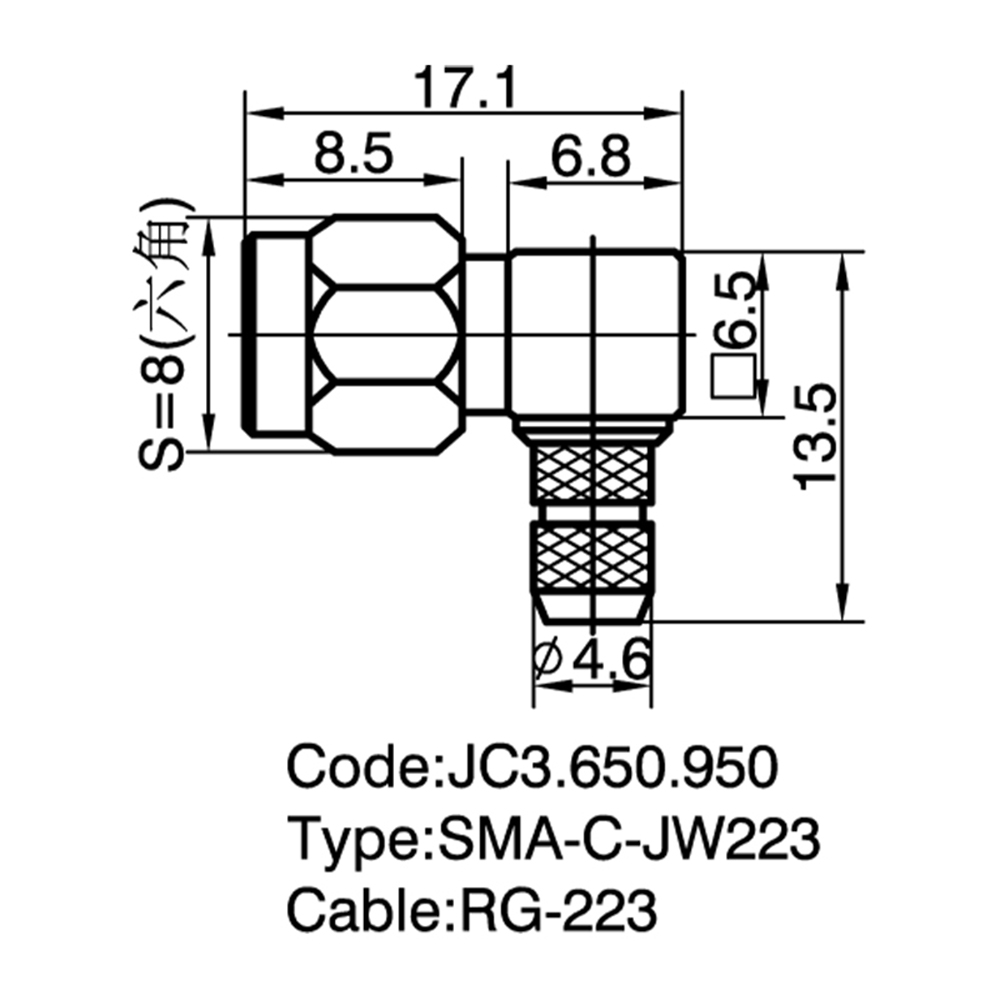
Compact structure: Available in straight and right-angle types to meet different routing space constraints.
High-standard plating: The center pin features thick gold plating, ensuring more than 500 mating cycles.

Application Advantages:
Excellent routing flexibility: When used with flexible cables, it allows free bending within confined spaces.
Reduced overall cost: High production efficiency and relatively low cable cost make it an ideal solution for civilian wireless surveillance and WLAN antennas.

Temperature Range

-55~+155℃(PE Cable   -40~+85℃)

Frequency Range

DC~12.4GHz(Semi-Rigid Cable  DC~18GHz)

Insulation resistance

≥5000MΩ

Insertion loss

≤0.15 dB/6GHz

Voltage Standing Wave Ratio (VSWR)

Straight Flexible cable≤1.10+0.02f

Semi-Rigid Cable≤1.07+0.018f

Right angle Flexible cable≤≤1.20+0.03f   

Semi-Rigid Cable≤≤1.17+0.02f

Durability(mating)

≥500 cycles

About
Yangzhou Jingcheng Electronics Co., Ltd.

Yangzhou Jingcheng Electronics Co., Ltd., a premier China SMA Connectors for Flexible Cable Manufacturer and SMA Connectors for Flexible Cable Supplier, was founded in 1999. It is a high-tech enterprise specializing in the R&D and manufacturing of RF coaxial connectors, cable assemblies, and passive microwave components.
Equipped with a comprehensive R&D and production system, the company has obtained international certifications including ISO9001. Adhering strictly to standards such as MIL, IEC and GB, we offer over 30 product series with more than 2,000 specifications, covering SMA, BNC, N-type and other mainstream models. Our products are widely applied in the fields of communications, aerospace, automotive electronics and beyond, and exported to many countries and regions across Europe, America and Asia.
We uphold the tenet of "Quality as the Foundation, Customers as the Core", committed to providing reliable interconnection solutions and professional services for global clients.

SMA Connectors for Flexible Cable Industry knowledge

Category Overview

SMA connectors for flexible cable form a specialized category within the RF coaxial interconnect portfolio, designed to terminate flexible coaxial cables with precision and long-term reliability. These connectors share a common threaded coupling mechanism (1/4-36 UNS thread), a nominal impedance of 50 Ohm, and a frequency range typically spanning from DC to 18 GHz, with select precision variants extending to 26.5 GHz. The core function of every SMA connector in this category is to provide a stable, low-reflection transition between a flexible coaxial transmission line and an SMA-interface device—such as an antenna, a test instrument, a filter, or a modular RF subsystem.

Manufactured by Yangzhou Jingcheng Electronics Co., Ltd. under stringent process controls, these SMA connectors utilize precision-machined brass or stainless steel bodies with gold or passivated finishes, PTFE dielectrics, and beryllium copper or phosphor bronze center contacts. The threaded coupling ensures consistent mating force and vibration resistance, making the series suitable for both laboratory and field-deployed environments. From crimp-style connectors for high-volume production to field-replaceable clamp designs, every variant within this classification delivers the same fundamental promise: a mechanically robust, electrically transparent interface between flexible cabling and SMA-terminated equipment.

Key Highlights & Common Characteristics

Threaded Coupling Reliability

The 1/4-36 UNS threaded interface provides secure mating with consistent torque, minimizing signal degradation caused by vibration or mechanical shock. This characteristic is shared across all SMA connectors for flexible cable in the product line.

Broad Frequency Coverage

Standard versions operate from DC to 18 GHz with a VSWR typically ≤1.3. Precision-grade SMA connectors extend usable bandwidth to 26.5 GHz, supporting higher-frequency microwave applications without changing the connector form factor.

Flexible Cable Compatibility

Engineered for RG174, RG316, RG58, RG142, RG400, LMR-100, LMR-195, LMR-200, and comparable flexible coaxial cables. Each connector variant is dimensioned to match specific cable diameters and dielectric constants.

50 Ohm Impedance Consistency

All SMA connectors in this classification maintain a characteristic impedance of 50 Ohm through precision-controlled dielectric geometry and contact spacing, ensuring seamless integration into 50-Ohm RF systems.

Common Types & Their Characteristics

Connector Type Termination Method Typical Cable Series Frequency Range Body Material Options Key Characteristic
SMA Straight Crimp Plug Crimp (center pin + ferrule) RG174, RG316, RG58, LMR-100 DC – 18 GHz Brass (gold-plated) / Stainless Steel High-volume production friendly; consistent crimp force ensures repeatable electrical performance
SMA Right-Angle Crimp Plug Crimp with 90° body geometry RG316, RG174, RG400 DC – 12.4 GHz (typ.) Brass (gold-plated) Space-saving right-angle cable exit; ideal for dense panel layouts
SMA Clamp-Style Plug Clamp / screw-assembly RG142, RG400, LMR-195, RG58 DC – 18 GHz Brass (gold or nickel) / Stainless Steel Field-replaceable; no specialized crimp tooling required
SMA Solder-Clamp Plug Solder center contact + clamp braid RG316, RG174, semi-rigid-compatible DC – 18 GHz Brass (gold-plated) Combines soldered center conductor with mechanical braid clamping for robust strain relief
SMA Bulkhead Jack (Front-Mount) Crimp or solder; panel-mount RG174, RG316, LMR-100 DC – 18 GHz Stainless Steel / Brass Bulkhead feed-through configuration; integrates cable termination with panel mounting in one component
SMA Reverse Polarity Plug Crimp or clamp RG174, RG316, LMR-100 DC – 11 GHz (typ.) Brass (gold-plated) Reverse-gender center contact configuration; commonly specified for WLAN and antenna applications

General Technical Specifications

Parameter Specification
Impedance 50 Ohm (nominal)
Frequency Range (Standard) DC – 18 GHz
Frequency Range (Precision) DC – 26.5 GHz
VSWR (Typical) ≤1.3 (DC–18 GHz); ≤1.5 (18–26.5 GHz)
Coupling Mechanism Threaded, 1/4-36 UNS-2A/2B
Dielectric Material PTFE (Polytetrafluoroethylene)
Center Contact Material Beryllium Copper or Phosphor Bronze, Gold-Plated
Body Material Brass (Gold/Nickel-Plated) or Stainless Steel (Passivated)
Mating Cycles (Minimum) 500 cycles (standard); 1000+ cycles (precision grade)
Operating Temperature Range -65 °C to +165 °C (PTFE dielectric limit)

Application Scenarios

Telecommunications

Base station interconnects, repeater systems, and indoor distributed antenna systems (DAS) where flexible routing is essential.

Test & Measurement

Vector network analyzers, spectrum analyzers, signal generators, and RF test fixtures requiring stable, repeatable connections.

Military & Aerospace

Radar modules, avionics, satellite communication terminals, and ruggedized RF systems that demand vibration-resistant threaded coupling.

Wireless & IoT Infrastructure

Wi-Fi access points, cellular small cells, LoRa gateways, and IoT concentrators using SMA antenna ports with flexible pigtails.

Medical & Laboratory Equipment

MRI subsystems, RF ablation generators, and precision laboratory instrumentation operating in controlled-impedance environments.

Selection Guide — Key Considerations

  1. Cable Type & Diameter: Identify the exact flexible cable—RG174, RG316, RG58, RG142, RG400, LMR-100, LMR-195, or equivalent. Each SMA connector variant is dimensioned for a specific cable outer diameter and dielectric structure. Mismatched cable-to-connector pairing degrades VSWR and mechanical retention.
  2. Termination Method: Choose between crimp (high-volume, tooling-dependent, excellent repeatability), clamp (field-serviceable, no crimp tools needed), or solder-clamp (hybrid approach for delicate center conductors). Production environment and available tooling often dictate this choice.
  3. Body Geometry: Straight connectors suit inline cable runs; right-angle connectors reduce clearance requirements behind panels. Bulkhead jacks combine cable termination with chassis feed-through functionality in a single component.
  4. Frequency Requirements: For applications above 18 GHz, specify precision-grade SMA connectors with tighter dimensional tolerances. Standard-grade connectors remain suitable for the majority of sub-18 GHz applications.
  5. Body Material & Plating: Stainless steel bodies offer higher durability and corrosion resistance for outdoor or high-mating-cycle environments. Brass with gold plating provides a cost-effective solution for indoor and controlled settings.
  6. Gender & Polarity: Standard SMA plugs have a male center pin; standard SMA jacks have a female socket. Reverse polarity (RP-SMA) variants swap the center contact gender and are widely used in WLAN antenna interfaces to comply with regulatory requirements.

Connector Comparison: SMA vs. Common RF Interfaces

Feature SMA BNC N-Type TNC
Coupling Threaded (1/4-36 UNS) Bayonet (quarter-turn) Threaded (5/8-24 UNEF) Threaded (7/16-28 UNEF)
Impedance 50 Ohm 50 / 75 Ohm 50 Ohm 50 Ohm
Typical Frequency DC – 18 GHz (up to 26.5 GHz) DC – 4 GHz DC – 11 GHz (up to 18 GHz) DC – 11 GHz
Vibration Resistance High (threaded lock) Moderate (bayonet may loosen) High (threaded, robust body) High (threaded lock)
Size & Weight Compact, lightweight Medium, quick-connect Larger, heavier-duty Medium, threaded BNC variant
Common Use Microwave, antennas, test equipment Video, broadcast, low-frequency RF Base stations, high-power RF Mobile comms, aviation antennas

Termination Method Comparison Within the SMA Flexible Cable Series

Termination Type Tooling Requirement Field Replaceability Production Volume Suitability Strain Relief Quality
Crimp Hex crimp dies required Limited; connector is single-use Excellent for high-volume Very good (uniform compression)
Clamp Standard hand tools only Yes; reusable on same cable type Suitable for low-to-medium volume Good (dependent on assembly skill)
Solder-Clamp Soldering iron + hand tools Moderate; desoldering possible Prototyping and small batches Very good (solder bond + clamp)

Frequently Asked Questions

Q1: What is the maximum frequency an SMA connector for flexible cable can support?

Standard SMA connectors for flexible cable are rated to 18 GHz. Precision-grade variants manufactured with tighter tolerances can extend usable frequency to 26.5 GHz. Performance above 18 GHz depends on connector precision, cable quality, and assembly workmanship. For applications approaching 26.5 GHz, precision SMA connectors with stainless steel bodies and tighter dielectric geometry are recommended.

Q2: How do I choose between crimp and clamp SMA connectors for my flexible cable assembly?

The choice depends primarily on production volume and field requirements. Crimp connectors are ideal for high-volume manufacturing where repeatable, tooling-dependent assembly ensures consistent electrical performance. Clamp connectors suit field installations, prototyping, and low-volume production because they require no specialized crimp tooling and can be re-terminated if needed. Yangzhou Jingcheng Electronics Co., Ltd. supplies both variants across multiple cable compatibility options to cover the full spectrum of assembly scenarios.

Q3: Are SMA connectors compatible with both flexible and semi-rigid cables?

SMA connectors exist for both cable categories, but they are not universally interchangeable. Connectors designed specifically for flexible cable incorporate crimp ferrules or clamp mechanisms that accommodate the braided outer conductor and softer jacket of flexible cables. Semi-rigid cable connectors typically use solder-on designs with different internal dimensions. When selecting an SMA connector, always verify that the part number specifies compatibility with your exact flexible cable type.

Q4: What is the difference between standard SMA and reverse polarity SMA (RP-SMA)?

In a standard SMA plug, the center contact is a male pin; in an RP-SMA plug, the center contact is a female socket, and the mating jack carries the male pin. This gender reversal was introduced to prevent unauthorized antenna connections on wireless devices. Electrically, the impedance and frequency performance remain equivalent. RP-SMA connectors are commonly found on Wi-Fi access points, cellular modems, and IoT gateway antenna ports.

Q5: How does torque affect SMA connector performance and longevity?

Proper torque application is critical. The recommended mating torque for SMA connectors is typically 0.8 to 1.1 N·m (7 to 10 in-lbs). Under-torquing leads to poor ground contact and elevated VSWR; over-torquing can damage the threads, deform the center contact, or crack the dielectric. Using a calibrated torque wrench is recommended for production and test environments to maximize connector service life. SMA connectors supplied by Yangzhou Jingcheng Electronics Co., Ltd. are manufactured to industry-standard thread specifications and are designed to sustain repeated mating at the specified torque range.