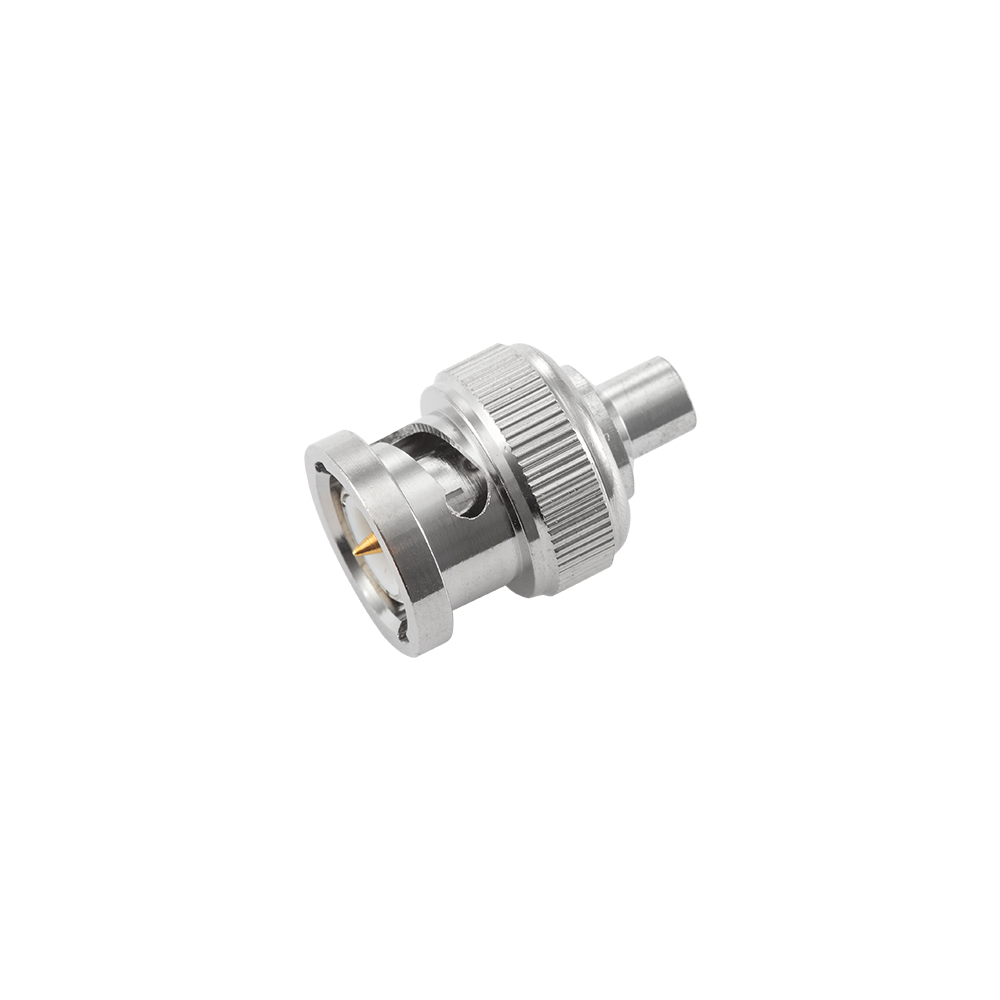
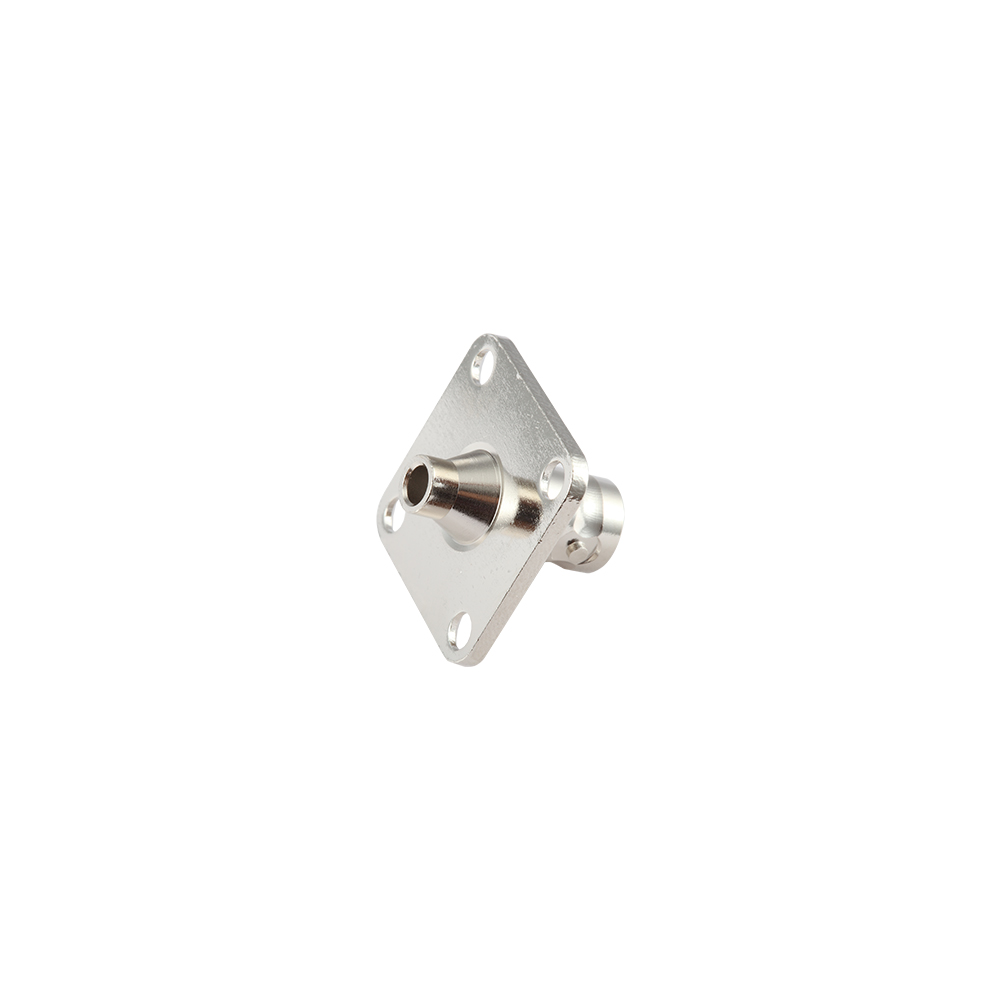
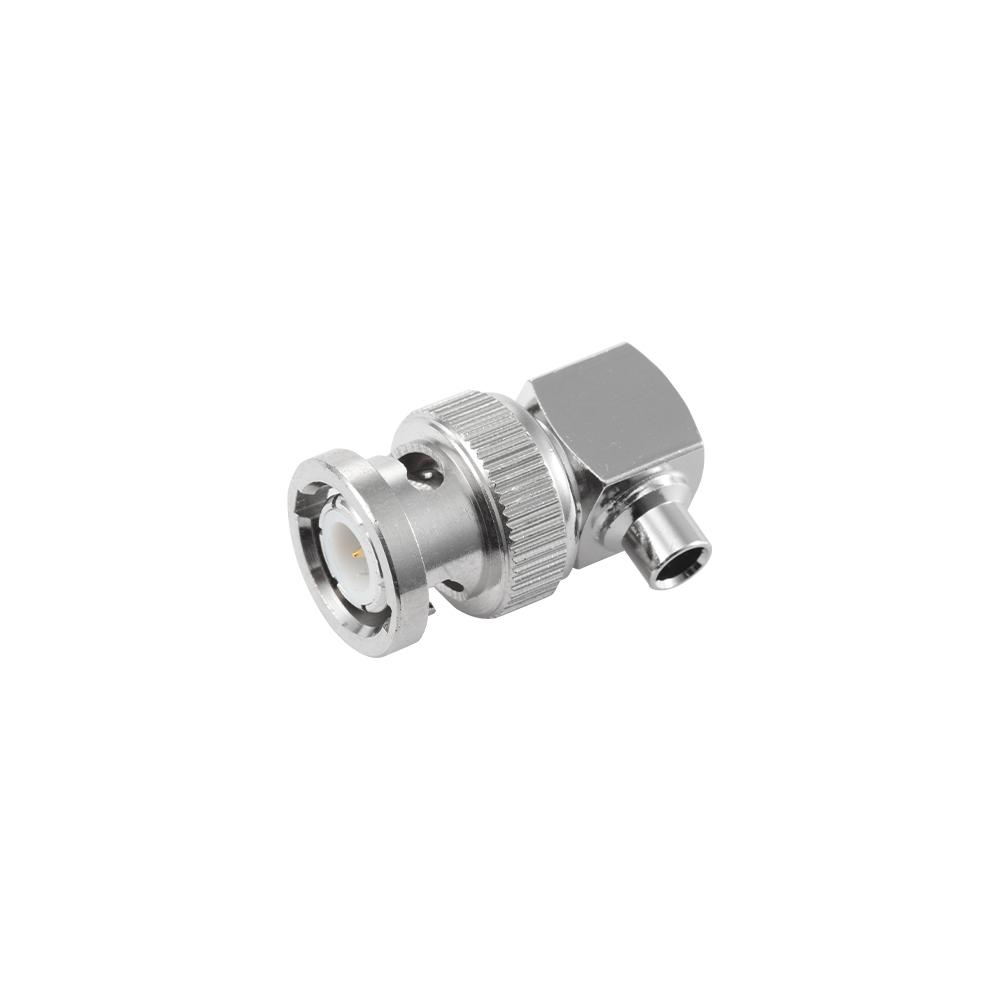
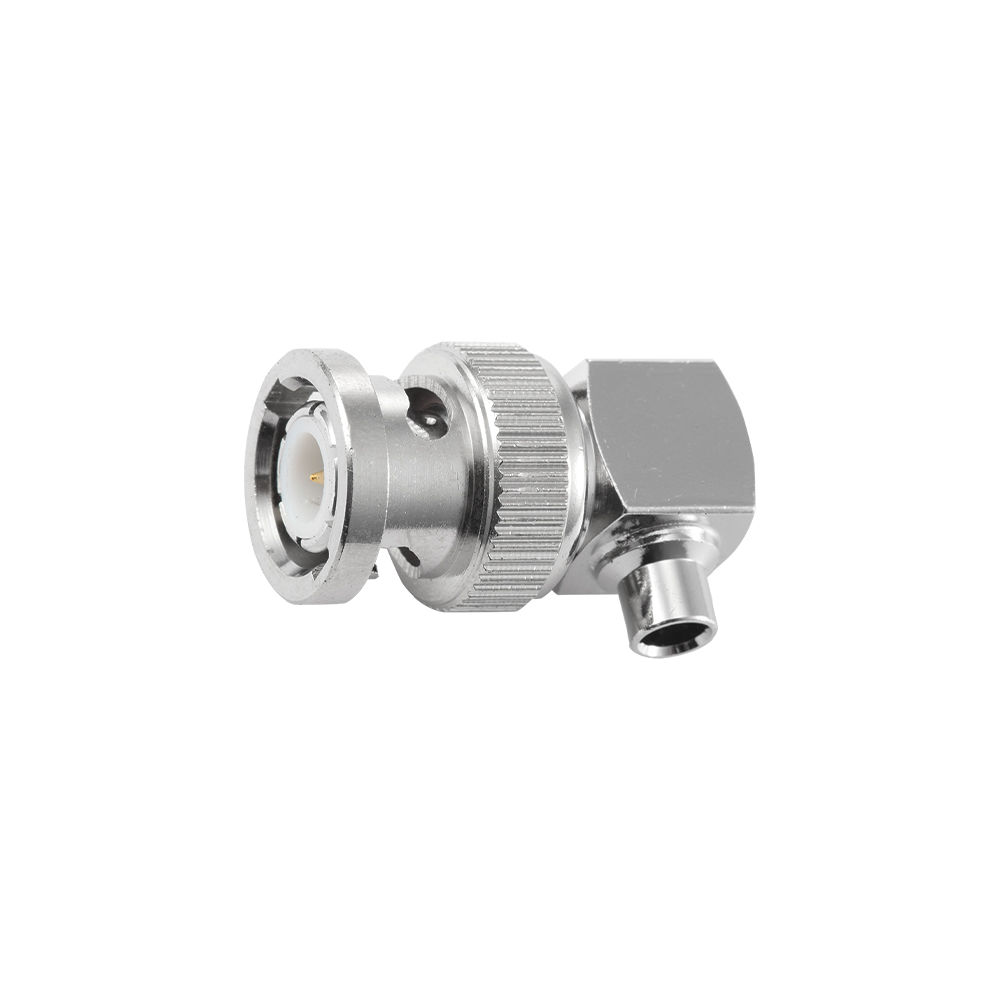
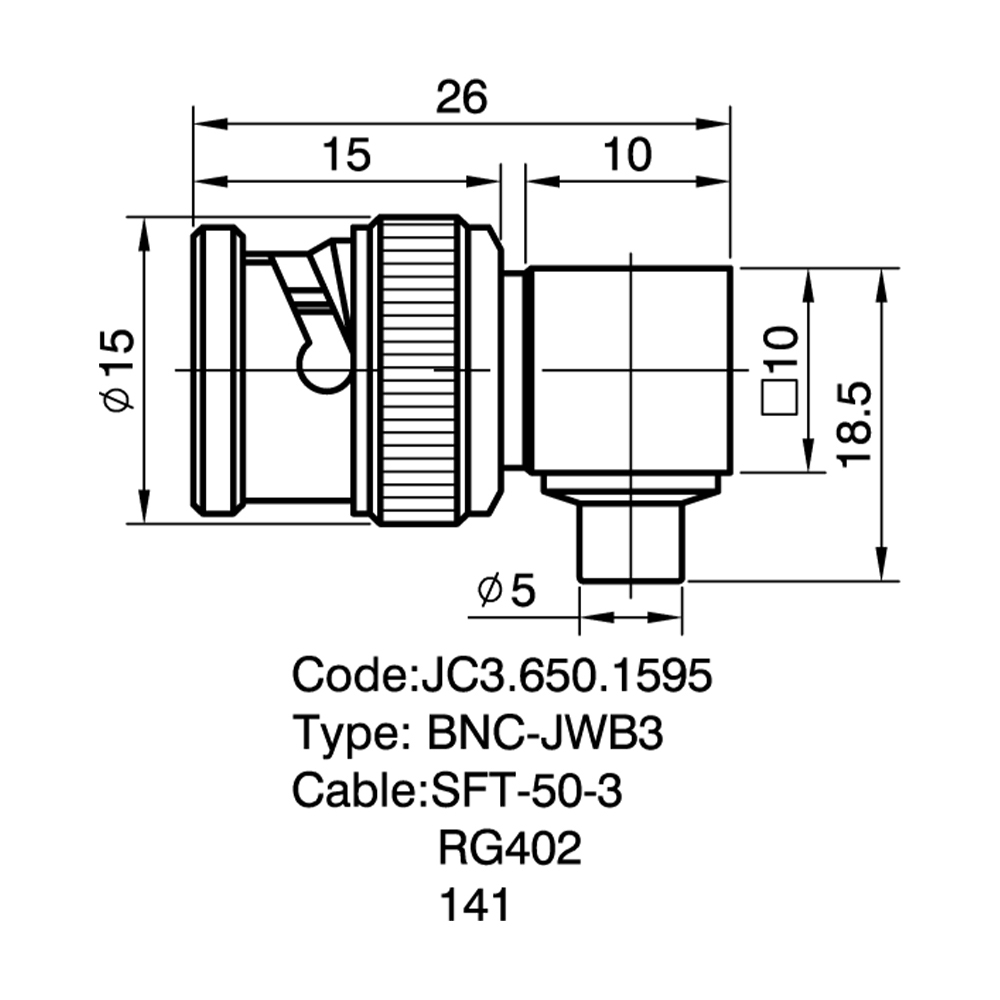
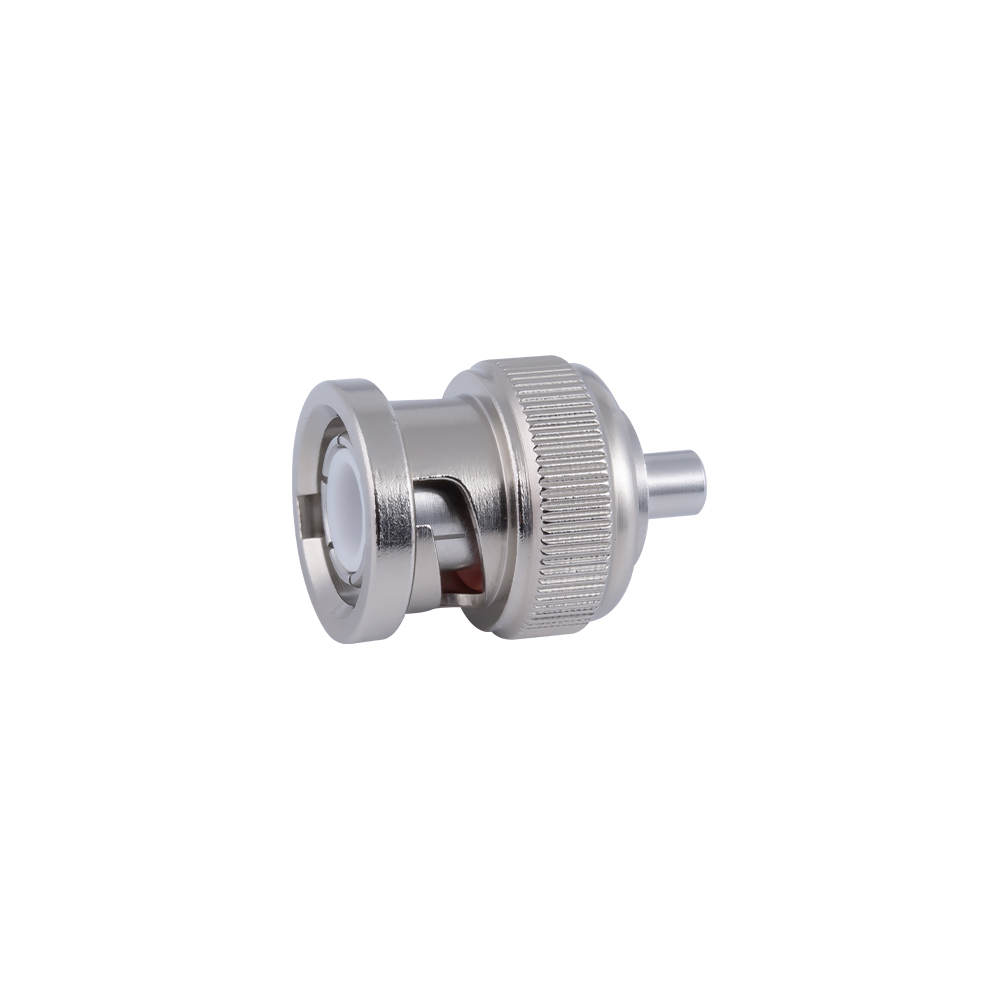
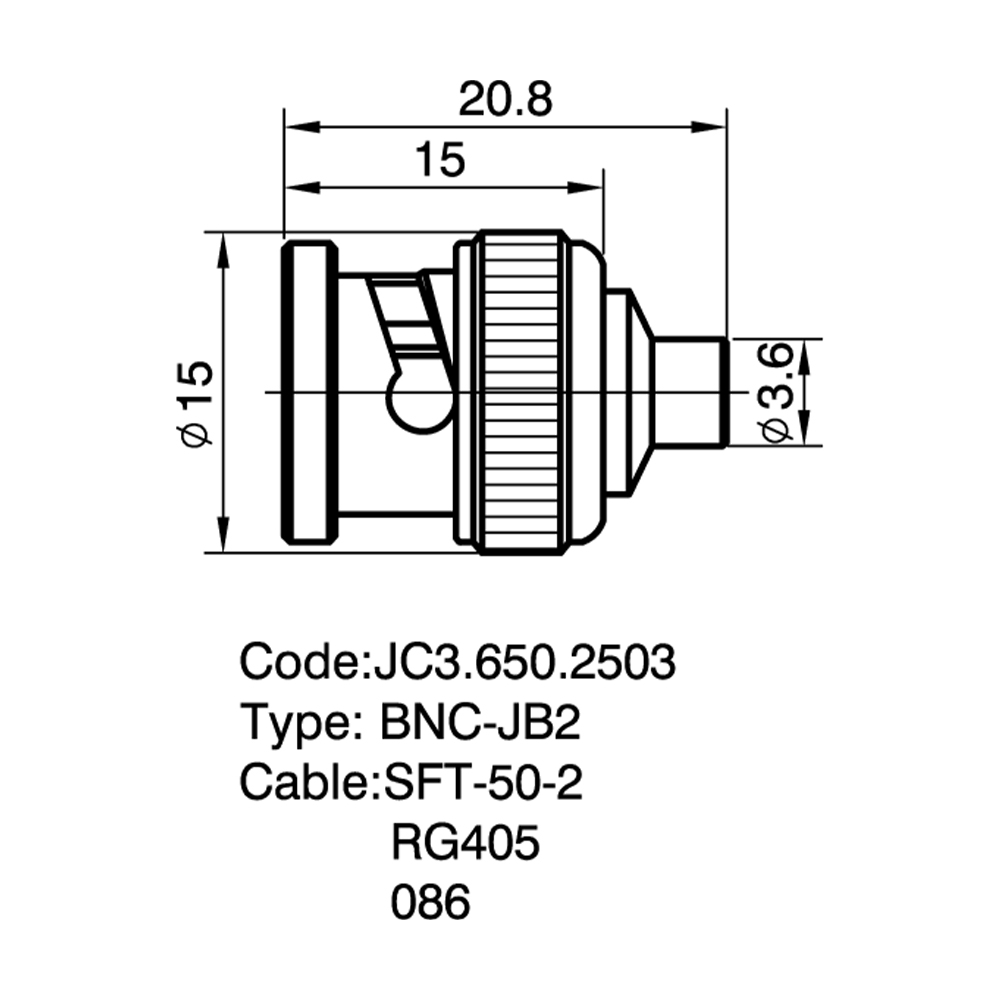
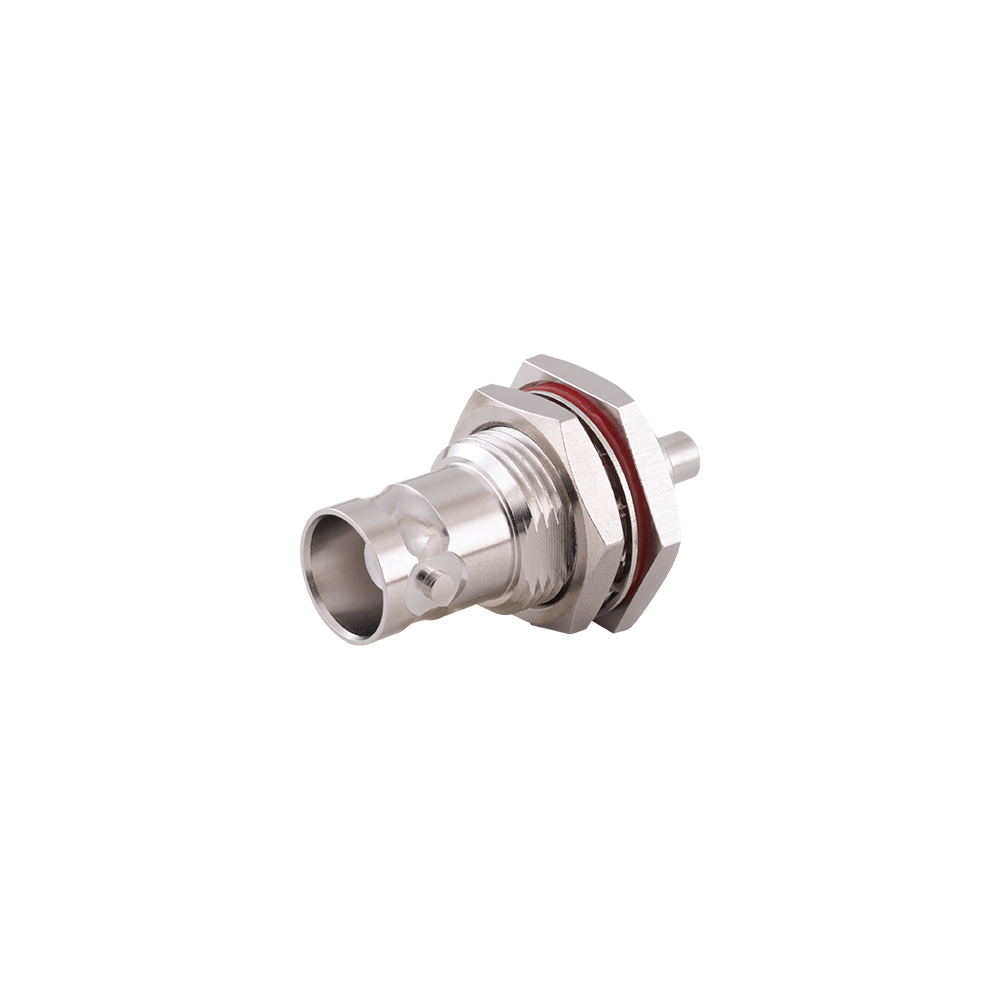
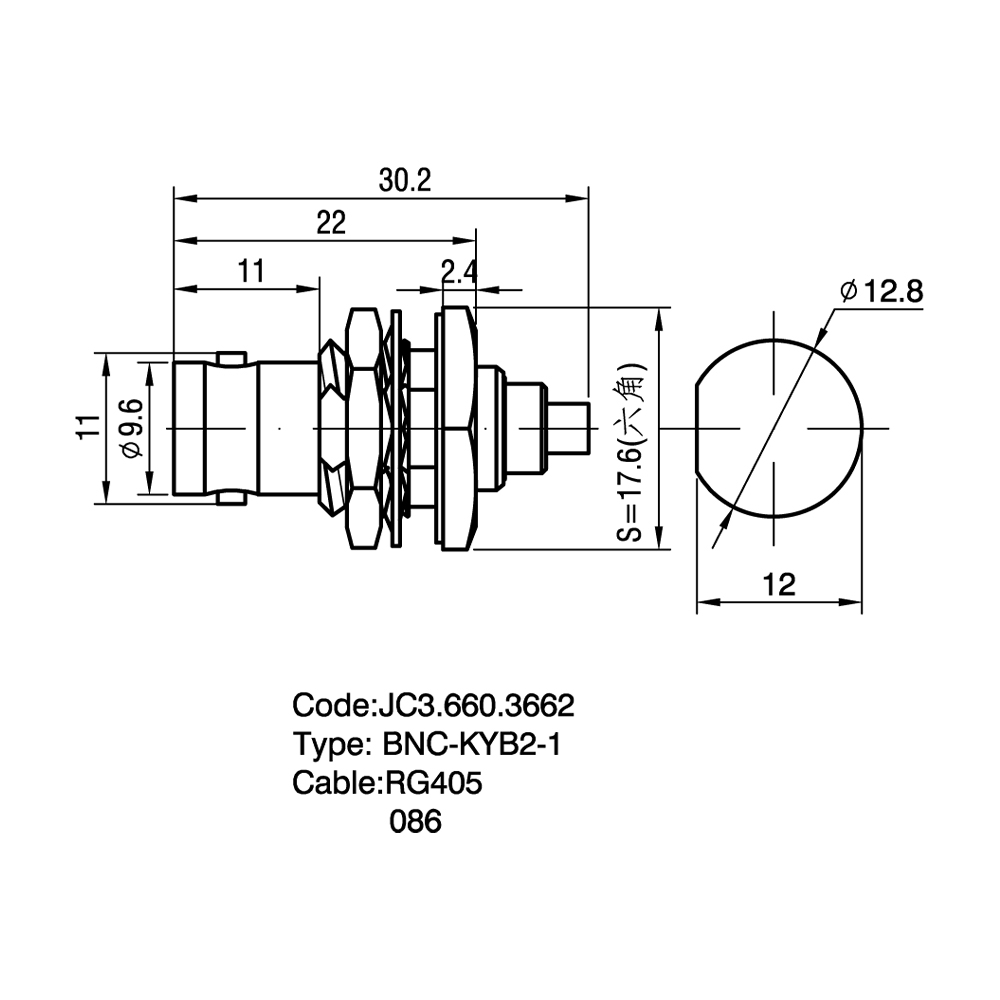
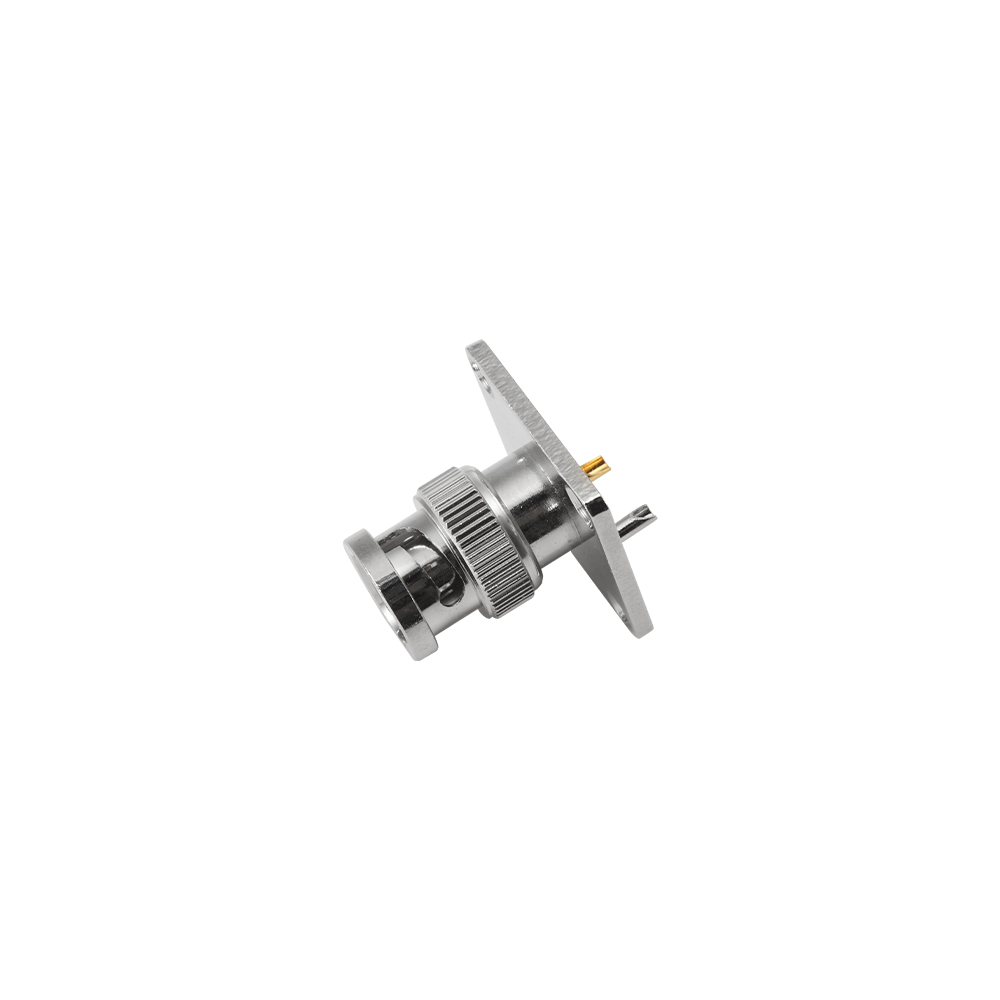
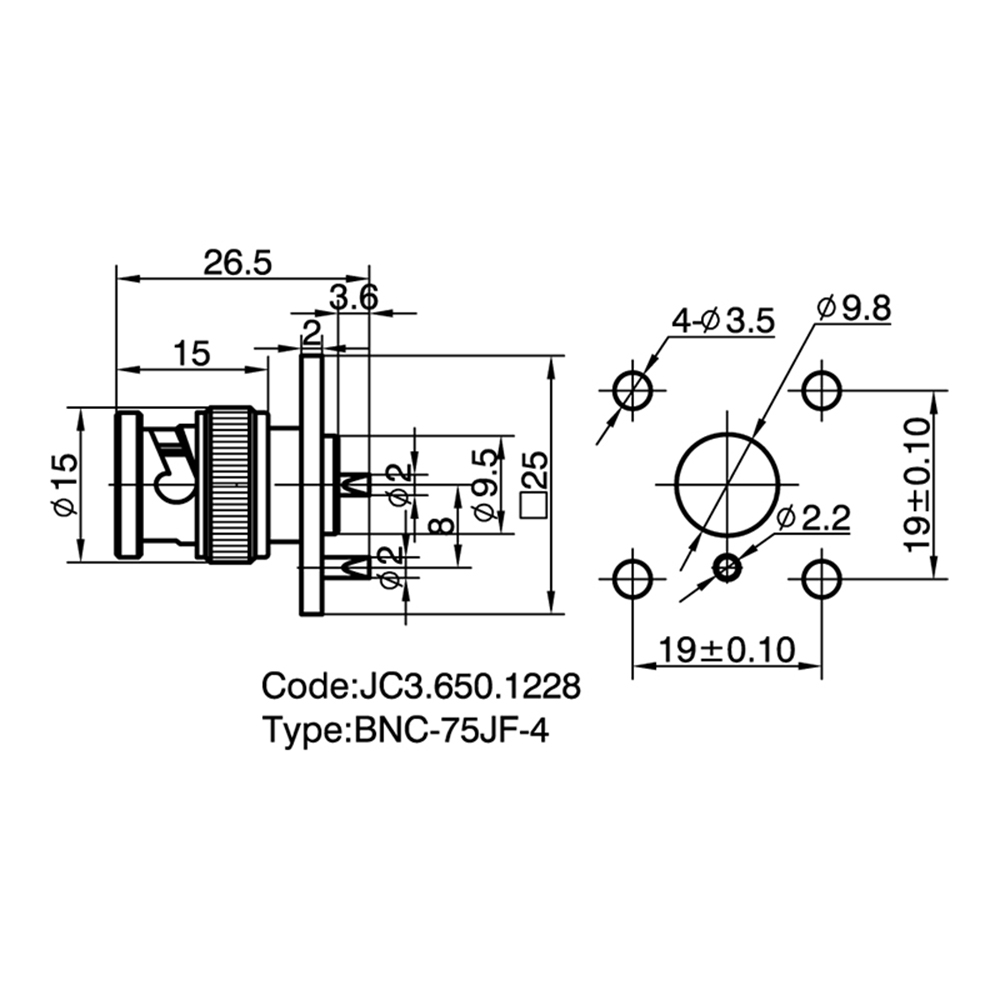
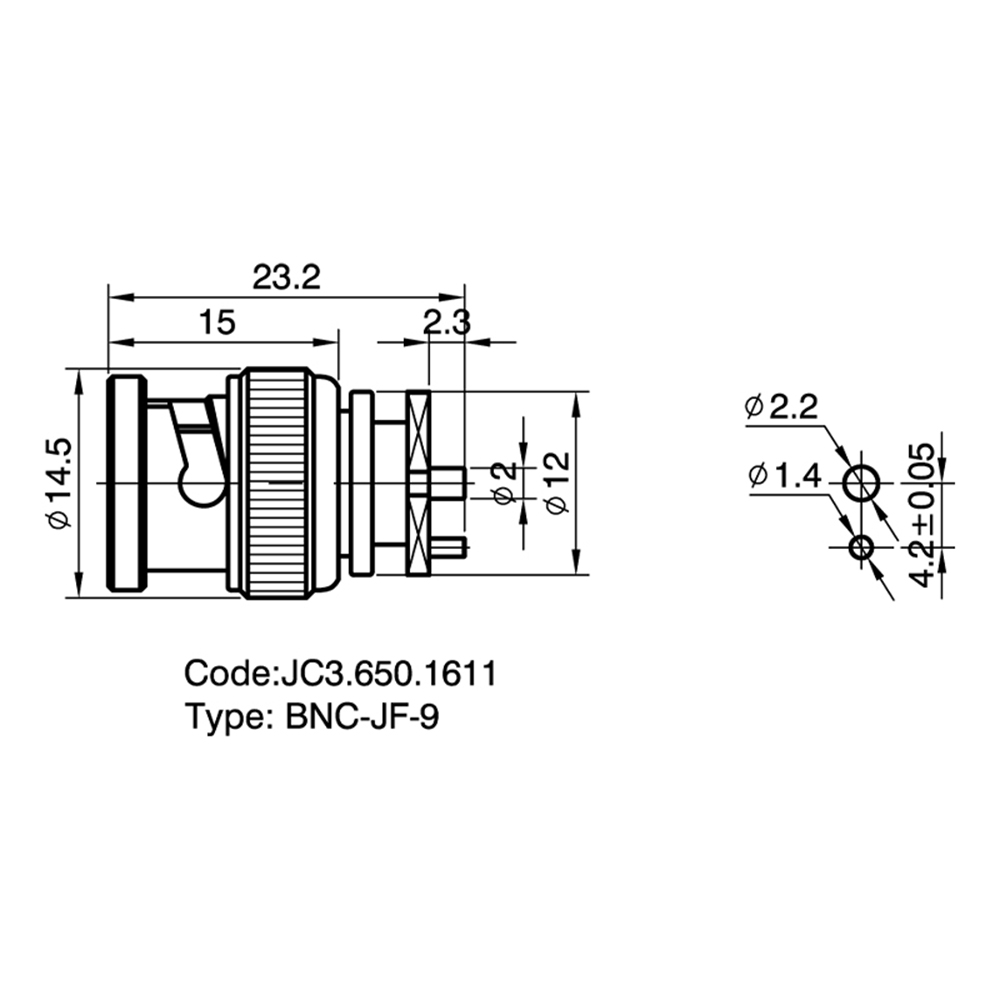
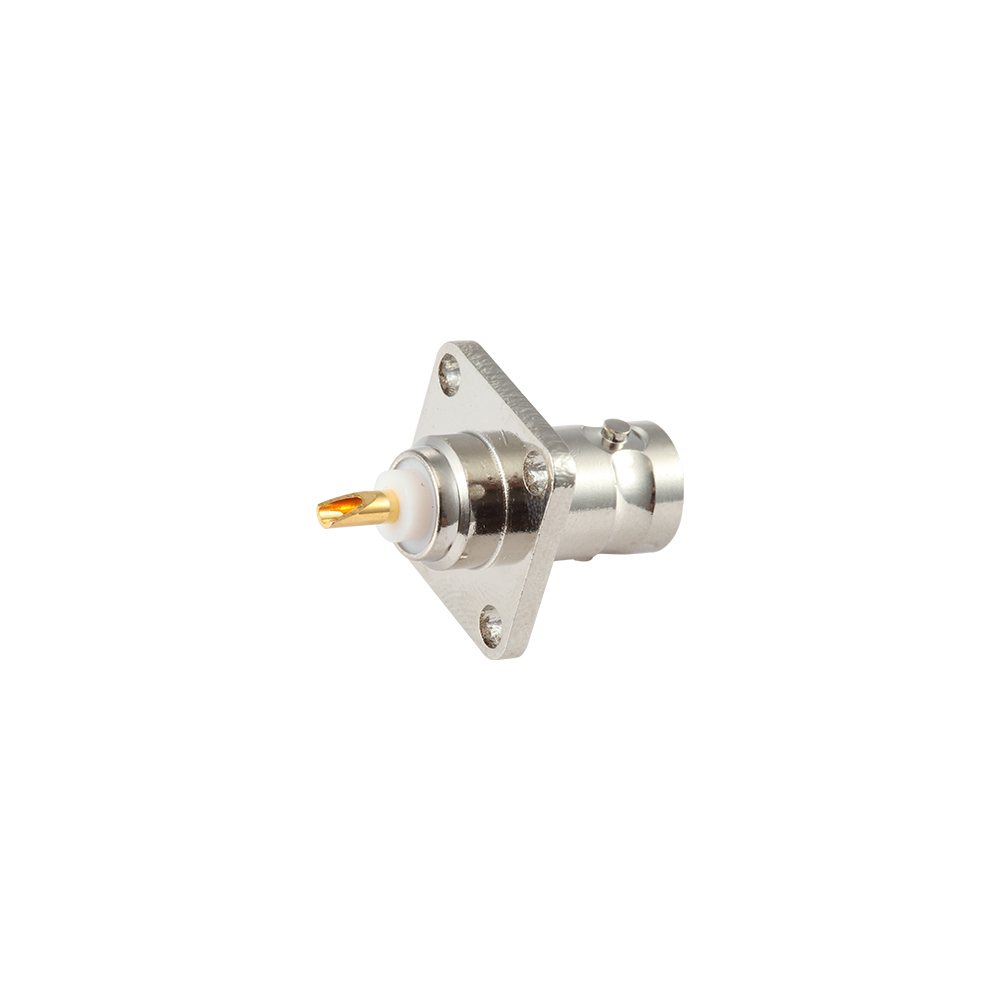
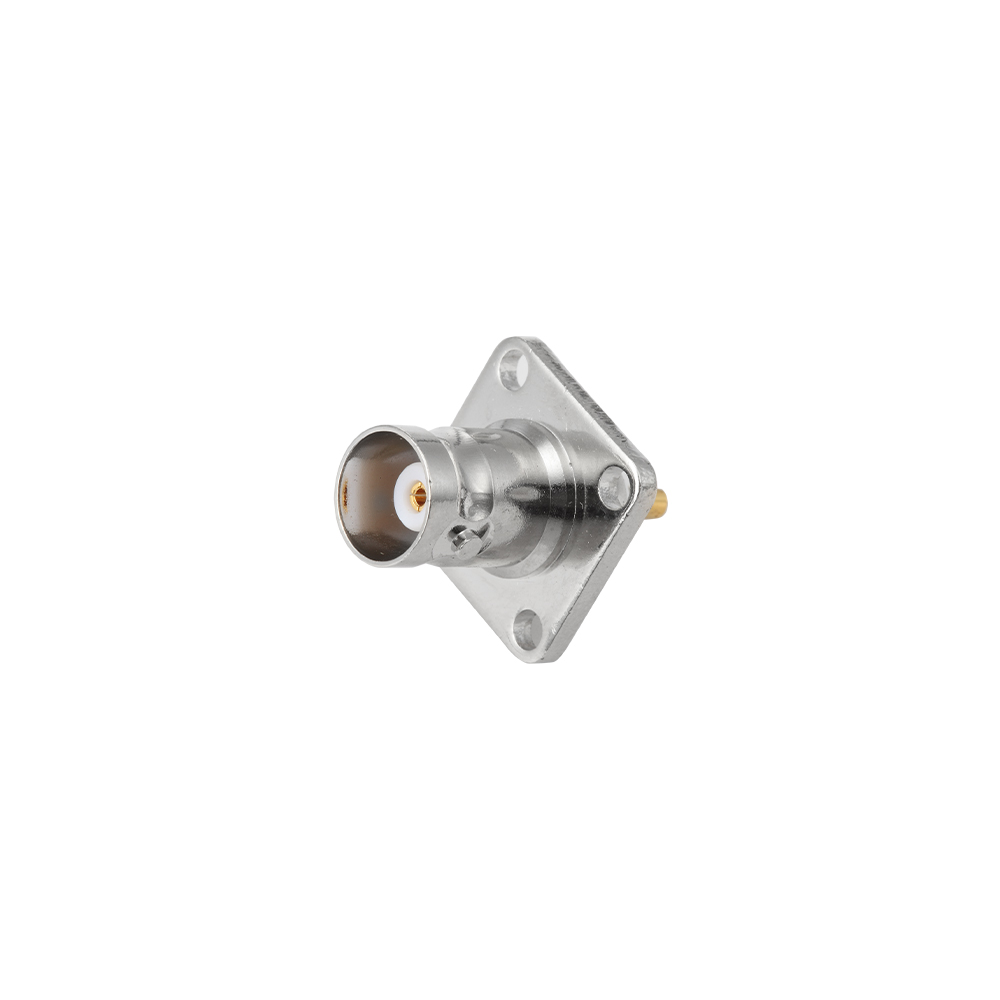
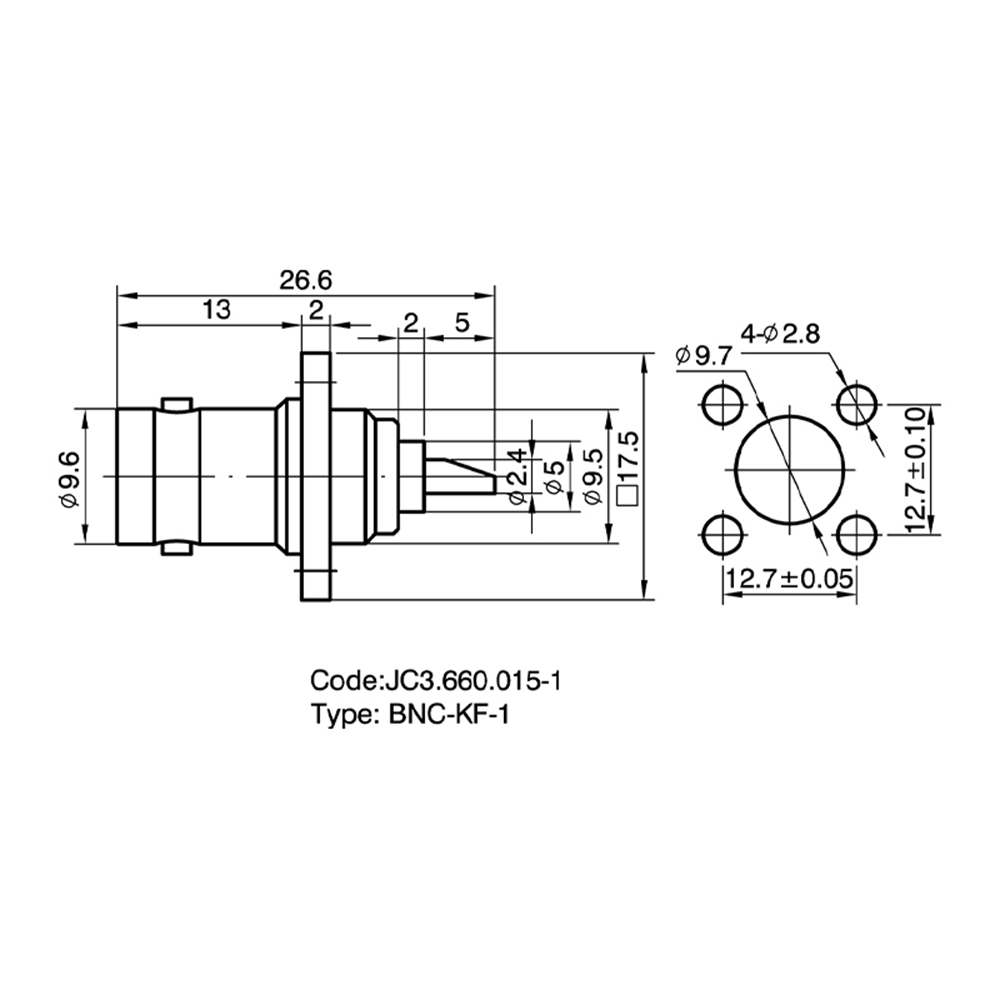
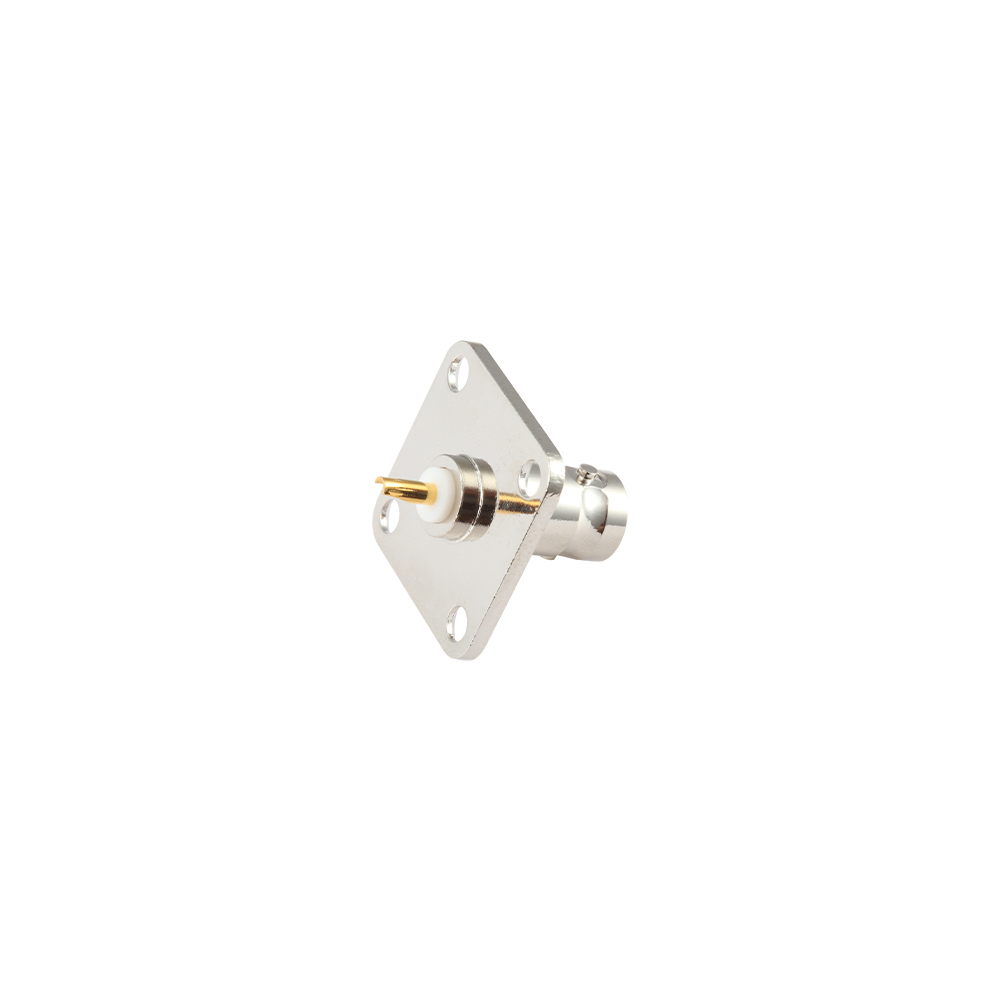
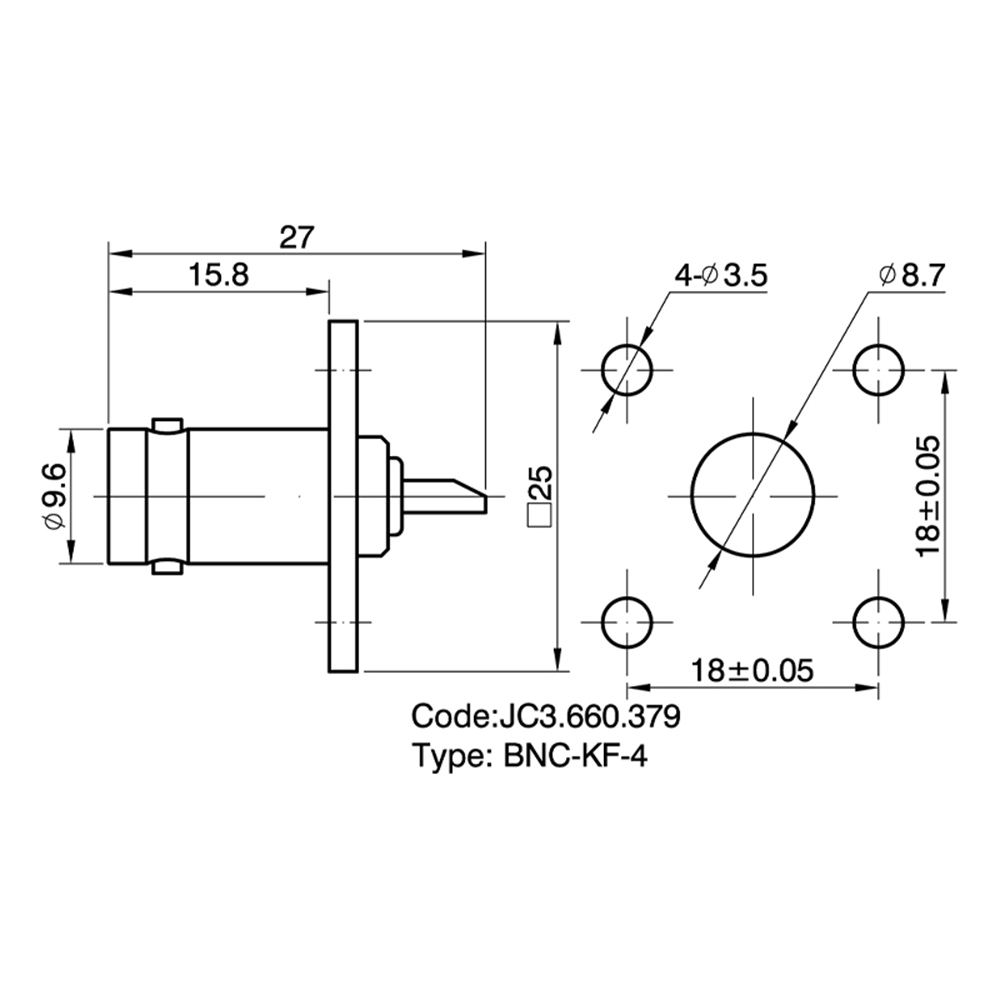
BNC RF Coaxial Connectors are widely used RF connectors featuring a bayonet coupling mechanism that enables fast connection and disconnection while maintaining reliable mechanical locking. Available in 50Ω and 75Ω impedance versions, these connectors are designed for coaxial cable applications requiring stable signal transmission, convenient installation, and repeated connection operations.
The main function of BNC RF Coaxial Connectors is to provide a secure RF interface between coaxial cables, electronic devices, and signal transmission systems. The bayonet locking structure allows quick mating without threaded rotation, making BNC connectors suitable for applications requiring frequent connection and maintenance.
Yangzhou Jingcheng Electronics Co., Ltd. is a China BNC RF Coaxial Connectors Manufacturer and Factory specializing in the R&D and manufacturing of RF coaxial connectors, cable assemblies, and passive microwave components. With ISO9001 certification and production processes based on MIL, IEC, and GB standards, the company provides various RF connector series including BNC, SMA, N-type, and customized interconnection solutions for communication, medical equipment, aerospace, automotive electronics, and industrial applications.
Structural Features of BNC RF Coaxial Connectors
BNC connectors consist of a bayonet coupling interface, outer conductor shell, dielectric insulator, and center contact. The design provides a balance between connection speed, mechanical reliability, and RF performance, making them suitable for a wide range of electronic and communication systems.
- Bayonet coupling mechanism: Enables quick connect and disconnect operation through a simple twist-lock structure without requiring threaded fastening.
- 50Ω and 75Ω impedance options: Supports different signal transmission requirements, including RF communication, video, and instrumentation systems.
- Coaxial shielding structure: Provides electromagnetic shielding to reduce external interference and maintain signal quality.
- Compact design: Suitable for equipment where installation space and connection efficiency are important.
- Reliable mechanical locking: The bayonet structure helps prevent accidental disconnection during equipment operation.
- Multiple termination options: Available with cable mount, PCB mount, panel mount, and customized configurations.
Common Types and Characteristics of BNC RF Coaxial Connectors
| Type |
Features |
Typical Applications |
| BNC Cable Connector |
Mounted directly on coaxial cables, available in crimp, clamp, or solder termination methods |
RF cables, communication systems, test equipment |
| BNC PCB Mount Connector |
Directly installed on circuit boards for board-level RF connection |
Electronic instruments, control systems, RF modules |
| BNC Panel Mount Connector |
Fixed through equipment panels for external signal interfaces |
Instruments, medical devices, industrial equipment |
| BNC Bulkhead Connector |
Designed for enclosure mounting with stable mechanical fixation |
Communication cabinets and electronic systems |
| 50Ω BNC Connector |
Optimized for RF signal transmission with impedance matching |
Wireless communication, measurement systems |
| 75Ω BNC Connector |
Designed for video and broadband signal applications |
Broadcast systems, surveillance equipment, video transmission |
Core Performance Characteristics of BNC RF Coaxial Connectors
- Fast connection operation: The bayonet coupling structure allows rapid installation and removal, improving maintenance efficiency.
- Stable electrical performance: Controlled impedance designs support reliable RF signal transmission.
- Good shielding effectiveness: The coaxial structure reduces electromagnetic interference and signal leakage.
- Mechanical reliability: The locking mechanism maintains connection stability during equipment operation.
- Wide application compatibility: Available for different cable types, mounting methods, and impedance requirements.
- Repeated mating capability: Suitable for applications requiring frequent connection and disconnection cycles.
Applications of BNC RF Coaxial Connectors
BNC connectors are widely used in electronic systems requiring reliable coaxial connections and convenient operation. Common application areas include:
- Computer and networking equipment: Used for signal connections and communication interfaces in electronic systems.
- Wireless communication: Applied in RF equipment, antennas, and signal transmission systems.
- Medical equipment: Used in diagnostic instruments and electronic medical devices requiring stable signal connections.
- Electronic test instruments: Commonly used in oscilloscopes, signal generators, and measurement equipment.
- Broadcast and video systems: 75Ω BNC connectors are widely used for video signal transmission.
- Industrial automation: Used for sensor connections, control equipment, and electronic monitoring systems.
BNC RF Connectors vs SMA RF Connectors
| Comparison |
BNC RF Connector |
SMA RF Connector |
| Coupling Method |
Bayonet locking mechanism |
Threaded coupling structure |
| Connection Speed |
Fast connect and disconnect operation |
Requires threaded rotation for installation |
| Typical Frequency Range |
Suitable for general RF and signal applications |
Designed for higher-frequency microwave applications |
| Main Advantage |
Convenient operation and frequent mating capability |
High-frequency performance and mechanical precision |
BNC connectors are commonly selected for applications requiring fast connection and maintenance efficiency, while SMA connectors are generally used in higher-frequency RF and microwave systems where threaded precision coupling is required.
How to Select the Right BNC RF Coaxial Connector?
Selecting a suitable BNC connector requires consideration of impedance, cable type, installation method, and operating environment.
- Impedance requirement: Select 50Ω BNC connectors for RF applications and 75Ω versions for video and broadband signal transmission.
- Cable compatibility: Confirm compatibility with the coaxial cable type, diameter, and termination method.
- Mounting method: Choose cable mount, PCB mount, panel mount, or bulkhead types according to equipment structure.
- Frequency requirement: Ensure the connector electrical performance matches the operating frequency of the system.
- Environmental conditions: Consider temperature, vibration, humidity, and mechanical requirements.
- Mating frequency: Select suitable materials and structures according to expected connection cycles.
FAQ About BNC RF Coaxial Connectors
What does BNC stand for in RF connectors?
BNC stands for Bayonet Neill-Concelman, referring to the bayonet-style coupling mechanism used for quick and secure connector mating.
What is the difference between 50Ω and 75Ω BNC connectors?
50Ω BNC connectors are mainly used for RF communication, testing, and data applications, while 75Ω BNC connectors are commonly used for video, broadcast, and broadband signal transmission.
Are BNC connectors suitable for high-frequency applications?
BNC connectors are suitable for many RF and electronic applications. For extremely high-frequency microwave systems, other connector types such as SMA or higher-performance RF connectors may be selected according to requirements.
Can BNC connectors be used for frequent connection and disconnection?
Yes. The bayonet coupling mechanism is designed for quick operation and supports applications requiring repeated mating cycles.
Can Yangzhou Jingcheng Electronics provide customized BNC connectors?
Yes. Yangzhou Jingcheng Electronics Co., Ltd. provides customized RF connector solutions including cable assemblies, mounting structures, electrical specifications, and application-specific designs according to customer requirements.


 English
 中文简体
中文简体