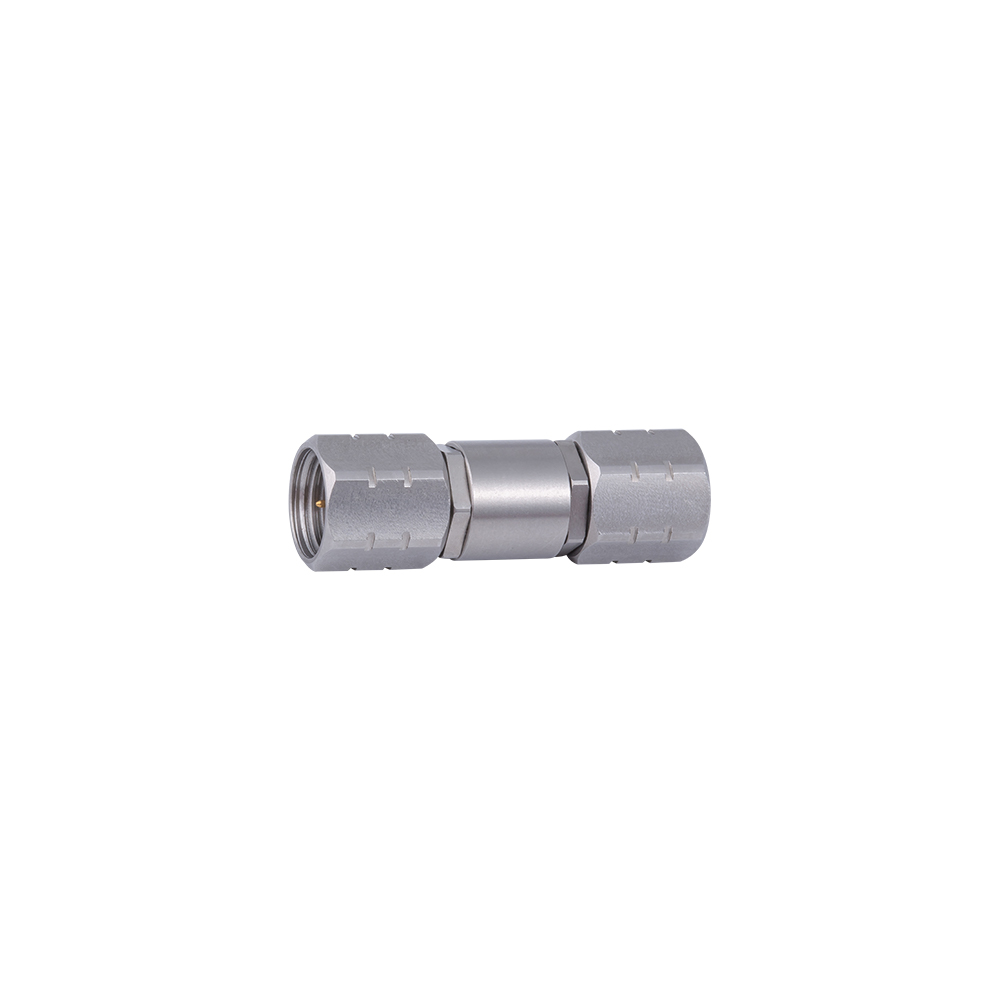
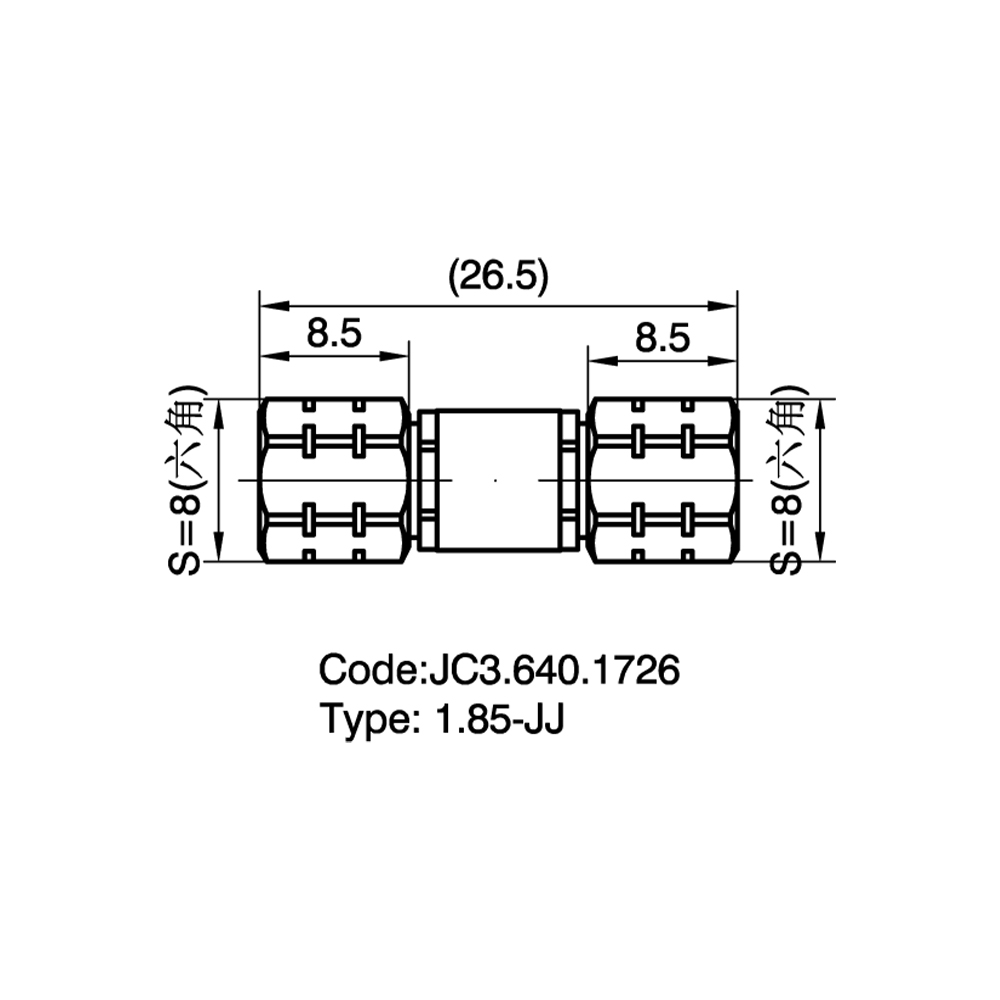
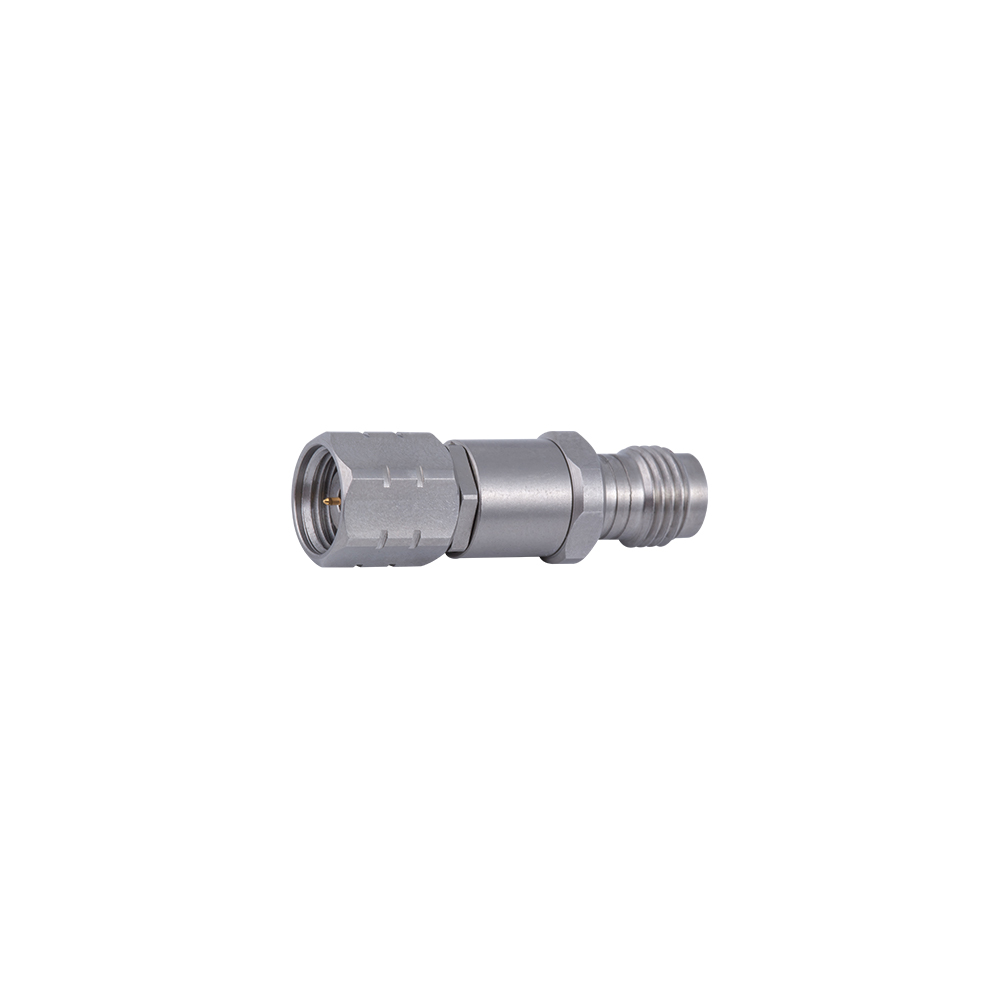
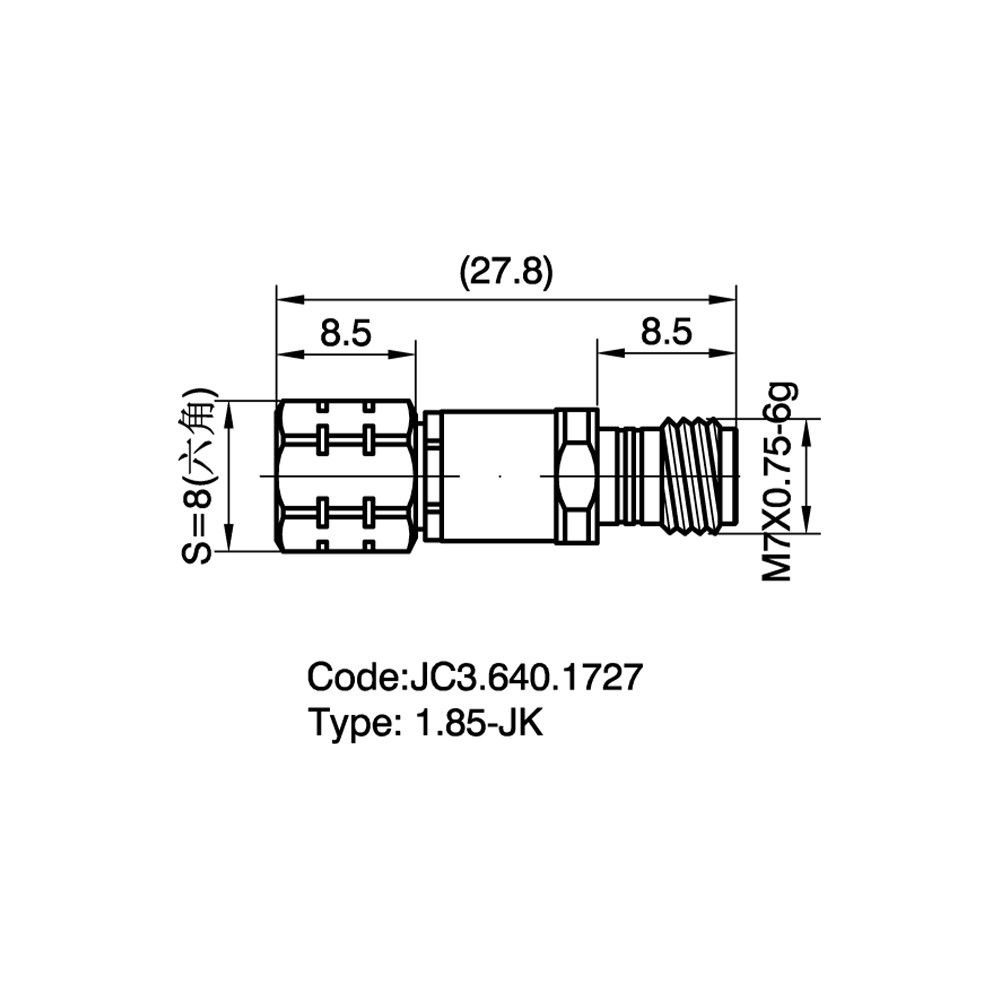
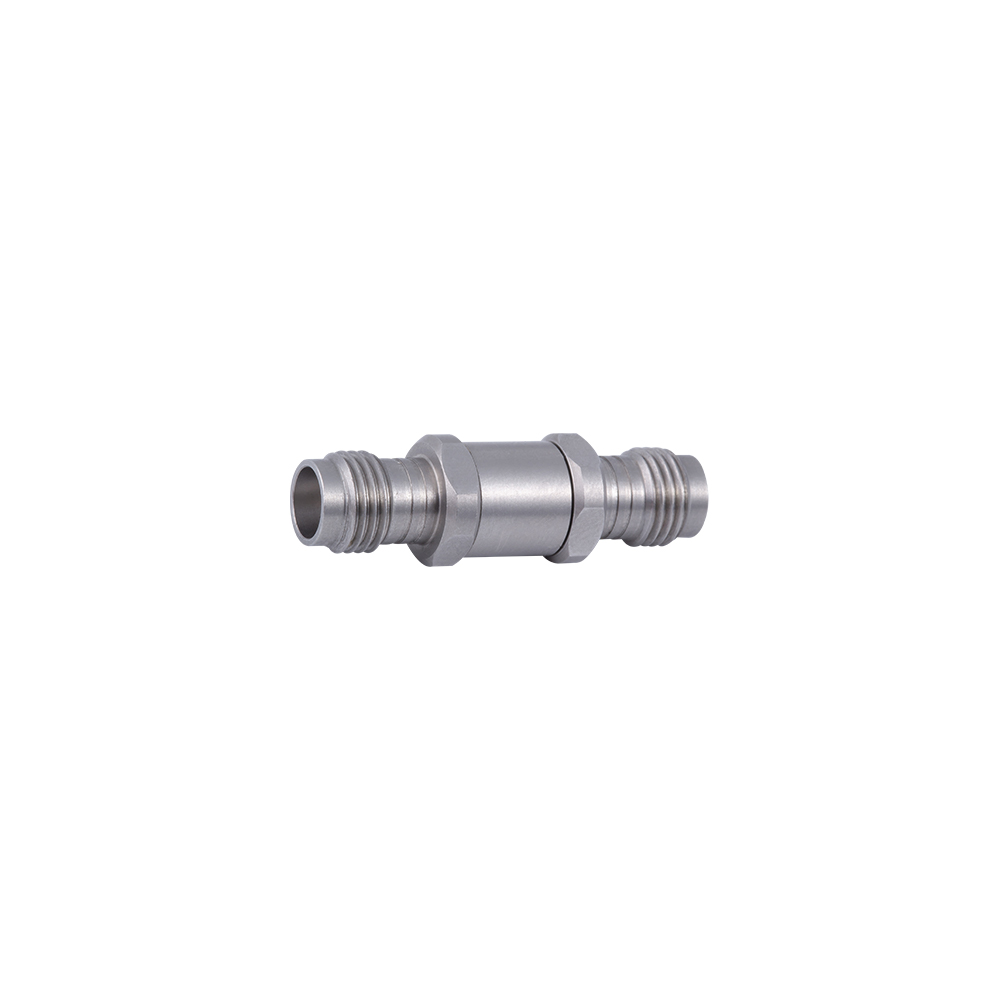
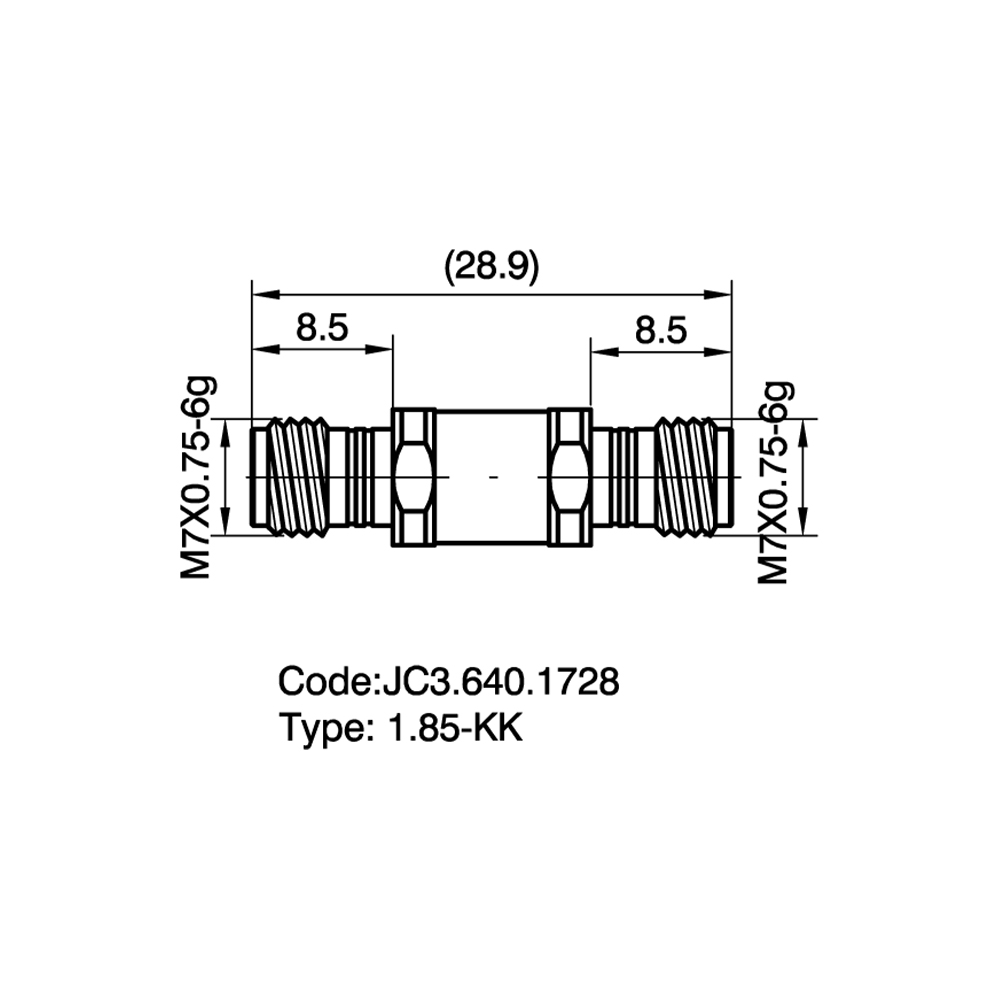
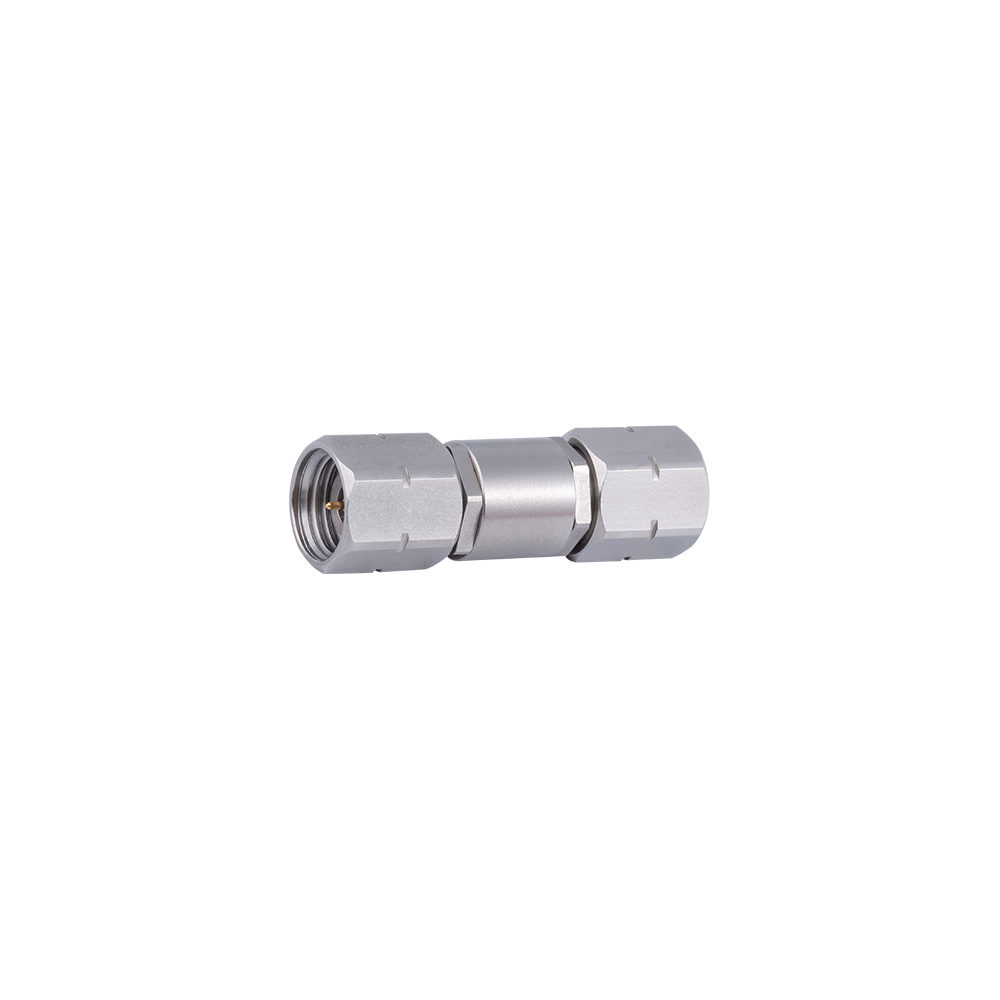
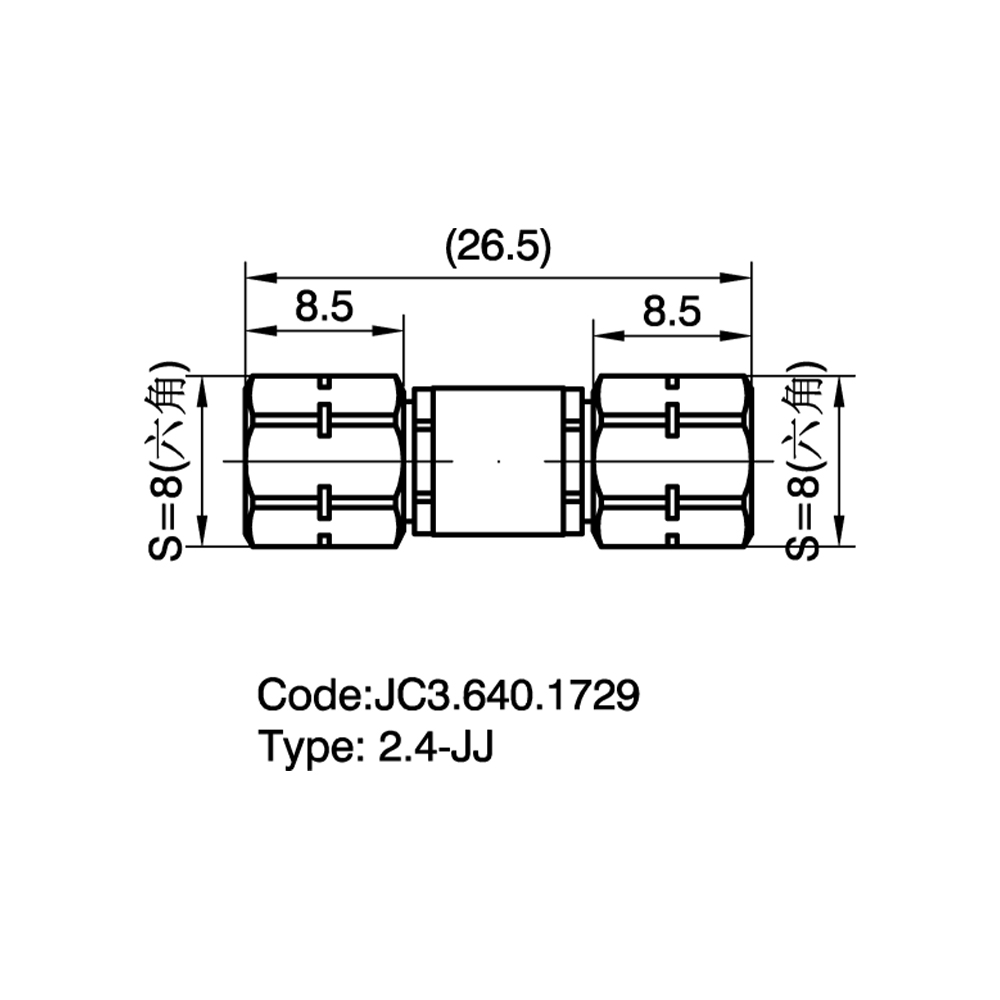
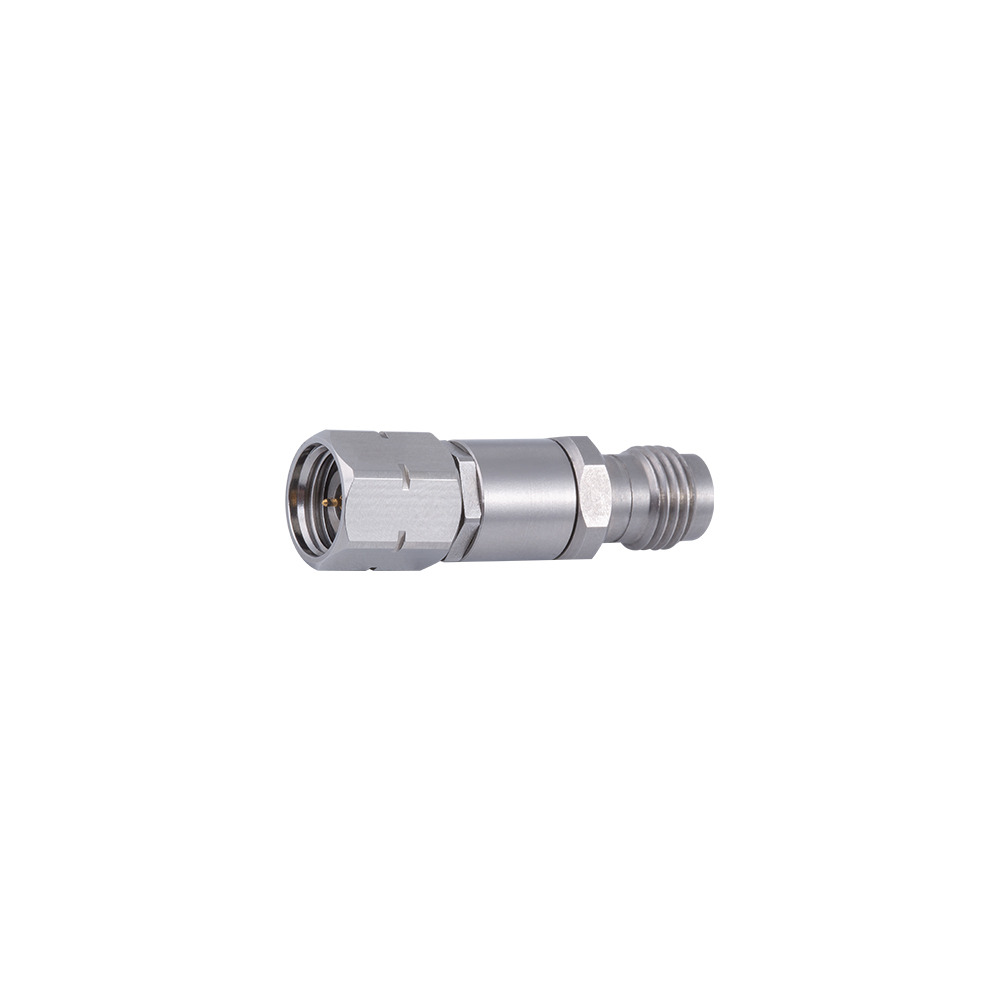
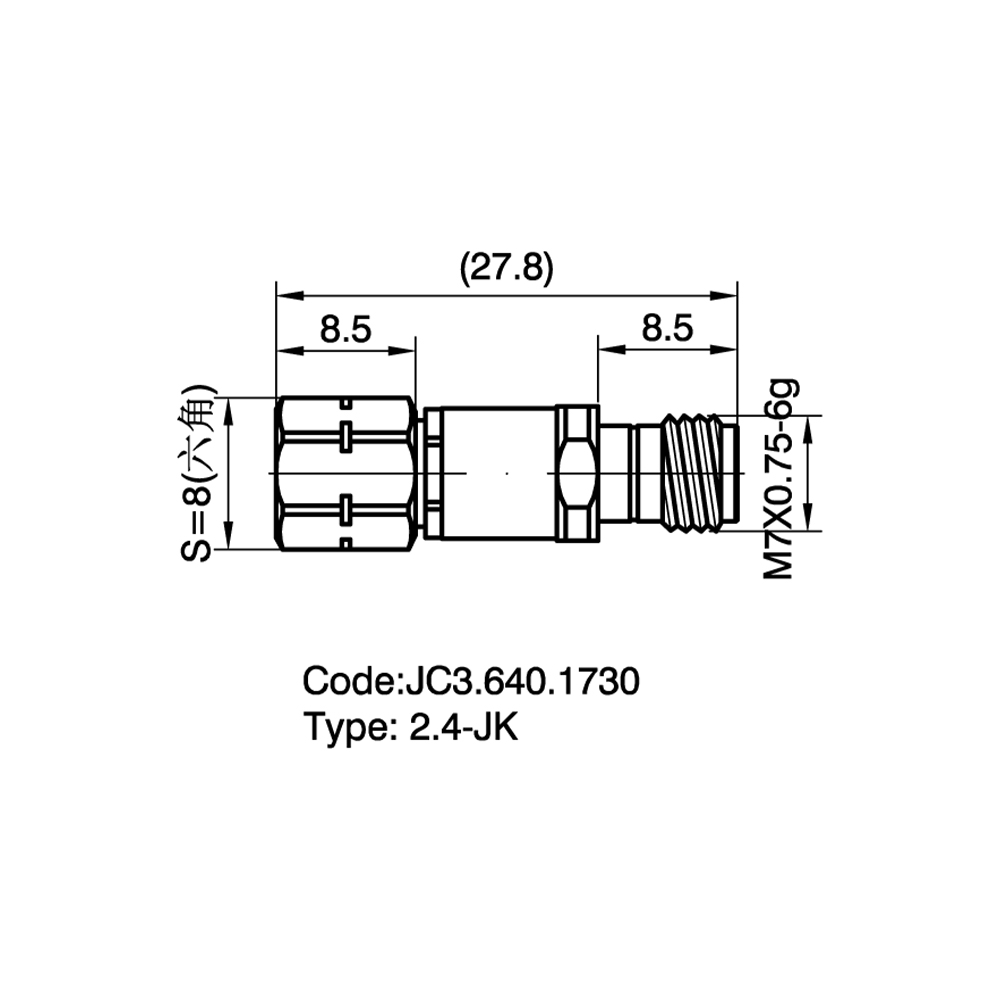
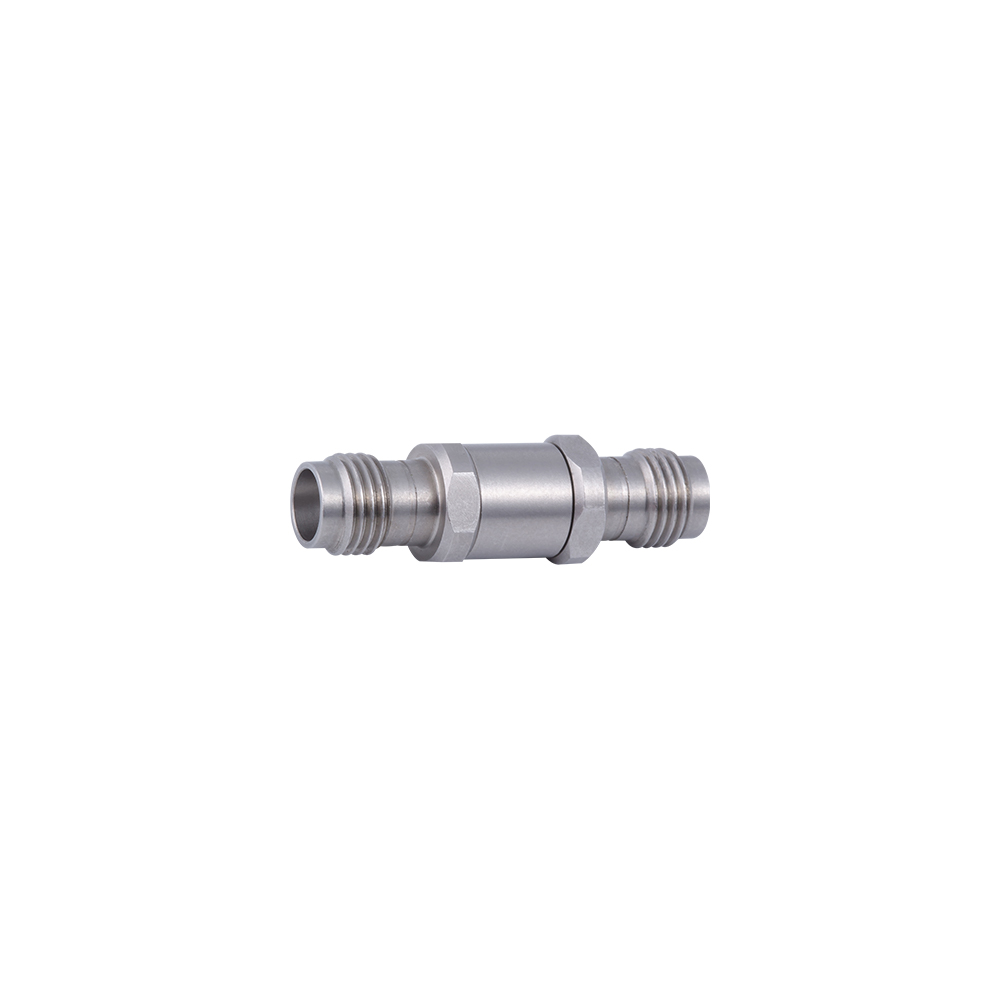
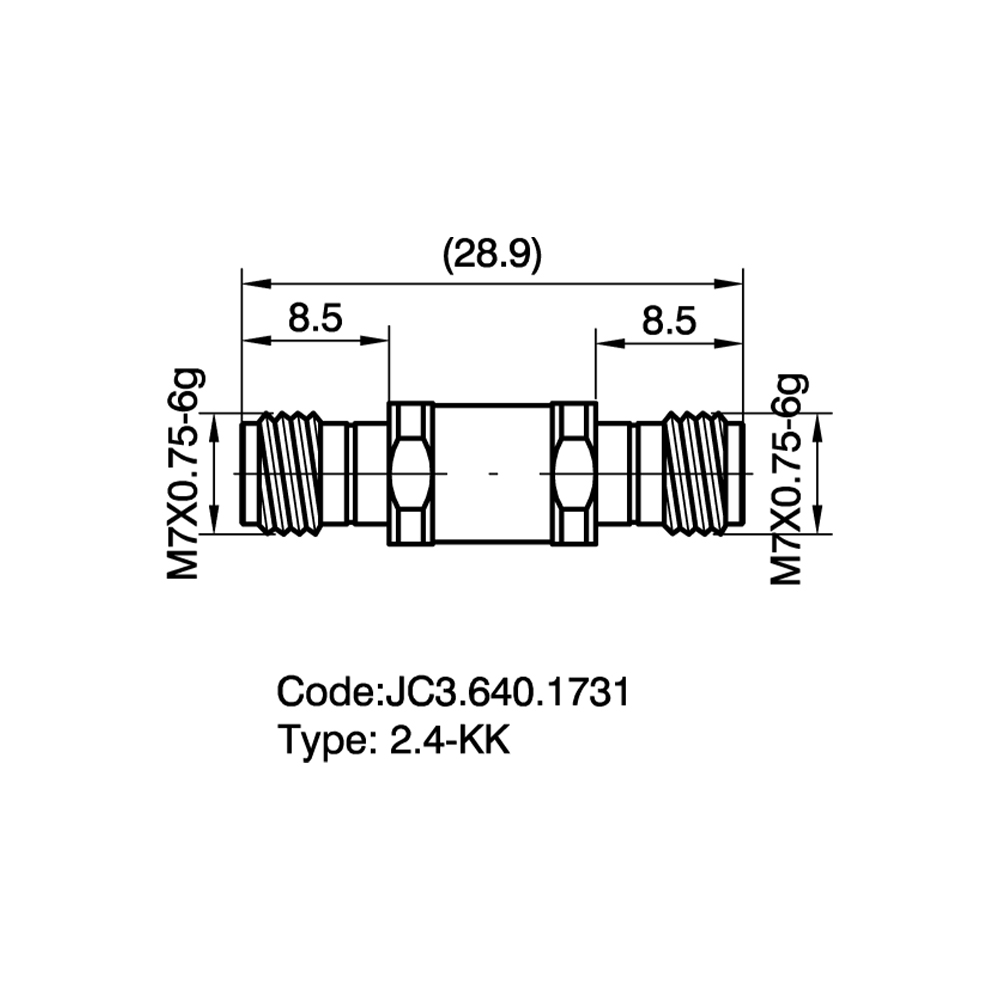
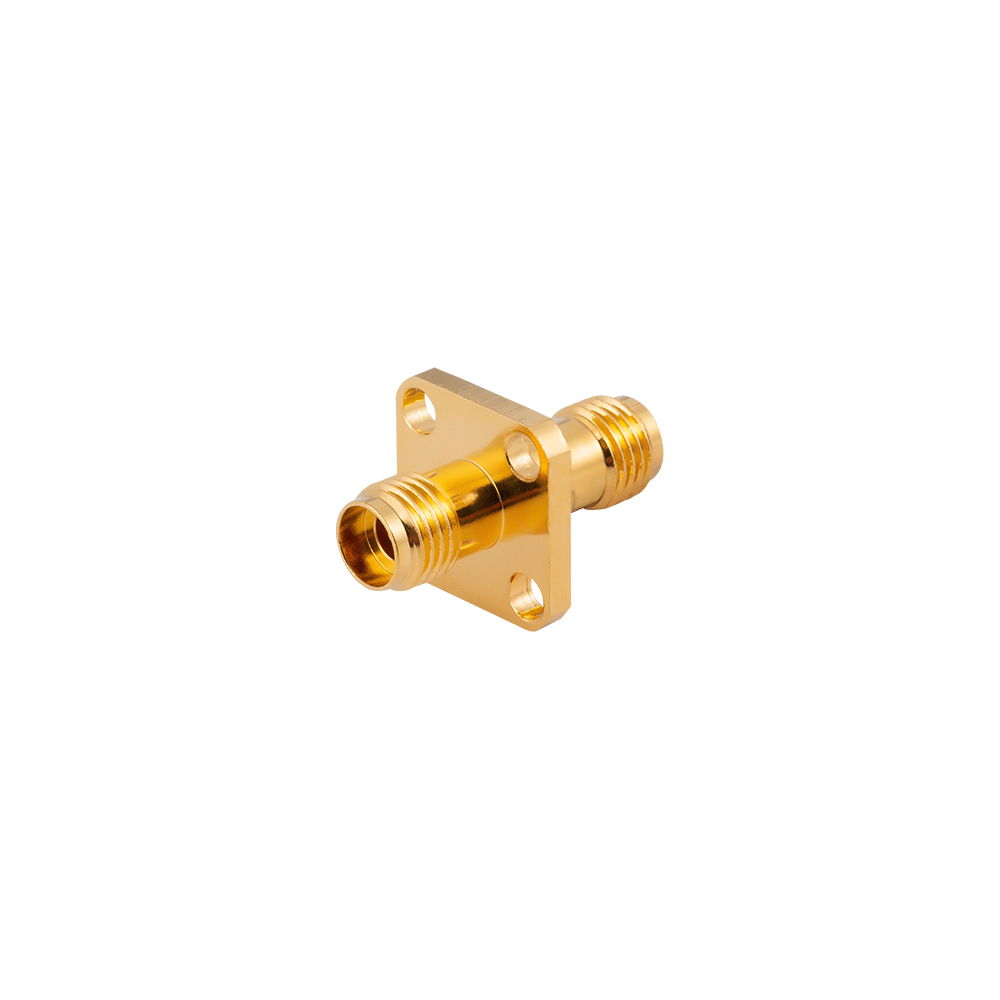
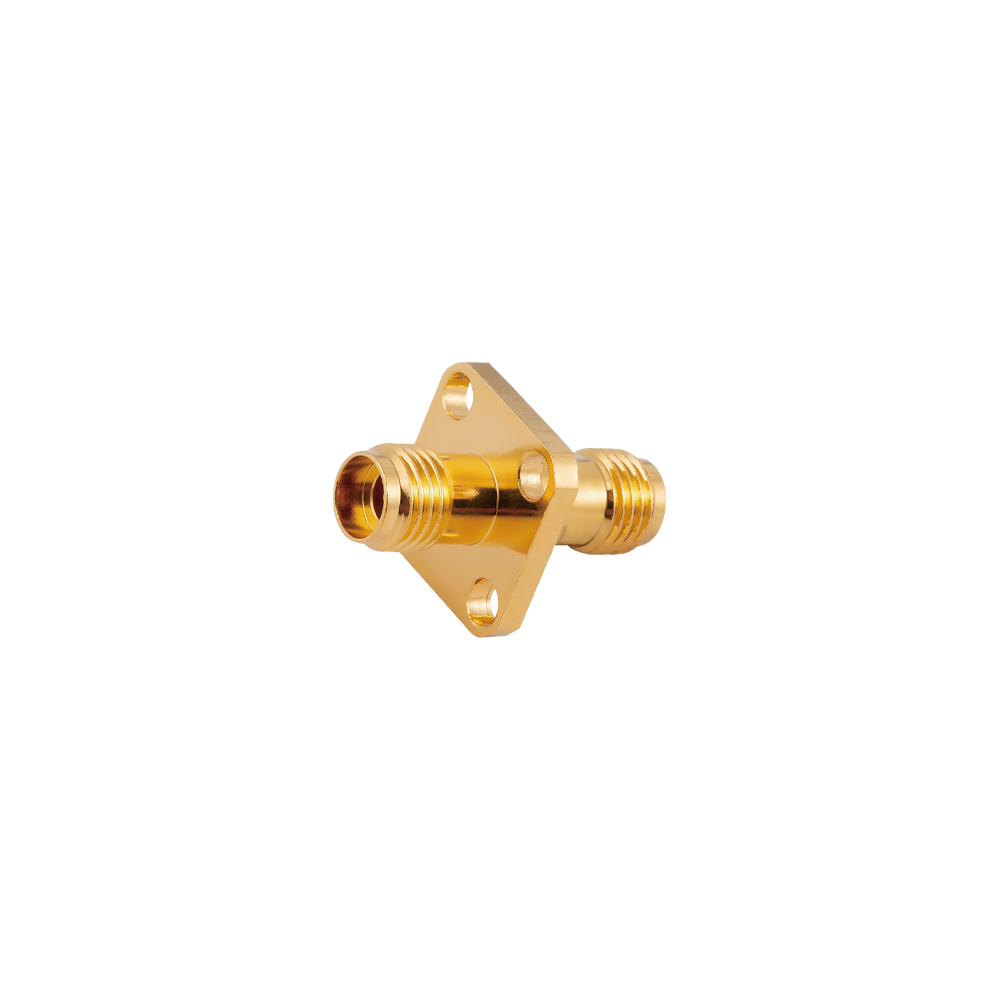
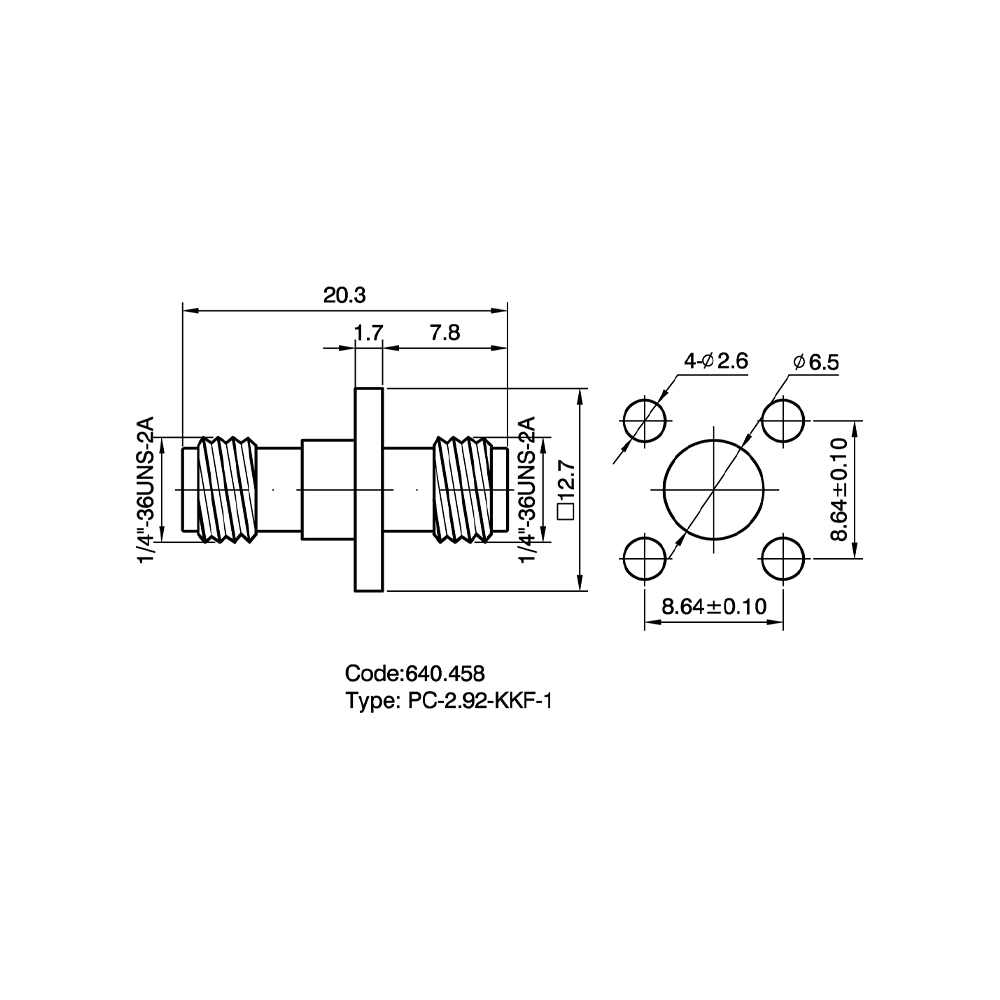
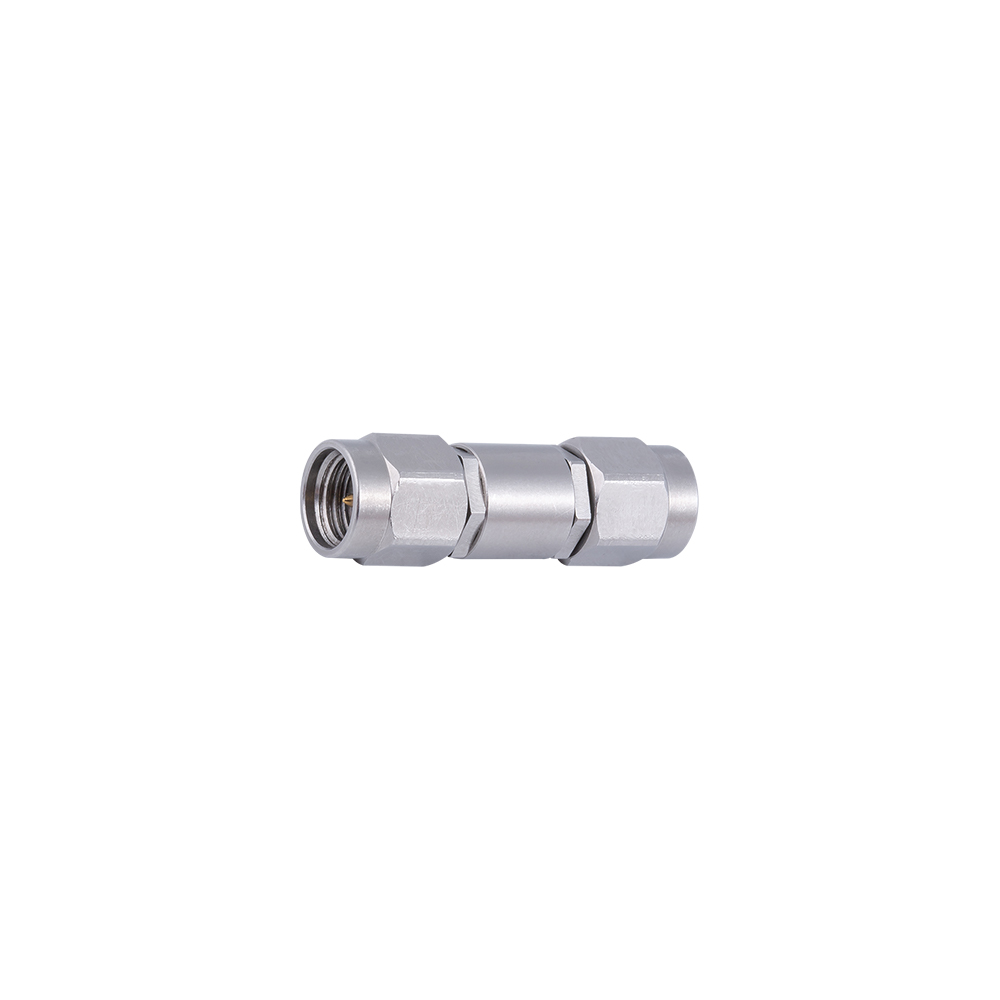
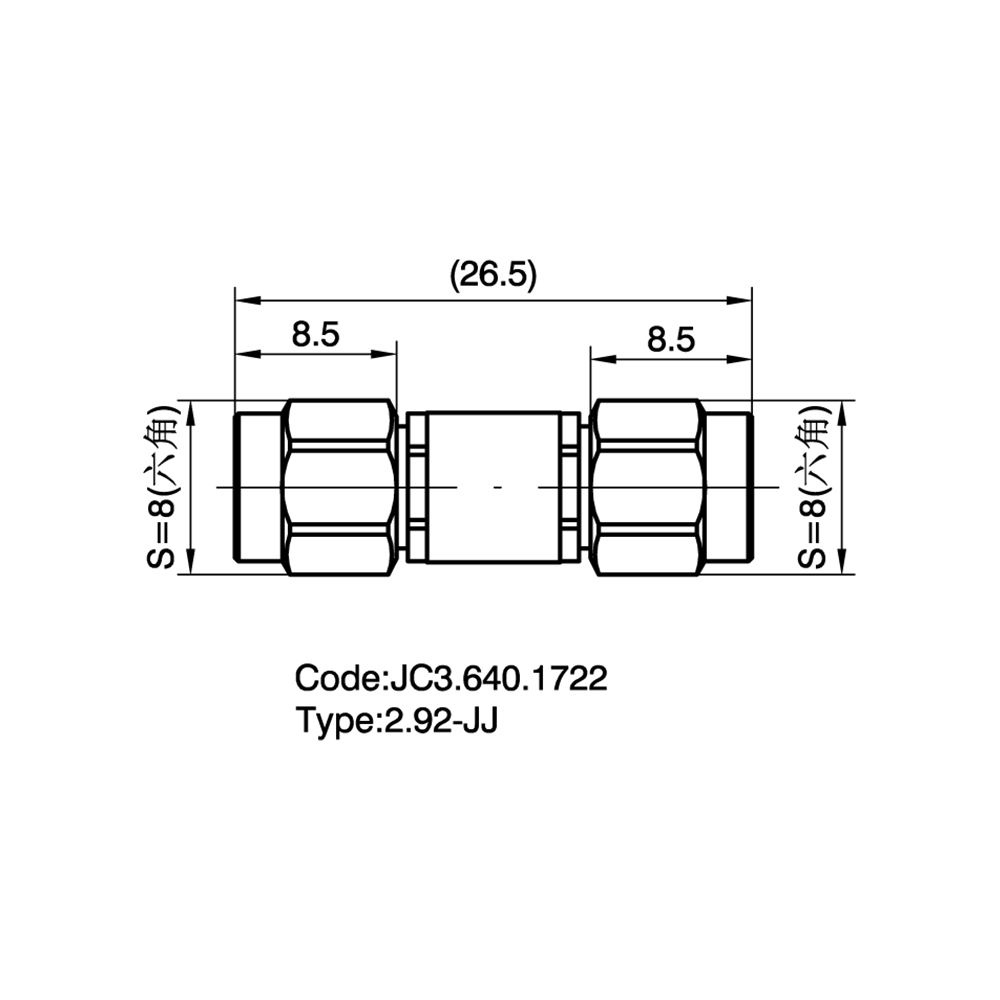
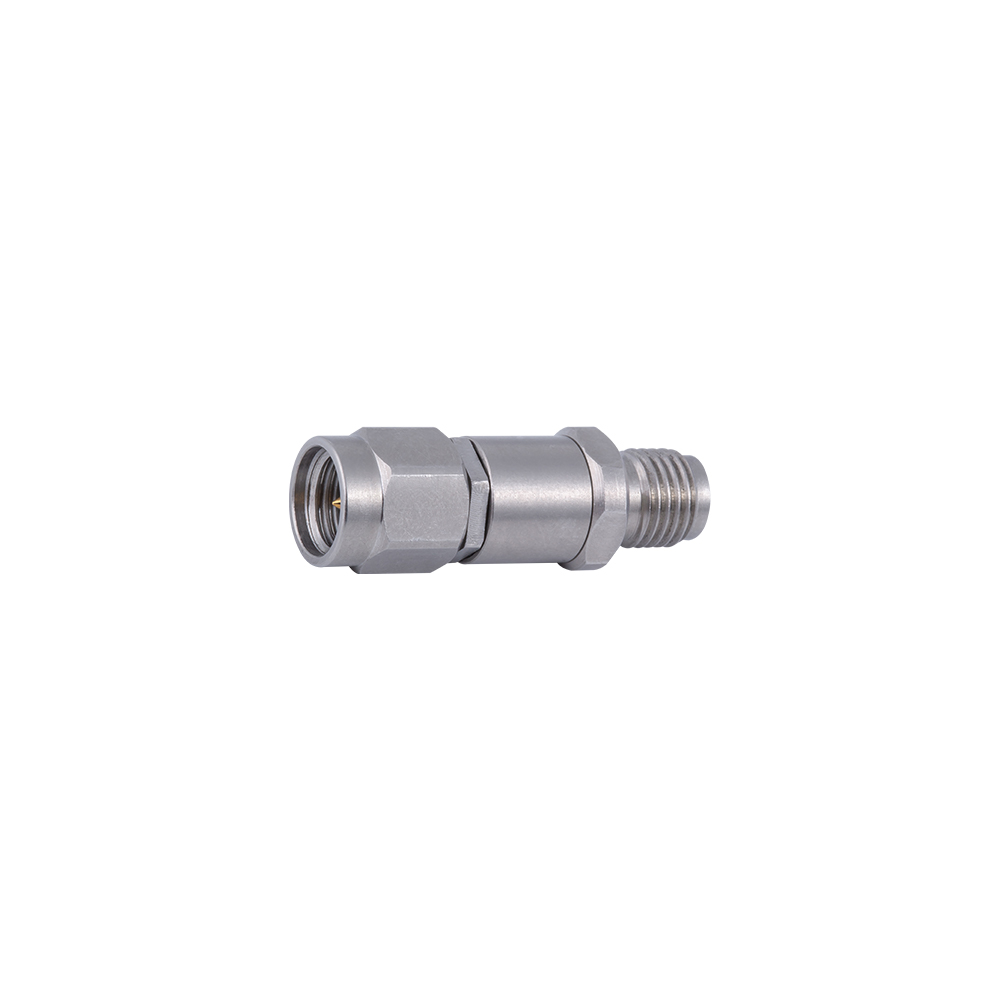
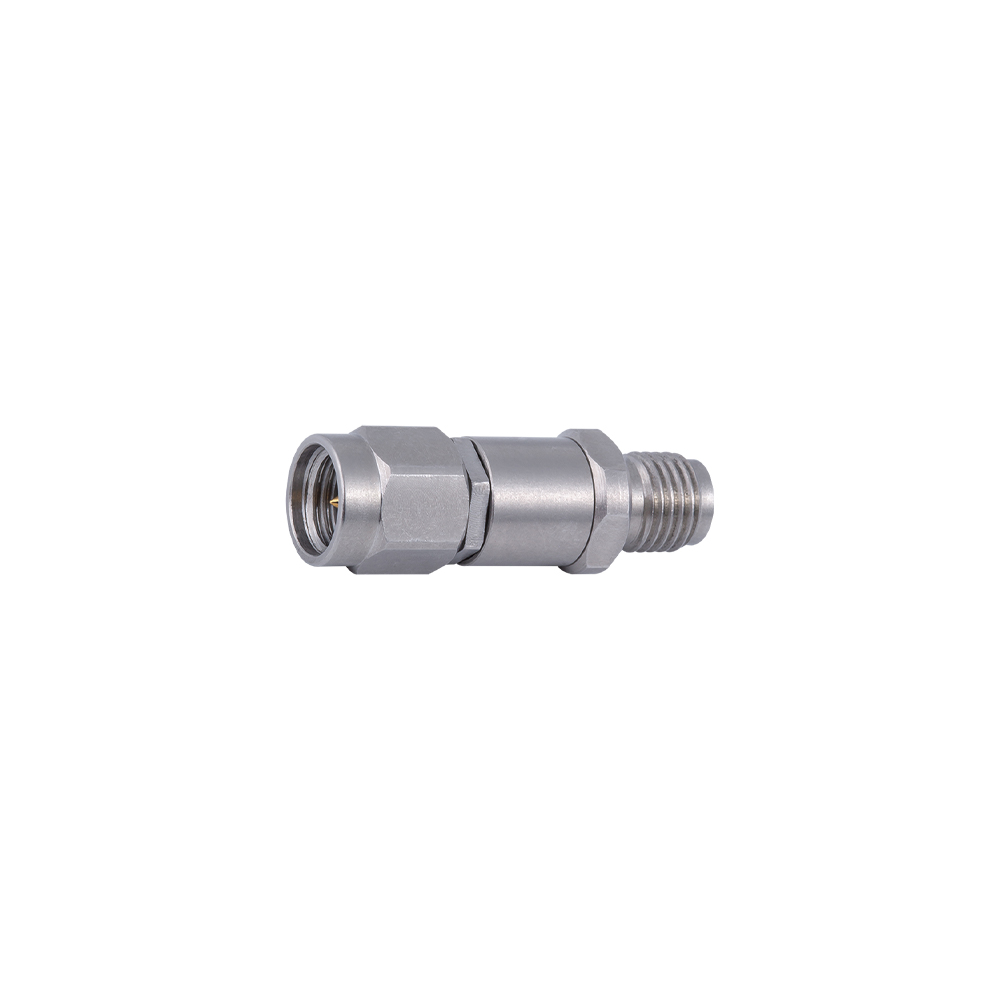
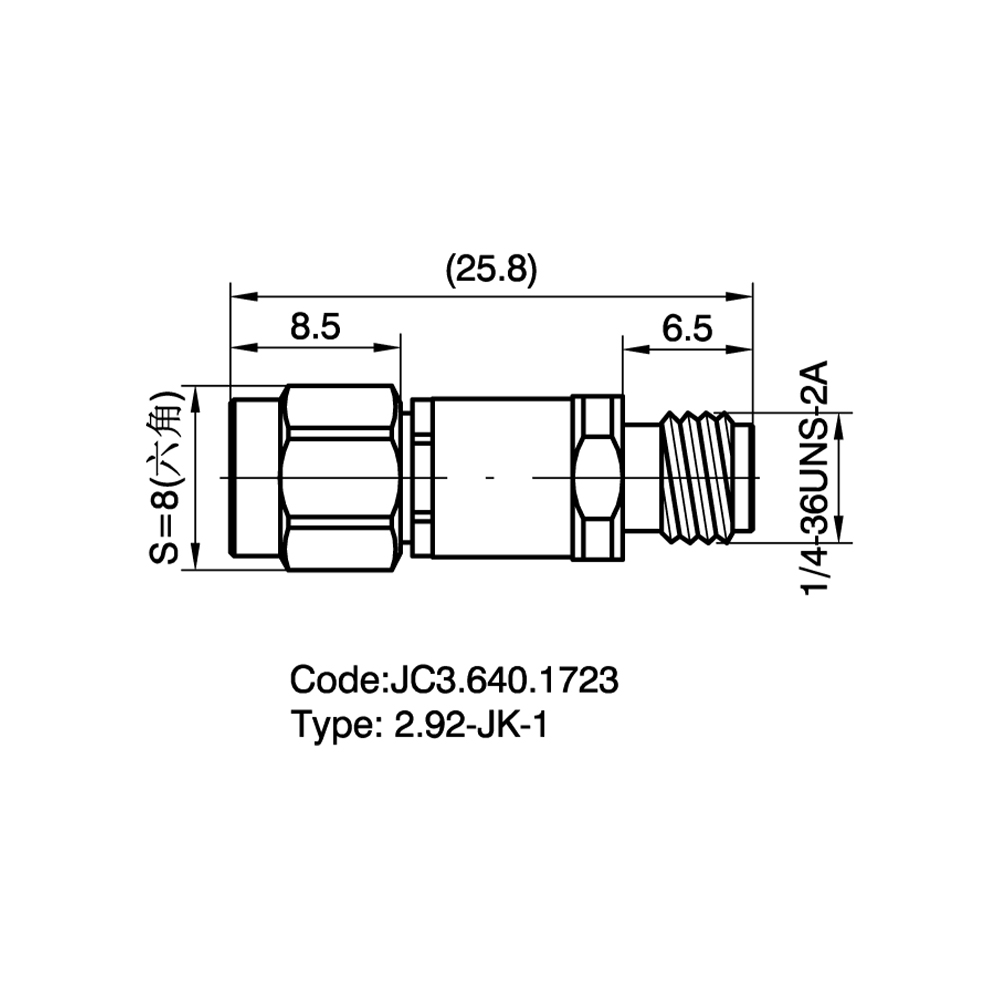
Within-type adaptors are used to convert between different gender or contact configurations within the same connector series, serving as an essential accessory in RF system assembly, testing, and maintenance. When two devices or cable assemblies share the same connector type but have mismatched genders, a within-type adaptor provides the most straightforward solution without the need to replace cables or reconfigure system layouts. This series covers a wide range of connector formats, from precision millimeter-wave interfaces to connectors widely used in industrial and consumer communication systems, including 1.85mm, 2.4mm, 2.92mm, 3.5mm, 7/16 DIN, BNC, F, FME, MCX, Mini UHF, N, RP-SMA, RP-TNC, SMA, SMB, SMP, SSMA, TNC, and UHF — meeting interface matching requirements across laboratory measurement, wireless communications, industrial RF, and consumer electronics applications.
Yangzhou Jingcheng Electronics Co., Ltd., a premier China Within-Type Adaptors Manufacturer and Within-Type Adaptors Supplier, was founded in 1999. It is a high-tech enterprise specializing in the R&D and manufacturing of RF coaxial connectors, cable assemblies, and passive microwave components.
Equipped with a comprehensive R&D and production system, the company has obtained international certifications including ISO9001. Adhering strictly to standards such as MIL, IEC and GB, we offer over 30 product series with more than 2,000 specifications, covering SMA, BNC, N-type and other mainstream models. Our products are widely applied in the fields of communications, aerospace, automotive electronics and beyond, and exported to many countries and regions across Europe, America and Asia.
We uphold the tenet of "Quality as the Foundation, Customers as the Core", committed to providing reliable interconnection solutions and professional services for global clients.
A Within-Type Adaptor connects two connectors that belong to the same connector series, such as SMA-to-SMA or N-to-N, while changing an attribute such as gender, body angle, or bulkhead mounting rather than changing the connector family itself. This distinguishes a Within-Type Adaptor from an inter-series adaptor, which instead bridges two different connector families together. Because both ends of a Within-Type Adaptor belong to the same series, the electrical interface dimensions are already compatible, and the adaptor's role is purely to resolve a mechanical or configuration mismatch, such as joining two male connectors, two female connectors, or adjusting cable routing through a right-angle body. Within-Type Adaptors are widely used across RF cable assemblies wherever an installer needs to correct a gender mismatch, extend a run, or route a cable around a tight enclosure without changing the underlying connector series. This article covers the working principle, common types, application scenarios, comparative performance factors, and maintenance guidance relevant to the Within-Type Adaptor category.
2. Working Principle Behind Within-Type Adaptors
Because a Within-Type Adaptor operates entirely within a single connector series, its internal RF interface, including the center conductor geometry and dielectric spacing, already matches the specification for that series on both ends. The adaptor body itself is engineered to preserve consistent impedance through the transition, typically maintaining the same 50 ohm reference used across most common RF connector series, so that signal continuity is preserved without introducing a significant impedance discontinuity. This differs from an inter-series adaptor, which must actively bridge two connector geometries that were not originally designed to interface with one another, and therefore requires more design consideration to control impedance transition. A Within-Type Adaptor's main engineering task is instead centered on precise mechanical tolerances, since gender-changing or angle-changing bodies must still hold return loss and insertion loss within the levels expected for that connector series across the intended frequency range.
3. Common Types And Features
(1) Male-to-Male Adaptors
Used to join two female-ended cables or ports directly, male-to-male adaptors are one of the most frequently specified Within-Type Adaptor configurations in cable assembly work.
(2) Female-to-Female Adaptors
These adaptors join two male-ended cables or connectors together and are commonly used when extending an existing cable run within the same connector series.
(3) Right-Angle Adaptors
Right-angle bodies redirect cable routing by ninety degrees, which is useful in enclosures with limited clearance behind a connector port.
(4) Bulkhead Adaptors
Bulkhead-style Within-Type Adaptors are designed to mount through an enclosure panel, providing a fixed feed-through point while keeping both connector ends within the same series.
4. Within-Type Adaptors Compared With Inter-Type Adaptors
The table below summarizes the core differences between Within-Type Adaptors and inter-type, or inter-series, adaptors, which is a useful reference point when specifying the correct component for a given assembly.
Comparison between Within-Type Adaptors and inter-type adaptors
Attribute
Within-Type Adaptor
Inter-Type Adaptor
Connector series on both ends
Same series
Different series
Primary function
Gender, angle, or mounting change
Bridging two connector families
Design focus
Mechanical precision within a known interface
Impedance transition across differing geometries
Typical use case
Gender correction, routing, panel mounting
Connecting equipment from different connector standards
5. Application Scenarios And Selection Points
Before viewing the donut chart below, it is useful to understand the general distribution of where Within-Type Adaptors are most commonly applied. Communications infrastructure, including base stations and distributed antenna systems, tends to use the largest share of these components due to the sheer number of cable interconnections in a typical installation. Automotive electronics and aerospace assemblies also make consistent use of Within-Type Adaptors, particularly bulkhead and right-angle variants, where enclosure space is limited and gender or routing corrections are frequently required. The chart below presents an illustrative distribution across these three application areas rather than a measured industry-wide statistic.
The largest segment in this donut chart represents communications infrastructure, reflecting the high density of RF interconnections found in base stations, repeaters, and distributed antenna systems, where Within-Type Adaptors are routinely used to correct gender mismatches between cable assemblies and equipment ports. The mid-sized segment represents automotive and aerospace electronics, where compact enclosures often require right-angle or bulkhead Within-Type Adaptors to route cabling within limited physical space. The smallest segment represents general cable assembly work across other industries, where Within-Type Adaptors are still used but with somewhat lower overall volume compared with the other two application areas. When selecting a Within-Type Adaptor for a specific project, the main considerations are the connector series already in use, the required gender or angle correction, the operating frequency range, and the environmental conditions the assembly will face, such as outdoor exposure or vibration in automotive settings. Selecting the correct configuration up front helps avoid the need for a second adaptor or a cable rework later in the installation process. This proportional view is illustrative and intended to convey general relative demand rather than an exact measured market breakdown.
6. Insertion Loss Across Frequency: A Performance View
Before viewing the line chart below, it is worth explaining why insertion loss across frequency matters for a Within-Type Adaptor specifically. Because these adaptors preserve the same connector series on both ends, insertion loss is generally expected to remain low and relatively flat across the connector series' rated frequency range, since no impedance transition between differing connector families is introduced. The line chart below is an illustrative representation of this expected flat, low-loss behavior rather than a specific test result for one part number.
The line in this chart stays relatively close to the low-loss region across the frequency range shown, with only a modest rise toward the higher end of the range, which reflects the general expectation that a well-manufactured Within-Type Adaptor introduces minimal additional loss compared with a straight-through cable connection of the same series. This flat profile is one of the practical advantages of staying within a single connector series, since the adaptor is not attempting to reconcile two different connector geometries the way an inter-series adaptor must. A slight upward trend toward higher frequencies is normal and expected across most RF connector series, since insertion loss generally increases somewhat with frequency regardless of connector type, due to skin effect and dielectric losses inherent to RF transmission. For applications operating near the upper end of a connector series' rated frequency range, buyers should confirm that a Within-Type Adaptor's construction and plating quality are consistent with the series' published performance specifications. Consistent manufacturing tolerances, particularly in center pin concentricity and dielectric spacing, are what keep this insertion loss curve close to the low end of the scale across the full rated frequency range. As with the donut chart above, this line chart is illustrative and intended to represent general expected behavior rather than a specific measured test result for one exact adaptor configuration.
7. Maintenance Guidance For Within-Type Adaptors
Confirm gender and body configuration before installation to avoid unnecessary rework during assembly.
Hand-tighten coupling connections to a secure fit without applying excessive torque that could deform the shell.
Inspect center pin and socket surfaces for corrosion or debris before each connection, especially in outdoor deployments.
For bulkhead adaptors, check panel mounting hardware periodically to confirm the feed-through remains securely seated.
Store spare adaptors with protective caps to keep the RF interface free of contamination between uses.
8. Manufacturing Background
Yangzhou Jingcheng Electronics Co., Ltd., founded in 1999, specializes in the research, development, and manufacturing of RF coaxial connectors, cable assemblies, and passive microwave components, including Within-Type Adaptors across SMA, BNC, N-type, and other mainstream series. Operating under ISO9001 certification and in line with standards such as MIL, IEC, and GB, the company offers a broad product range applied across communications, aerospace, and automotive electronics fields, with distribution across multiple regions internationally.
9. Frequently Asked Questions
Q1: What makes a Within-Type Adaptor different from an inter-series adaptor?
A Within-Type Adaptor keeps both ends within the same connector series and only changes an attribute like gender or angle, while an inter-series adaptor bridges two different connector families.
Q2: When is a right-angle Within-Type Adaptor typically needed?
Right-angle adaptors are commonly used when an enclosure lacks clearance behind a straight connector, allowing the cable to route sideways instead.
Q3: Does a Within-Type Adaptor affect signal quality?
A well-manufactured Within-Type Adaptor generally introduces minimal additional insertion loss since it stays within a single connector series' matched interface.
Q4: How should Within-Type Adaptors be maintained?
Routine inspection for corrosion, correct hand-tightening, and protective storage help preserve consistent performance over the adaptor's service life.


 English
 中文简体
中文简体