English
 中文简体
中文简体TNC Connectors for Semi-Rigid & Semi-Flexible Cable Manufacturer
Product Overview
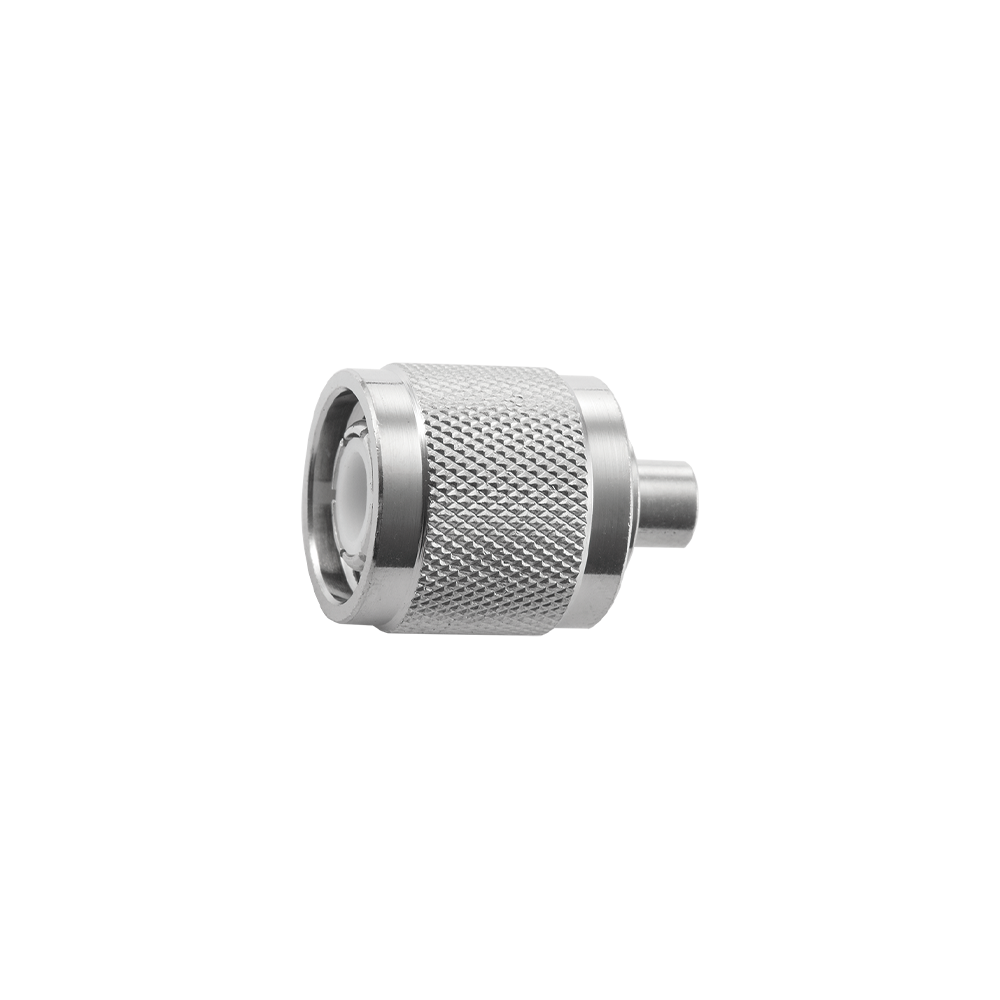
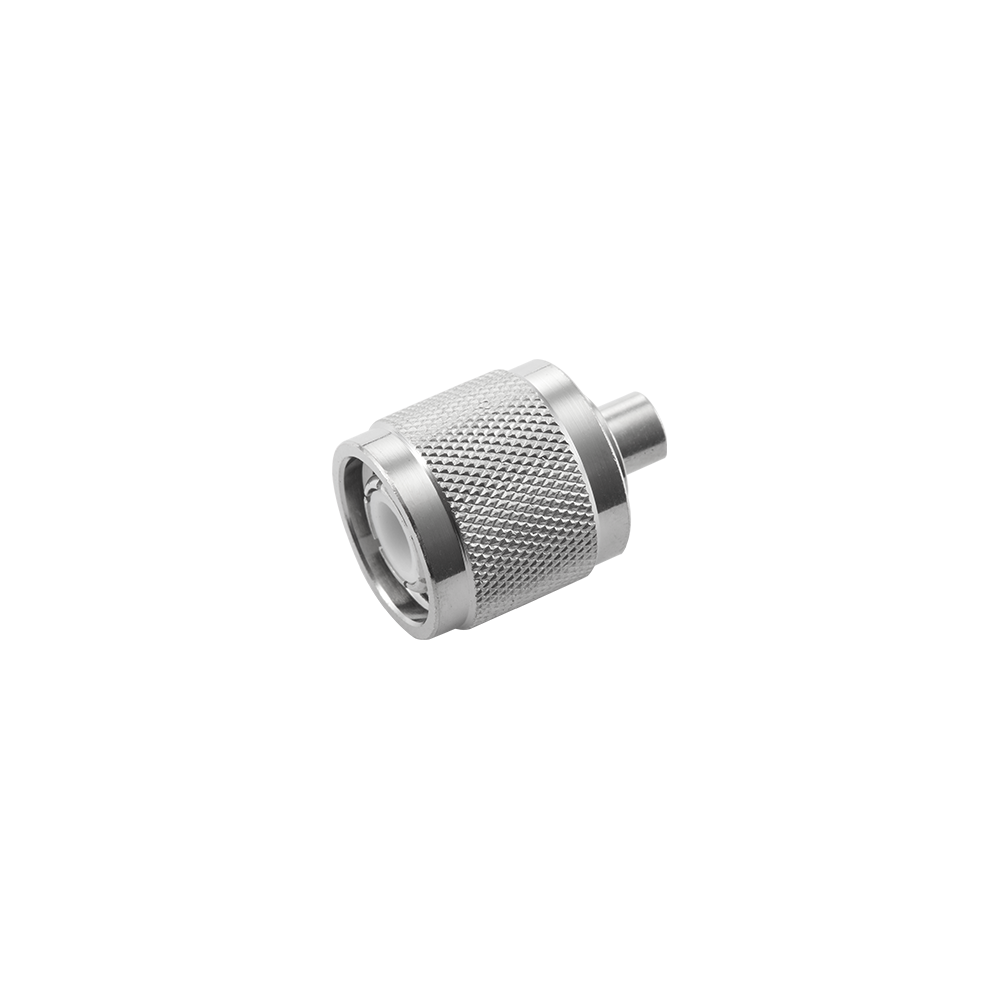
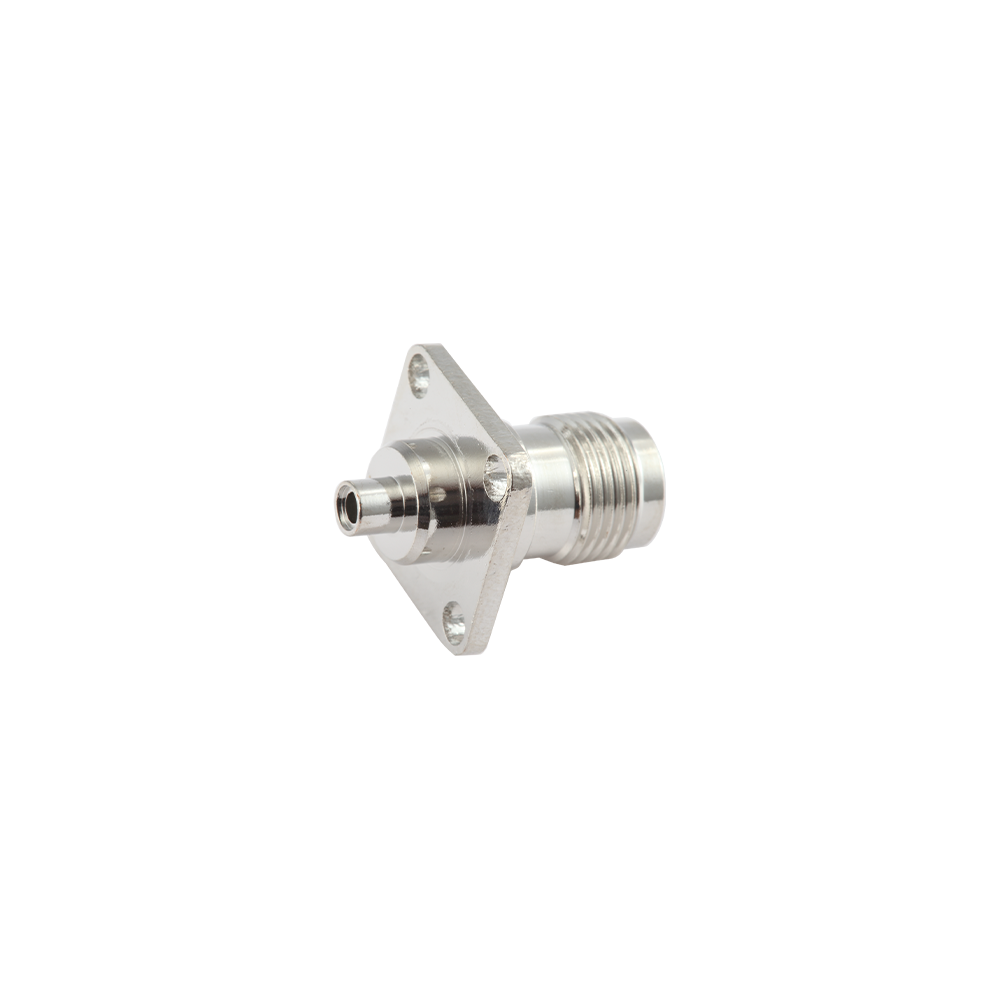
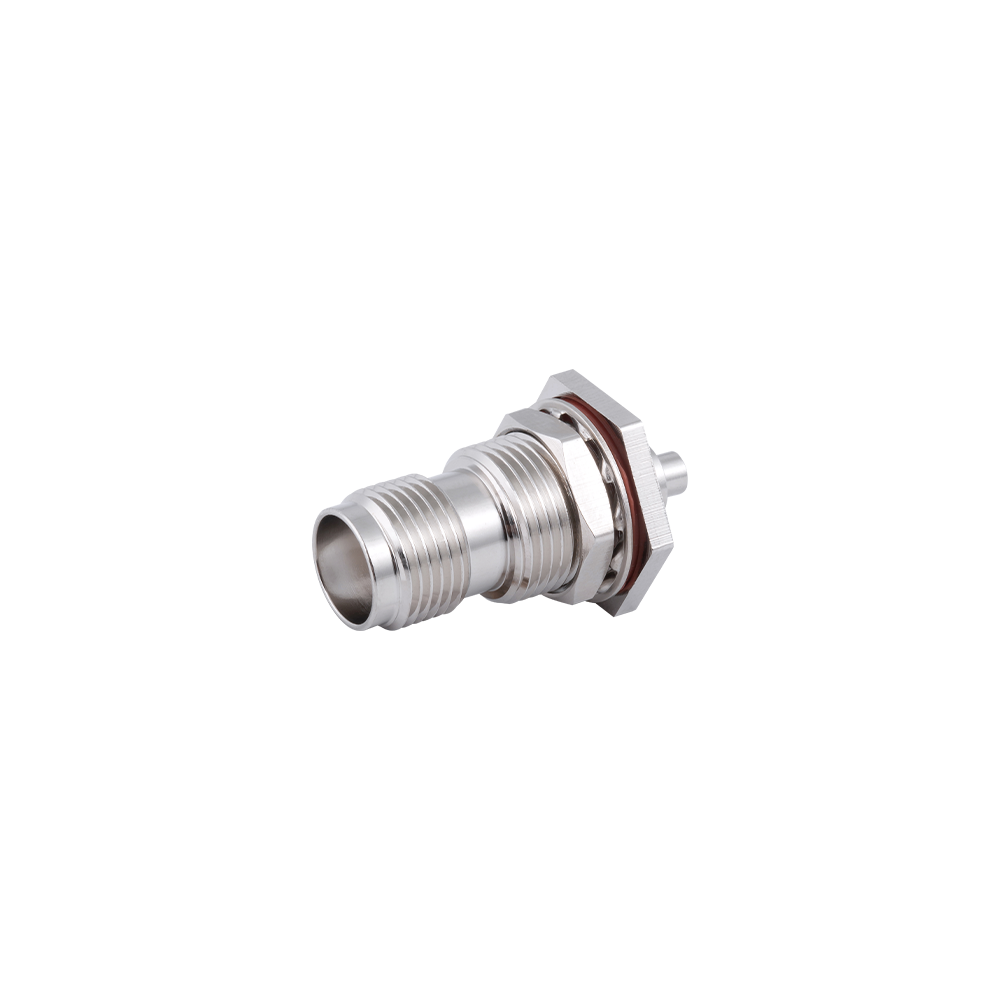
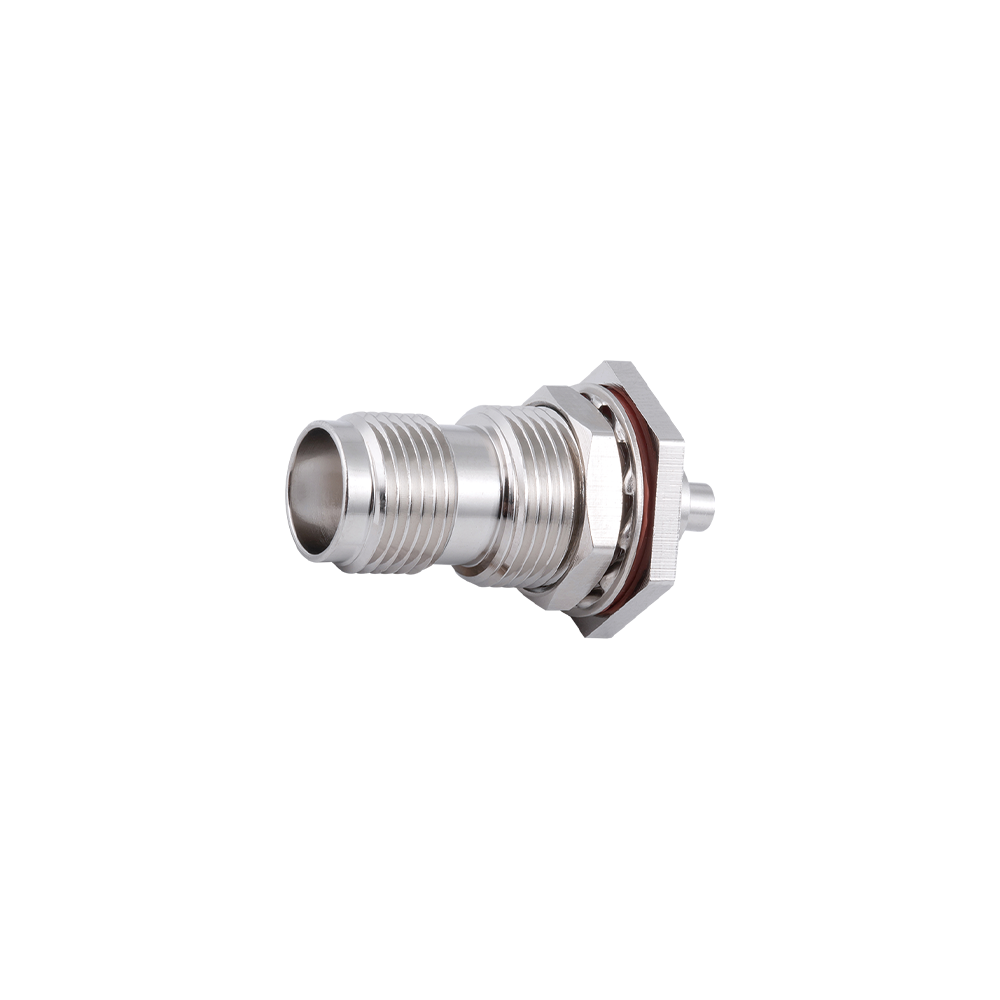
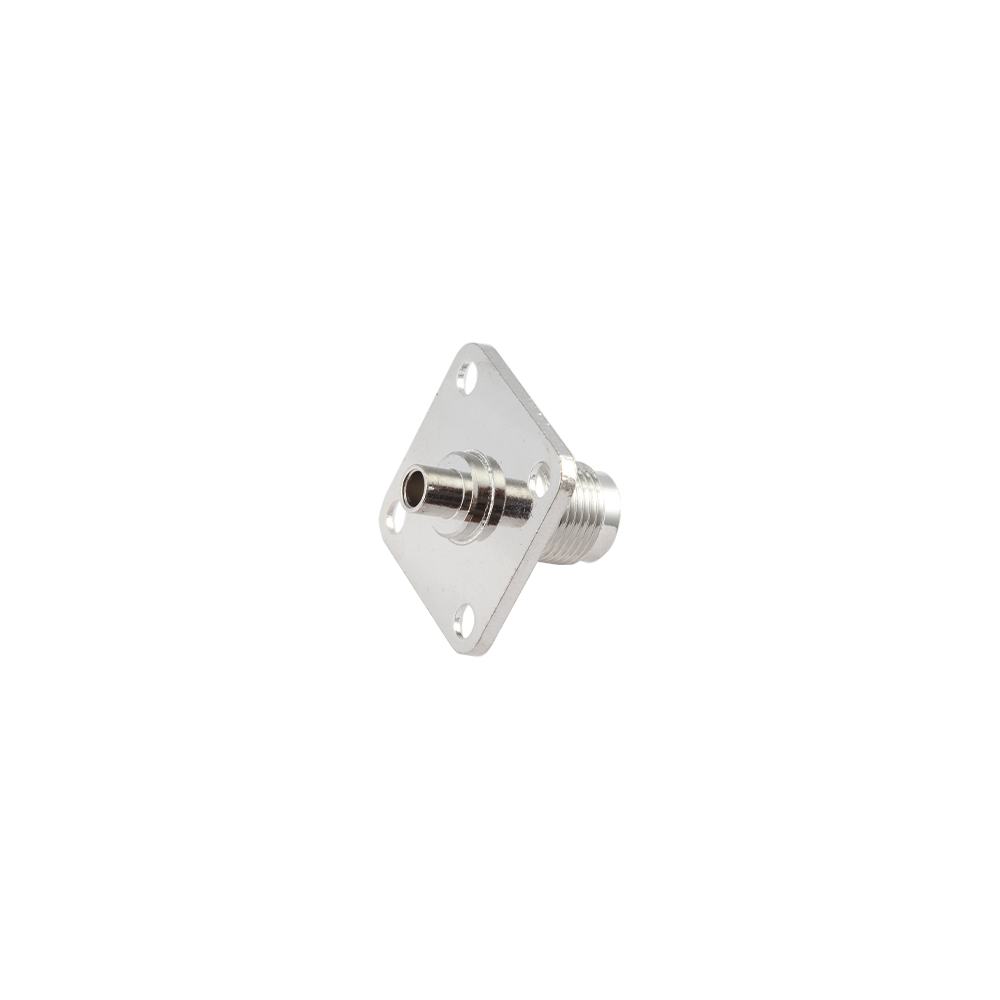
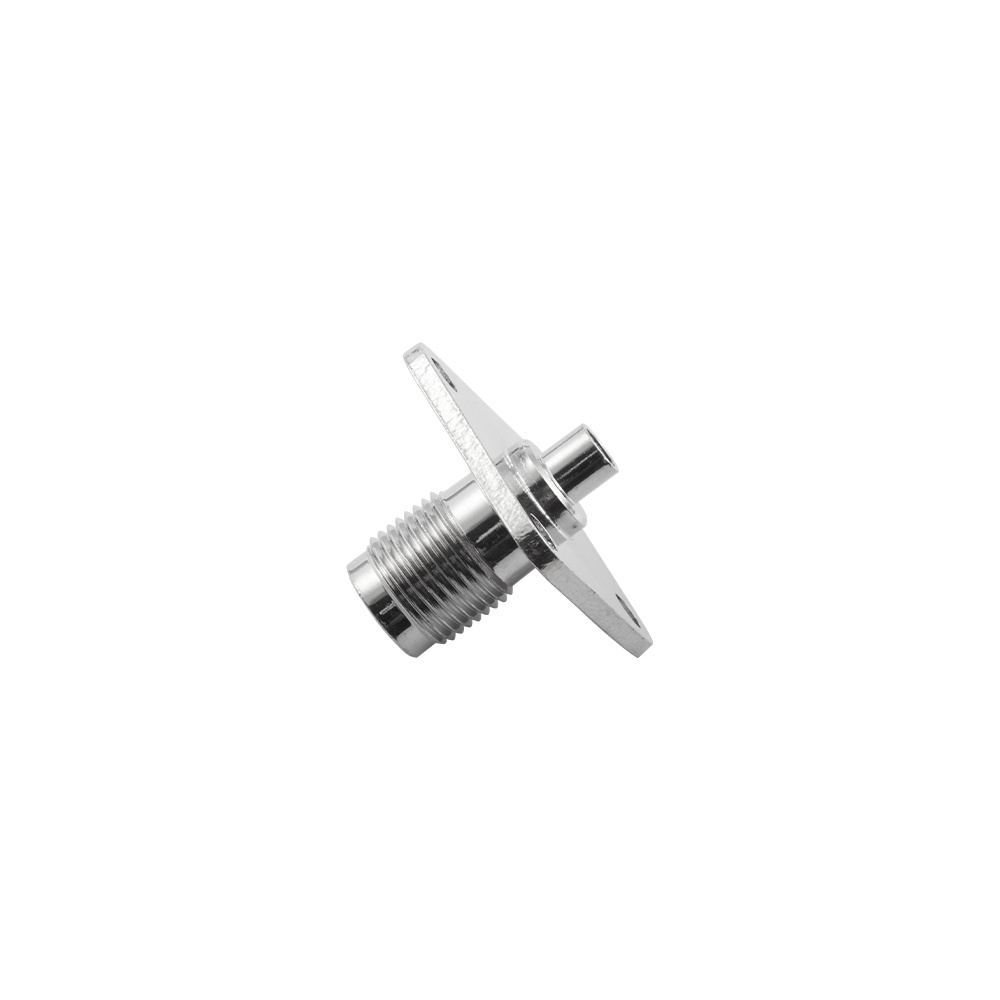
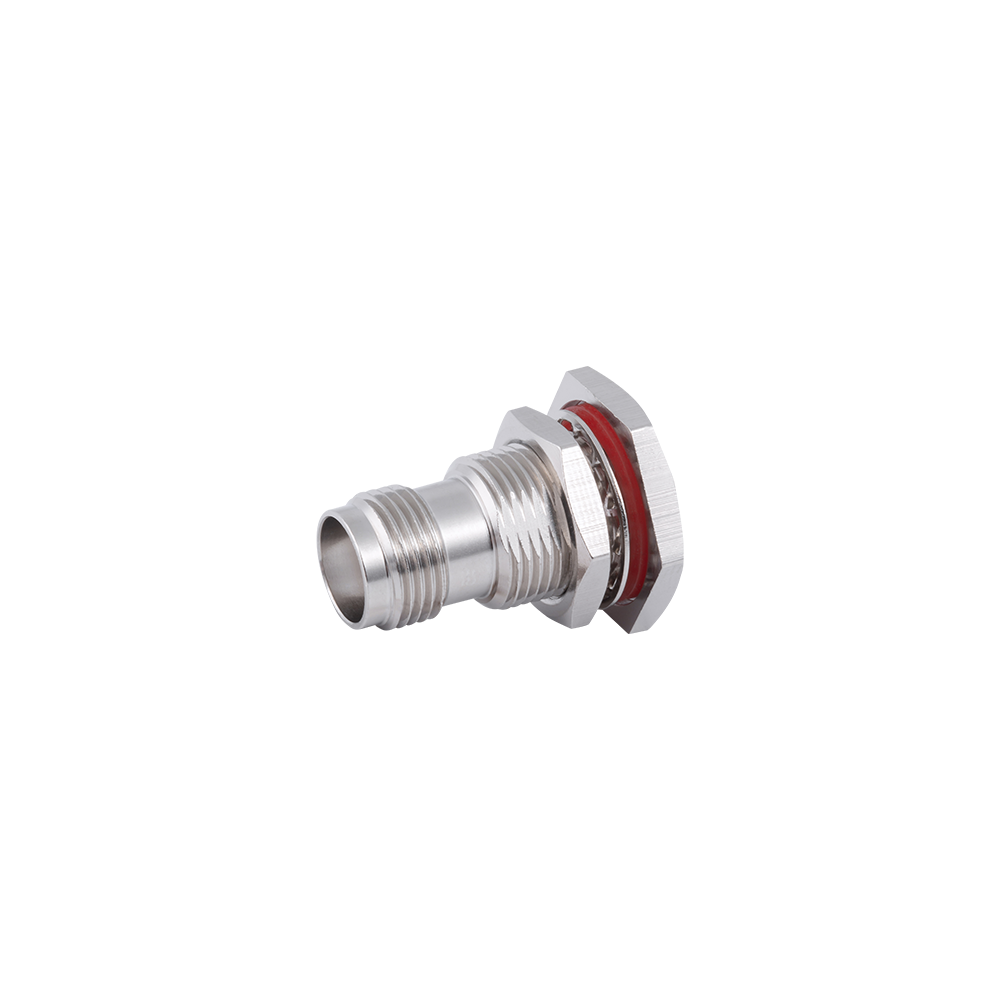
TNC (Threaded Neill–Concelman) connectors for semi-rigid and semi-flexible cable bring the vibration resistance and broader frequency performance of the TNC threaded coupling interface to precision cable assemblies where a fixed, formed cable path is required. Operating from DC to 11 GHz—nearly three times the upper limit of BNC—this product is the preferred choice for microwave-frequency sub-assemblies inside radar systems, base station feeder networks, and aerospace instrument packages where signal integrity must be maintained under sustained mechanical stress.
Semi-rigid cable with its solid outer conductor provides exceptional shielding effectiveness (typically >100 dB), making it indispensable in sensitive receiver front-ends where any leakage path would degrade noise figure. Semi-flexible cable offers a controlled-flexibility alternative for bench-top and field-deployable assemblies that require occasional repositioning.
Key Features
Threaded coupling mechanism delivers secure, torque-controlled mating that withstands high-amplitude vibration profiles far beyond what bayonet-lock connectors can reliably sustain—critical for airborne, shipborne, and vehicle-mounted radar assemblies.
Frequency performance extends to 11 GHz, enabling use in S-band, C-band, and lower X-band microwave systems without connector substitution as system bandwidth expands.
50Ω characteristic impedance maintained throughout the connector–cable interface through precision-controlled center pin diameter, dielectric length, and outer conductor bore.
Compatible with standard semi-rigid cable sizes including 0.047", 0.085", and 0.141" OD; semi-flexible variants for common equivalent cable families also supported.
Available in straight and right-angle configurations; right-angle versions incorporate a precision-formed 90° transition that preserves VSWR ≤ 1.30 at 3 GHz.
Silver and gold contact plating options; passivated stainless steel or nickel-plated brass body materials for corrosion resistance in harsh deployment environments.
Competitive Advantages
Jingcheng's in-house engineering R&D center specializes in impedance-critical connector design. For semi-rigid cable assemblies, the team can review customer cable routing drawings and recommend connector configurations that minimize transmission line discontinuities at every bend and termination point.
GJB9001A military quality system certification means manufacturing discipline equivalent to defense-procurement standards is applied to every commercial production run—giving OEM buyers confidence that connector-to-connector consistency will not degrade as order volumes scale.
Reference to MIL-C-39012 and IEC 169 international standards in the design and test process allows customers to reference Jingcheng's TNC connectors in technical documentation targeting both domestic and international regulatory frameworks without re-qualification.
With nearly 200 advanced production and inspection machines and an Agilent network analyzer fleet for electrical validation, Jingcheng can provide per-batch insertion loss and VSWR test data.
Typical Applications
Radar signal processing front-end cable assemblies (early warning, surveillance, fire-control radar)
Microwave backhaul and base station internal feeder assemblies
Aerospace avionics bay RF cable routing and LRU interconnects
Shipborne communication system and electronic warfare equipment internal wiring
Test and measurement VNA and spectrum analyzer port extensions
FAQ
Q: Why choose TNC over BNC for semi-rigid cable assemblies?
A: The threaded coupling of TNC provides significantly greater resistance to vibration-induced loosening compared to BNC's quarter-turn bayonet lock. TNC also supports operation to 11 GHz versus BNC's 4 GHz ceiling, making it the required choice for microwave applications above 4 GHz and any application where mechanical security under sustained vibration is a design requirement.
Q: Can custom cable-to-connector combinations outside the standard catalogue be quoted?
A: Yes. Jingcheng's engineering team can configure connectors for non-standard semi-rigid ODs or specialized cable jacket materials. Submit your cable drawing and required connector interface type; feasibility and lead time are typically confirmed within 3–5 business days.
Q: What torque specification is recommended for TNC mating?
A: Standard TNC mating torque is typically 1.0–1.36 N·m (9–12 in-lb) for brass/stainless interfaces. Over-torquing damages the thread and center contact; under-torquing increases contact resistance and VSWR. We recommend providing customers with a torque-controlled wrench specification in the assembly instruction for their end product.
Q: Are reverse-polarity (RP-TNC) versions available?
A: Yes. Reverse-polarity TNC connectors with inverted center contact gender are available for applications such as WiFi antenna connections where RP interfaces are specified. Please indicate RP-TNC in your order or inquiry.
|
Temperature Range |
-55~+155℃ |
|
Impedance |
50Ω |
|
Frequency Range |
DC~11GHz |
|
Insulation resistance |
≥5000MΩ |
|
Insertion loss |
≤0.20 dB/1GHz |
|
VSWR |
Straight ≤1.22/3GHz |
|
Right angle |
≤1.30/3GHz |
|
Durability(mating) |
≥500 (cycles) |