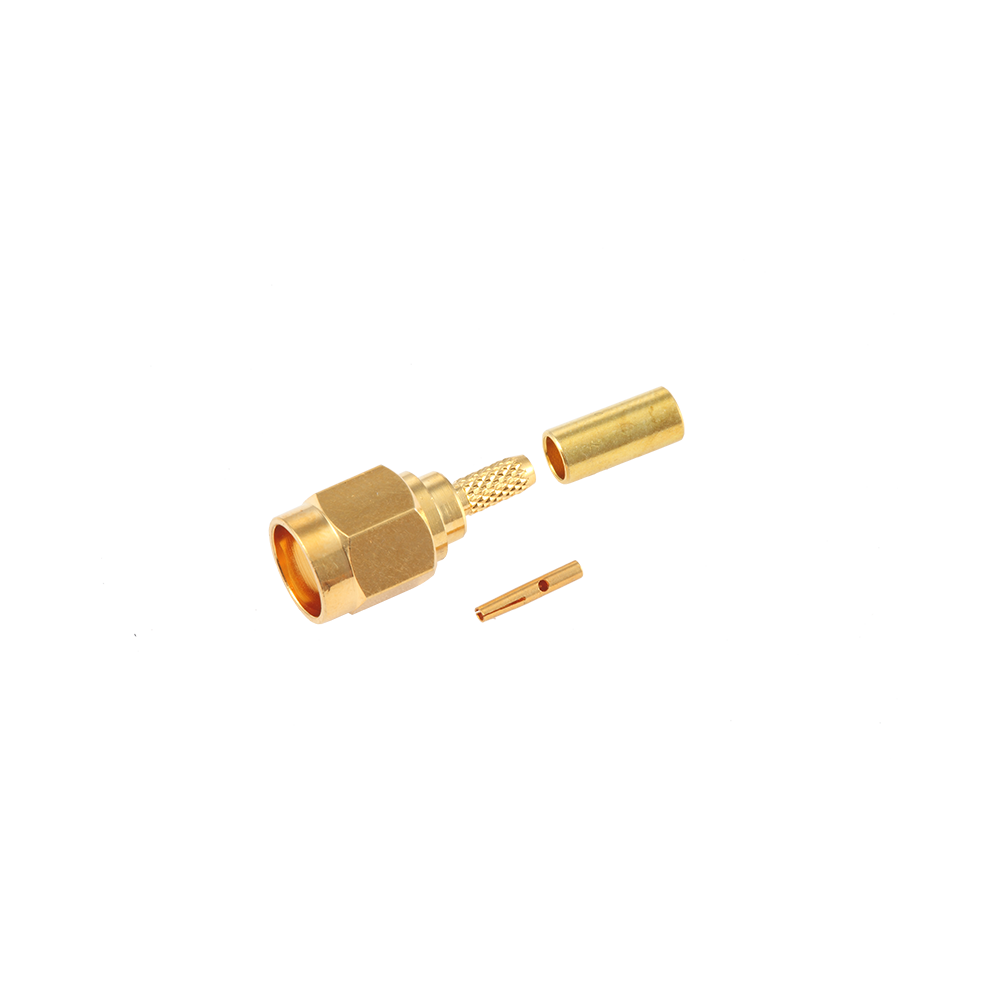
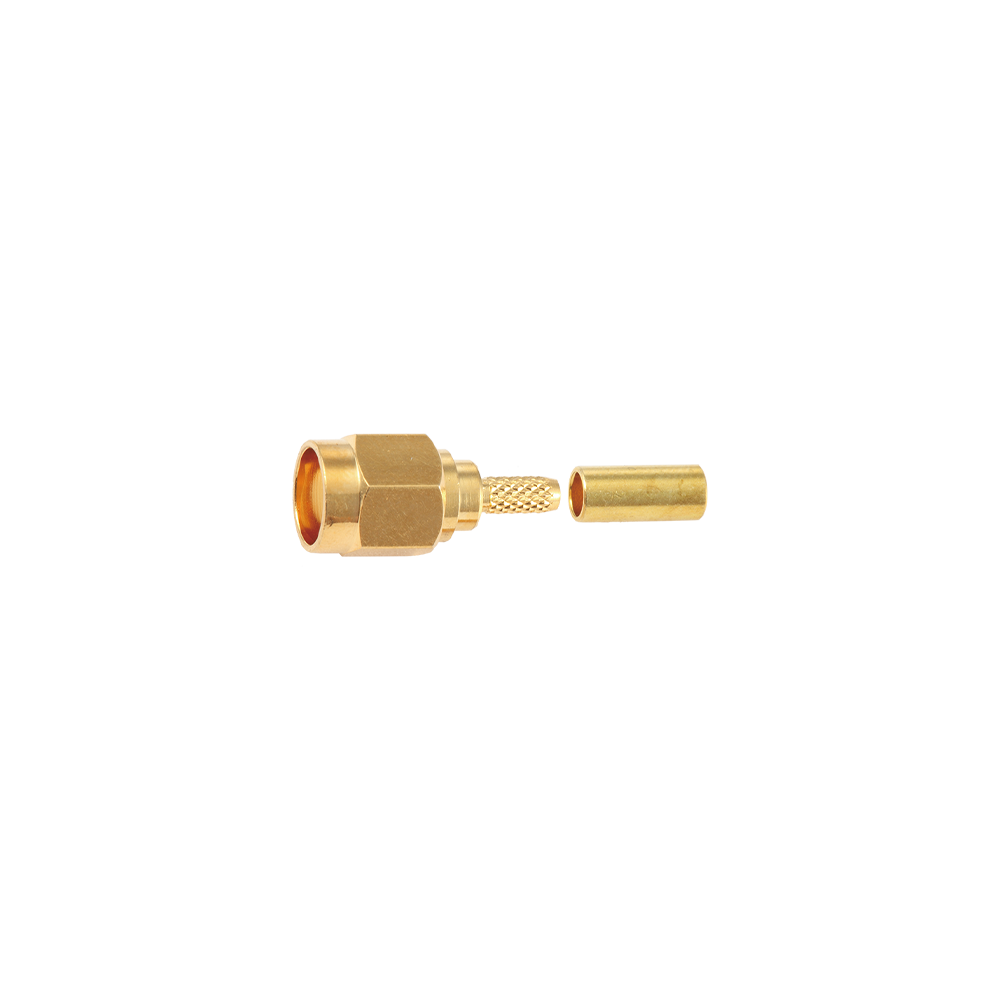
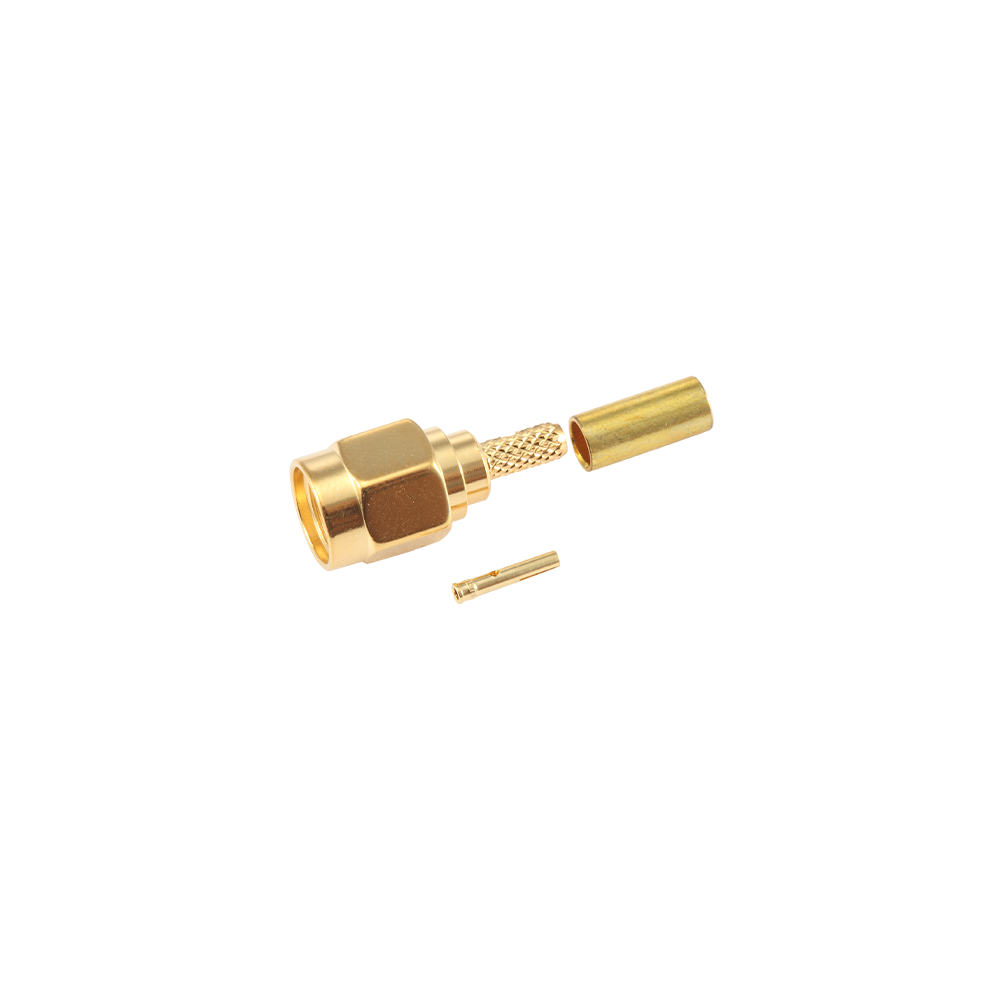
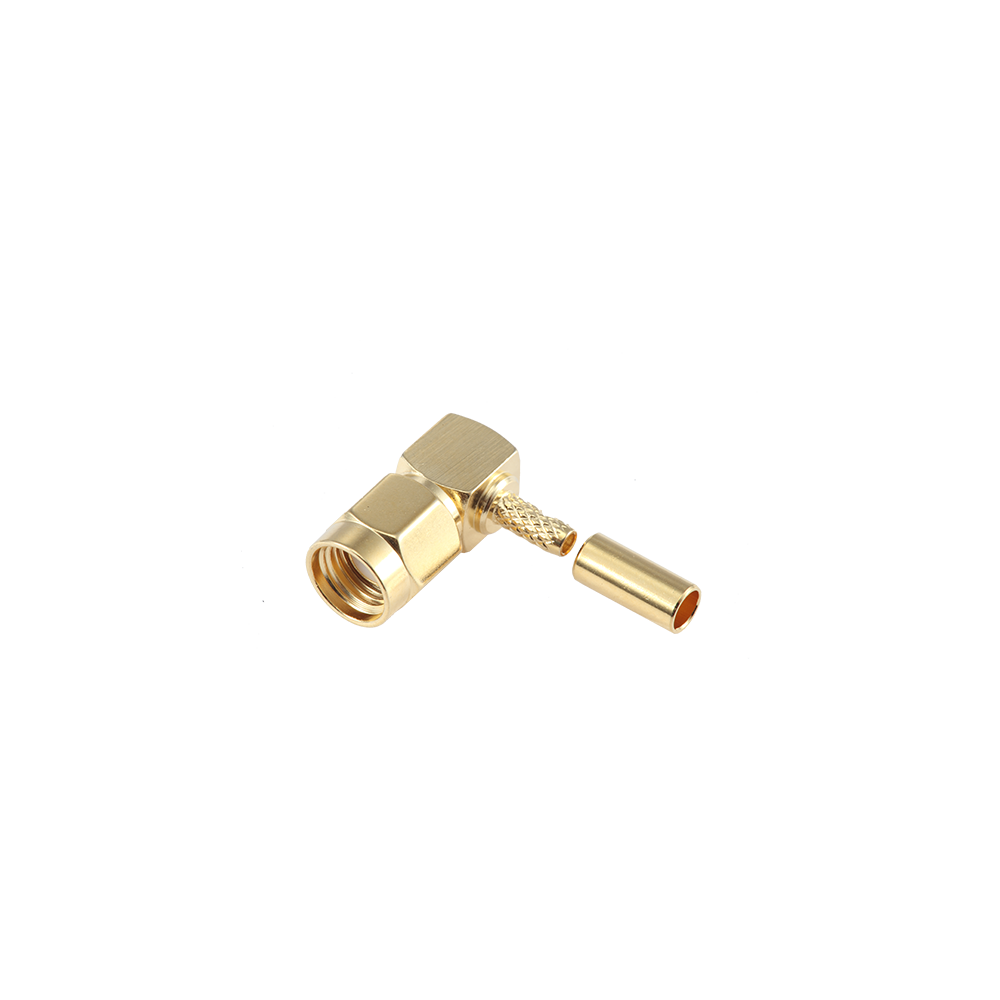
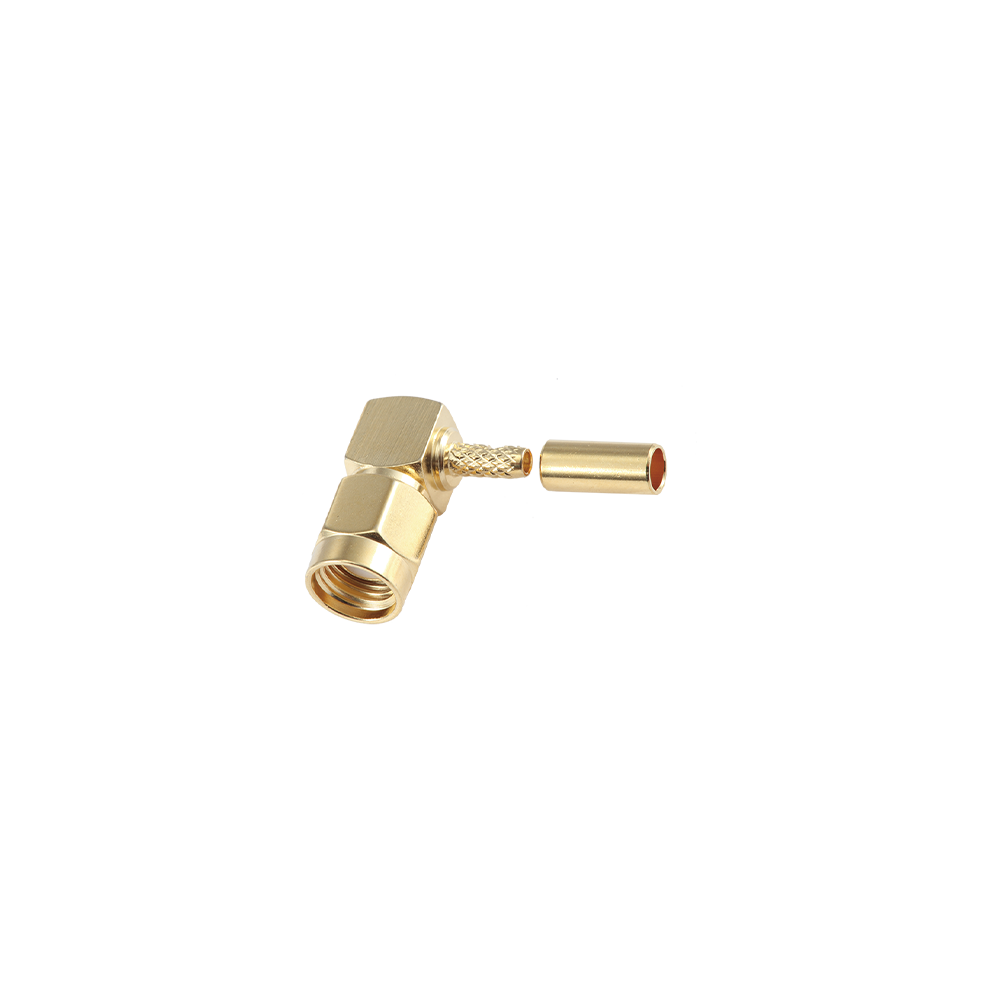
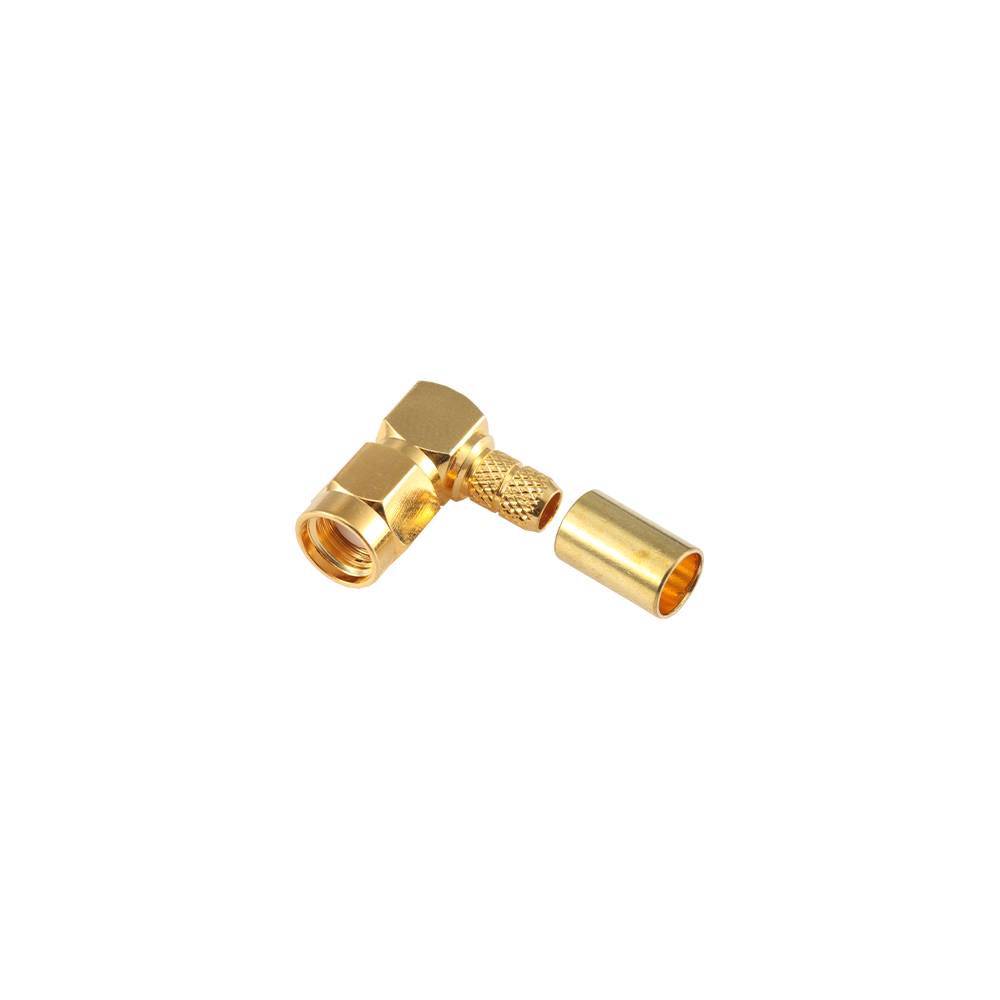
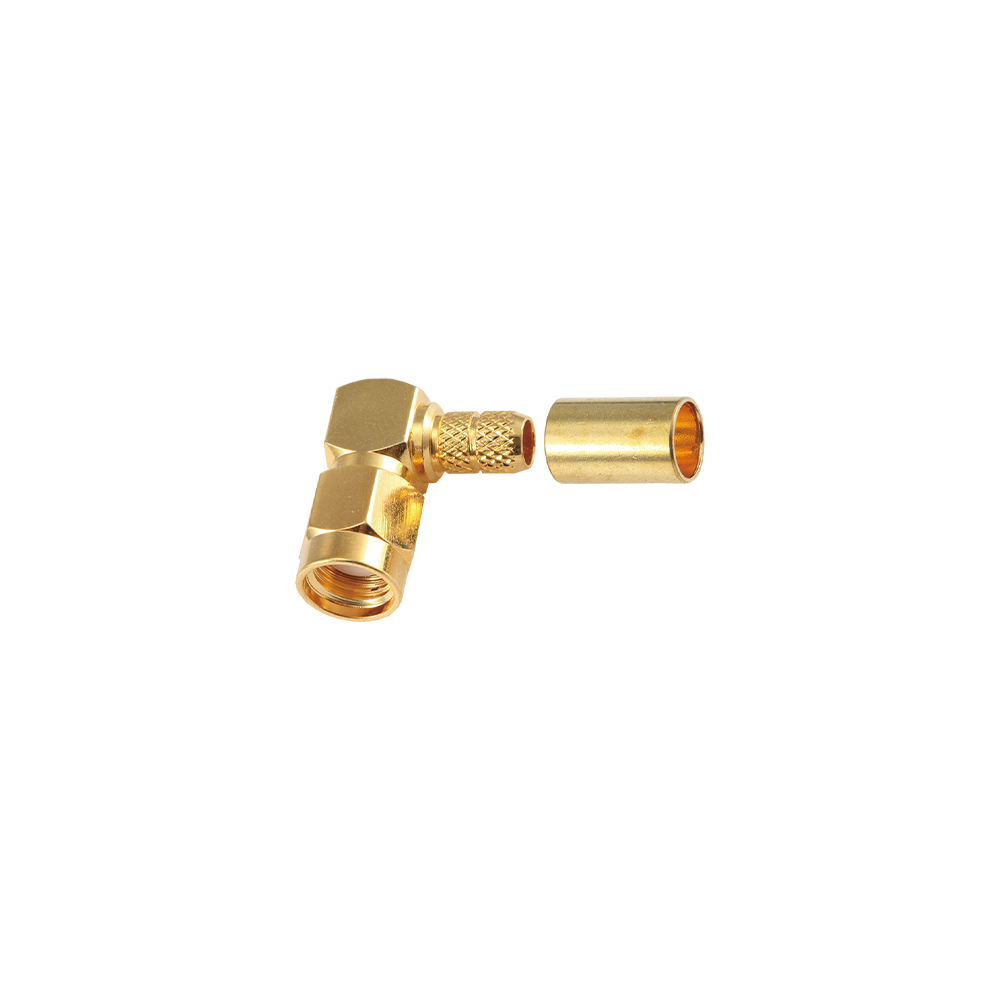
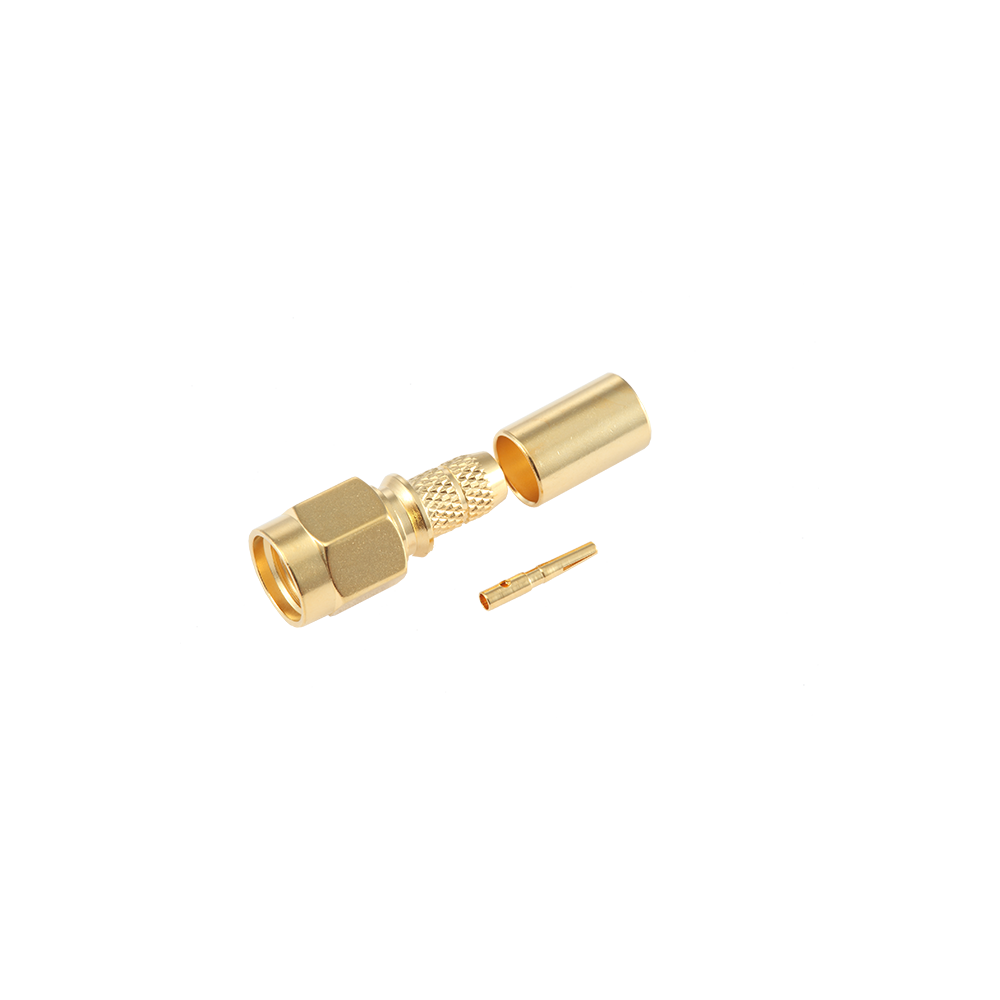
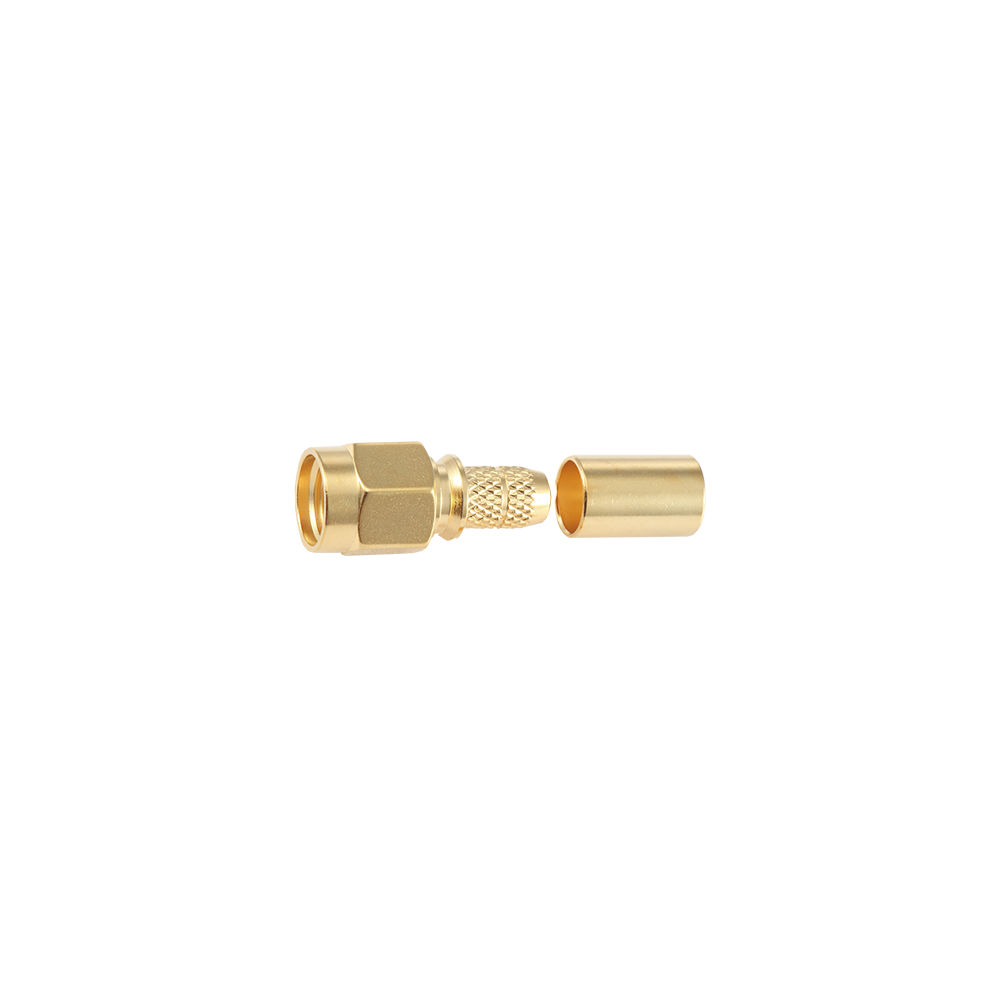
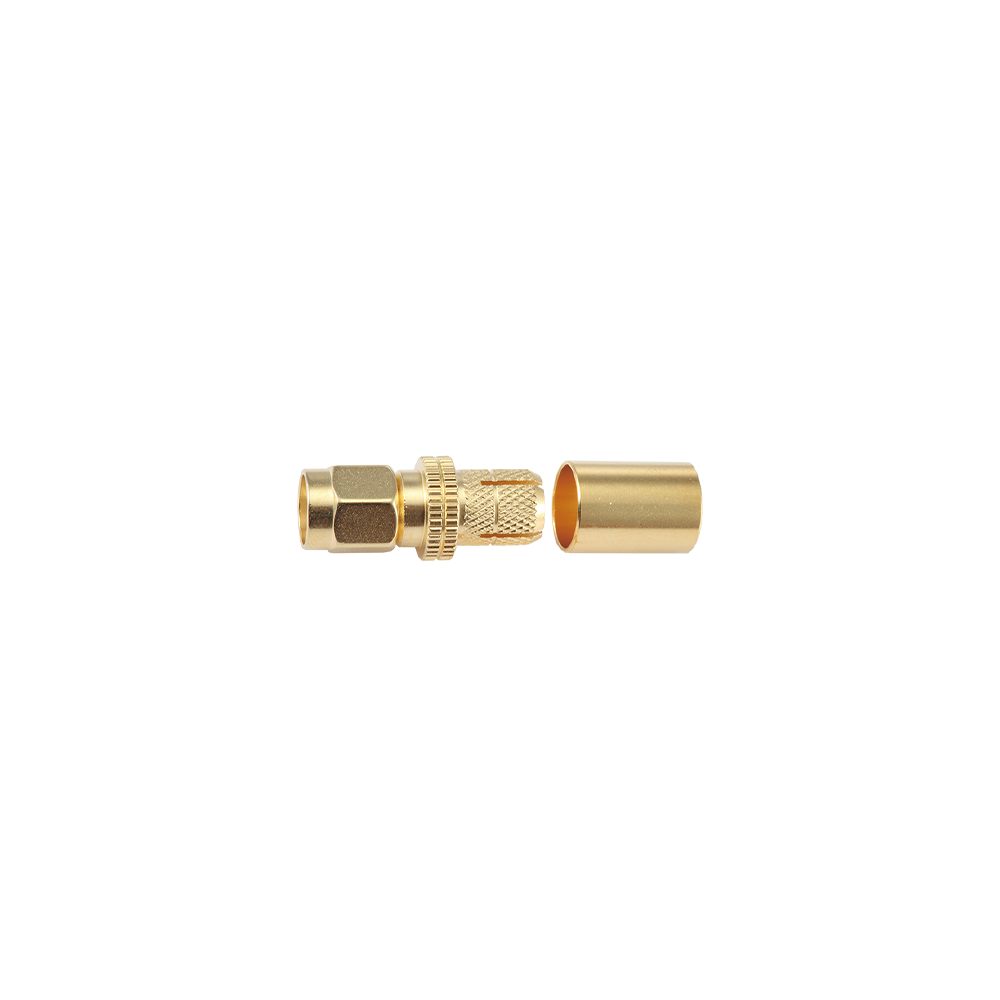
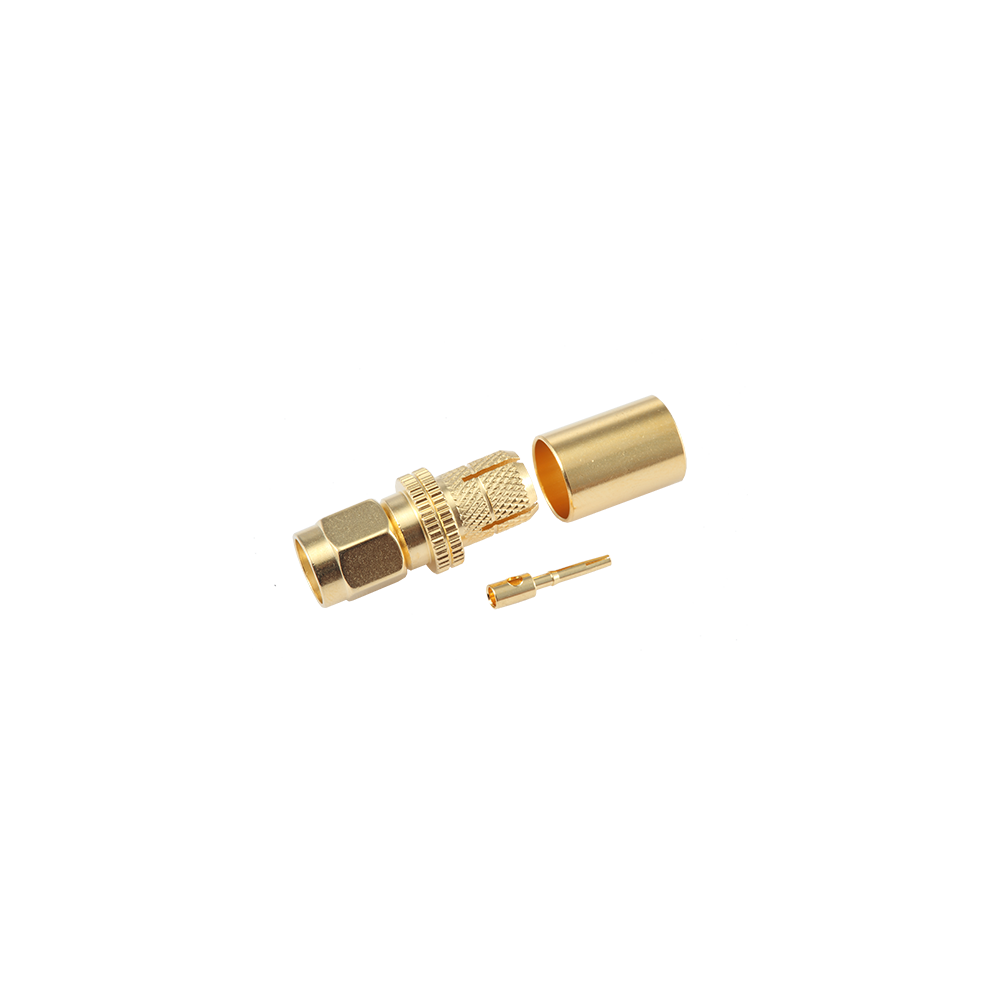
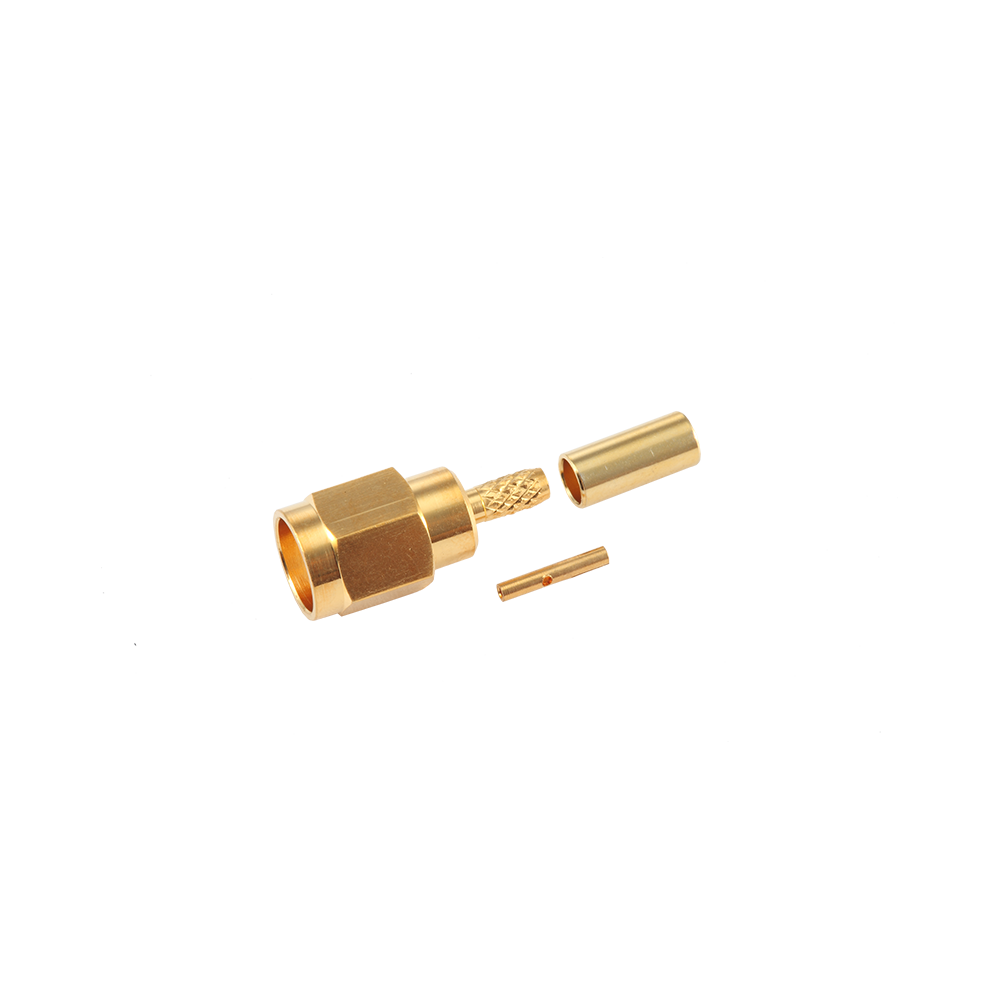
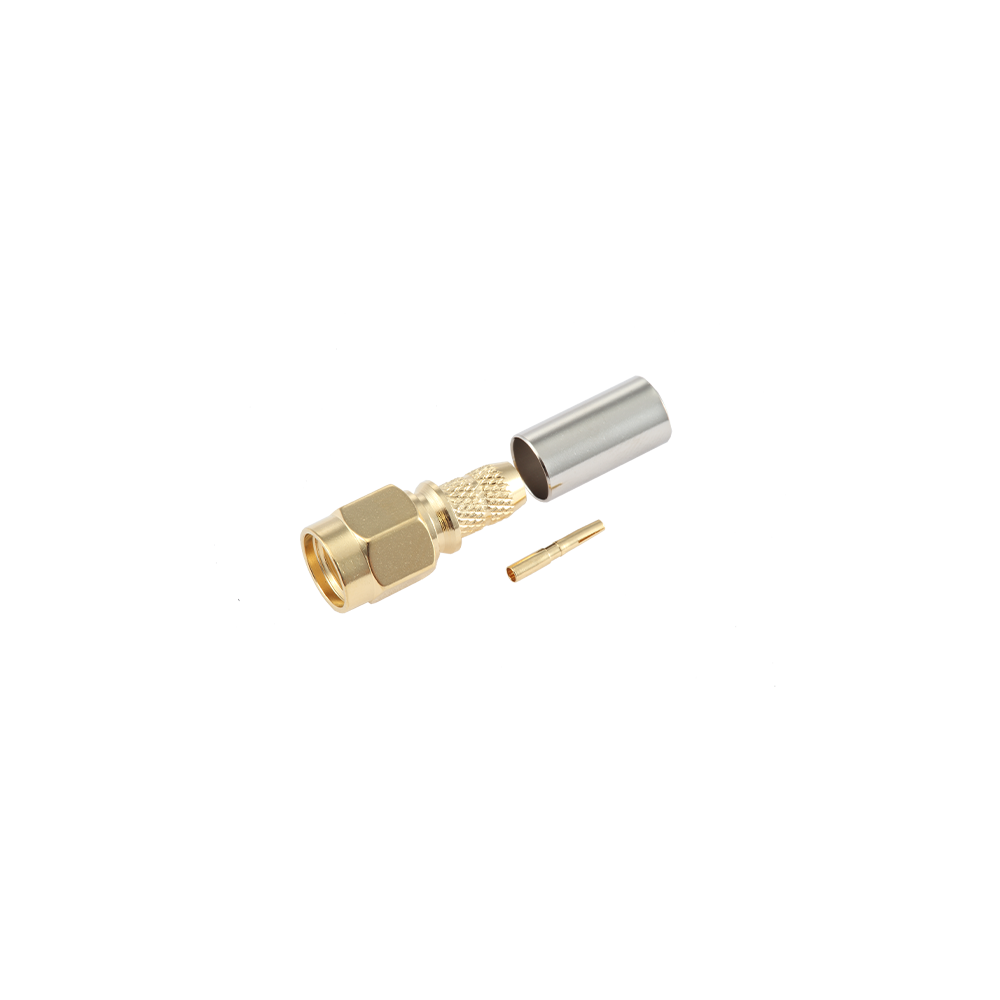
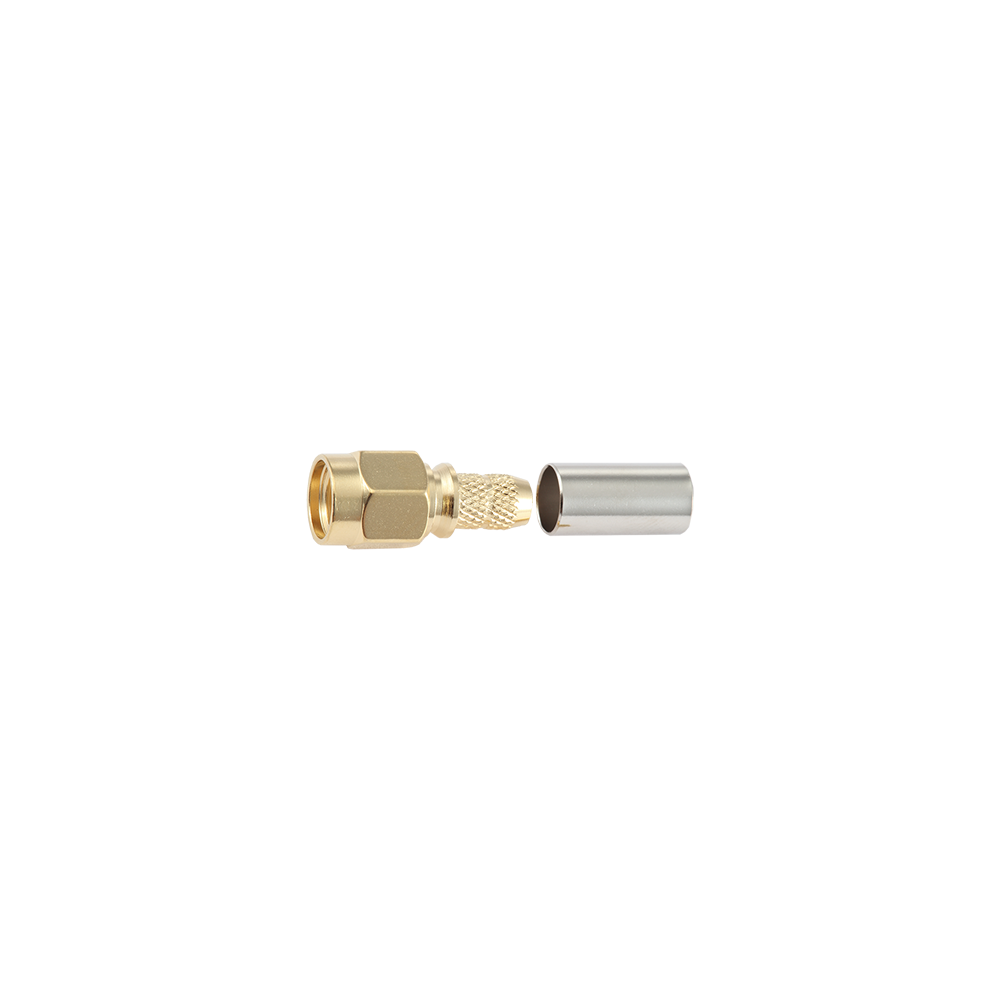
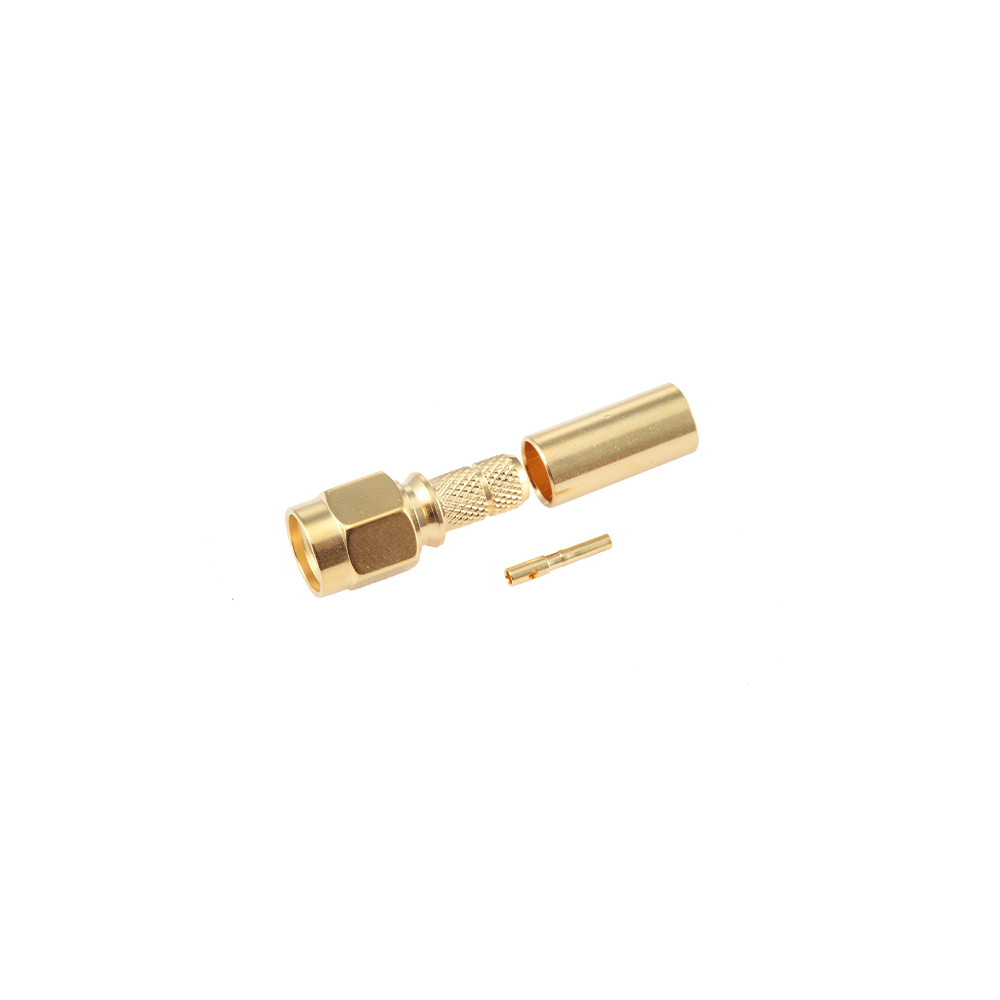
The RPSMA connector (Reverse Polarity SMA) is a variant of the SMA interface in which the center contact position is reversed relative to the standard SMA connector, while the outer threaded coupling remains unchanged. This reversal is a common requirement for certain categories of wireless equipment. When paired with flexible cable, RPSMA connectors are used to build cable assemblies that can be routed and bent repeatedly during installation and use. As a manufacturer of RF coaxial connectors since 1999, Yangzhou Jingcheng Electronics Co., Ltd (JC Company) produces RPSMA connectors for a range of flexible cable sizes and cable assembly configurations.
Reverse Polarity Design Principle
In a standard SMA connector, the plug carries the center pin and the jack carries the center socket. In an RPSMA connector, this arrangement is reversed: the RPSMA plug contains a center socket, and the RPSMA jack contains a center pin. Because the outer thread interface is unchanged, an RPSMA connector can be threaded onto a standard SMA connector, but the center contacts will not engage, so no signal path is formed. This distinguishes RPSMA from standard SMA at the electrical contact level only.
Flexible Cable Characteristics
Flexible cable generally consists of a center conductor, dielectric insulation, a braided or served outer conductor, and an outer jacket. The braided or served outer conductor allows the cable to be bent and routed repeatedly without permanent deformation, which differs from semi-rigid cable that uses a solid tubular outer conductor formed into a fixed shape. Flexible cable is typically identified by common industry designations such as RG174, RG316, and similar types, which vary in outer diameter, attenuation, and voltage rating.
Common Flexible Cable Sizes Used with RPSMA Connectors
| Cable Type |
General Characteristic |
Typical Use |
| RG174 / RG178 |
Smaller outer diameter, higher attenuation per unit length |
Compact internal wiring within devices |
| RG316 |
Similar diameter to RG174 with FEP jacket for higher temperature tolerance |
Applications requiring higher temperature resistance |
| RG58 |
Larger outer diameter, lower attenuation per unit length |
Longer cable runs or external antenna connections |
Termination Methods
RPSMA connectors for flexible cable are generally terminated using one of the following methods:
- Crimp termination, where the connector body and ferrule are mechanically crimped onto the cable outer conductor and jacket
- Clamp termination, where a nut or clamp nut secures the cable within the connector body
- Solder termination of the center contact to the cable center conductor, used in combination with crimp or clamp of the outer conductor
Common Configurations
- RPSMA plug (female contact, male thread) for cable termination
- RPSMA jack (male contact, female thread) for cable termination
- Straight and right-angle body styles, selected based on routing space
- Bulkhead and panel-mount variants for fixed enclosure mounting, connected to flexible cable on one end
Typical Applications
RPSMA connectors terminated on flexible cable are used in RF systems that require routing flexibility together with a reverse polarity interface, including:
- Wi-Fi and wireless local area network (WLAN) equipment
- External and internal antenna connections for routers and access points
- Machine-to-machine (M2M) and IoT communication modules
- Jumper cable assemblies connecting internal boards to external antenna ports
Key Technical Parameters
| Parameter |
General Reference Range |
| Impedance |
50 ohm |
| Frequency range |
DC to several GHz, depending on connector series and cable size |
| Mating cycles |
Rated according to threaded coupling design, typically several hundred cycles |
| Contact materials |
Brass or beryllium copper body with gold or other plating on contact areas |
Selection Considerations
When selecting an RPSMA connector for a flexible cable assembly, the following factors are typically reviewed:
- Cable outer diameter, to match the connector crimp or clamp size
- Required plug or jack polarity based on the mating equipment interface
- Operating frequency range and attenuation requirement of the system
- Mounting requirement, such as bulkhead, panel, or free cable end
- Bend radius and flex cycle requirement during installation and service
Frequently Asked Questions
What is the difference between RPSMA and standard SMA?
The outer thread coupling is the same, but the center contact position is reversed. This prevents an RPSMA connector from electrically mating with a standard SMA connector, even though the threads can engage.
Can RPSMA connectors be used with any flexible cable diameter?
No. The connector crimp ferrule or clamp size is matched to a specific cable outer diameter range, so the connector part must be selected according to the cable type being used.
Is flexible cable suitable for repeated bending during use?
Flexible cable with a braided or served outer conductor is designed to tolerate repeated bending within its rated bend radius, which differs from semi-rigid cable that is formed once into a fixed shape.


 English
 中文简体
中文简体