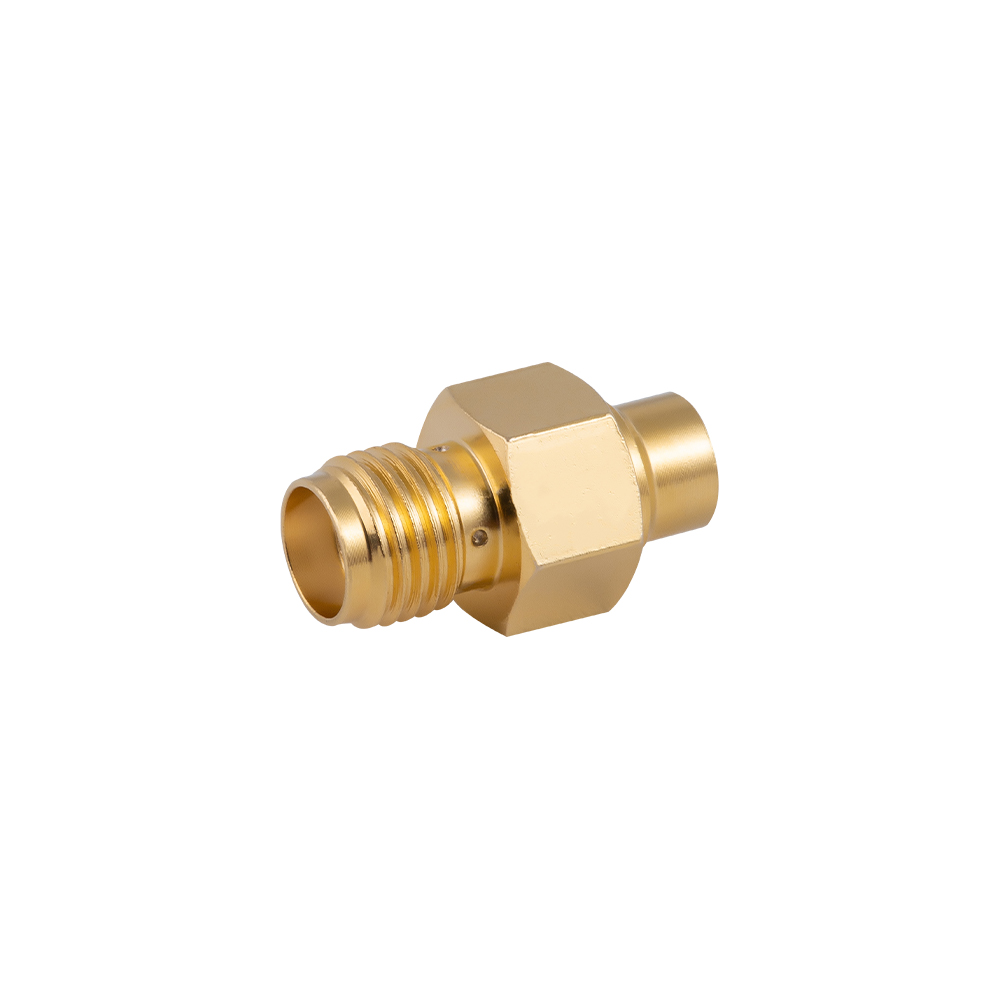
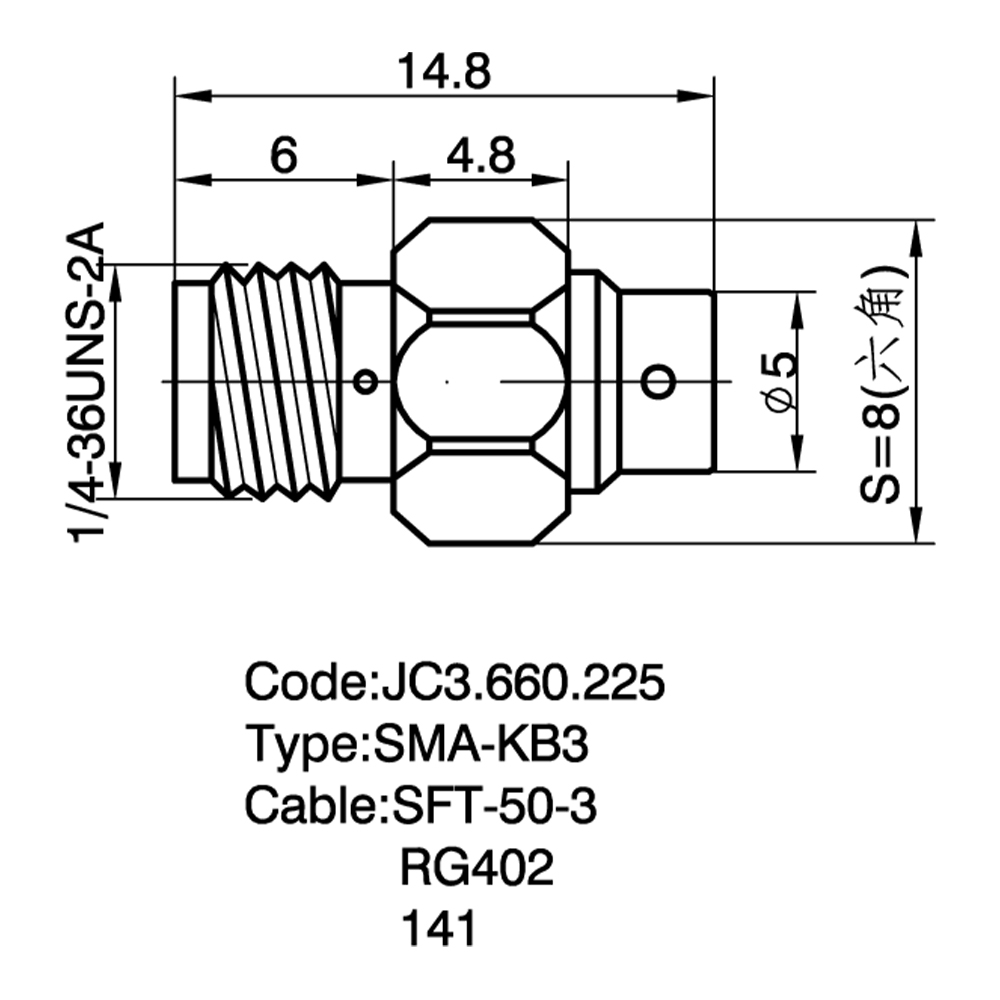
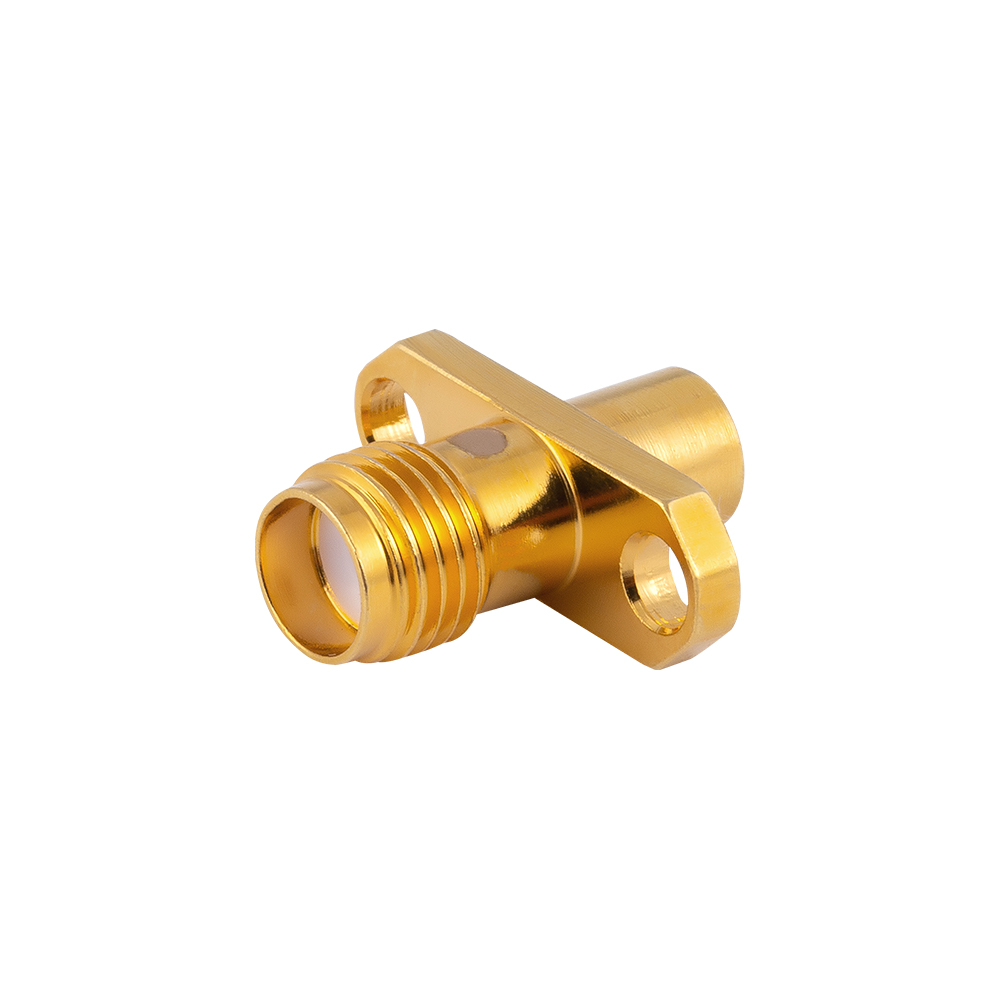
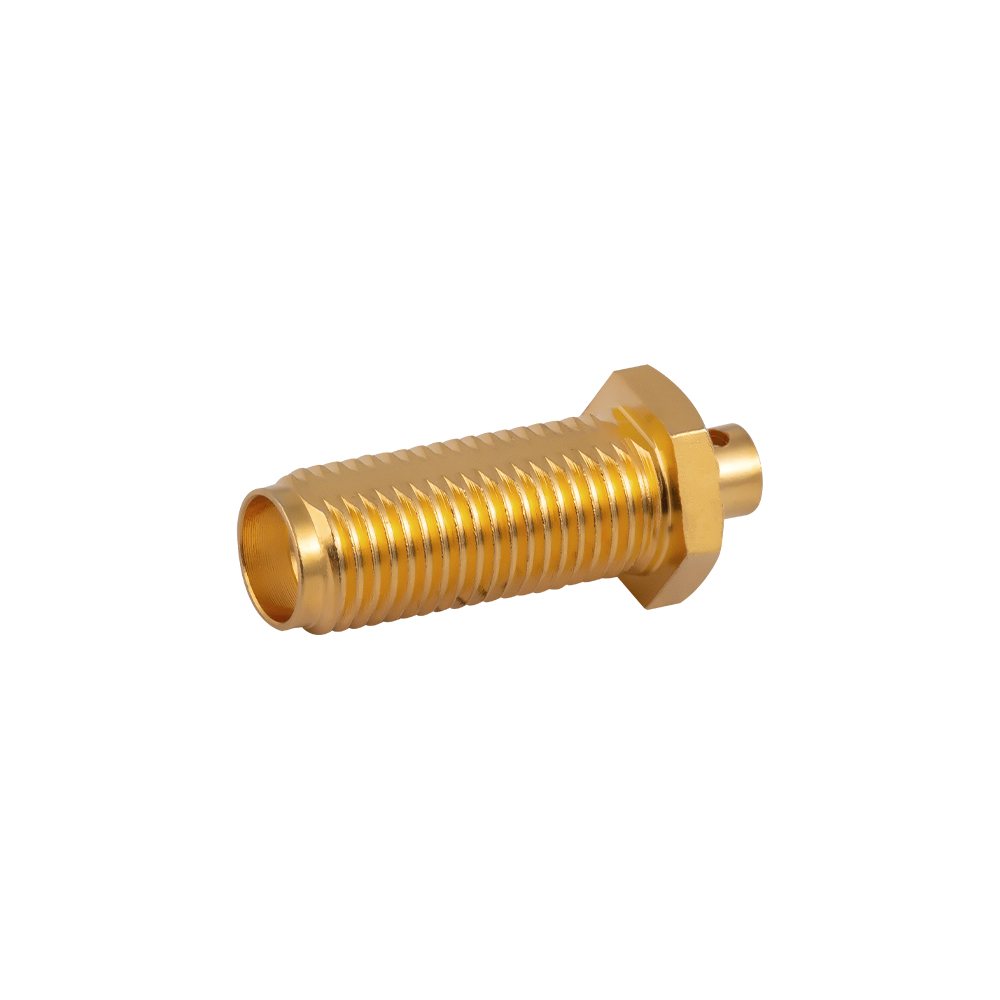
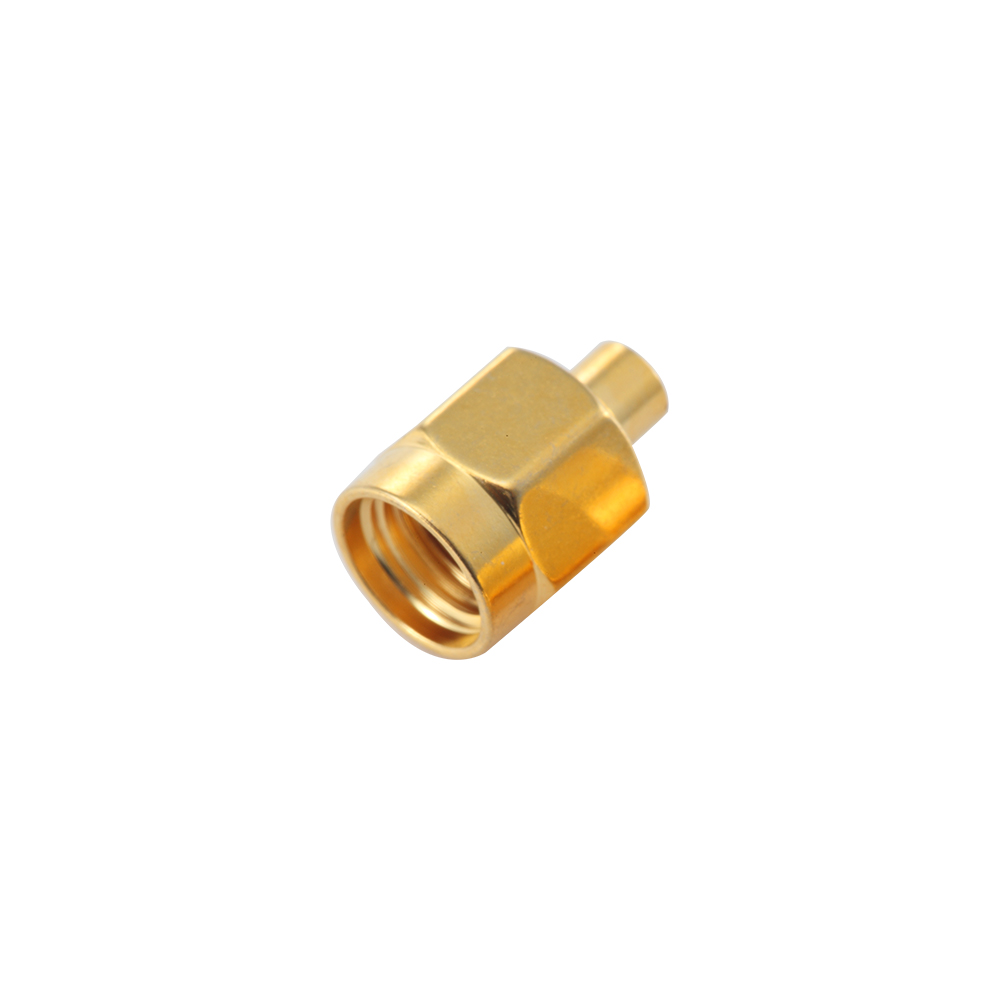
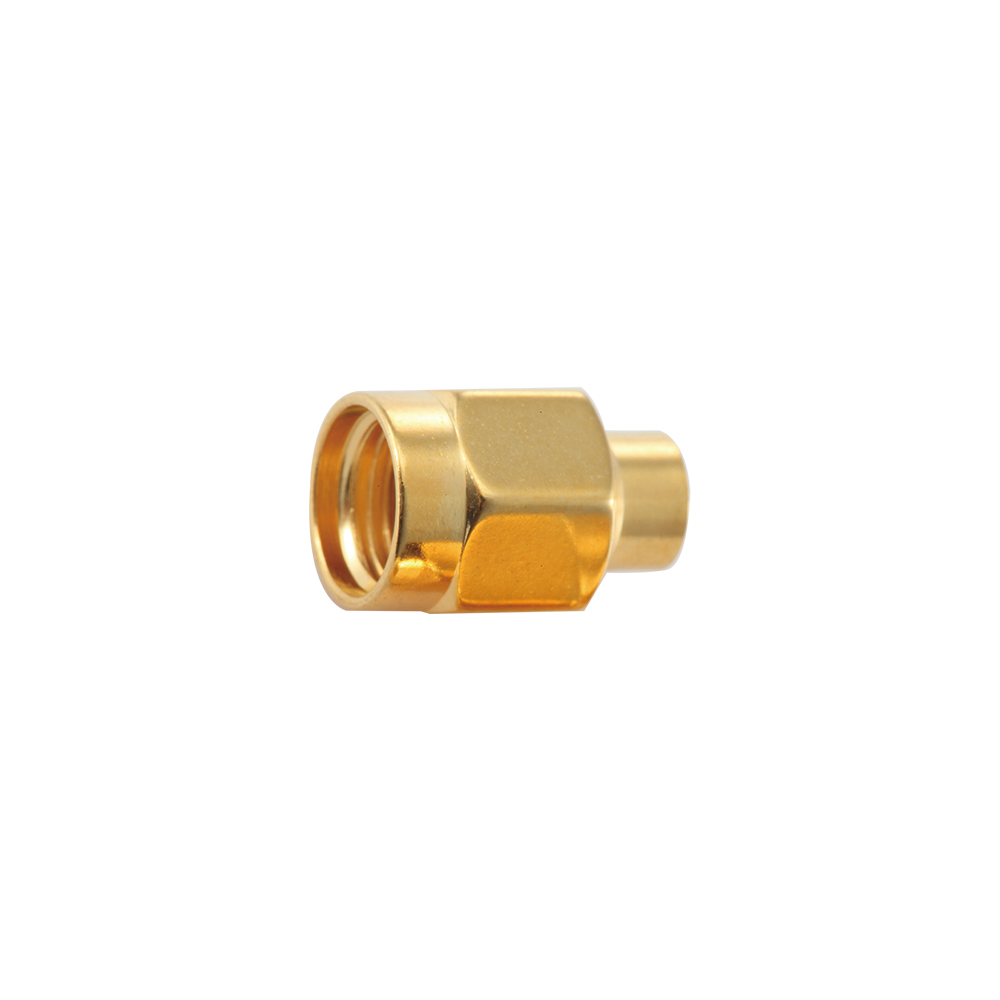
A comprehensive technical overview of SMA RF connectors designed for semi-rigid and semi-flexible coaxial cables — covering common types, performance characteristics, application scenarios, selection guidelines, and frequently asked questions. Manufactured with precision by Yangzhou Jingcheng Electronics Co., Ltd.
SMA RF connectors for semi-rigid and semi-flexible cables serve as precision interconnection solutions in radio frequency systems where mechanical stability, low insertion loss, and consistent impedance matching are critical. This product category encompasses a wide range of SMA RF connectors specifically engineered for direct attachment to semi-rigid (solid outer conductor) and semi-flexible (tin-soaked braided outer conductor) cable types. These SMA RF connectors share a unified design purpose: to provide a reliable 50-ohm interface with minimal signal degradation across frequencies typically spanning DC to 18 GHz, with precision variants extending to 26.5 GHz.
The core performance attributes across this category include gold-plated beryllium copper or phosphor bronze center contacts for enhanced conductivity and corrosion resistance, stainless steel or brass bodies with passivation or nickel plating, and PTFE dielectric insulators that maintain phase stability over a wide temperature range. Every connector variant within this classification is built to achieve low VSWR (Voltage Standing Wave Ratio) — commonly below 1.15:1 at 6 GHz and below 1.25:1 at 18 GHz — ensuring efficient signal transmission in demanding RF pathways. The mechanical design accommodates various cable outer diameters while preserving the concentricity required for high-frequency performance. Yangzhou Jingcheng Electronics Co., Ltd. has been producing these connectors since 1999, utilizing advanced CNC machining centers and vector network analyzers for rigorous quality verification.
Common Types & Characteristics
The following table summarizes the primary configurations available for SMA connectors used with semi-rigid and semi-flexible cables. Each type is designed to address specific installation requirements while maintaining the electrical integrity expected from precision RF interconnects.
| Connector Type |
Body Style |
Typical Cable Compatibility |
Key Characteristic |
Common Frequency Range |
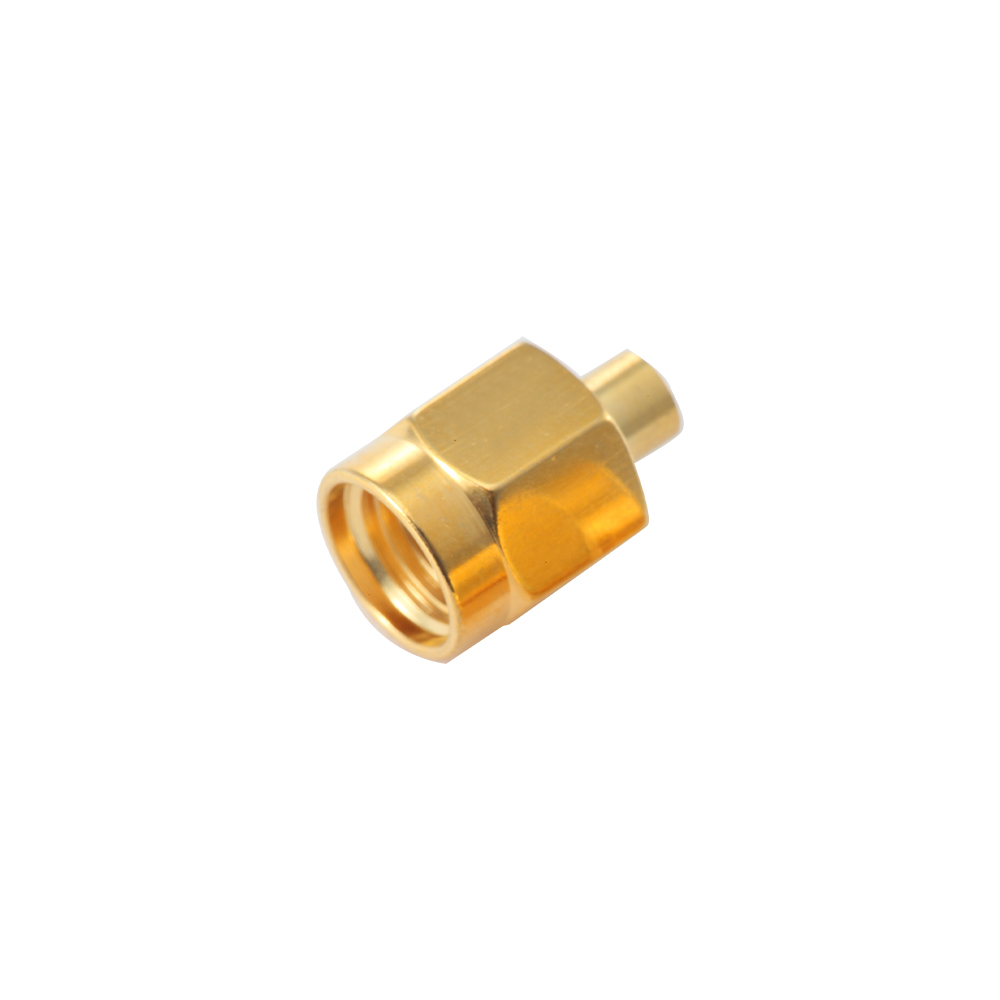
| SMA Straight Plug (Male) |
Cylindrical, threaded coupling |
RG402, RG405, 0.141" semi-rigid; 0.141" semi-flexible |
Direct solder or clamp attachment; lowest insertion loss configuration |
DC – 18 GHz (standard), DC – 26.5 GHz (precision) |
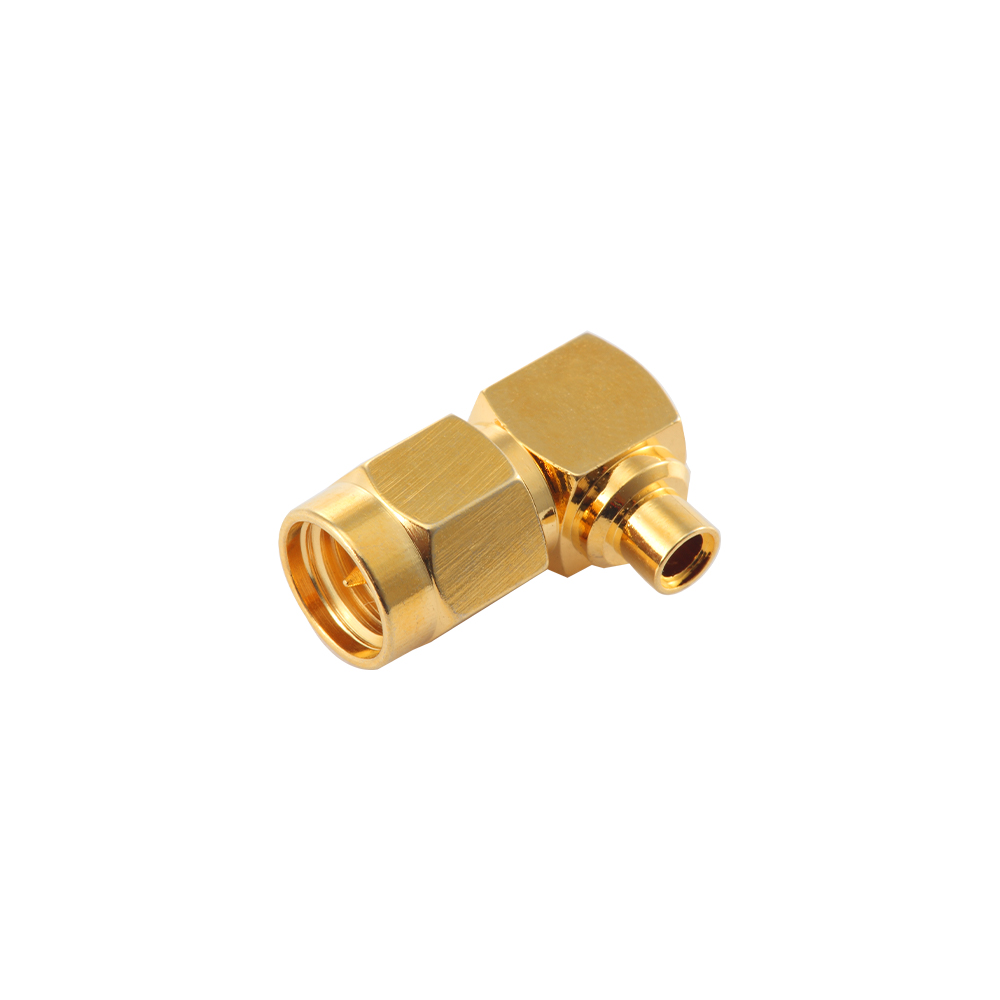
| SMA Right-Angle Plug |
90-degree body transition |
RG402, RG405, 0.086" semi-rigid |
Space-saving routing; slightly higher insertion loss than straight type |
DC – 12.4 GHz (typical) |
| SMA Straight Jack (Female, Bulkhead) |
Flange or panel mount with threaded barrel |
Accepts mating plug; often paired with semi-rigid cable assemblies |
Common in enclosure feedthrough applications; 2-hole or 4-hole flange |
DC – 18 GHz |
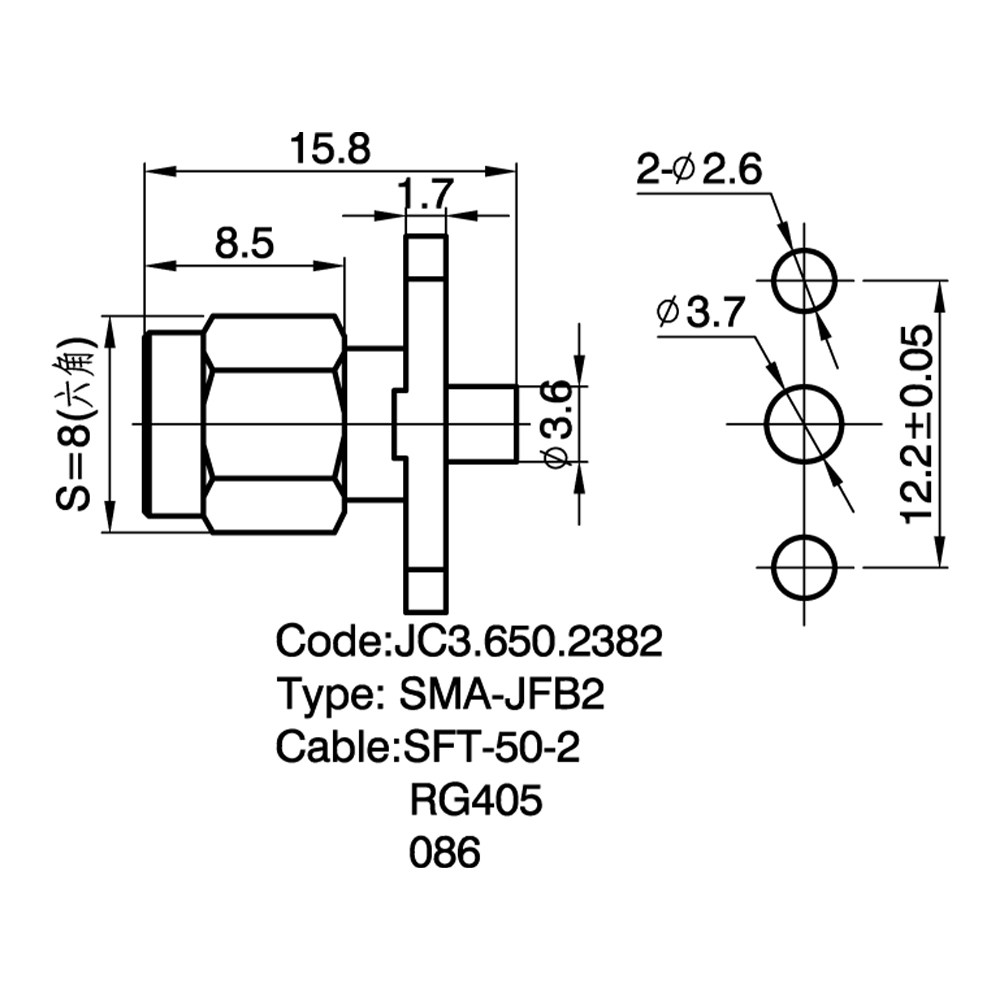
| SMA Straight Jack (Female, 4-Hole Flange) |
Square flange, 4 mounting holes |
Mates with SMA plug connectors on semi-rigid/semi-flexible cables |
Secure panel mounting; robust mechanical retention |
DC – 18 GHz |
| SMA End-Launch / Edge-Mount |
PCB edge-mount body |
0.047", 0.086" semi-rigid; semi-flexible jumpers |
Optimized for PCB-to-cable transitions; minimized stub length |
DC – 26.5 GHz |
| SMA Bulkhead Feedthrough (Female-Female) |
Double-ended jack, threaded barrel |
Interconnects two SMA plug-terminated semi-rigid cable assemblies |
Enables signal pass-through across panel walls |
DC – 18 GHz |
Solder Attachment Clamp Attachment Gold-Plated Contacts PTFE Dielectric Stainless Steel Body 50 Ohm Impedance Low VSWR DC–18 GHz Precision Grade Available
Semi-rigid vs. Semi-flexible Cable: Connector Considerations
While both cable types share the same SMA connector interface standard, the attachment method and mechanical behavior differ. Selecting the correct SMA RF connector variant for each cable type is essential for long-term reliability.
Semi-rigid Cable Connectors
- Outer conductor: Solid copper or aluminum tube, tin-plated or bare
- Attachment: Predominantly solder-type; some clamp designs available
- Bend characteristic: Formed once during installation; not intended for repeated flexing
- Shielding effectiveness: Excellent — solid outer conductor provides near-perfect RF shielding
- Phase stability: Superior phase vs. temperature and flexure performance
- Typical applications: Aerospace, defense, test & measurement, phased array systems
- Connector emphasis: Precise solder fixturing; thermal compatibility of solder cup with cable jacket
Semi-flexible Cable Connectors
- Outer conductor: Tin-soaked copper braid over a foil layer; provides flexibility with good shielding
- Attachment: Solder or clamp; clamp types allow field installation without soldering equipment
- Bend characteristic: Can be re-routed multiple times; retains shape after bending
- Shielding effectiveness: Very good — typically >90 dB at 1 GHz
- Phase stability: Good; slightly more variation under flexure compared to semi-rigid
- Typical applications: Telecommunications, base stations, in-rack cabling, general-purpose RF links
- Connector emphasis: Robust clamp mechanism; consistent contact pressure on braided outer conductor
Application Scenarios
SMA connectors for semi-rigid and semi-flexible cables are deployed across industries where signal fidelity and mechanical durability are non-negotiable. Common application environments include:
- Wireless Communication Infrastructure: Interconnecting filters, amplifiers, and antennas within base station enclosures. Semi-flexible cable assemblies with SMA connectors facilitate internal RF routing in 4G, 5G, and backhaul equipment.
- Test & Measurement Instrumentation: Vector network analyzers, spectrum analyzers, and signal generators frequently use semi-rigid SMA-terminated cables for calibration kits and precision test ports due to their phase-stable characteristics.
- Aerospace & Defense Systems: Radar modules, electronic warfare suites, and satellite communication payloads rely on semi-rigid SMA assemblies for lightweight, high-reliability interconnects that withstand vibration and thermal cycling.
- Medical Imaging Equipment: MRI coil connections and RF ablation systems utilize SMA semi-flexible jumpers for their combination of shielding and manageable flexibility in confined instrument layouts.
- Automotive Radar & Telematics: 77 GHz radar sensor modules (with compatible precision SMA variants) and V2X communication units employ semi-rigid interconnects for their repeatable electrical performance.
Selection & Sizing Guidelines
Choosing the appropriate SMA connector for a semi-rigid or semi-flexible cable requires evaluation of several interrelated parameters. The following points outline the key considerations during the selection process:
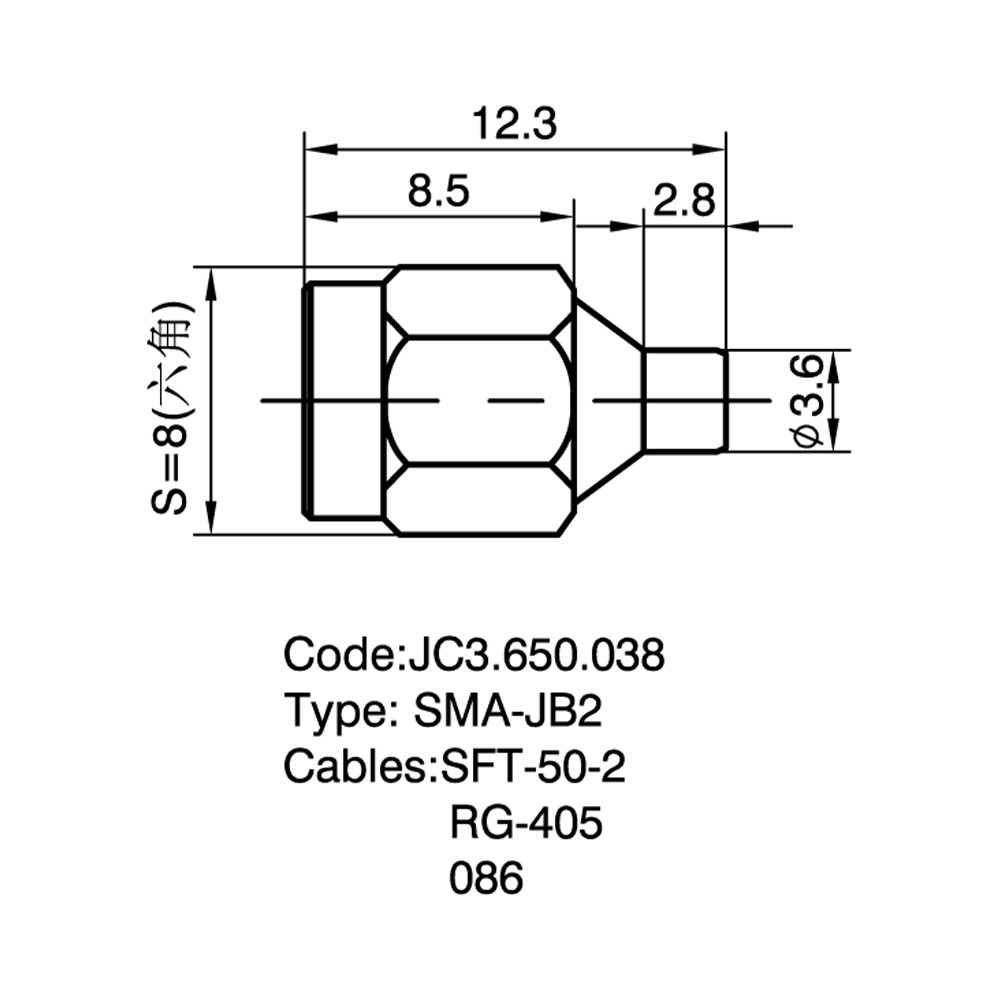
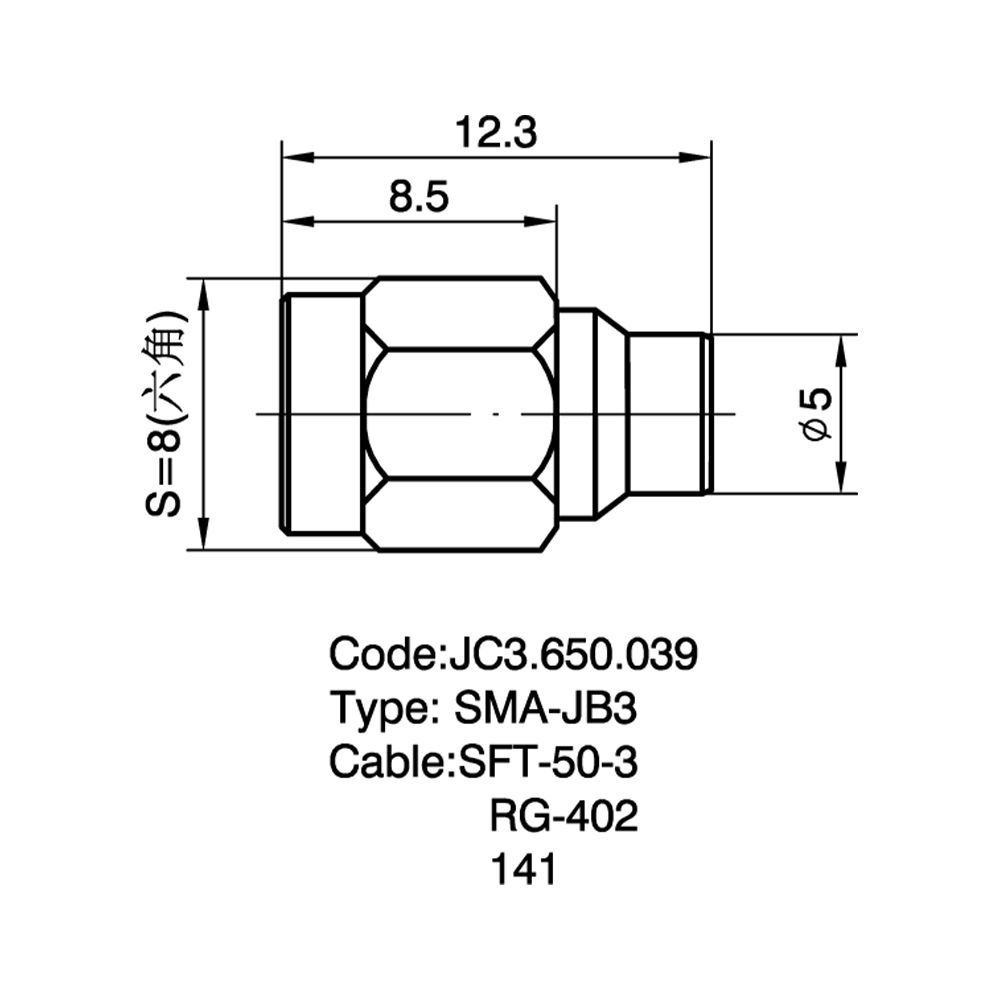
- Cable Outer Diameter (OD): Match the connector's cable entry bore precisely to the cable OD — common sizes include 0.047" (1.19 mm), 0.086" (2.18 mm), and 0.141" (3.58 mm). An undersized or oversized entry compromises solder joint integrity and impedance continuity.
- Frequency Requirement: Standard SMA connectors support DC–18 GHz; for applications exceeding 18 GHz up to 26.5 GHz, precision-grade SMA connectors with tighter dimensional tolerances are recommended. Yangzhou Jingcheng Electronics offers both standard and precision series to cover these ranges.
- Attachment Method: Solder-type connectors provide the most robust electrical bond for semi-rigid cables. Clamp-type connectors are favored for semi-flexible cables in field-installation scenarios where soldering is impractical. Verify that the connector's internal ferrule or solder cup geometry matches the cable construction.
- Body Plating & Material: Stainless steel bodies with passivation offer corrosion resistance for outdoor and marine environments. Brass bodies with nickel or ternary alloy plating provide a cost-effective option for indoor and benign environments. Center contacts are typically gold-plated over beryllium copper for reliable mating cycles.
- Mating Interface Compliance: Ensure the connector complies with MIL-STD-348 or IEC 61169-15 interface dimensions for SMA to guarantee interoperability with third-party equipment. All SMA connectors produced by Yangzhou Jingcheng Electronics adhere to these international interface standards.
- VSWR & Insertion Loss Budget: Review the manufacturer's specified VSWR and insertion loss curves across the operating frequency band. For critical link budgets, connectors with VSWR below 1.10:1 at the upper frequency limit minimize reflective losses.
Frequently Asked Questions
Q: What is the primary difference between an SMA connector for semi-rigid cable and one for flexible RG-type cable?
The main difference lies in the cable entry design. SMA connectors for semi-rigid and semi-flexible cables feature a precision-bored solder cup or clamp ferrule sized to match the specific outer diameter of the solid or tin-soaked braided outer conductor. Connectors for standard flexible cables (e.g., RG58, RG174) typically include a crimp ferrule and a braid capture mechanism designed for stranded outer conductors, which is not suitable for the rigid outer structure of semi-rigid cables. Using the incorrect connector type can result in poor ground contact, impedance discontinuity, and mechanical failure.
Q: Can the same SMA connector be used for both semi-rigid and semi-flexible cables if the outer diameter matches?
In some cases, yes — particularly for solder-type connectors where the cable OD and dielectric diameter are identical between the semi-rigid and semi-flexible variants. However, clamp-type connectors designed for semi-flexible cables may not provide adequate retention on a fully solid semi-rigid outer conductor, and vice versa. It is always recommended to verify compatibility with the connector manufacturer. Yangzhou Jingcheng Electronics provides detailed dimensional drawings and cable compatibility charts for each connector part number to assist with proper selection.
Q: What torque value is recommended for SMA connector mating?
The industry-standard torque for SMA connectors is typically 0.8 to 1.1 N·m (7 to 10 in-lbs). Exceeding this range can damage the threads or distort the interface, while under-torquing may result in higher VSWR and intermittent connections. Using a calibrated torque wrench is strongly advised, especially for precision-grade SMA connectors operating above 18 GHz.
Q: Are reverse-polarity (RP-SMA) versions available for semi-rigid cables?
Yes. Reverse-polarity SMA connectors, which swap the center pin and socket gender while retaining the standard threaded outer body, are available for semi-rigid and semi-flexible cable types. These are commonly used in wireless networking and antenna applications where regulatory compliance requires a non-standard interface. Yangzhou Jingcheng Electronics manufactures RP-SMA connectors across multiple cable entry sizes as part of its reverse-polarity product series.
Q: What testing is performed on SMA connectors before shipment?
At Yangzhou Jingcheng Electronics, each production batch undergoes dimensional inspection using precision optical comparators, contact pin depth and protrusion measurement, VSWR testing with calibrated vector network analyzers up to the rated frequency, and mechanical mating cycle verification. For semi-rigid cable connectors, sample solder joint integrity is evaluated through cross-section analysis and tensile pull testing to ensure consistent manufacturing quality.


 English
 中文简体
中文简体