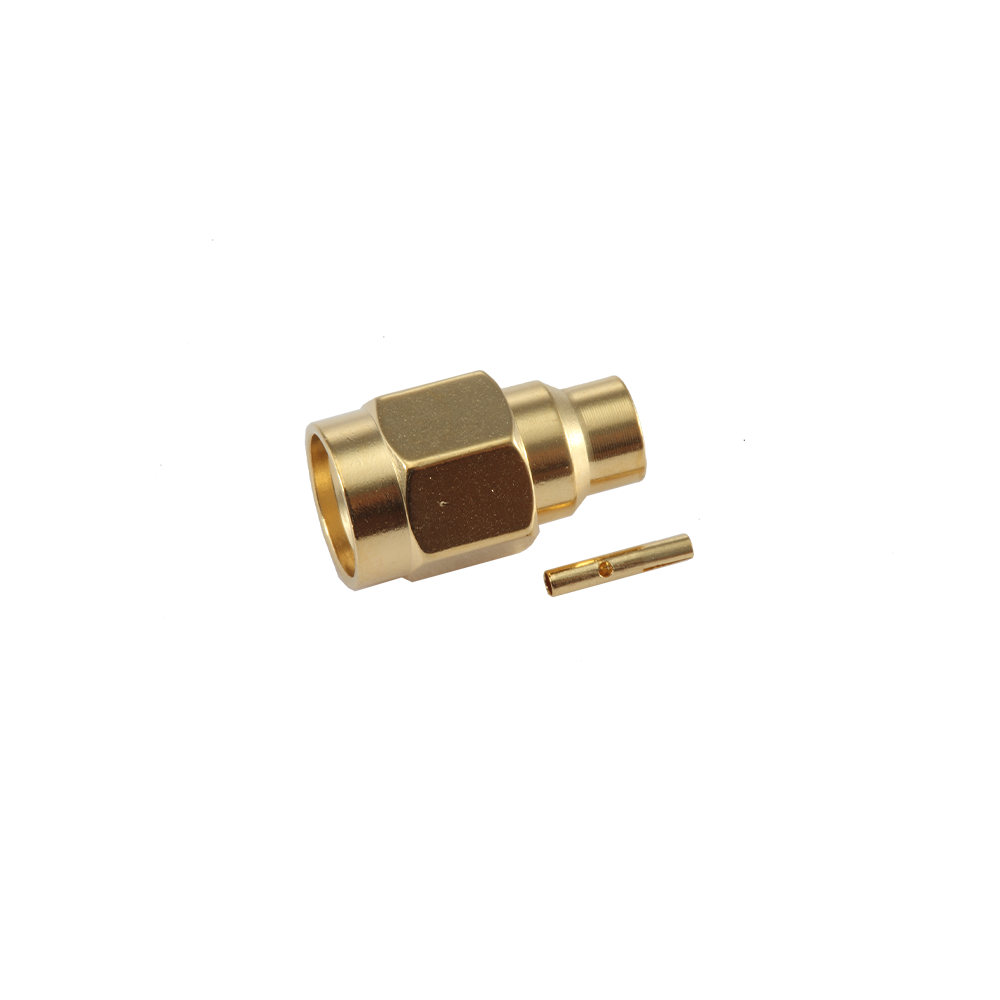
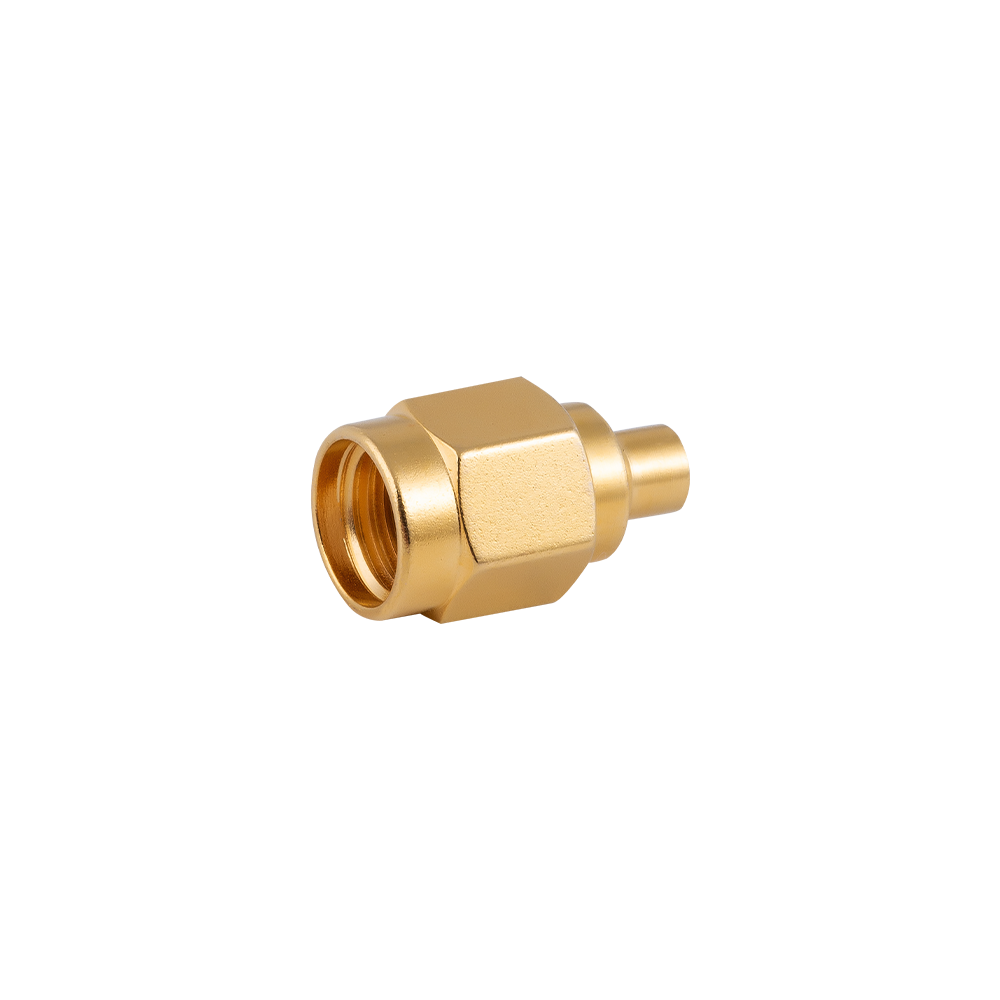
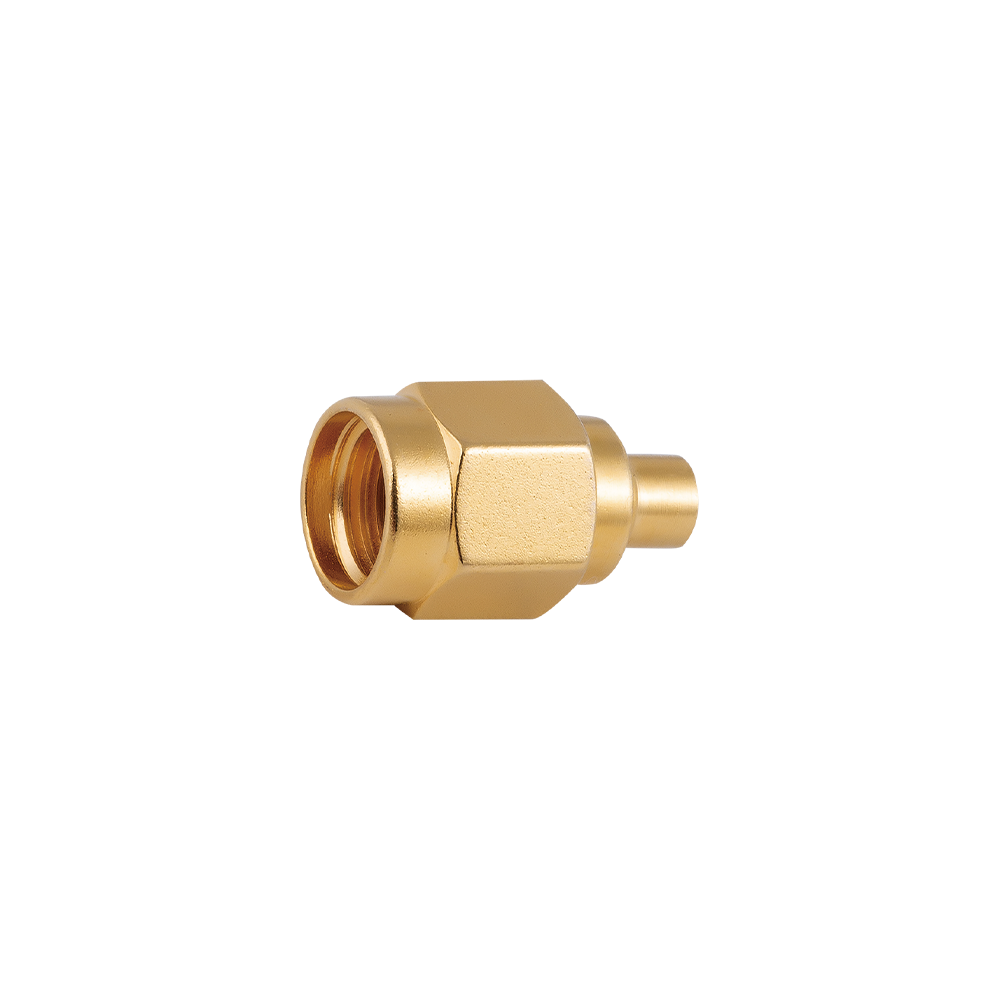
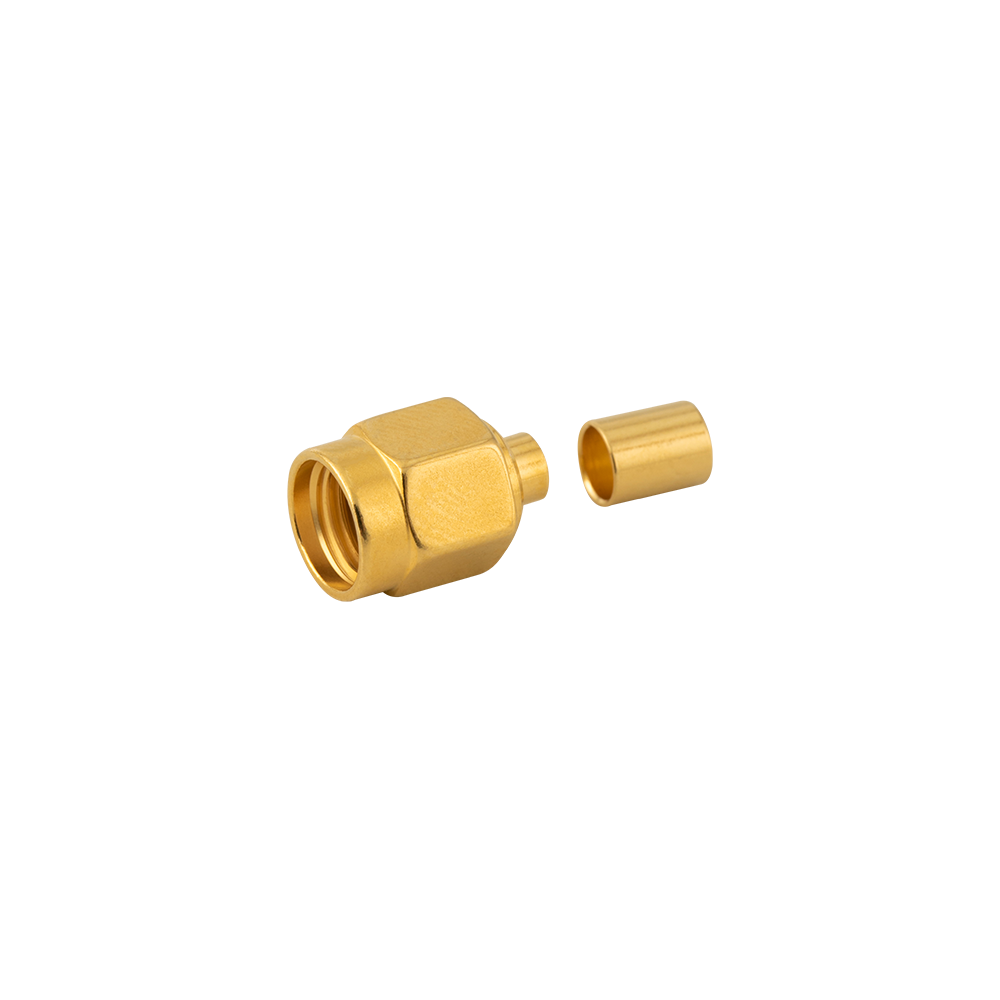
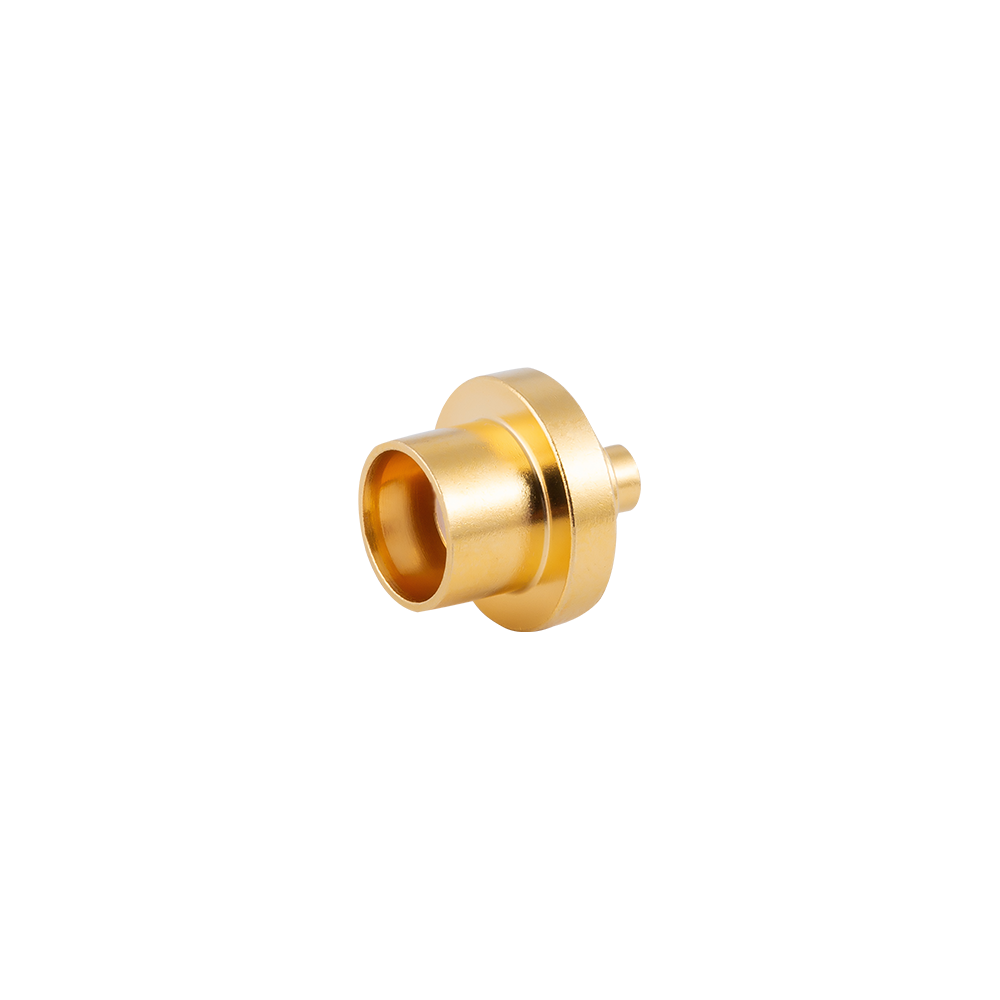
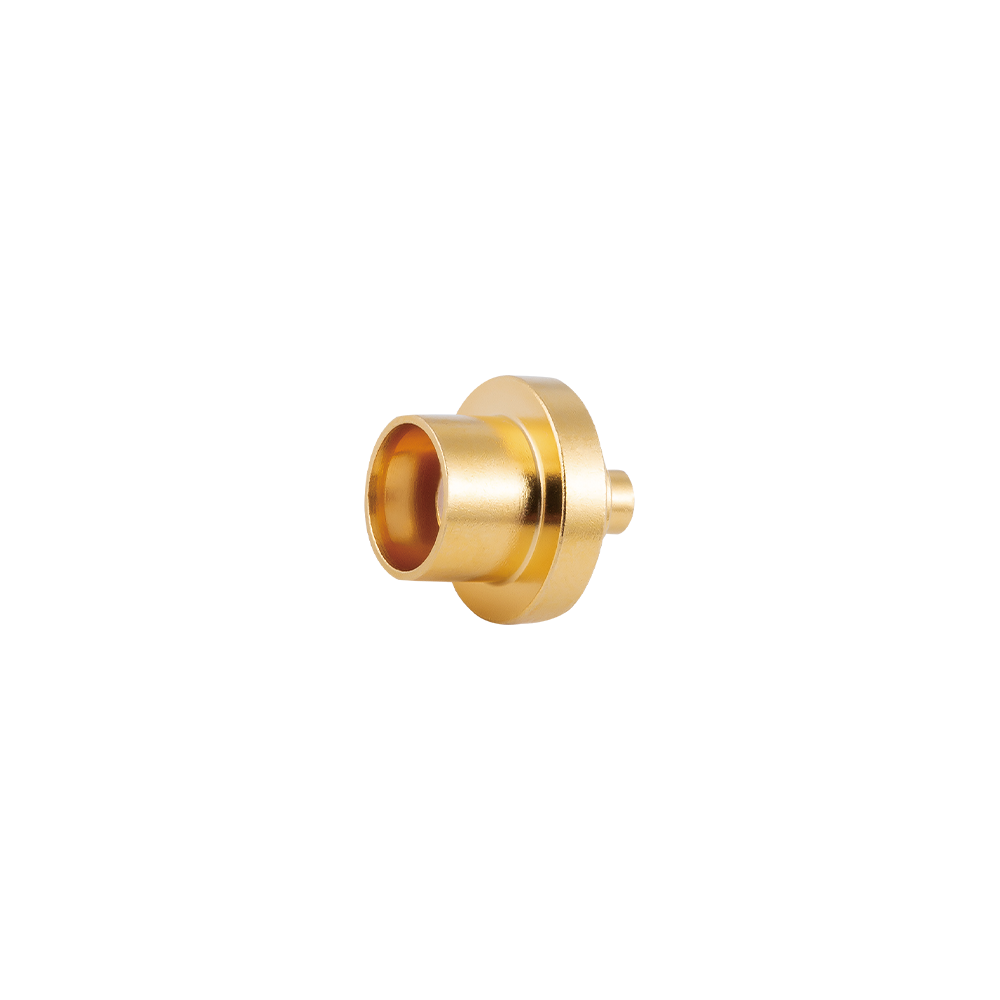
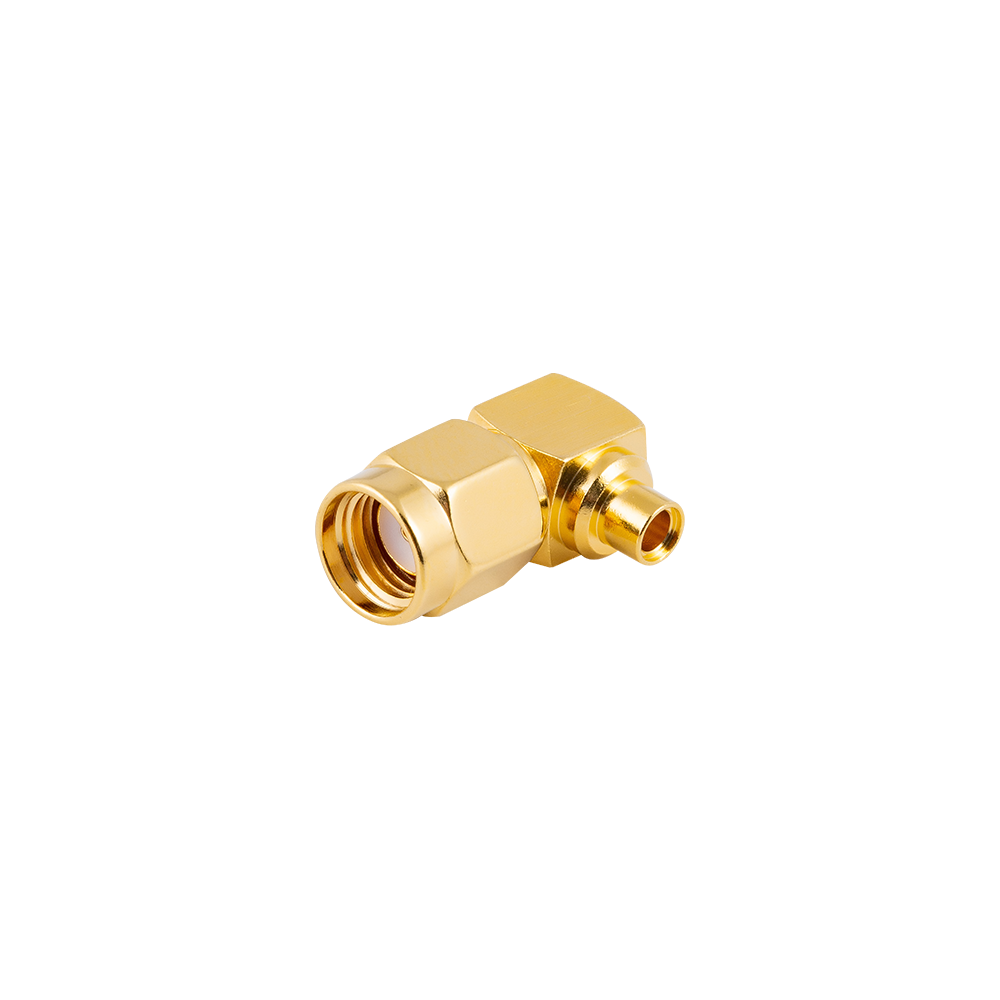
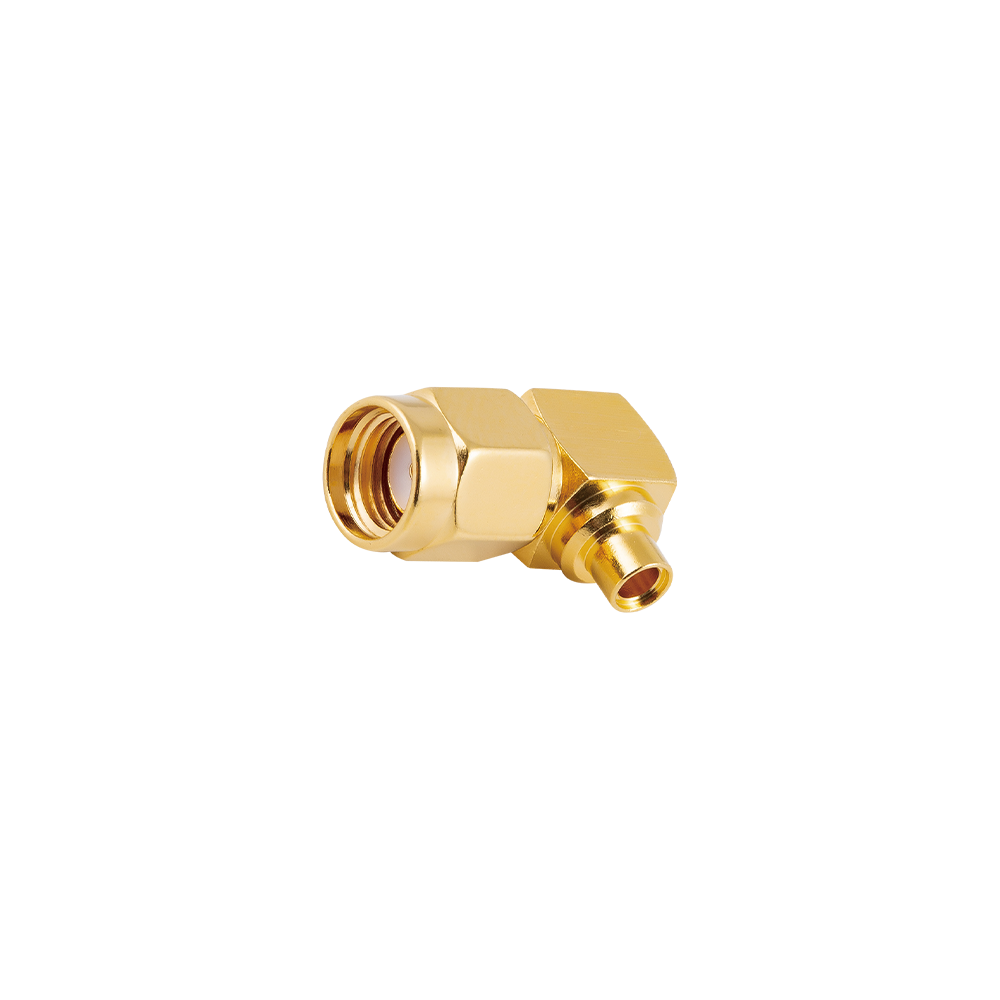
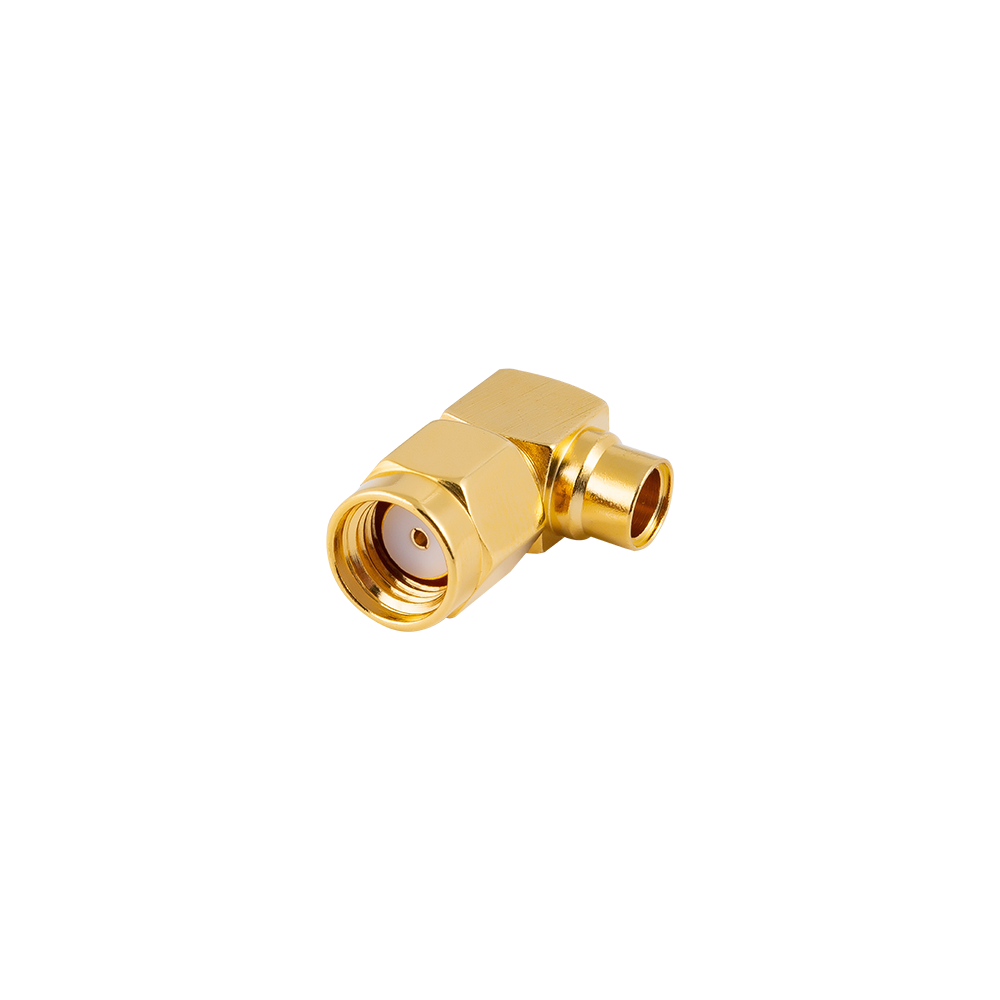
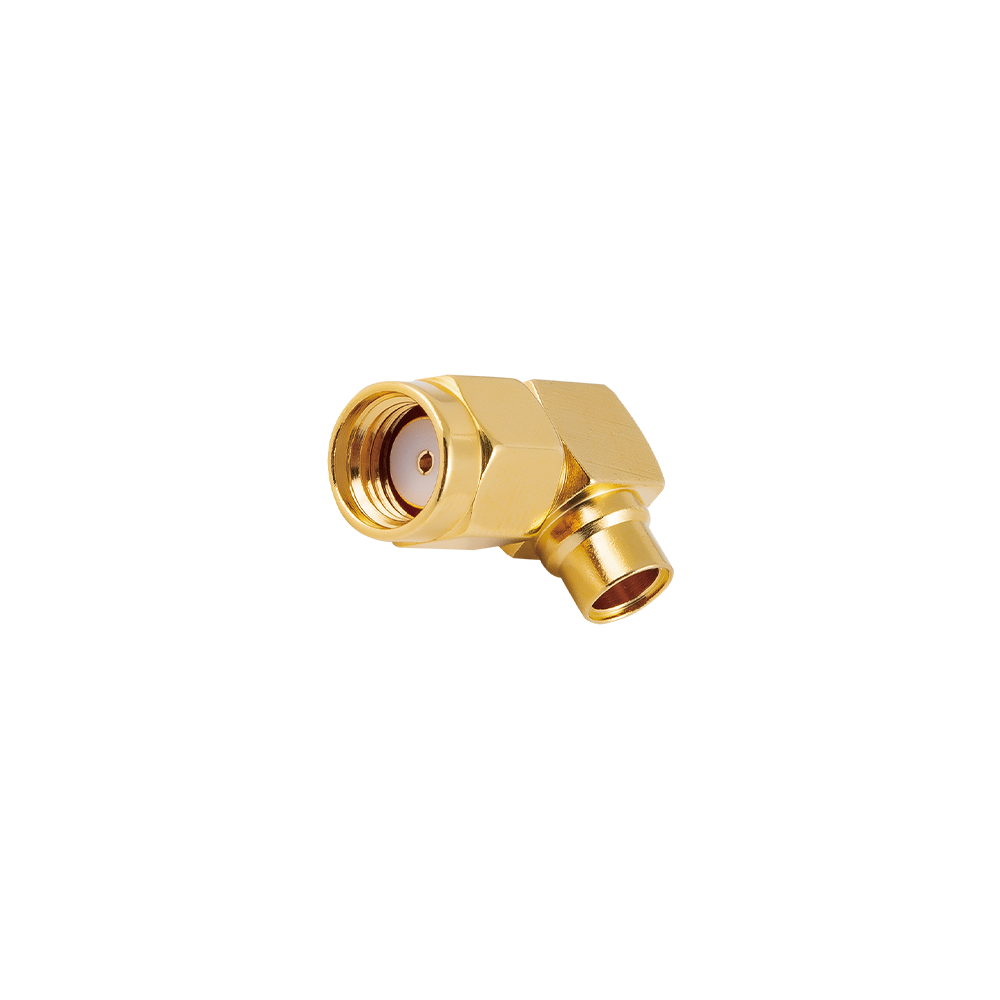
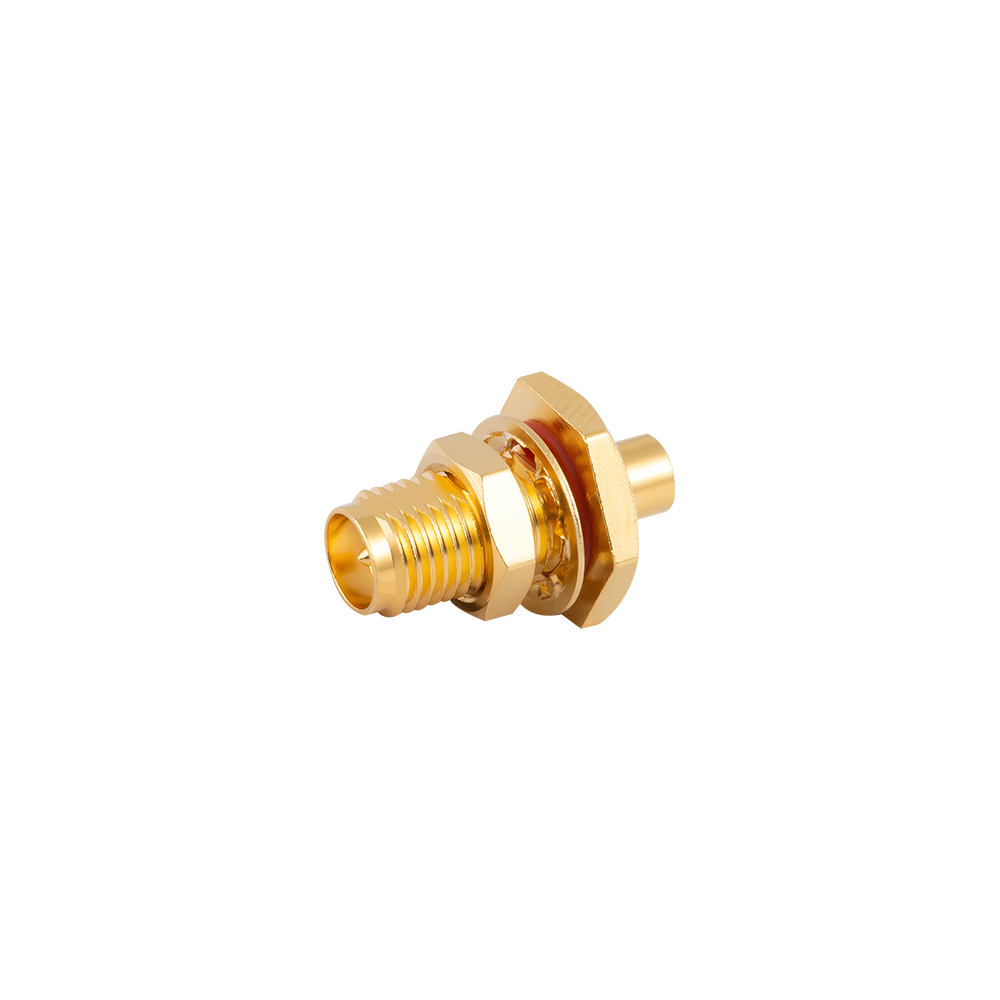
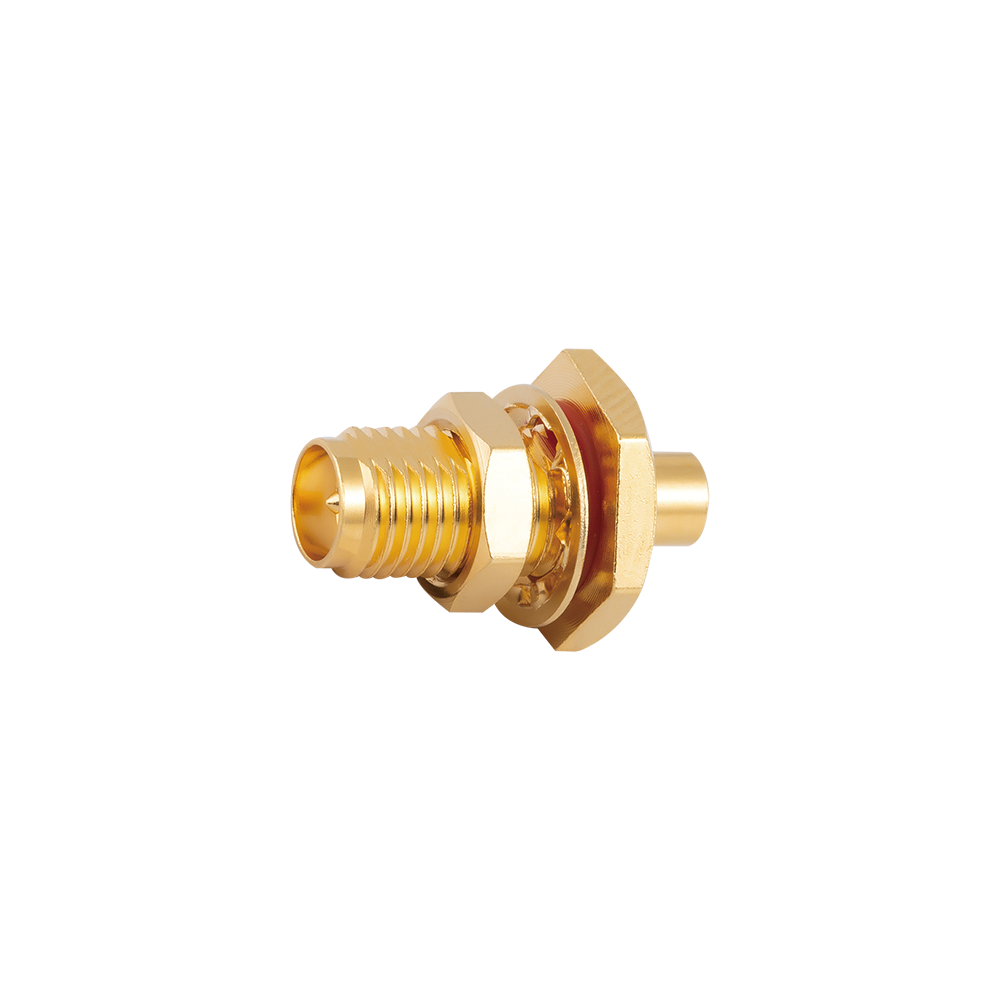
RPSMA (Reverse Polarity SMA) connectors are a variant of the standard SMA connector series in which the position of the center pin and center socket is reversed compared to the conventional SMA design. In a standard SMA connector, the plug carries a center pin and the jack carries a center socket. In an RPSMA connector, this arrangement is inverted, so the plug contains a socket and the jack contains a pin. This reversal is a mechanical modification intended to prevent mismatching with standard SMA connectors, which is particularly relevant in wireless communication systems where interface control is required.
As a manufacturer engaged in the design, development, and production of RF coaxial connectors since 1999, Yangzhou Jingcheng Electronics Co., Ltd (JC Company) produces RPSMA connectors as part of its broader SMA and reverse polarity connector series, suitable for termination onto semi-flexible and semi-rigid coaxial cables.
Semi-Flexible and Semi-Rigid Cable Types
RPSMA connectors used in RF systems are commonly terminated onto two categories of coaxial cable, each with distinct mechanical properties:
| Cable Type |
Outer Conductor Construction |
Mechanical Characteristics |
| Semi-Rigid Cable |
Solid copper or copper-clad outer conductor |
Holds its shape once bent; not intended for repeated flexing |
| Semi-Flexible Cable |
Corrugated or braided copper outer conductor |
Allows moderate bending and some flexing during installation |
The termination method for RPSMA connectors differs depending on the cable type, and connector interfaces are generally designed with cable-specific dimensions to match the outer diameter and dielectric structure of the cable being used.
Structural Components of RPSMA Connectors
An RPSMA connector assembly for semi-flexible or semi-rigid cable typically includes the following parts:
- Body/Shell – provides the mechanical interface and threaded coupling, machined from brass or similar conductive metal, often with nickel or gold plating.
- Center Contact – either a pin or socket, positioned according to the reverse polarity configuration.
- Insulator – typically PTFE (polytetrafluoroethylene), used for its dielectric stability across a range of frequencies.
- Cable Interface – a crimp, solder, or clamp section designed to match the specific outer diameter of the semi-flexible or semi-rigid cable.
RPSMA vs. Standard SMA
| Feature |
Standard SMA |
RPSMA |
| Center Contact on Plug |
Pin |
Socket |
| Center Contact on Jack |
Socket |
Pin |
| Outer Thread Interface |
Standard 1/4-36 UNS thread |
Same thread, non-mating pin/socket layout |
| Mechanical Interchangeability with Standard SMA |
Compatible |
Not compatible |
Typical Application Areas
RPSMA connectors terminated on semi-flexible or semi-rigid cable are used in RF signal transmission paths where a stable, low-loss connection is required between a device and an external antenna or module. Based on the connector series produced by JC Company, related application fields include:
- Wireless communication modules requiring reverse polarity interfaces
- GPS, GSM, and CDMA antenna assemblies
- Digital antenna (DVBT) systems
- Test and measurement setups using semi-rigid cable for stable signal paths
Selection Considerations
When selecting an RPSMA connector for a semi-flexible or semi-rigid cable application, the following factors are generally reviewed:
- Cable diameter compatibility between the connector's cable entry and the cable outer diameter
- Operating frequency range required by the system
- Termination method, such as crimp, solder, or clamp, depending on cable type
- Plating material, including nickel or gold, for corrosion resistance and contact performance
- Polarity requirement of the mating interface on the connected device
Frequently Asked Questions
What does "reverse polarity" mean in RPSMA connectors?
It refers to the swapped position of the center pin and socket between the plug and jack, compared to a standard SMA connector, so that an RPSMA connector does not mate with a standard SMA connector.
Can semi-rigid cable be reused after bending?
Semi-rigid cable is designed to hold a formed shape and is generally not intended for repeated bending or flexing after initial installation.
Is RPSMA suitable for high-frequency applications?
Suitability depends on the specific connector design, dielectric material, and cable type used; frequency range should be verified against the connector's published specifications.
Summary
RPSMA connectors for semi-flexible and semi-rigid cable serve as a specialized interface solution where reverse polarity and stable cable termination are both required. JC Company, through its RF coaxial connector product range established since 1999, manufactures RPSMA connectors alongside its SMA, SMP, MCX, MMCX, BNC, TNC, N, and other connector series, supporting cable assembly requirements across the 0 to 50GHz frequency range referenced in its product offering.


 English
 中文简体
中文简体