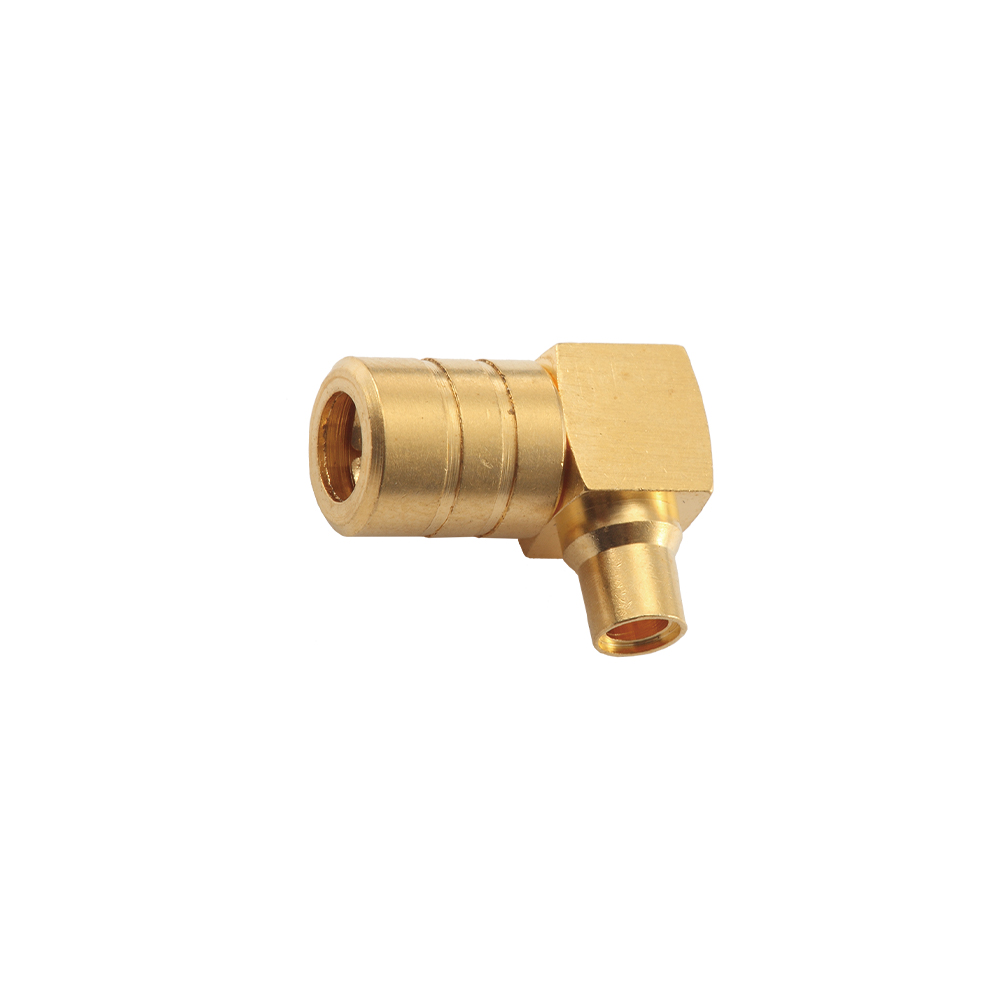
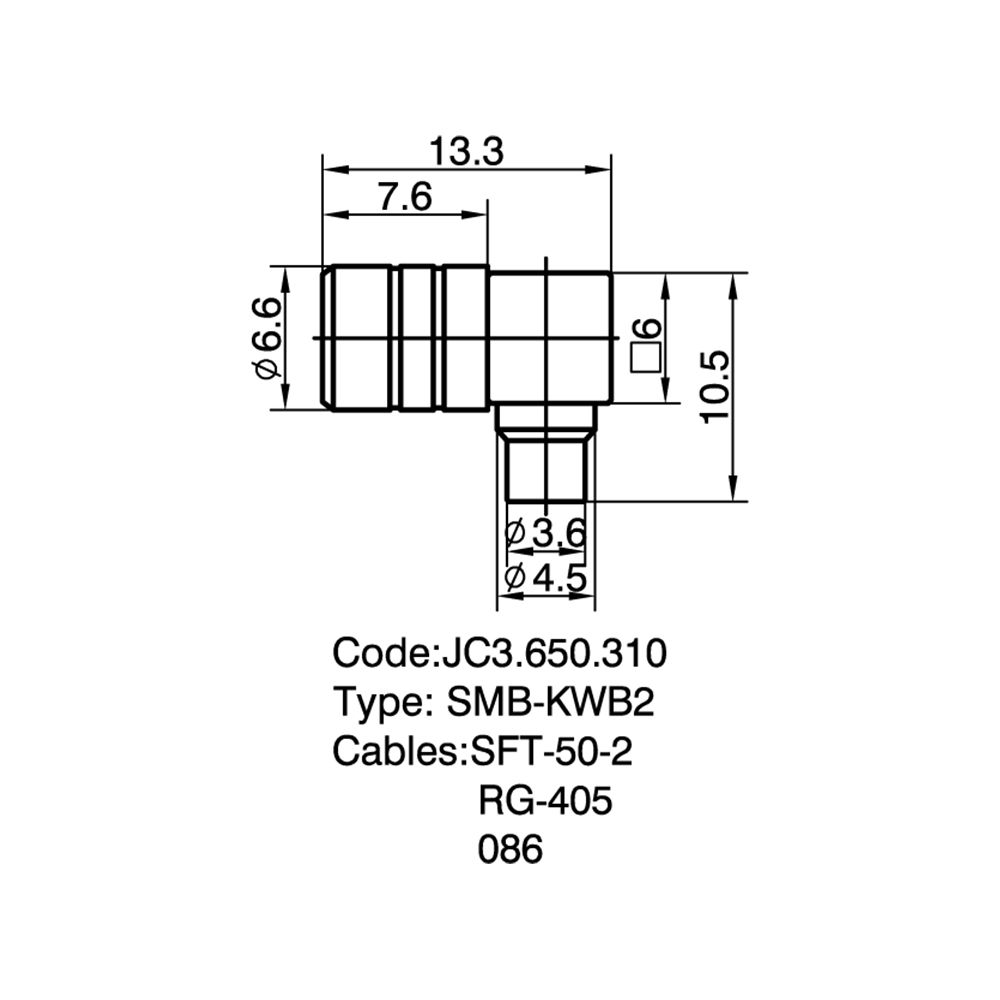
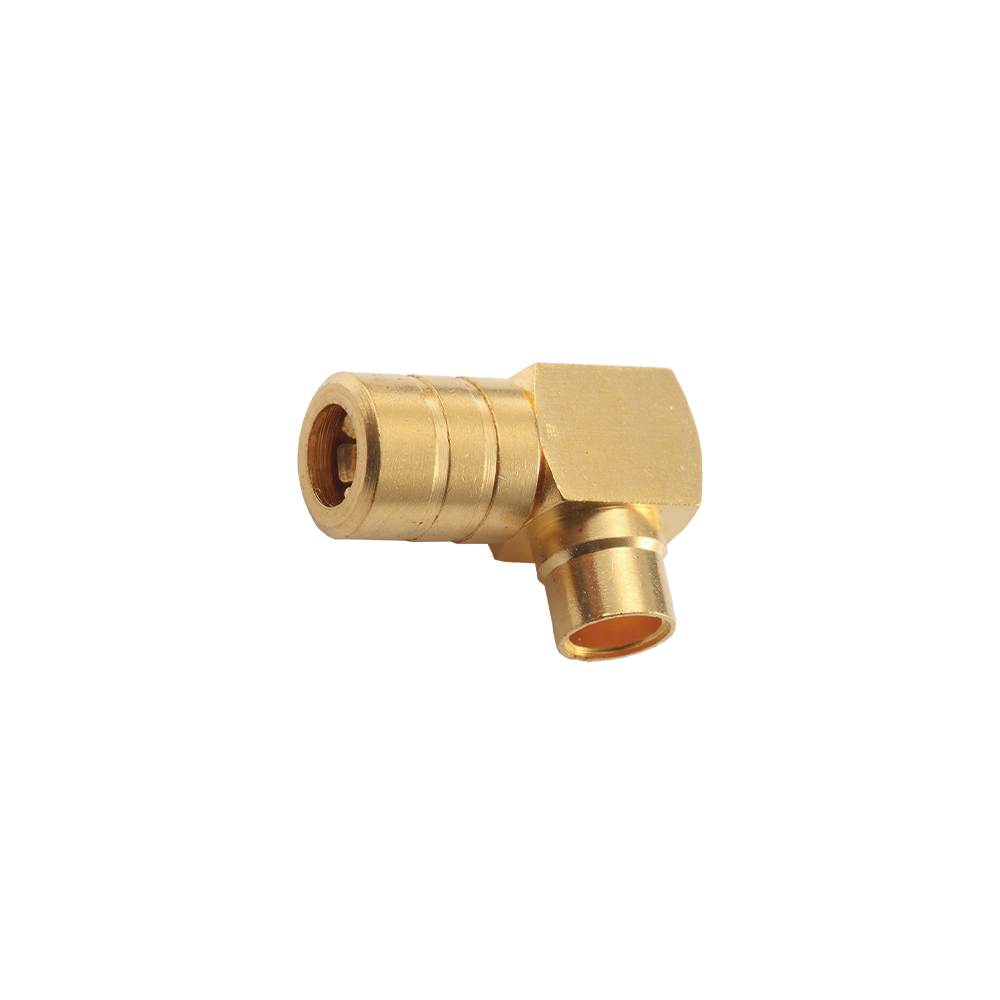
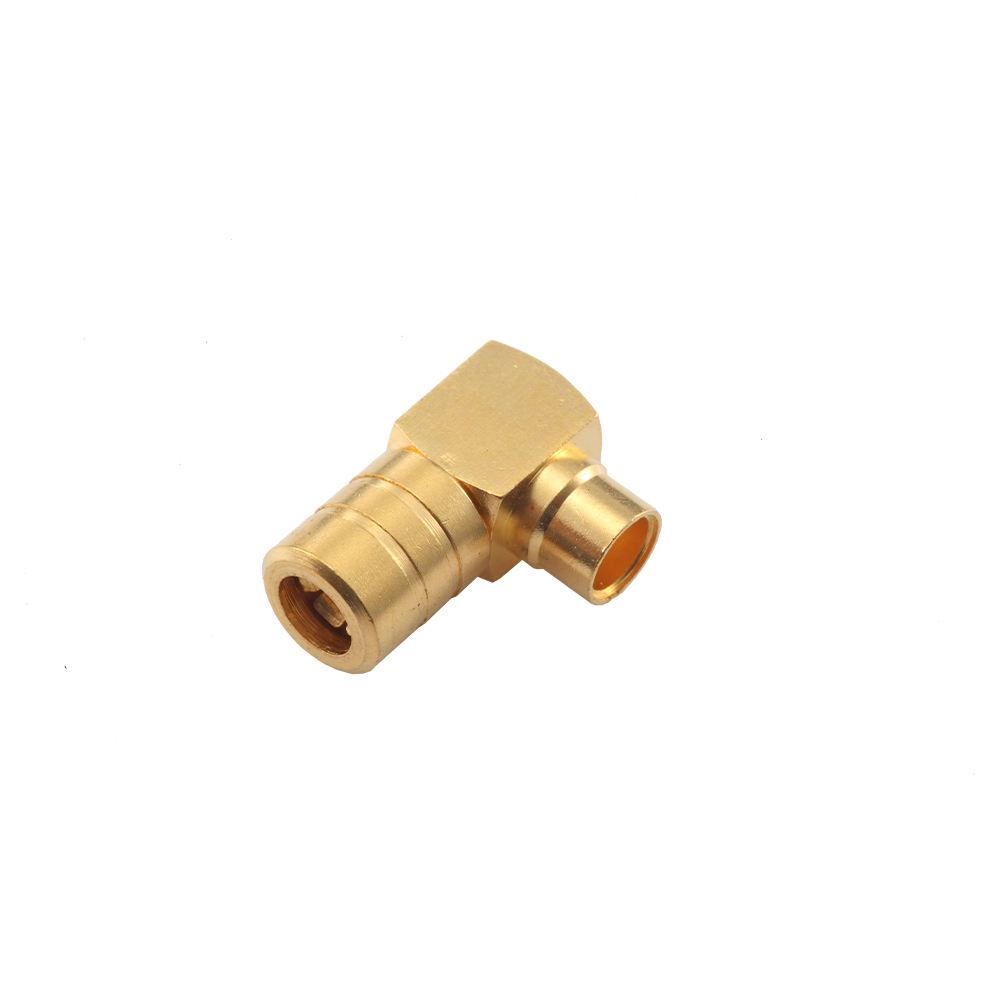
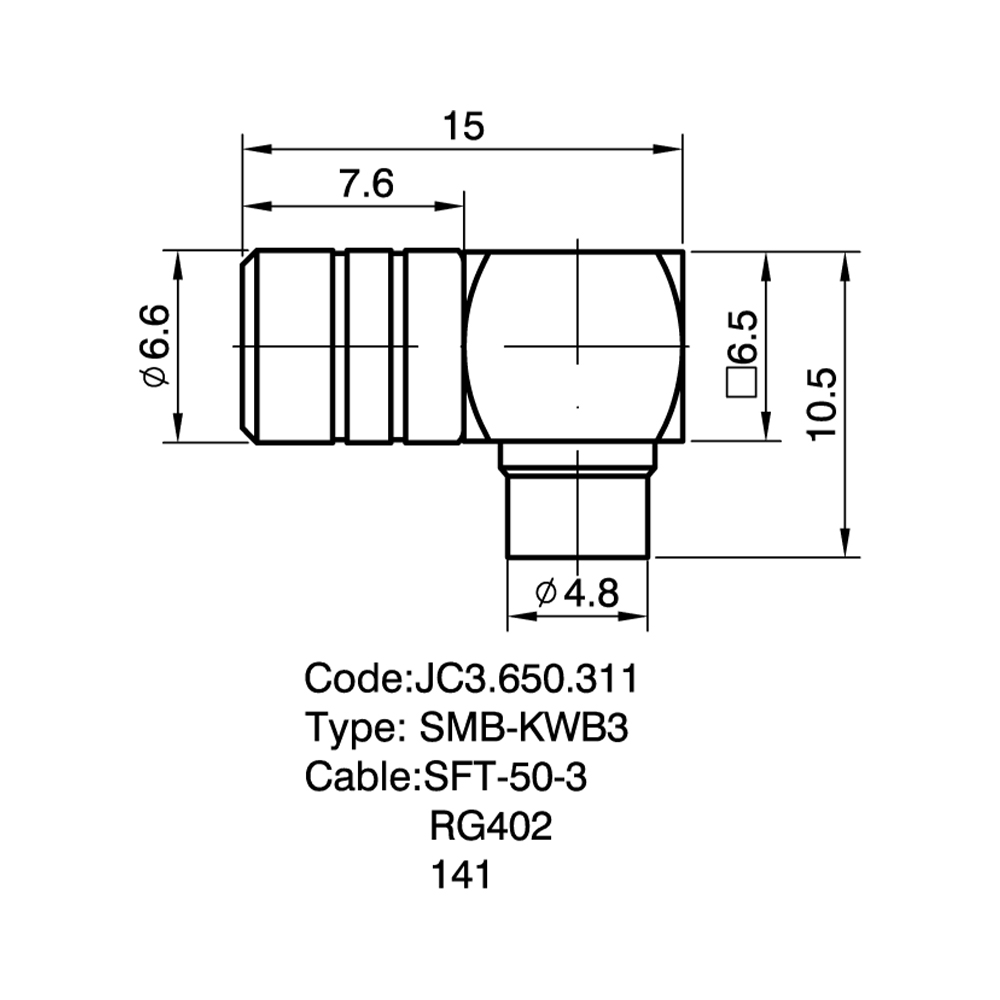
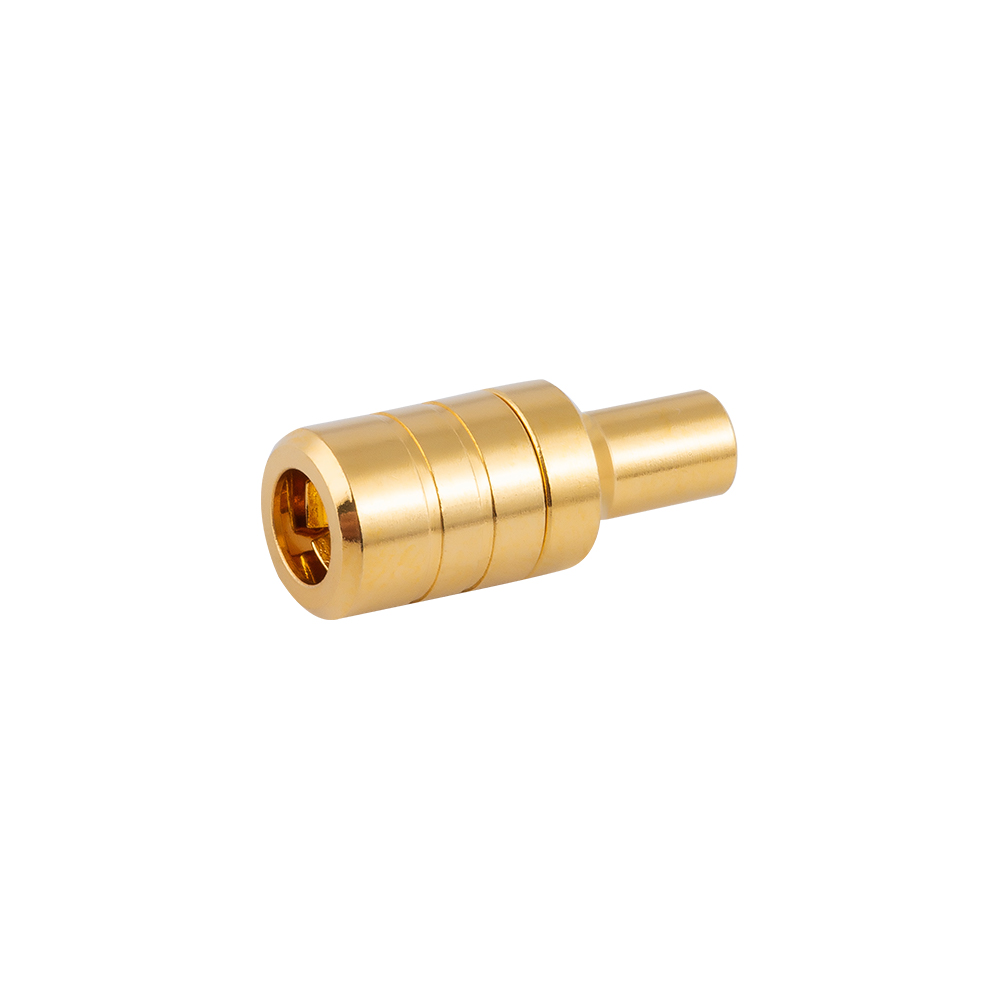
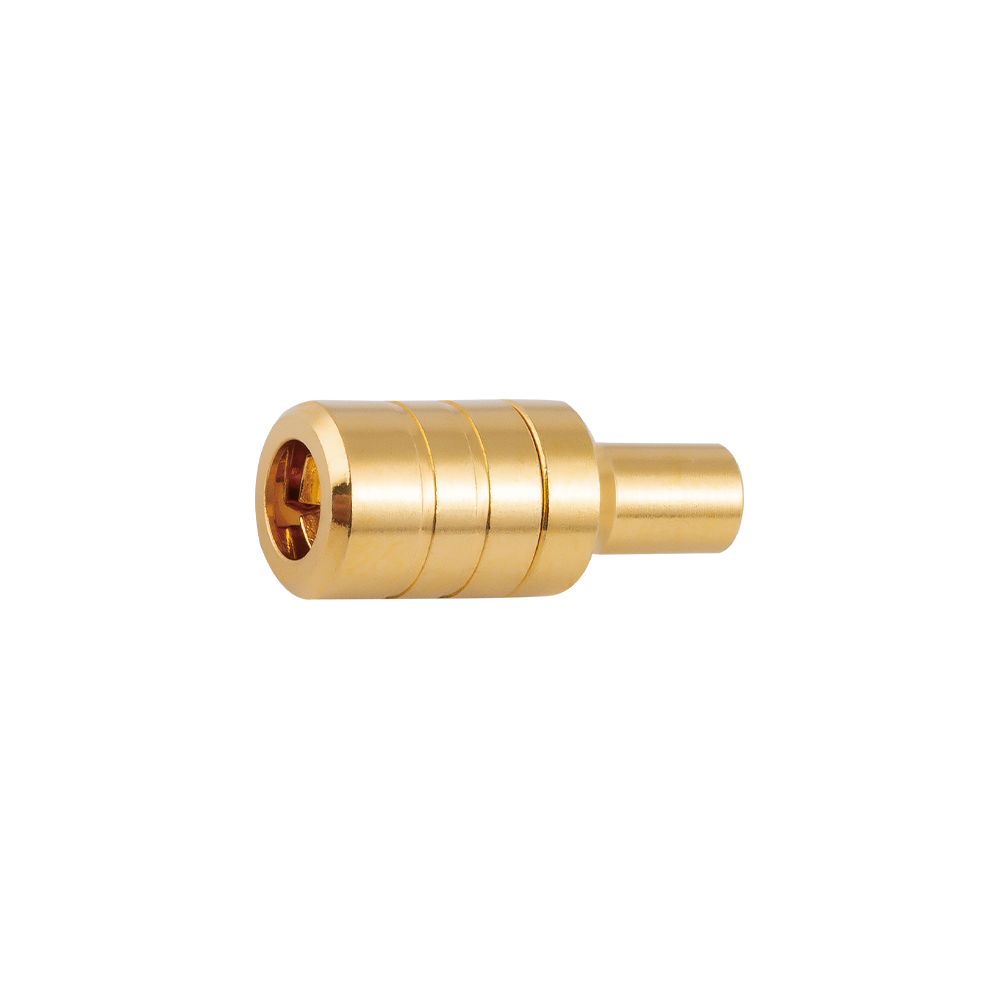
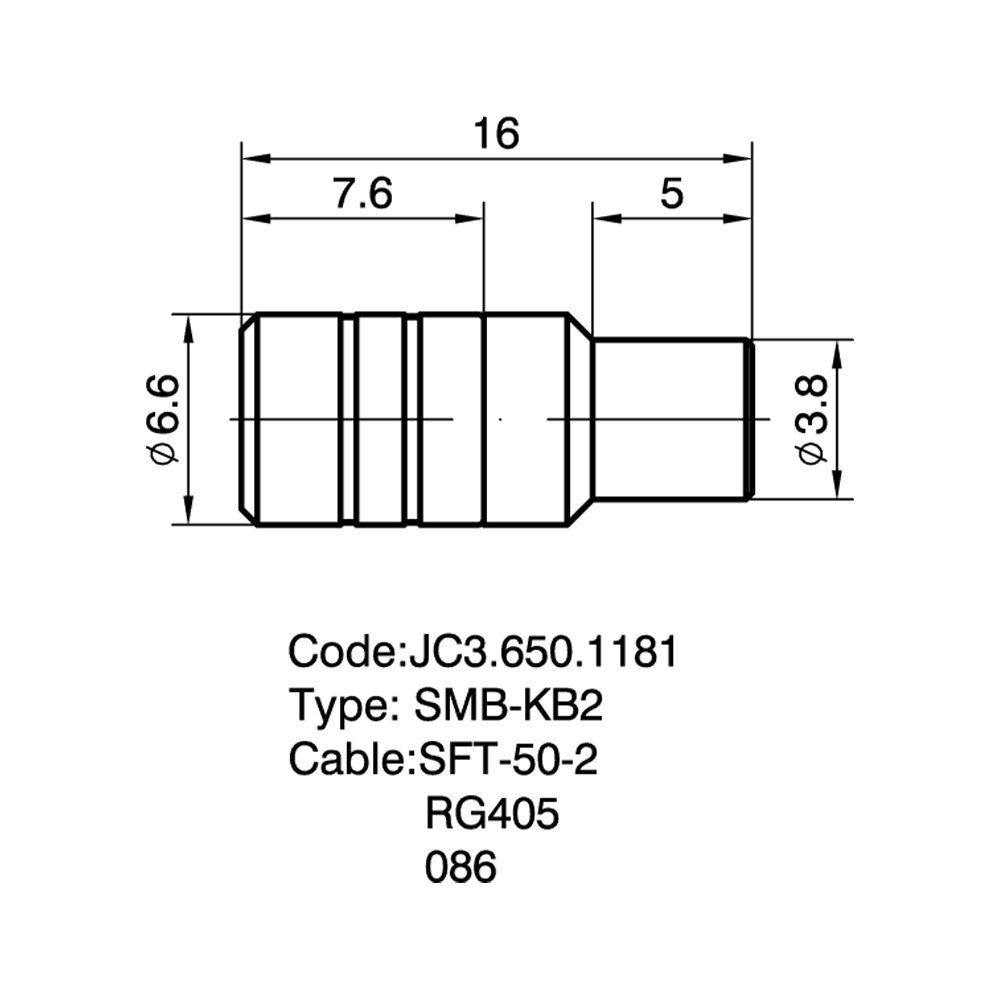
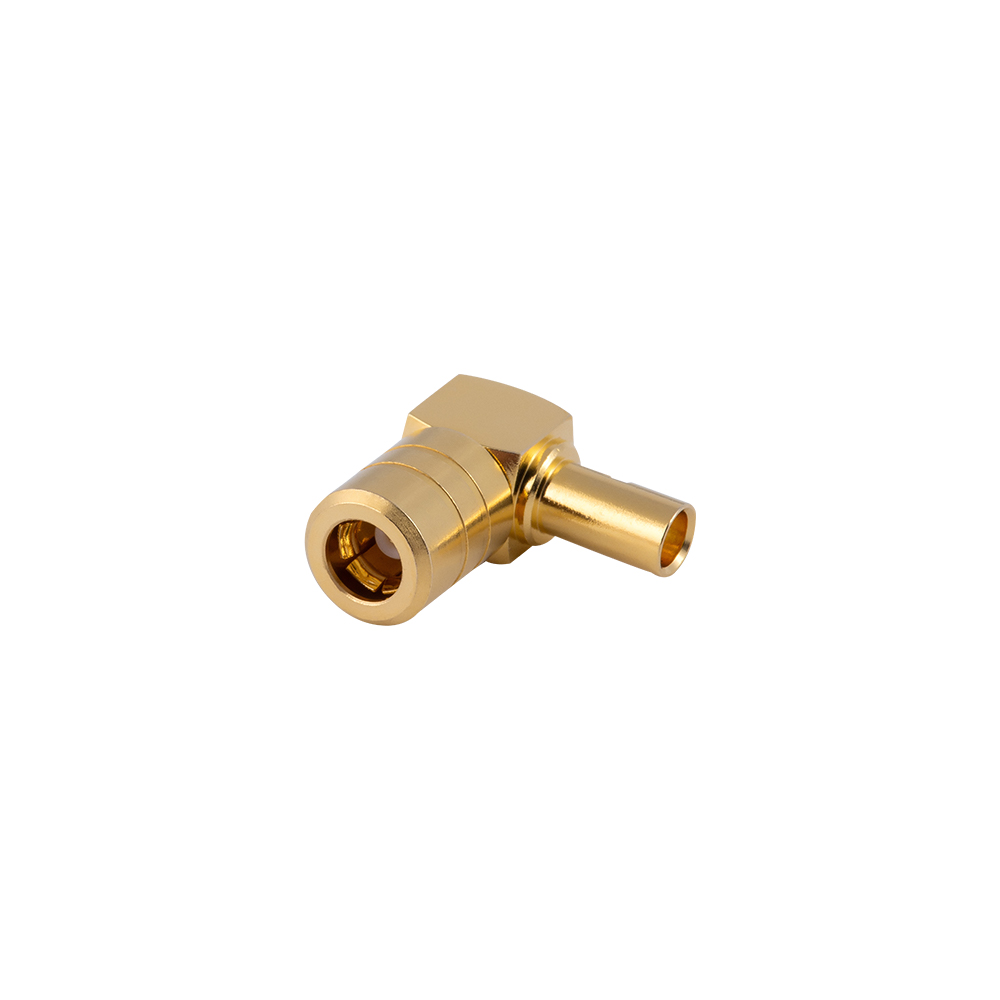
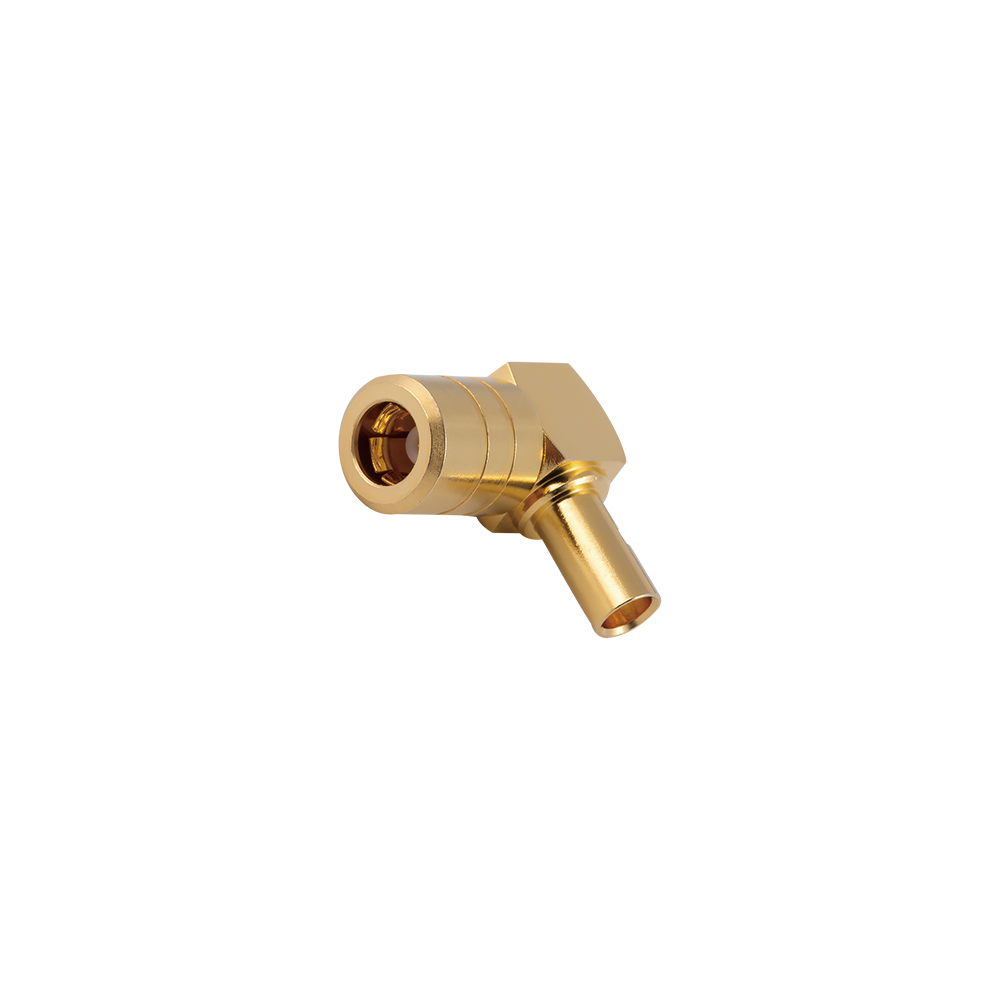
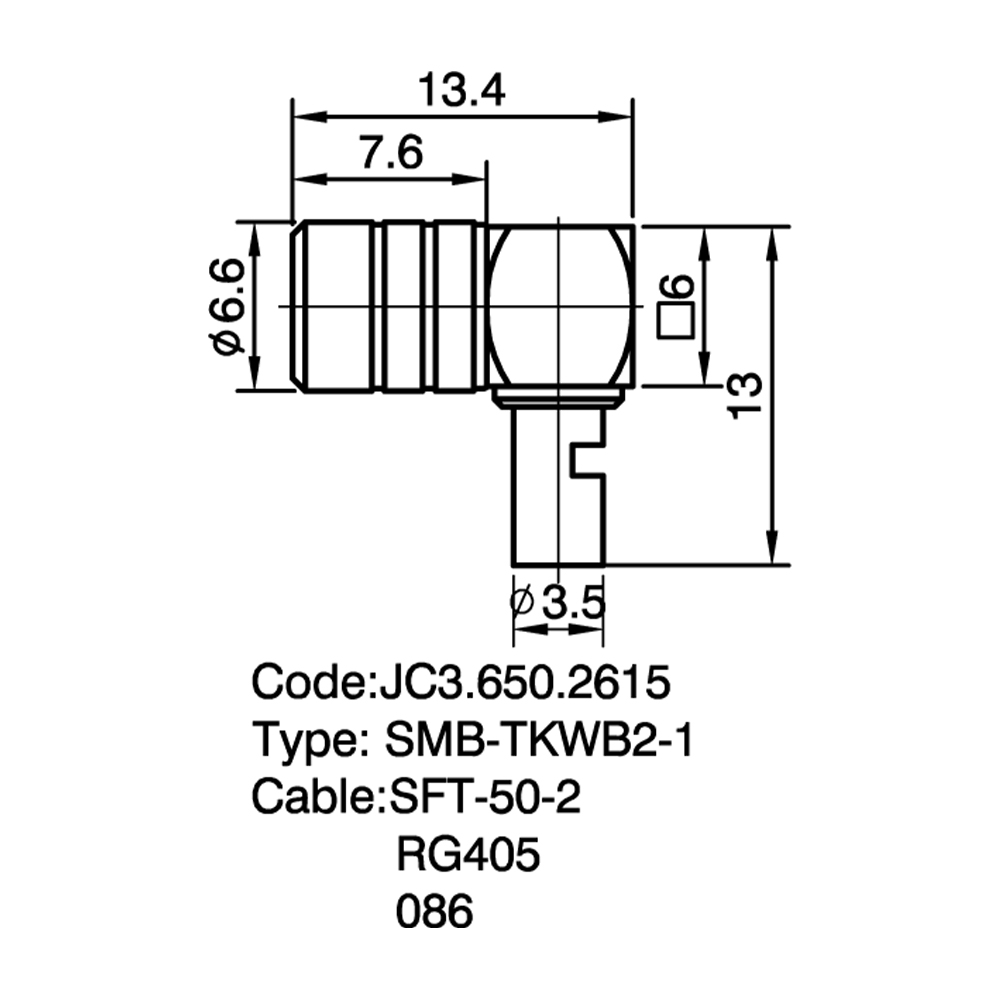
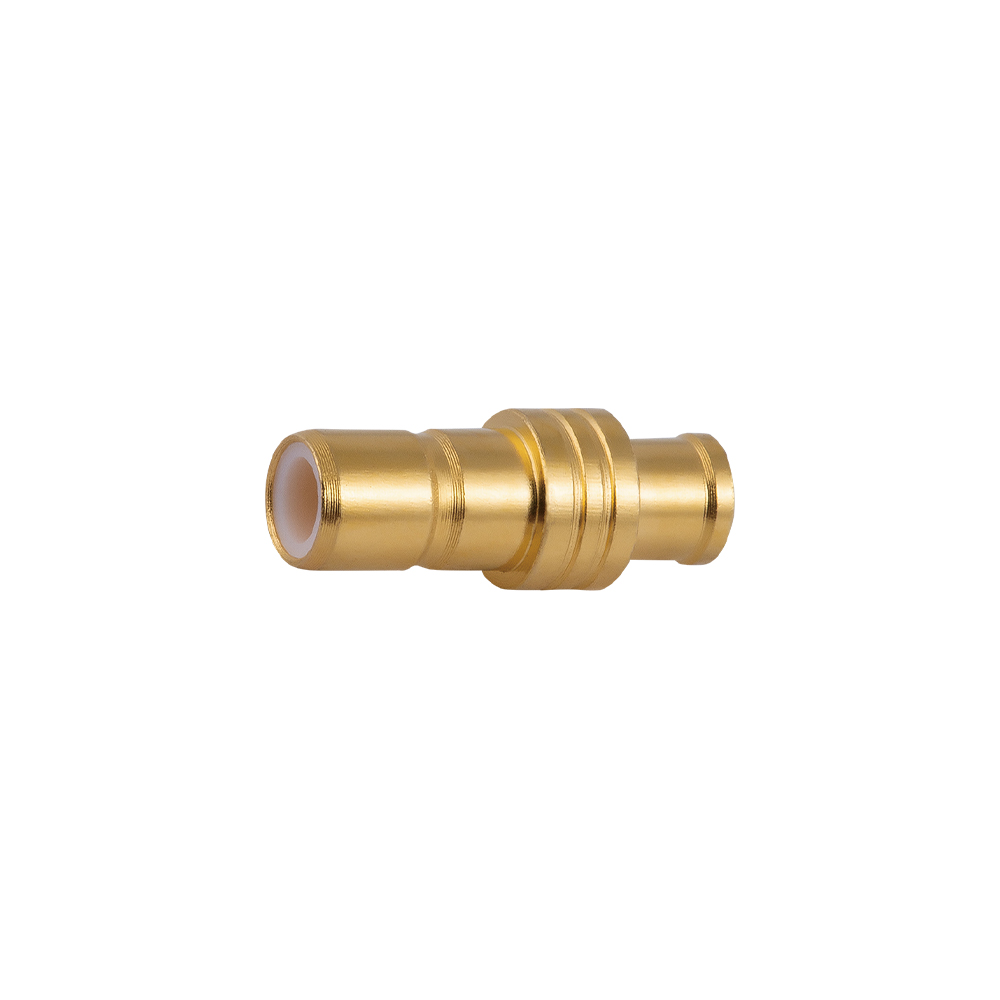
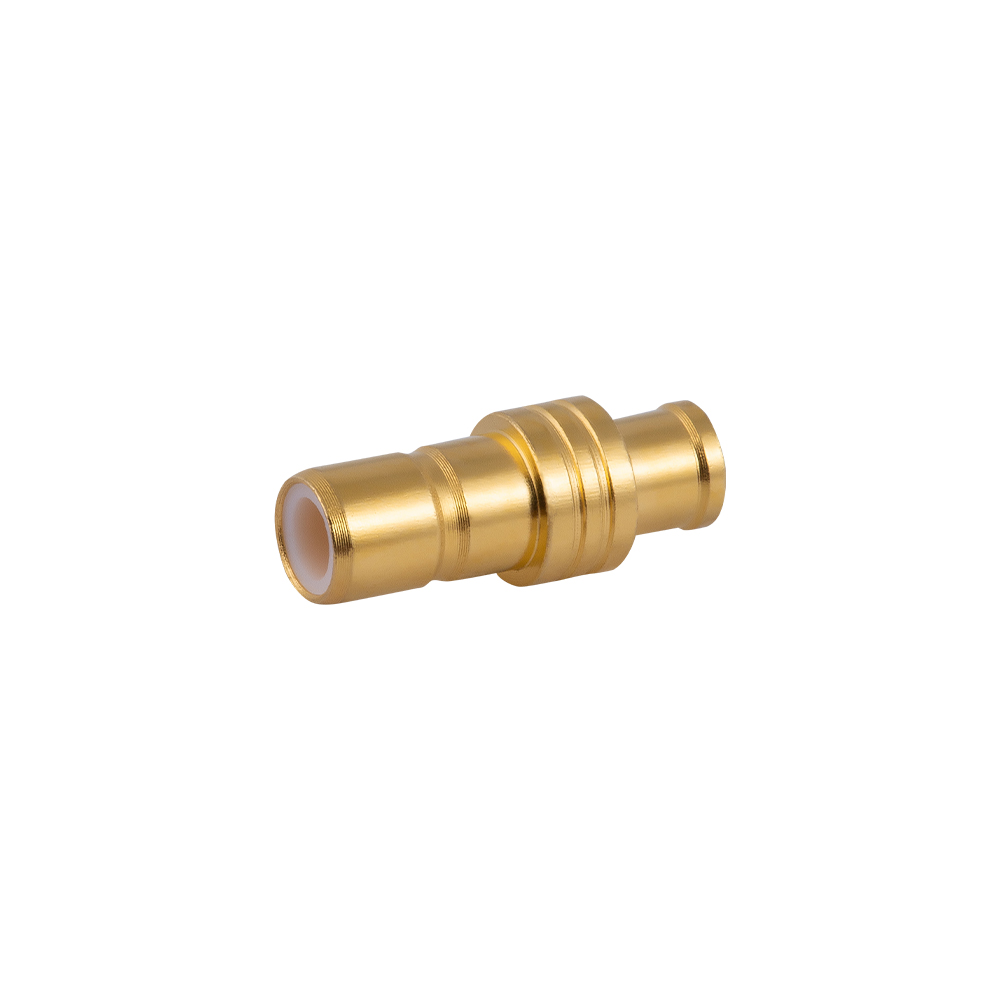
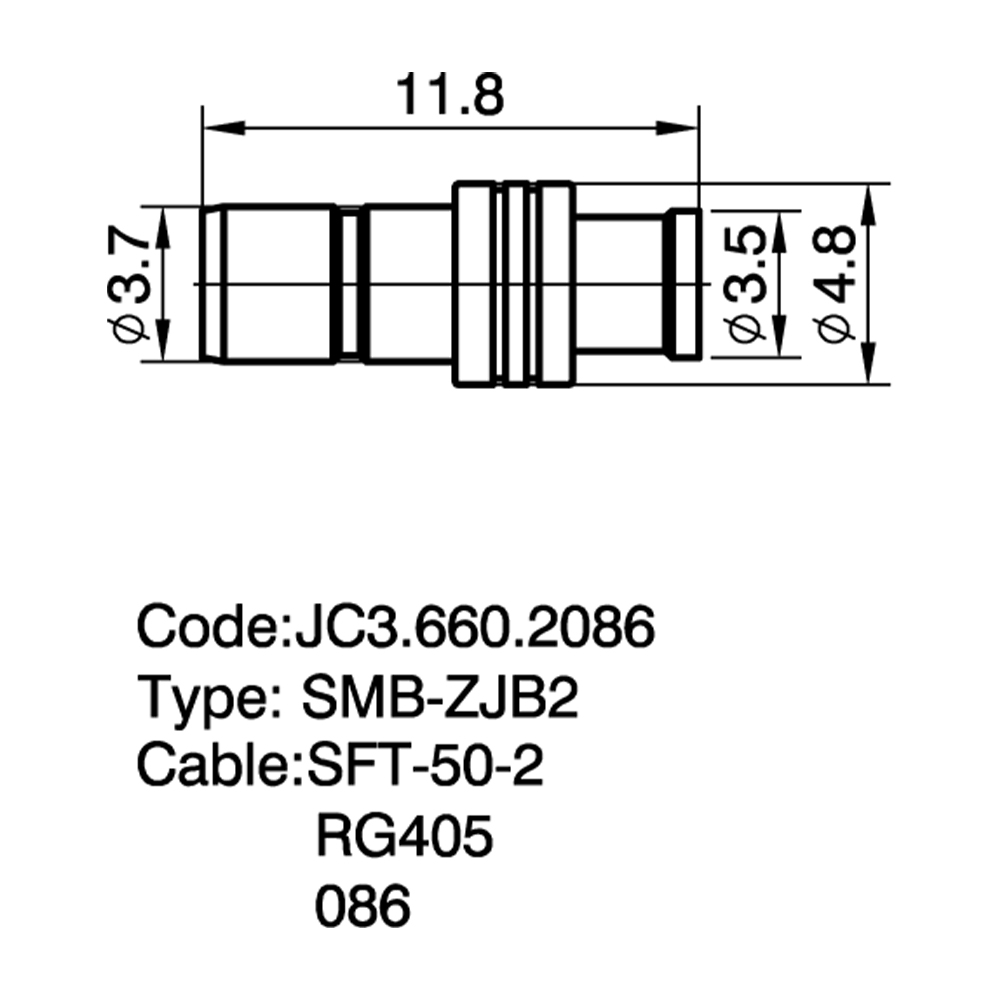
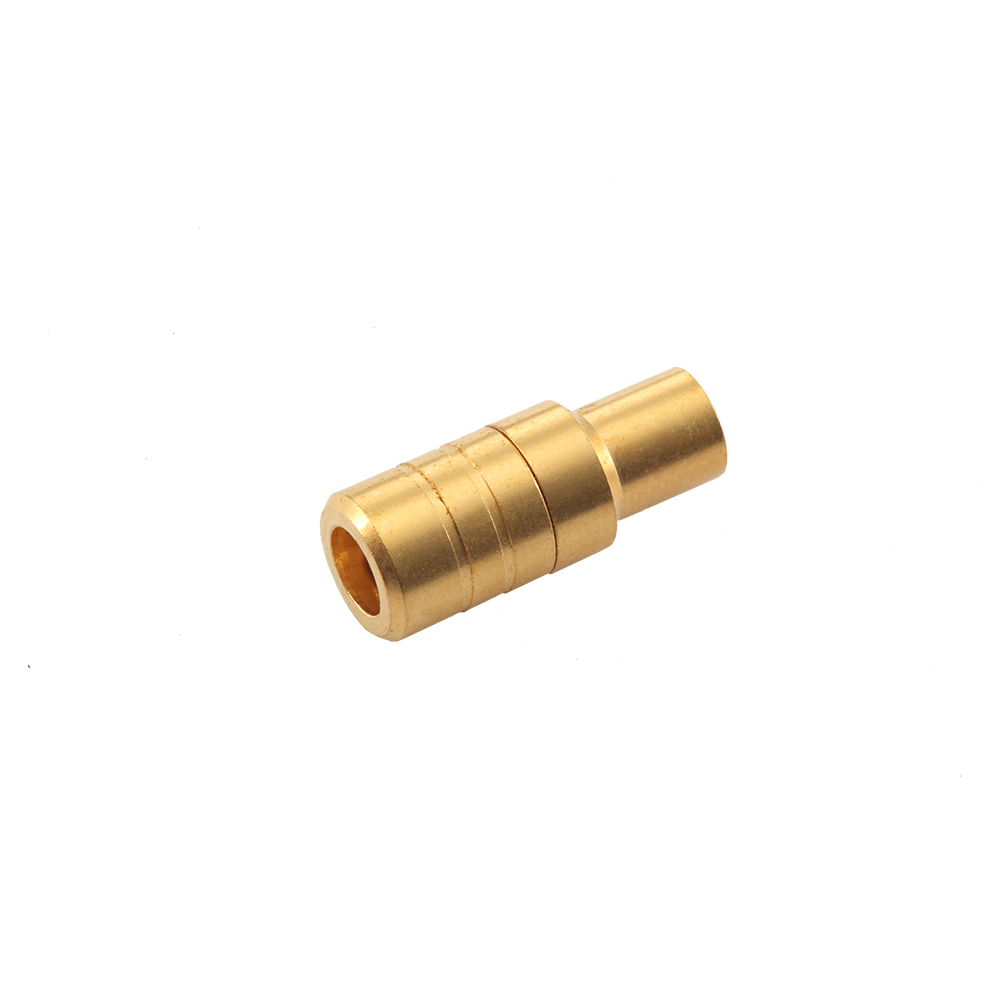
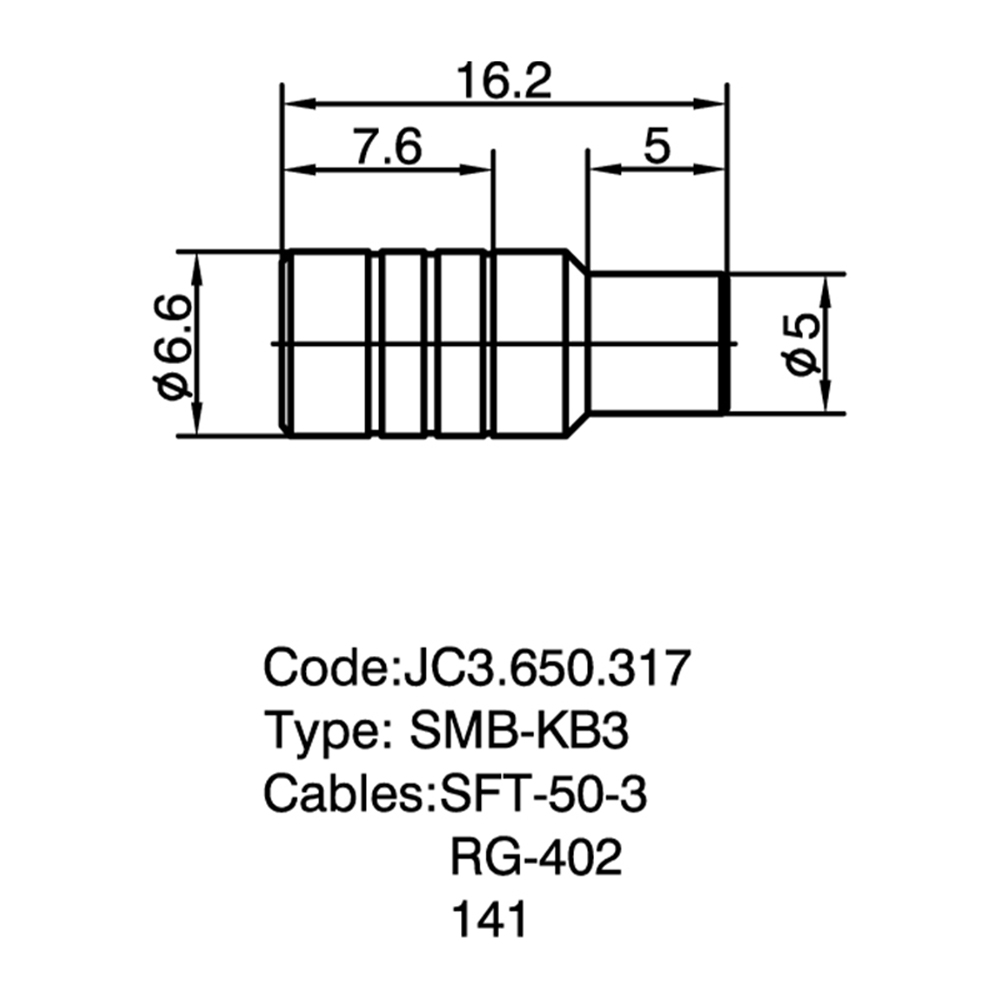
The SMB RF Coaxial Connectors for Semi-flexible & Semi-rigid Cable series represents a specialized subminiature interconnection solution engineered for applications where transmission lines must maintain a pre-formed shape without continuous support. These SMB connectors are designed to terminate cables with solid or braided outer conductors, enabling precise routing in confined equipment chassis, RF modules, and phased array systems. Operating at a characteristic impedance of 50 ohms, the interface covers DC to 4 GHz with excellent return loss performance, making it a staple in wireless infrastructure, military communications, and test automation.
Yangzhou Jingcheng Electronics Co., Ltd., established in 1999, brings over two decades of focused RF connector expertise to this product category. The company’s advanced manufacturing equipment, high-precision testing instruments, and dedicated R&D team ensure that every SMB RF Coaxial Connector for Semi-flexible & Semi-rigid Cable meets rigorous electrical and mechanical specifications. From machined brass bodies with ternary alloy plating to beryllium copper female contacts with slotted finger geometry, each component is verified using vector network analyzers, contact force gauges, and thermal shock chambers to guarantee long-term reliability in mission-critical deployments.
Common Types and Detailed Construction Characteristics
The SMB connector family for semi-rigid and semi-flexible cables is divided into distinct subtypes based on termination technique, cable entry size, and mounting configuration. Each variant addresses specific mechanical and electrical requirements imposed by the cable's structural rigidity and the final assembly environment.
Primary subtypes available through Yangzhou Jingcheng Electronics include:
- Solder-Clamp Semi-rigid SMB (Straight Plug/Jack): The connector body is soldered directly to the solid copper or aluminum jacket of semi-rigid cables such as RG402 (.141") and RG405 (.085"). The center conductor is soldered to a gold-plated beryllium copper pin. This construction yields minimal signal leakage (shielding effectiveness > -90 dB at 3 GHz) and is the preferred choice for phase-sensitive distribution networks.
- Crimp-Solder Semi-flexible SMB (Straight and Right-Angle): A deformable crimp ferrule secures the tin-soaked copper braid of semi-flexible cables (e.g., conformable RG405 equivalents) against the connector body. The center contact is soldered prior to crimping. This type offers easier field installation and allows slight rebending while maintaining a VSWR of 1.15:1 typical up to 2.5 GHz.
- Bulkhead and PCB Edge-Mount SMB: SMB jacks designed with extended dielectrics or panel-sealing gaskets for mounting through enclosure walls. Often paired with semi-rigid jumper cables inside sealed RF modules, these connectors feature D-hole or thread-in panel fixings compliant with MIL-STD-348.
- Reverse Polarity SMB (RP-SMB): Interface geometry is reversed—female contact in a plug body—to meet FCC Part 15 requirements for intentional radiators. Available for both semi-rigid and semi-flexible cable assemblies, widely used in Wi-Fi and ISM band antenna feeds.
- Limited Detent SMB: A variation with a tighter snap-on engagement, suitable for elevated vibration environments where the standard SMB push-on retention may be insufficient. Often paired with semi-rigid cables that do not dampen vibration effectively due to their rigidity.
Technical Specifications and Material Composition
Material selection directly influences intermodulation distortion, corrosion resistance, and insertion loss repeatability. Yangzhou Jingcheng Electronics manufactures SMB connectors using a controlled bill of materials derived from MIL-DTL-39012 and IEC 61169-10 guidelines.
| Component |
Material & Plating |
Key Property |
| Male Center Contact |
Brass C36000, Gold-plated (1.27 µm min) over Nickel |
Contact resistance ≤ 2 mΩ |
| Female Center Contact (Slotted) |
Beryllium Copper C17300, Gold-plated |
Excellent spring retention, >500 mating cycles |
| Outer Body (Plug & Jack) |
Brass C36000, Ternary Alloy (Cu-Sn-Zn) or Nickel, with selective Gold |
Corrosion resistance per 48h salt spray |
| Insulator (Dielectric) |
PTFE (Polytetrafluoroethylene) |
Dielectric constant 2.02, temperature range -65°C to +165°C |
| Crimp Ferrule (Semi-flexible) |
Annealed Copper, Nickel-plated |
Uniform deformation for 360° cable retention |
Electrical performance is consistently validated. The typical SMB RF Coaxial Connector for Semi-flexible & Semi-rigid Cable achieves a VSWR ≤ 1.25 from DC to 2 GHz and ≤ 1.35 up to 4 GHz when properly terminated. Insertion loss, excluding cable contribution, is less than 0.15 dB at 2 GHz. Withstand voltage is rated at 750 V RMS at sea level, and insulation resistance exceeds 5000 MΩ under standard laboratory conditions. These specifications position these SMB assemblies as reliable signal paths in spectrum analyzers, directional couplers, and multi-port switch matrices.
Application Scenarios and Detailed Use Cases
The unique combination of a push-on interface and a formable transmission line makes these SMB connectorized cables indispensable across diverse industries. Yangzhou Jingcheng Electronics supplies assemblies that are integrated into the following operational frameworks:
Wireless Base Station Remote Radio Heads (RRH):
Semi-rigid RG402 cables terminated with SMB plugs route RF signals between duplex filters, power amplifiers, and antenna calibration ports within weather-sealed enclosures. The solid jacket prevents passive intermodulation (PIM) issues common with braided cables near high-power transmitters. The SMB snap-on mating allows module swapping during maintenance without torque wrenches.
Phased Array Radar and Beamforming Networks:
In these latency-critical systems, identical phase lengths between transceiver modules and antenna elements are mandatory. Semi-rigid cables with SMB connectors maintain phase stability within ±1 degree from -40°C to +85°C. The push-on coupling simplifies assembly of densely packed line replaceable units (LRUs) where threaded connectors would be impractical.
Automotive Advanced Driver-Assistance Systems (ADAS):
Short semi-flexible SMB jumpers connect mmWave radar transceivers behind bumpers. The cable's limited bend radius ensures the transmitted signal path is fixed, avoiding Doppler shift distortions caused by vibrating loose cables. The connector plating resists salt spray and fuel vapor exposure.
Medical MRI Coil Interconnects:
Non-magnetic (gold-plated brass) SMB connectors with semi-rigid copper cables are employed inside MRI receive coil arrays. The non-ferrous materials eliminate magnetic attraction and eddy current artifacts, while the small form factor fits within the tight curvature of the coil housing.
Selection Guide and Critical Parameters
Proper selection of an SMB connector for semi-rigid or semi-flexible cable involves matching the mechanical dimensions and verifying electrical headroom beyond the operating frequency. The following decision matrix, based on common cable group sizes, assists engineers in identifying the compatible part numbers from Yangzhou Jingcheng Electronics' catalog.
| Cable Type |
Outer Diameter (mm) |
Dielectric OD (mm) |
Recommended SMB Termination |
Solder/Crimp Tooling |
| RG405 Semi-rigid |
2.20 |
1.63 |
SMB Straight Plug, Solder-on (Part #SMB-P-SR085) |
Induction or resistance soldering fixture |
| RG402 Semi-rigid |
3.58 |
2.97 |
SMB Straight Plug, Solder-on (Part #SMB-P-SR141) |
Resistance soldering with heat sink |
| Conformable RG405 Semi-flex |
2.70 |
1.63 |
SMB Straight Plug, Crimp-Solder (Part #SMB-CP-SF085) |
Hex crimp die 0.105" (2.67 mm) |
| RG316 Semi-flex |
2.49 |
1.52 |
SMB Right-Angle, Crimp (Part #SMB-RA-CP-SF316) |
Round crimp 0.098" (2.49 mm) |
Beyond dimensional fit, verification of the connector’s power handling capability at the highest operating frequency is essential. SMB connectors designed by Yangzhou Jingcheng Electronics can handle 100 W CW at 1 GHz at sea level, derating to approximately 40 W at 4 GHz. For pulsed applications, peak power ratings are provided on individual data sheets. Additionally, environmental sealing options with silicone O-rings are offered for bulkhead SMB jacks to achieve IP67 rating when mated, a critical factor for outdoor telecom equipment.
Comparative Performance: SMB vs. SMC vs. MCX for Formable Cables
Engineers often evaluate SMB against other subminiature interfaces when selecting a connector for semi-rigid or semi-flexible cables. The following comparison highlights where SMB provides an optimal trade-off between size, ease of use, and mechanical security.
| Feature |
SMB |
SMC |
MCX |
| Coupling Mechanism |
Snap-on (push-pull) |
Screw-on (threaded) |
Snap-on (push-pull) |
| Mating Speed |
Fast, tool-less |
Slow, requires wrench |
Very fast, tool-less |
| Vibration Resistance |
Moderate (limited detent available) |
High (threaded lock) |
Low (non-detented) |
| Frequency Ceiling |
4 GHz |
10 GHz |
6 GHz |
| Typical Cable Application |
.085" and .141" semi-rigid/semi-flex |
.141" semi-rigid (precision environments) |
.047" and .085" semi-rigid (smaller size) |
For applications that demand a secure, vibration-proof connection with semi-rigid cables at frequencies above 4 GHz, SMC becomes a consideration, but the SMB interface remains the preferred choice in most commercial and industrial systems due to its quick mating cycle and the elimination of torque control tools during assembly. Yangzhou Jingcheng Electronics manufactures both SMB and SMC series with identical material standards, offering a seamless transition path for customers requiring higher frequency or more robust mechanical retention.
Manufacturing Excellence and Quality Assurance Protocols
The production of SMB RF Coaxial Connectors for Semi-flexible & Semi-rigid Cable at Yangzhou Jingcheng Electronics is governed by an ISO-certified quality management system integrated with statistical process control. Critical dimensions, such as the inner diameter of the solder ferrule and the slot geometry of the female contact, are monitored using automated optical inspection and CMM equipment. All dielectric materials undergo a burn-in process to eliminate outgassing potential, and 100% of connector bodies receive plating thickness testing via X-ray fluorescence.
Each production lot undergoes a sample-based destructive test that includes pull-force measurement on the snap-on coupling and cross-sectional analysis of the termination joint. For semi-rigid cable assemblies, a retention force of 15 N minimum on the cable jacket is guaranteed, preventing axial displacement during thermal expansion. The company’s in-house laboratory is equipped with vector network analyzers capable of measuring up to 50 GHz, ensuring that the SMB product line, though rated to 4 GHz, is validated with instruments providing ample dynamic range and accuracy. An ongoing reliability test program subjects connectors to 500 mating/unmating cycles followed by VSWR verification, ensuring long-term field performance consistent with the initial specifications published by Yangzhou Jingcheng.
Frequently Asked Questions
What distinguishes an SMB connector designed for semi-rigid cable from one for flexible coax?
The primary difference is the termination method and the absence of a cable retention crimp suitable for braid. Semi-rigid SMB connectors feature a solder-on back body with a precise bore that matches the solid outer conductor’s diameter. No braid gripping mechanism is needed. The electrical design also assumes a fixed dielectric core and a consistent outer conductor geometry, allowing tighter impedance control at the transition point.
How does temperature cycling affect the SMB-to-semi-rigid solder joint?
Because the connector body and the semi-rigid cable jacket are both typically brass or copper-based with similar CTE values (approximately 17-20 ppm/°C), solder joint stress is minimized. Yangzhou Jingcheng Electronics recommends Sn63/Pb37 or lead-free SAC305 solder with a melting point above 217°C. The assemblies are tested from -55°C to +125°C with a dwell of 30 minutes at each extreme for 50 cycles, and no visual cracks or VSWR shift greater than 0.05 are allowed.
Can semi-flexible cable assemblies with SMB connectors be field-terminated without specialized tools?
While it is possible to solder the center contact with a basic soldering iron, achieving a reliable and repeatable termination of the outer crimp sleeve requires a proper hex or round crimp tool with the correct die set. Yangzhou Jingcheng offers pre-assembled semi-flexible cable assemblies and provides detailed termination instructions with recommended commercially available tooling references. For customers requiring field installation, training and tool calibration guidance are available.
What is the recommended minimum bend radius for semi-rigid cable immediately behind an SMB connector?
To avoid inducing mechanical stress on the solder termination, a straight section of at least 4 times the cable diameter should be maintained before beginning any bend. For RG402 (.141"), this equals a straight run of approximately 14 mm from the connector back nut before the first curvature. Following this guideline prevents cold flow of the solder joint and maintains consistent impedance at the launch point.
Are reverse polarity SMB connectors available in the same cable-entry configurations as standard SMB?
Yes. Yangzhou Jingcheng Electronics produces RP-SMB connectors in the full range of straight plug, right-angle, bulkhead, and PCB mount variants compatible with RG174, RG316, RG405 semi-rigid, and semi-flexible RG405. The reverse polarity interface maintains the same snap-on coupling, allowing existing customers to transition to RP versions for Wi-Fi and other intentional radiator applications without redesigning panel cutouts.
Integration with Broader RF Solutions
SMB connectors for formable cables are a core element within the comprehensive coaxial product portfolio of Yangzhou Jingcheng Electronics. Complementing this series are high-frequency alternatives such as 2.92mm and 1.85mm connectors for applications extending beyond 40 GHz, as well as BNC and TNC interfaces for legacy systems. The company also provides complete cable assembly services, integrating semi-rigid cable with precisely trimmed SMB connectors and performing 100% electrical testing. Attenuators, terminations, and lightning arresters round out the signal chain, giving customers a single-source supplier for all passive RF interconnect components. Engineering support for custom SMB designs, including non-magnetic plating or extended temperature dielectrics, is available directly from the Yangzhou Jingcheng technical team, leveraging manufacturing experience that has supported global telecommunications and defense programs since 1999.


 English
 中文简体
中文简体