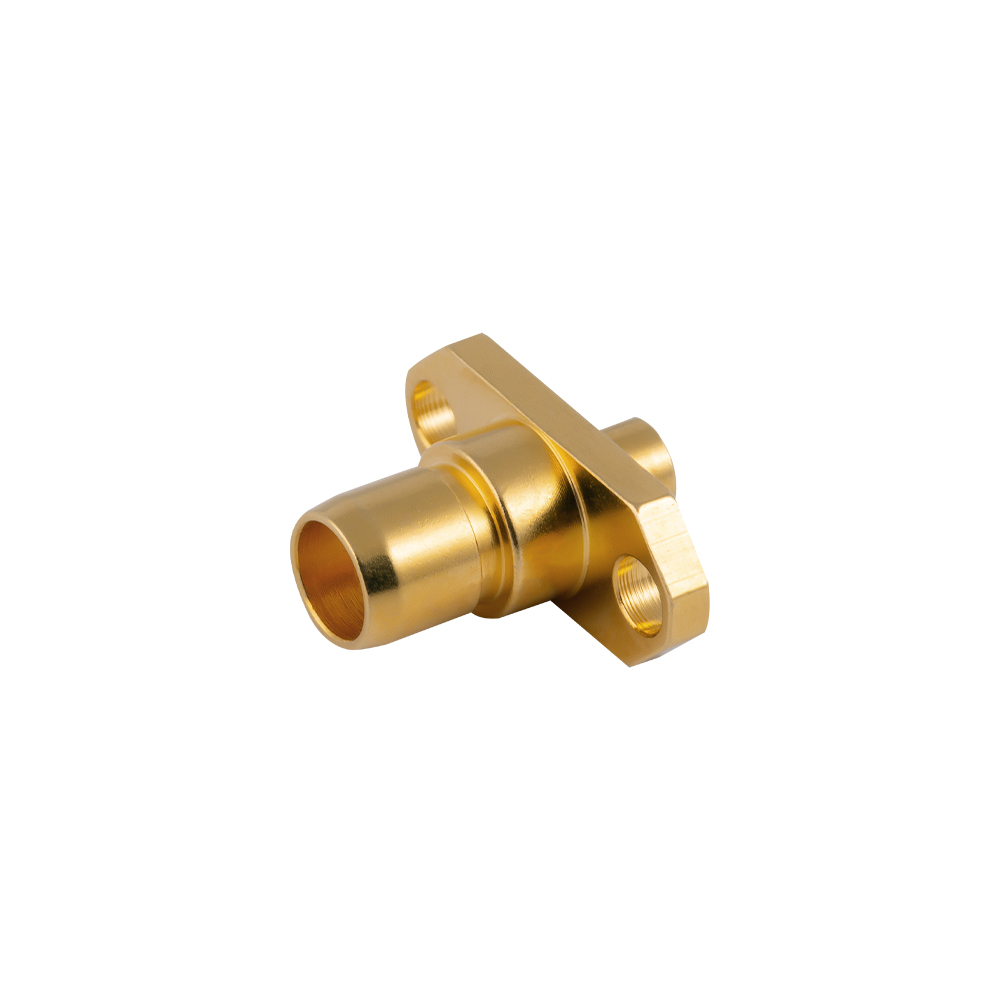
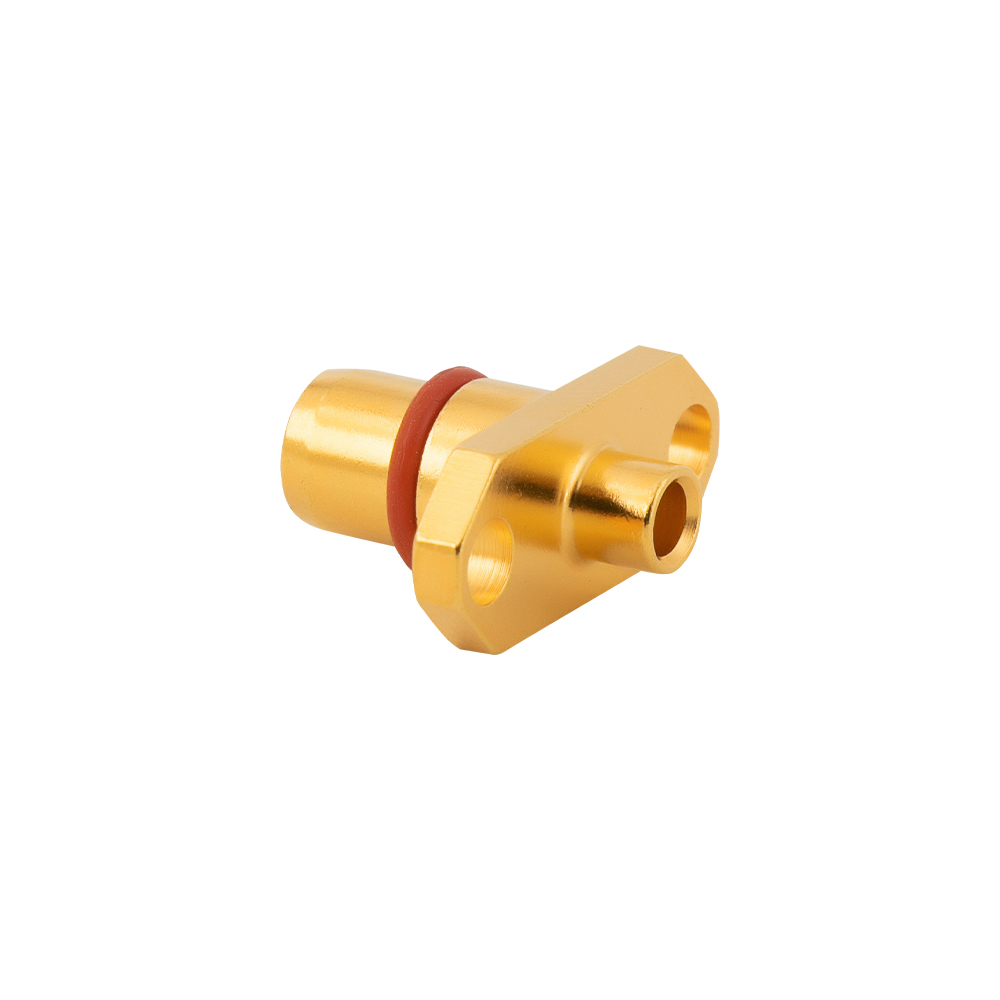
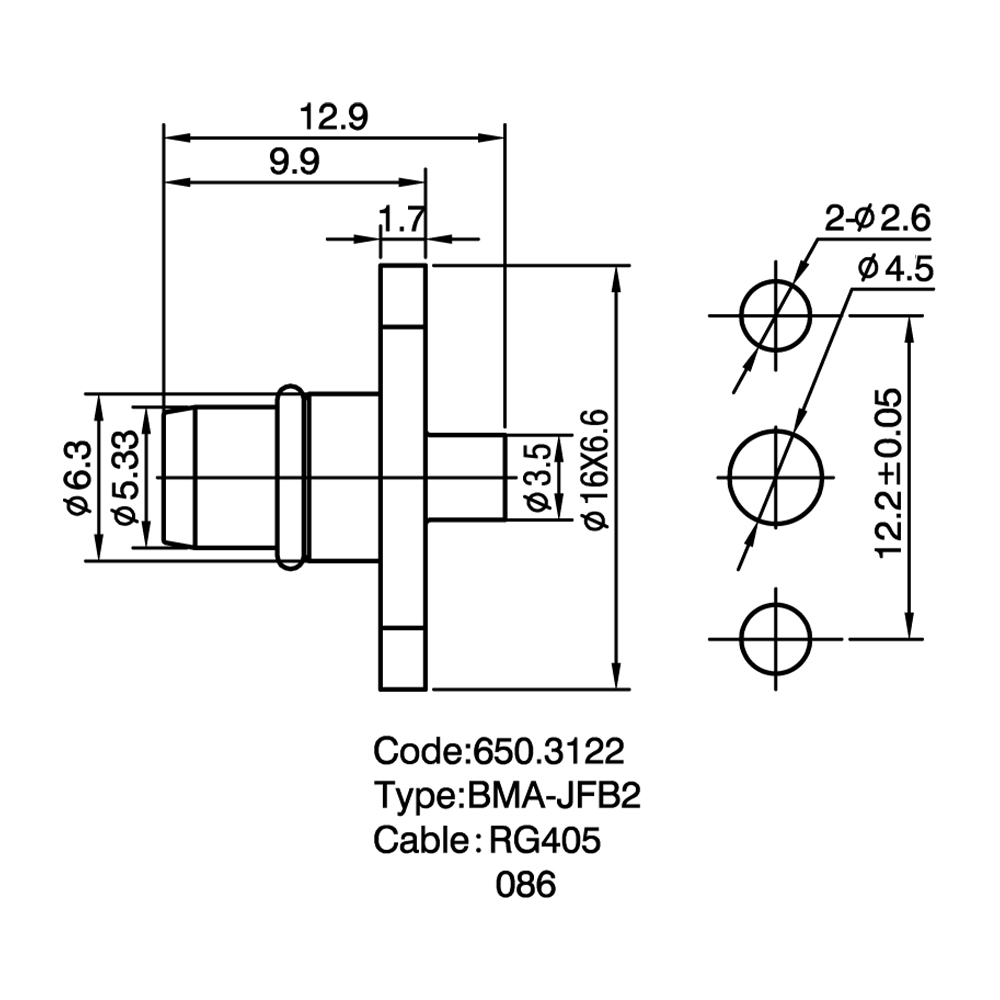
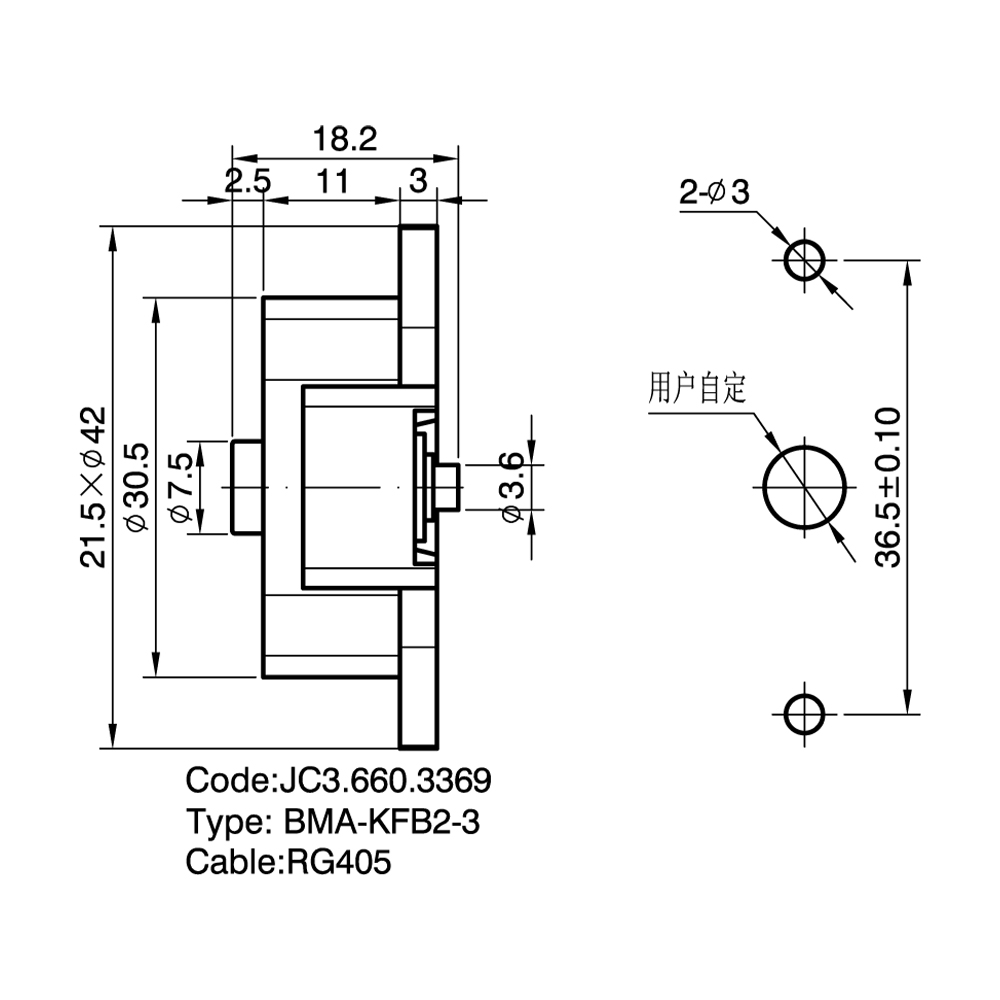
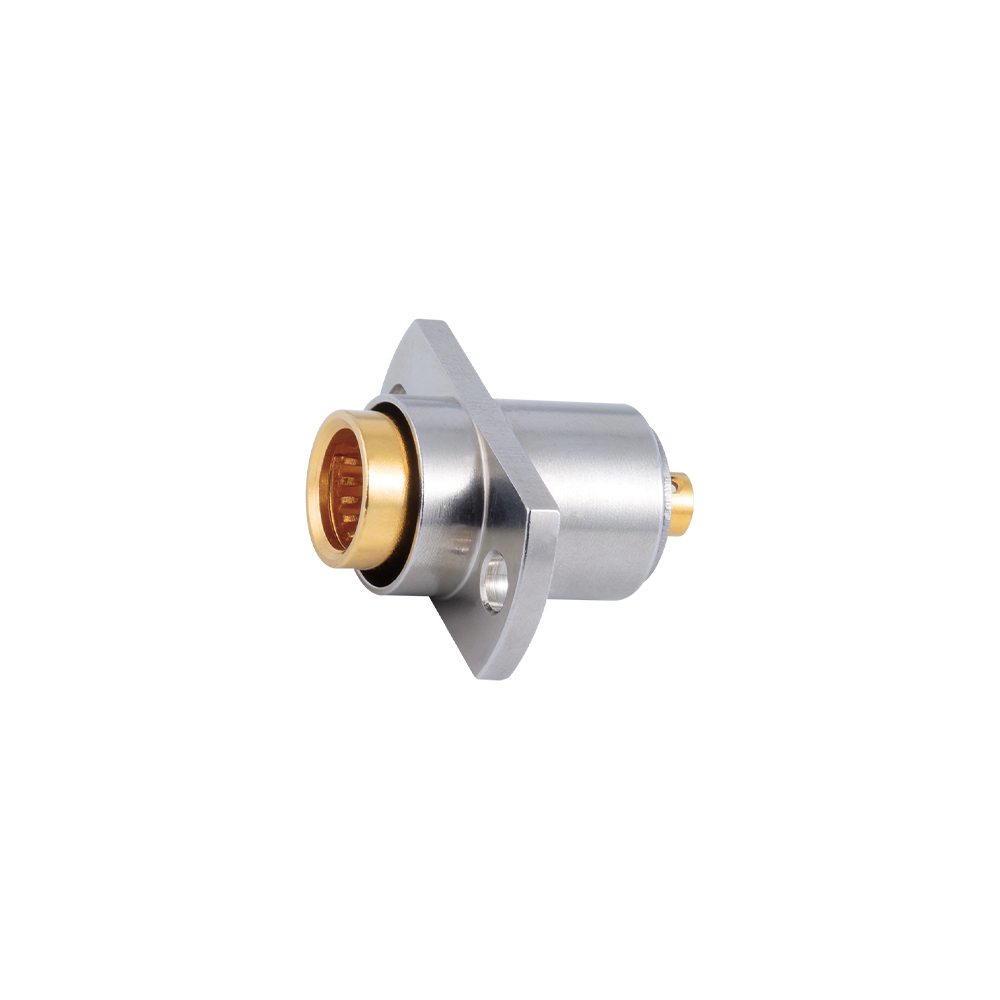
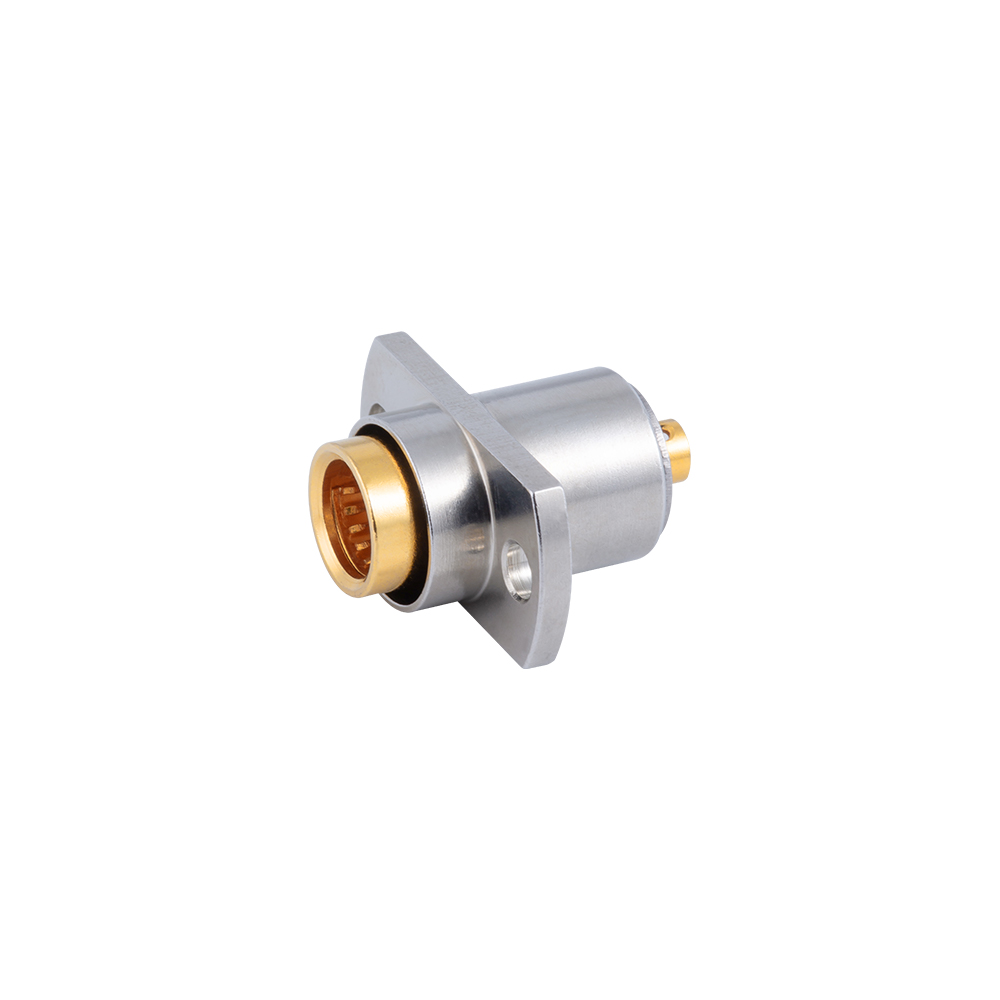
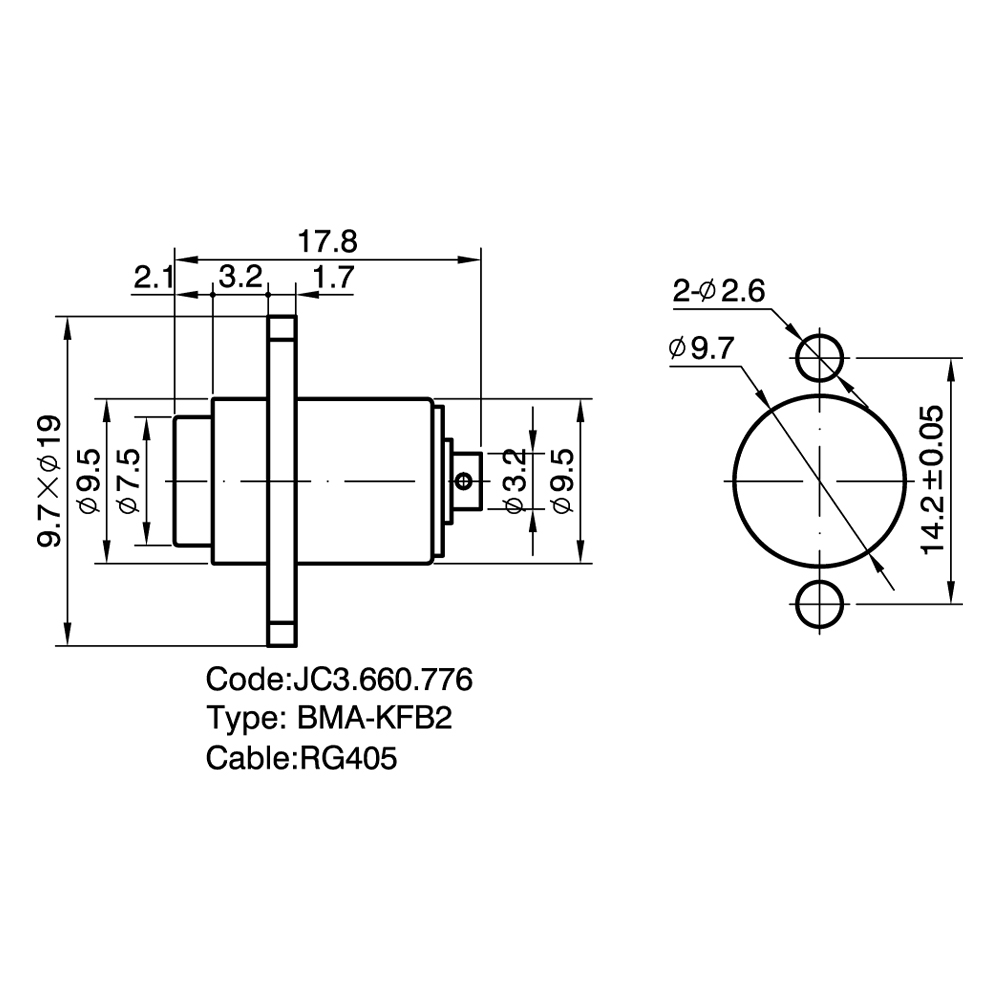
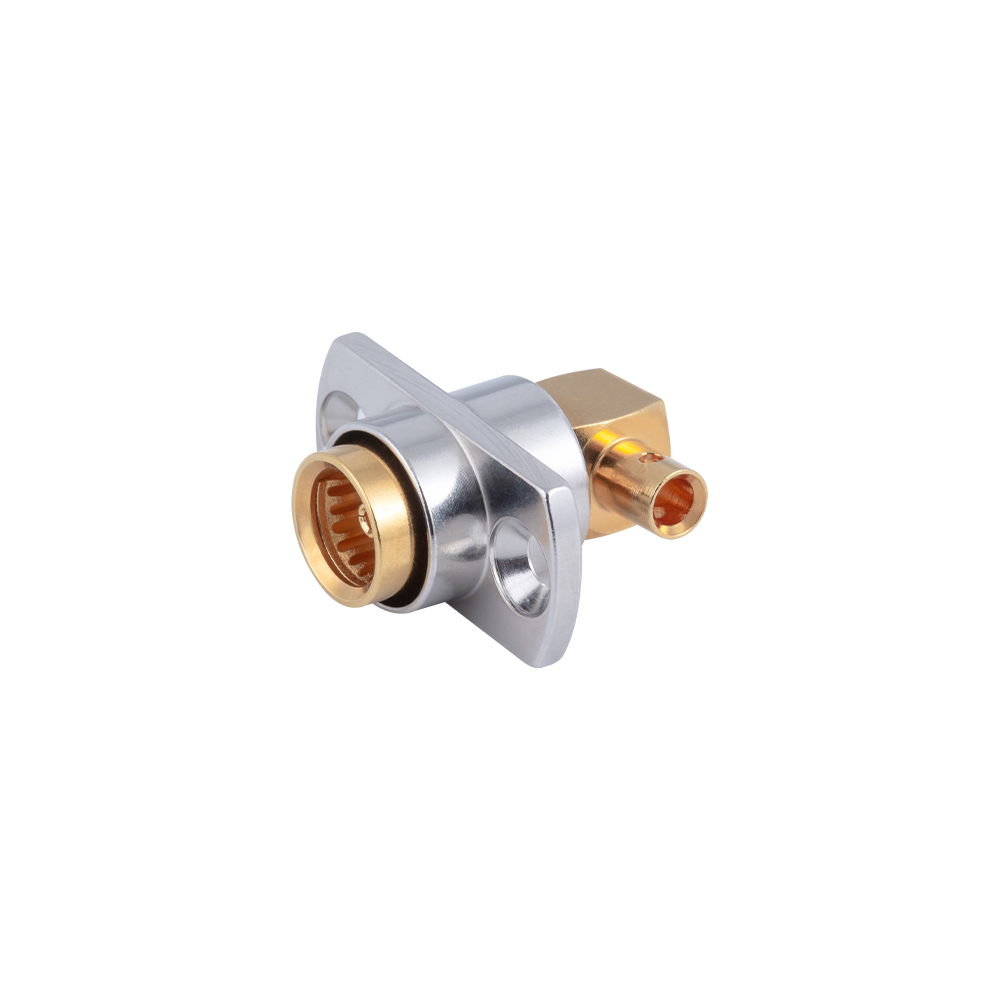
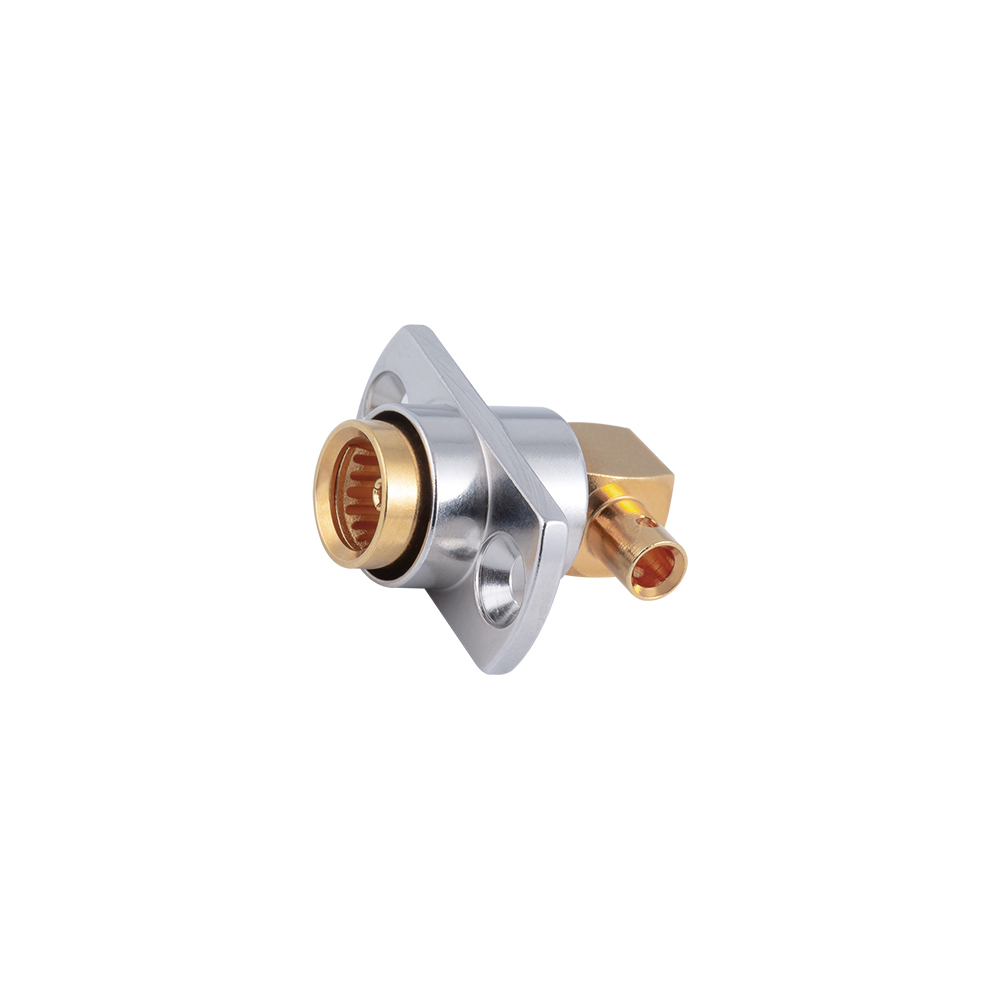
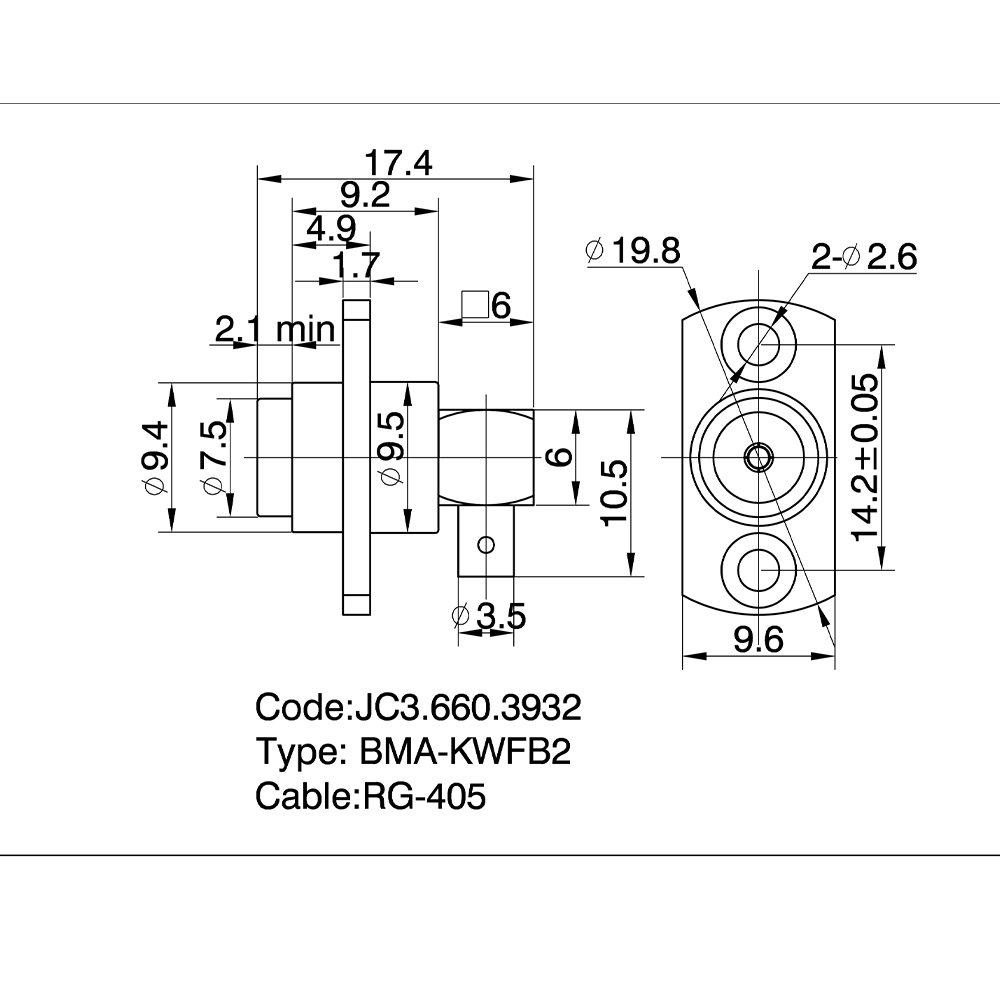
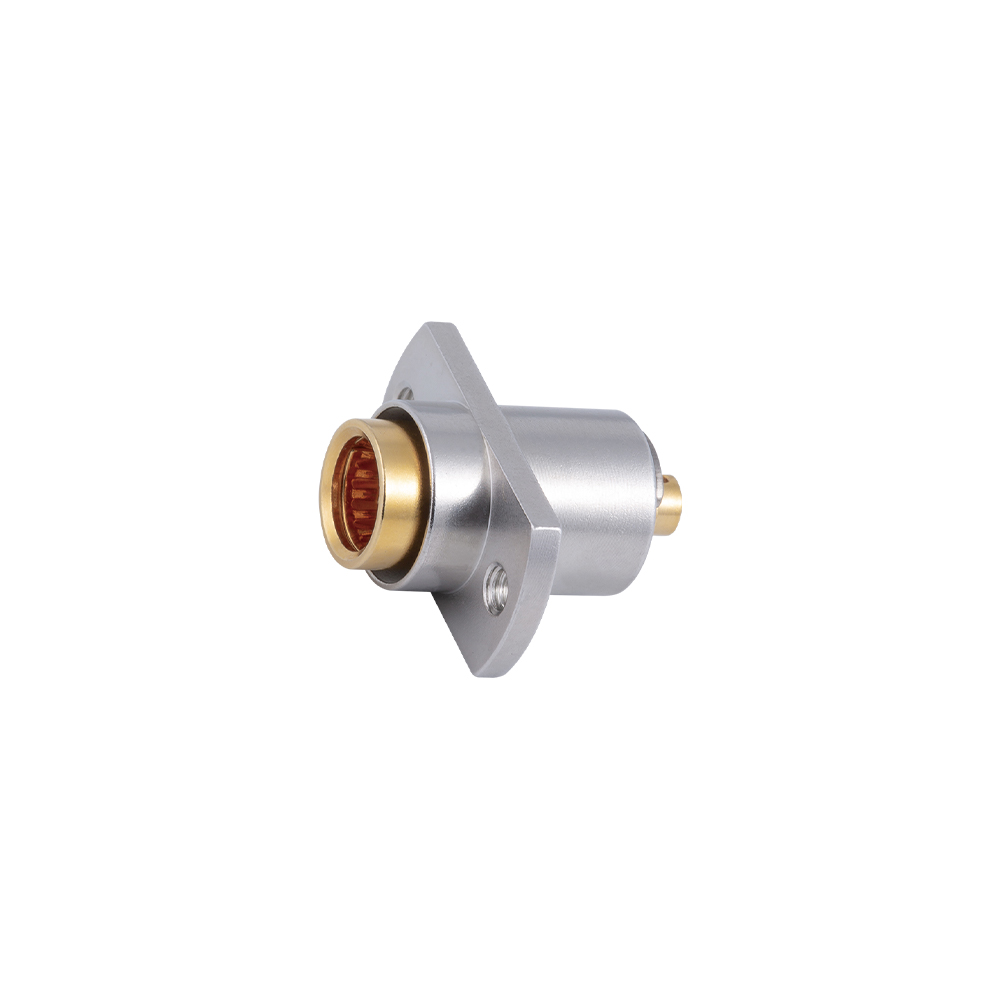
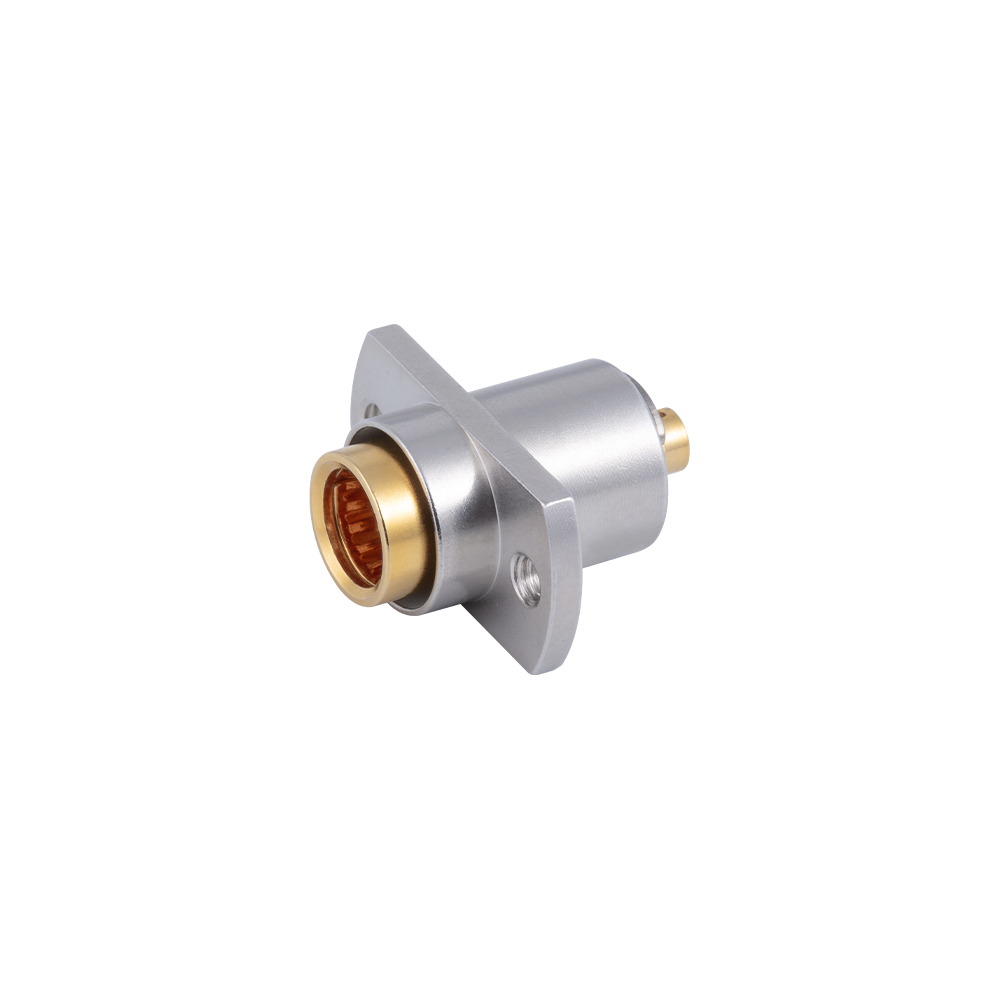
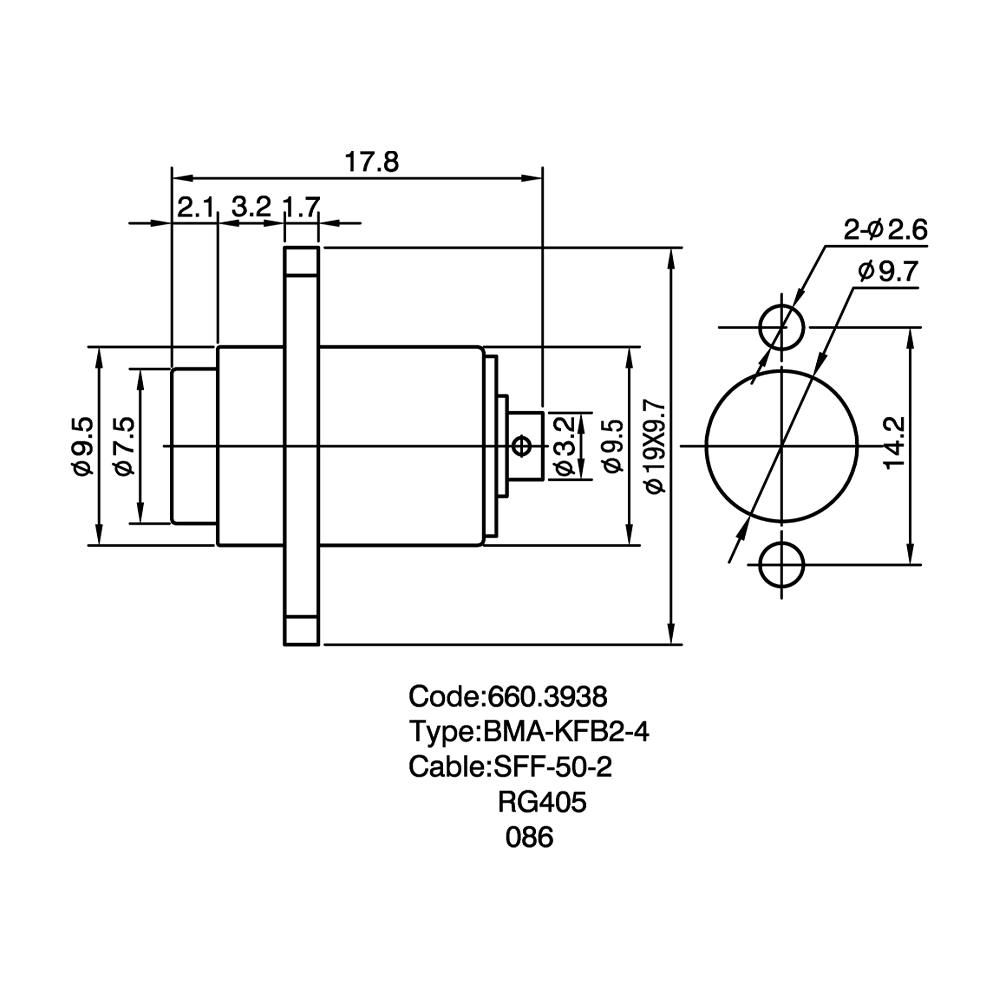
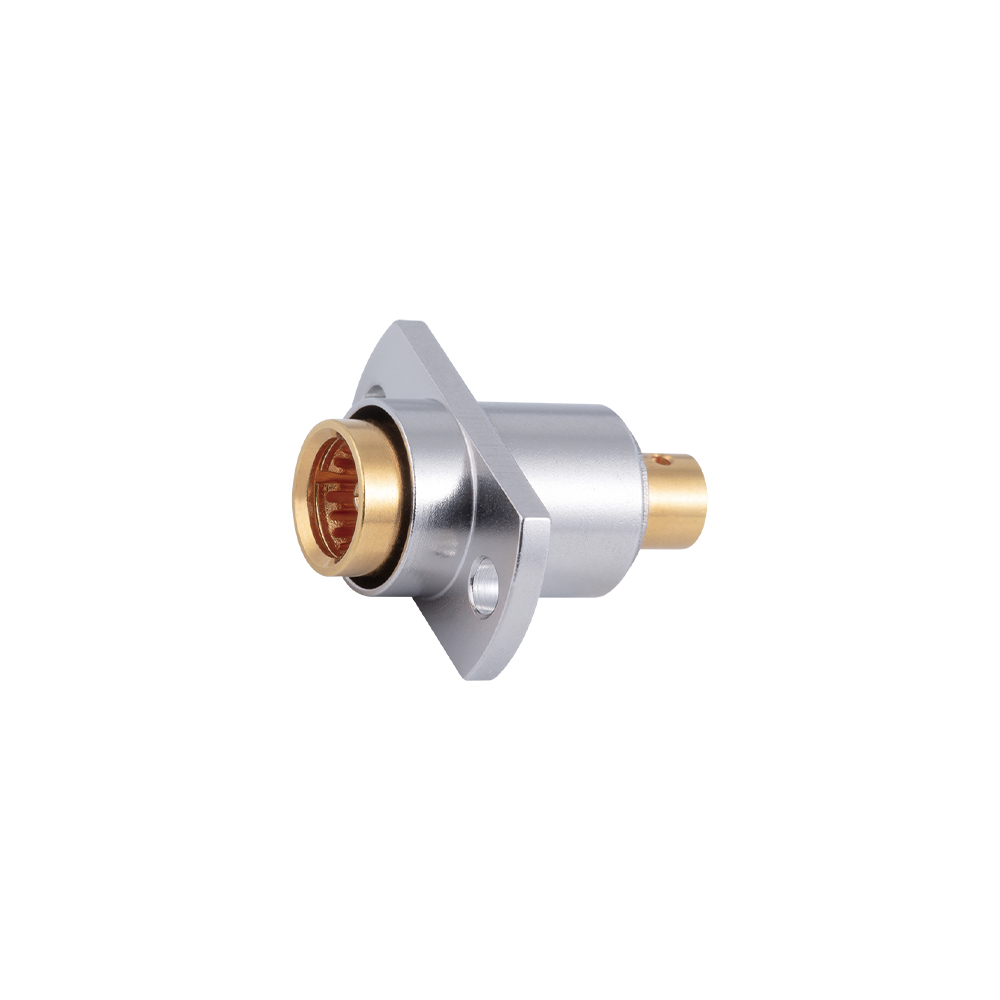
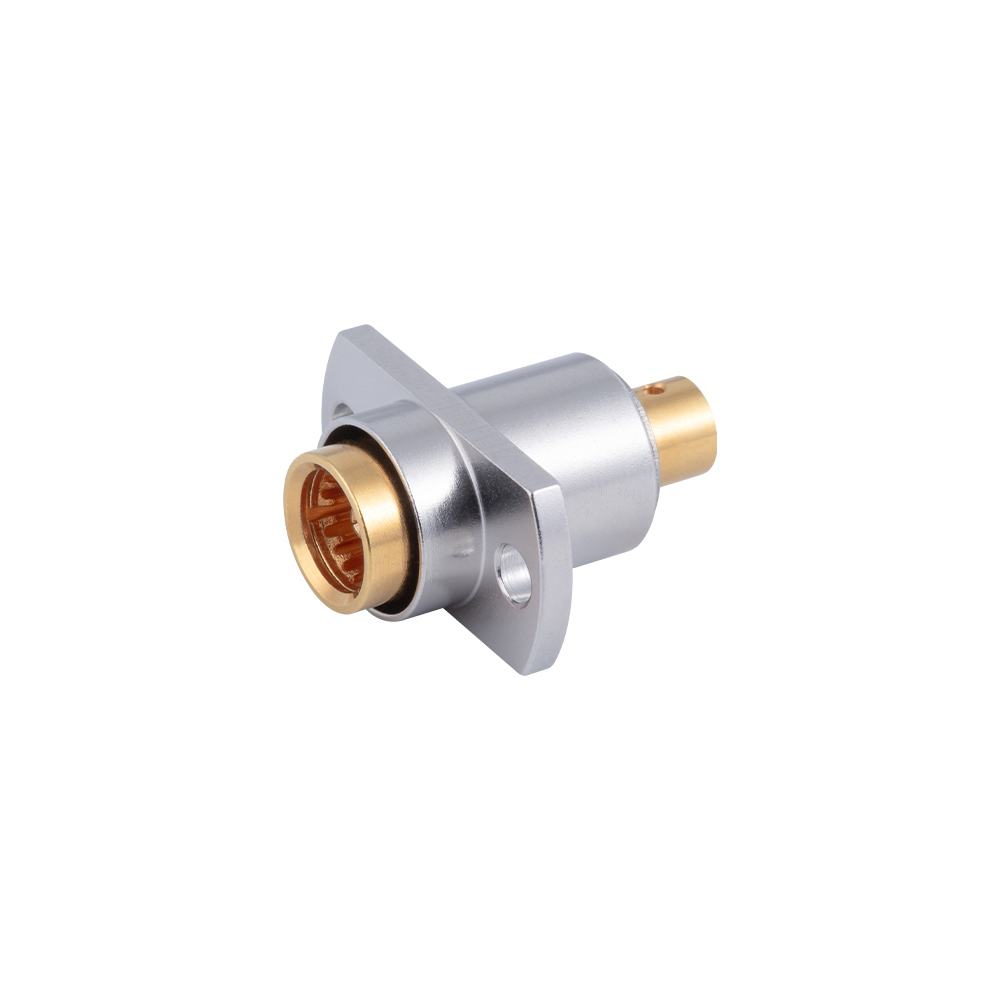
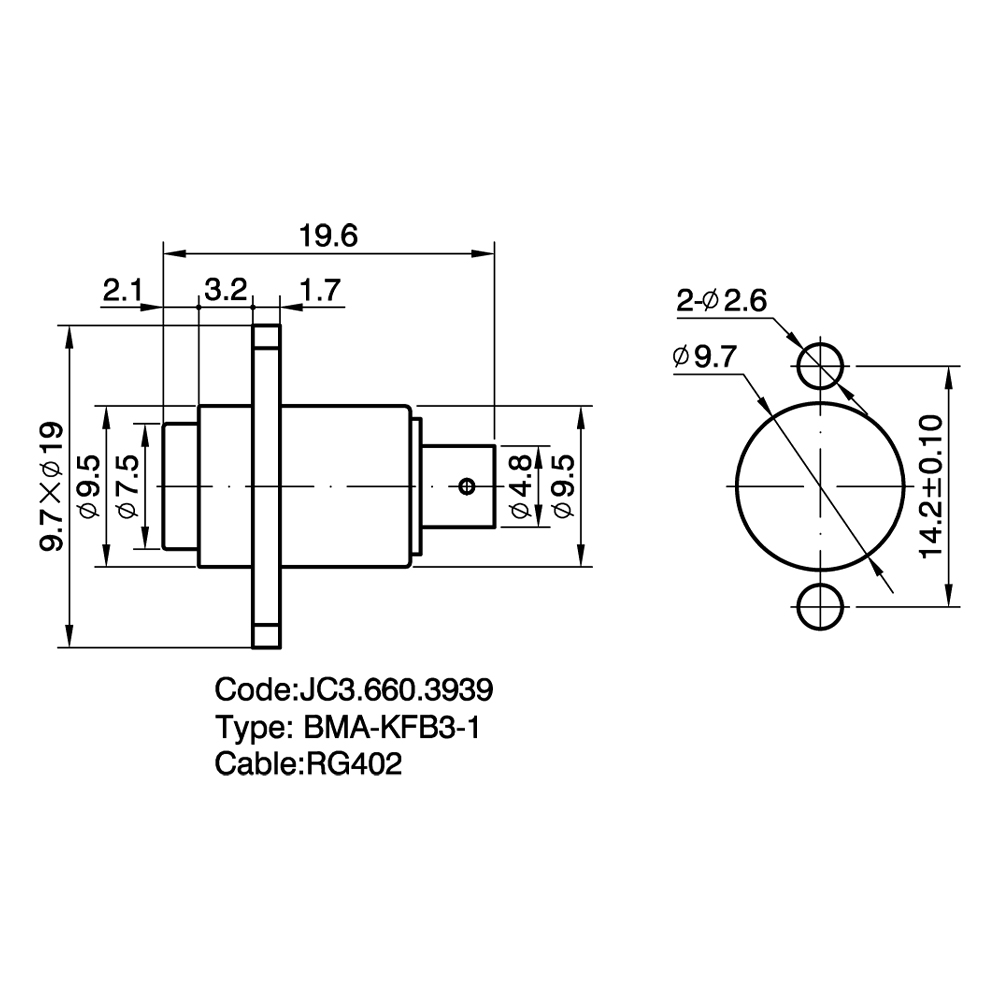
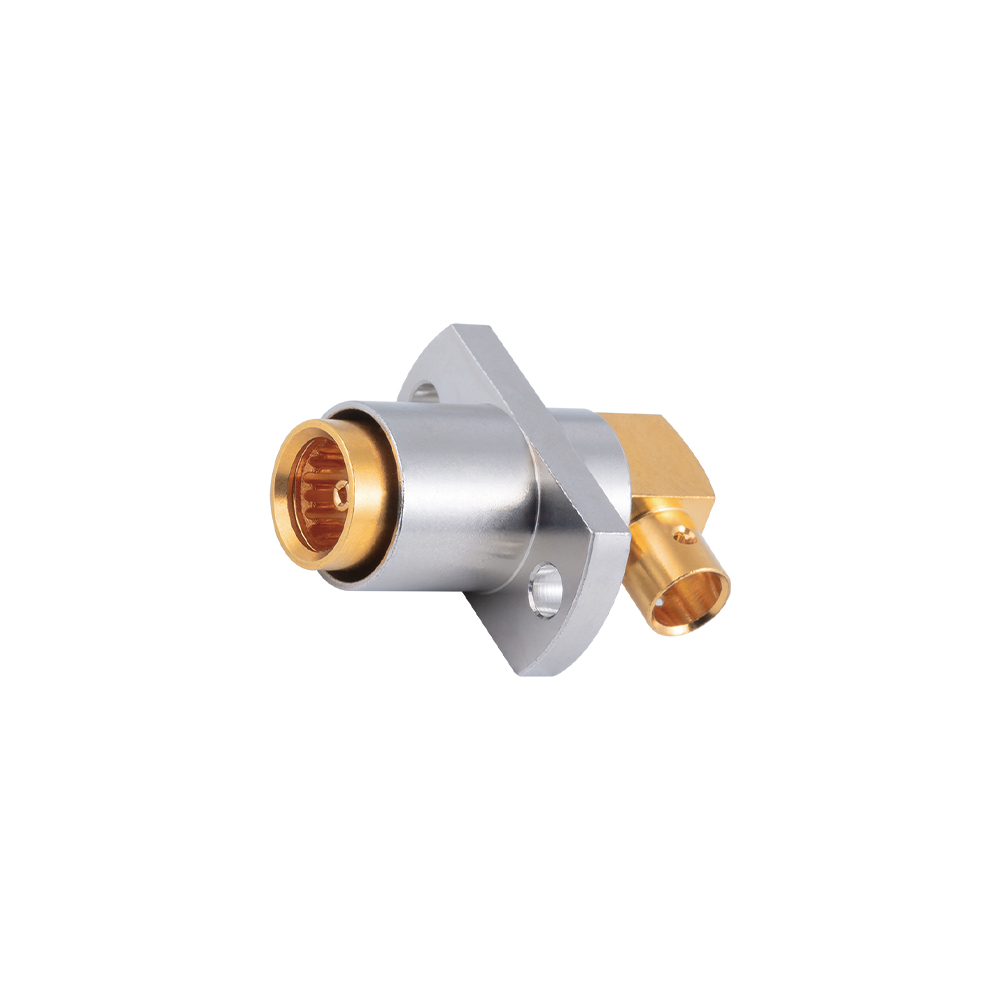
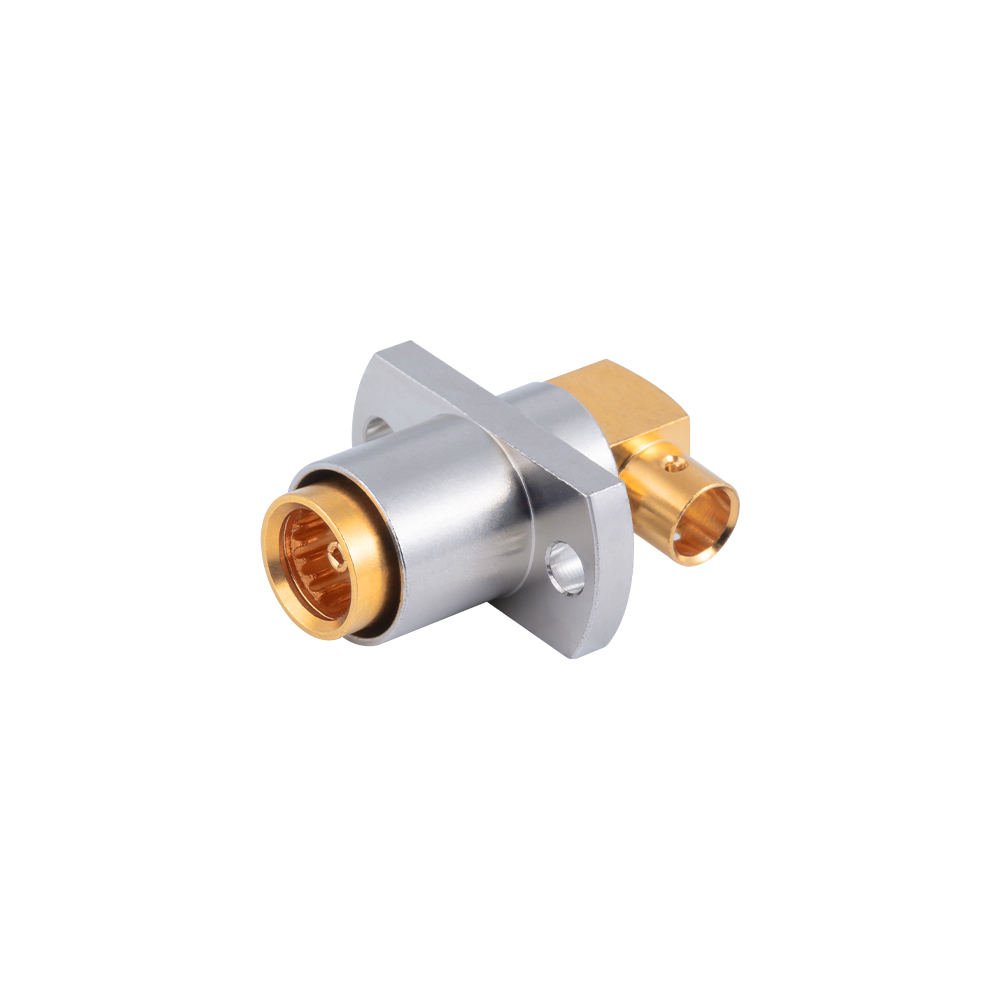
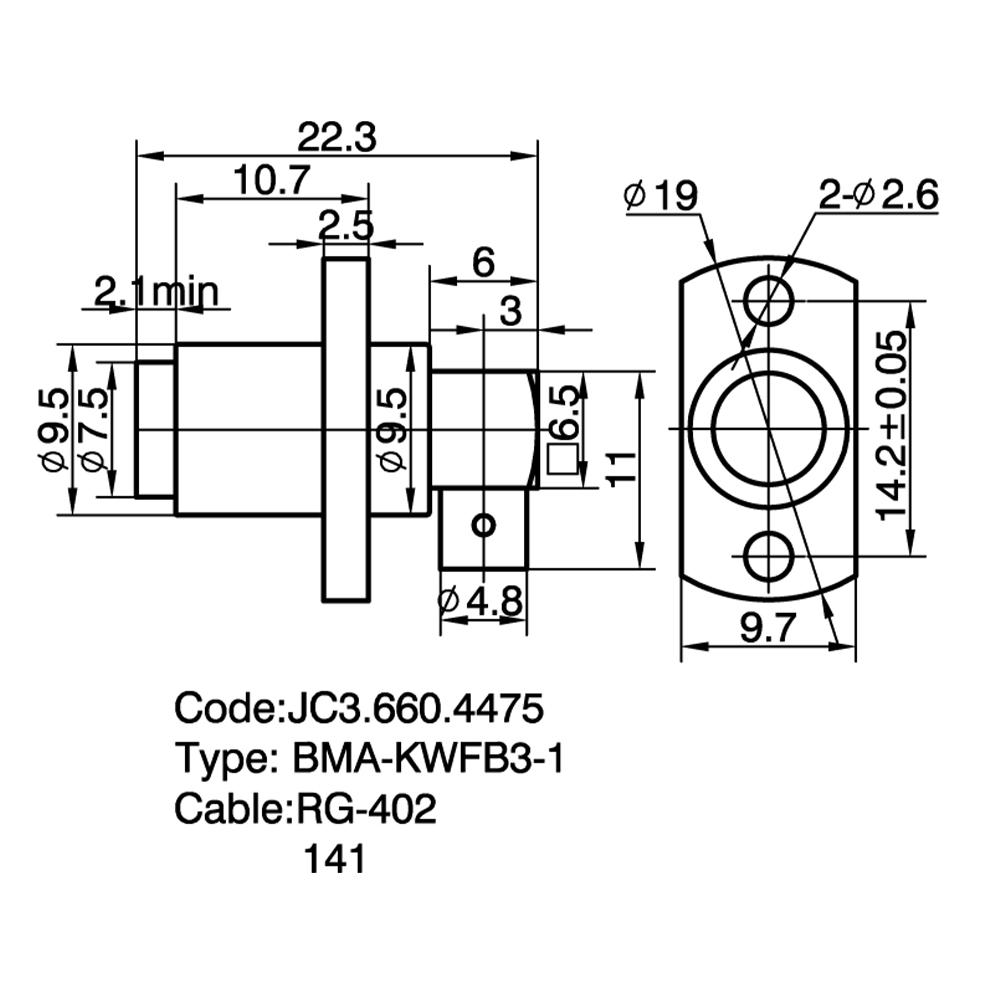
BMA RF Connectors for Semi-flexible & Semi-rigid Cable are designed for high-frequency RF interconnection systems that require compact structure, reliable electrical performance, and stable mechanical connection. These connectors are commonly used with semi-flexible cables such as .086" (RG402) and semi-rigid cables such as .047" (RG405), providing a secure transition between cable conductors and RF modules while maintaining shielding effectiveness and signal integrity.
The main function of BMA RF Connectors for Semi-flexible & Semi-rigid Cable is to establish fixed RF links inside electronic modules, microwave assemblies, and communication equipment. By integrating with the cable's metallic outer conductor through precision assembly processes, these connectors help reduce signal leakage, minimize electromagnetic interference, and support stable operation in high-frequency environments.
Yangzhou Jingcheng Electronics Co., Ltd. is a professional China BMA RF Connectors for Semi-flexible & Semi-rigid Cable Manufacturer and Supplier, specializing in the R&D and production of RF coaxial connectors, cable assemblies, and passive microwave components. The company follows international standards including MIL, IEC, and GB, with ISO9001 certification and a product portfolio covering more than 30 RF connector series and over 2,000 specifications.
Common Types and Features of BMA RF Connectors for Semi-flexible & Semi-rigid Cable
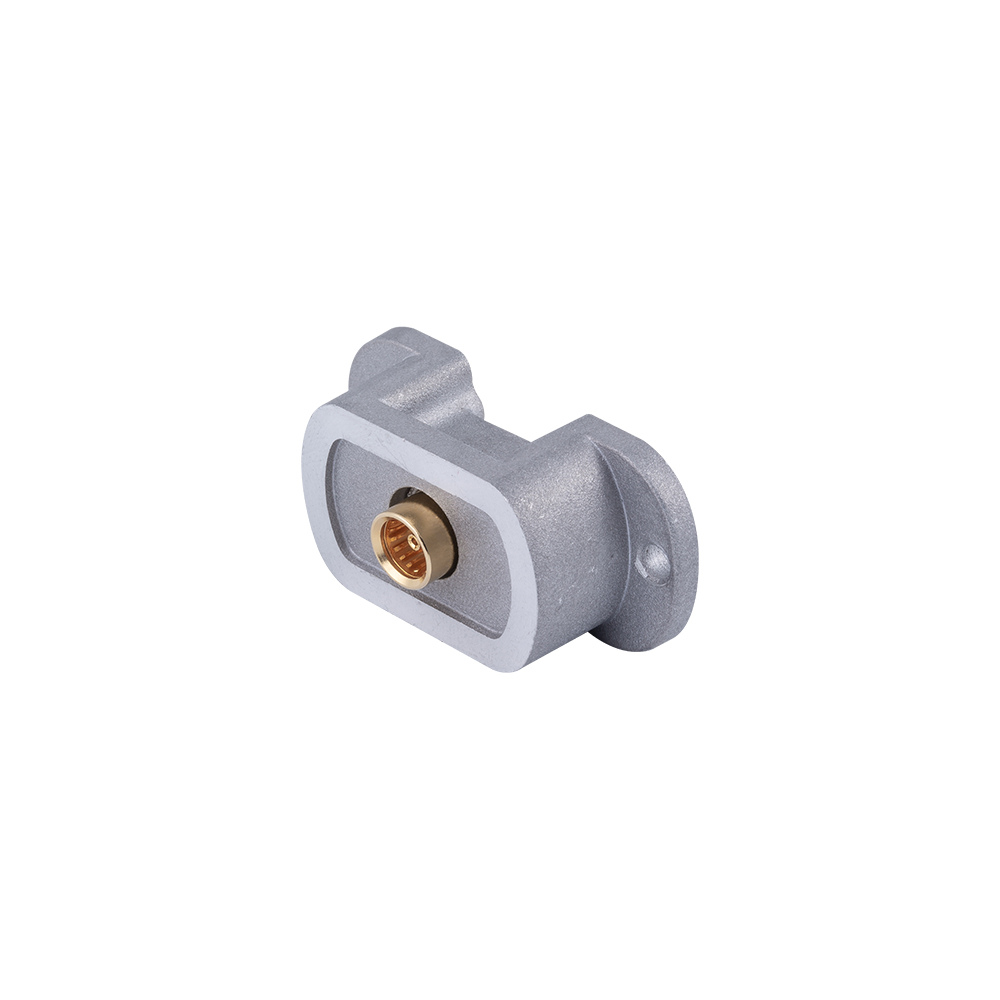
BMA connectors are a type of blind-mate RF connector featuring a floating interface structure, allowing a certain degree of misalignment compensation during installation. According to cable size, mounting method, and application requirements, common types include:
| Type |
Features |
Typical Applications |
| BMA Straight Cable Connector |
Compact design, direct signal transmission path, suitable for fixed cable connections |
RF modules, microwave equipment, communication systems |
| BMA Right Angle Cable Connector |
Optimized for limited installation space, reduces cable bending requirements |
Compact RF assemblies, aerospace electronics, test equipment |
| BMA Bulkhead Connector |
Panel mounting structure with stable mechanical fixation |
RF cabinets, instruments, integrated modules |
| BMA Connector for RG402 Cable |
Designed for .086" semi-rigid or semi-flexible cables with high-frequency performance |
Microwave circuits, high-speed RF links |
| BMA Connector for RG405 Cable |
Suitable for smaller diameter .047" cables where space efficiency is required |
Miniature RF modules and precision electronic systems |
Core Performance Characteristics of BMA RF Cable Connectors
- High-frequency capability: Designed for microwave frequency applications, supporting stable RF signal transmission with low insertion loss.
- Reliable shielding performance: The connector structure works together with the cable outer conductor to improve electromagnetic compatibility and reduce interference.
- Blind-mate connection design: The floating interface allows easier assembly in modular RF systems where alignment accuracy is limited.
- Compact structure: The small form factor helps save installation space in high-density electronic equipment.
- Mechanical stability: Precision machining and standardized manufacturing ensure consistent connection performance under vibration and environmental changes.
- Cable compatibility: Available for different semi-flexible and semi-rigid cable sizes, including RG402 and RG405 configurations.
Applications of BMA RF Connectors for Semi-flexible & Semi-rigid Cable
BMA RF connectors are widely used in applications where reliable microwave signal transmission and compact interconnection are required. Typical application fields include:
- Communication equipment: Used in base station components, RF modules, and wireless communication systems.
- Aerospace and defense electronics: Applied in systems requiring stable RF performance, vibration resistance, and compact design.
- Automotive electronics: Used for RF signal connections in advanced electronic systems and vehicle communication modules.
- Microwave test equipment: Suitable for measurement instruments and laboratory RF systems.
- Satellite and navigation systems: Used in high-frequency signal transmission assemblies.
- Modular electronic equipment: Provides flexible interconnection solutions between RF boards and cable assemblies.
BMA RF Connectors vs SMA RF Connectors: What Is the Difference?
| Comparison |
BMA RF Connector |
SMA RF Connector |
| Connection Method |
Blind-mate connection with floating interface |
Threaded coupling connection |
| Installation Advantage |
Allows small alignment compensation during assembly |
Requires accurate manual alignment |
| Main Application |
Modular RF systems and dense microwave assemblies |
General RF cable connections and test applications |
| Mechanical Structure |
Compact design for integrated modules |
More suitable for exposed cable connections |
Compared with SMA connectors, BMA connectors are more suitable for applications requiring frequent module assembly, limited installation space, and blind-mate connection capability. SMA connectors are commonly selected for general-purpose RF connections where threaded locking is preferred.
How to Select the Right BMA RF Connector for Semi-flexible & Semi-rigid Cable?
Selecting a suitable BMA connector requires consideration of cable type, frequency range, installation environment, and mechanical requirements.
- Cable diameter: Confirm whether the connector matches .086" RG402, .047" RG405, or other semi-rigid/semi-flexible cable specifications.
- Frequency requirement: Select connector models according to the operating frequency range of the RF system.
- Mounting method: Choose straight, right-angle, or bulkhead structures according to available installation space.
- Environmental conditions: Consider vibration, temperature, and mechanical stress requirements for aerospace, automotive, or industrial applications.
- Assembly requirements: Evaluate soldering, crimping, or cable termination methods for production efficiency.
FAQ About BMA RF Connectors for Semi-flexible & Semi-rigid Cable
What cables are compatible with BMA RF connectors?
BMA RF connectors are commonly designed for semi-flexible and semi-rigid coaxial cables, including RG402 (.086") and RG405 (.047") cables. Different connector models are selected according to cable diameter and termination requirements.
Why are BMA connectors used in RF modules?
BMA connectors provide blind-mate capability, compact dimensions, and stable microwave performance, making them suitable for modular RF equipment where repeated assembly and accurate interconnection are required.
Are BMA connectors suitable for high-frequency applications?
Yes. BMA connectors are designed for microwave and high-frequency RF systems, providing low signal loss, reliable shielding, and stable electrical characteristics.
What standards are followed for BMA RF connector manufacturing?
Professional manufacturers typically follow international standards such as MIL, IEC, and GB to ensure connector dimensions, electrical performance, and reliability meet industry requirements. Yangzhou Jingcheng Electronics Co., Ltd. applies standardized production processes and quality control systems for RF connector manufacturing.


 English
 中文简体
中文简体