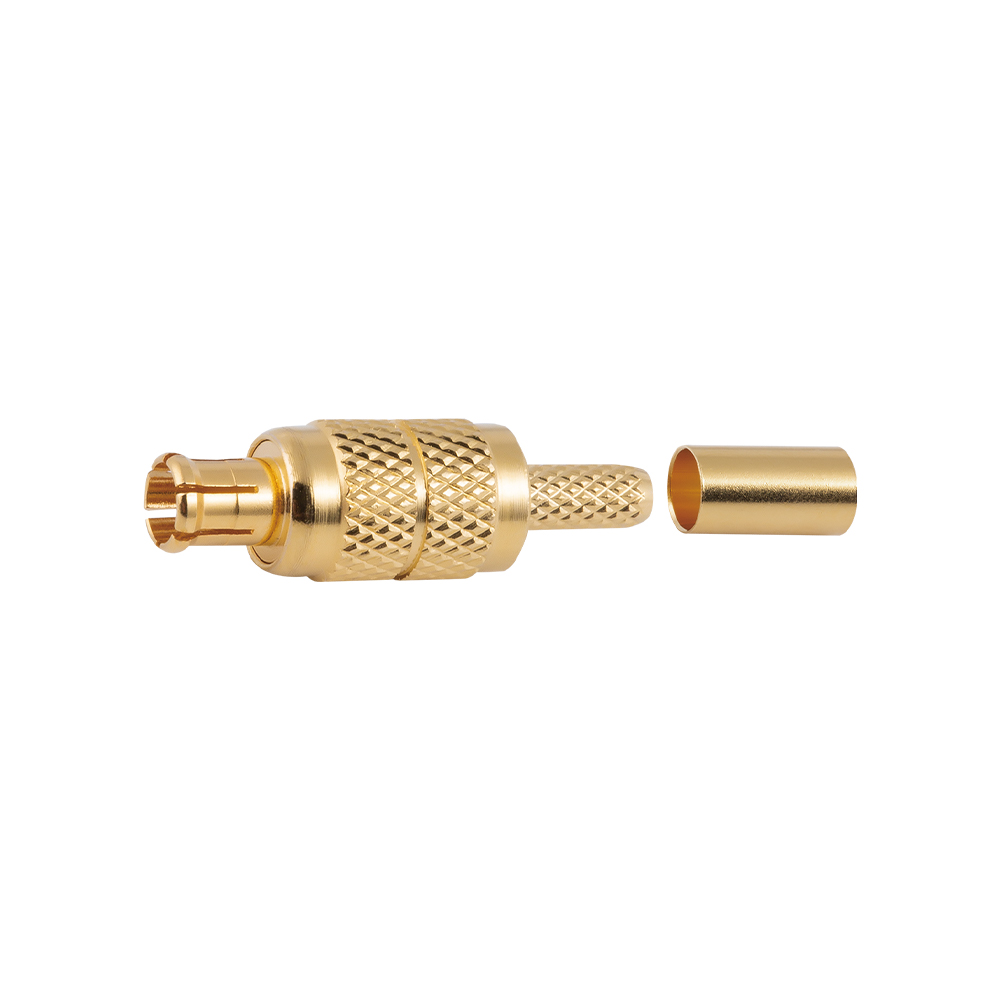
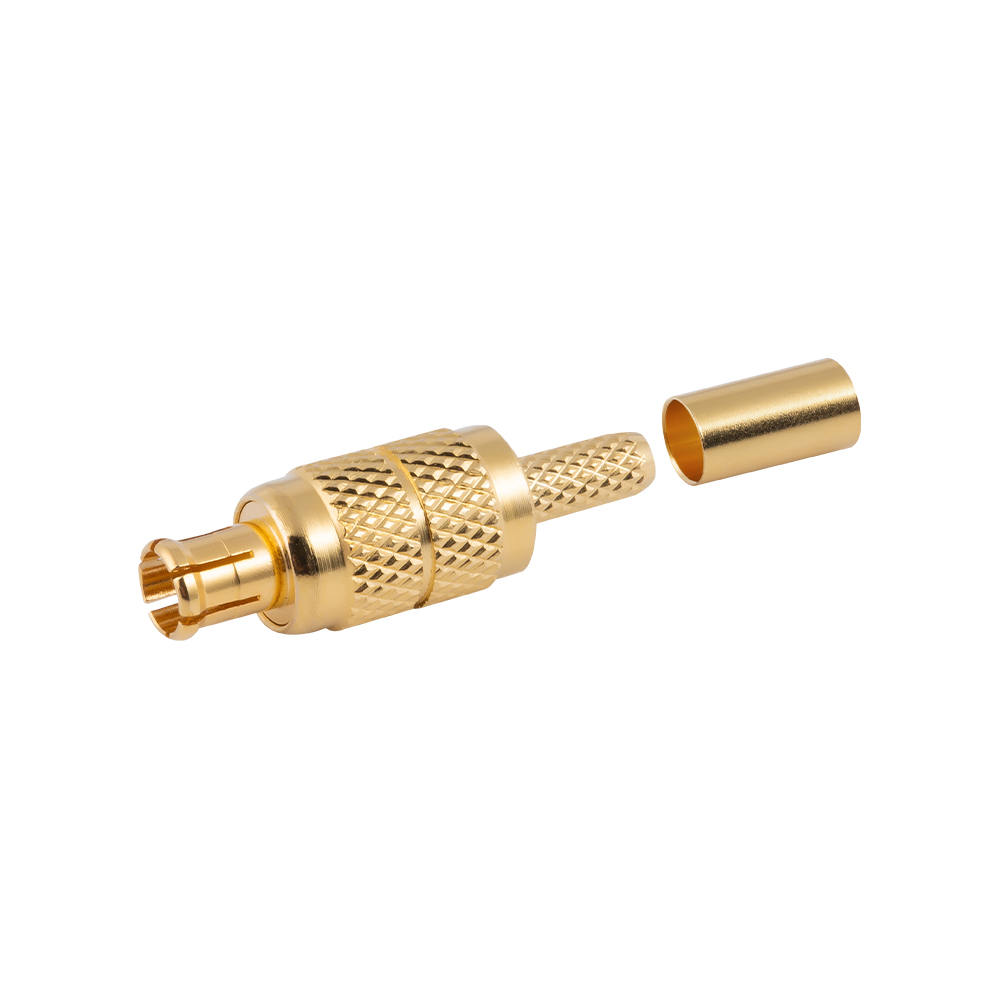
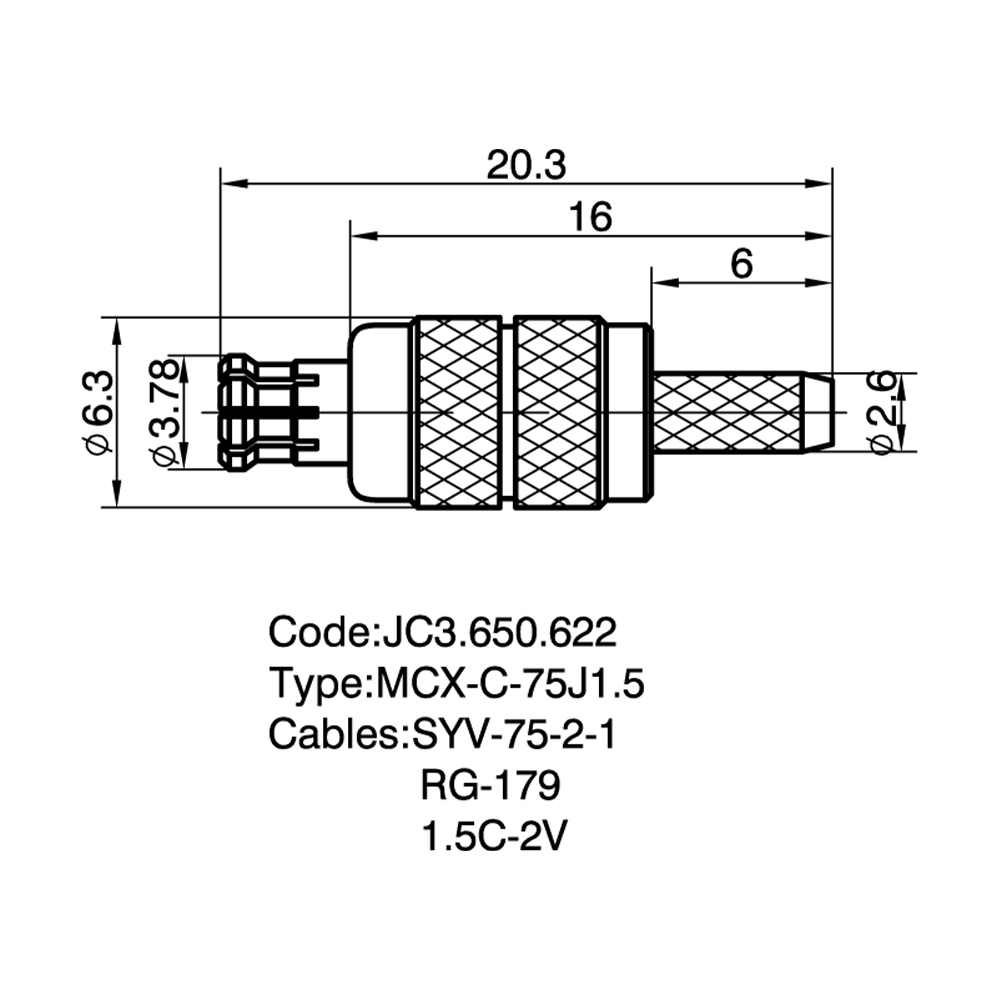
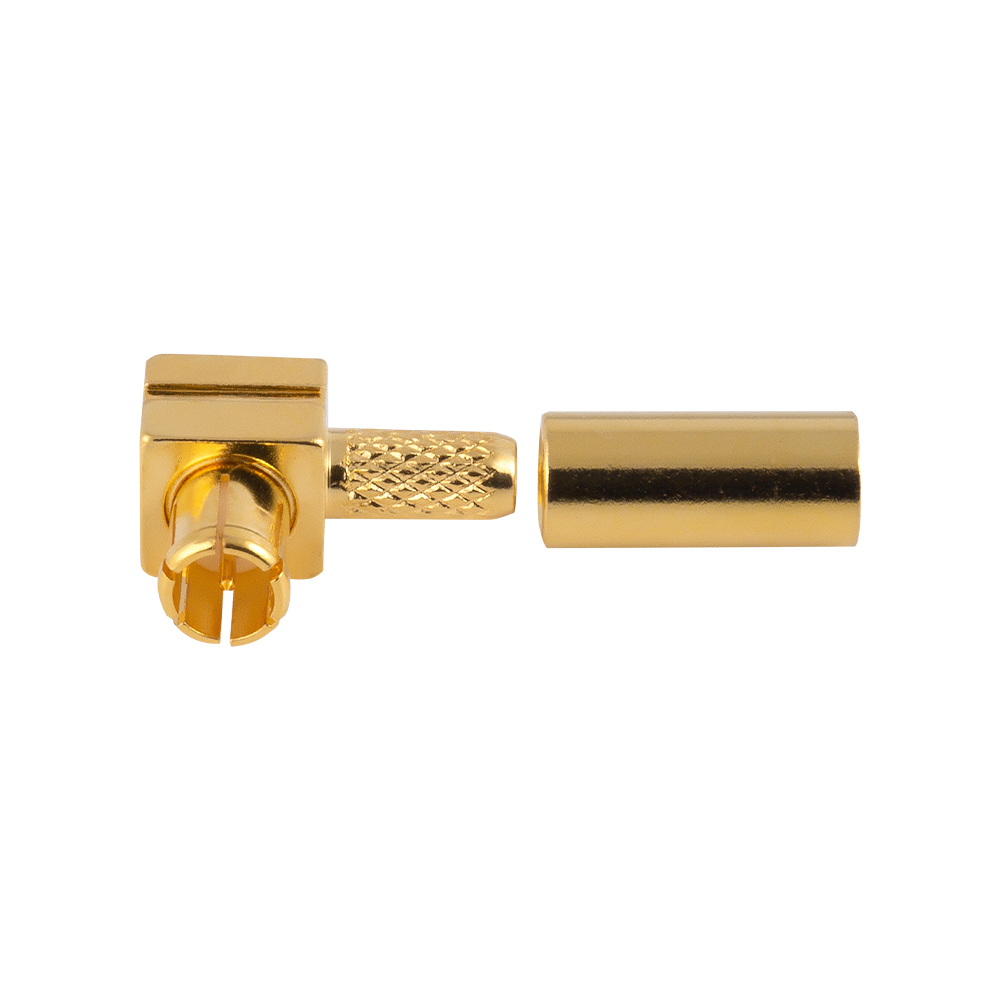
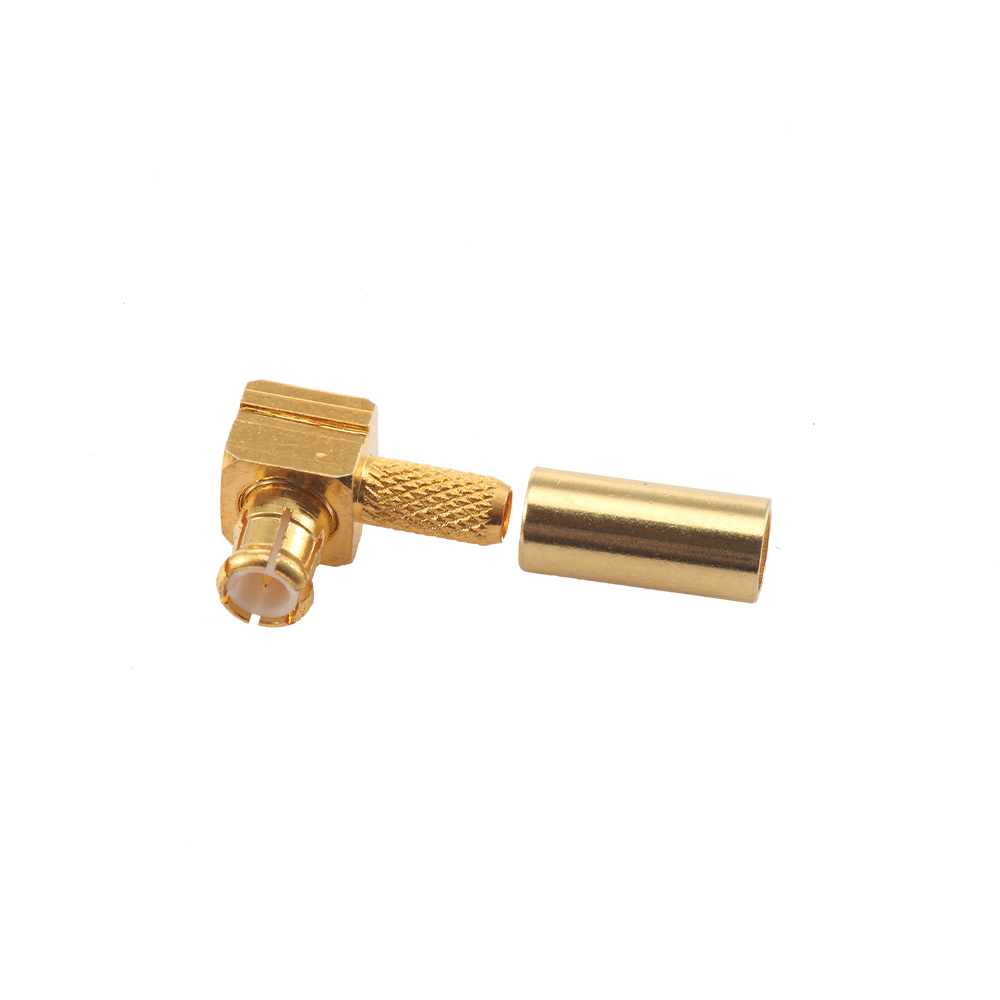
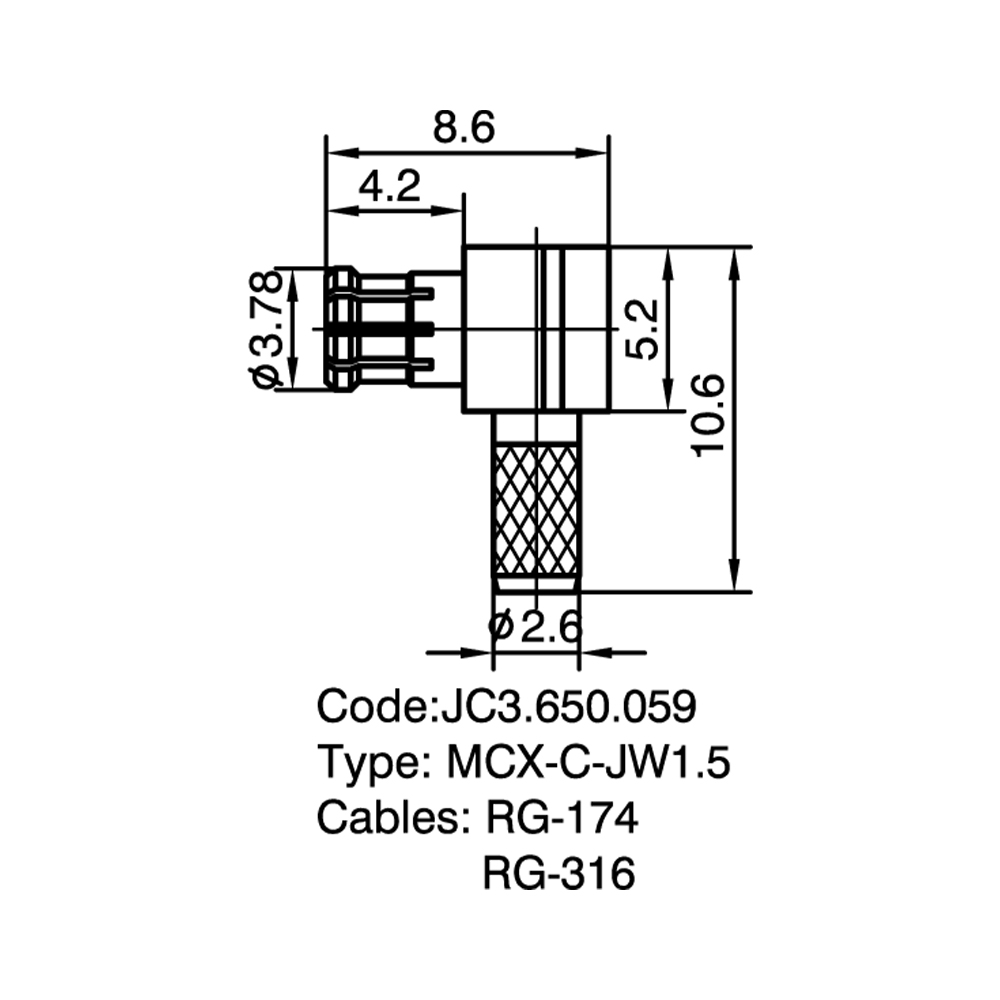
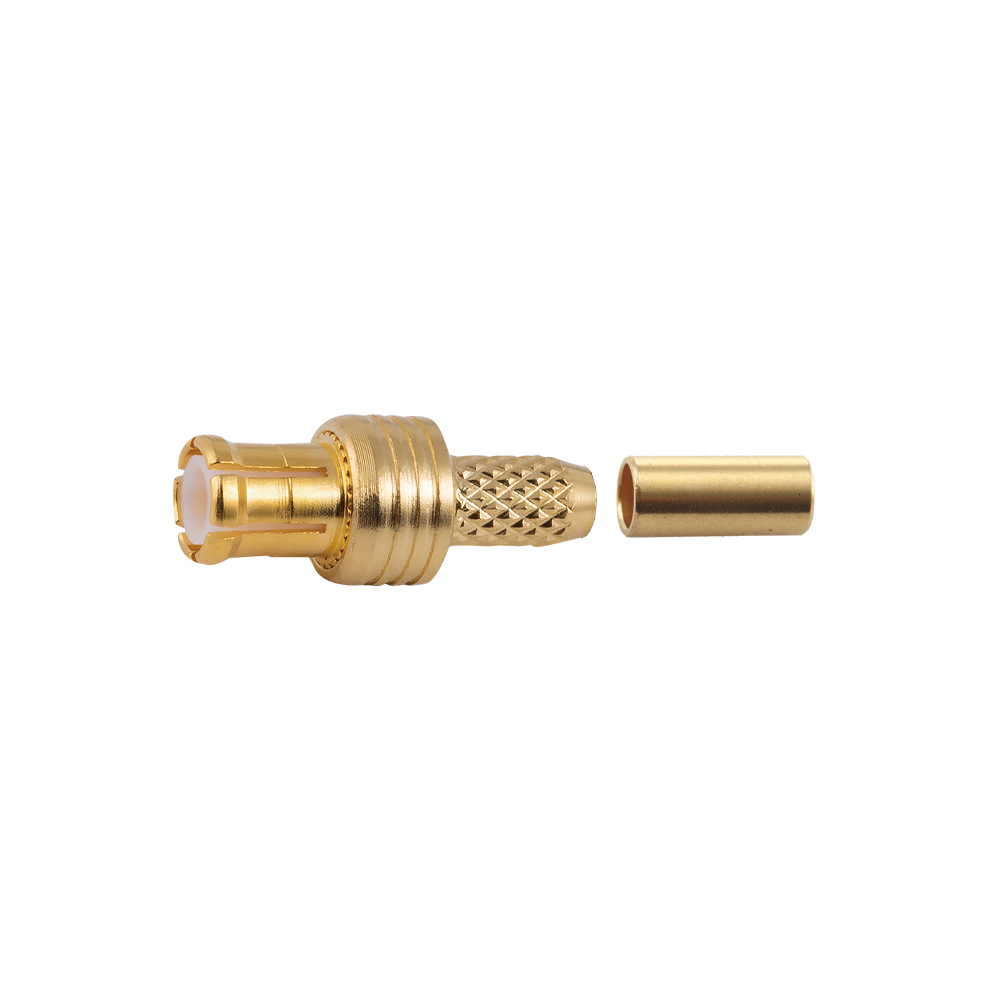
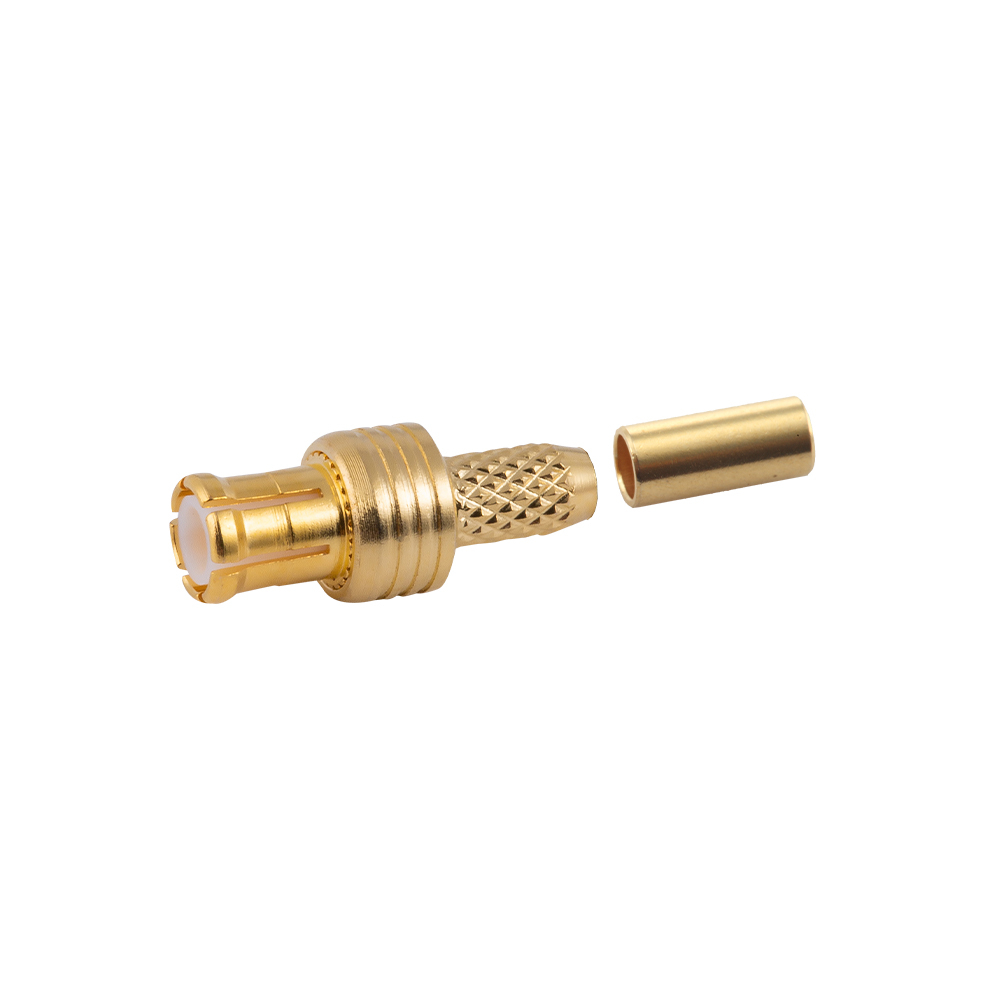
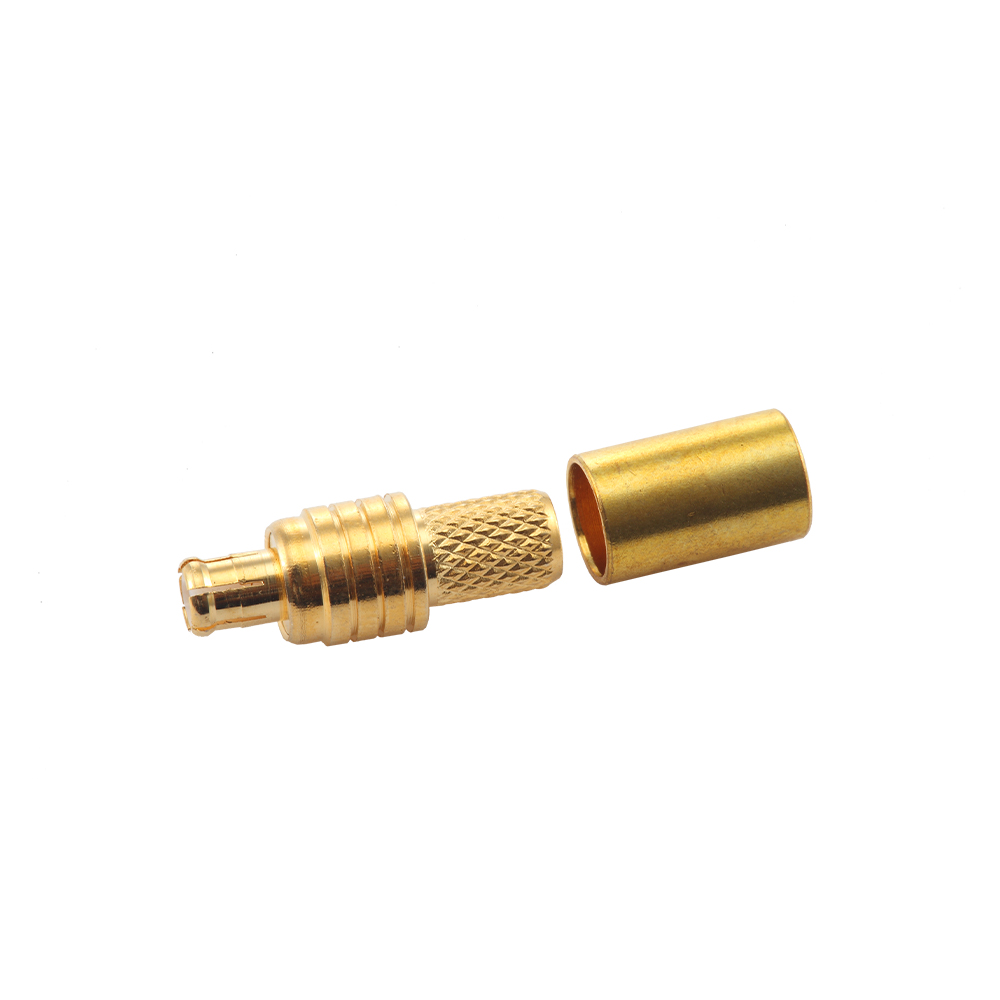
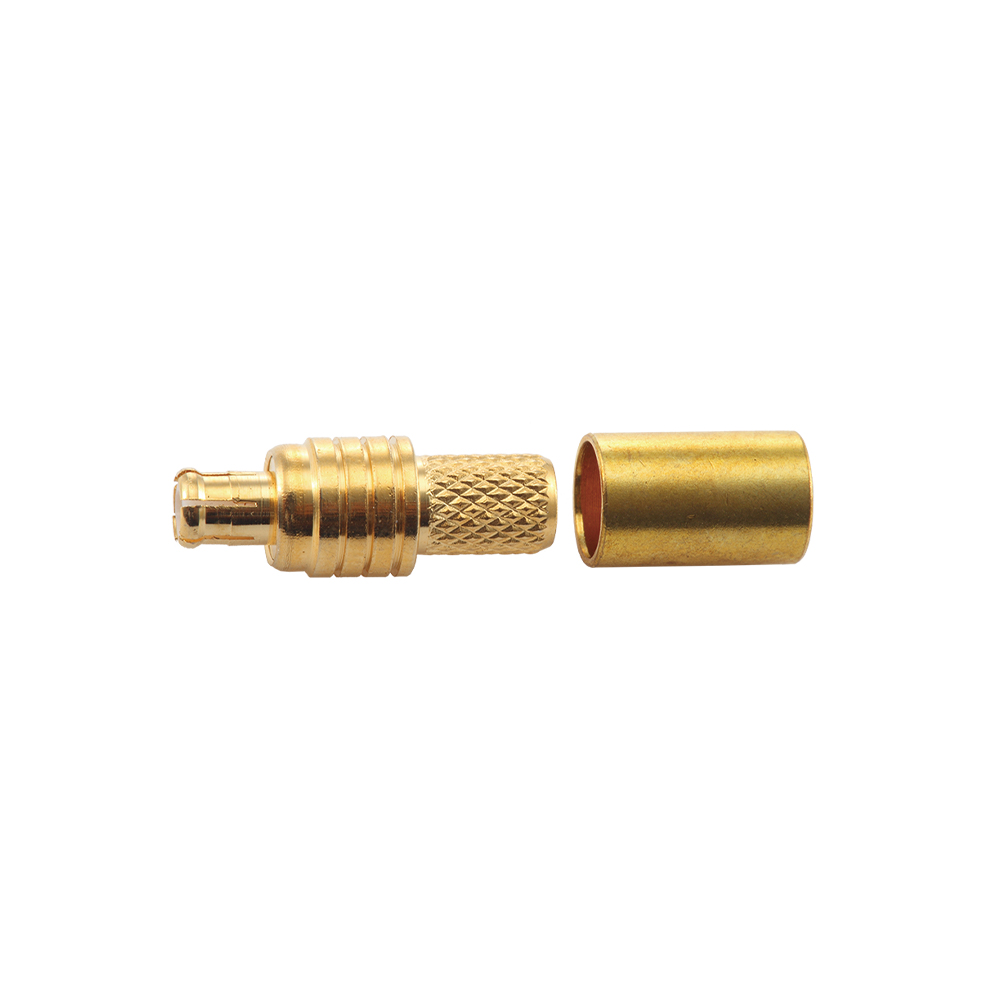
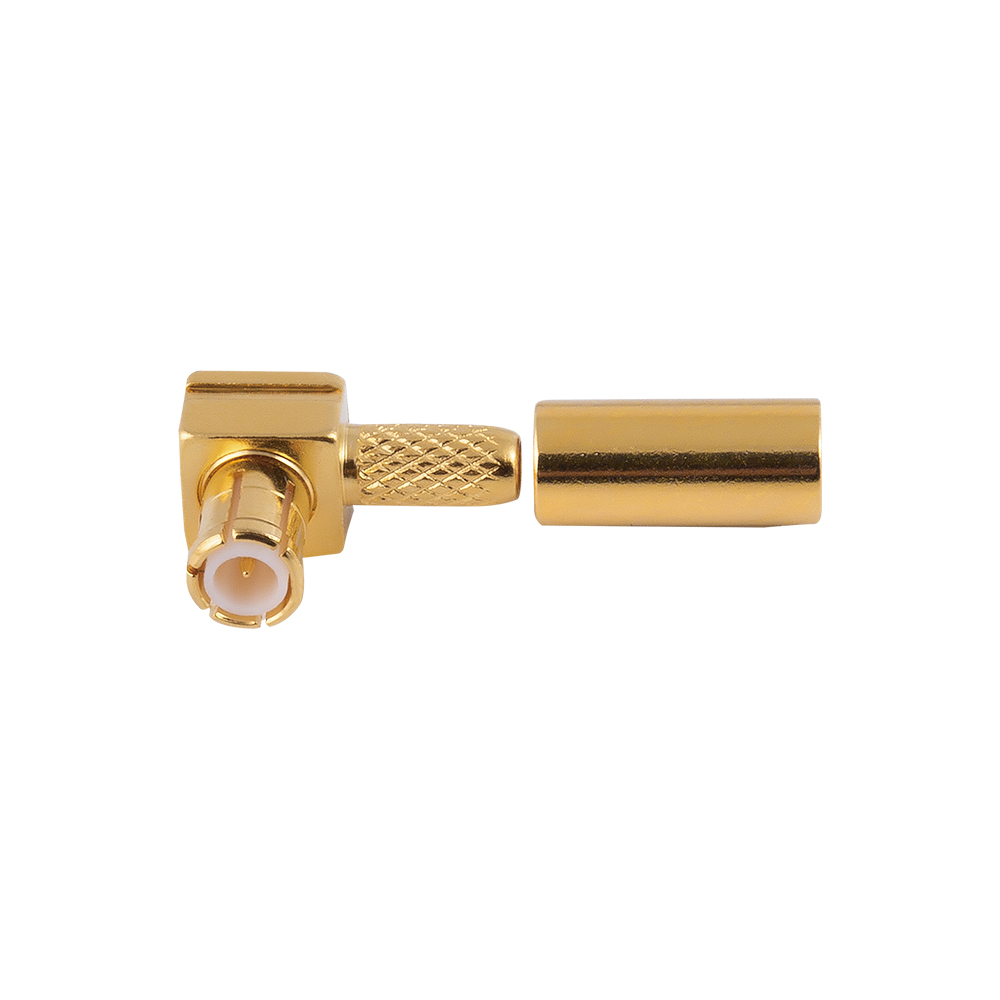
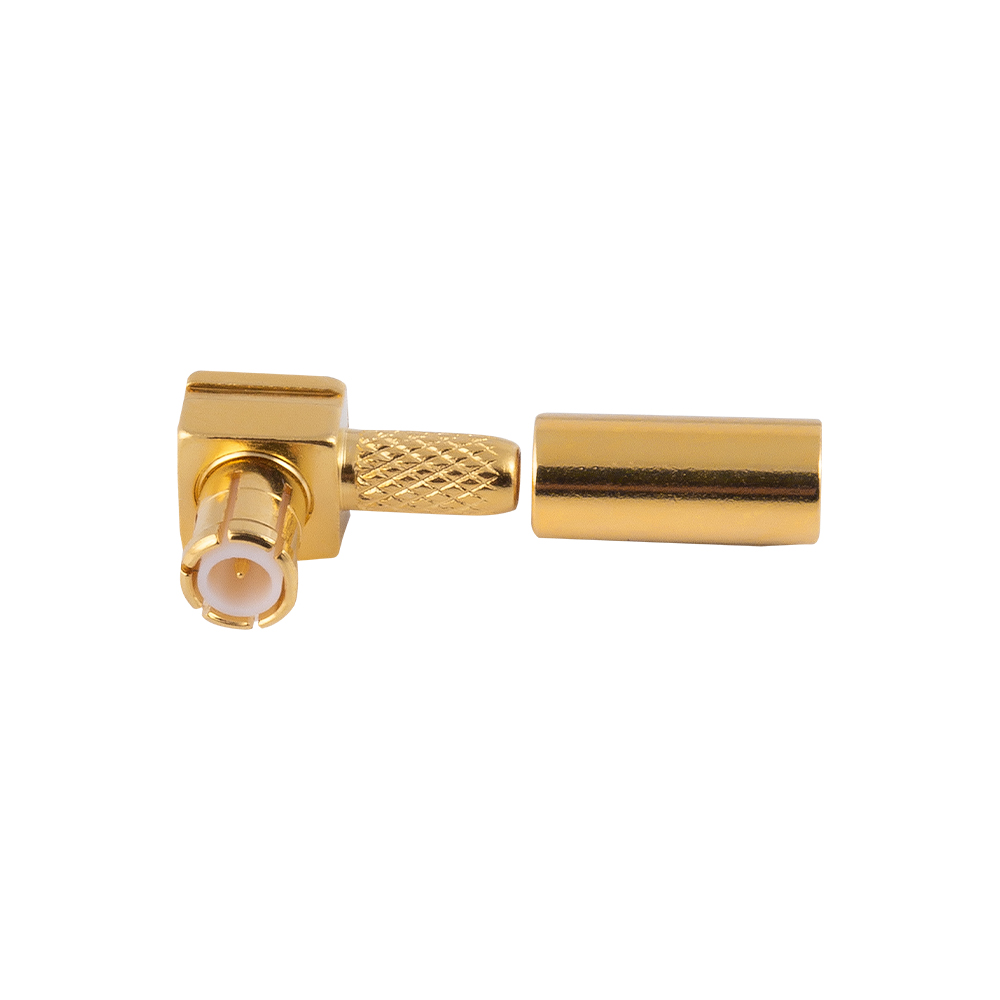
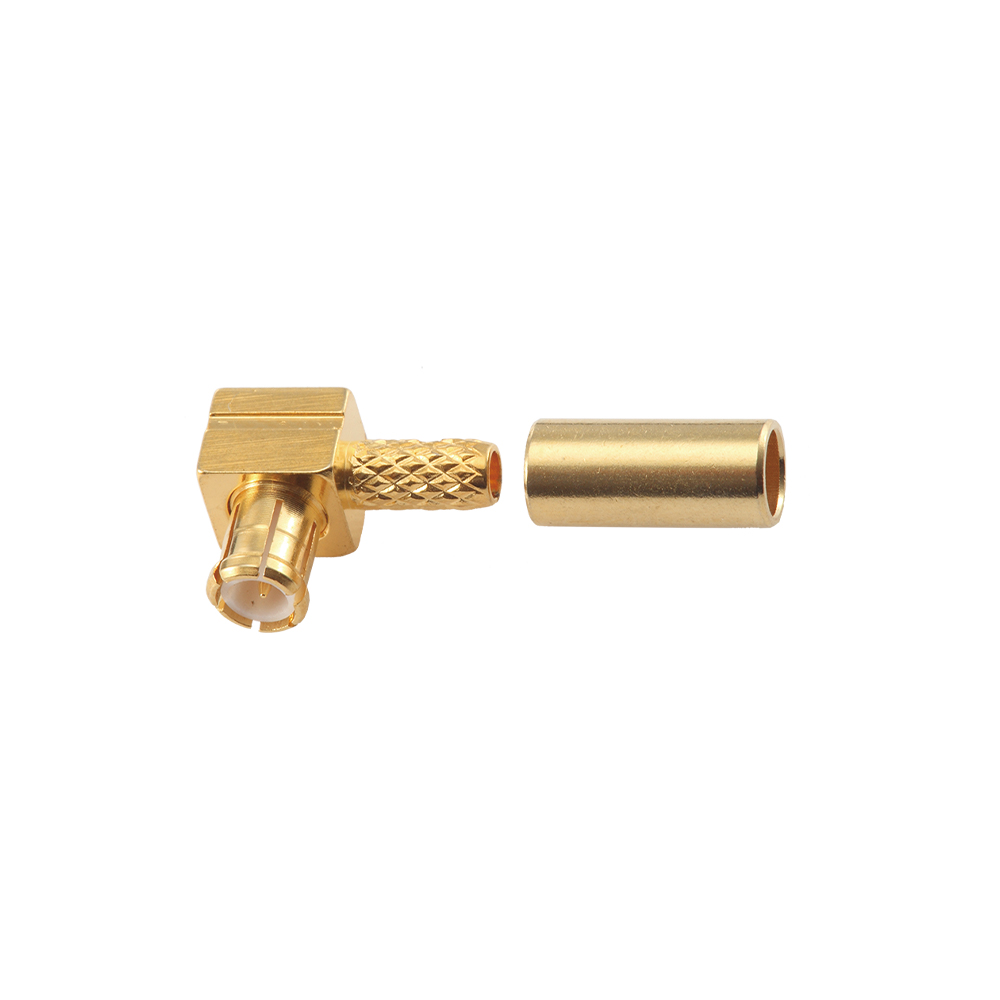
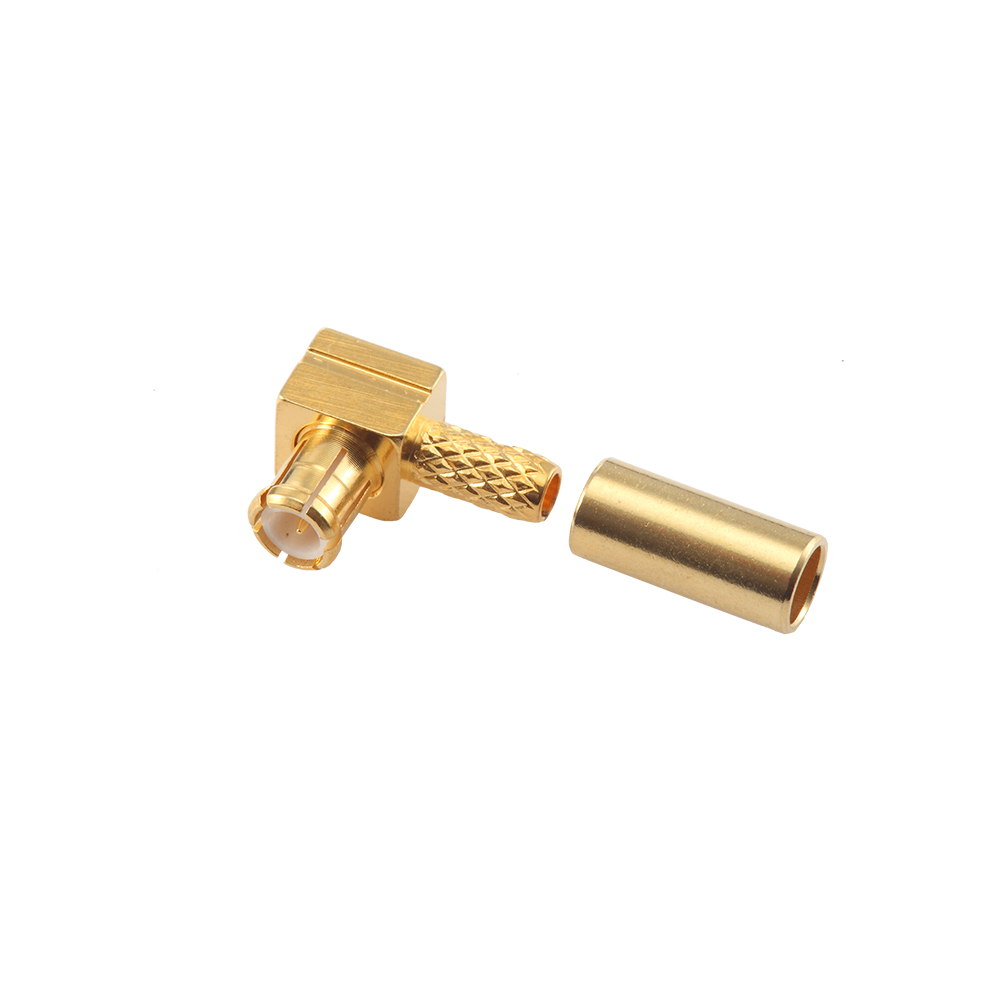
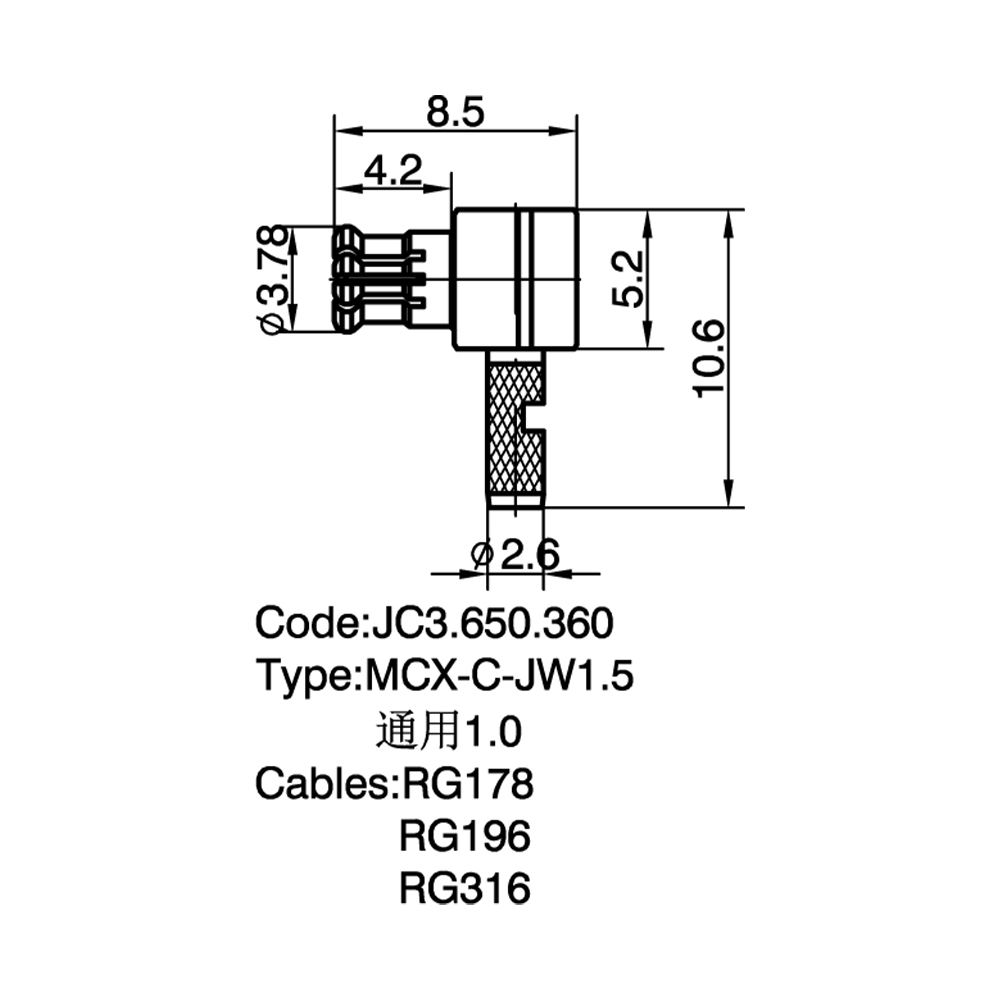
MCX RF Coaxial Connectors For Flexible Cable Custom

Home / Products / Coaxial Connectors / MCX RF Coaxial Connectors / MCX RF Coaxial Connectors For Flexible Cable

MCX RF Coaxial Connectors For Flexible Cable Manufacturer

Product Introduction:
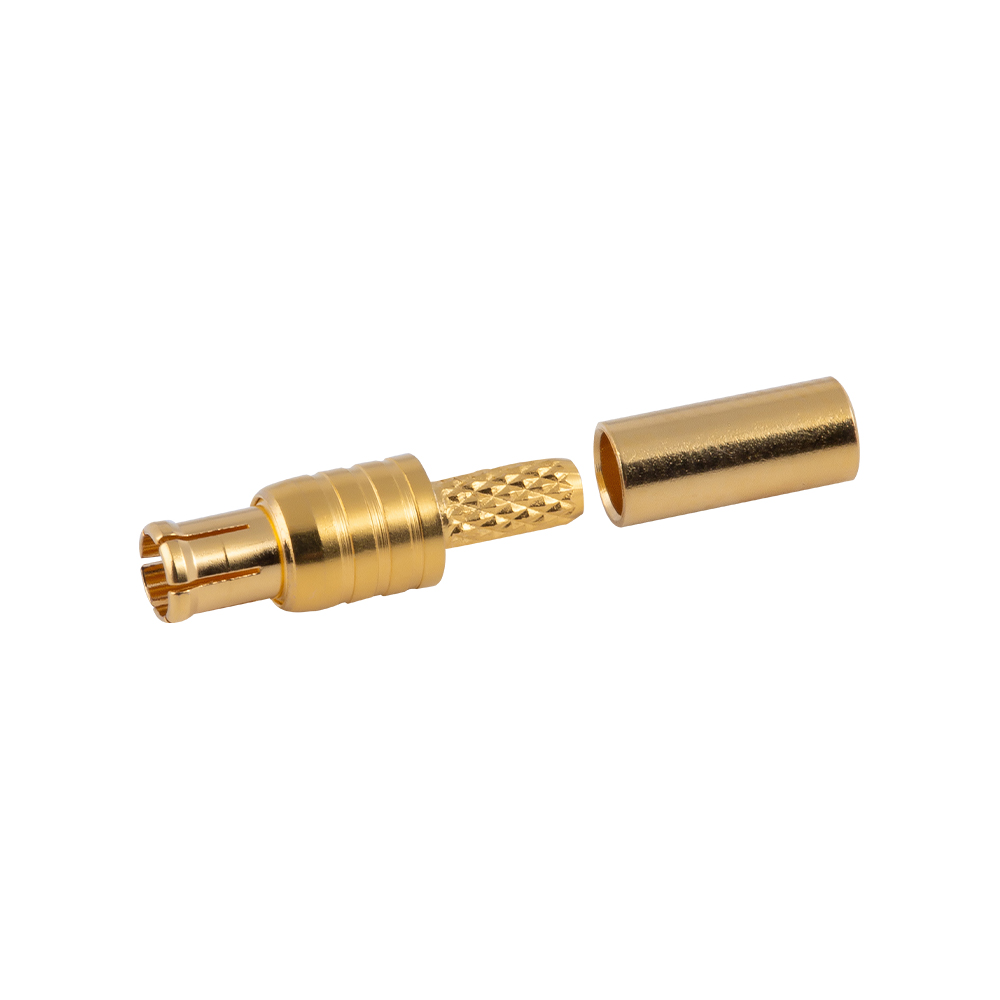
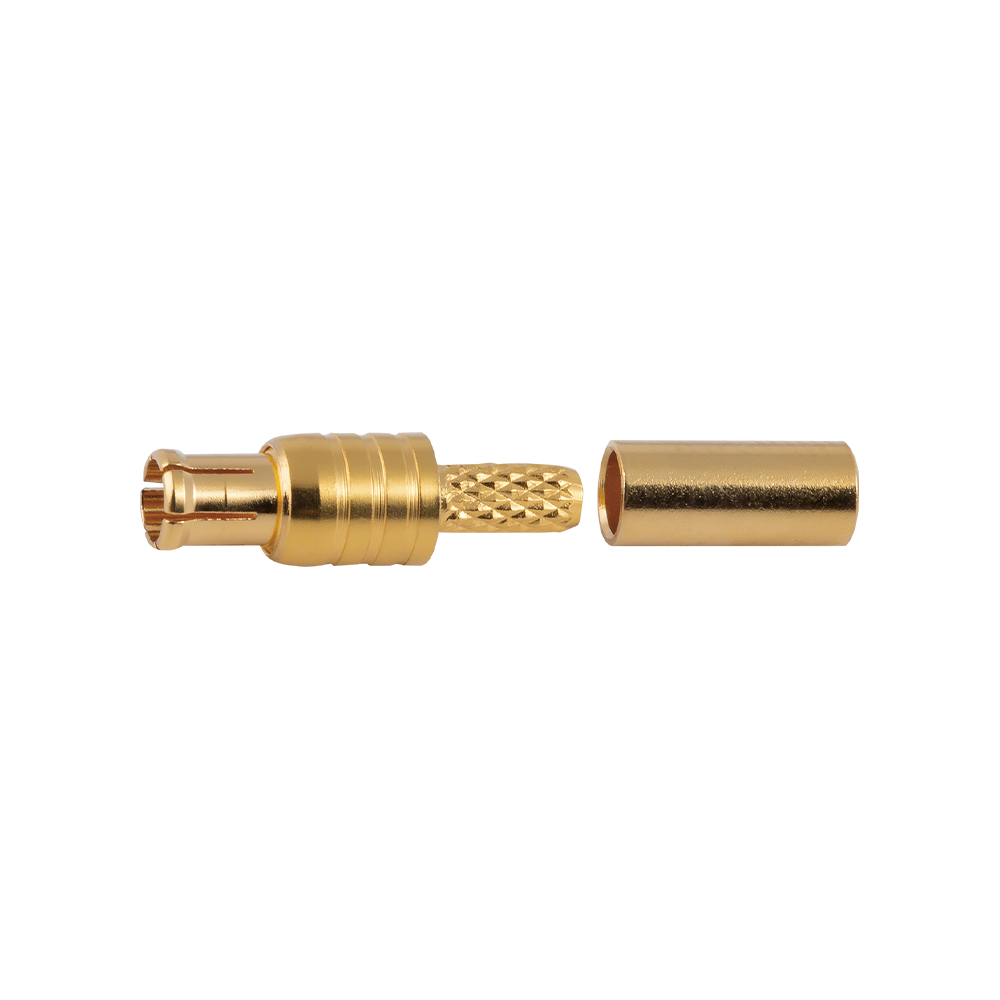
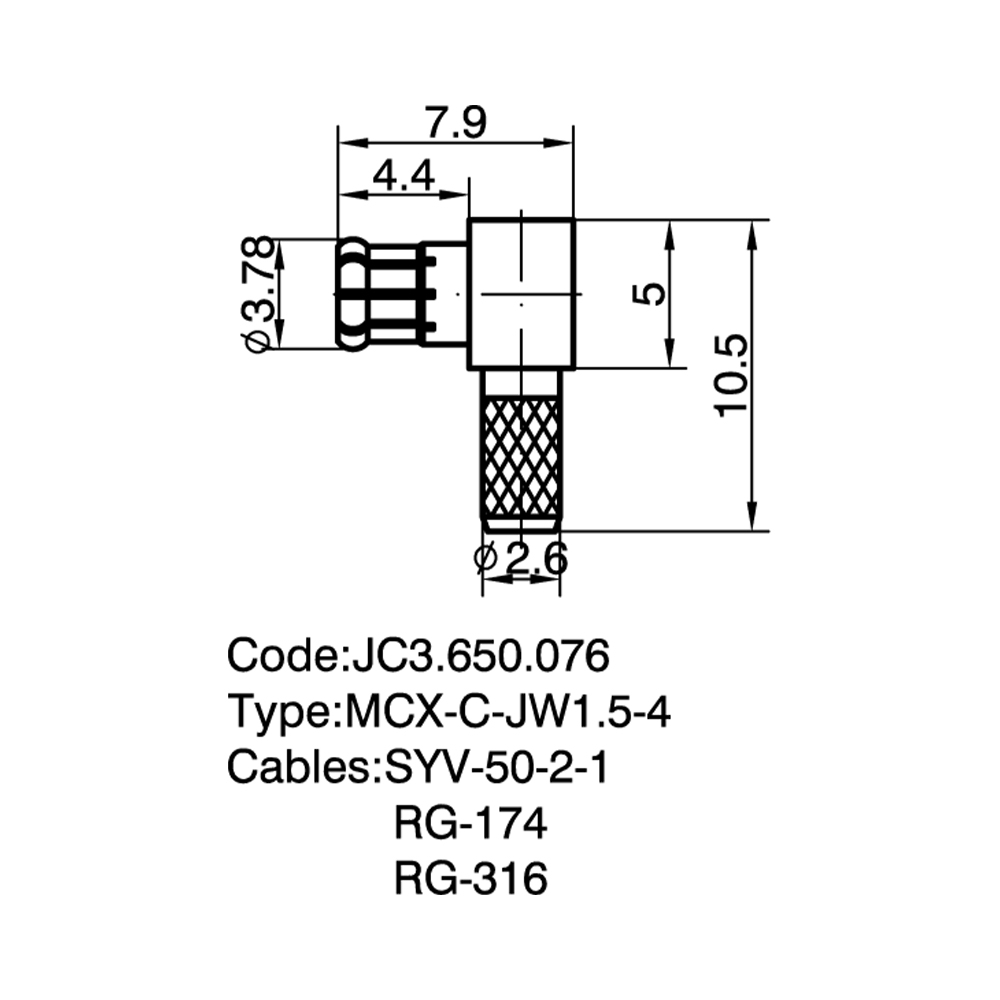
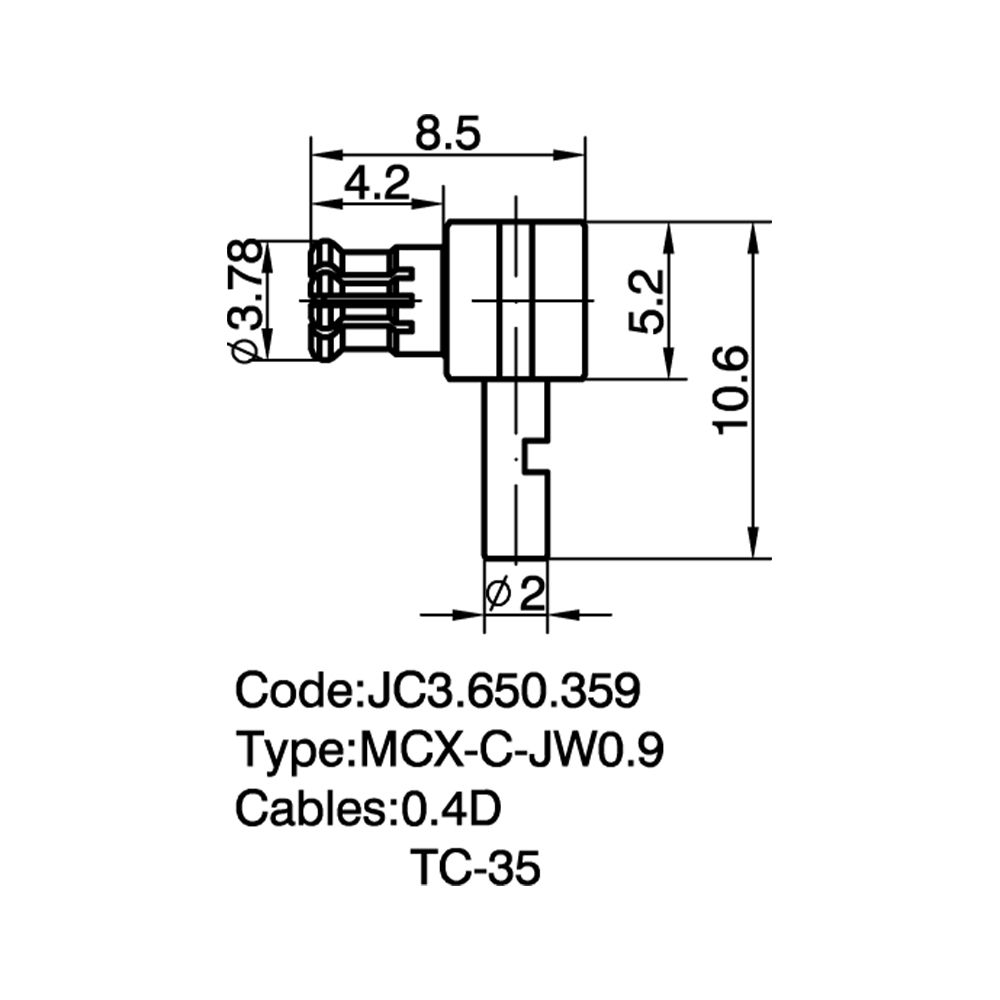
Designed for applications requiring frequent bending, movement, or rapid routing, this series is compatible with ultra-fine flexible coaxial cables, such as RG174, RG178, and RG316, as well as those with diameters of 0.81 mm and 1.13 mm.

Product Features:
Quick connection mechanism: Adopts a push-on locking design, eliminating the need for threaded coupling and allowing one-handed mating and unmating.
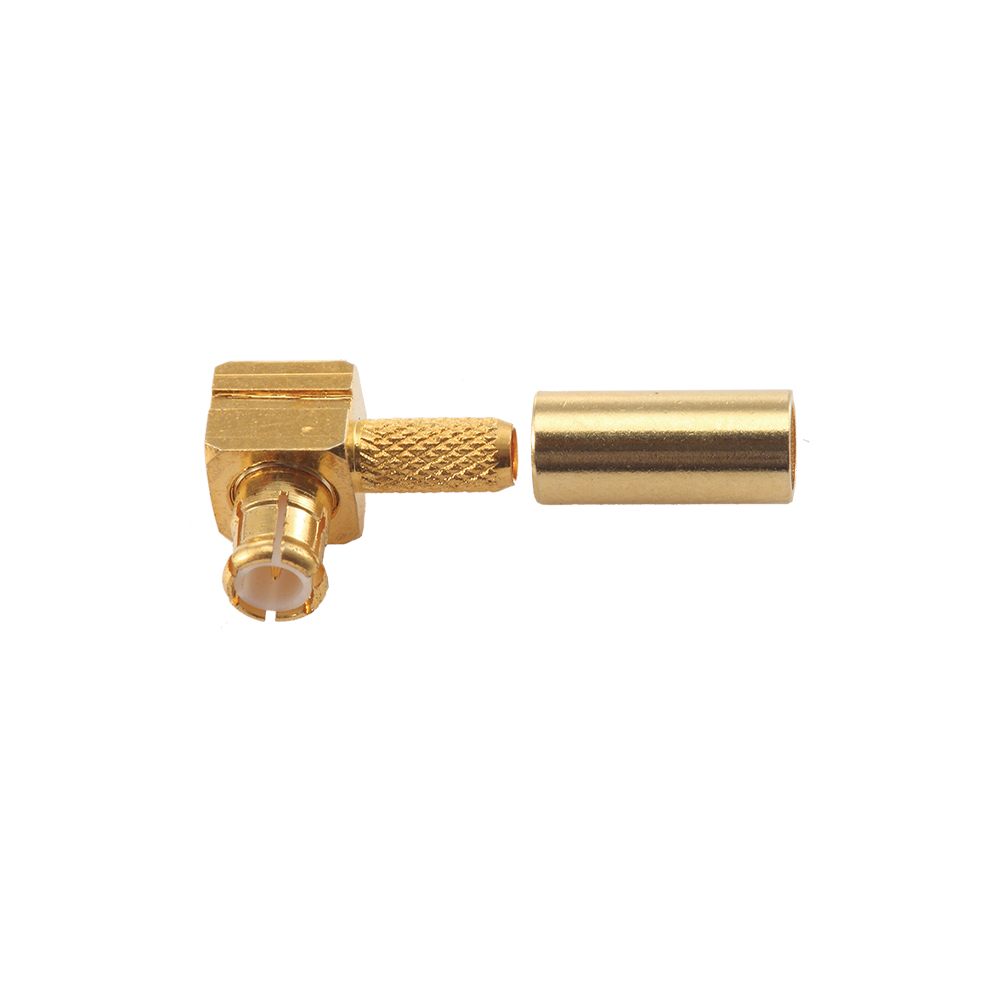
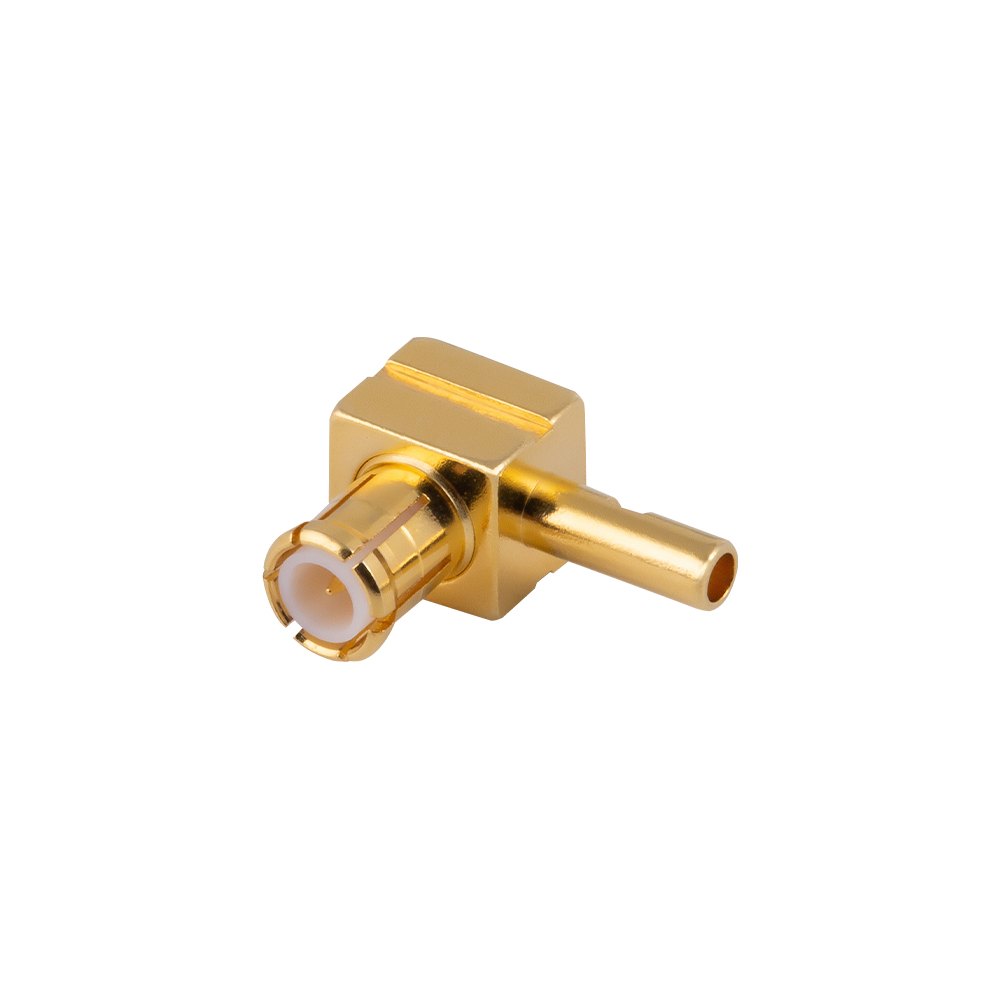
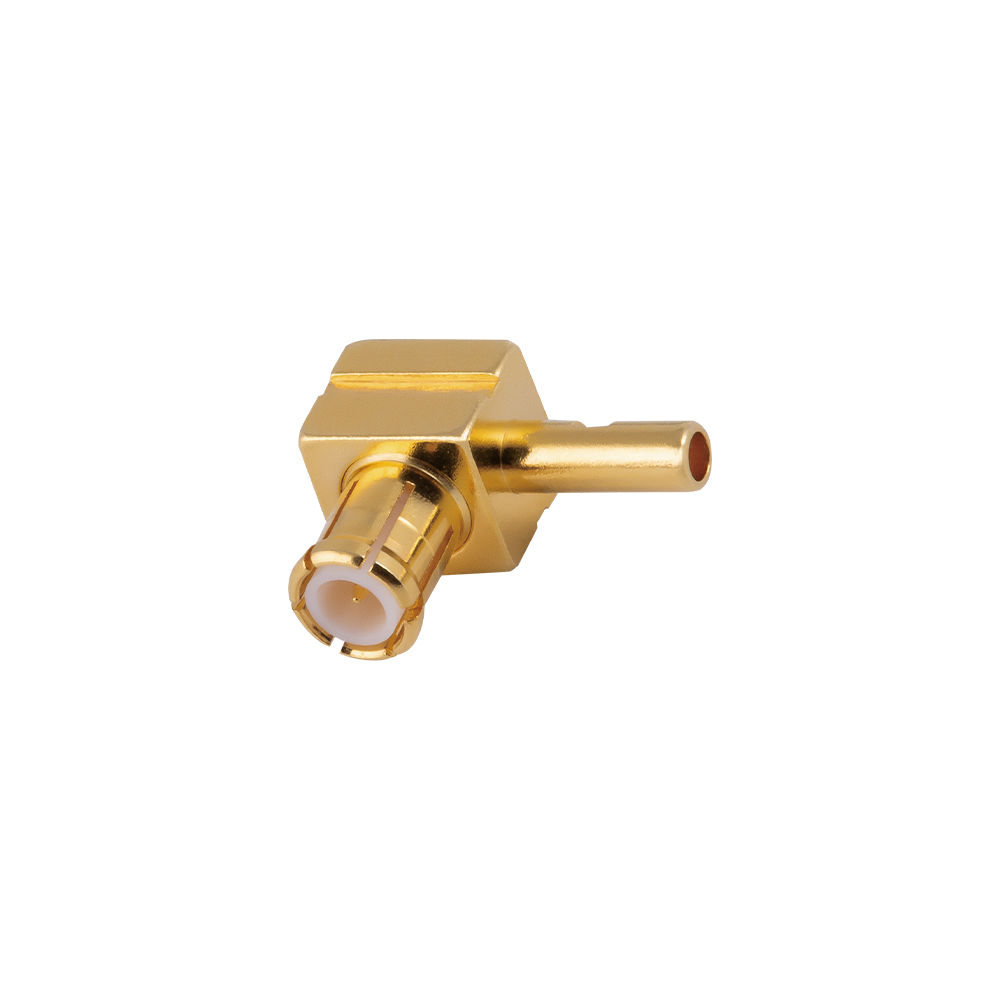
Versatile termination methods: Provides multiple termination options, including straight crimp, right-angle crimp, and soldering, to meet different assembly preferences.
Material and process: The crimp sleeve is annealed, and the mechanical pull strength fully complies with national military and industry standards.

Application Advantages:
Improved assembly efficiency: During production line assembly, the push-on connection greatly reduces working time and lowers labor costs.
Flexible routing: When used with flexible cables, it can easily bypass internal obstacles, making it highly suitable for RF antenna connections in handheld terminals and consumer electronics.

Temperature  Range

-55~+155℃(PE Cable   -40~+85℃)

Impedance

50Ω,75Ω

Frequency Range

DC~6GHz

Insulation resistance

≥1000MΩ

 Insertion loss

0.18 dB/1GHz

Voltage Standing Wave Ratio (VSWR)

Straight ≤1.20/1GHz


Right  angle ≤1.45/1GHz

Durability(mating)

≥500 cycles

About
Yangzhou Jingcheng Electronics Co., Ltd.

Yangzhou Jingcheng Electronics Co., Ltd., a premier China MCX RF Coaxial Connectors For Flexible Cable Manufacturer and MCX RF Coaxial Connectors For Flexible Cable Supplier, was founded in 1999. It is a high-tech enterprise specializing in the R&D and manufacturing of RF coaxial connectors, cable assemblies, and passive microwave components.
Equipped with a comprehensive R&D and production system, the company has obtained international certifications including ISO9001. Adhering strictly to standards such as MIL, IEC and GB, we offer over 30 product series with more than 2,000 specifications, covering SMA, BNC, N-type and other mainstream models. Our products are widely applied in the fields of communications, aerospace, automotive electronics and beyond, and exported to many countries and regions across Europe, America and Asia.
We uphold the tenet of "Quality as the Foundation, Customers as the Core", committed to providing reliable interconnection solutions and professional services for global clients.

MCX RF Coaxial Connectors For Flexible Cable Industry knowledge

MCX RF coaxial connectors for flexible cable represent a class of subminiature, snap-on coupling interfaces designed to provide reliable signal transmission across a broad frequency spectrum while maintaining a compact footprint. These connectors feature a characteristic impedance of 50 Ohm or 75 Ohm and operate effectively up to 6 GHz, making them suitable for applications where space is limited and quick mating cycles are required. The snap-on mechanism reduces installation time compared to threaded alternatives and ensures consistent contact force through repeated connections.

The design of MCX RF coaxial connectors for flexible cable incorporates a captivated center contact, a spring-loaded outer coupling ring, and a body structure compatible with common flexible coaxial cable types such as RG-174, RG-316, RG-58, and LMR-100. These connectors are widely adopted in GPS modules, WLAN systems, base station interconnects, test instrumentation, and digital broadcasting equipment. Yangzhou Jingcheng Electronics Co., Ltd. produces this category using precision CNC machining, high-conductivity brass bodies with gold or nickel plating, and PTFE dielectric inserts to maintain electrical stability and mechanical durability. Production is supported by network analyzer testing up to the connector's rated frequency range to verify VSWR and insertion loss parameters.

The core performance attributes of MCX RF coaxial connectors for flexible cable include a typical VSWR of 1.15:1 or lower at frequencies up to 3 GHz, insertion loss below 0.2 dB, and an insulation resistance exceeding 5000 MOhm. The snap-on retention force is engineered to balance ease of engagement with resistance to unintentional disconnection under vibration. At Yangzhou Jingcheng Electronics Co., Ltd., each connector batch undergoes dimensional inspection, contact pin depth verification, and electrical continuity testing to align with interface standards derived from IEC 61169-36 and relevant MIL-STD guidelines.

Common Types and Characteristics

Type Key Characteristics Typical Cable Compatibility
MCX Straight Plug (Crimp/Solder) Inline body geometry; crimp ferrule secures braid; solder center contact for stable joint integrity. RG-174, RG-316, RG-316-DS
MCX Right-Angle Plug 90-degree transition; compact installation in confined enclosures; available in fixed-orientation and rotatable configurations. RG-174, RG-316, LMR-100
MCX Bulkhead Jack Panel-mount design with lock washer and nut; extended dielectric insulator for through-panel routing. RG-178, RG-316 (panel side)
MCX PCB Edge-Mount Jack Surface-mount or through-hole leg configuration for direct PCB integration; minimized signal path length. Flexible cable (adaptation via PCB trace to connector)
MCX Female-to-Female Adapter (Cable Mount) In-line barrel design for extending cable runs; dual snap-on receptacle interfaces. Connects two terminated flexible cables

Comparison: MCX vs. MMCX vs. SMA Connectors

Parameter MCX MMCX SMA
Coupling Mechanism Snap-on Snap-on (rotatable after mating) Threaded (1/4-36 UNS)
Frequency Range (Typical) DC to 6 GHz DC to 6 GHz DC to 18 GHz (extended variants to 26.5 GHz)
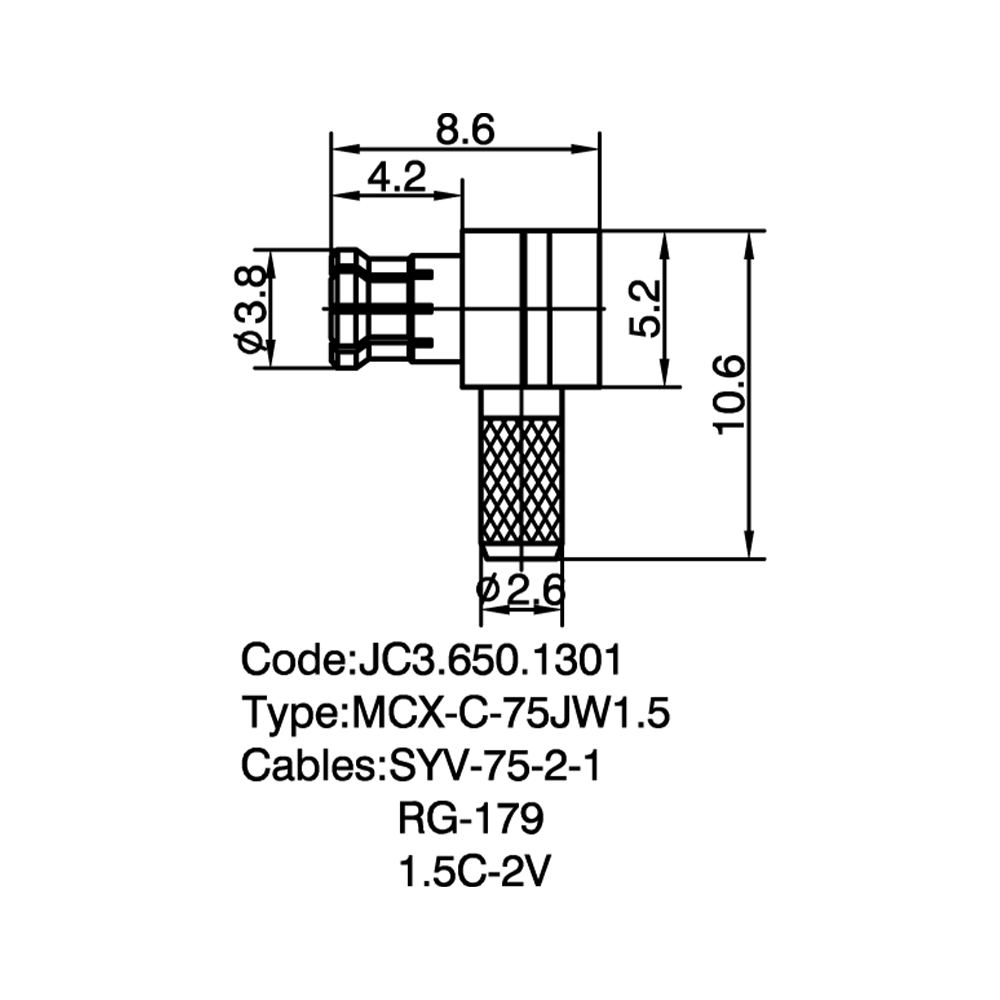
Outer Diameter (approx.) 3.8 mm 2.4 mm 6.35 mm (1/4 inch)
Mating Cycles (minimum) 500 500 500
Typical Flexible Cable Types RG-174, RG-316, RG-58 RG-178, RG-316, 1.13 mm coax RG-58, RG-142, RG-400, LMR-195
Advantage Summary Compact snap-on design; fast installation; good retention Smallest form factor in series; 360° rotation capability Higher frequency capability; robust threaded security

Application Scenarios and Selection Considerations

Primary Application Scenarios

  • GPS and GNSS Receivers: Compact size allows integration into portable navigation devices and telematics modules where PCB real estate is constrained.
  • WLAN and Wireless Communication: Used in access points, routers, and embedded radios for antenna connections via flexible pigtails.
  • Test and Measurement Instruments: Employed in handheld spectrum analyzers, signal generators, and portable test sets requiring frequent connection changes.
  • Digital Broadcasting Equipment: Installed in DVB-T receivers, set-top boxes, and mobile TV modules where 75-Ohm MCX variants are specified.
  • Base Station Interconnects: Utilized for internal jumper connections within radio remote units and distributed antenna systems.
  • Medical Telemetry Devices: Applied in patient monitoring systems where lightweight, reliable snap-on connections are required for flexible lead wires.

Selection Considerations

Consideration Guidance
Cable Type Compatibility Confirm the outer diameter, dielectric diameter, and center conductor gauge of the flexible cable match the connector's ferrule and pin dimensions. Common pairings are RG-174, RG-316, and LMR-100.
Impedance Matching 50-Ohm MCX connectors are standard for wireless and instrumentation; 75-Ohm variants are available for broadcast applications. Verify the connector impedance matches the system and cable impedance to minimize return loss.
Frequency Requirements Standard MCX connectors perform to 6 GHz. Ensure the connector's rated upper frequency exceeds the maximum operating frequency of the application by a margin sufficient to account for cable assembly effects.
Body Geometry Choose straight plug for direct inline connections, right-angle plug for tight enclosure corners, or bulkhead jack for panel feed-through. The mechanical envelope must fit within the device housing.
Attachment Method Crimp-style terminations provide consistent assembly quality in volume production. Solder-clamp types are suitable for field installations and prototyping. Verify the availability of appropriate crimping tools and dies.
Plating and Material Nickel-plated bodies offer durability and corrosion resistance for general use; gold-plated center contacts ensure low contact resistance. For outdoor or high-humidity environments, consider additional sealing or gasket features.
Mating Cycles and Retention Force MCX connectors are rated for a minimum of 500 mating cycles. If the application requires more frequent disconnection, factor in potential wear on the snap-on ring and plan for periodic inspection.

Frequently Asked Questions

Q: What is the difference between 50-Ohm and 75-Ohm MCX connectors, and can they be interchanged?

A: The primary difference lies in the center contact and insulator geometry, which determines the characteristic impedance. 50-Ohm MCX connectors have a larger center pin diameter relative to the dielectric, while 75-Ohm types use a thinner center conductor. They are not mechanically interchangeable because forcing a mismatched connection can damage the center contacts and degrade electrical performance. For digital broadcasting and video applications, 75-Ohm MCX connectors are specified to maintain signal integrity.

Q: Which flexible cables are most commonly used with MCX connectors?

A: The most frequently terminated cables include RG-174 (flexible, 2.8 mm OD), RG-316 (PTFE dielectric, 2.5 mm OD), RG-316-DS (double-shielded), RG-58 (5 mm OD, for lower-frequency runs), and LMR-100 (low-loss equivalent of RG-174). The ferrule inner diameter and crimp dimensions must be selected to match the specific cable type to achieve proper braid retention and shielding effectiveness. Yangzhou Jingcheng Electronics Co., Ltd. provides connector configurations dimensioned for each of these standard flexible cables.

Q: How does the snap-on mechanism of MCX connectors compare to threaded SMA connectors in terms of reliability?

A: The snap-on coupling of MCX connectors provides reliable mechanical retention for applications up to 6 GHz. The spring-loaded outer ring exerts a consistent radial force that maintains ground contact continuity. Threaded SMA connectors offer higher mechanical security under sustained vibration or tension but require more time for mating and demating. For applications where rapid connect/disconnect is prioritized and vibration levels are moderate, MCX connectors are selected. For high-vibration environments above 6 GHz, SMA connectors are the preferred choice.

Q: What is the recommended procedure for assembling an MCX connector onto a flexible cable?

A: The standard assembly sequence includes: stripping the cable jacket, braid, and dielectric to specified lengths; sliding the ferrule and connector body over the cable; soldering the center contact to the inner conductor; inserting the contact assembly into the insulator until it clicks into position; folding the braid over the cable jacket or ferrule seat; sliding the body forward; and crimping the ferrule using the calibrated crimping tool. Proper strip lengths and crimp die dimensions are critical to achieving the specified VSWR and pull-force values.

Q: Can MCX connectors be used for outdoor installations?

A: Standard MCX connectors with nickel-plated brass bodies and PTFE insulation are suitable for indoor and protected outdoor environments. For prolonged outdoor exposure, additional protective measures such as weatherproof boots, sealing gaskets, or IP-rated enclosure integration are recommended. The connector interface itself does not include an integrated environmental seal; therefore, supplementary sealing at the cable entry and mating interface is necessary to prevent moisture ingress and corrosion.

Q: What testing does Yangzhou Jingcheng Electronics conduct on MCX connectors for flexible cable?

A: Production testing at Yangzhou Jingcheng Electronics includes VSWR and insertion loss measurements using calibrated vector network analyzers across the DC-to-6 GHz frequency range, insulation resistance testing at 500V DC, contact resistance verification, and dimensional inspection against interface standards. Sample-based mechanical testing covers mating cycle durability and cable retention pull-force evaluation to confirm consistency with published specifications.