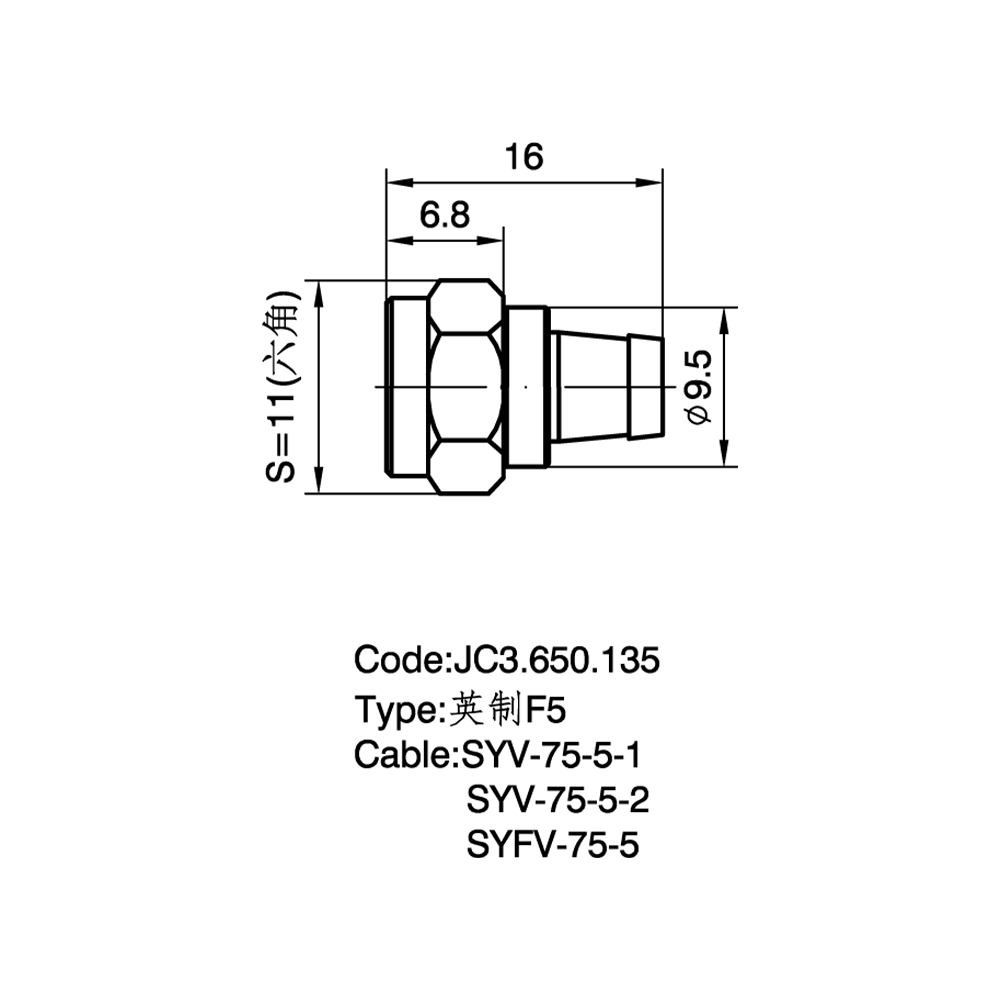
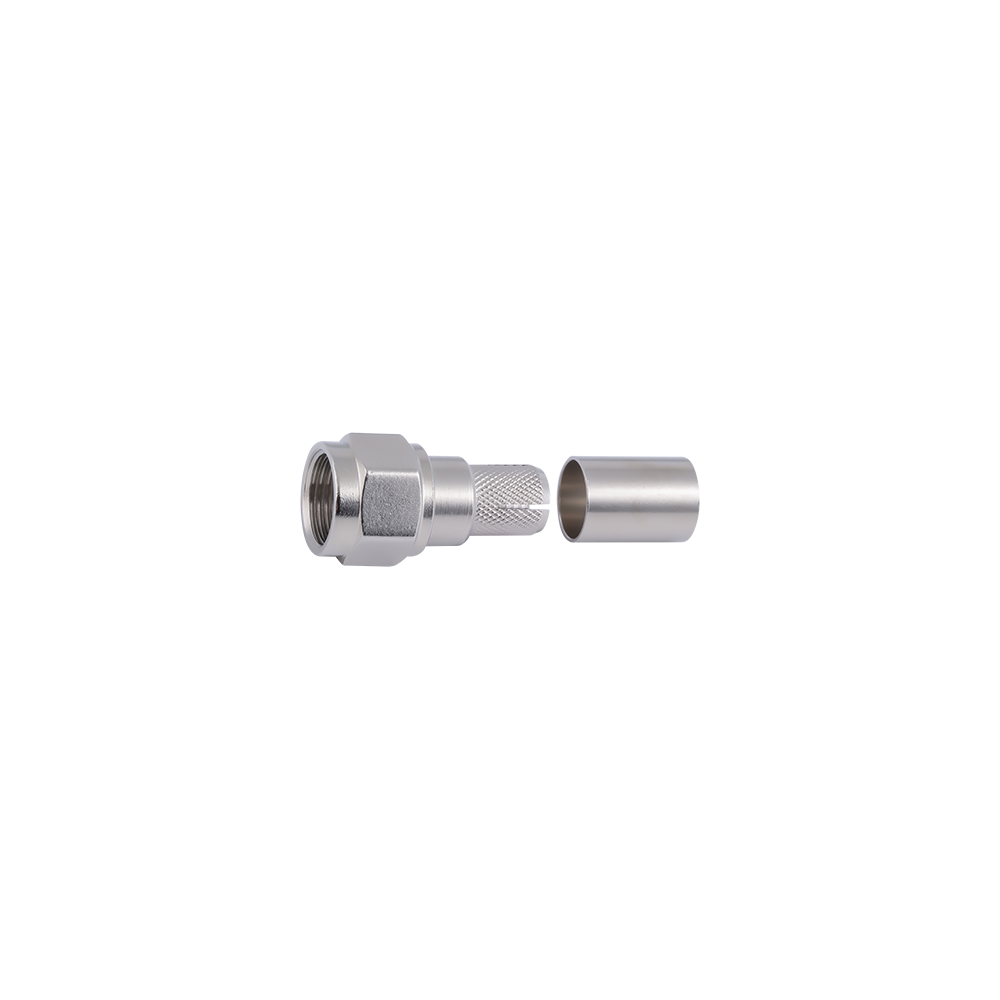
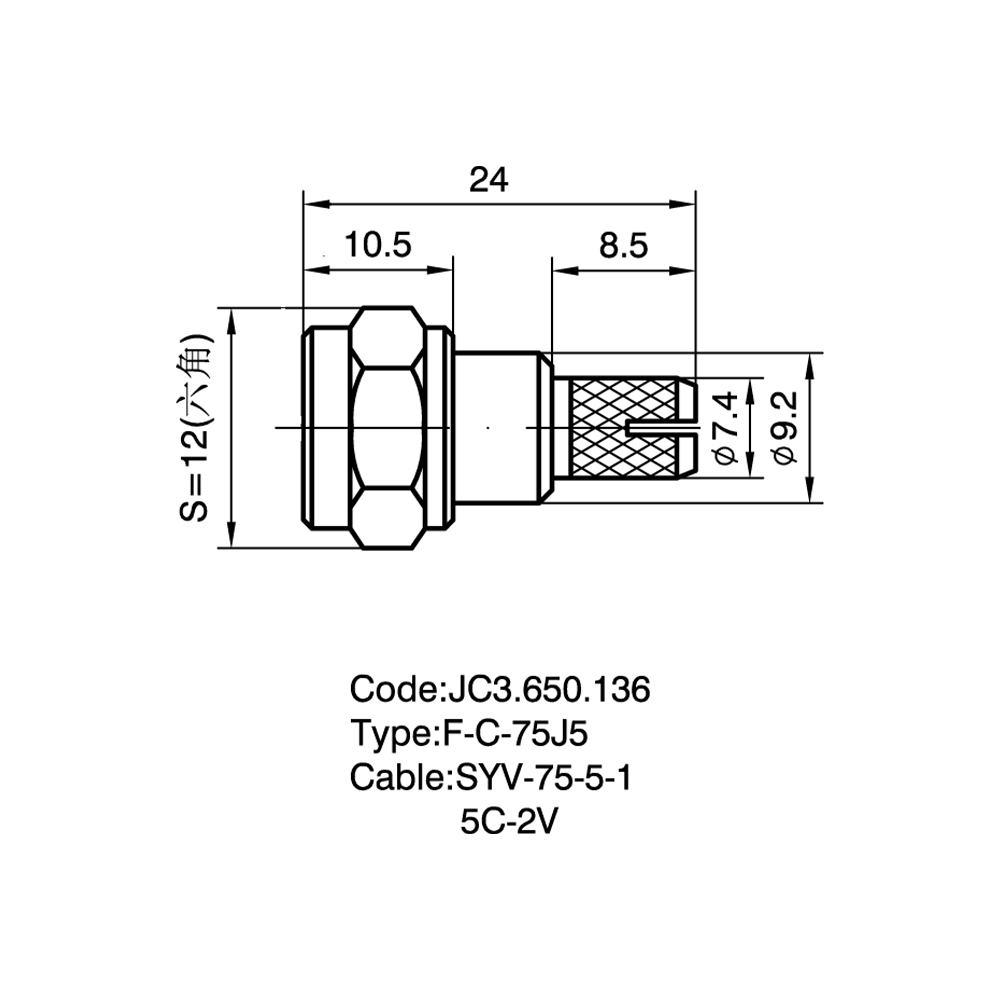
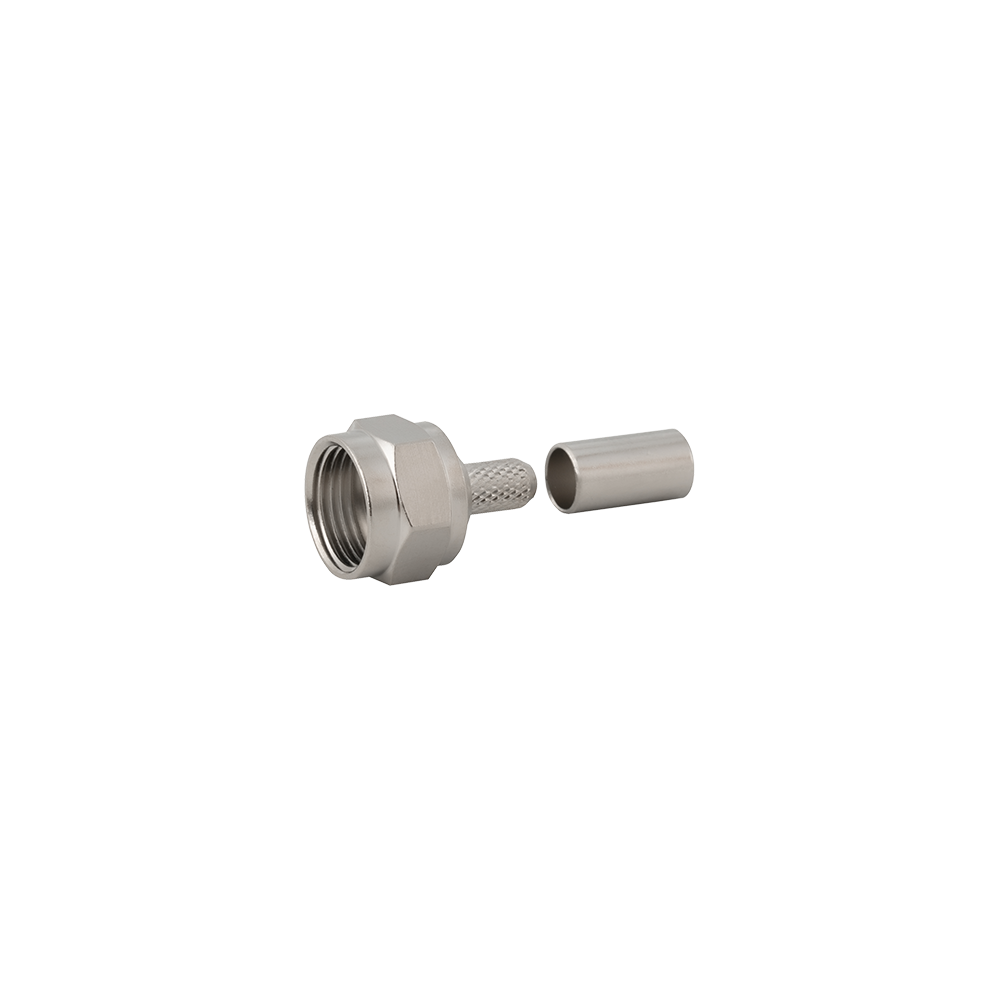
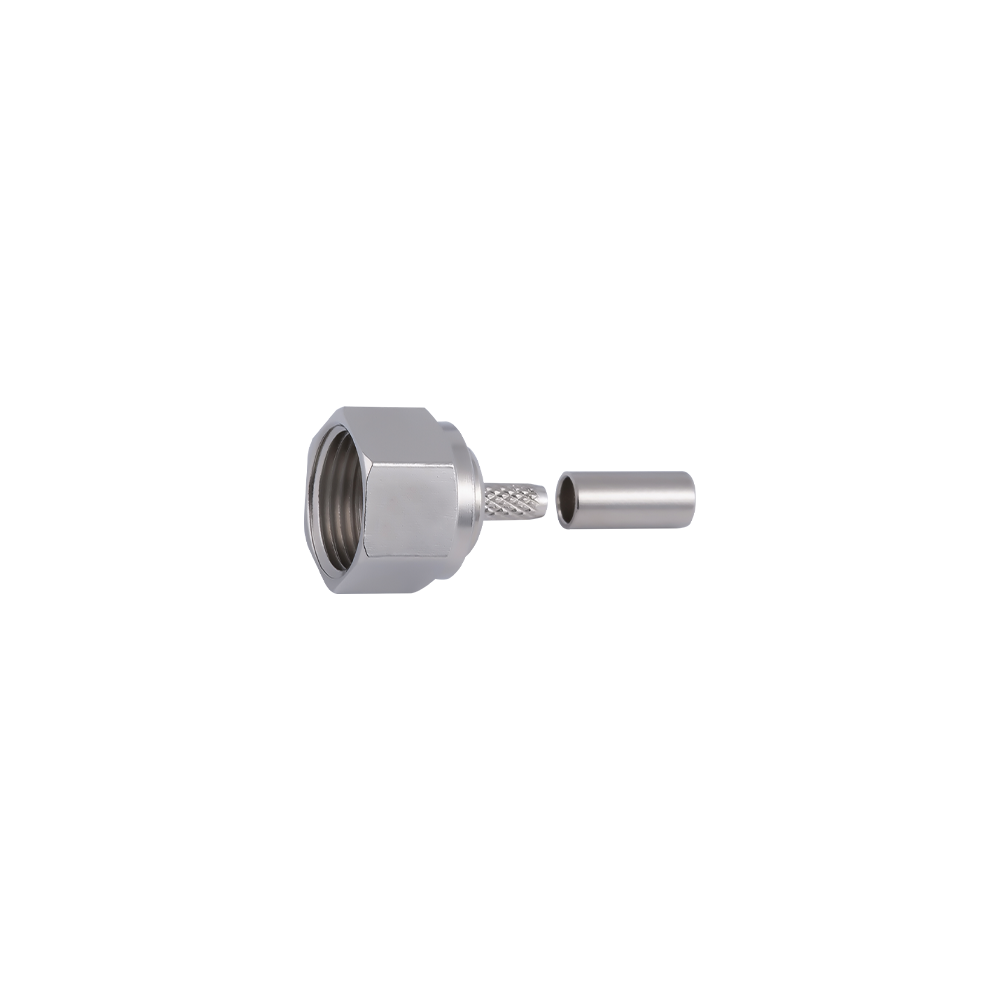
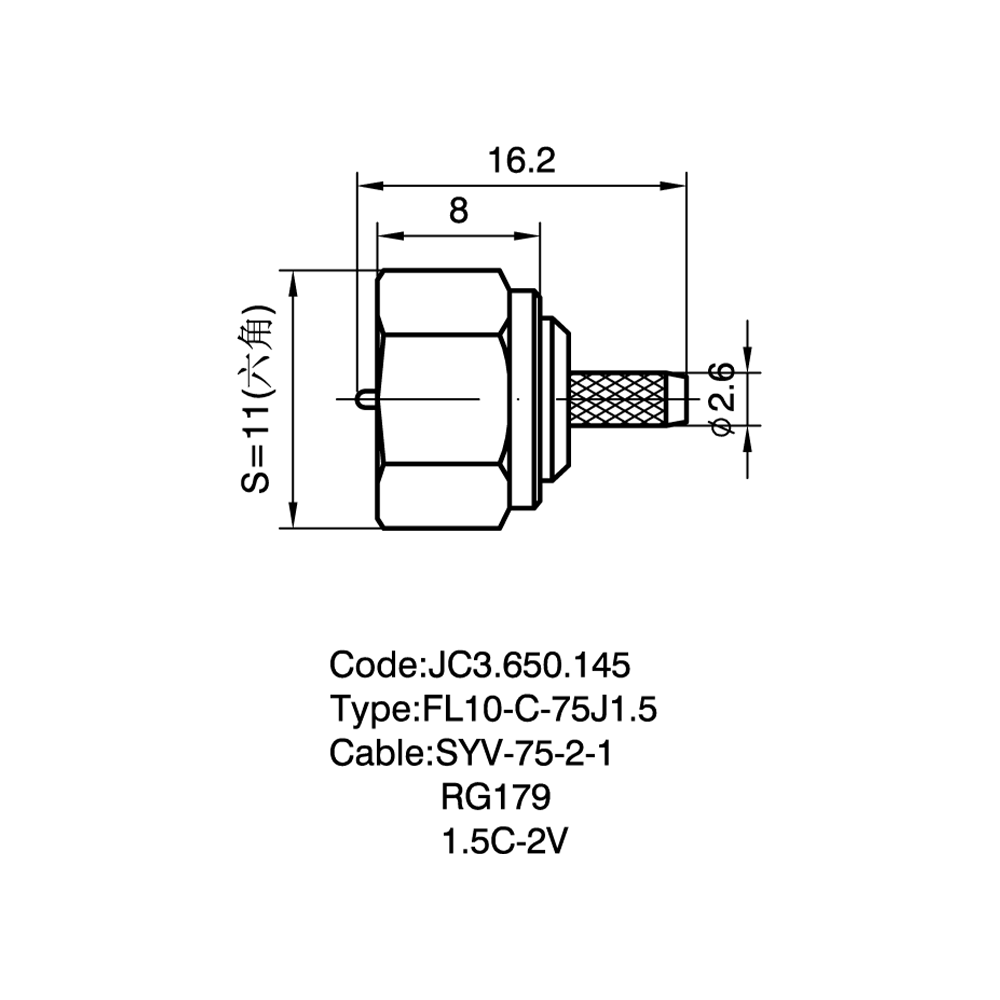
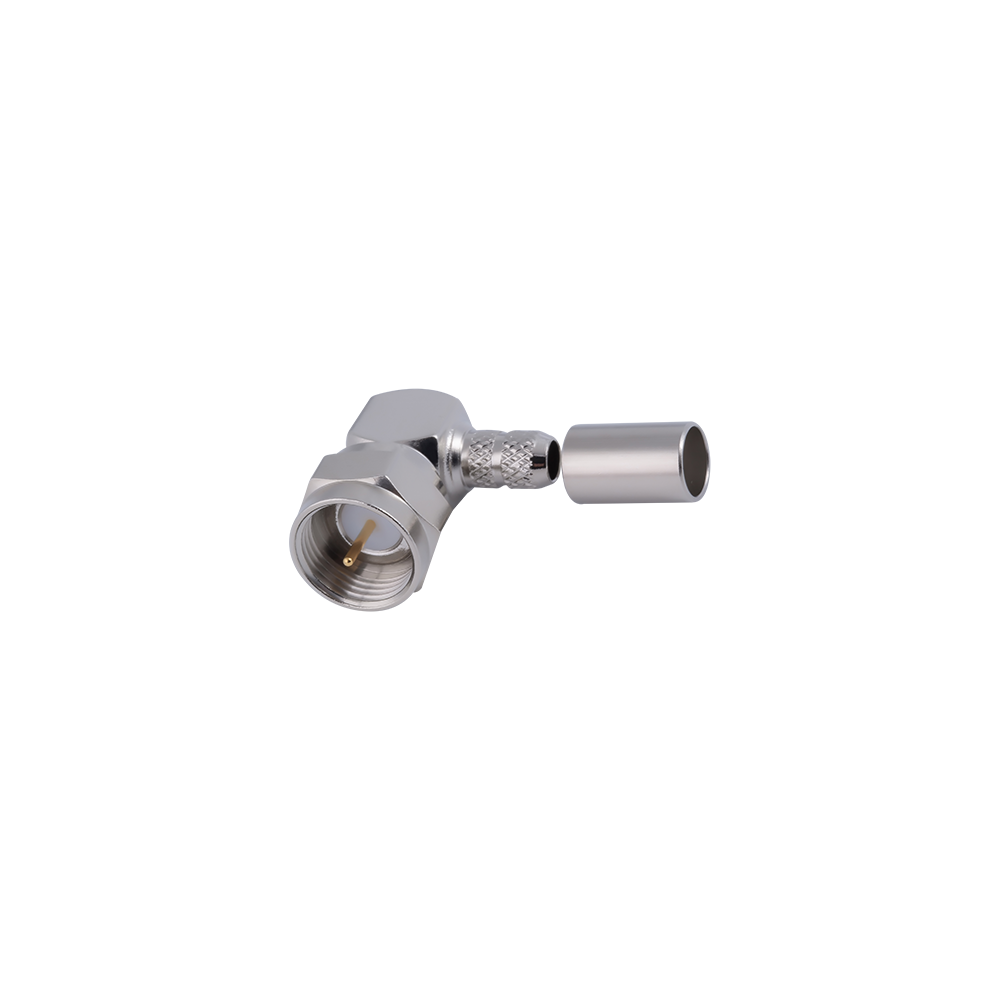
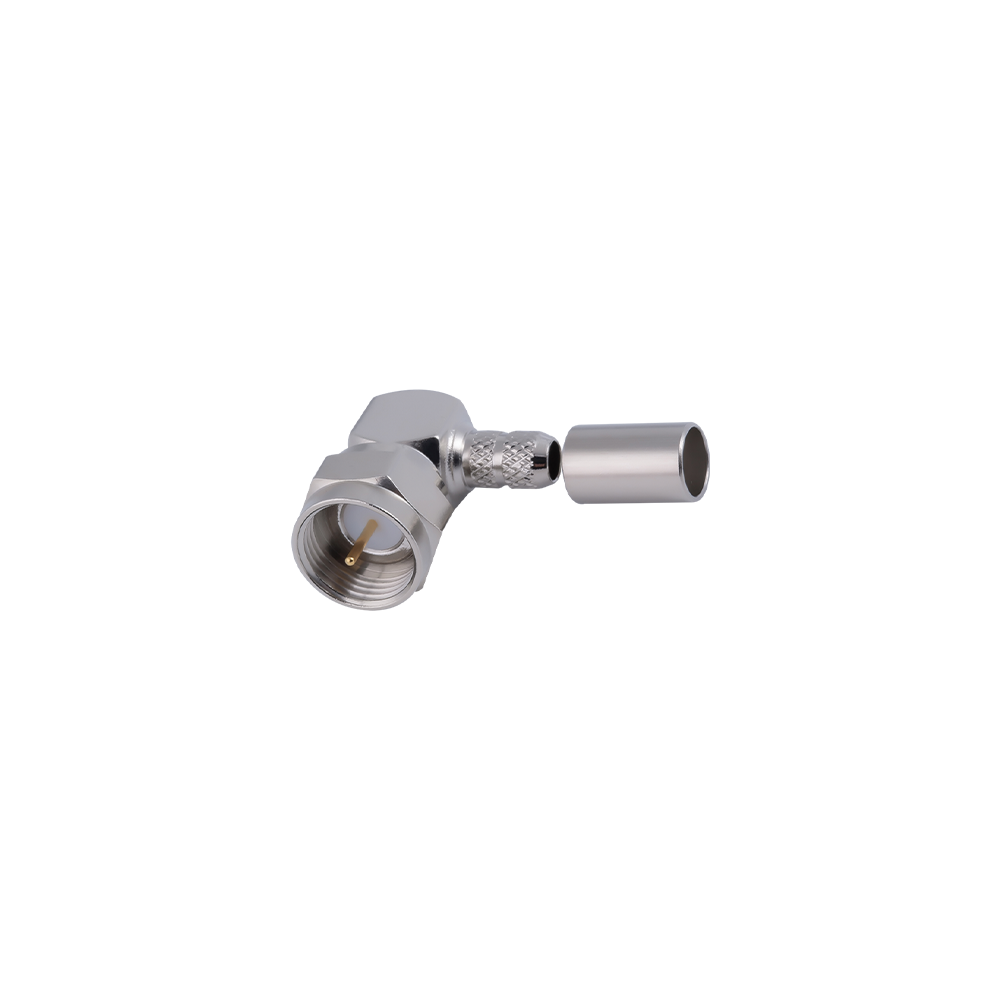
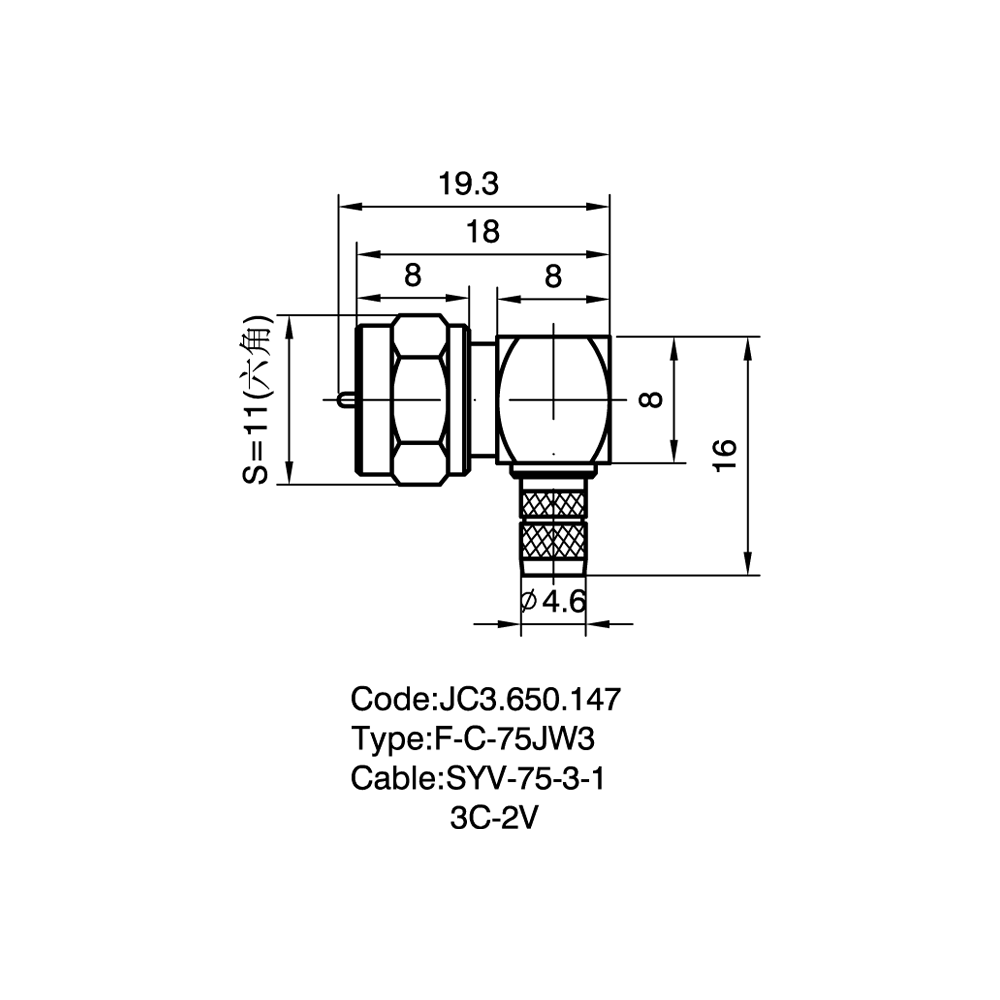
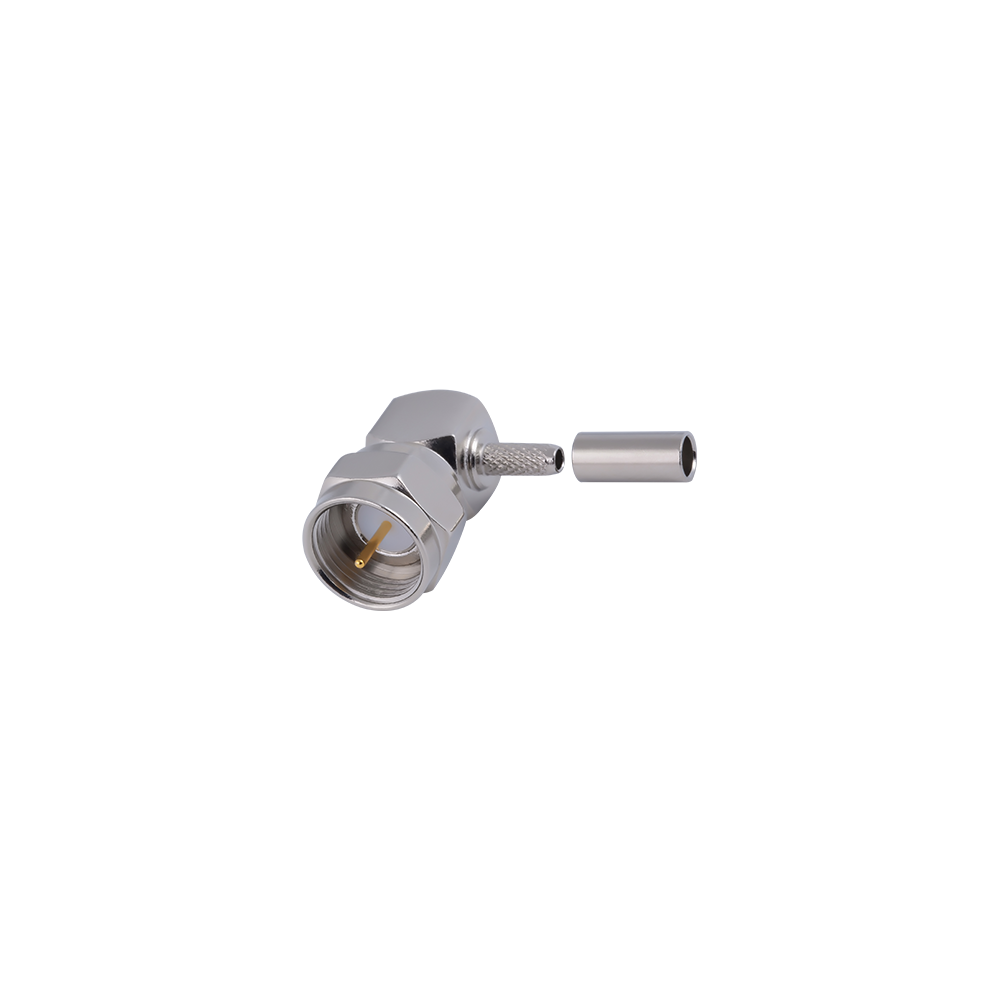
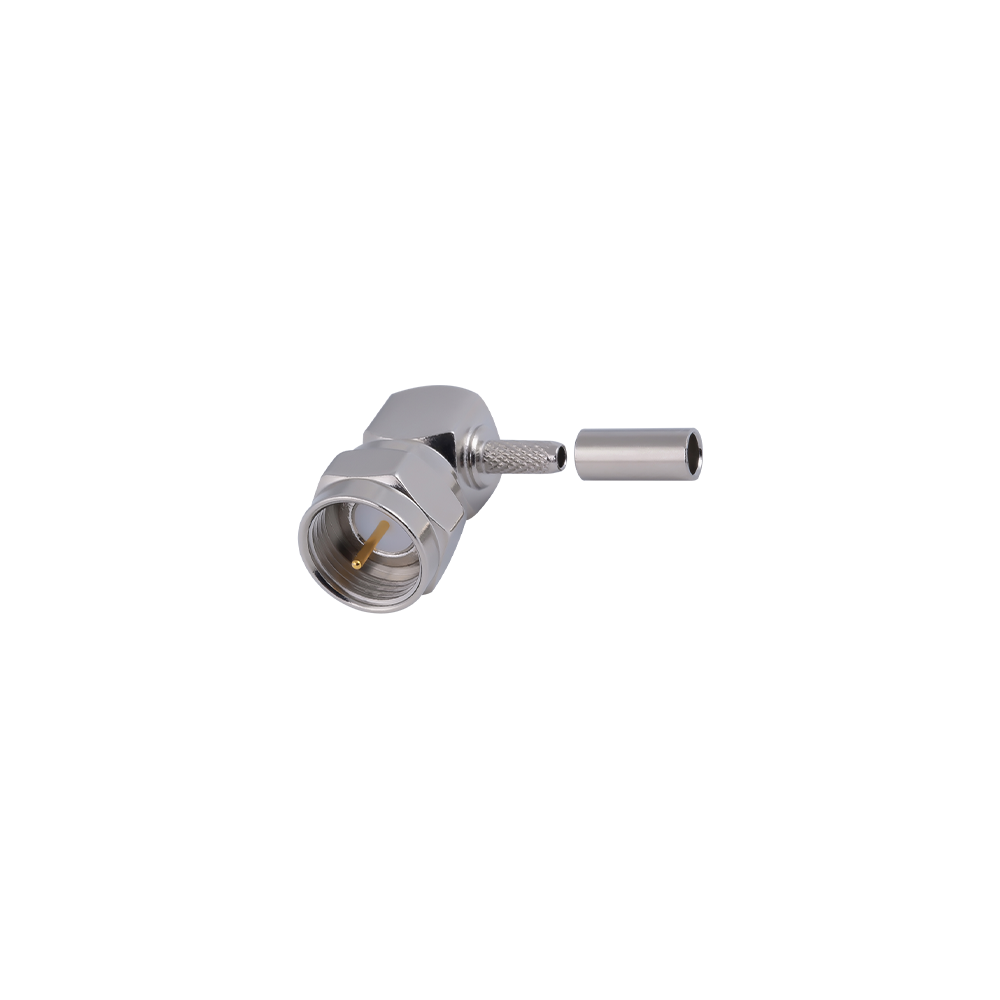
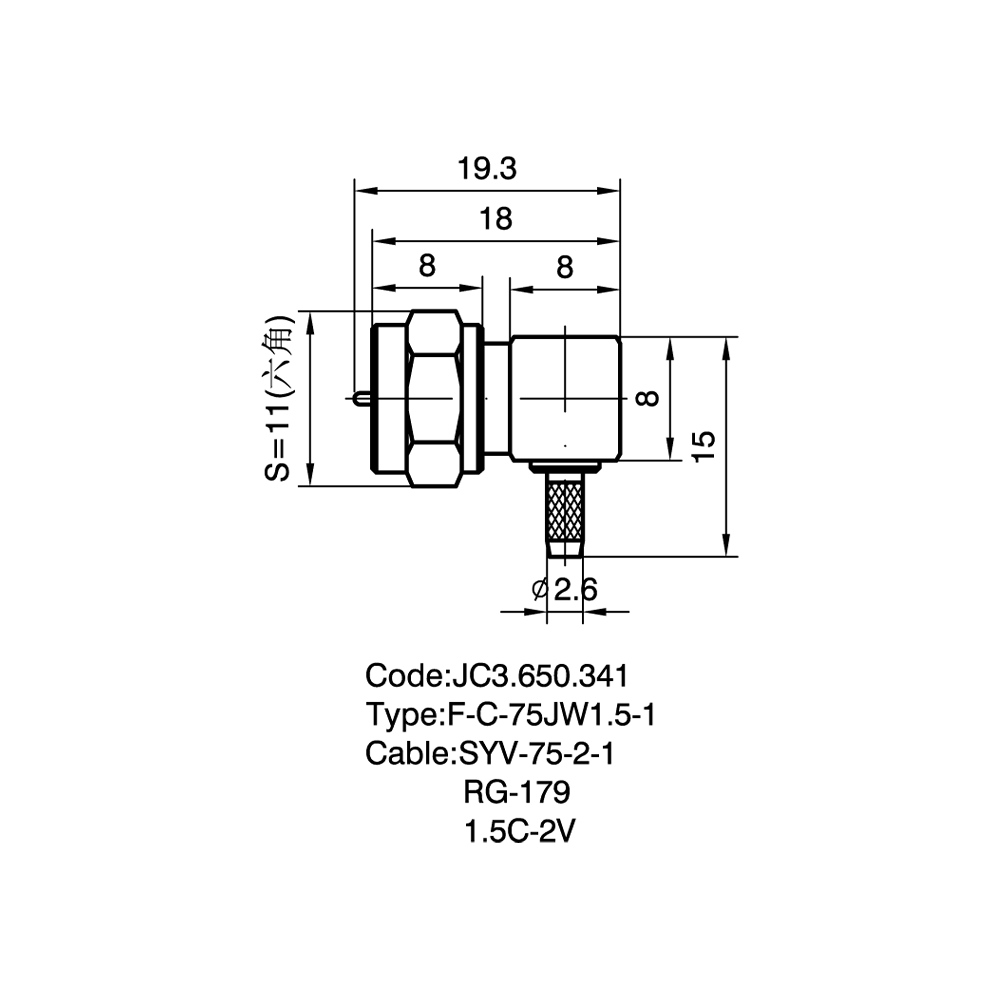
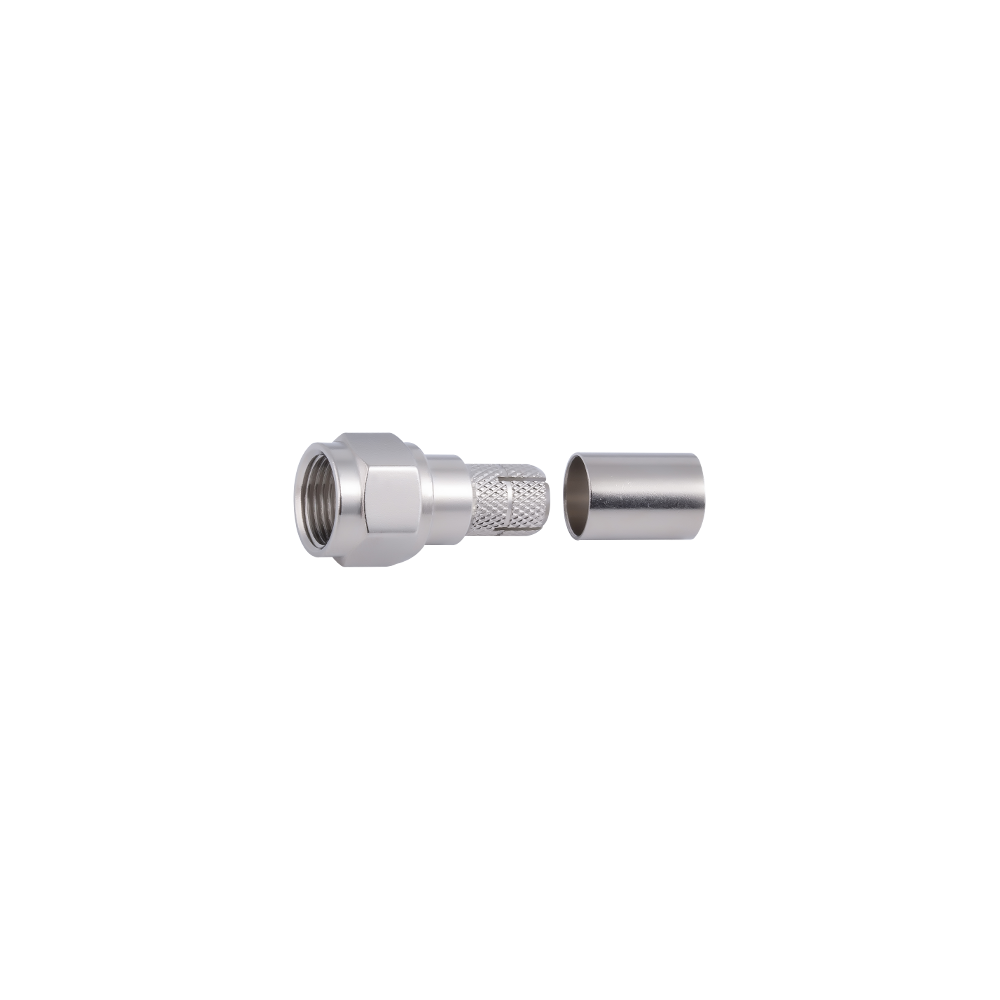
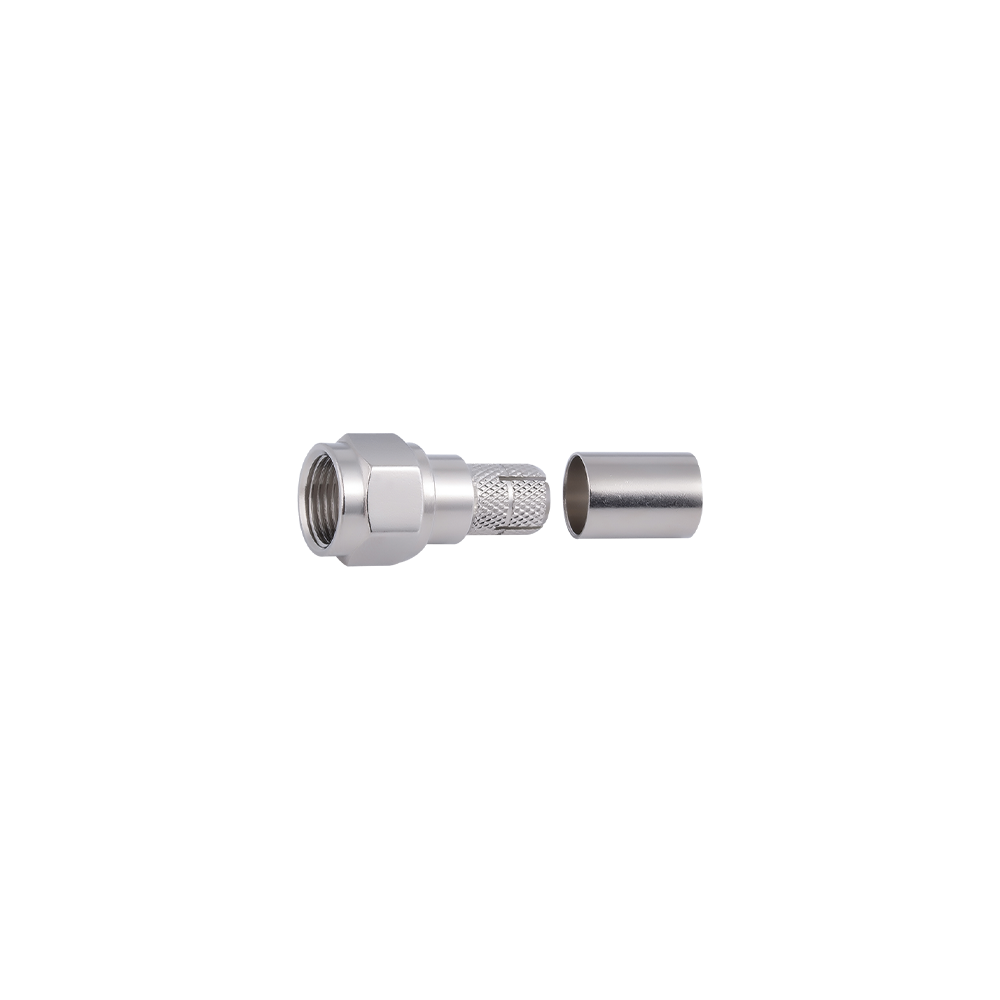
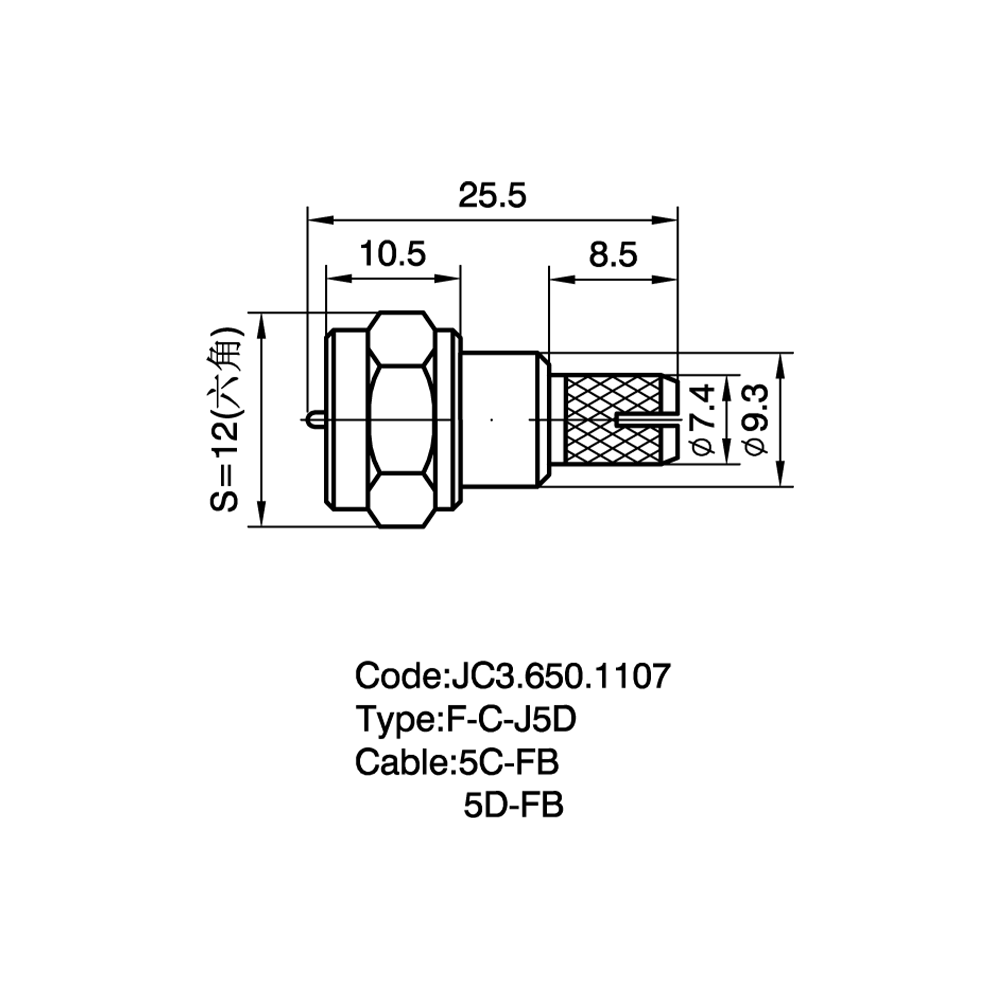
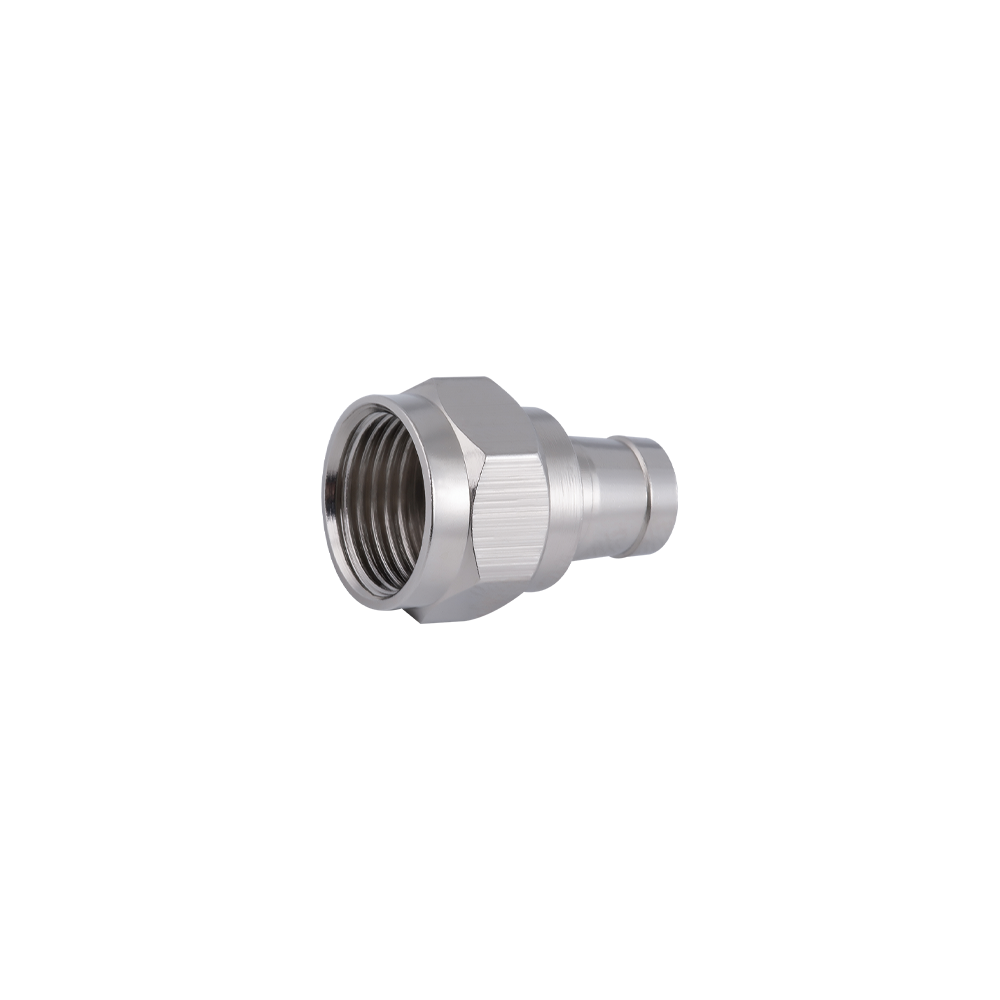
F Connectors for flexible cable Custom

Home / Products / Coaxial Connectors / F RF Coaxial Connectors / F Connectors for flexible cable

F Connectors for flexible cable Manufacturer

Product Overview
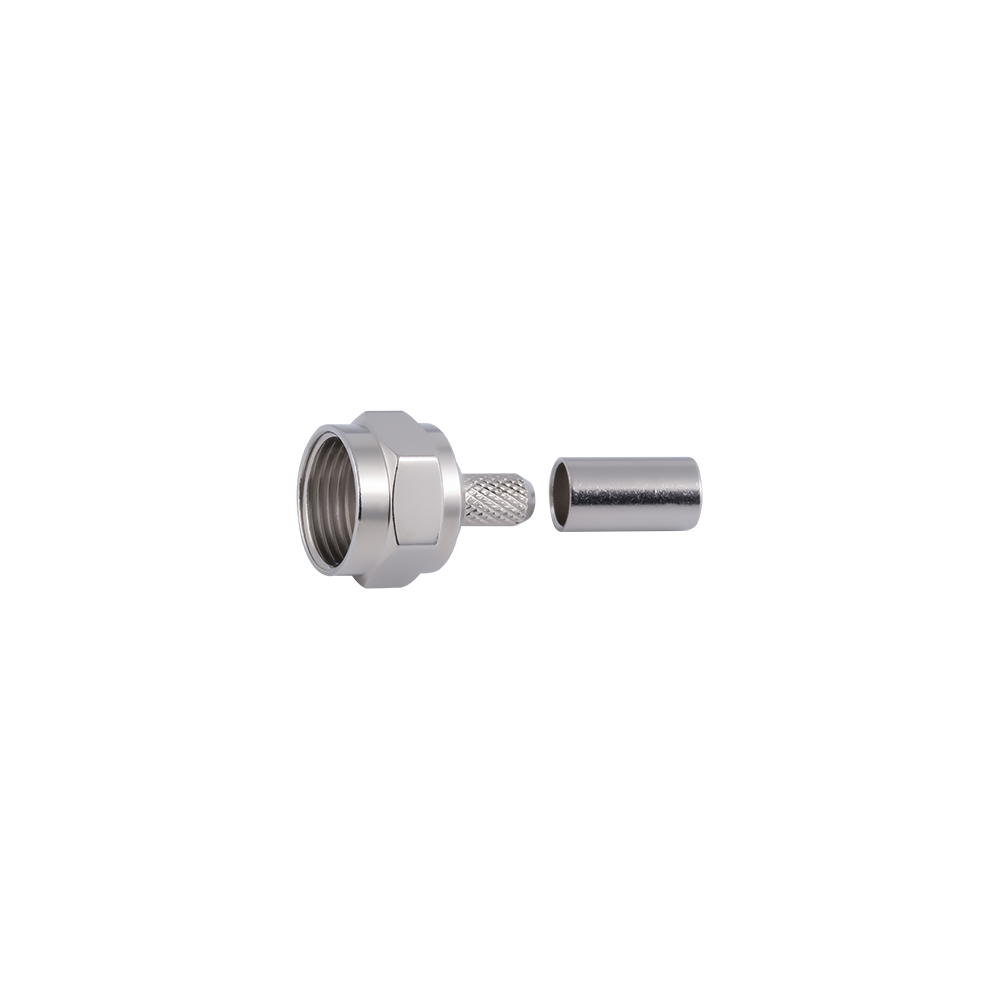
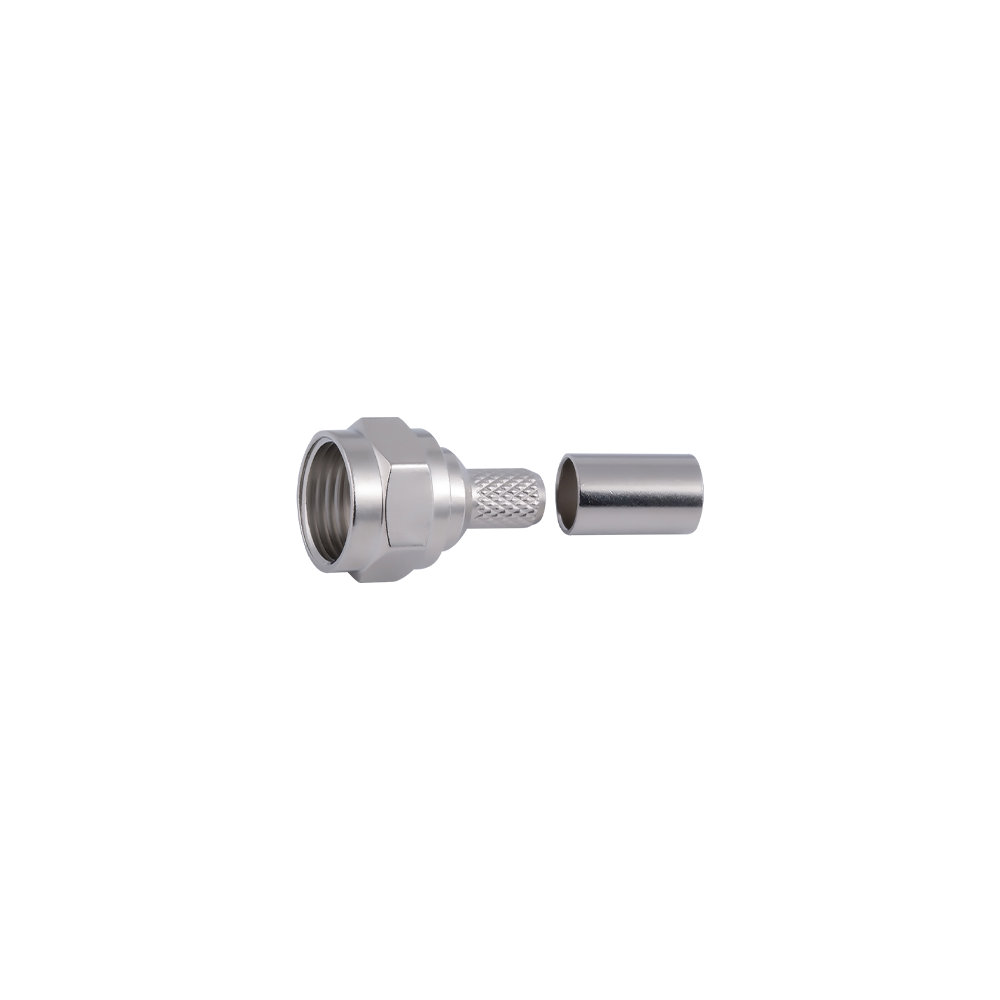
This is the core of the F-type connector product line—the connector installed on coaxial cables millions of times a day in homes, apartment buildings, hotels, and commercial premises worldwide. Suitable for standard flexible coaxial cables (most commonly RG-6 and RG-11), it offers three termination methods: crimp, compression, and screw-on, to match different installation habits and tool configurations.

Key Features
Three termination options: crimp (highest production efficiency), compression (best outdoor waterproofing), and screw-on (tool-free manual installation).
Compatible with RG-6, RG-6 quad-shield, and RG-11—the three most widely used cable television cables globally.
Waterproof shell design, suitable for direct use in outdoor aerial and buried cable drop connectors.
75Ω impedance matched with standard cable television and satellite television systems.
All materials comply with RoHS requirements, ensuring safe use in residential and commercial building installations.

Typical Applications
Drop cable connections at splitters or satellite dishes
Coaxial input cable assemblies for set-top boxes, optical modems, and televisions
In-wall wiring and structured cabling TV wall plate terminations
Satellite LNB-to-receiver cable assemblies
Cable TV distribution wiring for hotels and multi-dwelling units (MDUs)

FAQ
Q: What is the difference between crimp and compression F-type connectors, and how do I choose?
A: Crimp connectors use a hex crimp die to fix the connector onto the cable, which is fast and cost-effective but requires a dedicated crimping tool. Compression connectors utilize a sliding compression sleeve to ring-lock the cable jacket, providing a superior seal. For outdoor aerial and buried applications, compression connectors are recommended for more reliable waterproof performance.
Q: Are Jingcheng Electronics' F-type connectors compatible with all brands of F-type female jacks?
A: Yes. Jingcheng Electronics' F-type connectors comply with the IEC 169-24 F-type connector interface standard and are compatible with any standard F-type female jack, regardless of the brand.
Q: Can you provide finished patch cords with pre-installed cables?
A: Yes, pre-terminated cable assemblies are available. Please specify the cable type, connector style, and length requirements when sending your inquiry.
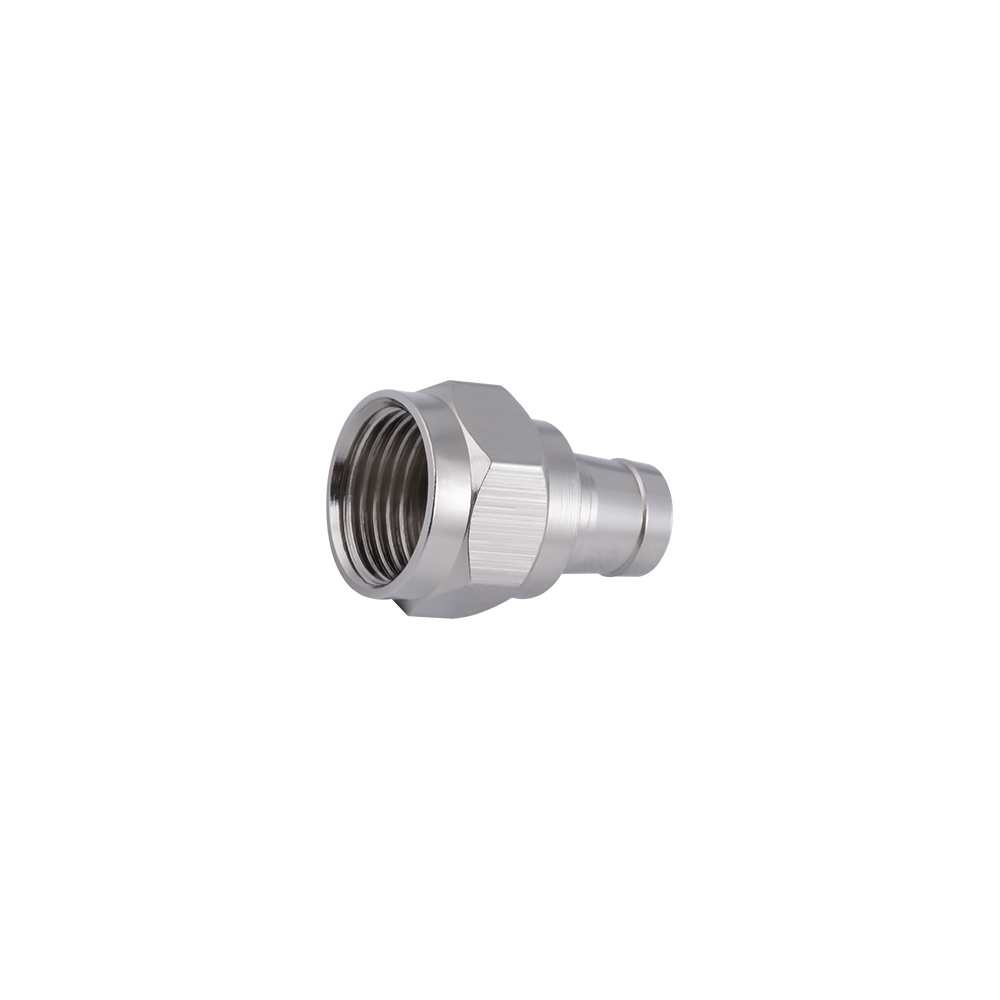
About
Yangzhou Jingcheng Electronics Co., Ltd.

Yangzhou Jingcheng Electronics Co., Ltd., a premier China F Connectors for flexible cable Manufacturer and F Connectors for flexible cable Supplier, was founded in 1999. It is a high-tech enterprise specializing in the R&D and manufacturing of RF coaxial connectors, cable assemblies, and passive microwave components.
Equipped with a comprehensive R&D and production system, the company has obtained international certifications including ISO9001. Adhering strictly to standards such as MIL, IEC and GB, we offer over 30 product series with more than 2,000 specifications, covering SMA, BNC, N-type and other mainstream models. Our products are widely applied in the fields of communications, aerospace, automotive electronics and beyond, and exported to many countries and regions across Europe, America and Asia.
We uphold the tenet of "Quality as the Foundation, Customers as the Core", committed to providing reliable interconnection solutions and professional services for global clients.

News & Updates
Coax Terminators: How Matched Loads Protect RF Ports and Test Accuracy
Industry News
2026-10-19
Coax Terminators: How Matched Loads Protect RF Ports and Test Accuracy
A coax terminator is a matched resistive load, almost always 50 ohms, that absorbs the RF energy arriving at the end of a transmission line and converts it into heat instead of reflecting it back toward the source. When a port on a splitt...
CB Antenna Connector Types: PL-259, Mini-UHF, N, BNC and Adapter Guide
Industry News
2026-10-13
CB Antenna Connector Types: PL-259, Mini-UHF, N, BNC and Adapter Guide
Unscrew the coax from the back of a CB radio and you are almost certainly holding a PL-259 plug that just came out of an SO-239 socket. That pairing, loosely called the UHF connector, dominates 11-metre radio. The short answer to "what CB...
Coax Cable Explained: Structure, Impedance, Types and Connector Choice
Industry News
2026-10-10
Coax Cable Explained: Structure, Impedance, Types and Connector Choice
If you typed "co ax cable", you are looking for the same thing as "coax cable" or "coaxial cable" — one product, three spellings. The short answer is that a coax cable is a transmission line built from two conductors sharing a single axis...
BNC Connector Sizes Explained: Dimensions, 50Ω vs 75Ω, and Cable Types
Industry News
2026-09-28
BNC Connector Sizes Explained: Dimensions, 50Ω vs 75Ω, and Cable Types
BNC connectors are not one-size-fits-all components. The practical "size" of a BNC connector is defined by two separate characteristics: the mating interface and the center conductor. Every standard BNC shares the same bayonet shell diame...
75 Ohm vs 50 Ohm BNC Connector: Differences, Compatibility, and How to Choose
Industry News
2026-09-22
75 Ohm vs 50 Ohm BNC Connector: Differences, Compatibility, and How to Choose
A 50 ohm BNC connector is built for 50 ohm systems, and a 75 ohm BNC connector is built for 75 ohm systems. The two always fit each other mechanically — same bayonet shell, same coupling lugs, same pin arrangement — but they are not elect...
F Connectors for flexible cable Industry knowledge

F connectors for flexible cable are threaded, screw-on RF connectors designed for field or bench termination onto flexible drop coaxial cable, using crimping, compression, or twist-on assembly rather than soldering. The connector shell grips the cable jacket and braid, while the exposed center conductor of the cable itself serves as the mating pin, avoiding the need for a separate soldered or crimped contact.

Because flexible cable can be routed and bent repeatedly without damage, F connectors for flexible cable are matched to installation work where cable runs are formed on site, walls or conduits are followed, and connectors are terminated without dedicated soldering equipment.

Common Types and Characteristics

  • Crimp F connectors — attached with a crimping tool and metal sleeve, providing a fast, low-cost termination for indoor cable runs.
  • Compression F connectors — installed with a compression tool that forms a sealed ring around the jacket, offering higher pull-out strength and moisture resistance for outdoor cable runs.
  • Twist-on F connectors — screwed directly onto stripped cable without a separate tool, suited to temporary connections or quick field repairs.
  • Weatherproof and boot-sealed variants — add an O-ring or rubber boot at the cable entry point for direct outdoor exposure.

Core Performance Parameters

Typical electrical and mechanical specifications
Parameter Typical Value
Impedance 75 Ω
Frequency Range DC – 3 GHz
Coupling Type Threaded, screw-on
Termination Method Crimp, compression, or twist-on
Compatible Cable Sizes RG6, RG59, RG11 and equivalent

Typical Applications

The field-terminable design of F connectors for flexible cable supports installation work across residential and commercial video and broadband distribution.

  • Cable television (CATV) drop cable runs and set-top box connections
  • Satellite receiver dish-to-indoor cable routing
  • Digital terrestrial antenna (DVB-T) and broadband cable modem wiring
  • Splitter, wall-plate outlet, and multi-room video distribution installations

Comparison of Termination Methods for Flexible Cable

Among F connectors for flexible cable, the termination method has the largest effect on long-term reliability. Compression termination provides the strongest cable retention and best sealing of the common methods, while crimp and twist-on styles trade some durability for faster or tool-free installation.

Comparison of tooling, retention strength and recommended use by termination type
Termination Type Tooling Required Retention Strength Recommended Use
Compression Compression tool High Outdoor and long-term installations
Crimp Crimping tool Moderate Indoor wiring, general installation
Twist-on None Low Temporary or quick field repairs

Selection Guide

  1. Match the connector bore size to the cable type (RG6, RG59, or RG11) for a proper fit around the center conductor and dielectric.
  2. Choose compression connectors for outdoor runs or installations expected to remain in place long-term.
  3. Use crimp connectors where a balance of speed and reliability is needed for indoor wiring.
  4. Reserve twist-on connectors for temporary setups or emergency repairs rather than permanent installation.
  5. Add weatherproof boots or sealing tape at any outdoor connection point, regardless of termination type.

Frequently Asked Questions

Do F connectors for flexible cable require special tools?

Compression and crimp styles require a matching compression or crimping tool, while twist-on styles can be installed by hand without additional equipment.

Can these connectors be reused after removal?

Crimp and compression connectors are generally single-use, since the ferrule or compression ring is permanently deformed onto the cable during installation.

Are these connectors suitable for outdoor cable runs?

Compression connectors with a sealed collar or boot are generally recommended for outdoor exposure, while standard crimp or twist-on connectors are better suited to indoor use.

Manufacturing Background

Yangzhou Jingcheng Electronics Co., Ltd. produces F connectors for flexible cable along with a broad range of RF connector series including SMA, BNC, TNC, N-type, and reverse polarity variants, together with high-frequency cable assemblies covering 0 to 50 GHz. Manufacturing follows ISO9001 quality management and MIL, IEC, and GB reference standards, supporting CATV, satellite, and broadband distribution equipment.