SMC RF Coaxial Connectors for Flexible Cable Custom

Home / Products / Coaxial Connectors / SMC RF Coaxial Connectors / SMC RF Coaxial Connectors for Flexible Cable

SMC RF Coaxial Connectors for Flexible Cable Manufacturer

Product Introduction:
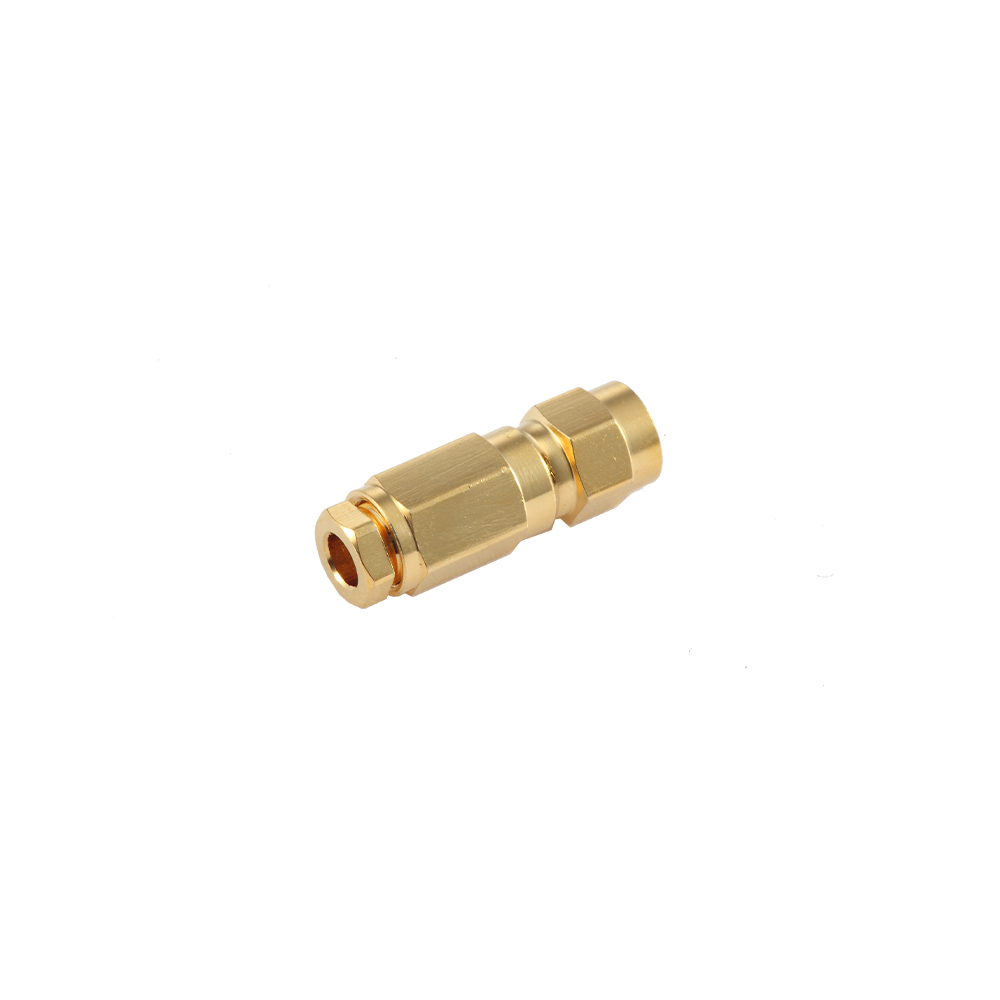
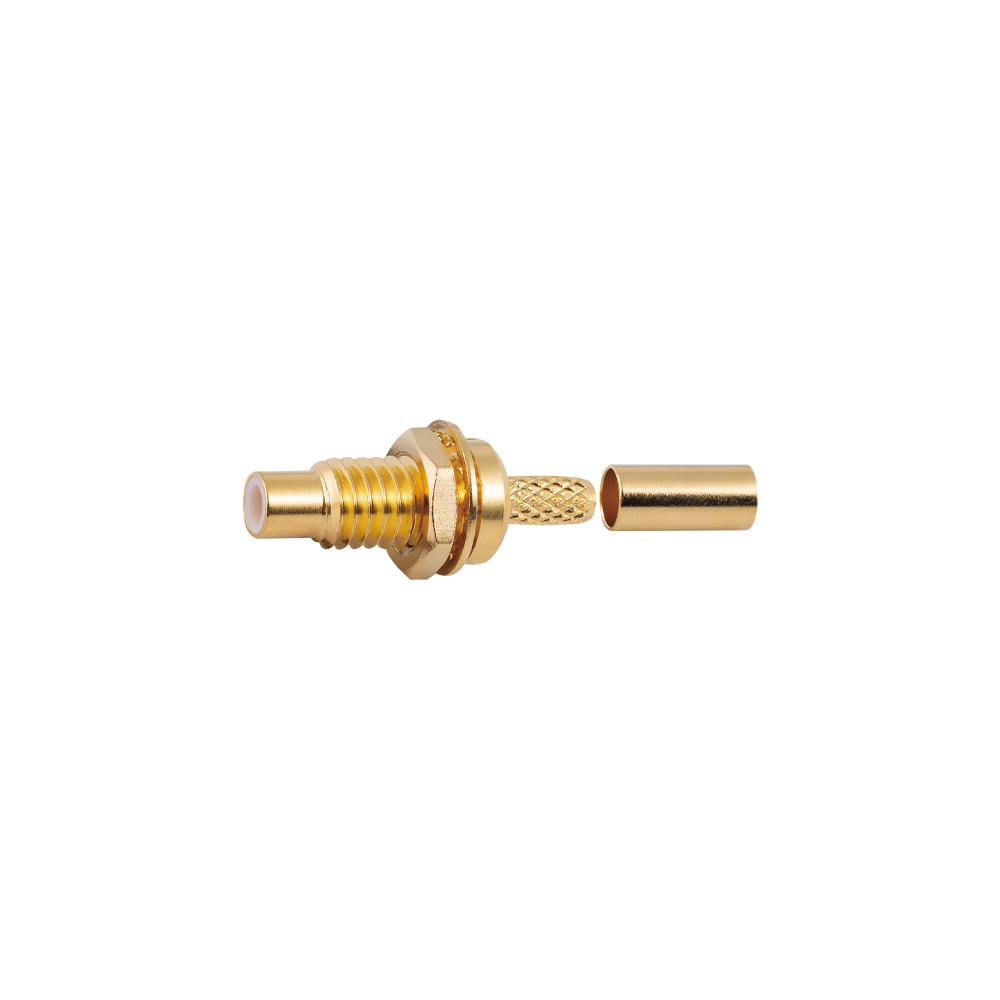
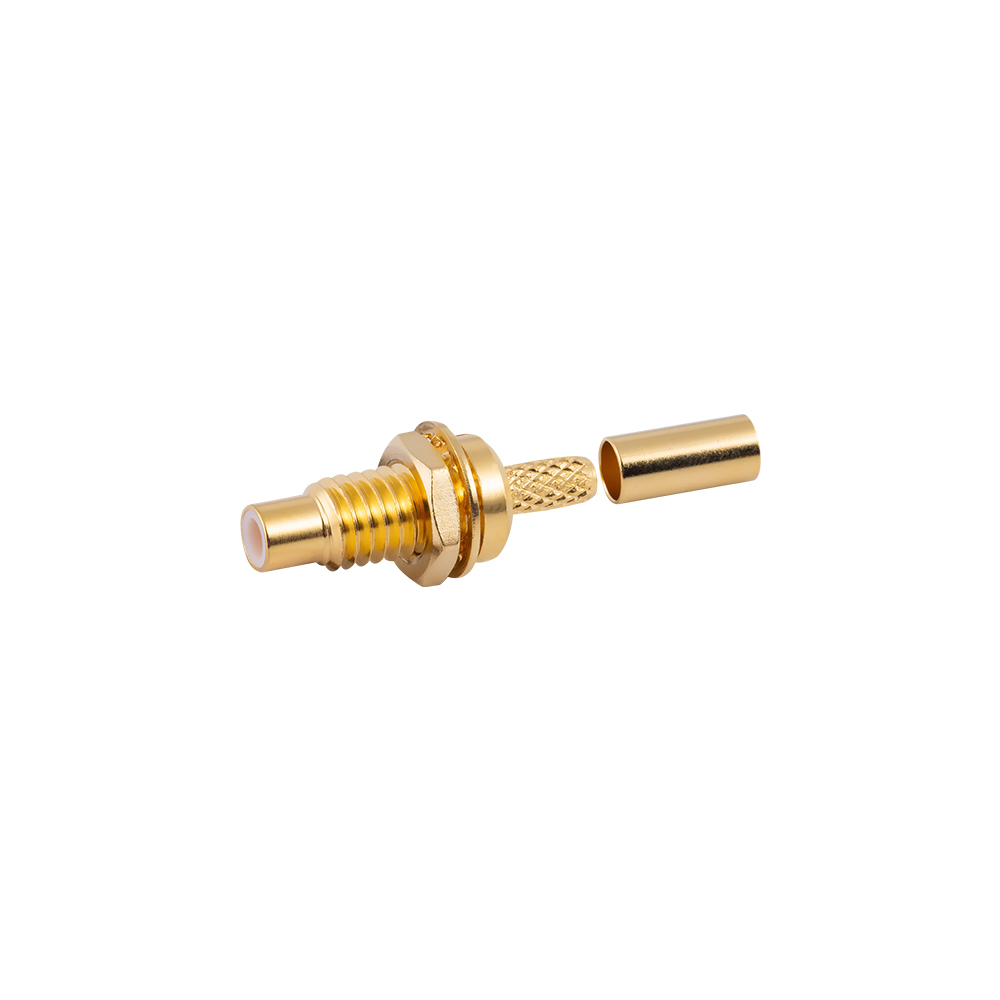
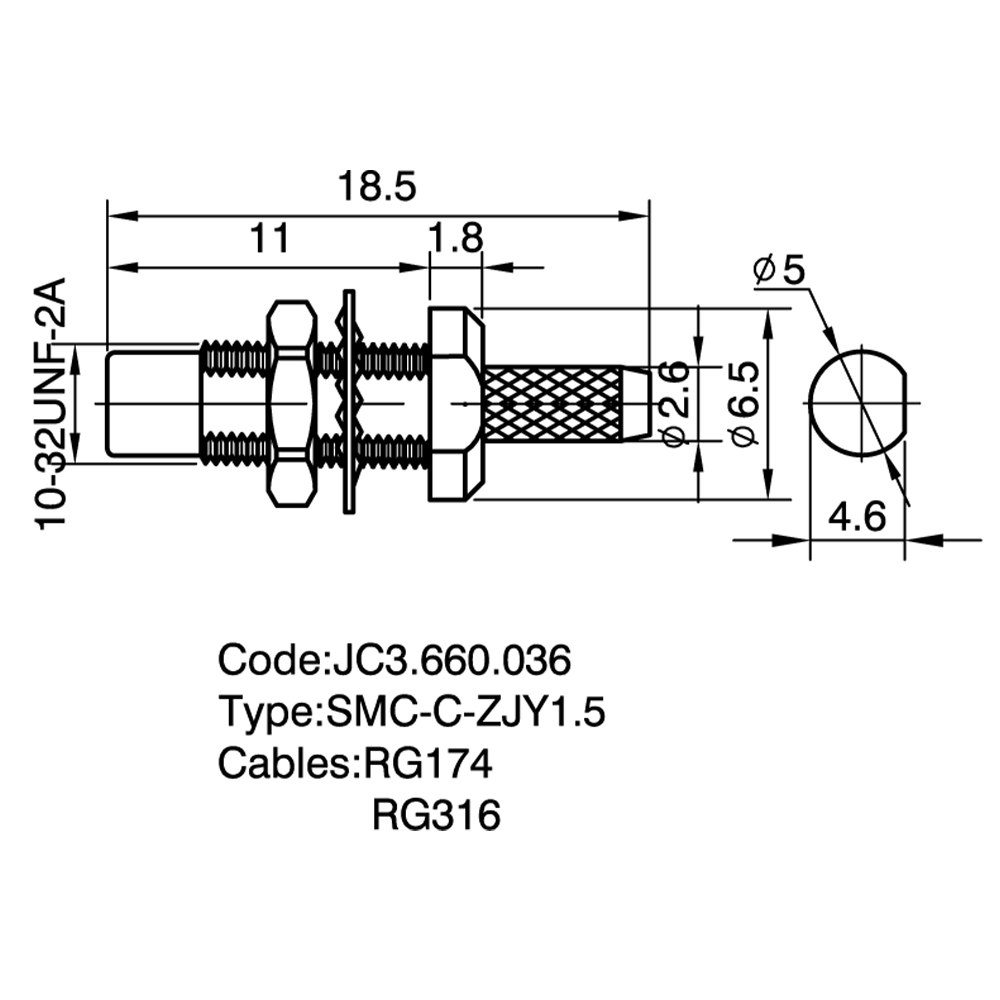
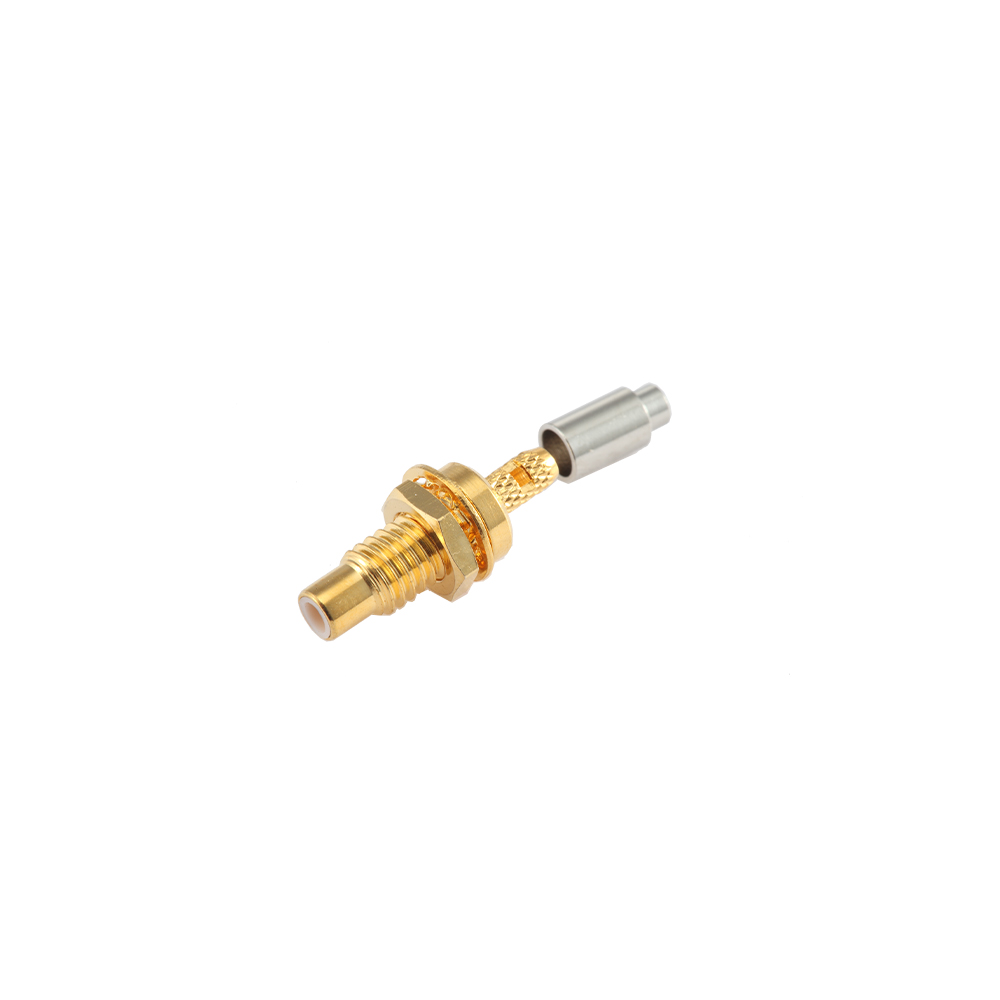
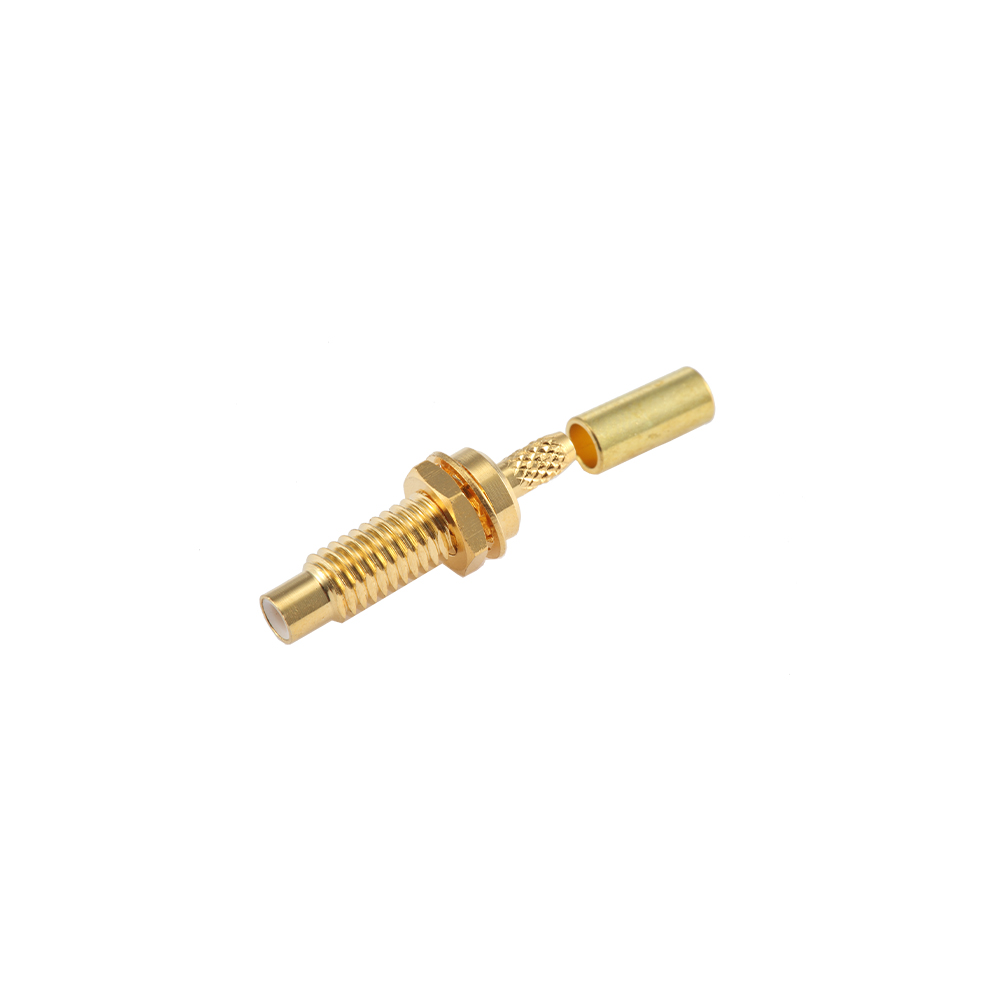
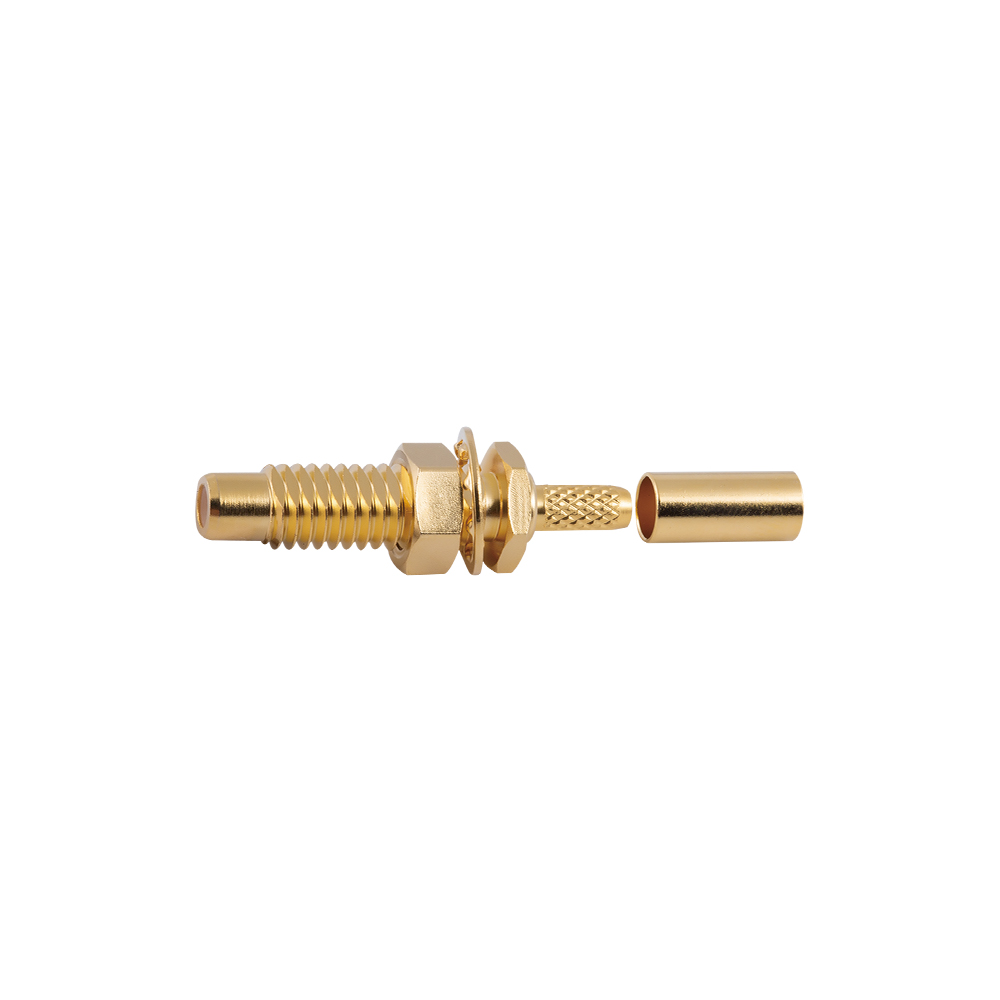
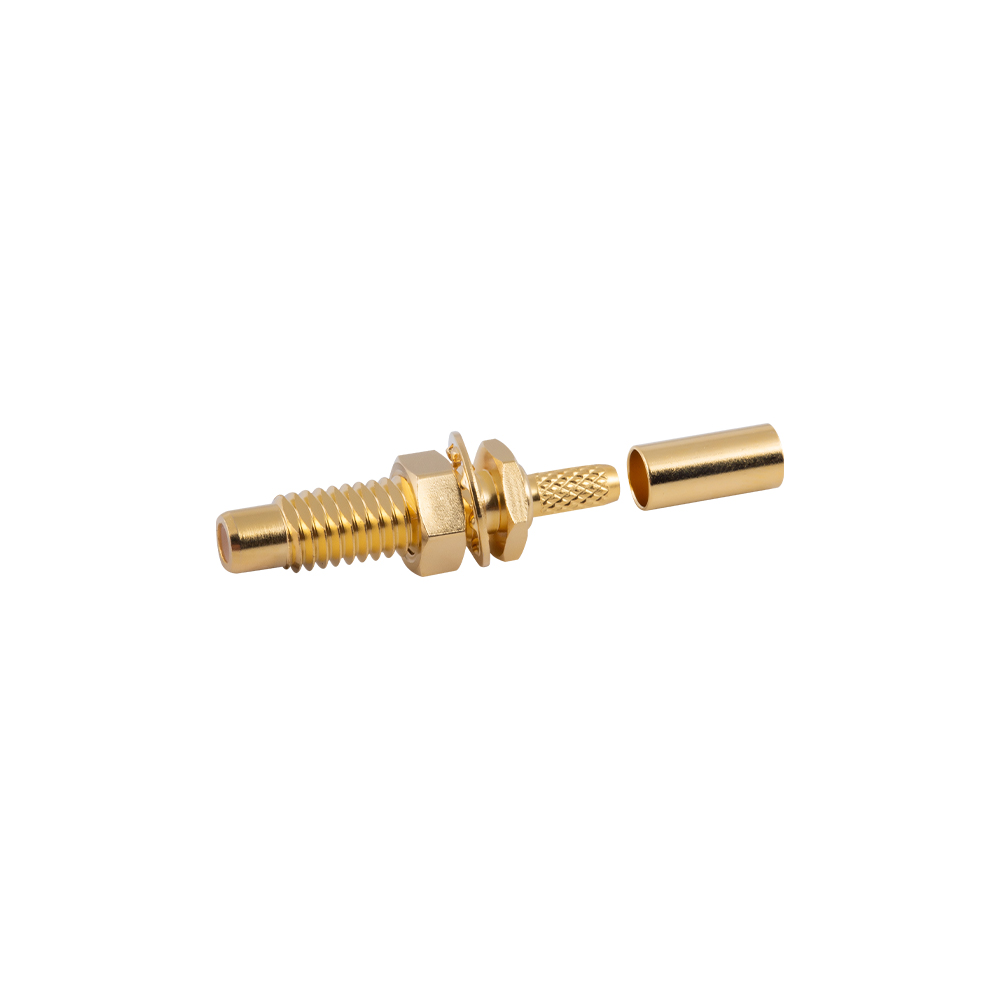
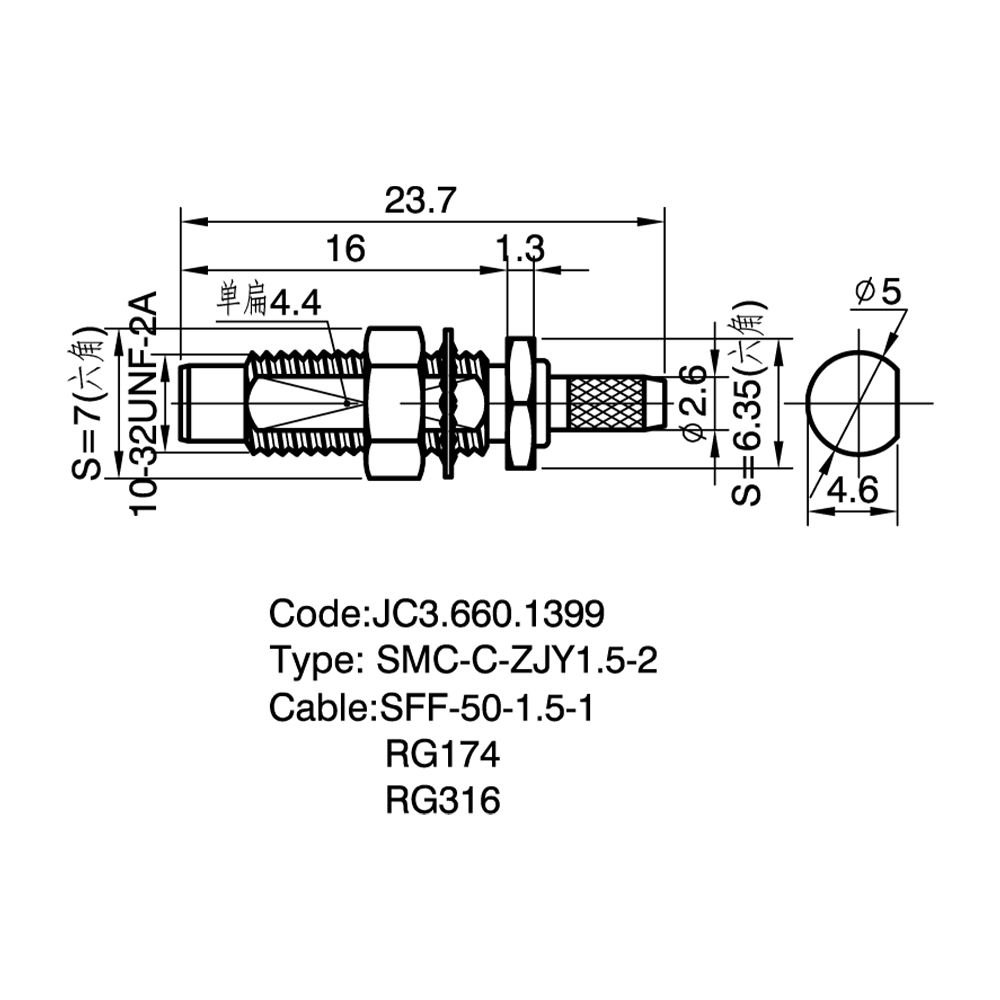
This is an SMC bulkhead receptacle with external threads and a fastening nut. It is mainly used as a chassis panel interface to provide a reliable connection between internal circuits and external antennas or feeder lines.

Product Features:
High mechanical strength: Dual fixation on the panel via a nut allows it to withstand significant axial pulling force and external impact.
Compact structure: Integrates threaded locking functionality within a very small form factor, greatly saving panel space.
Wide temperature adaptability: Maintains excellent sealing and electrical performance in environments ranging from -55°C to +155°C.

Application Advantages:
High protection level: Suitable for installation on sealed enclosures of outdoor base stations or industrial instruments, providing stable signal input/output interfaces.
Flexible installation: Supports front or rear mounting, accommodating different panel thicknesses.

Temperature  Range

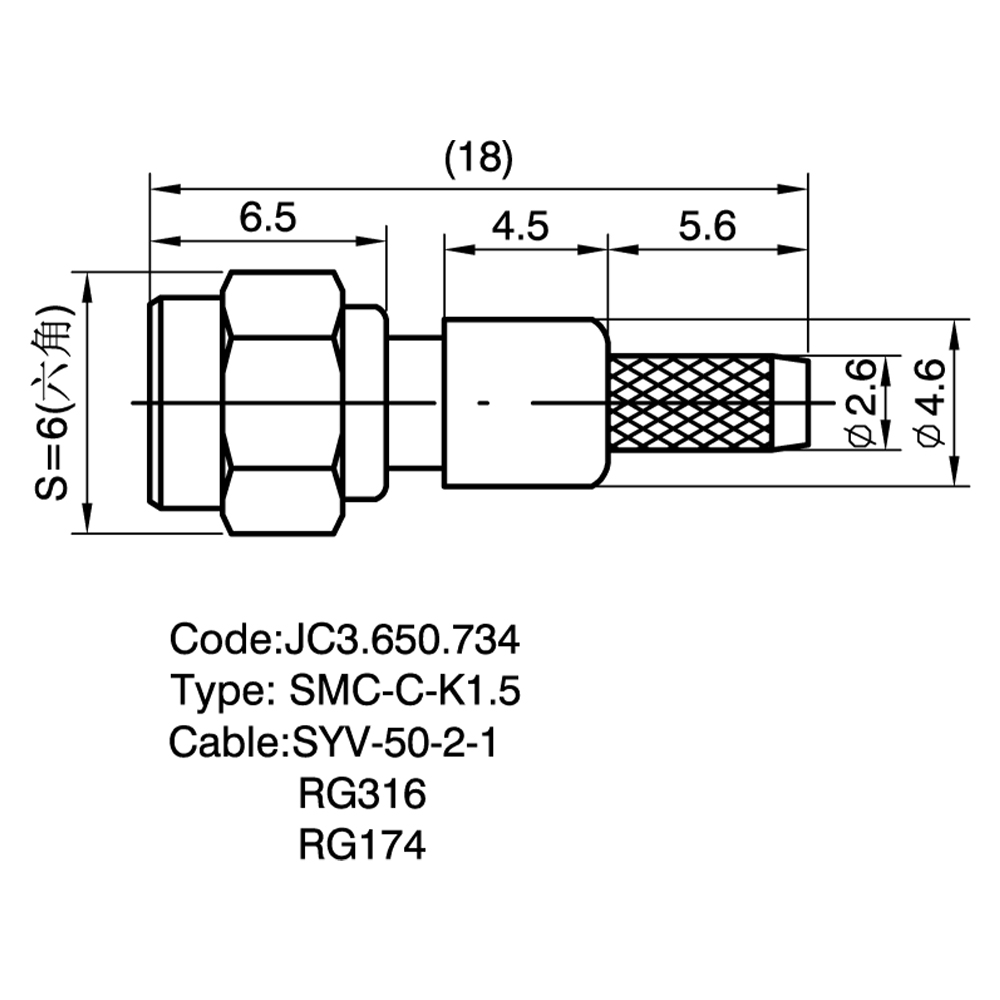
-55~+155℃(PE Cable   -40~+85℃)

Impedance

50Ω

Frequency Range

DC~6GHz

Insulation resistance

≥5000MΩ

 Insertion loss

 ≤0.24 dB/6GHz

Voltage Standing Wave Ratio (VSWR)

 Straight ≤1.30/3GHz


 Right  angle ≤1.45/3GHz

 Durability(mating)

≥500 cycles

About
Yangzhou Jingcheng Electronics Co., Ltd.

Yangzhou Jingcheng Electronics Co., Ltd., a premier China SMC RF Coaxial Connectors for Flexible Cable Manufacturer and SMC RF Coaxial Connectors for Flexible Cable Supplier, was founded in 1999. It is a high-tech enterprise specializing in the R&D and manufacturing of RF coaxial connectors, cable assemblies, and passive microwave components.
Equipped with a comprehensive R&D and production system, the company has obtained international certifications including ISO9001. Adhering strictly to standards such as MIL, IEC and GB, we offer over 30 product series with more than 2,000 specifications, covering SMA, BNC, N-type and other mainstream models. Our products are widely applied in the fields of communications, aerospace, automotive electronics and beyond, and exported to many countries and regions across Europe, America and Asia.
We uphold the tenet of "Quality as the Foundation, Customers as the Core", committed to providing reliable interconnection solutions and professional services for global clients.

SMC RF Coaxial Connectors for Flexible Cable Industry knowledge
Connector Category Guide

SMC RF Coaxial Connectors for Flexible Cable

SMC RF coaxial connectors are threaded, sub-miniature interfaces built for stable signal transfer on small-diameter flexible coaxial cable in space-constrained assemblies. The screw-coupling design of SMC RF coaxial connectors for flexible cable resists loosening under vibration, which is why the format is specified across avionics wiring harnesses, telecom base station modules, test instrumentation, and other environments where connection integrity matters as much as compact size. This category groups connector variants by gender, cable compatibility, termination style, and impedance rating to support direct comparison and selection.

Threaded Coupling 50Ω Impedance Sub-Miniature Size Vibration Resistant RG174 / RG316 / RG178 Compatible

Category Overview

Within this category, SMC connectors are engineered around a captive-nut screw-thread interface rather than a snap-on or bayonet lock, giving the mated pair a fixed torque connection that maintains contact under repeated flexing of the attached cable. Bodies are typically brass with gold, silver, or nickel plating, and center contacts are precision-machined for repeatable mating cycles. Connector series in this listing are produced and tested by Yangzhou Jingcheng Electronics Co., Ltd. (JC Company), a manufacturer operating since 1999 with an in-house coaxial connector engineering R&D center, CNC production equipment, and network analyzer test benches used to verify impedance, VSWR, and insertion loss on each connector design before release.

Common Types and Features

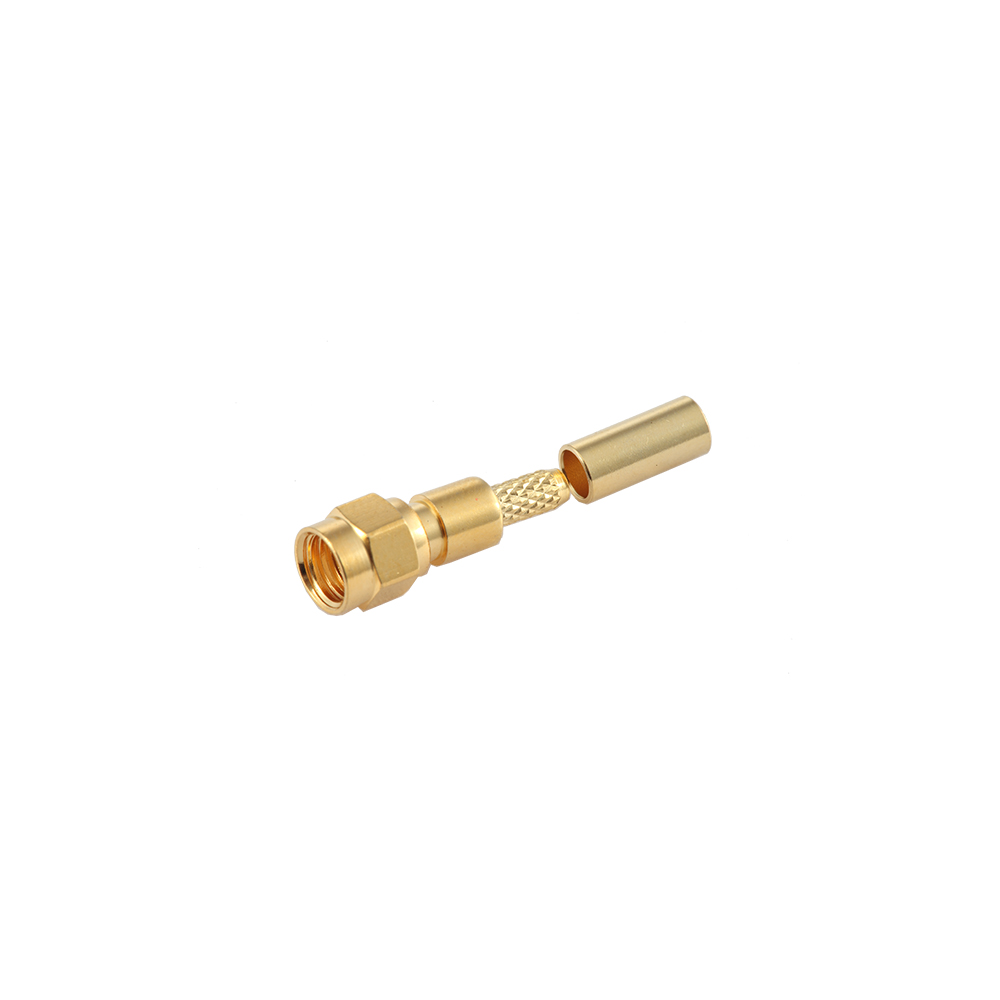
Straight Plug / JackStandard in-line pair for direct cable-to-cable or cable-to-board connection; used where a linear cable run is available.

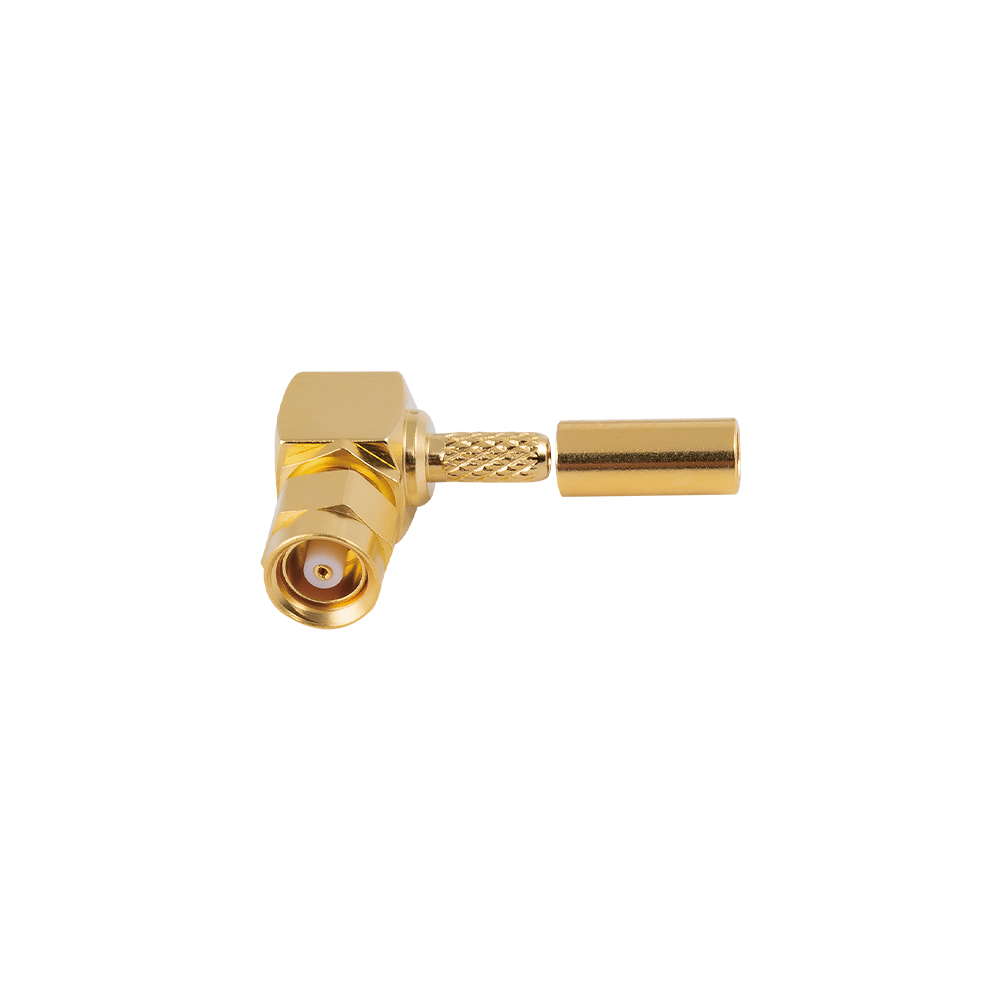
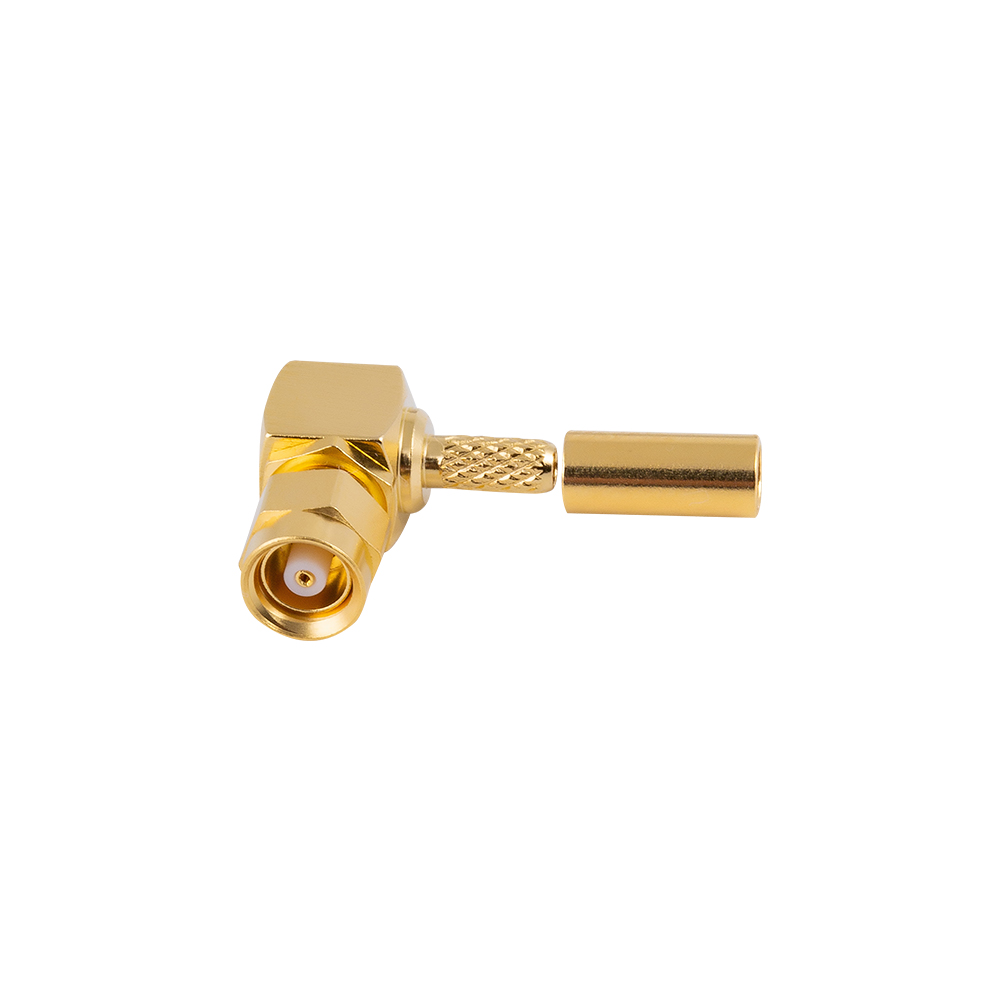
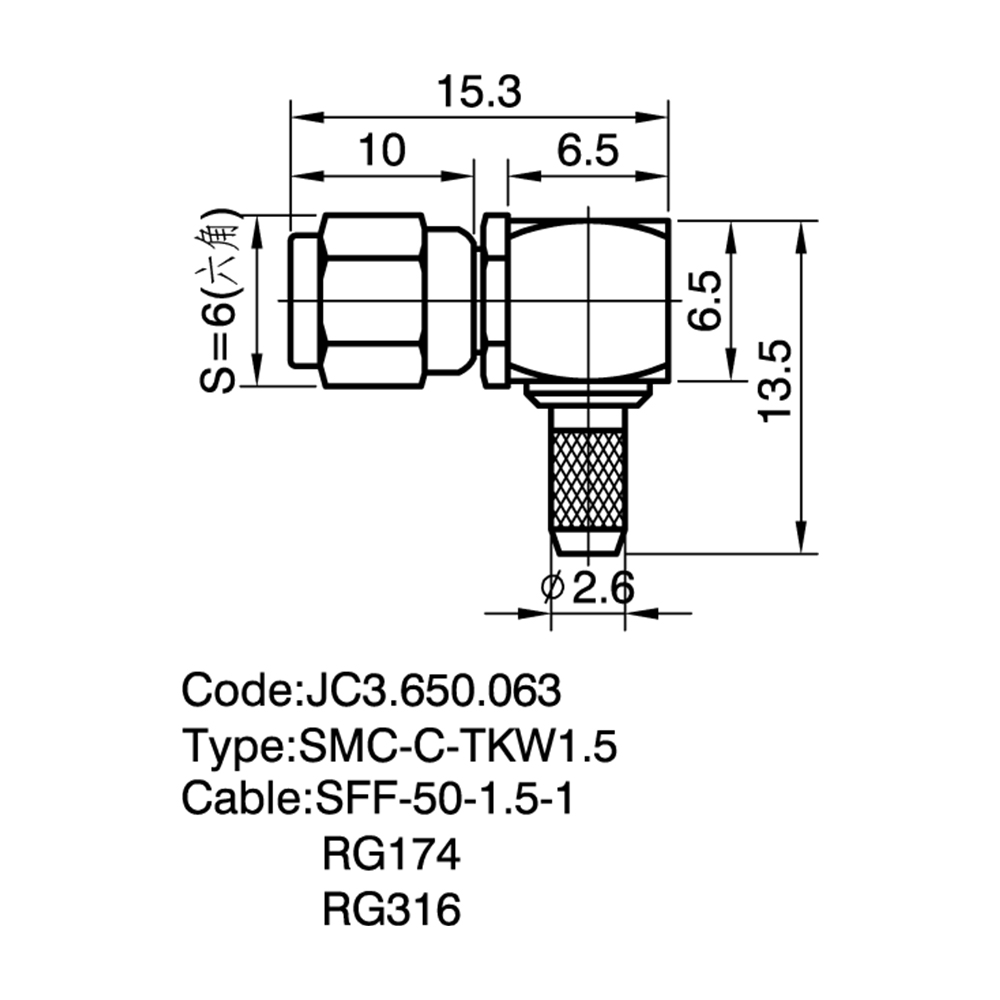
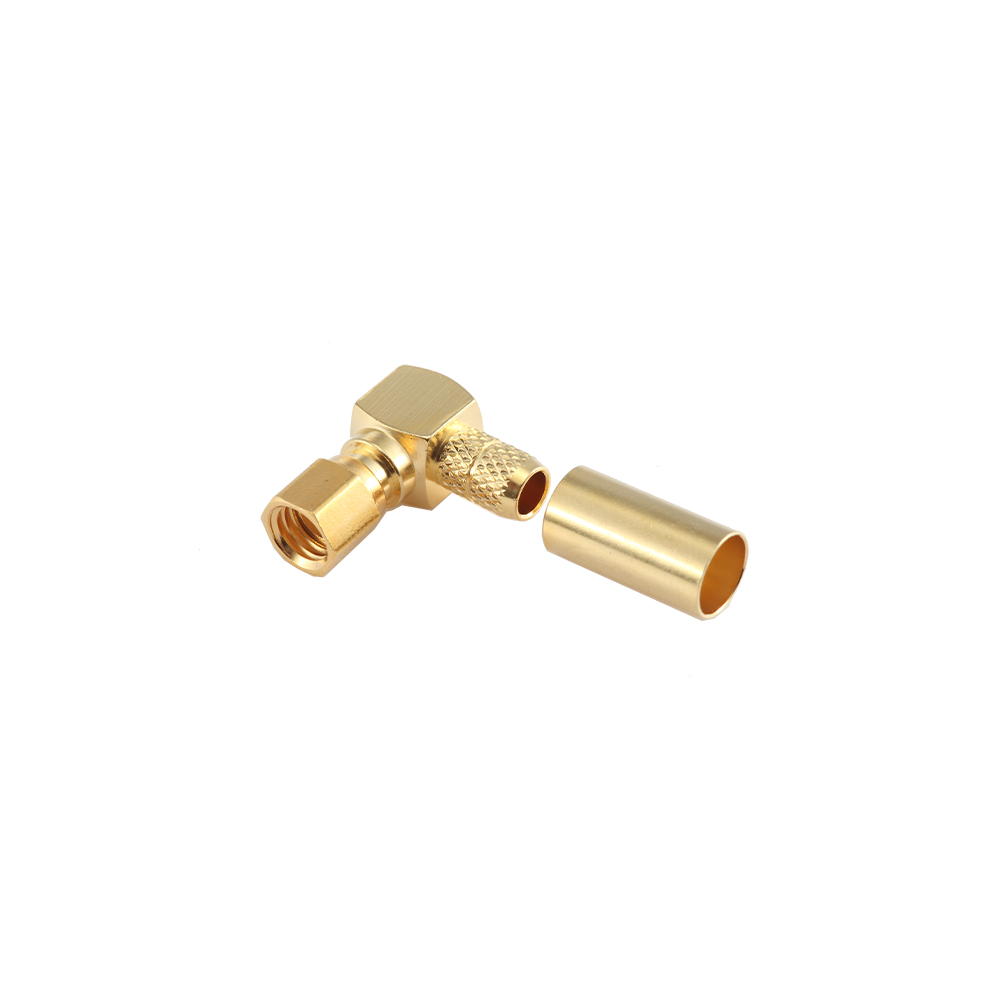
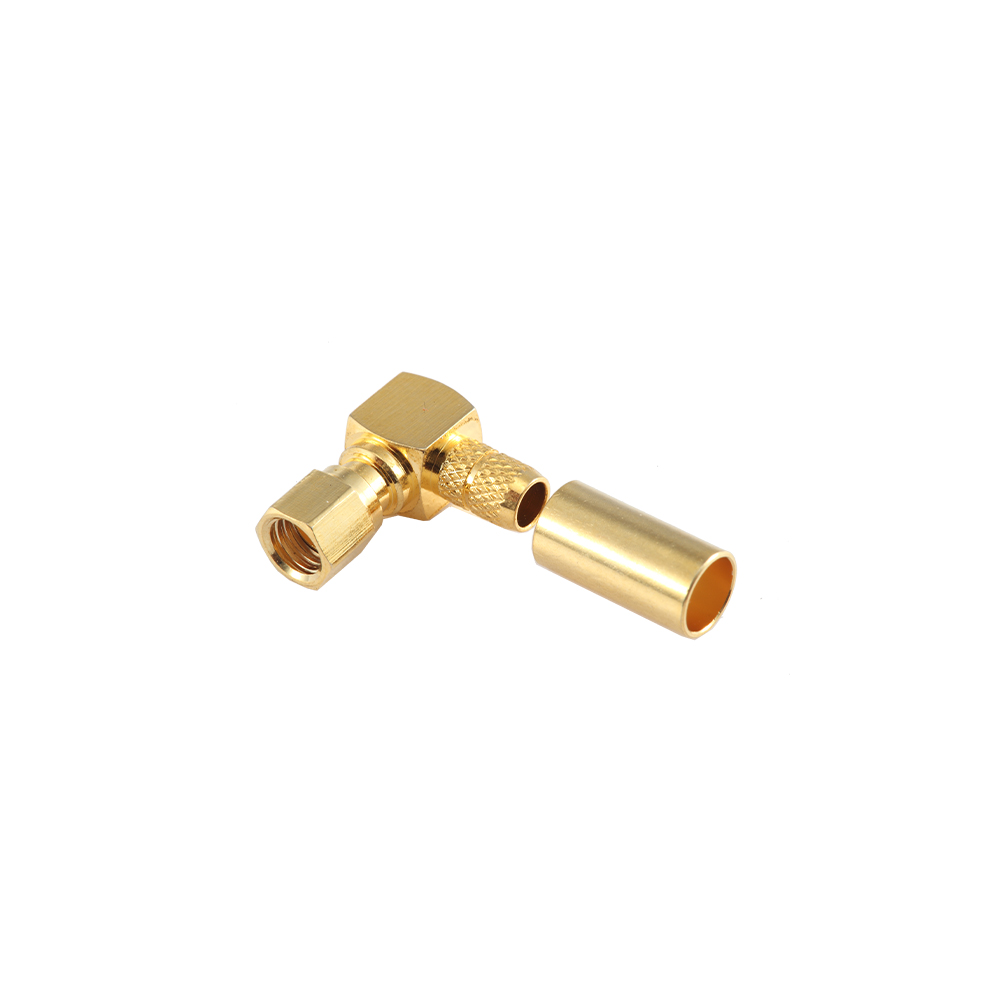
Right Angle90° body orientation for routing cable along a chassis wall or panel where vertical clearance is limited.

Bulkhead / Panel MountFront or rear panel fixing with nut and washer, used at enclosure boundaries for feed-through connections.

PCB / Edge MountSolder-tab or surface-mount contact geometry for direct termination onto a circuit board.

Crimp / Solder TerminationCrimp versions suit higher-volume assembly; solder versions suit lower-volume or field termination.

Cable-Specific BoreSized for RG174, RG316, RG178, or equivalent flexible cable outer diameters to maintain a controlled impedance transition.

Plating (gold, silver, nickel) and dielectric material (PTFE is common) affect insertion loss, corrosion resistance, and mating cycle life; these should be matched to the operating environment.

Comparison with Related Sub-Miniature Connector Formats

Connector Type Coupling Mechanism Typical Frequency Range Cable Fit Notable Trait
SMC Threaded (hex nut) DC – 10 GHz RG174, RG316, RG178 Screw-lock resists vibration loosening
SMA Threaded (larger thread) DC – 18 GHz RG58, RG142, semi-rigid Larger body, higher frequency capability
MCX Snap-on (bayonet-free) DC – 6 GHz RG174, RG316 Faster mating, no threaded lock
MMCX Snap-on, micro size DC – 6 GHz RG178, RG316 Smallest footprint among the four
Frequency figures are general references for the format and vary by specific connector design and cable pairing.

Application Scenarios and Selection Points

Typical placements for SMC RF coaxial connectors for flexible cable include internal RF jumper cables in base station and repeater equipment, GPS and antenna feed lines, avionics and defense wiring harnesses, test and measurement leads, and medical or instrumentation devices where a compact, lockable connection is required inside a moving or vibrating assembly.

  • Cable outer diameter — confirm the connector bore matches the flexible cable (e.g., RG174, RG316, RG178) to avoid a poor crimp or solder joint.
  • Impedance — most designs are 50Ω; confirm this matches the system before mixing with other connector families.
  • Termination method — crimp for production runs, solder for prototypes or low-volume field work.
  • Mounting style — straight, right angle, bulkhead, or PCB mount, based on available panel space and cable routing.
  • Plating and environment — gold plating for lower contact resistance and repeated mating; consider sealed or ruggedized variants for outdoor or high-vibration installs.
  • Mating cycle and torque rating — check specified mating cycles and nut torque range against the application's maintenance frequency.

Frequently Asked Questions

What distinguishes SMC connectors from SMA connectors?

Both use a threaded coupling, but SMC connectors have a smaller body and thread size, fit thinner flexible cable, and cover a lower maximum frequency range than SMA connectors.

Can SMC connectors be mated with SMB or MCX connectors?

No. SMC uses a threaded interface while SMB and MCX use snap-on interfaces; the mating geometries are not interchangeable without an adapter.

Which flexible cable types pair with SMC RF coaxial connectors?

RG174, RG316, and RG178 are the most common pairings, selected according to cable outer diameter and the connector's crimp or solder bore.

Are SMC connectors suitable for outdoor or vibration-heavy installations?

The threaded coupling is well suited to vibration-prone assemblies; for outdoor use, a sealed or ruggedized variant with corrosion-resistant plating is recommended.

Can this category be customized for a specific project?

Yes. JC Company supports customized termination, plating, and mounting configurations across this connector series, in addition to the standard specifications listed.