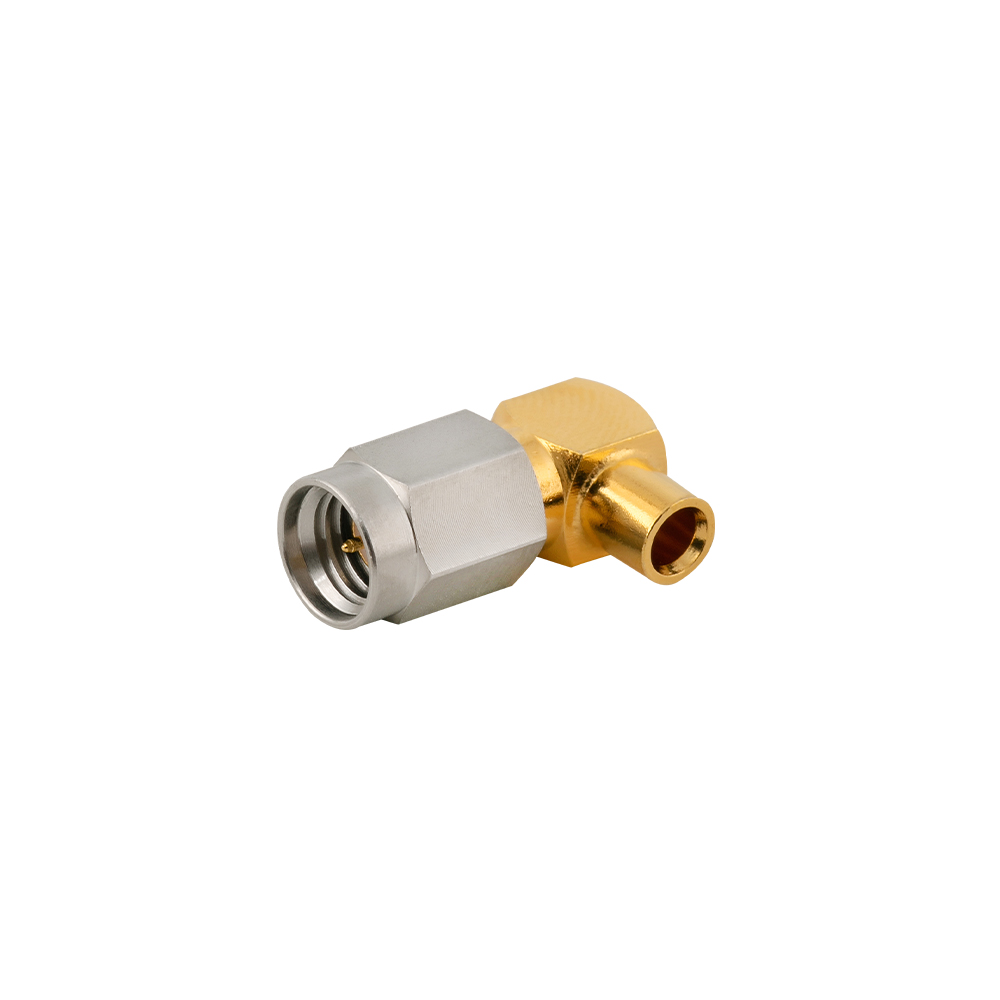
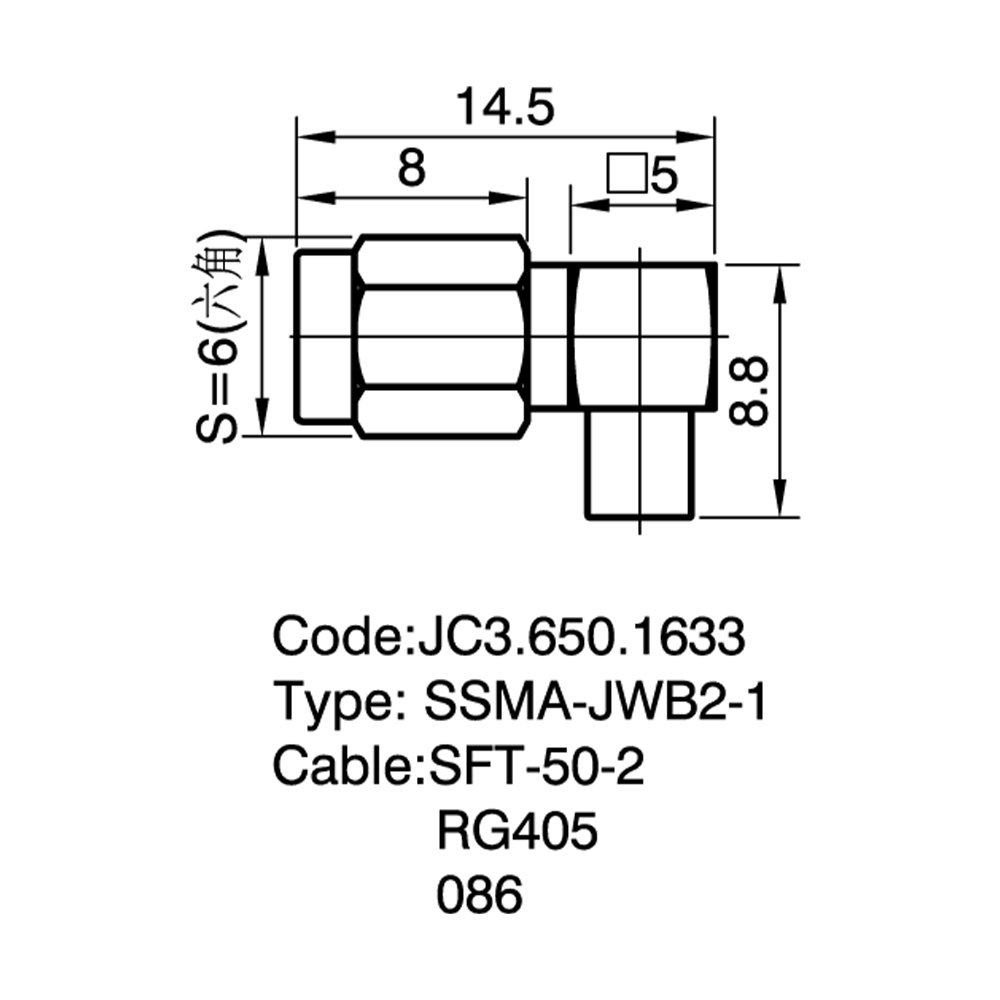
SSMA RF Connectors for Semi-flexible & Semi-rigid Cable
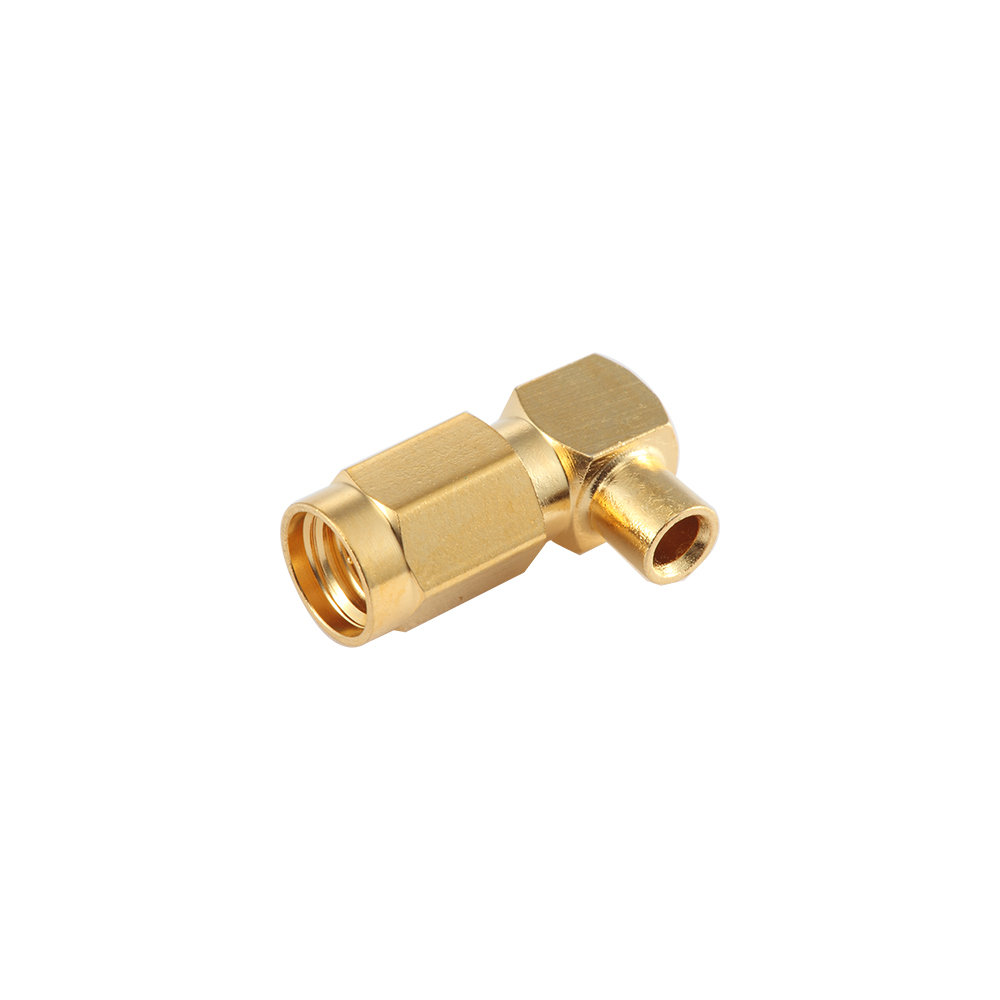
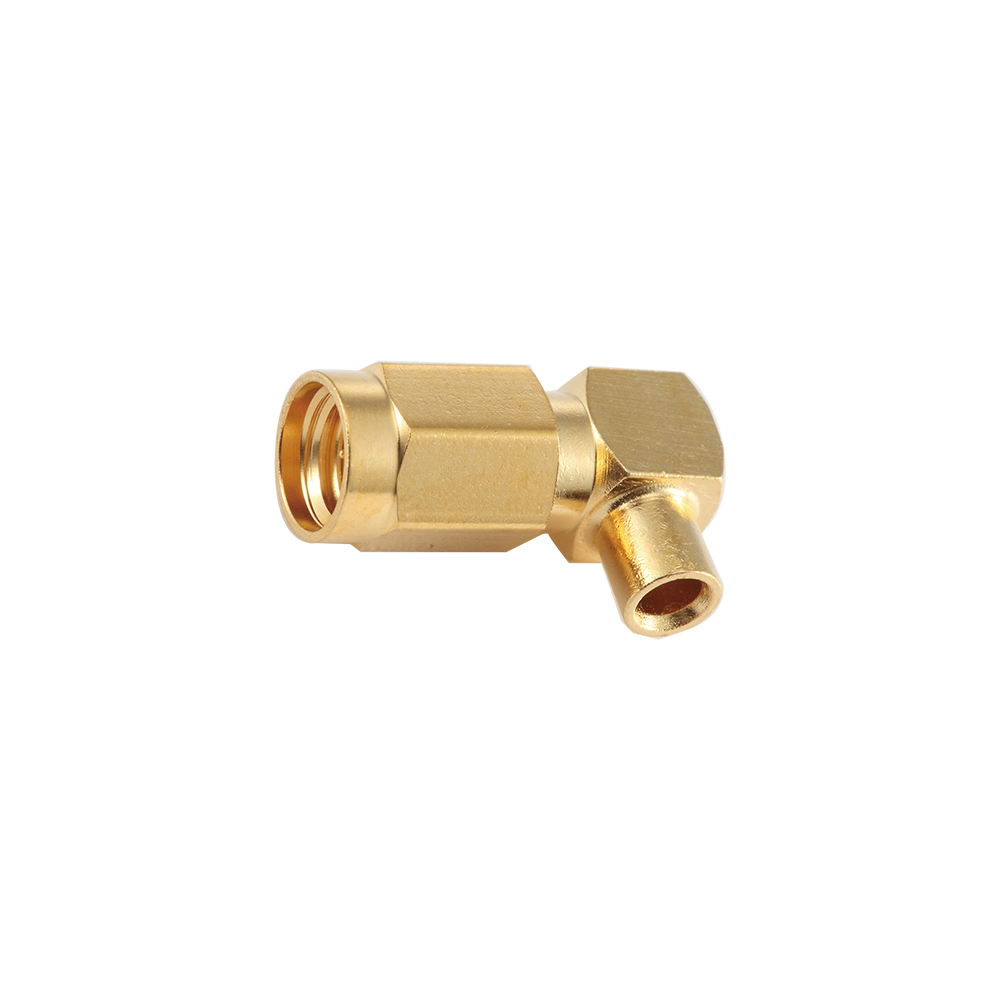
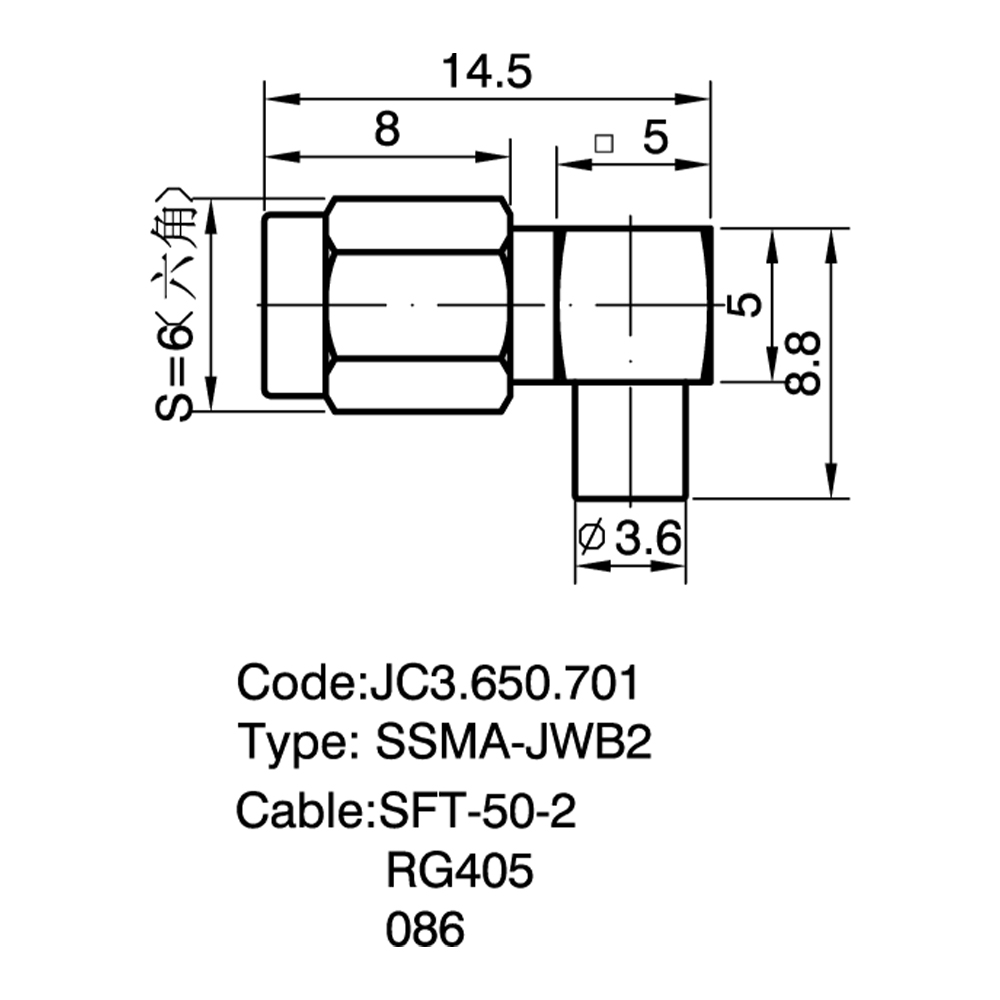
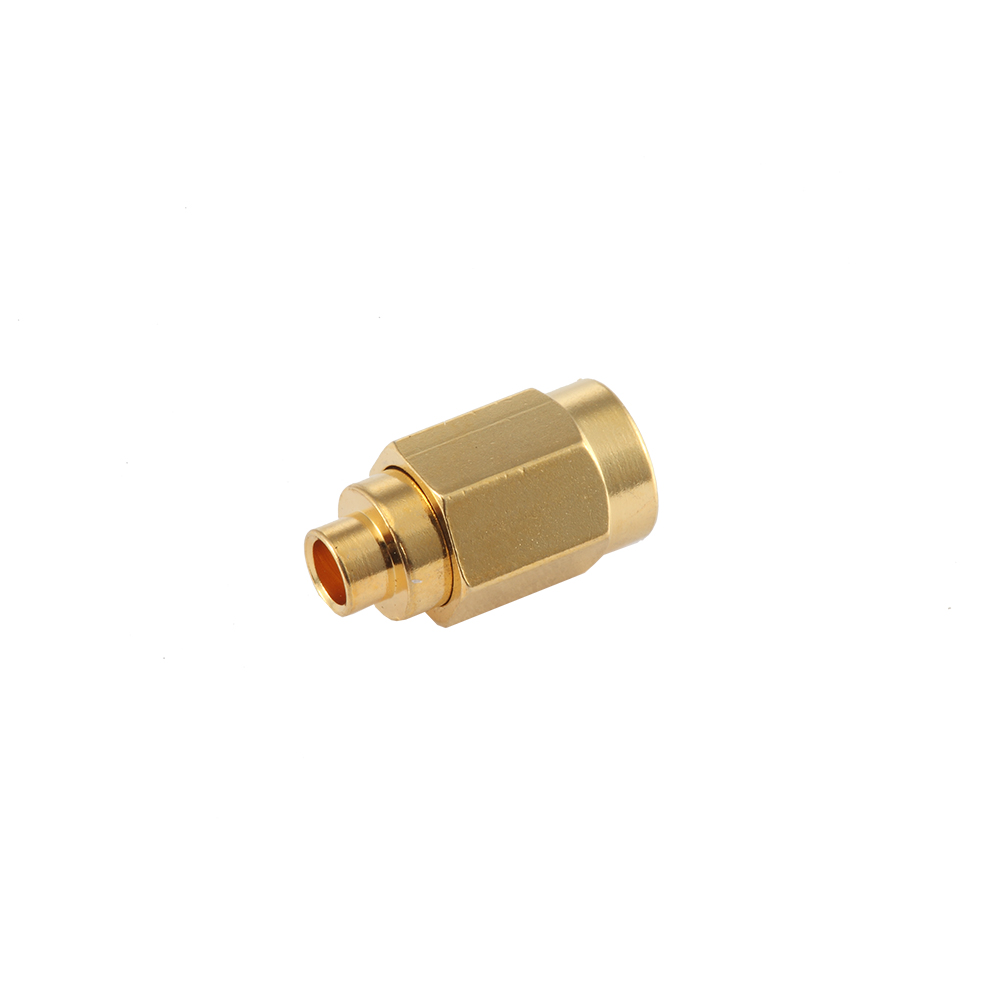
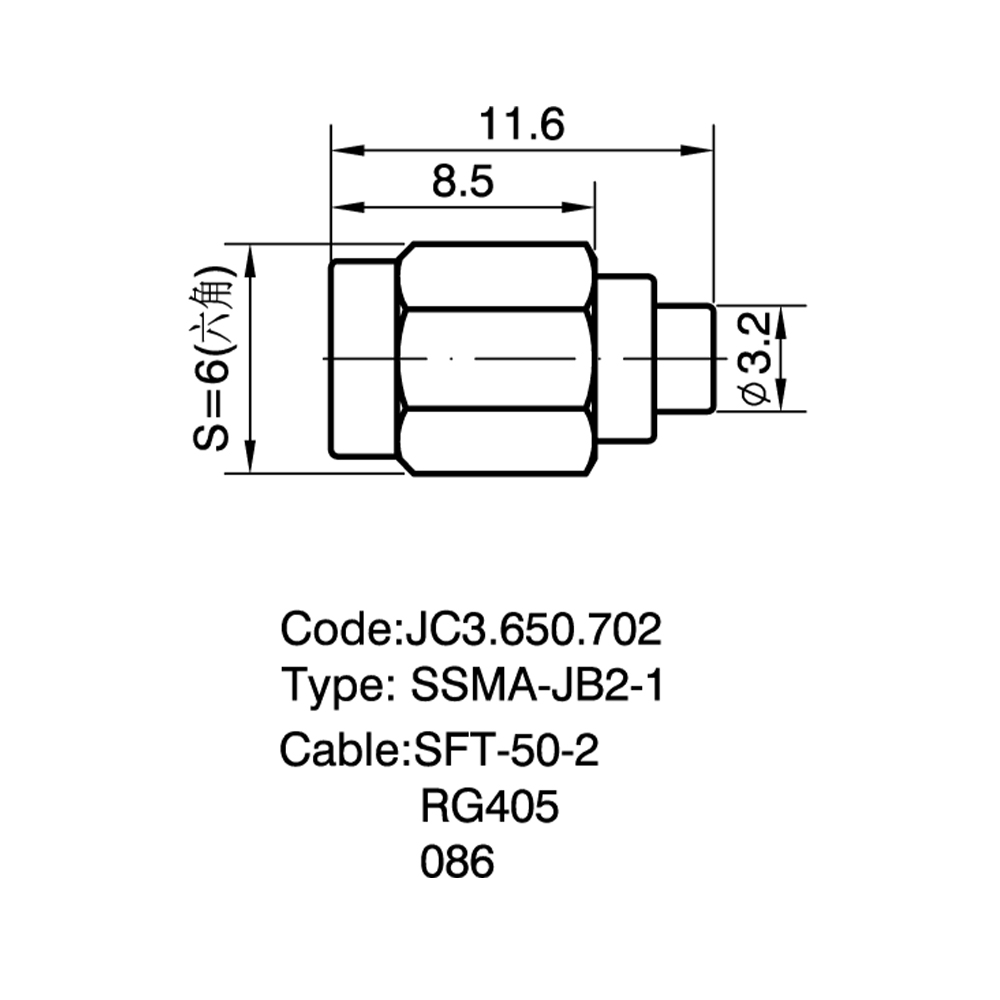
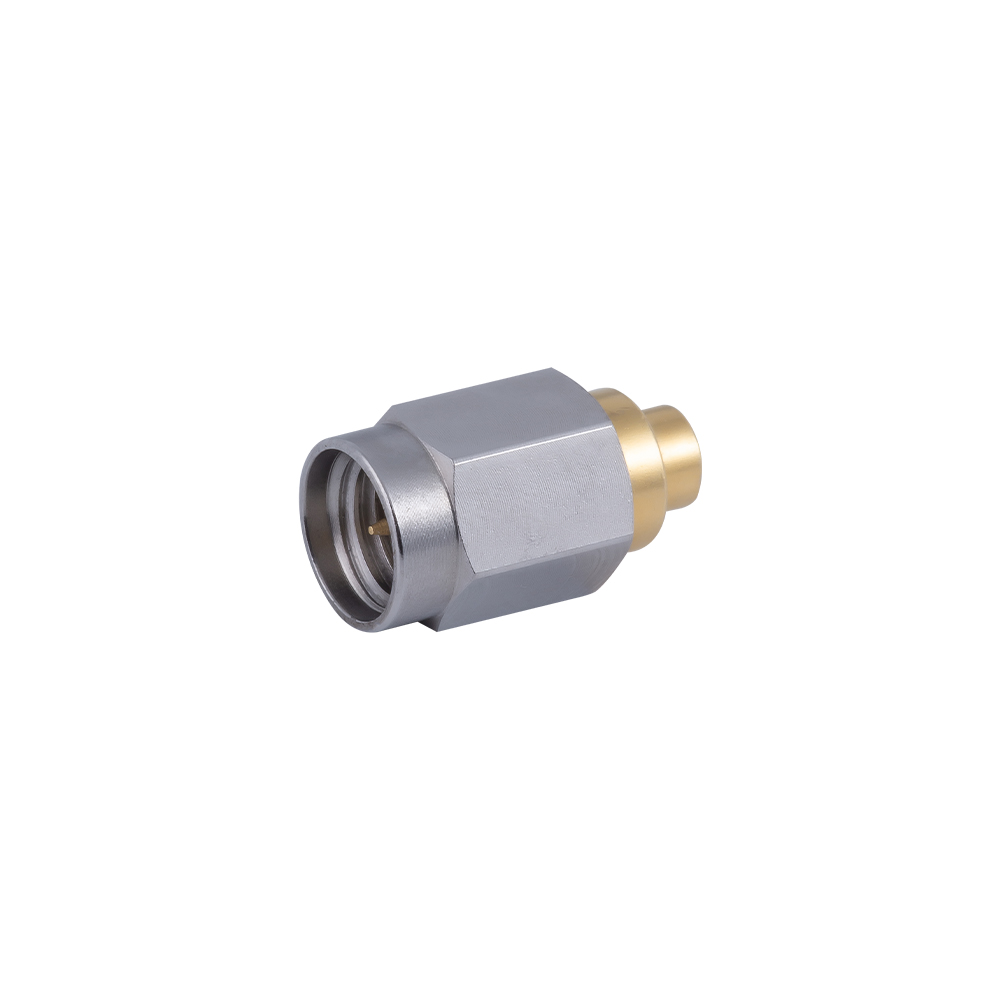
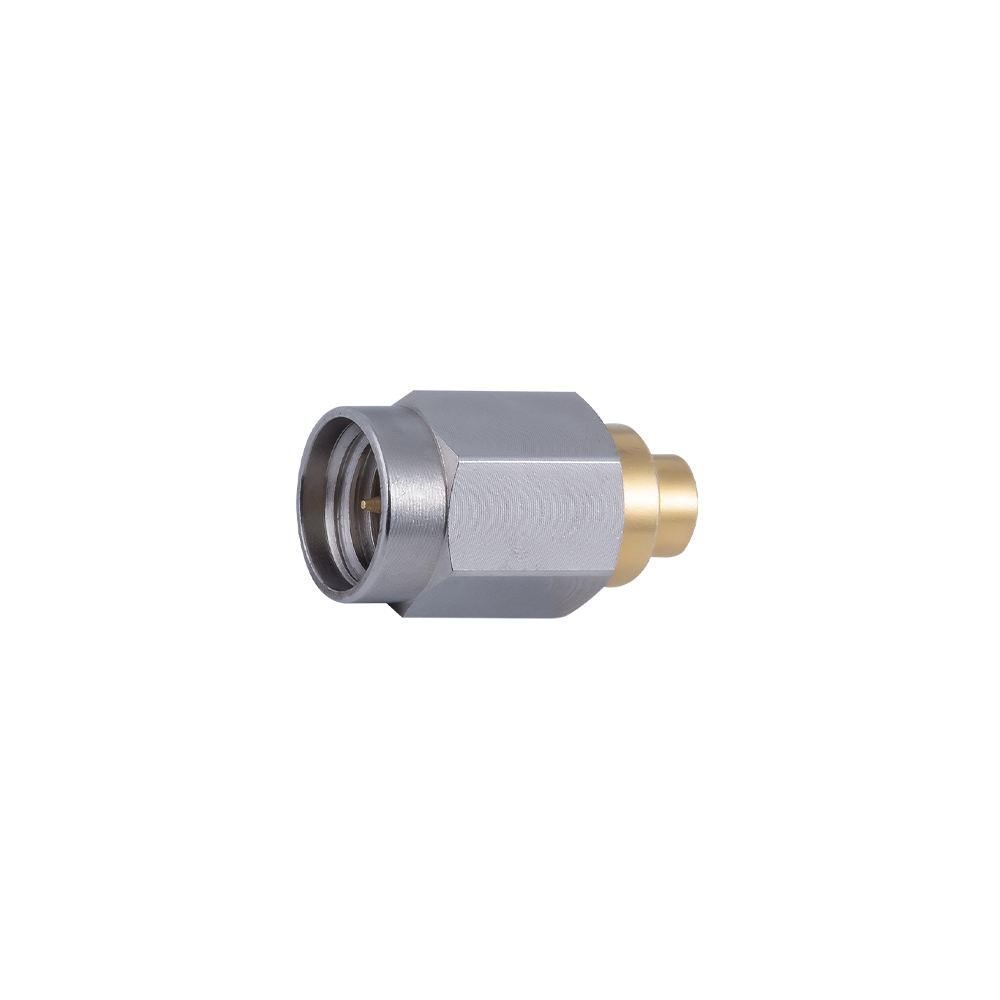
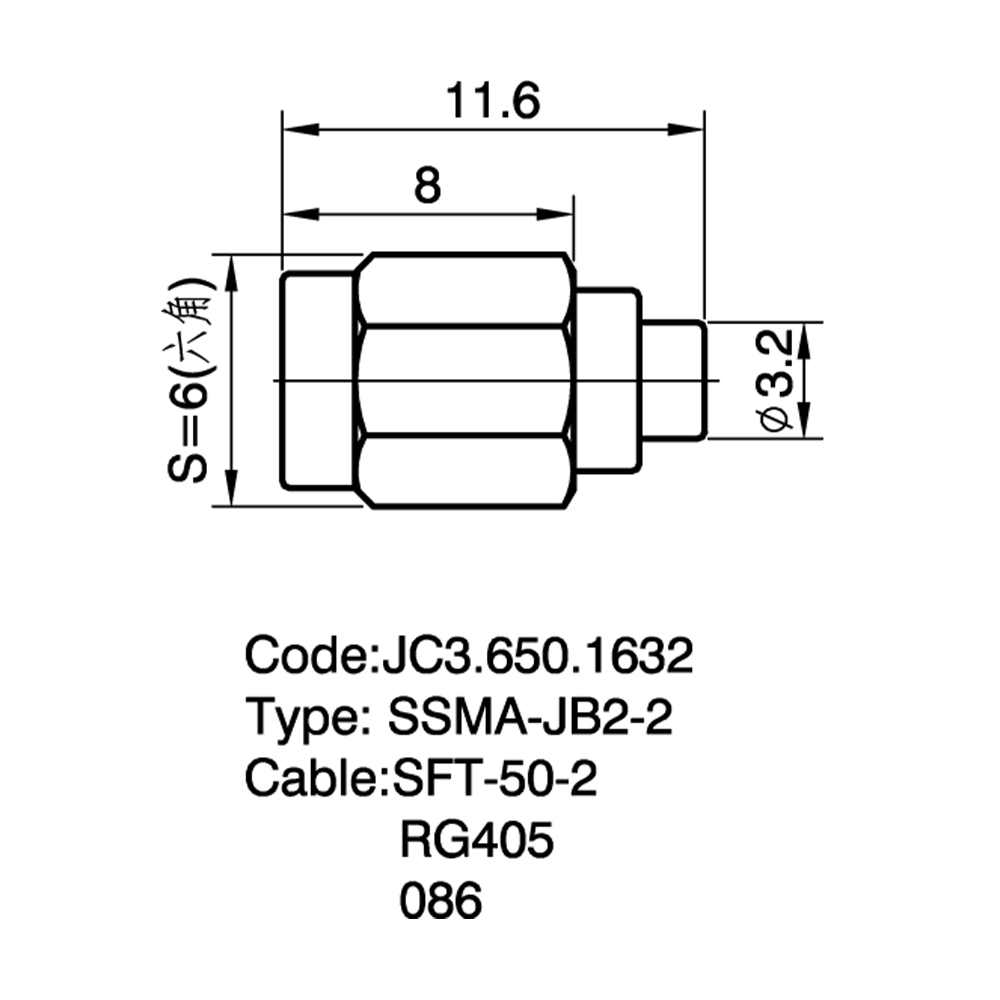
SSMA RF connectors are sub-miniature threaded coaxial interconnects designed for terminating semi-flexible and semi-rigid coaxial cable. Based on a 3.5mm mechanical interface with a knurled coupling nut, this connector series maintains a nominal impedance of 50 ohms and supports operating frequencies up to 26.5 GHz, depending on cable type and connector configuration. SSMA RF connectors are commonly specified in microwave and RF signal paths where compact size, mechanical stability, and repeatable electrical performance are required within limited board or housing space.
Common Types and Characteristics
SSMA connectors are available in straight and right-angle body styles, with male (plug) and female (jack) genders, in standard and bulkhead (panel-mount) configurations. Termination methods include solder attachment and clamp/crimp designs suitable for semi-rigid and semi-flexible cable outer conductors. Contact plating is typically gold over nickel for stable contact resistance and corrosion resistance across repeated mating cycles. Coupling is achieved through a threaded nut, which provides secure engagement in environments subject to vibration or repeated handling.
Application Scenarios
- Test and measurement equipment, including RF instrumentation and calibration assemblies
- Microwave modules, amplifiers, and filters requiring space-constrained interconnects
- Satellite communication and aerospace subsystems using semi-rigid cable runs
- Base station and telecom infrastructure internal RF wiring
- Defense and avionics systems where mechanical robustness and frequency stability are required
Selection Points
- Confirm cable type (semi-rigid or semi-flexible) and cable outer diameter compatibility with the connector termination method
- Match connector gender and body style (straight or right-angle) to the mating interface and available assembly space
- Verify frequency range requirements against the connector's rated performance, particularly for applications above 18 GHz
- Check VSWR and insertion loss specifications relevant to the intended signal path
- Determine whether bulkhead or standard mounting is needed based on panel or enclosure design
SSMA Connector Comparison by Configuration
| Configuration |
Body Style |
Termination |
Typical Frequency Range |
Typical Use Case |
| Straight Plug |
Straight |
Solder/Clamp |
DC–26.5 GHz |
General semi-rigid cable termination |
| Right-Angle Plug |
Right-Angle |
Solder/Clamp |
DC–18 GHz |
Space-limited routing on PCB or chassis |
| Bulkhead Jack |
Straight |
Solder |
DC–26.5 GHz |
Panel-mount feedthrough applications |
| Standard Jack |
Straight |
Solder/Clamp |
DC–26.5 GHz |
Module-to-module interconnection |
Frequently Asked Questions
What is the difference between SSMA and SMA connectors?
SSMA connectors use a sub-miniature 3.5mm interface, offering a smaller footprint than standard SMA connectors while maintaining a similar threaded coupling mechanism and 50-ohm impedance. This makes SSMA RF connectors suitable for applications where board space or housing dimensions are limited.
Can SSMA connectors be used with flexible coaxial cable?
SSMA connectors are primarily designed for semi-rigid and semi-flexible cable due to their termination methods. For fully flexible cable, alternative connector series with crimp or compression termination are generally more appropriate.
What frequency range do SSMA connectors support?
Depending on the specific configuration and cable pairing, SSMA connectors typically support frequencies from DC up to 26.5 GHz, making them applicable to a range of microwave and RF signal transmission requirements.
Are custom SSMA connector specifications available?
Yes. Configurations such as connector length, plating, and cable pairing can be adjusted to match specific mechanical and electrical requirements.
About Manufacturing and Quality
Yangzhou Jingcheng Electronics Co., Ltd, established in 1999, designs and manufactures RF coaxial connectors including SSMA RF connectors for semi-flexible and semi-rigid cable applications. Production is supported by CNC machining equipment and network analyzer testing to verify dimensional accuracy and electrical performance. Manufacturing processes follow ISO9001 and ISO14001 management systems, along with RoHS environmental compliance, and reference standards including GB, JS, GY, MIL-C, and IEC. This category is part of a broader RF interconnect product range covering standard, customized, and application-specific configurations.


 English
 中文简体
中文简体