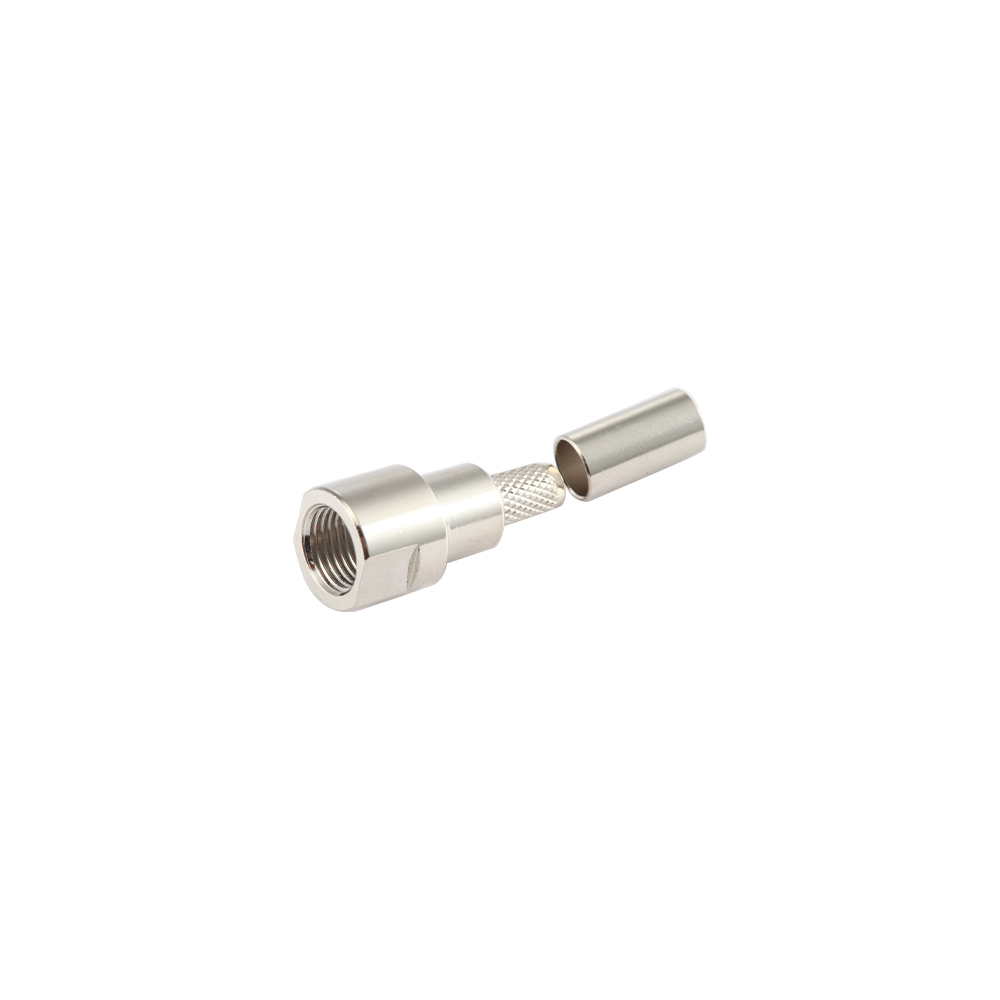
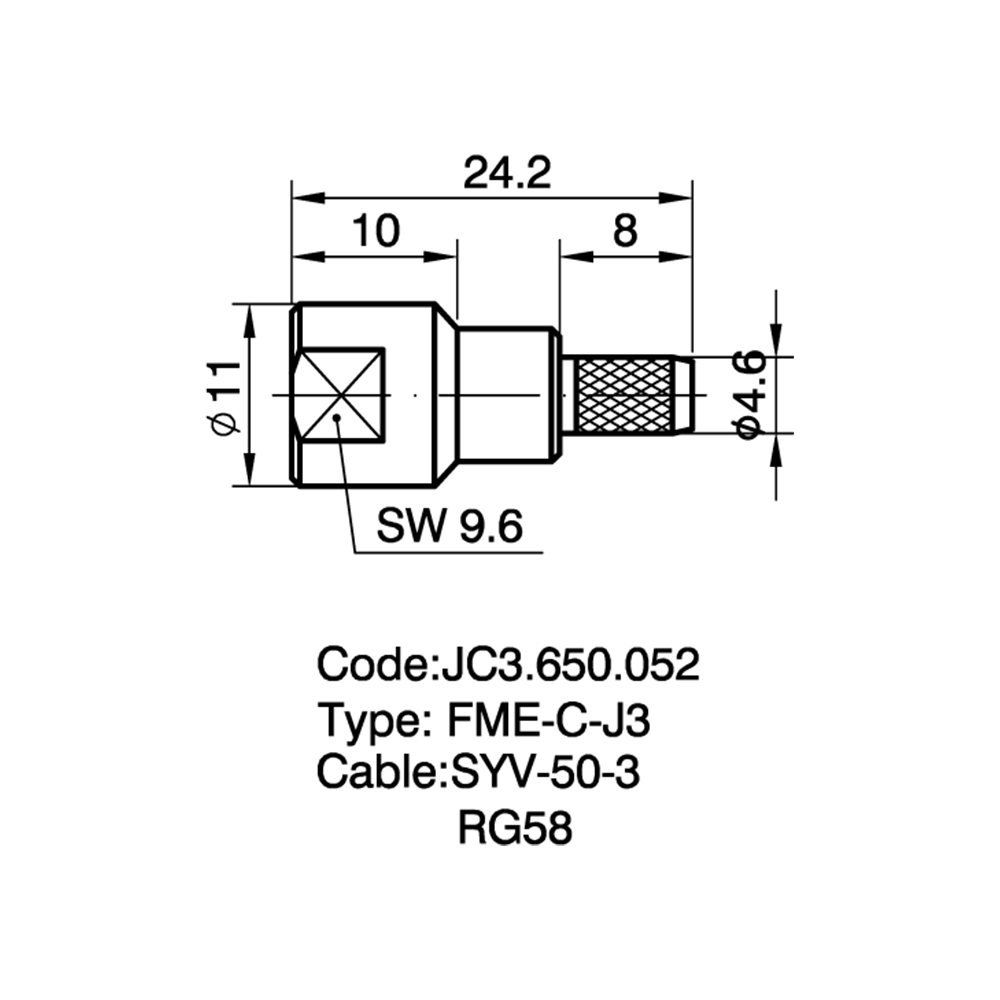
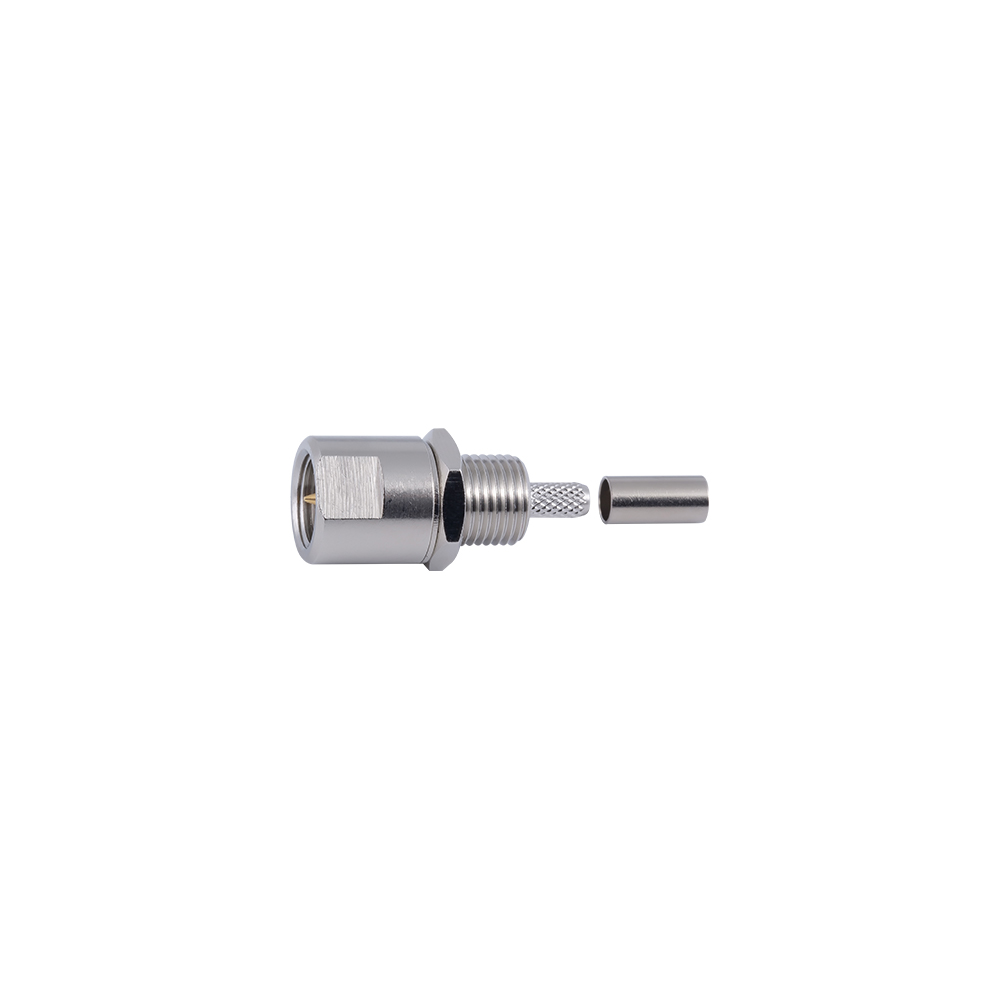
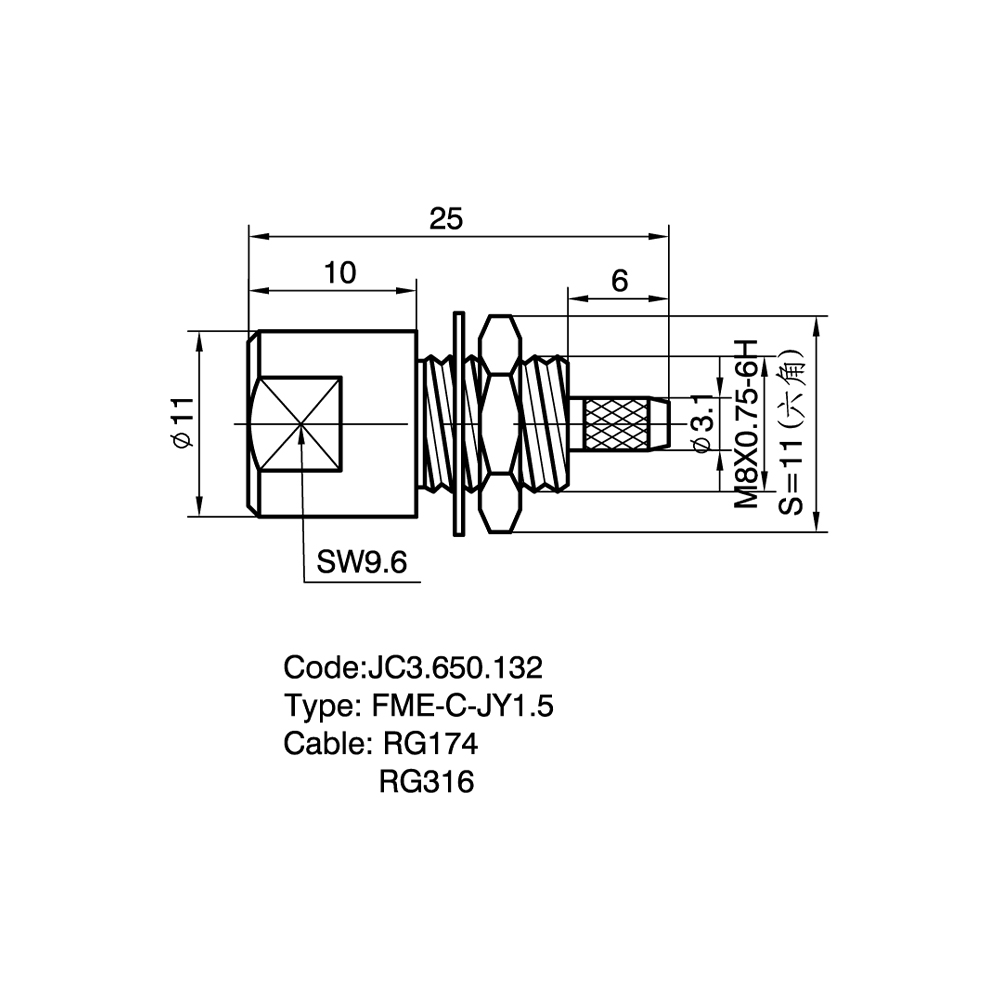
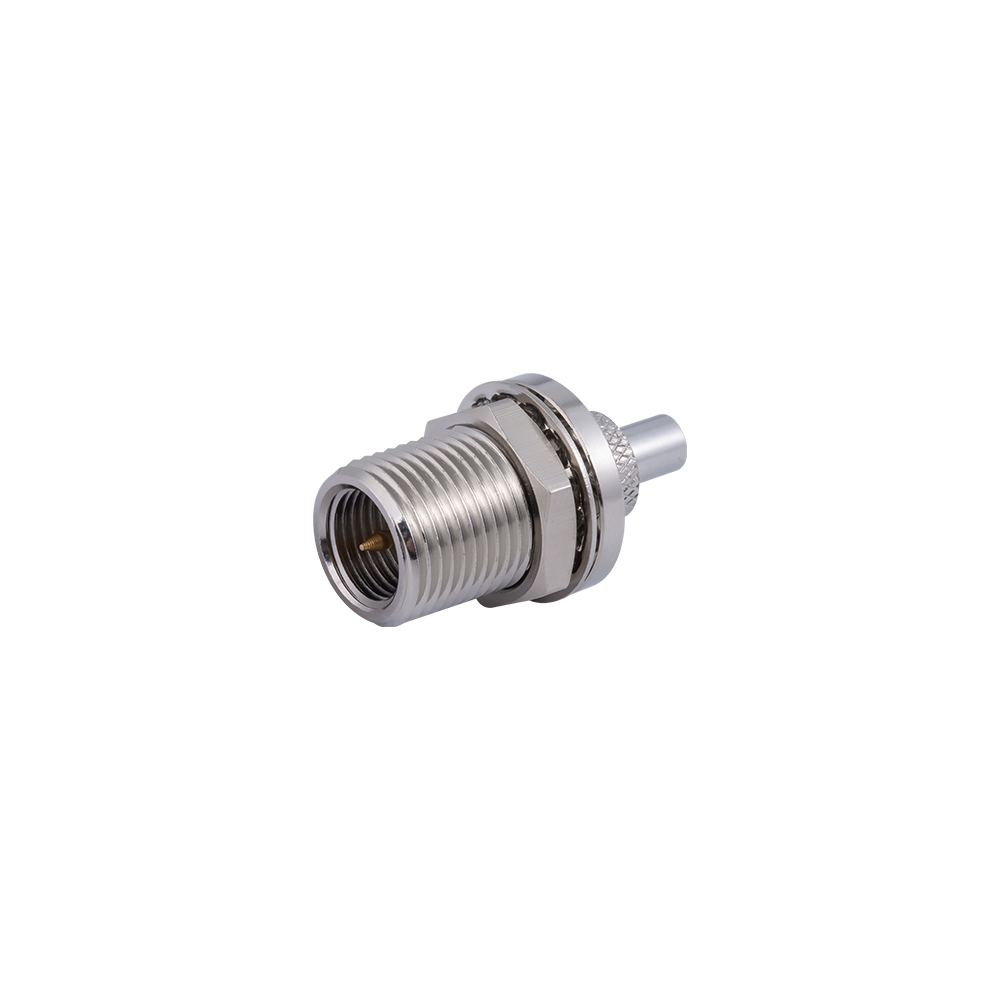
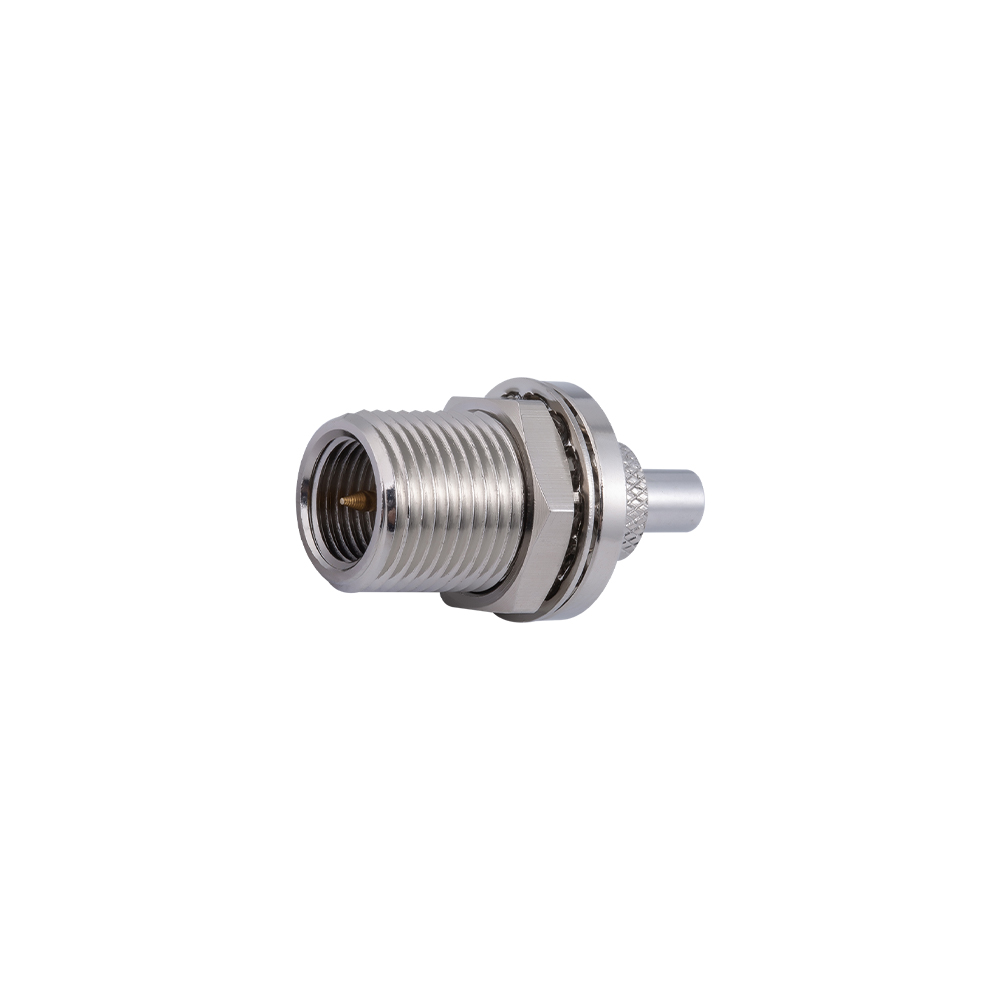
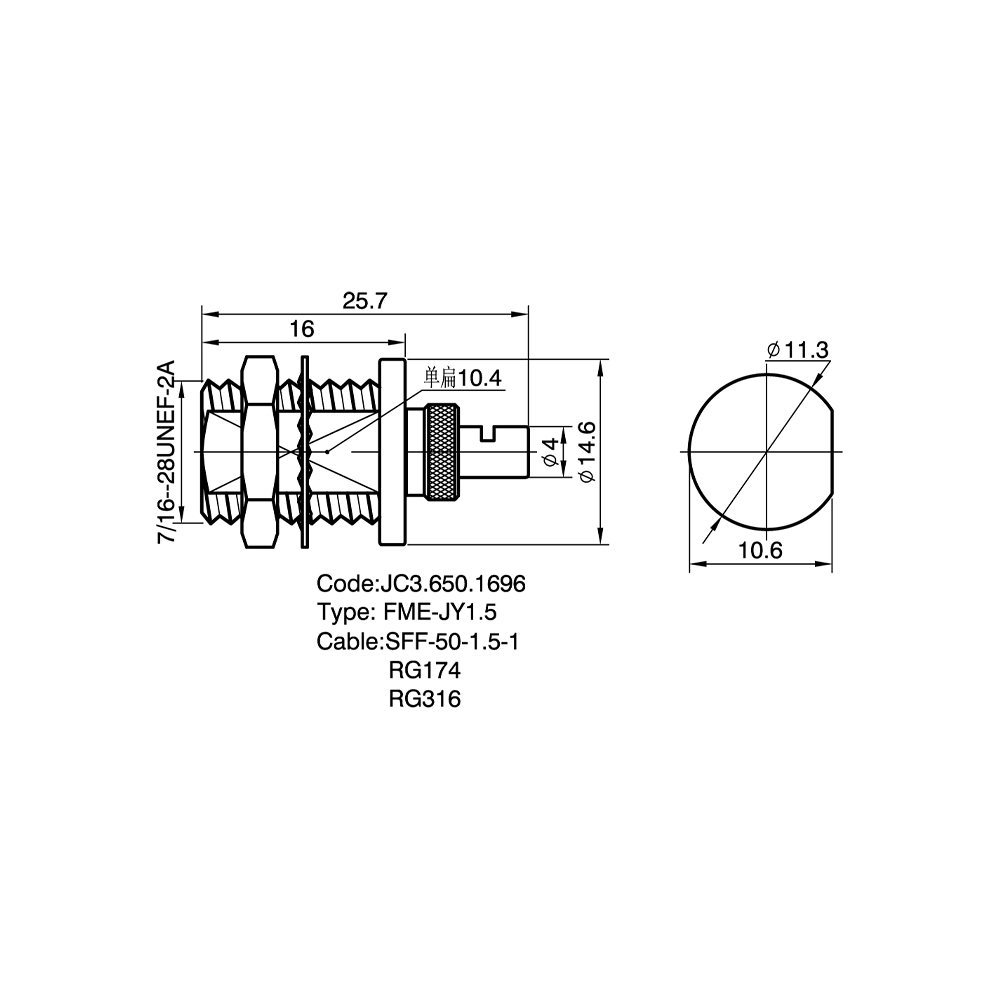
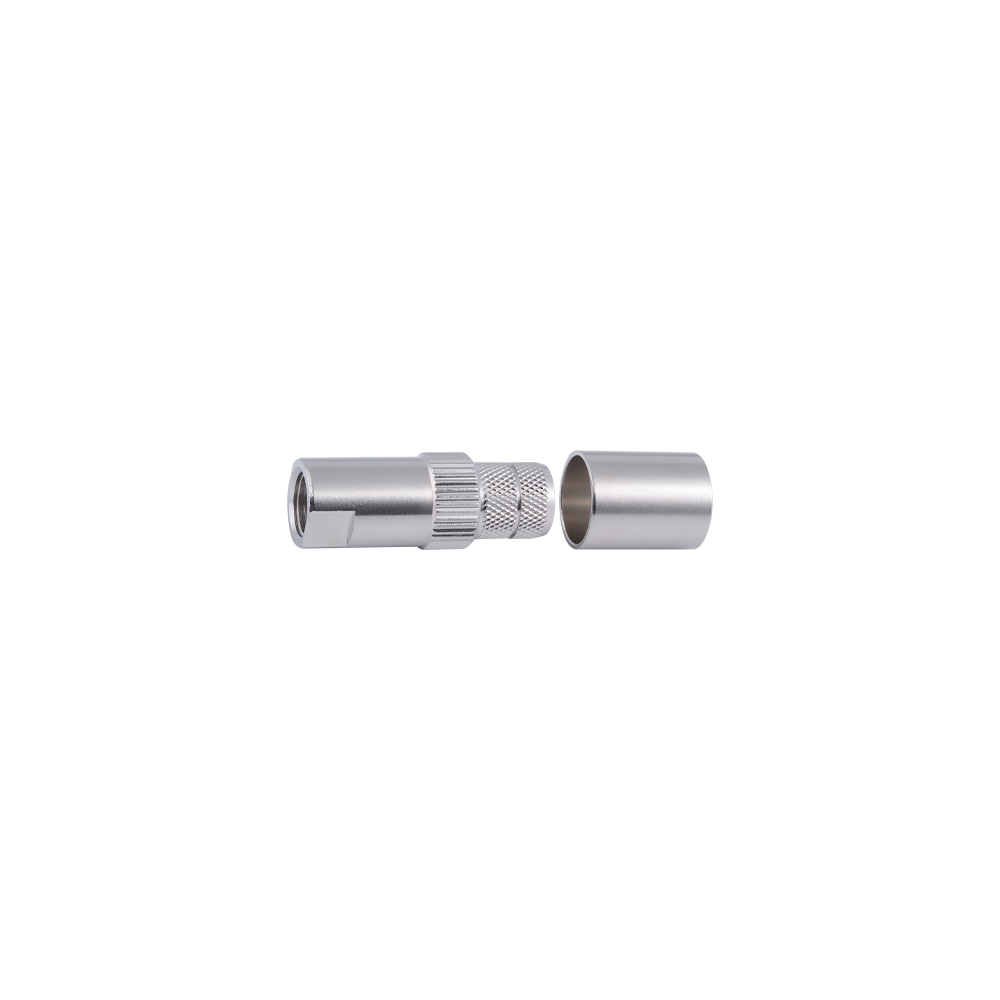
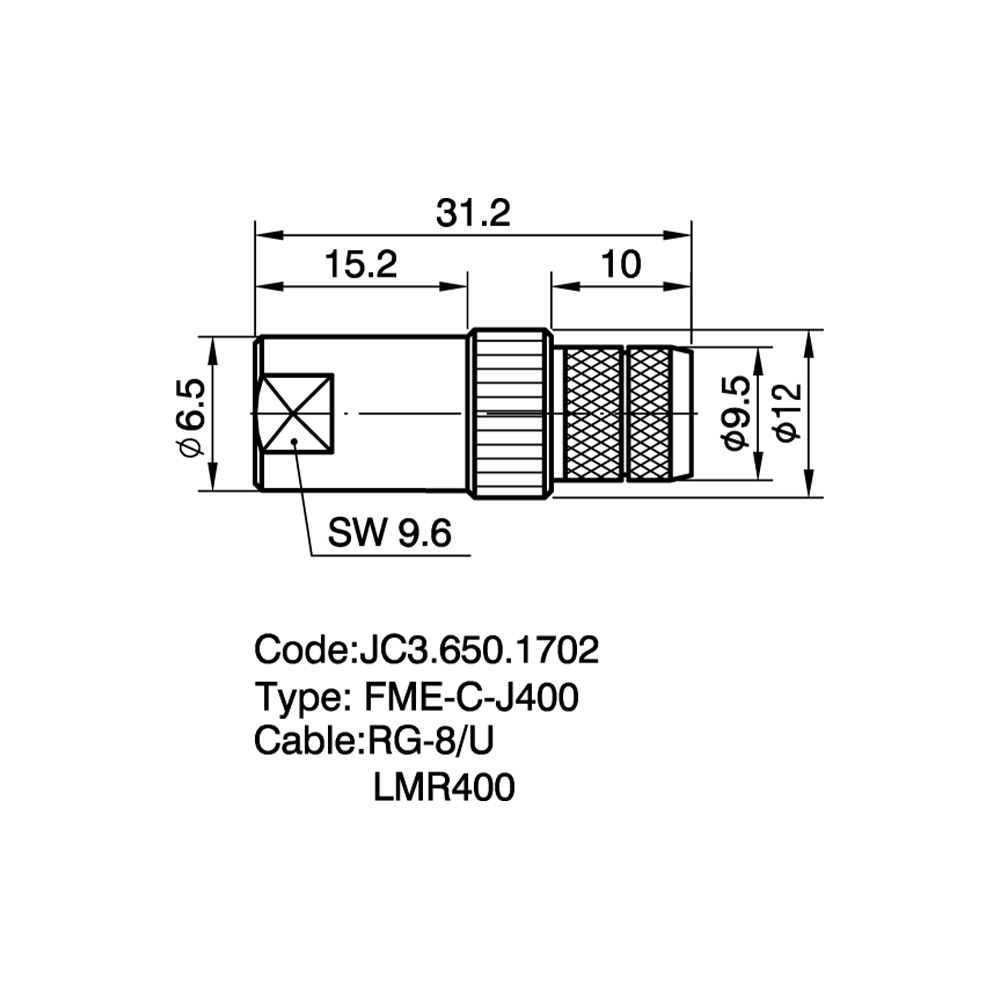
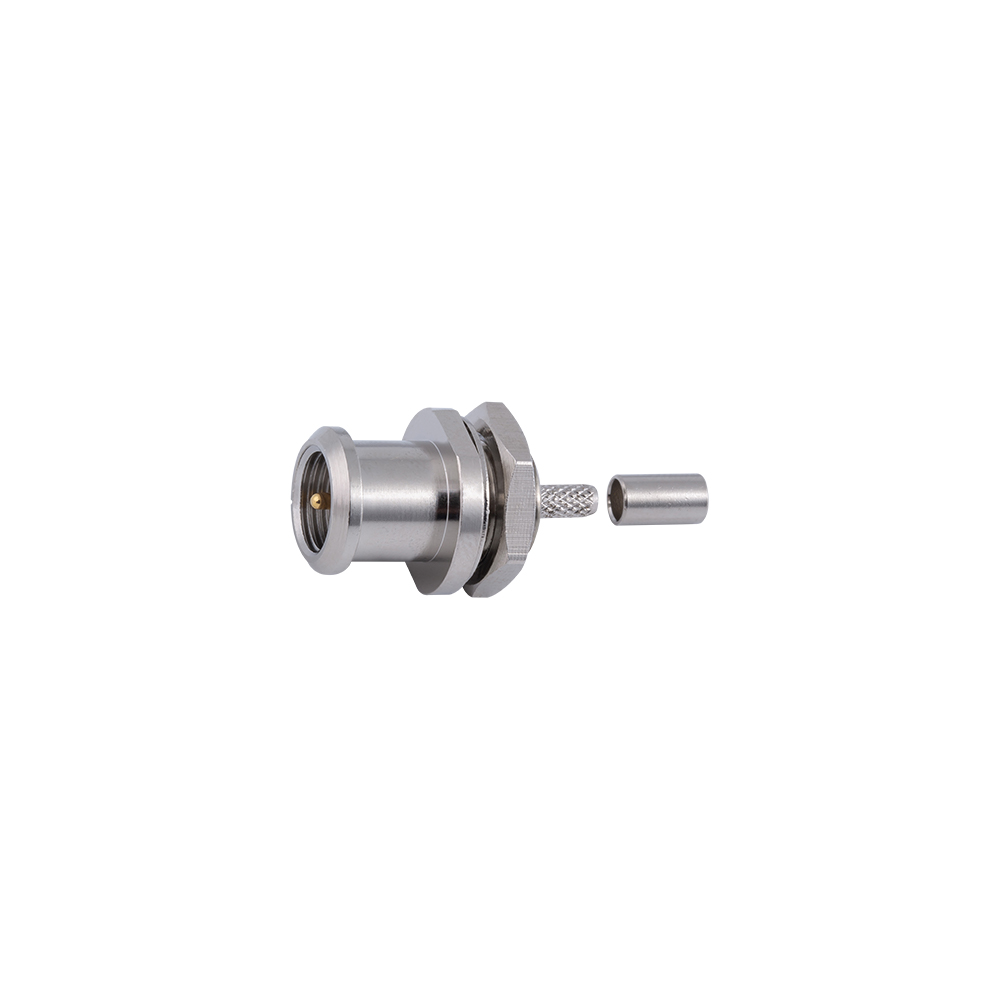
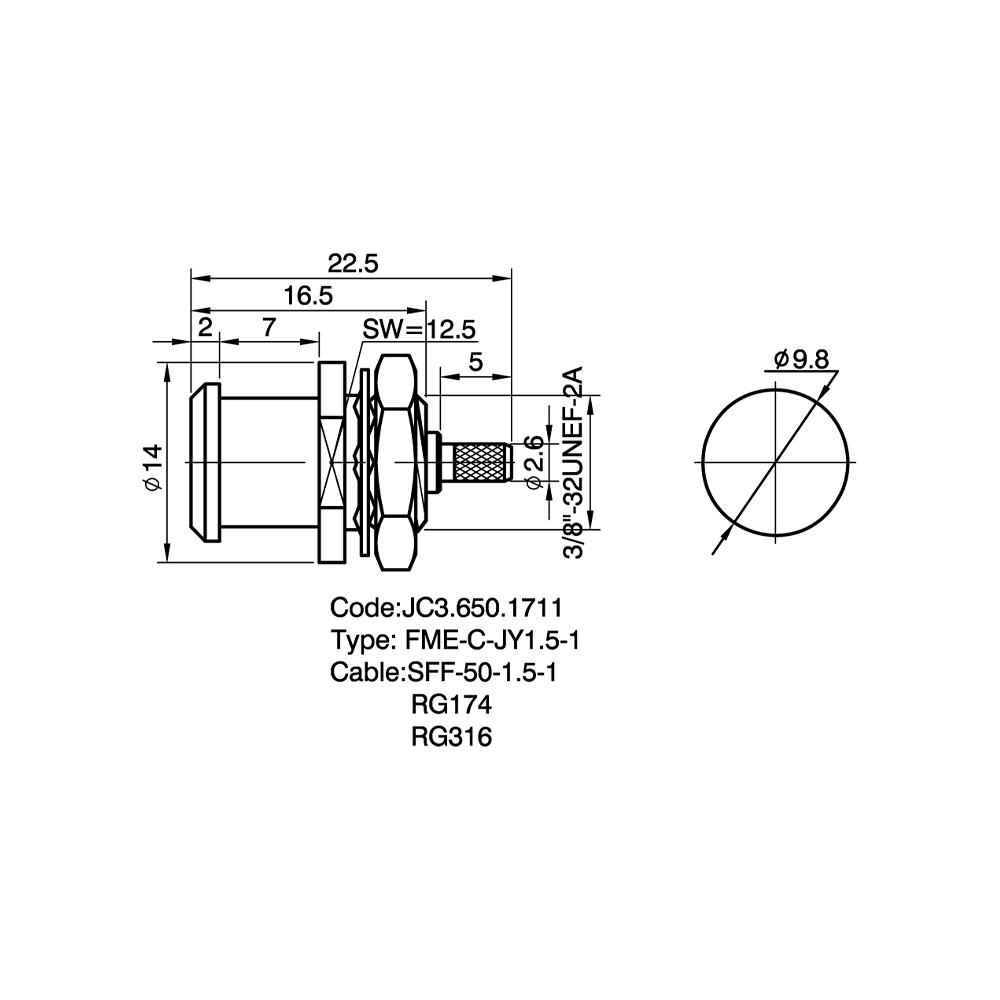
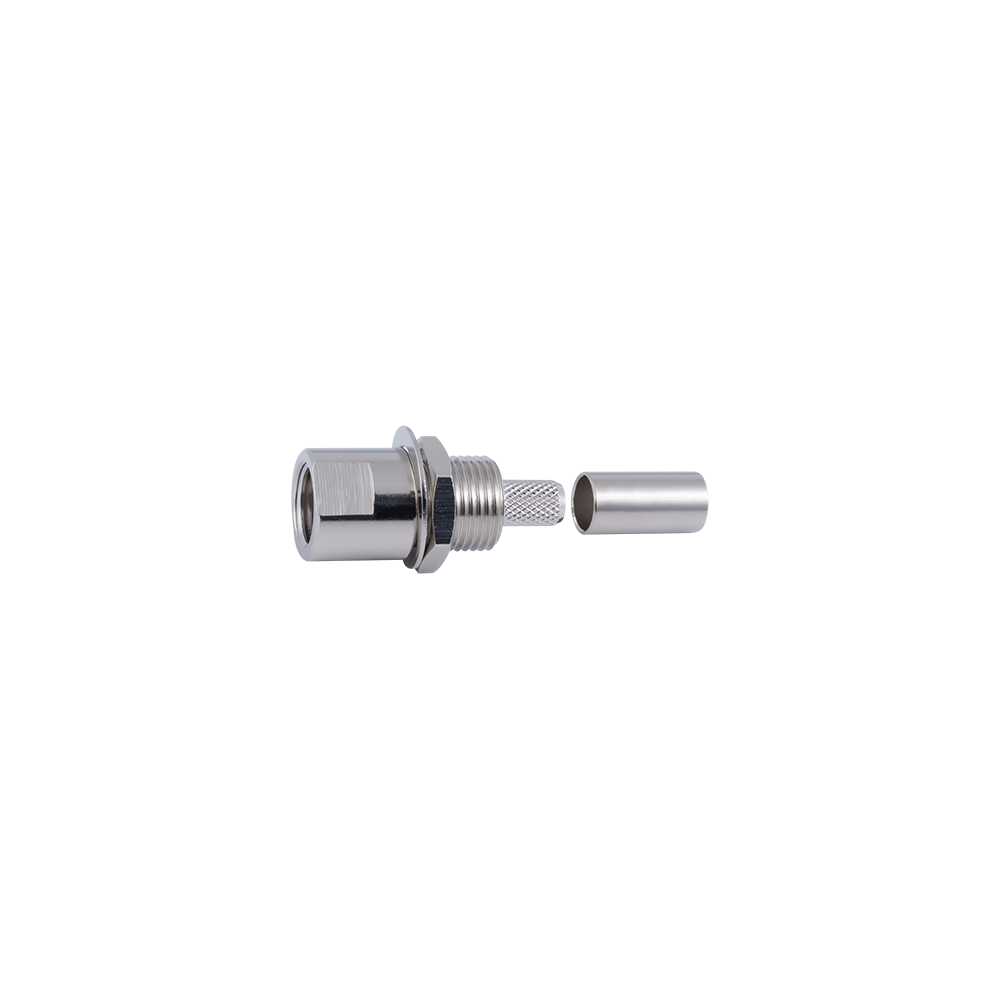
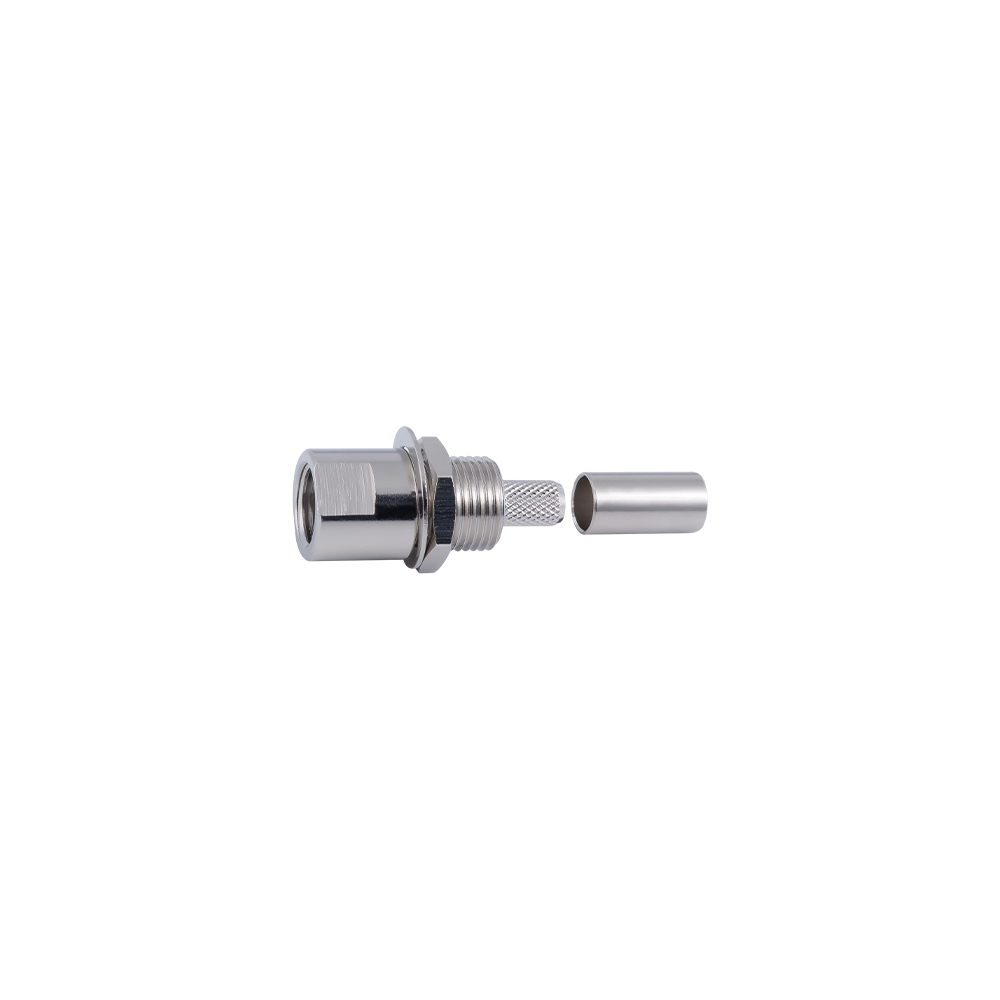
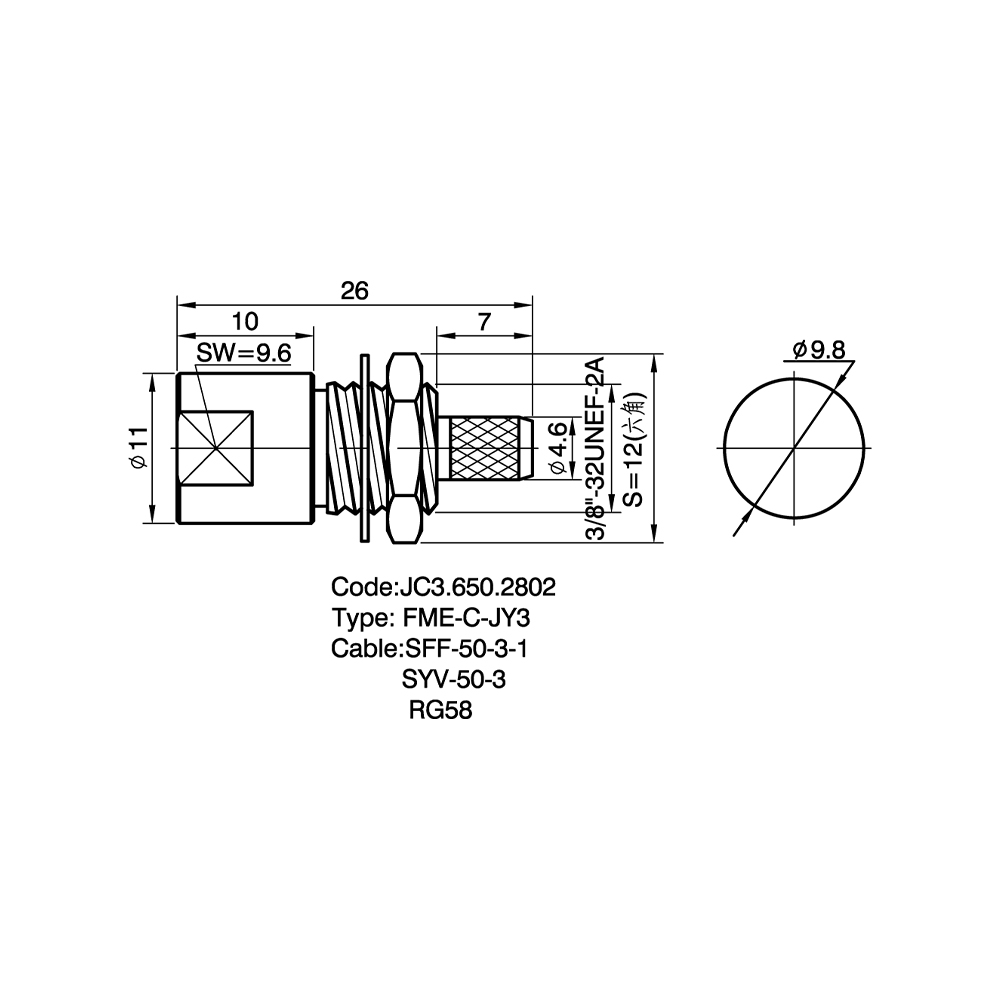
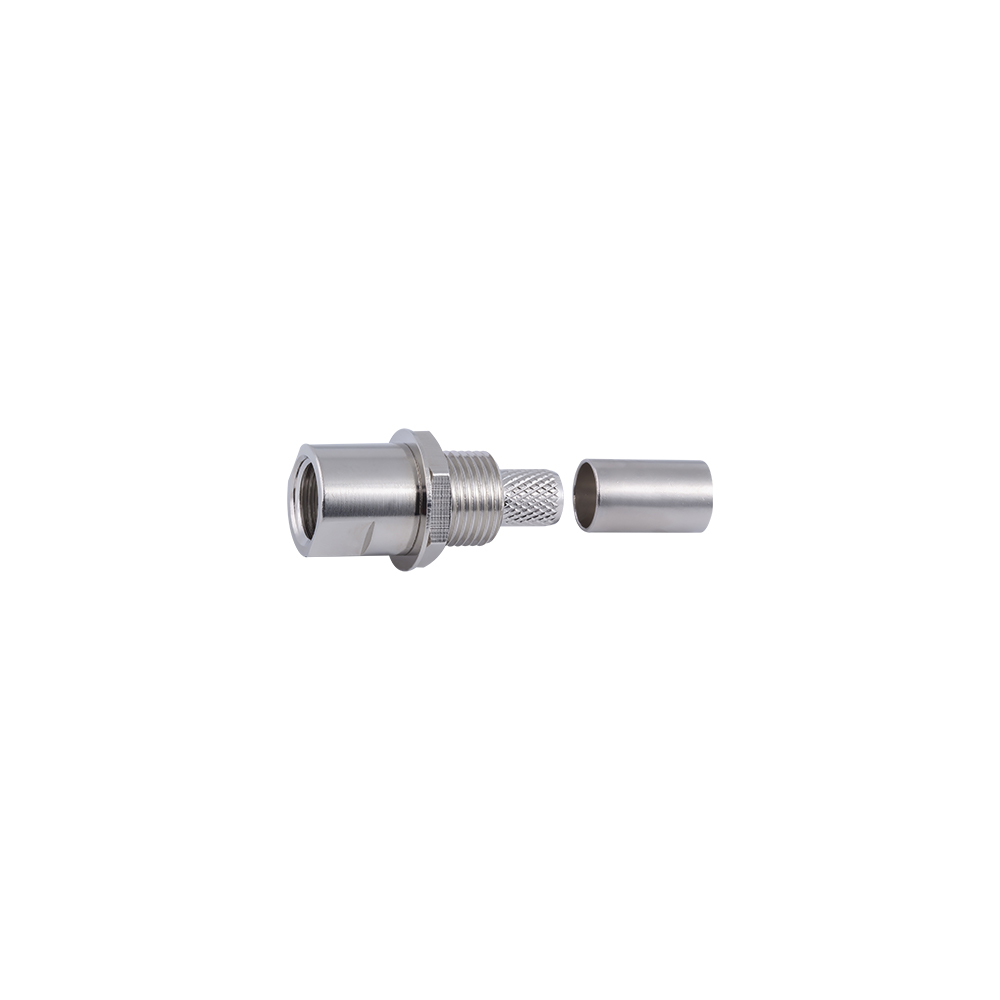
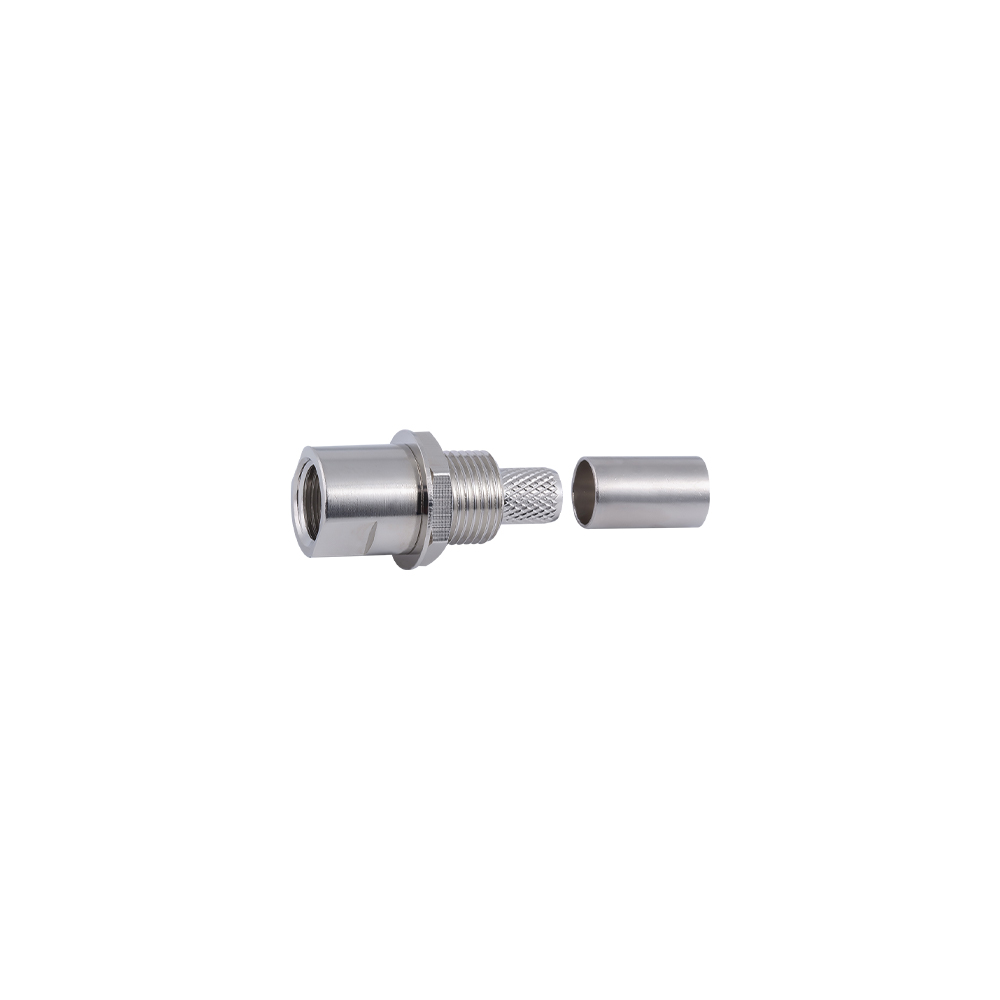
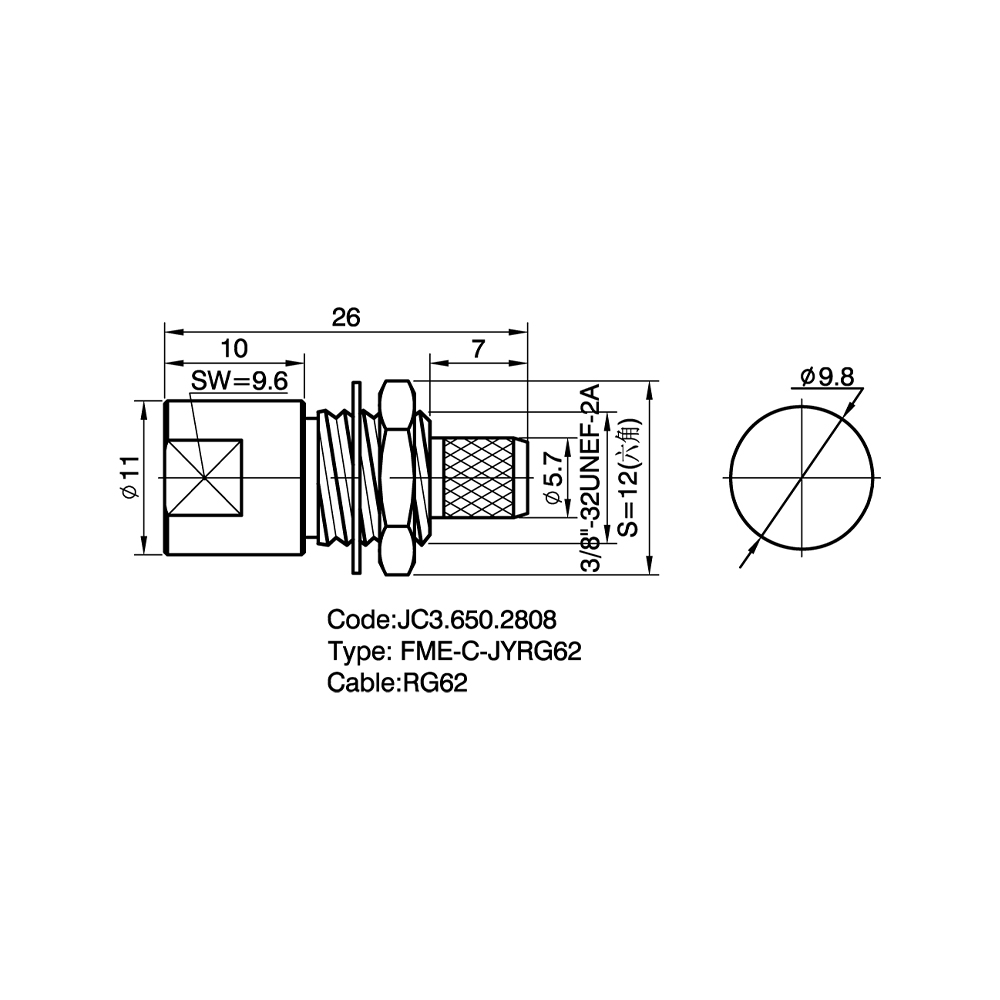
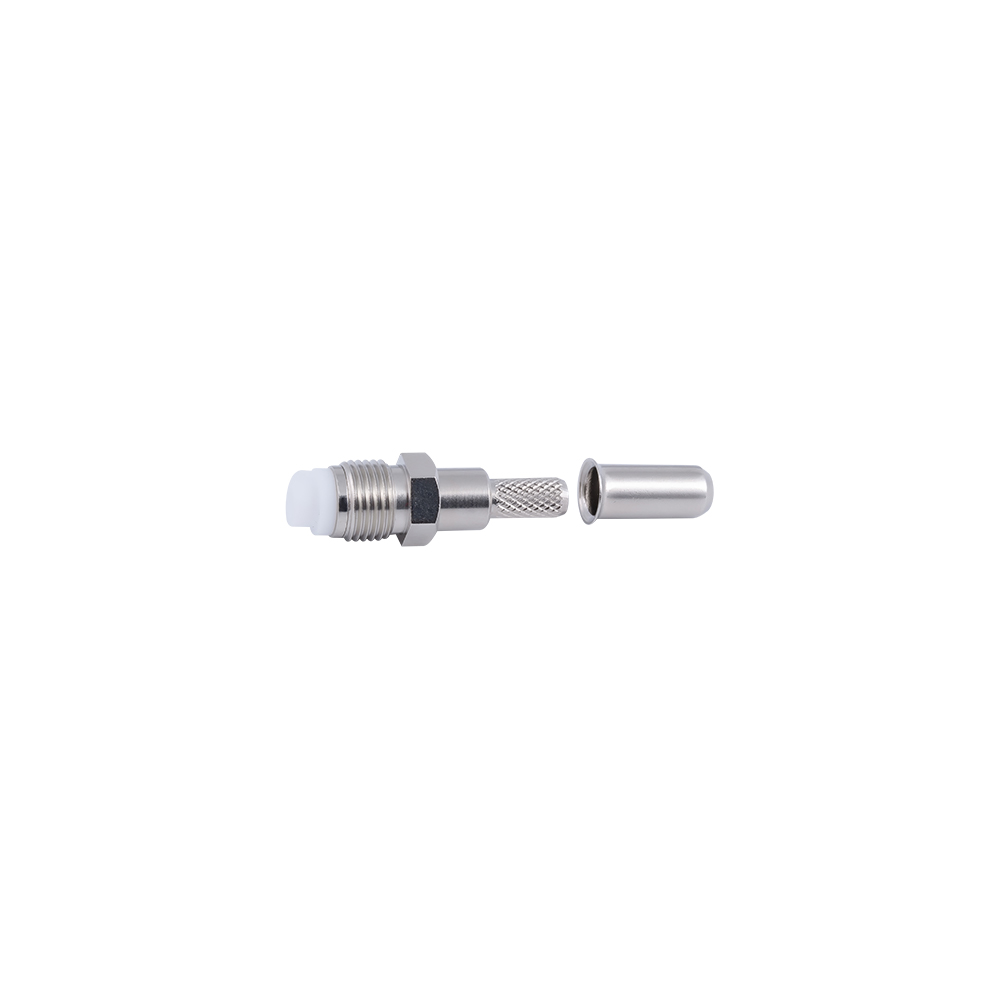
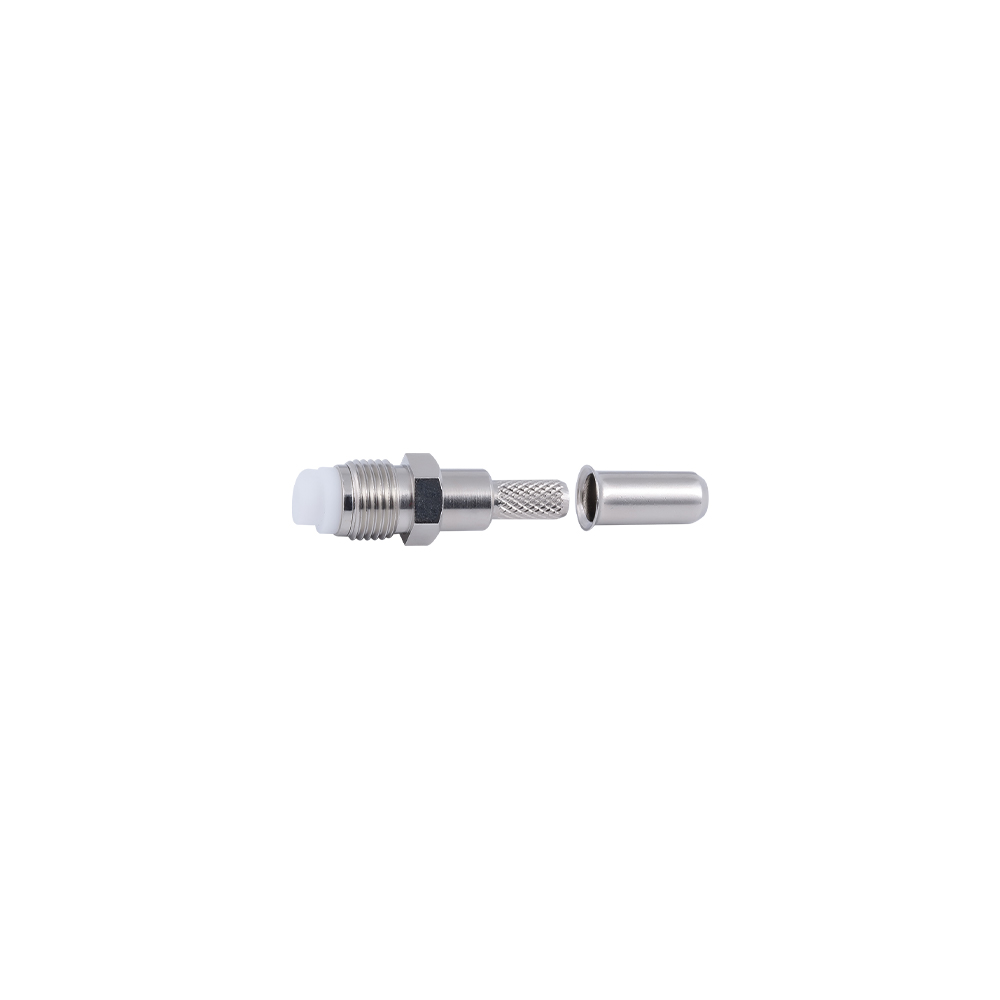
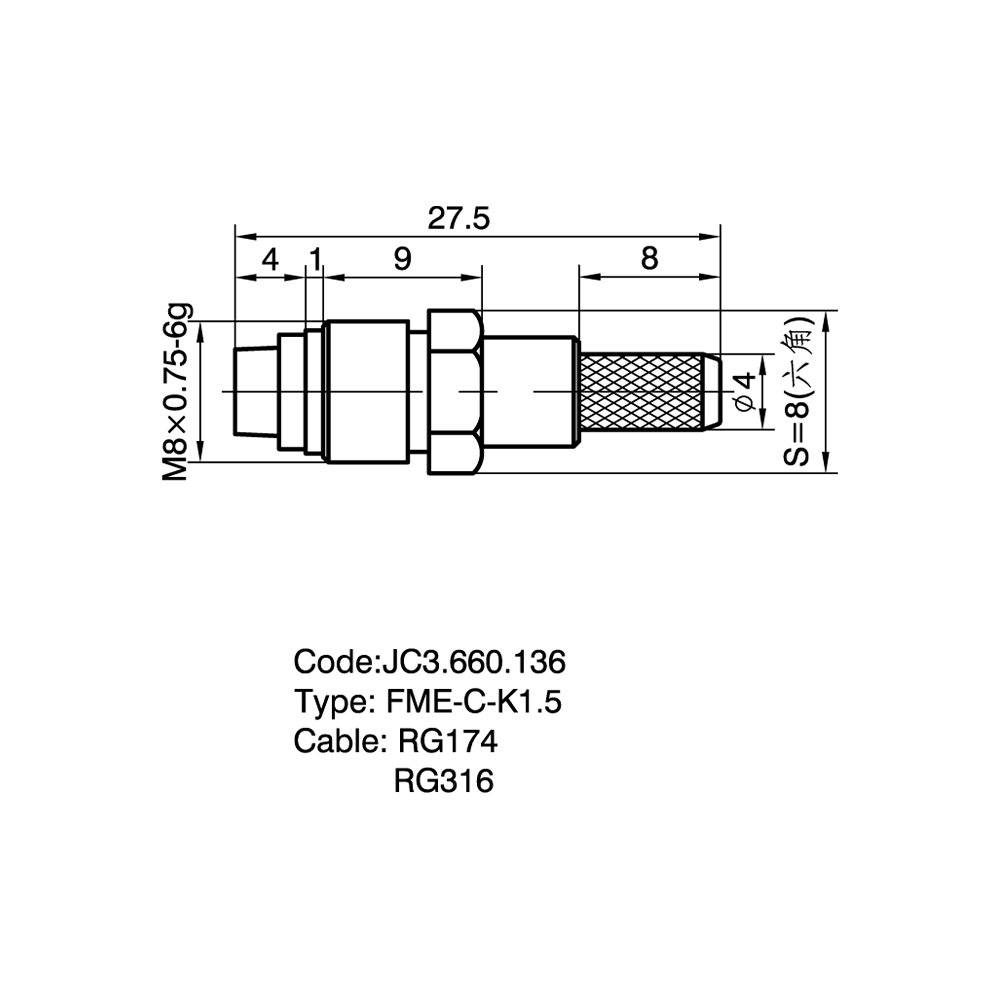
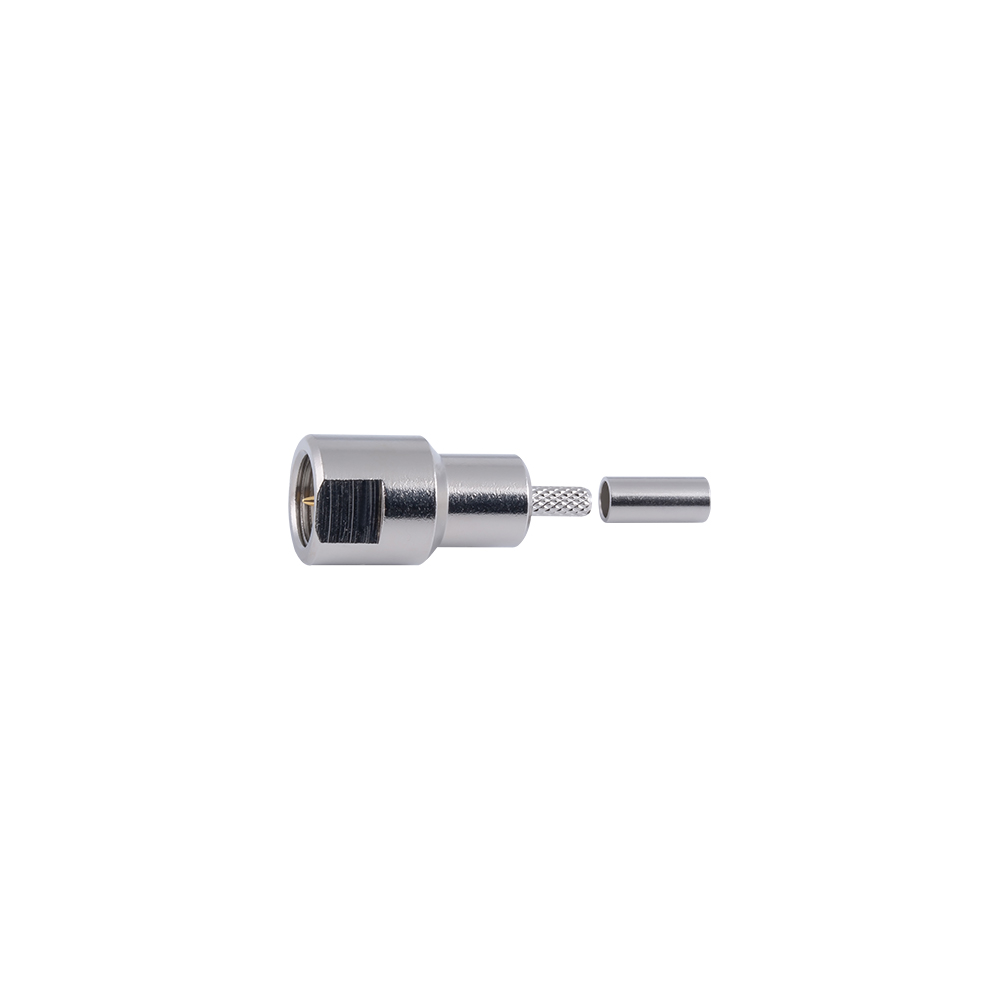
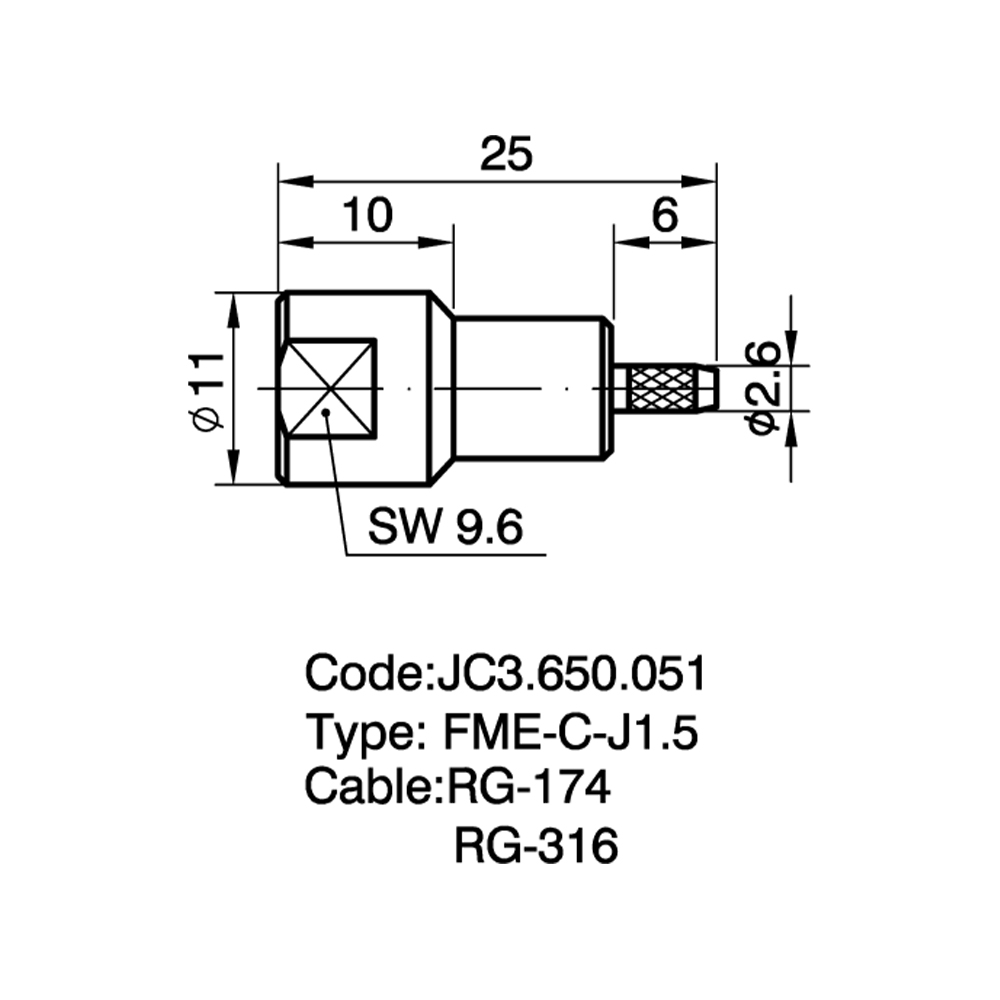
FME Connectors For Flexible Cable Custom

Home / Products / Coaxial Connectors / FME RF Coaxial Connectors / FME Connectors For Flexible Cable

FME Connectors For Flexible Cable Manufacturer

Product Overview
The FME flexible cable connector terminates standard and miniature coaxial cables to the FME interface for mobile terminal, automotive telematics, and compact wireless module antenna connections where a small, secure, threaded RF connector must be mated and unmated reliably over the product service life without the space overhead of larger connector formats.

Key Features
Crimp and clamp termination options for a range of miniature and standard flexible coaxial cable outer diameters
Precision-machined 50 Ω interface conforming to FME connector standard, ensuring interoperability with all FME mating connectors
Threaded coupling providing positive mechanical retention under mobile platform vibration and shock conditions
Gold-plated center contact for reliable, low-resistance electrical connection throughout service life
Compact body minimizing antenna cable connector footprint on mobile device and vehicle module installations
Straight and right-angle configurations available for space-constrained cable routing scenarios
Nickel-plated brass body balancing cost, corrosion resistance, and RF conductivity for mobile environment deployment
RoHS-compliant; automotive and consumer electronics export ready

Typical Applications
Automotive telematics, GPS, and cellular module antenna cable connections inside vehicle dashboards and headliners
Mobile handset and tablet external antenna cable assembly connectors
Compact IoT gateway and wireless sensor node antenna connections
Vehicle-mounted fleet management and tracking unit antenna cable terminations
Portable handheld wireless device antenna pigtail assemblies

FAQ
Q: What cable types are compatible with your FME flexible cable connectors?
A: Our FME cable connectors are available in versions matched to the most common miniature and standard coaxial cable outer diameters used in automotive and mobile device applications. Please provide your cable type and outer diameter and our team will confirm the correct part number or propose a custom solution.
Q: Are right-angle versions available for tight cable routing in vehicle installations?
A: Yes. Straight and right-angle body orientations are available in our FME flexible cable connector range to accommodate the routing constraints of vehicle dashboard and module enclosure installations.
About
Yangzhou Jingcheng Electronics Co., Ltd.

Yangzhou Jingcheng Electronics Co., Ltd., a premier China FME Connectors For Flexible Cable Manufacturer and FME Connectors For Flexible Cable Supplier, was founded in 1999. It is a high-tech enterprise specializing in the R&D and manufacturing of RF coaxial connectors, cable assemblies, and passive microwave components.
Equipped with a comprehensive R&D and production system, the company has obtained international certifications including ISO9001. Adhering strictly to standards such as MIL, IEC and GB, we offer over 30 product series with more than 2,000 specifications, covering SMA, BNC, N-type and other mainstream models. Our products are widely applied in the fields of communications, aerospace, automotive electronics and beyond, and exported to many countries and regions across Europe, America and Asia.
We uphold the tenet of "Quality as the Foundation, Customers as the Core", committed to providing reliable interconnection solutions and professional services for global clients.

FME Connectors For Flexible Cable Industry knowledge

FME connectors for flexible cable are miniature, snap-in RF coaxial connectors designed for quick installation on thin, flexible coaxial cable. The FME interface uses a push-fit engagement instead of a threaded coupling, allowing the male and female halves to be joined or separated by hand pressure alone.

The connector body holds a spring-loaded center contact inside a smooth outer shell. When mated, the outer shell of the plug seats over the jack and the center pin makes contact through friction retention rather than a locking groove. This construction keeps the connector diameter close to the cable diameter, which is why FME connectors for flexible cable are used where routing space is limited and repeated hand-mating is required.

Core Performance Parameters

The connector operates at a 50 Ω characteristic impedance and supports frequencies from DC up to 3 GHz, which covers most mobile radio, cellular, and GPS signal bands.

Typical electrical and mechanical specifications
Parameter Typical Value
Impedance 50 Ω
Frequency Range DC – 3 GHz
VSWR ≤ 1.3
Coupling Type Push-fit, non-threaded
Mating Cycles ≥ 100

Typical Applications

The compact profile and tool-free mating of FME connectors for flexible cable make them common in equipment where cabling is routed through tight spaces and connections are made or changed frequently.

  • Vehicle-mounted two-way radios and mobile antennas
  • Cellular signal boosters and in-vehicle repeaters
  • GPS and GNSS receiver antenna feeds
  • CB radio and marine radio antenna cable assemblies

Comparison with Other Coaxial Interfaces on Flexible Cable

Compared with threaded subminiature interfaces, the push-fit design allows faster mating without a wrench or torque control, but retention force is lower, so the connector is better suited to fixed or low-vibration cable runs rather than field environments with constant flexing.

Comparison of coupling type, frequency range and retention across flexible-cable coaxial interfaces
Interface Type Coupling Frequency Range Retention
Push-fit, non-threaded Hand press-fit DC–3 GHz Low to moderate
Threaded subminiature Screw thread DC–18 GHz and above High
Snap-on subminiature Push and click DC–6 GHz Moderate

Installation and Maintenance

  1. Align the plug and jack straight, then press together until fully seated.
  2. Disconnect by pulling straight back on the connector shell, never on the cable itself.
  3. Support the cable near the connector with a clamp or tie where vibration is present.
  4. Inspect the center pin periodically for bending or oxidation.
  5. Replace the connector if mating force feels loose or VSWR readings drift out of specification.

Frequently Asked Questions

What cable sizes are FME connectors for flexible cable used with?

They are sized for thin, flexible coaxial cable typically used in mobile radio and antenna feed applications, rather than larger semi-rigid or low-loss trunk cable.

Can the connector be used outdoors?

Standard versions are intended for protected or indoor-facing installation; boot or sealed variants should be selected for direct outdoor exposure.

Why does the connection loosen over time?

Since retention relies on friction fit rather than a lock, repeated flexing or vibration can gradually reduce contact pressure, which is why strain relief support is recommended.

Manufacturing Background

Yangzhou Jingcheng Electronics Co., Ltd. produces FME connectors along with cable assemblies for flexible coaxial cable under ISO9001 quality management, following MIL, IEC, and GB reference standards across more than 30 RF coaxial connector series for communications, automotive, and mobile equipment applications.