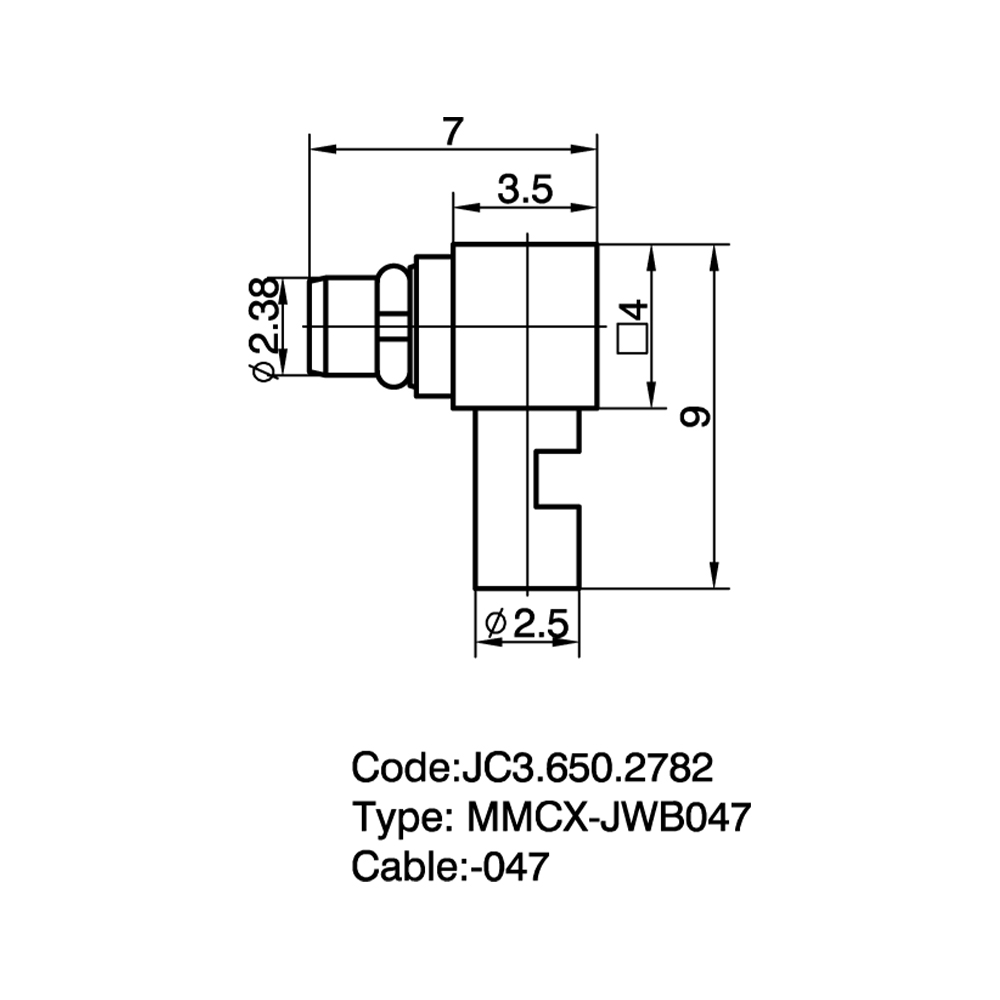
1. Category Overview
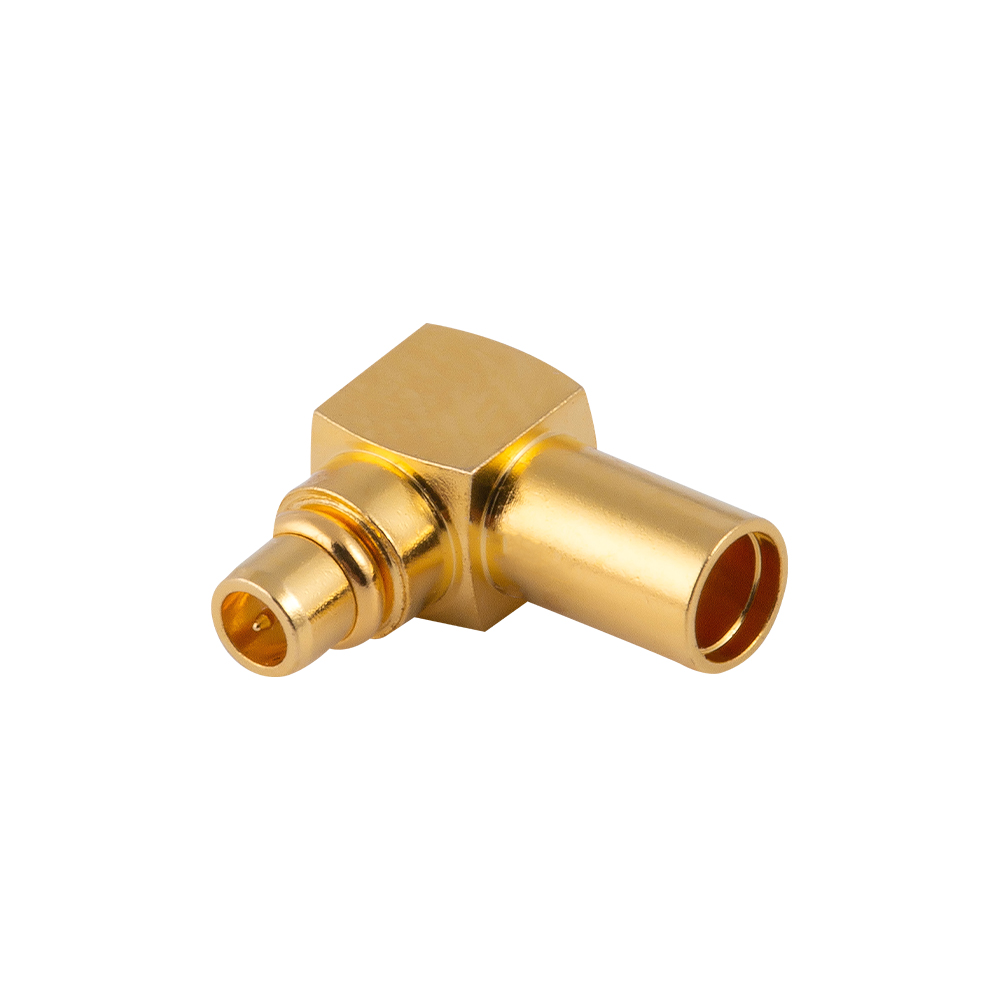
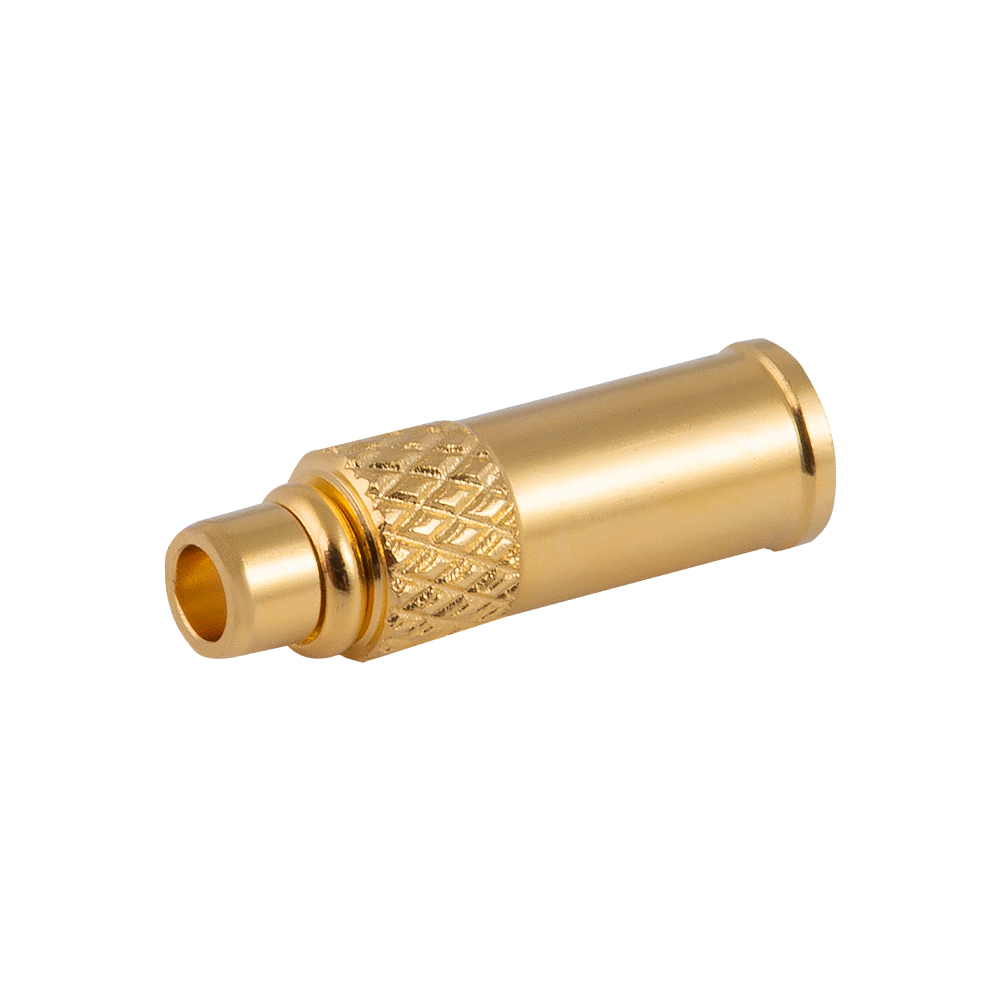
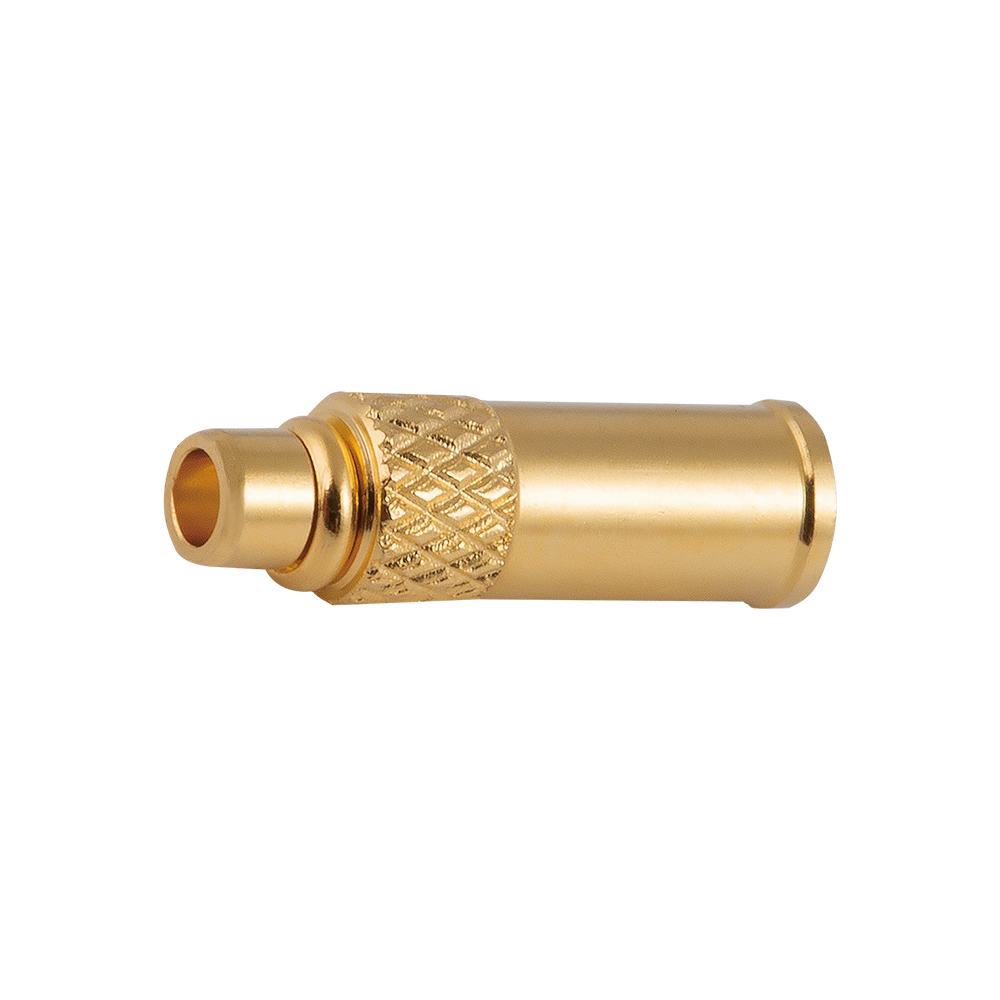
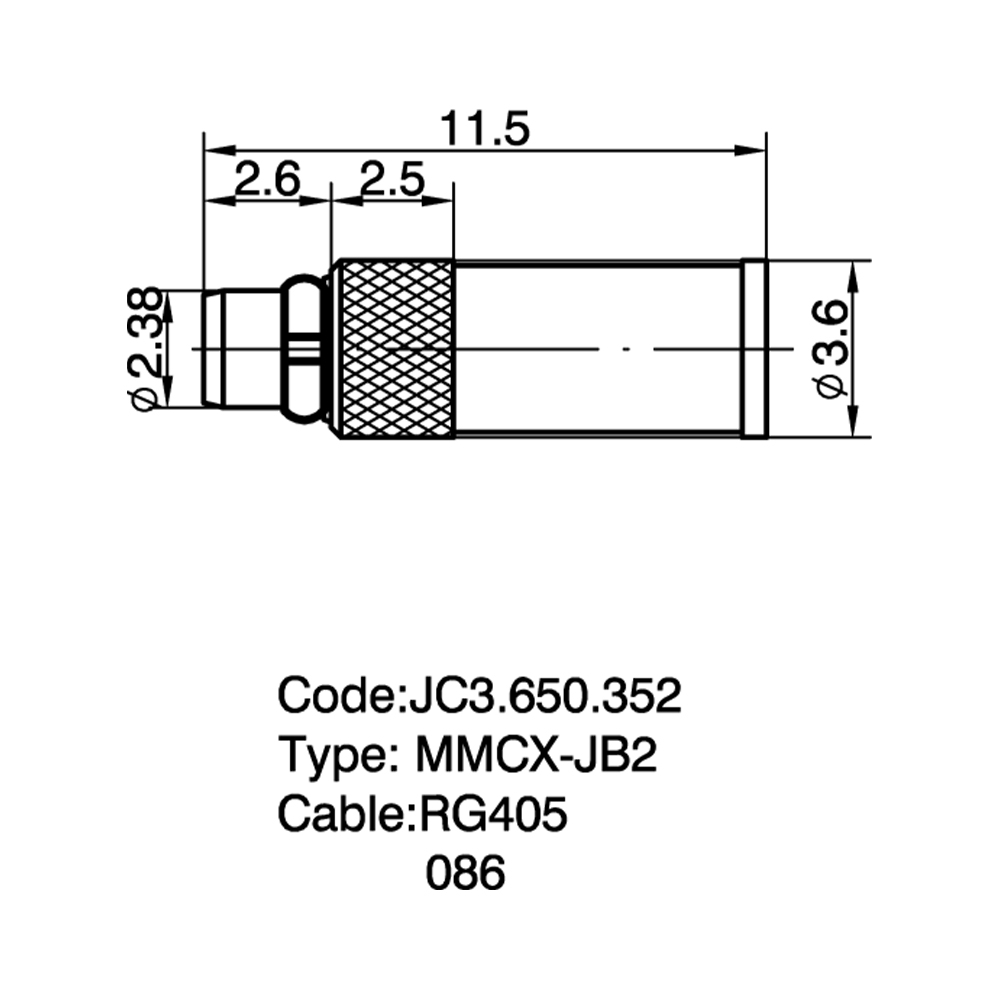
MMCX Connectors for Semi-Rigid & Semi-Flexible Cable represent a specialized category within the micro-miniature RF coaxial interconnect family. These connectors are engineered to provide reliable electrical and mechanical termination onto semi-rigid cables (such as 0.047″, 0.086″, and 0.141″ conformable coaxial lines) and semi-flexible cable types (including RG-178, RG-316, and equivalent low-loss variants). The MMCX interface follows a push-pull coupling mechanism with a characteristic impedance of 50 ohms, and the connector body features a compact footprint approximately 30% smaller than the standard MCX series. All connectors in this category share a common interface geometry per CECC 22000 specifications, enabling consistent mating performance across different cable termination styles.
Manufactured by Yangzhou Jingcheng Electronics Co., Ltd. (JC Company) — an RF connector specialist founded in 1999 — these MMCX connector variants are produced using precision CNC machining and high-grade materials including gold-plated beryllium copper contacts and stainless steel or brass bodies. JC Company's in-house testing capabilities support electrical verification up to 50 GHz across its broader product range, with MMCX connectors for semi-rigid and semi-flexible cable typically characterized and validated through 6 GHz, covering the operating spectrum required by most wireless, telecommunications, and instrumentation applications.
The core performance attributes shared across this product category include:
- Nominal impedance of 50 Ω with low VSWR across the DC–6 GHz frequency range.
- Push-pull coupling that allows 360° rotation after mating, facilitating flexible cable routing in compact enclosures.
- Gold-over-nickel plating on center contacts and outer contact surfaces for corrosion resistance and consistent conductivity.
- Solder-type or clamp-type termination designs optimized for semi-rigid and semi-flexible cable constructions.
- Compact envelope dimensions suited to high-density PCB and module packaging environments.
2. Common Types & Characteristics
The MMCX Connectors for Semi-Rigid & Semi-Flexible Cable category encompasses several standard configurations, each designed to address specific installation geometries and cable attachment methods. The table below summarizes the commonly available types and their defining characteristics.
| Connector Type |
Cable Compatibility |
Termination Method |
Key Characteristic |
| Straight Plug |
Semi-rigid (0.047″, 0.086″, 0.141″) |
Solder (center pin & outer ferrule) |
In-line cable exit; minimal space envelope |
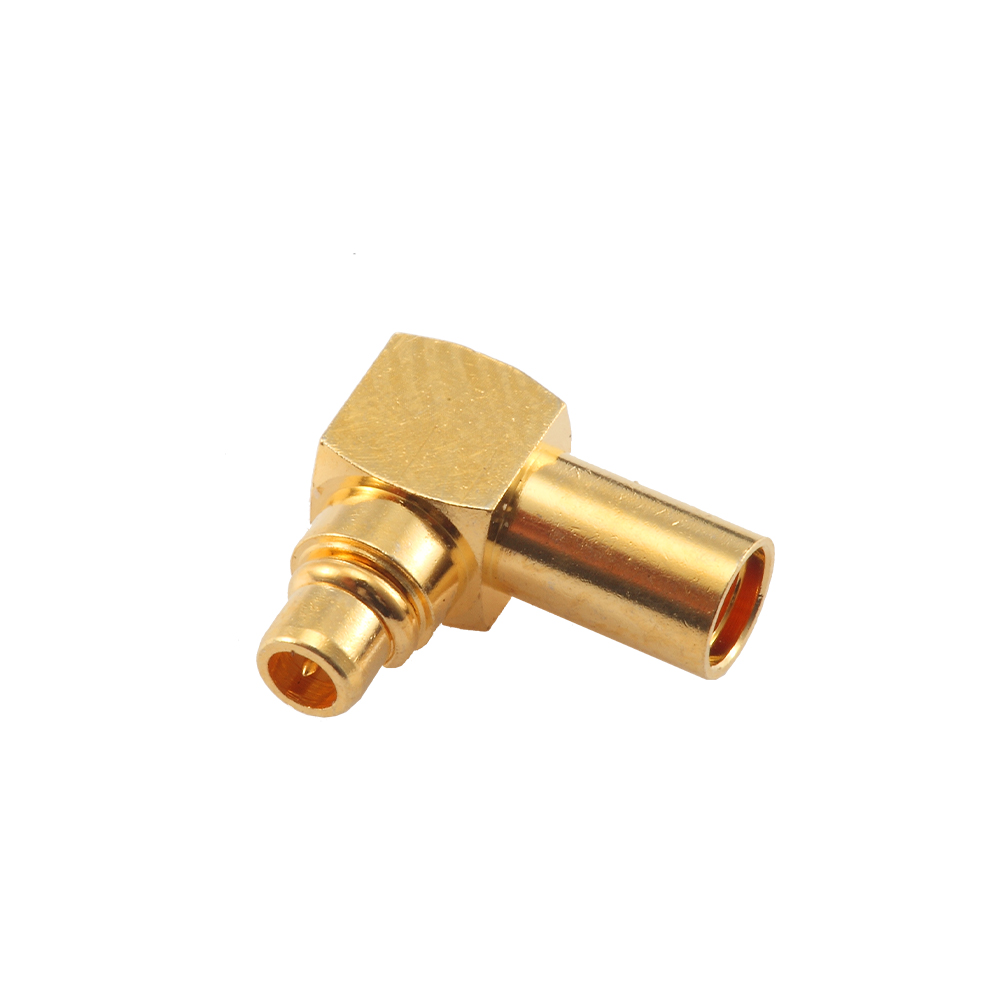
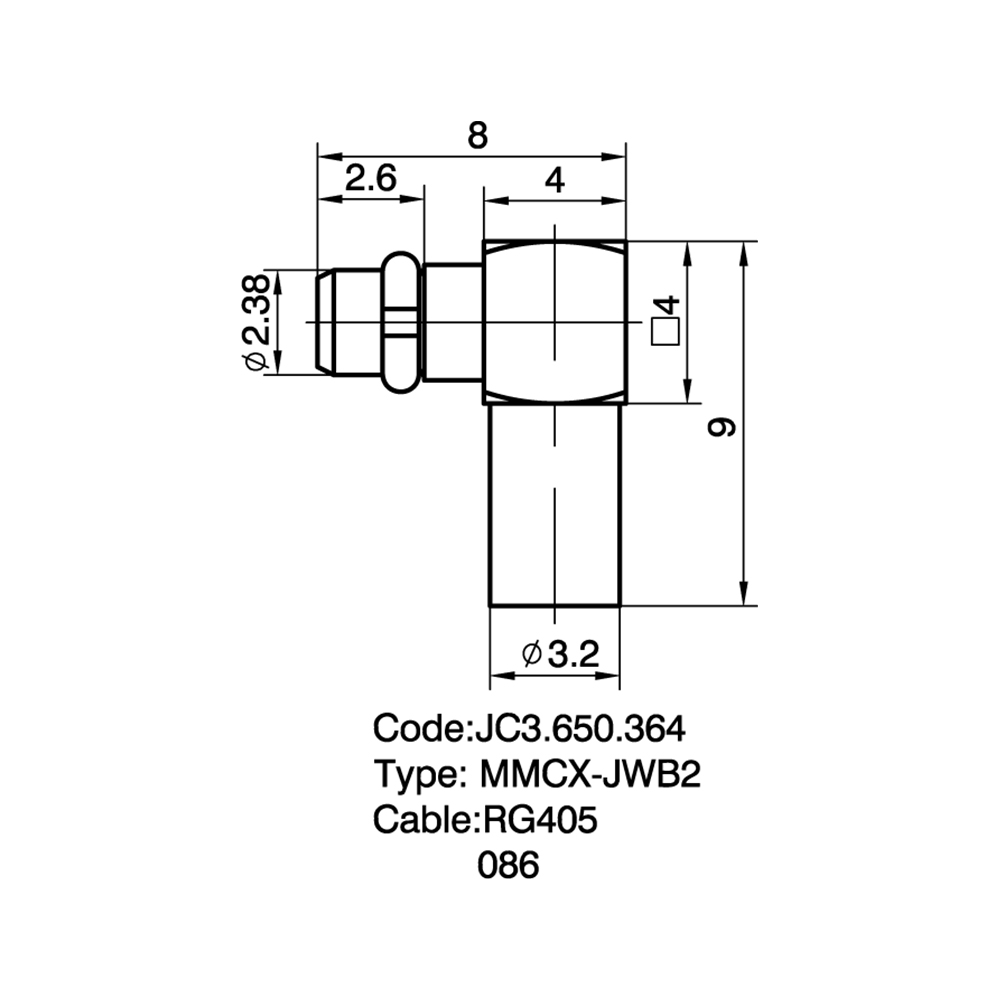
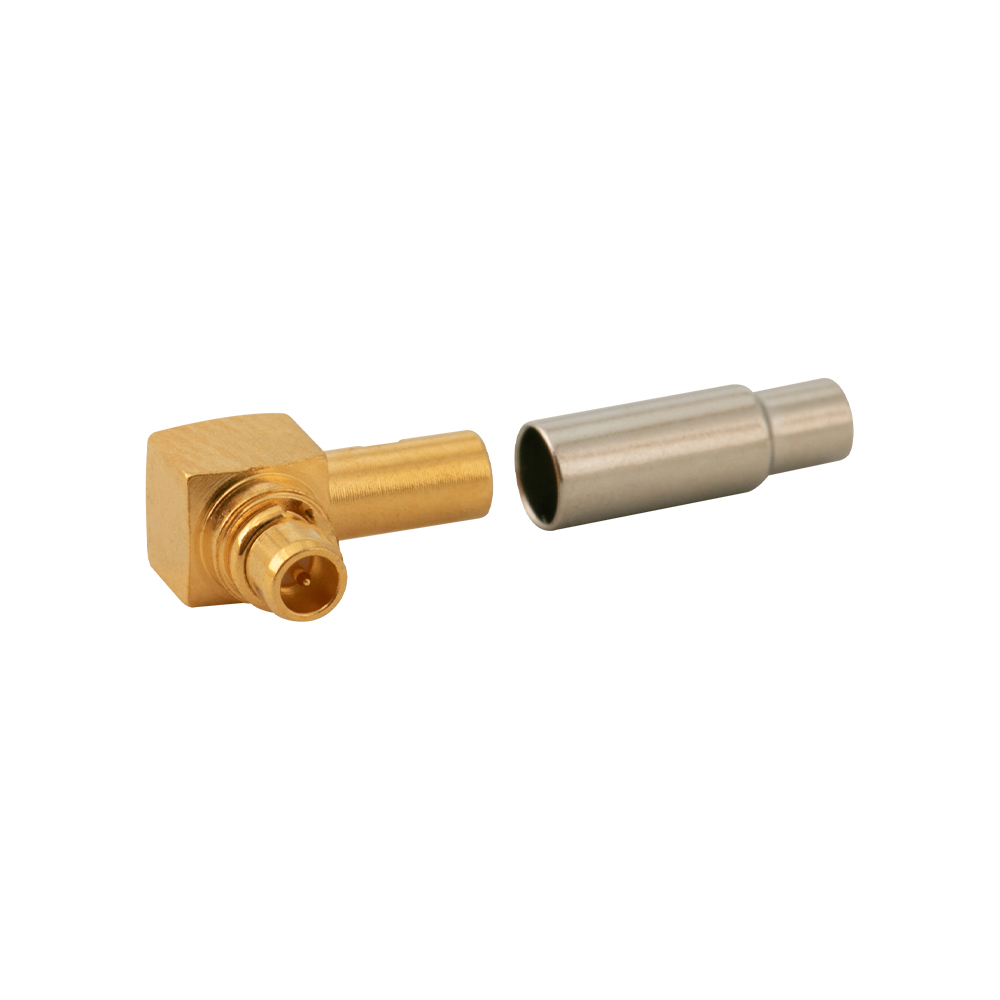
| Right-Angle Plug |
Semi-rigid / Semi-flexible |
Solder or clamp |
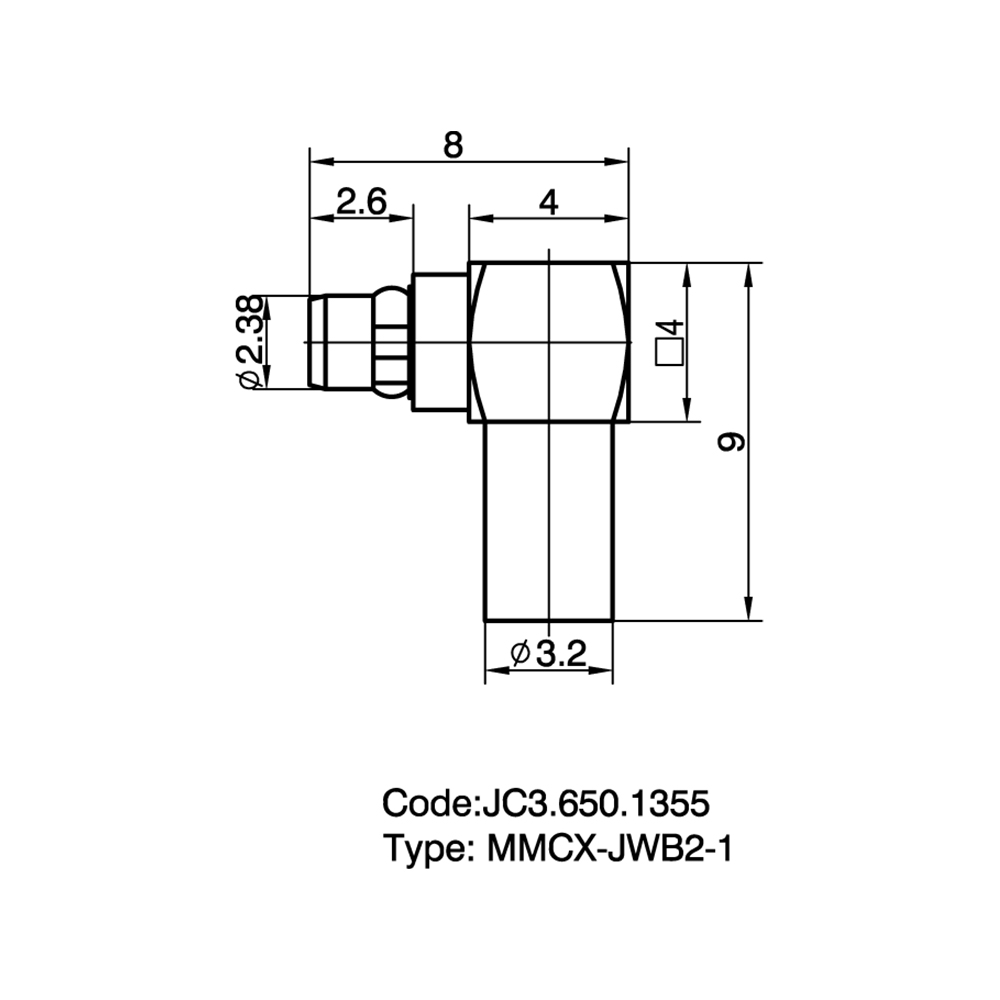
90° cable exit for tight enclosure integration |
| Straight Plug |
Semi-flexible (RG-178, RG-316, equivalents) |
Solder or crimp (ferrule-dependent) |
Accommodates stranded or solid center conductors |
| Bulkhead Jack (Front/Rear Mount) |
Mates with plugs on either cable type |
Panel mount; solder pot or PCB pin |
Through-panel interconnect; sealed options available |
| PCB End-Launch Jack |
Board-side mating partner |
Surface-mount or through-hole solder |
Enables direct board-to-cable RF transitions |
3. Comparison: Semi-Rigid Cable MMCX vs. Semi-Flexible Cable MMCX
Although both variants share the same MMCX interface standard, the termination design and application suitability differ based on the cable construction. The following comparison highlights the distinctions.
| Attribute |
Semi-Rigid Cable MMCX Connectors |
Semi-Flexible Cable MMCX Connectors |
| Typical Cable Types |
0.047″, 0.086″, 0.141″ solid-jacket coaxial lines |
RG-178, RG-316, LMR-100, conformable equivalents |
| Primary Termination |
Direct soldering of center pin and outer ferrule |
Solder or crimp; ferrule may be hex-crimp or solder-type |
| Mechanical Stability |
High; cable jacket is rigid, maintaining fixed bend geometry |
Moderate; cable allows post-installation flexing and repositioning |
| Bend Radius Tolerance |
Limited; cable is formed once and retains shape |
Repeated bending allowed within manufacturer-specified radius |
| Phase Stability |
Excellent phase stability over temperature; minimal drift |
Good; phase may vary slightly with flexure |
| Typical Applications |
Test & measurement, precision RF modules, aerospace |
Wireless infrastructure, antenna feeds, in-vehicle systems |
| Installation Complexity |
Requires skilled soldering; cable prep must be precise |
Crimp tools simplify assembly; field-replaceable in some designs |
4. Application Scenarios
MMCX connectors terminated to semi-rigid and semi-flexible cables are deployed across a range of industries where compact RF interconnects with repeatable electrical performance are required. Typical application environments include:
- Telecommunications Base Stations & Small Cells: Internal RF jumpers between filters, amplifiers, and antenna feed networks, where the compact MMCX form factor supports high-density layout inside sealed enclosures.
- Test & Measurement Instrumentation: Precision semi-rigid cable assemblies with MMCX terminations used in vector network analyzers, spectrum analyzers, and signal generators for internal signal routing that demands phase stability.
- Military & Aerospace Electronics: Conformable semi-rigid harnesses in avionics bays, radar modules, and satellite communication payloads where weight, space, and vibration resistance are critical.
- Medical Imaging & Diagnostic Equipment: MRI coil interconnects, ultrasound probe cabling, and patient monitoring modules that benefit from the connector's secure push-pull lock and compact dimensions.
- Automotive Telematics & V2X Systems: GPS antenna connections, DSRC (Dedicated Short-Range Communication) modules, and in-vehicle infotainment RF links using semi-flexible cable for routing flexibility.
- IoT & Consumer Wireless Devices: Compact MMCX-to-board transitions in Wi-Fi access points, Zigbee hubs, and portable RF terminals where internal space constraints dictate connector miniaturization.
5. Selection Guidelines
Selecting the appropriate MMCX connector for a given semi-rigid or semi-flexible cable requires evaluation of several technical parameters. The following guidelines outline the key factors to consider during the component specification process.
| Cable Type & Dimension |
Confirm the cable series (e.g., RG-178, RG-316, 0.086″ semi-rigid) and its outer diameter. The connector ferrule and center contact socket must be dimensioned to match the specific cable construction — dielectric diameter, center conductor gauge, and jacket material all influence the termination quality. |
| Frequency Range |
MMCX connectors are typically specified from DC to 6 GHz. For applications approaching or exceeding this limit, insertion loss and VSWR performance data should be reviewed. JC Company provides swept-frequency test reports for production batches upon request. |
| Connector Body Orientation |
Straight plugs suit in-line cable routing; right-angle plugs address space-constrained corners. Bulkhead jacks enable through-panel connections. The orientation choice directly impacts assembly fit within the target enclosure. |
| Termination Method |
Solder termination is standard for semi-rigid cables and provides a permanent, low-loss joint. For semi-flexible cables, crimp-style ferrules can offer faster assembly with repeatable results when used with calibrated crimp tooling. Clamp-type designs allow field servicing without soldering equipment. |
| Plating & Material |
Gold plating (typically 1.27 μm or thicker over nickel underplate) on contact surfaces ensures low contact resistance and oxidation resistance. Body materials may be brass or stainless steel, with passivation or nickel plating selected based on environmental exposure requirements. |
| Mating Cycles & Durability |
Standard MMCX connectors are rated for 500 mating cycles minimum. For applications requiring higher cycle counts, extended-life contact designs with reinforced spring fingers are available from JC Company's engineering team. |
6. Frequently Asked Questions
Q1: What is the difference between MMCX connectors designed for semi-rigid cable versus those for semi-flexible cable?
The primary difference lies in the termination mechanism and the ferrule design. Semi-rigid cable MMCX connectors typically use a solder-on ferrule that is matched to the solid outer conductor of the cable, providing a rigid, permanent joint. Semi-flexible cable MMCX connectors may employ a crimp ferrule or a clamp-style retention system that accommodates the braided or stranded outer conductor while maintaining consistent RF grounding. The center contact socket dimensions are also tailored to the specific center conductor diameter of each cable type.
Q2: Can MMCX connectors be field-installed on semi-rigid cable, or is factory assembly recommended?
Field installation of MMCX connectors onto semi-rigid cable is possible with proper tooling — including a precision cable stripper, a temperature-controlled soldering station, and fixturing to hold the cable and connector during soldering. However, for applications where phase matching or tight VSWR specifications are critical, factory-assembled cable assemblies from a qualified manufacturer such as Yangzhou Jingcheng Electronics (JC Company) are recommended. JC Company maintains dedicated assembly workstations with calibrated tooling and 100% electrical testing on completed assemblies.
Q3: What frequency range can be expected from a properly terminated MMCX semi-rigid cable assembly?
The MMCX interface is characterized for operation from DC to 6 GHz. Within this range, a correctly terminated semi-rigid cable assembly typically achieves a VSWR of 1.15:1 or better through 3 GHz, and below 1.30:1 through 6 GHz, depending on cable type and assembly workmanship. Insertion loss is dominated by the cable itself rather than the connector interface. For applications requiring performance data at specific frequencies, JC Company can provide measured S-parameter data from its in-house vector network analyzer equipment.
Q4: Are reverse-polarity MMCX connectors available for semi-rigid and semi-flexible cable?
Yes. Reverse-polarity (RP) MMCX connectors — where the center contact gender is reversed relative to the standard interface — are available within this product category. RP-MMCX configurations are commonly used in wireless networking equipment to comply with FCC Part 15 regulations. JC Company supplies both standard-polarity and reverse-polarity MMCX connectors for semi-rigid and semi-flexible cable, with the same range of body orientations and termination methods.
Q5: How does the MMCX push-pull coupling compare to threaded interfaces like SMA in terms of connection reliability?
The MMCX push-pull coupling provides a snap-on connection that is faster to engage and disengage than threaded SMA interfaces. The retention force is sufficient to maintain electrical continuity under moderate vibration conditions. However, for environments with extreme shock or continuous high-amplitude vibration, threaded interfaces such as SMA may offer a higher margin of mechanical security. The MMCX design includes a spring-loaded outer sleeve that must be retracted to disconnect, preventing accidental decoupling during normal operation. This makes MMCX Connectors for Semi-Rigid & Semi-Flexible Cable suitable for most enclosed electronic systems where the connector is not subject to direct external cable strain.
Q6: What custom options are available for MMCX connectors in this category?
Yangzhou Jingcheng Electronics offers customization across multiple parameters: non-standard cable entry diameters for proprietary cable constructions, extended-length bodies for thick-panel bulkhead mounting, specific plating combinations (including selective gold plating), and custom marking or color-coding for identification. Engineering support for custom MMCX connector designs is provided by JC Company's R&D team, leveraging over two decades of RF connector manufacturing experience since 1999. Contact the JC Company sales department with detailed requirements for a feasibility assessment.


 English
 中文简体
中文简体