English
 中文简体
中文简体TNC Connectors Flange Mount Connectors Manufacturer
Product Overview
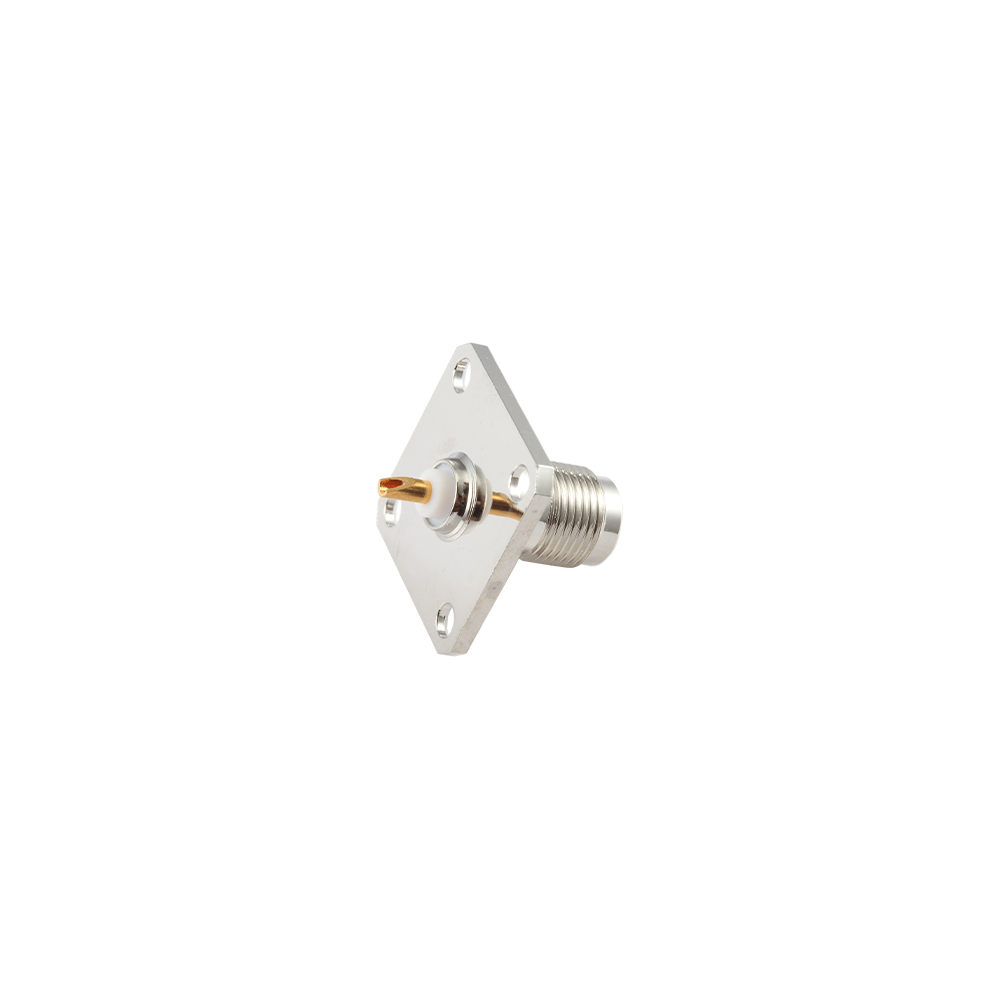
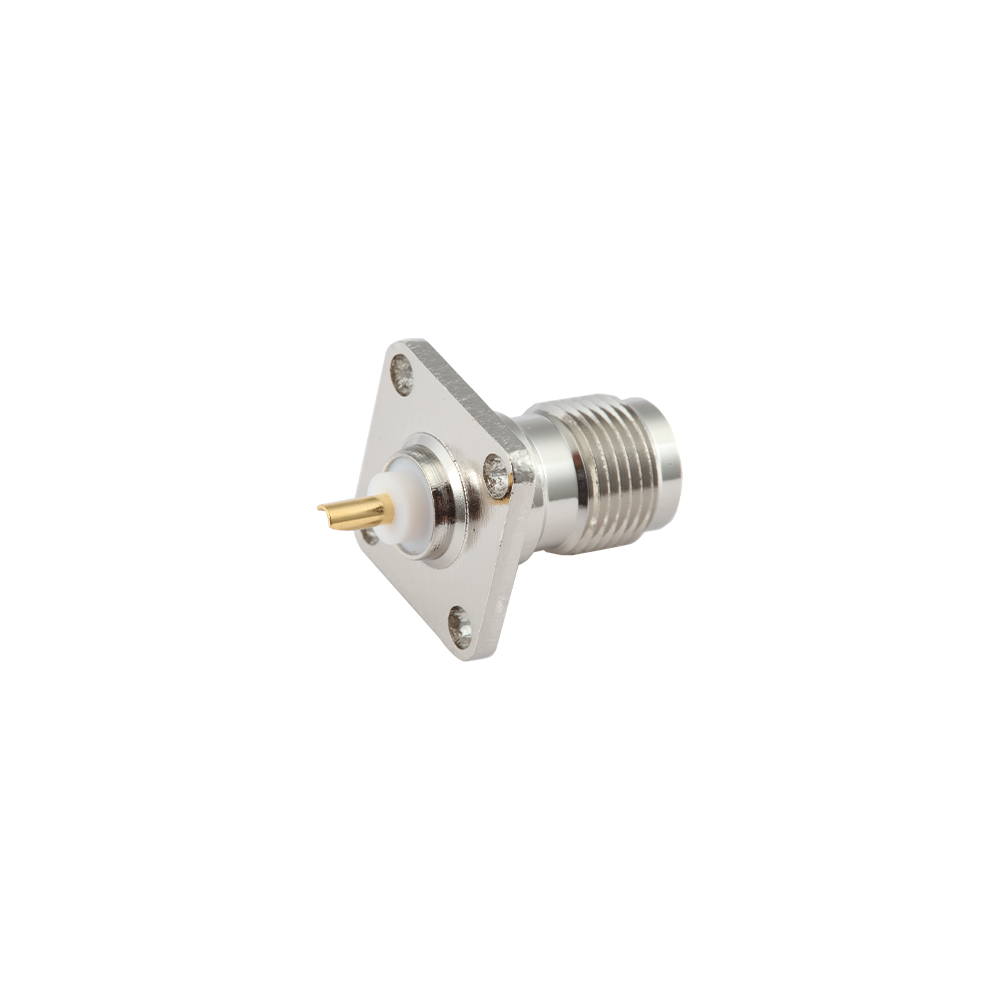
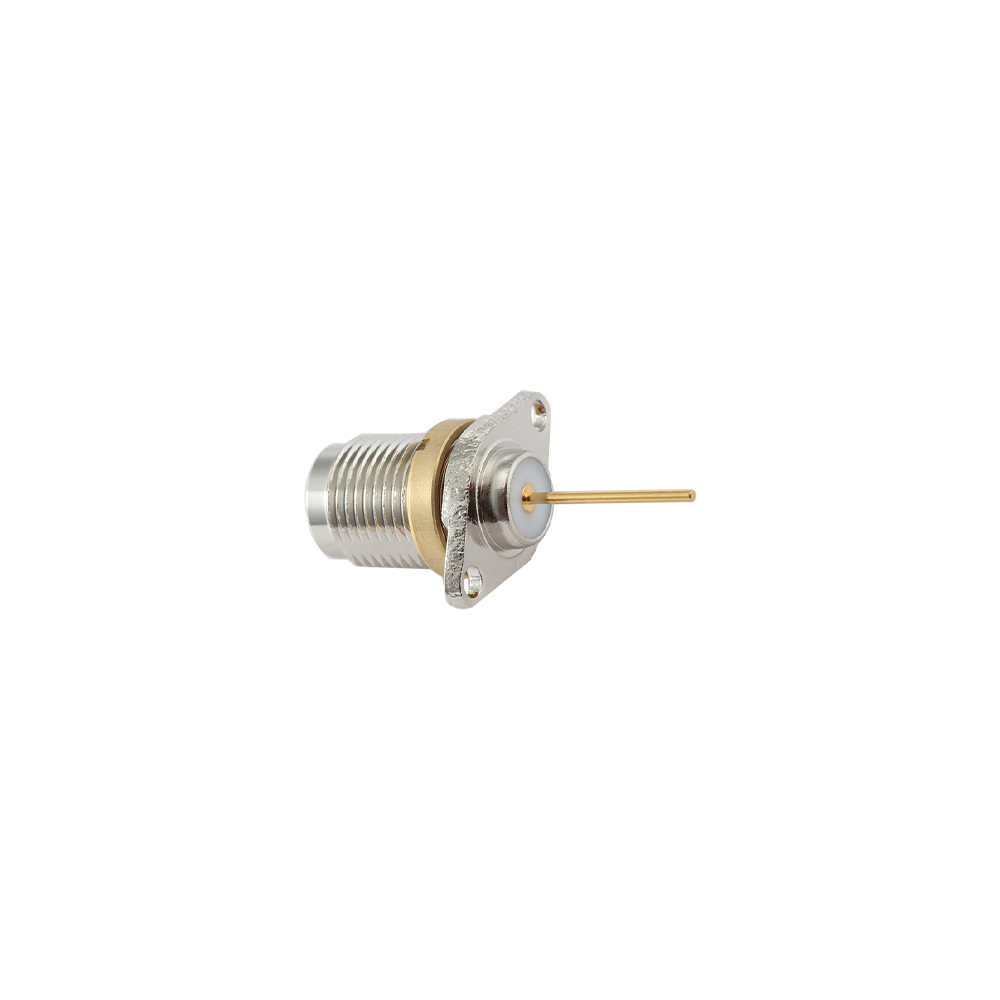
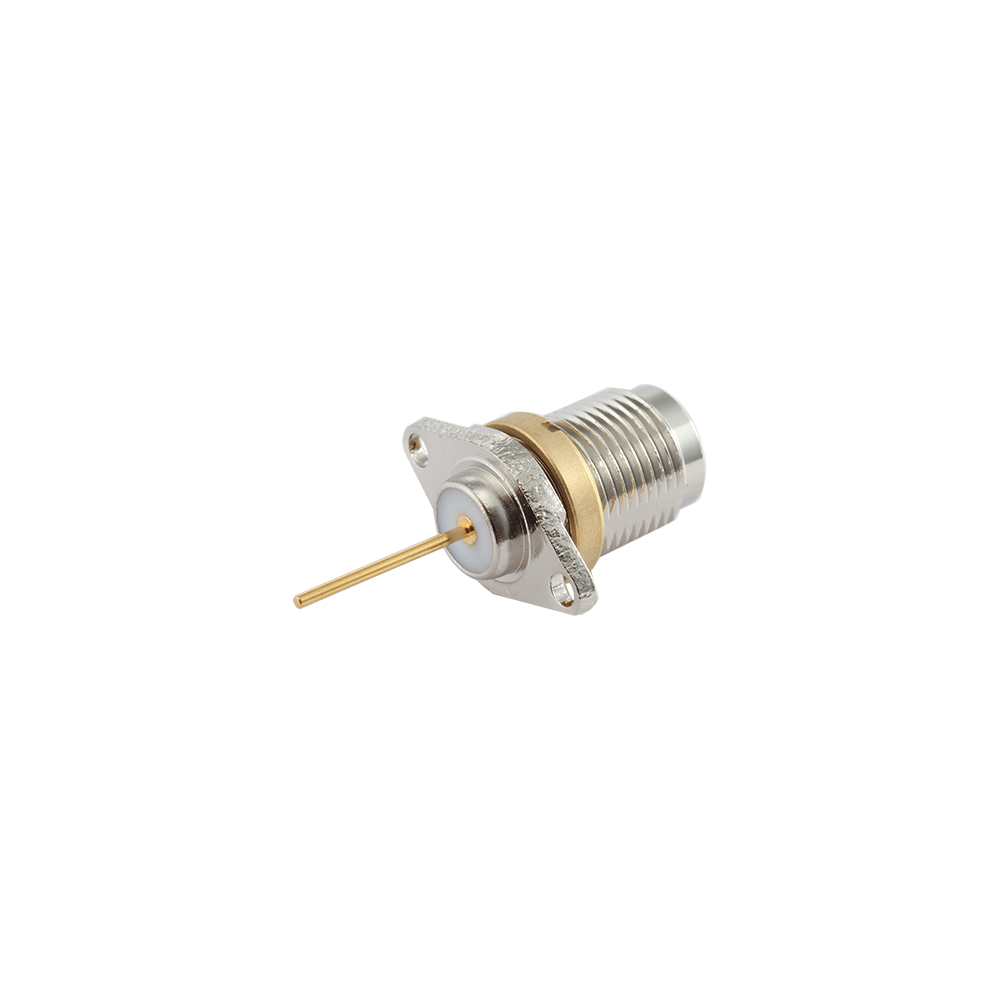
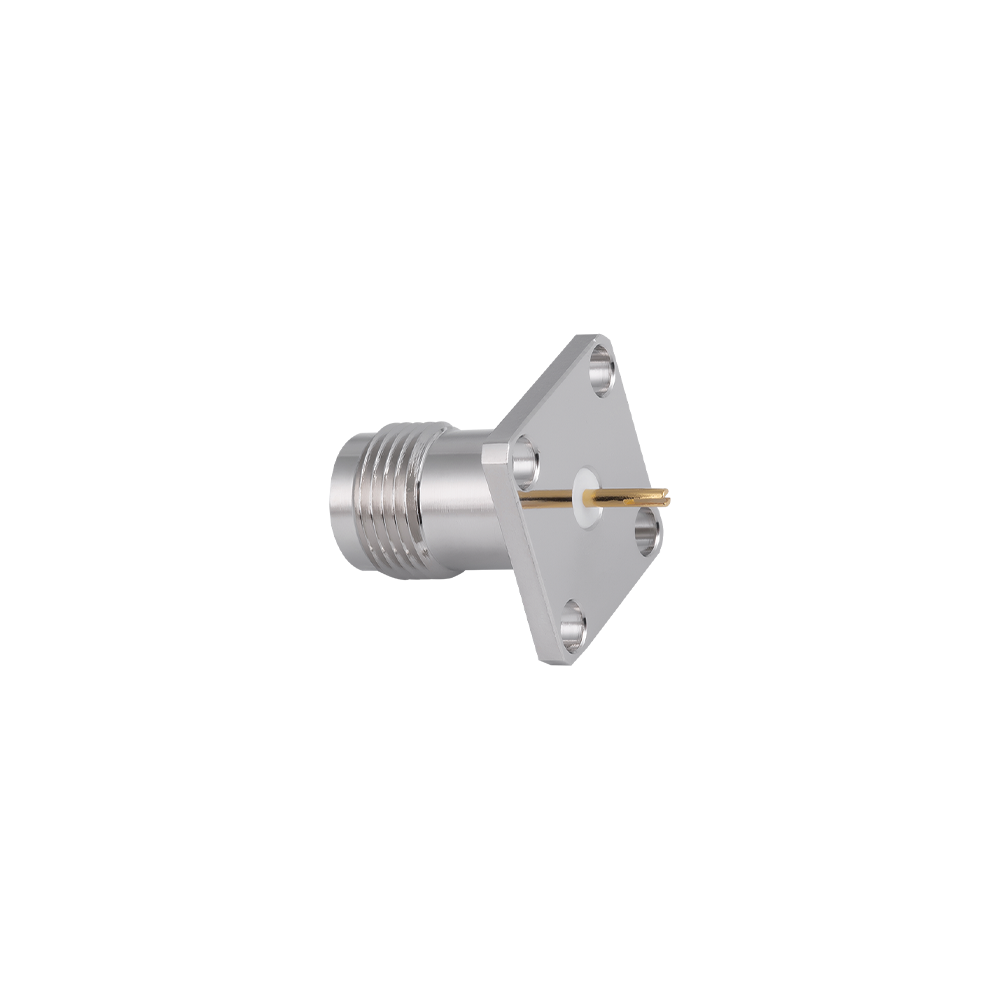
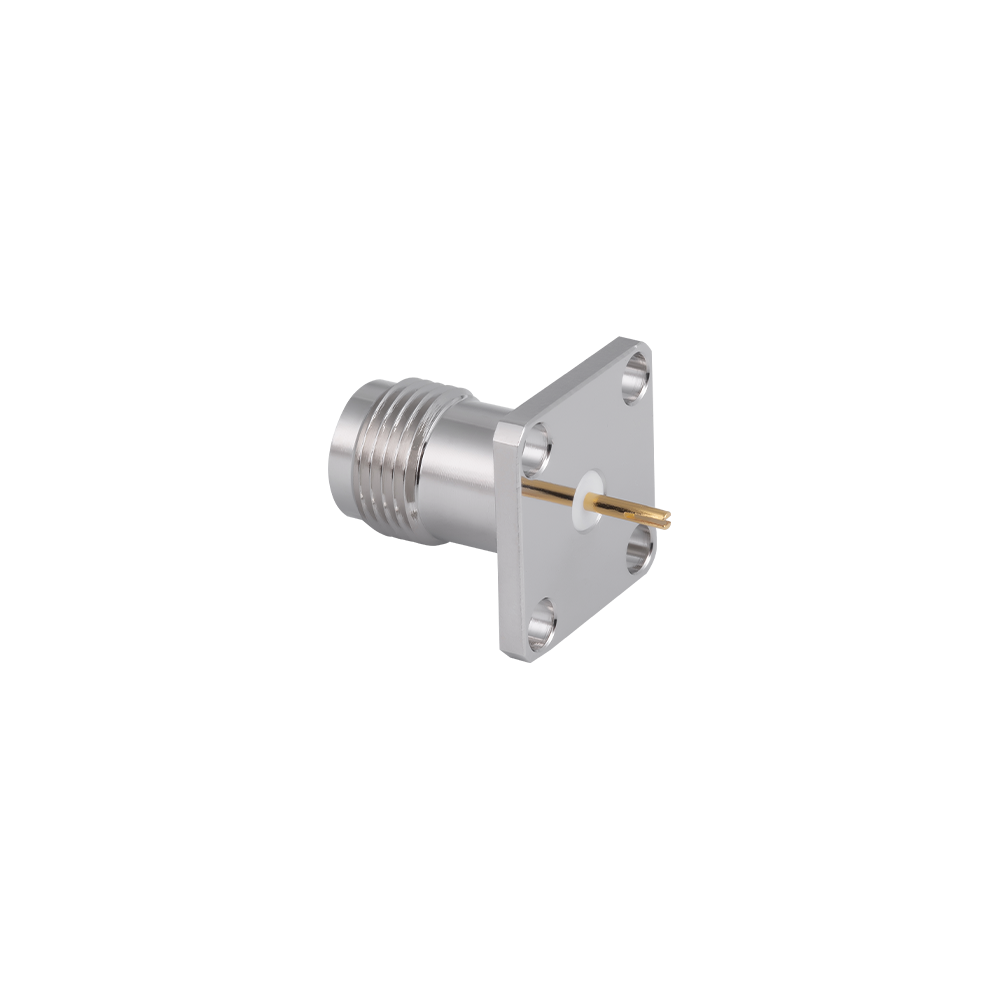
TNC Flange Mount Connectors are panel-mount termination devices that combine the threaded, vibration-resistant TNC coupling interface with a robust multi-point flange chassis attachment. Where a BNC flange connector might be chosen for a laboratory bench instrument, the TNC flange mount is specified when the same panel port must additionally withstand continuous vibration, thermal cycling, or mechanical shock—conditions typical of mobile communications shelters, shipborne electronics bays, and ground-based radar antenna pedestals.
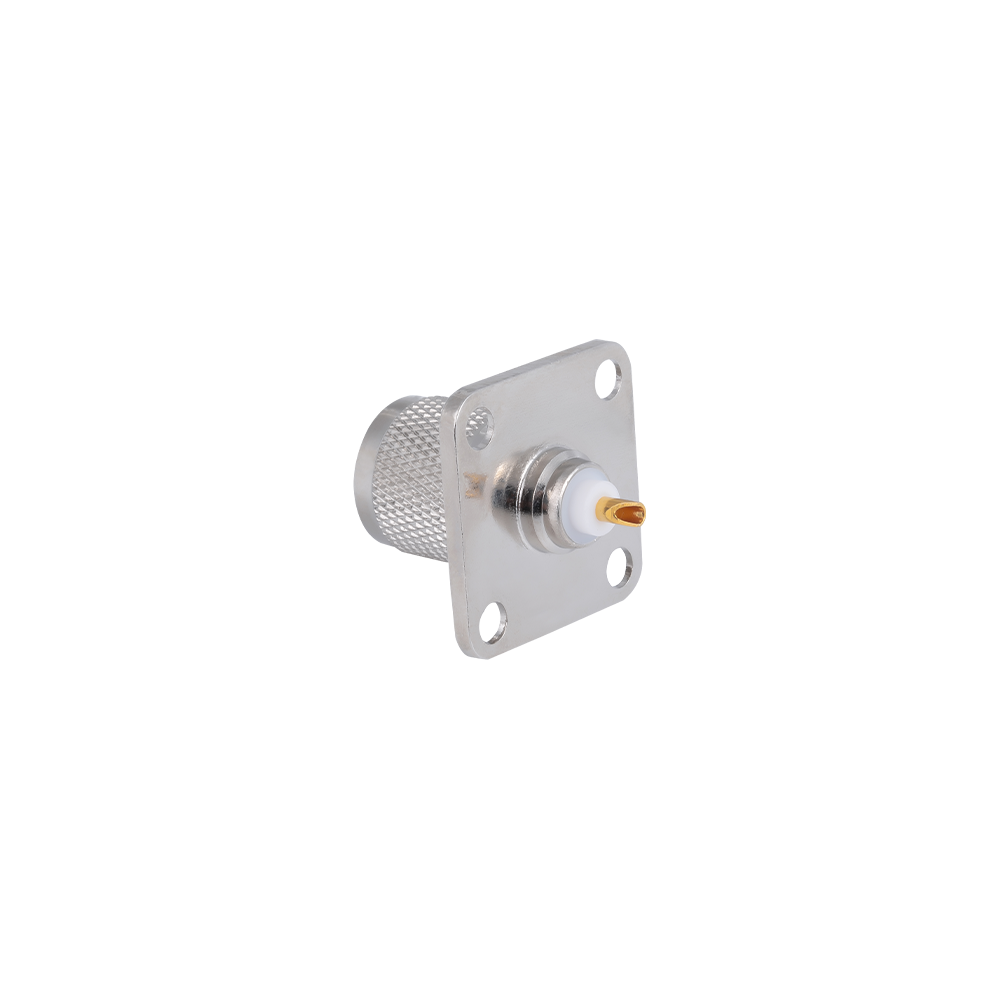
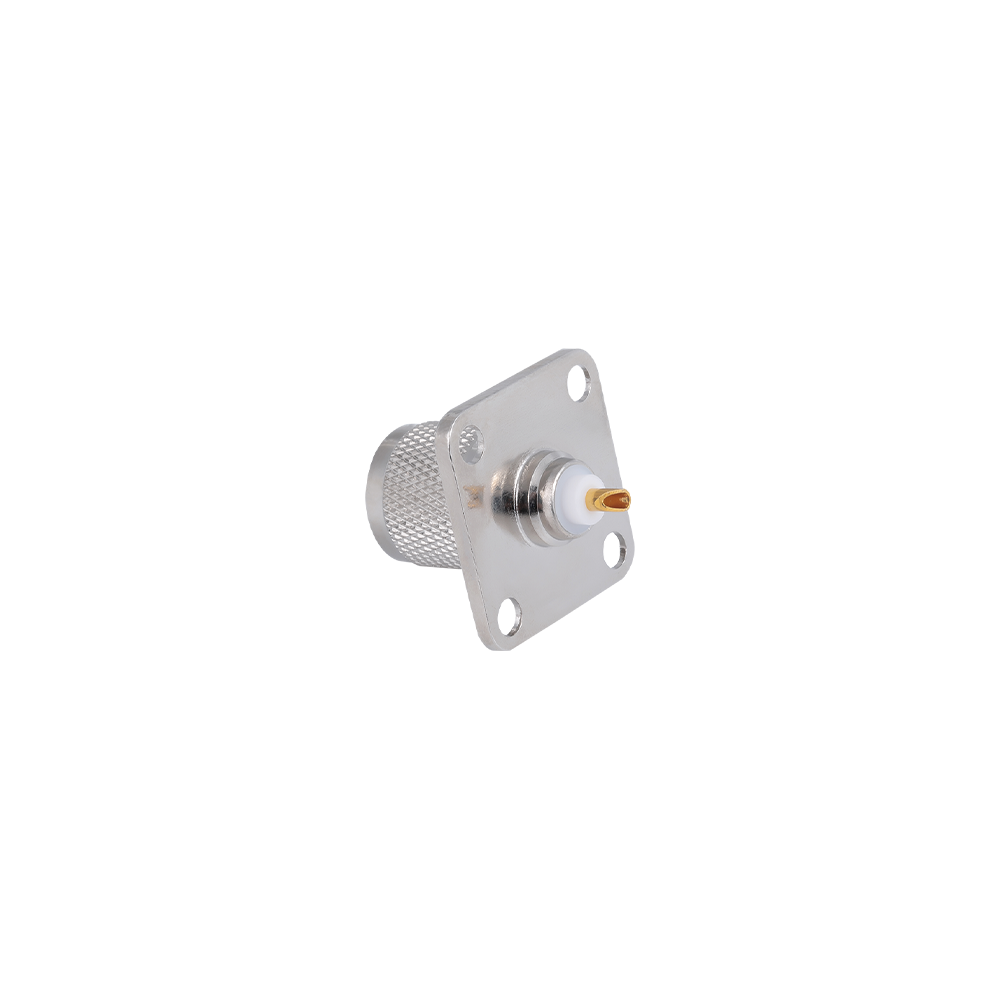
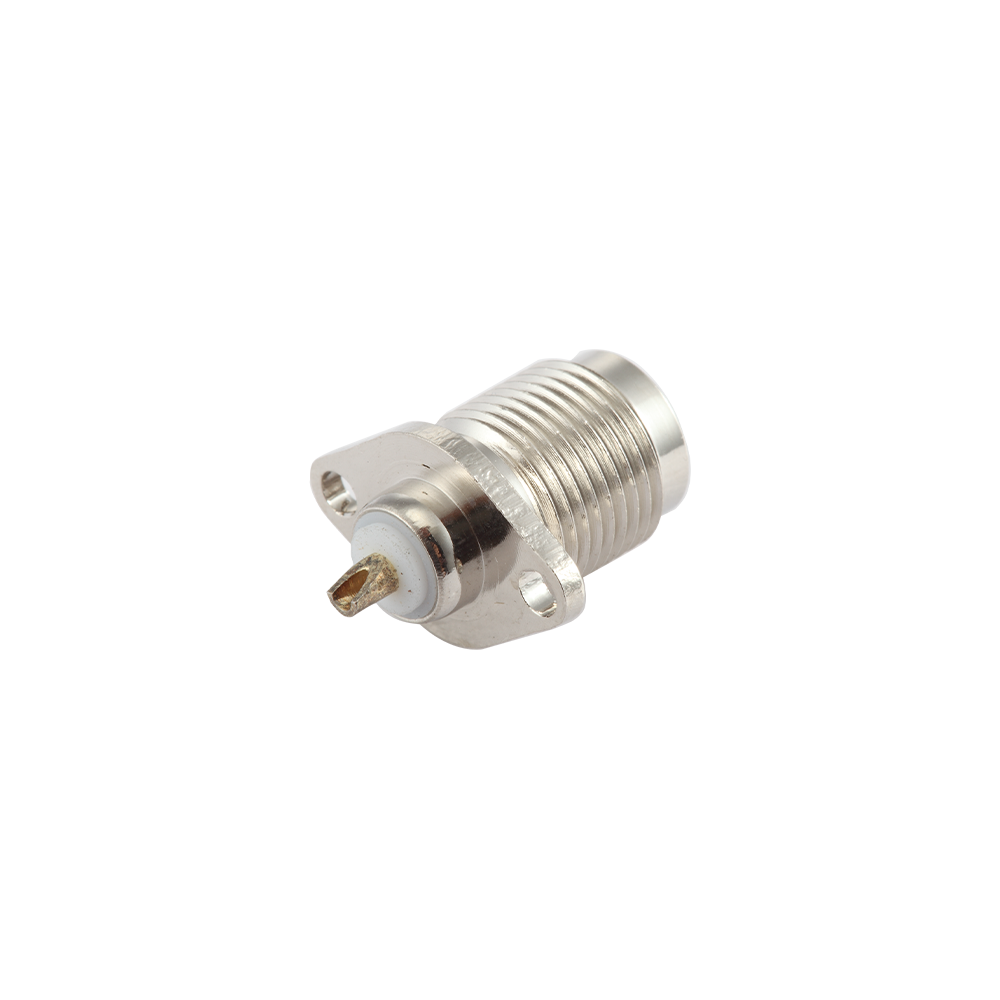
The flange body distributes pull-out and shear forces across two or four mounting bolts rather than concentrating them on a single threaded hole, making the assembly significantly more resistant to connector damage from accidental cable strain. Jingcheng's flange mount TNC connectors are manufactured with close attention to the panel-face flatness of the flange and the squareness of the through-body bore, both of which directly affect mating thread alignment and long-term connector durability.
Key Features
Four-hole or two-hole flange patterns; standard bolt-circle dimensions compatible with common industry chassis punch-outs, enabling drop-in qualification on existing panel designs.
Frequency performance to 11 GHz—panel ports can be populated once and remain valid as system RF architectures migrate to higher operating frequencies.
Rear termination options include solder cup (cable entry), straight solder-post (PCB through-hole), and crimp sleeve; all options terminate to 50Ω characteristic impedance.
Panel sealing with elastomer gasket available for weatherproofed or pressurized enclosures; specify IP65 or IP67 when ordering.
Body materials: nickel-plated brass (standard), passivated stainless steel (corrosive environments), and tri-metal plated options for salt-spray resistance exceeding 96 hours.
Both standard TNC and reverse-polarity (RP-TNC) flange mount versions available from the same production platform.
Competitive Advantages
Jingcheng sources all plating in-house, providing full traceability of plating bath composition and thickness measurement records. This level of documentation is routinely requested by defense and telecom prime contractors for supplier qualification and is available on request.
The same flange-mount connector family is offered across BNC, TNC, N-type, SMA, and other series, allowing procurement teams to standardize on a single supplier for all RF panel port requirements across a product line—simplifying vendor management and annual supplier audits.
Factory established in 1999 with continuous production of TNC connectors means field-proven tooling and process knowledge, reducing the risk of dimensional drift that newer suppliers may introduce as they ramp production.
Typical Applications
Military communication shelter and command-post RF panel ports
Ground-based radar and electronic warfare system equipment racks
Shipborne navigation and communication system antenna distribution panels
Cellular and private mobile radio (PMR) base station outdoor cabinet RF ports
Satellite ground terminal IF and RF distribution panels
FAQ
Q: What is the standard panel cutout diameter for TNC single-hole bulkhead, and how does the flange version differ?
A: Standard TNC bulkhead requires a 12.7 mm (0.500") panel hole. The flange version uses the same through-body diameter but adds the bolt-pattern flange, which requires additional clearance area around the central hole for the mounting bolts. Flange dimensions and bolt pattern drawings are available in the product datasheet.
Q: Can flange versions be supplied with an integrated DC block (capacitive isolation)?
A: DC-isolated flange versions are available as a configured special. The isolation capacitor is integrated into the connector body, providing DC isolation while passing RF signals from DC to 11 GHz. Specify DC block requirement and minimum isolation voltage when ordering.
Q: What torque should be applied to the flange mounting bolts?
A: Mounting bolt torque depends on the bolt size and panel material; typical values for M3 stainless bolts into aluminum panels are 0.5–0.8 N·m. Connector mating torque for the TNC thread remains 1.0–1.36 N·m regardless of the flange mounting style.
|
Temperature Range |
-55~+155℃ |
|
Impedance |
50Ω |
|
Frequency Range |
DC~11GHz |
|
Insulation resistance |
≥5000MΩ |
|
Insertion loss |
≤0.20 dB/1GHz |
|
VSWR |
Straight ≤1.22/3GHz |
|
Right angle |
≤1.30/3GHz |
|
Durability(mating) |
≥500 (cycles) |