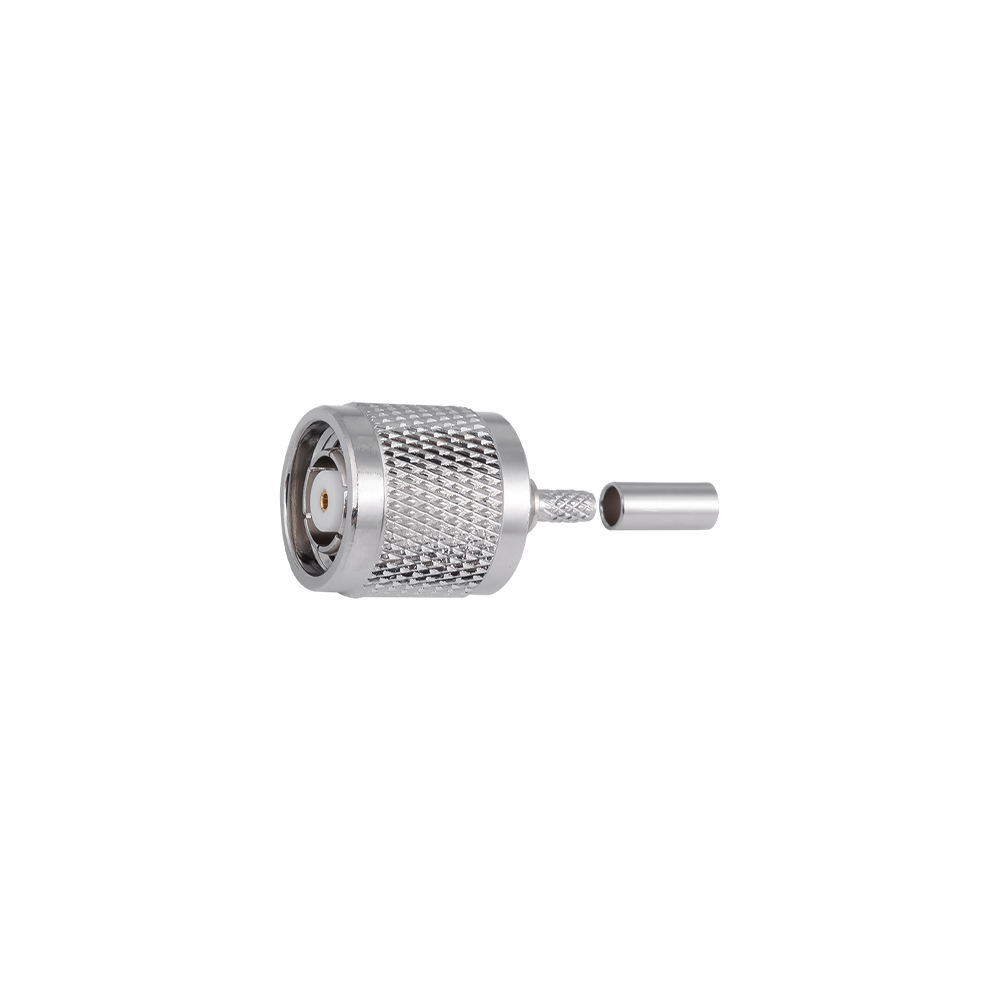
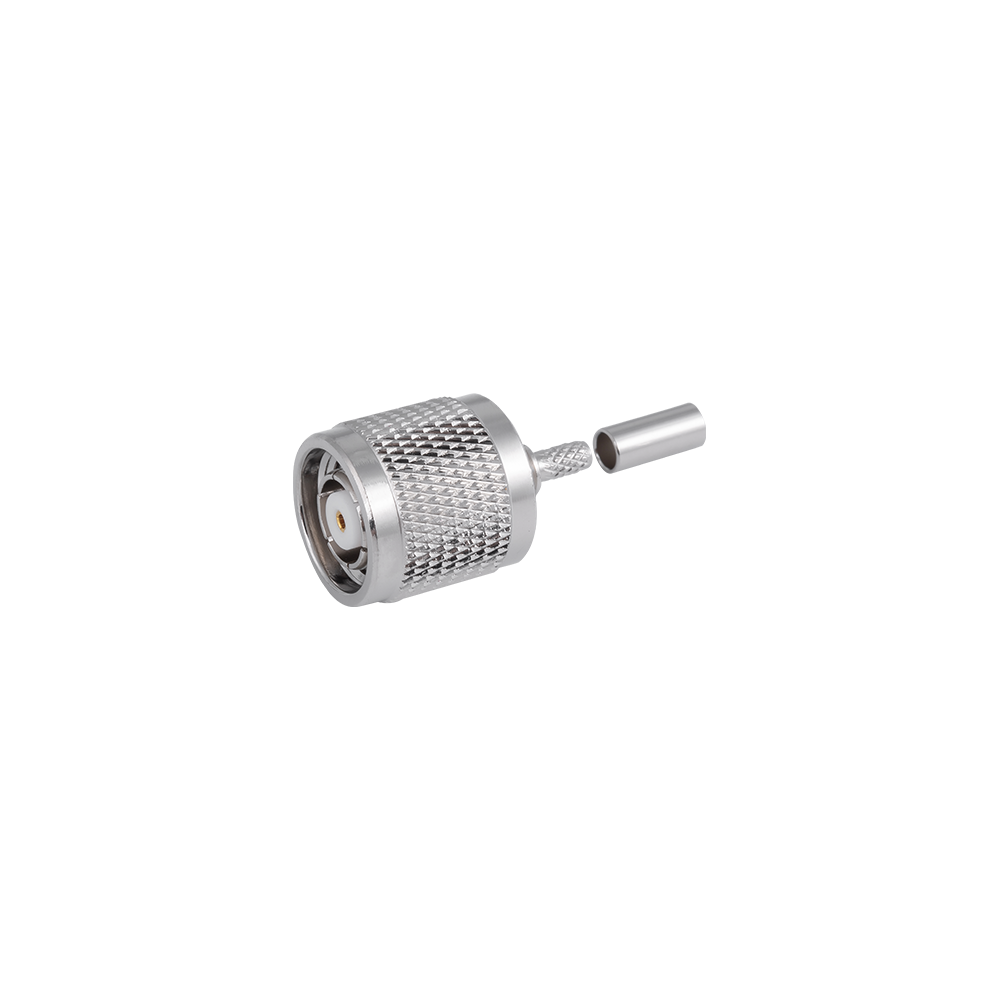
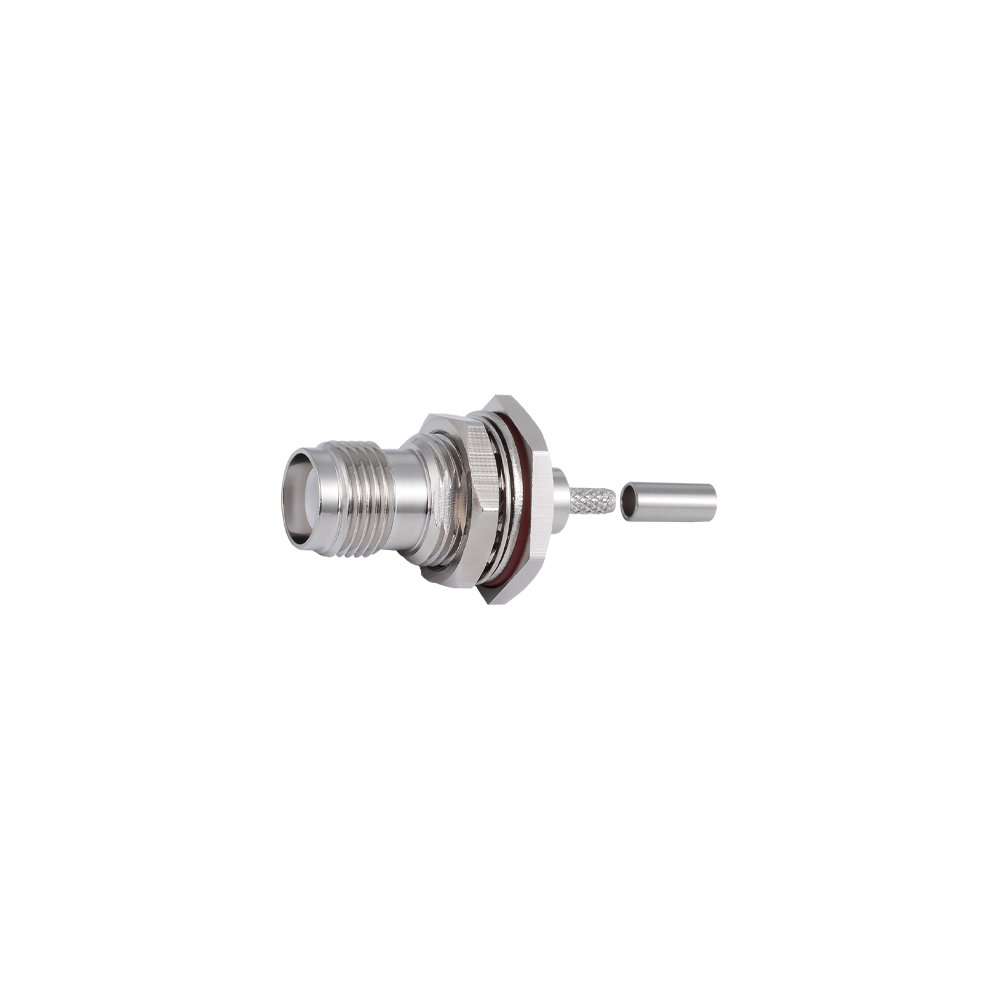
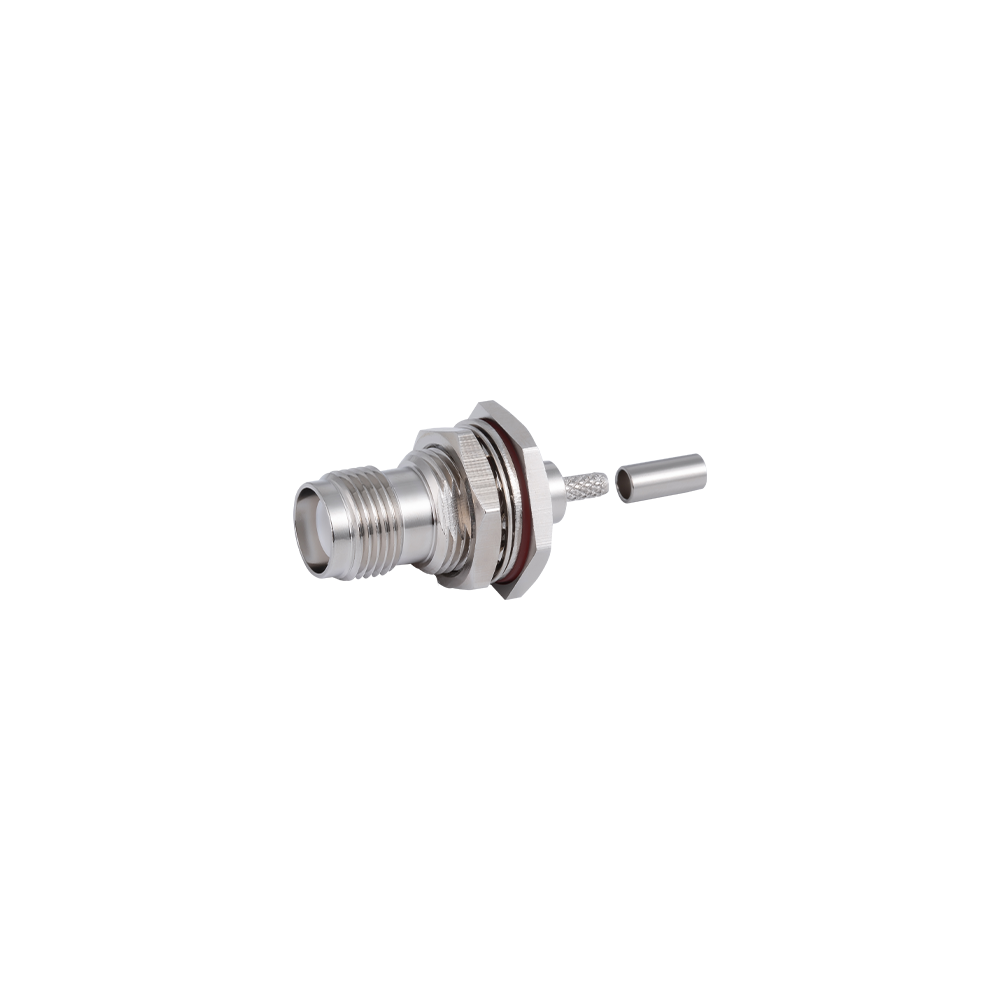
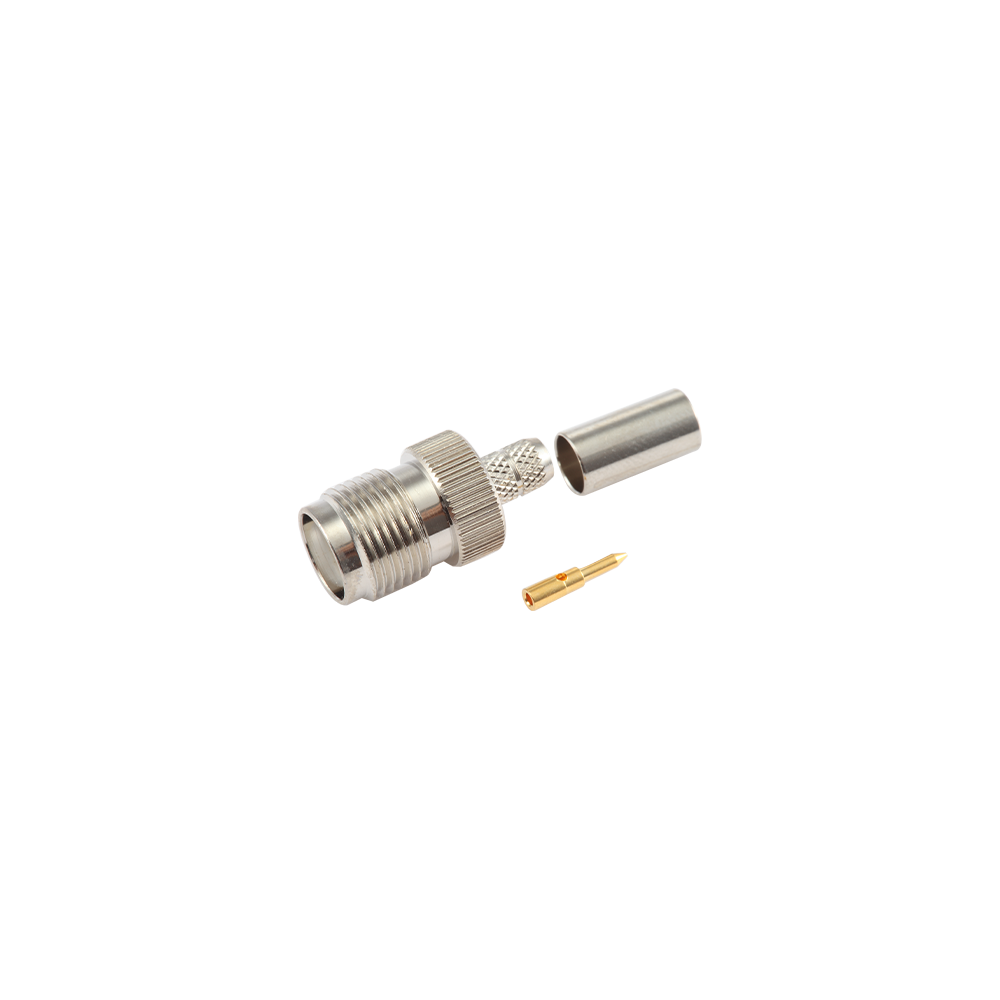
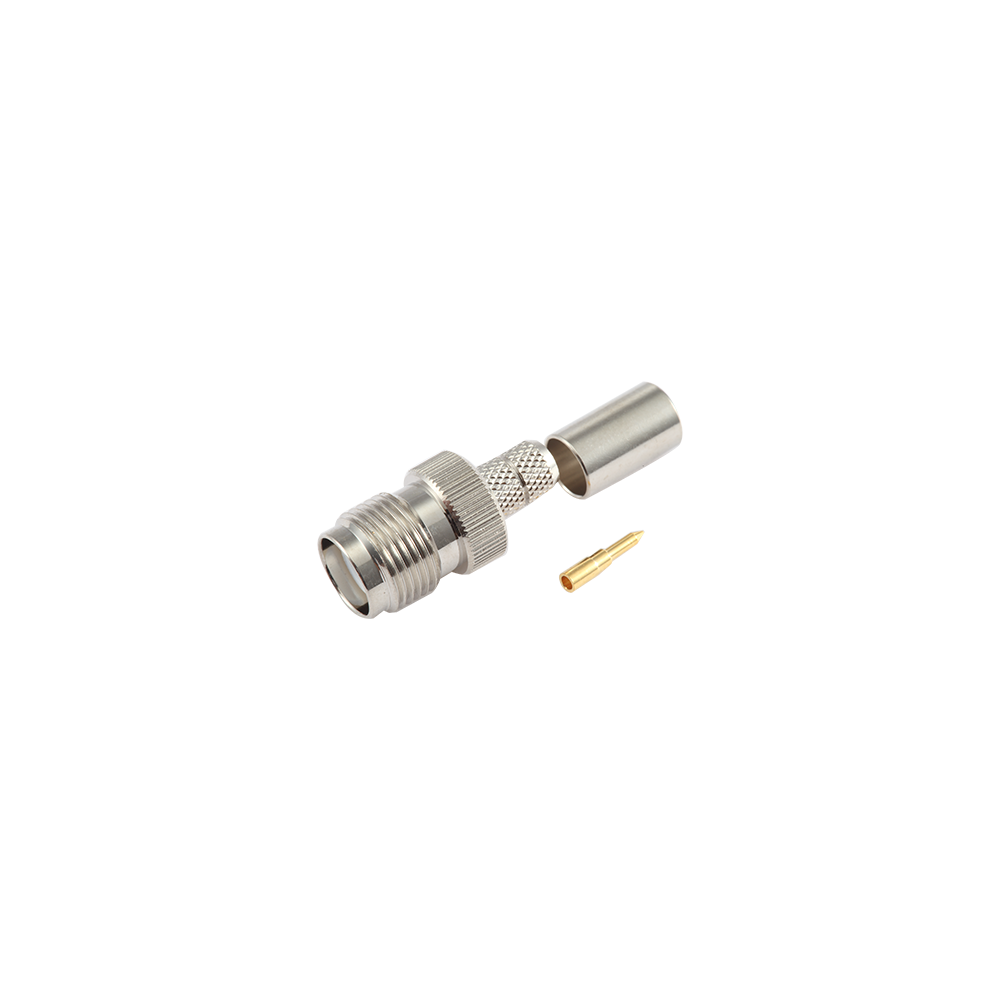
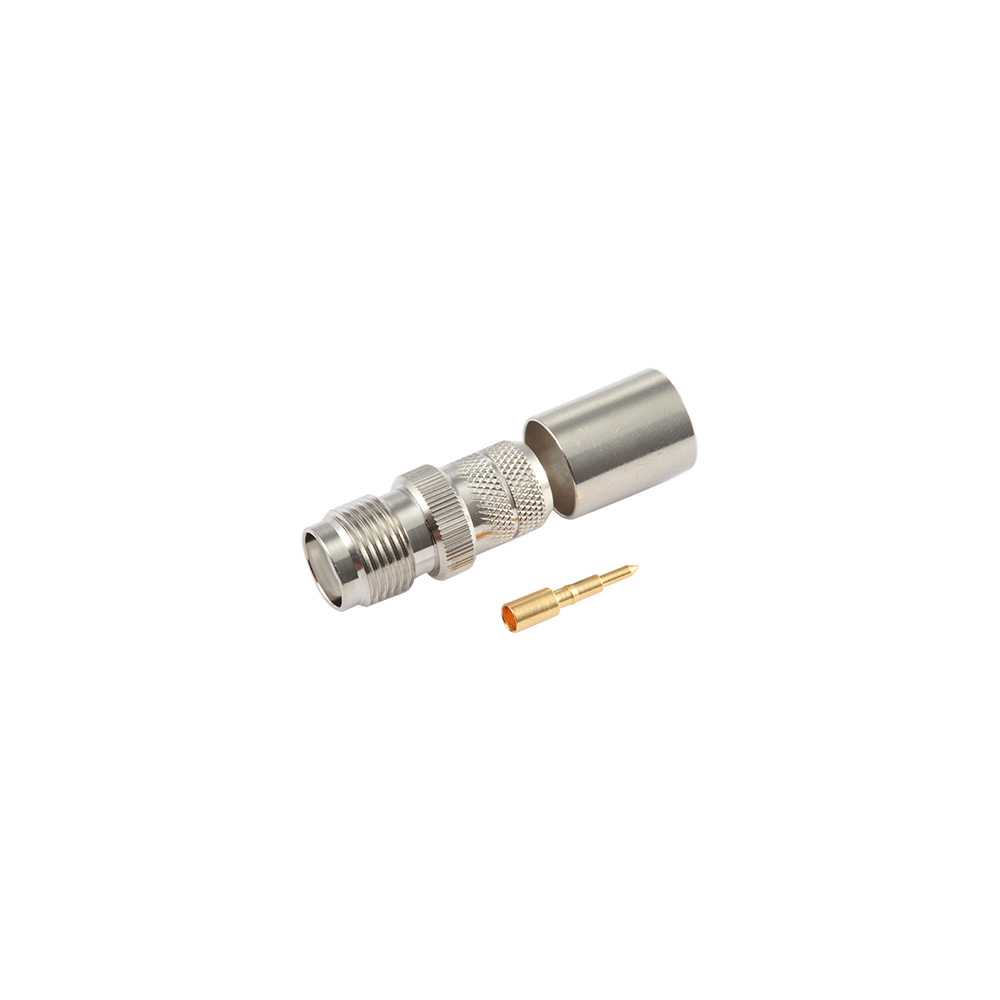
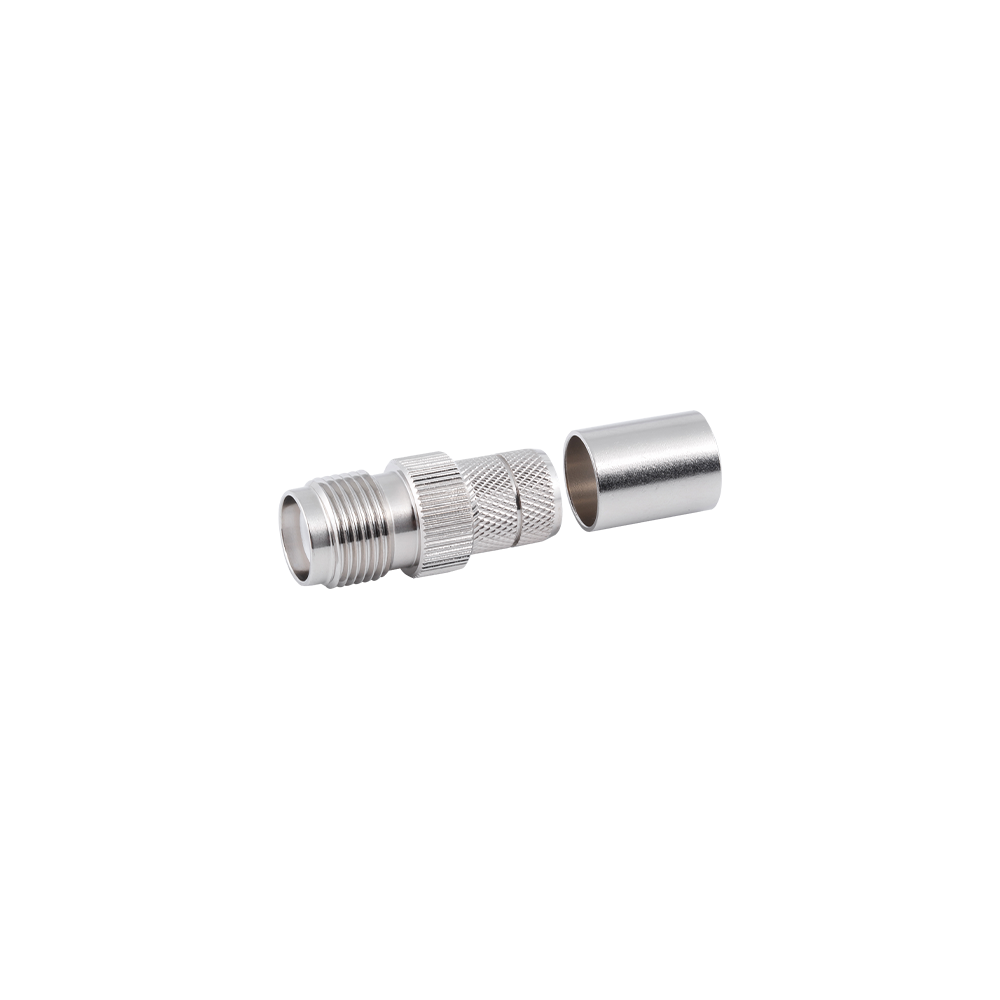
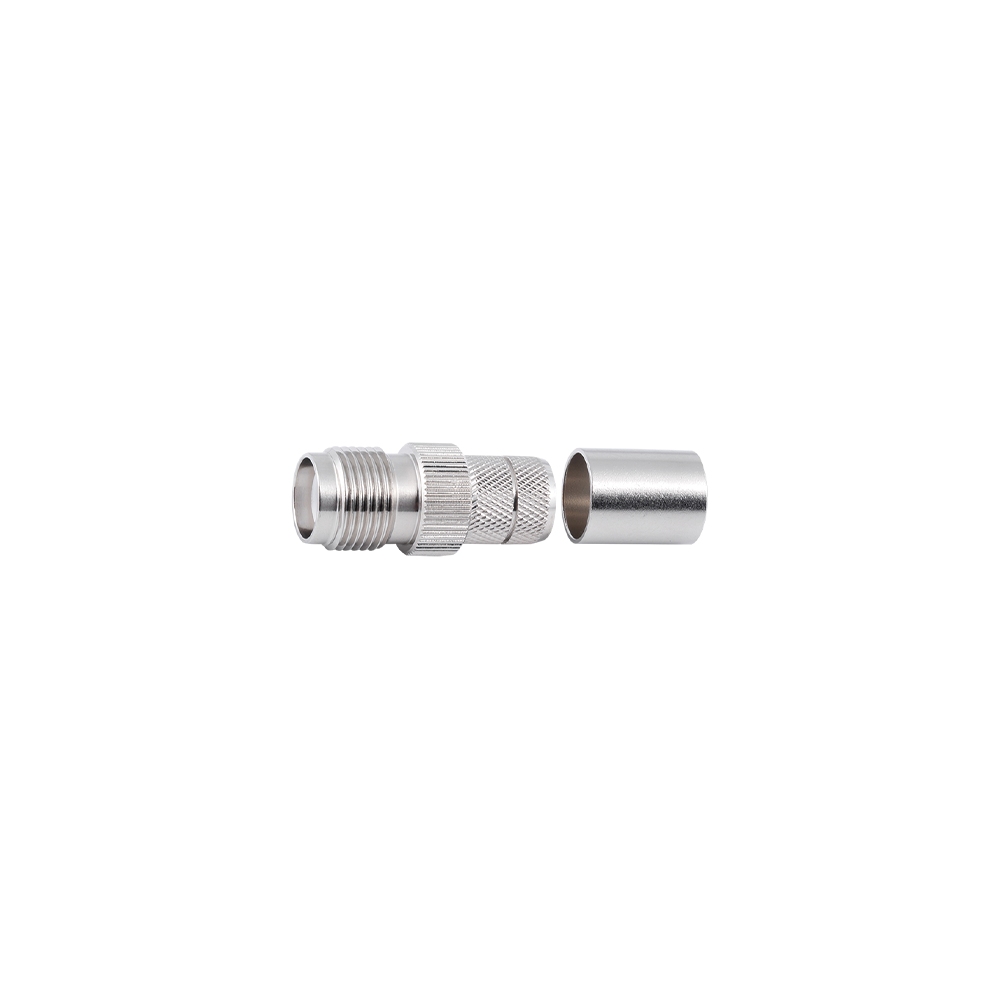
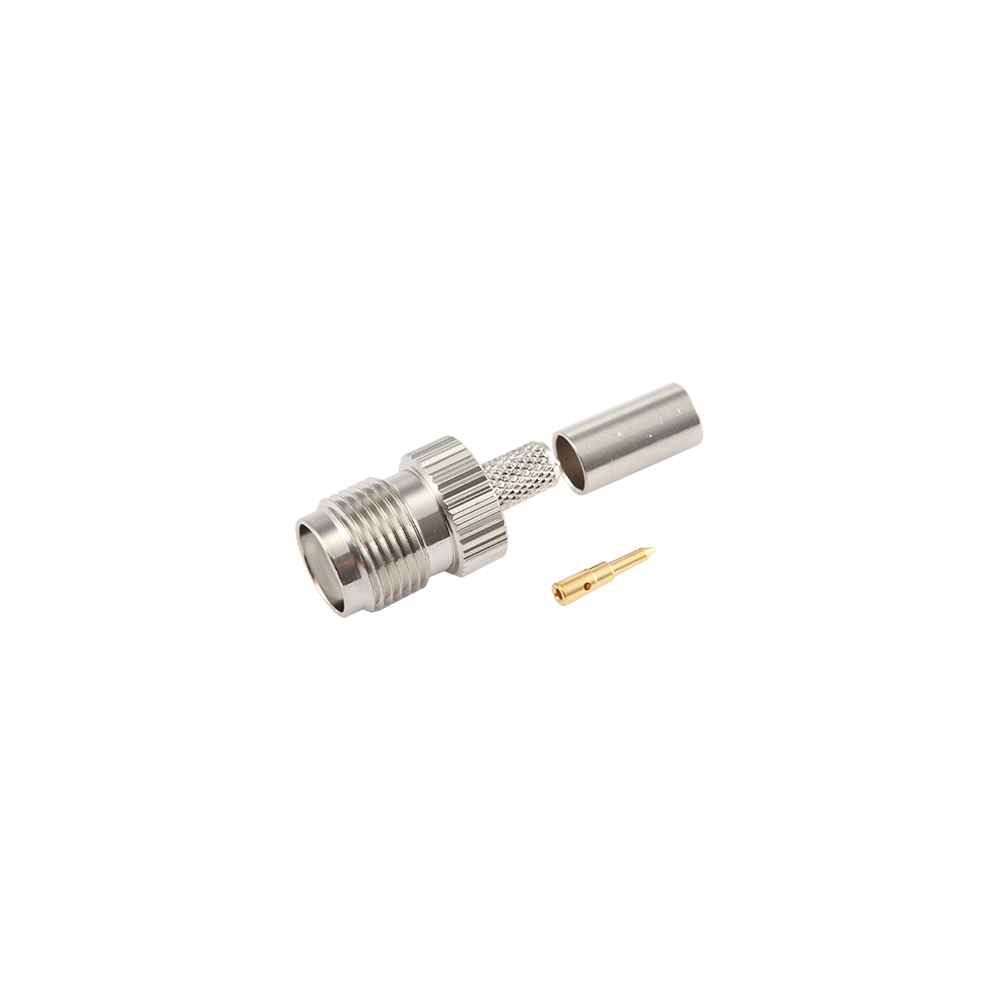
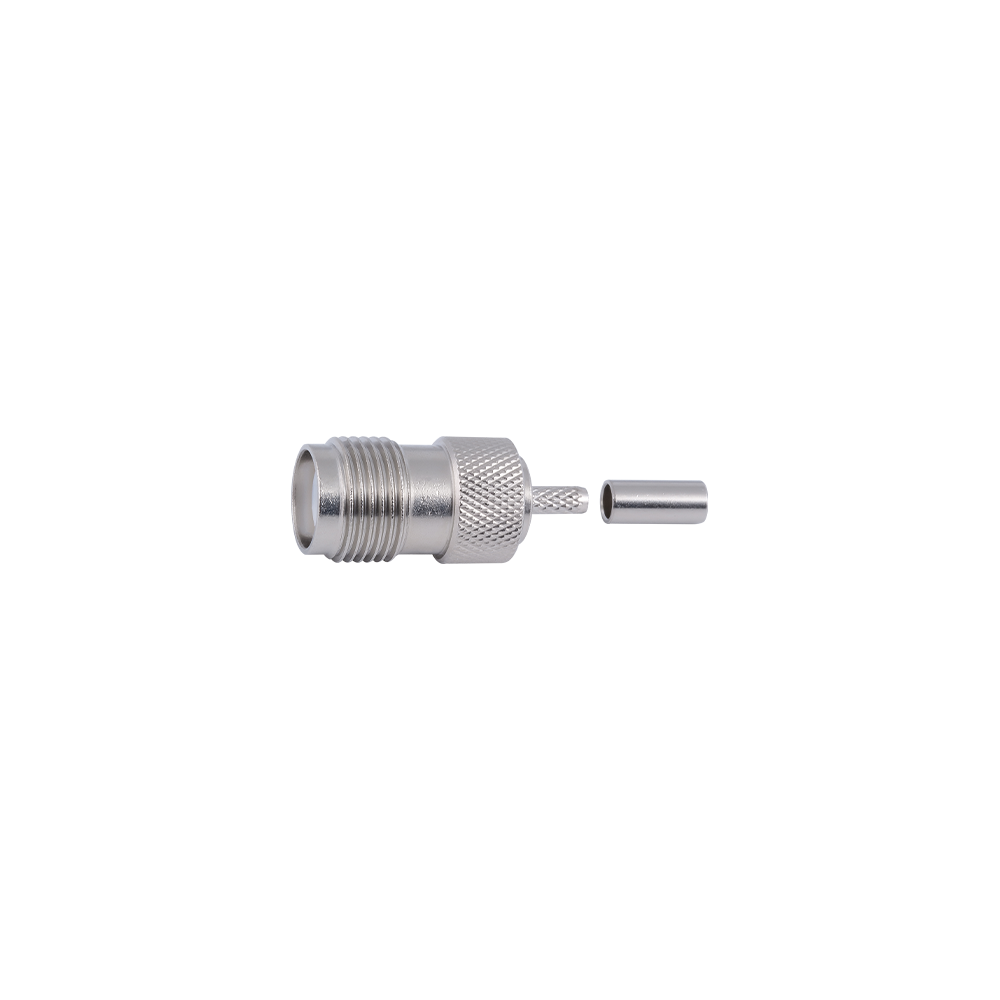
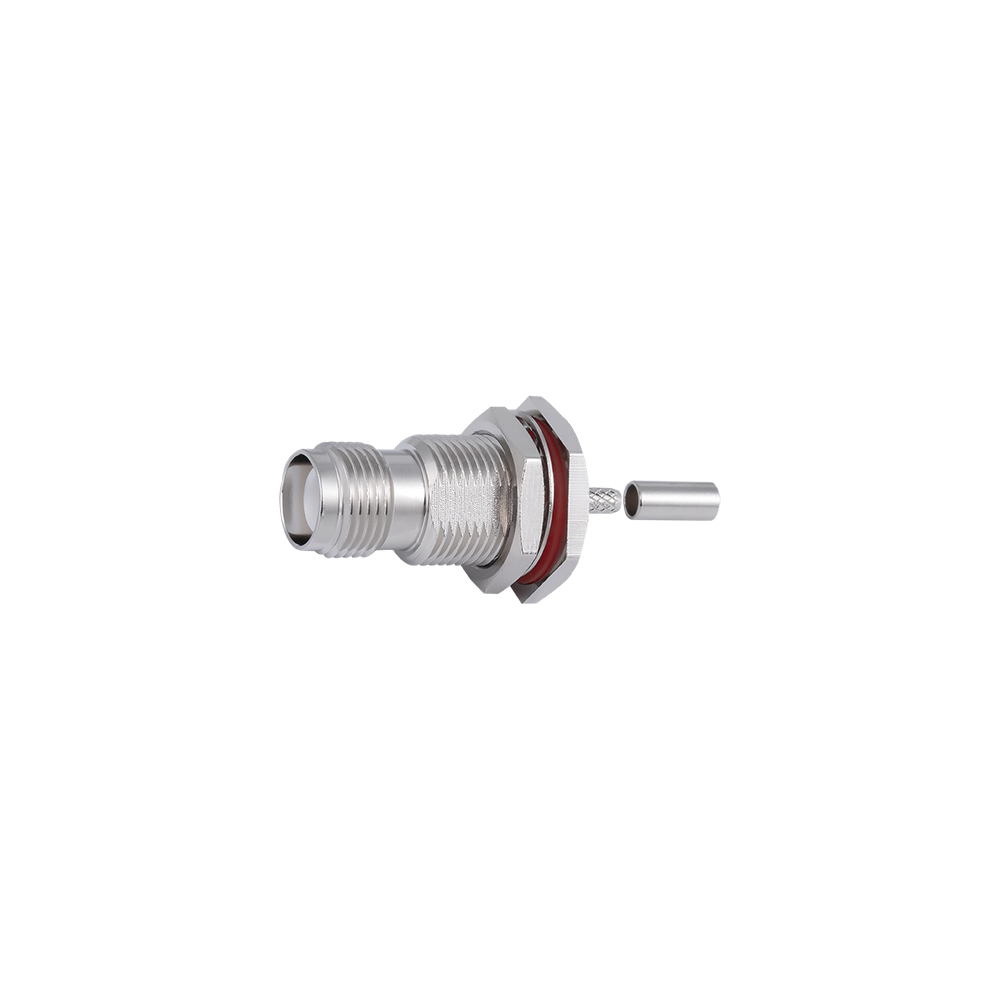
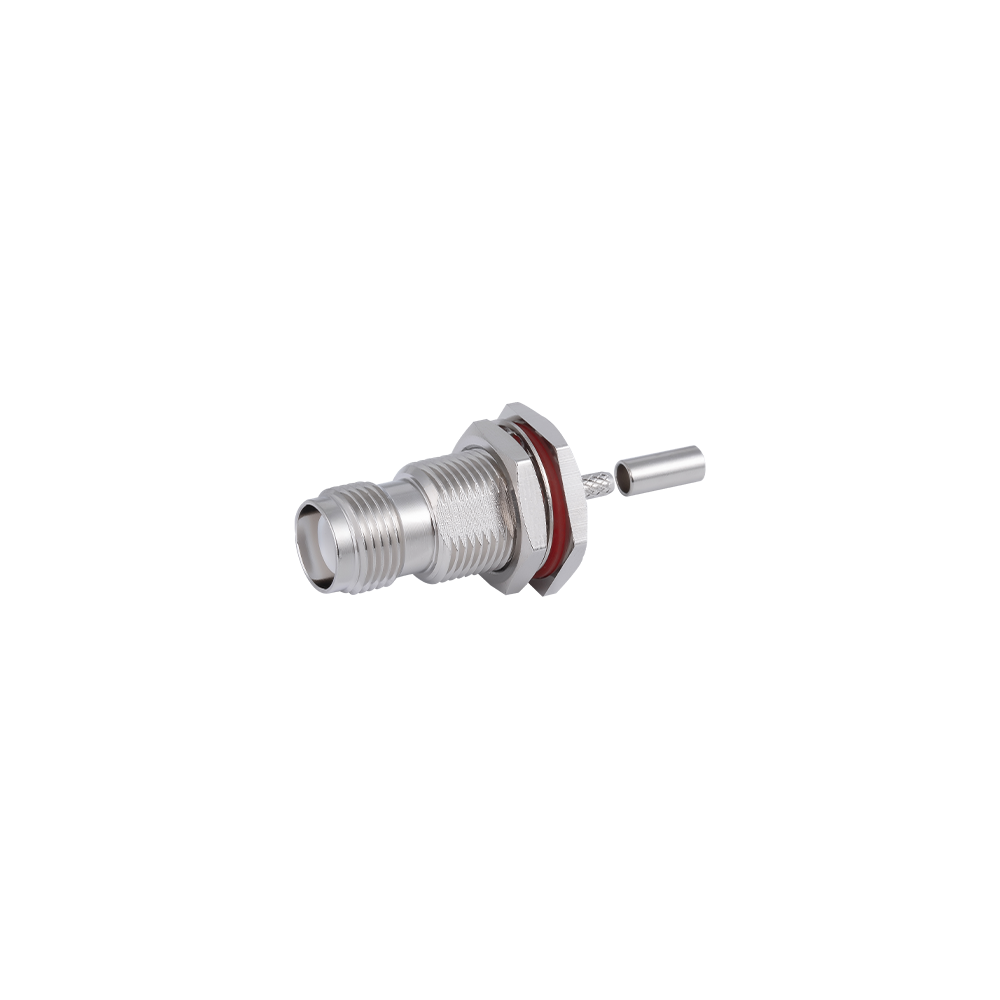
The RP TNC (Reverse Polarity TNC) connector is a variant of the standard TNC coaxial connector, distinguished by a reversed pin and socket arrangement between its male and female interfaces. As a company engaged in the design, development, and production of RF coaxial connectors, we regularly work with RP TNC connectors as part of a broader RF connector portfolio that also includes TNC, N, SMA, BNC, MCX, MMCX, and related series. This article provides a factual overview of RP TNC connectors used with flexible cable, covering their structure, technical parameters, common types, applications, and frequently asked questions.
What Is an RP TNC Connector
A standard TNC connector follows the conventional coaxial pin arrangement, where the male connector carries a center pin and the female connector carries a receptacle. In the RP TNC design, this arrangement is reversed: the male connector body (with external threading on the coupling nut) contains a center receptacle rather than a pin, while the female connector body (with internal threading) contains a center pin. This reversal does not change the 50 ohm impedance or the general electrical behavior of the connector compared to the standard TNC series.
RP TNC connectors use a threaded coupling mechanism, which provides a more secure mechanical connection than snap-on connector types such as BNC, and is generally suited to applications operating into the microwave frequency range.
Key Technical Characteristics
| Parameter |
Typical Value |
| Impedance |
50 ohm |
| Frequency Range |
DC up to approximately 11 GHz, depending on connector design and cable used |
| Coupling Mechanism |
Threaded coupling nut |
| Pin Configuration |
Reversed relative to standard TNC (male has socket, female has pin) |
| Common Materials |
Brass or copper alloy body, PTFE dielectric, gold or nickel plated contacts |
RP TNC vs Standard TNC Connectors
The table below summarizes the main differences between RP TNC and standard TNC connectors for flexible cable assemblies.
| Feature |
Standard TNC |
RP TNC |
| Male Pin |
Center pin |
Center socket |
| Female Pin |
Center socket |
Center pin |
| Electrical Performance |
Standard 50 ohm performance |
Equivalent to standard version |
| Typical Use Case |
General RF, test, military and instrumentation applications |
Wireless networking and consumer/enterprise antenna interfaces |
Common RP TNC Connector Types for Flexible Cable
RP TNC connectors for flexible cable are generally offered in the following configurations:
- RP TNC Male Straight Crimp - for standard cable termination onto flexible coaxial cable.
- RP TNC Female Straight Crimp - matching female interface for cable-to-cable or cable-to-panel connections.
- RP TNC Right Angle - used where space constraints require a 90 degree cable exit.
- RP TNC Bulkhead/Panel Mount - for mounting through an enclosure wall, typically paired with a flexible cable pigtail.
- RP TNC to Other Interface Adapters - such as RP TNC to N, RP TNC to SMA, used to interconnect equipment with different connector standards.
Termination methods commonly used with flexible cable include crimp, solder, and clamp-type assembly, selected according to cable size, required durability, and production volume.
Typical Applications
RP TNC connectors are used across a range of RF and wireless systems, including:
- Wi-Fi access points and routers, where RP TNC antenna interfaces are common on external antenna ports.
- Wireless base station and repeater equipment.
- Consumer and enterprise wireless networking devices.
- Test and measurement setups requiring reliable threaded RF connections.
- Antenna cable assemblies, connecting external antennas to wireless modules or gateways.
Manufacturing and Assembly Considerations
As a manufacturer of RF coaxial connectors and cable assemblies, our production process for RP TNC connectors covers connector body machining, plating, dielectric insertion, and cable termination, supported by precision testing equipment to verify impedance matching, insertion loss, and VSWR performance. When RP TNC connectors are assembled onto flexible cable, the following factors are typically evaluated:
- Cable type and diameter - the connector center conductor and crimp ferrule must match the selected flexible cable.
- Frequency requirement - determines dielectric material and connector tolerance control.
- Plating finish - gold plating is generally used on the center contact for low contact resistance, with nickel or other finishes on the connector body.
- Environmental requirements - such as indoor or outdoor use, which affects sealing and material selection.
Frequently Asked Questions
Is RP TNC the same as TNC?
No. RP TNC has the same threaded coupling mechanism and 50 ohm impedance as standard TNC, but the pin and socket positions are reversed between male and female connectors.
Can RP TNC and standard TNC connectors be mated directly?
RP TNC and standard TNC connectors are not designed to mate directly with each other due to the differing pin arrangement. An adapter is required to interconnect the two types.
What frequency range do RP TNC connectors support?
RP TNC connectors typically support frequencies from DC up to approximately 11 GHz, with actual performance dependent on connector design, cable type, and assembly quality.
What flexible cable types are compatible with RP TNC connectors?
RP TNC connectors are produced in versions matched to different flexible cable diameters and constructions, allowing selection based on the specific cable used in a given application.
Do RP TNC connectors require special installation methods?
Installation generally follows crimp, solder, or clamp procedures depending on the connector version. Correct assembly is important to maintain the specified impedance and minimize signal loss.
Summary
RP TNC connectors provide a threaded, 50 ohm interface with a reversed pin configuration relative to standard TNC connectors, and are widely used in wireless networking and antenna cable assemblies. Selecting the correct RP TNC connector type and matching it properly to the flexible cable and application frequency requirement are key steps in ensuring reliable RF performance. As a manufacturer producing RF coaxial connectors including RP TNC and related series, we apply consistent design, production, and testing procedures to support these requirements.


 English
 中文简体
中文简体