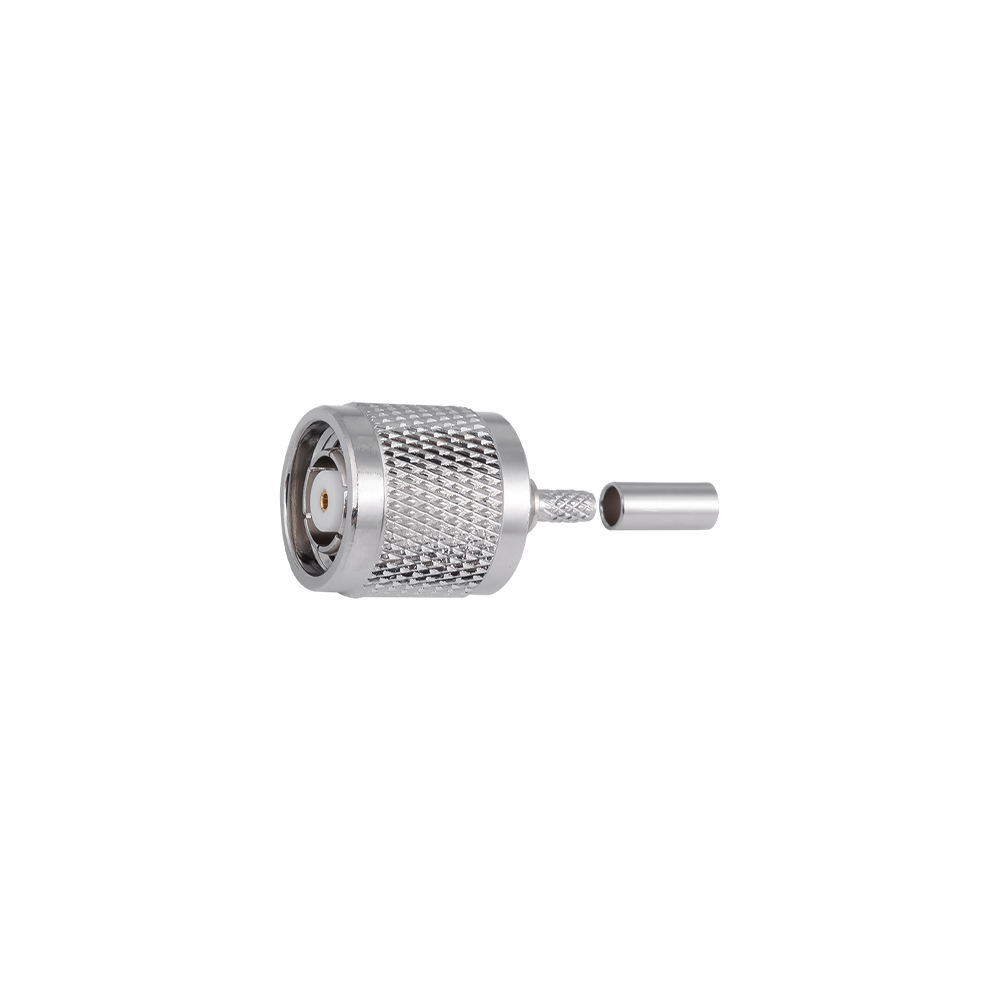
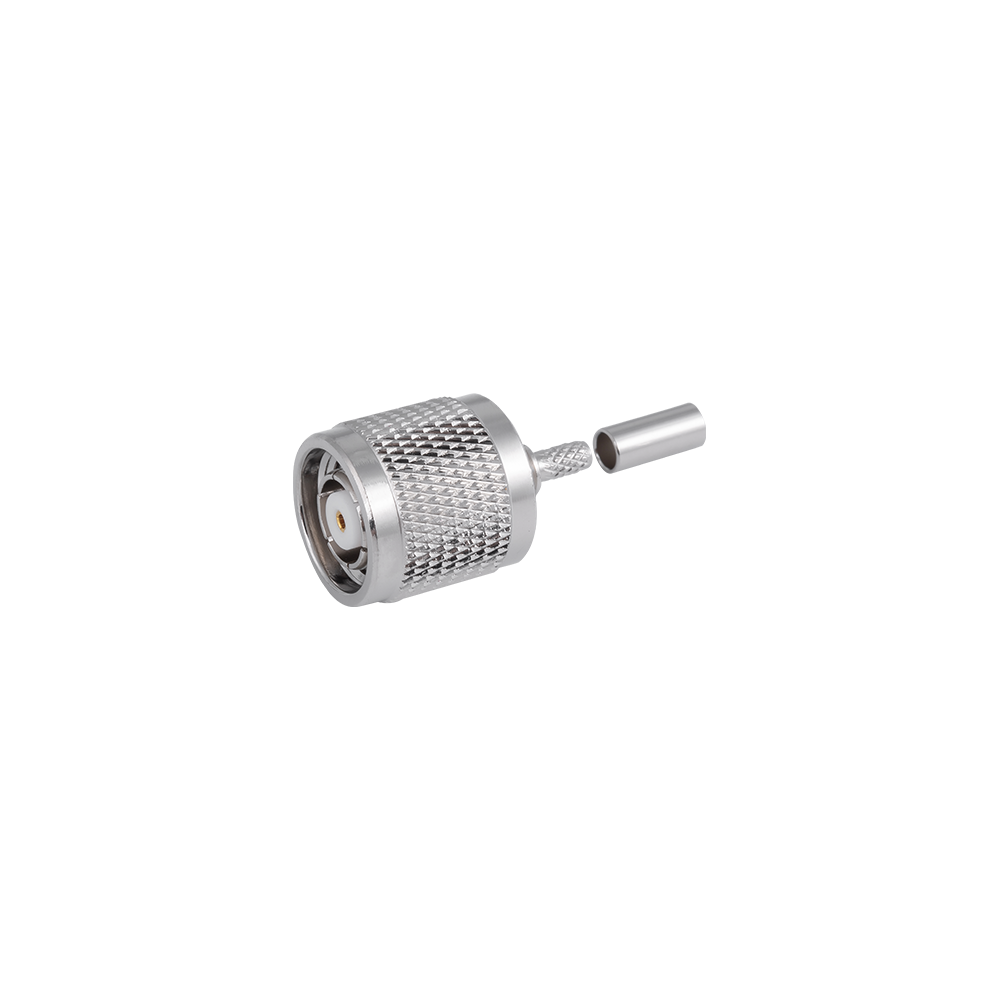
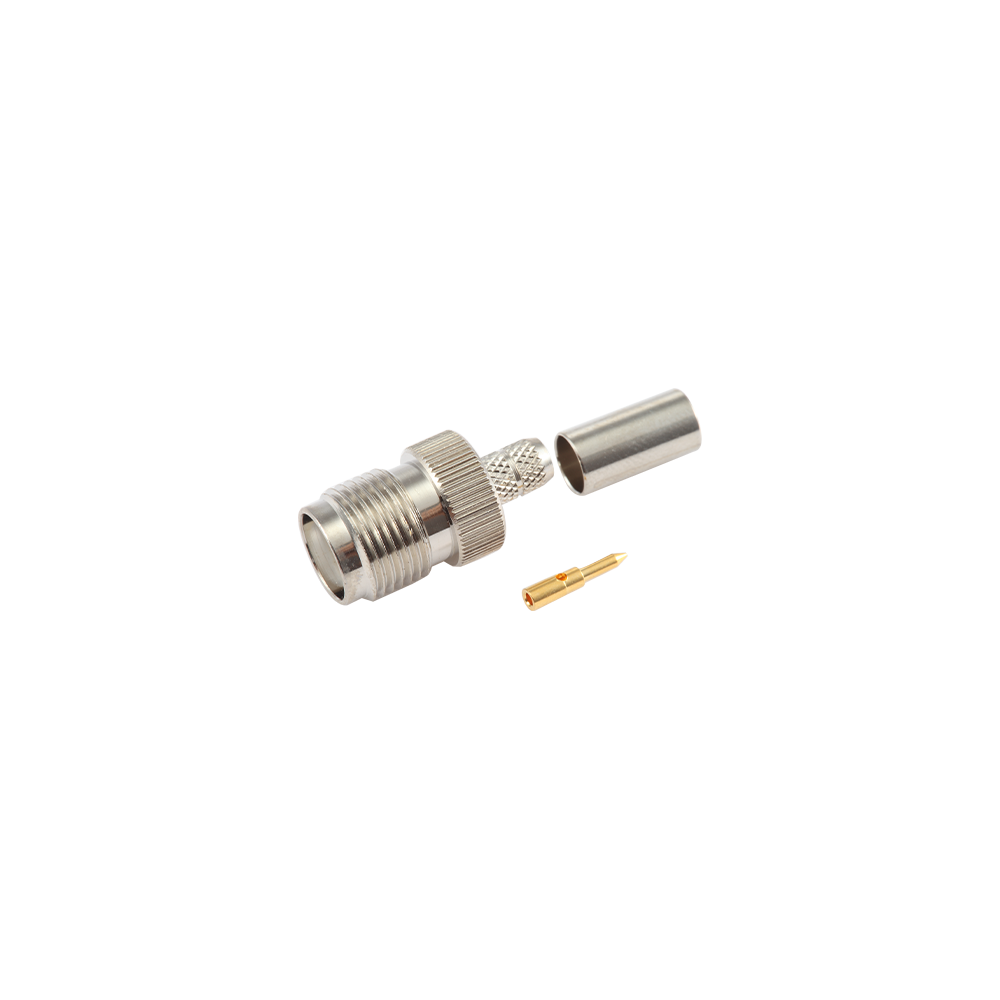
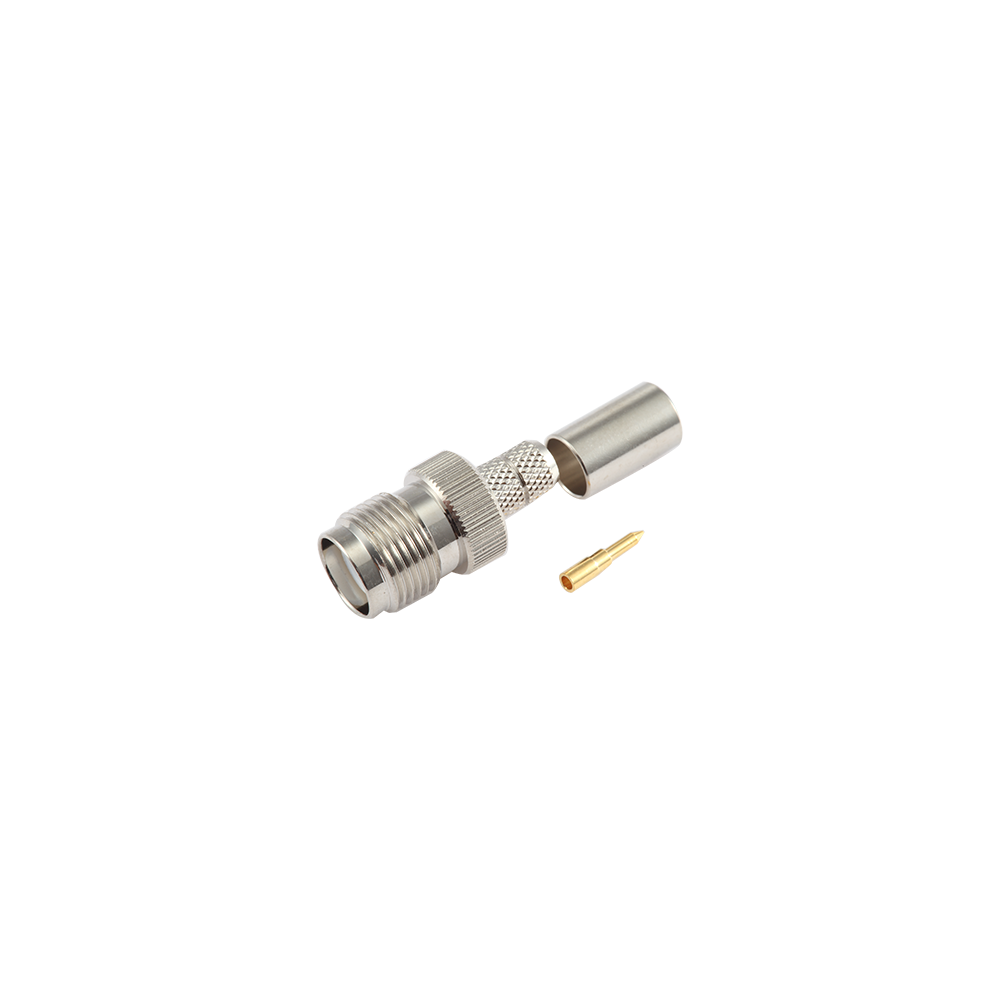
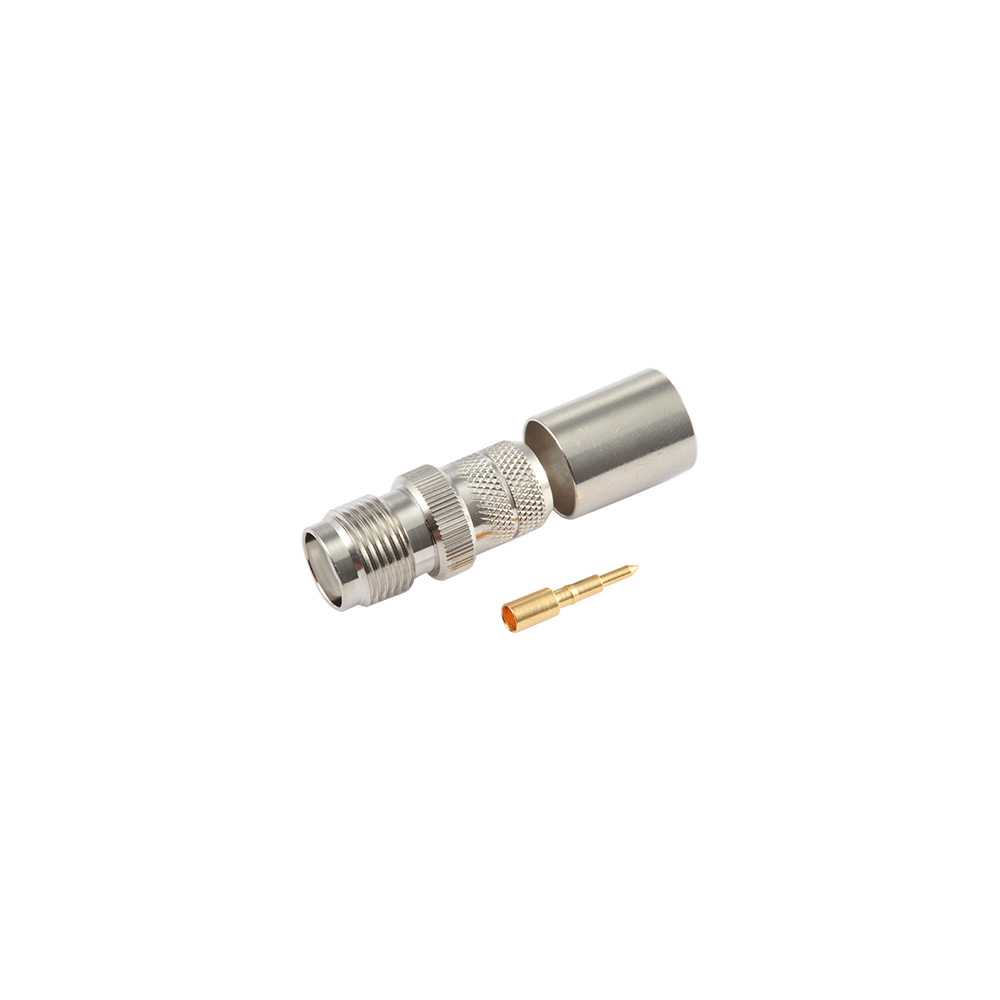
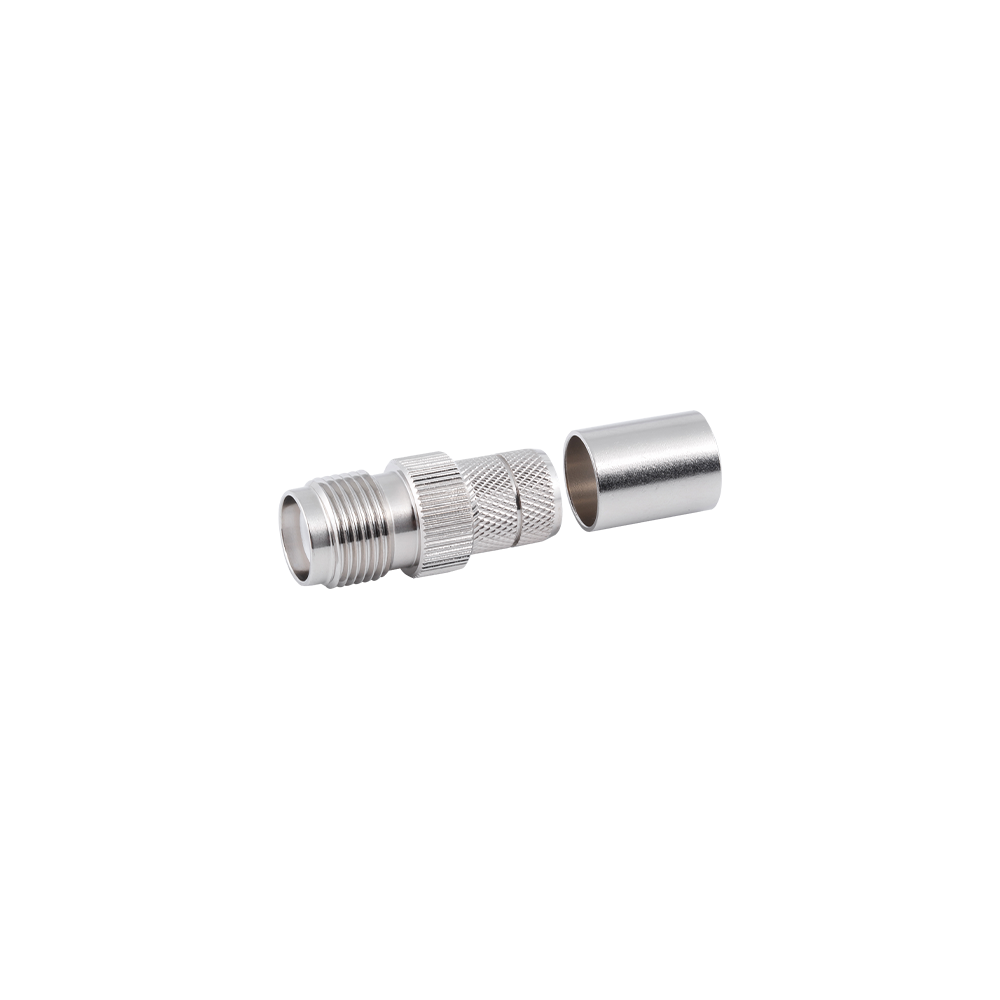
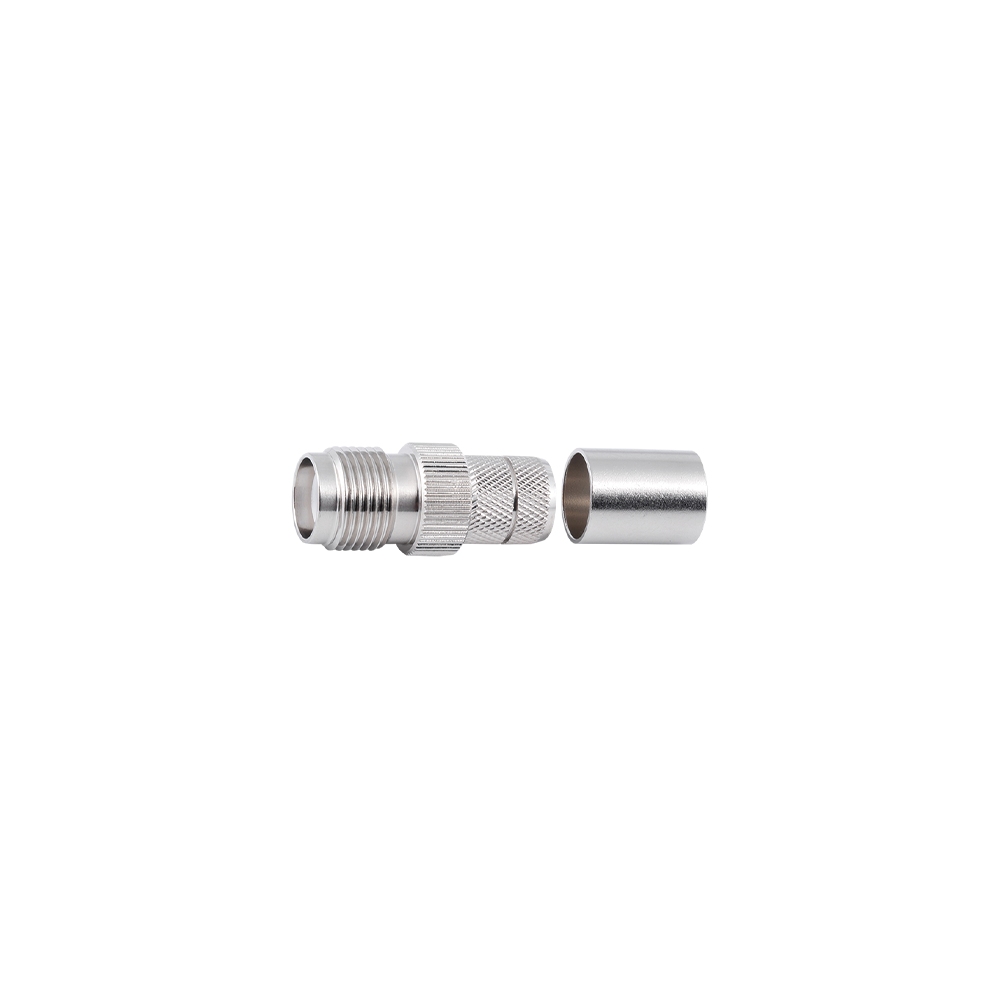
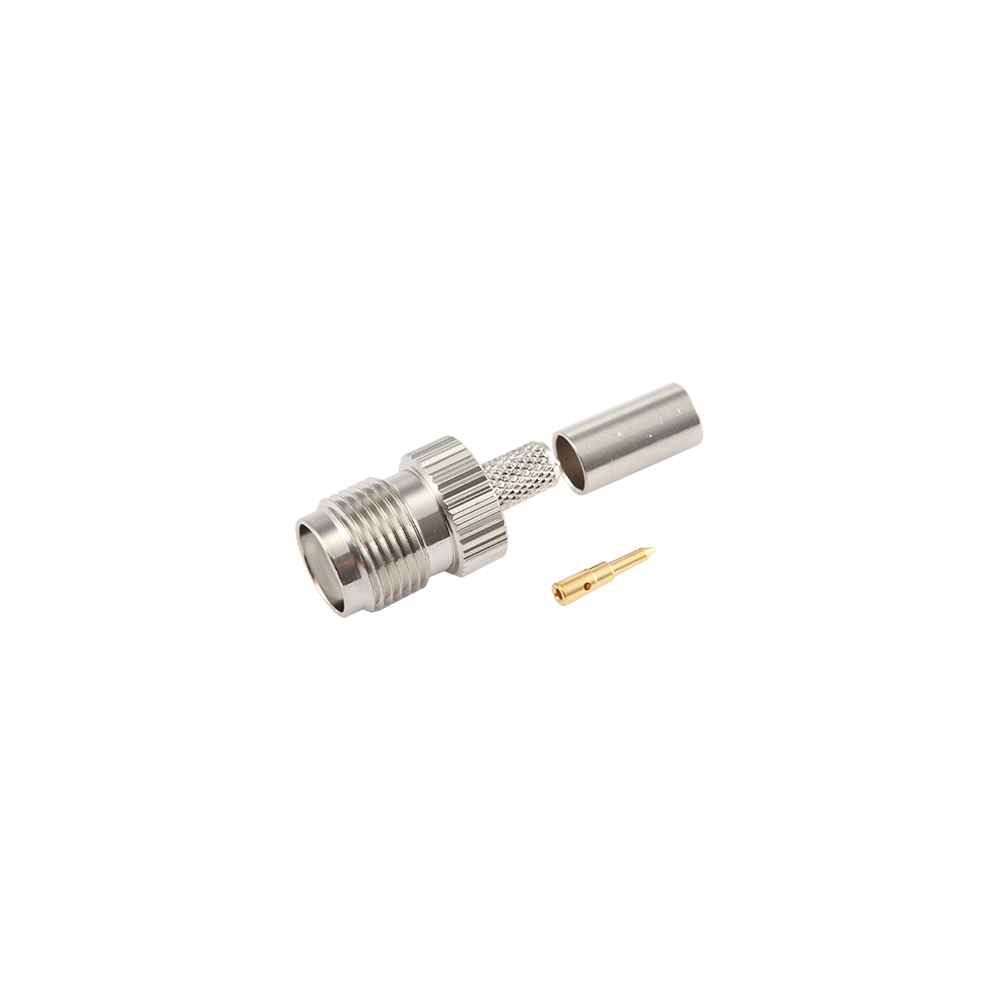
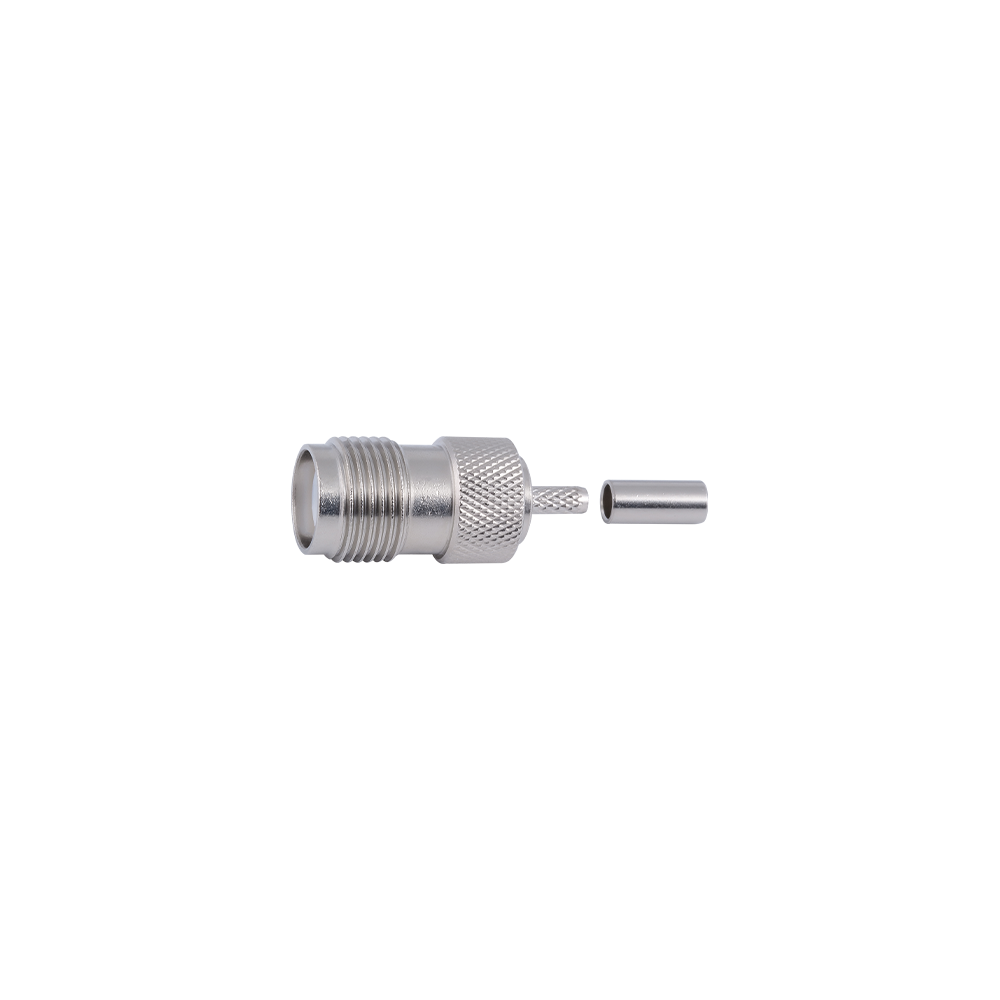
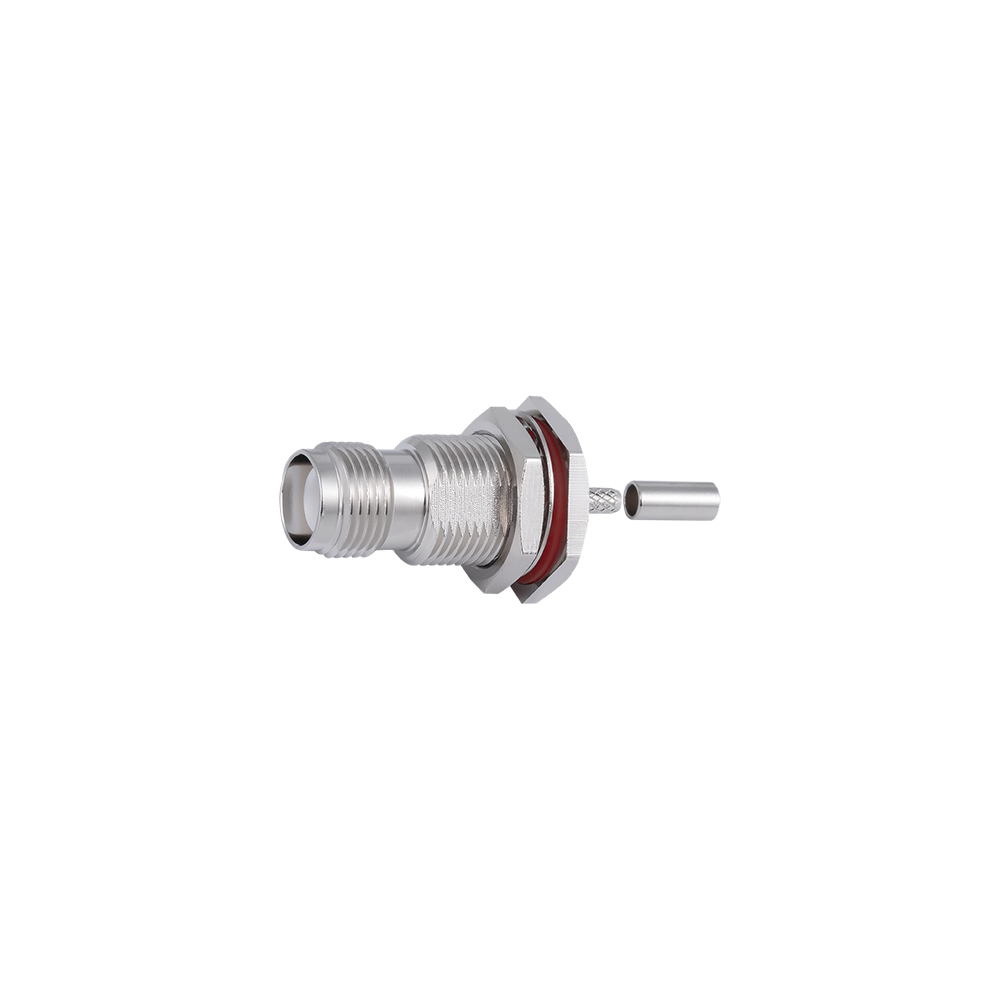
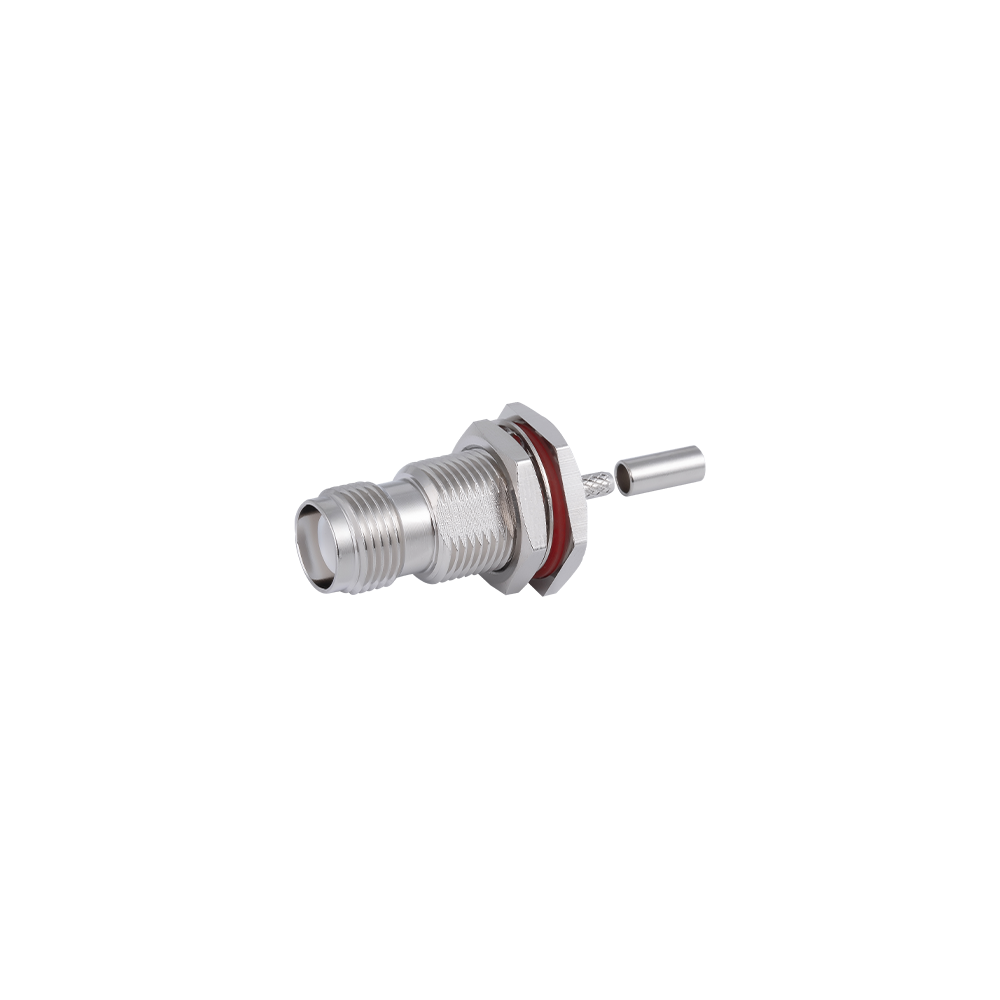
The RPTNC reverse polarity series applies the RP center conductor reversal to the TNC threaded interface — combining TNC's vibration-resistant threaded coupling with RP polarity protection for outdoor WLAN equipment, vehicle-mounted wireless devices, and industrial wireless applications where the secure, vibration-proof TNC mating mechanism is required alongside the interface segregation of the RP convention.
Yangzhou Jingcheng Electronics Co., Ltd., a premier China RPTNC Reverse Polarity Connectors Manufacturer and RPTNC Reverse Polarity Connectors Factory, was founded in 1999. It is a high-tech enterprise specializing in the R&D and manufacturing of RF coaxial connectors, cable assemblies, and passive microwave components.
Equipped with a comprehensive R&D and production system, the company has obtained international certifications including ISO9001. Adhering strictly to standards such as MIL, IEC and GB, we offer over 30 product series with more than 2,000 specifications, covering SMA, BNC, N-type and other mainstream models. Our products are widely applied in the fields of communications, aerospace, automotive electronics and beyond, and exported to many countries and regions across Europe, America and Asia.
We uphold the tenet of "Quality as the Foundation, Customers as the Core", committed to providing reliable interconnection solutions and professional services for global clients.
RPTNC Reverse Polarity Connectors Industry knowledge
RPTNC Reverse Polarity Connectors integrate the threaded, vibration-tolerant coupling of the TNC interface with a reversed center conductor arrangement. This deliberate configuration prevents cross-mating with standard TNC connectors, thereby safeguarding professional RF systems from unintended consumer-grade connections. The threaded interface provides consistent mechanical retention, making RPTNC suitable for installations subject to continuous motion or environmental stress. Electrical performance is maintained up to 11 GHz, with a nominal 50 Ω impedance ensuring signal integrity across demanding wireless applications. Yangzhou Jingcheng Electronics Co., Ltd. applies its precision manufacturing capabilities to produce RPTNC connectors that meet the mechanical and electrical tolerances specified in MIL-STD-348 and IEC 60169-26.
RPTNC connectors are predominantly deployed in outdoor access points, vehicular antenna systems, and industrial IoT gateways, where the combination of secure threading and polarity segregation is essential. The interface is standardized across numerous WLAN and telemetry equipment families, ensuring interoperability within designated ecosystems. As a supplier with over 2,000 RF product specifications, Yangzhou Jingcheng Electronics Co., Ltd. offers RPTNC variants optimized for different cable types, panel thicknesses, and environmental sealing levels.
1. Operating Principle and Design Architecture
The functional principle of RPTNC connectors centers on the reversed gender of the center contact relative to the outer shell. While the outer threaded nut conforms to TNC mechanical dimensions, the center pin and socket are interchanged, preventing physical mating with standard TNC jacks or plugs. This approach is defined in the IEC 61169-36 standard for reverse-polarity TNC interfaces. The threaded coupling mechanism engages via a 1/4-36 UNEF thread, providing a typical retention force of 35 to 45 inch-pounds. The dielectric insulator, typically PTFE, maintains a stable dielectric constant of 2.1 across the operating temperature range, minimizing insertion loss.
The cross-section concept illustrates the three primary architectural elements of an RPTNC connector. The outer threaded shell provides the mechanical retention and grounding path, while the reversed center contact establishes the polarity segregation. The dielectric spacing ensures controlled impedance and low signal leakage. This arrangement results in a VSWR of typically less than 1.3:1 up to 6 GHz. The threaded design offers a mating cycle durability of 500 operations under standard test conditions. Yangzhou Jingcheng Electronics Co., Ltd. implements gold-plated center contacts with a minimum thickness of 1.27 μm to ensure low and stable contact resistance. The interface is fully compliant with the dimensional requirements of the relevant military and commercial standards.
2. Application Scenarios and Selection Criteria
RPTNC connectors are specified for equipment operating in high-vibration environments or where the risk of accidental disconnection is high. Typical applications include remote radio heads (RRH), distributed antenna systems (DAS), and military vehicular communication suites. The selection process involves evaluating frequency range, power handling capacity, and the required sealing class (e.g., IP67 for outdoor installations). For high-density PCB layouts, right-angle or edge-launch versions offer space-efficient solutions. Yangzhou Jingcheng Electronics Co., Ltd. provides a selection matrix that aligns connector variants with common cable types such as RG-58, LMR-195, and RG-223.
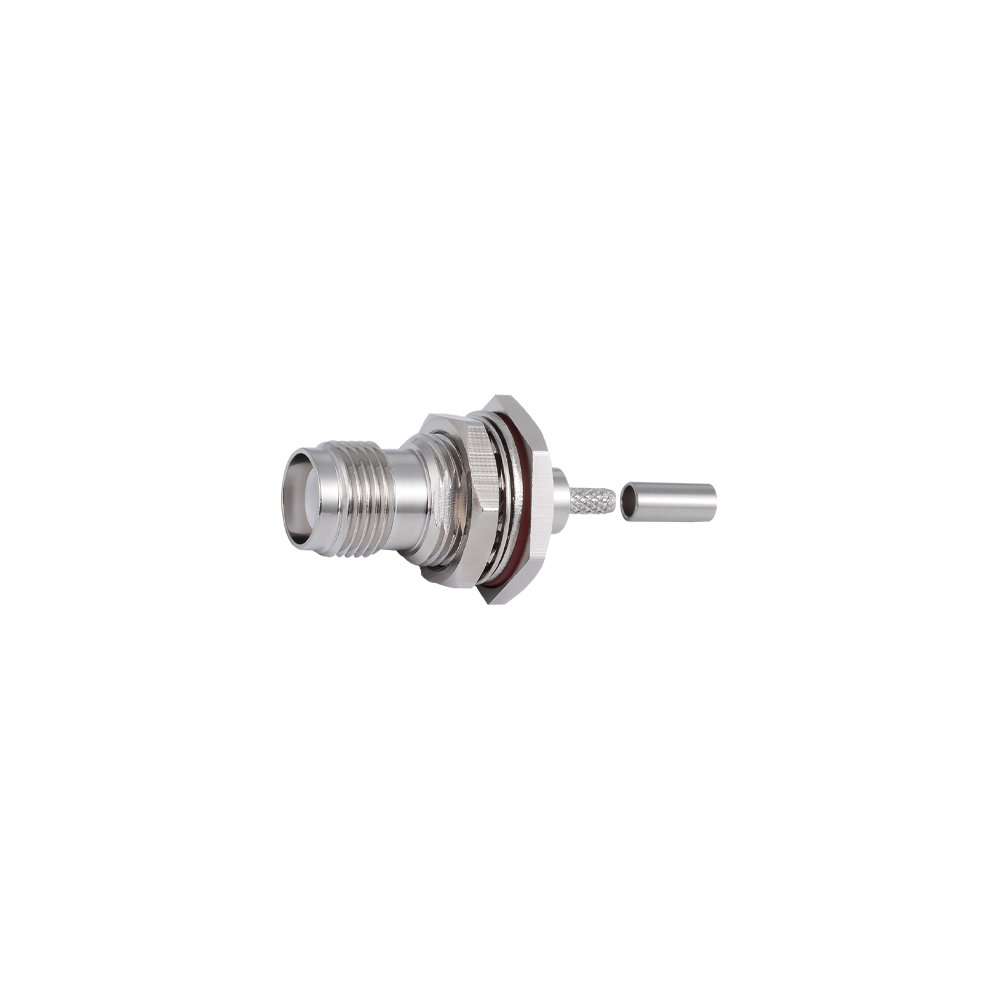
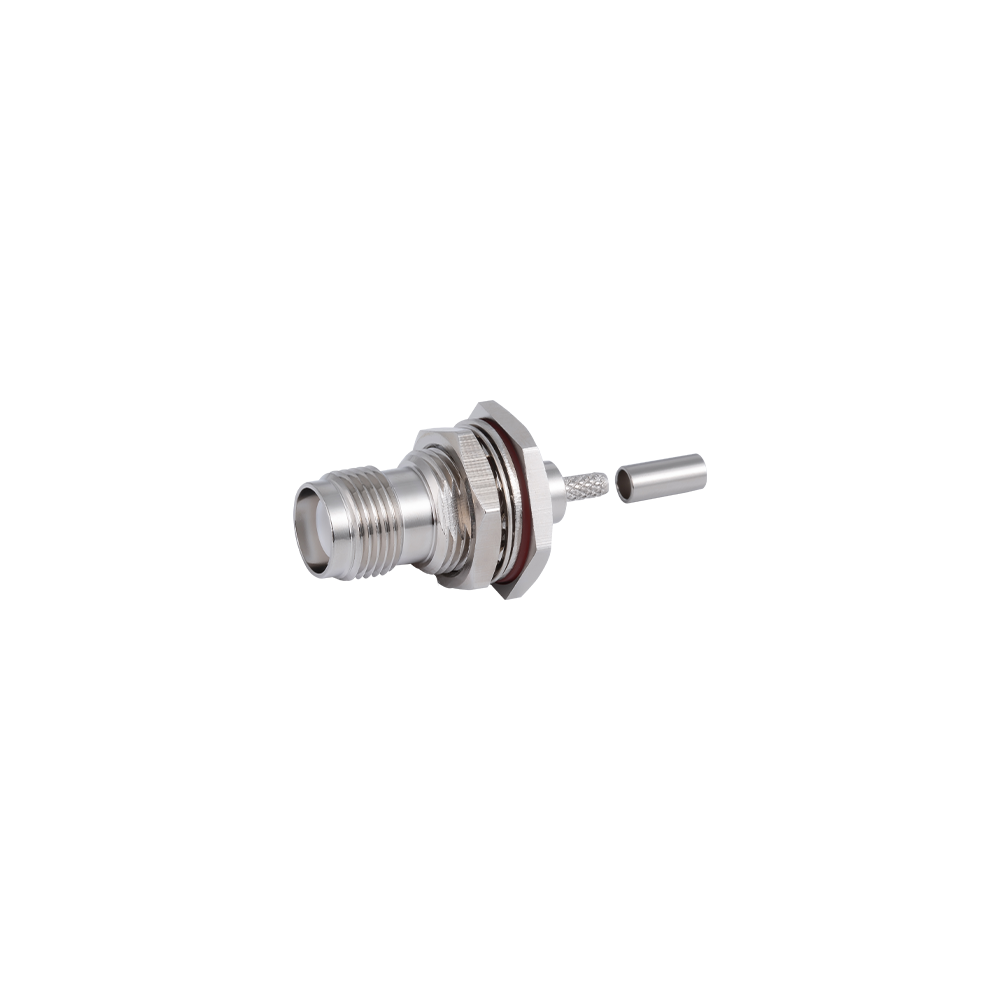
Table 1: RPTNC Configuration Options and Application Mapping
Variant
Mounting Style
Typical Use Case
RPTNC Bulkhead
Panel mount with O-ring
Outdoor enclosures, IP67 rated
RPTNC Right-Angle
PCB edge mount
Compact wireless modules
RPTNC Cable Plug
Clamp/crimp for flexible cables
Antenna feed lines, test leads
3. Comparative Analysis: RPTNC vs. RP-SMA and Standard TNC
RPTNC occupies a distinct position in the reverse-polarity connector family. Compared to RP-SMA, it offers superior mechanical retention due to the threaded TNC shell, making it more resistant to vibration-induced loosening. Relative to standard TNC, the reversed center contact provides the necessary segregation for consumer WLAN applications. The threaded interface of RPTNC also allows for higher torque values during installation, ensuring a more robust connection in high-reliability systems. Yangzhou Jingcheng Electronics Co., Ltd. designs both RPTNC and RP-SMA variants, enabling customers to select the optimal interface based on environmental and mechanical requirements.
The radar chart compares RPTNC, standard TNC, and RP-SMA across five key attributes. RPTNC demonstrates superior vibration resistance and sealing capability, owing to the threaded TNC shell and available O-ring options. Its mating cycle durability is comparable to TNC, while RP-SMA typically offers a lower cycle life due to its smaller contact surface. Frequency range and impedance stability are consistent across all three, though RPTNC maintains lower VSWR at higher frequencies due to the larger dielectric interface. This makes RPTNC the preferred choice for outdoor and mobile applications where mechanical robustness is paramount. Yangzhou Jingcheng Electronics Co., Ltd. leverages this understanding to guide customers in selecting the most appropriate interface.
4. Maintenance Practices and Reliability Considerations
Long-term reliability of RPTNC connectors depends on proper installation torque, periodic inspection, and environmental protection. The recommended torque for RPTNC couplings is 4.5 to 5.5 inch-pounds, which ensures consistent contact pressure without damaging the dielectric. Visual inspection should focus on the center contact for signs of pitting or excessive wear, as well as the threads for galling or contamination. For outdoor installations, the use of protective caps is advised to prevent ingress of moisture and particulates when the connector is unmated.
The bar chart quantifies the relative impact of various factors on the reliability of RPTNC connectors. Torque application is identified as the most significant factor, followed by mating cycles and environmental exposure. Plating quality and cable termination techniques also contribute to long-term performance. Yangzhou Jingcheng Electronics Co., Ltd. incorporates these insights into its manufacturing process by applying consistent torque during assembly and using high-phosphorous electroless nickel plating for enhanced corrosion resistance. The company also provides detailed installation guidelines to minimize field failures.
5. Frequently Asked Questions (FAQ)
This FAQ section addresses practical concerns regarding the specification and use of RPTNC connectors, drawing on the engineering experience of Yangzhou Jingcheng Electronics Co., Ltd.
What distinguishes RPTNC from RP-SMA in terms of mechanical performance? RPTNC features a larger threaded coupling that provides higher retention force and better vibration resistance, whereas RP-SMA relies on a smaller threaded interface with lower torque capacity.
Can RPTNC connectors be used in submersible applications? With appropriate O-ring seals and IP67-rated bulkhead versions, RPTNC connectors can withstand temporary immersion, provided they are properly mated.
What is the expected insertion loss for an RPTNC connection at 6 GHz? Typical insertion loss is less than 0.15 dB per connection when properly torqued and with high-quality cable termination.
Why is the center contact reversed in RPTNC connectors? The reversal is a deliberate interface segregation measure, as defined in the IEC 61169-36 standard, to prevent mating with standard TNC connectors used in professional RF systems.
Frequency Suitability by Application
The horizontal bar chart indicates the relative frequency suitability of RPTNC connectors across common application domains. Wi-Fi and WLAN applications occupy the widest bandwidth segment, reflecting the primary use case for this interface. Telematics and V2X systems typically operate in narrower sub-bands, while public safety and military applications may span multiple frequencies. Yangzhou Jingcheng Electronics Co., Ltd. offers RPTNC products that are qualified across these ranges, ensuring consistent performance. The chart also highlights that the connector's 11 GHz capability makes it suitable for emerging 6 GHz Wi-Fi 6E deployments.


 English
 中文简体
中文简体