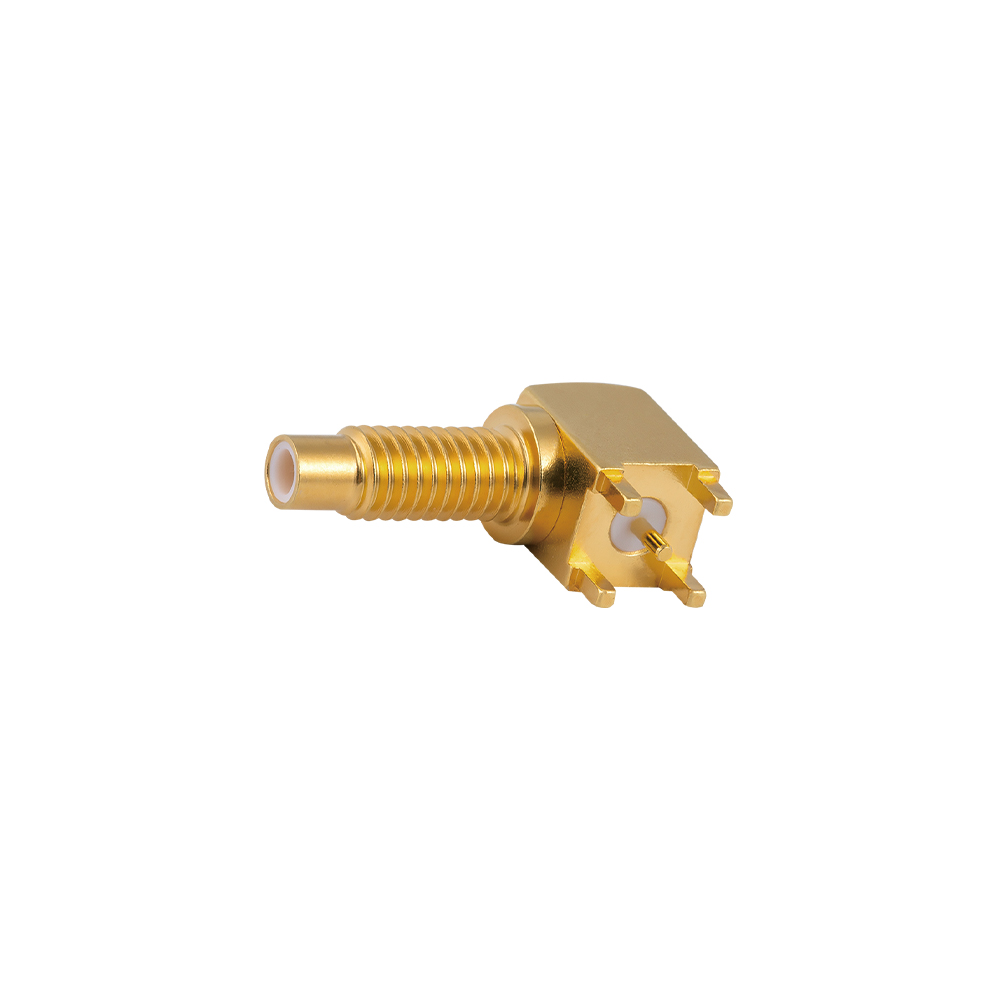
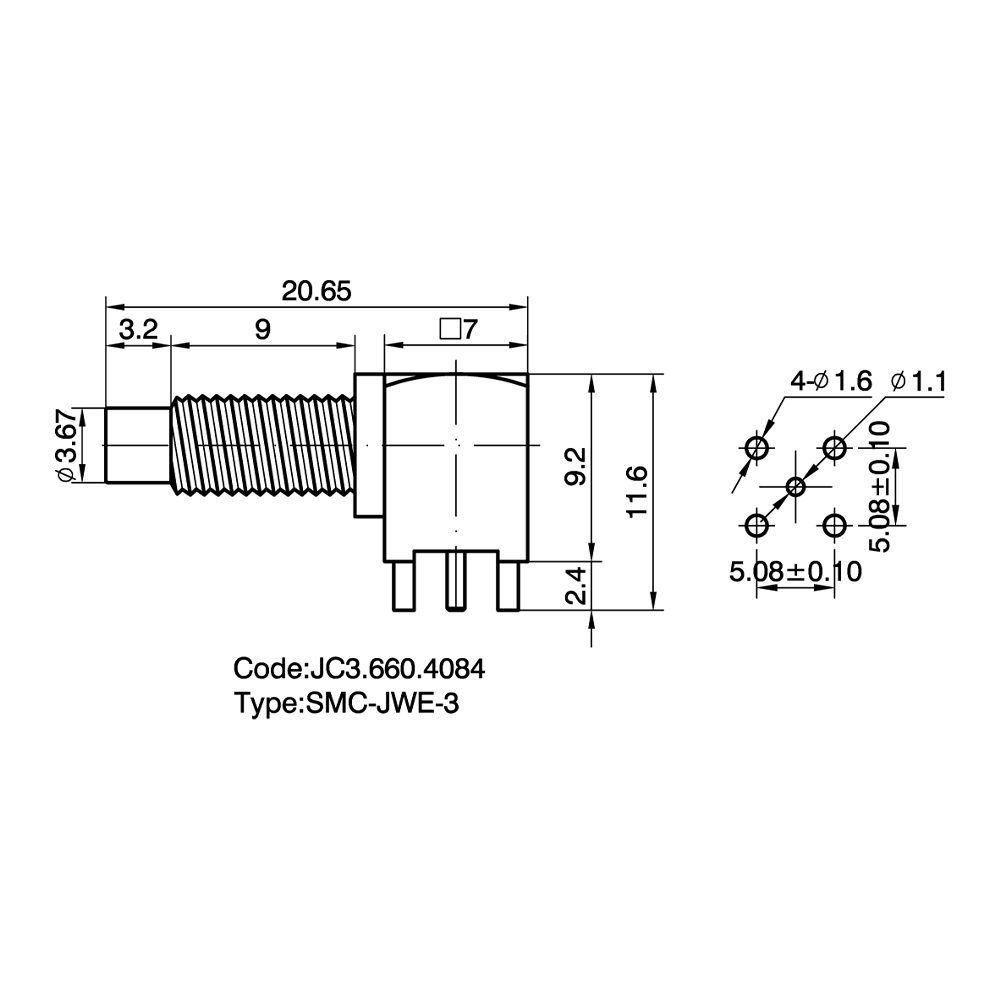
SMC RF Coaxial Connectors Wholesale

Home / Products / Coaxial Connectors / SMC RF Coaxial Connectors

SMC RF Coaxial Connectors Manufacturer

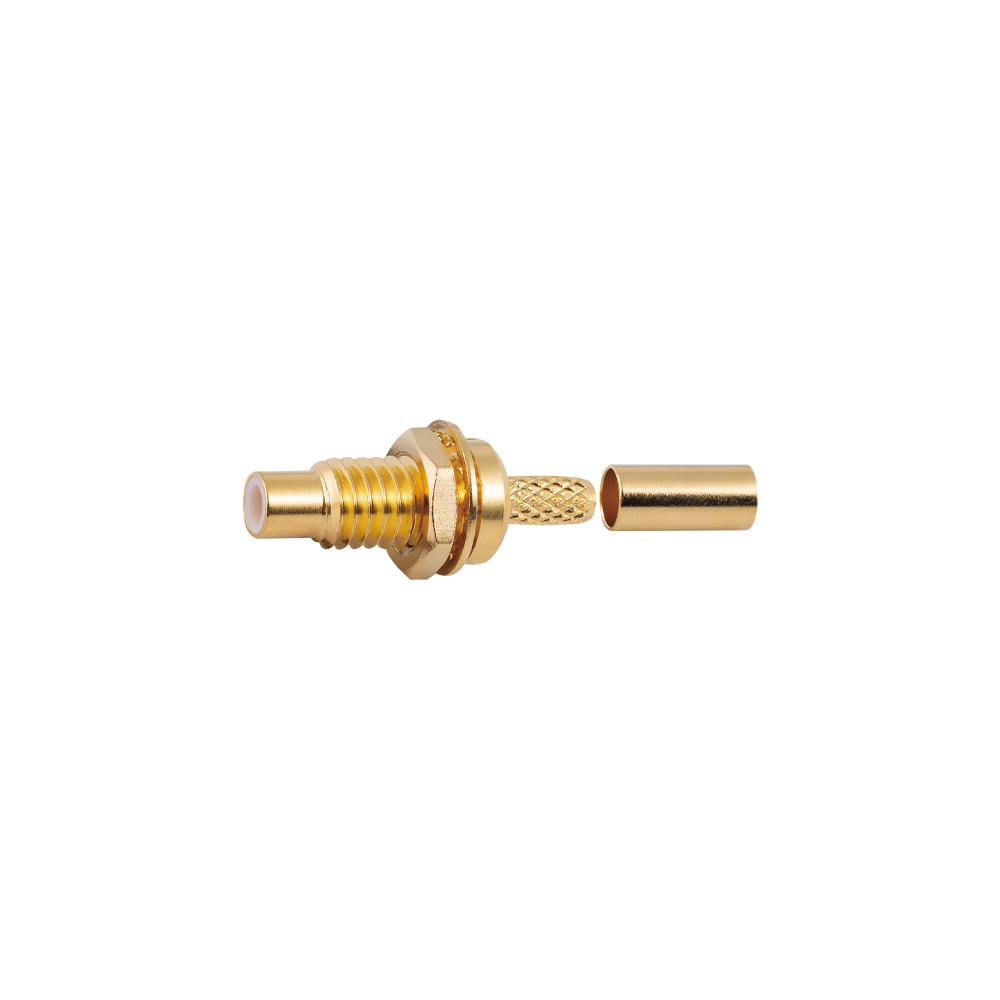
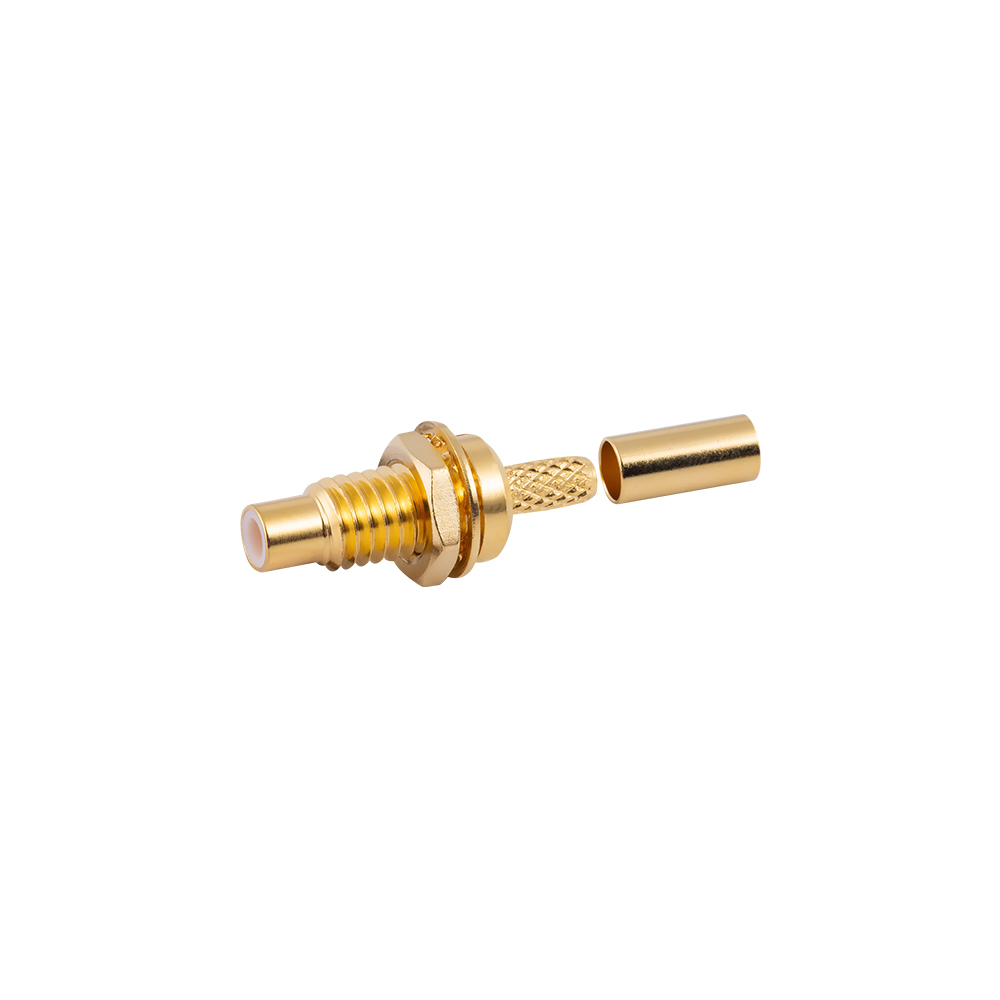
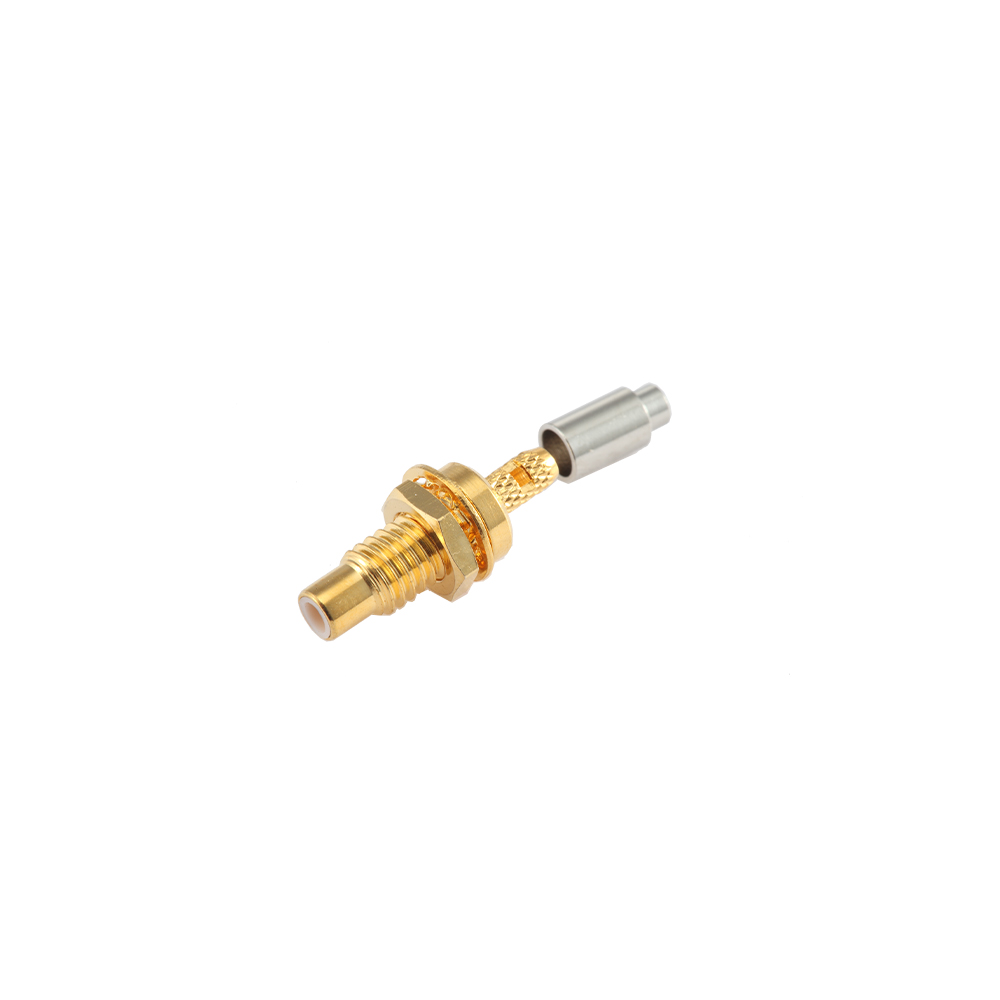
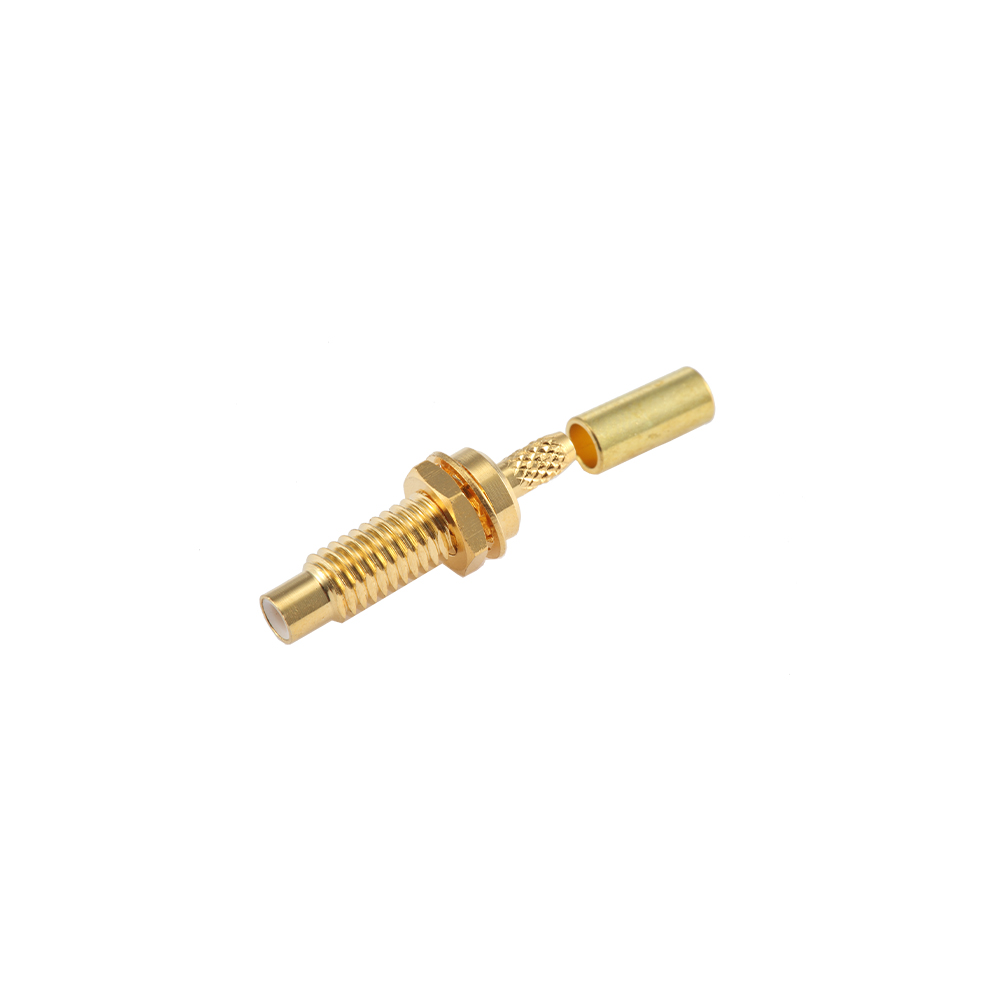
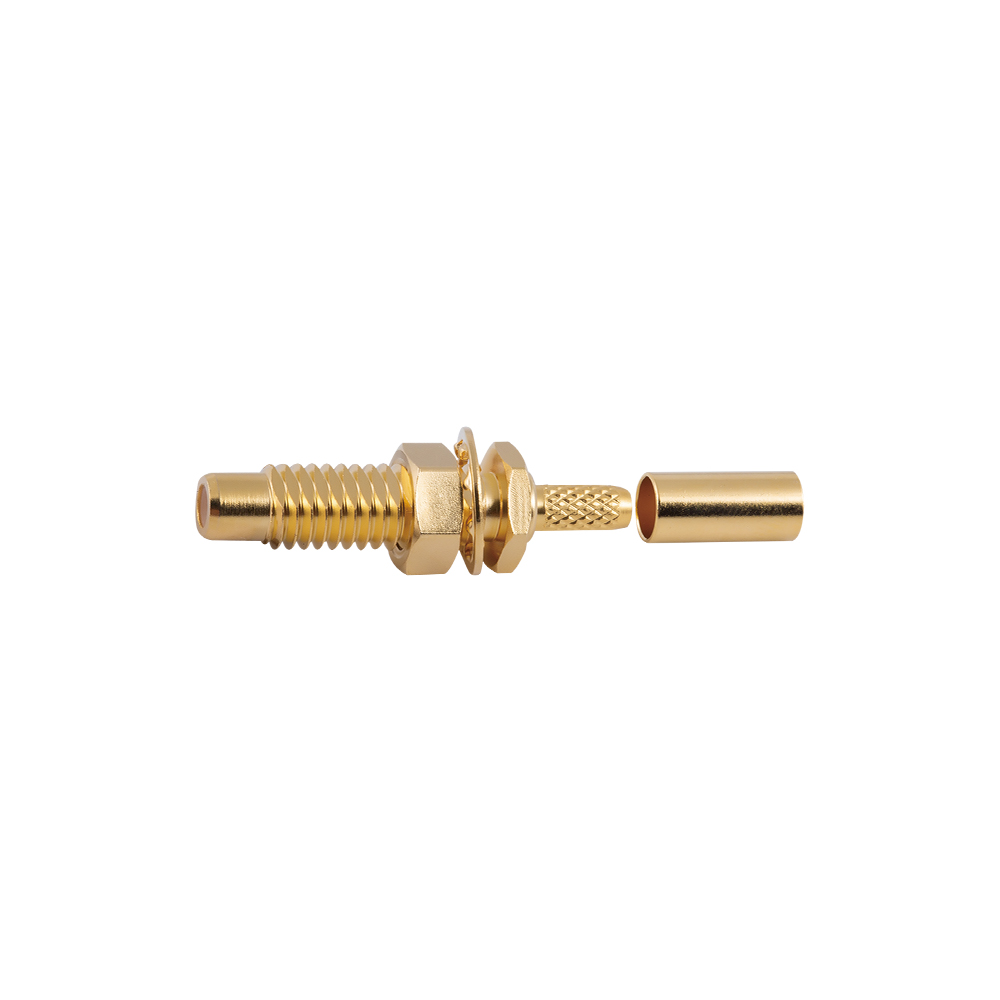
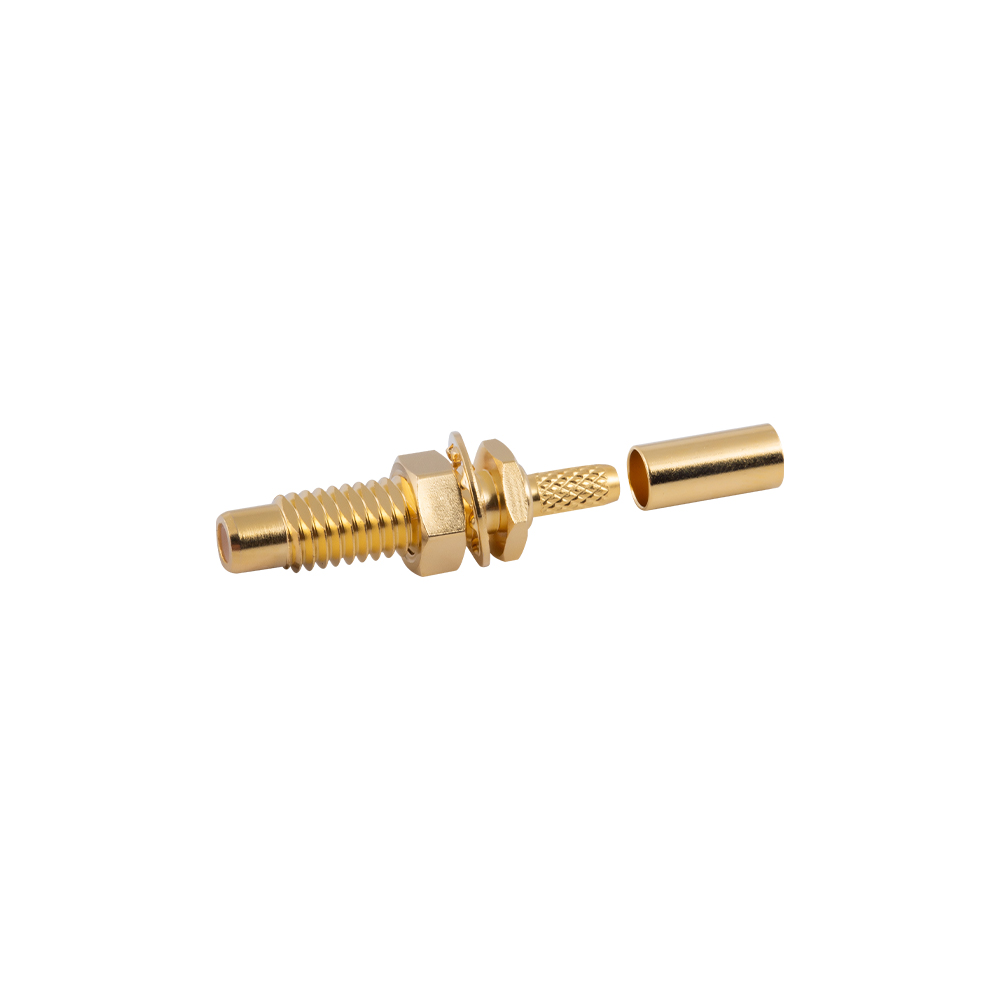
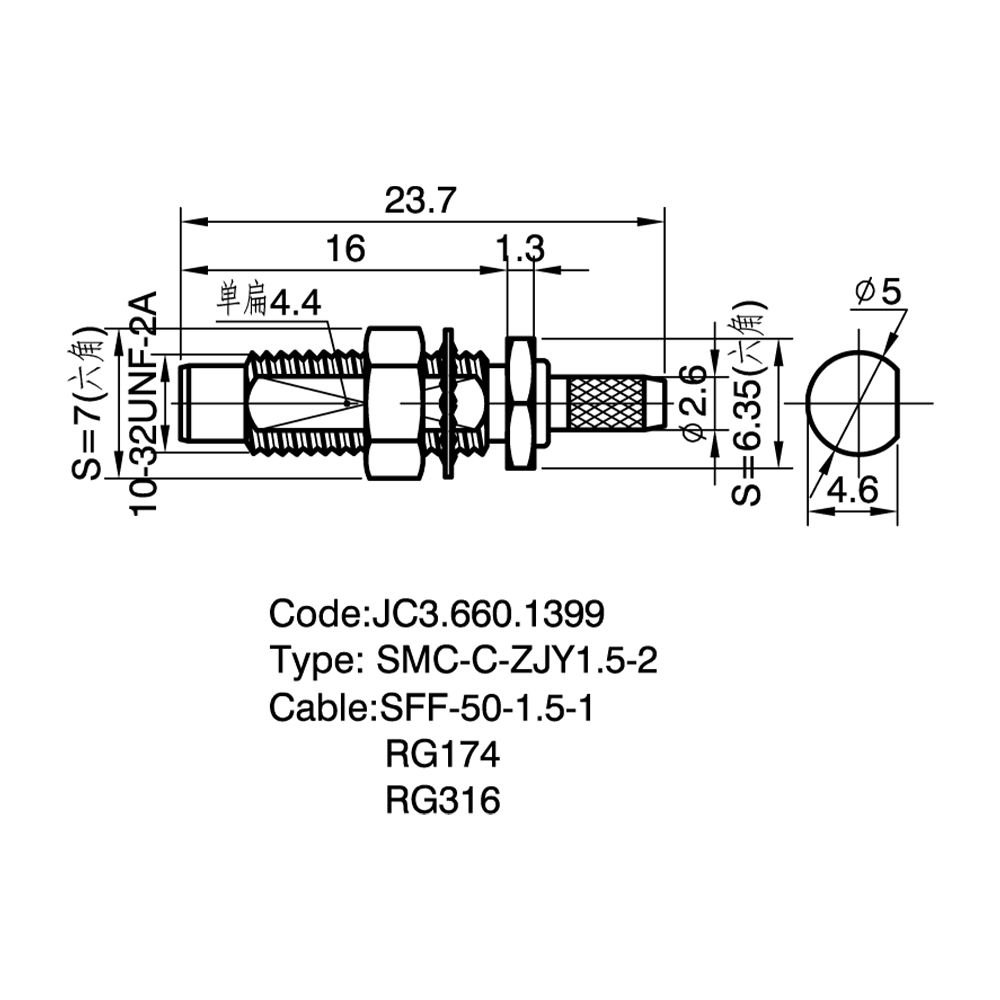
TYPE SMC is one kind of miniature RF coaxial connectors which adds the thread connection form on the basis of SMB. Characteristic impedance is 50Ώ.The Characteristic of connectors is in small volume, light weight, reliable Connection, great vibration performance. They are used in connecting RF coaxial cable in Radio equipments and instruments.

Temperature  Range

-55~+155℃(PE Cable   -40~+85℃)

Impedance

50Ω

Frequency Range

DC~6GHz

Insulation resistance

≥5000MΩ

 Insertion loss

 ≤0.24 dB/6GHz

Voltage Standing Wave Ratio (VSWR)

 Straight ≤1.30/3GHz


Right  angle ≤1.45/3GHz

 Durability(mating)

≥500cycles


About
Yangzhou Jingcheng Electronics Co., Ltd.

Yangzhou Jingcheng Electronics Co., Ltd., a premier China SMC RF Coaxial Connectors Manufacturer and SMC RF Coaxial Connectors Factory, was founded in 1999. It is a high-tech enterprise specializing in the R&D and manufacturing of RF coaxial connectors, cable assemblies, and passive microwave components.
Equipped with a comprehensive R&D and production system, the company has obtained international certifications including ISO9001. Adhering strictly to standards such as MIL, IEC and GB, we offer over 30 product series with more than 2,000 specifications, covering SMA, BNC, N-type and other mainstream models. Our products are widely applied in the fields of communications, aerospace, automotive electronics and beyond, and exported to many countries and regions across Europe, America and Asia.
We uphold the tenet of "Quality as the Foundation, Customers as the Core", committed to providing reliable interconnection solutions and professional services for global clients.

News & Updates
Coax Cable Comparison: RG58 vs RG59 vs RG6 vs RG11 and Connector Matching
Industry News
2026-08-14
Coax Cable Comparison: RG58 vs RG59 vs RG6 vs RG11 and Connector Matching
Choosing a coaxial cable without comparing impedance, attenuation, and connector compatibility usually ends in poor signal quality. The practical rule is short: 50 Ω cables such as RG58 are for radio equipment, test instruments, and compact RF modules, while 75 Ω cables such as RG59, RG6, and RG11 are for video, TV, s...
How to Choose the Right Coaxial Connector for RF Applications
Industry News
2026-08-07
How to Choose the Right Coaxial Connector for RF Applications
Why the Right Coaxial Connector Matters in RF Systems A 5 GHz radio link can pass every bench test and still fail in the field for a reason that has nothing to do with the radio itself. The connector at the antenna port may be rated for the frequency, but a slight impedance mismatch or a worn mating surface can raise ...
Reverse Polarity Connectors: Safety, Types & Uses Explained
Industry News
2026-07-28
Reverse Polarity Connectors: Safety, Types & Uses Explained
What Are Reverse Polarity Connectors? Reverse polarity connectors are radio frequency (RF) coaxial connectors in which the gender of the centre contact is deliberately inverted compared with the standard version of the same connector type. In a standard RF connector the male plug carries a centre pin and the female ja...
Coaxial Lightning Protector Guide: Surge Protection for RF Systems
Industry News
2026-07-28
Coaxial Lightning Protector Guide: Surge Protection for RF Systems
What Is a Coaxial Lightning Protector and Why It Matters A coaxial lightning protector is a surge suppression device installed in-line on a coaxial transmission line to divert dangerous transient voltage spikes safely to ground. It directly answers the challenge of keeping radio frequency (RF) equipment operational wh...
SMC RF Coaxial Connectors Industry knowledge

SMC RF Coaxial Connectors

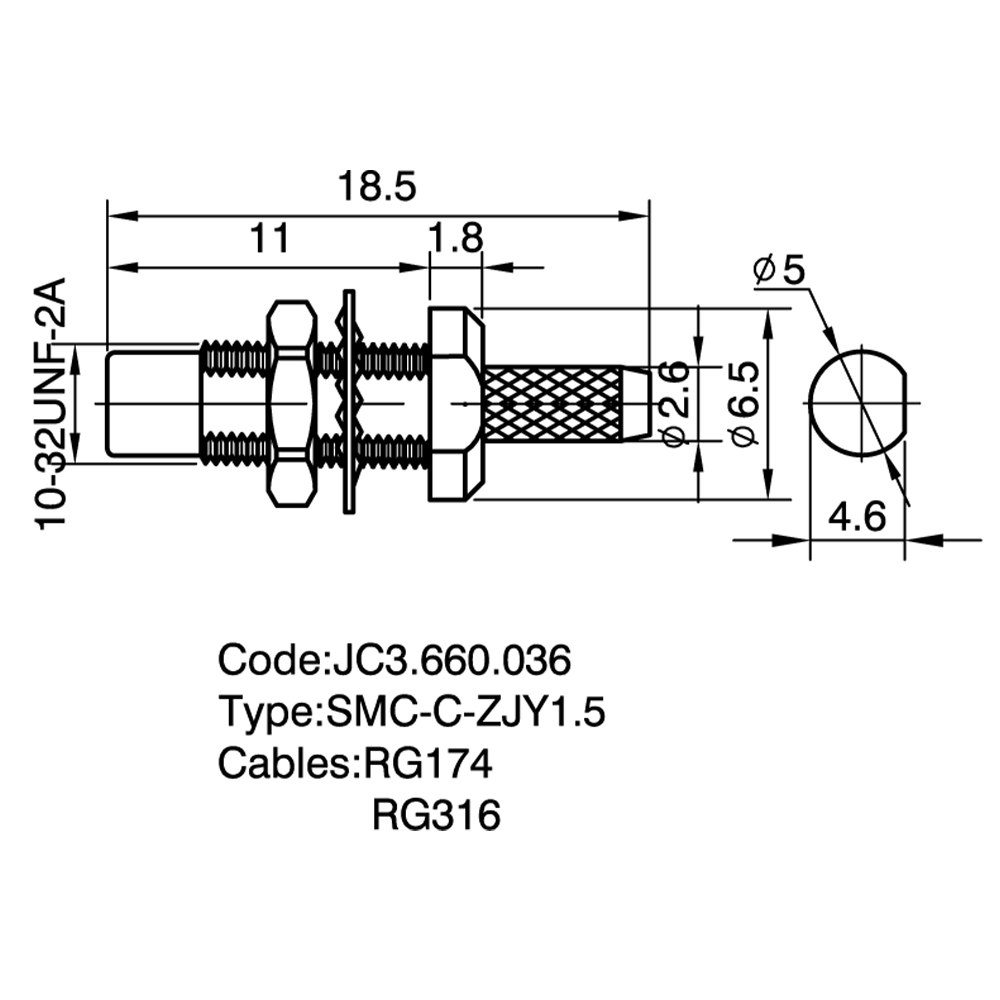
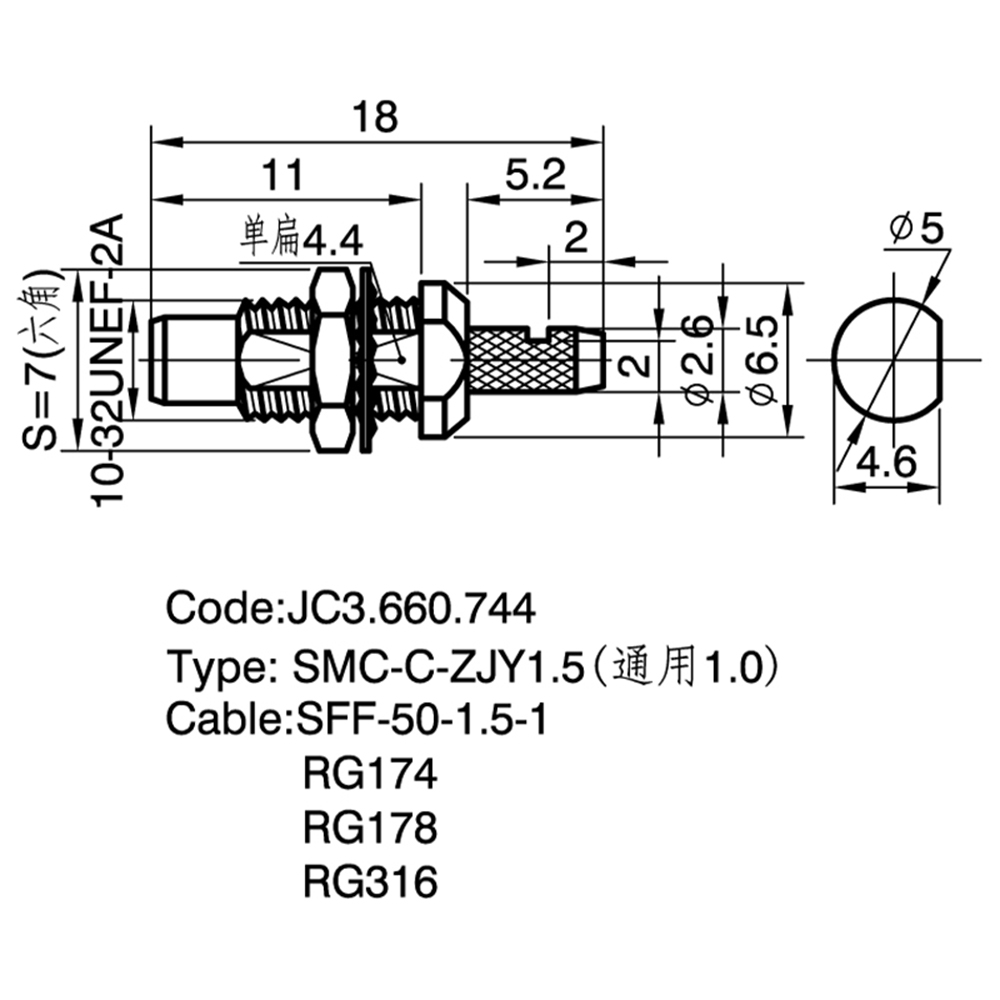
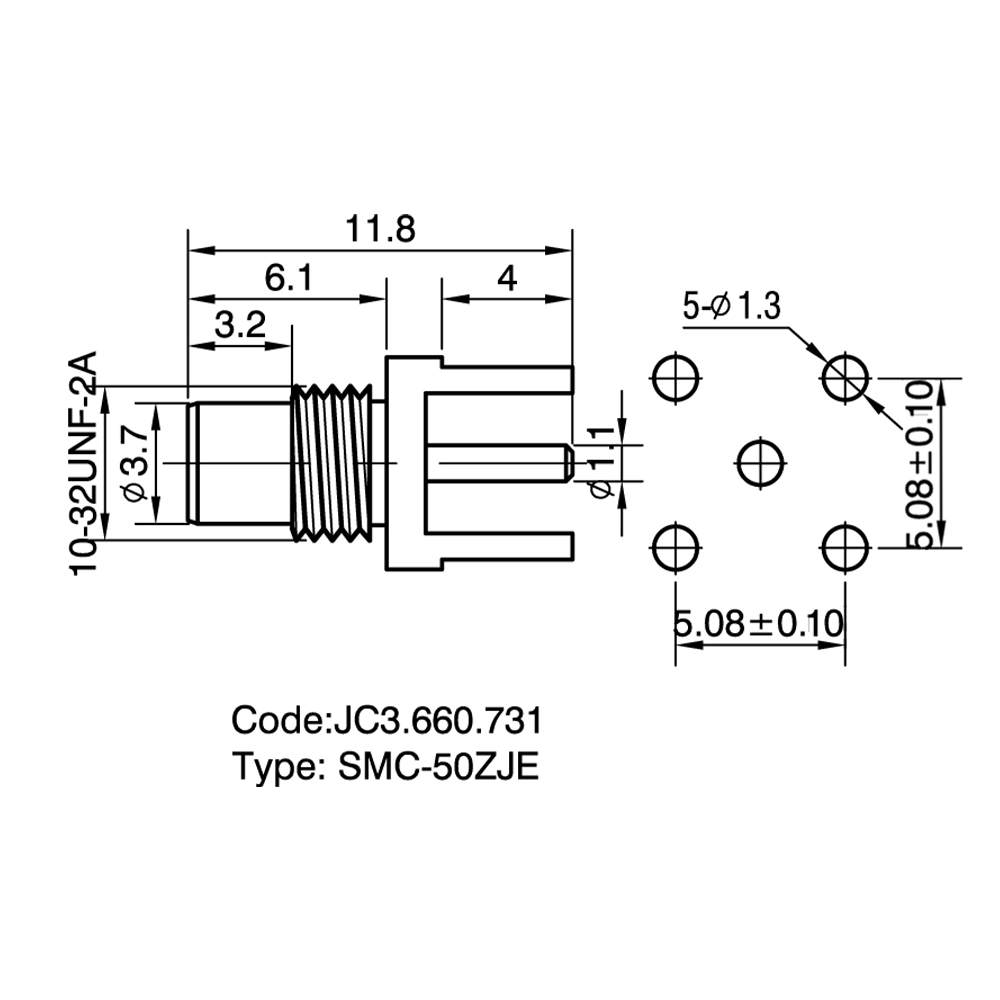
SMC RF Coaxial Connectors are threaded, sub-miniature interconnects designed for RF and microwave signal transmission in space-constrained circuits. The SMC series uses a 10-32 UNF threaded coupling mechanism, which provides a mechanically locked connection that resists loosening under vibration, shock, and repeated flexing of the connected cable. This threaded interface distinguishes SMC RF Coaxial Connectors from snap-on sub-miniature types such as SMB and MCX, making them a common choice where connection reliability over the operating life of the equipment matters more than mating speed.

The connectors are typically built around a 50 Ω impedance interface and are manufactured for compatibility with RG174, RG178, and other small-diameter coaxial cables, as well as for direct board mounting. Bodies are commonly brass or beryllium copper with nickel or gold plating, and dielectric insulators are PTFE-based to support stable electrical performance across the specified frequency range. As a subminiature series, SMC RF Coaxial Connectors are used across avionics, telecom base station modules, test instrumentation, military communication systems, and other applications where board density and long-term connection integrity are both design constraints.

Common Types and Characteristics

  • Straight plug / jack (cable mount): Terminates directly onto coaxial cable by crimp or solder assembly; used for cable-to-cable or cable-to-board runs in confined enclosures.
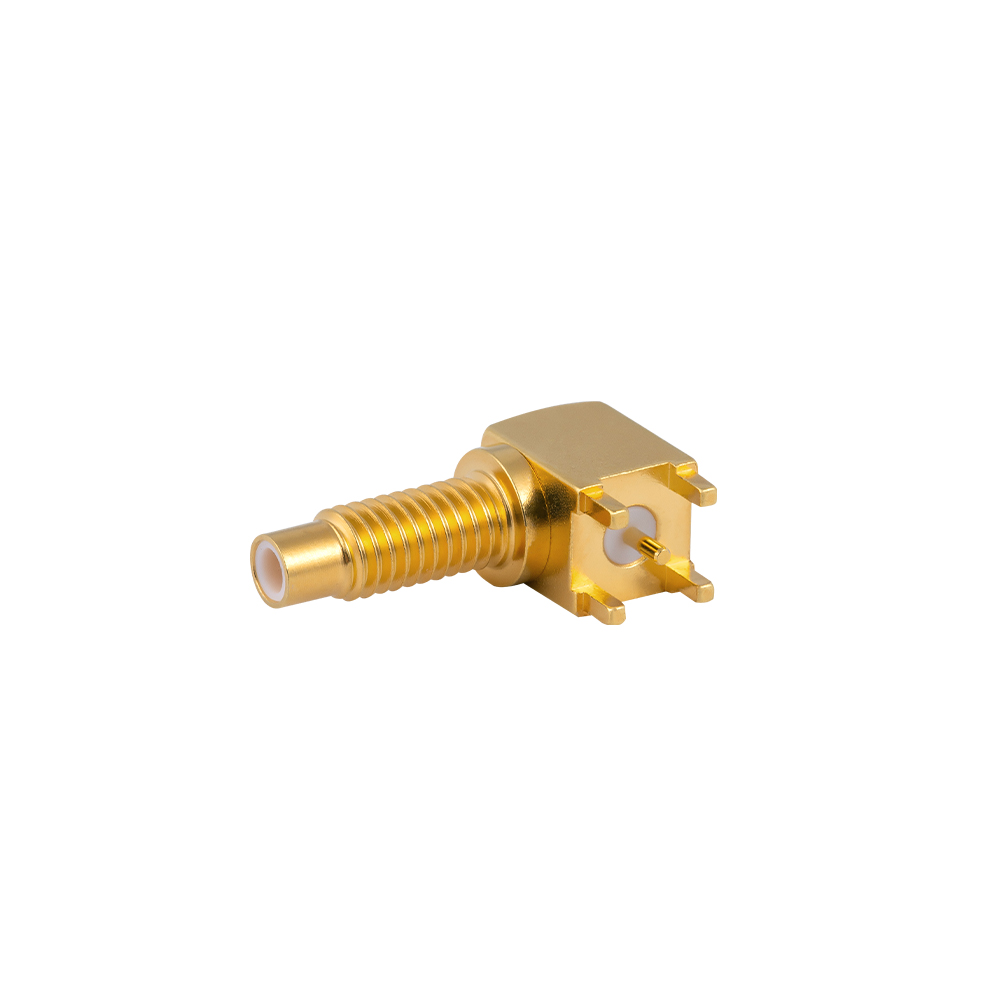
  • Right-angle plug / jack: Reduces the bend radius required for cable routing in low-clearance housings, commonly used in stacked PCB assemblies.
  • Bulkhead / panel mount jack: Fitted with a mounting flange or nut for feedthrough on an enclosure wall, isolating internal wiring from external connections.
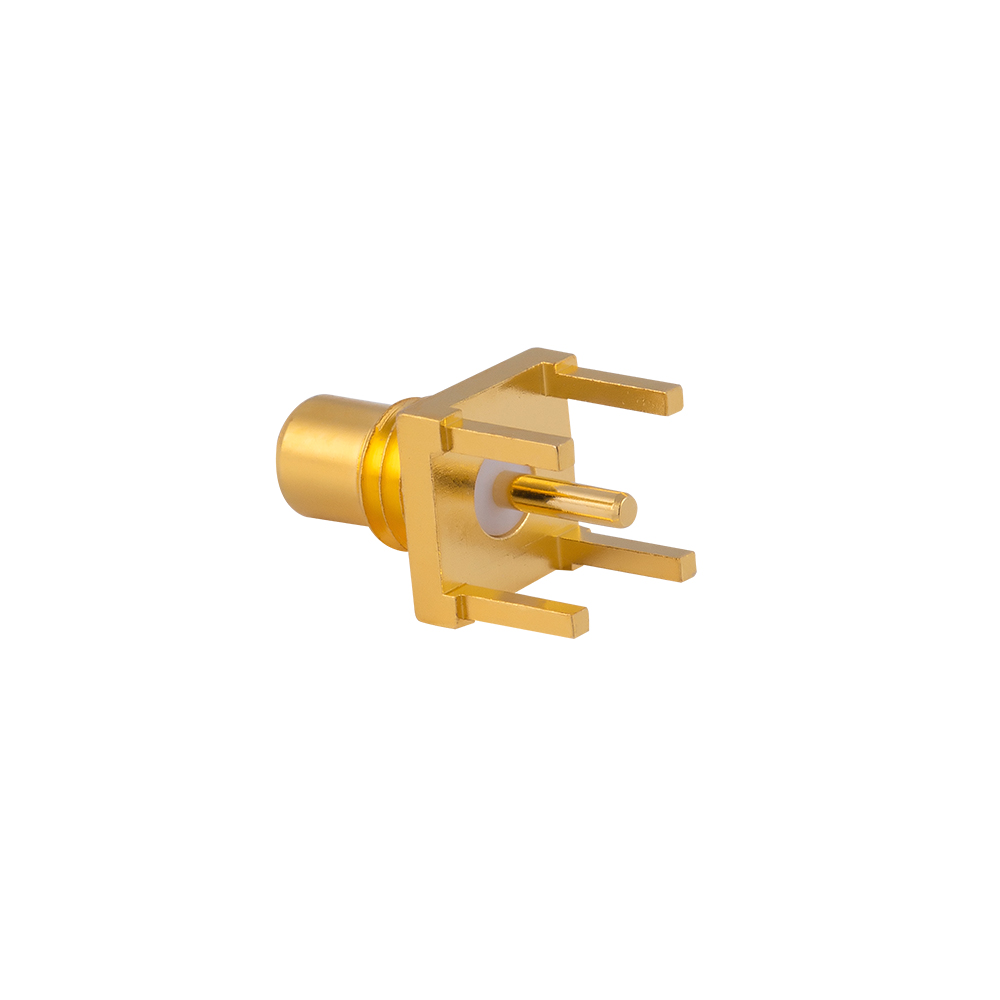
  • PCB edge mount and PCB vertical mount: Solder-tab or through-hole termination for direct board integration, used where a connector needs to sit flush with or perpendicular to the board plane.
  • Standard vs. reverse polarity: Reverse polarity (RP) variants swap the pin/socket contact configuration and are specified when a design requires a non-standard mating interface for regulatory or system-compatibility reasons.
  • Termination method: Crimp, solder, and clamp options affect assembly process, pull-strength, and repeatability in production; the choice generally follows existing cable-assembly tooling and volume requirements.

Application Scenarios and Selection Points

SMC RF Coaxial Connectors are applied in avionics wiring harnesses, shipboard and vehicle-mounted communication equipment, base station internal modules, GPS and antenna feed lines, test and measurement instruments, and medical electronic devices where a secure, vibration-resistant RF connection is required in a limited footprint.

When selecting a connector from this category, the following parameters should be confirmed against the system requirement:

  • Frequency range and VSWR: Confirm the connector's rated frequency and voltage standing wave ratio align with the signal band used in the application.
  • Cable compatibility: Match the connector's termination dimensions to the cable's conductor diameter and dielectric outer diameter (commonly RG174, RG178, RG316).
  • Mounting style: Determine whether cable mount, bulkhead mount, or PCB mount fits the physical layout of the assembly.
  • Plating and materials: Gold-plated contacts support lower and more stable contact resistance; environmental exposure may call for corrosion-resistant housings.
  • Mechanical cycles and environment: Threaded coupling on SMC RF Coaxial Connectors is relevant where vibration, repeated flexing, or accidental disconnection is a concern, compared to push-on interfaces.
  • Impedance matching: Verify 50 Ω system compatibility across the full signal chain, including adapters and cable assemblies.

SMC Compared with Related Sub-Miniature Series

Series Coupling Type Typical Impedance Coupling Security Typical Use Case
SMC 10-32 UNF threaded 50 Ω High — screw-locked Vibration-prone, long-service installations
SMB Snap-on 50 Ω Moderate Frequent mating, space-limited boards
MCX Snap-on 50 Ω Moderate Compact consumer and GPS modules
MMCX Snap-on, micro-size 50 Ω Moderate Ultra-compact wireless and wearable devices
SMA Threaded (larger body) 50 Ω High — screw-locked Antenna interfaces, general RF test connections

Against snap-on series, SMC RF Coaxial Connectors trade mating speed for a threaded interface that maintains contact under mechanical stress. Against SMA, SMC occupies a smaller footprint suited to denser board layouts, though at a lower current and power handling level consistent with its subminiature classification.

Frequently Asked Questions

What frequency range do SMC RF Coaxial Connectors cover?

Rated frequency depends on the specific connector design and cable pairing; many SMC interfaces are specified up to several GHz. The exact upper limit should be confirmed on the individual product datasheet.

Are SMC and SMB connectors interchangeable?

No. SMC uses a 10-32 UNF threaded coupling while SMB uses a snap-on interface. The two are not mechanically compatible without an adapter.

Which cable types pair with SMC connectors?

SMC connectors are commonly terminated onto small-diameter coaxial cables such as RG174, RG178, and RG316. Connector-to-cable dimensions should be matched during selection.

Can SMC connectors be customized?

Yes. Variants in plating, contact material, mounting style, and cable termination are available to match specific application and volume requirements.

Manufacturing Background

Yangzhou Jingcheng Electronics Co., Ltd. designs and manufactures SMC RF Coaxial Connectors alongside a broader portfolio of RF interconnect series, including SMA, SMP, MCX, MMCX, BNC, TNC, N, and 2.92/2.4/1.85 high-frequency connectors. Production is supported by CNC machining and network analyzer-based testing equipment, with designs and inspection carried out under ISO9001, ISO14001, and RoHS requirements, referencing GB, JS, GY, MIL-C, and IEC standards where applicable. Standard and custom specifications are available to accommodate cable type, mounting configuration, and plating requirements for individual projects.