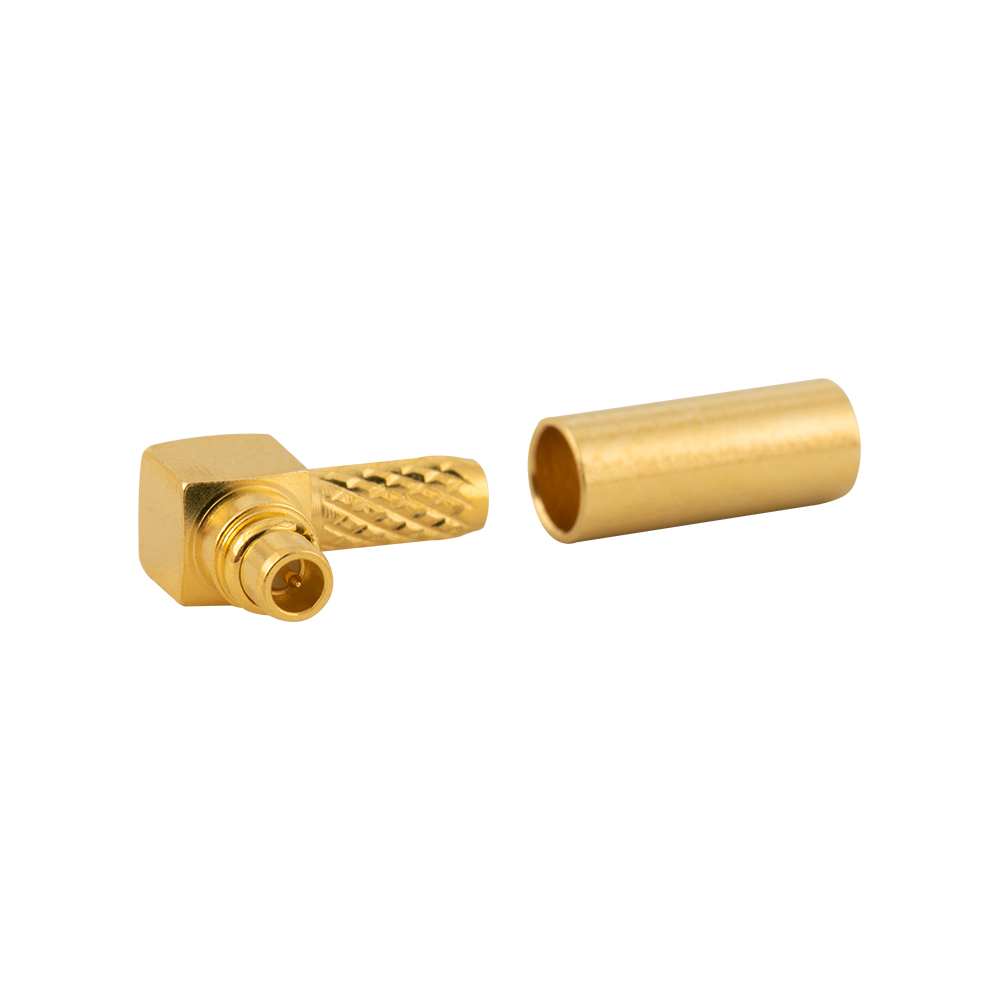
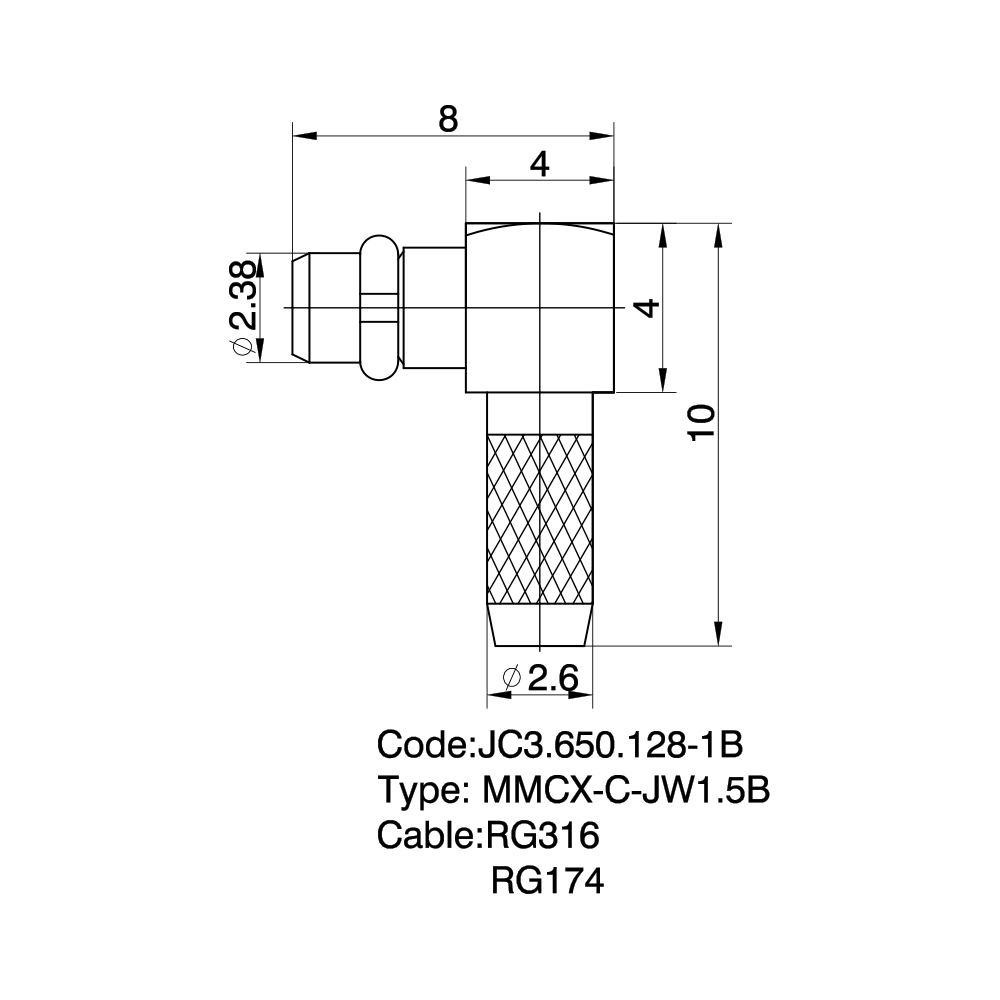
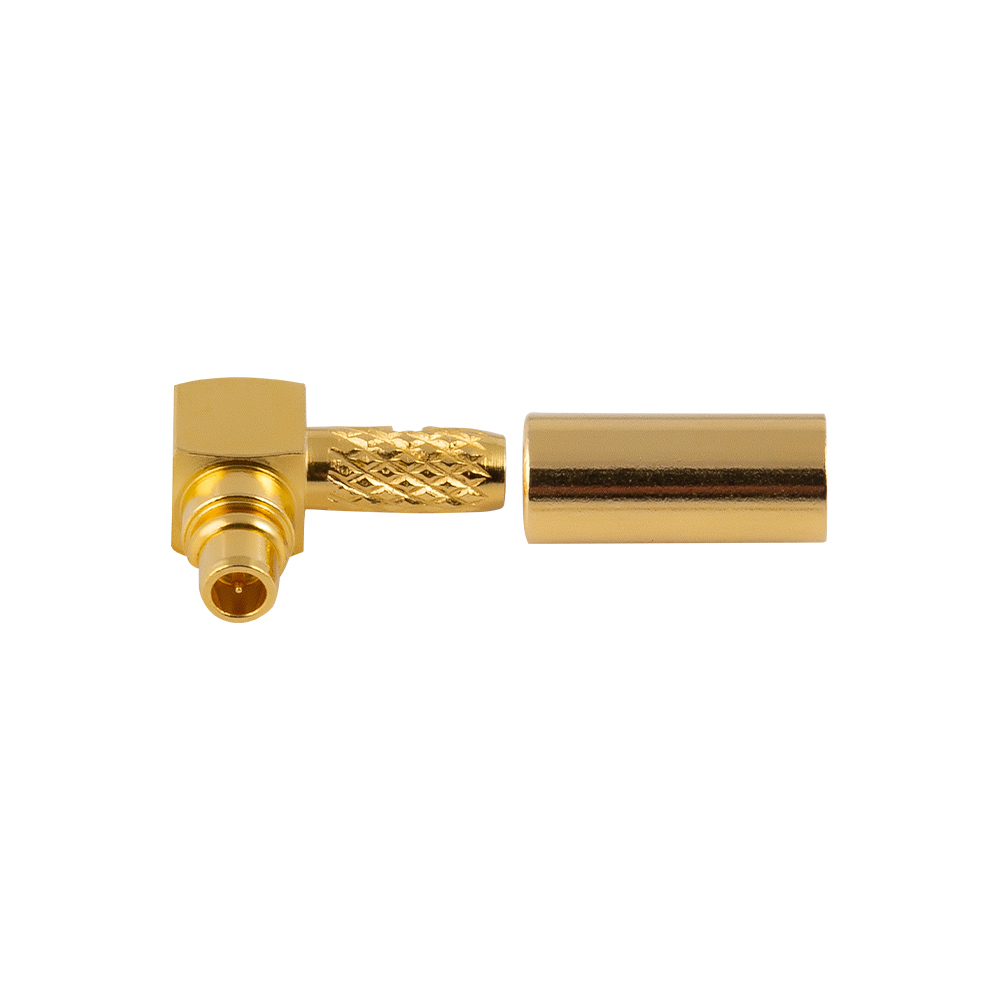
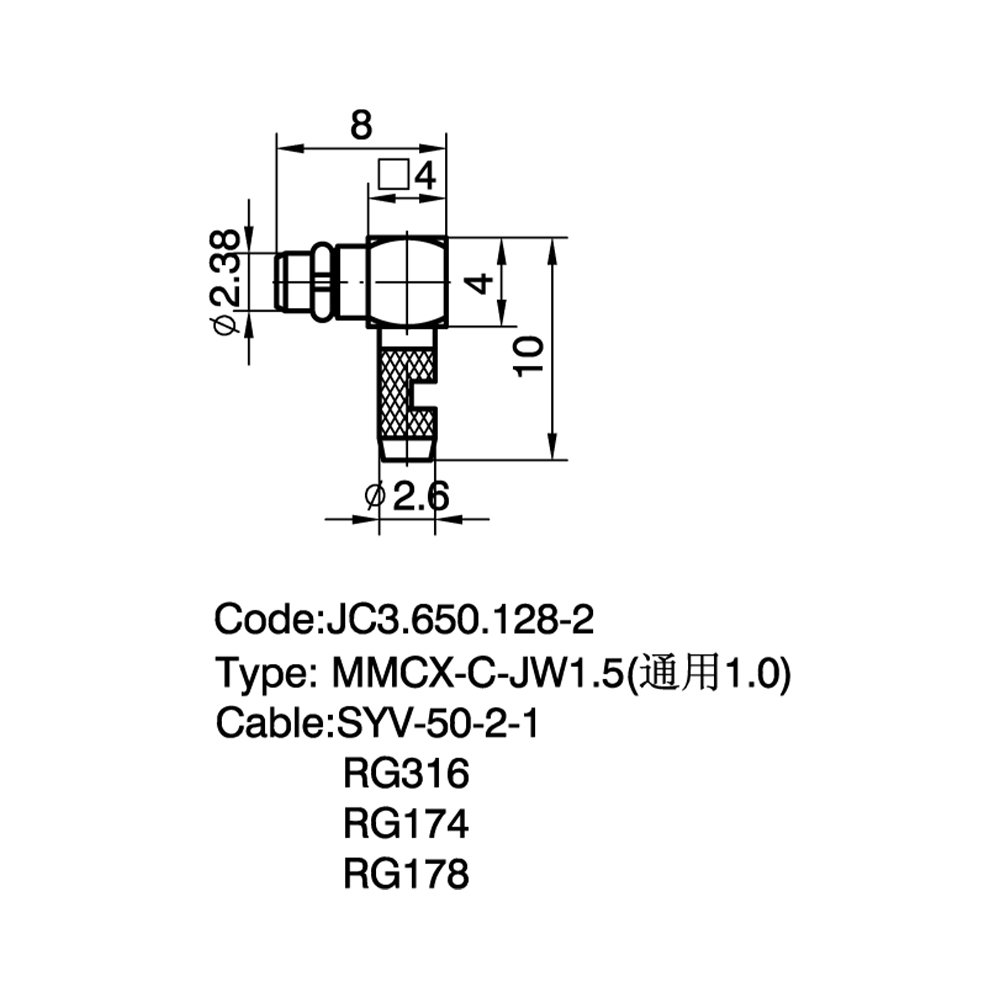
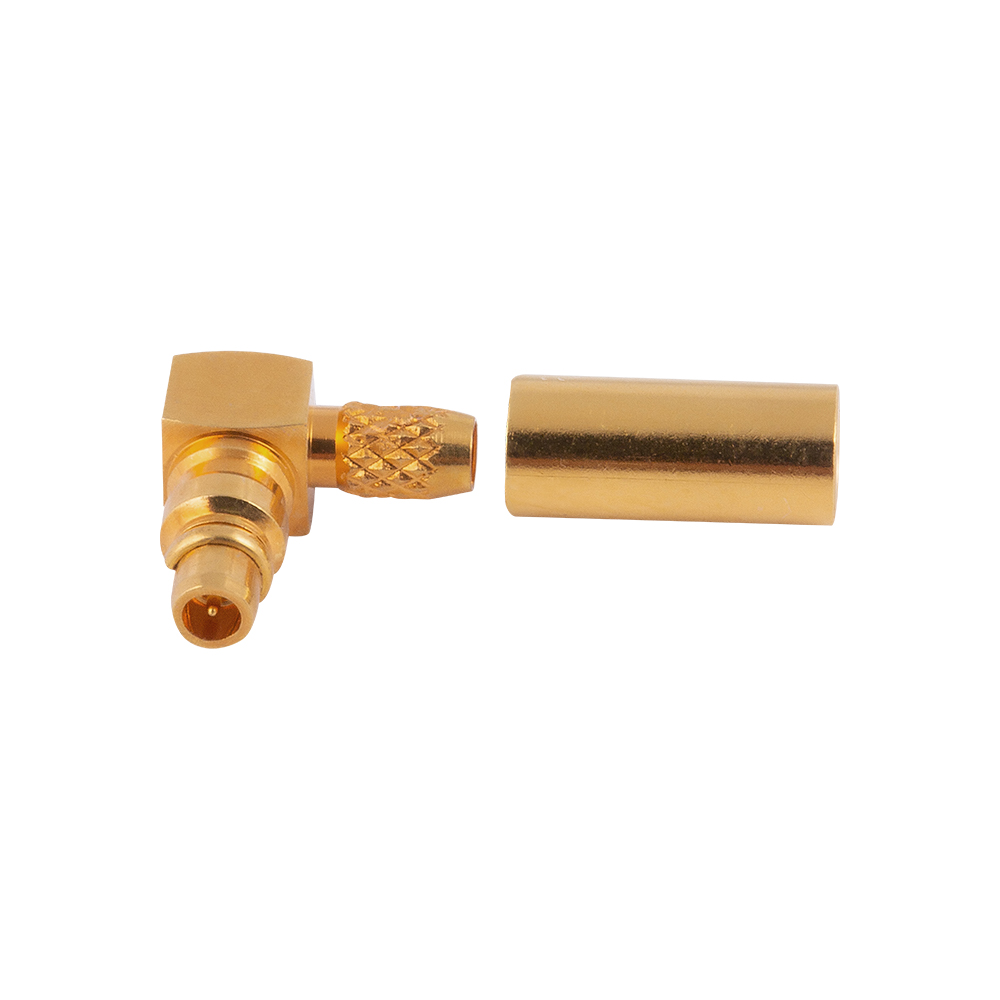
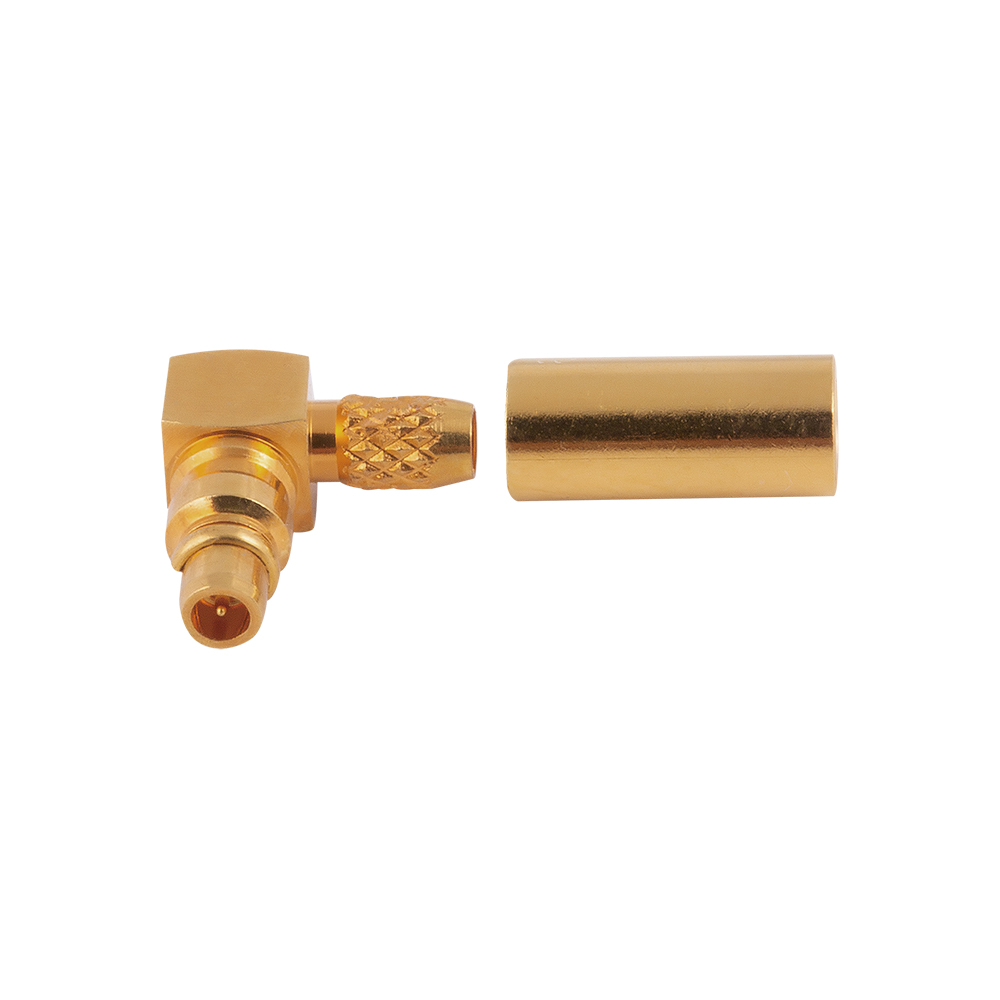
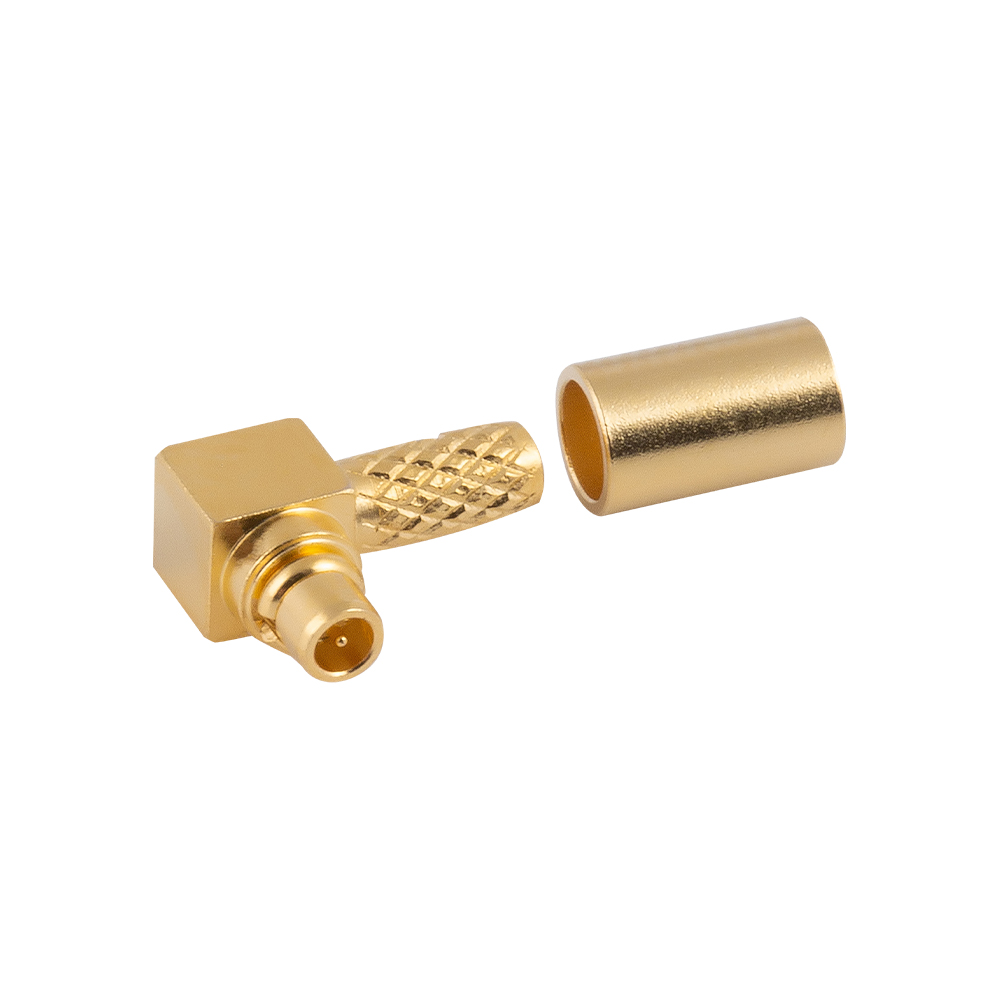
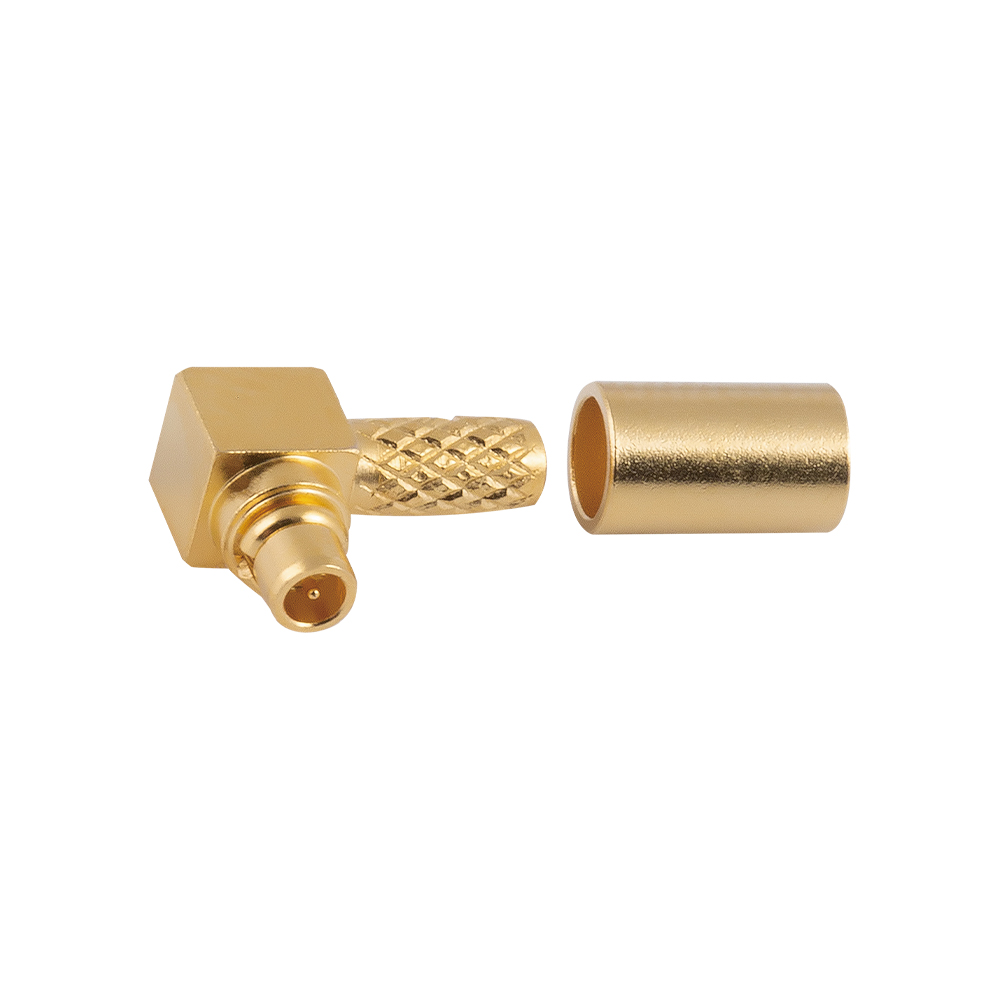
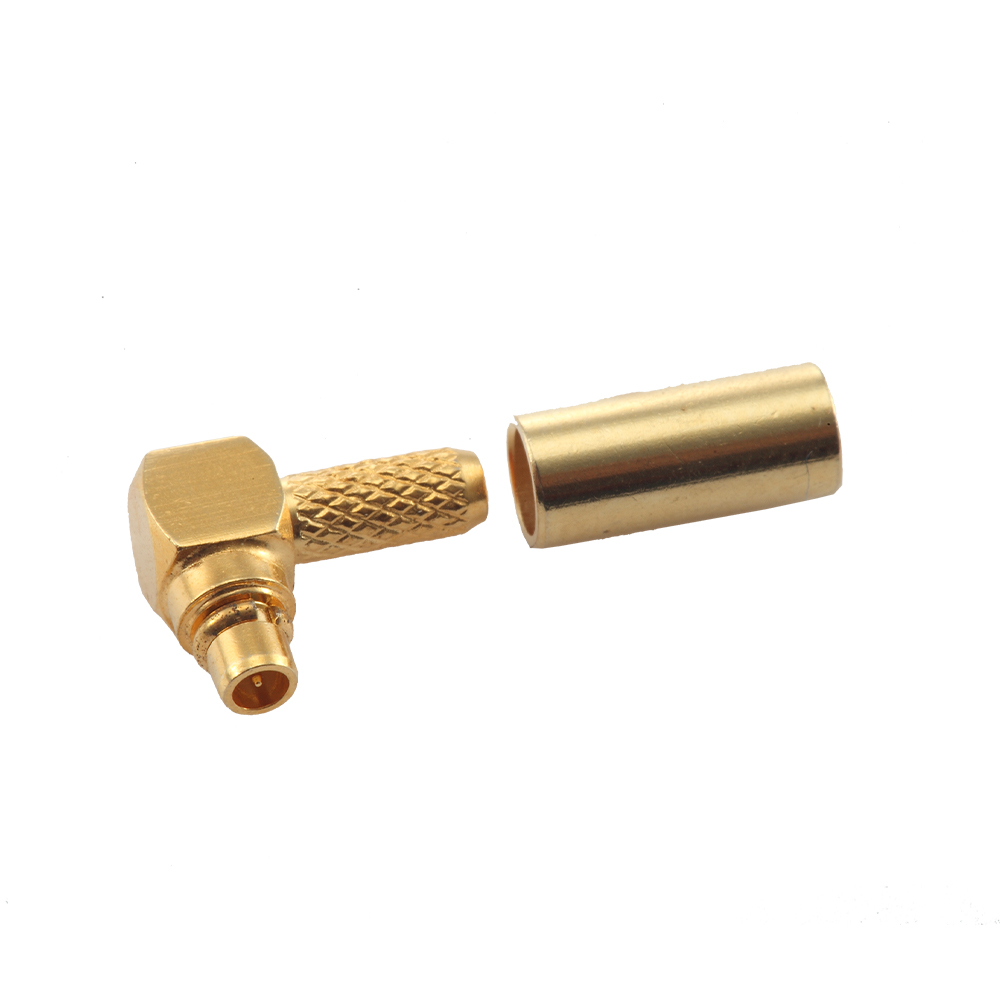
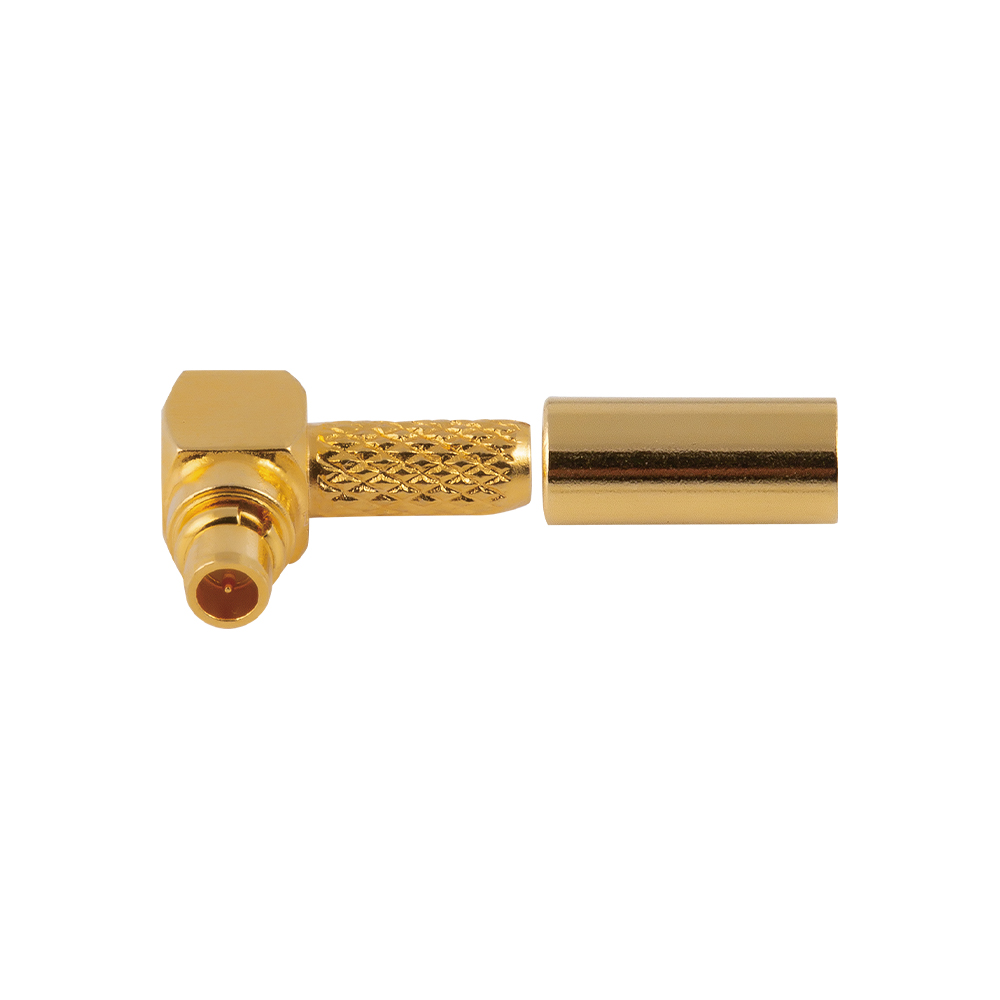
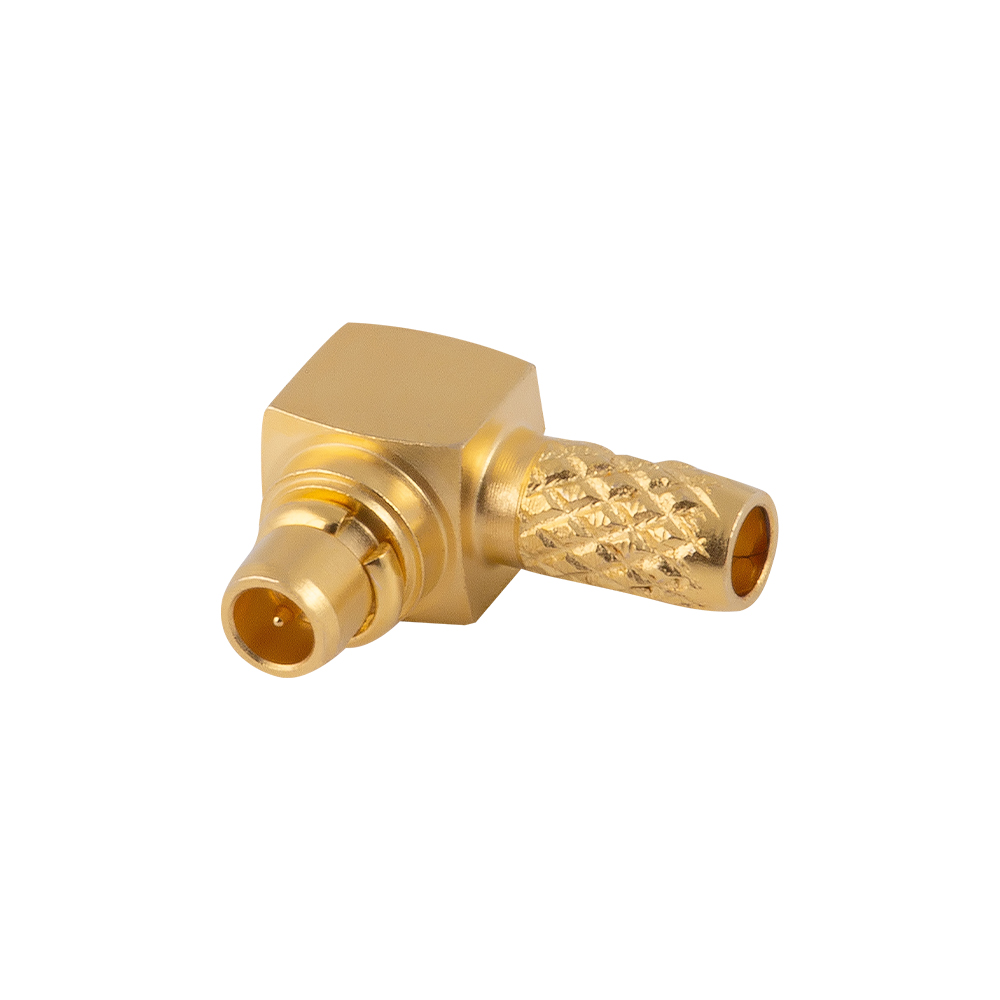
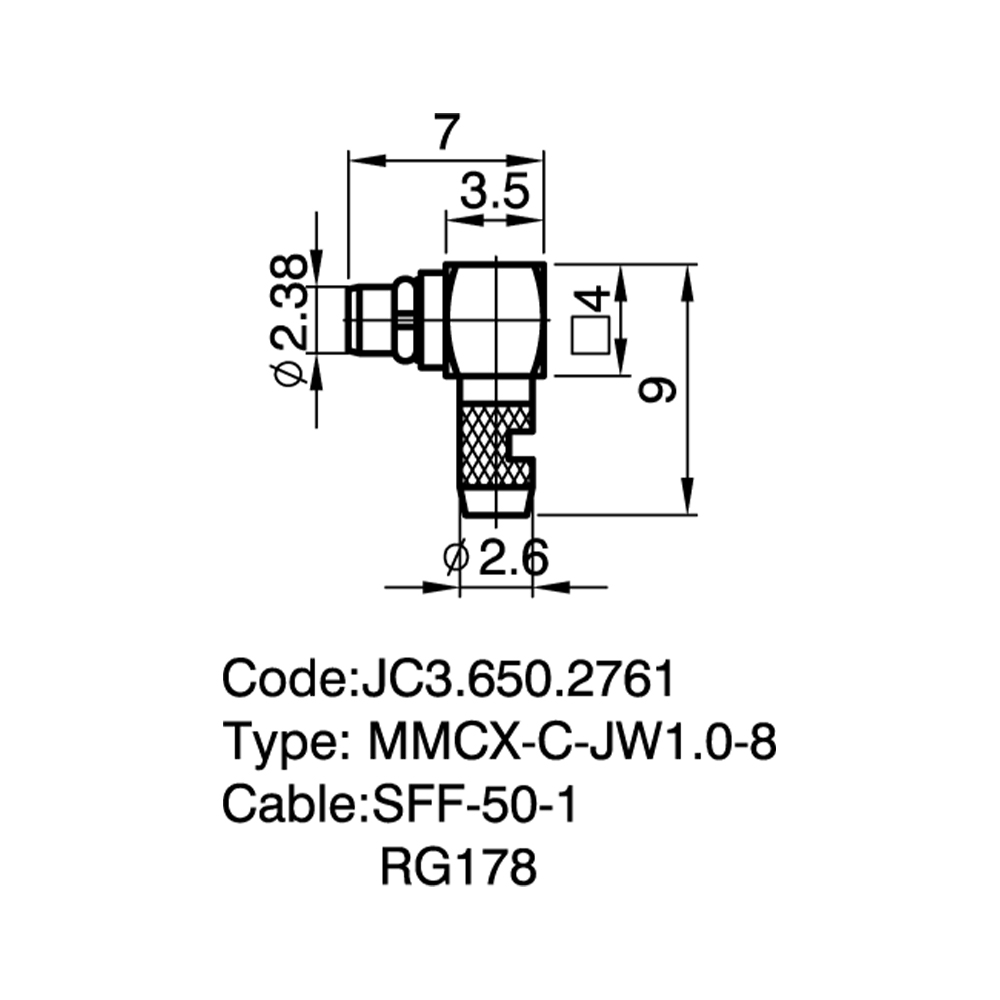
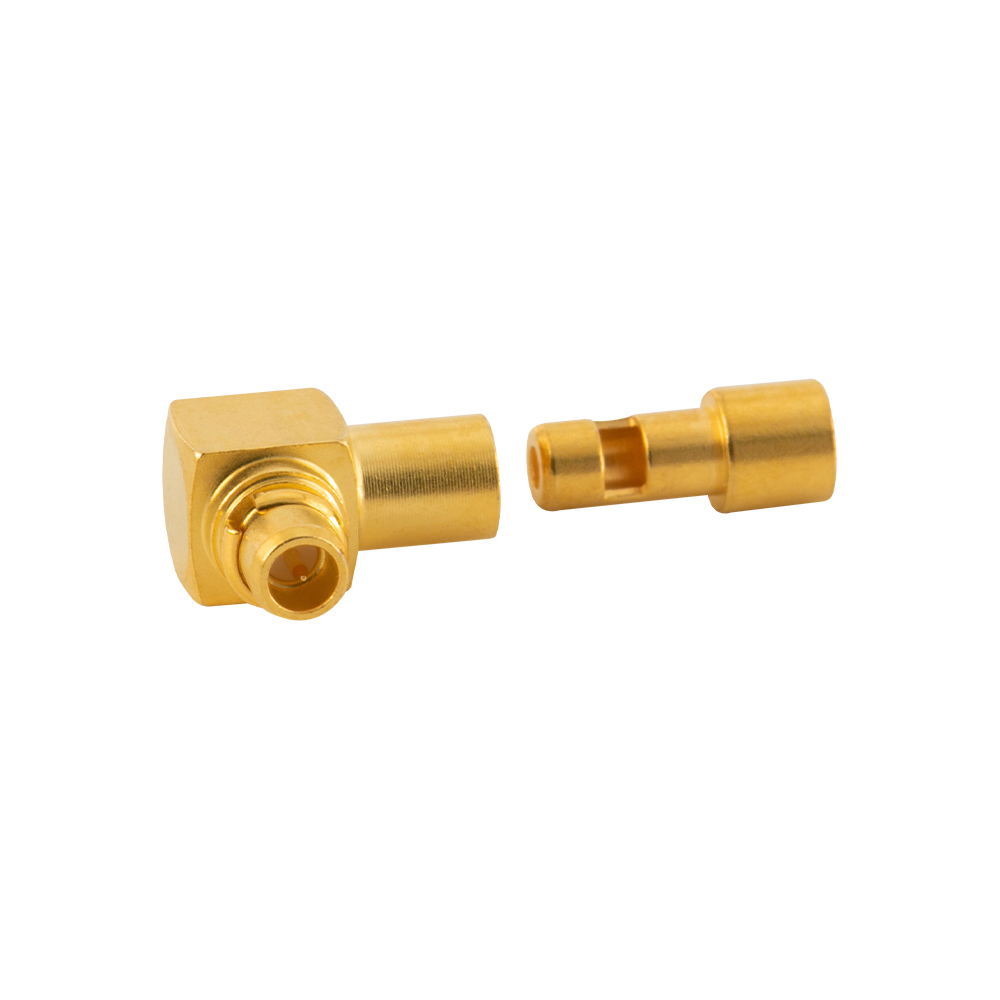
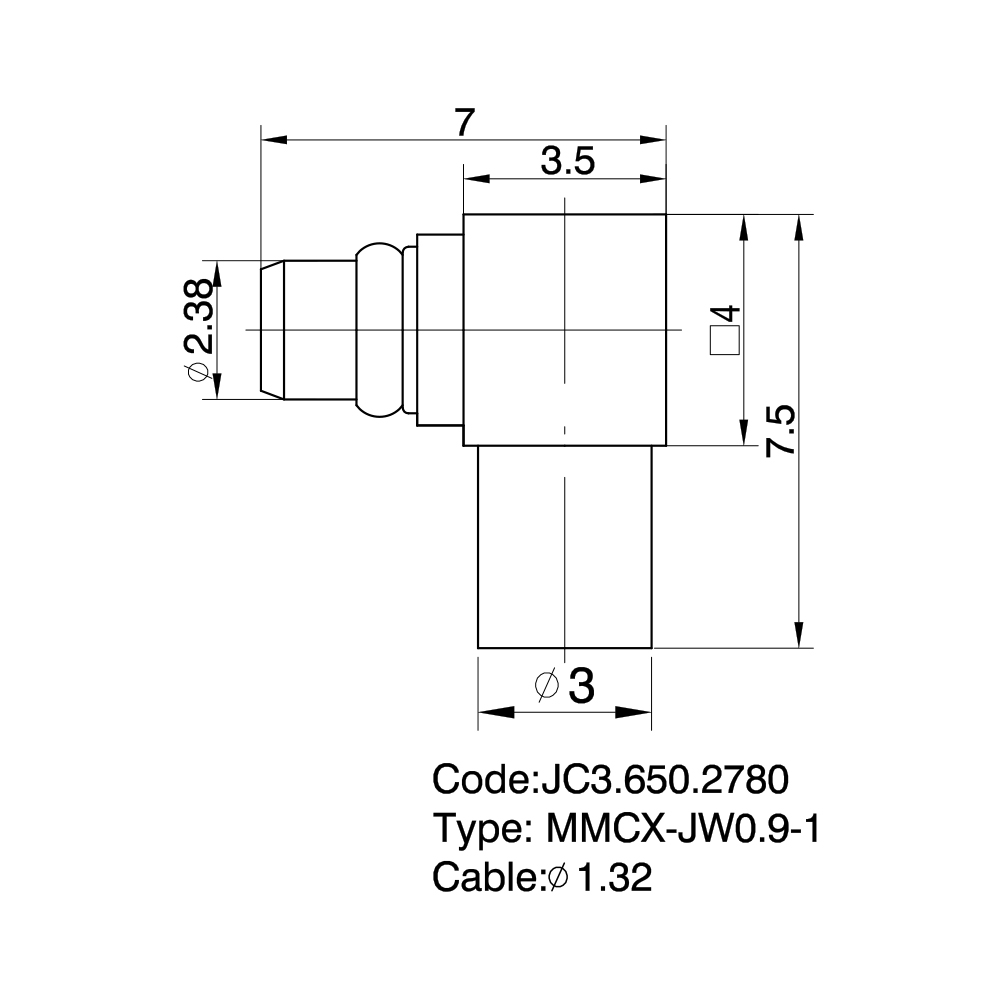
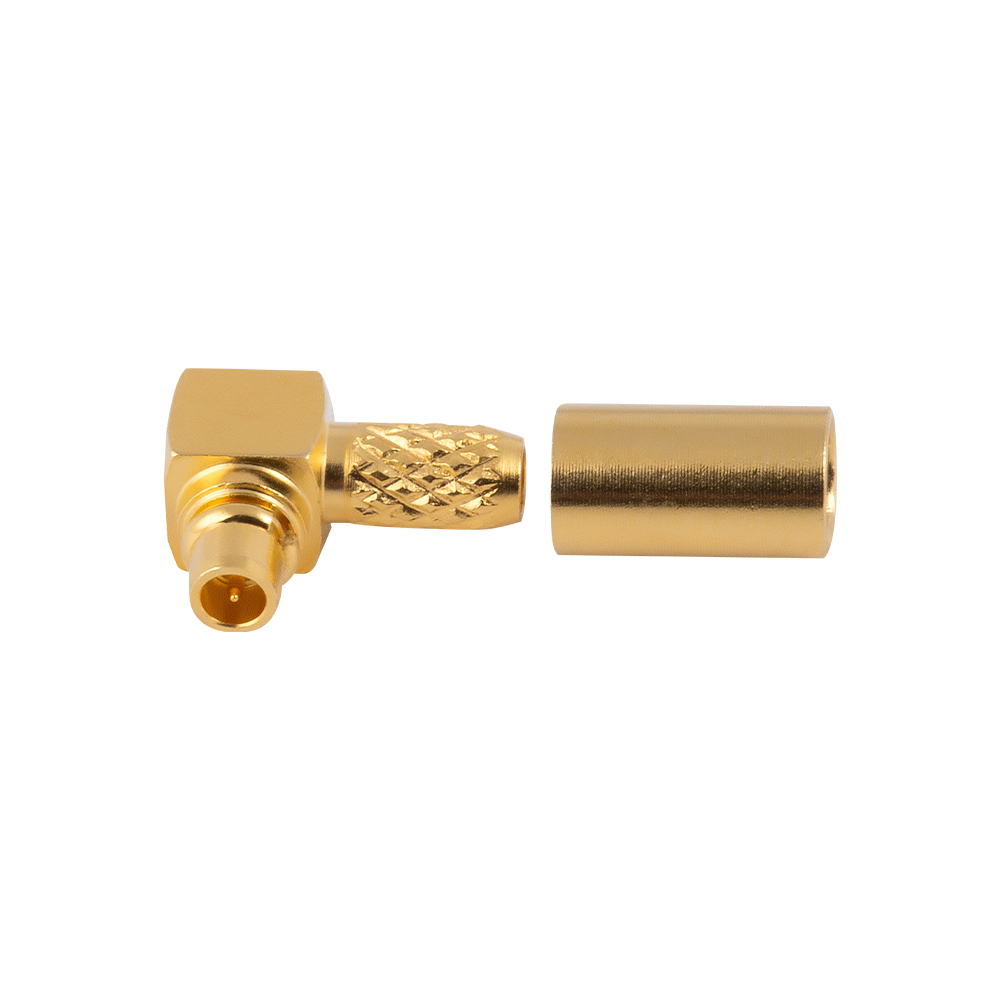
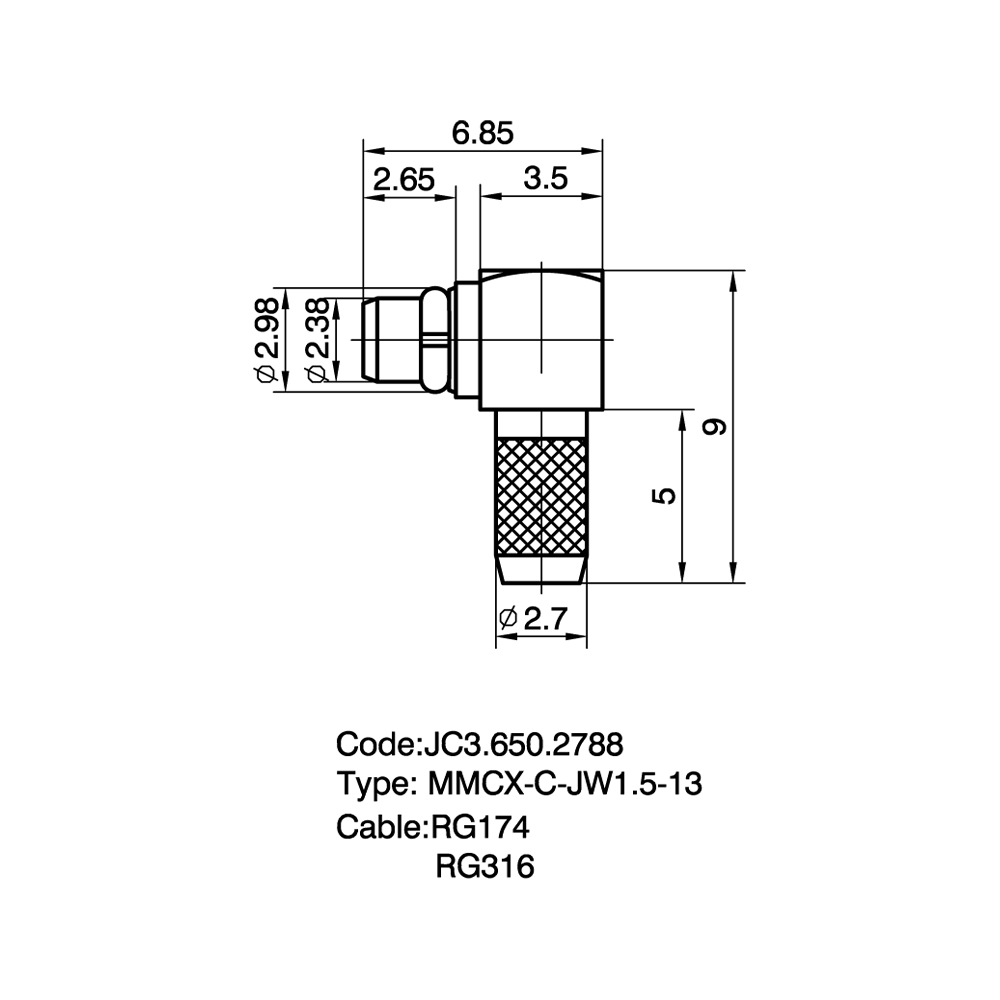
MMCX RF Coaxial Connectors are micro-miniature interfaces designed to meet the requirements of high-density radio frequency (RF) transmission systems. Conforming to standard 50-ohm impedance geometries, these connectors typically support frequencies from DC up to 6 GHz, enabling efficient signal transmission in compact equipment. The core function of MMCX RF Coaxial Connectors is to provide a reliable snap-on coupling mechanism that offers 360-degree rotational freedom, which is critical for blind mating and intricate PCB layouts where space is restricted.
The performance profile of this product category emphasizes consistent low Voltage Standing Wave Ratio (VSWR) and robust mechanical durability, typically exceeding 500 mating cycles. Yangzhou Jingcheng Electronics Co., Ltd., a specialist in RF coaxial connectors established in 1999, integrates precision manufacturing and high-frequency testing capabilities to produce MMCX series that align with these standard mechanical and electrical specifications. The manufacturing process incorporates gold-plated brass bodies and beryllium copper contacts to maintain contact integrity under dynamic conditions.
Common Types and Characteristics
| Type |
Interface Style |
Mounting Configuration |
Key Features |
| PCB Jack |
Female Socket |
Surface Mount (SMT) / Through-Hole |
Compact footprint; available in straight and right-angle configurations; tape-and-reel packaging compatible for automated assembly. |
| Cable Plug |
Male Pin |
Crimp / Solder Clamp |
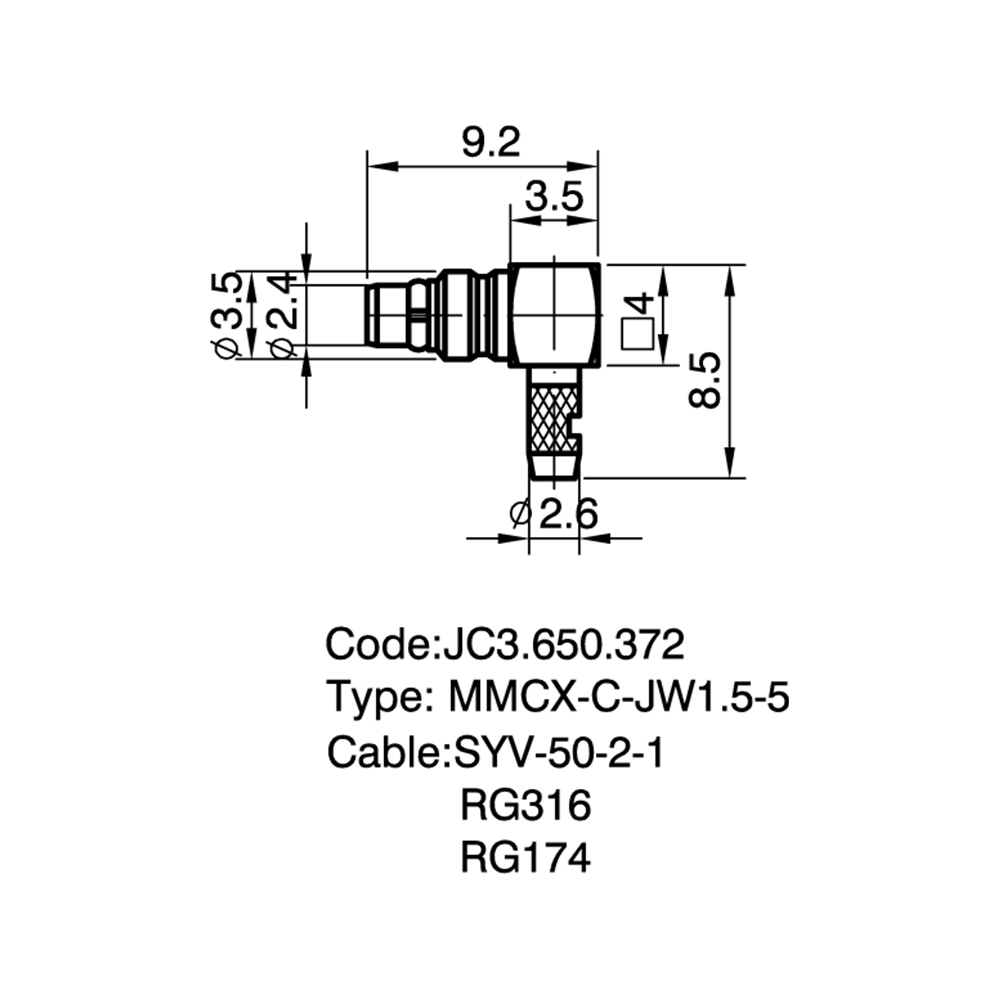
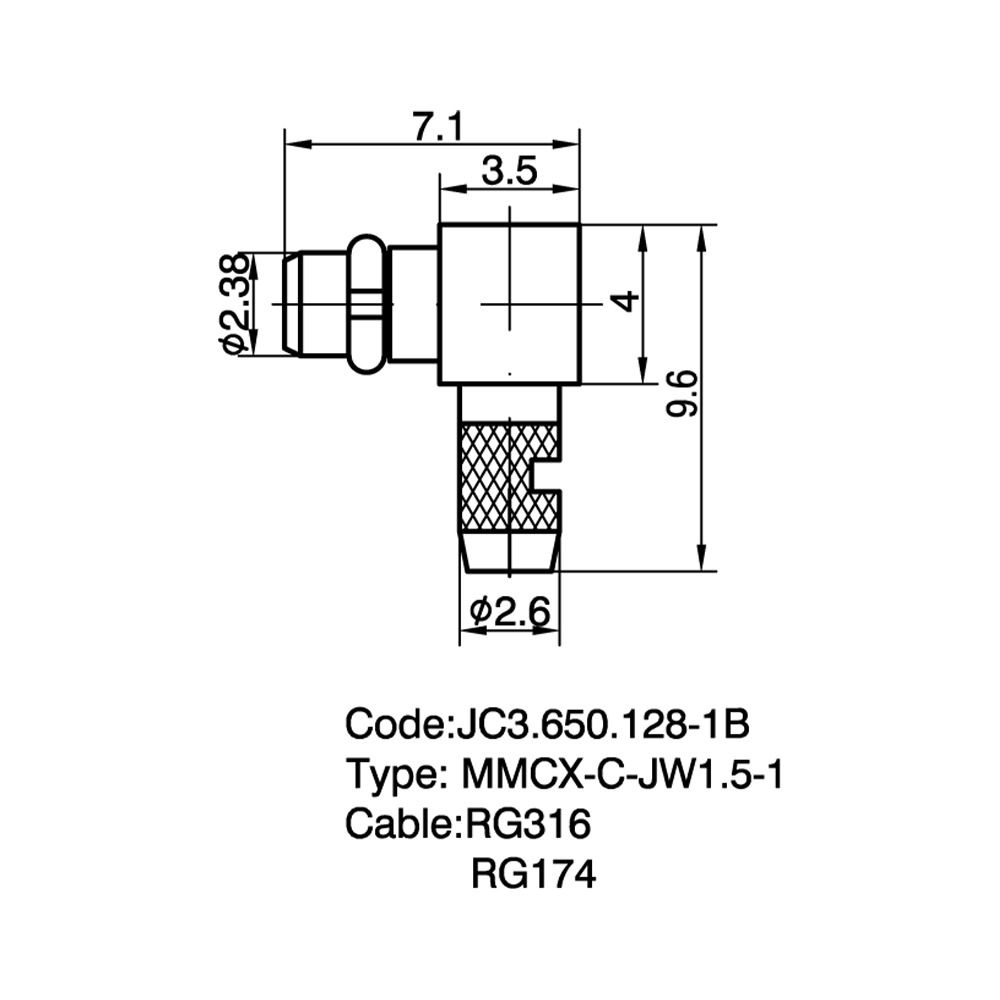
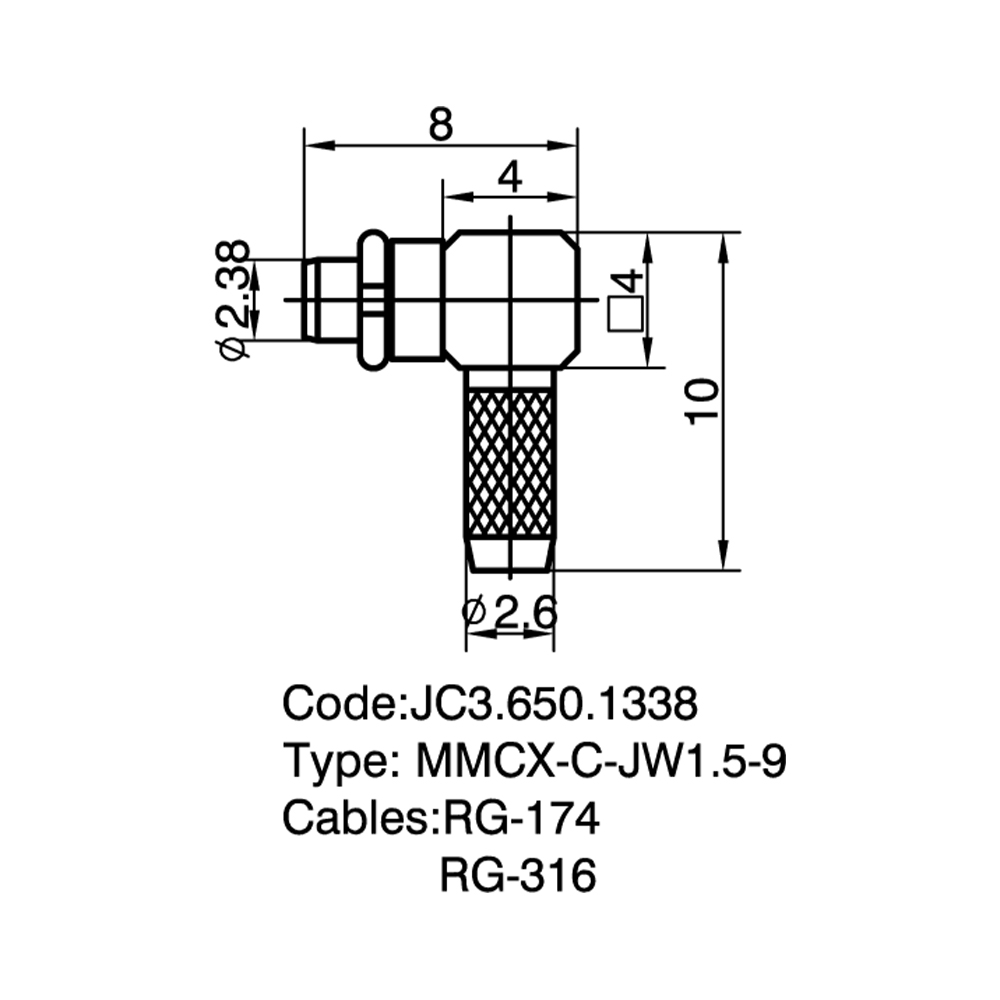
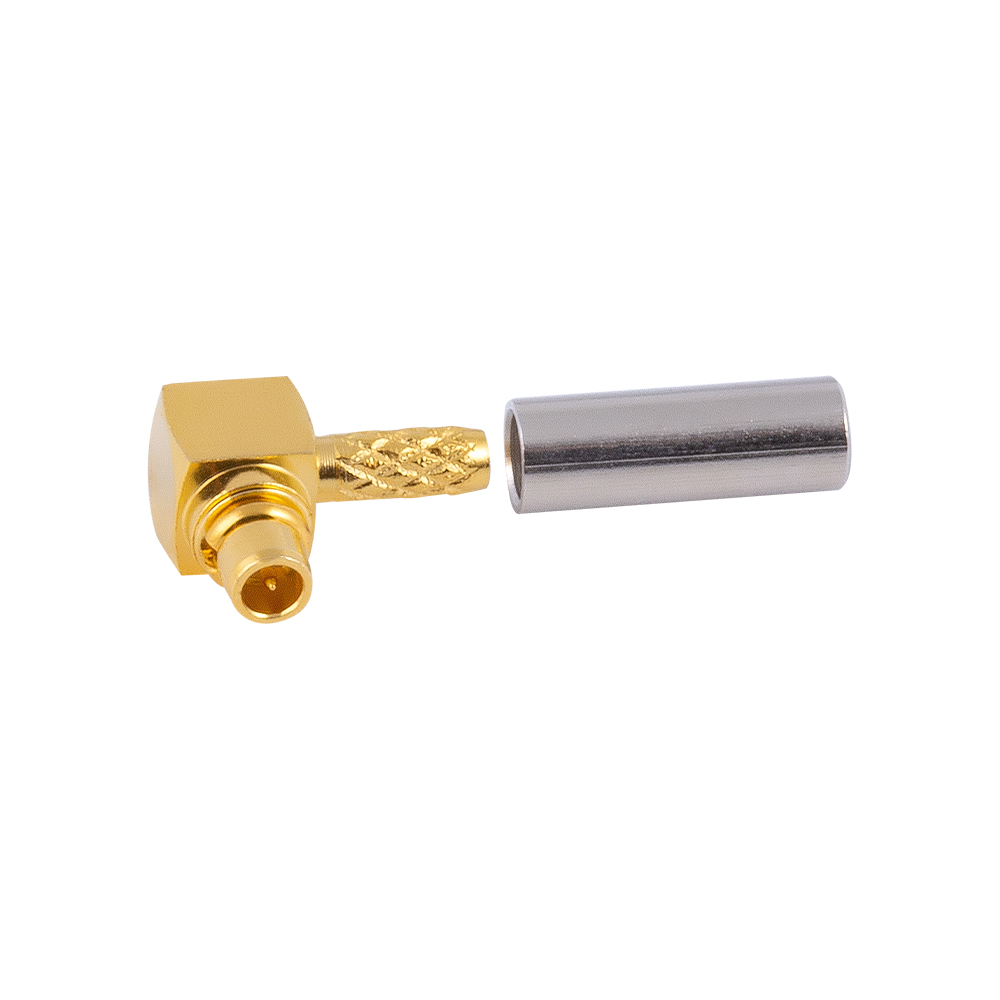
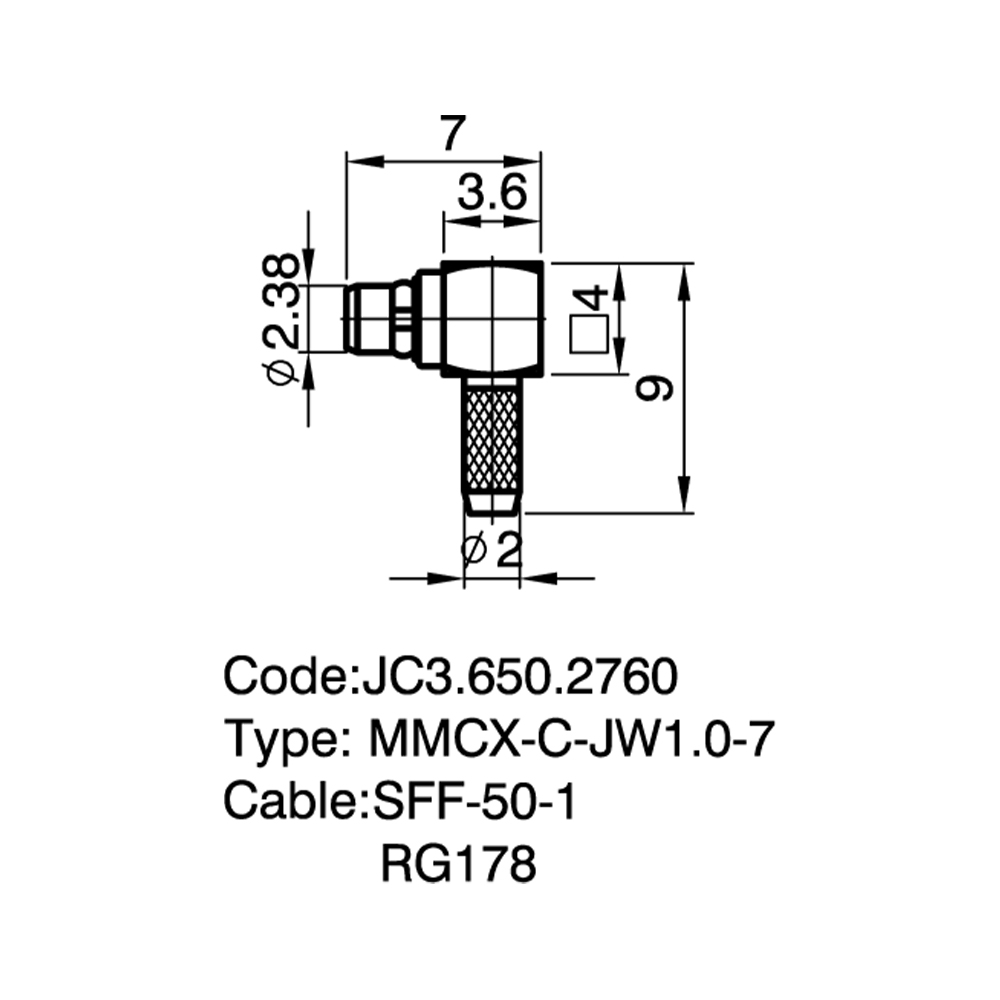
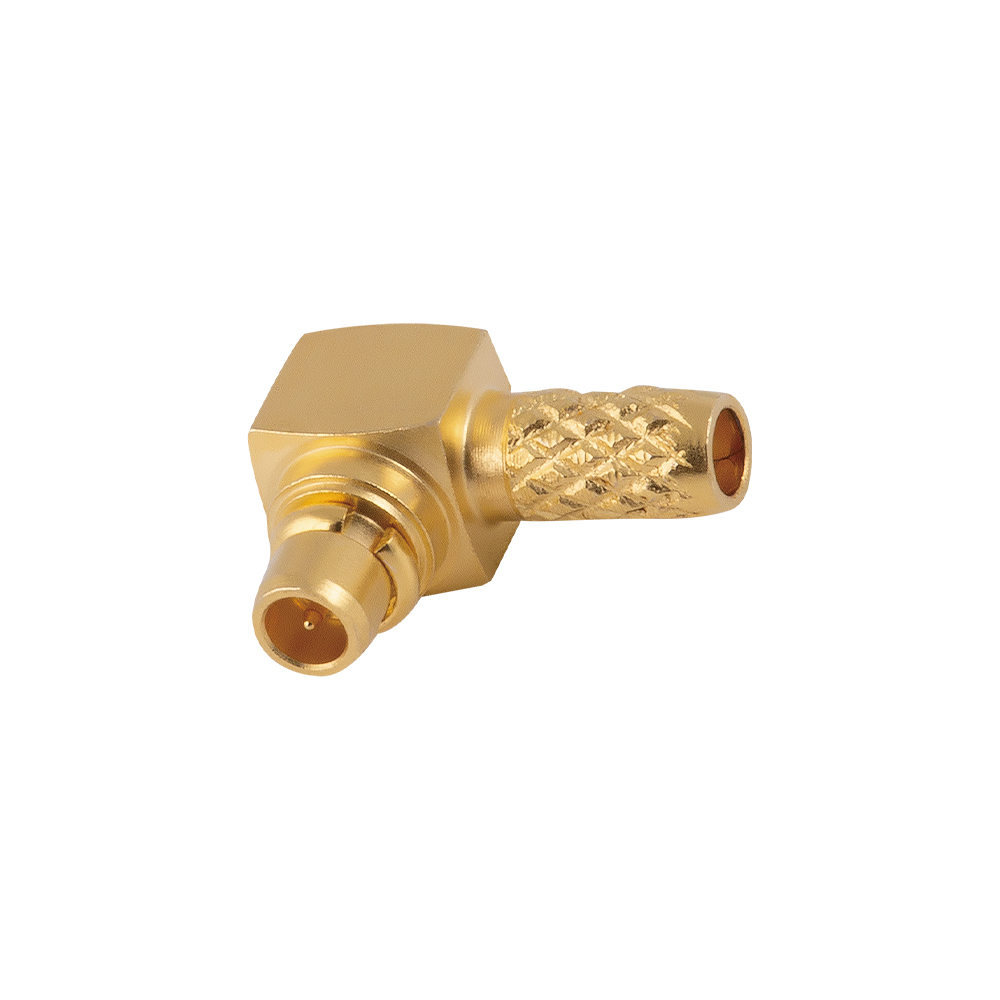
Compatible with flexible cables (RG178, RG316, 1.13mm, 1.37mm); facilitates semi-rigid and conformable cable assemblies. |
| Bulkhead / Panel Mount |
Female / Male |
Screw-in / Press-fit |
Suitable for enclosure walls; provides isolation between internal PCBs and external RF paths. |
| Edge Mount |
Female Socket |
PCB Edge Soldering |
Optimized for minimized signal path distortion at high frequencies; reduces total system height. |
Application Scenarios
The miniaturized form factor of MMCX connectors makes them suitable for compact wireless and communication systems where board real estate is limited. Typical deployments include:
- Wireless communication base stations (LTE/5G radio heads)
- GPS and GNSS receiver modules
- Wi-Fi and Bluetooth antennas in embedded systems
- Handheld test and measurement equipment
- IoT sensor nodes and medical telemetry devices
- RF test board and probe interfaces
Selection and Sourcing Guidelines
Choosing the appropriate MMCX RF Coaxial Connectors requires evaluating mechanical and electrical parameters to ensure interoperability and signal integrity. Key considerations include:
| Selection Parameter |
Consideration |
| Frequency Range |
Standard designs operate up to 6 GHz; verification against specific VSWR curves is required for upper-band sensitivity. |
| Impedance Matching |
Standard characteristic impedance is 50 Ohm; mating with non-standard impedance lines will result in significant reflection loss. |
| Cable Compatibility |
Ensure the plug assembly matches the specific outer diameter (OD) and dielectric structure of the coaxial cable (e.g., RG174, RG316, 1.13mm OD). |
| Plating and Material |
Gold plating (Au) over nickel on brass body/contacts provides optimal corrosion resistance and low contact resistance; selective plating configurations are available for budget-sensitive designs. |
| Mechanical Durability |
Rated for a minimum of 500 mating cycles. The snap-on retention force must be evaluated based on expected in-service vibration levels. |
Comparative Analysis: MMCX vs. MCX vs. SMA
Although these interfaces share some RF commonalities, their physical dimensions and locking mechanisms distinguish their roles in system architectures. Yangzhou Jingcheng Electronics Co., Ltd. supplies interconnect solutions across these platforms, allowing for optimized selection based on specific design constraints.
| Feature |
MMCX |
MCX |
SMA |
| Frequency (Typical) |
DC to 6 GHz |
DC to 6 GHz |
DC to 18 GHz (Precision 26.5 GHz) |
| Outer Diameter |
Approx. 3.6 mm |
Approx. 4.6 mm |
Approx. 8.0 mm (Hex) |
| Coupling Mechanism |
Snap-on (Push-pull) |
Snap-on (Push-pull) |
Threaded Screw-on |
| Rotation |
360° free rotation |
180° typical (Anti-rotation keyed) |
None (Fixed after tightening) |
| Primary Application Fit |
High-density PCB arrays, compact IoT modules |
Dongles, standard GPS receivers |
Robust base station equipment, military comms |
Frequently Asked Questions (FAQ)
What is the frequency range of standard MMCX RF Coaxial Connectors?
Standard configurations support transmission from DC to 6 GHz. Performance at the upper frequency limits depends on the specific cable assembly and PCB launch design employed.
Are MMCX connectors interchangeable with MCX connectors?
No. Despite sharing a similar mechanical design philosophy, the MMCX interface is approximately 25% smaller in outer diameter compared to MCX. The two series cannot be mated without a specific adapter interface.
What is the typical mating cycle endurance of an MMCX connector?
MMCX interfaces are rated for a minimum of 500 insertion and extraction cycles. The actual lifespan is influenced by the integrity of the center contact socket and the wear on the snap-on retention ring.
Does Yangzhou Jingcheng Electronics offer custom cable assemblies using MMCX connectors?
Yes. Drawing on manufacturing expertise developed since 1999, Yangzhou Jingcheng Electronics Co., Ltd. configures standard MMCX interfaces with various flexible and semi-rigid cable types. Tailored assembly lengths, connector orientations (straight/right-angle), and specific polarity requirements (standard or reverse polarity) are available to match exact system integration needs.
How does Reverse Polarity (RP) MMCX differ from standard MMCX?
In a standard MMCX, the plug has a male pin and the jack has a female socket. In a Reverse Polarity MMCX (RP-MMCX), the gender of the center contact is reversed. This is often utilized in FCC Part 15 compliance scenarios for wireless LAN devices to prevent mating with non-compliant antennas.


 English
 中文简体
中文简体