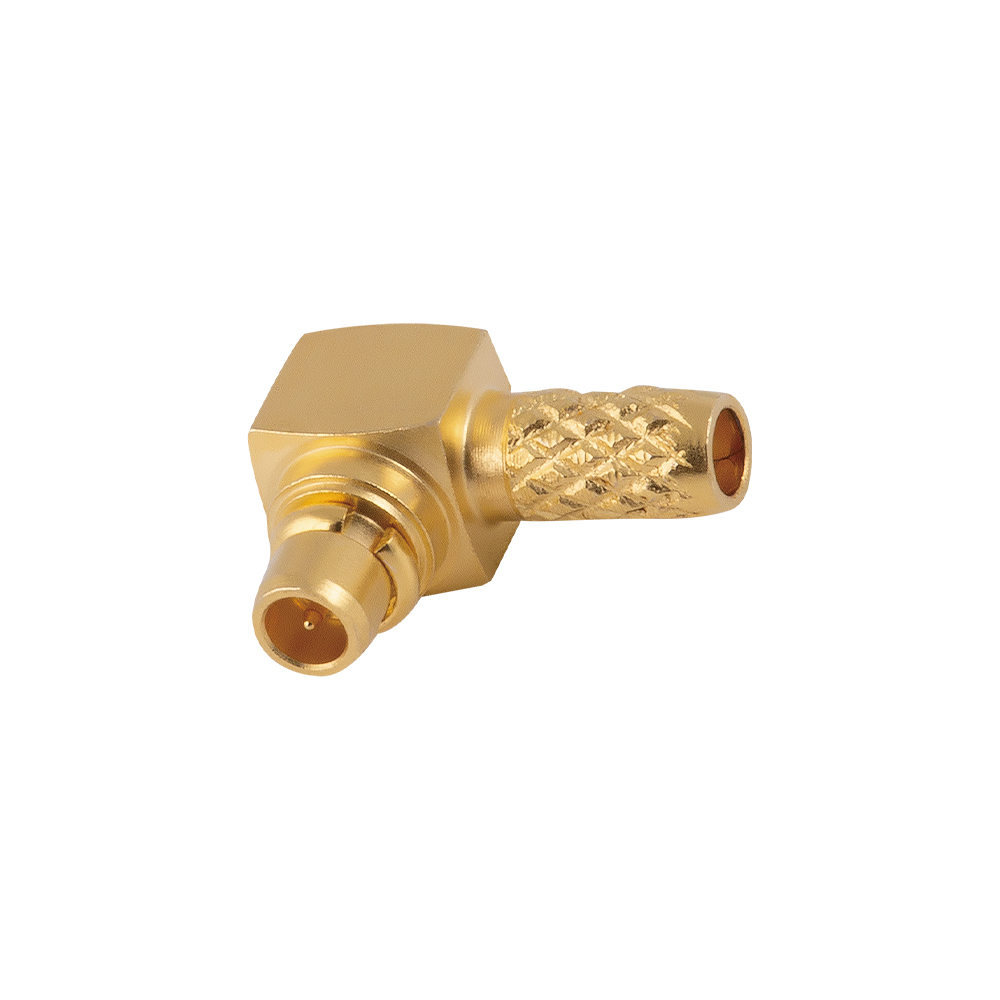
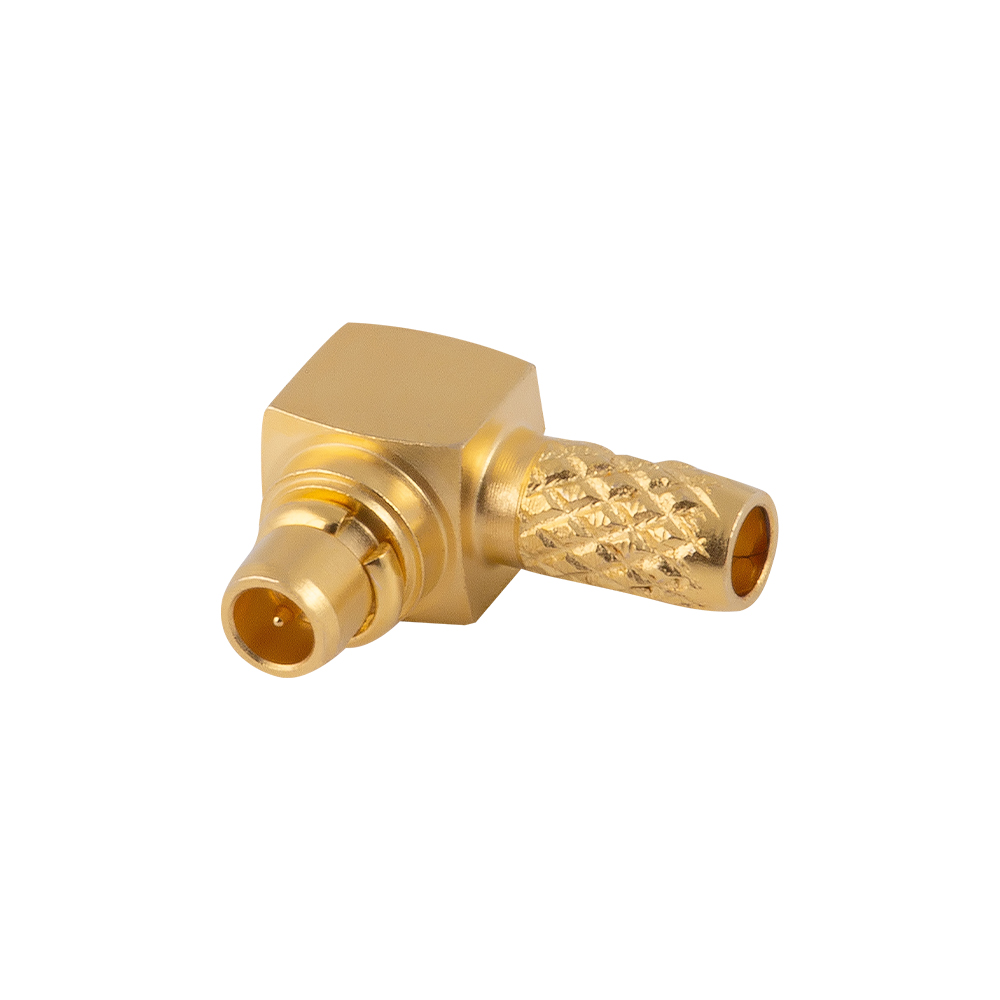
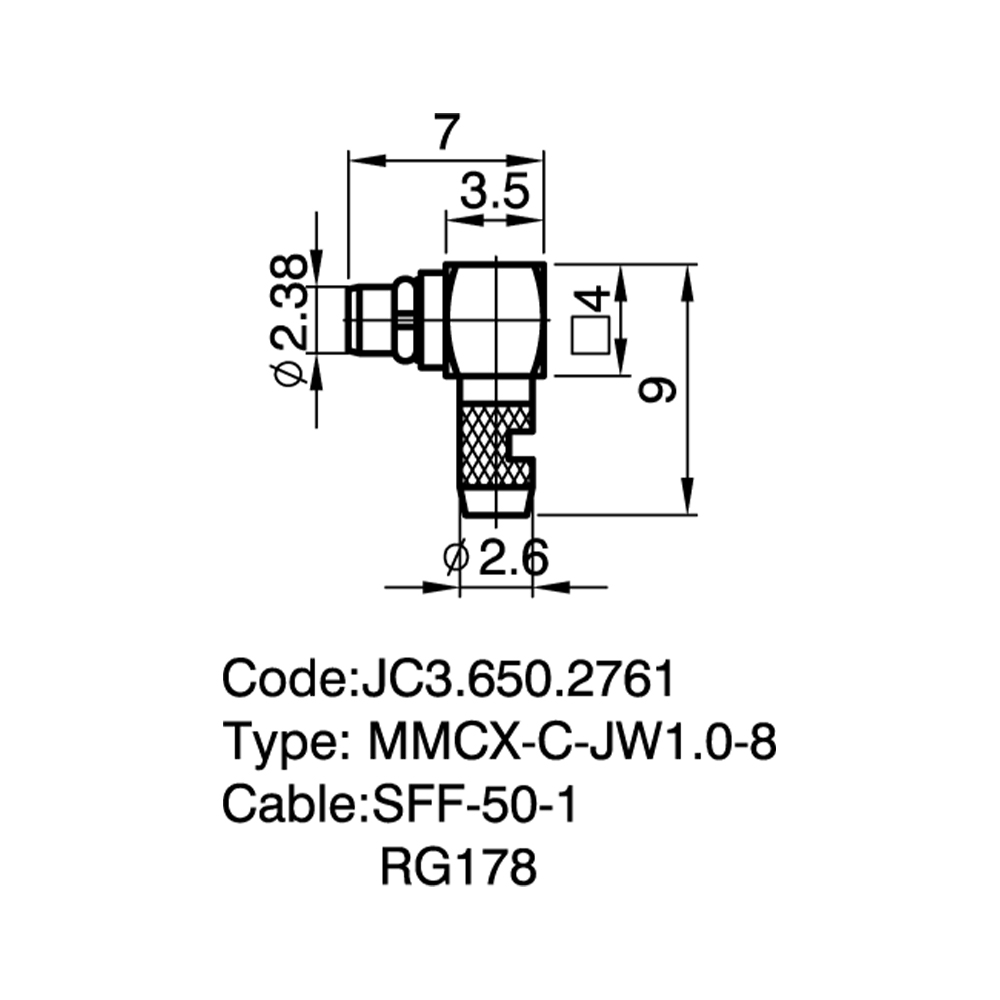
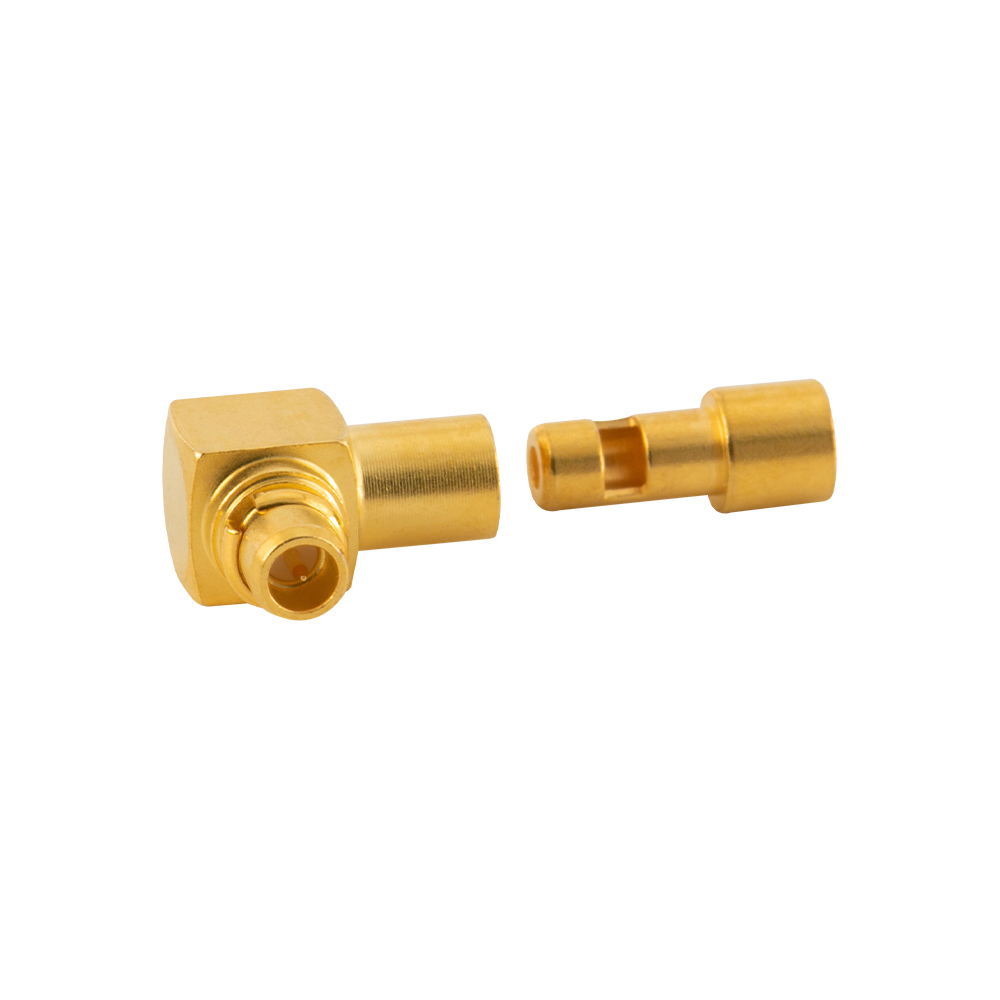
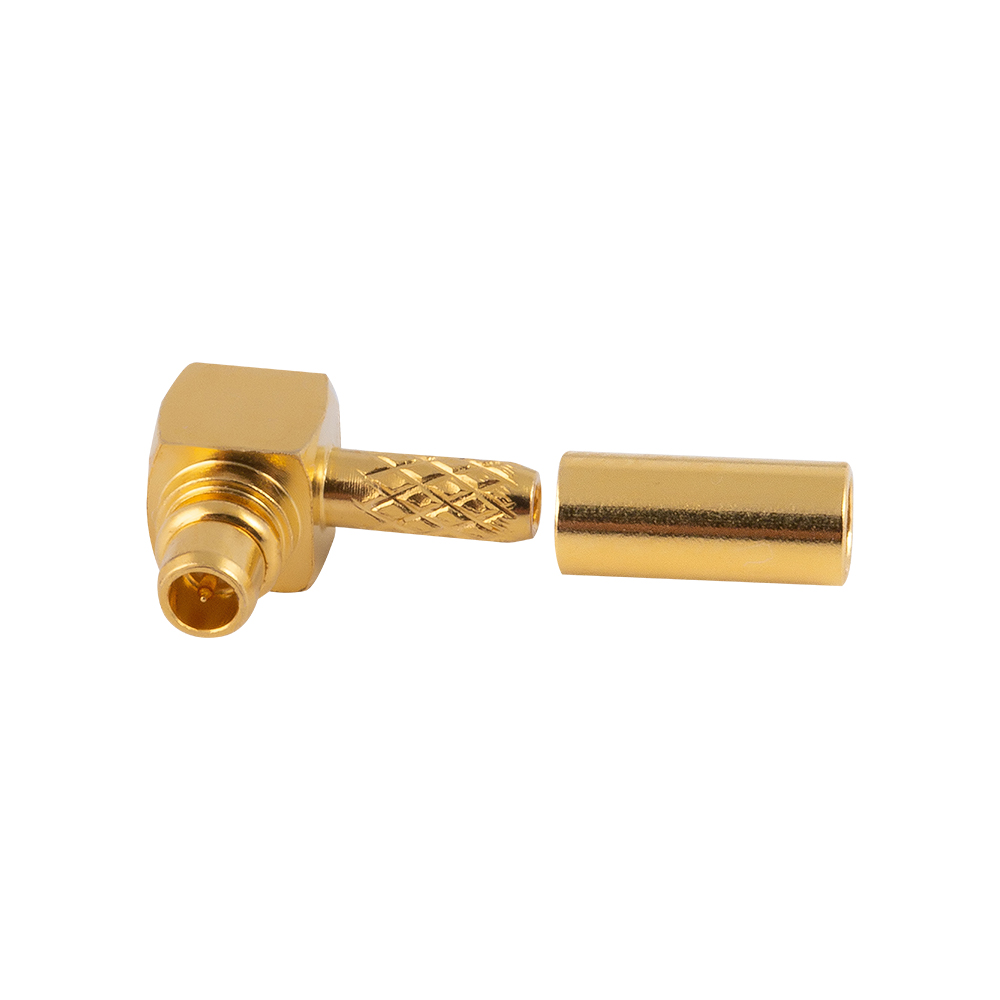
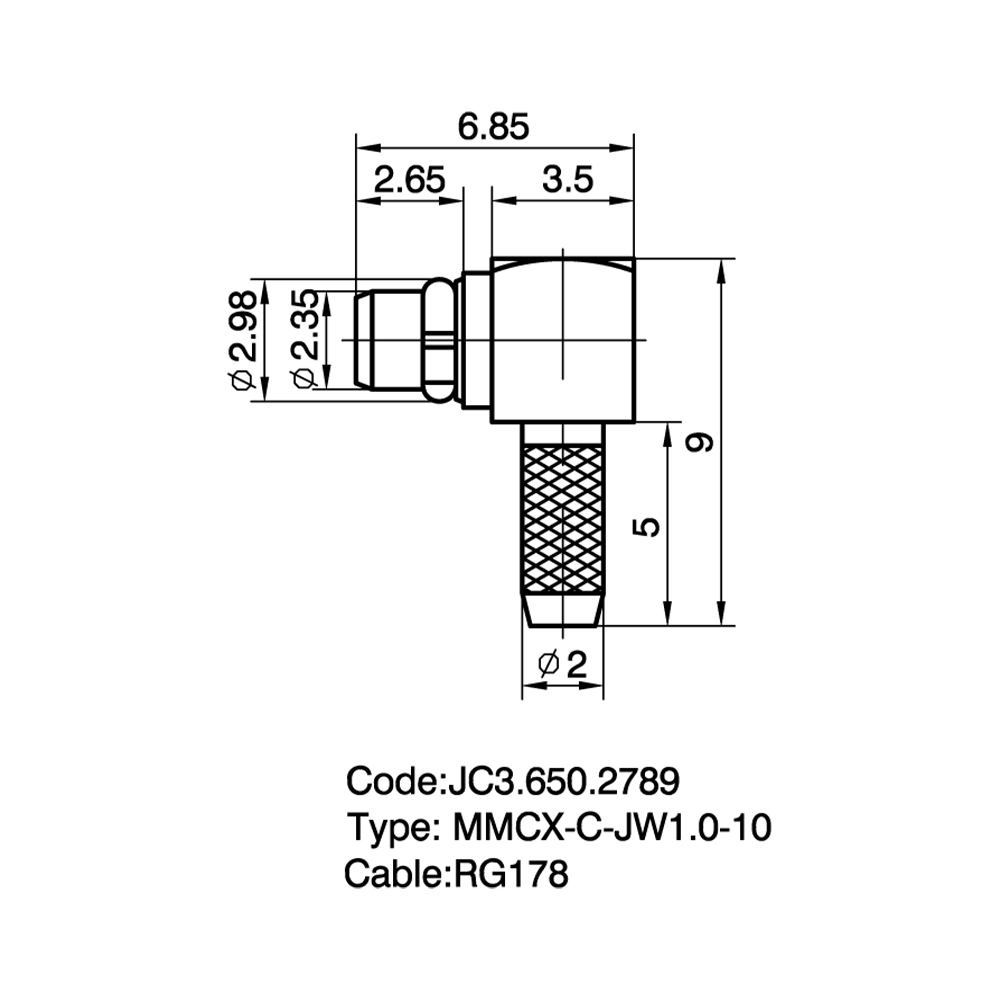
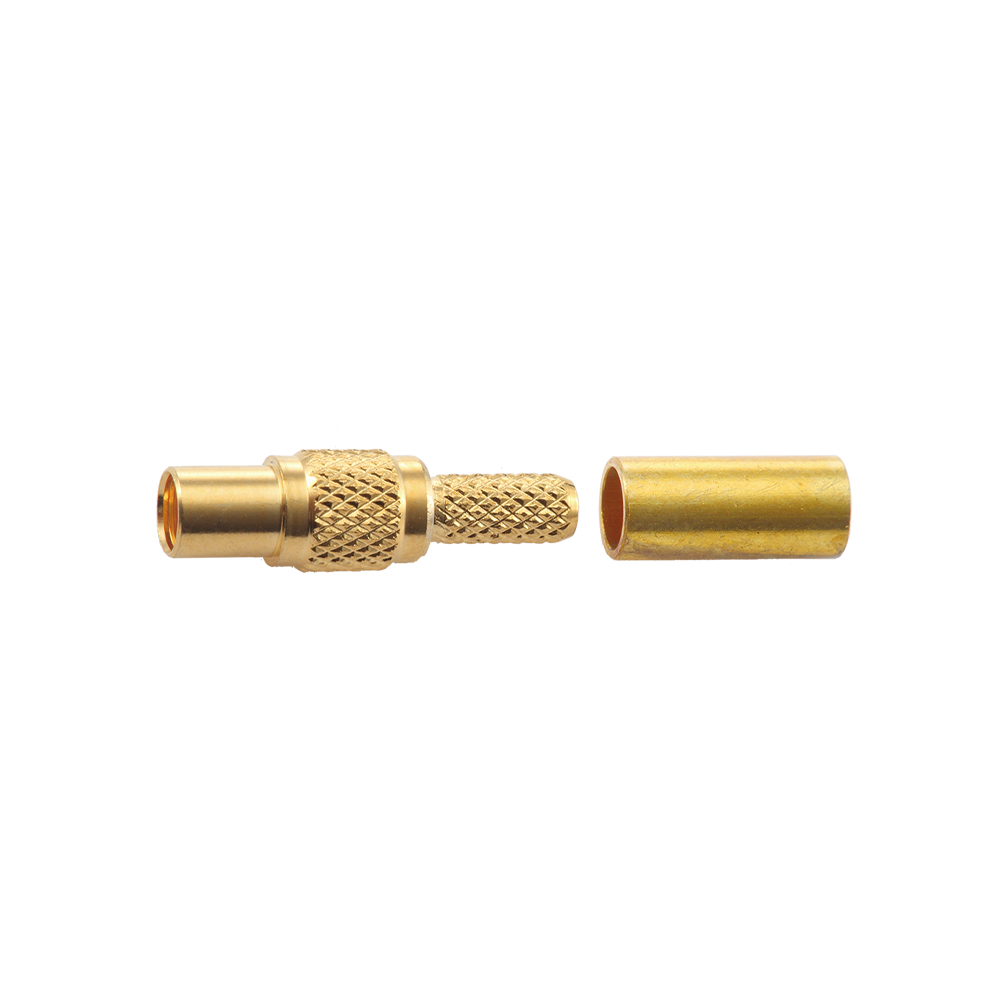
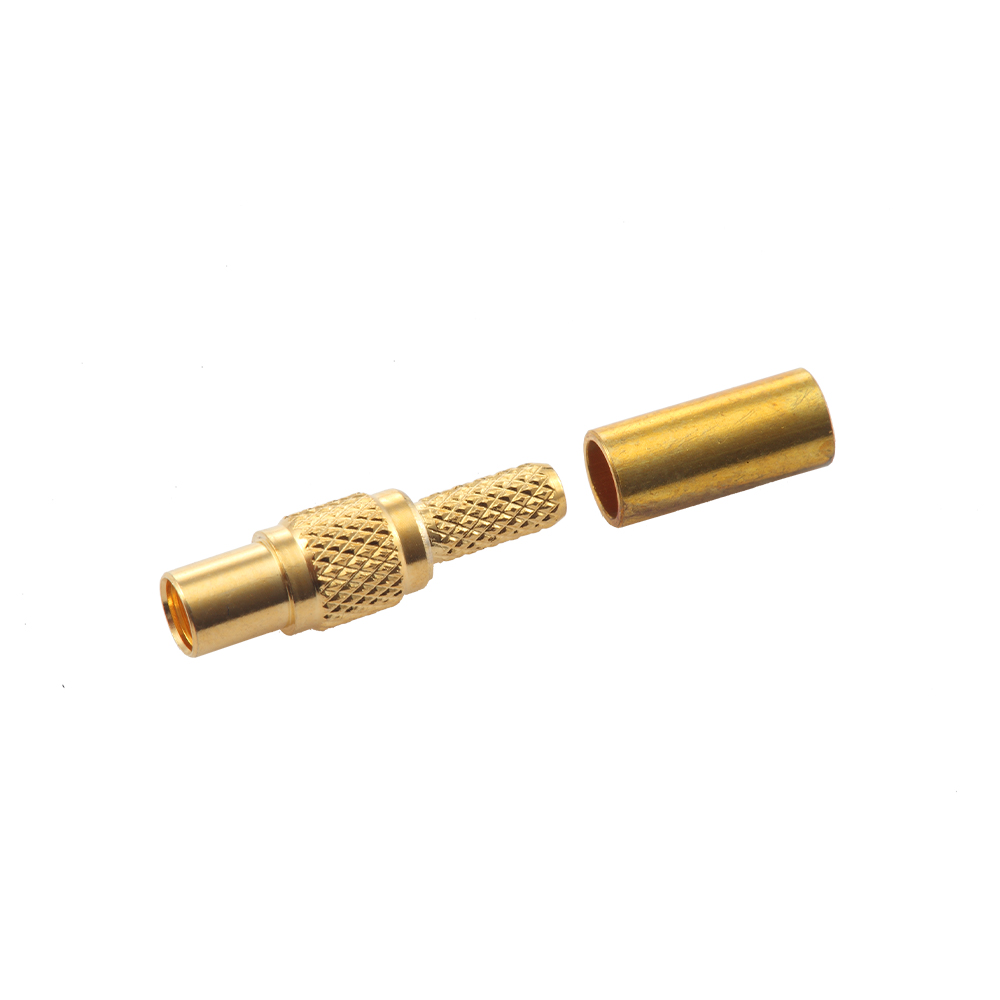
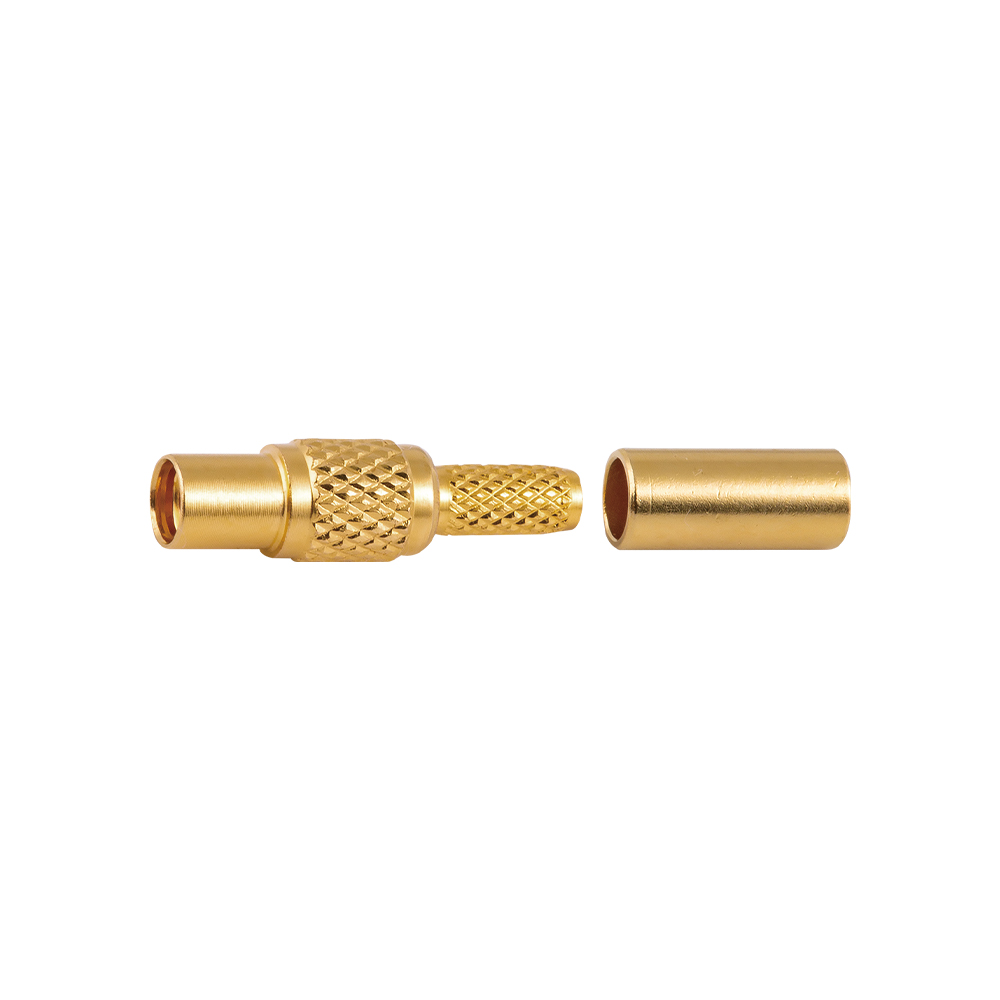
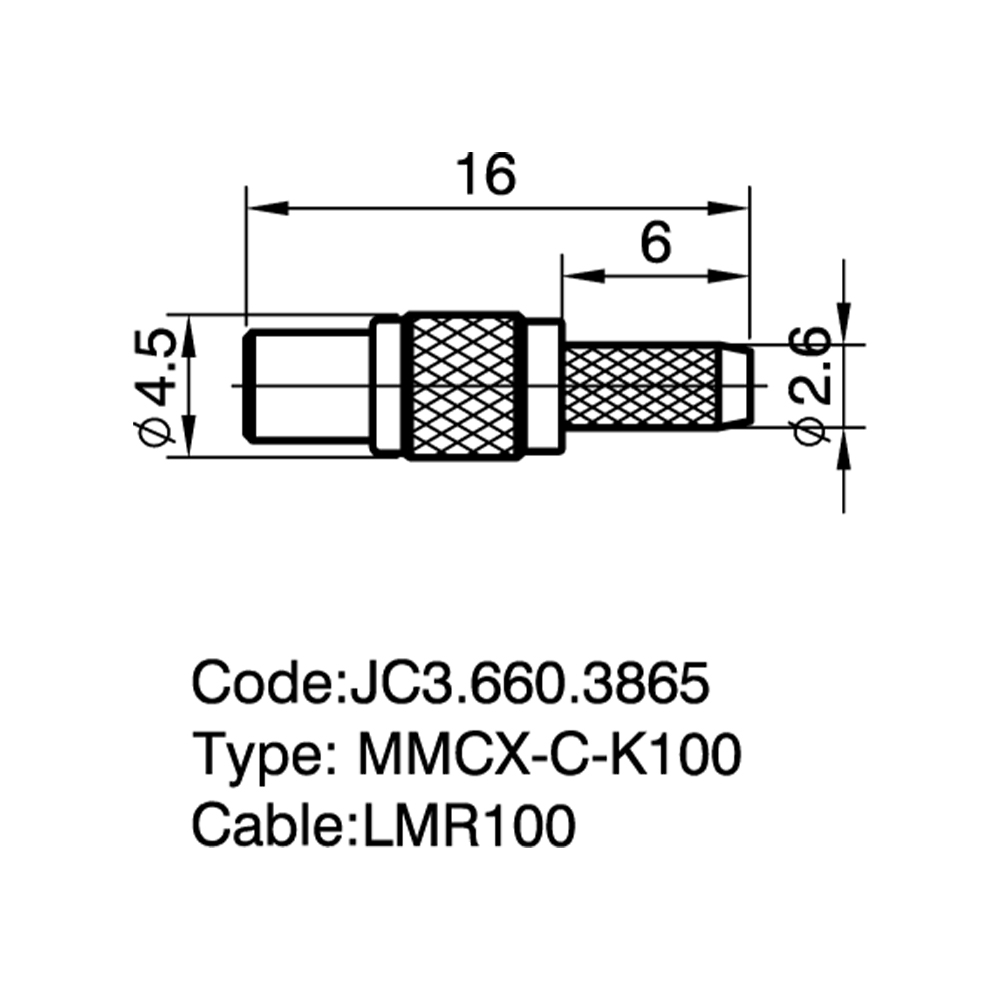
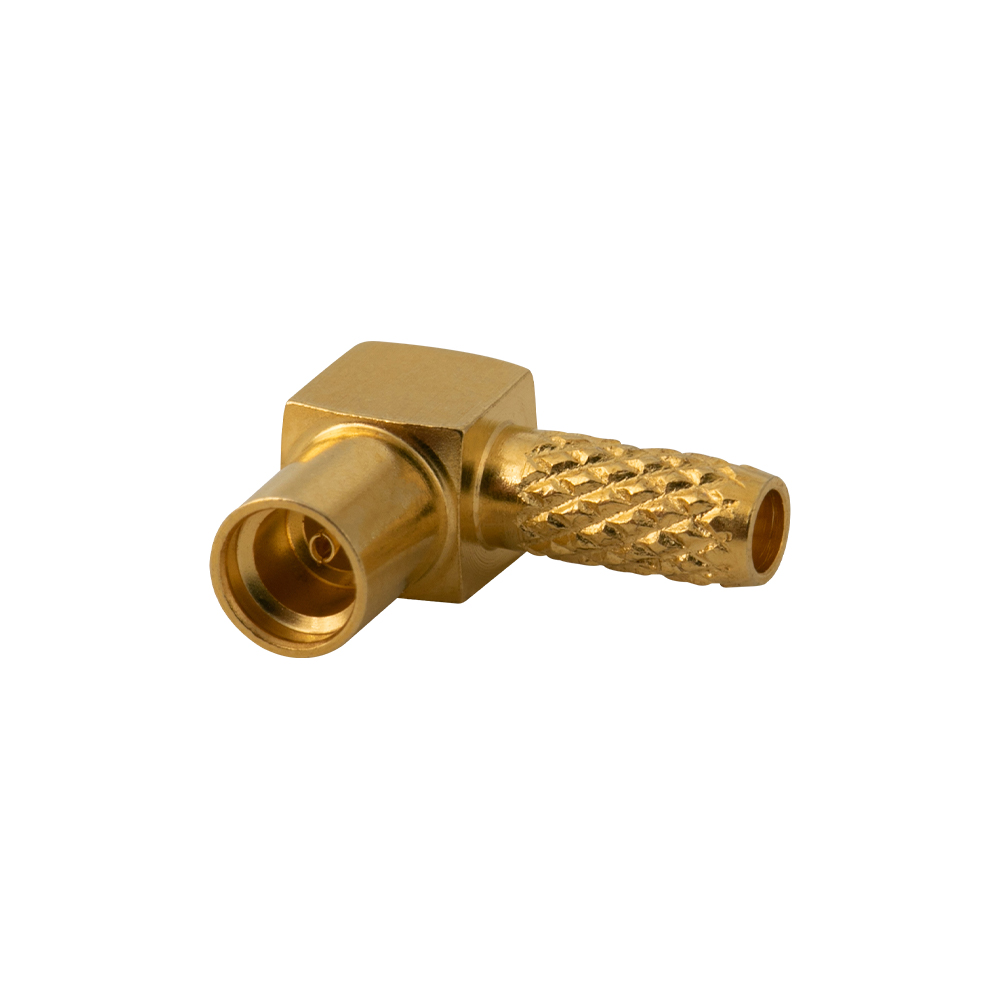
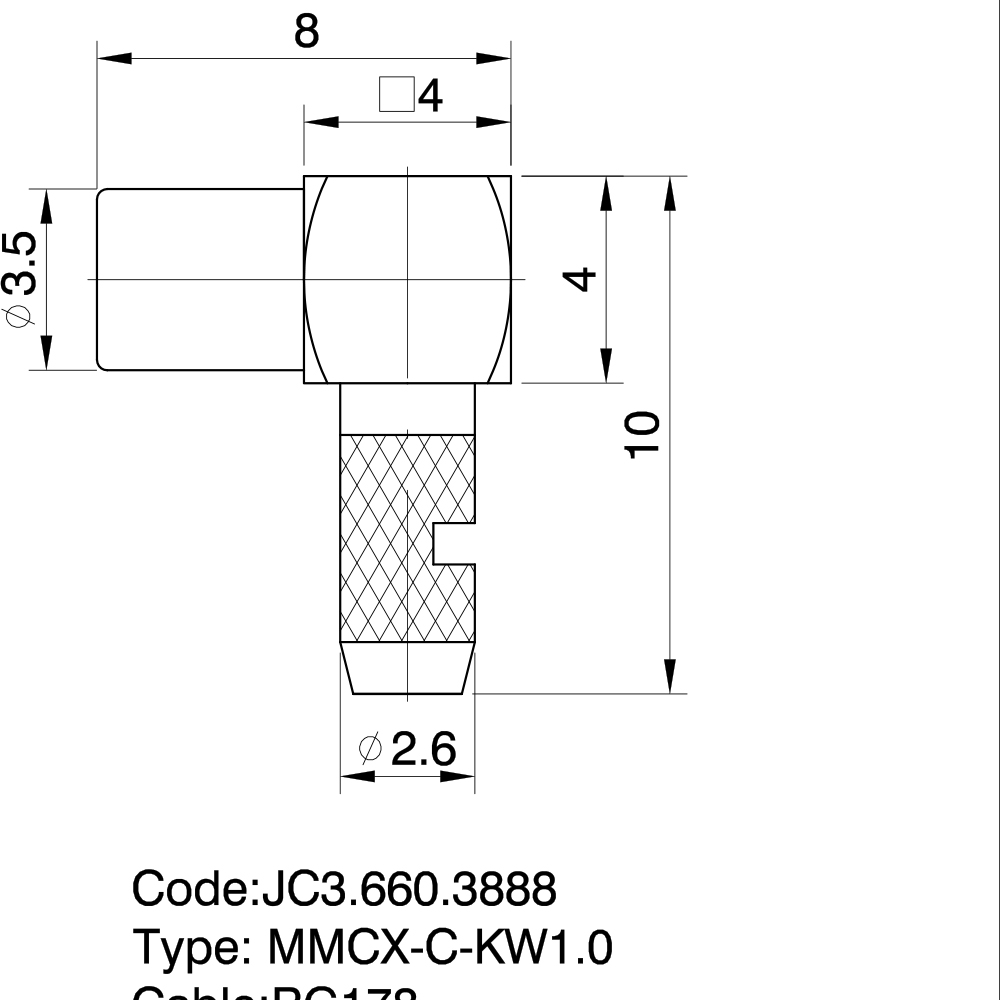
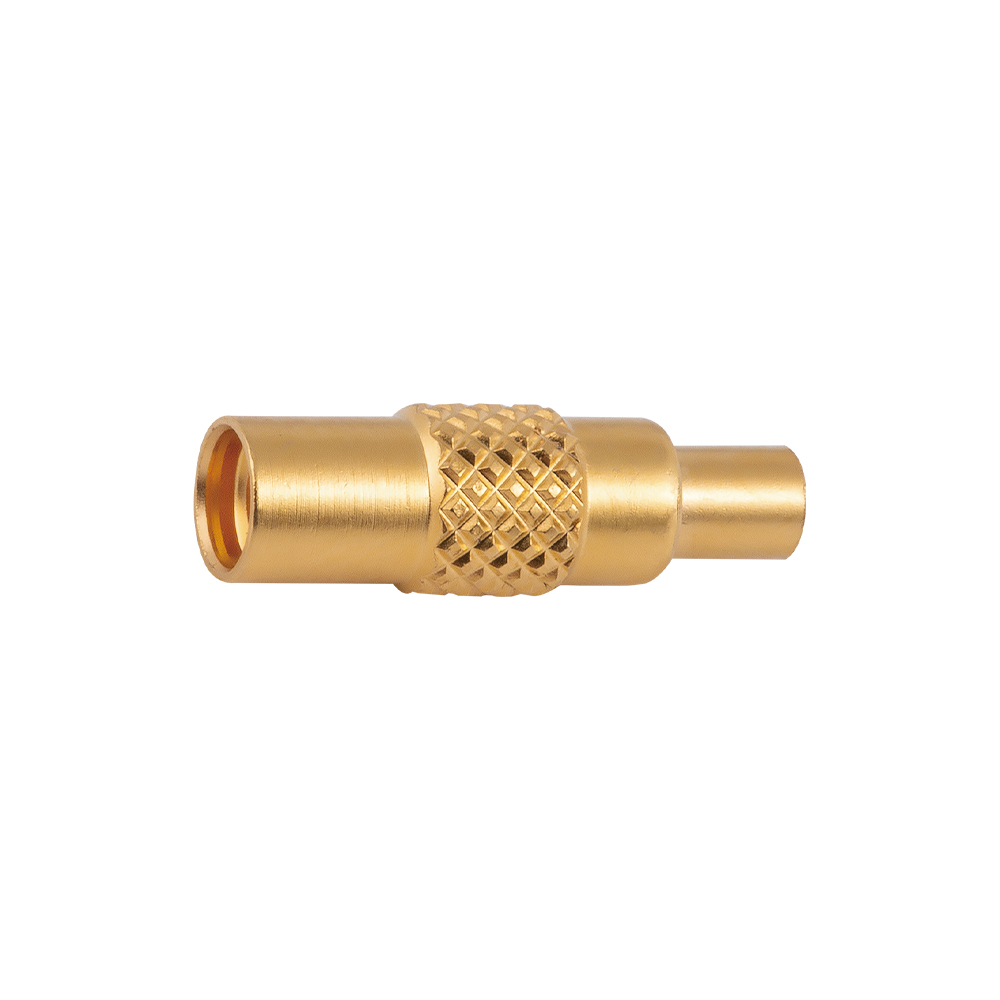
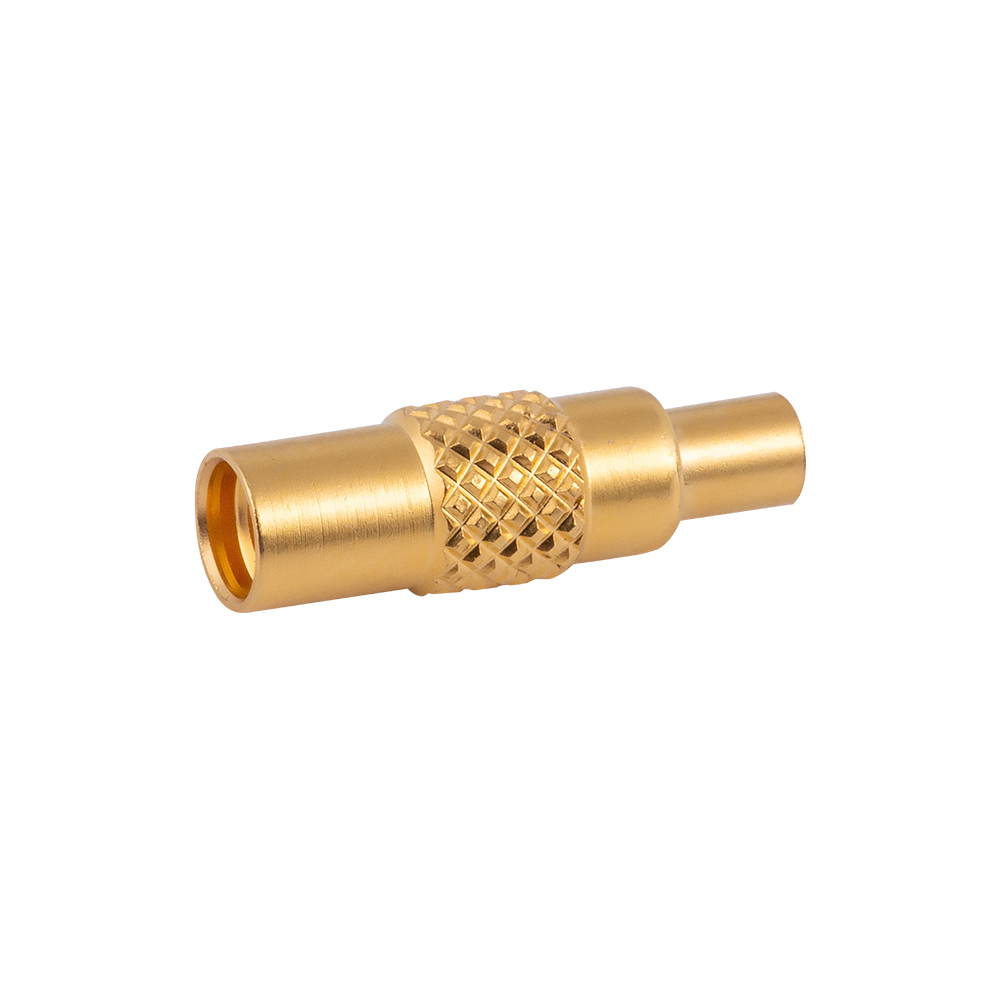
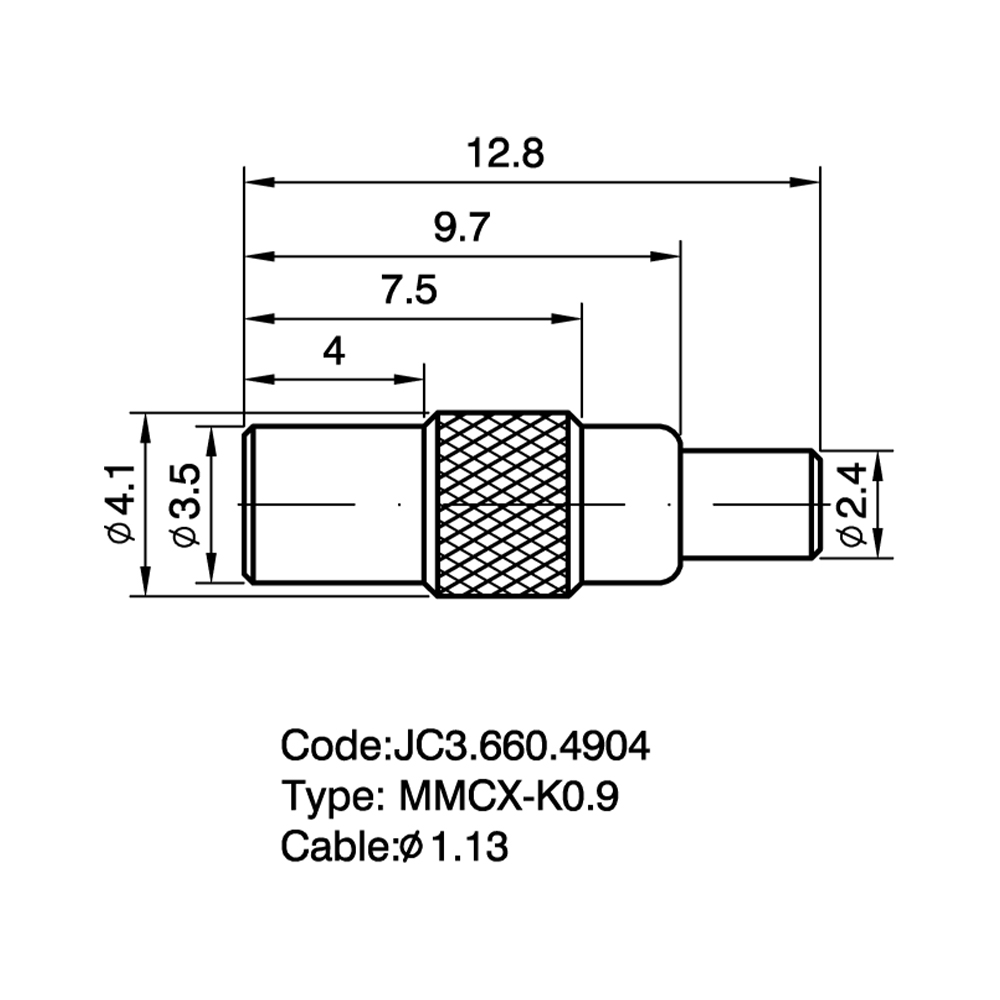
MMCX Flexible Cable Connectors Custom

Home / Products / Coaxial Connectors / MMCX RF Coaxial Connectors / MMCX Flexible Cable Connectors

MMCX Flexible Cable Connectors Manufacturer

Product Introduction:
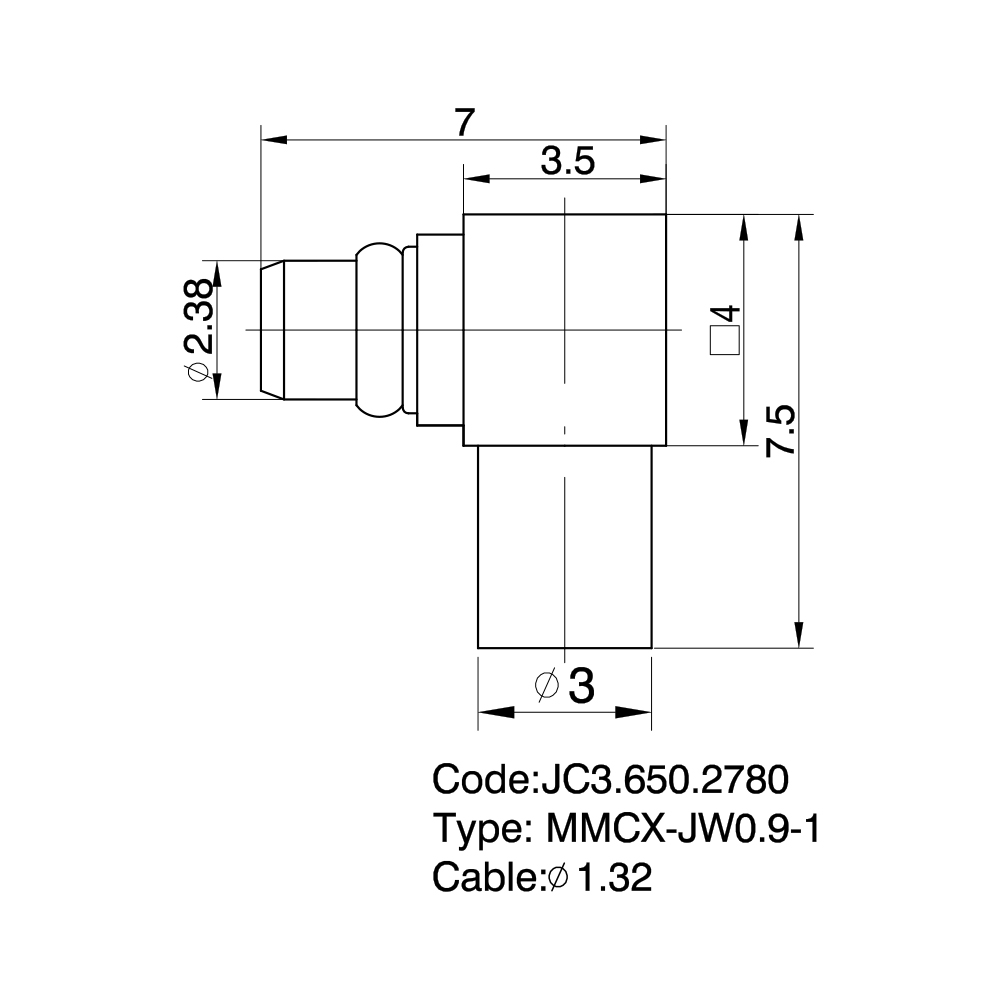
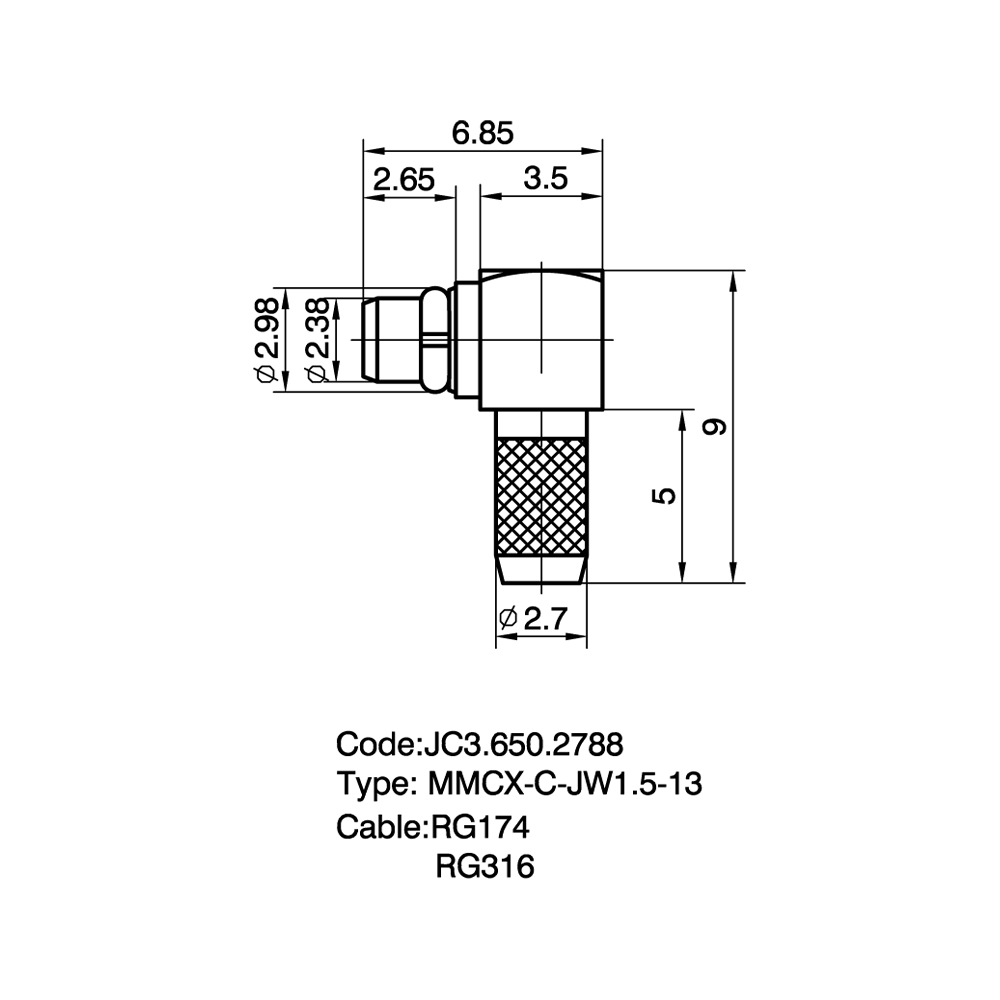
Compatible with commonly used ultra-fine flexible cables such as RG178, RG316, as well as thinner 0.81 mm and 1.13 mm cables. Widely used in internal routing environments requiring high flexibility.

Product Features:
360° rotation capability: After insertion, the plug can rotate freely, greatly facilitating internal cable routing angle adjustments without affecting signal transmission.
Lightweight design: Its extremely lightweight ensures no additional burden in applications such as drones and handheld mobile devices.

Application Advantages:
Stress relief in routing: The free rotation feature eliminates torque caused by cable bending, protecting solder joints on delicate PCBs from cracking.
Rapid iteration: The push-on design enables extremely fast module replacement and maintenance, reducing after-sales service time.

Temperature Range

-55~+155℃(PE Cable   -40~+85℃)

Impedance

50Ω

Frequency Range

DC~6GHz

Insulation resistance

≥1000MΩ

Insertion loss

0.18 dB/1GHz

Voltage Standing Wave Ratio (VSWR)

Straight ≤1.25/3GHz


Right angle ≤1.43/3GHz

 Durability(mating)

≥500 cycles

About
Yangzhou Jingcheng Electronics Co., Ltd.

Yangzhou Jingcheng Electronics Co., Ltd., a premier China MMCX Flexible Cable Connectors Manufacturer and MMCX Flexible Cable Connectors Supplier, was founded in 1999. It is a high-tech enterprise specializing in the R&D and manufacturing of RF coaxial connectors, cable assemblies, and passive microwave components.
Equipped with a comprehensive R&D and production system, the company has obtained international certifications including ISO9001. Adhering strictly to standards such as MIL, IEC and GB, we offer over 30 product series with more than 2,000 specifications, covering SMA, BNC, N-type and other mainstream models. Our products are widely applied in the fields of communications, aerospace, automotive electronics and beyond, and exported to many countries and regions across Europe, America and Asia.
We uphold the tenet of "Quality as the Foundation, Customers as the Core", committed to providing reliable interconnection solutions and professional services for global clients.

MMCX Flexible Cable Connectors Industry knowledge

Category Overview

MMCX flexible cable connectors are micro-miniature coaxial RF connectors engineered for snap-on coupling with flexible coaxial cables. The MMCX interface, conforming to the CECC 22000 standard, features a characteristic impedance of 50 ohms and supports operating frequencies from DC to 6 GHz. These connectors are approximately 30% smaller than MCX connectors, making them suitable for applications where PCB real estate and device volume are constrained.

MMCX flexible cable connectors utilize a push-pull snap-on locking mechanism that enables rapid mating and unmating while maintaining stable electrical performance. The flexible cable variants are designed to accommodate micro-coaxial cable types such as RG-174, RG-178, RG-316, and 1.13 mm / 1.37 mm miniature coaxial cables. The connector series includes straight plugs, right-angle plugs, bulkhead jacks, and PCB edge-mount configurations, covering a broad range of installation requirements.

Yangzhou Jingcheng Electronics Co., Ltd., established in 1999, manufactures MMCX flexible cable connectors as part of its RF coaxial connector product line, which spans from DC to 50 GHz including series such as 2.92 mm, 2.4 mm, 1.85 mm, SMP, SMA, MCX, BNC, TNC, N, and DIN. The company's MMCX connectors are produced with brass bodies, gold-plated or nickel-plated finishes, and PTFE insulation, with assembly services available for custom flexible cable lengths and connector orientations.

Common Types & Characteristics

The following table summarizes the primary connector body styles available for MMCX flexible cable terminations, along with their defining mechanical and electrical characteristics.

Connector Type Body Orientation Typical Cable Compatibility Key Characteristics
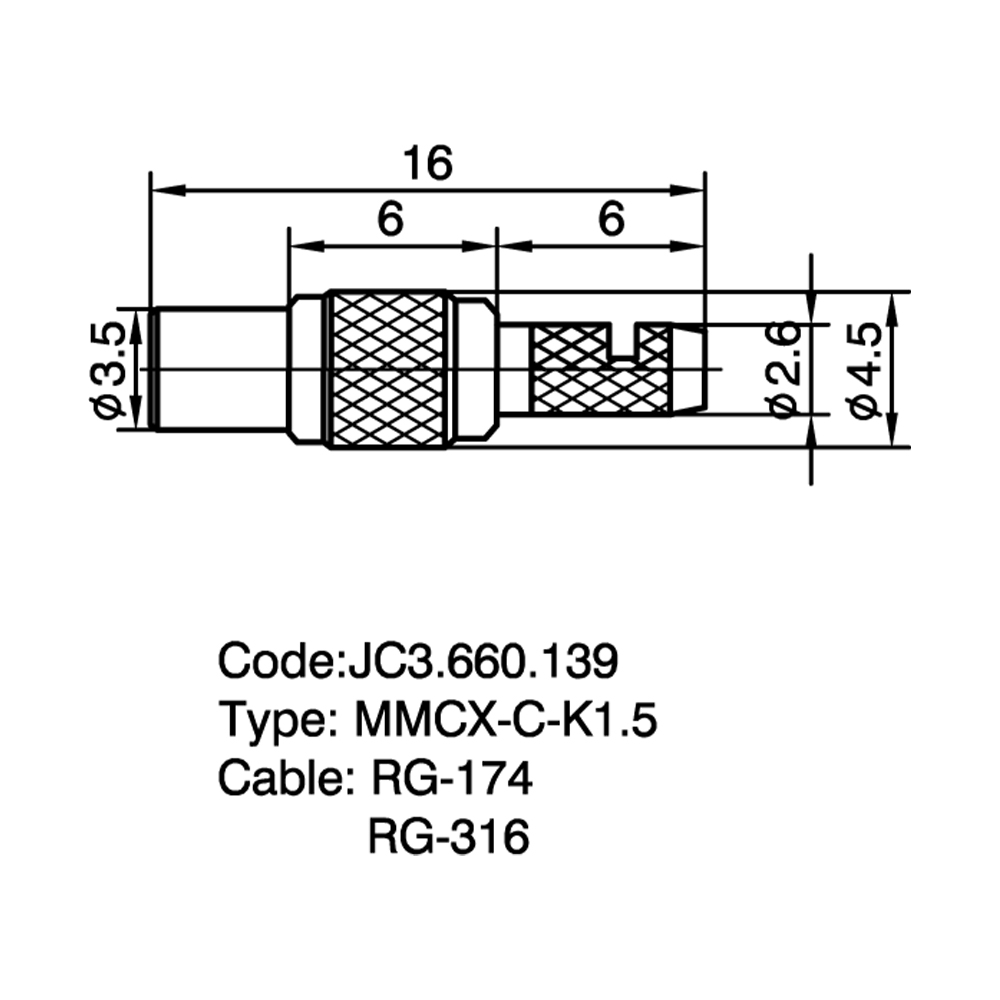
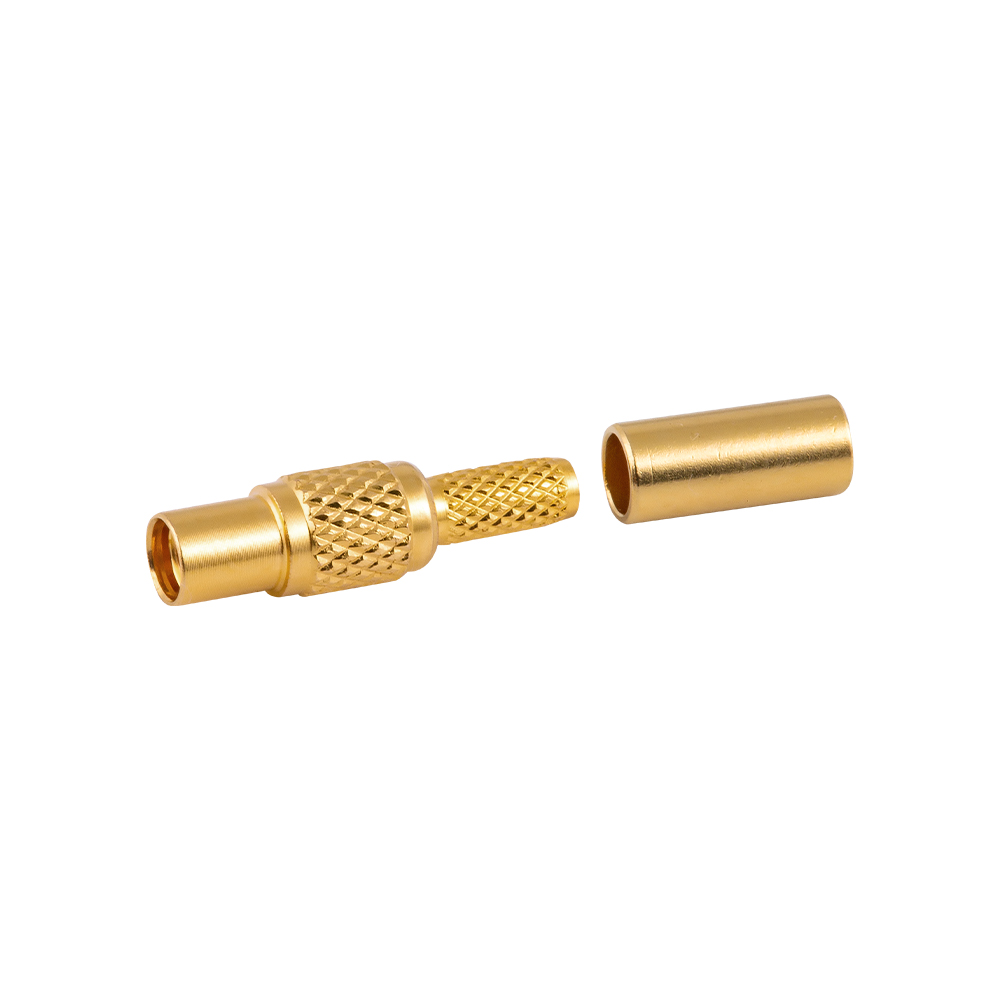
Straight Cable Plug In-line / 180° RG-174, RG-178, RG-316, 1.13 mm, 1.37 mm Low-profile linear connection; crimp or solder termination; gold-plated center contact
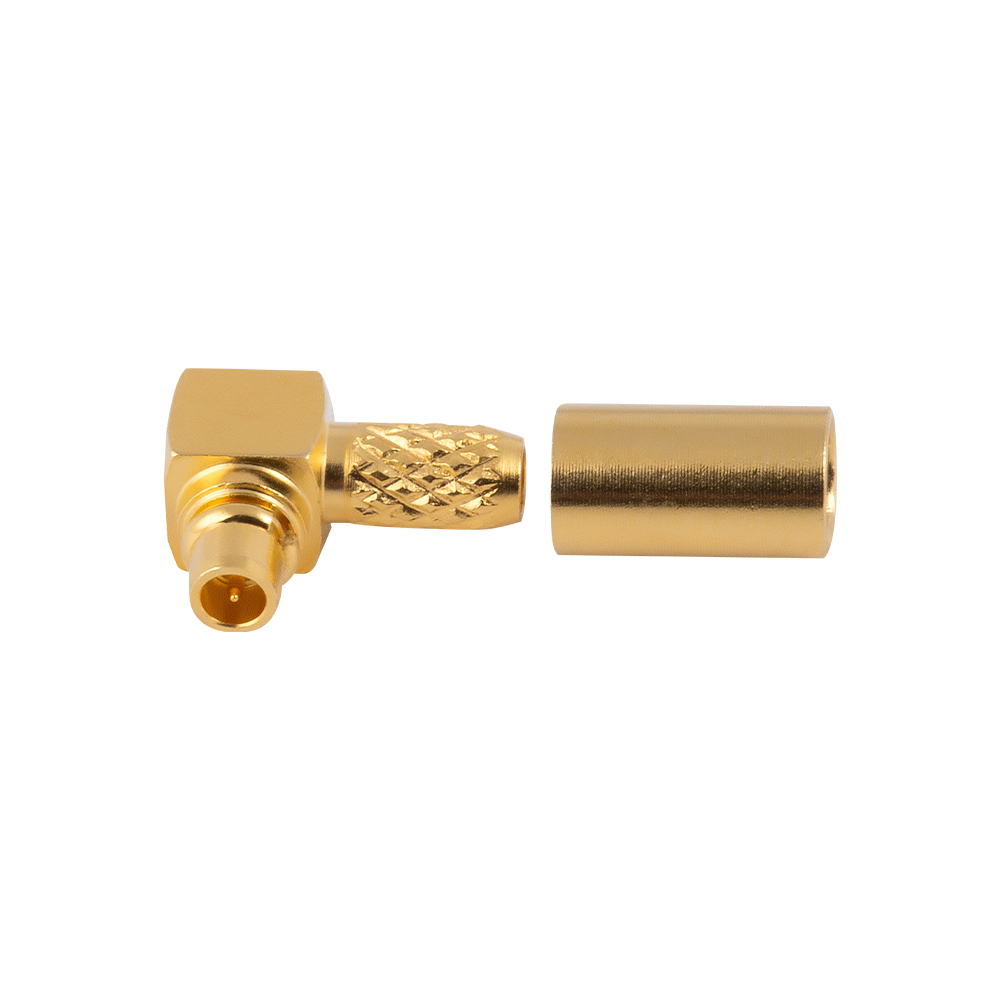
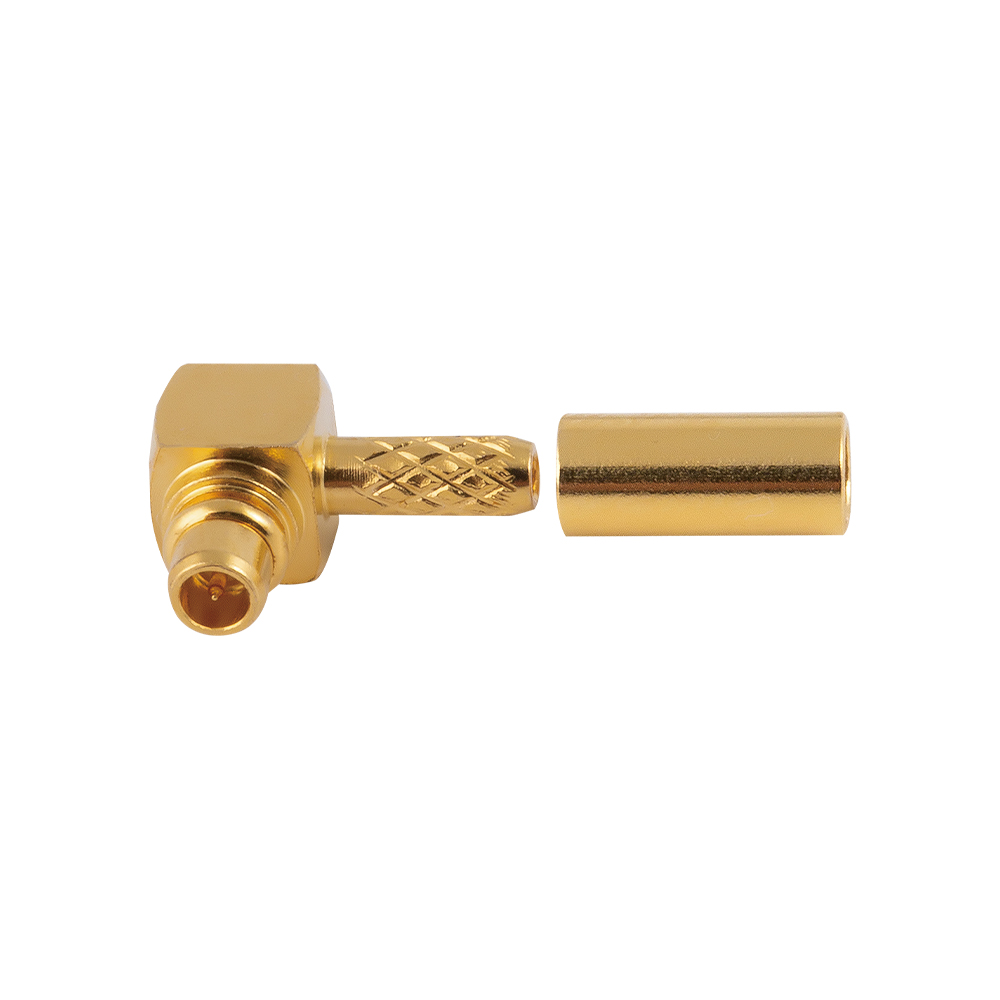
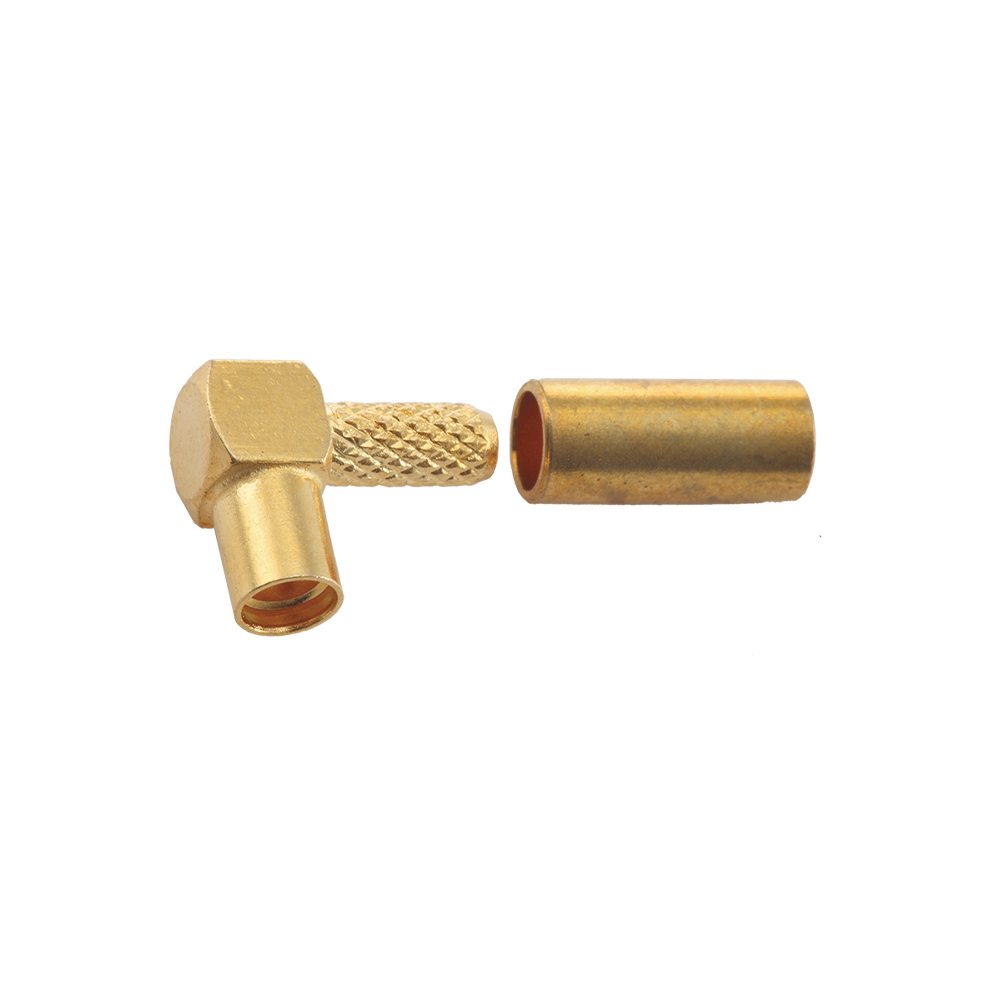
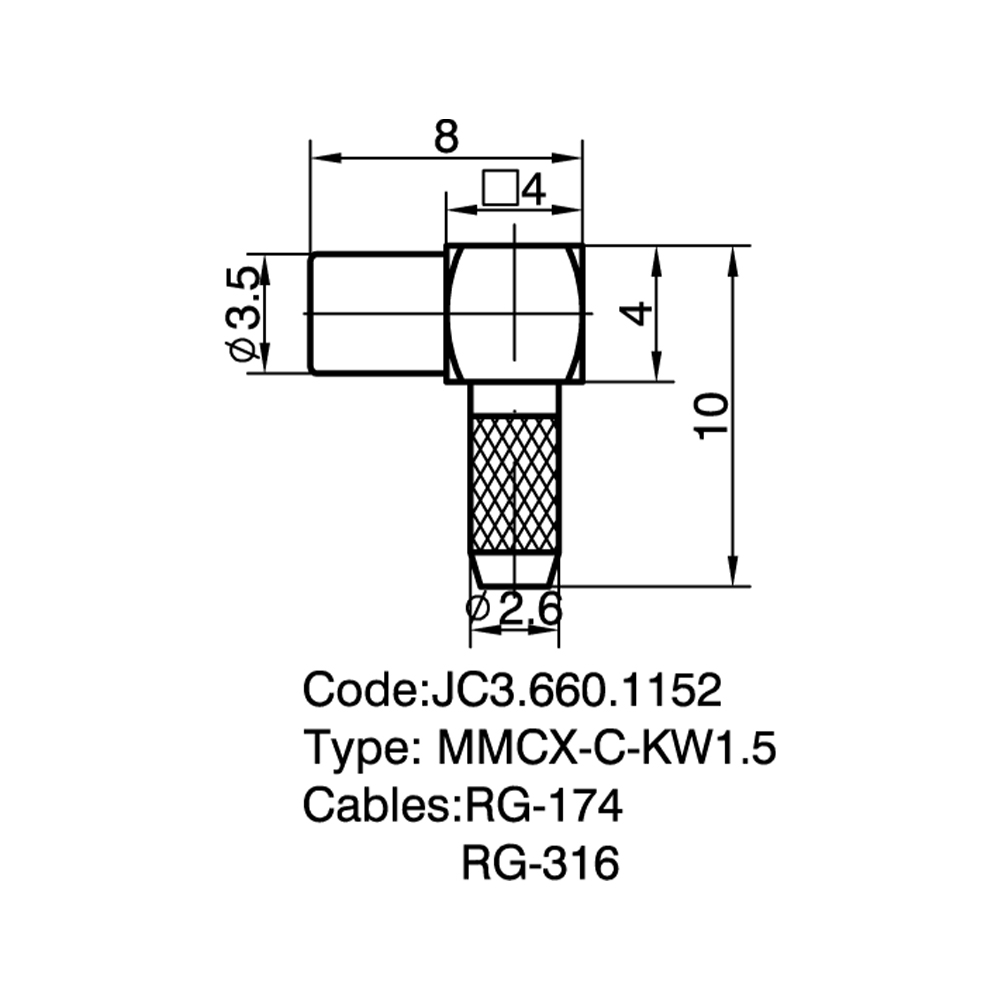
Right-Angle Cable Plug 90° angled RG-174, RG-178, RG-316, 1.13 mm, 1.37 mm Space-saving 90-degree exit; reduces cable bend radius strain; ideal for tight enclosures
Bulkhead Cable Jack In-line, panel-mount RG-174, RG-178, RG-316 Threaded or snap-in panel mounting; sealed bulkhead option available; external grounding
PCB Edge-Mount Jack Horizontal / edge-launch N/A (PCB interface) Direct PCB solder termination; minimizes cable length on board; consistent impedance transition
Cable Jack (Female) In-line RG-174, RG-178, RG-316, 1.13 mm Female interface for extension cable assemblies; compatible with standard MMCX plug mating

Comparison: MMCX vs. MCX Connectors

Both MMCX and MCX are subminiature snap-on RF connectors widely used in wireless communication systems. The table below provides a direct parameter-by-parameter comparison to assist in identifying the appropriate interface for a given design.

Parameter MMCX MCX
Physical Size Approx. 30% smaller than MCX Larger body diameter
Characteristic Impedance 50 Ω (75 Ω variants available) 50 Ω (75 Ω variants available)
Frequency Range DC – 6 GHz (standard) DC – 6 GHz (standard)
Coupling Mechanism Snap-on (push-pull) Snap-on (push-pull)
Durability (Mating Cycles) 500 cycles (typical) 500 cycles (typical)
Typical Flexible Cable Types RG-174, RG-178, RG-316, 1.13 mm, 1.37 mm RG-174, RG-316, RG-58 (limited)
Primary Application Focus Ultra-compact devices, GPS modules, IoT Wireless infrastructure, base station interconnects

Typical Application Scenarios

MMCX flexible cable connectors are deployed across a range of industries where compact RF interconnects with reliable snap-on retention are required. Common application areas include:

  • GPS / GNSS Antenna Systems: Used in active antenna modules and receiver boards for navigation and timing applications where a compact, detachable RF link is needed.
  • Wireless LAN & Bluetooth Devices: Internal antenna connections in access points, routers, and embedded wireless modules benefit from the MMCX snap-on interface for assembly and field servicing.
  • IoT & M2M Communication Modules: Space-constrained telemetry units, sensor nodes, and industrial IoT gateways utilize MMCX flexible cable assemblies for antenna feed connections.
  • Unmanned Aerial Vehicles (UAVs): Lightweight RF links for drone-mounted cameras, FPV transmitters, and telemetry radios where weight and volume are critical design factors.
  • Portable Test & Measurement Equipment: Handheld spectrum analyzers, field strength meters, and portable signal generators use MMCX connectors for internal RF signal routing with flexible cabling.
  • Medical Telemetry Devices: Wearable patient monitoring transmitters that require miniature, reliable coaxial connections with frequent connect/disconnect cycles.

Selection Guide & Key Considerations

Selecting the appropriate MMCX flexible cable connector involves evaluating several technical and mechanical parameters to ensure compatibility with the target system. The following points outline the key factors to consider during the selection process.

1. Cable Type & Diameter Compatibility

Verify that the connector ferrule and crimp dimensions match the flexible cable's outer diameter and inner conductor gauge. Commonly supported cables include RG-174 (Ø2.8 mm), RG-178 (Ø1.8 mm), RG-316 (Ø2.5 mm), 1.13 mm, and 1.37 mm micro-coaxial cables. Yangzhou Jingcheng Electronics Co., Ltd. provides connector specifications with detailed cable compatibility charts to support accurate matching during assembly.

2. Impedance & Frequency Requirements

Standard MMCX connectors are designed for 50 Ω systems operating from DC to 6 GHz. For applications requiring 75 Ω impedance, specialized variants are available. The VSWR (Voltage Standing Wave Ratio) performance should be evaluated across the operating frequency band to ensure the connector meets system-level return loss specifications.

3. Body Style & Mounting Orientation

Choose between straight and right-angle plug configurations based on the enclosure layout and cable routing path. Bulkhead jack variants enable panel feed-through installations, while PCB edge-mount jacks eliminate the need for a cable pigtail when connecting directly to a printed circuit board.

4. Plating Finish & Environmental Durability

Gold-plated center contacts provide corrosion resistance and reliable low-contact-resistance performance. Body plating options typically include gold, nickel, or ternary alloy finishes. For outdoor or high-humidity deployments, gold-plated bodies with sealed bulkhead designs are recommended to prevent oxidation and maintain electrical integrity over the product lifecycle.

5. Mating Cycle Expectations

MMCX snap-on connectors are typically rated for 500 mating cycles. In applications requiring frequent connection and disconnection, selecting connectors with reinforced spring-finger contacts and robust plating thickness can extend operational service life. For production testing environments, consider implementing a sacrificial adapter strategy to preserve the connector integrity of the device under test.

Frequently Asked Questions

Q: What is the operating frequency range of MMCX flexible cable connectors?

Standard MMCX connectors are specified for operation from DC to 6 GHz. The actual usable frequency range in a given assembly depends on the cable type, connector termination quality, and the overall VSWR budget of the system. For applications approaching the upper frequency limit, careful attention to cable preparation and connector attachment technique is advised.

Q: Can MMCX connectors be used with both flexible and semi-rigid cables?

Yes. MMCX connectors are manufactured in variants for flexible cables (such as RG-174, RG-178, and RG-316), semi-rigid cables, and conformable cables. The connector body and ferrule design differ between flexible and semi-rigid versions to accommodate the respective cable construction. This category page focuses specifically on the flexible cable variants. Yangzhou Jingcheng Electronics Co., Ltd. also offers semi-rigid cable connector solutions across its broader MMCX product range.

Q: How does the snap-on coupling mechanism affect connection reliability?

The MMCX snap-on mechanism uses spring-loaded fingers that engage with a mating groove on the jack, providing tactile confirmation of a secure connection. The retention force is designed to maintain electrical continuity under moderate vibration and mechanical shock. For high-vibration environments, additional strain-relief measures on the cable assembly are recommended to prevent unintended decoupling.

Q: What are the available plating options, and how do they affect performance?

Common plating finishes for MMCX connectors include gold over nickel on brass bodies and gold-plated beryllium copper or phosphor bronze center contacts. Gold plating provides oxidation resistance and stable contact resistance over repeated mating cycles. Nickel plating on the body offers a cost-effective alternative for indoor applications where exposure to corrosive environments is limited.

Q: Are custom MMCX flexible cable assemblies available with specified connector orientations and cable lengths?

Custom MMCX cable assemblies can be configured with specified cable types, connector orientations (straight or right-angle at either end), and precise cable lengths. Yangzhou Jingcheng Electronics Co., Ltd. provides assembly services for its MMCX connector products, including crimping, soldering, and electrical testing of finished cable assemblies to verify VSWR and insertion loss performance prior to shipment.

Q: How do MMCX connectors compare to U.FL and similar miniature connectors for flexible cable use?

MMCX connectors differ from U.FL-type connectors in their coupling mechanism and durability rating. MMCX uses a snap-on interface rated for approximately 500 mating cycles, whereas U.FL connectors are typically rated for fewer cycles and are designed primarily for semi-permanent board-to-antenna connections. MMCX connectors also offer a wider selection of body styles, including bulkhead and right-angle configurations, providing greater installation flexibility for flexible cable routing.