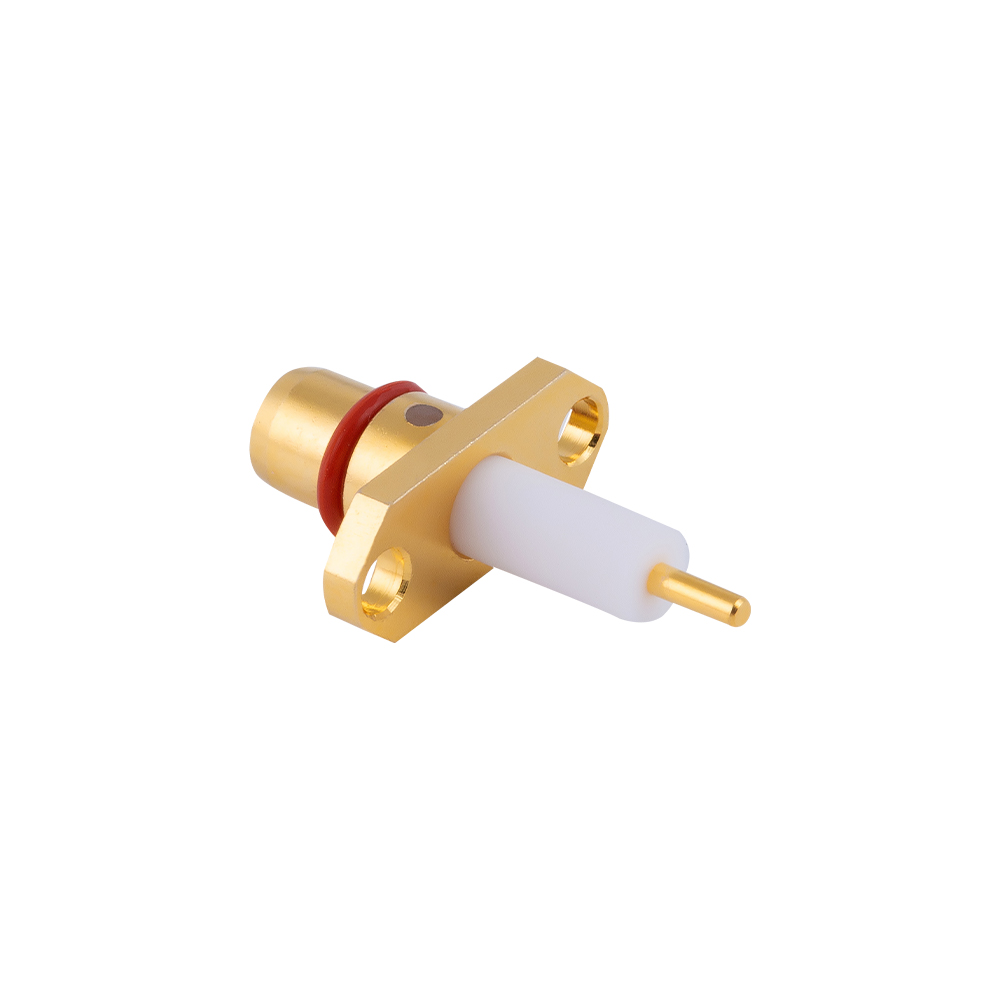
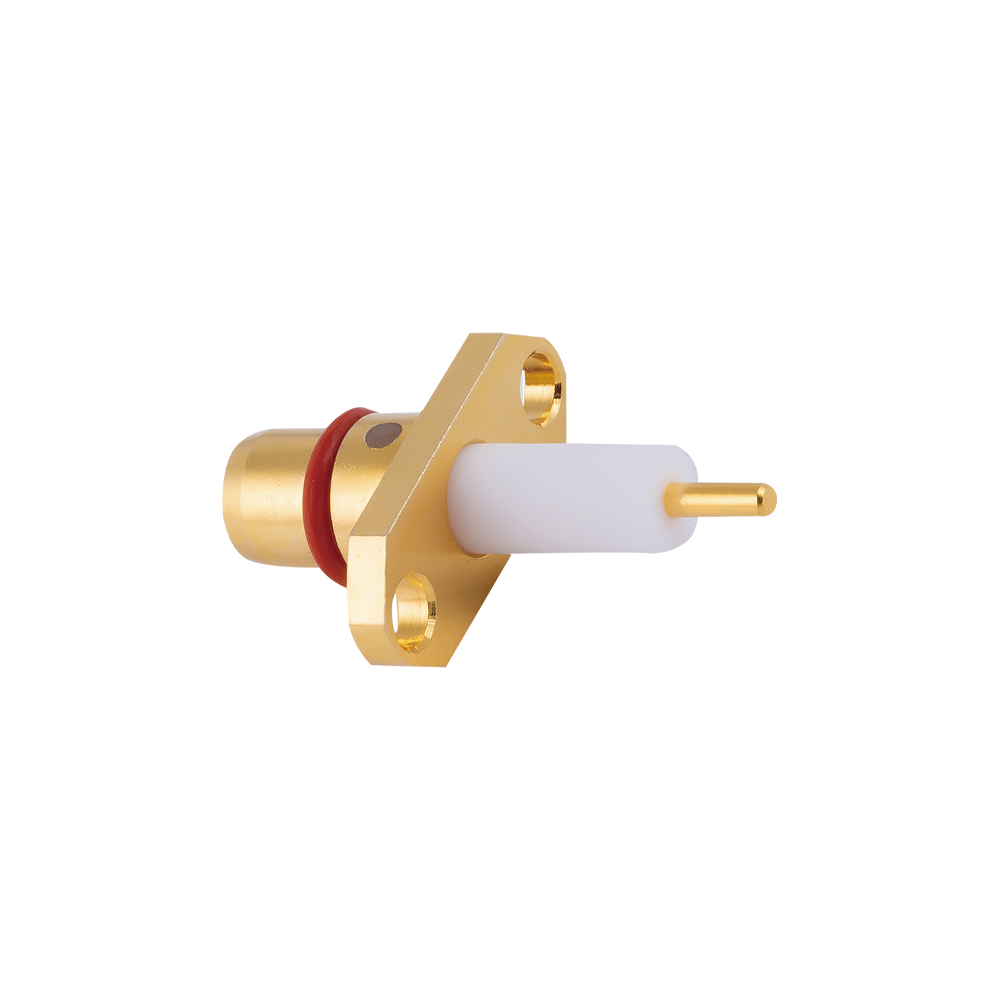
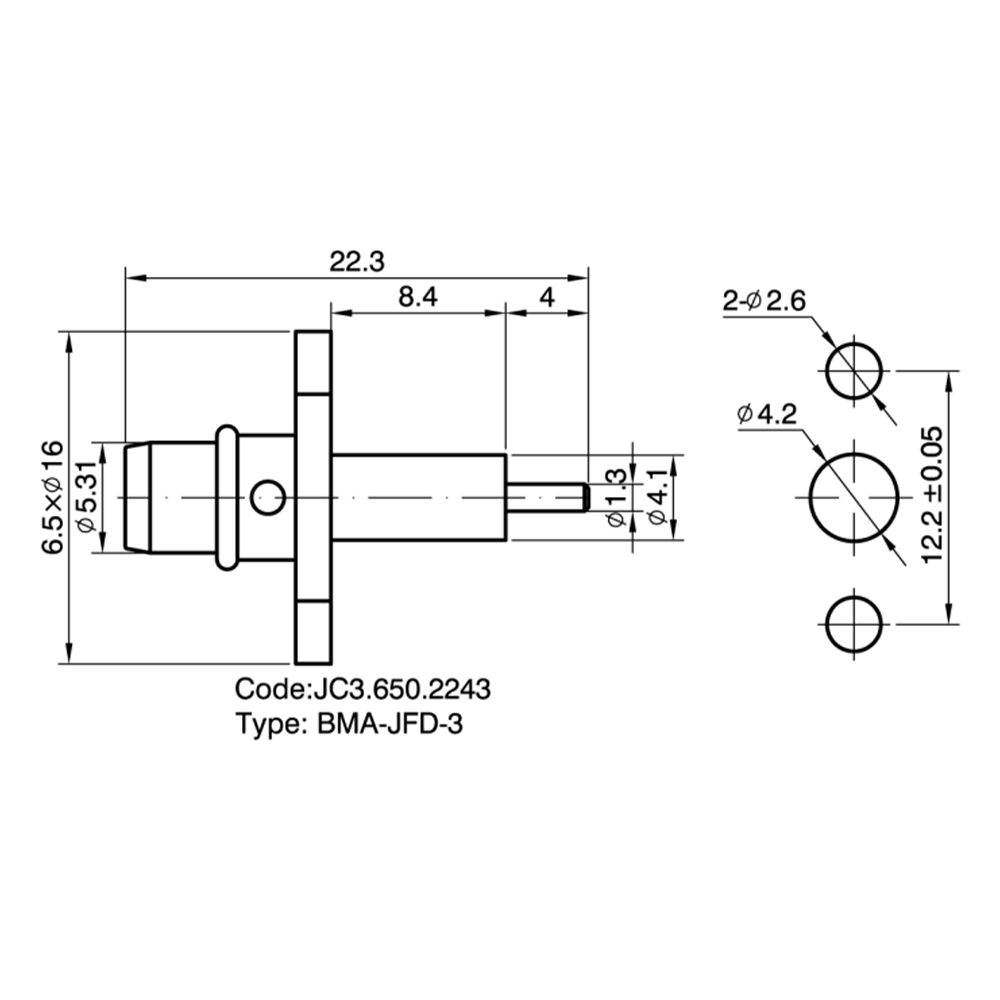
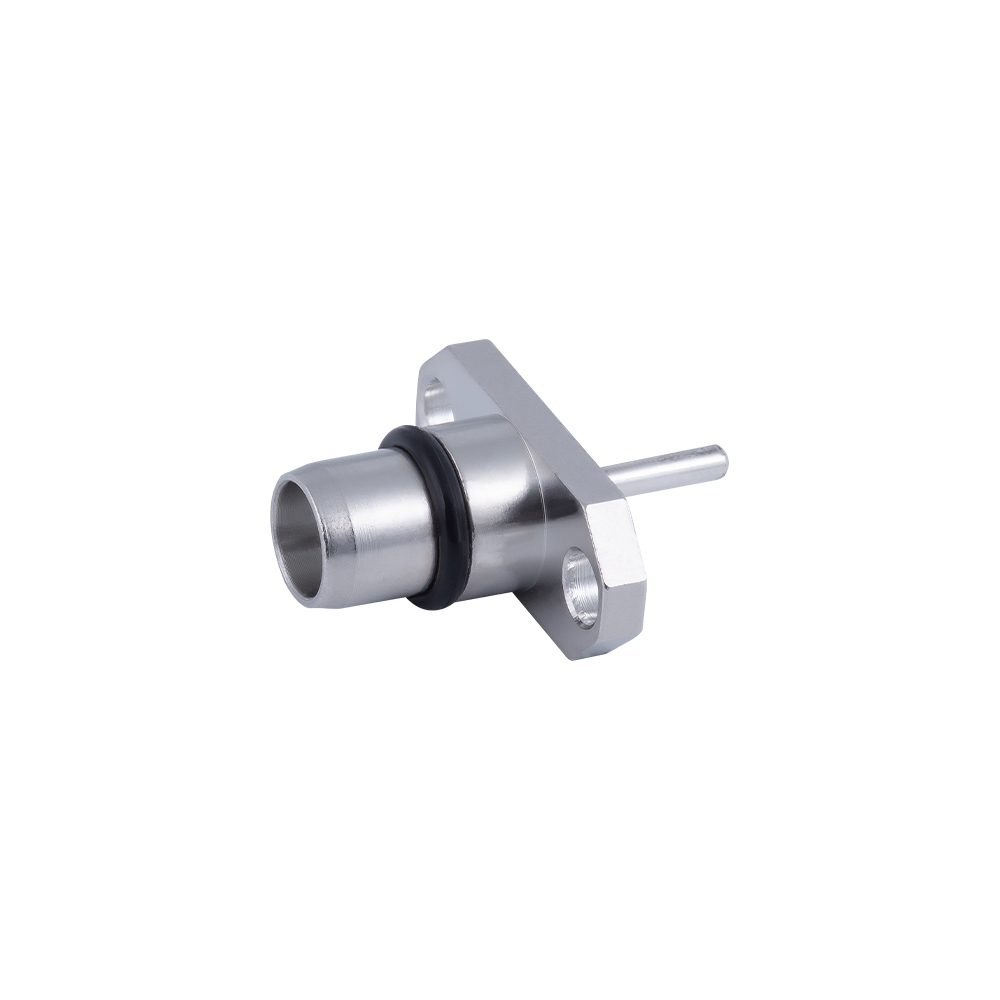
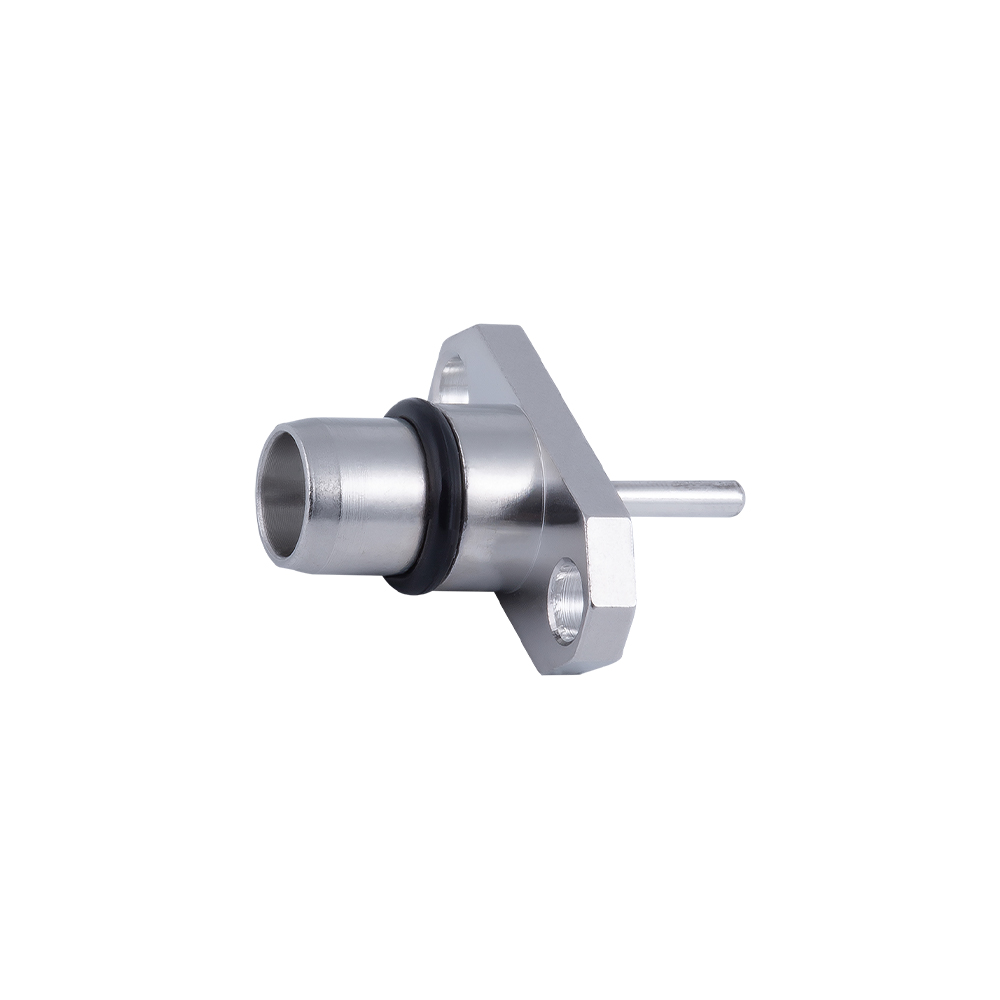
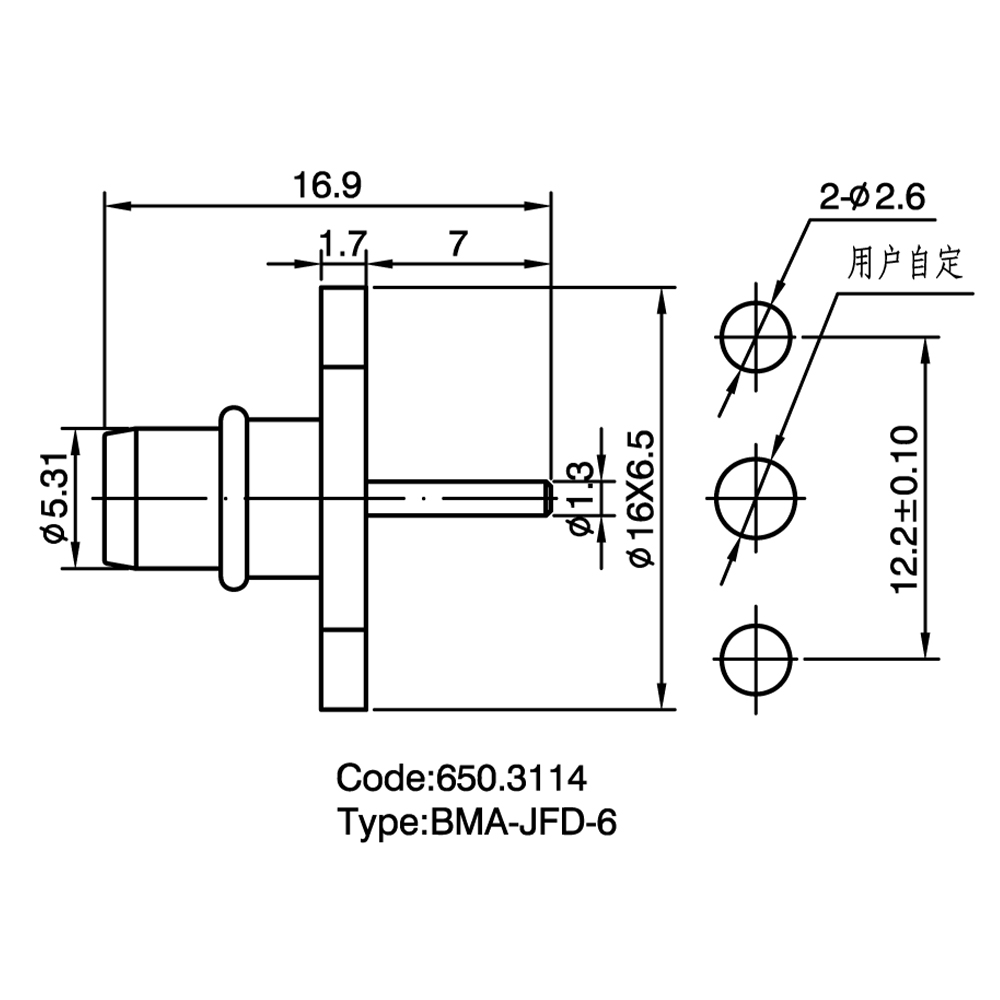
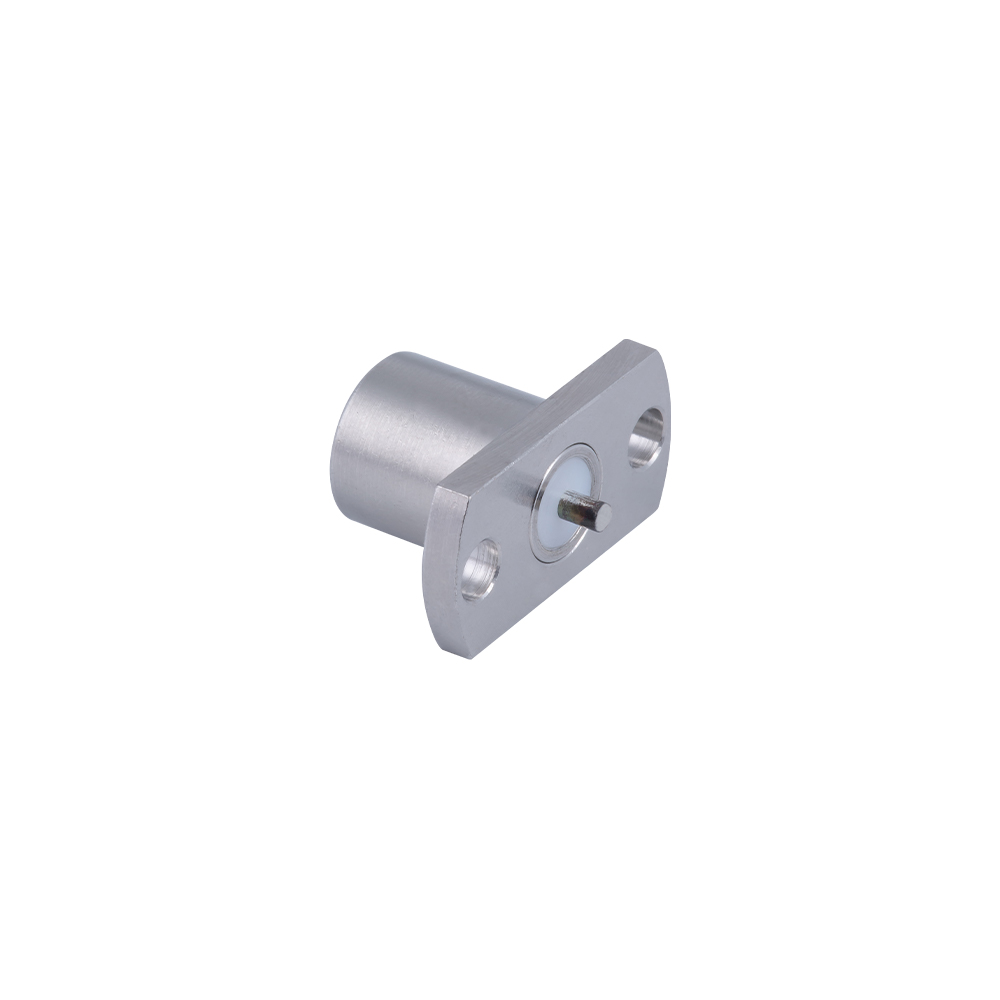
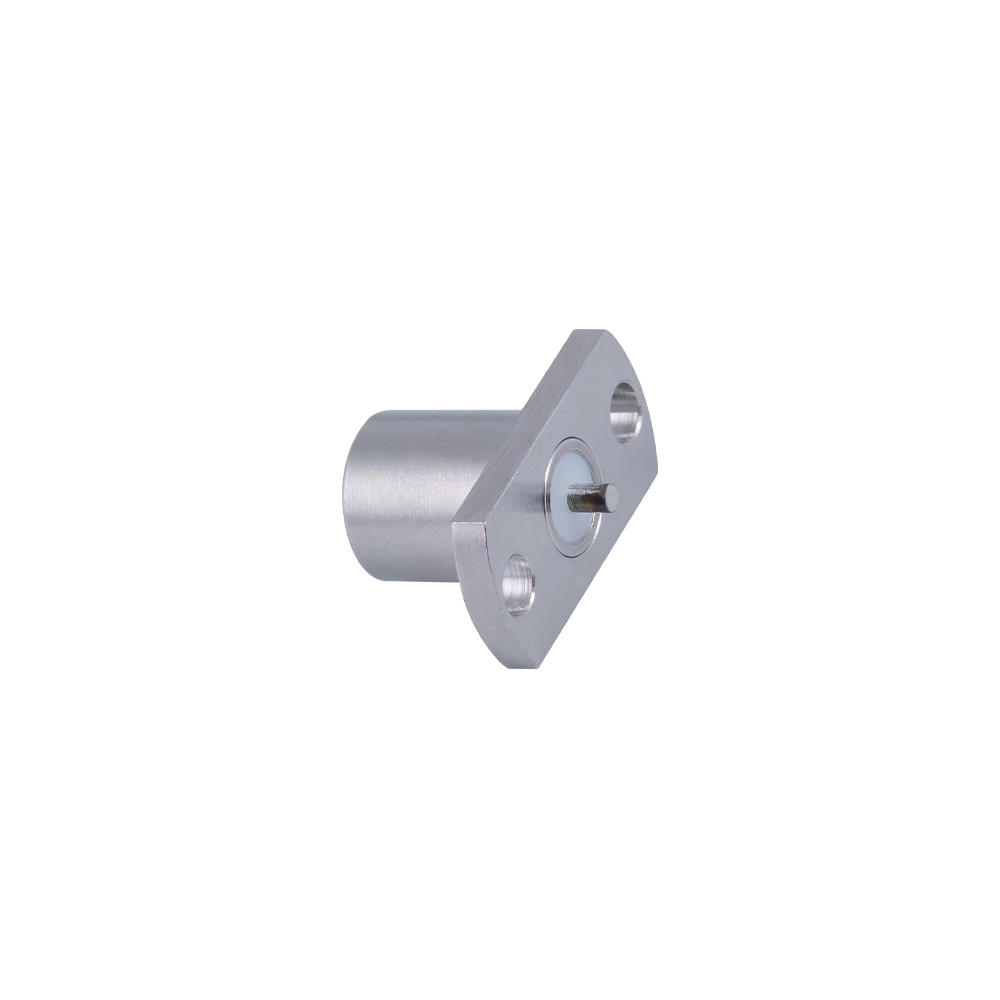
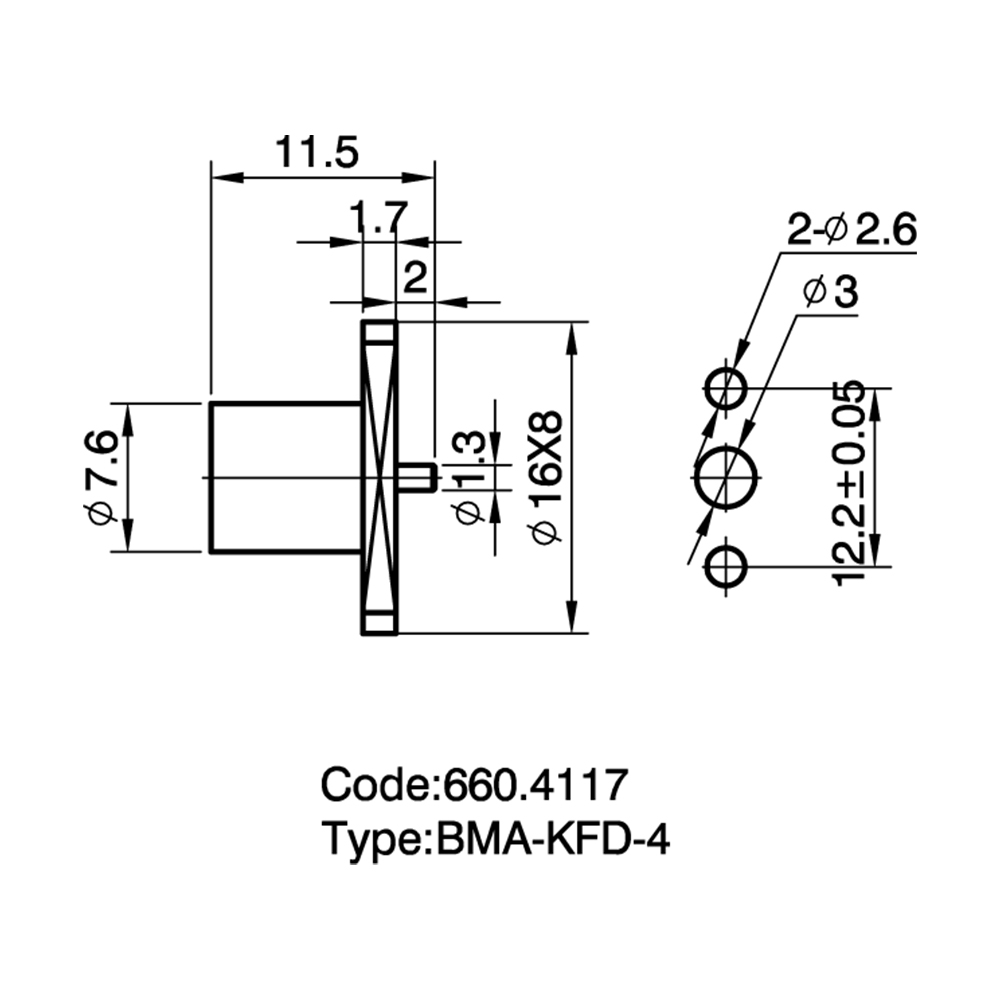
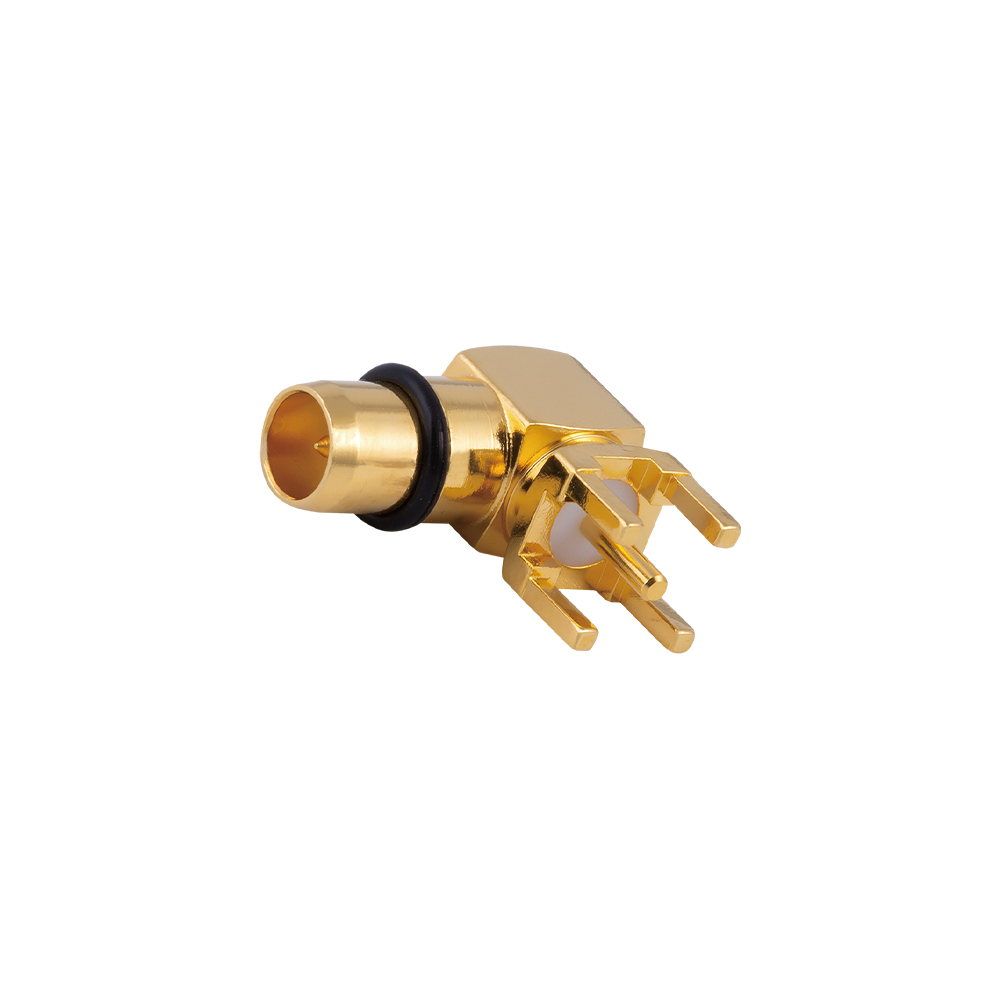
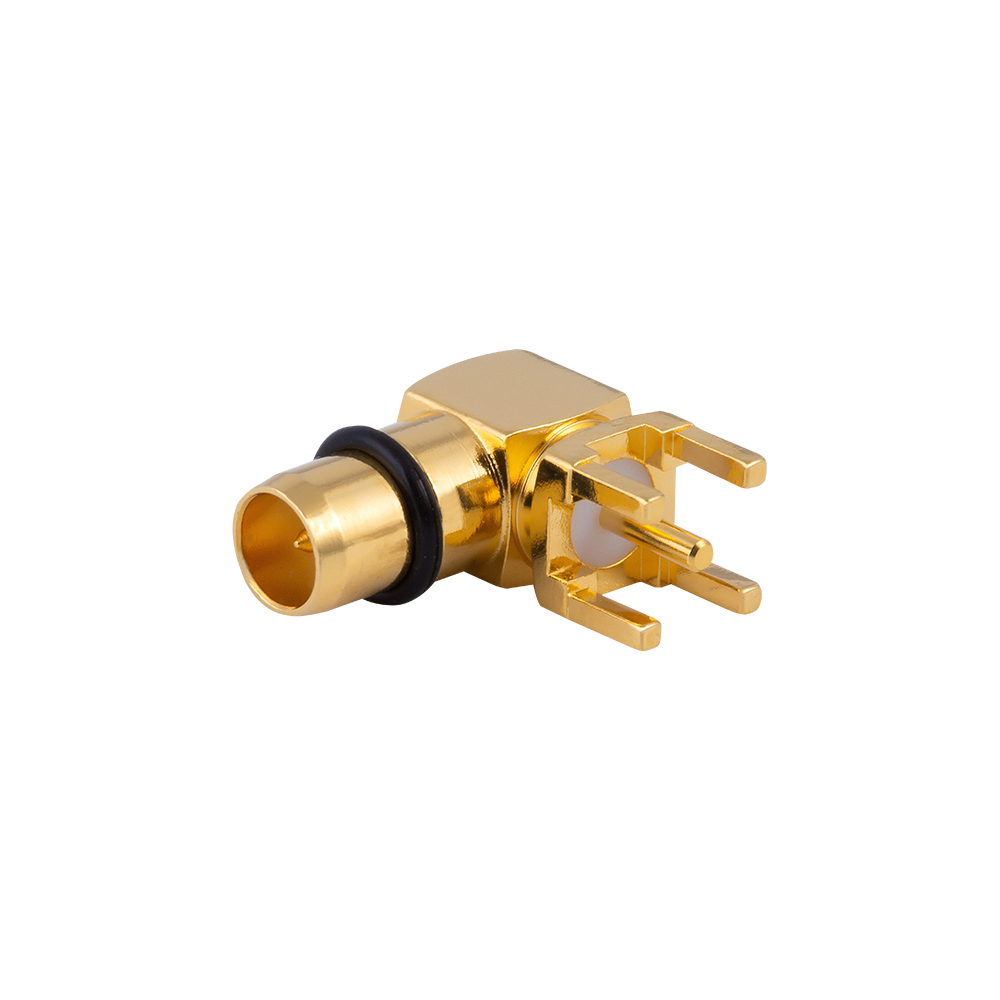
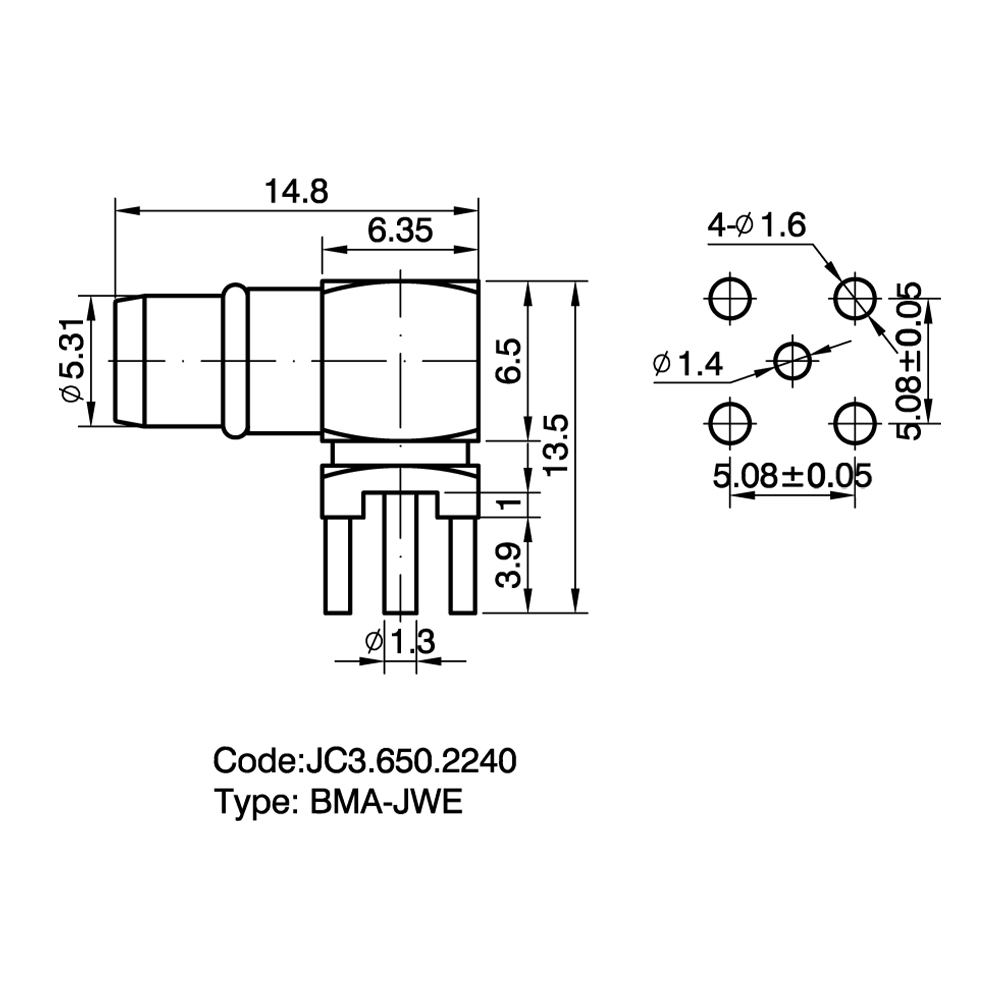
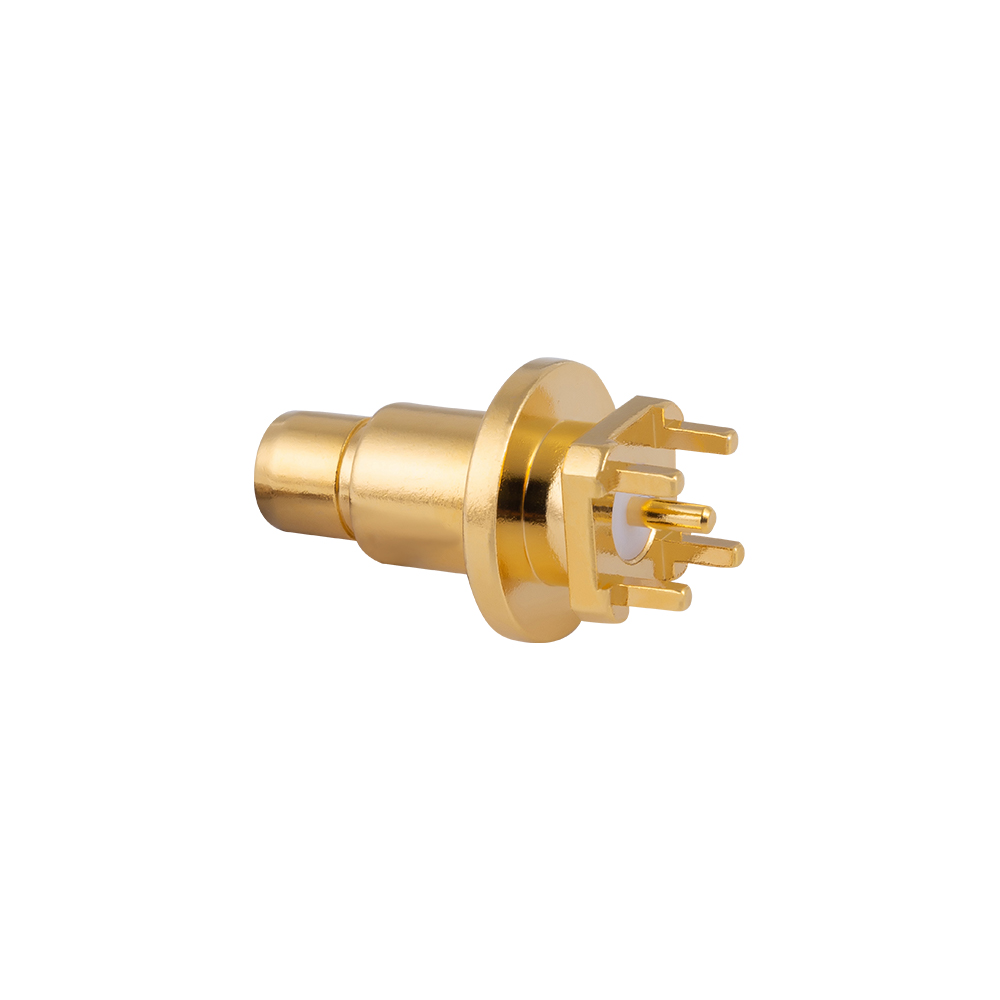
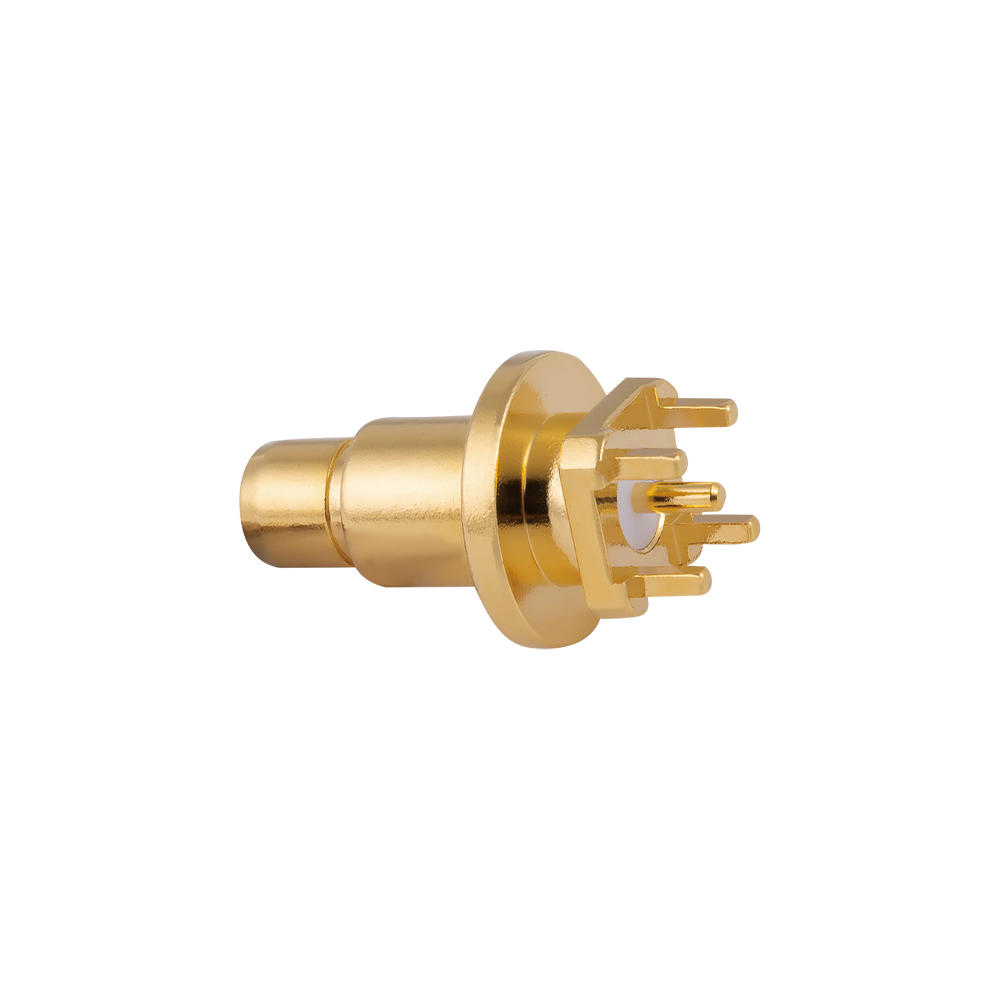
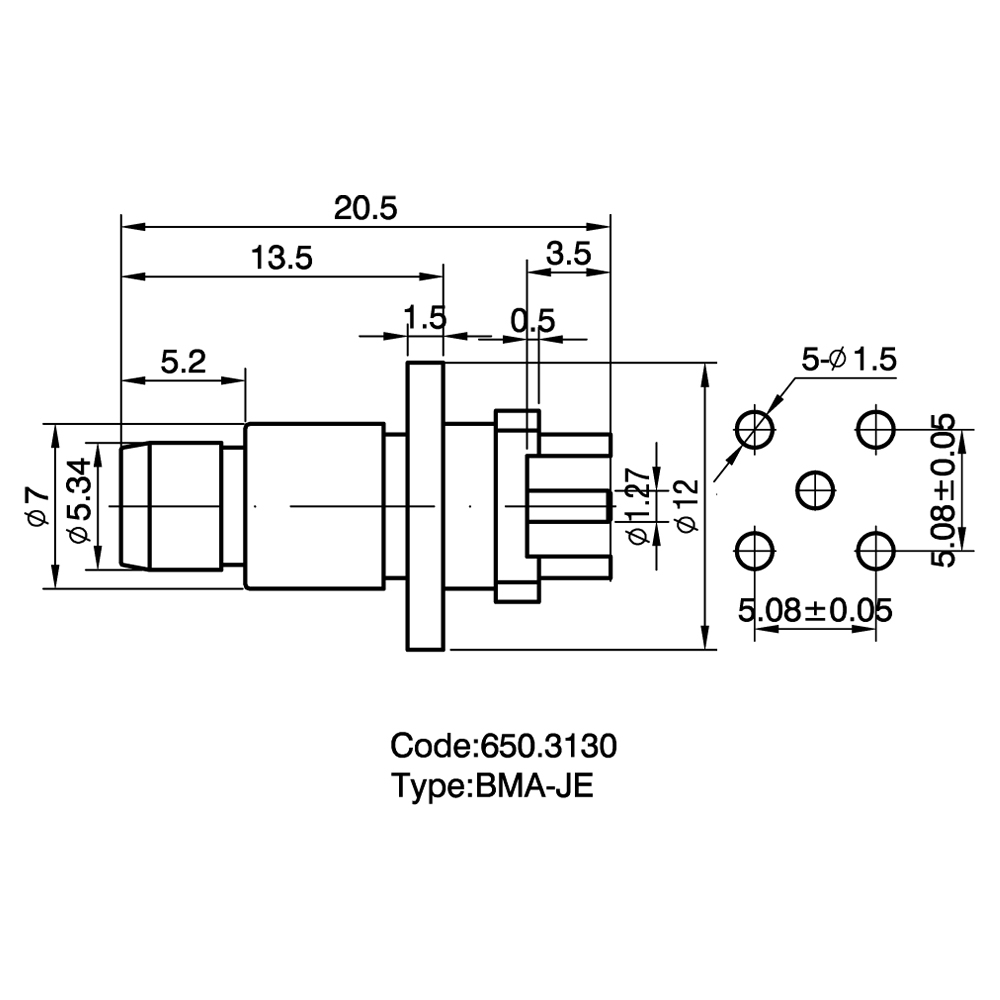
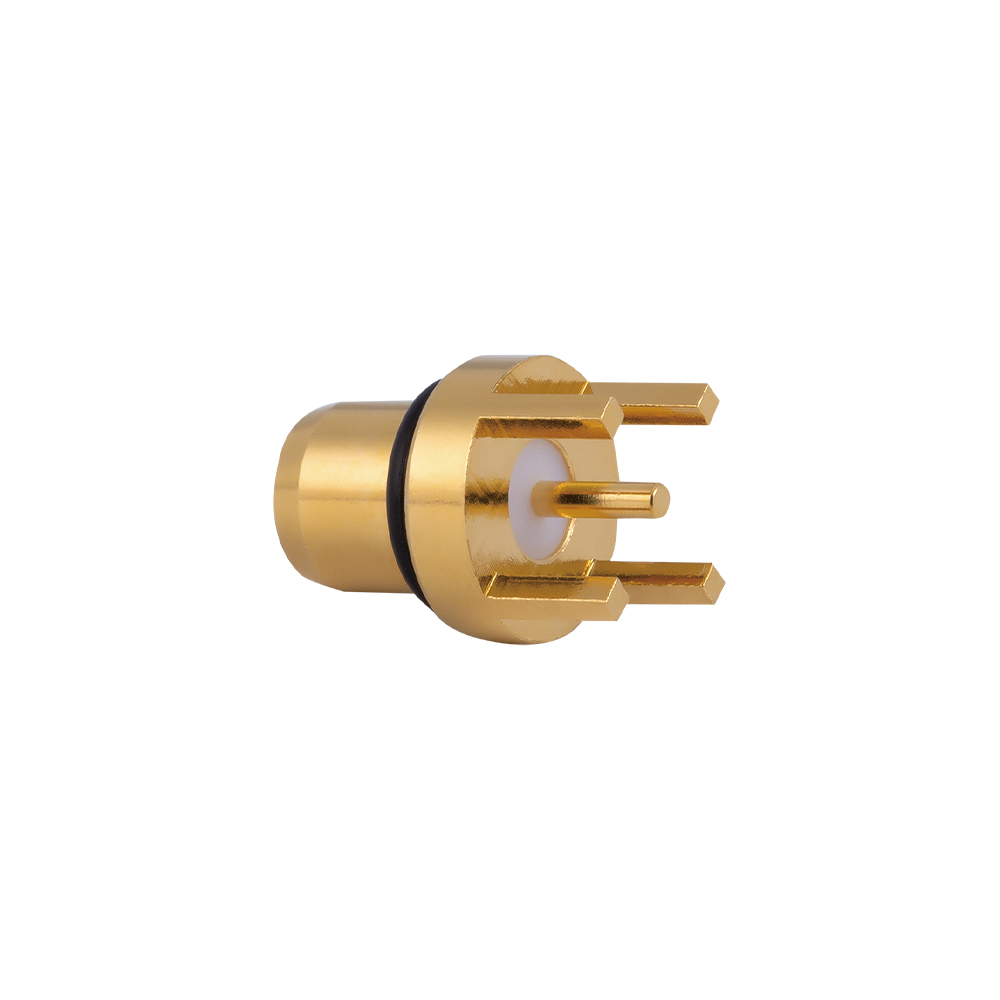
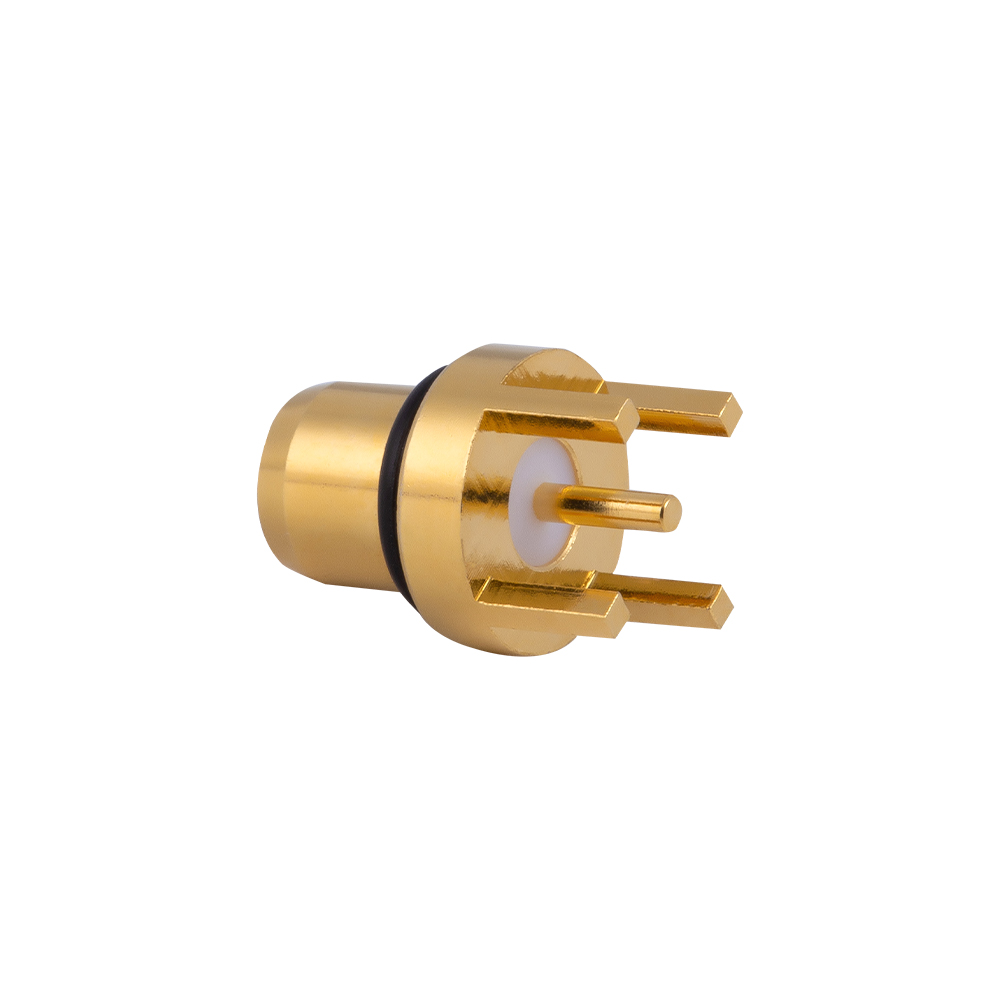
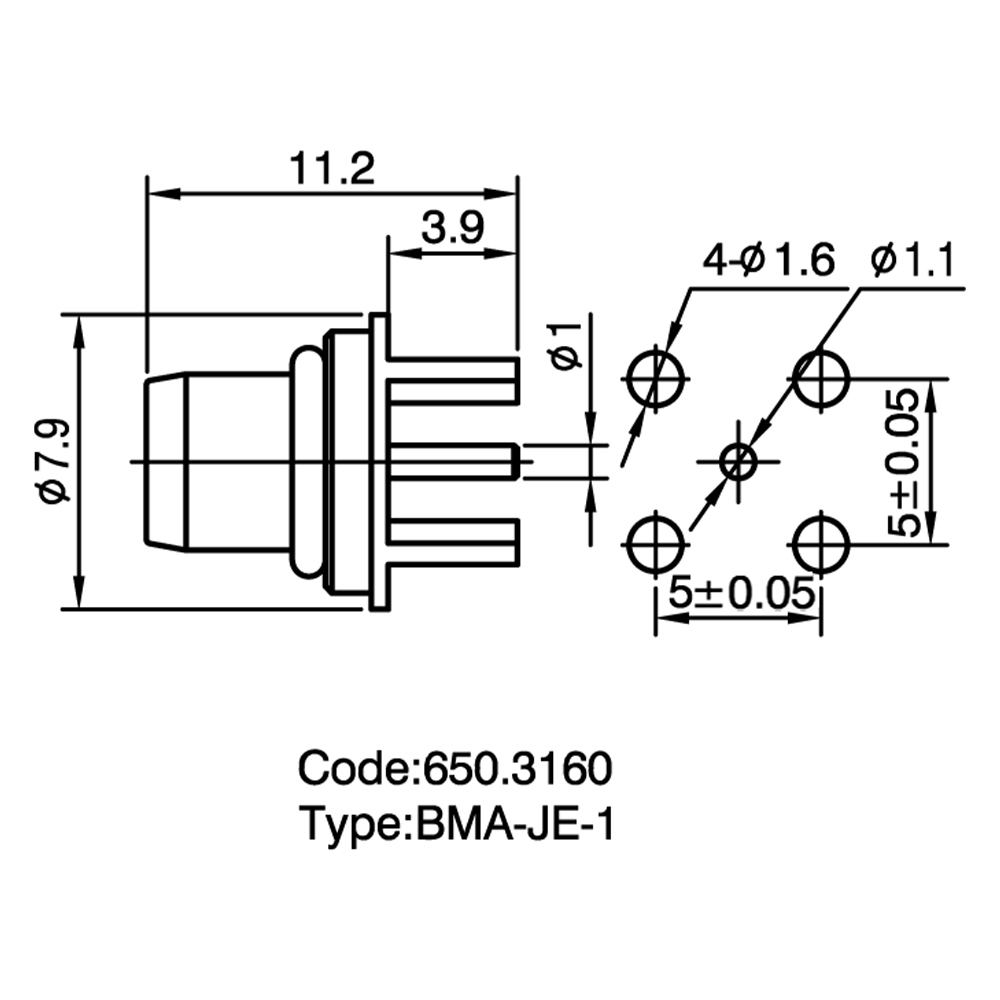
BMA RF Coaxial Connectors are blind-mate RF connectors designed for modular electronic systems where precise alignment, compact structure, and reliable high-frequency interconnection are required. Based on the structural concept of SMA connectors, BMA connectors adopt an air dielectric interface and push-on blind mating design, supporting operating frequencies up to 18 GHz. The blind plug structure allows modules to be connected without direct visual alignment, improving assembly efficiency in high-density RF equipment.
The main function of BMA RF Coaxial Connectors is to provide stable RF signal transmission between removable modules, circuit boards, and microwave assemblies. Compared with traditional threaded RF connectors, BMA connectors reduce installation time through blind-mating capability while maintaining consistent electrical characteristics. Their compact dimensions, reliable contact structure, and tolerance compensation capability make them suitable for modular communication systems and electronic equipment requiring frequent module replacement.
Yangzhou Jingcheng Electronics Co., Ltd. has specialized in RF coaxial connectors, cable assemblies, and passive microwave components since 1999. Certified to ISO9001 and manufactured according to MIL, IEC, and GB standards, the company provides more than 30 RF connector series and over 2,000 specifications, including BMA RF Coaxial Connectors, supporting communication equipment, aerospace systems, automotive electronics, industrial applications, and microwave interconnection solutions.
Common Types and Features of BMA RF Coaxial Connectors
BMA Blind Mate Connectors
Designed for modular systems where connectors need to engage automatically during module installation without precise manual alignment.
PCB Mount BMA Connectors
Mounted directly on printed circuit boards to provide high-frequency signal transition between RF circuits and external modules.
Panel Mount BMA Connectors
Used for equipment enclosure installation, providing a fixed RF interface for modular systems and test applications.
Cable Mount BMA Connectors
Designed for flexible or semi-rigid cable assemblies, supporting RF signal routing between different modules.
Air Interface Structure
The air dielectric interface design reduces dielectric loss and supports stable RF transmission characteristics at high frequencies.
Core Features and Performance
- Blind mating capability: Supports modular installation where connector alignment visibility is limited.
- Frequency performance: Supports RF applications up to 18 GHz.
- Compact structure: Smaller dimensions compared with many conventional threaded connectors.
- Reliable contact design: Maintains stable electrical connection during repeated module installation.
- Mechanical tolerance compensation: Accommodates small alignment variations between modules.
- Modular integration: Suitable for replaceable RF assemblies and high-density electronic systems.
Typical Applications
- Modular communication equipment
- Microwave subsystem modules
- Radar and electronic systems
- Aerospace electronic equipment
- Wireless communication infrastructure
- RF transceiver modules
- Test and measurement equipment
- Military communication systems
- High-density electronic assemblies
- Replaceable microwave modules
Selection Guide for BMA RF Coaxial Connectors
Mounting Configuration
Select PCB mount, panel mount, or cable mount versions according to the equipment structure and RF connection method.
Operating Frequency
Confirm that the connector frequency range matches the system requirements. BMA connectors are commonly used for RF applications up to 18 GHz.
Module Alignment Requirements
Blind-mate connectors should be selected when modules require fast installation, replacement, or connection without direct visual alignment.
Mechanical Environment
Consider vibration conditions, mating cycles, retention force, and equipment operating environment when selecting connector specifications.
Electrical Performance
Evaluate impedance matching, insertion loss, return loss, VSWR, and shielding performance for reliable RF signal transmission.
BMA RF Coaxial Connectors vs Other RF Connector Types
| Connector Type |
Maximum Frequency |
Connection Method |
Typical Applications |
| BMA RF Coaxial Connectors |
Up to 18 GHz |
Blind push-on mating |
Modular RF systems and microwave modules |
| SMA Connectors |
Typically up to 18–26.5 GHz |
Threaded coupling |
General RF communication equipment |
| SMP Connectors |
Up to 40 GHz |
Push-on coupling |
High-density microwave applications |
| 2.92mm Connectors |
Up to 40 GHz |
Threaded coupling |
Precision microwave testing |
| MCX Connectors |
Typically below 6 GHz |
Snap-on coupling |
Compact wireless devices |
Frequently Asked Questions
What are BMA RF Coaxial Connectors used for?
They are used for high-frequency signal connections in modular RF systems, allowing quick module installation and reliable signal transmission.
What is a blind-mate RF connector?
A blind-mate connector allows two modules to connect automatically during assembly without requiring direct visual alignment between connector interfaces.
How are BMA connectors different from SMA connectors?
SMA connectors use threaded coupling and require manual tightening, while BMA connectors use blind push-on mating for faster modular integration.
What factors should be considered when selecting BMA connectors?
Selection should consider operating frequency, mounting method, alignment tolerance, mechanical environment, mating cycles, and electrical performance requirements.
What RF products does Yangzhou Jingcheng Electronics Co., Ltd. provide?
Yangzhou Jingcheng Electronics Co., Ltd. manufactures BMA, SMP, SMA, BNC, N-type RF connectors, cable assemblies, adapters, passive microwave components, and customized RF interconnection solutions for communication, aerospace, automotive electronics, and industrial applications.


 English
 中文简体
中文简体