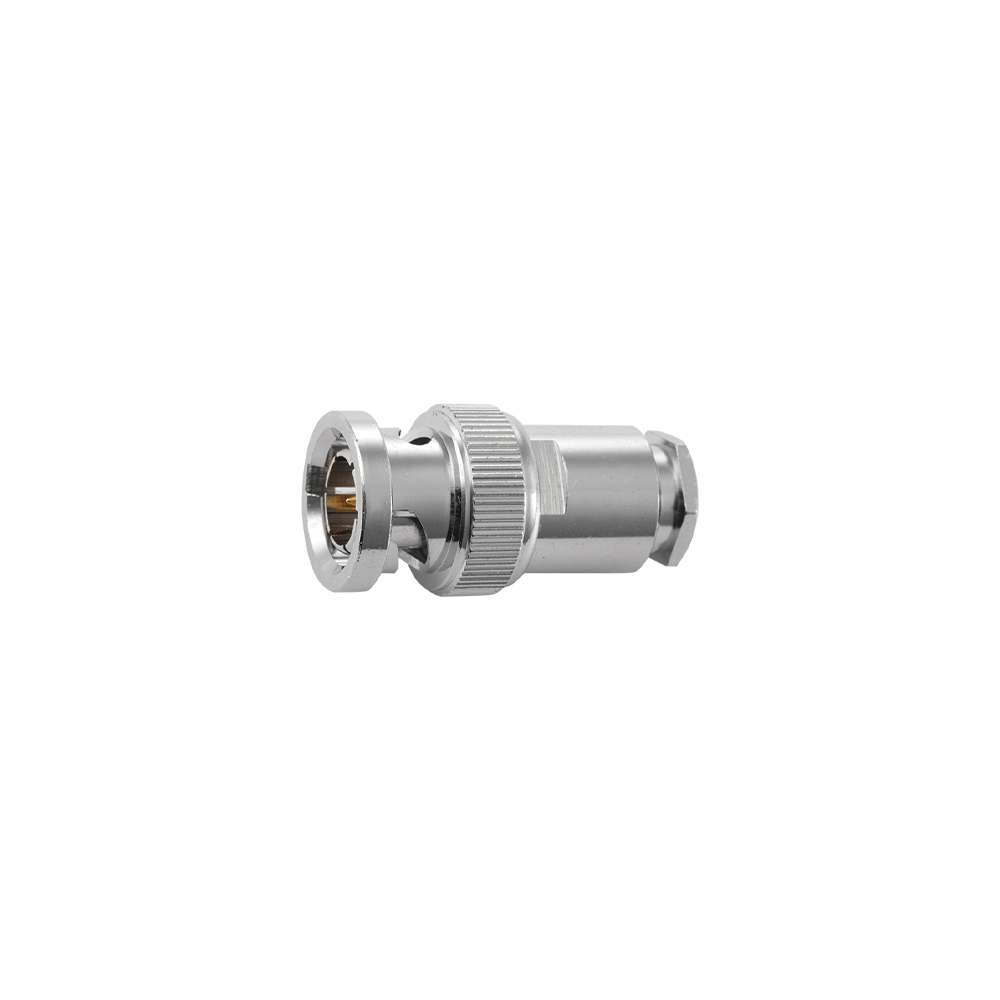
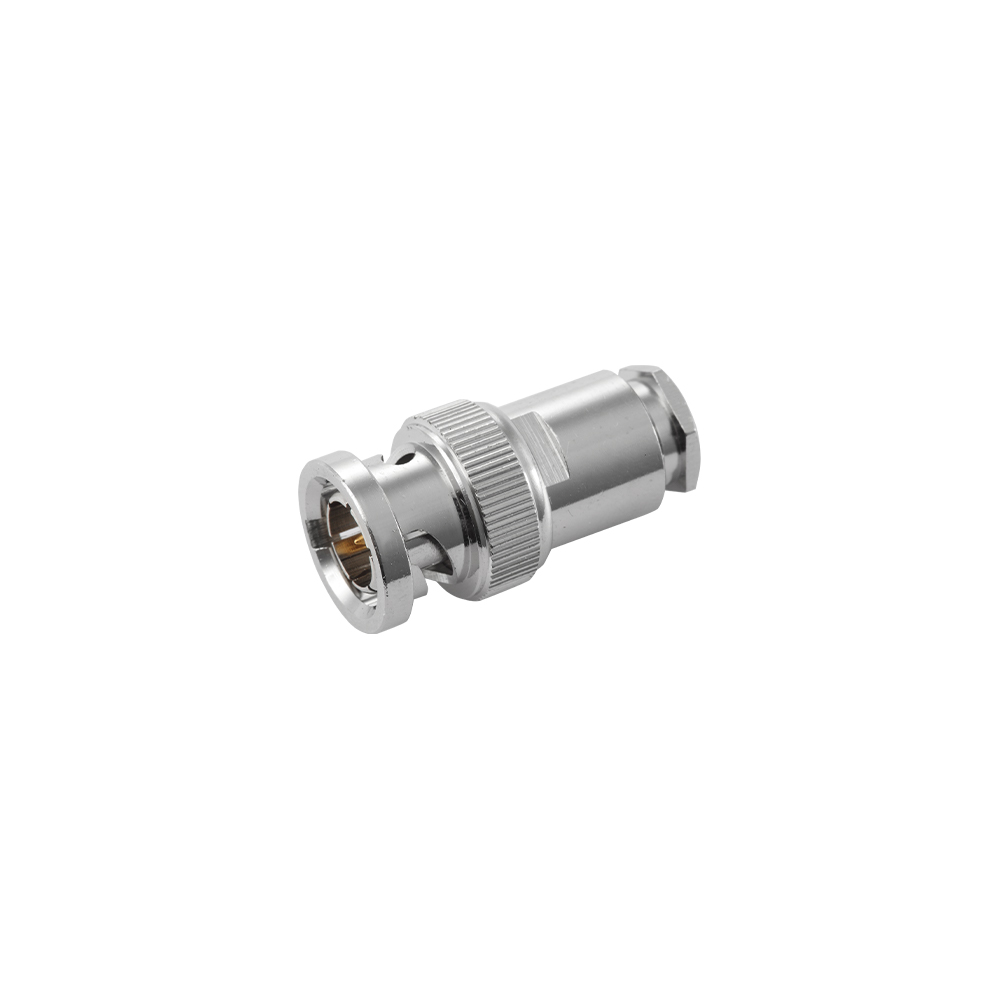
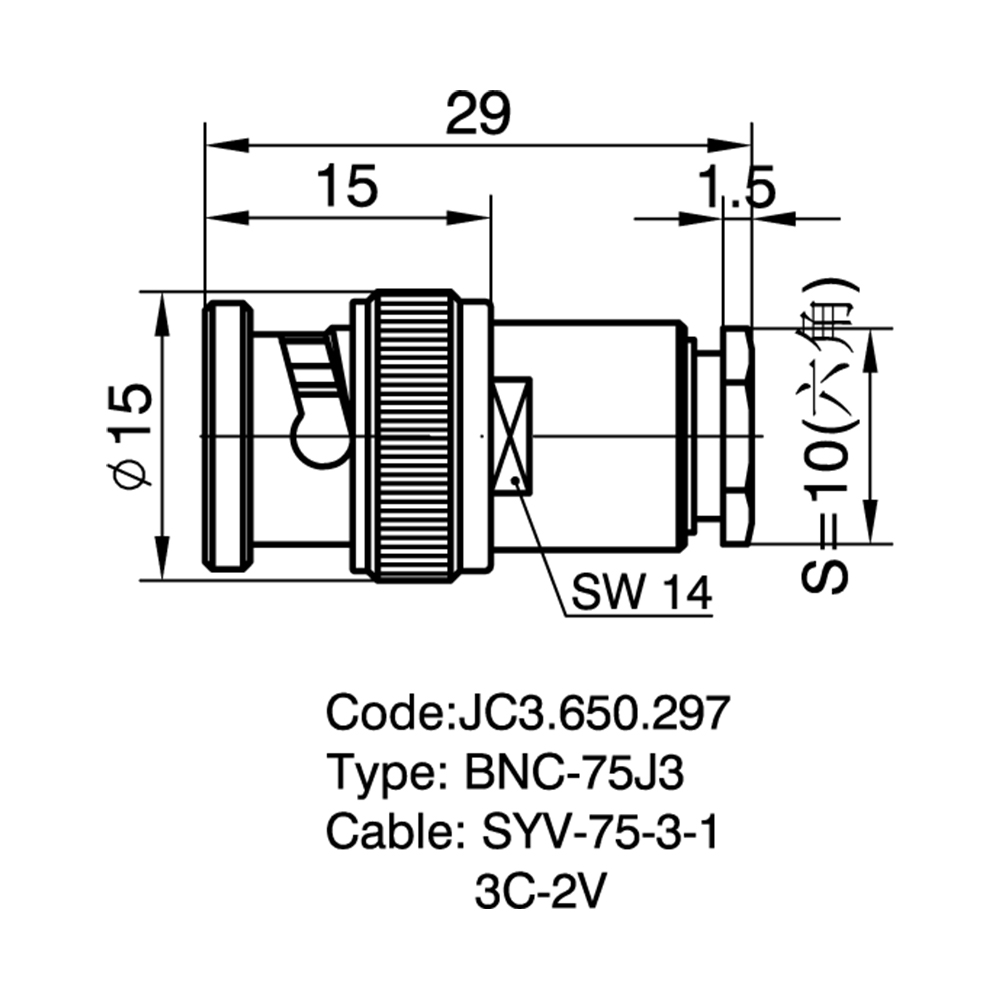
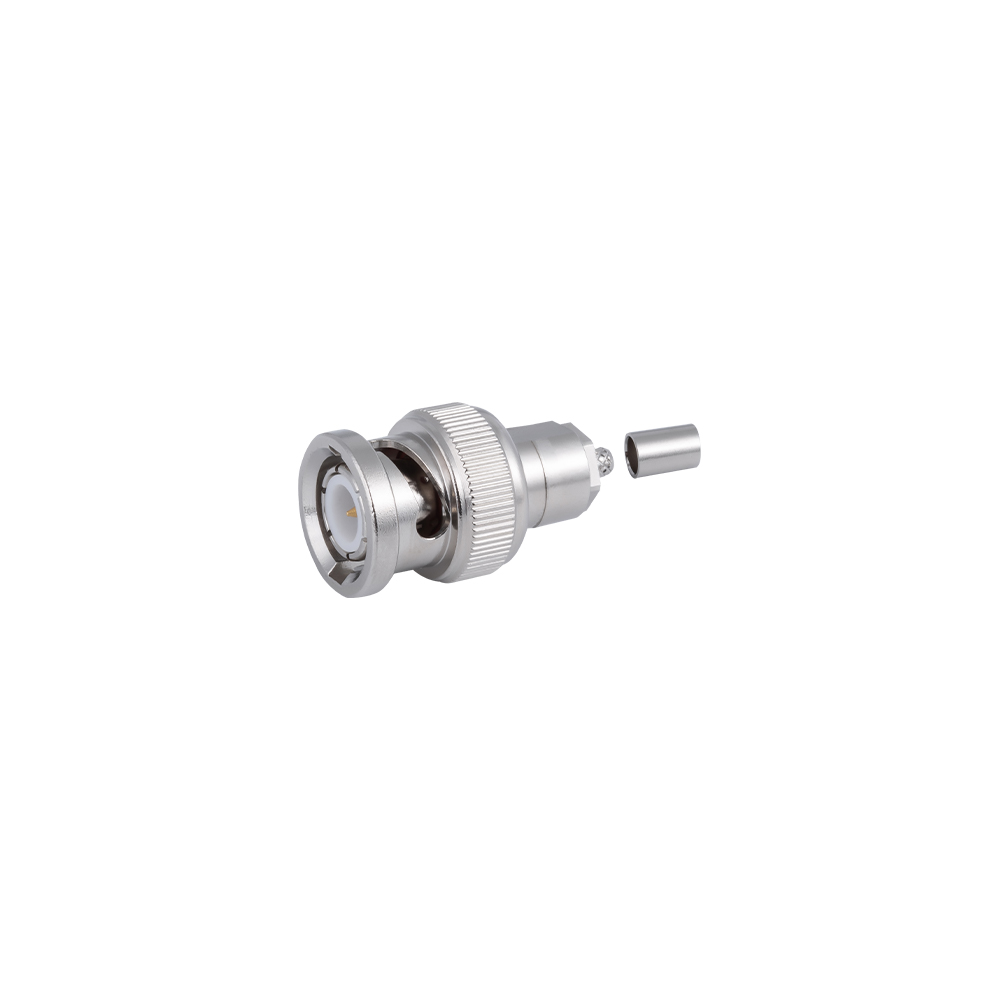
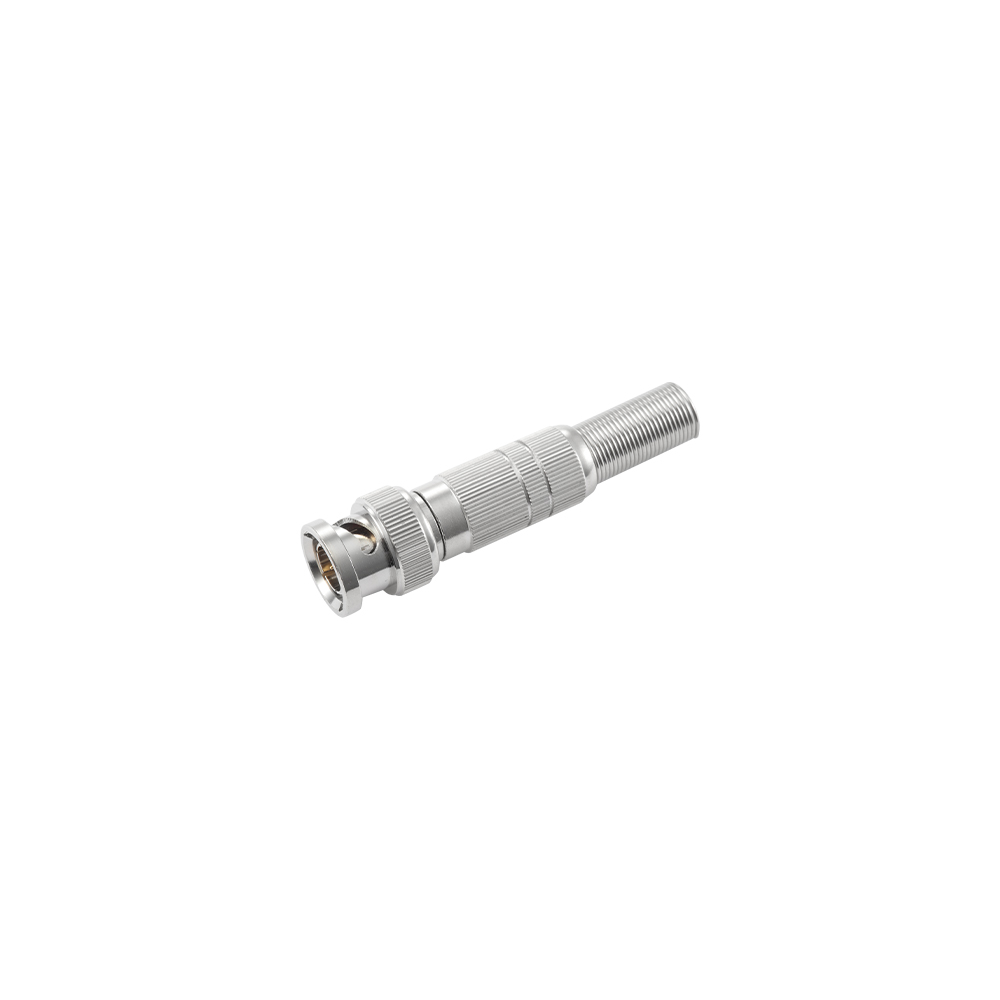
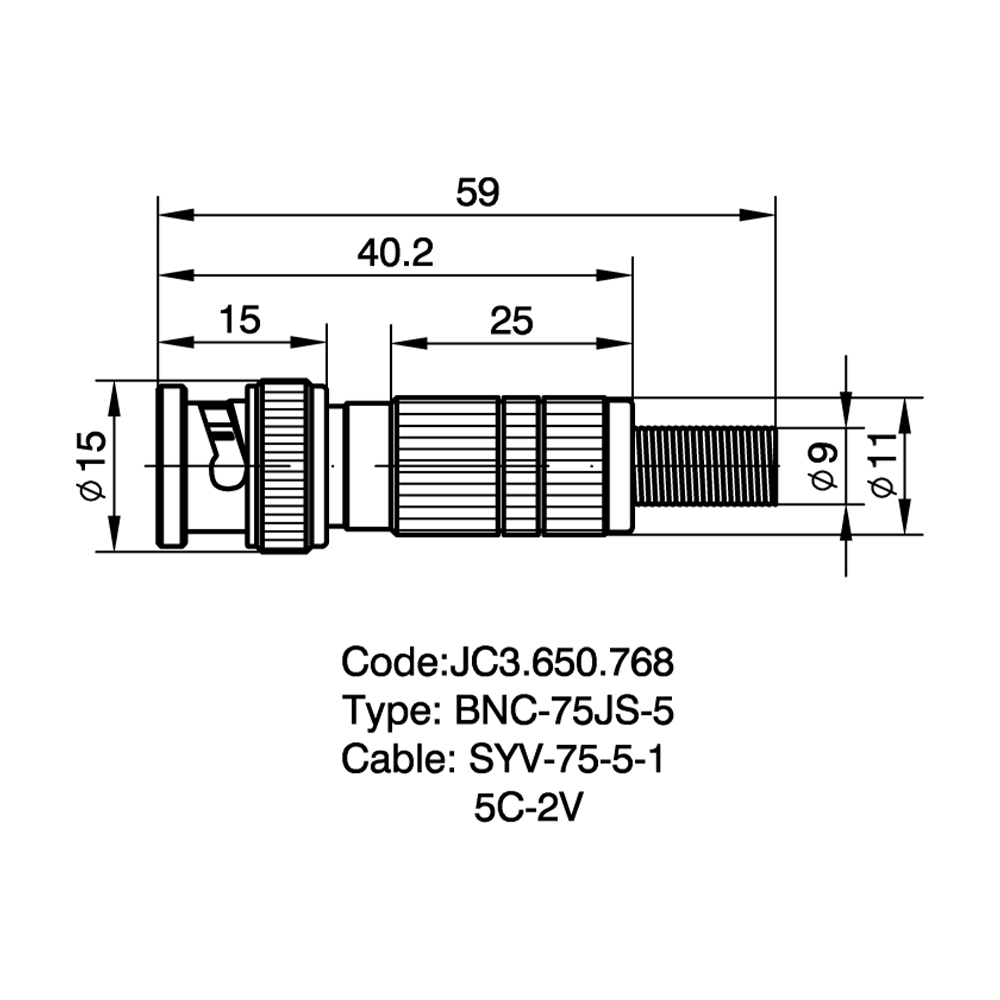
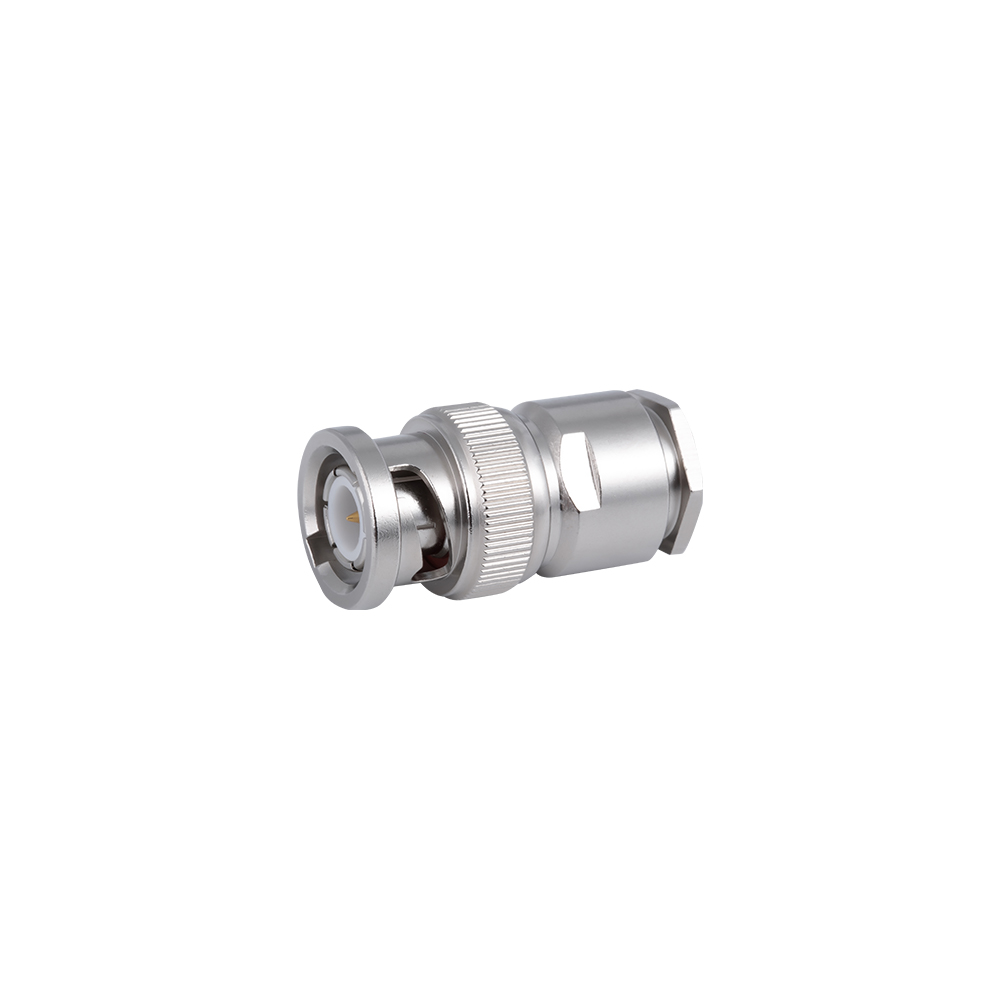
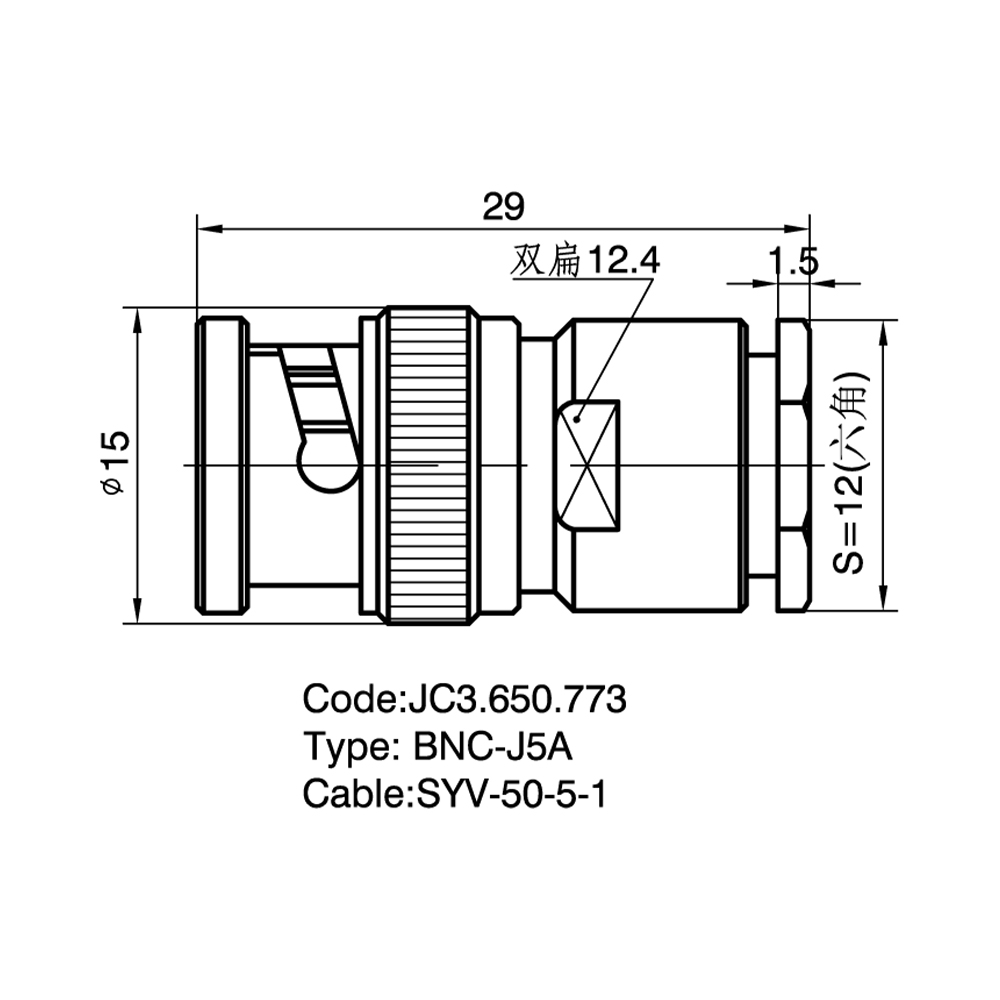
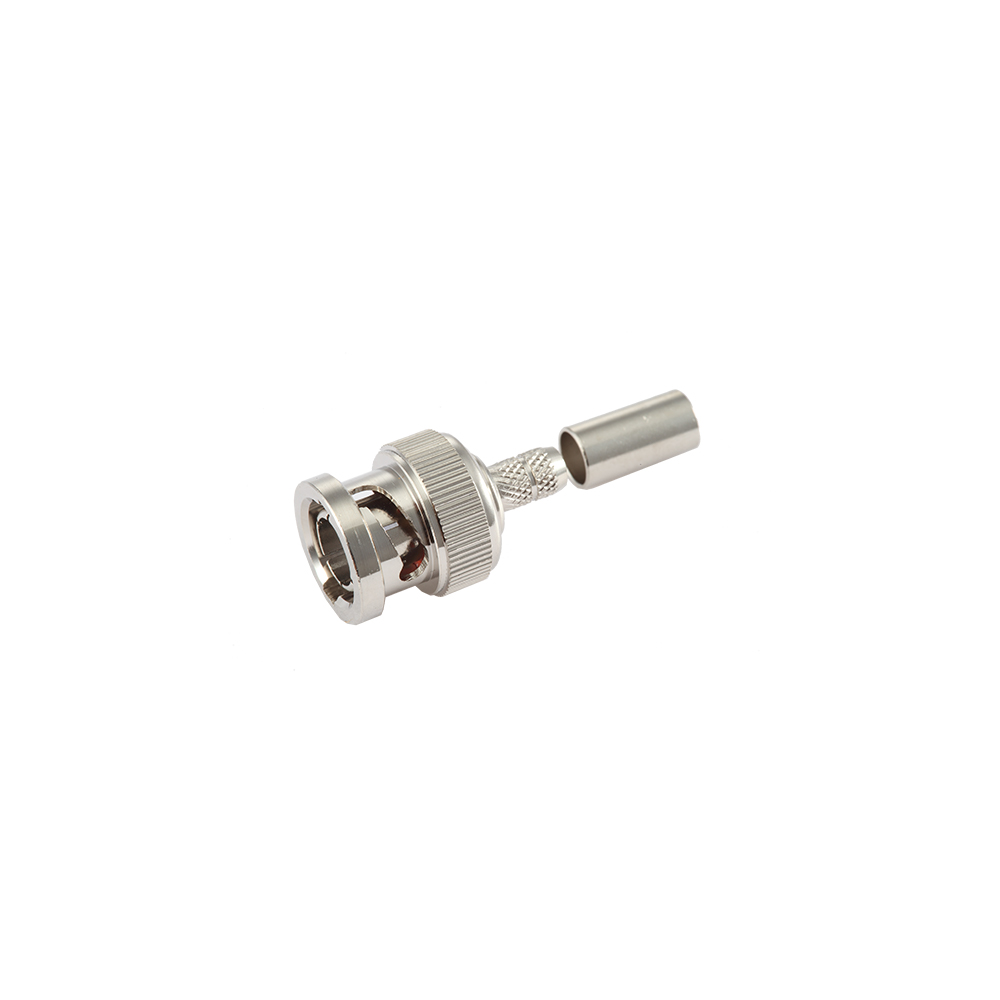
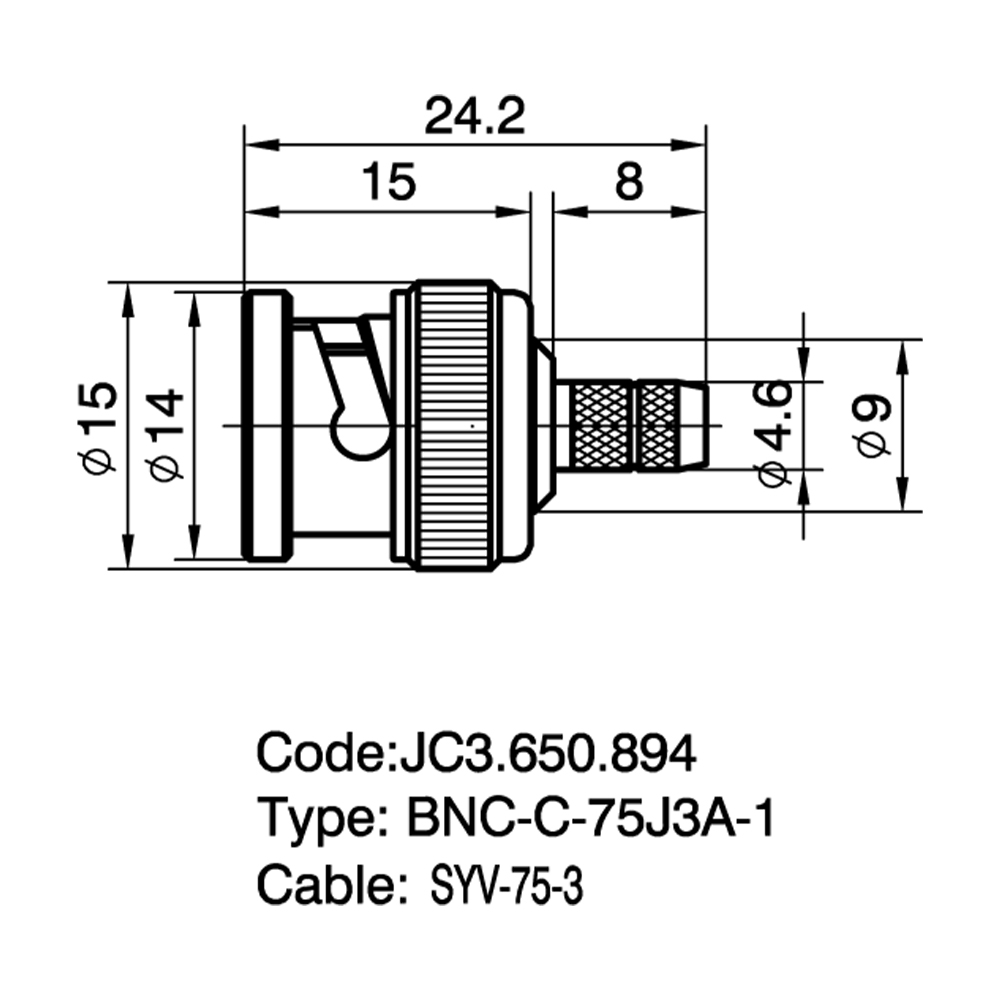
BNC Connectors for Flexible Cable Custom

Home / Products / Coaxial Connectors / BNC RF Coaxial Connectors / BNC Connectors for Flexible Cable

BNC Connectors for Flexible Cable Manufacturer

Product Overview
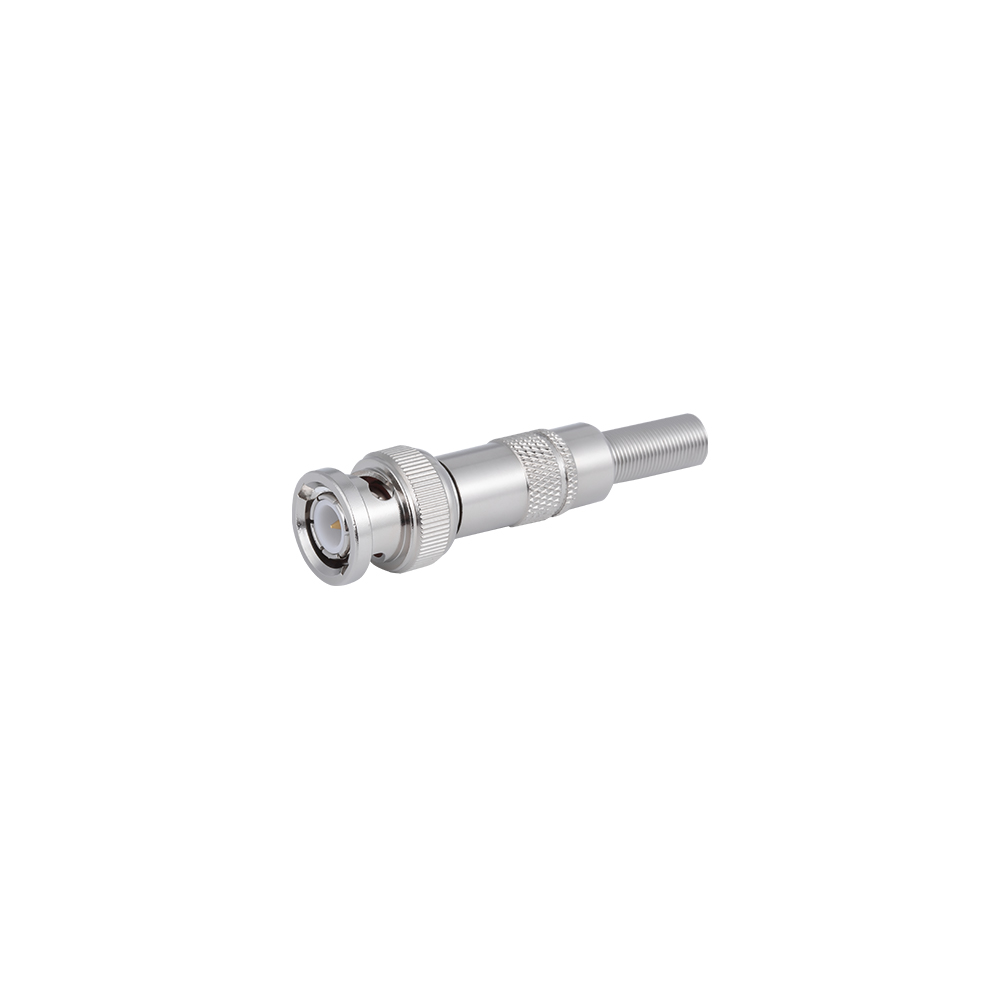
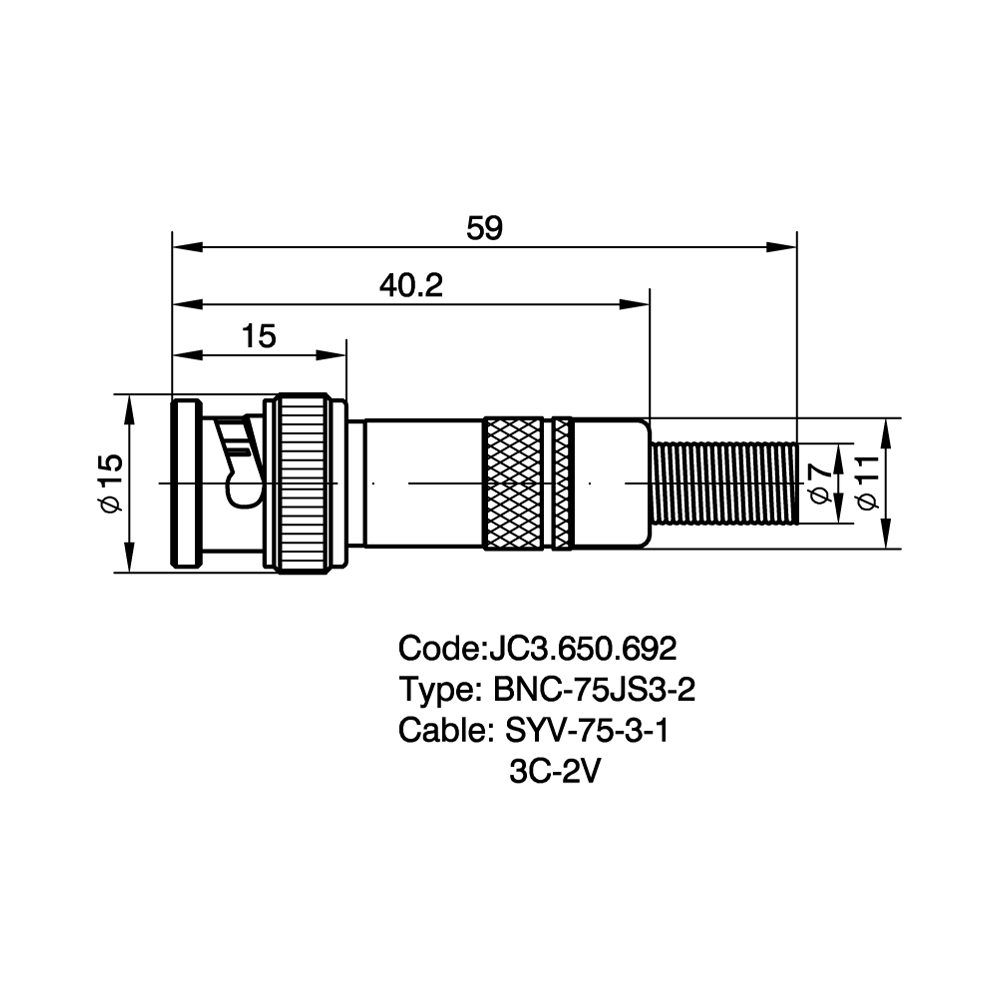
The BNC Connectors for Flexible (Soft) Cable are designed to terminate the full range of flexible coaxial cables used in everyday RF interconnect applications—from RG-58, RG-59, and RG-6 cables in legacy systems to modern low-loss flexible cables in newer deployments.

Flexible cable connectors must accommodate the mechanical compliance of the cable without introducing impedance discontinuities. Jingcheng's BNC Connectors for Flexible (Soft) Cable achieves this through precisely controlled center-pin geometry, optimized dielectric geometry, and a robust cable clamping system that resists pull-out under repeated flexing. The result is a connector that delivers consistent electrical performance throughout the cable assembly's service life.

Key Features
Crimp, clamp, or solder-type termination rear interface options to match your cable assembly process—crimp for high-volume automated production, solder or clamp for field repair and low-volume assemblies.
Cable strain relief systems (crimp ferrule or collet clamping) prevent cable movement from stressing the soldered or crimped center pin connection, extending assembly fatigue life.
Cable compatibility matrix covers common cable families: RG-58, RG-59, RG-6, RG-174, RG-316, LMR-100, LMR-200 and equivalent types across manufacturer brands.
Straight, right-angle (90°), and 45° cable exit angles available, enabling compact cable routing in densely assembled equipment without cable kinking.
Nickel, silver, and gold plating options on body and center contact to balance cost and performance requirements for different application environments.
Field-installable versions with tool-less or minimal-tooling assembly for maintenance and repair scenarios.

Competitive Advantages
Jingcheng's BNC connectors for flexiblecable is one of the highest-volume product lines in the catalogue, meaning production efficiency and material economies of scale translate directly into competitive pricing for OEM buyers assembling large quantities of cable harnesses.
Multi-cable compatibility across a single connector body reduces the number of SKUs buyers must maintain in their procurement systems—one connector part number often handles multiple cable types by varying only the crimp ferrule or inner sleeve.
Comprehensive test reports (insertion loss, VSWR, contact resistance, pull-out force) available per IEC and MIL-C test methods, satisfying the quality documentation requirements of medical device, telecommunications, and defense sub-assembly customers.

Typical Applications
Cable assembly harnesses for test and measurement equipment
CCTV/IP camera coaxial cable jumpers and pigtails (75Ω RG-59, RG-6)
WiFi, cellular, and GPS antenna pigtail cables on routers, access points, and modems
Laboratory bench interconnect cables between instruments and DUTs
Medical device patient monitoring cable assemblies
Broadcast studio patch cables and routing switcher interconnects

FAQ
Q: Which cable types and outer diameters are standard-stocked versus made-to-order?
A: Connectors for RG-58, RG-59, RG-174, RG-316, and LMR-195/200 equivalent cables are typically held in standard inventory. Less common cable types (e.g., specific low-smoke halogen-free jacket formulations or military-spec cable) are available as configured specials with a 2–4 week lead time.
Q: Can I receive a mixed-sample kit covering several cable compatibility options before committing to a production order
A: Yes. Jingcheng routinely provides sample kits to qualified OEM and cable assembly customers. Please specify the cable types and impedance requirements in your sample request and our sales team will organize an appropriate kit.
Q: Is right-angle version performance comparable to the straight version?
A: Right-angle versions carry a slightly higher VSWR specification (≤1.30 vs. ≤1.22 for straight at 3GHz) due to the geometry change at the bend. For applications operating below 1GHz, performance is functionally equivalent. For high-frequency applications approaching 3–4GHz, the straight version is recommended where routing permits.
Q: Do your connectors pass salt-spray corrosion testing?
A: Standard nickel-plated versions pass 48-hour salt spray per IEC 60512-11 as part of our routine qualification testing. Gold-over-nickel versions exceed this threshold. Test report documentation is available upon request.

Temperature Range
-55~+155℃ (PE Cable -40~+85℃)
Impedance
50Ω, 75Ω
Frequency Range
DC~4GHz
Insulation Resistance
≥5000MΩ
Insertion Loss
≤0.20 dB/1GHz
VSWR
Straight ≤1.22/3GHz Right angle ≤1.30/3GHz
Durability(mating)
≥500 (cycles)

About
Yangzhou Jingcheng Electronics Co., Ltd.

Yangzhou Jingcheng Electronics Co., Ltd., a premier China BNC Connectors for Flexible Cable Manufacturer and BNC Connectors for Flexible Cable Supplier, was founded in 1999. It is a high-tech enterprise specializing in the R&D and manufacturing of RF coaxial connectors, cable assemblies, and passive microwave components.
Equipped with a comprehensive R&D and production system, the company has obtained international certifications including ISO9001. Adhering strictly to standards such as MIL, IEC and GB, we offer over 30 product series with more than 2,000 specifications, covering SMA, BNC, N-type and other mainstream models. Our products are widely applied in the fields of communications, aerospace, automotive electronics and beyond, and exported to many countries and regions across Europe, America and Asia.
We uphold the tenet of "Quality as the Foundation, Customers as the Core", committed to providing reliable interconnection solutions and professional services for global clients.

News & Updates
BNC Connectors for Flexible Cable Industry knowledge

BNC Connectors for Flexible Cable are terminated directly onto flexible coaxial cable to form a complete cable assembly used for connecting test instruments, video equipment, and RF signal sources. Unlike panel-mount or bulkhead-style BNC connectors, BNC Connectors for Flexible Cable are matched to a specific cable outer diameter, dielectric size, and center conductor construction so that the connector body, ferrule, and contact can be assembled onto the cable with a controlled electrical and mechanical interface. This category covers a range of cable-compatible BNC connectors used across video transmission, instrumentation, and general RF signal routing applications.

Termination Methods and Core Features

  • Crimp termination: Uses a crimp ferrule and crimp pin to attach the connector to the cable braid and center conductor, suitable for volume cable assembly production.
  • Solder termination: The center contact and braid are soldered directly to the cable, often used where higher joint consistency is required for a given cable type.
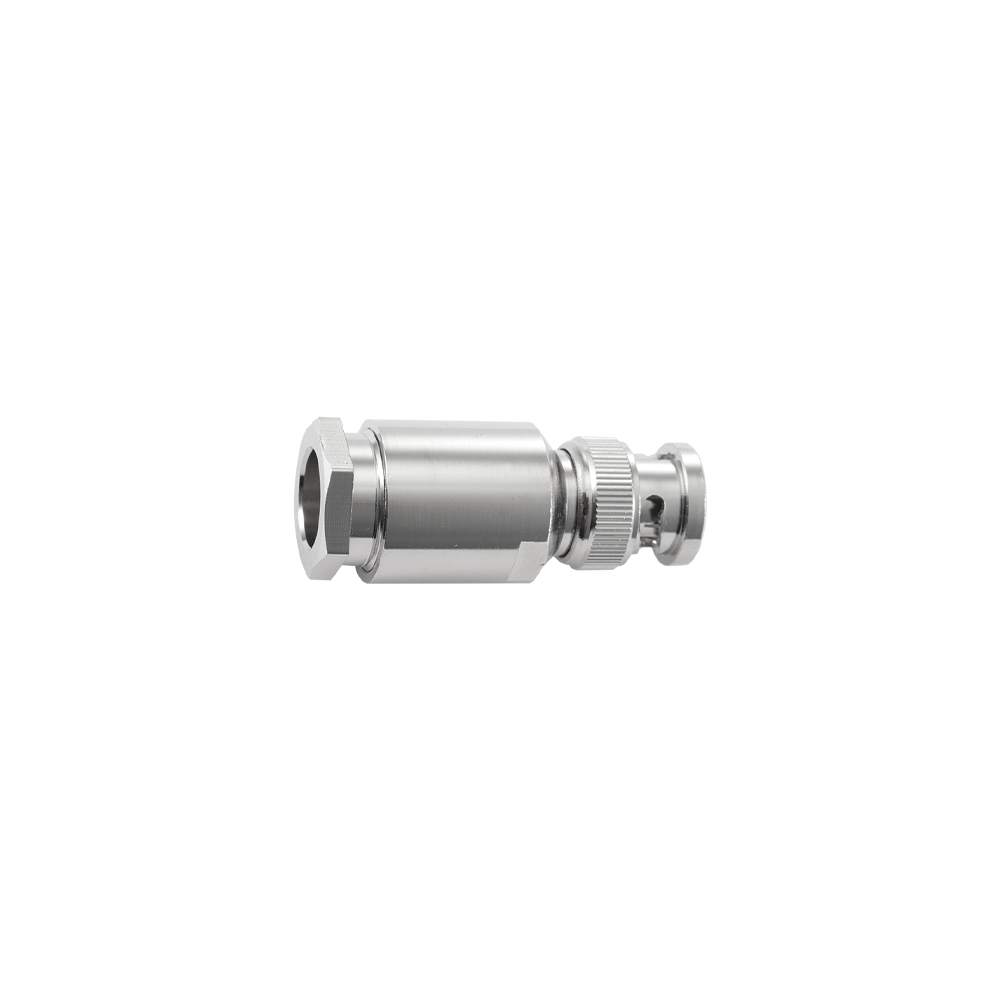
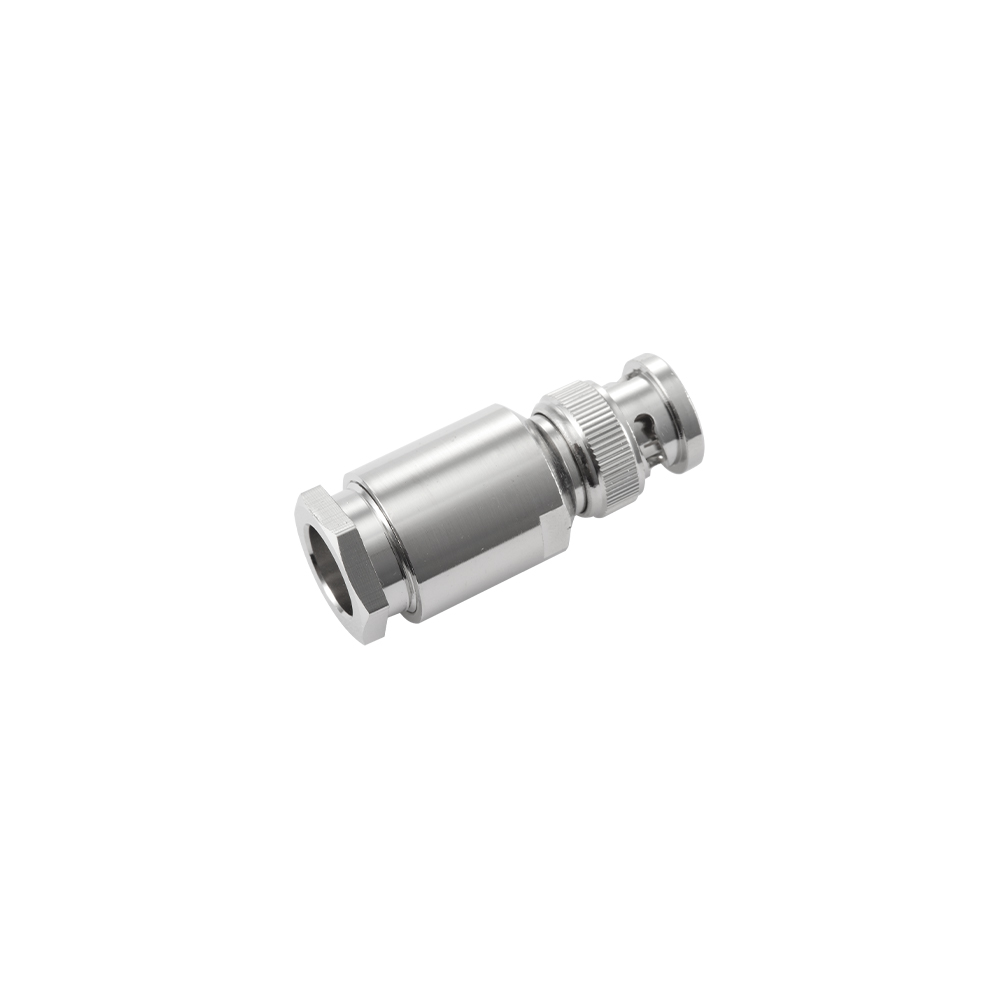
  • Clamp/screw-on termination: A clamp nut or screw-on body secures the cable jacket and braid without soldering, allowing field assembly with basic hand tools.
  • Cable size matching: Connector bore diameter, ferrule size, and contact dimensions correspond to specific flexible cable groups such as RG58, RG59, RG174, and RG316 type cables.
  • Strain relief options: Some designs include a rear boot or strain-relief sleeve to reduce cable flexing stress at the connector-to-cable transition point.

Common Types by Cable Compatibility

Selection of BNC Connectors for Flexible Cable generally starts from the cable group the connector is designed to accept, since bore size and ferrule dimensions differ across cable types.

Common flexible cable groups and corresponding BNC connector characteristics
Cable Group Cable Diameter Range Common Termination Typical Use
RG174 / RG316 type Small diameter, thin cable Crimp or solder Internal jumpers, compact instruments
RG58 type Medium diameter Crimp Test cable assemblies, general RF routing
RG59 type Medium diameter Crimp or clamp Video signal transmission
RG213 type Larger diameter Clamp / screw-on Longer cable runs requiring lower attenuation

Application Scenarios

  • Test cable assemblies connecting oscilloscopes, signal generators, and network analyzers;
  • Video signal cabling in CCTV, broadcast, and monitoring system installations;
  • Internal jumper cables within instrumentation enclosures and rack-mounted equipment;
  • Field-assembled cable connections for portable or temporary RF test setups;
  • Antenna feed cable assemblies in communication and monitoring systems.

Selection Guidelines

  1. Cable compatibility: Confirm that the connector's bore, ferrule, and contact dimensions match the outer diameter and construction of the specific flexible cable being used.
  2. Termination method: Choose crimp, solder, or clamp termination based on production volume, available tooling, and field-assembly requirements.
  3. Frequency and impedance: Verify the connector's frequency range and characteristic impedance align with the signal requirements of the application.
  4. Flex and bend requirements: For applications involving repeated cable flexing or routing around tight corners, consider strain-relief boot options to reduce stress at the connector-to-cable joint.
  5. Plating and material: Select nickel or gold-plated contacts and shells according to the required conductivity, corrosion resistance, and mating cycle expectations.

Termination Method Comparison

Comparison between crimp, solder, and clamp termination for flexible cable BNC connectors
Comparison Item Crimp Termination Solder Termination Clamp Termination
Assembly speed Fast, suited to volume production Slower, more manual steps Moderate
Tooling requirement Crimp tool required Soldering iron required Basic hand tools
Field assembly suitability Moderate Lower Higher
Typical application Mass-produced cable assemblies Precision test cable assemblies On-site or temporary cable connections

Frequently Asked Questions

Q1: Can one BNC connector be used with different cable diameters?

A given BNC Connectors for Flexible Cable design is generally matched to a specific cable outer diameter and dielectric size. Using a mismatched cable diameter can result in a loose fit or an unreliable crimp or clamp joint.

Q2: Which termination method is more suitable for field cable assembly?

Clamp or screw-on termination is generally more practical for field assembly since it does not require soldering equipment, while crimp termination is more commonly used in factory or volume production settings.

Q3: Does a strain-relief boot affect the electrical performance of the connector?

A strain-relief boot is a mechanical protection feature at the cable-to-connector transition and does not form part of the RF signal path, so it primarily affects mechanical durability rather than electrical performance.

Q4: How is the correct connector selected for a given cable type?

The cable group, such as RG58, RG59, RG174, or RG316 type, along with the desired termination method, should be confirmed first, since these factors determine the connector's bore size, ferrule dimensions, and assembly process.

Manufacturing Note

Yangzhou Jingcheng Electronics Co., Ltd was founded in 1999 and specializes in the design, development, production, and sales of RF coaxial connectors and 0~50GHz high-frequency cable assemblies, covering BNC, N, TNC, SMA, 2.92, 2.4, 1.85, and other connector series. For BNC Connectors for Flexible Cable, dimensional matching between the connector bore, ferrule, and cable construction is a relevant factor in assembly consistency, and the company's precision testing equipment supports verification across different cable groups and termination methods.