English
 中文简体
中文简体BNC Connectors for Flexible Cable Manufacturer
Product Overview
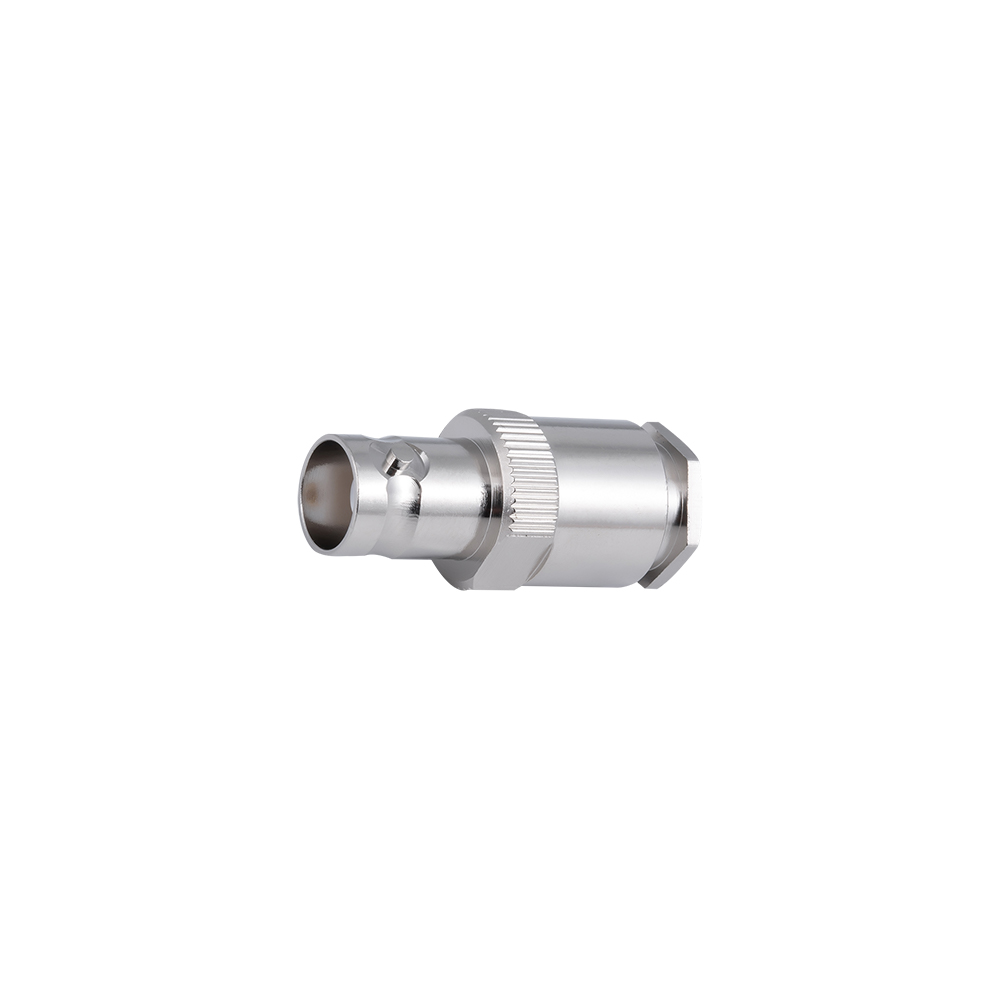
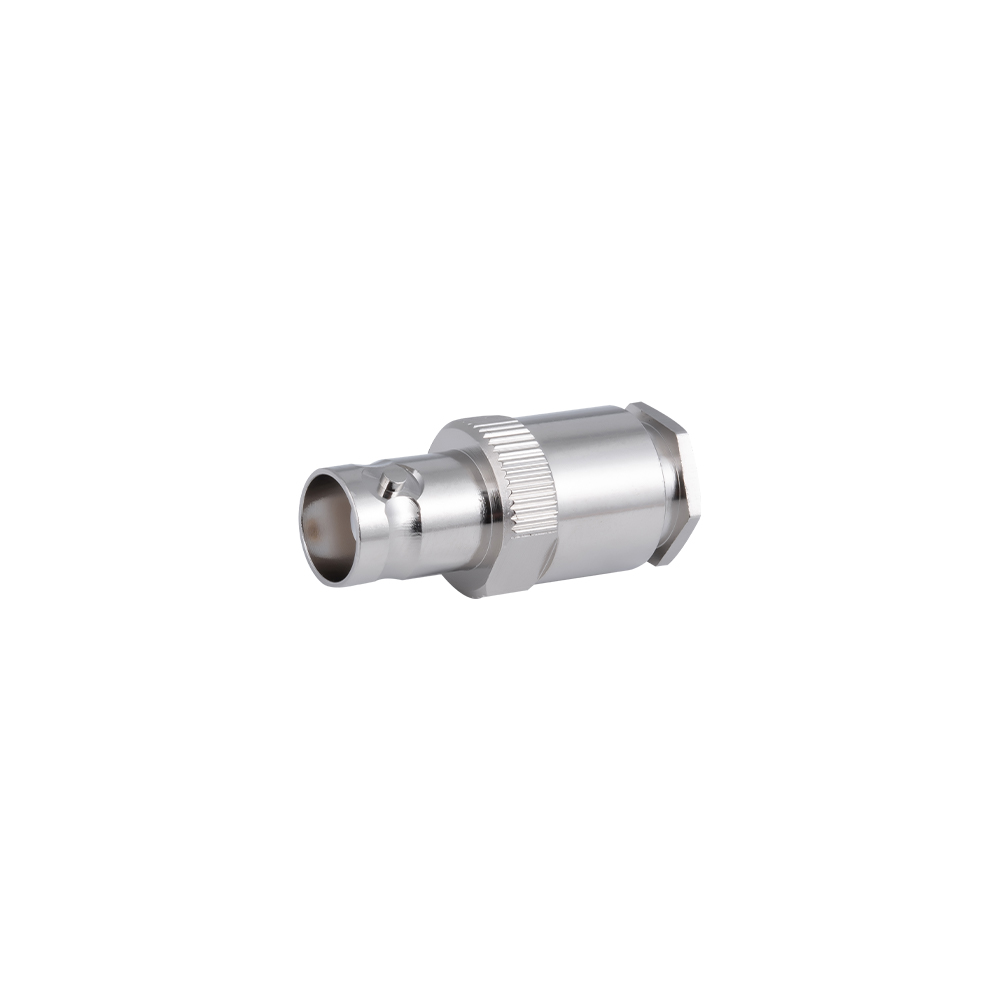
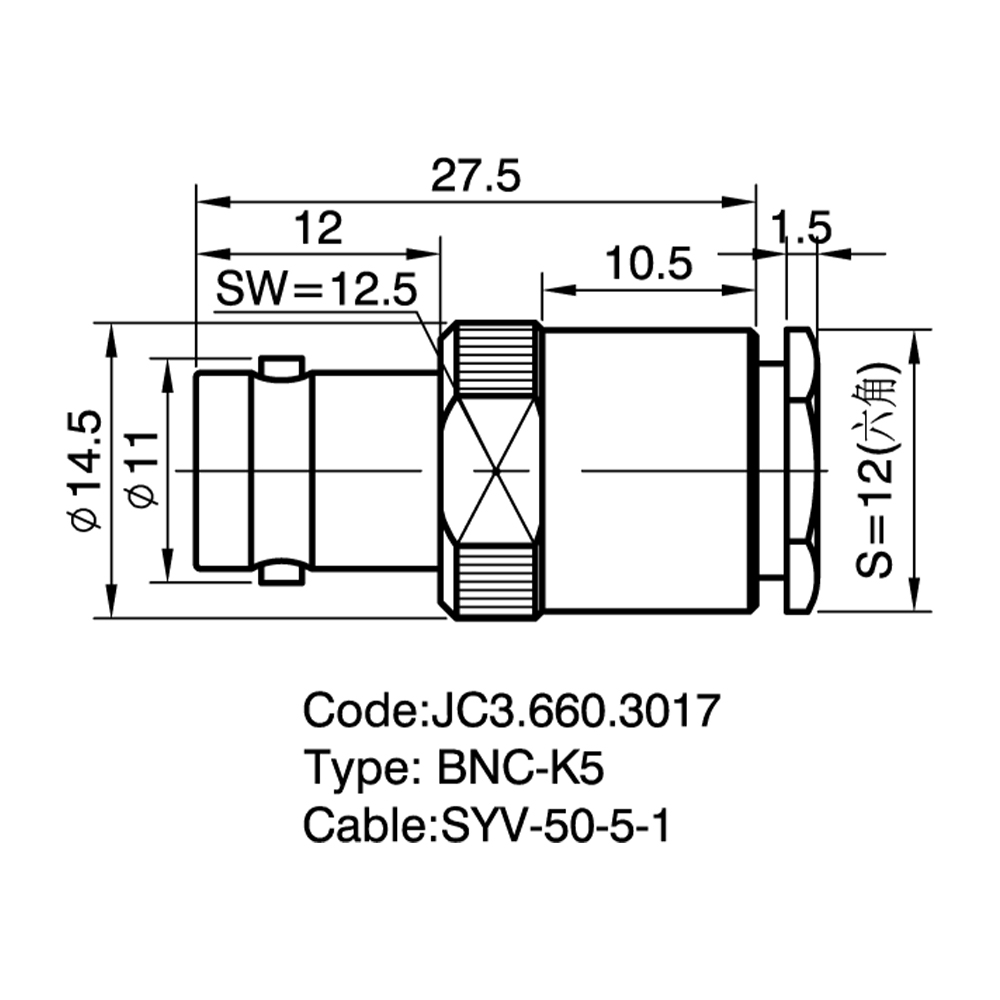
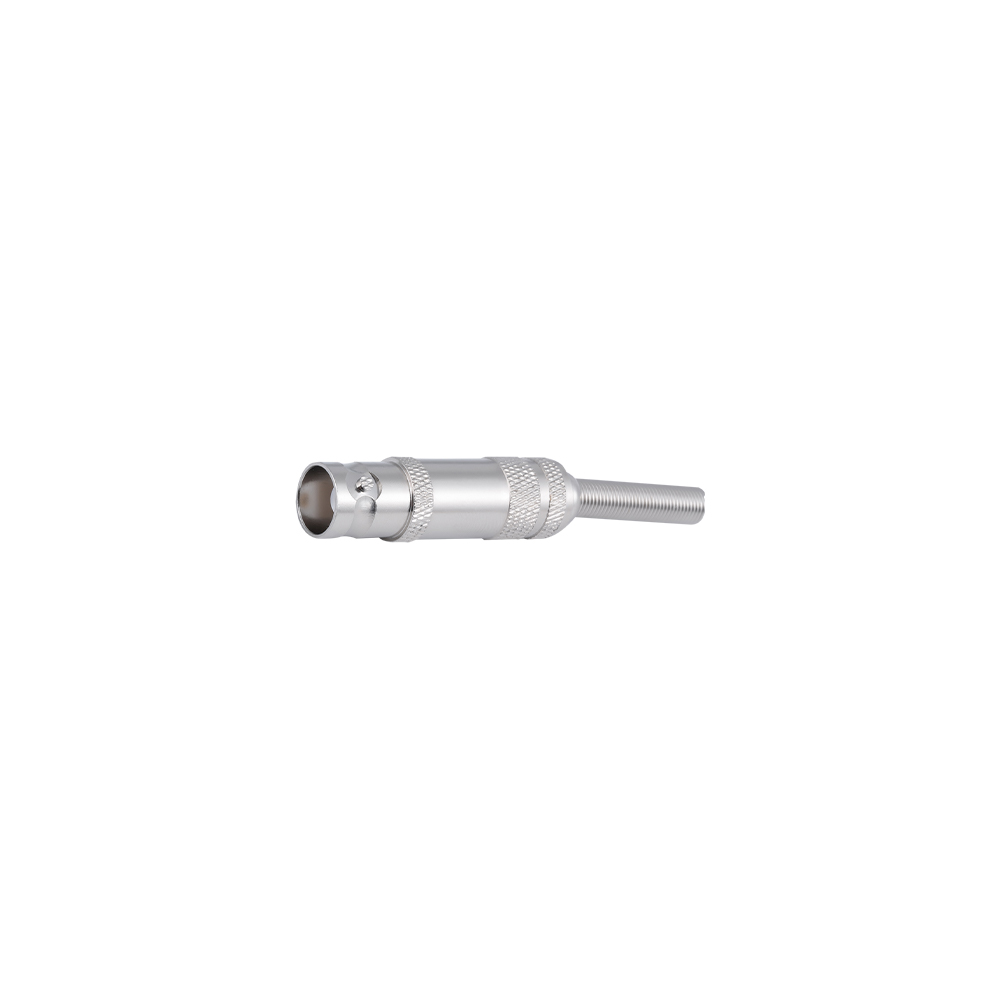
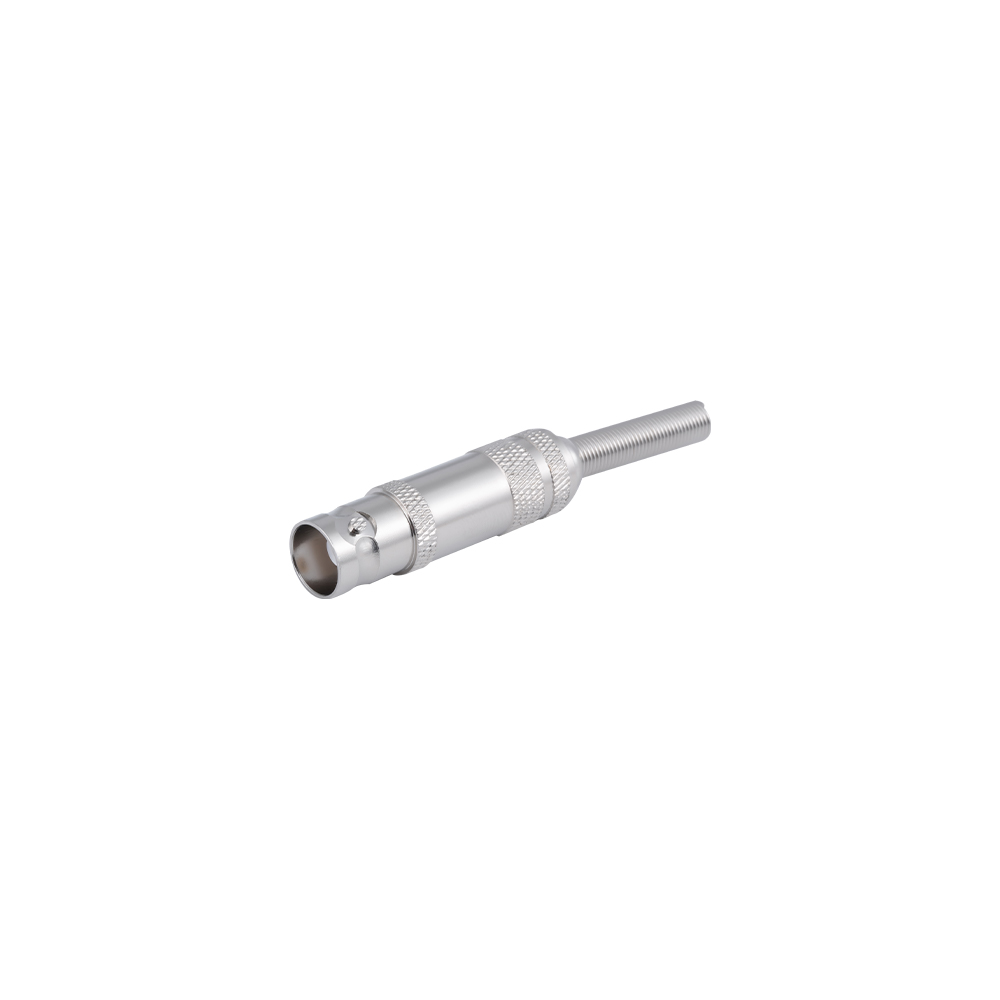
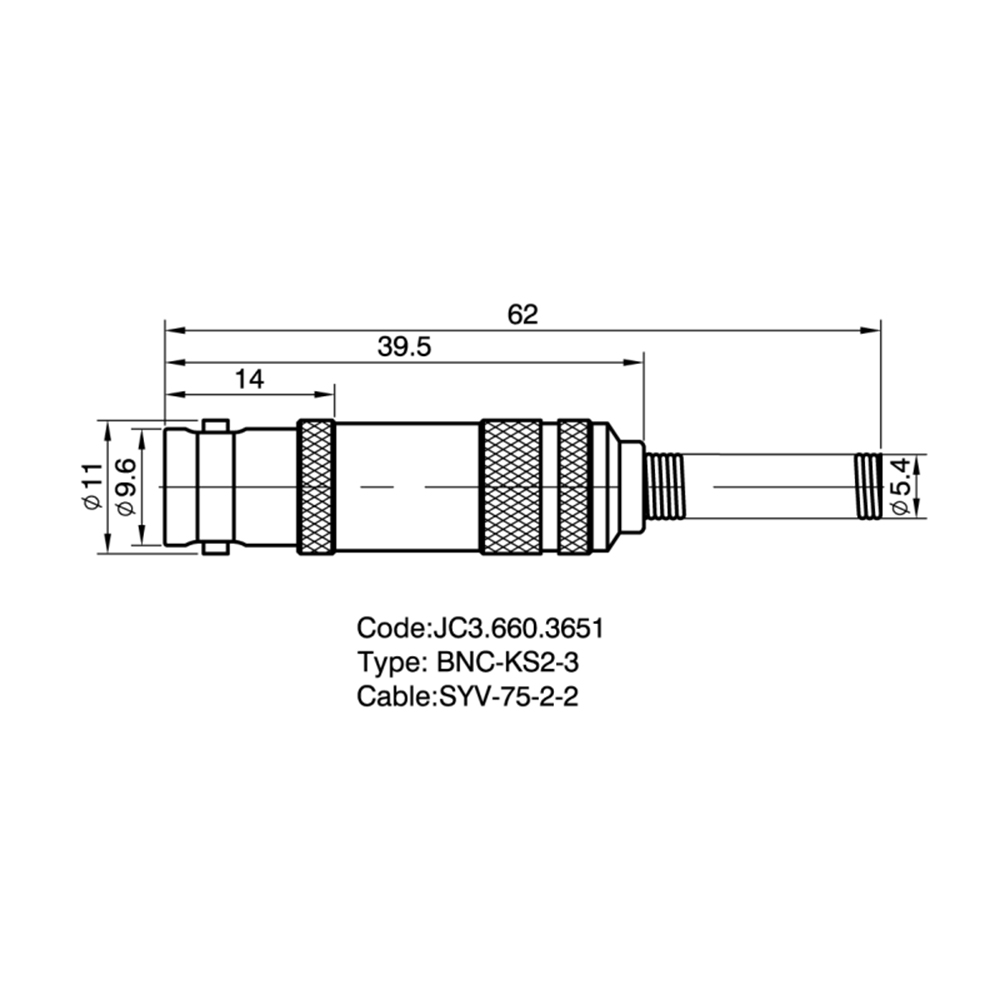
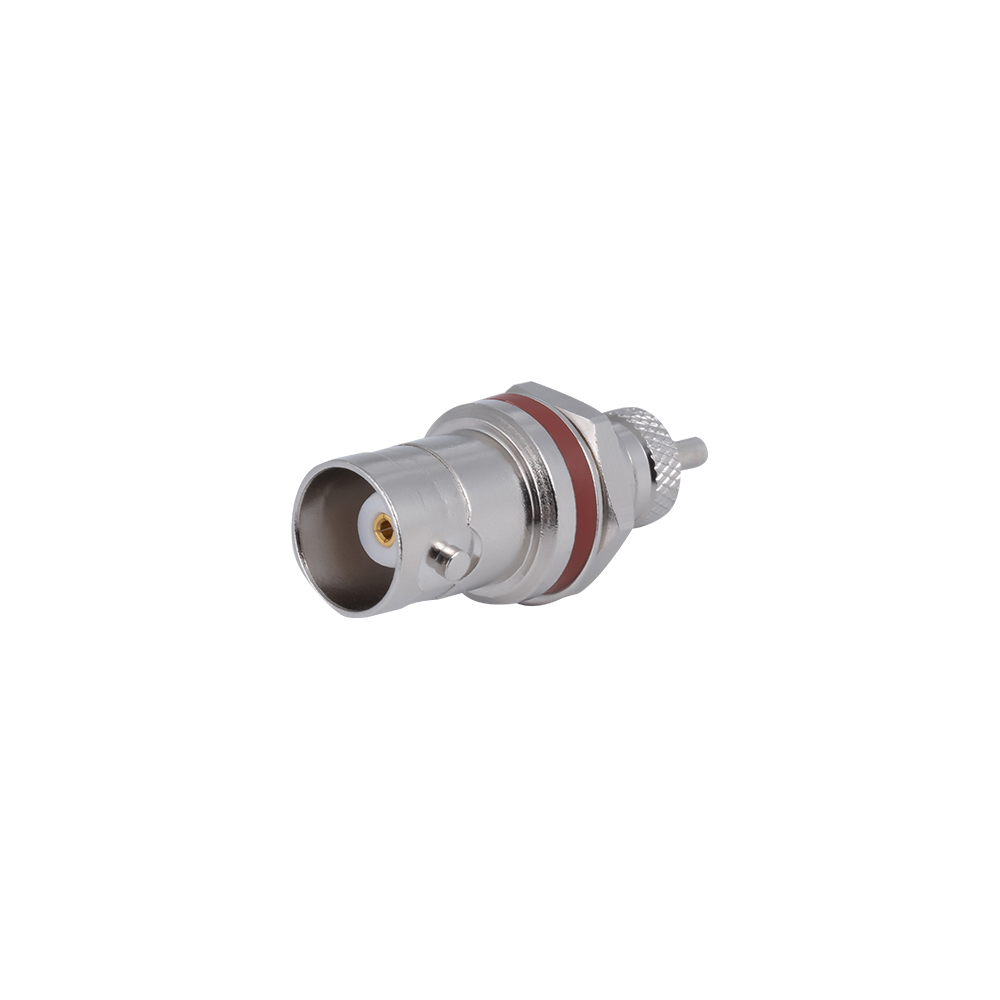
The BNC Connectors for Flexible (Soft) Cable are designed to terminate the full range of flexible coaxial cables used in everyday RF interconnect applications—from RG-58, RG-59, and RG-6 cables in legacy systems to modern low-loss flexible cables in newer deployments.
Flexible cable connectors must accommodate the mechanical compliance of the cable without introducing impedance discontinuities. Jingcheng's BNC Connectors for Flexible (Soft) Cable achieves this through precisely controlled center-pin geometry, optimized dielectric geometry, and a robust cable clamping system that resists pull-out under repeated flexing. The result is a connector that delivers consistent electrical performance throughout the cable assembly's service life.
Key Features
Crimp, clamp, or solder-type termination rear interface options to match your cable assembly process—crimp for high-volume automated production, solder or clamp for field repair and low-volume assemblies.
Cable strain relief systems (crimp ferrule or collet clamping) prevent cable movement from stressing the soldered or crimped center pin connection, extending assembly fatigue life.
Cable compatibility matrix covers common cable families: RG-58, RG-59, RG-6, RG-174, RG-316, LMR-100, LMR-200 and equivalent types across manufacturer brands.
Straight, right-angle (90°), and 45° cable exit angles available, enabling compact cable routing in densely assembled equipment without cable kinking.
Nickel, silver, and gold plating options on body and center contact to balance cost and performance requirements for different application environments.
Field-installable versions with tool-less or minimal-tooling assembly for maintenance and repair scenarios.
Competitive Advantages
Jingcheng's BNC connectors for flexiblecable is one of the highest-volume product lines in the catalogue, meaning production efficiency and material economies of scale translate directly into competitive pricing for OEM buyers assembling large quantities of cable harnesses.
Multi-cable compatibility across a single connector body reduces the number of SKUs buyers must maintain in their procurement systems—one connector part number often handles multiple cable types by varying only the crimp ferrule or inner sleeve.
Comprehensive test reports (insertion loss, VSWR, contact resistance, pull-out force) available per IEC and MIL-C test methods, satisfying the quality documentation requirements of medical device, telecommunications, and defense sub-assembly customers.
Typical Applications
Cable assembly harnesses for test and measurement equipment
CCTV/IP camera coaxial cable jumpers and pigtails (75Ω RG-59, RG-6)
WiFi, cellular, and GPS antenna pigtail cables on routers, access points, and modems
Laboratory bench interconnect cables between instruments and DUTs
Medical device patient monitoring cable assemblies
Broadcast studio patch cables and routing switcher interconnects
FAQ
Q: Which cable types and outer diameters are standard-stocked versus made-to-order?
A: Connectors for RG-58, RG-59, RG-174, RG-316, and LMR-195/200 equivalent cables are typically held in standard inventory. Less common cable types (e.g., specific low-smoke halogen-free jacket formulations or military-spec cable) are available as configured specials with a 2–4 week lead time.
Q: Can I receive a mixed-sample kit covering several cable compatibility options before committing to a production order
A: Yes. Jingcheng routinely provides sample kits to qualified OEM and cable assembly customers. Please specify the cable types and impedance requirements in your sample request and our sales team will organize an appropriate kit.
Q: Is right-angle version performance comparable to the straight version?
A: Right-angle versions carry a slightly higher VSWR specification (≤1.30 vs. ≤1.22 for straight at 3GHz) due to the geometry change at the bend. For applications operating below 1GHz, performance is functionally equivalent. For high-frequency applications approaching 3–4GHz, the straight version is recommended where routing permits.
Q: Do your connectors pass salt-spray corrosion testing?
A: Standard nickel-plated versions pass 48-hour salt spray per IEC 60512-11 as part of our routine qualification testing. Gold-over-nickel versions exceed this threshold. Test report documentation is available upon request.
|
Temperature Range
|
-55~+155℃ (PE Cable -40~+85℃)
|
|
Impedance
|
50Ω, 75Ω
|
|
Frequency Range
|
DC~4GHz
|
|
Insulation Resistance
|
≥5000MΩ
|
|
Insertion Loss
|
≤0.20 dB/1GHz
|
|
VSWR
|
Straight ≤1.22/3GHz Right angle ≤1.30/3GHz
|
|
Durability(mating)
|
≥500 (cycles)
|