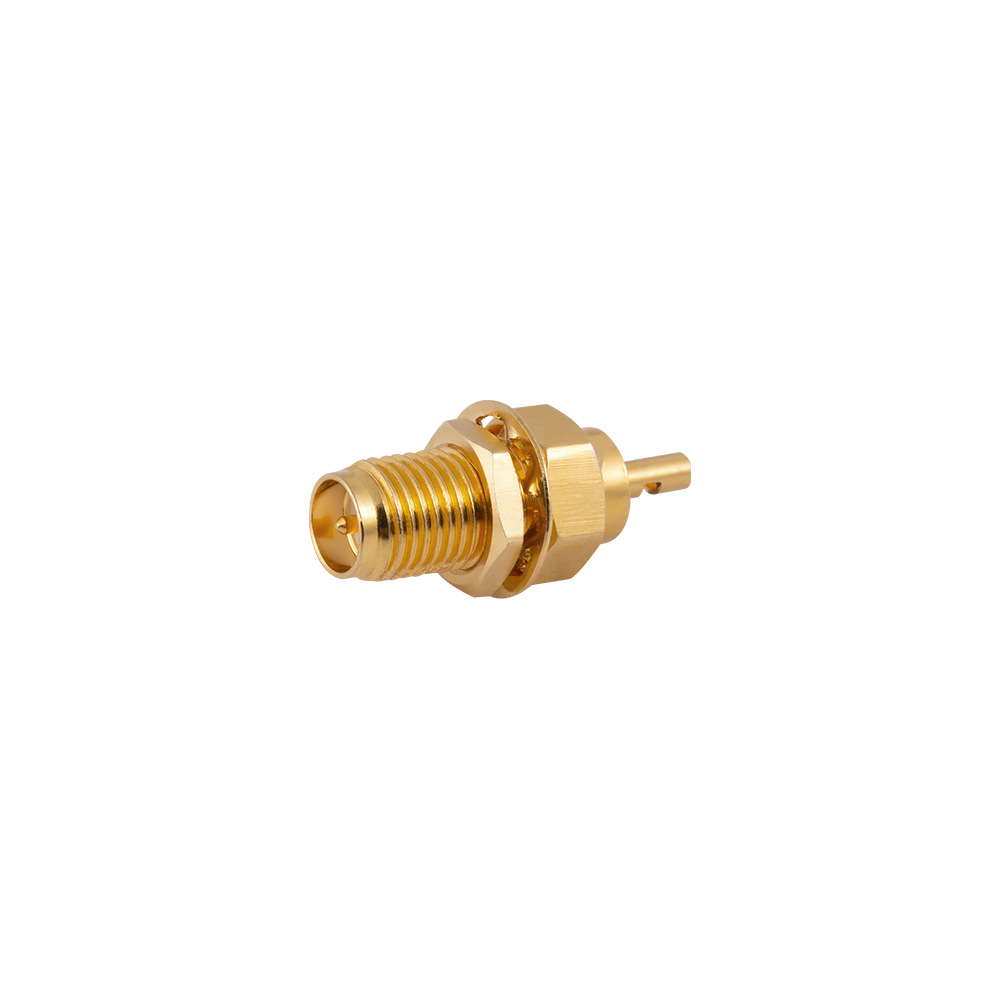
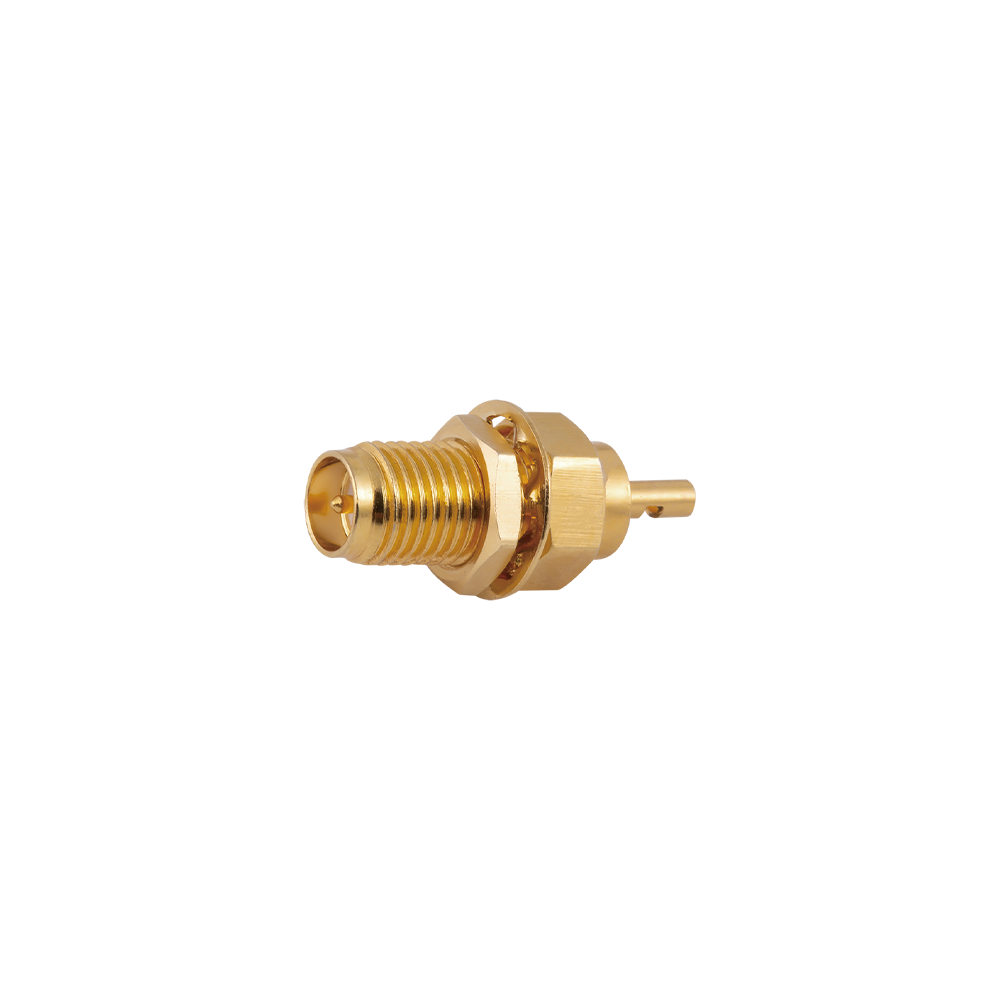
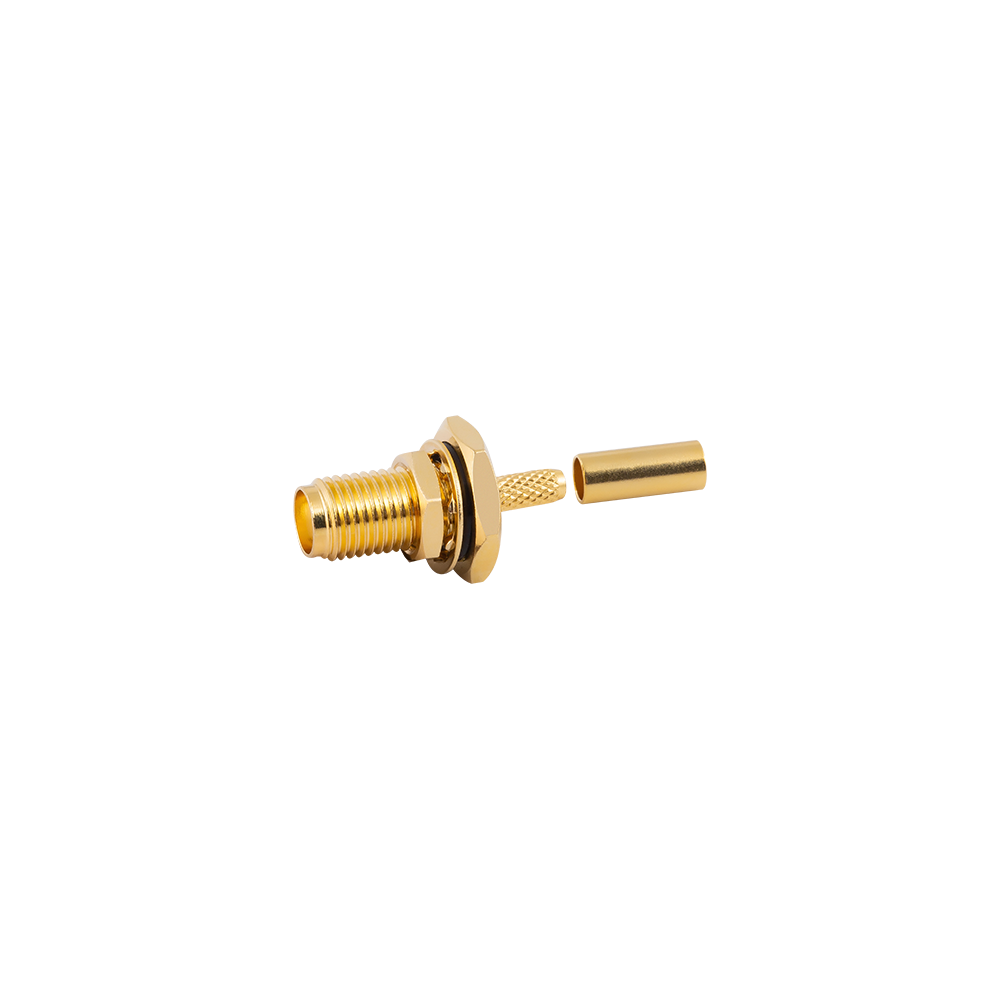
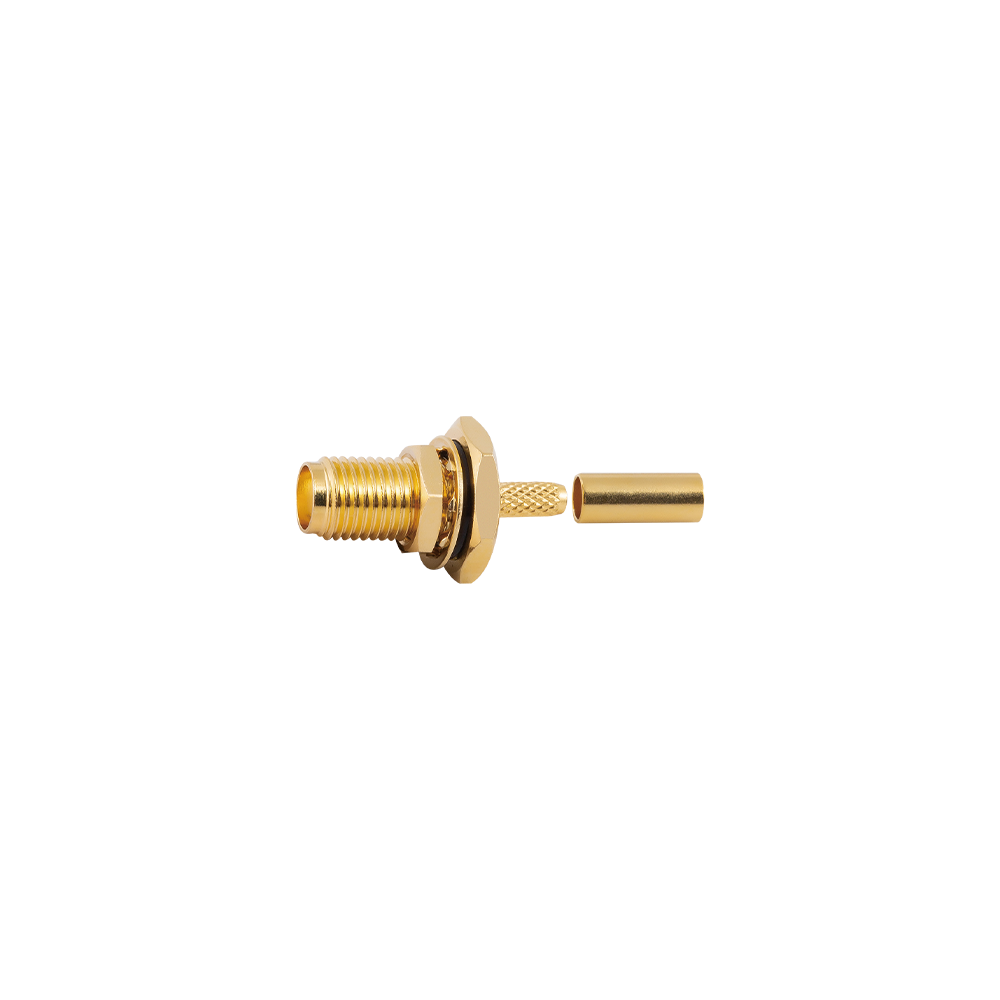
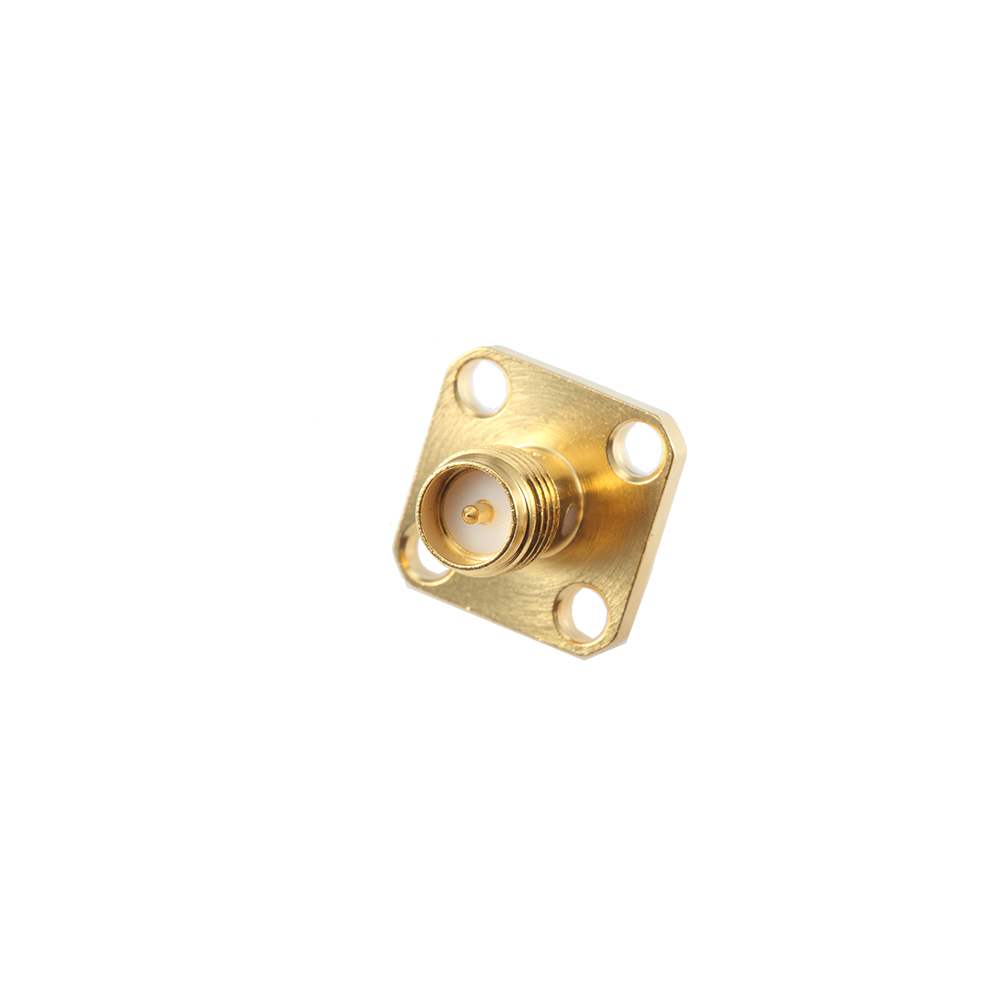
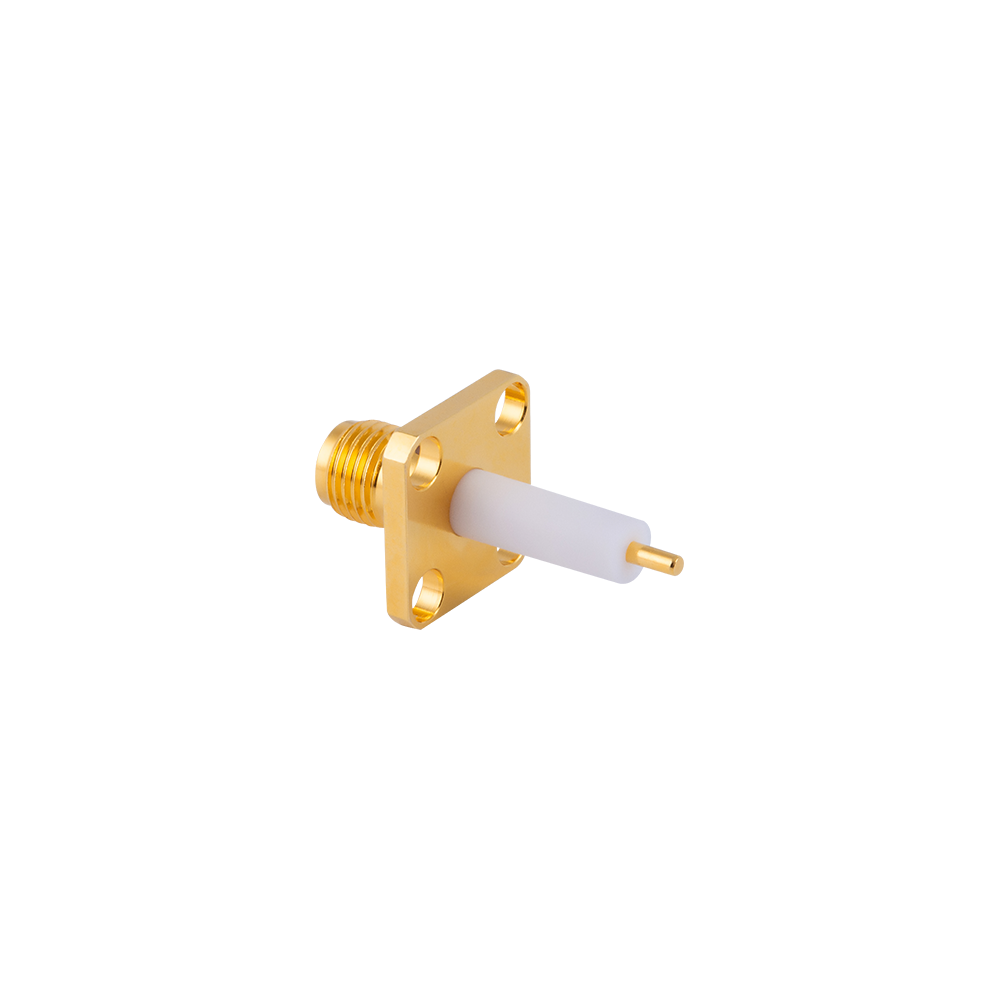
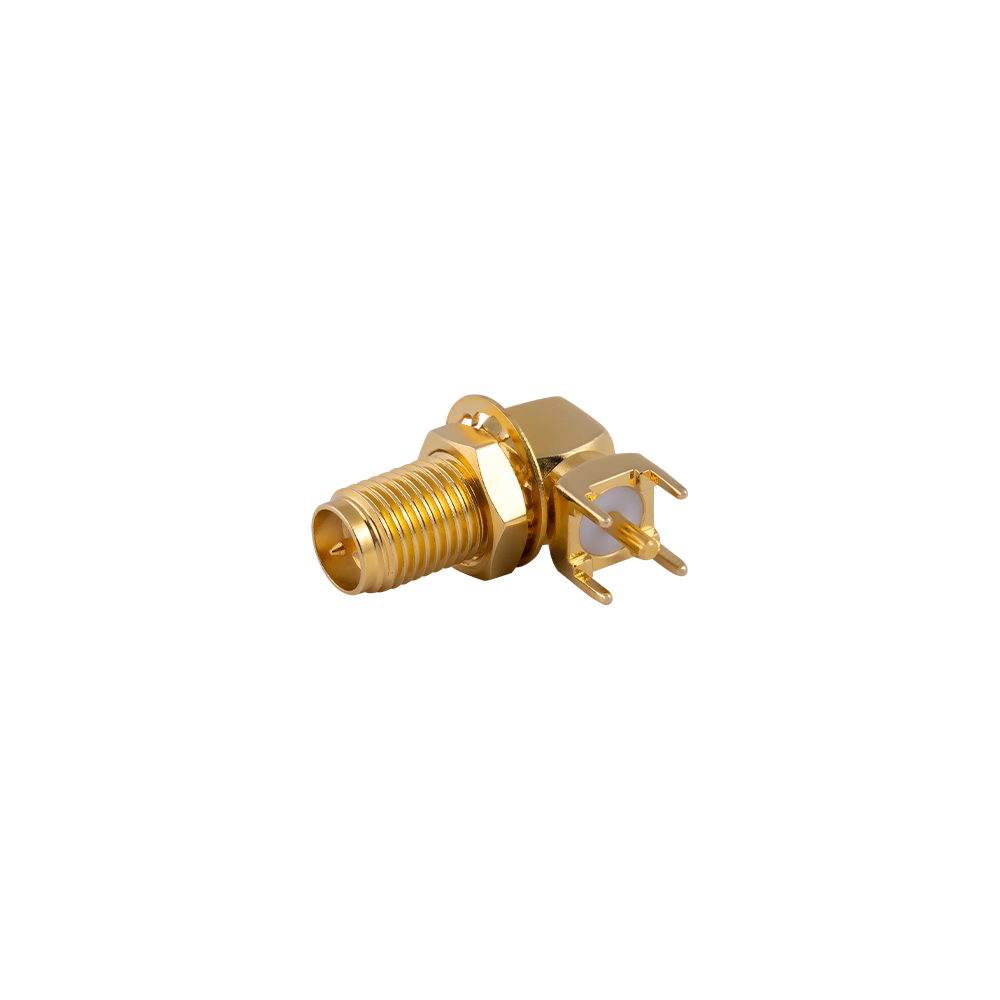
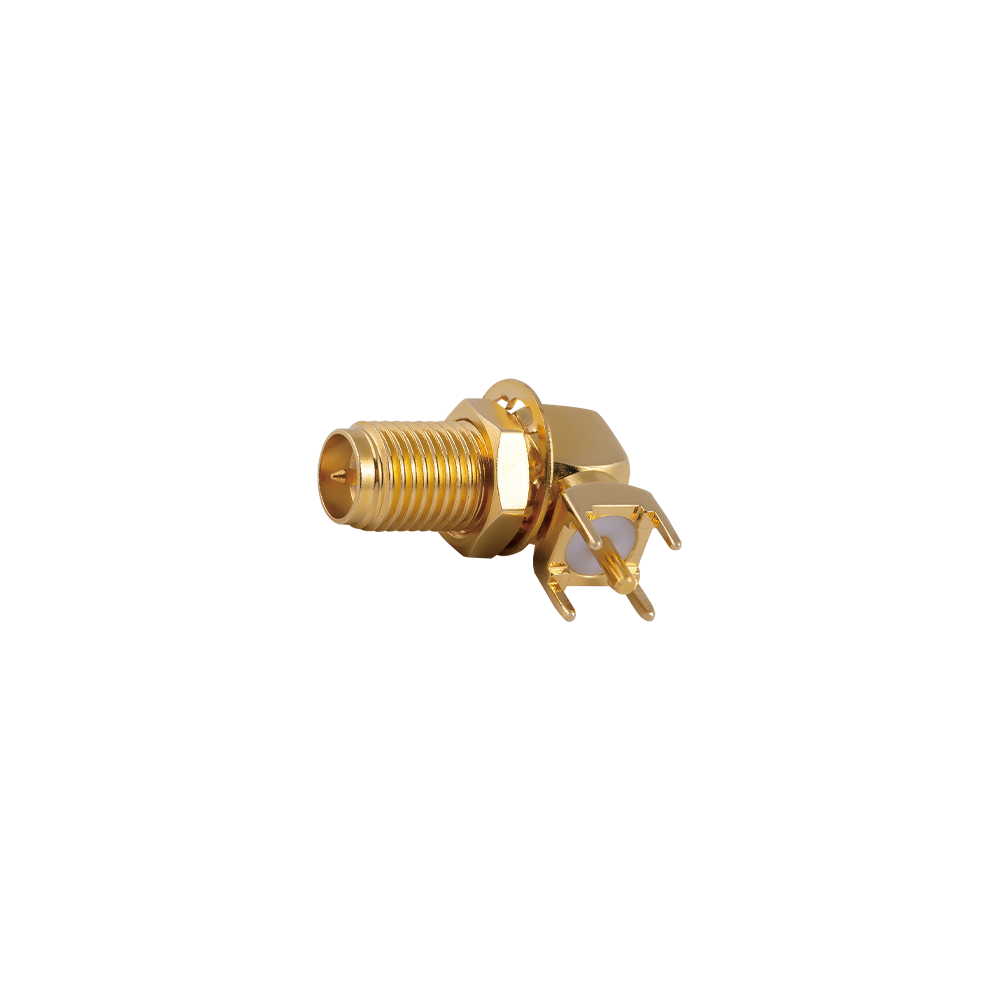
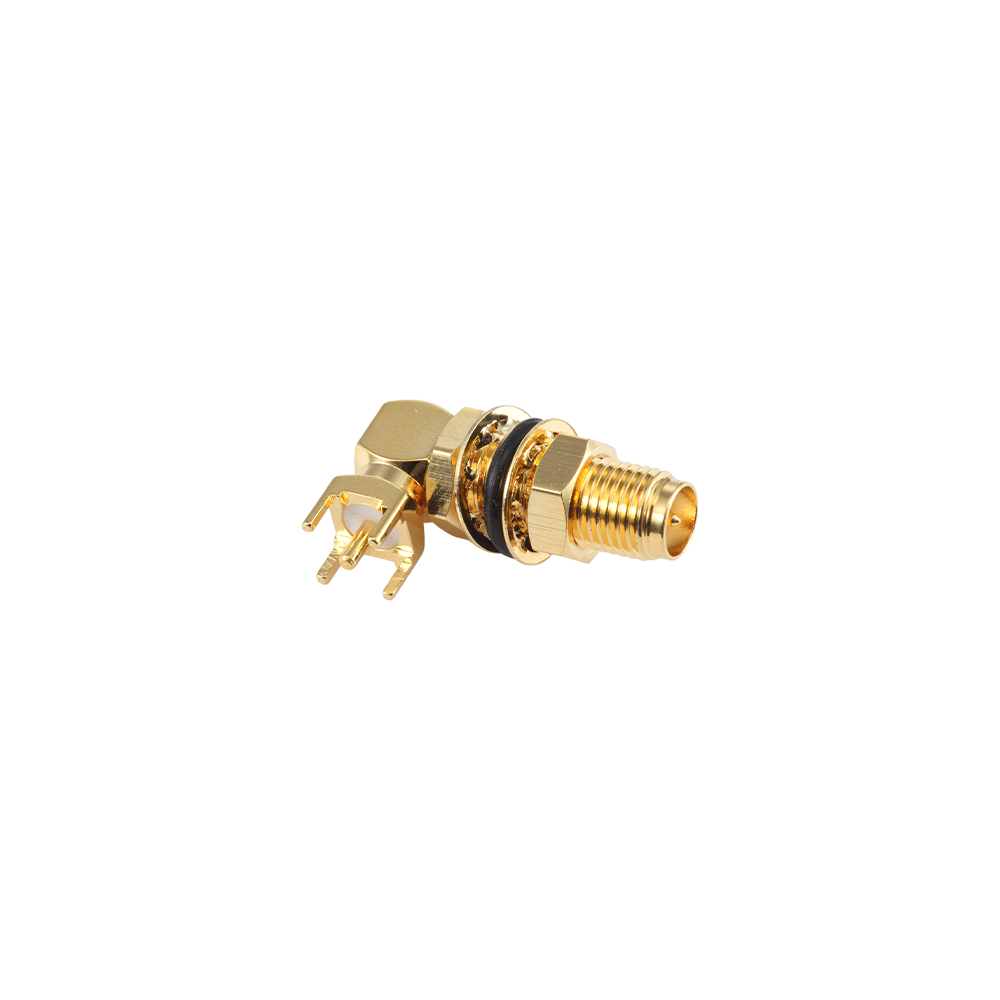
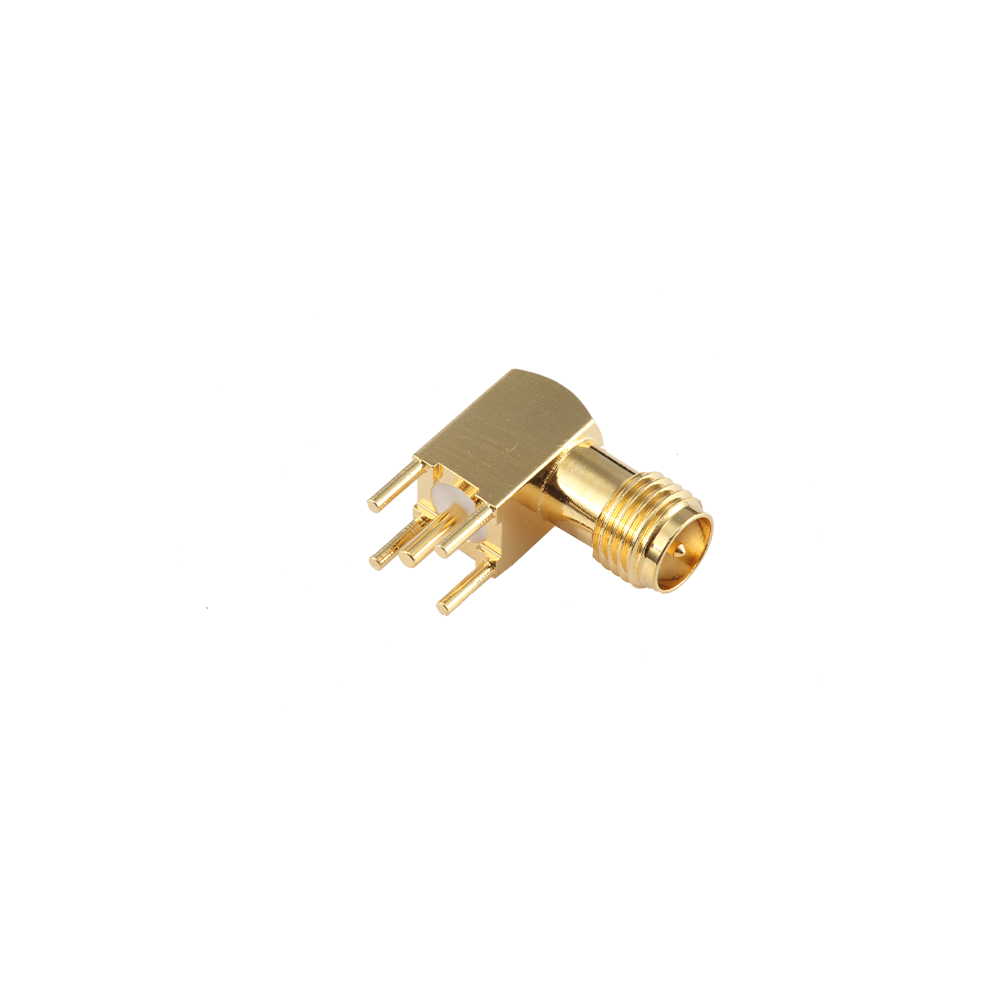
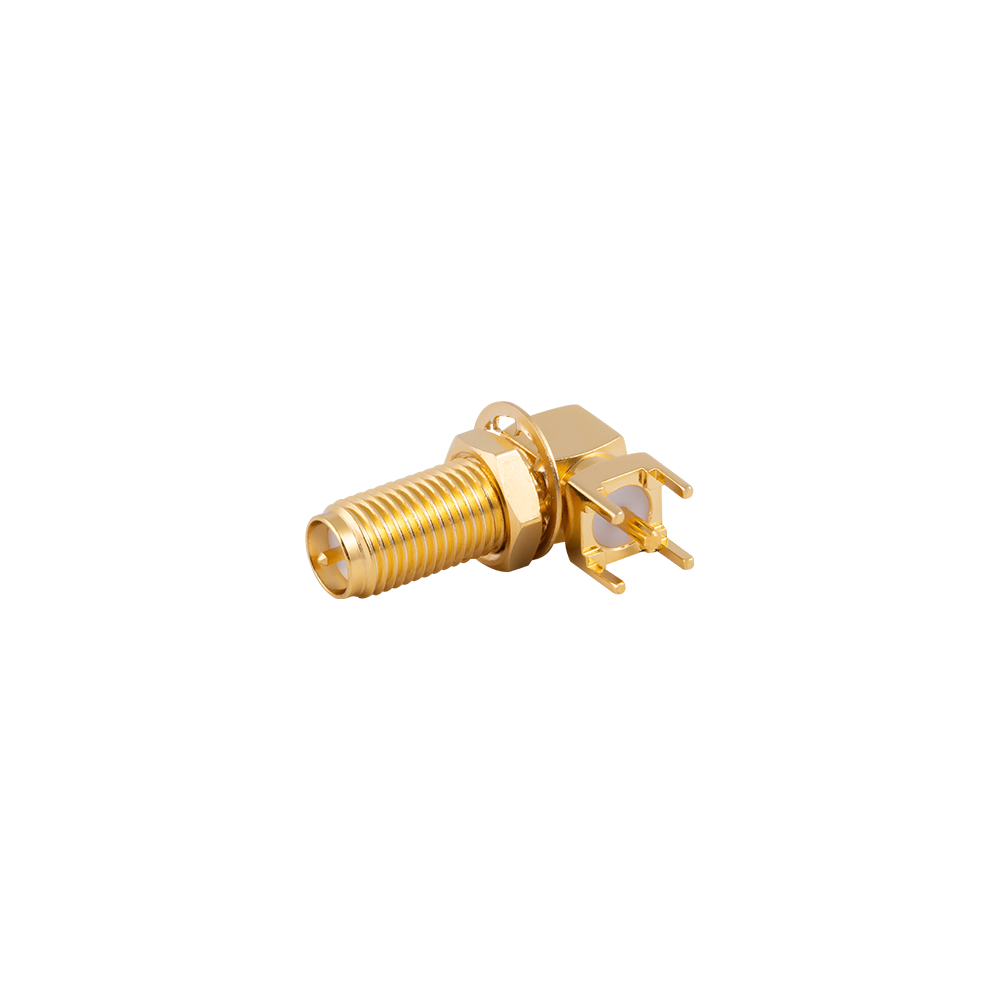
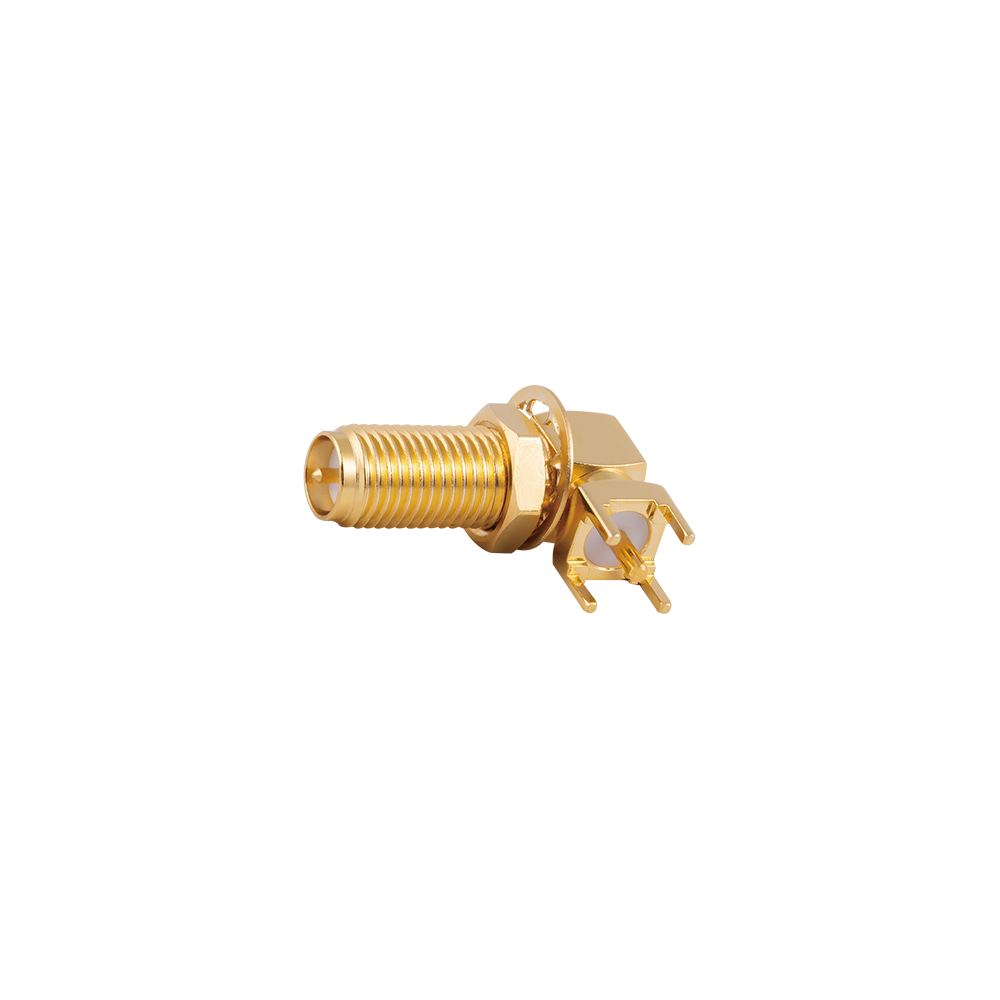
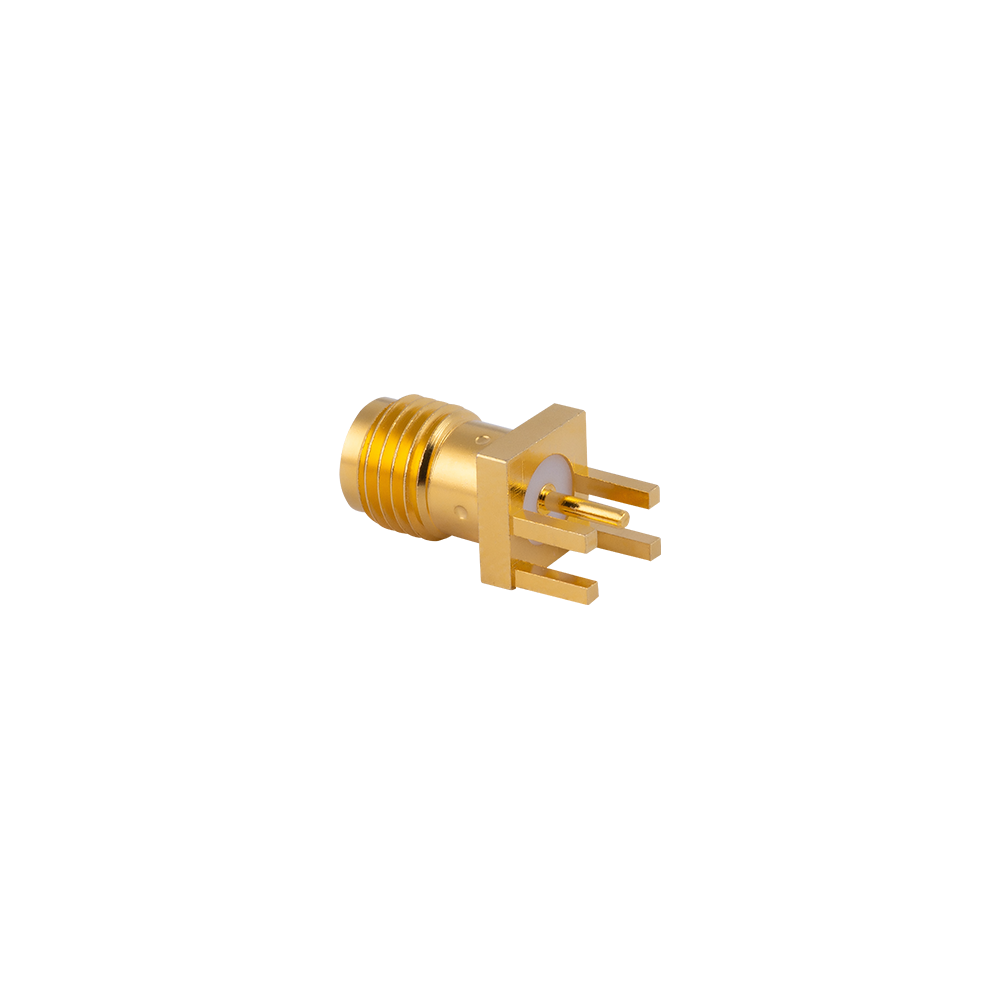
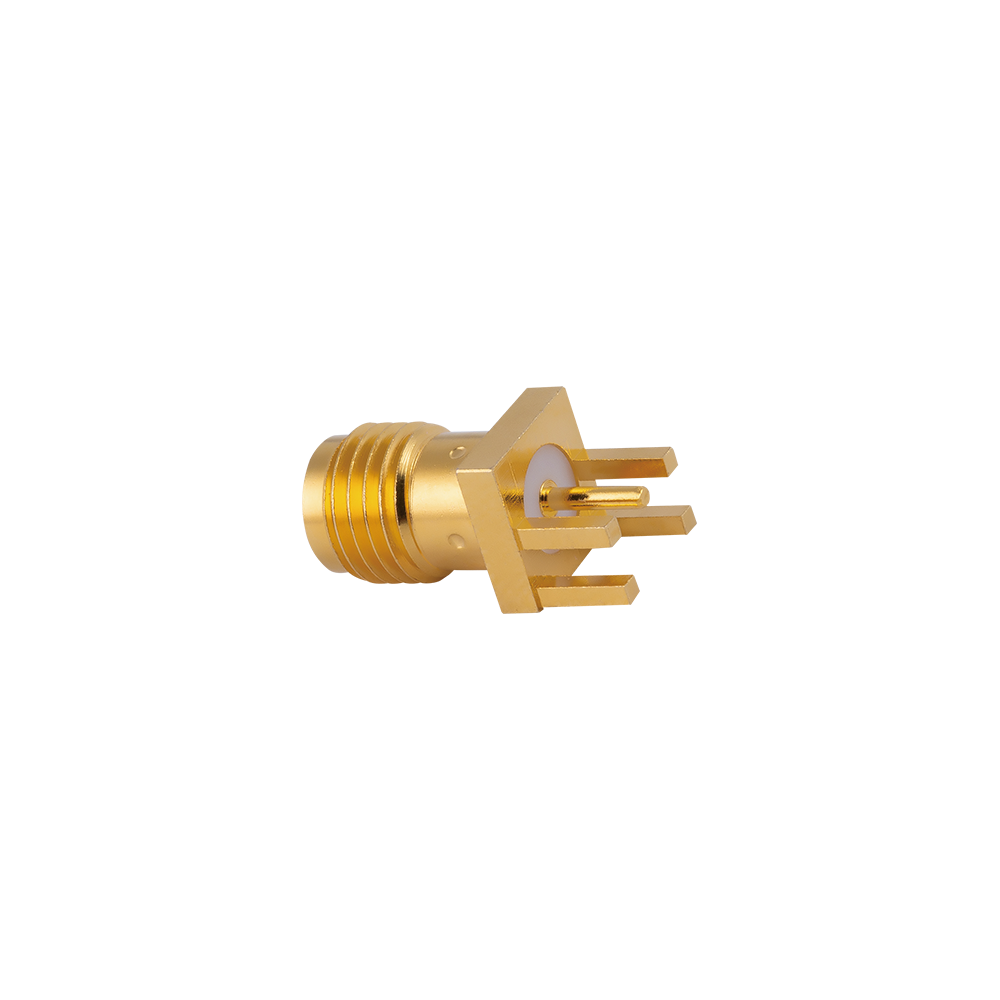
RPSMA is the most widely deployed reverse polarity interface in the world, standardized across virtually all consumer Wi-Fi routers, access points, and WLAN devices with external antennas — where the RP center conductor reversal prevents misconnection between consumer WLAN equipment and professional SMA RF infrastructure, while maintaining the threaded, positive-lock mating security of the SMA format across the 2.4 GHz, 5 GHz, and 6 GHz Wi-Fi frequency bands.
Yangzhou Jingcheng Electronics Co., Ltd., a premier China RPSMA Reverse Polarity Connectors Manufacturer and RPSMA Reverse Polarity Connectors Factory, was founded in 1999. It is a high-tech enterprise specializing in the R&D and manufacturing of RF coaxial connectors, cable assemblies, and passive microwave components.
Equipped with a comprehensive R&D and production system, the company has obtained international certifications including ISO9001. Adhering strictly to standards such as MIL, IEC and GB, we offer over 30 product series with more than 2,000 specifications, covering SMA, BNC, N-type and other mainstream models. Our products are widely applied in the fields of communications, aerospace, automotive electronics and beyond, and exported to many countries and regions across Europe, America and Asia.
We uphold the tenet of "Quality as the Foundation, Customers as the Core", committed to providing reliable interconnection solutions and professional services for global clients.
RPSMA Reverse Polarity Connectors Industry knowledge
RPSMA Reverse Polarity Connectors are a specialized interface within the RF coaxial connector family, distinguished by the reversal of the center contact gender. This design ensures that RPSMA connectors are not compatible with standard SMA connectors, thereby preventing cross-connection between consumer-grade WLAN equipment and professional RF infrastructure. The threaded coupling mechanism of RPSMA provides a secure, vibration-resistant connection, making it a reliable choice for applications demanding consistent electrical performance. These connectors are engineered to deliver low VSWR and stable impedance across a wide frequency range, supporting the operational demands of modern wireless communication systems.
The global adoption of RPSMA connectors is driven by their critical role in Wi-Fi routers, access points, and other WLAN devices operating in the 2.4 GHz, 5 GHz, and 6 GHz bands. Their reverse polarity configuration is a deliberate standardization that separates consumer devices from high-power or sensitive professional RF systems. As a high-tech enterprise specializing in RF coaxial connectors, Yangzhou Jingcheng Electronics Co., Ltd. manufactures RPSMA connectors with precision machining and high-quality materials, ensuring durability and consistent performance in diverse environmental conditions.
1. Common Types and Characteristics
RPSMA connectors are available in various configurations to suit different mounting and application requirements. The primary distinction lies in the gender of the center contact, which is reversed compared to standard SMA connectors. For instance, an RPSMA female connector features a male center pin, while an RPSMA male connector features a female socket. This fundamental difference ensures the intended mating compatibility and system segregation. Yangzhou Jingcheng Electronics Co., Ltd. provides a wide array of types, including bulkhead, PCB mount, and cable-mount versions, each designed for specific integration needs.
Table 1: Common RPSMA Connector Types and Their Attributes
Type
Key Features
Typical Applications
RPSMA Bulkhead
Panel-mount, threaded, secure fit
Chassis/Enclosure mounting
RPSMA PCB Mount
Edge or through-hole, surface-mount
Wireless modules, IoT devices
RPSMA Cable Mount
Crimp or solder, flexible cable types
Antenna jumpers, test leads
The standard impedance for RPSMA connectors is 50 Ω, making them suitable for most RF communication systems. They are designed to operate up to 18 GHz, though the 6 GHz band is common for Wi-Fi applications. The operating temperature range is typically from -65°C to +165°C, which supports deployment in both indoor and harsh outdoor environments.
2. Application Scenarios and Selection Guide
RPSMA connectors are predominantly found in wireless communication equipment where external antennas are required. Their robust design and secure locking mechanism make them ideal for applications subject to vibration or frequent handling. Typical use cases include high-end routers, outdoor access points, telemetry systems, and industrial IoT gateways. Yangzhou Jingcheng Electronics Co., Ltd. offers RPSMA solutions that meet the stringent performance and reliability needs of these diverse sectors. For instance, the HPE Aruba Networking AP‑518 utilizes six RPSMA connectors to support external antenna operation for dual-radio Wi-Fi 6 systems.
When selecting an RPSMA connector, key parameters include frequency range, power handling, and environmental factors. For high-density PCB layouts, right-angle or edge-mount versions provide space-efficient solutions. For outdoor equipment, bulkhead versions with sealing options offer protection against moisture and dust. The choice between cable-mount and PCB-mount styles depends on the system architecture and assembly process. Leveraging its expertise as a high-tech enterprise, Yangzhou Jingcheng Electronics Co., Ltd. provides technical support to guide these selection decisions, ensuring optimal interface performance.
Selection Checklist for RPSMA Connectors:
Determine the required frequency band (e.g., Wi-Fi 6E requires up to 6 GHz).
Specify the mounting type: PCB, cable, or panel mount.
Assess environmental conditions, especially temperature and humidity.
Ensure mating cycle durability matches the application lifespan.
Frequency Range Usage
The chart above illustrates the relative usage of RPSMA connectors across different frequency bands. The 2.4 GHz and 5 GHz bands remain the most common, corresponding to widespread Wi-Fi deployments. The growing adoption of 6 GHz (Wi-Fi 6E) is creating demand for connectors that maintain performance at higher frequencies. While RPSMA connectors can support up to 18 GHz, their design is optimized for these key consumer and industrial bands. Yangzhou Jingcheng Electronics Co., Ltd. manufactures connectors that deliver low and consistent VSWR across these ranges. This ensures minimal signal reflection and maximum power transfer for reliable system operation. The data reflects the primary market drivers for RPSMA technology in the current RF landscape. Engineers frequently reference these distribution patterns when designing antenna interfaces for new equipment.
3. Technical Comparison: RPSMA vs. Standard SMA
Understanding the distinction between RPSMA and standard SMA connectors is crucial for system design. The key difference lies in the center contact configuration, not the outer thread or hex nut size. This deliberate reversal prevents accidental mating, protecting sensitive equipment from damage. Yangzhou Jingcheng Electronics Co., Ltd. ensures that all its RPSMA products are clearly identified to avoid integration errors.
The radar chart compares RPSMA and standard SMA connectors across key performance attributes. RPSMA offers comparable mechanical security and durability but introduces intentional non-interoperability with standard SMA. This feature is critical in preventing incorrect antenna connections in professional settings. The frequency range and impedance matching are virtually identical, ensuring that the reverse-polarity design does not compromise electrical performance. Yangzhou Jingcheng Electronics Co., Ltd. designs both types of connectors to meet MIL and IEC standards, ensuring high quality across its product lines. The choice between them is therefore a system architecture decision, not a performance trade-off. RPSMA is the preferred interface for consumer and enterprise WLAN equipment due to its safety and segregation features. This comparison is frequently cited in design guides for dual-use equipment.
Table 2: Key Differences Between RPSMA and Standard SMA Connectors
Feature
RPSMA Connector
Standard SMA Connector
Center Contact (Female)
Has a female socket
Has a male pin
Center Contact (Male)
Has a male pin
Has a female socket
Primary Use
Consumer WLAN, Wi-Fi routers
Professional RF, test equipment
Threaded Coupling
Yes
Yes
4. Maintenance and Installation Guidance
Proper installation and maintenance of RPSMA connectors are essential to ensure long-term performance and reliability. The threaded mating mechanism requires careful alignment to prevent cross-threading. Torque specifications should be followed to achieve a consistent and secure connection without causing damage. As an experienced RF connector supplier, Yangzhou Jingcheng Electronics Co., Ltd. emphasizes the importance of using the correct mating adapters and tools.
A typical mating cycle for a high-quality RPSMA connector is 500 cycles, which should be considered in applications requiring frequent disconnection. Visual inspection for damage to the center contact or threads is recommended before each mating. The design of RPSMA connectors includes rotational frictional torque to maintain a proper mate and reduce disconnection risks, making them reliable for field deployments.
The line chart depicts the typical relationship between mating cycles and contact resistance for a well-maintained RPSMA connector. The curve shows a gradual increase in resistance after approximately 200 cycles, which is within expected performance limits. At around 500 cycles, the resistance may approach the threshold for critical applications, indicating that replacement or refurbishment should be considered. This data underscores the importance of specifying connectors with adequate durability for the intended service life. Yangzhou Jingcheng Electronics Co., Ltd. manufactures RPSMA connectors with robust materials to extend operational life. Regular inspection and adherence to torque guidelines are the most effective practices for maintaining signal integrity. The chart is based on accelerated life testing data from industry-standard procedures. Designers often use these curves to predict maintenance intervals in high-reliability systems.
5. Frequently Asked Questions (FAQ)
This section addresses common technical inquiries regarding RPSMA connectors, providing clarity for engineers and procurement professionals. Yangzhou Jingcheng Electronics Co., Ltd. incorporates these considerations into its product development and customer support processes.
Can an RPSMA connector be mated with a standard SMA connector? No. The center contact gender is reversed to prevent any physical mating. Attempting to force a connection can cause irreversible damage to both connectors.
What is the typical operating frequency range for RPSMA connectors? They are commonly specified for use up to 6 GHz for Wi-Fi applications, with high-quality versions supporting up to 18 GHz for other RF systems.
Why is RPSMA used instead of standard SMA in many Wi-Fi devices? The design ensures that consumer-grade external antennas (which use RPSMA) cannot be mistakenly connected to higher-power professional SMA equipment, serving as a safety and regulatory compliance feature.
What are the main factors affecting the durability of RPSMA connectors? The materials used, plating thickness (e.g., gold over nickel), and the number of mating cycles are the primary determinants of durability and long-term electrical performance.
Typical VSWR Performance Distribution
The horizontal bar chart illustrates the VSWR performance distribution for RPSMA connectors in the critical 2.4-6 GHz band. The data shows that a significant majority of connectors from reputable manufacturers achieve a VSWR of 1.5:1 or less, indicating excellent impedance matching. Some may operate at a VSWR of up to 2.0:1, which is acceptable for many applications. Yangzhou Jingcheng Electronics Co., Ltd. focuses on producing connectors that consistently meet low VSWR specifications to minimize signal reflections. This performance characteristic is a direct result of precise manufacturing and material quality control. End-users should verify VSWR specifications to ensure compatibility with their system's requirements. The chart reinforces the technical capability expected from a professional-grade RPSMA connector. Such performance data is often included in qualification reports for new designs. This distribution also helps in understanding typical production tolerances for this interface.


 English
 中文简体
中文简体