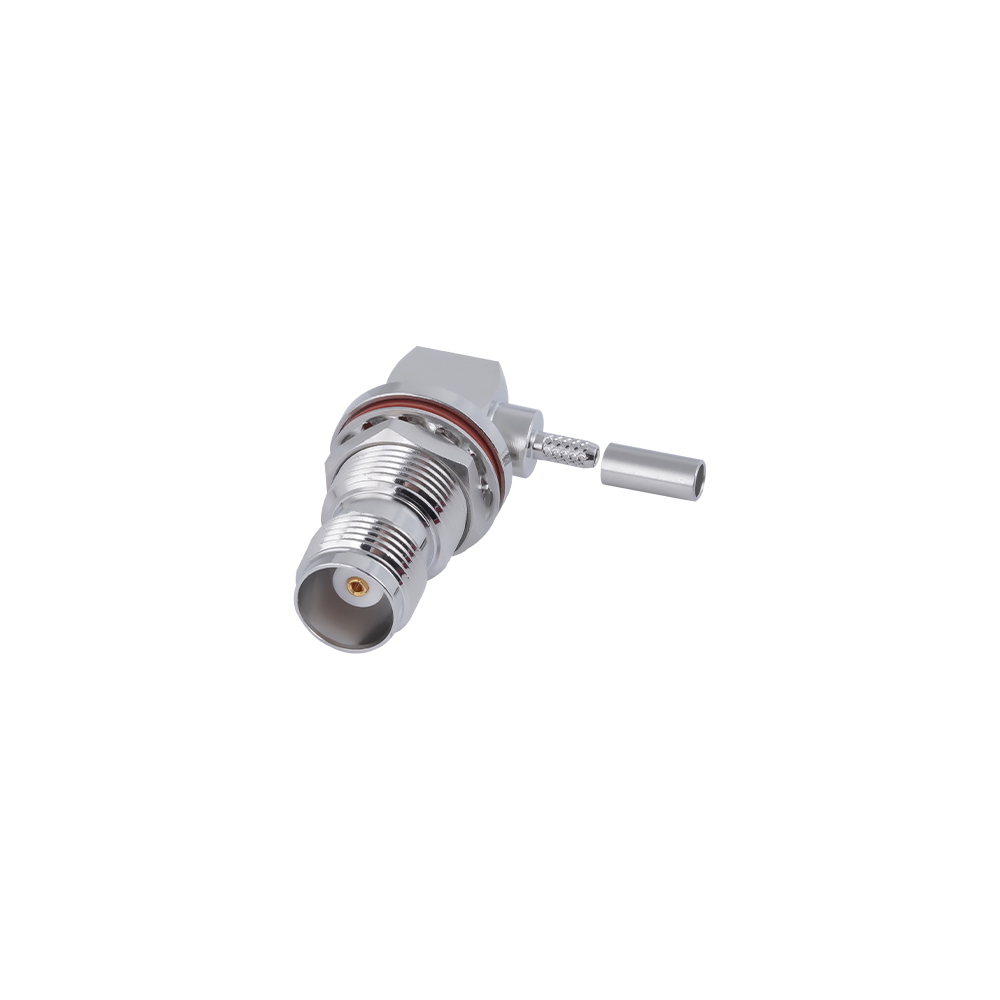
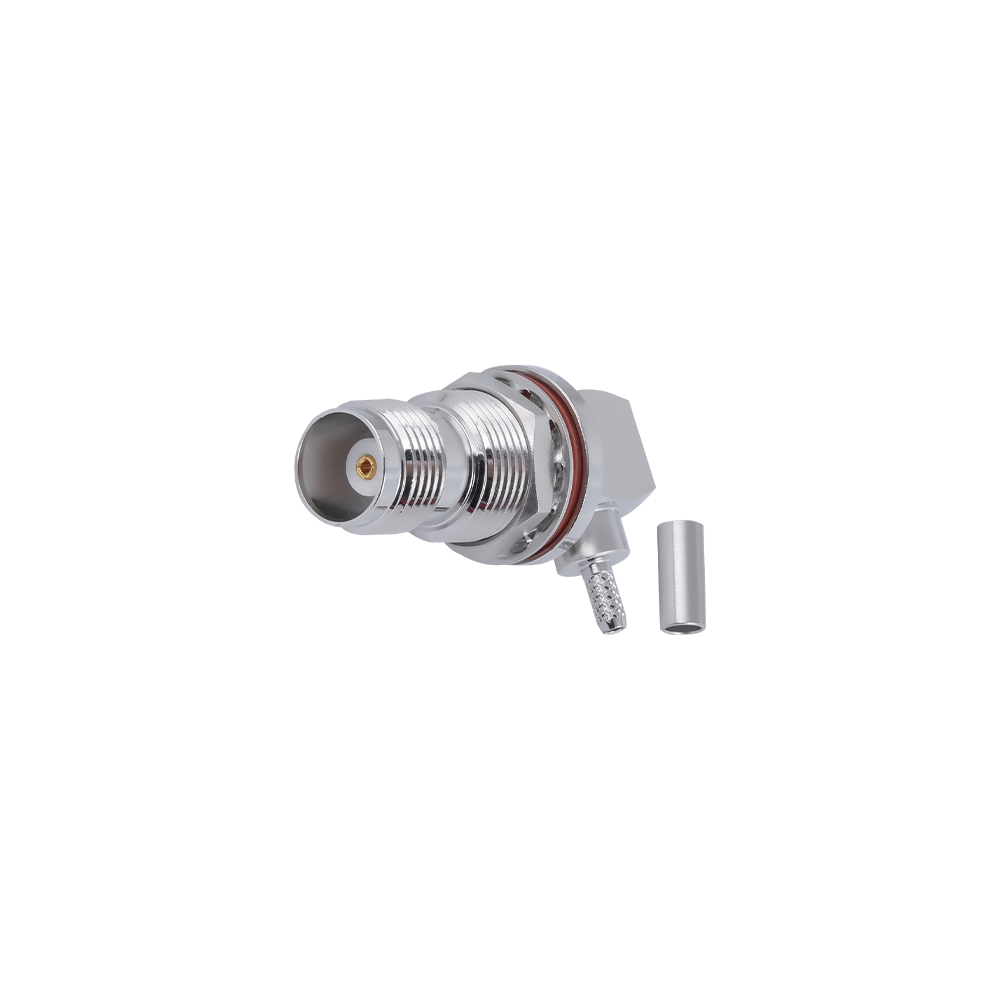
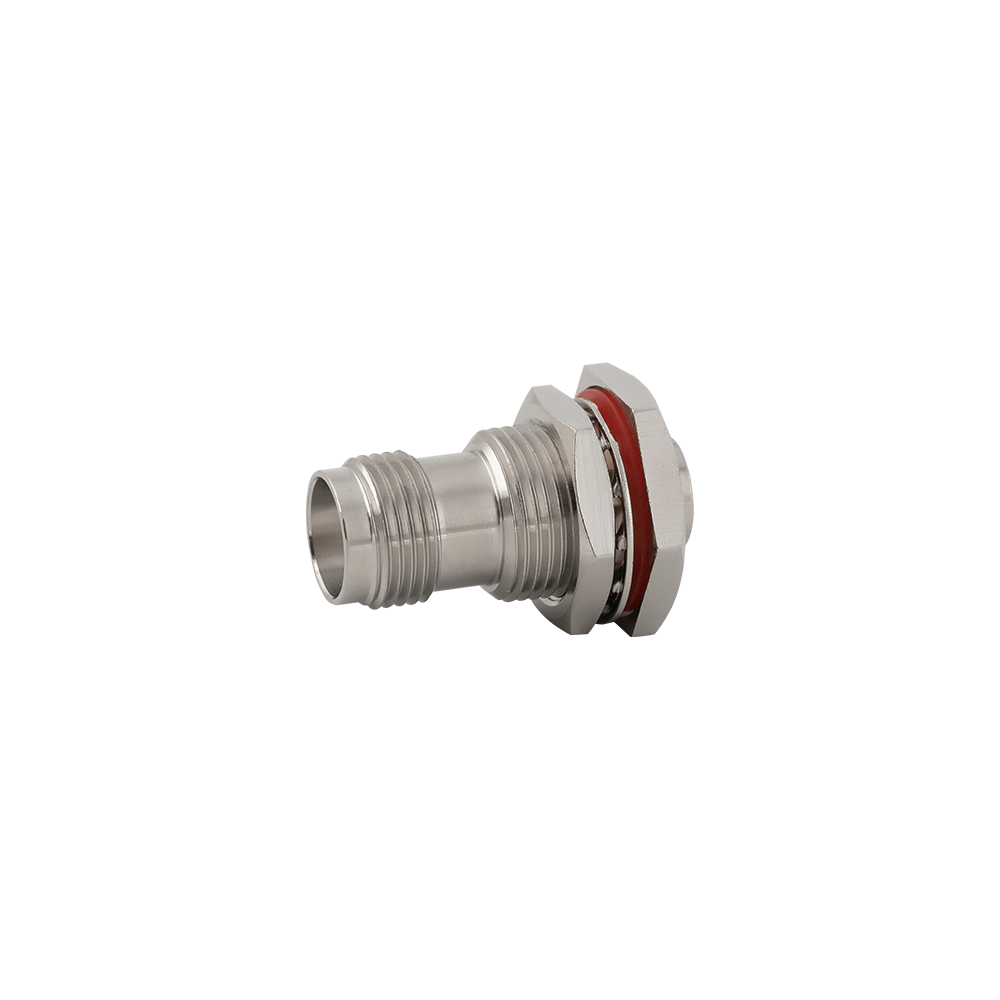
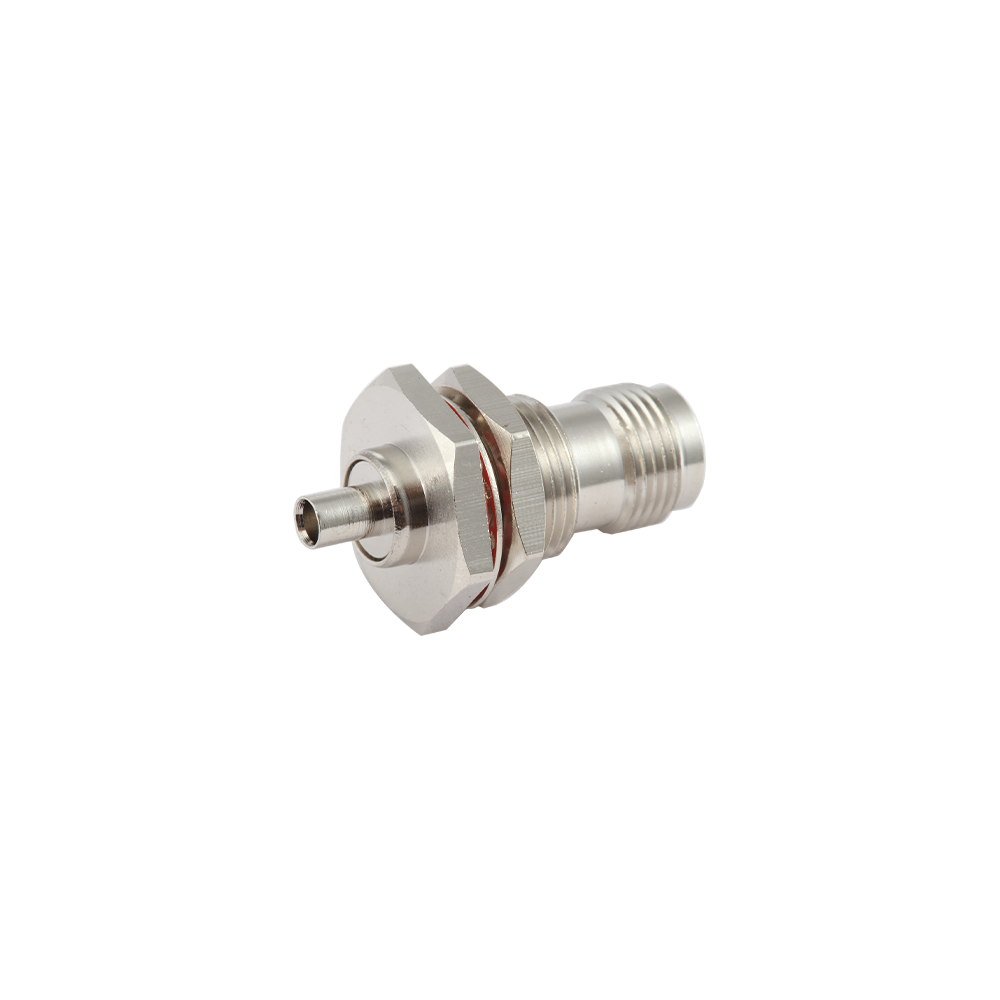
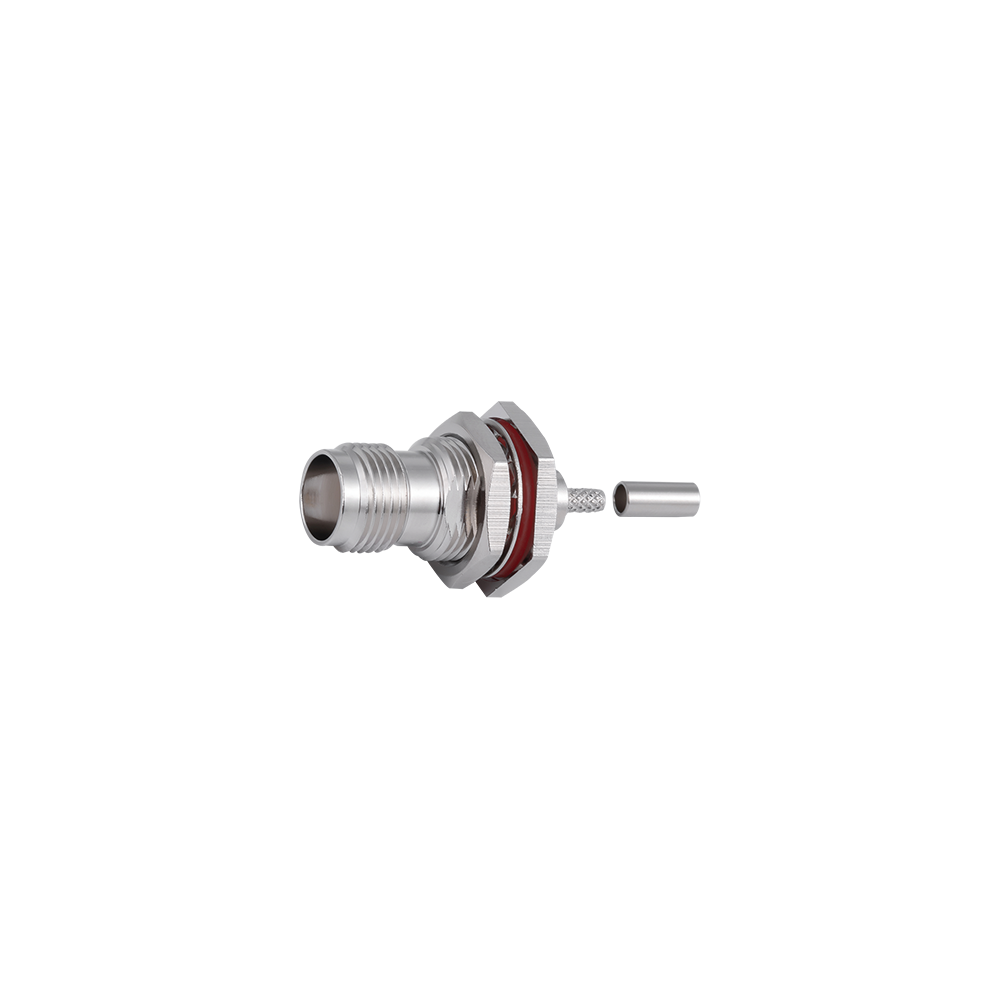
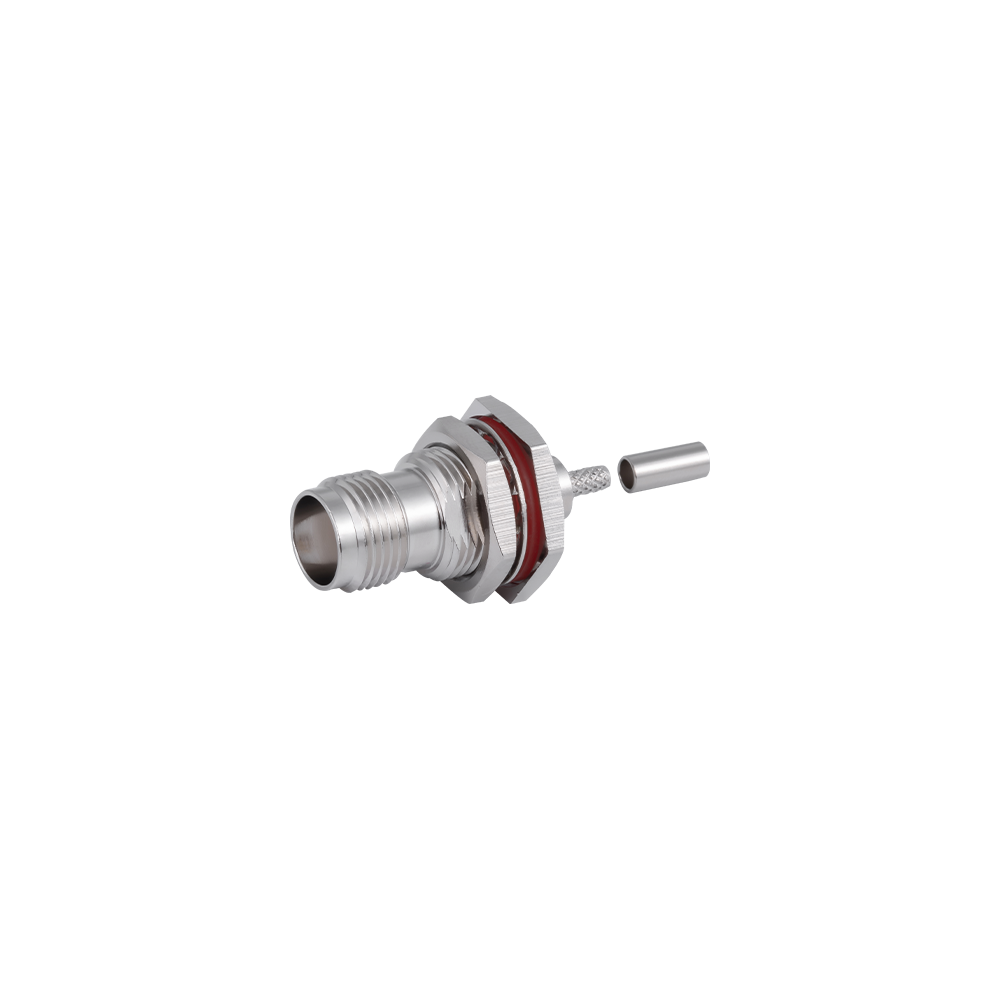
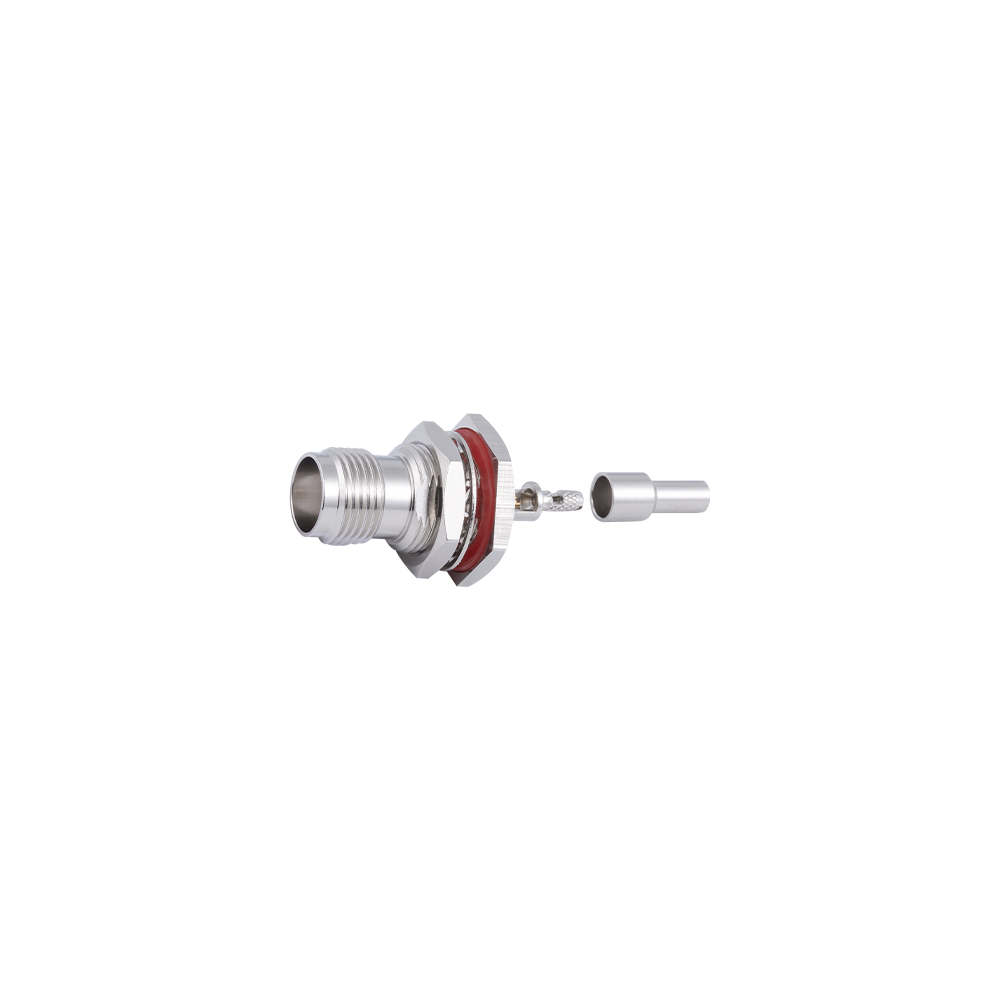
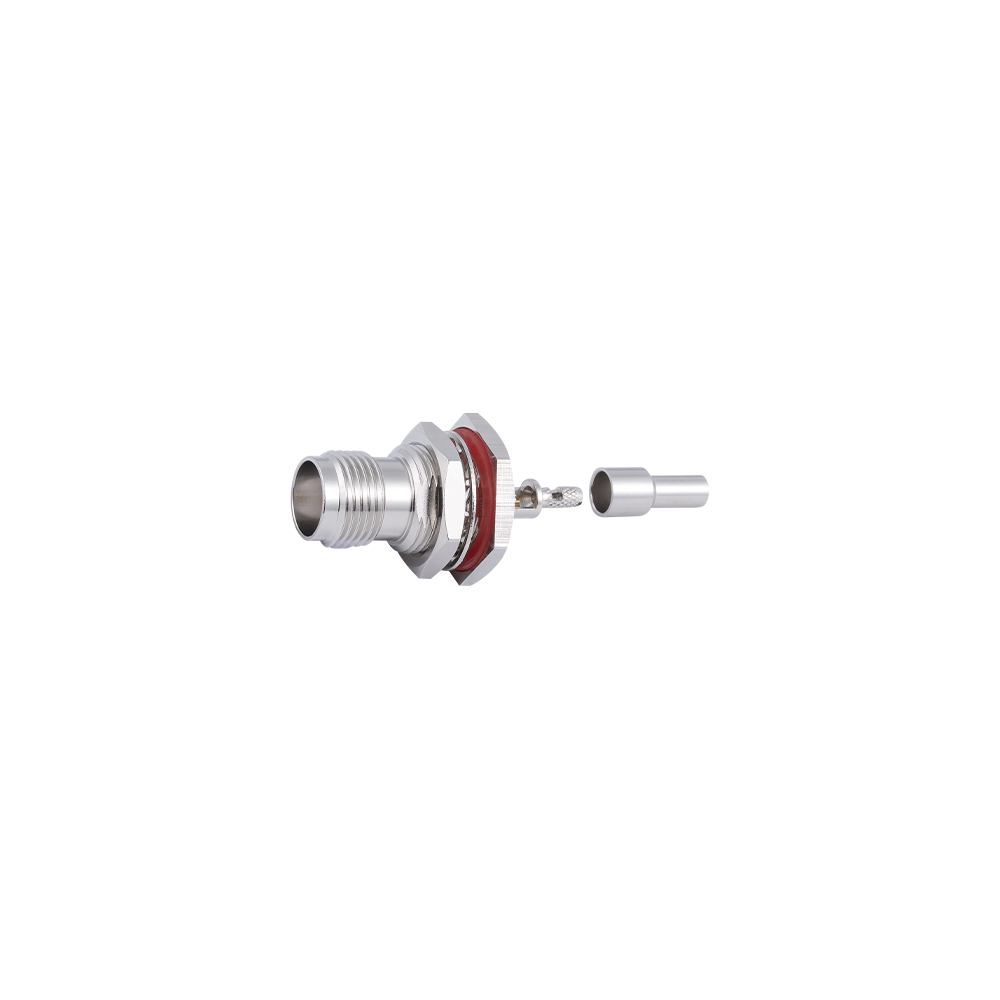
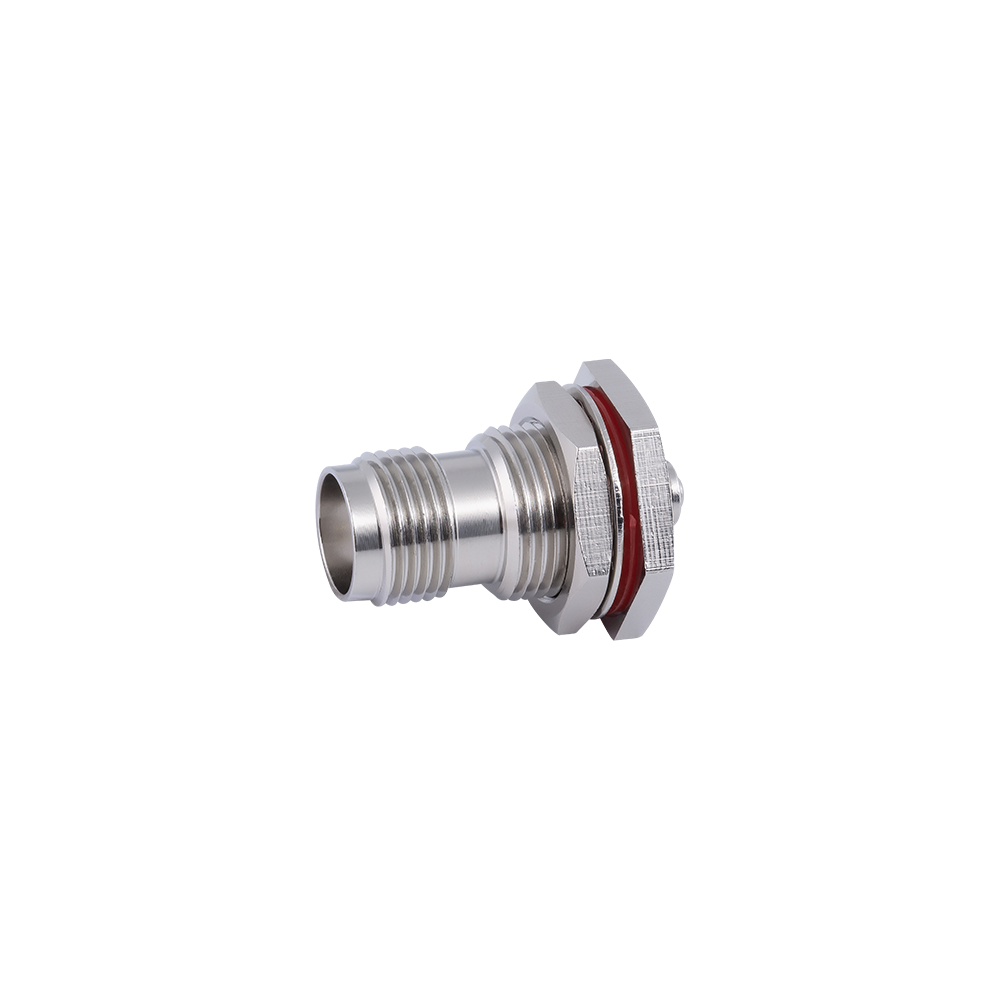
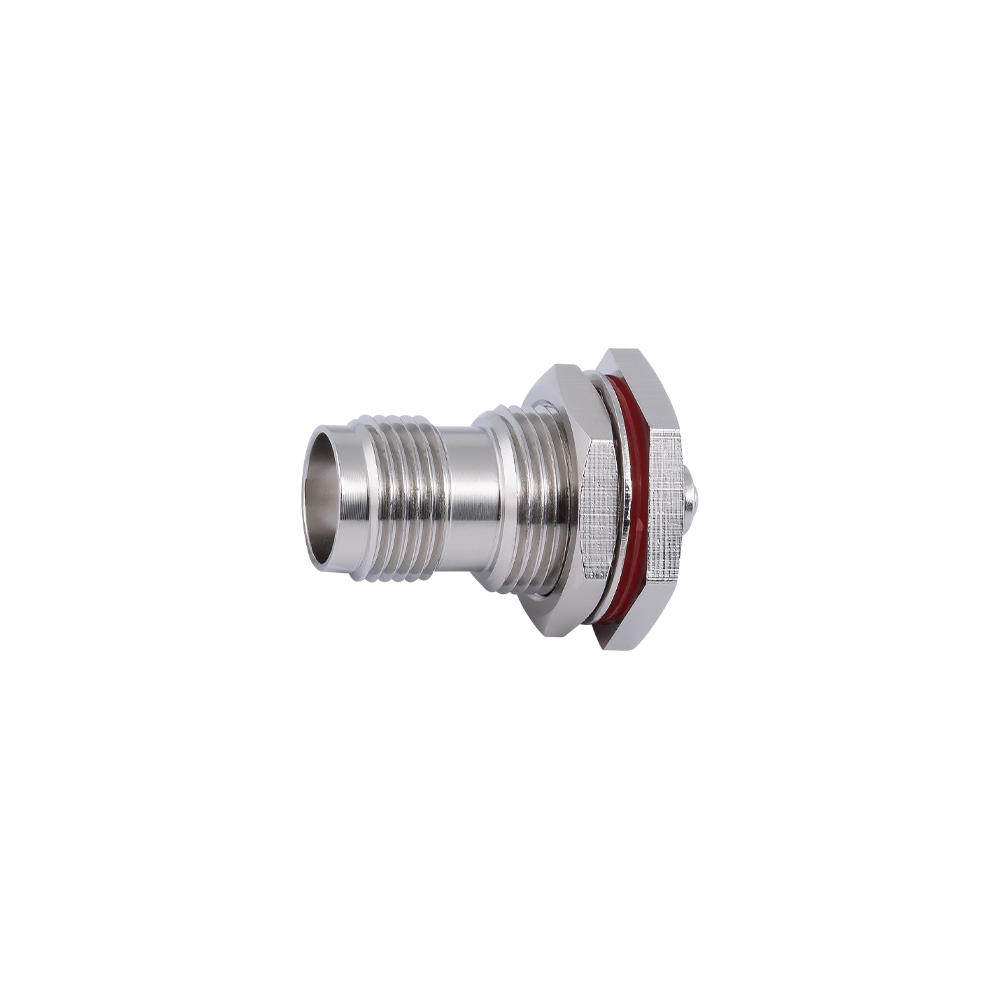
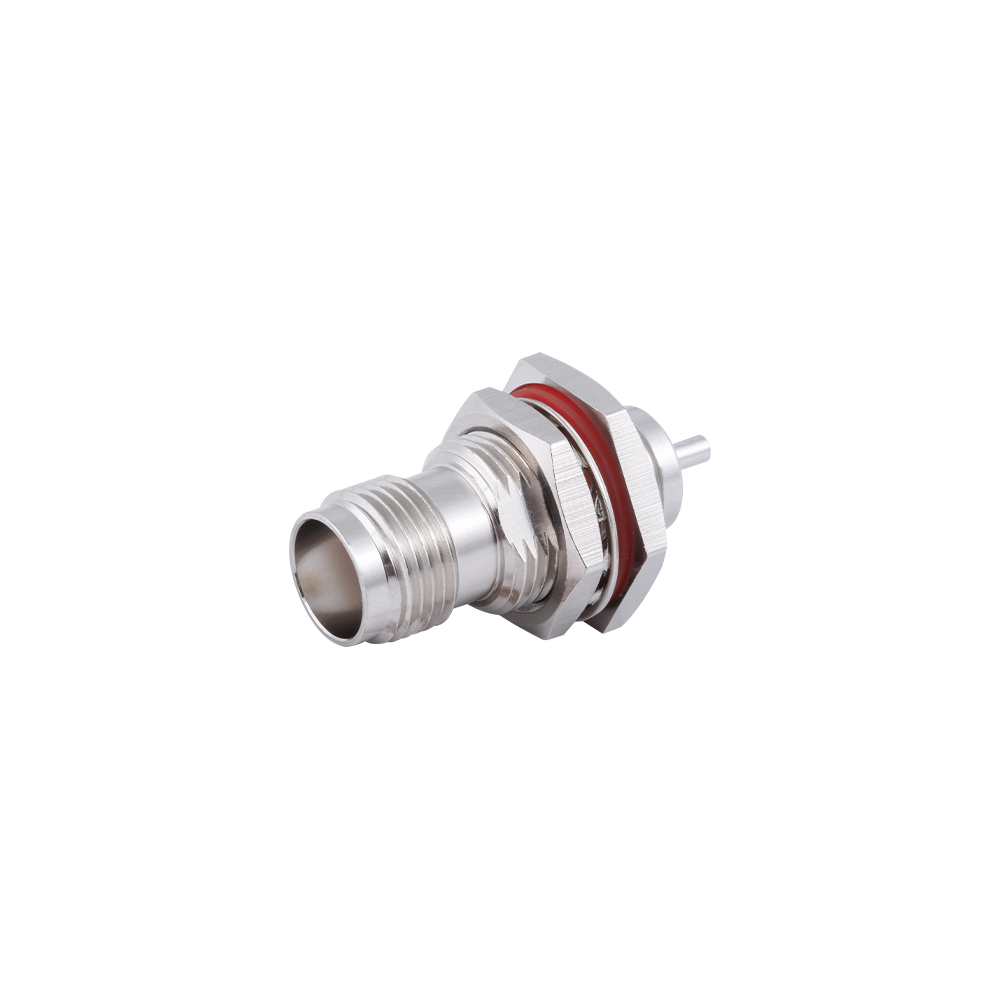
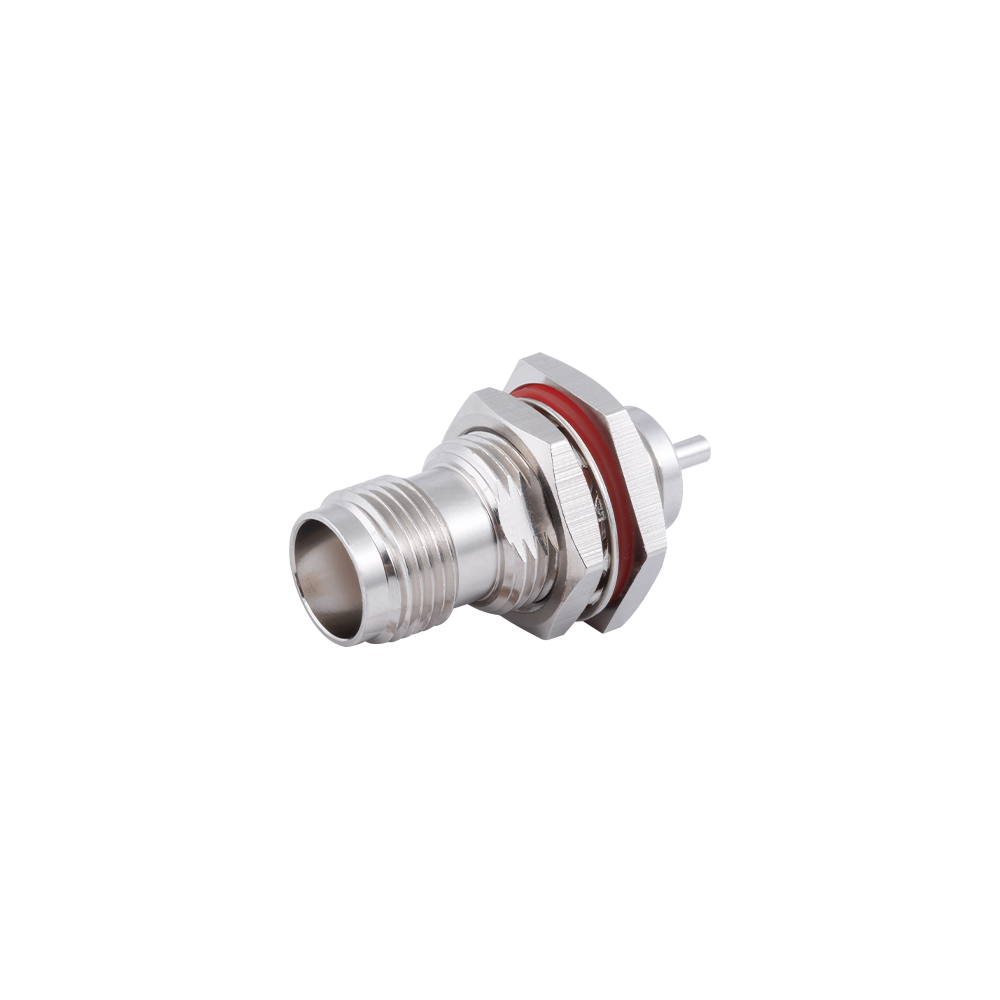
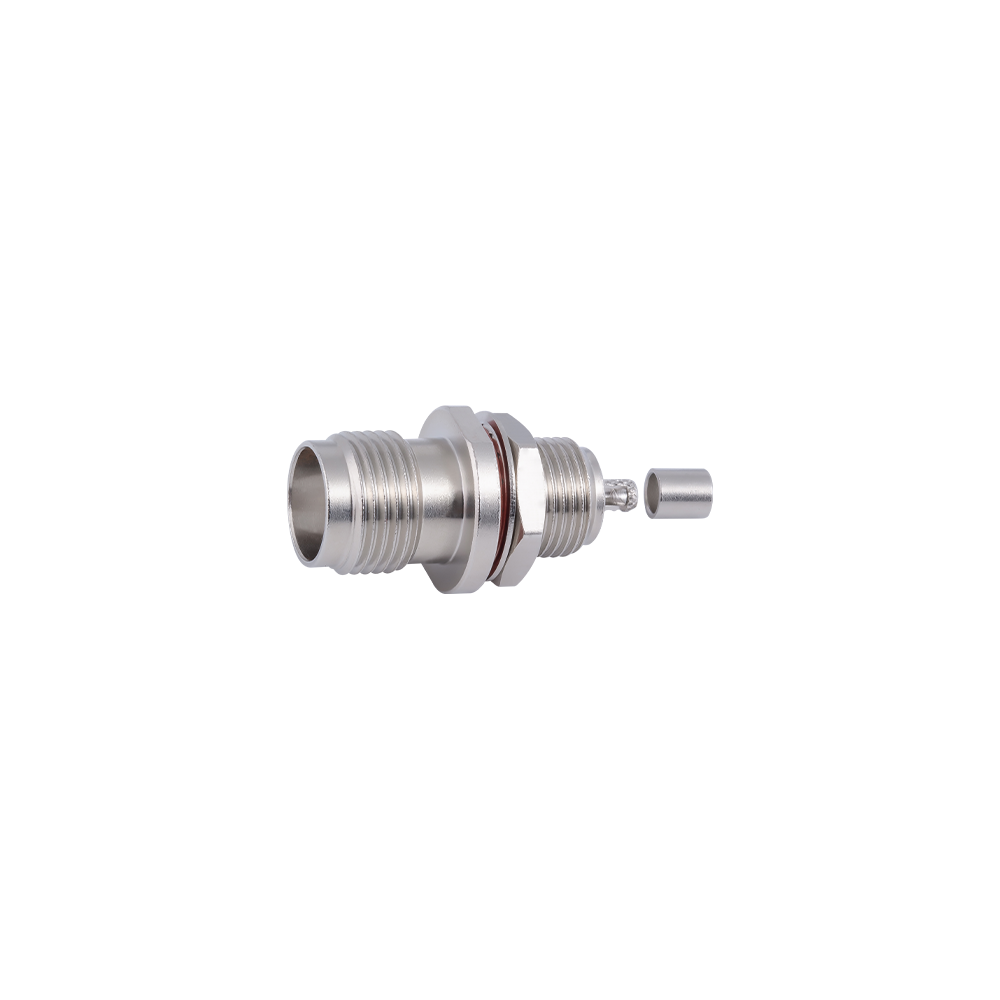
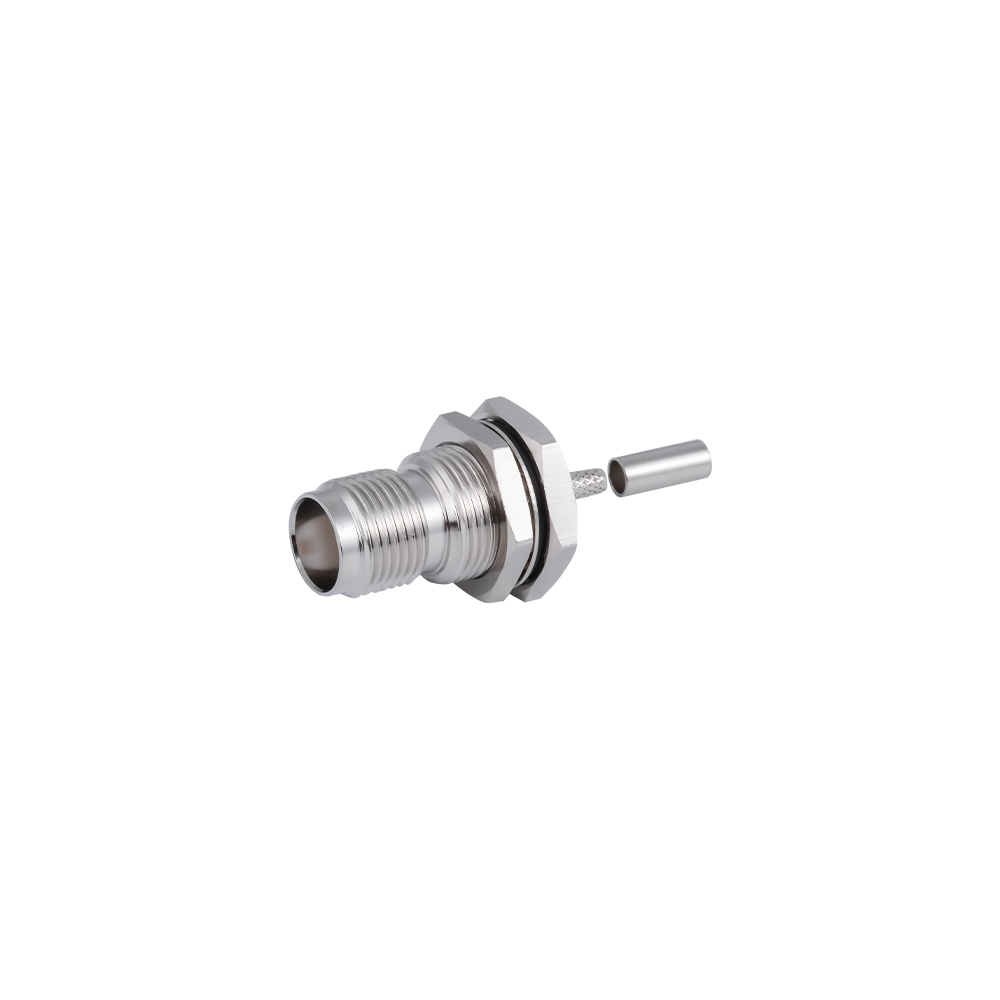
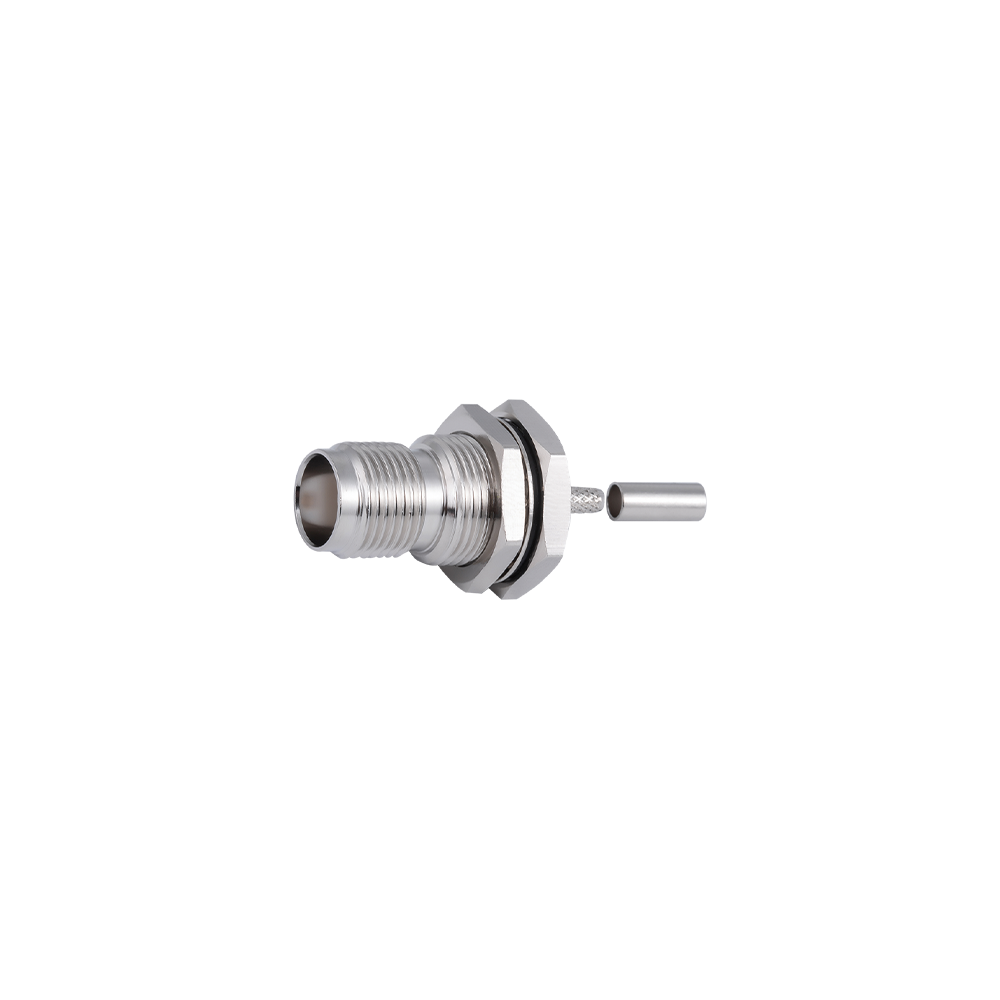
TNC RF Coaxial Connectors are threaded-coupling connectors used to join coaxial cables, antennas, and RF equipment where a secure, vibration-resistant mating interface is required. Compared with bayonet-coupling connector types, TNC RF Coaxial Connectors use a screw-on threaded coupling nut that maintains consistent contact pressure at the mating interface even under mechanical vibration or repeated movement. This connector series is commonly specified in mobile communication systems, vehicle-mounted equipment, and outdoor RF installations where connection reliability under motion or shock is a practical requirement.
Coupling Mechanism and Core Performance
- Threaded coupling nut: A screw-on nut secures the connector interface, providing a more stable mechanical connection under vibration compared with a bayonet-style coupling.
- Frequency range: Standard TNC connectors are generally rated for use up to several GHz, with the exact upper frequency limit depending on the specific series and construction.
- Impedance value: Most TNC RF Coaxial Connectors are designed around a 50 ohm characteristic impedance, matching common RF cable and system impedance standards.
- Gender and polarity configurations: Available in male and female gender, as well as standard and reverse polarity versions for applications requiring a specific mating arrangement.
- Environmental durability: The threaded coupling and metal shell construction support consistent performance across repeated mating cycles and outdoor or mobile operating conditions.
Common Types and Characteristics
TNC RF Coaxial Connectors are available in several configurations based on connector orientation, cable/panel interface, and polarity arrangement.
Common types of TNC connectors and their characteristics
| Type |
Configuration |
Main Characteristics |
Typical Use |
| Straight Cable Mount |
Male / Female, crimp or clamp |
Standard in-line cable termination |
General cable assemblies |
| Right-Angle Cable Mount |
Male / Female, 90-degree body |
Reduced cable bend radius requirement |
Compact enclosures with limited space |
| Panel/Bulkhead Mount |
Nut-mount or flange-mount |
Fixed panel interface with grounding |
Equipment enclosures and antenna ports |
| Reverse Polarity TNC |
Reversed pin/socket arrangement |
Prevents mating with standard TNC connectors |
Wireless systems requiring restricted connections |
Application Scenarios
- Vehicle-mounted and mobile communication equipment subject to vibration during operation;
- Outdoor antenna feed connections for GSM, CDMA, and GPS antenna systems;
- Military and aerospace RF systems requiring a secure threaded connection under mechanical stress;
- Wireless network equipment and base station antenna interfaces;
- Test and measurement setups where connector security during handling is a practical concern.
Selection Guidelines
- Gender and polarity: Confirm whether standard or reverse polarity is required, along with the correct male or female configuration for the mating interface.
- Mounting style: Choose between cable-mount, panel-mount, or bulkhead-mount versions according to the installation location and enclosure design.
- Frequency and impedance matching: Verify the connector's rated frequency range and 50 ohm impedance align with the RF system requirements.
- Vibration and mechanical stress: For mobile or vehicle-mounted applications, the threaded coupling of TNC RF Coaxial Connectors is generally considered where vibration resistance is a specific requirement.
- Cable compatibility: Match the connector's bore and termination method to the specific coaxial cable type and diameter being used.
TNC vs BNC Comparison
Comparison between TNC and BNC coaxial connector coupling designs
| Comparison Item |
TNC Connectors |
BNC Connectors |
| Coupling method |
Threaded (screw-on) |
Bayonet (quarter-turn) |
| Vibration resistance |
Higher, due to threaded lock |
Moderate |
| Mating/unmating speed |
Slower, requires screwing action |
Faster, quarter-turn engagement |
| Typical application |
Mobile, vehicle-mounted, vibration-exposed systems |
Test instruments, video, frequent connect/disconnect use |
Frequently Asked Questions
Q1: What is the main functional difference between TNC and BNC connectors?
TNC RF Coaxial Connectors use a threaded coupling nut, while BNC connectors use a bayonet-style quarter-turn coupling. The threaded design of TNC connectors generally provides a more secure connection under vibration, whereas the bayonet design of BNC connectors allows faster mating and unmating.
Q2: What does reverse polarity mean for a TNC connector?
A reverse polarity TNC connector has its center pin and socket arrangement swapped compared with a standard TNC connector of the same gender, which prevents it from mating with standard TNC connectors and is typically used in specific wireless equipment applications.
Q3: Can TNC and BNC connectors be interchanged on the same cable assembly?
TNC and BNC connectors are not directly interchangeable due to their different coupling mechanisms; an adapter is generally required to connect a TNC interface to a BNC interface.
Q4: Are TNC connectors suitable for high-vibration environments?
The threaded coupling nut of TNC RF Coaxial Connectors is a factor that supports connection stability in environments involving vibration or mechanical movement, which is why this connector type is commonly found in vehicle-mounted and mobile communication equipment.
Manufacturing Note
Yangzhou Jingcheng Electronics Co., Ltd was founded in 1999 and specializes in the design, development, production, and sales of RF coaxial connectors, including BNC, N, TNC, SMA, 2.92, 2.4, 1.85, and other series, along with Adapters, reverse polarity series, and 0~50GHz high-frequency cable assemblies. For TNC RF Coaxial Connectors, thread dimension accuracy and contact plating consistency are relevant factors in maintaining mating reliability, supported by the company's manufacturing equipment and precision testing processes.


 English
 中文简体
中文简体