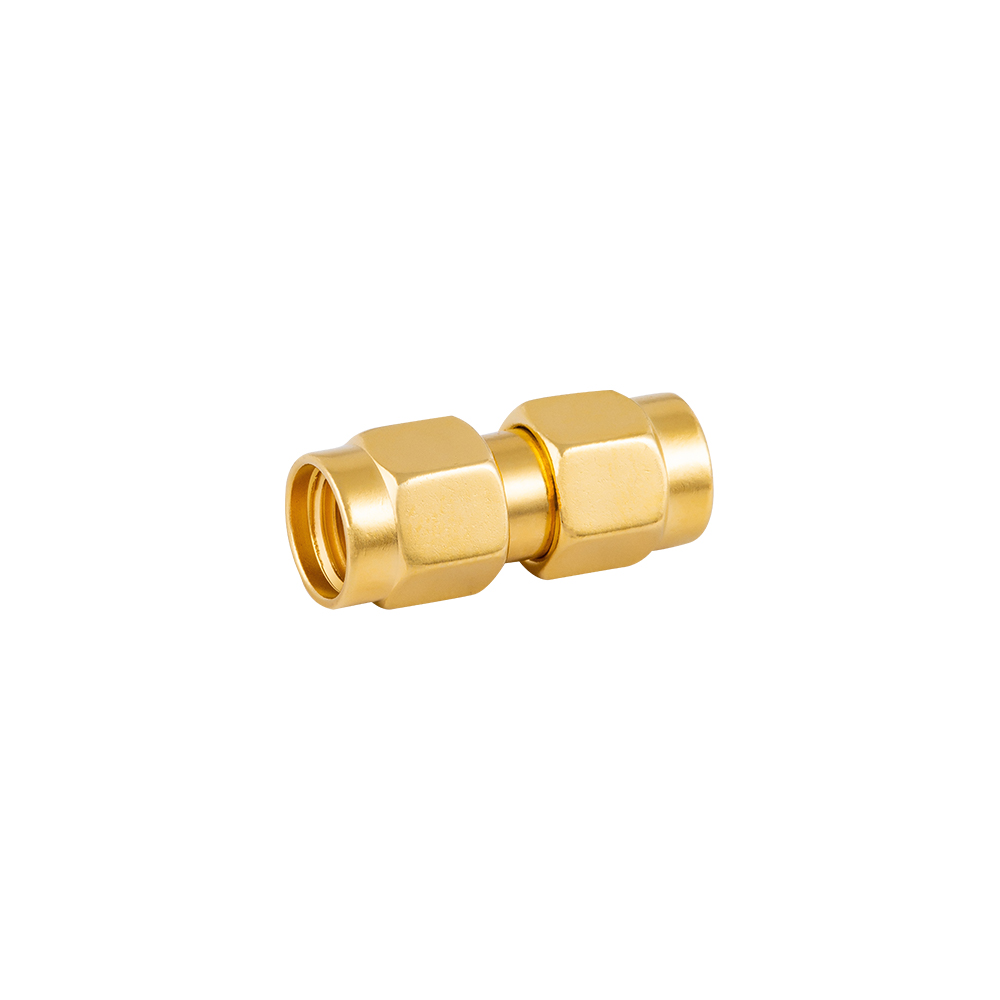
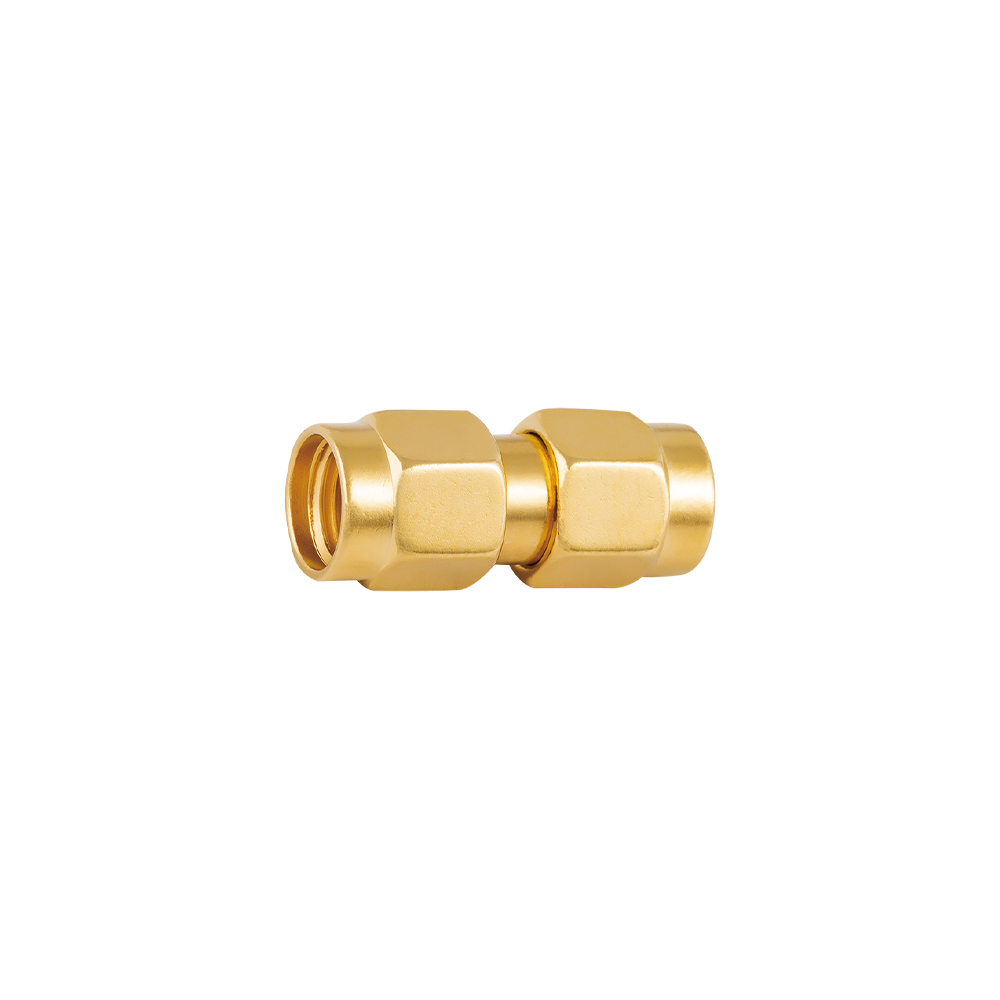
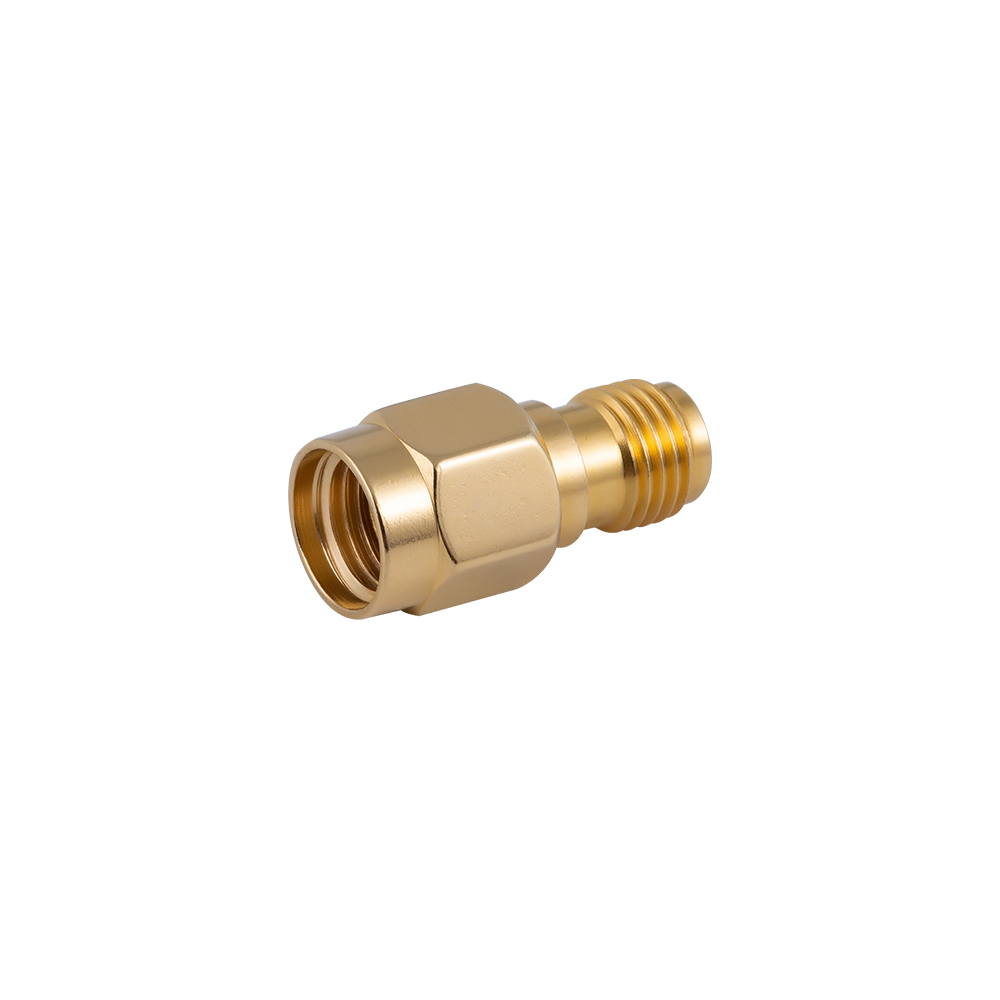
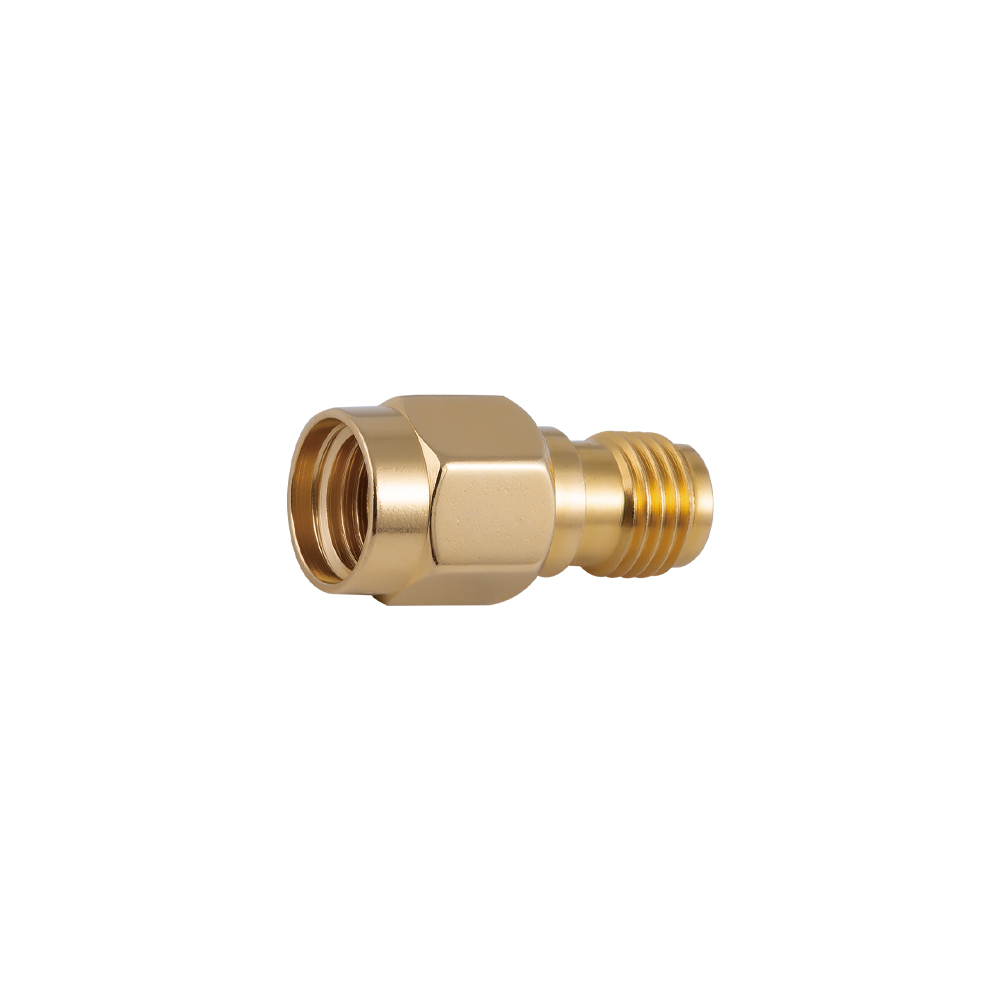
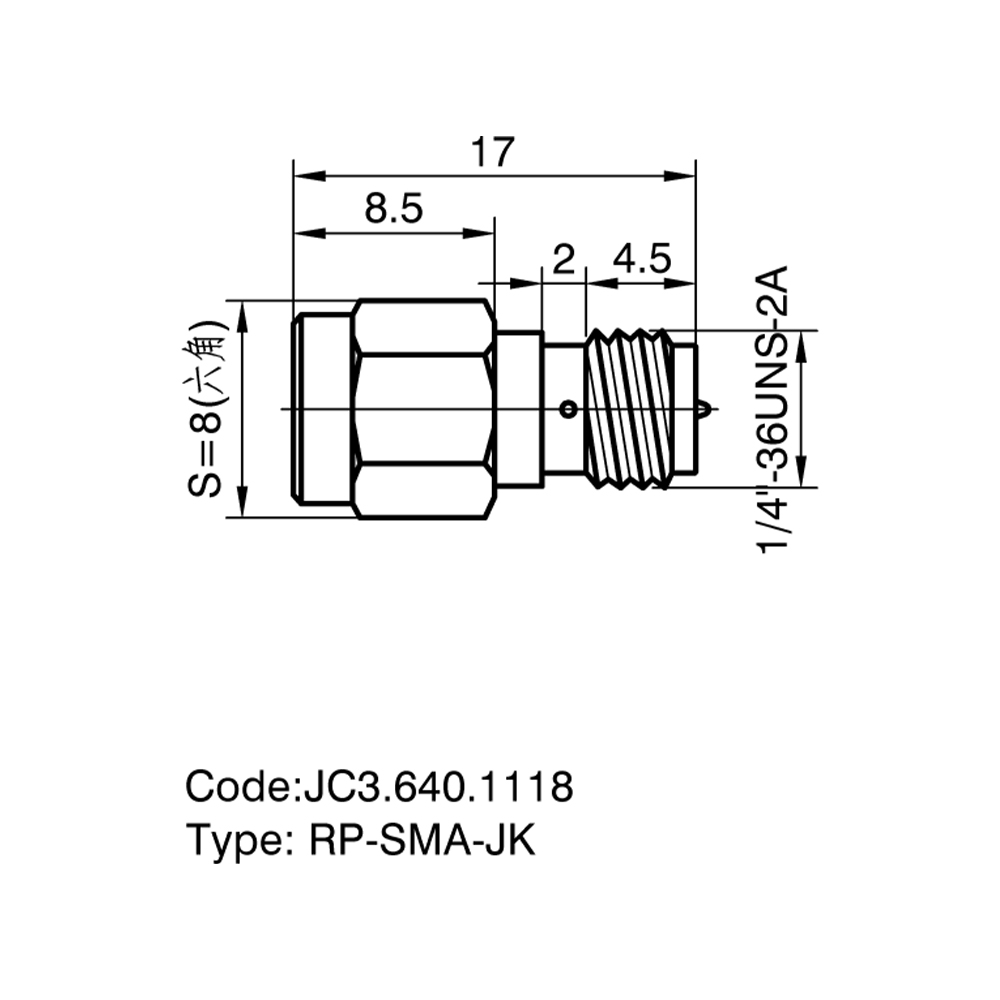
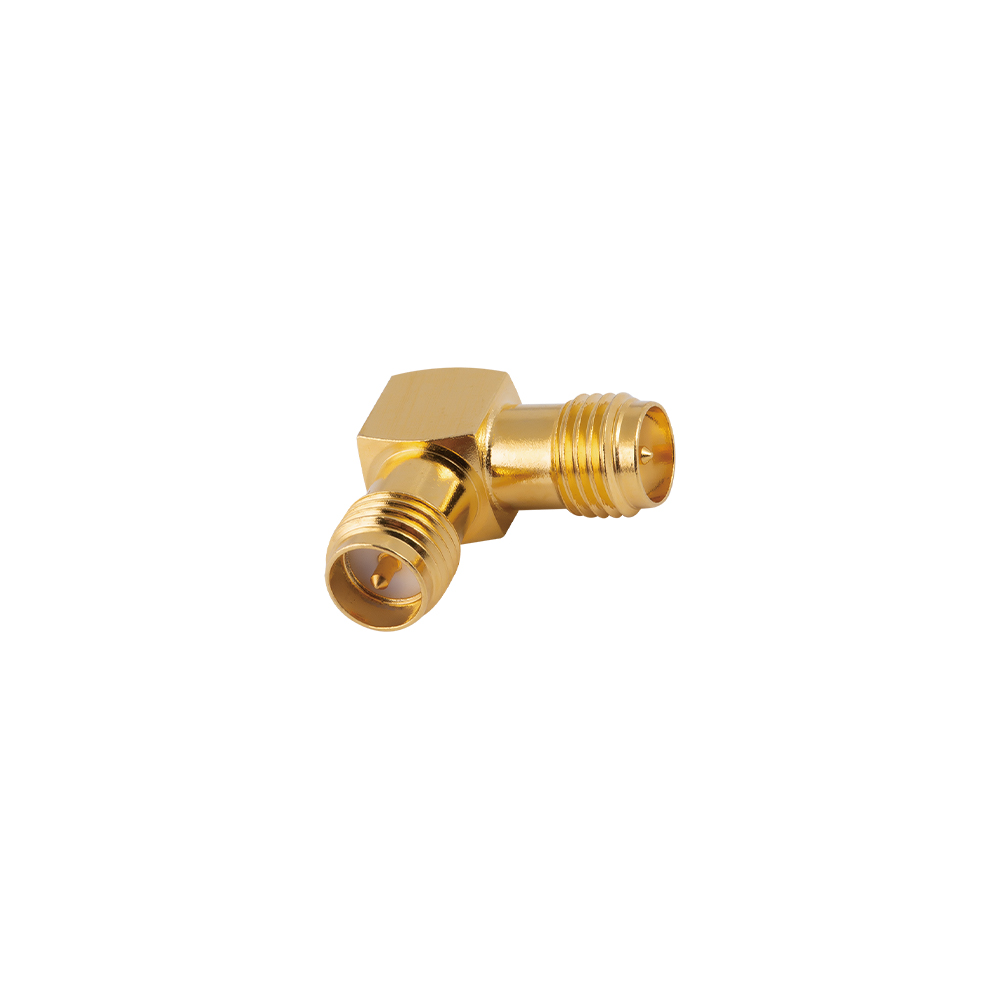
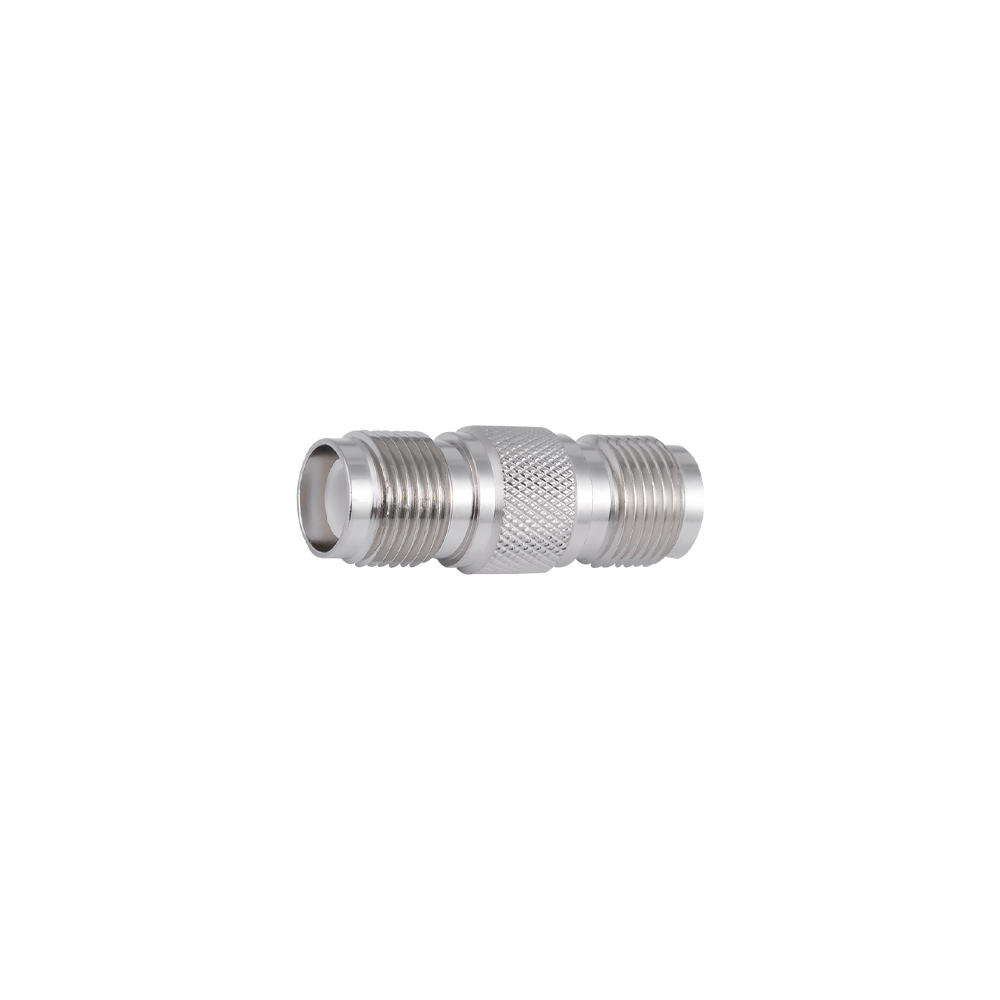
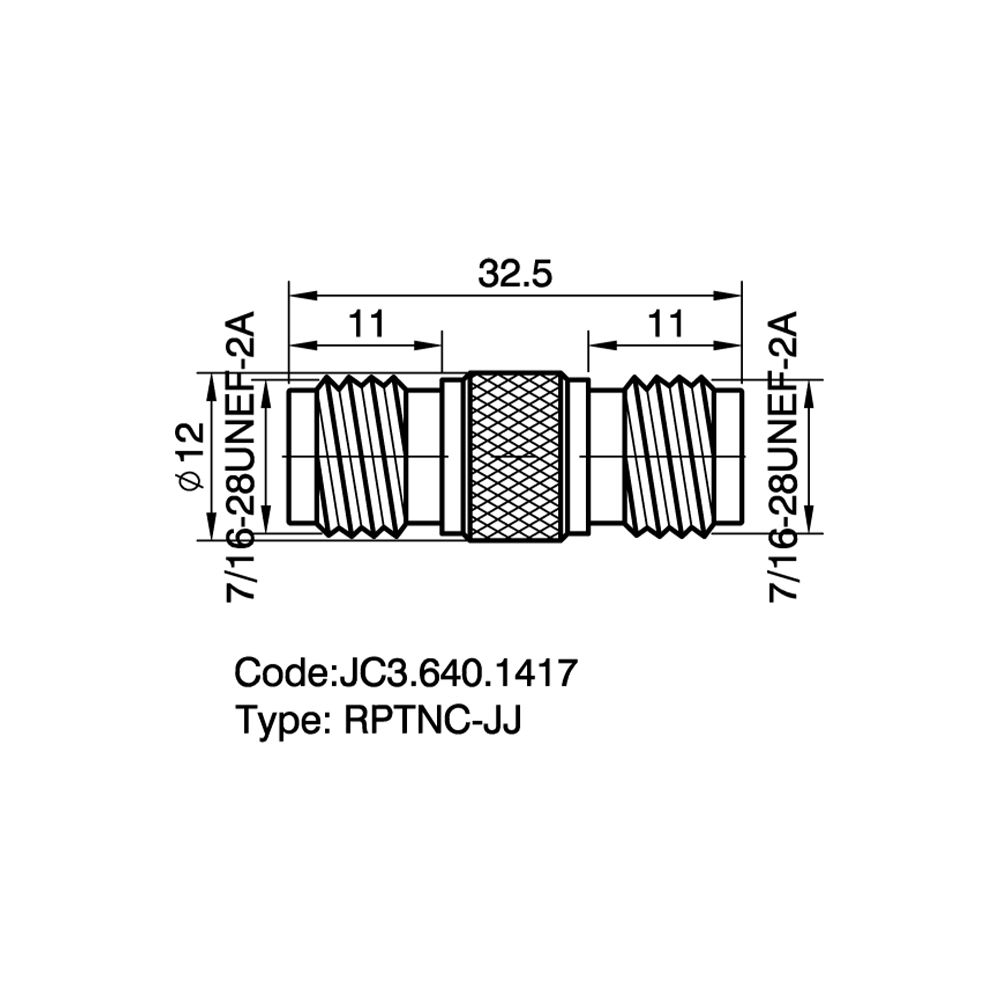
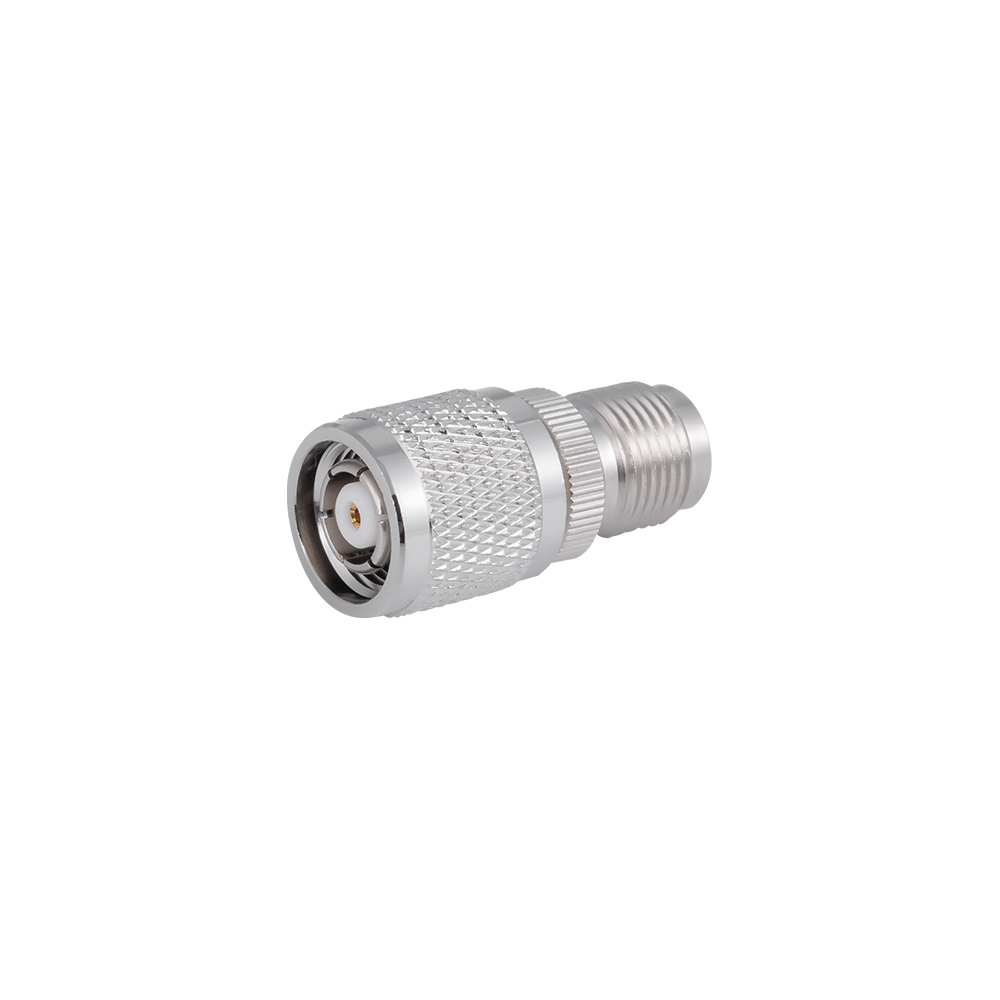
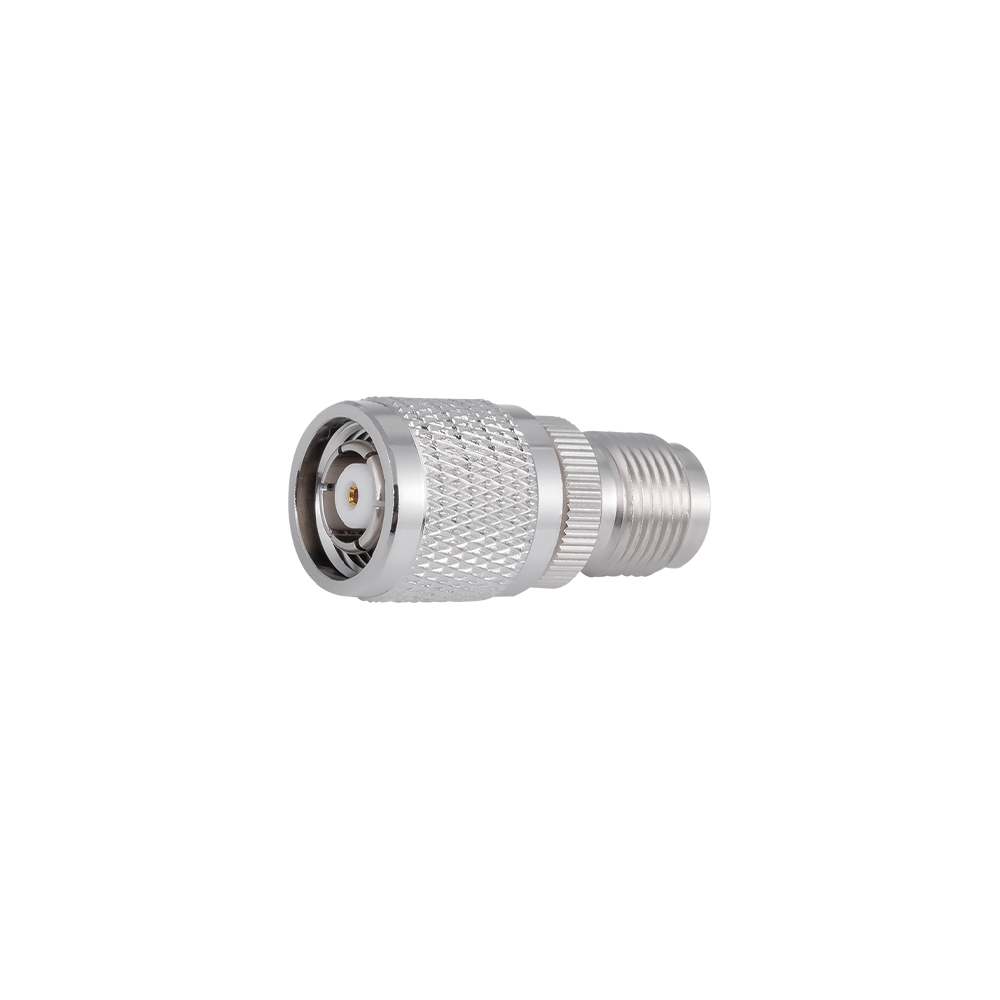
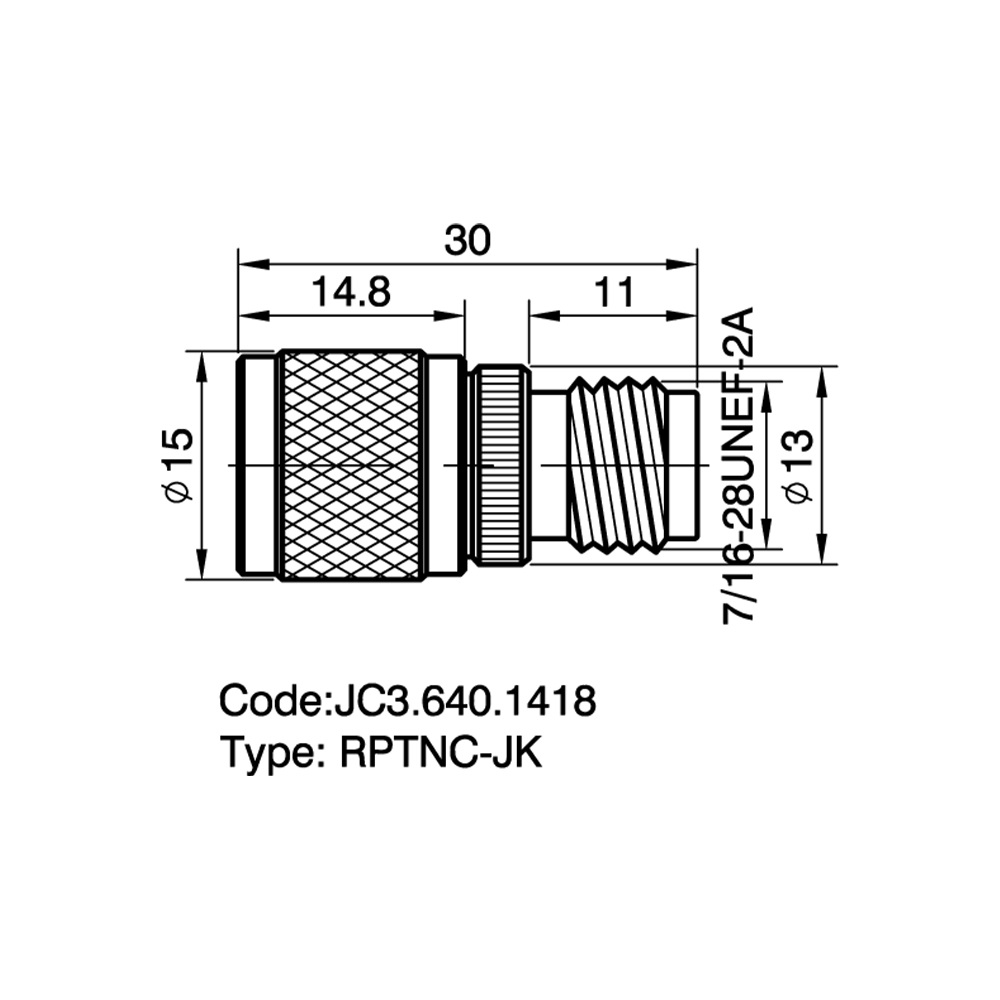
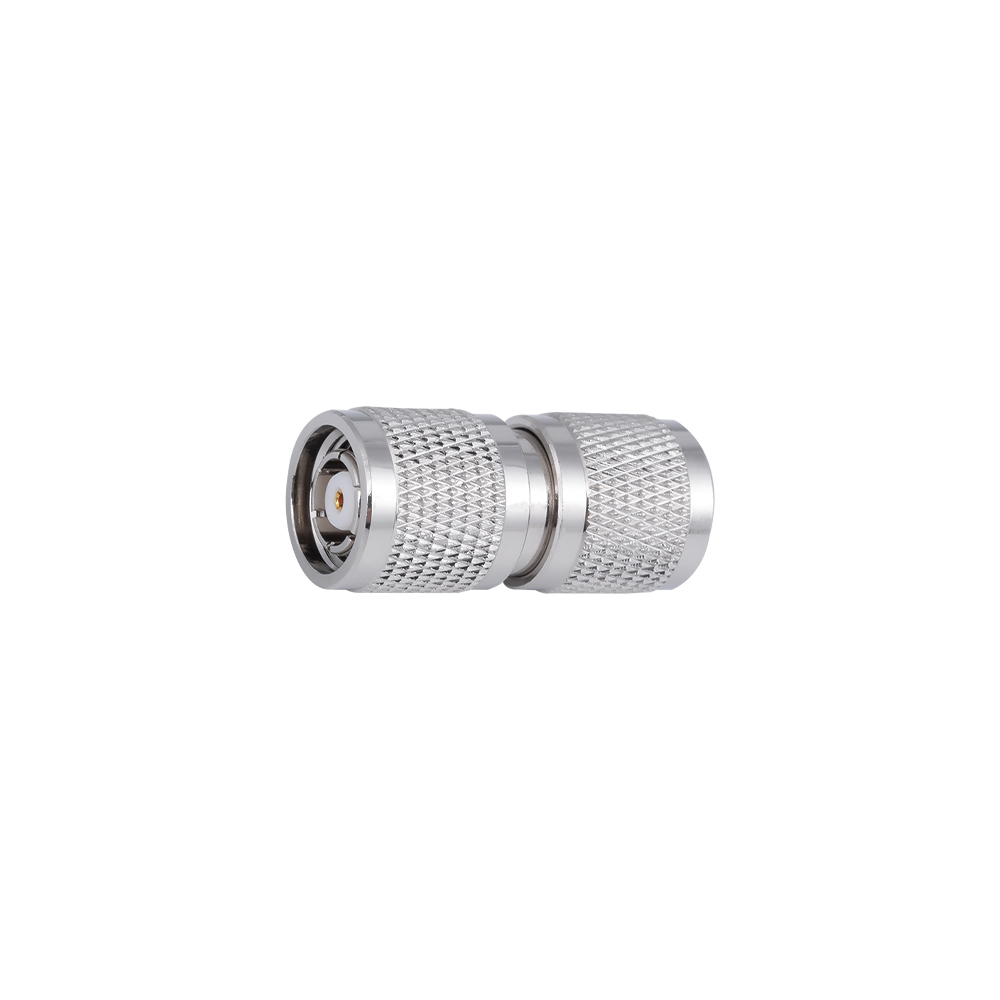
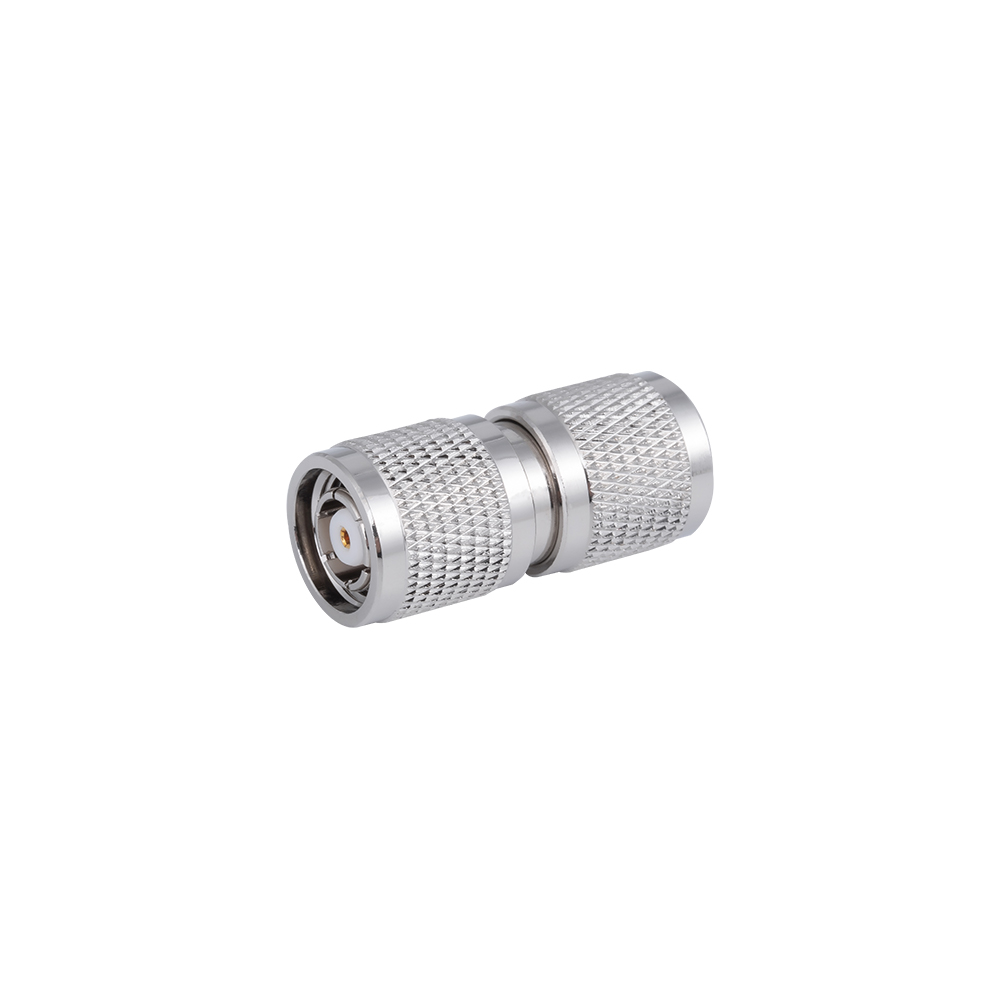
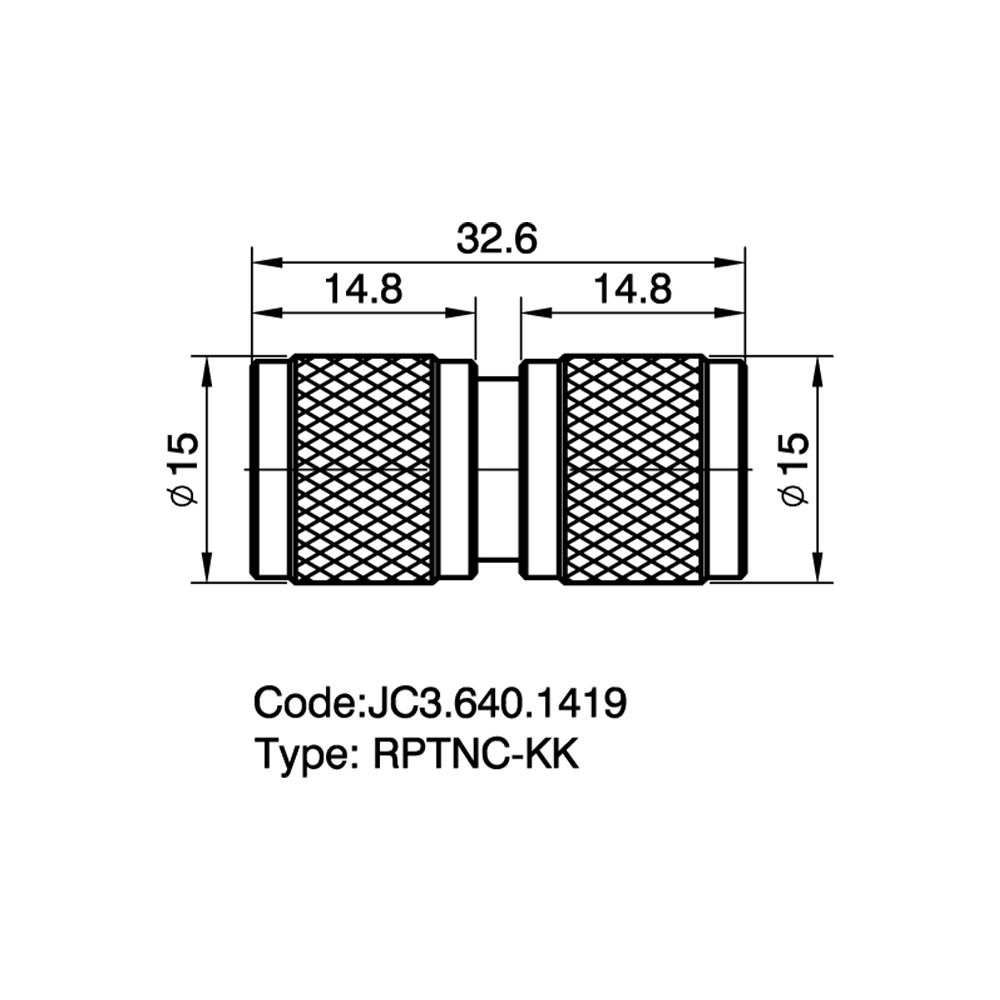
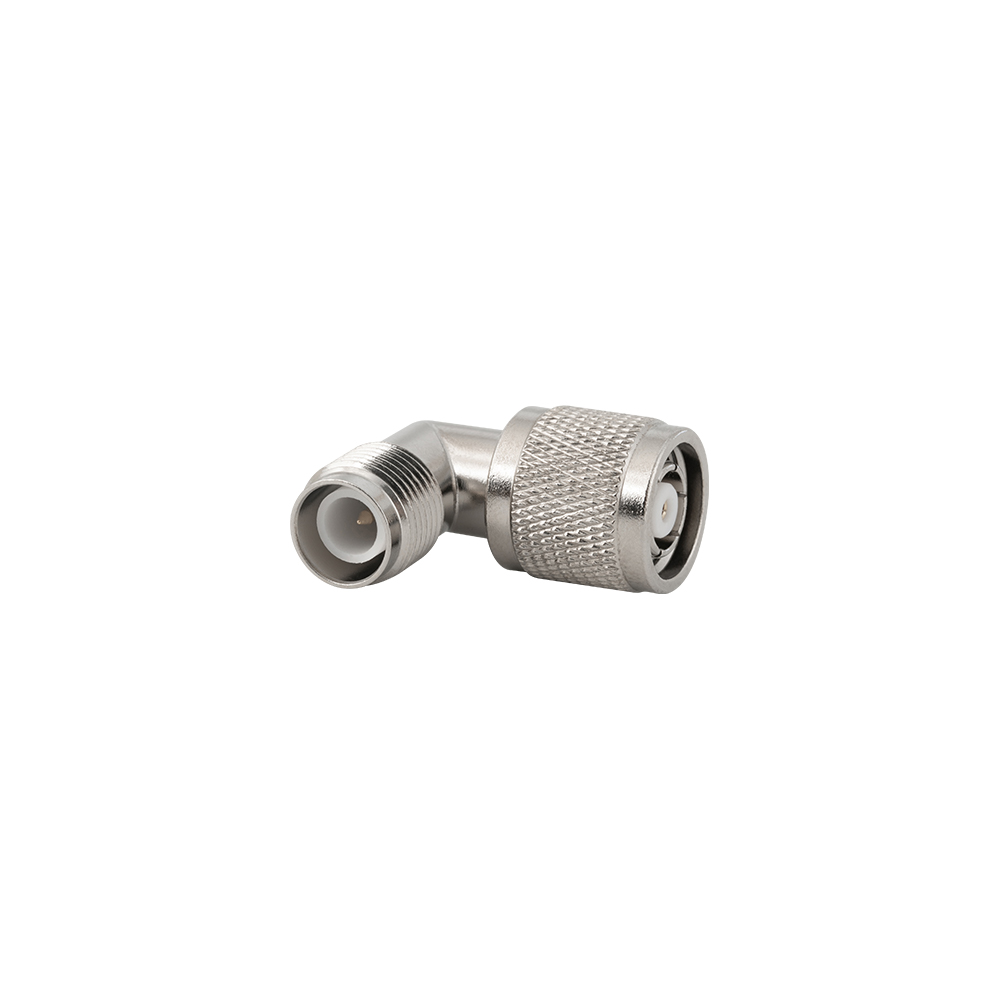
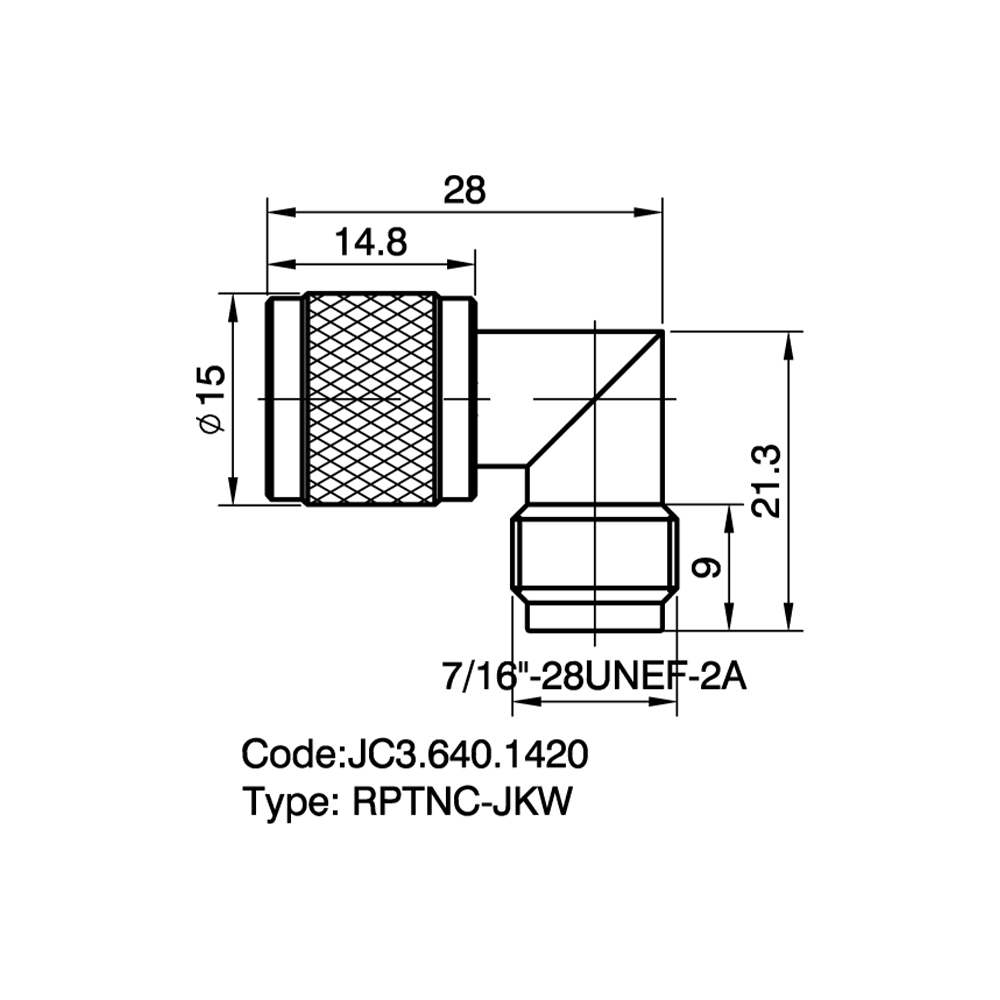
RF adapters are passive coaxial components that join two connector interfaces which would not otherwise mate directly, without adding active circuitry to the signal path. Each adapter contains a short internal transmission line connecting the center contacts of both interfaces, with the outer body maintaining continuous shielding between the two coupling mechanisms so that the electrical path between connectors remains a controlled-impedance line.
Because RF adapters sit directly in the signal path, their internal geometry is held to the same impedance and return loss considerations as the connectors they join, rather than being treated as a simple mechanical fitting.
Common Types and Characteristics
- Between-series adapters — connect two different connector families, such as SMA to N-type or BNC to TNC, for interfacing equipment built to different standards.
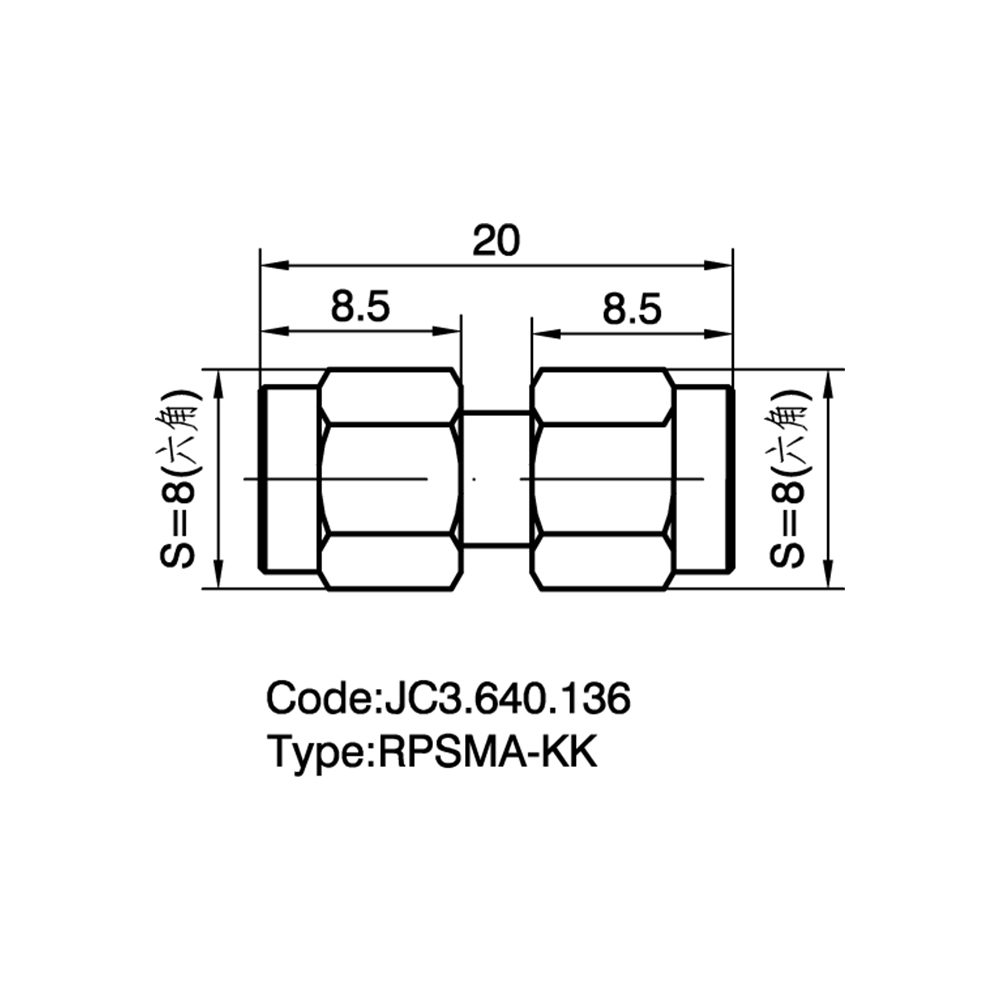
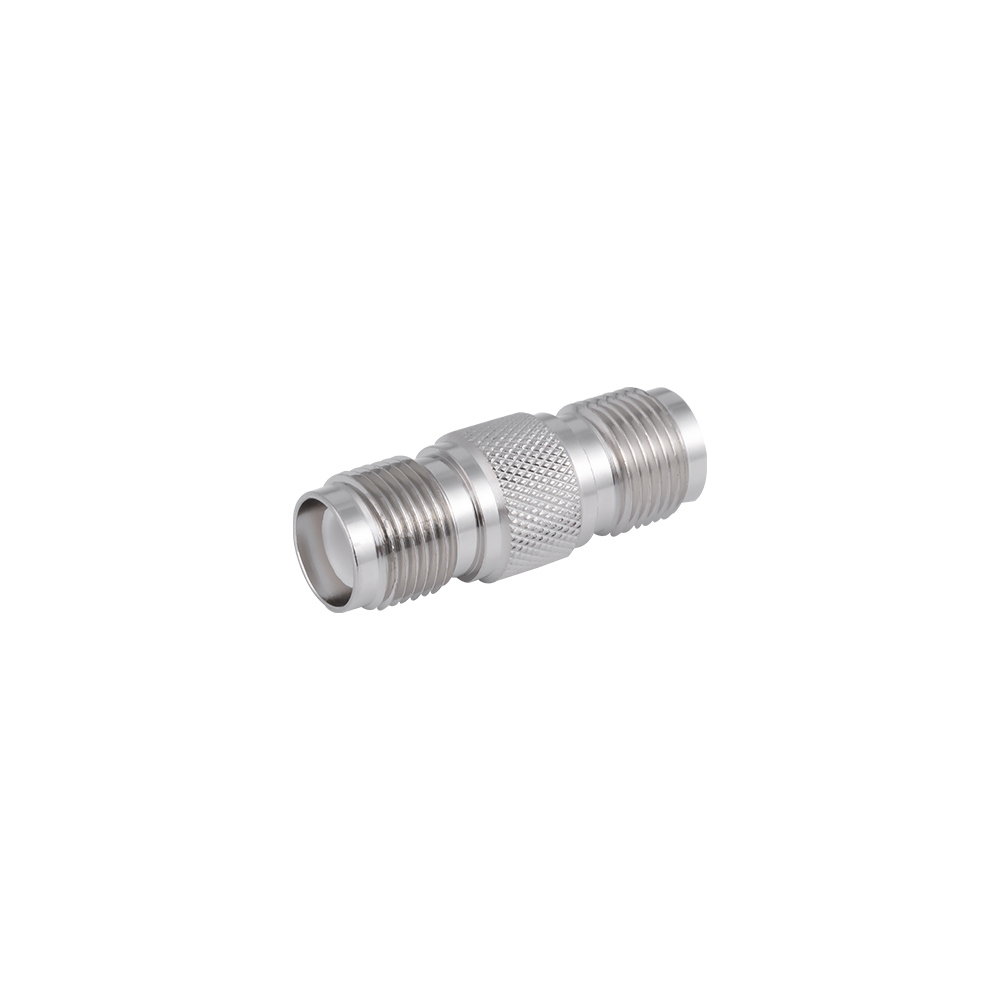
- Same-series gender changers — join two connectors of the same family and interface size but with the same gender, such as jack-to-jack or plug-to-plug, allowing two cables to be extended together.
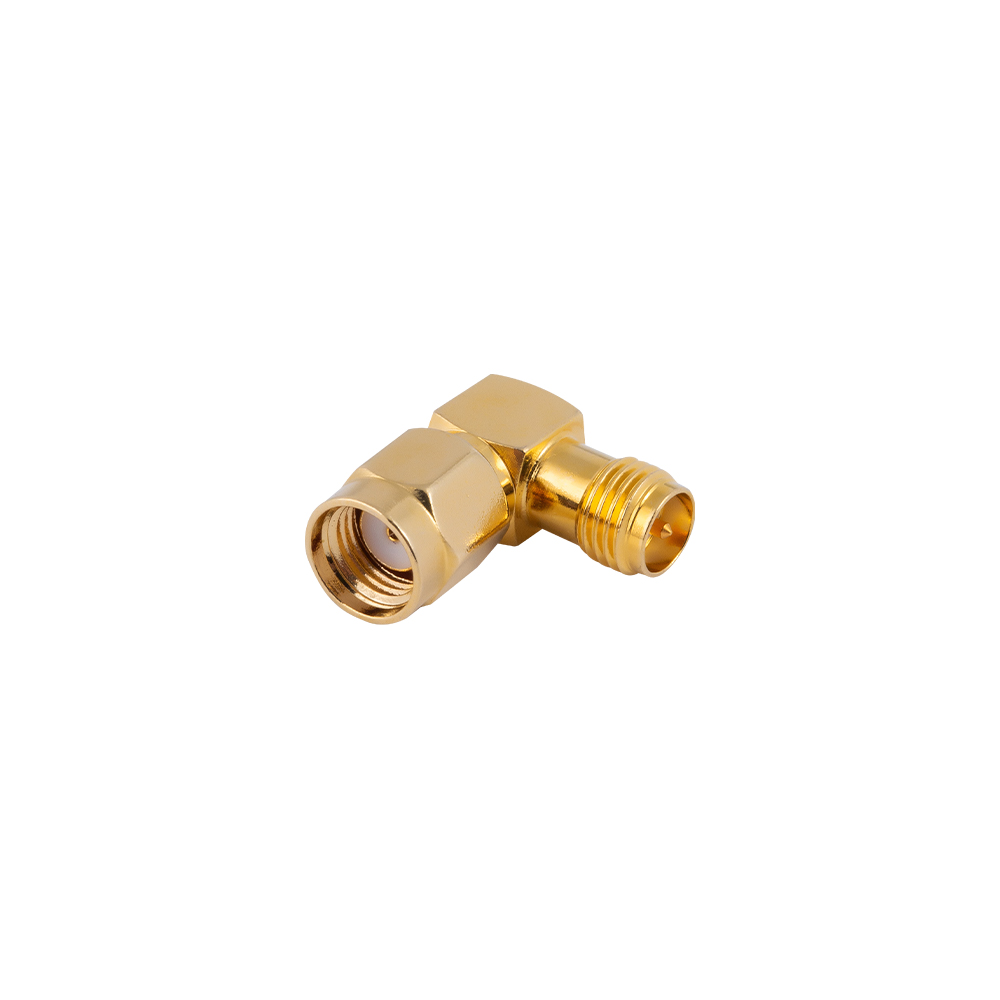
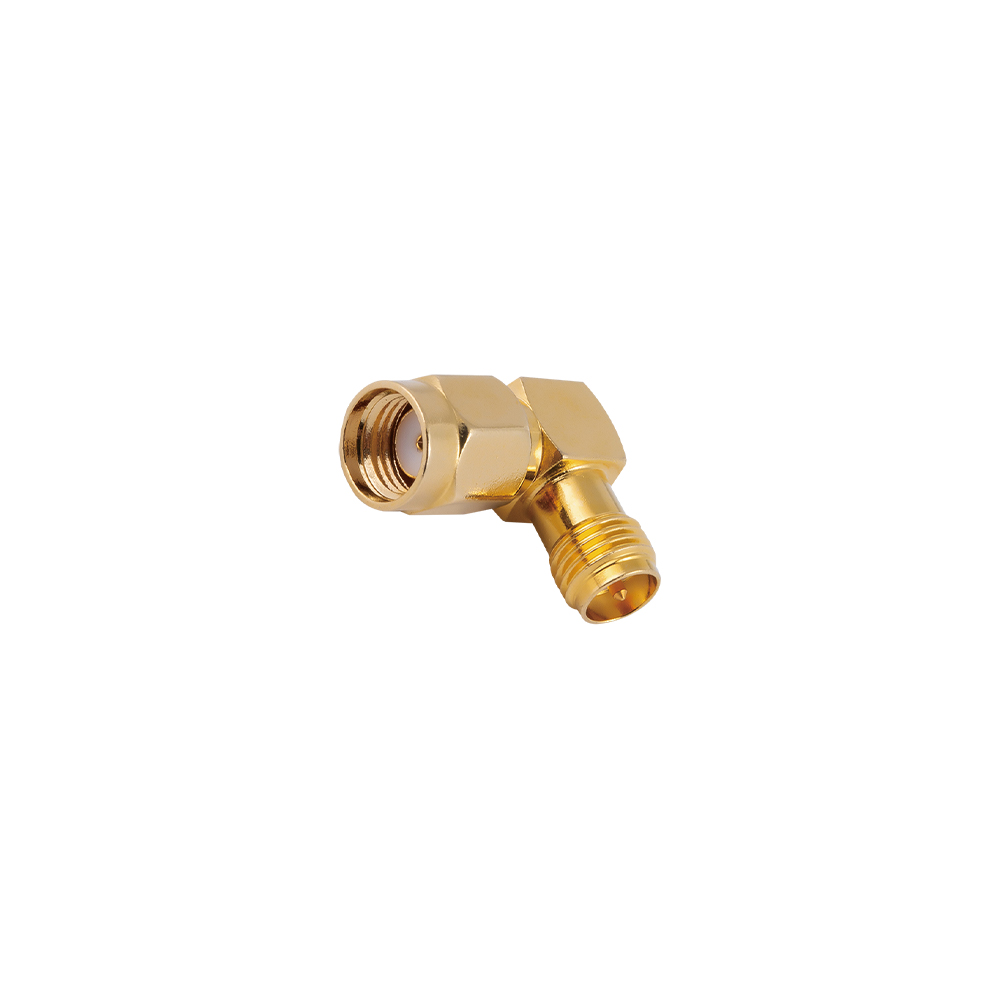
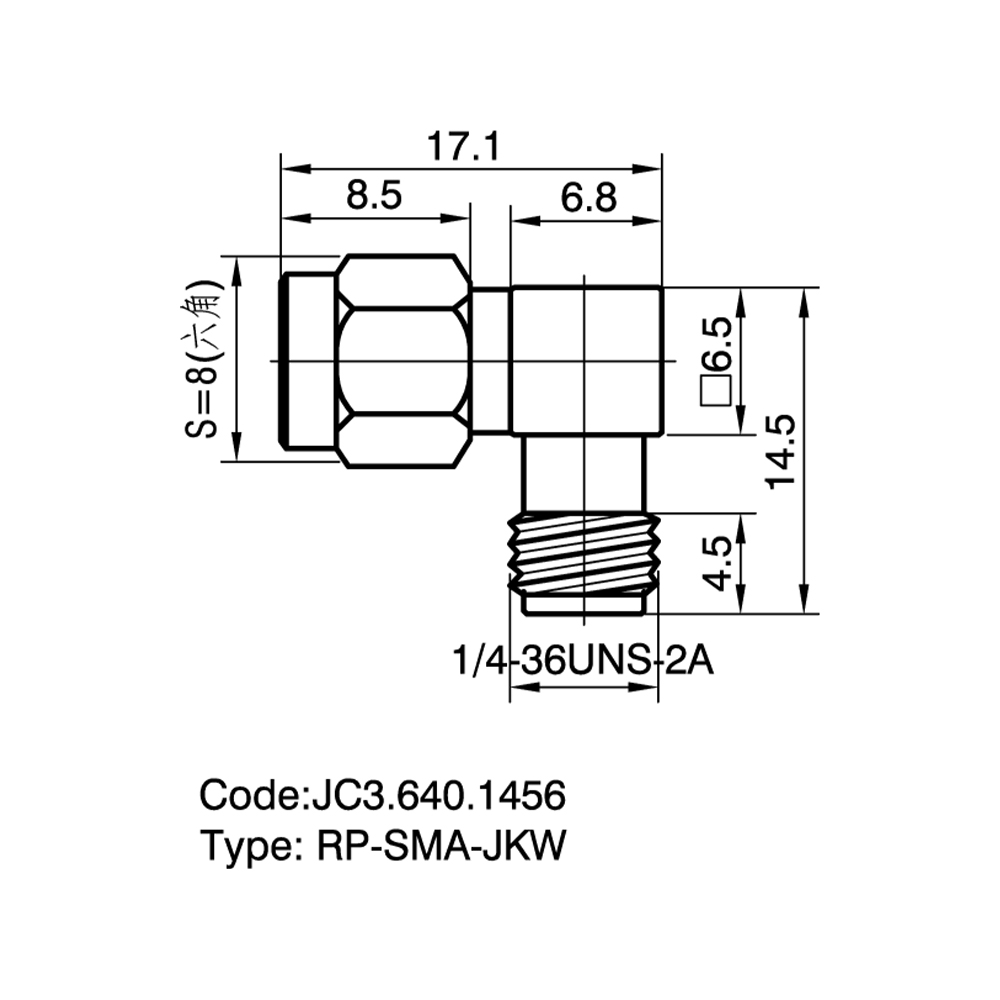
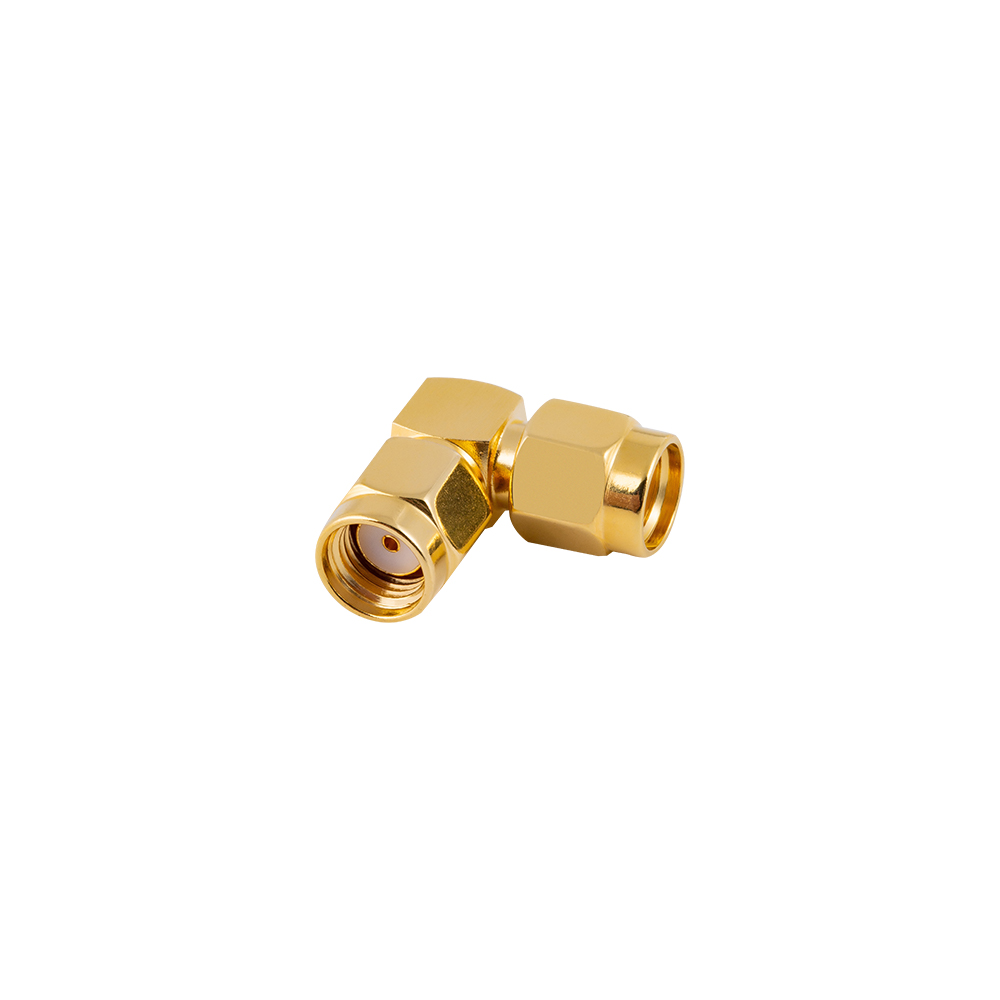
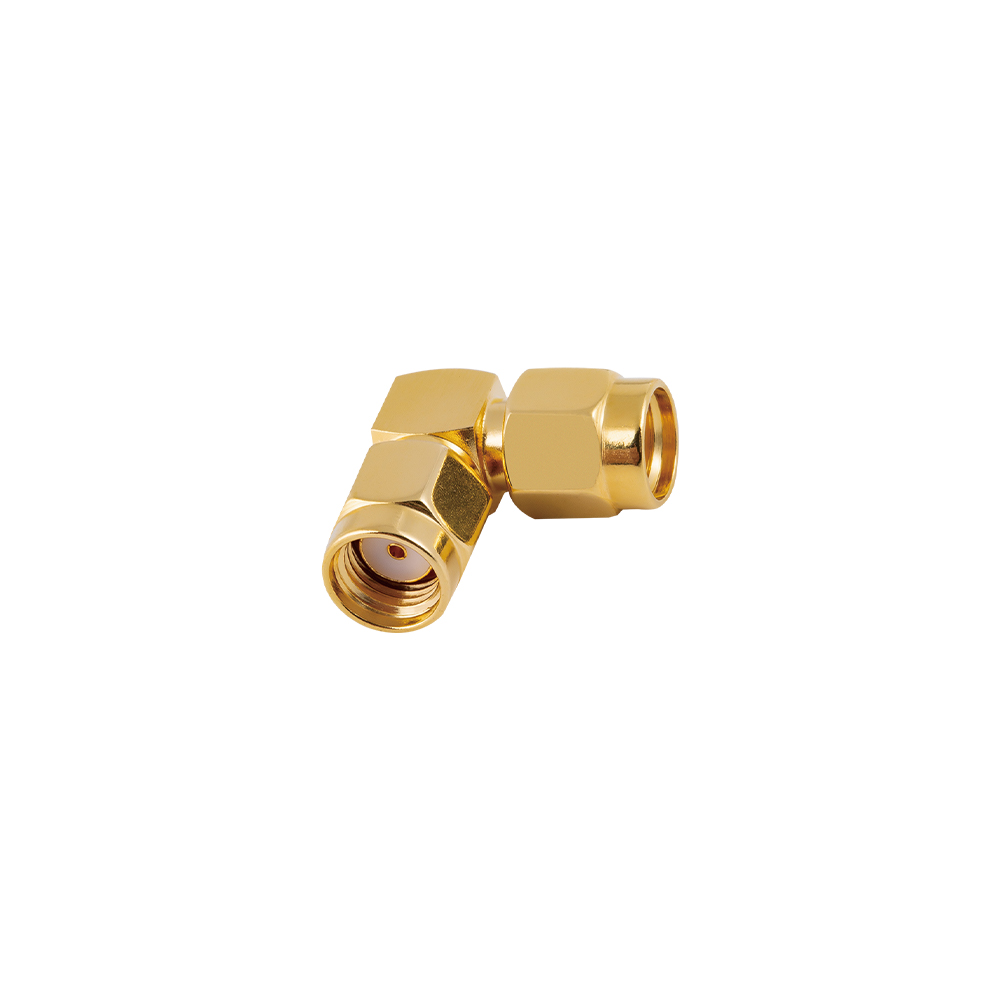
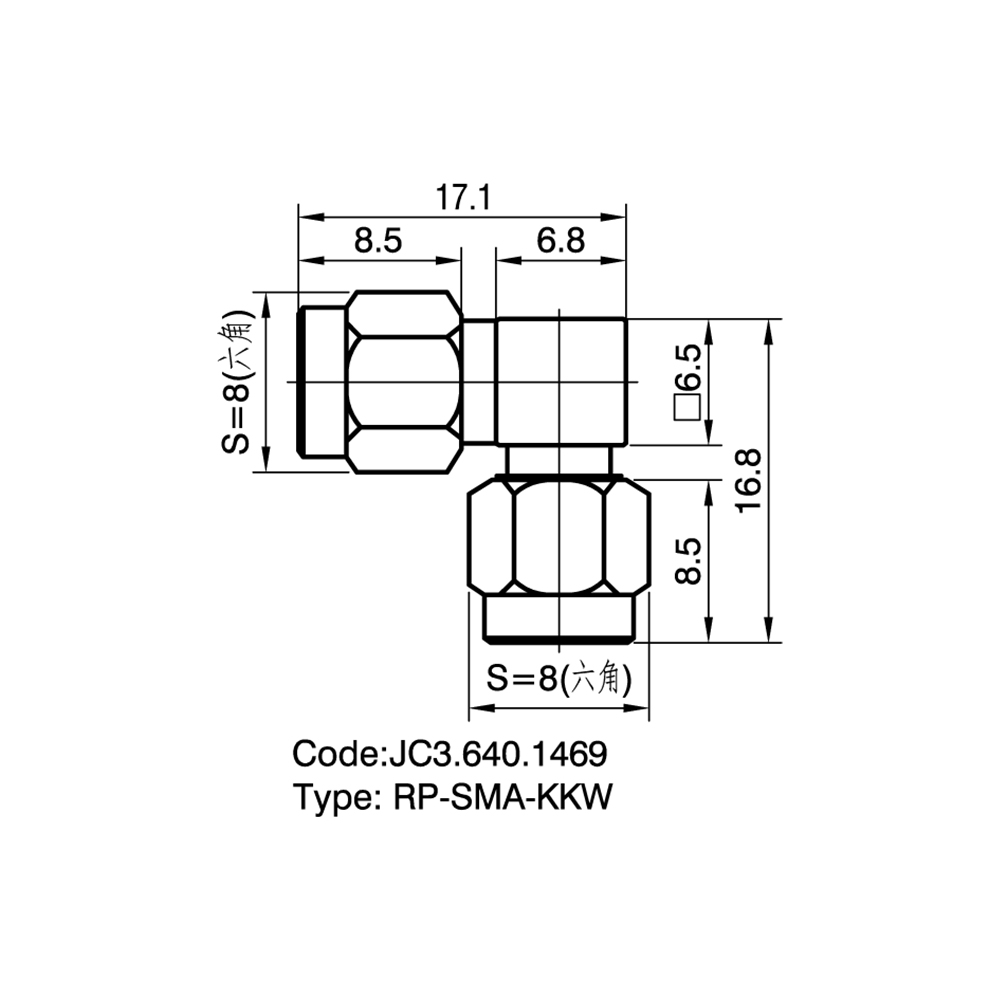
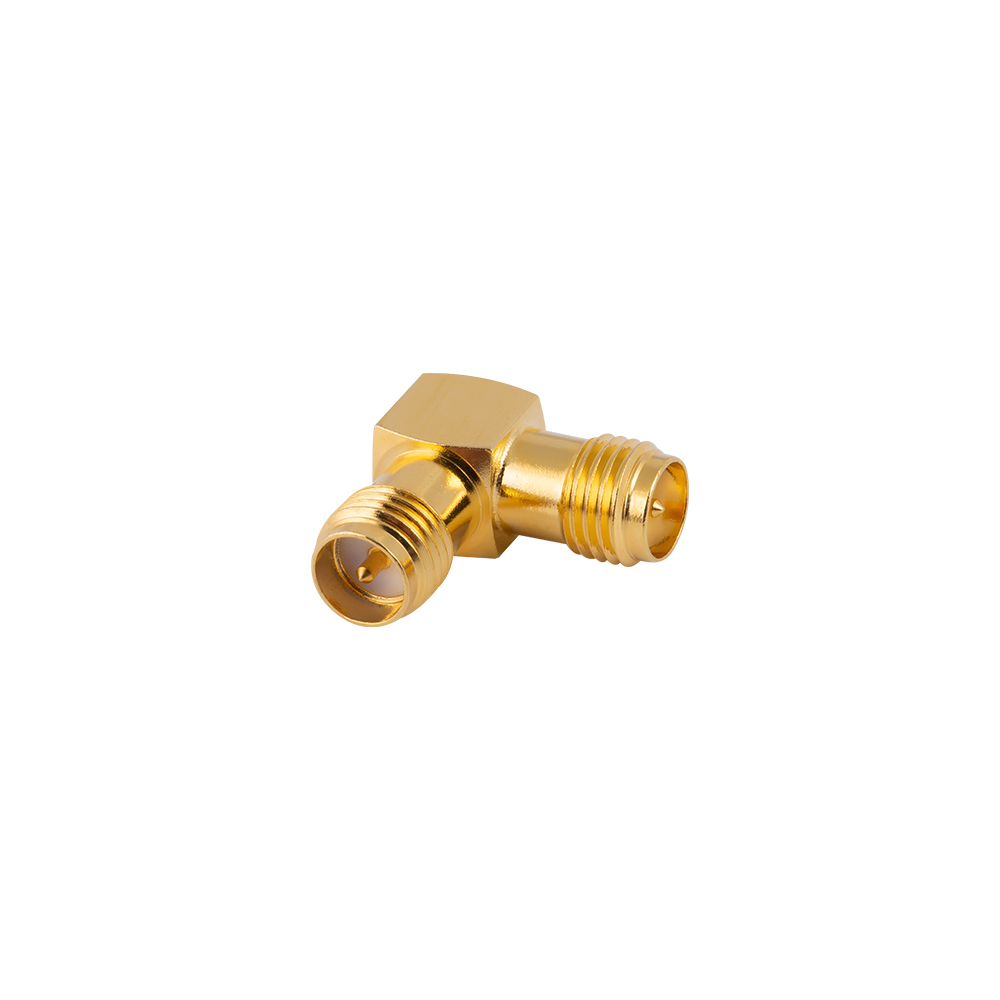
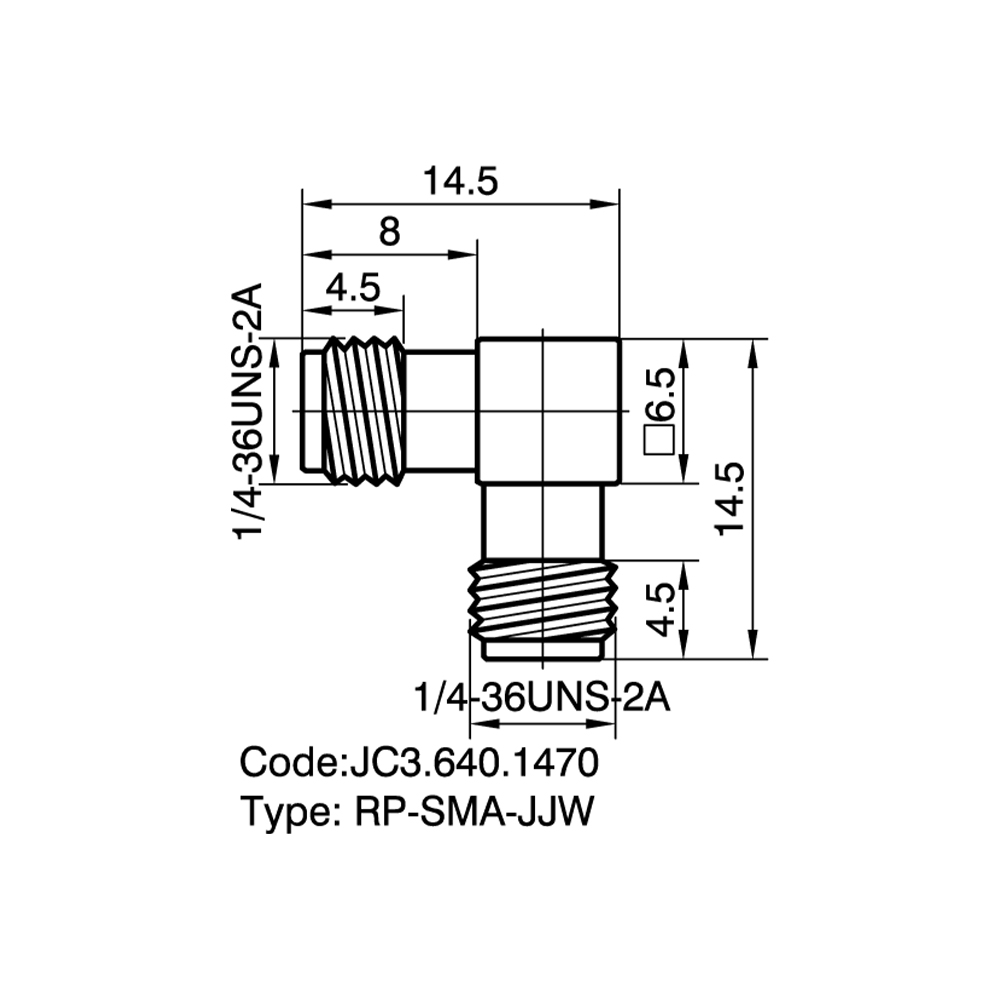
- Right-angle adapters — redirect the cable path by 90 degrees at a connection point where straight clearance is not available.
- Bulkhead and panel-mount adapters — combine a threaded or flanged mounting feature with an adapter function, allowing a chassis feed-through between two connector types.
Core Performance Parameters
Typical electrical and mechanical specifications
| Parameter |
Typical Value |
| Impedance |
50 Ω or 75 Ω, matched to the connectors joined |
| Frequency Range |
DC – 50 GHz, depending on connector series |
| VSWR |
≤ 1.15 – 1.3, depending on frequency and series |
| Coupling Type |
Threaded, bayonet, snap-on, or push-pull, per interface |
| Mating Cycles |
≥ 500 |
Typical Applications
RF adapters are applied wherever two pieces of RF equipment or test instruments use different connector interfaces, or where an existing cable assembly must be reused with a different mating connector.
- Test and measurement setups linking instruments and devices under test with different connector standards
- Base station and RF module interconnection between mismatched equipment interfaces
- Antenna and cable assembly integration where the cable connector differs from the equipment port
- Laboratory and calibration work requiring frequent connector interface changes
Comparison of Adapter Types
Between-series RF adapters solve interface mismatches, while gender changers and right-angle types solve mechanical routing needs. Selecting the correct type depends on whether the mismatch is in connector family, gender, or cable direction rather than the frequency of use alone.
Comparison of adapter function, typical mismatch solved and use case
| Adapter Type |
Mismatch Solved |
Typical Use Case |
| Between-series adapter |
Different connector families |
Connecting equipment built to different standards |
| Gender changer |
Same connector, same gender |
Joining two cables with matching plugs or jacks |
| Right-angle adapter |
Cable routing direction |
Confined spaces requiring a 90-degree turn |
Selection Guide
- Identify both connector interfaces and their genders before selecting an adapter to avoid ordering an incompatible part.
- Confirm the frequency range of the intended application falls within the adapter's rated performance for both interfaces.
- Match the system impedance (50 Ω or 75 Ω) on both sides, or select an adapter specifically rated for impedance transition where required.
- Choose a right-angle or bulkhead variant only when the installation space or panel mounting genuinely requires it, since each added junction can introduce additional insertion loss.
- For repeated laboratory use, select adapters with a higher rated mating cycle count to reduce performance drift over time.
Frequently Asked Questions
Do RF adapters affect signal performance?
Each adapter introduces a small amount of insertion loss and a junction that can raise VSWR, so the number of adapters in a signal path should be kept to the minimum needed for the connection.
Can a 50 Ω adapter be used in a 75 Ω system?
Mixing impedance without a dedicated impedance-transition adapter causes a mismatch at the junction, so the impedance rating of the adapter should match the system on both sides.
What is the difference between a gender changer and a between-series adapter?
A gender changer keeps the same connector family and interface but changes plug-to-jack orientation, while a between-series adapter joins two different connector families entirely.
Manufacturing Background
Yangzhou Jingcheng Electronics Co., Ltd. produces RF adapters covering SMA, N-type, BNC, TNC, UHF, DIN, 2.92, 2.4, 1.85, and reverse polarity series, together with high-frequency cable assemblies covering 0 to 50 GHz. Manufacturing follows ISO9001 quality management and MIL, IEC, and GB reference standards, supporting communications, test and measurement, and aerospace applications.


 English
 中文简体
中文简体