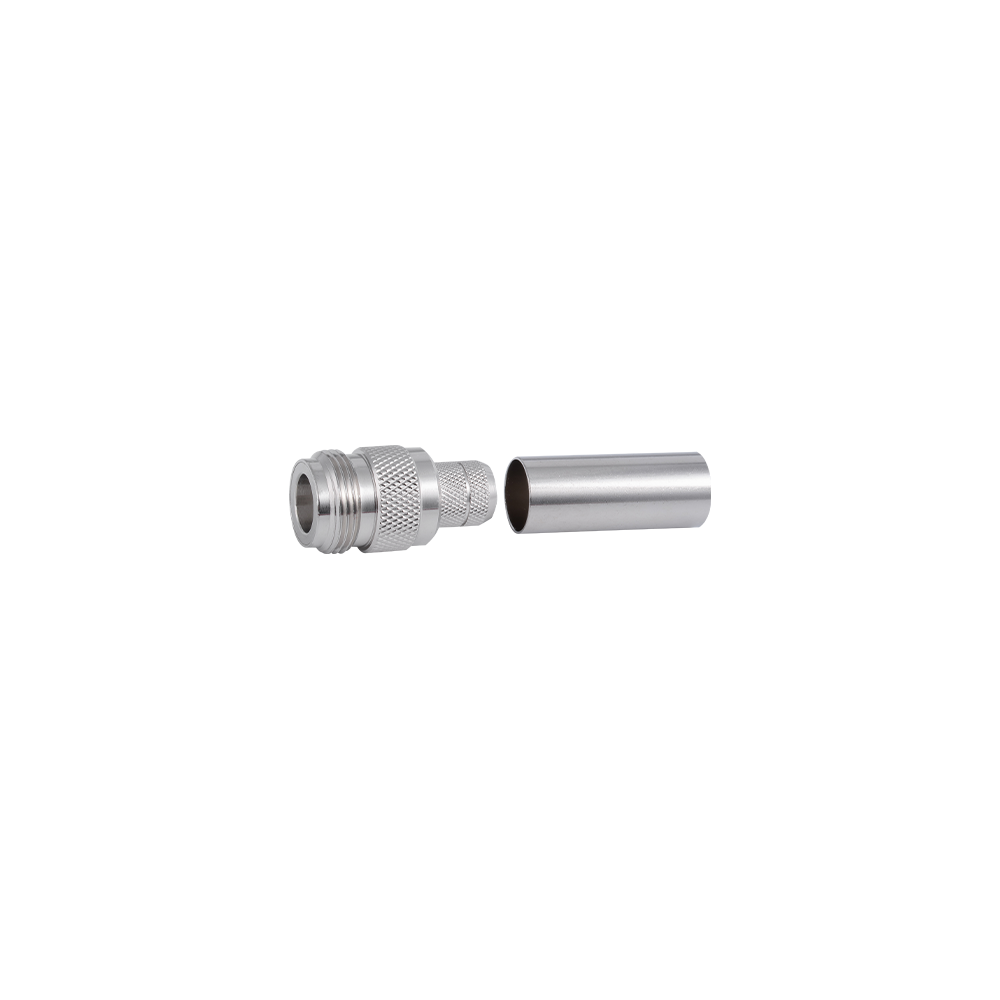
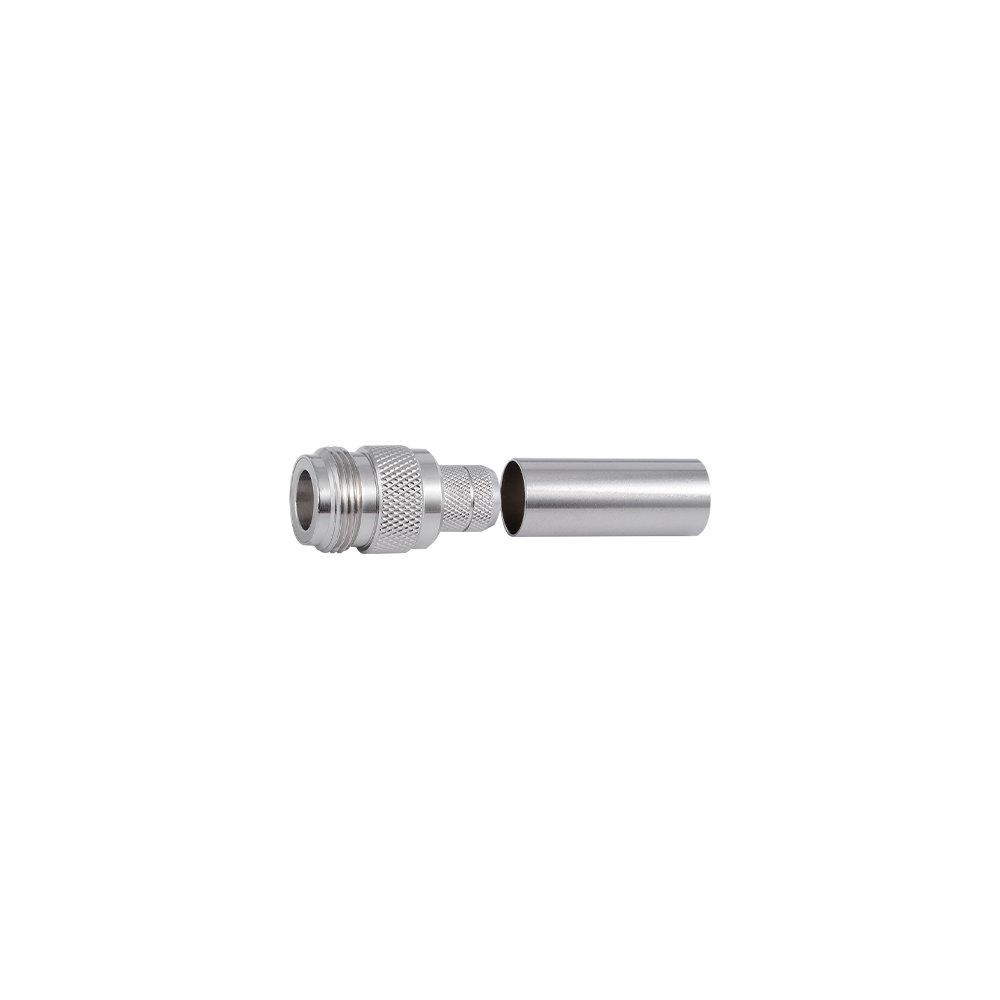
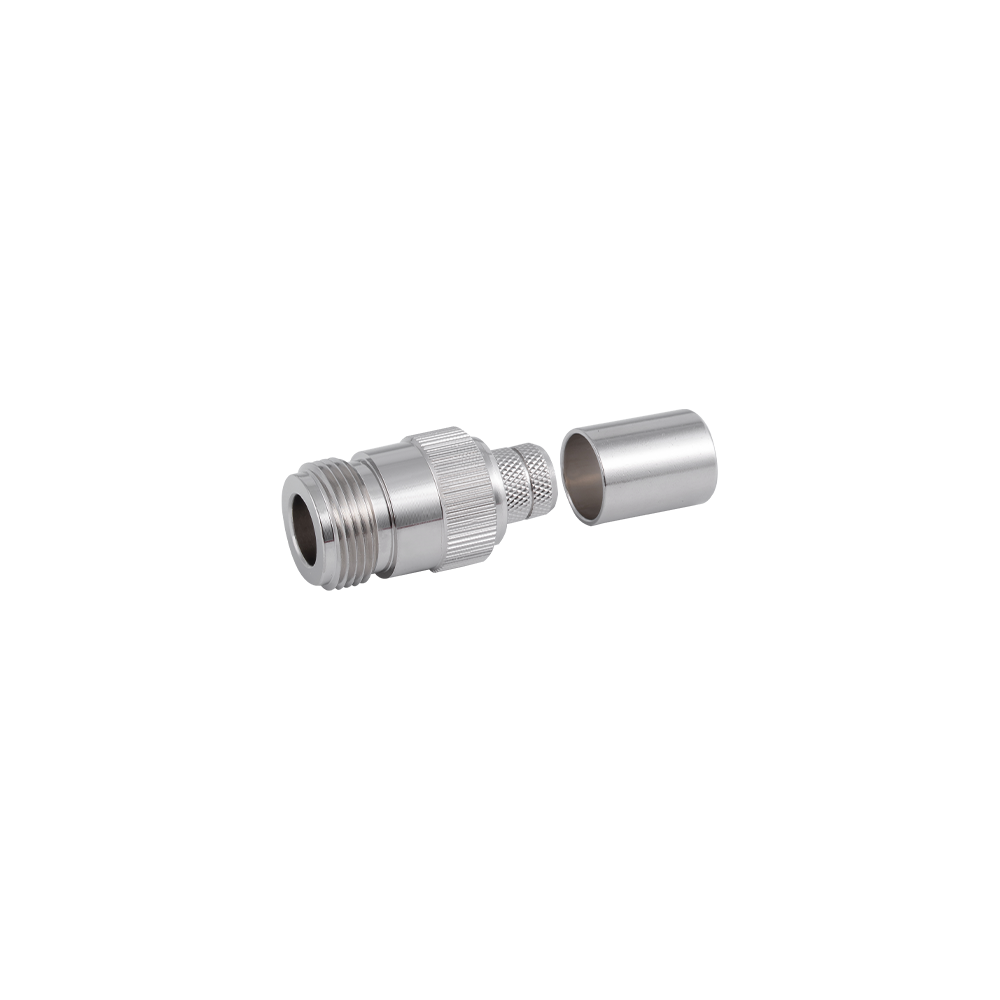
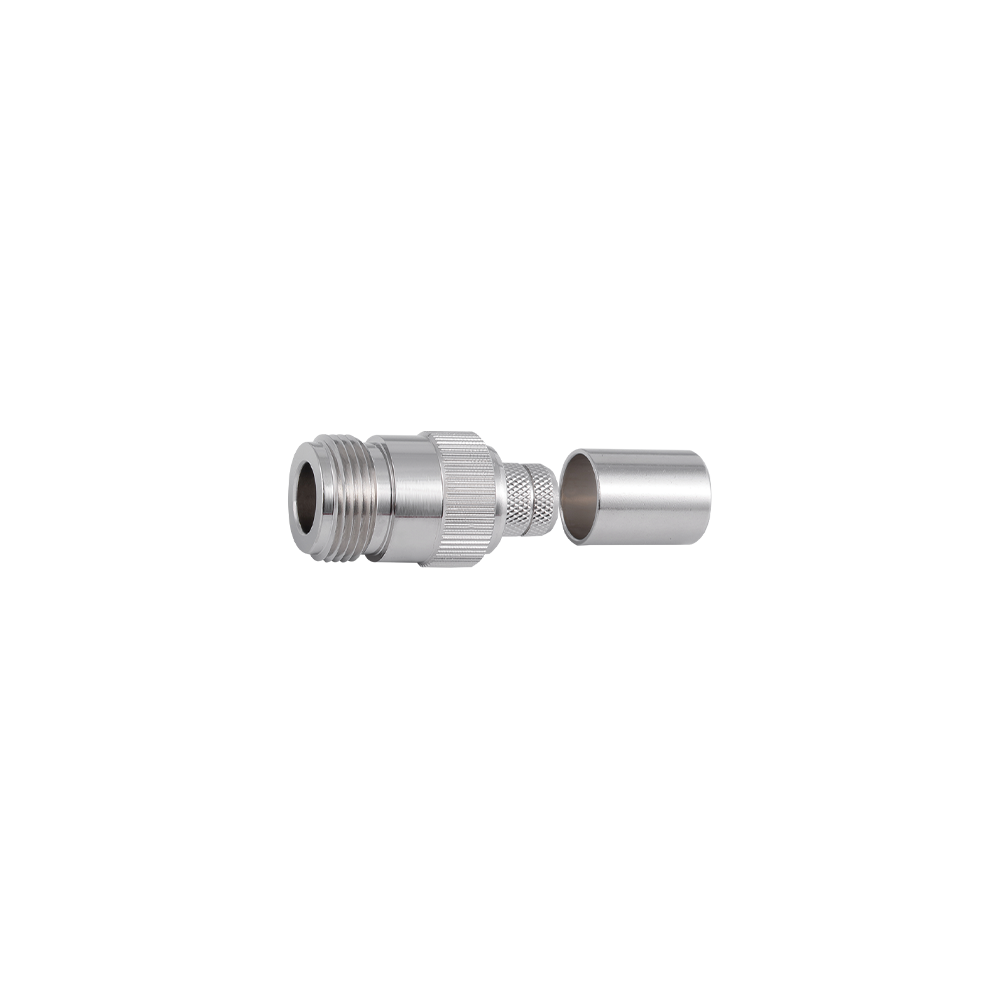
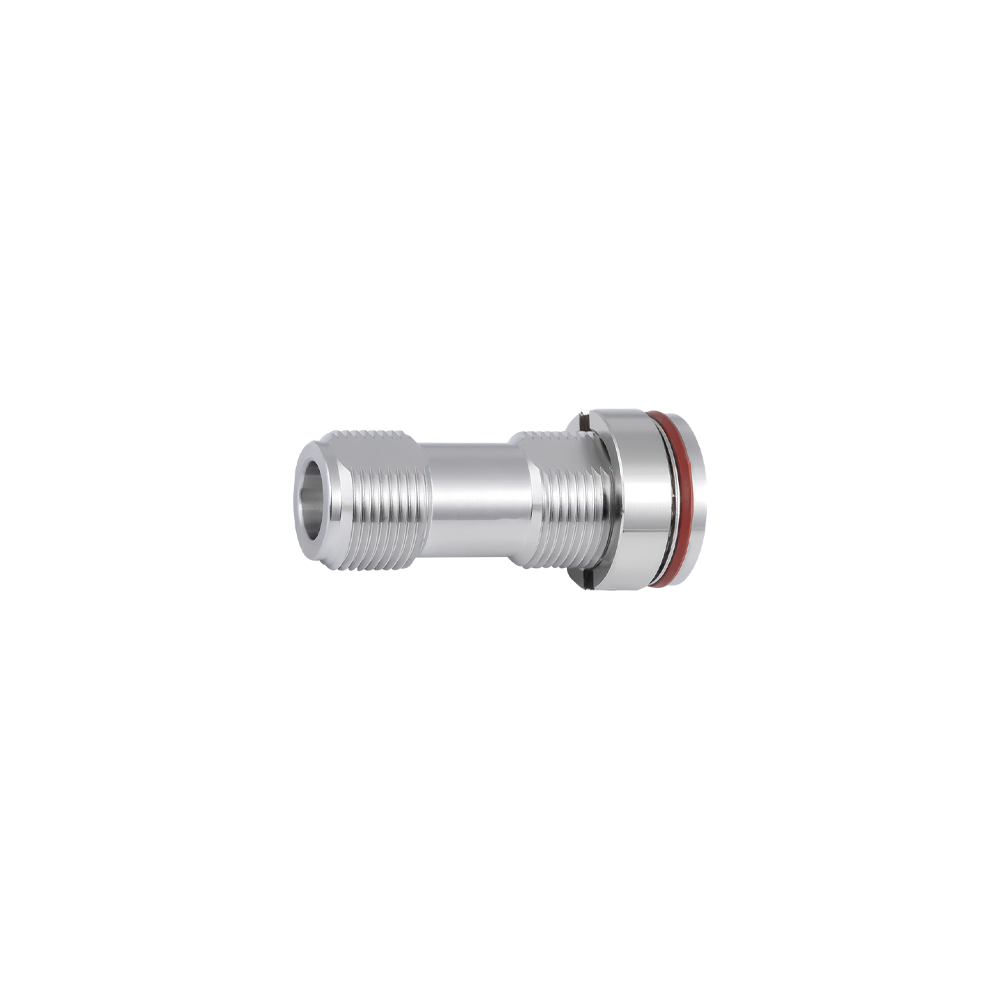
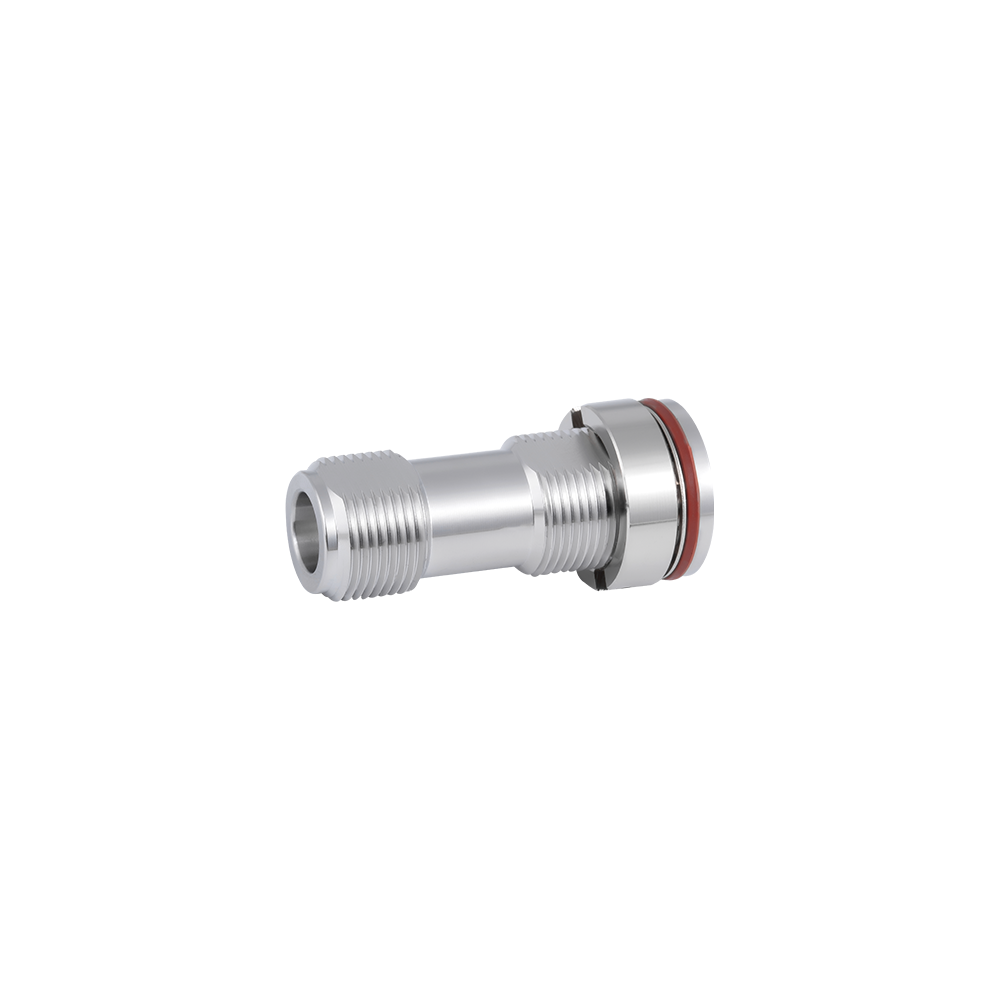
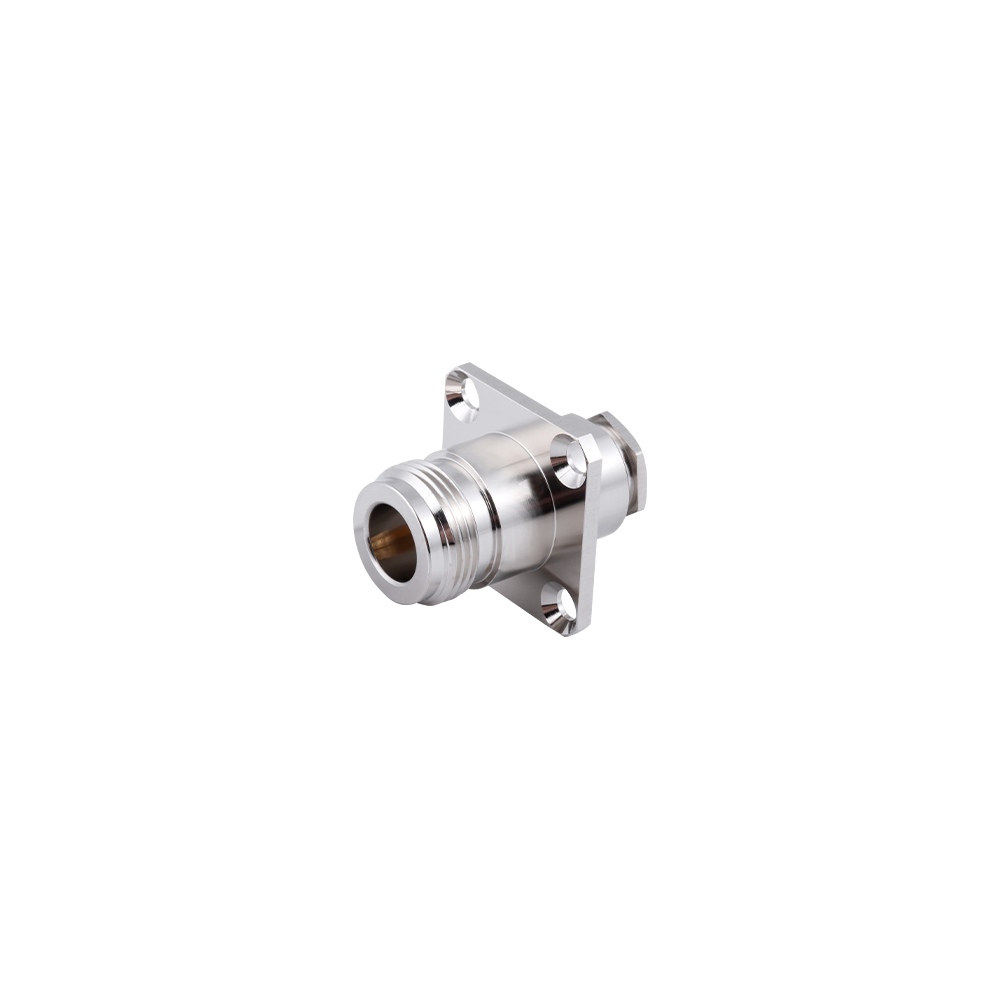
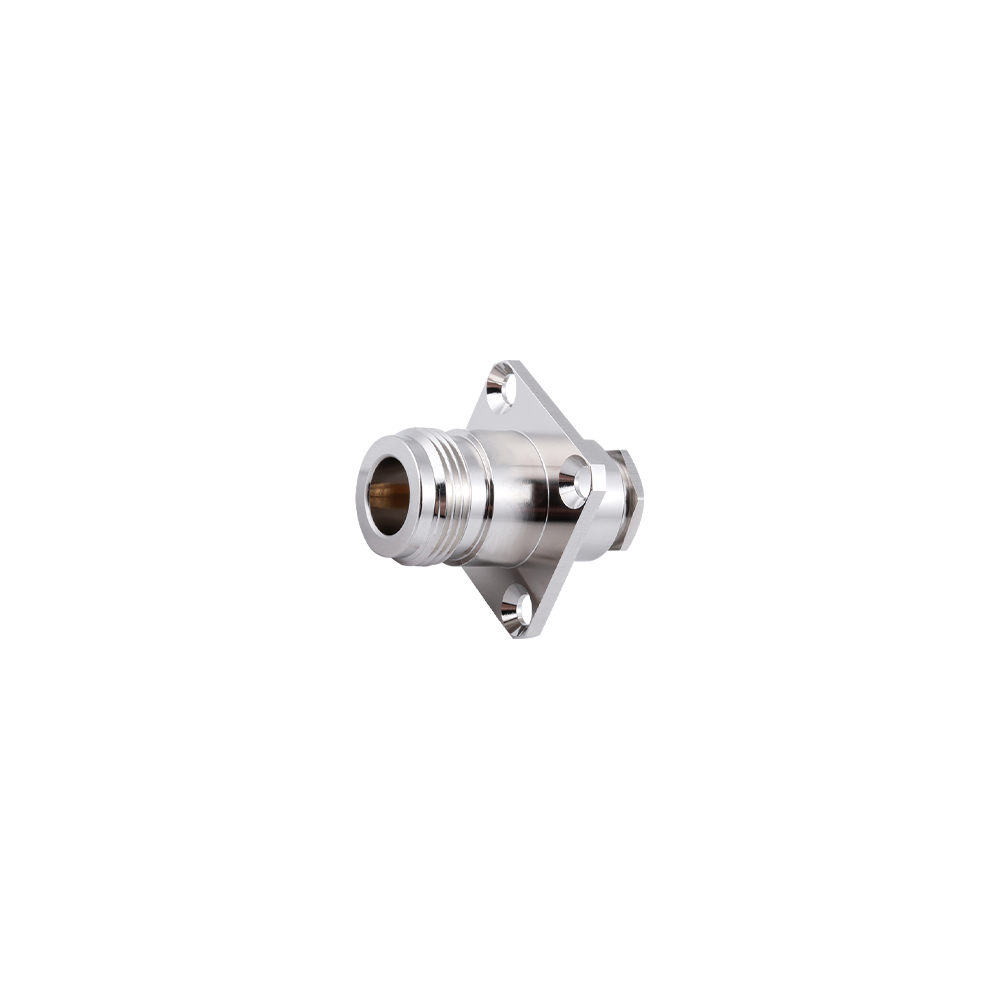
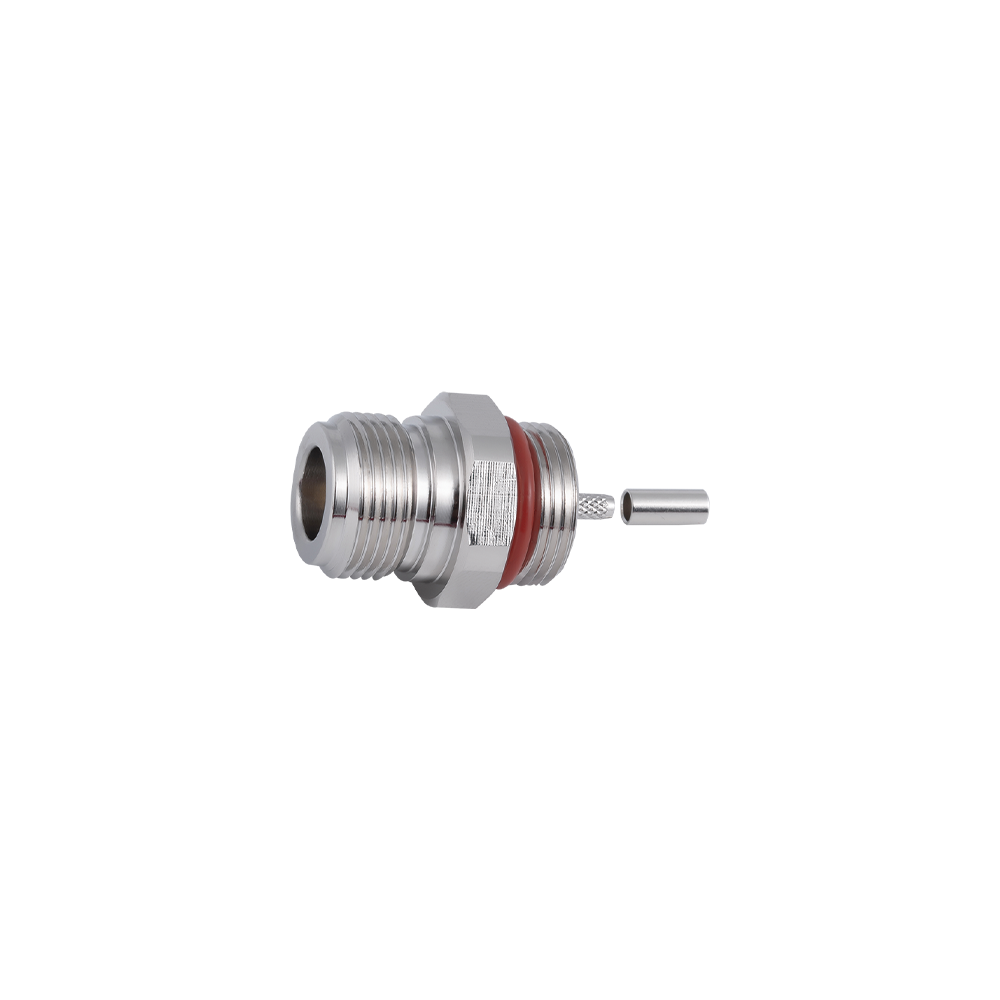
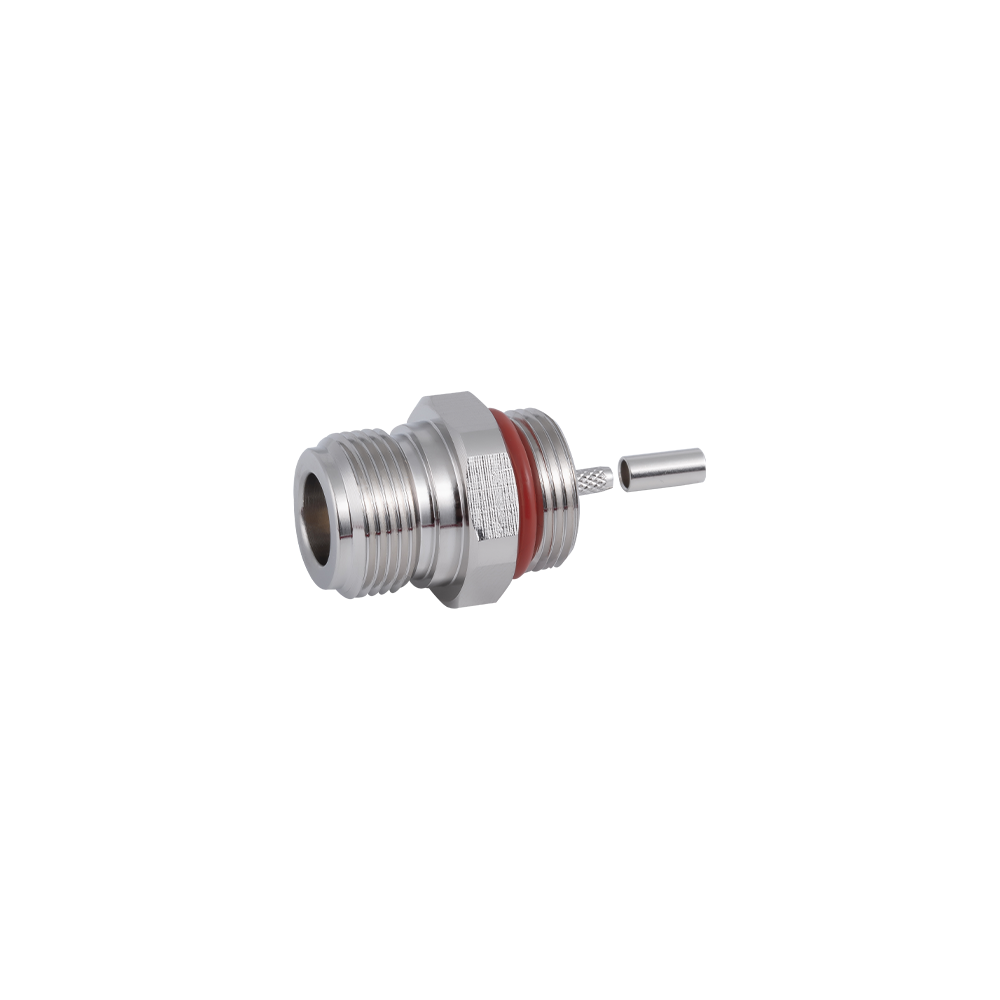
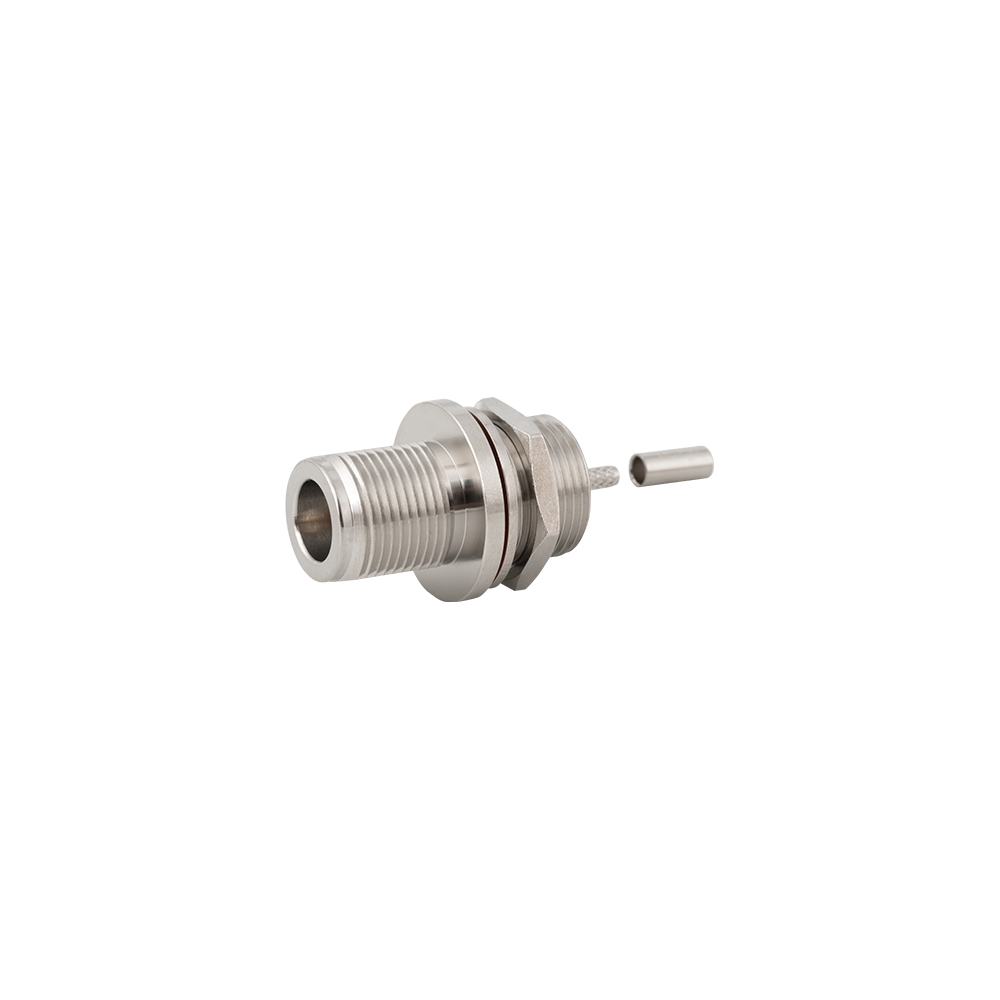
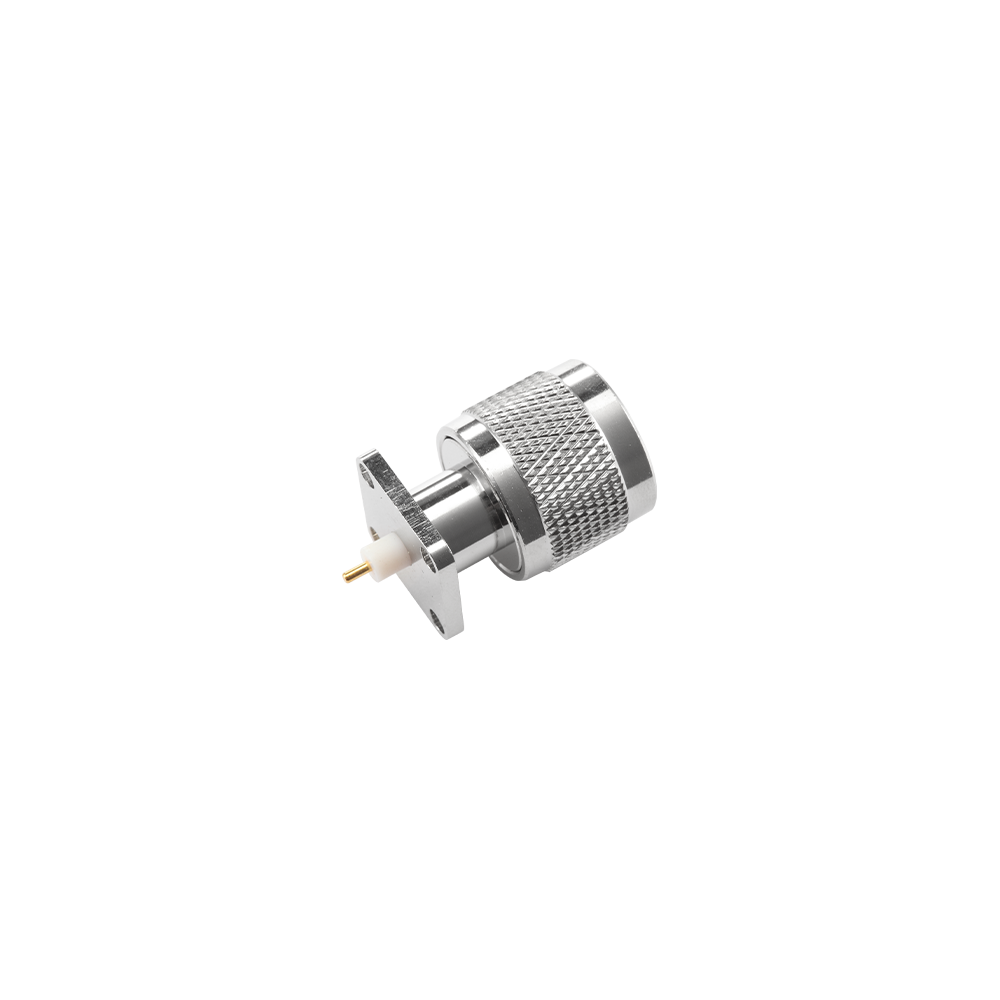
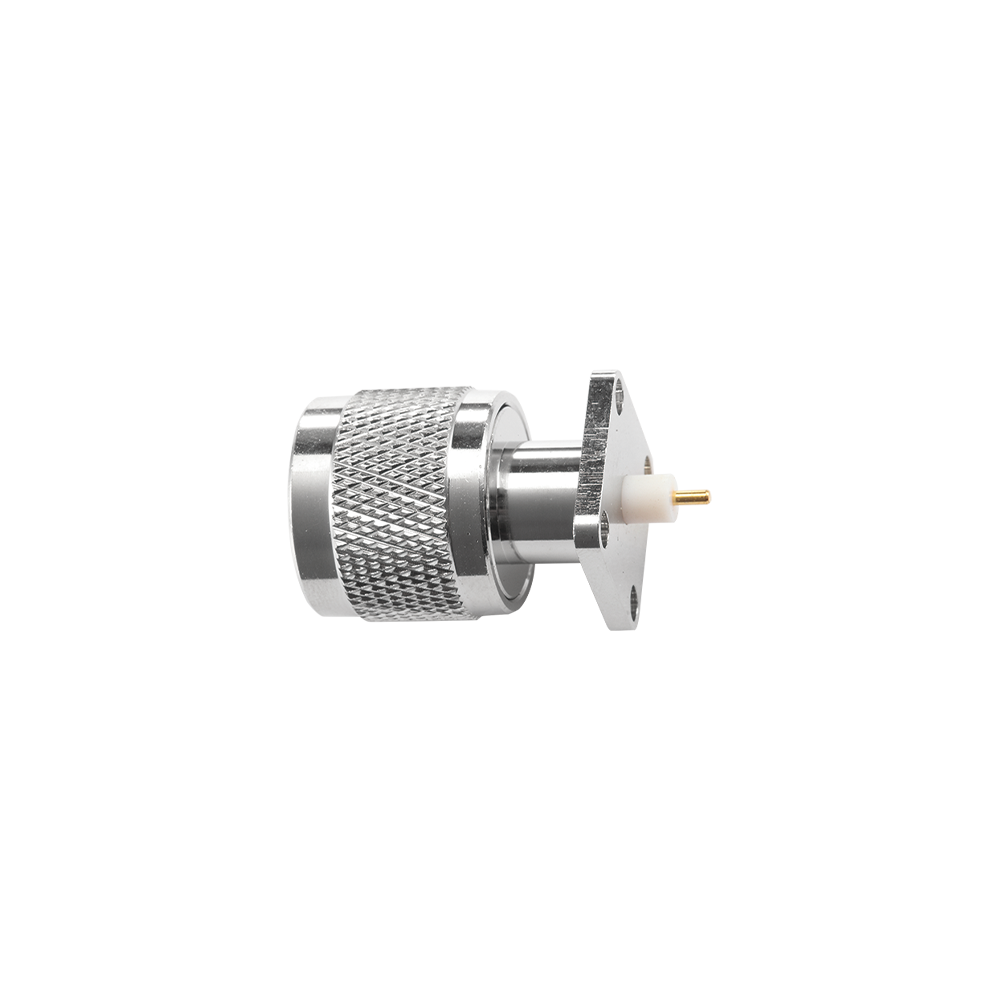
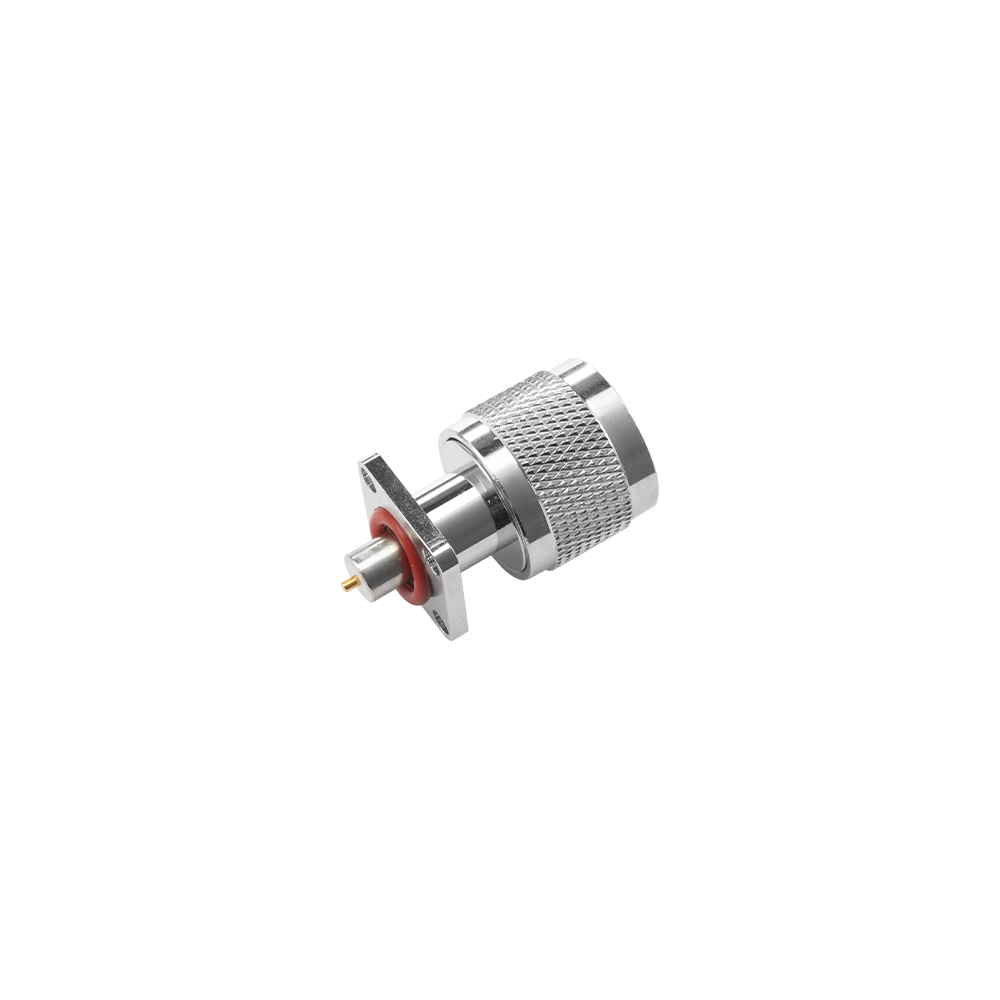
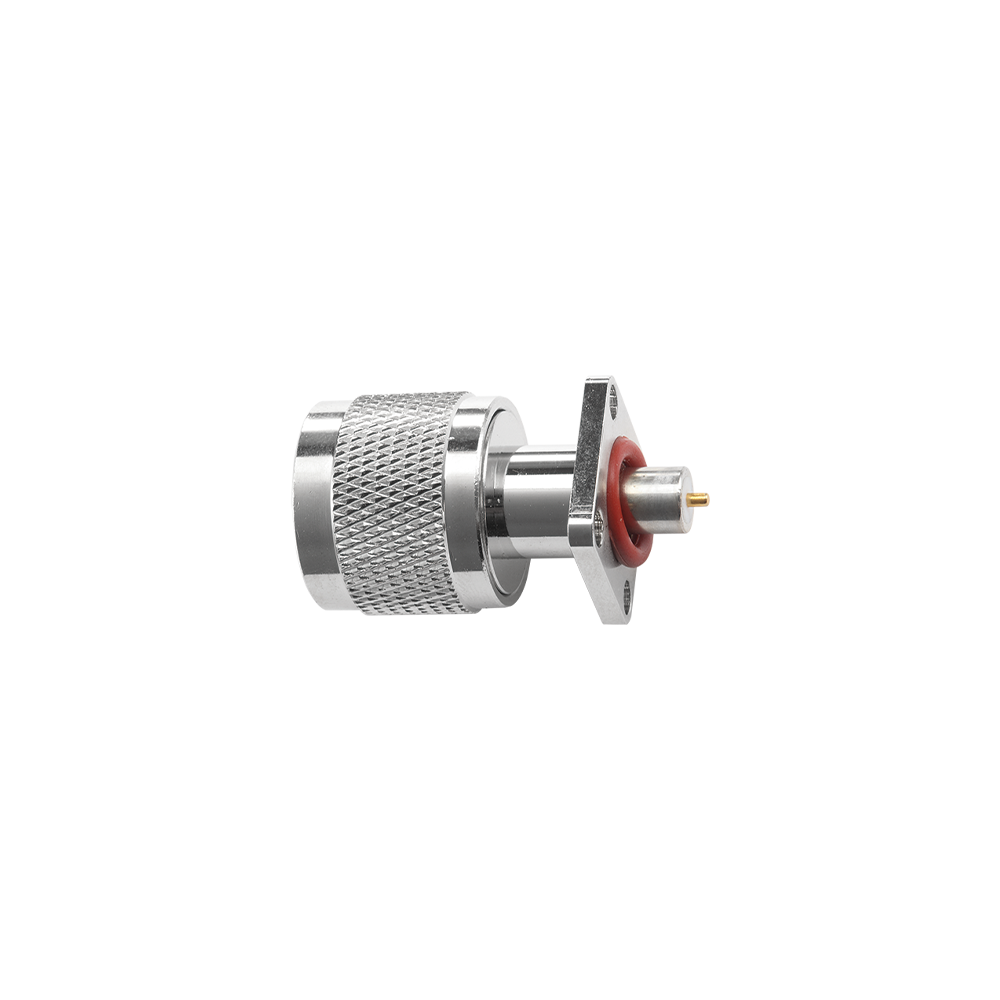
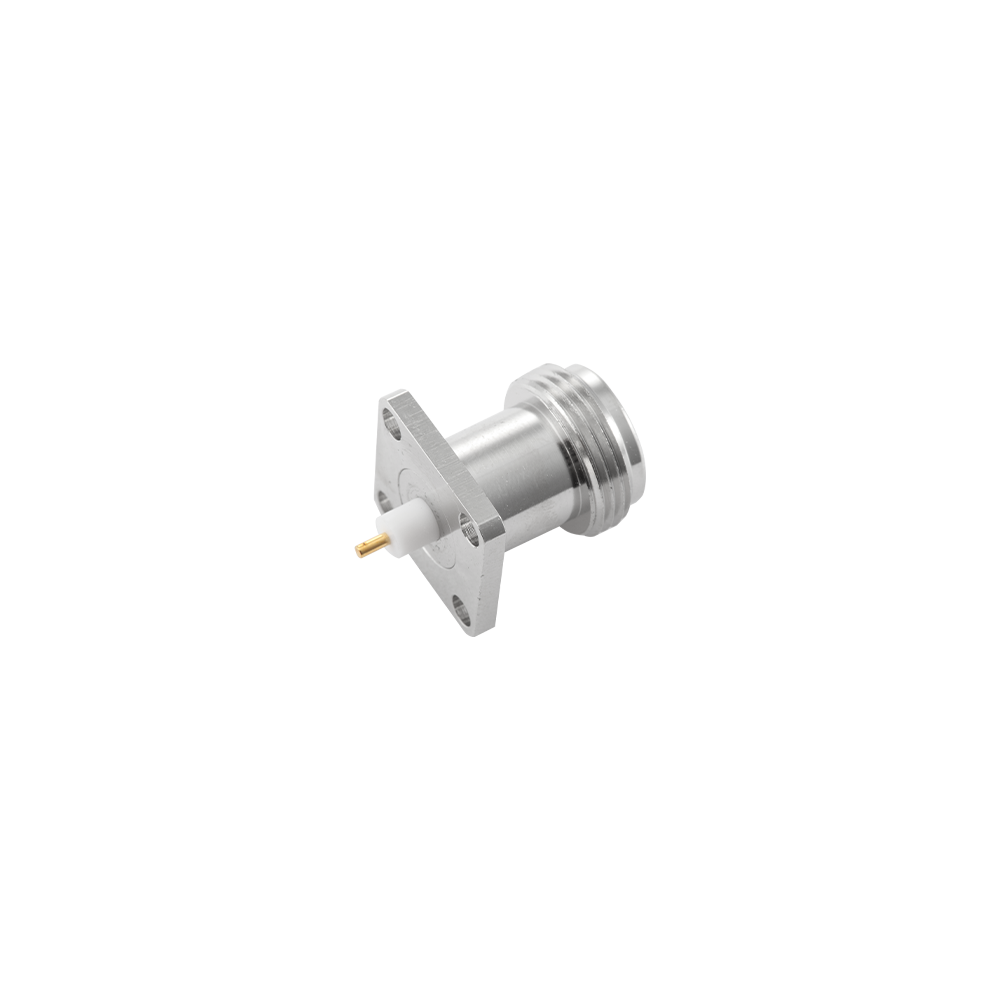
N RF Coaxial Connectors are threaded-coupling connectors built around a larger body size than most miniature RF connector series, allowing them to support higher power levels and a wider frequency range within a single connector interface. N RF Coaxial Connectors are widely specified in outdoor antenna systems, broadcast transmission equipment, and base station infrastructure, where power-handling capacity and weatherproof sealing at the connection point are functional requirements rather than optional features. As a long-established connector series in RF and microwave applications, this category continues to be used across communication, broadcast, and instrumentation systems that require a robust, threaded RF interface.
Core Performance Characteristics
- Frequency range: Standard N connectors are commonly rated for use up to approximately 11 GHz, while precision N connector designs extend to approximately 18 GHz, depending on the specific construction.
- Power handling: The larger center contact and body size of N RF Coaxial Connectors generally support higher power levels compared with miniature connector series of similar impedance.
- Impedance value: Most N connectors are designed around a 50 ohm characteristic impedance, aligning with common RF cable and system impedance standards.
- Weatherproof construction: Many N connector designs include a built-in gasket at the mating interface, supporting outdoor use without requiring a separate weatherproofing kit in some configurations.
- Gender and polarity configurations: Available in male and female gender, as well as standard and reverse polarity versions for applications requiring a specific mating arrangement.
Common Types and Characteristics
N RF Coaxial Connectors are available in several configurations based on connector orientation, cable/panel interface, and construction grade.
Common types of N connectors and their characteristics
| Type |
Configuration |
Main Characteristics |
Typical Use |
| Standard N Connector |
Male / Female, general grade |
Frequency up to approximately 11 GHz |
General RF and communication systems |
| Precision N Connector |
Male / Female, tighter tolerances |
Frequency up to approximately 18 GHz |
Laboratory measurement, calibration standards |
| Panel/Bulkhead Mount N |
Nut-mount or flange-mount |
Fixed panel interface with grounding |
Antenna feed ports, equipment enclosures |
| Reverse Polarity N |
Reversed pin/socket arrangement |
Prevents mating with standard N connectors |
Wireless systems requiring restricted connections |
Application Scenarios
- Outdoor antenna feed connections for base stations and broadcast towers;
- Broadcast and television transmission systems requiring higher power-handling connectors;
- Laboratory RF measurement setups using precision-grade N connectors for calibration accuracy;
- Wireless network infrastructure and repeater systems;
- Radar, satellite, and defense communication systems requiring a robust threaded RF interface.
Selection Guidelines
- Frequency requirement: Select a standard N connector for general RF applications or a precision N connector where performance up to approximately 18 GHz is required.
- Power handling: Confirm the connector's power rating is suitable for the signal levels present in the system, particularly in transmission or broadcast applications.
- Mounting style: Choose between cable-mount, panel-mount, or bulkhead-mount versions according to the installation location and enclosure design.
- Environmental exposure: For outdoor installations, check whether the connector's weatherproof construction is sufficient or whether an additional sealing kit is required.
- Gender and polarity: Confirm whether standard or reverse polarity is required, along with the correct male or female configuration for the mating interface.
N vs TNC Comparison
Comparison between N and TNC coaxial connector series
| Comparison Item |
N Connectors |
TNC Connectors |
| Connector size |
Larger body |
Smaller, more compact body |
| Power handling |
Generally higher |
Generally lower |
| Frequency range |
Up to approximately 11-18 GHz |
Up to several GHz, series-dependent |
| Typical application |
Broadcast towers, high-power antenna feeds |
Compact vehicle-mounted and mobile equipment |
Frequently Asked Questions
Q1: What is the difference between standard and precision N connectors?
Precision N connectors are manufactured to tighter dimensional tolerances than standard N connectors, extending the usable frequency range to approximately 18 GHz and supporting more repeatable performance in calibration and laboratory measurement applications.
Q2: Are N connectors suitable for outdoor installations without additional weatherproofing?
Many N connector designs include a built-in gasket at the mating interface, but the level of weatherproofing varies by product design, so the specific connector's environmental rating should be confirmed for the intended outdoor application.
Q3: Why are N connectors commonly used in higher power applications?
The larger center contact and overall body size of N RF Coaxial Connectors generally provide more surface area for current handling compared with smaller connector series, which is a relevant factor in broadcast and transmission applications.
Q4: Can N connectors be mixed with other connector series on the same cable assembly?
N connectors have a different mating interface and thread dimension from other coaxial connector series, so an adapter is generally required to connect an N interface to a different connector series.
Manufacturing Note
Yangzhou Jingcheng Electronics Co., Ltd was founded in 1999 and specializes in the design, development, production, and sales of RF coaxial connectors, including N, BNC, TNC, SMA, 2.92, 2.4, 1.85, and other series, along with Adapters, reverse polarity series, and 0~50GHz high-frequency cable assemblies. For N RF Coaxial Connectors, dimensional consistency of the threaded coupling and contact plating quality are relevant factors in maintaining power-handling and frequency performance, supported by the company's manufacturing equipment and precision testing processes.


 English
 中文简体
中文简体