English
 中文简体
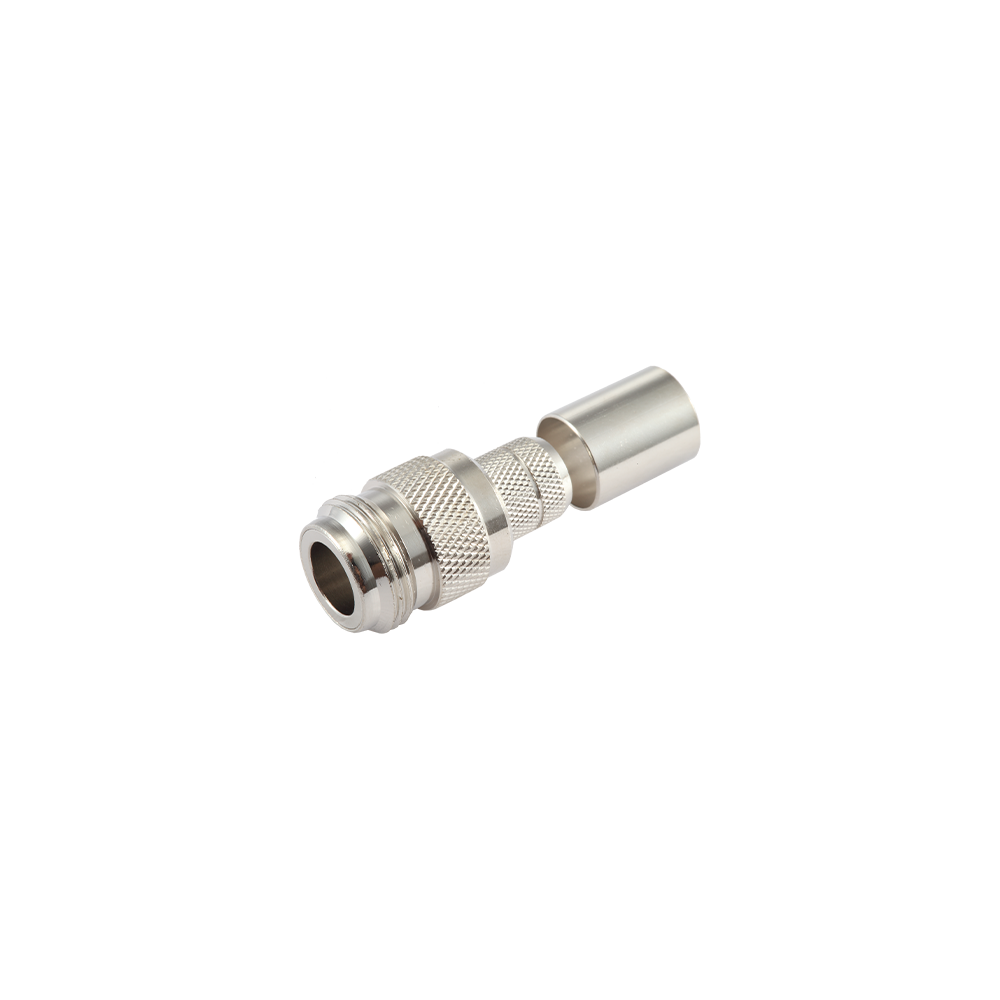
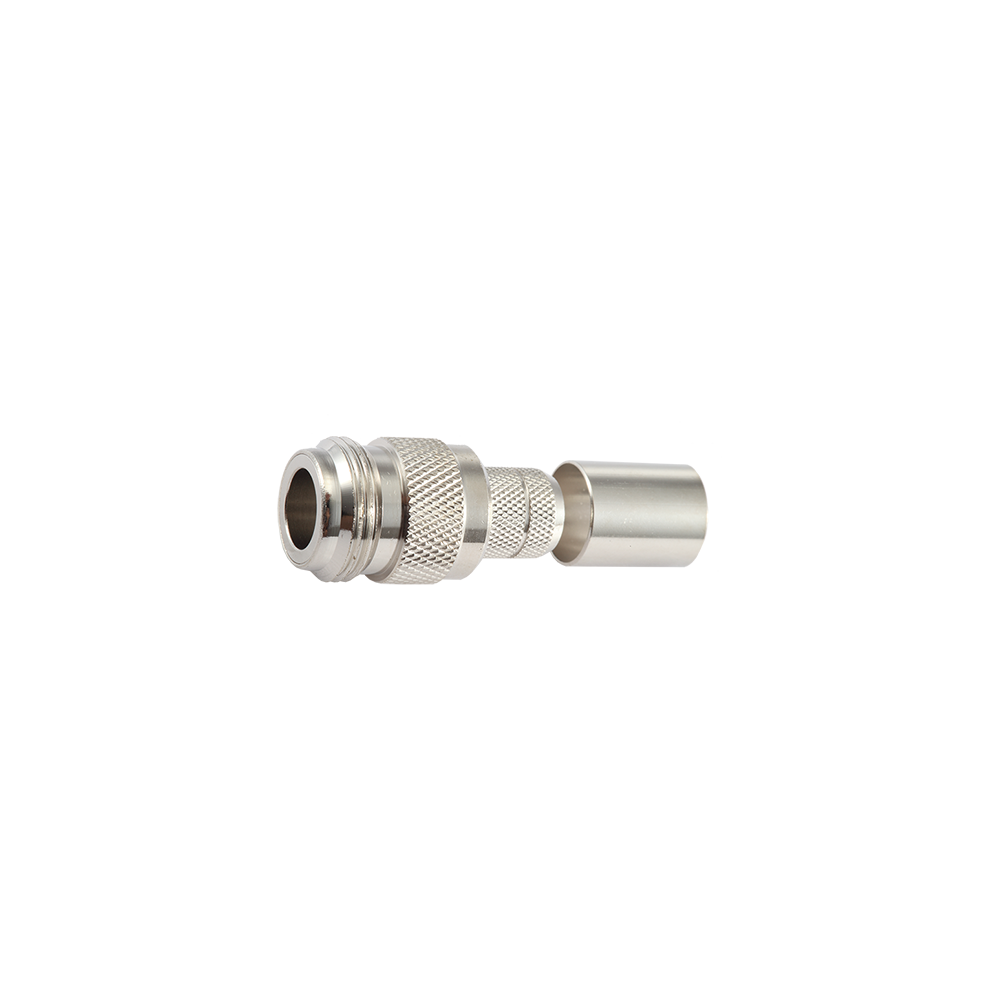
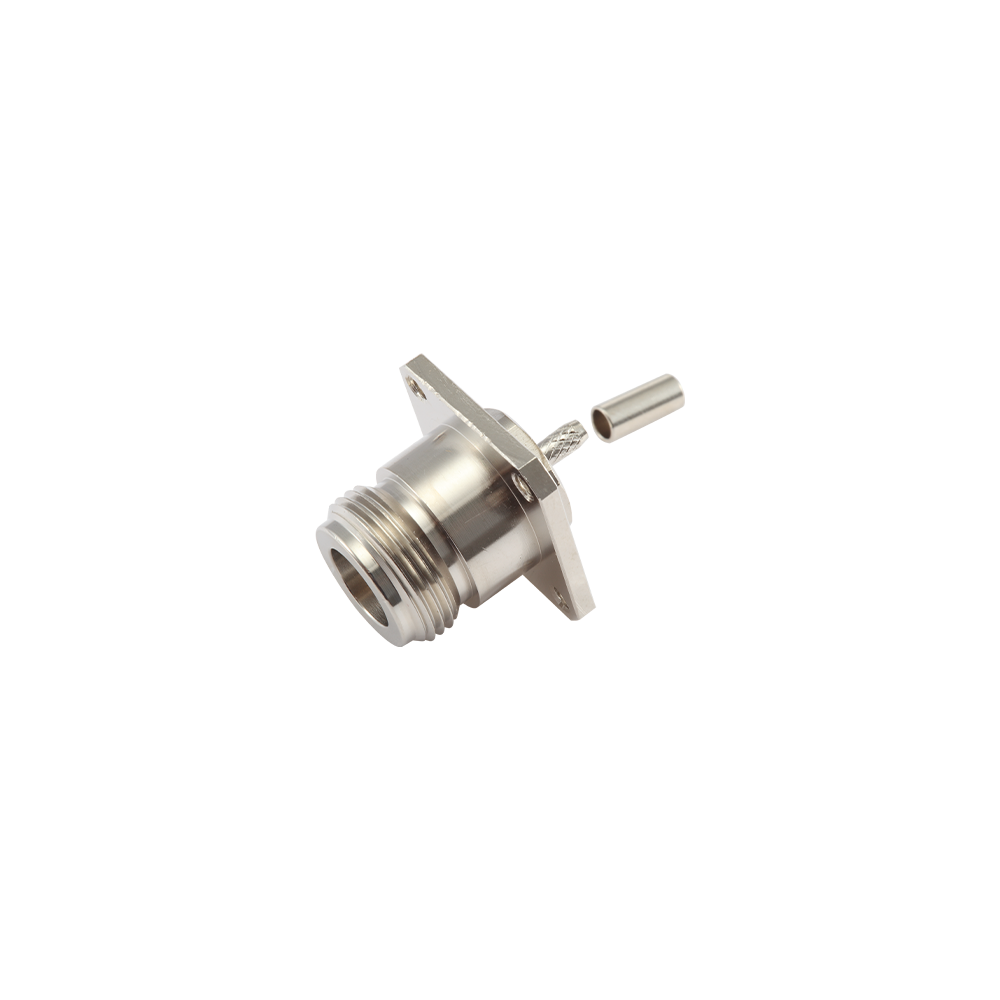
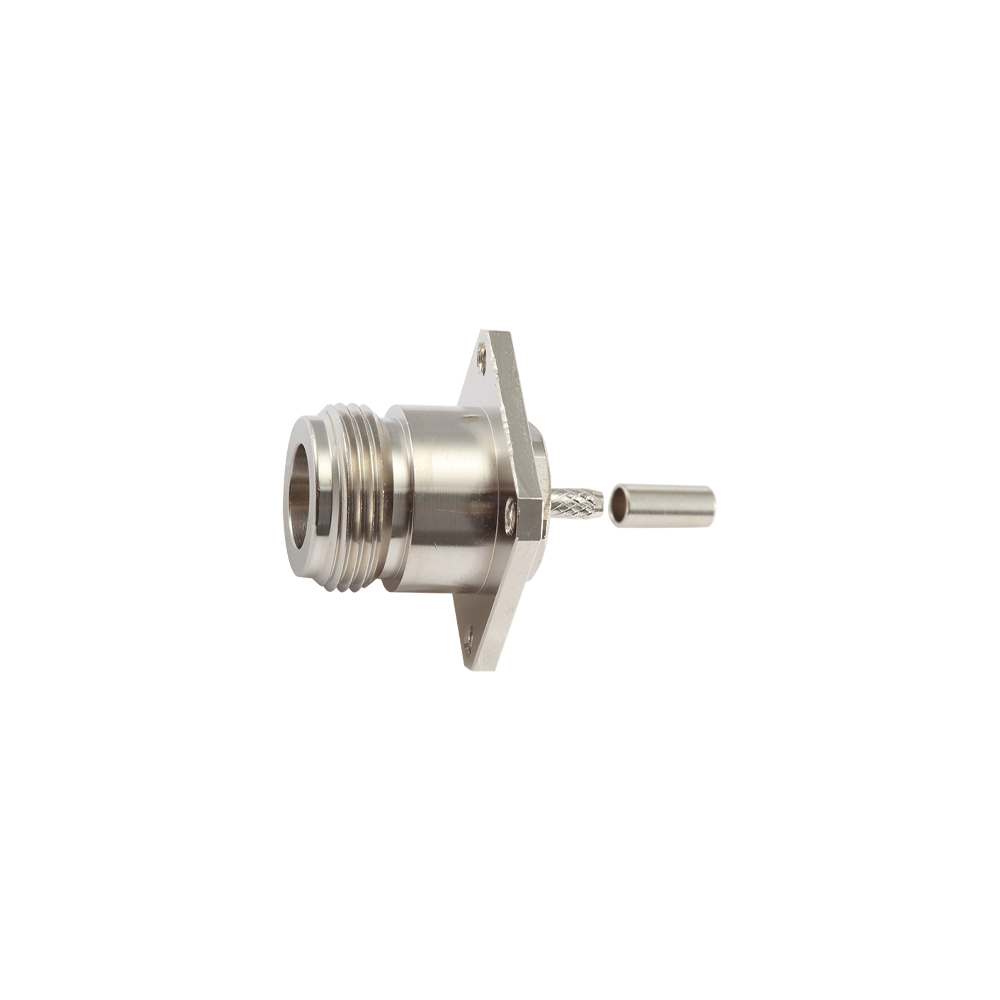
中文简体N Connectors for Flexible Cable Manufacturer
Product Overview
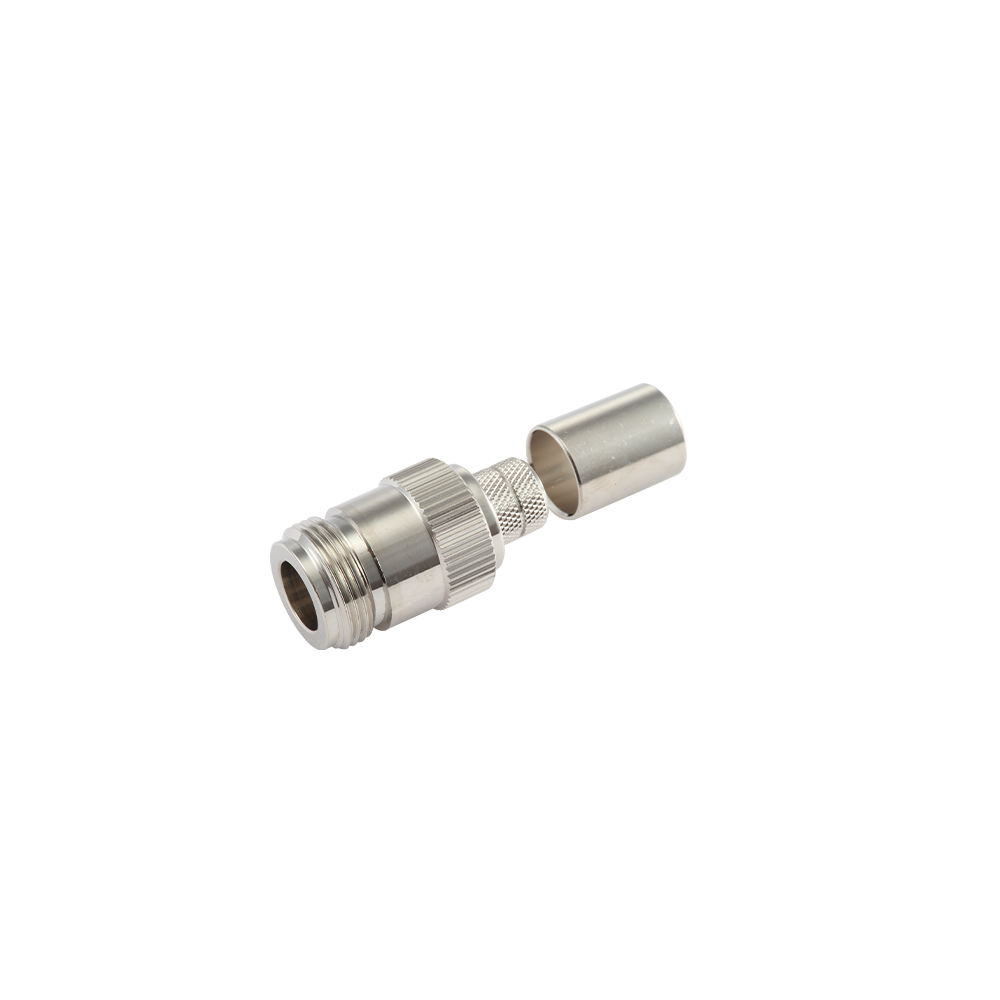
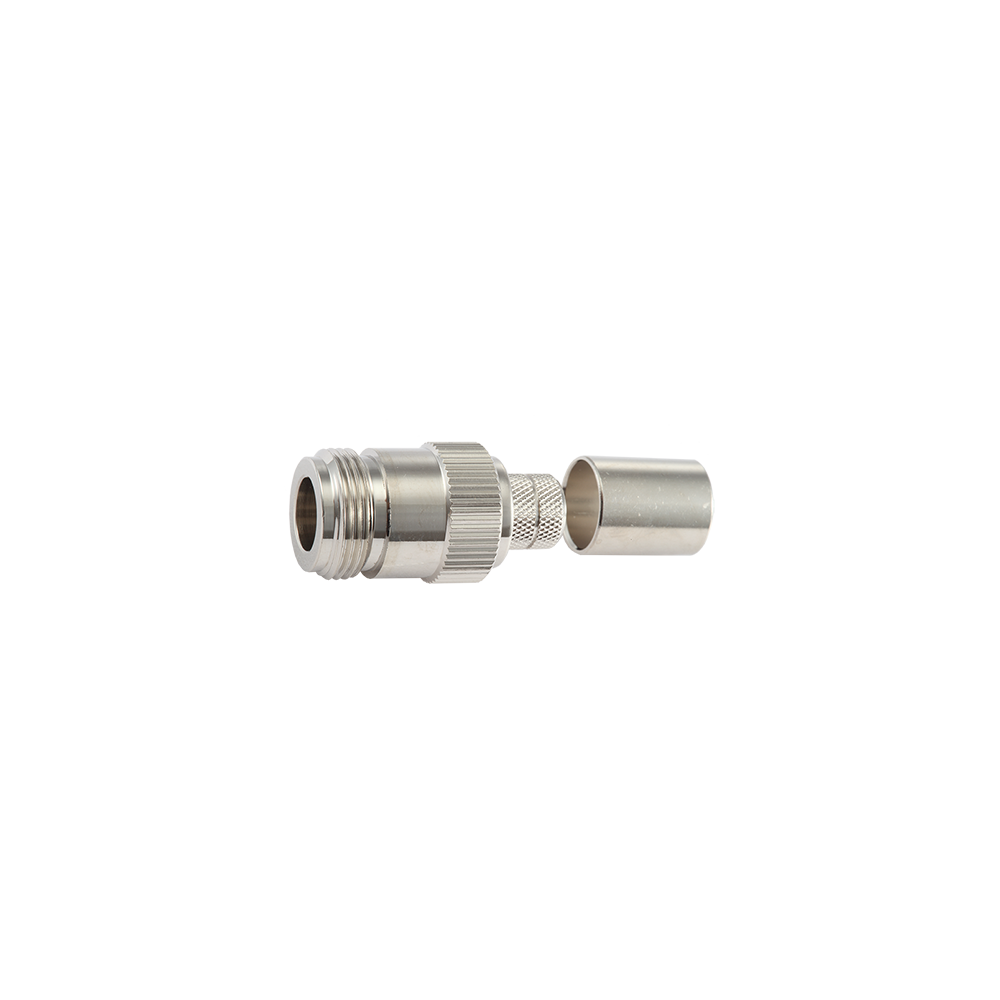
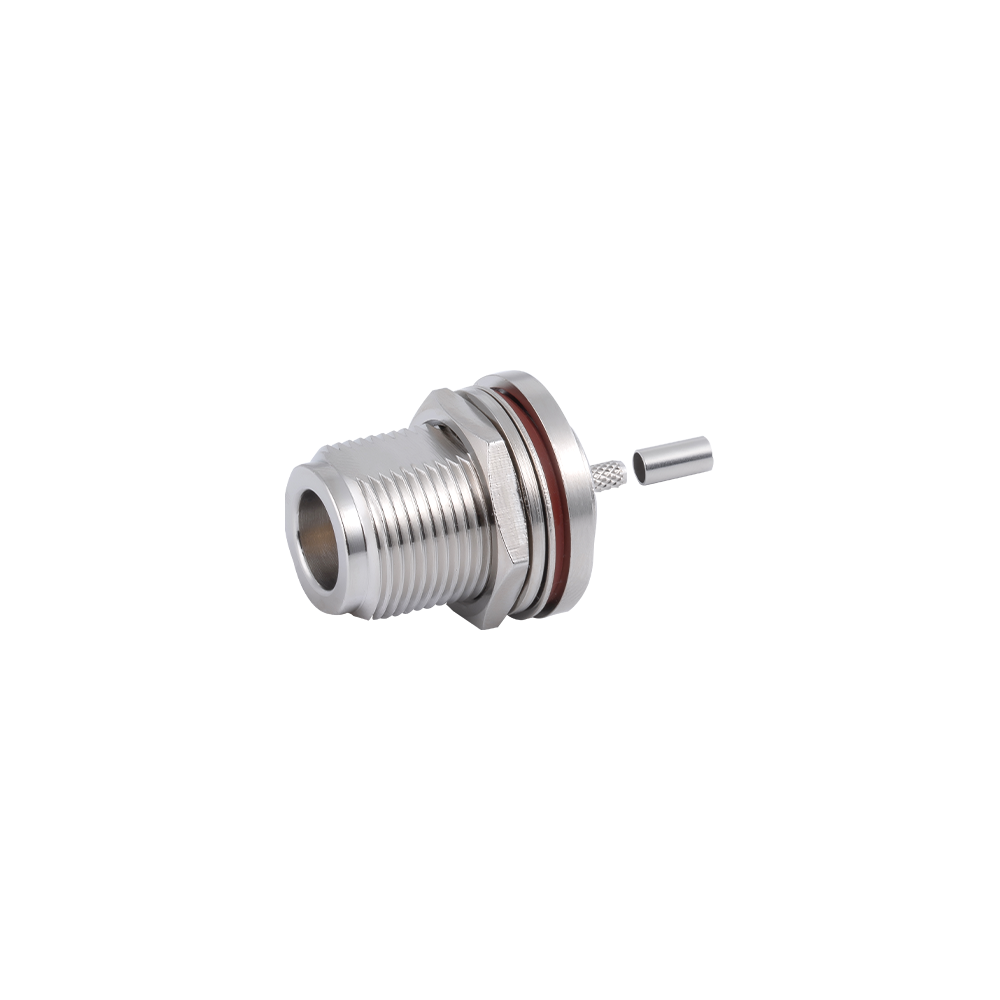
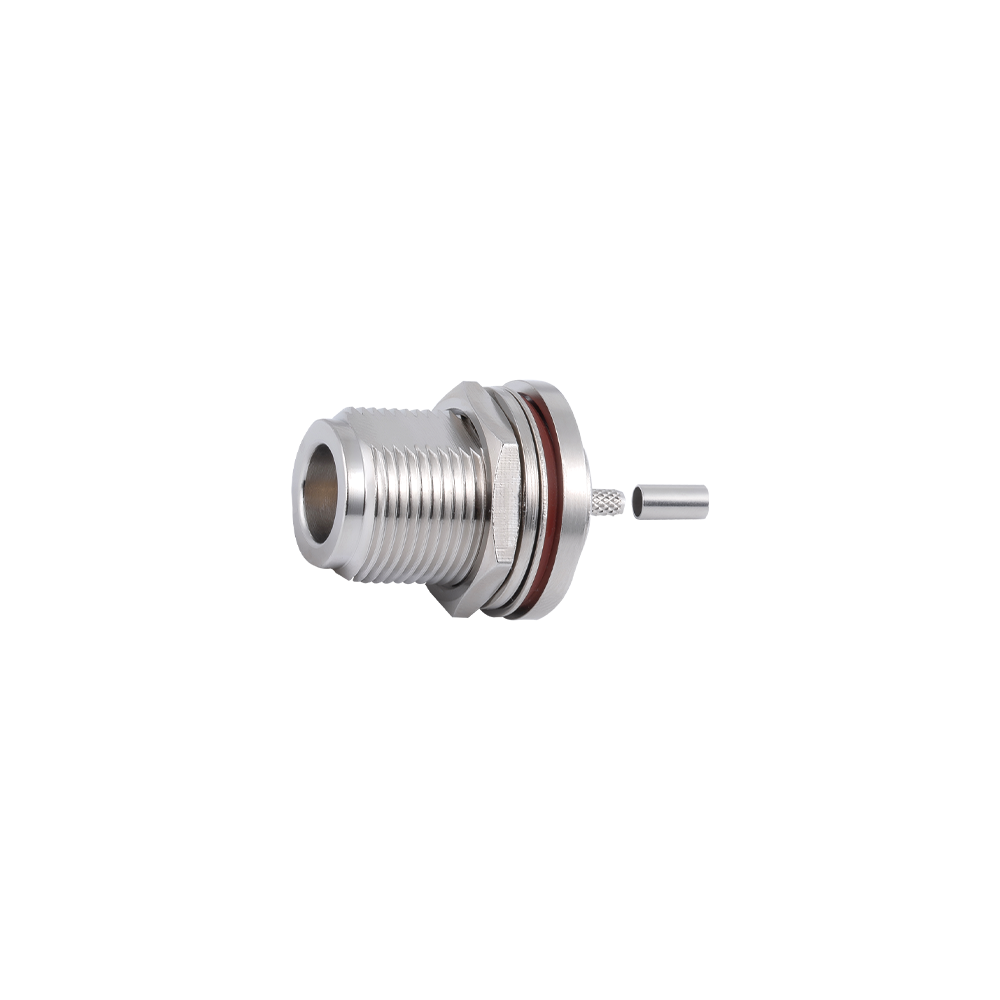
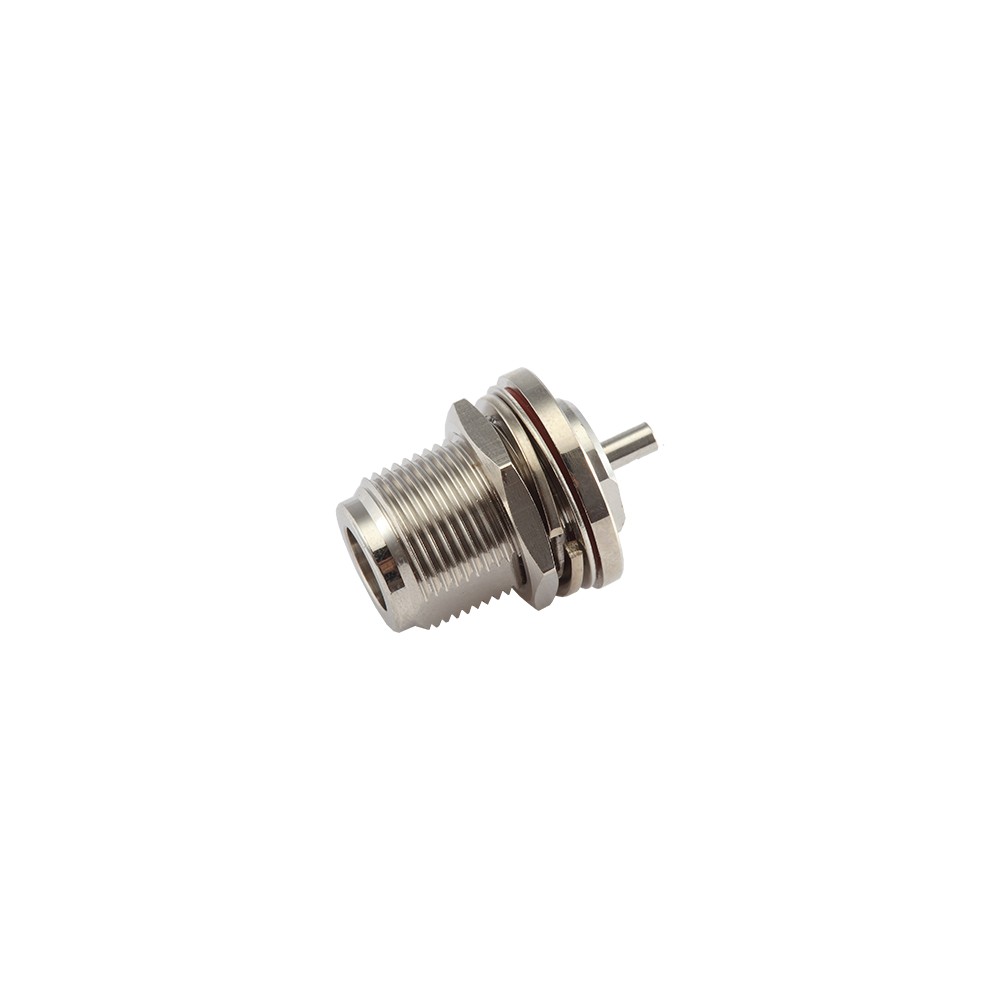
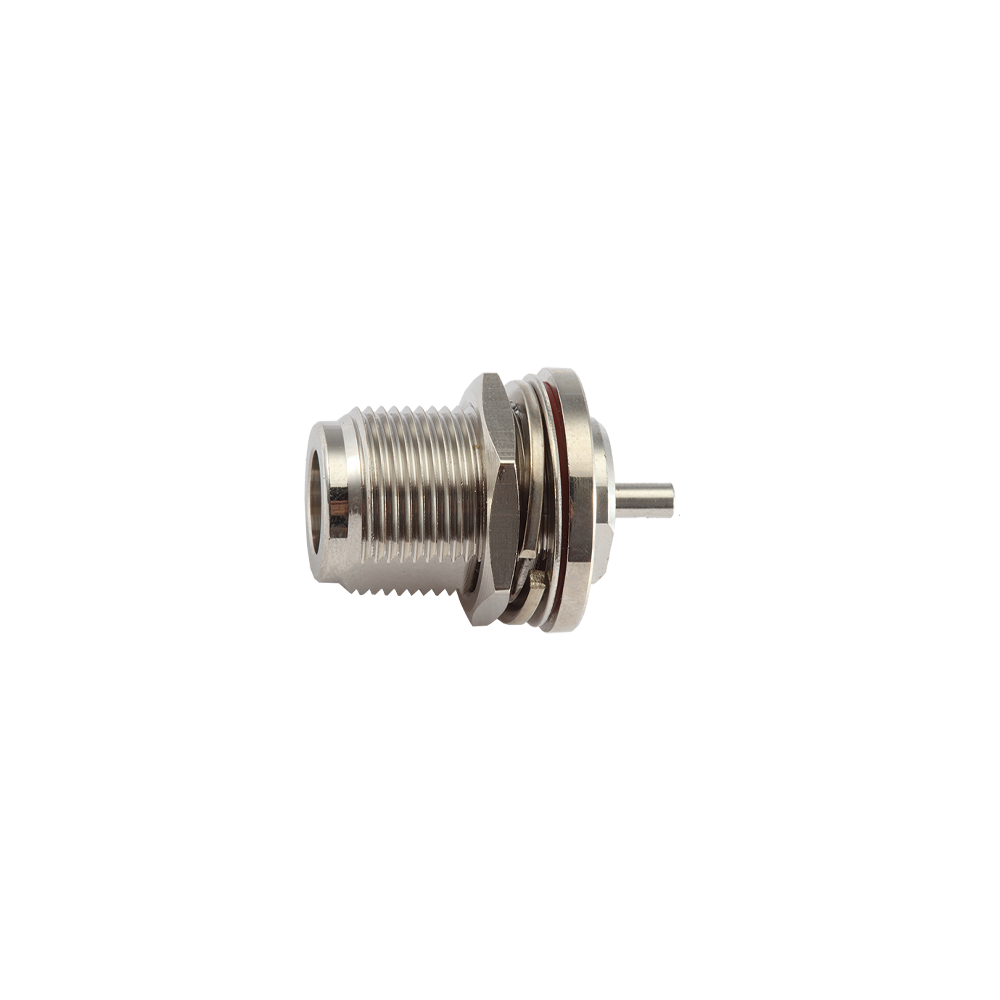
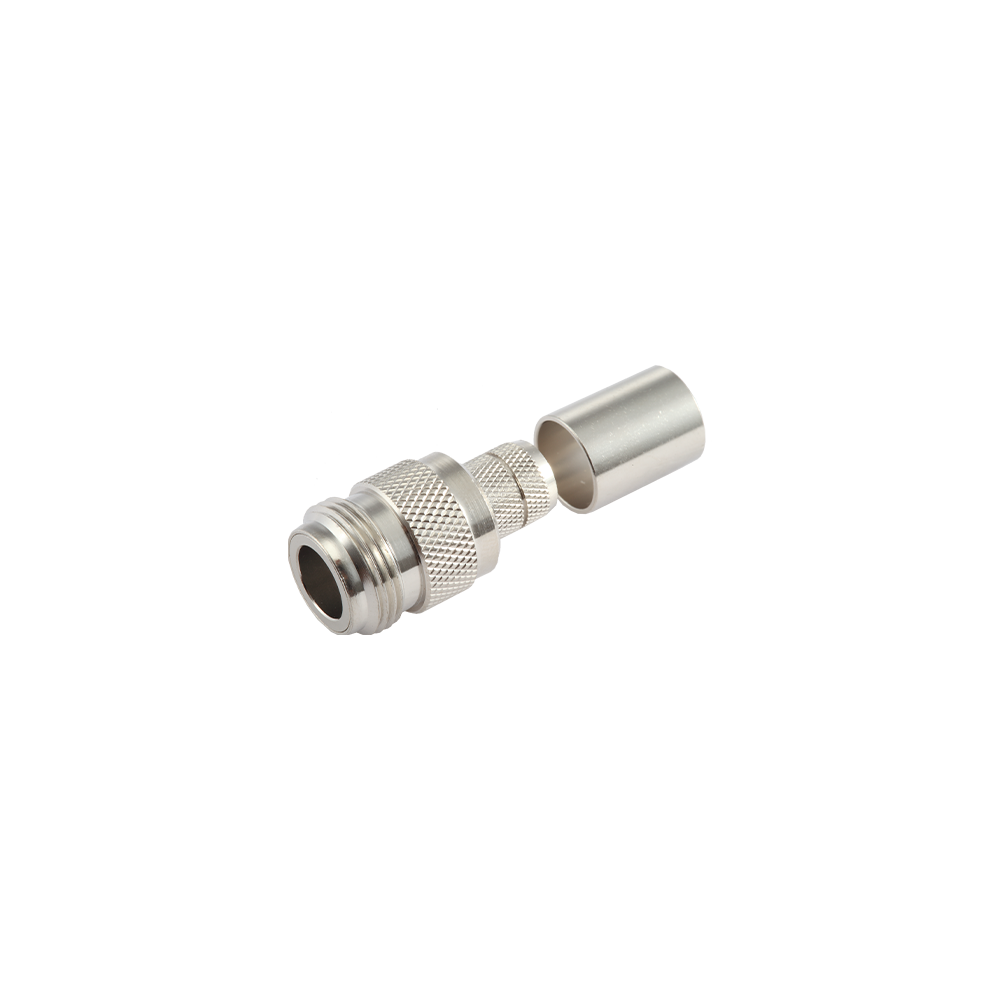
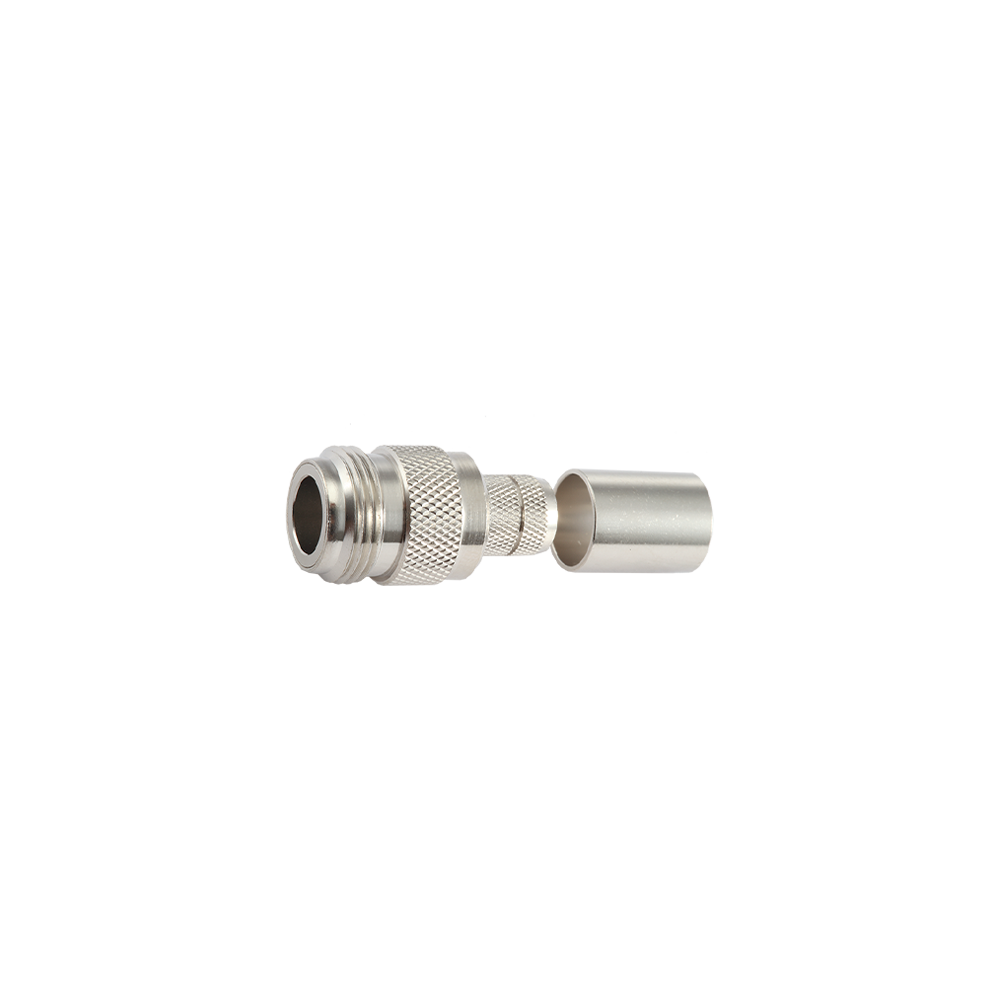
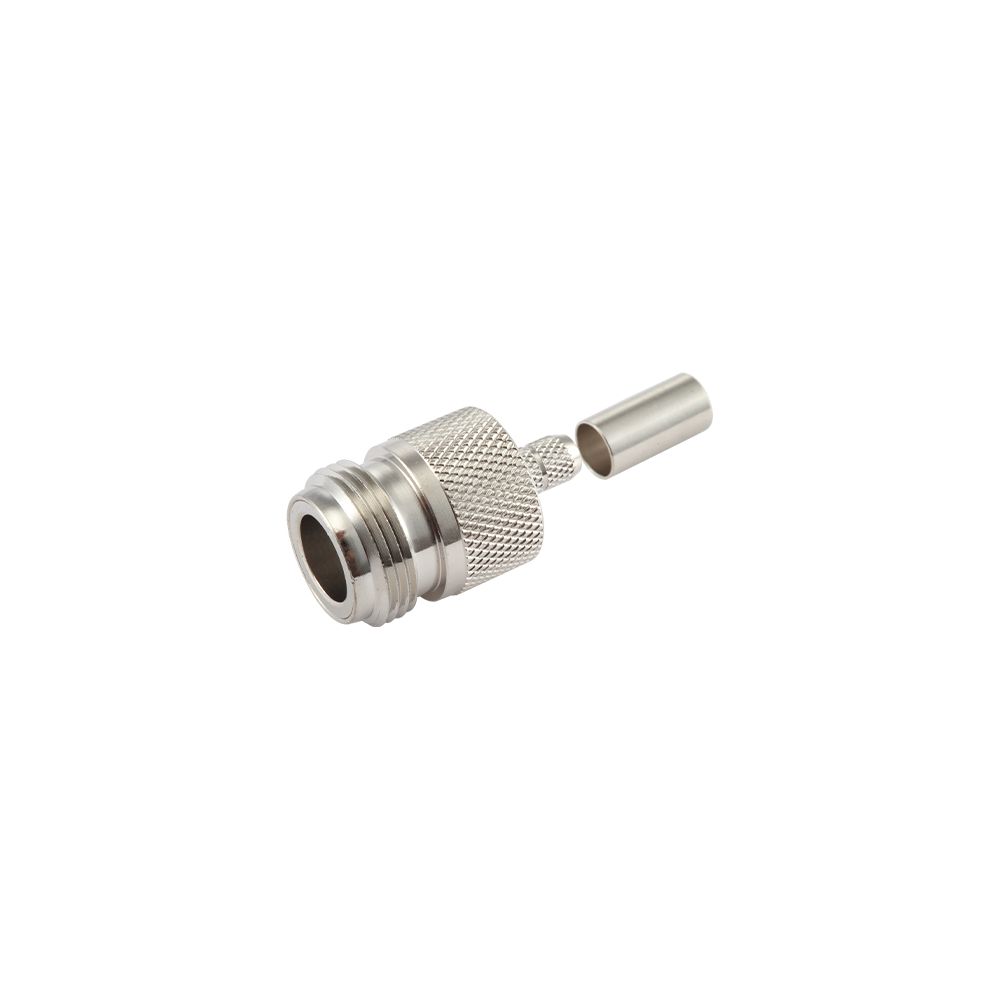
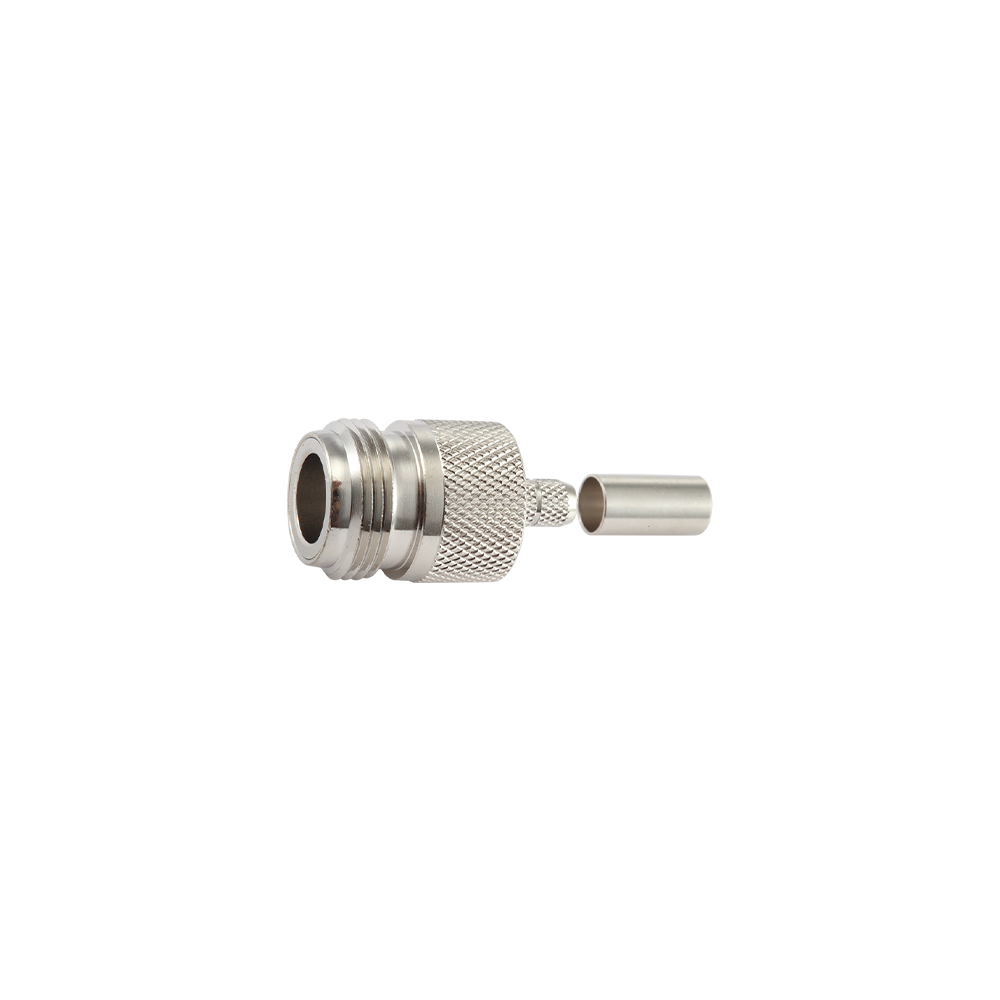
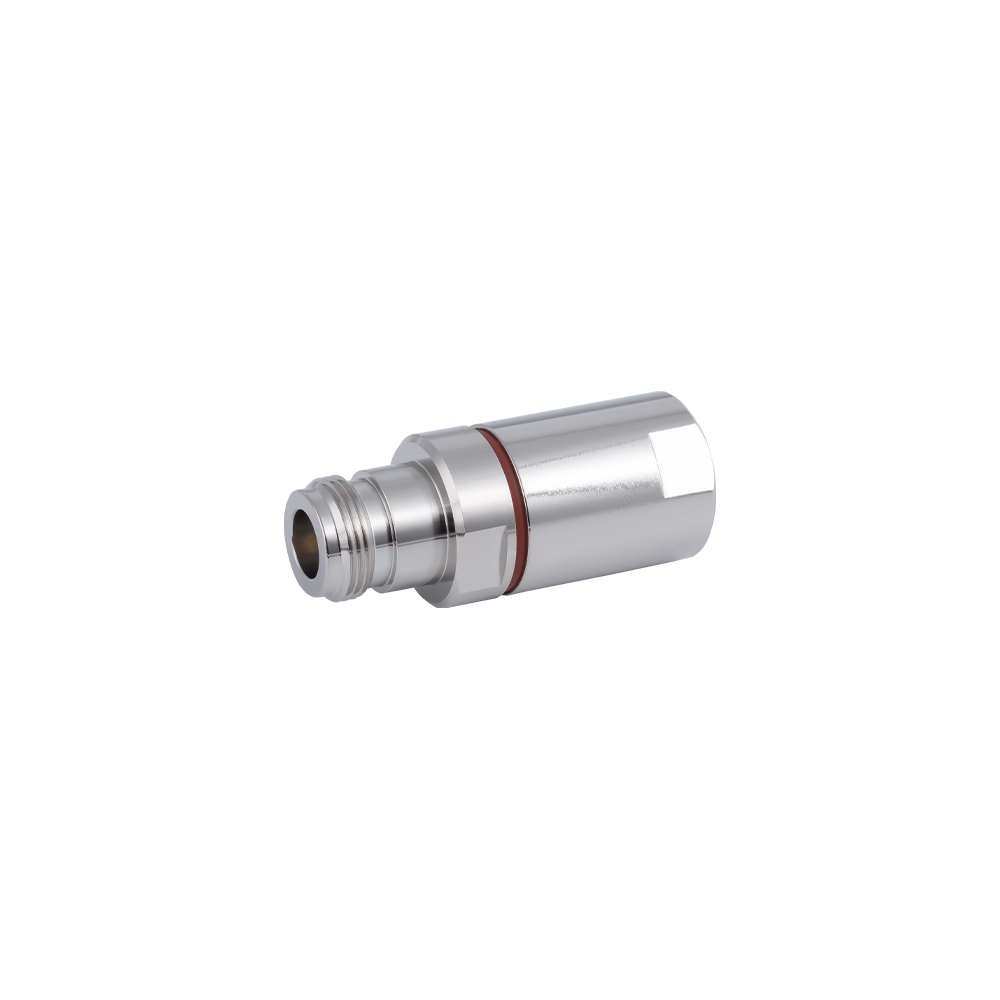
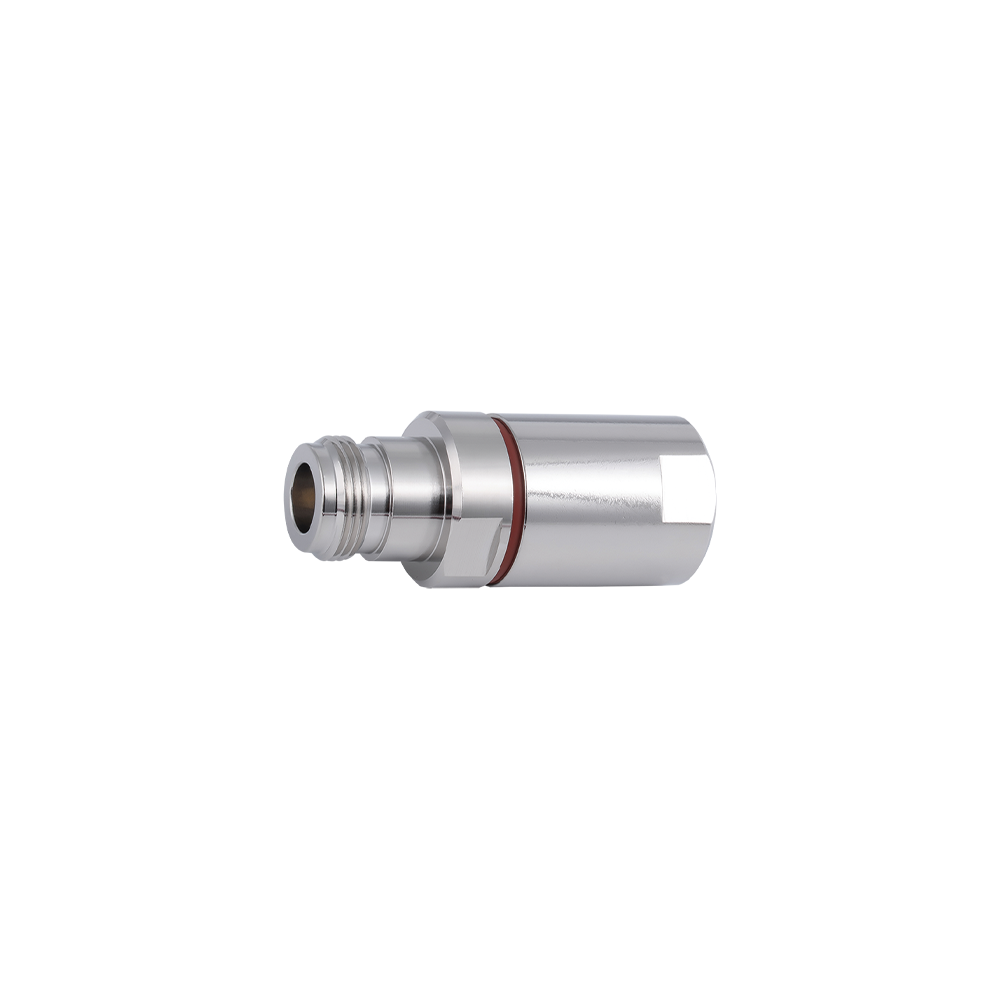
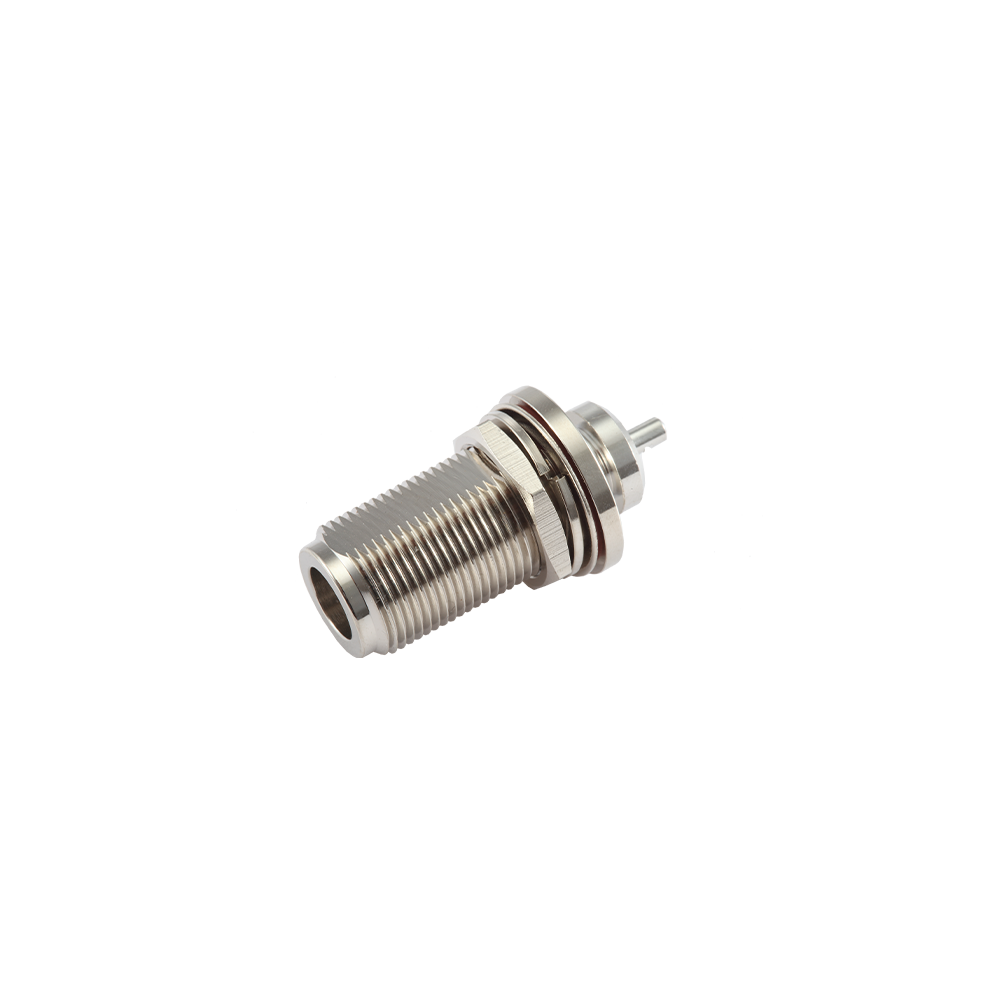
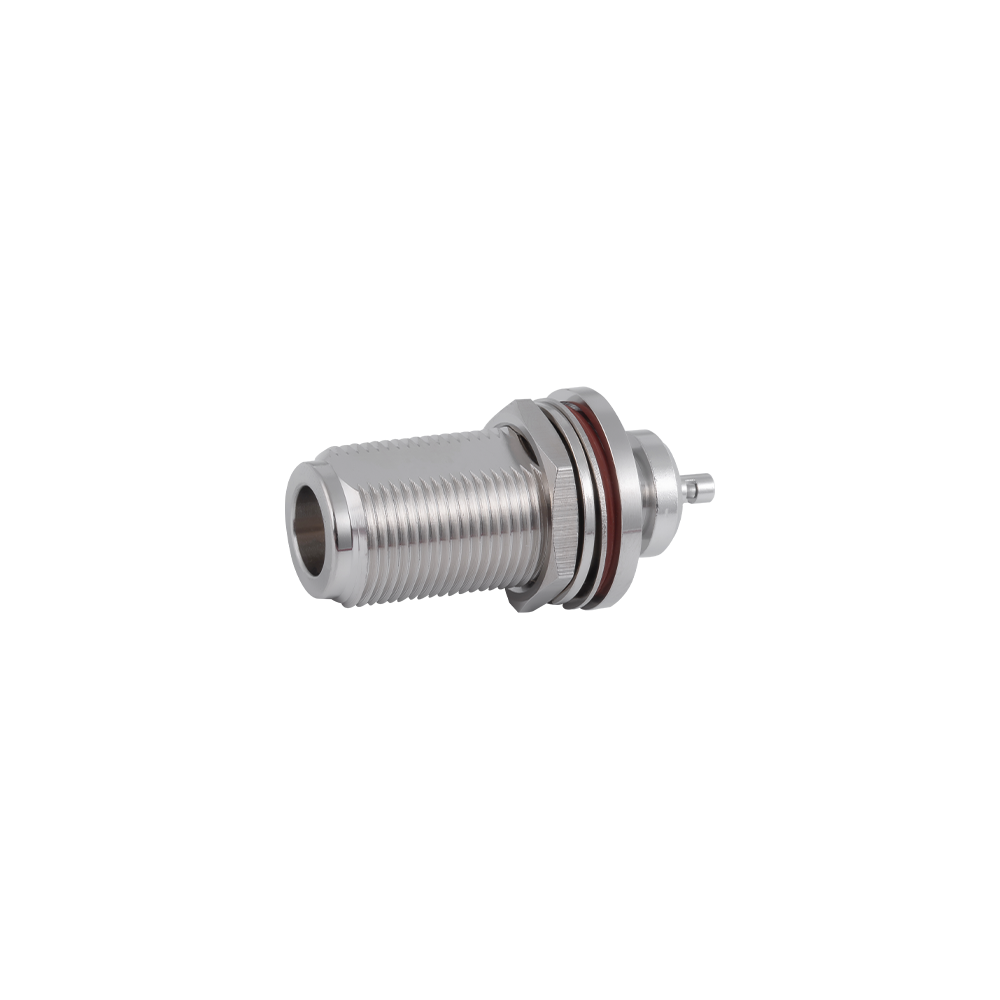
N-type Connectors for Flexible Cable are the most widely installed RF connector type in outdoor wireless infrastructure—the connector at the bottom of every base station antenna cable, at the patch panel port in every CATV amplifier housing, and at the RF input of every outdoor microwave transceiver that relies on flexible coaxial cable for its antenna connection. Their combination of robust weatherproof body construction, reliable threaded coupling, and broad cable compatibility has made the N-type flexible cable connector the de facto standard for outdoor RF interconnection worldwide.
Unlike BNC or SMA flexible cable connectors, which are primarily indoor products, N-type flexible cable connectors are regularly installed outdoors and must maintain electrical performance and mechanical integrity through years of UV exposure, thermal cycling from -55°C to +155°C, and wind-load-induced cable flexing.
Key Features
50Ω and 75Ω versions for the complete range of flexible coaxial cable types from RG-58 (small outdoor distribution) through RG-8 and LMR-400 (base station main feeder cables).
Crimp, clamp, and solder outer conductor termination; crimp is standard for production cable assembly; clamp is preferred for field installation to avoid soldering at height.
Weatherproofing: knurled outer body for grip with gloves; optional self-amalgamating tape groove on the body neck for site-applied weatherproofing; weather-boot accessory available for IEC 60529 compliance.
Right-angle (90°) versions with a VSWR ≤ 1.25 at 6 GHz specification for antenna base connections and equipment port entry routing where vertical cable run turns 90° at the connector.
Corrosion-resistant body: nickel-plated brass, silver-plated brass, and stainless steel outer body options; silver-plated contact surfaces provide low contact resistance and oxidation resistance for long outdoor service life.
Both standard and reverse-polarity (RP-N) versions available; field-assembly and pre-assembled cable options.
Competitive Advantages
N-type flexible cable connectors are among the highest-volume, longest-running products in Jingcheng's 25+ year manufacturing history. This means the production tooling is fully amortized, the process is fully characterized, and the pricing reflects decades of cost optimization—an advantage that directly benefits OEM buyers who are purchasing these connectors in volume.
Multi-cable compatibility within a unified product family means that cable assembly houses can source N-type connectors for RG-58, RG-214, LMR-200, LMR-400, and equivalent cables from the same Jingcheng part family, simplifying supplier management.
Jingcheng's RoHS certification and ISO14001 environmental management system certification together provide the documentation infrastructure that procurement teams need to verify environmental compliance of outdoor infrastructure products—increasingly required by telecom operators' procurement policies.
Typical Applications
Cellular base station antenna feeder cables (macro cell, small cell, DAS)
CATV outdoor distribution network amplifier node and tap cable assemblies
Point-to-point and point-to-multipoint fixed wireless access system antenna cables
Public safety and PMR radio base station antenna cables
Broadcast transmitter site antenna and combiner cable assemblies
Marine and aviation navigation and communication system antenna cables
FAQ
Q: Which flexible cable type is recommended for outdoor N-type connector assemblies above 3 GHz?
A: For outdoor assemblies operating above 3 GHz, low-loss flexible cables with bonded foil-plus-braid outer conductors (e.g., LMR-240, LMR-400, or equivalent) are recommended over standard RG-series cables, which exhibit higher dielectric loss at microwave frequencies. The choice of connector termination method should match the cable outer conductor construction; crimp is recommended for foil-braid cables where consistent outer conductor compression is critical.
Q: What is the IP rating of standard N-type flexible cable connectors after installation?
A: The N-type connector interface itself achieves approximately IP43 in the mated condition without additional weatherproofing. For IP65 or IP67 outdoor installation, a weather boot or self-amalgamating tape wrap over the mated connector is required. Jingcheng offers compatible weather-boot accessories for its N-type cable connectors.
Q: How should N-type connectors be torqued at outdoor antenna cable connections?
A: The standard N-type mating torque is 1.4–1.7 N·m (12–15 in-lb). Under-torquing leaves the interface susceptible to water ingress and vibration-induced loosening; over-torquing can distort the center contact or coupling nut thread. A calibrated torque wrench is recommended for all outdoor antenna system installations.
Q: Are weatherproof N-type connectors available for direct burial or underground conduit applications?
A: Direct burial N-type cable assemblies require a fully waterproof connector sealing system plus a cable jacket suitable for direct burial (polyethylene or direct-burial-rated compound). Jingcheng can configure sealed N-type connectors for underground applications as engineering specials. Please specify the burial depth, soil moisture class, and operating temperature range in your inquiry.
|
Temperature Range |
-55~+155℃(PE Cable -40~+85℃) |
|
Impedance |
50Ω, 75Ω |
|
Frequency Range |
DC~11GHz |
|
Insulation resistance |
≥5000MΩ |
|
Insertion loss |
≤0.2dB(6GHz) |
|
VSWR |
Straight ≤1.15/6GHz |
|
Right angle |
≤1.25/6GHz |
|
Durability(mating) |
≥500 (cycles) |